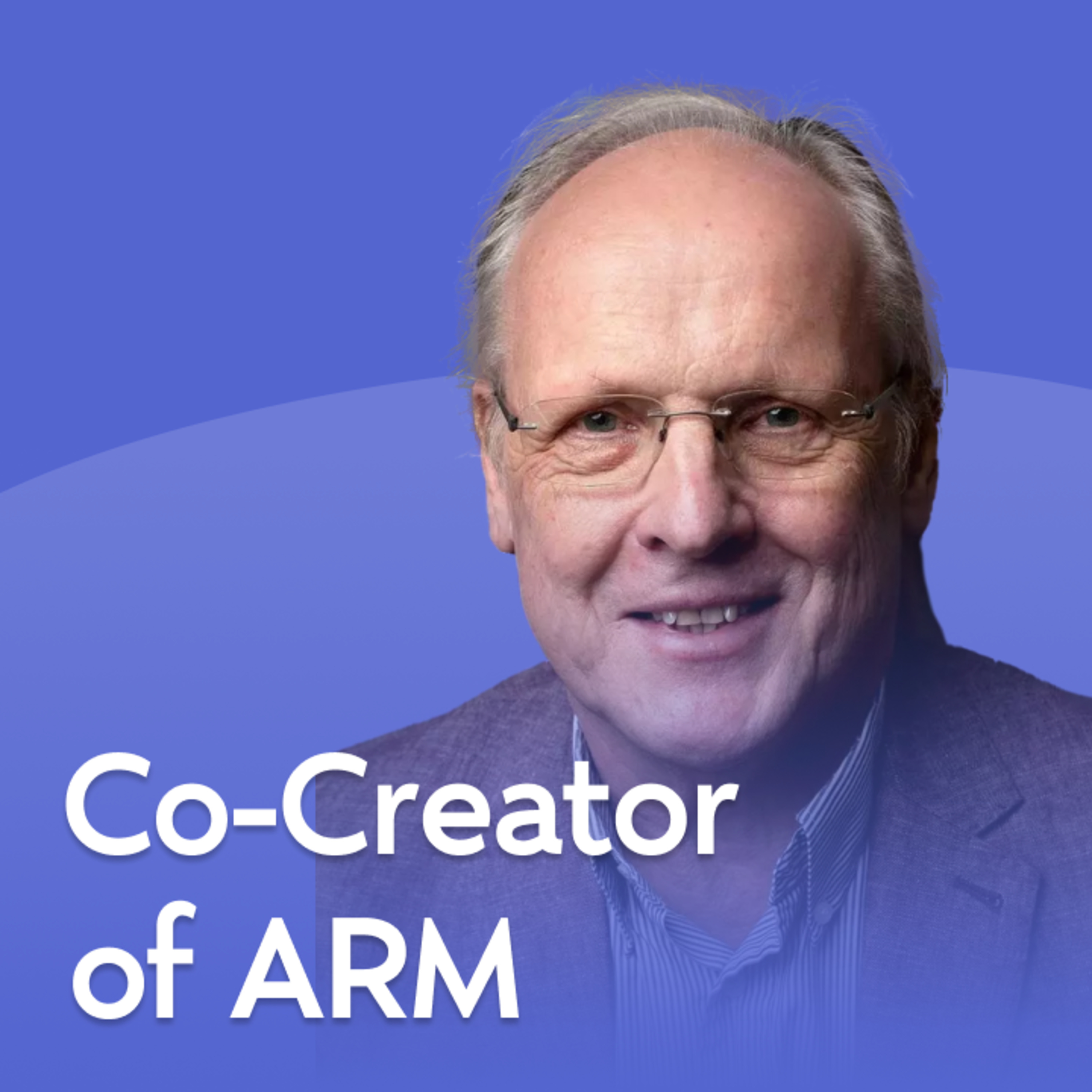
This episode has one of my favorite Steve Jobs stories in it told by the man who experienced it firsthand. If you take away just one thing from the episode I recommend you jump to that part
I interviewed Alan Kay (Turing Award winner) who pioneered personal computing at Xerox PARC. Aside from Steve Jobs stories, he also shared why Chinese food was the food of computing and played guitar in the episode
I actually used his guitar playing as part of the background music for the trailer as an homage to him. Hope you enjoy the episode!
• My ergonomic keyboard project I mentioned, you can follow along here: https://read.compose.llc/
• The Kickstarter page for it: https://www.kickstarter.com/projects/ryanlpeterman/compose-simple-ergonomics-beautifully-done
Podcast links:
• YouTube: https://www.youtube.com/watch?v=GR9i8o4FwGw
• Apple: https://podcasts.apple.com/us/podcast/the-peterman-pod/id1777363835
• Transcript: https://www.developing.dev/p/e076-alan-kay
Thank you to this episode's sponsors for supporting my work:
• WorkOS: makes your app Enterprise Ready with easy to use APIs to add SSO, SCIM, RBAC, and more in just a few lines of code, check them out at https://workos.com/
• Chargebee: billing and monetization infrastructure for the AI economy, so your pricing can evolve alongside your product, check them out at https://www.chargebee.com/
Timestamps:
(00:00) Intro
(00:43) Xerox Parc
(21:16) Research and Chinese food
(26:29) The first PC with a GUI
(30:17) Steve Jobs Xerox Parc visit
(38:11) Steve Jobs iPhone story
(41:50) Steve Jobs Pixar story
(47:38) Dijkstra
(50:06) LLMs LSD and Marijuana
(55:48) His top book recommendations
(01:01:25) Advice for young people
(01:04:39) Outro
Where to find Alan:
• LinkedIn: https://www.linkedin.com/in/alan-kay-12a627b
• Hacker News: https://news.ycombinator.com/user?id=alankay
• Quora: https://www.quora.com/profile/Alan-Kay-11
• Wikipedia: https://en.wikipedia.org/wiki/Alan_Kay
Where to find Ryan:
• Newsletter: https://www.developing.dev/
• X/Twitter: https://x.com/ryanlpeterman
• LinkedIn: https://www.linkedin.com/in/ryanlpeterman/
• Threads: https://www.threads.com/@ryanlpeterman
• Instagram: https://www.instagram.com/ryanlpeterman
• TikTok: https://www.tiktok.com/@ryanlpeterman
Referenced in this episode:
• The Dream Machine: https://stripe.press/book/the-dream-machine
• My Years with Xerox: The Billions Nobody Wanted: https://gwern.net/doc/technology/1971-dessauer-myyearswithxerox.pdf
• Chef Chu’s: https://www.chefchu.com/
• Doug Engelbart’s 1968 demo: https://www.dougengelbart.org/content/view/209/448/
• Ivan Sutherland’s Sketchpad thesis (1963): https://www.cl.cam.ac.uk/techreports/UCAM-CL-TR-574.pdf
• Microelectronics and the Personal Computer (Alan Kay, Scientific American, 1977): https://www.scientificamerican.com/article/microelectronics-and-the-personal-c/
• Steve Jobs unveiling the iPhone (2007): https://www.youtube.com/watch?v=vN4U5FqrOdQ
• A History of Western Philosophy: https://www.simonandschuster.net/books/History-of-Western-Philosophy/Bertrand-Russell/9780671201586
• Ivan Sutherland’s Technology and Courage: https://cseweb.ucsd.edu/~wgg/smli_ps-1.pdf
In 1984, two first-time chip designers, Steve Furber and Sophie Wilson, created what would become the most popular processor in the world (ARM). I interviewed Steve about how they did it with such a small team that had no formal training.
We also covered a bunch of questions about hardware design and his answers were so clear. I learned a lot and hope you enjoy the episode!
• My ergonomic keyboard project I mentioned, you can follow along here: https://read.compose.llc/
• The Kickstarter page for it: https://www.kickstarter.com/projects/ryanlpeterman/compose-simple-ergonomics-beautifully-done
Podcast links:
• YouTube: https://www.youtube.com/watch?v=3K9L0dRRzOs
• Apple: https://podcasts.apple.com/us/podcast/the-peterman-pod/id1777363835
• Transcript: https://www.developing.dev/p/e075-steve-furber
Thank you to this episode's sponsors for supporting my work:
• WorkOS: makes your app Enterprise Ready with easy to use APIs to add SSO, SCIM, RBAC, and more in just a few lines of code, check them out at https://workos.com/
• Chargebee: billing and monetization infrastructure for the AI economy, so your pricing can evolve alongside your product, check them out at https://www.chargebee.com/
Timestamps:
(00:00) Intro
(00:27) Building his first computer
(05:28) BBC Micro
(10:28) Designing the ARM processor
(17:15) Why their design was better
(23:38) Emulators and interpreters
(25:58) Instruction sets and microarchitecture
(31:08) How they learned chip design
(34:27) Why they were so successful
(39:57) America vs UK
(42:40) Why Acorn failed
(44:10) Neuromorphic computing
(48:52) Winning an IMO medal
(50:45) His most proud engineering
(51:46) Top technical book recommendation
(52:29) Advice for young people
(54:42) Outro
Where to find Steve:
• Personal website: https://personalpages.manchester.ac.uk/staff/steve.furber/
• University of Manchester research profile: https://research.manchester.ac.uk/en/persons/steve.furber/
• X: https://x.com/FurberSteve
• LinkedIn: https://www.linkedin.com/in/stevebfurber/
• GitHub: https://github.com/sfurber
• ORCID: https://orcid.org/0000-0002-6524-3367
• Google Scholar: https://scholar.google.com/citations?user=jLnsiBEAAAAJ
• Wikipedia: https://en.wikipedia.org/wiki/Steve_Furber
Where to find Ryan:
• Newsletter: https://www.developing.dev/
• X/Twitter: https://x.com/ryanlpeterman
• LinkedIn: https://www.linkedin.com/in/ryanlpeterman/
• Threads: https://www.threads.com/@ryanlpeterman
• Instagram: https://www.instagram.com/ryanlpeterman
• TikTok: https://www.tiktok.com/@ryanlpeterman
Referenced in this episode:
• Reduced Instruction Set Computer Architectures for VLSI: https://mitpress.mit.edu/9780262111034/reduced-instruction-set-computer-architectures-for-vlsi/
• Computer Architecture: A Quantitative Approach: https://shop.elsevier.com/books/computer-architecture/hennessy/978-0-443-15406-5
• Computer Organization and Design: The Hardware/Software Interface: https://shop.elsevier.com/books/computer-organization-and-design/patterson/978-0-08-050257-1
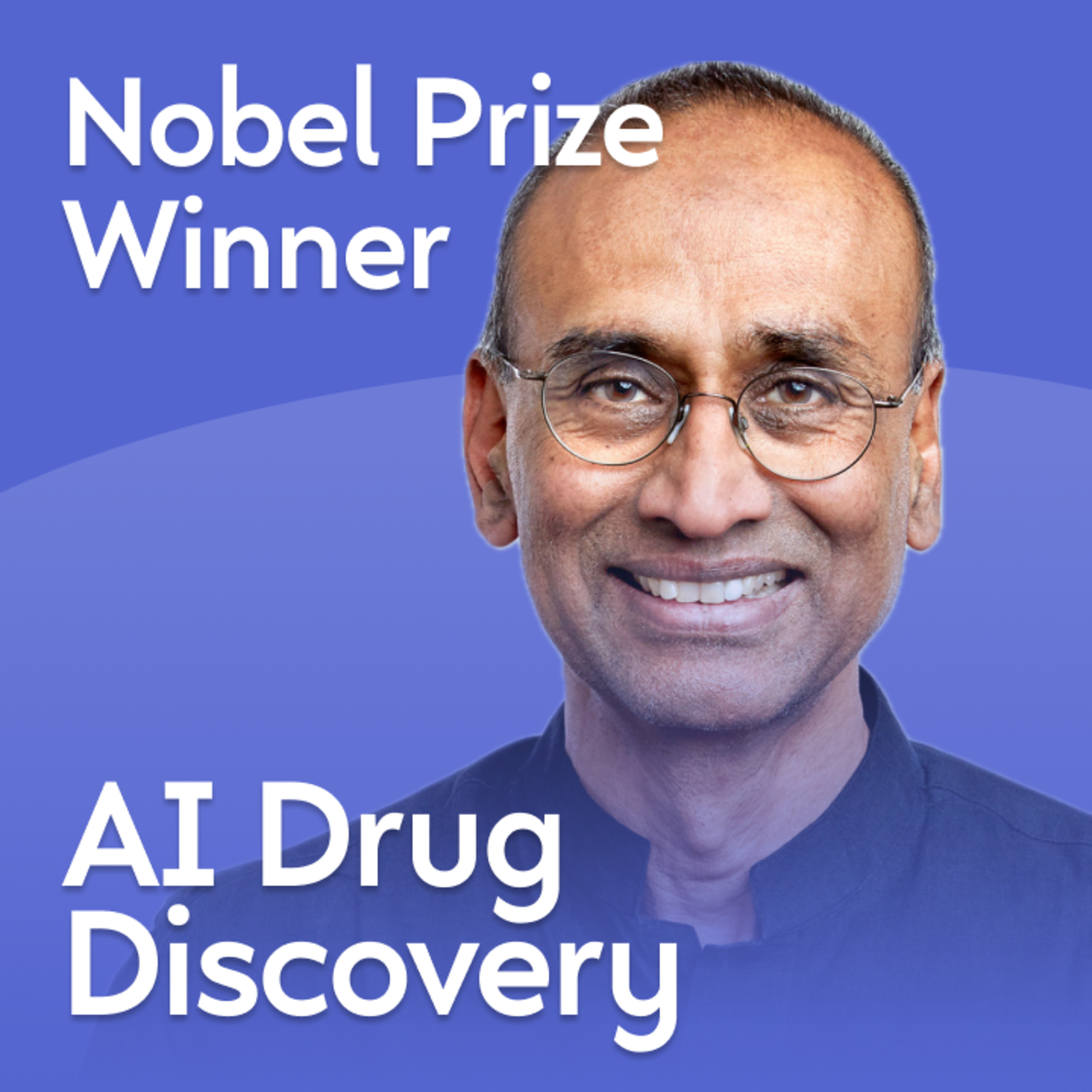
Venki Ramakrishnan (Molecular biologist, Nobel Prize): "The experimental part [of drug discovery] is always going to be the bottleneck."
Recent headlines about using AI to speed up drug discovery made me curious about what that looks like and where it is today. So I flew to the UK to interview Venki Ramakrishnan who is on the scientific advisory board of Demis Hassabis' Isomorphic Labs.
He has described himself as a "failed physicist" starting originally with a physics PhD who changed fields because he felt his work was incremental. After pivoting into molecular biology without a degree he discovered the field of work that eventually led to his Nobel prize.
So aside from drug discovery, I also asked him about how AI is impacting the field of biology, how biology compares to physics, and the politics behind the Nobel prize.
• My ergonomic keyboard project I mentioned, you can follow along here: https://read.compose.llc/
• The Kickstarter page for it: https://www.kickstarter.com/projects/ryanlpeterman/compose-simple-ergonomics-beautifully-done
Podcast links:
• YouTube: https://www.youtube.com/watch?v=-1q0zA21AkY
• Apple: https://podcasts.apple.com/us/podcast/the-peterman-pod/id1777363835
• Transcript: https://www.developing.dev/p/e074-venki-ramakrishnan
Thank you to this episode's sponsor for supporting my work:
• WorkOS: makes your app Enterprise Ready with easy to use APIs to add SSO, SCIM, RBAC, and more in just a few lines of code, check them out at https://workos.com/
Timestamps:
(00:00) Intro
(00:43) How drugs are designed
(04:54) Why drug testing remains difficult
(07:02) How AI will impact the field of biology
(10:35) Switching from physics to biology
(15:00) How to choose research problems that matter
(23:19) Did lacking a credential hurt his career
(26:50) Physics vs biology
(33:21) Why physicists succeed in other fields
(35:10) The politics of the Nobel Prize
(38:37) Top scientific book recommendations
(40:05) Advice for young people
(41:43) Outro
Where to find Venki:
• Personal website (MRC Laboratory of Molecular Biology): https://mrclmb.ac.uk/research-leaders/venki-ramakrishnan/
• Google Scholar: https://scholar.google.com/citations?hl=&user=oTI5BjIAAAAJ
• Royal Society: https://royalsociety.org/people/venki-ramakrishnan-12139/?page=43
• Nobel Prize: https://www.nobelprize.org/prizes/chemistry/2009/ramakrishnan/biographical/
• Wikipedia: https://en.wikipedia.org/wiki/Venki_Ramakrishnan
Where to find Ryan:
• Newsletter: https://www.developing.dev/
• X/Twitter: https://x.com/ryanlpeterman
• LinkedIn: https://www.linkedin.com/in/ryanlpeterman/
• Threads: https://www.threads.com/@ryanlpeterman
• Instagram: https://www.instagram.com/ryanlpeterman
• TikTok: https://www.tiktok.com/@ryanlpeterman
Referenced in this episode:
• Isomorphic Labs: https://www.isomorphiclabs.com/
• AlphaFold: https://deepmind.google/science/alphafold/
• AlphaGenome: https://deepmind.google/blog/alphagenome-ai-for-better-understanding-the-genome/
• Neutron-Scattering Studies of the Ribosome (Scientific American, 1976): https://www.scientificamerican.com/article/neutron-scattering-studies-of-the-r/
• Surely You're Joking, Mr. Feynman!: https://wwnorton.com/books/Surely-Youre-Joking-Mr-Feynman/
• The Double Helix: https://www.simonandschuster.com/books/The-Double-Helix/James-D-Watson/9780743216302
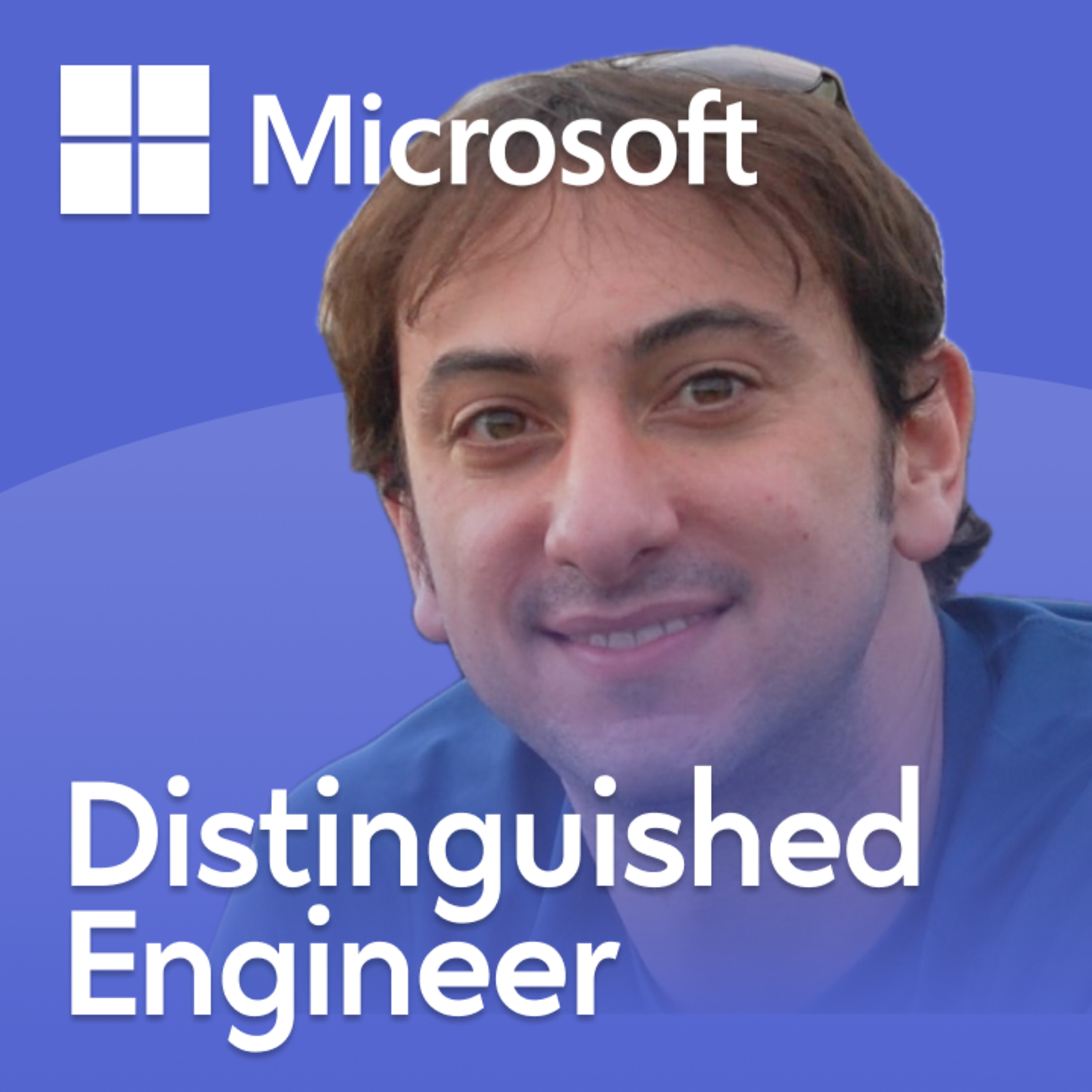
Stephen Toub is a Distinguished Engineer at Microsoft who single-handledly rewrote the GitHub Copilot runtime (400,000-line codebase) in Rust. We talked about why/how he did it, how Rust compared with other languages, and everything he learned in the process.
• My ergonomic keyboard project I mentioned, you can follow along here: https://read.compose.llc/
• The Kickstarter page for it: https://www.kickstarter.com/projects/ryanlpeterman/compose-simple-ergonomics-beautifully-done
Podcast links:
• YouTube: https://www.youtube.com/watch?v=PLMOVlZC4eU
• Apple: https://podcasts.apple.com/us/podcast/the-peterman-pod/id1777363835
• Transcript: https://www.developing.dev/p/e073-stephen-toub
Thank you to this episode's sponsor for supporting my work:
• WorkOS: makes your app Enterprise Ready with easy to use APIs to add SSO, SCIM, RBAC, and more in just a few lines of code, check them out at https://workos.com/
Timestamps:
(00:00) Intro
(01:06) Why the Copilot runtime needed a Rust port
(05:38) Why he chose Rust
(11:28) Discussing rollout strategies
(21:57) How he caught regressions
(32:08) Guiding the agents
(42:11) Catching regressions before prod
(45:16) Which models he used
(50:03) The end benefit and costs
(01:03:24) When to do a full rewrite
(01:06:40) Career learnings on the way to Distinguished
(01:16:00) Top technical book recommendation
(01:17:49) Advice for young engineers
(01:21:00) Outro
Where to find Stephen:
• GitHub: https://github.com/stephentoub
• X: https://twitter.com/stephentoub
• LinkedIn: https://www.linkedin.com/in/stephen-toub-75979745/
Where to find Ryan:
• Newsletter: https://www.developing.dev/
• X/Twitter: https://x.com/ryanlpeterman
• LinkedIn: https://www.linkedin.com/in/ryanlpeterman/
• Threads: https://www.threads.com/@ryanlpeterman
• Instagram: https://www.instagram.com/ryanlpeterman
• TikTok: https://www.tiktok.com/@ryanlpeterman
Referenced in this episode:
• Stephen Toub’s post on porting the GitHub Copilot runtime to Rust: https://github.blog/ai-and-ml/generative-ai/migrating-the-github-copilot-runtime-to-rust-using-copilot/
• Jarred Sumner’s post on porting Bun to Rust: https://bun.com/blog/bun-in-rust
• Code: The Hidden Language of Computer Hardware and Software: https://www.charlespetzold.com/code/index.html
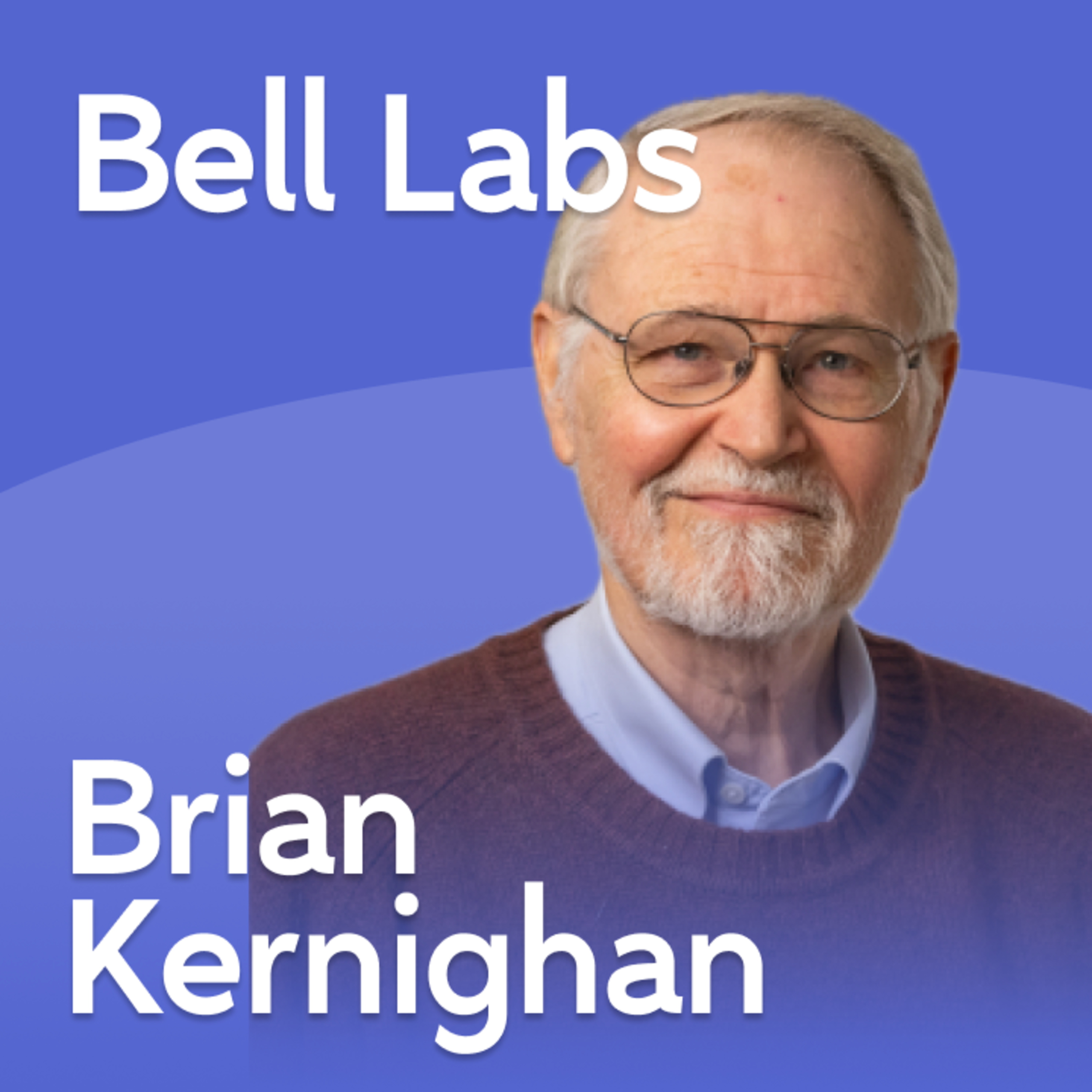
Brian Kernighan is a former Bell Labs member of technical staff, co-author of the original C book, and the one who popularized “Hello World.” We talked about what Bell Labs was like and the stories behind all the famous tools that were built there.
• My ergonomic keyboard project I mentioned, you can follow along here: https://read.compose.llc/
• The Kickstarter page for it: https://www.kickstarter.com/projects/ryanlpeterman/compose-simple-ergonomics-beautifully-done
Podcast links:
• YouTube: https://www.youtube.com/watch?v=sMllOlxVgD0
• Apple: https://podcasts.apple.com/us/podcast/the-peterman-pod/id1777363835
• Transcript: https://www.developing.dev/p/e072-brian-kernighan
Thank you to this episode's sponsor for supporting my work:
• WorkOS: makes your app Enterprise Ready with easy to use APIs to add SSO, SCIM, RBAC, and more in just a few lines of code, check them out at https://workos.com/
Timestamps:
(00:00) Intro
(00:42) What Bell Labs was and how he got hired
(06:34) Why so many inventions came from Bell Labs
(14:15) A day in the life at Bell Labs
(27:55) The most impressive people he worked with
(33:50) The AT&T film explaining Unix
(39:46) Why C was so influential
(43:25) How awk was created
(48:40) What he misses most about Bell Labs
(54:10) Are LLMs bad for computer science education
(01:01:46) His 1972 commit in the Go repo
(01:03:43) Grace Emlen, the fake Bell Labs employee
(01:07:39) Why he writes so many books
(01:19:58) His favorite and least favorite languages
(01:24:28) Advice for students and young people
(01:27:42) Outro
Where to find Brian:
• Personal website: https://www.cs.princeton.edu/~bwk/
• Princeton University faculty profile: https://www.cs.princeton.edu/people/profile/bwk
• Wikipedia: https://en.wikipedia.org/wiki/Brian_Kernighan
Where to find Ryan:
• Newsletter: https://www.developing.dev/
• X/Twitter: https://x.com/ryanlpeterman
• LinkedIn: https://www.linkedin.com/in/ryanlpeterman/
• Threads: https://www.threads.com/@ryanlpeterman
• Instagram: https://www.instagram.com/ryanlpeterman
• TikTok: https://www.tiktok.com/@ryanlpeterman
Referenced in this episode:
• UNIX: Making Computers Easier to Use: https://www.youtube.com/watch?v=XvDZLjaCJuw
• Brian Kernighan’s first Harvard CS50 lecture (1996): https://www.youtube.com/watch?v=6Ba1XFVy7qw
• A Beautiful Mind: https://www.universalpicturesathome.com/movies/a-beautiful-mind
• Shifts: Important Ideas in Computing: https://www.amazon.com/Shifts-Nine-Ideas-Revolutionized-Computing/dp/0262064294/
• Labscam (Penn & Teller at Bell Labs, 1989): https://www.nokia.com/bell-labs/about/dennis-m-ritchie/labscam.html
• Labscam video: https://www.youtube.com/watch?v=qnsmDNamd2g
• Understanding the Digital World (new edition): https://www.amazon.com/Understanding-Digital-World-Computers-Internet/dp/0691288879
This interview is with Paul Mockapetris, the creator of the internet's Domain Name System (DNS). I talked to him about the story behind building it and certain design choices he made.
• My ergonomic keyboard project I mentioned, you can follow along here: https://read.compose.llc/
• The Kickstarter page for it: https://www.kickstarter.com/projects/ryanlpeterman/compose-simple-ergonomics-beautifully-done
Podcast links:
• YouTube: https://www.youtube.com/watch?v=LT4iVeUoL18
• Apple: https://podcasts.apple.com/us/podcast/the-peterman-pod/id1777363835
• Transcript: https://www.developing.dev/p/e071-paul-mockapetris
Thank you to this episode's sponsor for supporting my work:
• WorkOS: makes your app Enterprise Ready with easy to use APIs to add SSO, SCIM, RBAC, and more in just a few lines of code, check them out at https://workos.com/
Timestamps:
(00:00) Intro
(00:40) What computing was like before DNS
(09:02) Why URLs are inverted
(16:33) How DNS works
(20:27) How he migrated the internet to DNS
(25:17) Why do companies host DNS servers
(33:17) What is an RFC
(35:07) How he got into computing
(46:39) Advice for his younger self
(52:56) Outro
Where to find Paul:
• Wikipedia: https://en.wikipedia.org/wiki/Paul_Mockapetris
Where to find Ryan:
• Newsletter: https://www.developing.dev/
• X/Twitter: https://x.com/ryanlpeterman
• LinkedIn: https://www.linkedin.com/in/ryanlpeterman/
• Threads: https://www.threads.com/@ryanlpeterman
• Instagram: https://www.instagram.com/ryanlpeterman
• TikTok: https://www.tiktok.com/@ryanlpeterman
Referenced in this episode:
• Original DNS RFC 882: https://www.rfc-editor.org/info/rfc882/
• Original DNS RFC 883: https://www.rfc-editor.org/info/rfc883/
Scott Aaronson is one of the world's leading quantum computing researchers and spent two years at OpenAI working on AI safety.
We talked about why he thinks the singularity has already begun for math, who gets credit when AI writes the proof, and whether intelligence will still matter once machines do the thinking.
• My ergonomic keyboard project I mentioned, you can follow along here: https://read.compose.llc/
• The Kickstarter page for it: https://www.kickstarter.com/projects/ryanlpeterman/compose-simple-ergonomics-beautifully-done
Podcast links:
• YouTube: https://www.youtube.com/watch?v=ORlscppGGh4
• Apple: https://podcasts.apple.com/us/podcast/the-peterman-pod/id1777363835
• Transcript: https://www.developing.dev/p/e070-scott-aaronson
Thank you to this episode's sponsor for supporting my work:
• WorkOS: makes your app Enterprise Ready with easy to use APIs to add SSO, SCIM, RBAC, and more in just a few lines of code, check them out at https://workos.com/
Timestamps:
(00:00) Intro
(00:34) Why he updated so hard on AI
(01:14) The people still denying AI progress
(03:53) The singularity has already begun for math
(08:30) Will human-driven math research survive
(13:12) Who gets credit for AI-written papers
(15:55) OpenAI's $15M Navier-Stokes proof
(19:20) What if AI proved P = NP
(23:07) Why AI is so good at finding counterexamples
(26:13) The goalposts keep moving
(28:52) Why AI disclosure matters in research
(32:59) The fake Monet experiment
(35:23) Why he blogs instead of getting rich
(39:45) Are AI labs racing too fast
(42:01) Will intelligence still matter
(47:12) Book recommendations
(52:27) Advice for students today
(57:23) Reacting live to a new AI result
(59:58) Outro
Where to find Scott:
• Personal website: https://www.scottaaronson.com/
• Blog — Shtetl-Optimized: https://scottaaronson.blog/
• Wikipedia: https://en.wikipedia.org/wiki/Scott_Aaronson
Where to find Ryan:
• Newsletter: https://www.developing.dev/
• X/Twitter: https://x.com/ryanlpeterman
• LinkedIn: https://www.linkedin.com/in/ryanlpeterman/
• Threads: https://www.threads.com/@ryanlpeterman
• Instagram: https://www.instagram.com/ryanlpeterman
• TikTok: https://www.tiktok.com/@ryanlpeterman
Referenced in this episode:
• OpenAI's Navier–Stokes Millennium Prize solution: https://cdn.openai.com/pdf/32d9f210-8b73-45e0-91bc-82a30aef8a9a/navier-stokes.pdf
• Rebecca Goldstein's The Mind-Body Problem: https://rebeccagoldstein.com/the-mind-body-problem-contemporary-american-fiction/
• Andrew Hodges's Alan Turing: The Enigma: https://www.turing.org.uk/book/
• The Man Who Knew Infinity: https://www.simonandschuster.com/books/The-Man-Who-Knew-Infinity/Robert-Kanigel/9781476763491
• The Adventures of Huckleberry Finn: https://www.gutenberg.org/ebooks/76
• Anthropic's subquadratic 3SUM result: https://arxiv.org/abs/2610.06783
In this episode, I asked Ethan Evans (ex-Amazon VP) questions about common situations in corporate politics but they get increasingly darker.
• My ergonomic keyboard project I mentioned, you can follow along here: https://read.compose.llc/
• The Kickstarter page for it: https://www.kickstarter.com/projects/ryanlpeterman/compose-simple-ergonomics-beautifully-done
Podcast links:
• YouTube: https://www.youtube.com/watch?v=KhjhRRz3VJw
• Apple: https://podcasts.apple.com/us/podcast/the-peterman-pod/id1777363835
• Transcript: https://www.developing.dev/p/e068-ethan-evans
Thank you to this episode's sponsor for supporting my work:
• WorkOS: makes your app Enterprise Ready with easy to use APIs to add SSO, SCIM, RBAC, and more in just a few lines of code, check them out at https://workos.com/
Timestamps:
(00:00) Intro
(00:42) How to receive credit for your work
(19:18) Ways for quiet people to get visibility
(21:32) How to be trusted for top projects
(29:52) How to defend from others taking your project
(36:13) How to reject bad projects
(44:10) How to be first for promo
(55:35) How to handle managers that dislike career growth talk
(01:06:30) What if your manager is in the way
(01:15:43) Did he ever have overly political reports
(01:28:06) How to fire a bad manager
(01:35:16) What gives you leverage
(01:43:41) How to defend against peers undermining you
(01:50:24) What if everyone is good at politics
(01:55:11) How Jeff Bezos burned him for empire building
(02:03:27) How to retain your headcount
(02:07:31) Career recommendations for the current landscape
(02:15:11) How to avoid negative layoff optics
(02:18:39) How to develop executive presence
(02:29:25) How to network in a natural way
(02:33:30) How to network with powerful people
(02:41:01) How to learn hidden incentives
(02:44:43) What happens behind the scenes with HR
(02:50:13) Did he burn people to get ahead
(02:53:24) What he says to people who hate politics
(02:59:03) Top book recommendations on power dynamics
(03:00:45) How he would speedrun career growth today
(03:06:56) Outro
Where to find Ethan:
• Personal website: https://www.ethanevans.com/
• Newsletter: https://levelupwithethanevans.substack.com/
• LinkedIn: https://www.linkedin.com/in/ethanevansvp/
• YouTube: https://www.youtube.com/@EthanEvansVP
• X/Twitter: https://x.com/EthanEvansVP
• Facebook: https://www.facebook.com/ethanevansvp
Where to find Ryan:
• Newsletter: https://www.developing.dev/
• X/Twitter: https://x.com/ryanlpeterman
• LinkedIn: https://www.linkedin.com/in/ryanlpeterman/
• Threads: https://www.threads.com/@ryanlpeterman
• Instagram: https://www.instagram.com/ryanlpeterman
• TikTok: https://www.tiktok.com/@ryanlpeterman
Referenced in this episode:
• Never Split the Difference: https://www.blackswanltd.com/never-split-the-difference
• Leadership and Self-Deception: https://arbinger.com/bookstore/leadership-and-self-deception
• The 48 Laws of Power: https://www.penguinrandomhouse.com/books/330912/the-48-laws-of-power-by-robert-greene/
Philip Su grew quickly to a Distinguished Engineer at Facebook and OpenAI. We talked about the psychology behind peaking in a tech career and the pressure at the highest levels.
• My ergonomic keyboard project I mentioned, you can follow along here: https://read.compose.llc/
• The Kickstarter page for it: https://www.kickstarter.com/projects/ryanlpeterman/compose-simple-ergonomics-beautifully-done
Podcast links:
• YouTube: https://www.youtube.com/watch?v=RMo04pSSiao
• Apple: https://podcasts.apple.com/us/podcast/the-peterman-pod/id1777363835
• Transcript: https://www.developing.dev/p/openai-and-meta-distinguished-eng
Thank you to this episode's sponsors for supporting my work:
• WorkOS: makes your app Enterprise Ready with easy to use APIs to add SSO, SCIM, RBAC, and more in just a few lines of code, check them out at https://workos.com/
• Jira by Atlassian: Get more work done with your favorite agents and models all in one place, check them out at https://jira.dev/
Timestamps:
(00:00) Intro
(00:37) Growth past IC9
(05:39) Motivation changes over his career
(11:36) Asking to not be promoted
(17:33) What made it hard to sustain IC9 performance
(22:22) What motivated him outside of promos
(26:21) Is career advice useless
(29:34) Motivation after you've hit FIRE
(36:08) Meaning and fulfillment
(38:17) Top book recommendation
(40:14) What he would change
(43:24) Outro
Where to find Philip:
• Substack newsletter: https://molochinations.substack.com/
• LinkedIn: https://www.linkedin.com/in/suphilip/
• X/Twitter: https://x.com/philipsu
Where to find Ryan:
• Newsletter: https://www.developing.dev/
• X/Twitter: https://x.com/ryanlpeterman
• LinkedIn: https://www.linkedin.com/in/ryanlpeterman/
• Threads: https://www.threads.com/@ryanlpeterman
• Instagram: https://www.instagram.com/ryanlpeterman
• TikTok: https://www.tiktok.com/@ryanlpeterman
Referenced in this episode:
• Four Thousand Weeks: Time Management for Mortals: https://us.macmillan.com/books/9780374715243/fourthousandweeks/
Casey Muratori is a video game developer and programming creator also known for his talks about the history of software and computing. We talked about surprising parts he found while digging through computer history, where bad code comes from, and his career story.
• My ergonomic keyboard project I mentioned, you can follow along here: https://read.compose.llc/
• The Kickstarter page for it: https://www.kickstarter.com/projects/ryanlpeterman/compose-simple-ergonomics-beautifully-done
Podcast links:
• YouTube: https://youtu.be/jHLbL1Eg4gM
• Apple: https://podcasts.apple.com/us/podcast/the-peterman-pod/id1777363835
• Transcript: https://www.developing.dev/p/casey-muratori-surprises-in-computer
Thank you to this episode's sponsors for supporting my work:
• Jira by Atlassian: Get more work done with your favorite agents and models all in one place, check them out at https://jira.dev/
• WorkOS: makes your app Enterprise Ready with easy to use APIs to add SSO, SCIM, RBAC, and more in just a few lines of code, check them out at https://workos.com/
Timestamps:
(00:00) Intro
(01:08) Digging into computer science history
(04:08) What shocked him
(16:23) Dijkstra was depressed
(26:17) The personal side of goto considered harmful
(35:09) The anatomy of a 35 year mistake
(50:12) Clean code horrible performance
(58:33) How to write high performance code
(01:01:18) Where bad code comes from
(01:06:37) Why design docs before code is a bad idea
(01:09:20) The only unbreakable law in software engineering
(01:15:57) How he got into programming
(01:21:16) Why he didnt work in big tech
(01:30:44) Should you work at a startup early on
(01:34:52) What video game engineering is like
(01:39:57) Why preventing recursion is reasonable
(01:43:24) Is vibe coding bad for the industry
(01:50:17) Technical reading recommendation
(01:54:27) Advice for his younger self
(01:56:54) Outro
Where to find Casey:
• Website: https://caseymuratori.com/
• Newsletter: https://www.computerenhance.com/
• X/Twitter: https://x.com/cmuratori
• GitHub: https://github.com/cmuratori
• YouTube: https://www.youtube.com/@MollyRocket
• Bluesky: https://bsky.app/profile/cmuratori.bsky.social
• Twitch: https://www.twitch.tv/molly_rocket
• Handmade Network: https://handmade.network/m/cmuratori
• Wikipedia: https://en.wikipedia.org/wiki/Casey_Muratori
Where to find Ryan:
• Newsletter: https://www.developing.dev/
• X/Twitter: https://x.com/ryanlpeterman
• LinkedIn: https://www.linkedin.com/in/ryanlpeterman/
• Threads: https://www.threads.com/@ryanlpeterman
• Instagram: https://www.instagram.com/ryanlpeterman
• TikTok: https://www.tiktok.com/@ryanlpeterman
Referenced in this episode:
• The Root of the Root of All Evil: https://computerenhance.com/theroot
• The Big OOPS: Anatomy of a 35-Year Mistake: https://www.youtube.com/watch?v=wo84LFzx5nI
• Edsger Dijkstra's "Notes on Structured Programming": https://www.cs.utexas.edu/~EWD/transcriptions/EWD02xx/EWD249/EWD249.html
• Donald Knuth's "Structured Programming with go to Statements": https://doi.org/10.1145/356635.356640
• Edsger Dijkstra's "Go To Statement Considered Harmful": https://www.cs.utexas.edu/~EWD/transcriptions/EWD02xx/EWD215.html
• Ivan Sutherland's Sketchpad thesis: https://www.cl.cam.ac.uk/techreports/UCAM-CL-TR-574.html
• Clean Code, Horrible Performance: https://www.computerenhance.com/p/clean-code-horrible-performance
• Where Does Bad Code Come From?: https://www.youtube.com/watch?v=7YpFGkG-u1w
• The Only Unbreakable Law: https://www.youtube.com/watch?v=5IUj1EZwpJY
• Dijkstra letter's reference: https://medium.com/@acidflask/this-guys-arrogance-takes-your-breath-away-5b903624ca5f#.1rdj838x6
Thariq Shihipar is an engineer on Anthropic’s Claude Code team I asked him how Anthropic makes the most out of the models for engineering and how the industry will change soon.
• My ergonomic keyboard project I mentioned, you can follow along here: https://read.compose.llc/
• The Kickstarter page for it: https://www.kickstarter.com/projects/ryanlpeterman/compose-simple-ergonomics-beautifully-done
Podcast links:
• YouTube: https://youtu.be/2Kch3tWMnw8
• Apple: https://podcasts.apple.com/us/podcast/the-peterman-pod/id1777363835
• Transcript: https://www.developing.dev/p/how-anthropic-builds-and-how-engineering
Thank you to this episode's sponsor for supporting my work:
• WorkOS: makes your app Enterprise Ready with easy to use APIs to add SSO, SCIM, RBAC, and more in just a few lines of code, check them out at https://workos.com/
Timestamps:
(00:00) Intro
(00:29) Onboarding at Anthropic
(02:53) Internal capabilities vs external perception
(06:16) Model vs Harness
(08:55) What percent of Anthropics changes are fully autonomous
(14:51) Computer use
(17:42) How to make the most out of your compute
(20:45) Loop engineering
(22:47) Where the industry will go soon
(26:02) Which model do Anthropic engineers use
(27:38) Is learning a particular model worth it
(30:56) Prompting tips for todays models
(35:04) How to get the models to do tasteful work
(39:00) How much of writing is done by AI at Anthropic
(45:36) Code ownership and maintenance at Anthropic
(52:04) How Anthropic prevents breakages
(55:24) Visibility and sharing your work
(58:42) Luck surface area example
(01:00:57) Should people still learn to code
(01:07:42) Advice for his younger self
(01:09:58) Outro
Where to find Thariq:
• X/Twitter: https://x.com/trq212
• LinkedIn: https://www.linkedin.com/in/thariqshihipar/
• Personal Website: https://www.thariq.io/
Where to find Ryan:
• Newsletter: https://www.developing.dev/
• X/Twitter: https://x.com/ryanlpeterman
• LinkedIn: https://www.linkedin.com/in/ryanlpeterman/
• Threads: https://www.threads.com/@ryanlpeterman
• Instagram: https://www.instagram.com/ryanlpeterman
• TikTok: https://www.tiktok.com/@ryanlpeterman
Referenced in this episode:
• Anthropic's post on removing 80% of Claude Code's system prompt: https://claude.com/blog/the-new-rules-of-context-engineering-for-claude-5-generation-models
Martin Odersky is the creator of Scala and I interviewed him to compare different languages designs (Rust vs Zig vs Python vs Scala) and how AI will impact programming languages.
• My ergonomic keyboard project I mentioned, you can follow along here: https://read.compose.llc/
• The Kickstarter page for it: https://www.kickstarter.com/projects/ryanlpeterman/compose-simple-ergonomics-beautifully-done
Podcast links:
• YouTube: https://youtu.be/LdN4sPWM-WY
• Apple: https://podcasts.apple.com/us/podcast/the-peterman-pod/id1777363835
• Transcript: https://www.developing.dev/p/creator-of-scala-comparing-languages?r=n49ky
Thank you to this episode's sponsors for supporting my work:
• WorkOS: makes your app Enterprise Ready with easy to use APIs to add SSO, SCIM, RBAC, and more in just a few lines of code, check them out at https://workos.com/
• Jira by Atlassian: Get more work done with your favorite agents and models all in one place, check them out at https://jira.dev/
Timestamps:
(00:00) Intro
(00:44) Why care about functional programming
(06:35) Why should people learn Scala
(09:26) Rust vs Scala
(12:42) Rust vs Zig
(15:45) Scala vs Python
(18:31) The programming languages that influenced him
(22:16) How running on the JVM works
(26:33) Why writing a compiler is hard
(29:19) Why Twitter adopted Scala early on
(31:00) How he believes AI will impact programming languages
(43:40) Will there be less engineers in ten years
(44:34) Top programming languages to learn to grow
(46:18) Top technical book recommendation
(46:51) Why he chose academia instead of industry
(48:28) Reflecting on Scala
(55:42) Advice for his younger self
(56:33) Outro
Where to find Martin:
• Wikipedia: https://en.wikipedia.org/wiki/Martin_Odersky
• Website: https://people.epfl.ch/martin.odersky
• X/Twitter: https://x.com/odersky
• GitHub: https://github.com/odersky
Where to find Ryan:
• Newsletter: https://www.developing.dev/
• X/Twitter: https://x.com/ryanlpeterman
• LinkedIn: https://www.linkedin.com/in/ryanlpeterman/
• Threads: https://www.threads.com/@ryanlpeterman
• Instagram: https://www.instagram.com/ryanlpeterman
• TikTok: https://www.tiktok.com/@ryanlpeterman
Referenced in this episode:
• Structure and Interpretation of Computer Programs: https://web.mit.edu/6.001/6.037/sicp.pdf
• A Brief, Incomplete, and Mostly Wrong History of Programming Languages (book): http://james-iry.blogspot.com/2009/05/brief-incomplete-and-mostly-wrong.html
Sergey Levine is one of the world's top robotics researchers and co-founder of Physical Intelligence. We talked about where humanoid robotics is today, thoughts on the Chinese robotics ecosystem, and his predictions for future timelines.
• My ergonomic keyboard project I mentioned, you can follow along here: https://read.compose.llc/
• The Kickstarter page for it: https://www.kickstarter.com/projects/ryanlpeterman/compose-simple-ergonomics-beautifully-done
Podcast links:
• YouTube: https://youtu.be/9OSbaPjv0Rc
• Apple: https://podcasts.apple.com/us/podcast/the-peterman-pod/id1777363835
• Transcript: https://www.developing.dev/p/sergey-levine-current-state-of-humanoid?r=n49ky
Thank you to this episode's sponsor for supporting my work:
• WorkOS: makes your app Enterprise Ready with easy to use APIs to add SSO, SCIM, RBAC, and more in just a few lines of code, check them out at https://workos.com/
Timestamps:
(00:00) Intro
(00:37) Where are we today
(04:20) Most surprising capabilities so far
(07:03) The most inspiring real world robotics
(08:36) If OpenAI or Anthropic got into robotics
(10:22) Chinese robotics
(13:15) Will one lab breakout from the rest
(16:59) Thoughts on a concrete roadmap
(21:03) Generalization and demonstrating it
(26:04) Types of data and which is best for robotics
(34:34) Why humanoid robotics differs from Waymo
(37:10) If humanoid robotics failed here is why
(39:55) Are there hot take modeling architectures in robotics
(42:05) Thoughts on AI safety in robotics
(46:44) Top robotics research paper recommendation
(49:35) Why is Boston Dynamics less top of mind
(53:47) Advice for his younger self
(56:42) Outro
Where to find Sergey:
• Google Scholar: https://scholar.google.com/citations?user=8R35rCwAAAAJ&hl=en
• Website: https://people.eecs.berkeley.edu/~svlevine/
• Wikipedia: https://en.wikipedia.org/wiki/Sergey_Levine
• X/Twitter: https://x.com/svlevine?lang=en
• LinkedIn: https://www.linkedin.com/in/sergey-levine-5a31a24/
Where to find Ryan:
• Newsletter: https://www.developing.dev/
• X/Twitter: https://x.com/ryanlpeterman
• LinkedIn: https://www.linkedin.com/in/ryanlpeterman/
• Threads: https://www.threads.com/@ryanlpeterman
• Instagram: https://www.instagram.com/ryanlpeterman
• TikTok: https://www.tiktok.com/@ryanlpeterman
Referenced in this episode:
• Learning Fine-Grained Bimanual Manipulation with Low-Cost Hardware (ALOHA / ACT paper): https://arxiv.org/abs/2304.13705
• Emergence of Human to Robot Transfer in Vision-Language-Action Models: https://arxiv.org/abs/2512.22414
• Summary of human to robot paper: https://www.pi.website/research/human_to_robot
Anders Hejlsberg is the creator of TypeScript and C#, and I asked him about how the TypeScript compiler got 10x faster through a rewrite in Go and his thoughts on how AI has impacted software engineering.
• My ergonomic keyboard project I mentioned, you can follow along here: https://read.compose.llc/
• The Kickstarter page for it: https://www.kickstarter.com/projects/ryanlpeterman/compose-simple-ergonomics-beautifully-done
Podcast links:
• YouTube: https://www.youtube.com/watch?v=cywK3XYYJ2o
• Apple: https://podcasts.apple.com/us/podcast/the-peterman-pod/id1777363835
• Transcript: https://www.developing.dev/p/creator-of-typescript-10x-faster
Thank you to this episode's sponsors for supporting my work:
• WorkOS: makes your app Enterprise Ready with easy to use APIs to add SSO, SCIM, RBAC, and more in just a few lines of code, check them out at https://workos.com/
• Jira by Atlassian: Get more work done with your favorite agents and models all in one place, check them out at https://jira.dev/
Timestamps:
(00:00) Intro
(00:48) Why write a compiler in JavaScript
(07:29) Why rewrite the compiler in Go
(14:49) LLMs for large migrations
(20:12) Why Javascript is so popular
(26:32) Why ever use Javascript on the backend
(32:59) What it takes to build a programming language
(37:06) Will there be fewer languages in 10 years
(42:57) Hands on engineering vs delegation
(49:14) Why fast tooling matters more now
(51:16) AI software engineering predictions
(58:52) The most technically challenging work
(01:02:04) Top book recommendation
(01:03:50) Advice for his younger self
(01:05:00) Outro
Where to find Anders:
• GitHub: https://github.com/ahejlsberg
• X/Twitter: https://x.com/ahejlsberg
• Wikipedia: https://en.wikipedia.org/wiki/Anders_Hejlsberg
• LinkedIn: https://www.linkedin.com/in/ahejlsberg/
Where to find Ryan:
• Newsletter: https://www.developing.dev/
• X/Twitter: https://x.com/ryanlpeterman
• LinkedIn: https://www.linkedin.com/in/ryanlpeterman/
• Threads: https://www.threads.com/@ryanlpeterman
• Instagram: https://www.instagram.com/ryanlpeterman
• TikTok: https://www.tiktok.com/@ryanlpeterman
Referenced in this episode:
• Flow type checker repository: https://github.com/facebook/flow
• TypeScript compiler repository: https://github.com/microsoft/TypeScript
• Algorithms + Data Structures = Programs (book): https://en.wikipedia.org/wiki/Algorithms_%2B_Data_Structures_%3D_Programs
• TypeScript native rewrite: https://devblogs.microsoft.com/typescript/announcing-typescript-7-0/
Leonardo de Moura is the creator of Lean and the Z3 theorem prover. I talked with him about how Lean works and why LLMs plus Lean will fundamentally change how we write software and do math.
• My ergonomic keyboard project I mentioned, you can follow along here: https://read.compose.llc/
• The Kickstarter page for it: https://www.kickstarter.com/projects/ryanlpeterman/compose-simple-ergonomics-beautifully-done
Podcast links:
• YouTube: https://youtu.be/KzdYKeAqWhY
• Apple: https://podcasts.apple.com/us/podcast/the-peterman-pod/id1777363835
• Transcript: https://www.developing.dev/p/creator-of-lean-the-end-of-handwritten
Thank you to this episode's sponsor for supporting my work:
• WorkOS: makes your app Enterprise Ready with easy to use APIs to add SSO, SCIM, RBAC, and more in just a few lines of code, check them out at https://workos.com/
Timestamps:
(00:00) Intro
(00:28) How formal verification works
(05:21) A new way of writing software
(13:15) Proof assistants vs programming languages
(21:06) How Lean has assisted in mathematical breakthroughs
(32:03) When is it worth formalizing software
(33:29) How Lean will impact handwritten math
(38:55) The Z3 theorem prover project he started
(45:44) The most technically challenging work of his career
(51:10) Lean vs its competitors
(01:00:37) The future of Lean
(01:04:10) Technical book recommendations
(01:06:15) Advice for his younger self
(01:07:10) Outro
Where to find Leonardo:
• Wikipedia: https://en.wikipedia.org/wiki/Leonardo_de_Moura
• Website: https://leodemoura.github.io/
• GitHub: https://github.com/leodemoura
• LinkedIn: https://www.linkedin.com/in/leonardo-de-moura-26a27b5/
• X/Twitter: https://x.com/Leonard41111588
Where to find Ryan:
• Newsletter: https://www.developing.dev/
• X/Twitter: https://x.com/ryanlpeterman
• LinkedIn: https://www.linkedin.com/in/ryanlpeterman/
• Threads: https://www.threads.com/@ryanlpeterman
• Instagram: https://www.instagram.com/ryanlpeterman
• TikTok: https://www.tiktok.com/@ryanlpeterman
Referenced in this episode:
• Lean 4: https://github.com/leanprover/lean4
• Mathlib: Lean Mathematical Library: https://github.com/leanprover-community/mathlib4
• Lean4Lean: https://github.com/digama0/lean4lean
• Liquid Tensor Experiment: https://xenaproject.wordpress.com/2020/12/05/liquid-tensor-experiment/
• Veil protocol verification language: https://veil.dev/
• Z3 theorem prover: https://github.com/Z3Prover/z3
• seL4 formally verified microkernel: https://github.com/seL4/seL4
Roberto Ierusalimschy is the creator of the Lua programming language. I interviewed him about Lua's unique strengths, programming language design and predictions for how AI will impact programming languages.
• My ergonomic keyboard project I mentioned, you can follow along here: https://read.compose.llc/
• The Kickstarter page for it: https://www.kickstarter.com/projects/ryanlpeterman/compose-simple-ergonomics-beautifully-done
Podcast links:
• YouTube: https://youtu.be/jCZnFKk6M9A
• Apple: https://podcasts.apple.com/us/podcast/the-peterman-pod/id1777363835
• Transcript: https://www.developing.dev/p/creator-of-lua-scripting-programming
Thank you to this episode's sponsor for supporting my work:
• WorkOS: makes your app Enterprise Ready with easy to use APIs to add SSO, SCIM, RBAC, and more in just a few lines of code, check them out at https://workos.com/
Timestamps:
(00:00) Intro
(00:43) What sets Lua apart
(08:35) Comparing Lua with Python
(13:04) Top book recommendation on language design
(14:20) How JIT works and why it is hard
(23:21) Compiling Python and interpreting C
(30:31) How cross language calls work
(36:58) Lua unique design decisions
(51:17) Predictions for AIs impact on languages
(01:00:10) Top 3 languages to learn to become a better engineer
(01:03:21) Advice for his younger self
(01:04:19) Outro
Where to find Roberto:
• Website: https://www.inf.puc-rio.br/~roberto/
• Wikipedia: https://en.wikipedia.org/wiki/Roberto_Ierusalimschy
Where to find Ryan:
• Newsletter: https://www.developing.dev/
• X/Twitter: https://x.com/ryanlpeterman
• LinkedIn: https://www.linkedin.com/in/ryanlpeterman/
• Threads: https://www.threads.com/@ryanlpeterman
• Instagram: https://www.instagram.com/ryanlpeterman
• TikTok: https://www.tiktok.com/@ryanlpeterman
Referenced in this episode:
• The Evolution of Lua: https://www.lua.org/doc/hopl.pdf
• LuaJIT: https://luajit.org/
• How much does it cost: https://www.youtube.com/watch?v=EUvgoxBm7uc
• JavaScript: The Good Parts (not an affiliate link): https://www.amazon.com/dp/0596517742
Judea Pearl is a Turing Award winner and a pioneer in artificial intelligence and causal reasoning. We talked about how he got into science, his major breakthroughs and his predictions for AI today.
• My ergonomic keyboard project I mentioned, you can follow along here: https://read.compose.llc/
• The Kickstarter page for it: https://www.kickstarter.com/projects/ryanlpeterman/compose-simple-ergonomics-beautifully-done
Podcast links:
• YouTube: https://youtu.be/FleTXB1fAcQ
• Apple: https://podcasts.apple.com/us/podcast/the-peterman-pod/id1777363835
• Transcript: https://www.developing.dev/p/turing-award-winner-early-ai-llm
Thank you to this episode's sponsor for supporting my work:
• WorkOS: makes your app Enterprise Ready with easy to use APIs to add SSO, SCIM, RBAC, and more in just a few lines of code, check them out at https://workos.com/
Timestamps:
(00:00) Intro
(00:54) How he got into AI
(11:17) Greatest scientist of all time
(20:15) What people thought of AI in the 80s
(26:23) Entering academia and researching AI
(34:52) The invention of Bayesian networks
(46:28) Pioneering work in causality
(55:38) The causal hierarchy
(59:34) LLMs and predictions
(01:20:12) A restless mind pays
(01:24:36) Advice for his younger self
(01:26:37) Outro
Where to find Judea:
• X/Twitter: https://twitter.com/yudapearl
• Website: https://bayes.cs.ucla.edu/jp_home.html
• Wikipedia: https://en.wikipedia.org/wiki/Judea_Pearl
Where to find Ryan:
• Newsletter: https://www.developing.dev/
• X/Twitter: https://x.com/ryanlpeterman
• LinkedIn: https://www.linkedin.com/in/ryanlpeterman/
• Threads: https://www.threads.com/@ryanlpeterman
• Instagram: https://www.instagram.com/ryanlpeterman
• TikTok: https://www.tiktok.com/@ryanlpeterman
Referenced in this episode:
• The Book of Why: https://en.wikipedia.org/wiki/The_Book_of_Why
• Bayesian networks: https://en.wikipedia.org/wiki/Bayesian_network
• Alpha-beta pruning: https://en.wikipedia.org/wiki/Alpha%E2%80%93beta_pruning
• Pearl vortex: https://en.wikipedia.org/wiki/Pearl_vortex
• Graphoid: https://en.wikipedia.org/wiki/Graphoid
• Causality: Models, Reasoning, and Inference: https://en.wikipedia.org/wiki/Causality_(book)
• Coexistence and Other Fighting Words: Selected Writings of Judea Pearl, 2002–2025: https://bayes.cs.ucla.edu/COEXISTENCE/
Xavier Leroy (creator of OCaml) is an expert in compilers, formal verification of software and functional programming. This interview should be an approachable resource if you're curious about formal verification of software since I was learning that on the fly during it.
• My ergonomic keyboard project I mentioned, you can follow along here: https://read.compose.llc/
• The Kickstarter page for it: https://www.kickstarter.com/projects/ryanlpeterman/compose-simple-ergonomics-beautifully-done
Podcast links:
• YouTube: https://youtu.be/9Cswiqrq6So
• Apple: https://podcasts.apple.com/us/podcast/the-peterman-pod/id1777363835
• Transcript: https://www.developing.dev/p/creator-of-ocaml-functional-programming
Thank you to this episode's sponsor for supporting my work:
• WorkOS: makes your app Enterprise Ready with easy to use APIs to add SSO, SCIM, RBAC, and more in just a few lines of code, check them out at https://workos.com/
Timestamps:
(00:00) Intro
(00:43) What sets OCaml apart
(04:39) OCaml vs Rust
(07:57) Why is manual memory management more performant
(11:21) Javascript vs OCaml
(14:00) Famous Rob Pike quote
(16:05) Type inference and how it works
(22:12) What is formal verification and how does it work
(40:07) What made multicore support difficult for OCaml
(50:17) How programming languages interface and call each other
(57:41) The danger of almost-correct LLM code
(01:05:39) How LLMs will change programming languages
(01:10:26) Industry vs academia
(01:15:05) Most interesting unsolved problems
(01:18:30) Top book recommendations for engineers
(01:21:17) Advice for his younger self
(01:23:31) Outro
Where to find Xavier:
• Wikipedia: https://en.wikipedia.org/wiki/Xavier_Leroy
• Website: https://xavierleroy.org/
Where to find Ryan:
• Newsletter: https://www.developing.dev/
• X/Twitter: https://x.com/ryanlpeterman
• LinkedIn: https://www.linkedin.com/in/ryanlpeterman/
• Threads: https://www.threads.com/@ryanlpeterman
• Instagram: https://www.instagram.com/ryanlpeterman
• TikTok: https://www.tiktok.com/@ryanlpeterman
Referenced in this episode:
• CompCert verified C compiler: https://compcert.org/
• seL4 microkernel: https://sel4.systems/
• Programming Pearls (book, not an affiliate link): https://www.amazon.com/dp/0201657880
• How to Design Programs (book): https://htdp.org/
David Patterson is a Turing Award winner famous for his contributions to computer architecture. I interviewed him about his past work, thoughts on GPU/TPUs and career advice from half a century of experience.
• My ergonomic keyboard project I mentioned, you can follow along here: https://read.compose.llc/
• The Kickstarter page for it: https://www.kickstarter.com/projects/ryanlpeterman/compose-simple-ergonomics-beautifully-done
Podcast links:
• YouTube: https://youtu.be/Pn4ZwlEh5nw
• Apple: https://podcasts.apple.com/us/podcast/the-peterman-pod/id1777363835
• Transcript: https://www.developing.dev/p/turing-award-winner-tpu-vs-gpu-vs?r=n49ky
Timestamps:
(00:00) Intro
(00:42) RISC vs CISC
(12:51) Compilers
(17:38) GPUs
(23:07) GPU vs TPU vs CPU
(32:12) Is Moores law dead?
(38:04) GPU benchmarks
(41:40) How to have a bad career
(49:59) Courage and optimism
(55:56) Advice for his younger self
(58:15) Outro
Where to find David:
• Wikipedia: https://en.wikipedia.org/wiki/David_Patterson_(computer_scientist)
Where to find Ryan:
• Newsletter: https://www.developing.dev/
• X/Twitter: https://x.com/ryanlpeterman
• LinkedIn: https://www.linkedin.com/in/ryanlpeterman/
• Threads: https://www.threads.com/@ryanlpeterman
• Instagram: https://www.instagram.com/ryanlpeterman
• TikTok: https://www.tiktok.com/@ryanlpeterman
Referenced in this episode:
• AlexNet paper: https://proceedings.neurips.cc/paper_files/paper/2012/file/c399862d3b9d6b76c8436e924a68c45b-Paper.pdf
• David Patterson's “How to Have a Bad Career” talk: https://www.youtube.com/watch?v=Rn1w4MRHIhc
• “Life Lessons from the First Half-Century of My Career”: https://cacm.acm.org/opinion/life-lessons-from-the-first-half-century-of-my-career/
• The 7 Habits of Highly Effective People (book): https://en.wikipedia.org/wiki/The_7_Habits_of_Highly_Effective_People
• Working (book): https://en.wikipedia.org/wiki/Working_(Terkel_book)
Martin Hellman is a Turing Award winner who helped to invent public-key cryptography against the NSA's wishes. I interviewed him all about his work and why it broke the law at the time.
• My ergonomic keyboard project I mentioned, you can follow along here: https://read.compose.llc/
• The Kickstarter page for it: https://www.kickstarter.com/projects/ryanlpeterman/compose-simple-ergonomics-beautifully-done
Podcast links:
• YouTube: https://youtu.be/AZLOETBCQM4
• Apple: https://podcasts.apple.com/us/podcast/the-peterman-pod/id1777363835
• Transcript: https://www.developing.dev/p/turing-award-winner-nsa-public-key
Thank you to this episode's sponsor for supporting my work:
• WorkOS: makes your app Enterprise Ready with easy to use APIs to add SSO, SCIM, RBAC, and more in just a few lines of code, check them out at https://workos.com/
Timestamps:
(00:00) Intro
(00:34) Why his work broke the law
(08:39) How people did encryption before
(18:51) The crypto wars
(26:22) The story behind Diffie Hellman key exchange
(36:48) Signatures vs key exchange
(43:05) RSA patent wars
(48:08) Why inventions happen at similar times
(50:29) What he worked on after cryptography
(57:31) His thoughts on death
(59:40) Advice for his younger self
(01:00:45) Outro
Where to find Martin:
• Wikipedia: https://en.wikipedia.org/wiki/Martin_Hellman
• Website: https://ee.stanford.edu/~hellman/
Where to find Ryan:
• Newsletter: https://www.developing.dev/
• X/Twitter: https://x.com/ryanlpeterman
• LinkedIn: https://www.linkedin.com/in/ryanlpeterman/
• Threads: https://www.threads.com/@ryanlpeterman
• Instagram: https://www.instagram.com/ryanlpeterman
• TikTok: https://www.tiktok.com/@ryanlpeterman
Referenced in this episode:
• Martin Hellman's “The Evolution of Public Key Cryptography”: https://www.youtube.com/watch?v=Tev3tVzH91s
• Keys Under Doormats: https://cacm.acm.org/opinion/keys-under-doormats/
• Cryptography's Role in Securing the Information Society (CRISIS report): https://nap.nationalacademies.org/catalog/5131/cryptographys-role-in-securing-the-information-society
• Secure Communications Over Insecure Channels: https://doi.org/10.1145/359460.359473
• New Directions in Cryptography: https://doi.org/10.1109/TIT.1976.1055638
Ryan Williams is a professor at MIT and the winner of the Gödel Prize in theoretical computer science. I interviewed him all about his work starting by asking him a popular Leetcode question (3 SUM).
Correction: In this podcast I say "lower bound" when I mean "upper bound" and vice versa. Was speaking using the intuition that lower is better for running time. In reality, the accurate usage is:
"Lower bound" = A proven floor for a problem e.g. "no algorithm can possibly be faster"
"Upper bound" = A proven ceiling for a specific solution e.g. "there exists an algorithm this fast"
Professor Williams answers as if I spoke accurately so the error didn't impact the flow of conversation. Just a correction for the record
• My ergonomic keyboard project I mentioned, you can follow along here: https://read.compose.llc/
• The Kickstarter page for it: https://www.kickstarter.com/projects/ryanlpeterman/compose-simple-ergonomics-beautifully-done
Podcast links:
• YouTube: https://youtu.be/AaK1SL2i_4Y
• Apple: https://podcasts.apple.com/us/podcast/the-peterman-pod/id1777363835
• Transcript: https://www.developing.dev/p/mit-complexity-theorist-on-leetcode
Thank you to this episode's sponsor for supporting my work:
• WorkOS: makes your app Enterprise Ready with easy to use APIs to add SSO, SCIM, RBAC, and more in just a few lines of code, check them out at https://workos.com/
Timestamps:
(00:00) Intro
(00:41) Asking him a popular Leetcode question
(03:54) Doing better than the popular optimal solution
(08:26) Fine grained complexity
(17:00) A severe strengthening of P vs NP
(24:38) SAT problems and solvers
(34:51) Hot takes on famous open questions
(46:57) Simulating space with time
(01:01:02) Why he solves hard problems
(01:02:35) How to pick good research direction
(01:07:14) Technical book recommendations
(01:08:31) Advice for his younger self
(01:11:56) Outro
Where to find Ryan:
• Wikipedia: https://en.wikipedia.org/wiki/Ryan_Williams_(computer_scientist)
• Website: https://people.csail.mit.edu/rrw/
• LinkedIn: https://www.linkedin.com/in/r-ryan-williams-a1b534a/
• X/Twitter: https://twitter.com/rrwilliams
Where to find Ryan:
• Newsletter: https://www.developing.dev/
• X/Twitter: https://x.com/ryanlpeterman
• LinkedIn: https://www.linkedin.com/in/ryanlpeterman/
• Threads: https://www.threads.com/@ryanlpeterman
• Instagram: https://www.instagram.com/ryanlpeterman
• TikTok: https://www.tiktok.com/@ryanlpeterman
Referenced in this episode:
• Some Estimated Likelihoods for Computational Complexity: https://people.csail.mit.edu/rrw/likelihoods.pdf
• Simulating Time with Square-Root Space: https://arxiv.org/abs/2502.17779
• Cook and Mertz's tree evaluation paper: https://dl.acm.org/doi/10.1145/3618260.3649664
Charlie Marsh is the founder of Astral, the Python devtool startup that was acquired by OpenAI. I inteviewed him about how software engineering is changing and learnings from starting his own company as an engineer.
• My ergonomic keyboard project I mentioned, you can follow along here: https://read.compose.llc/
• The Kickstarter page for it: https://www.kickstarter.com/projects/ryanlpeterman/compose-simple-ergonomics-beautifully-done
Podcast links:
• YouTube: https://youtu.be/Iw65FD4MGgs
• Apple: https://podcasts.apple.com/us/podcast/the-peterman-pod/id1777363835
• Transcript: https://www.developing.dev/p/openai-eng-and-dev-tools-founder
Thank you to this episode's sponsor for supporting my work:
• WorkOS: makes your app Enterprise Ready with easy to use APIs to add SSO, SCIM, RBAC, and more in just a few lines of code, check them out at https://workos.com/
Timestamps:
(00:00) Intro
(00:40) Origin story
(06:04) The front page of Hacker News
(14:35) Why he chose Rust
(20:10) Full codebase migration from Zig to Rust
(28:40) LLM generated code and open source
(35:34) Performance optimizations
(44:54) Optimization with AI and combating slop
(01:02:08) Learnings as an eng starting a company
(01:17:55) Top technical talk recommendation
(01:18:56) Advice for his younger self
(01:22:00) Outro
Where to find Charlie:
• LinkedIn: https://www.linkedin.com/in/marshcharles/
• GitHub: https://github.com/charliermarsh
• X/Twitter: https://x.com/charliermarsh
Where to find Ryan:
• Newsletter: https://www.developing.dev/
• X/Twitter: https://x.com/ryanlpeterman
• LinkedIn: https://www.linkedin.com/in/ryanlpeterman/
• Threads: https://www.threads.com/@ryanlpeterman
• Instagram: https://www.instagram.com/ryanlpeterman
• TikTok: https://www.tiktok.com/@ryanlpeterman
Referenced in this episode:
• Python tooling could be much, much faster: https://notes.crmarsh.com/python-tooling-could-be-much-much-faster
• The coolest PR he's ever seen: https://github.com/astral-sh/uv/pull/789
• Andrew Kelley’s data-oriented design talk: https://www.youtube.com/watch?v=IroPQ150F6c
• Ruff: https://github.com/astral-sh/ruff
• uv: https://github.com/astral-sh/uv
• ty: https://github.com/astral-sh/ty
• Salsa: https://github.com/salsa-rs/salsa
Vlad Feinberg is Google DeepMind’s pre-training area lead and I asked him all about how to land a job at a frontier lab like Google DeepMind, Anthropic or OpenAI.
• My ergonomic keyboard project I mentioned, you can follow along here: https://read.compose.llc/
• The Kickstarter page for it: https://www.kickstarter.com/projects/ryanlpeterman/compose-simple-ergonomics-beautifully-done
Podcast links:
• YouTube: https://youtu.be/cDyi91onoJ8
• Apple: https://podcasts.apple.com/us/podcast/the-peterman-pod/id1777363835
• Transcript: https://www.developing.dev/p/google-deepmind-pre-training-lead
Thank you to this episode's sponsor for supporting my work:
• WorkOS: makes your app Enterprise Ready with easy to use APIs to add SSO, SCIM, RBAC, and more in just a few lines of code, check them out at https://workos.com/
Timestamps:
(00:00) Intro
(00:33) Skills frontier labs need
(08:45) The difference between AI research and engineering
(21:41) Domains that matter for the frontier
(30:50) Marketing yourself to frontier labs
(35:13) Concrete steps engineers can take
(38:29) Overview of pre-training areas
(47:23) Jeff Dean spot bonus story
(50:14) Favorite Gemini war story
(58:59) Advice for his younger self
(01:03:07) Outro
Where to find Vlad:
• Personal Website: https://vladfeinberg.com/
• Twitter/X: https://x.com/FeinbergVlad
• LinkedIn: https://www.linkedin.com/in/vladimirfeinberg/
Where to find Ryan:
• Newsletter: https://www.developing.dev/
• X/Twitter: https://x.com/ryanlpeterman
• LinkedIn: https://www.linkedin.com/in/ryanlpeterman/
• Threads: https://www.threads.com/@ryanlpeterman
• Instagram: https://www.instagram.com/ryanlpeterman
• TikTok: https://www.tiktok.com/@ryanlpeterman
Referenced in this episode:
• How to Land a Job at a Frontier Lab: https://vladfeinberg.com/2026/05/10/how-to-land-a-job-at-a-frontier-lab.html
• ThunderKittens: https://github.com/HazyResearch/ThunderKittens
• Deedy's doomer Tweet: https://x.com/FeinbergVlad/status/2056383124829872466?s=20
• Jacob Steinhardt's "Research as a Stochastic Decision Process": https://cs.stanford.edu/~jsteinhardt/ResearchasaStochasticDecisionProcess.html
• The Scaling Book: https://jax-ml.github.io/scaling-book/
• Dwarkesh and Reiner's video: https://www.youtube.com/watch?v=xmkSf5IS-zw
Simon Peyton Jones is the co-creator of Haskell (pure functional programming language) and I interviewed him about functional programming, why it matters, and his thoughts on other programming languages.
• My ergonomic keyboard project I mentioned, you can follow along here: https://read.compose.llc/
Podcast links:
• YouTube: https://youtu.be/xcB_LF3cdqw
• Apple: https://podcasts.apple.com/us/podcast/the-peterman-pod/id1777363835
• Transcript: https://www.developing.dev/p/co-creator-of-haskell-functional
Thank you to this episode's sponsor for supporting my work:
• WorkOS: makes your app Enterprise Ready with easy to use APIs to add SSO, SCIM, RBAC, and more in just a few lines of code, check them out at https://workos.com/
Timestamps:
(00:00) Intro
(00:39) What functional programming is
(09:18) Downsides of functional programming
(10:53) Specialized hardware for functional programming
(21:47) Haskell is useless
(25:59) Rust vs C
(28:26) Haskell vs OCaml
(35:26) Side effects in Haskell
(44:26) Type systems
(57:30) How the Haskell compiler works
(01:04:35) Why Haskell is talked about more than used
(01:09:07) Avoiding success at all costs
(01:11:12) LLMs and programming languages
(01:13:57) New programming language design
(01:15:59) Should students continue to learn programming
(01:22:33) Why Excel is his 2nd favorite programming language
(01:25:04) Advice for his younger self
Where to find Simon:
• LinkedIn: https://www.linkedin.com/in/simonpj/
• Wikipedia: https://en.wikipedia.org/wiki/Simon_Peyton_Jones
• Personal Website: https://simon.peytonjones.org/
Where to find Ryan:
• Newsletter: https://www.developing.dev/
• X/Twitter: https://x.com/ryanlpeterman
• LinkedIn: https://www.linkedin.com/in/ryanlpeterman/
• Threads: https://www.threads.com/@ryanlpeterman
• Instagram: https://www.instagram.com/ryanlpeterman
• TikTok: https://www.tiktok.com/@ryanlpeterman
Referenced in this episode:
• Haskell is useless: https://www.youtube.com/watch?v=iSmkqocn0oQ
• John Backus Turing Award lecture: https://worrydream.com/refs/Backus_1978_-_Can_Programming_Be_Liberated_from_the_von_Neumann_Style.pdf
• Why functional programming matters: https://www.cs.kent.ac.uk/people/staff/dat/miranda/whyfp90.pdf
• Excel is his 2nd favorite programming language: https://www.youtube.com/watch?v=_M4P5M85KO8
Avi Wigderson is the only person in history to have won both a Turing Award (computer science) and Abel Prize (math). I interviewed him all about his field.
• My ergonomic keyboard project I mentioned, you can follow along here: https://read.compose.llc/
Podcast links:
• YouTube: https://youtu.be/5GUcvSAJcJw
• Apple: https://podcasts.apple.com/us/podcast/the-peterman-pod/id1777363835
• Transcript: https://www.developing.dev/p/turing-award-winner-p-vs-np-zero
Thank you to this episode's sponsor for supporting my work:
• WorkOS: makes your app Enterprise Ready with easy to use APIs to add SSO, SCIM, RBAC, and more in just a few lines of code, check them out at https://workos.com/
Timestamps:
(00:00) Intro
(01:08) P vs NP
(14:51) What if you relaxed correctness
(25:38) Why NP complete problems are equivalent
(30:33) Space vs time complexity
(43:06) Why people use SAT solvers
(45:53) Randomness is a resource
(55:48) Randomness depends on computational power
(01:21:20) Zero knowledge proofs and their significance
(01:38:30) Quantum computation and why it matters
(01:56:24) Math vs computer science
(02:08:16) Major breakthroughs and his experience
(02:12:31) Advice for his younger self
(02:14:48) Outro
Where to find Avi:
• Wikipedia: https://en.wikipedia.org/wiki/Avi_Wigderson
• Personal Website: https://www.math.ias.edu/avi/home
Where to find Ryan:
• Newsletter: https://www.developing.dev/
• X/Twitter: https://x.com/ryanlpeterman
• LinkedIn: https://www.linkedin.com/in/ryanlpeterman/
• Threads: https://www.threads.com/@ryanlpeterman
• Instagram: https://www.instagram.com/ryanlpeterman
• TikTok: https://www.tiktok.com/@ryanlpeterman
Referenced in this episode:
• PCP Theorem paper: https://www.cs.umd.edu/~gasarch/TOPICS/pcp/AS.pdf
• Paper on SAT approximation hardness: https://www.cs.umd.edu/~gasarch/BLOGPAPERS/max3satl.pdf
• Turing's paper: https://www.cs.virginia.edu/~robins/Turing_Paper_1936.pdf
• Original paper on NP completeness: https://www.cs.toronto.edu/~sacook/homepage/1971.pdf
• Ryan William's breakthrough result on space vs time: https://people.csail.mit.edu/rrw/time-vs-space.pdf
• Old result on space vs time: https://www-wjp.cs.uni-saarland.de/publikationen/HPV75.pdf
• Paper describing constant space majority solution: https://people.cs.umass.edu/~barring/publications/bwbp.pdf
• Fast primality test paper: https://www.sciencedirect.com/science/article/pii/0022314X80900840/pdf?md5=6f748cd82fa8efa1a637efab5f632baa&pid=1-s2.0-0022314X80900840-main.pdf
• Deterministic primality test paper: https://www.cse.iitk.ac.in/users/manindra/algebra/primality_v6.pdf
• Randomness vs observer paper: https://people.csail.mit.edu/silvio/Selected%20Scientific%20Papers/Pseudo%20Randomness/How_To_Generate_Cryptographically_Strong_Sequences_Of_Pseudo-Random_Bits.pdf
• Hardness vs randomness paper: https://www.math.ias.edu/~avi/PUBLICATIONS/MYPAPERS/NOAM/HARDNESS/final.pdf
• Erdos original sum vs product paper: https://users.renyi.hu/~p_erdos/1983-18.pdf
• Terrence Tao sum vs product paper: https://arxiv.org/pdf/math/0301343
• Seminal interactive proof paper: https://www.cs.miami.edu/home/burt/learning/csc609.221/goldwasser-micali-rackoff-knoweldge-complexity.pdf
• Zero knowledge proof paper: https://www.math.ias.edu/~avi/PUBLICATIONS/MYPAPERS/GMW86/GMW86.pdf
• Shor's algorithm original paper: https://arxiv.org/pdf/quant-ph/9508027
• Lattice paper (new hard problems): https://dl.acm.org/doi/epdf/10.1145/258533.258604
• MIP* vs RE paper: https://arxiv.org/pdf/2001.04383
• Zero knowledge non-interactive proofs: https://eprint.iacr.org/2025/1296.pdf
James Cowling is the CTO at Convex and was previously the most senior engineer at Dropbox. We discussed technical details of his past projects, simplicity vs complexity, and career advice given where AI is today.
• My ergonomic keyboard project I mentioned, you can follow along here: https://read.compose.llc/
Podcast links:
• YouTube: https://youtu.be/3XkmNSuHFmY
• Apple: https://podcasts.apple.com/us/podcast/the-peterman-pod/id1777363835
• Transcript: https://www.developing.dev/p/dropboxs-former-most-senior-eng-building
Thank you to this episode's sponsor for supporting my work:
• WorkOS: makes your app Enterprise Ready with easy to use APIs to add SSO, SCIM, RBAC, and more in just a few lines of code, check them out at https://workos.com/
Timestamps:
00:00:00 Intro
00:00:53 Systems work during his PhD
00:13:05 Dropbox technical deep dive
00:21:57 Why Dropbox migrated from AWS
00:36:40 How to do massive migrations
00:44:31 Simplicity vs complexity in promos
00:49:23 What technical teams should be focused on
01:00:25 Doing the right thing vs promo hypothetical
01:08:13 Why he dipped into management sometimes
01:11:36 Why you should not lead by example
01:23:23 How to mentor Senior Staff engineers
01:27:30 Career advice for the AI era
01:37:21 Why he started his own company
01:46:05 The most technically challenging work of his career
01:48:10 How he got involved in Silicon Valley
01:52:16 Career regrets
01:55:54 Top technical book recommendation
01:56:36 Younger self and permanent underclass advice
Where to find James:
• LinkedIn: https://www.linkedin.com/in/jcowling/
• Twitter/X: https://x.com/jamesacowling
• His company: https://www.convex.dev/
Where to find Ryan:
• Newsletter: https://www.developing.dev/
• X/Twitter: https://x.com/ryanlpeterman
• LinkedIn: https://www.linkedin.com/in/ryanlpeterman/
• Threads: https://www.threads.com/@ryanlpeterman
• Instagram: https://www.instagram.com/ryanlpeterman
• TikTok: https://www.tiktok.com/@ryanlpeterman
Referenced in this episode:
• His PhD Thesis: https://www.usenix.org/system/files/conference/atc12/atc12-final118.pdf
• Masters paper: https://www.cs.princeton.edu/courses/archive/fall19/cos418/papers/vr-revisited.pdf
• Papercuts writing he mentioned: https://medium.com/@jamesacowling/embracing-papercuts-e6390055dfc4
• "Don't lead by example": https://medium.com/@jamesacowling/dont-lead-by-example-4f86b1174e64
• His writing about orienting teams around missions: https://medium.com/@jamesacowling/your-system-is-not-a-sports-team-e17f9eb16b94
Bjarne Stroustrup is the creator of the C++ programming language and a former researcher at Bell Labs. We talked about what Bell Labs was like, programming language design, and interesting anecdotes from his experience.
• My ergonomic keyboard project I mentioned, you can follow along here: https://read.compose.llc/
𝗣𝗼𝗱𝗰𝗮𝘀𝘁 𝗹𝗶𝗻𝗸𝘀:
• YouTube: https://youtu.be/U46fJ2bJ-co
• Apple: https://podcasts.apple.com/us/podcast/the-peterman-pod/id1777363835
• Transcript: https://www.developing.dev/p/creator-of-c-bell-labs-negative-overhead
𝗧𝗵𝗮𝗻𝗸 𝘆𝗼𝘂 𝘁𝗼 𝘁𝗵𝗶𝘀 𝗲𝗽𝗶𝘀𝗼𝗱𝗲'𝘀 𝘀𝗽𝗼𝗻𝘀𝗼𝗿𝘀 𝗳𝗼𝗿 𝘀𝘂𝗽𝗽𝗼𝗿𝘁𝗶𝗻𝗴 𝗺𝘆 𝘄𝗼𝗿𝗸:
• Cursor 3: a unified workspace for building software with agents, check it out at https://cursor.com/
• WorkOS: makes your app Enterprise Ready with easy to use APIs to add SSO, SCIM, RBAC, and more in just a few lines of code, check them out at https://workos.com/
𝗧𝗶𝗺𝗲𝘀𝘁𝗮𝗺𝗽𝘀:
0:00 - Intro
0:50 - The origin of C++
8:46 - What Bell Labs was like
17:24 - Dennis Ritchie
24:00 - When to build a programming language
31:59 - Bootstrapping a language
33:58 - C++ is not object-oriented
37:32 - Discussing type systems
46:20 - Memory safety
49:26 - Standards committee anecdotes
1:09:40 - Adding automatic garbage collection to C++
1:18:25 - Template instantiation is Turing complete
1:21:57 - Abstraction and performance
1:28:51 - AI writing code
1:35:54 - His motivation
1:39:18 - Famous quotes
1:46:48 - Reflecting on building C++
1:49:12 - Top C++ book recommendation
1:50:59 - Advice for his younger self
1:58:06 - Outro
𝗪𝗵𝗲𝗿𝗲 𝘁𝗼 𝗳𝗶𝗻𝗱 𝗕𝗷𝗮𝗿𝗻𝗲:
• Wikipedia: https://en.wikipedia.org/wiki/Bjarne_Stroustrup
• Personal Website: https://www.stroustrup.com/
𝗪𝗵𝗲𝗿𝗲 𝘁𝗼 𝗳𝗶𝗻𝗱 𝗥𝘆𝗮𝗻:
• Newsletter: https://www.developing.dev/
• X/Twitter: https://x.com/ryanlpeterman
• LinkedIn: https://www.linkedin.com/in/ryanlpeterman/
• Threads: https://www.threads.com/@ryanlpeterman
• Instagram: https://www.instagram.com/ryanlpeterman
• TikTok: https://www.tiktok.com/@ryanlpeterman
𝗥𝗲𝗳𝗲𝗿𝗲𝗻𝗰𝗲𝗱 𝗶𝗻 𝘁𝗵𝗶𝘀 𝗲𝗽𝗶𝘀𝗼𝗱𝗲:
• "A History of C++": https://www.stroustrup.com/hopl2.pdf
• "Evolving a language in and for the real world": https://www.stroustrup.com/hopl-almost-final.pdf
• "Thriving in a Crowded and Changing World": https://www.open-std.org/jtc1/sc22/wg21/docs/papers/2020/p2184r0.pdf
• The lecture where he mentioned he lost half his hair: https://youtu.be/69edOm889V4?si=IAZxYNwlUALodEV7&t=474
• Quotes I pulled: https://www.stroustrup.com/quotes.html
David Malan is a Harvard professor known for turning CS50 into a popular online computer science course. We discussed the story behind CS50, how to lecture well, and how AI is changing CS education including in cheating/academic dishonesty.
• My ergonomic keyboard project I mentioned, you can follow along here: https://read.compose.llc/
𝗣𝗼𝗱𝗰𝗮𝘀𝘁 𝗹𝗶𝗻𝗸𝘀:
• YouTube: https://youtu.be/bB2o81DnKHk
• Apple: https://podcasts.apple.com/us/podcast/the-peterman-pod/id1777363835
• Transcript: https://www.developing.dev/p/harvard-professor-cs50-what-matters
𝗧𝗵𝗮𝗻𝗸 𝘆𝗼𝘂 𝘁𝗼 𝘁𝗵𝗶𝘀 𝗲𝗽𝗶𝘀𝗼𝗱𝗲'𝘀 𝘀𝗽𝗼𝗻𝘀𝗼𝗿𝘀 𝗳𝗼𝗿 𝘀𝘂𝗽𝗽𝗼𝗿𝘁𝗶𝗻𝗴 𝗺𝘆 𝘄𝗼𝗿𝗸:
• Cursor 3: a unified workspace for building software with agents, check it out at https://cursor.com/
• WorkOS: makes your app Enterprise Ready with easy to use APIs to add SSO, SCIM, RBAC, and more in just a few lines of code, check them out at https://workos.com/
𝗧𝗶𝗺𝗲𝘀𝘁𝗮𝗺𝗽𝘀:
0:00 - Intro
1:09 - Getting into computer science
3:27 - Becoming the professor of CS50
11:19 - How to lecture well
14:25 - Depth vs engagement in education
18:11 - Why don't we consolidate educational resources
23:20 - Why start with C
31:51 - The ideal use of AI in education
34:54 - Cheating and AI
38:21 - Should we really learn CS still?
45:24 - College vs online education
47:06 - The most difficult concept to learn
51:00 - Growth vs fixed mindset
52:35 - The future of CS50
55:56 - Biggest career regret
1:00:29 - Top book recommendations
1:02:36 - Advice for his younger self
1:03:35 - Outro
𝗪𝗵𝗲𝗿𝗲 𝘁𝗼 𝗳𝗶𝗻𝗱 𝗗𝗮𝘃𝗶𝗱:
• Personal website: https://cs.harvard.edu/malan/
• Facebook: https://www.facebook.com/dmalan
• Github: https://github.com/dmalan
• Instagram: https://www.instagram.com/davidjmalan/
• LinkedIn: https://www.linkedin.com/in/malan/
• Reddit: https://www.reddit.com/user/davidjmalan/
• X/Twitter: https://x.com/davidjmalan
• Threads: https://www.threads.com/@davidjmalan
𝗪𝗵𝗲𝗿𝗲 𝘁𝗼 𝗳𝗶𝗻𝗱 𝗥𝘆𝗮𝗻:
• Newsletter: https://www.developing.dev/
• X/Twitter: https://x.com/ryanlpeterman
• LinkedIn: https://www.linkedin.com/in/ryanlpeterman/
• Threads: https://www.threads.com/@ryanlpeterman
• Instagram: https://www.instagram.com/ryanlpeterman
• TikTok: https://www.tiktok.com/@ryanlpeterman
𝗥𝗲𝗳𝗲𝗿𝗲𝗻𝗰𝗲𝗱 𝗶𝗻 𝘁𝗵𝗶𝘀 𝗲𝗽𝗶𝘀𝗼𝗱𝗲:
• His first program for CS50: https://x.com/davidjmalan/status/1432538424590929920
• Paper about CS50 improvements: https://cs.harvard.edu/malan/publications/fp310-malan.pdf
• Hitchhiker's Guide to the Galaxy: https://en.wikipedia.org/wiki/The_Hitchhiker%27s_Guide_to_the_Galaxy
• How Computers Work book (not affiliate link): https://www.amazon.com/How-Computers-Work-Evolution-Technology/dp/078974984X
John Myles White recently left his role as a director of engineering at Meta Superintelligence Labs (MSL) so we spoke freely about promo culture, how big tech has changed, and how his career grew.
𝗣𝗼𝗱𝗰𝗮𝘀𝘁 𝗹𝗶𝗻𝗸𝘀:
• YouTube: https://youtu.be/aPfnP4iAIH8
• Apple: https://podcasts.apple.com/us/podcast/the-peterman-pod/id1777363835
• Transcript: https://www.developing.dev/p/msl-eng-director-promo-hacking-industry
𝗕𝗿𝗼𝘂𝗴𝗵𝘁 𝘁𝗼 𝘆𝗼𝘂 𝗯𝘆:
• Cursor 3: a unified workspace for building software with agents, check it out at https://cursor.com/
• My ergonomic keyboard project, you can follow along here: https://read.compose.llc/
𝗧𝗶𝗺𝗲𝘀𝘁𝗮𝗺𝗽𝘀:
0:00 - Intro
0:54 - Is he bullish on MSL
5:23 - Running promotions at Meta
15:15 - Growing at Meta
22:22 - Julia core language contributor
29:24 - Academics failing into industry
31:48 - Stats book recommendations
38:02 - Biggest career regret
41:05 - Advice for his younger self
42:46 - Outro
𝗪𝗵𝗲𝗿𝗲 𝘁𝗼 𝗳𝗶𝗻𝗱 𝗝𝗼𝗵𝗻:
• LinkedIn: https://www.linkedin.com/in/john-myles-white-115697180/
• X/Twitter: https://x.com/johnmyleswhite
• Personal Website: https://www.johnmyleswhite.com/
• Github: https://github.com/johnmyleswhite
𝗪𝗵𝗲𝗿𝗲 𝘁𝗼 𝗳𝗶𝗻𝗱 𝗥𝘆𝗮𝗻:
• Newsletter: https://www.developing.dev/
• X/Twitter: https://x.com/ryanlpeterman
• LinkedIn: https://www.linkedin.com/in/ryanlpeterman/
• Threads: https://www.threads.com/@ryanlpeterman
• Instagram: https://www.instagram.com/ryanlpeterman
• TikTok: https://www.tiktok.com/@ryanlpeterman
𝗥𝗲𝗳𝗲𝗿𝗲𝗻𝗰𝗲𝗱 𝗶𝗻 𝘁𝗵𝗶𝘀 𝗲𝗽𝗶𝘀𝗼𝗱𝗲:
• Evaluating the design of the R language - https://www.researchgate.net/publication/240040602_Evaluating_the_Design_of_the_R_Language
• Stats book he mentioned (not affiliate link) - https://www.amazon.com/Foundations-Agnostic-Statistics-Peter-Aronow/dp/1316631141
• Stats book he mentioned (not affiliate link) - https://www.amazon.com/All-Statistics-Statistical-Inference-Springer/dp/0387402721
Barbara Liskov is a Turing Award winner known for her work in programming languages and distributed systems. We discussed the major problems she solved in her career, stories about Dijkstra, getting rejected from Princeton because she was a woman and misc topics around her work.
🔸 My keyboard Kickstarter: https://www.kickstarter.com/projects/ryanlpeterman/compose-simple-ergonomics-beautifully-done
𝗣𝗼𝗱𝗰𝗮𝘀𝘁 𝗹𝗶𝗻𝗸𝘀:
• YouTube: https://youtu.be/T9CGjbPZeaM
• Apple: https://podcasts.apple.com/us/podcast/the-peterman-pod/id1777363835
• Transcript: https://www.developing.dev/p/turing-award-winner-data-abstraction
𝗘𝗽𝗶𝘀𝗼𝗱𝗲 𝗹𝗶𝗻𝗸𝘀:
• Go To Statement Considered Harmful: https://homepages.cwi.nl/~storm/teaching/reader/Dijkstra68.pdf
• Viewstamped Replication: https://www.cs.princeton.edu/courses/archive/fall09/cos518/papers/viewstamped.pdf
𝗧𝗶𝗺𝗲𝘀𝘁𝗮𝗺𝗽𝘀:
0:00 - Intro
1:00 - Getting rejected from Princeton
2:53 - The software crisis
9:03 - The drawbacks of Python
10:17 - Getting into distributed computing
13:09 - Paxos vs Viewstamped replication
21:44 - The significance of Dijkstras letter
25:04 - Why she stayed in academia
30:39 - Why her award was questioned
33:51 - Outro
𝗪𝗵𝗲𝗿𝗲 𝘁𝗼 𝗳𝗶𝗻𝗱 𝗕𝗮𝗿𝗯𝗮𝗿𝗮:
• Wikipedia: https://en.wikipedia.org/wiki/Barbara_Liskov
𝗪𝗵𝗲𝗿𝗲 𝘁𝗼 𝗳𝗶𝗻𝗱 𝗥𝘆𝗮𝗻:
• Newsletter: https://www.developing.dev/
• X/Twitter: https://x.com/ryanlpeterman
• LinkedIn: https://www.linkedin.com/in/ryanlpeterman/
• Threads: https://www.threads.com/@ryanlpeterman
• Instagram: https://www.instagram.com/ryanlpeterman
• TikTok: https://www.tiktok.com/@ryanlpeterman
Mike Stonebraker is a Turing Award winner famous for his contributions to fundamental database technologies. We discussed the story behind building Postgres, where he disagrees with Google/Amazon on databases, and what he's working on now.
🔸 My keyboard Kickstarter: https://www.kickstarter.com/projects/ryanlpeterman/compose-simple-ergonomics-beautifully-done
𝗣𝗼𝗱𝗰𝗮𝘀𝘁 𝗹𝗶𝗻𝗸𝘀:
• YouTube: https://youtu.be/YPObBOwIrHk
• Apple: https://podcasts.apple.com/us/podcast/the-peterman-pod/id1777363835
• Transcript: https://www.developing.dev/p/turing-award-winner-postgres-disagreeing
𝗘𝗽𝗶𝘀𝗼𝗱𝗲 𝗹𝗶𝗻𝗸𝘀:
• Red book of database readings: http://www.redbook.io/
• BEAVER: An Enterprise Benchmark for Text-to-SQL: https://arxiv.org/abs/2409.02038
𝗧𝗶𝗺𝗲𝘀𝘁𝗮𝗺𝗽𝘀:
0:00 - Intro
1:03 - How he got into databases
6:43 - Competing with Oracle
9:07 - What made Postgres special
15:55 - One size fits none
21:37 - Why he disagreed with Google
29:14 - Why he chose academia over big tech
30:58 - Replacing state in an OS with a DB
42:02 - Future problems in databases
51:36 - Technical book recommendations to learn databases
52:20 - Advice for younger self
55:52 - Outro
𝗪𝗵𝗲𝗿𝗲 𝘁𝗼 𝗳𝗶𝗻𝗱 𝗠𝗶𝗸𝗲:
• His current company DBOS: https://dbos.dev/
𝗪𝗵𝗲𝗿𝗲 𝘁𝗼 𝗳𝗶𝗻𝗱 𝗥𝘆𝗮𝗻:
• Newsletter: https://www.developing.dev/
• X/Twitter: https://x.com/ryanlpeterman
• LinkedIn: https://www.linkedin.com/in/ryanlpeterman/
• Threads: https://www.threads.com/@ryanlpeterman
• Instagram: https://www.instagram.com/ryanlpeterman
• TikTok: https://www.tiktok.com/@ryanlpeterman
In this episode, I talked to Marc Brooker, a distinguished engineer at AWS who started there as a new grad and rose through the ranks. We discussed technical learnings from 3,000+ cloud system postmortems, how software engineering is changing with AI, how to find impactful problems and much more.
🔶 My keyboard Kickstarter: https://www.kickstarter.com/projects/ryanlpeterman/compose-simple-ergonomics-beautifully-done
𝗣𝗼𝗱𝗰𝗮𝘀𝘁 𝗹𝗶𝗻𝗸𝘀:
• YouTube: https://youtu.be/u3GjIXP9N0s
• Spotify: https://open.spotify.com/episode/1qX2GfpbzxzGpGvDZVINdO?si=wsDGZo9PTbCNalKVybFVnA
• Apple: https://podcasts.apple.com/us/podcast/the-peterman-pod/id1777363835
• Transcript: https://www.developing.dev/p/aws-distinguished-eng-learnings-from
𝗘𝗽𝗶𝘀𝗼𝗱𝗲 𝗹𝗶𝗻𝗸𝘀:
• Post we discussed on hobbies and apparent expertise: https://brooker.co.za/blog/2023/04/20/hobbies.html
• Post on software engineering changing: https://brooker.co.za/blog/2026/02/07/you-are-here.html
• Post about Senior engineers and AI: https://brooker.co.za/blog/2026/03/20/ic-leadership.html
• Post on Junior engineers and AI: https://brooker.co.za/blog/2026/03/25/ic-junior.html
𝗧𝗶𝗺𝗲𝘀𝘁𝗮𝗺𝗽𝘀:
0:00 - Intro
1:27 - Finding problems that matter
11:42 - Learnings from 3000 postmortems
23:58 - Why caches are bad
29:37 - How AI will change software engineering
36:49 - Advice for junior engineers given AI
44:02 - Thoughts for senior engineers
49:59 - Why engineers should write
57:51 - Visibility and apparent expertise
1:04:23 - AWS engineers he admires
1:06:53 - Technical book recommendations
1:09:06 - Advice for his younger self
1:10:37 - Outro
𝗪𝗵𝗲𝗿𝗲 𝘁𝗼 𝗳𝗶𝗻𝗱 𝗠𝗮𝗿𝗰:
• LinkedIn: https://www.linkedin.com/in/marc-brooker-b431772b/
• Twitter/X: https://x.com/MarcJBrooker
• Personal Blog: https://brooker.co.za/blog/
𝗪𝗵𝗲𝗿𝗲 𝘁𝗼 𝗳𝗶𝗻𝗱 𝗥𝘆𝗮𝗻:
• Newsletter: https://www.developing.dev/
• X/Twitter: https://x.com/ryanlpeterman
• LinkedIn: https://www.linkedin.com/in/ryanlpeterman/
• Threads: https://www.threads.com/@ryanlpeterman
• Instagram: https://www.instagram.com/ryanlpeterman
• TikTok: https://www.tiktok.com/@ryanlpeterman
This is James Everingham, former head of engineering at Instagram and a veteran of the tech world with experience at Netscape. We talked about his unconventional start in the industry, learnings from every leg of his career, and regrets he has looking back.
𝗣𝗼𝗱𝗰𝗮𝘀𝘁 𝗹𝗶𝗻𝗸𝘀:
• YouTube: https://youtu.be/VIF5Fm8NdE8
• Apple: https://podcasts.apple.com/us/podcast/the-peterman-pod/id1777363835
• Transcript: https://www.developing.dev/p/ex-head-of-eng-at-instagram-career
𝗧𝗶𝗺𝗲𝘀𝘁𝗮𝗺𝗽𝘀:
0:00 - Intro
0:57 - Kicked out of college
5:35 - FBI showed up at his house
7:43 - Pre-IPO Netscape experience
25:19 - Joining Instagram as head of eng
29:12 - Why shrinking teams improves velocity
32:59 - Working with Mike Krieger
37:16 - Leading Cryptocurrency project at Meta
42:30 - What he is working on now
54:29 - Career regrets
56:27 - Advice for his younger self
57:42 - Outro
𝗪𝗵𝗲𝗿𝗲 𝘁𝗼 𝗳𝗶𝗻𝗱 𝗝𝗮𝗺𝗲𝘀:
• LinkedIn: https://www.linkedin.com/in/jevering/
• Twitter/X: https://x.com/jevering
• Threads: https://www.threads.com/@jevering
𝗪𝗵𝗲𝗿𝗲 𝘁𝗼 𝗳𝗶𝗻𝗱 𝗥𝘆𝗮𝗻:
• Newsletter: https://www.developing.dev/
• X/Twitter: https://x.com/ryanlpeterman
• LinkedIn: https://www.linkedin.com/in/ryanlpeterman/
• Threads: https://www.threads.com/@ryanlpeterman
• Instagram: https://www.instagram.com/ryanlpeterman
• TikTok: https://www.tiktok.com/@ryanlpeterman
Ethan Evans is a former VP at Amazon has seen pretty much every possible type of corporate politics. Now that he's retired, he could share everything he'd seen including stories about empire building, hidden politics, reorgs, senior promos and dealing with bad managers.
🔸 The keyboard I'm building: https://www.kickstarter.com/projects/ryanlpeterman/compose-simple-ergonomics-beautifully-done
𝗣𝗼𝗱𝗰𝗮𝘀𝘁 𝗹𝗶𝗻𝗸𝘀:
• YouTube: https://youtu.be/6WaeGfLnRvc
• Apple: https://podcasts.apple.com/us/podcast/the-peterman-pod/id1777363835
• Transcript: https://www.developing.dev/p/amazon-vp-reveals-everything-hes
𝗧𝗶𝗺𝗲𝘀𝘁𝗮𝗺𝗽𝘀:
00:00 - Intro
2:33 - Empire Building
31:54 - Stealing scope
44:03 - Managing out via reorgs
51:01 - Bad managers and mutiny
01:01:43 - Political messaging
01:11:48 - Handling politically skilled operators
01:20:01 - Orgs trying to steal scope
01:30:26 - Handling difficult people from other orgs
01:36:19 - Handling weak managers
01:46:30 - Backchanneling
01:52:04 - Influence without authority
01:58:04 - Sexual harassment
02:00:49 - Skip overruling firing
02:05:39 - How to fire managers
02:11:31 - Leverage when people are getting fired
02:24:01 - How to grow past senior eng
02:43:01 - How to avoid politics
02:48:15 - Advice for younger self
02:49:51 - Outro
𝗪𝗵𝗲𝗿𝗲 𝘁𝗼 𝗳𝗶𝗻𝗱 𝗘𝘁𝗵𝗮𝗻:
• LinkedIn: https://www.linkedin.com/in/ethanevansvp/
• X/Twitter: https://x.com/EthanEvansVP
• Newsletter: https://levelupwithethanevans.substack.com/
• YouTube: https://www.youtube.com/channel/UC-BAdkBGjOIlccGLZ3jbLiA
𝗪𝗵𝗲𝗿𝗲 𝘁𝗼 𝗳𝗶𝗻𝗱 𝗥𝘆𝗮𝗻:
• Newsletter: https://www.developing.dev/
• X/Twitter: https://x.com/ryanlpeterman
• LinkedIn: https://www.linkedin.com/in/ryanlpeterman/
• Threads: https://www.threads.com/@ryanlpeterman
• Instagram: https://www.instagram.com/ryanlpeterman
• TikTok: https://www.tiktok.com/@ryanlpeterman
This is a conversation with Brendan Burns, co-creator of Kubernetes and current technical fellow at Microsoft working on Azure. We discussed what it was like building it at Google, how he got buy-in, and what he learned along the way.
🔸 My keyboard project: https://read.compose.llc/p/our-keyboard-design-reveal
𝗣𝗼𝗱𝗰𝗮𝘀𝘁 𝗹𝗶𝗻𝗸𝘀:
• YouTube: https://youtu.be/FKijpCEH9D8
• Apple: https://podcasts.apple.com/us/podcast/the-peterman-pod/id1777363835
• Transcript: https://www.developing.dev/p/the-creator-of-kubernetes-on-building
𝗧𝗶𝗺𝗲𝘀𝘁𝗮𝗺𝗽𝘀:
00:00:00 - Intro
00:00:37 - How he convinced Google leaders
00:09:26 - Building the MVP
00:11:43 - How he made time for Kubernetes
00:25:28 - Technical details on building Kubernetes
00:38:46 - Rallying the open source community
00:50:01 - Scaling Kubernetes up for AI training workloads
00:55:31 - Reflections on getting a PhD
01:00:22 - The inevitable trajectory of software is death
01:04:16 - Top book recommendations
01:05:22 - Advice for his younger self
01:06:21 - Outro
𝗪𝗵𝗲𝗿𝗲 𝘁𝗼 𝗳𝗶𝗻𝗱 𝗕𝗿𝗲𝗻𝗱𝗮𝗻:
• LinkedIn: https://www.linkedin.com/in/brendan-burns-487aa590/
• Twitter/X: https://x.com/brendandburns
• Github: https://github.com/brendandburns
𝗪𝗵𝗲𝗿𝗲 𝘁𝗼 𝗳𝗶𝗻𝗱 𝗥𝘆𝗮𝗻:
• Newsletter: https://www.developing.dev/
• X/Twitter: https://x.com/ryanlpeterman
• LinkedIn: https://www.linkedin.com/in/ryanlpeterman/
• Threads: https://www.threads.com/@ryanlpeterman
• Instagram: https://www.instagram.com/ryanlpeterman
• TikTok: https://www.tiktok.com/@ryanlpeterman
This is Michael Bolin, the tech lead for the open source Codex repository and a former distinguished engineer at Meta. We talked about his career path, how OpenAI engineers use Codex and the difference between research-led vs engineering-led company cultures.
🔸 My keyboard project: https://read.compose.llc/p/our-keyboard-design-reveal
𝗣𝗼𝗱𝗰𝗮𝘀𝘁 𝗹𝗶𝗻𝗸𝘀:
• YouTube: https://youtu.be/hN5ZFzWFhhg
• Apple: https://podcasts.apple.com/us/podcast/the-peterman-pod/id1777363835
• Transcript: https://www.developing.dev/p/openai-codex-tech-lead-on-how-his
𝗧𝗶𝗺𝗲𝘀𝘁𝗮𝗺𝗽𝘀:
00:00:00 - Intro
00:00:56 - Chickenfoot
00:02:45 - Working at Google
00:06:34 - Overhauling Facebook's build system
00:16:36 - Rewriting Facebook's IDE
00:26:01 - Struggles after Principal Eng (E8) promo
00:28:39 - Building a virtual filesystem for Facebook
00:35:47 - Delayed Distinguished promo (E9) and learnings
00:39:56 - Joining OpenAI
00:43:05 - Research-led vs engineering-led cultures
00:44:53 - The story behind Codex
00:51:00 - How he uses Codex
00:57:00 - Why Codex's harness is open source
00:59:50 - Top technical book recommendations
01:05:02 - Why deep technical skills are still valuable (for now)
01:11:07 - How to start projects well
01:14:27 - Advice on writing better and career planning
01:17:06 - Advice for his younger self
01:19:10 - Outro
𝗪𝗵𝗲𝗿𝗲 𝘁𝗼 𝗳𝗶𝗻𝗱 𝗠𝗶𝗰𝗵𝗮𝗲𝗹:
• His personal blog - https://blog.bolinfest.com/
• Twitter/X - https://x.com/bolinfest
• Threads - https://www.threads.com/@bolinfest
• LinkedIn - https://www.linkedin.com/in/michael-bolin-7632712
𝗪𝗵𝗲𝗿𝗲 𝘁𝗼 𝗳𝗶𝗻𝗱 𝗥𝘆𝗮𝗻:
• Newsletter: https://www.developing.dev/
• X/Twitter: https://x.com/ryanlpeterman
• LinkedIn: https://www.linkedin.com/in/ryanlpeterman/
• Threads: https://www.threads.com/@ryanlpeterman
• Instagram: https://www.instagram.com/ryanlpeterman
• TikTok: https://www.tiktok.com/@ryanlpeterman
Bryan Cantrill was a distinguished engineer at Sun Microsystems and has now founded his own company called Oxide Computer Company. We discussed his career experiences through boom/busts, what competing with Bezos was like, and career regrets.
𝗣𝗼𝗱𝗰𝗮𝘀𝘁 𝗹𝗶𝗻𝗸𝘀:
• YouTube: https://youtu.be/qhSL-5GtmQM
• Apple: https://podcasts.apple.com/us/podcast/the-peterman-pod/id1777363835
• Transcript: https://www.developing.dev/p/distinguished-eng-on-stack-ranking
𝗘𝗽𝗶𝘀𝗼𝗱𝗲 𝗹𝗶𝗻𝗸𝘀:
• Link to the part in the talk on Oracle/Sun we discussed - https://youtu.be/-zRN7XLCRhc?si=eExjIMZROGjJcDsw&t=1977
𝗧𝗶𝗺𝗲𝘀𝘁𝗮𝗺𝗽𝘀:
00:00:00 - Intro
00:00:42 - Working at Sun Microsystems
00:10:17 - His growth to distinguished eng
00:19:14 - Why goaling on promotion is bad
00:29:34 - Stack ranking and layoffs
00:36:00 - Why he hated the Oracle acquisition
00:44:19 - Why Bezos is the apex predator of capitalism
00:48:04 - Differences between CTO and VP
00:49:58 - Starting his own company
01:02:37 - Grilling him on his past
01:11:57 - AI boom and bust advice
01:14:41 - When he was happiest in his career
01:17:22 - Top career regret
01:19:21 - Advice for younger self
01:20:57 - Outro
𝗪𝗵𝗲𝗿𝗲 𝘁𝗼 𝗳𝗶𝗻𝗱 𝗕𝗿𝘆𝗮𝗻:
• LinkedIn - https://www.linkedin.com/in/bryan-cantrill-b6a1/
• Twitter/X - https://x.com/bcantrill
• Personal Website - https://bcantrill.dtrace.org/
• His company - https://oxide.computer/
𝗪𝗵𝗲𝗿𝗲 𝘁𝗼 𝗳𝗶𝗻𝗱 𝗥𝘆𝗮𝗻:
• Newsletter: https://www.developing.dev/
• X/Twitter: https://x.com/ryanlpeterman
• LinkedIn: https://www.linkedin.com/in/ryanlpeterman/
• Threads: https://www.threads.com/@ryanlpeterman
• Instagram: https://www.instagram.com/ryanlpeterman
• TikTok: https://www.tiktok.com/@ryanlpeterman
I interviewed Leslie Lamport, a Turing Award winner known for his contributions to distributed systems and the inventor of the Paxos algorithm. We walked through the major contributions of his career for the stories behind them and what he learned along the way.
🔸 My keyboard project: https://read.compose.llc/p/our-keyboard-design-reveal
𝗣𝗼𝗱𝗰𝗮𝘀𝘁 𝗹𝗶𝗻𝗸𝘀:
• YouTube: https://youtu.be/U719vQz-WFs
• Apple: https://podcasts.apple.com/us/podcast/the-peterman-pod/id1777363835
• Transcript: https://www.developing.dev/p/turing-award-winner-on-working-with
𝗘𝗽𝗶𝘀𝗼𝗱𝗲 𝗹𝗶𝗻𝗸𝘀:
• Bakery Problem Paper: https://lamport.azurewebsites.net/pubs/bakery.pdf
• Time Clocks Paper (most cited): https://lamport.azurewebsites.net/pubs/time-clocks.pdf
• The Byzantine Generals Problem Paper: https://lamport.azurewebsites.net/pubs/byz.pdf
• The Paxos Algorithm Paper: https://lamport.azurewebsites.net/pubs/lamport-paxos.pdf
𝗧𝗶𝗺𝗲𝘀𝘁𝗮𝗺𝗽𝘀:
00:00:00 - Intro
00:01:25 - The Bakery Algorithm
00:08:28 - Experiences with Dijkstra
00:14:44 - His most cited paper
00:23:26 - The "Byzantine Generals" problem
00:38:05 - The Paxos Algorithm
00:46:57 - Paxos vs Raft Algorithm
00:51:26 - Building LaTeX
00:54:45 - Why writing improves your thinking
01:00:21 - Why he wasn't an academic
01:02:08 - Grand theory of concurrency
01:07:25 - Why he doesn't think he's smart
01:09:07 - Advice for his younger self
01:09:44 - Outro
𝗪𝗵𝗲𝗿𝗲 𝘁𝗼 𝗳𝗶𝗻𝗱 𝗟𝗲𝘀𝗹𝗶𝗲:
• His works: https://lamport.azurewebsites.net/pubs/pubs.html
𝗪𝗵𝗲𝗿𝗲 𝘁𝗼 𝗳𝗶𝗻𝗱 𝗥𝘆𝗮𝗻:
• Newsletter: https://www.developing.dev/
• X/Twitter: https://x.com/ryanlpeterman
• LinkedIn: https://www.linkedin.com/in/ryanlpeterman/
• Threads: https://www.threads.com/@ryanlpeterman
• Instagram: https://www.instagram.com/ryanlpeterman
• TikTok: https://www.tiktok.com/@ryanlpeterman
1 h 10 minAbspielen in:
Gäste, die länger als 12 Monate zurückliegen, gibt es mit Pro. Pläne ansehen
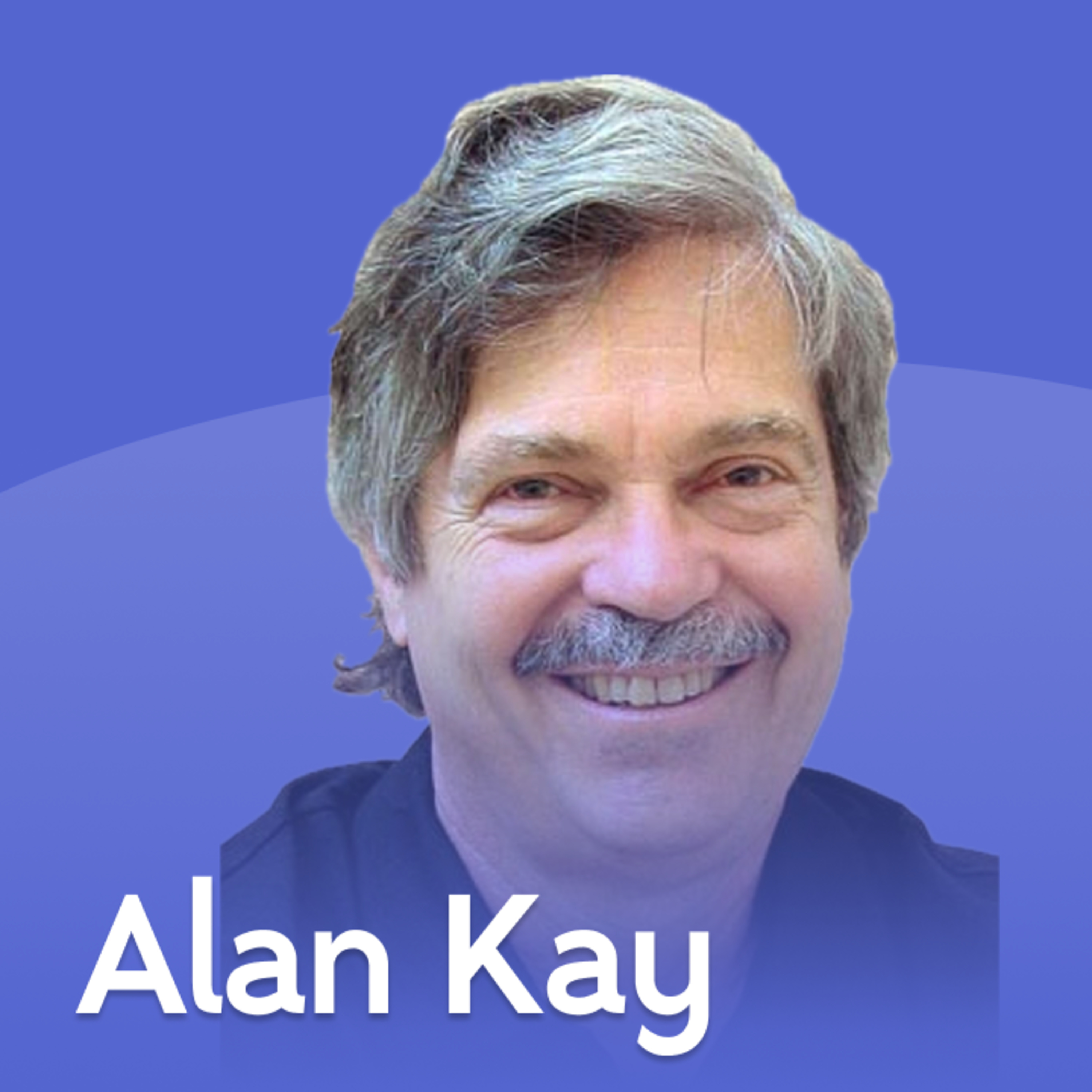 AK