a16z Frontier show
Before Blockchains, There Was State Machine Replication (ft. Barbara Liskov and Tim Roughgarden)
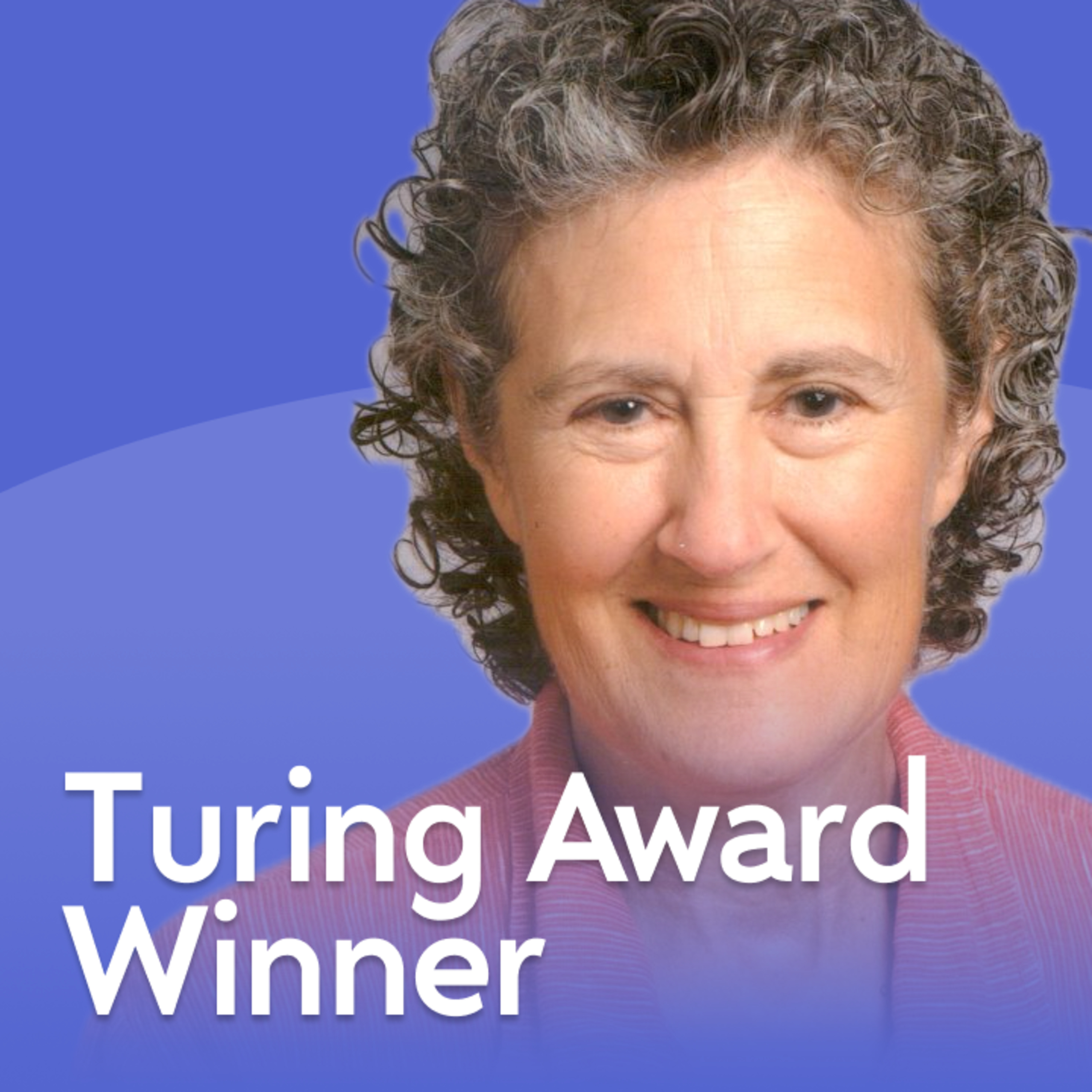
Every blockchain today leans on replication ideas worked out in the 1980s, by a Turing Award winner who wasn’t thinking about how it might apply to money at all. In this episode of First Principles, a16z crypto Head of Research and Columbia professor Tim Roughgarden speaks with Barbara Liskov, MIT professor, Turing Award winner, and one of the most influential computer scientists in programming languages, data abstraction, fault tolerance, and distributed computing. a16z crypto research partner Ittai Abraham joins the conversation. The discussion traces Liskov’s path from programming languages and modularity to distributed systems research; from CLU and Argus to viewstamped replication; and from benign failures to Practical Byzantine Fault Tolerance, or PBFT — a protocol family whose ideas now shape many modern blockchain systems. Liskov explains why modularity matters, how systems researchers thought about replication in the 1980s, why view changes were such a key idea, and how PBFT extended earlier work to handle malicious behavior on the internet. The conversation also explores the bridge between theory and practice, the importance of proofs and specifications, and why the next generation of systems research may be reshaped by AI. First Principles is a special, limited series from a16z crypto about the scientific roots of modern computing — especially blockchains — told through rare conversations with the pioneers who helped shape the foundational ideas behind distributed systems, consensus protocols, economics, mechanism design, cryptography, zero-knowledge, and more. People often tell the story of the Bitcoin whitepaper as if it appeared out of nowhere. But the ideas behind Bitcoin — and behind blockchains more broadly — come from decades of computer science, economics, mathematics, and cryptography. First Principles is a guide to that lineage, as told by the people who helped build it. Highlights: 00:00 Intro: How do systems stay reliable when parts fail? 01:18 Barbara Liskov’s path from programming languages to distributed systems 05:45 Why modularity is “everything” 07:22 The replication problem: keeping data available across many machines 09:58 Viewstamped replication and the “ledger” before blockchains 16:32 Why good research starts with what you don’t understand 18:10 Leslie Lamport, Paxos, and the inevitability of ideas in the right time, in the right place 21:48 Practical Byzantine Fault Tolerance: what changes when replicas can lie 19:35 How PBFT bridged theory and practical systems 22:38 Why you should never trust an individual replica 28:39 Why blockchains are state machine replication in the wild 31:27 AI, verification, and the future of computer science Follow: Tim Roughgarden: https://twitter.com/Tim_Roughgarden Ittai Abraham: https://twitter.com/ittaia Follow a16z crypto: X: https://twitter.com/a16zcrypto LinkedIn: https://www.linkedin.com/showcase/a16zcrypto/posts/ YouTube: https://www.youtube.com/@a16zcrypto Substack: https://a16zcrypto.substack.com/subscribe/ *** As always, none of the following should be taken as investment, business, legal, or tax advice. Please see a16z.com/disclosures for more important information, including a link to a list of our investments. Hosted by Simplecast, an AdsWizz company. See pcm.adswizz.com for information about our collection and use of personal data for advertising.