Bekomm eine E-Mail, wenn Thais in einem Podcast zu Gast istPodAppear prüft neue Folgen, sobald sie erscheinen, und lässt die weg, in denen Thais nur erwähnt wird. Bis zu 15 Personen kostenlos, ohne Kreditkarte.Bis zu 15 Personen kostenlos, ohne Kreditkarte.
Thais kostenlos folgen
TA
Gerade überall zu Gast: 3 Podcasts in 6 Monaten

Thais Aliabadi

Zwei Jahre auf Sendung

GastHostErwähnt

Selbst moderierte Folgen

Di24Nov
SHE MD

SHE MDHost

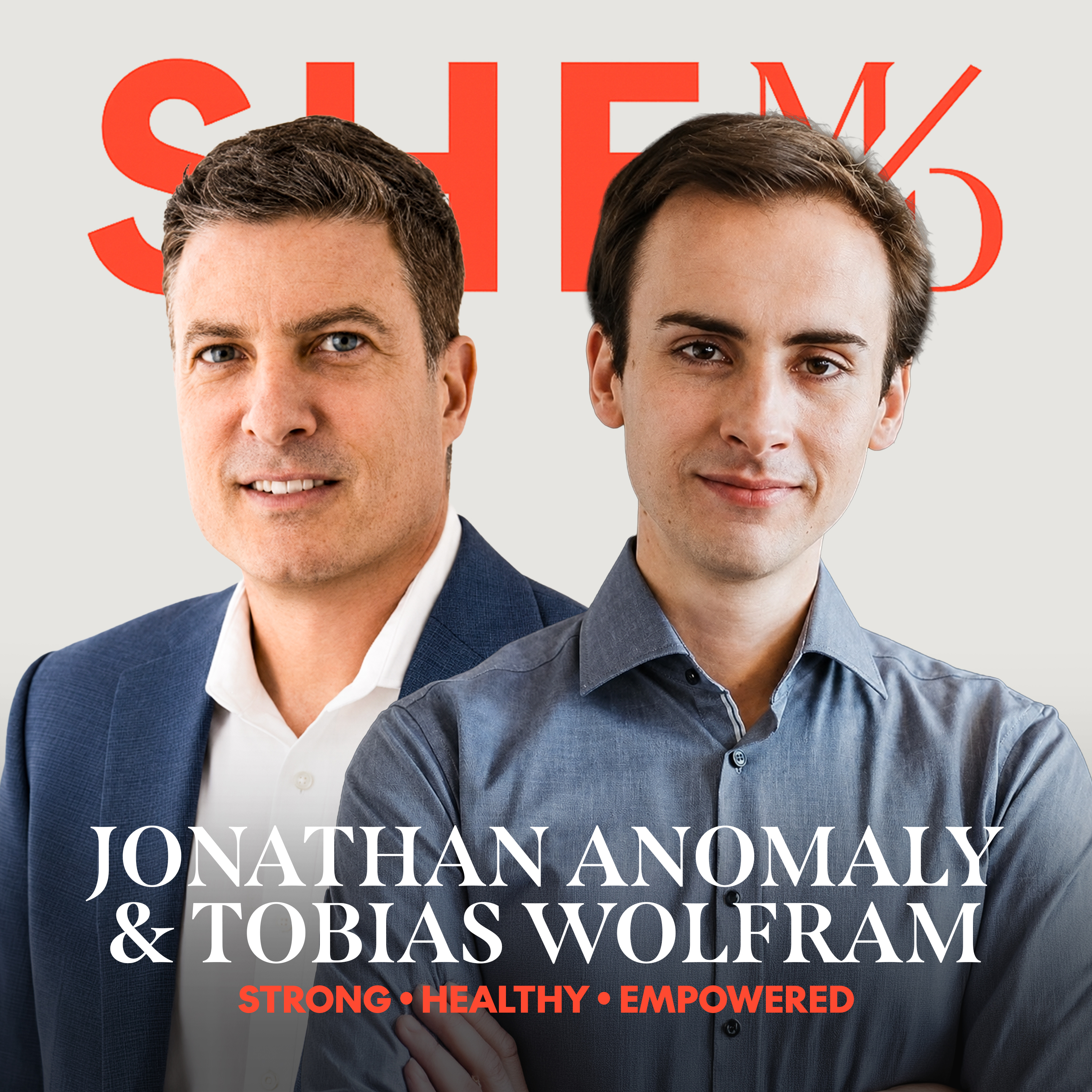
Genetic Embryo Screening: Disease Risk, Designer Babies & the Future of IVF with the Founders of Herasight

Could genetic testing help parents choose an embryo with a lower estimated risk of developing certain diseases later in life? The founders of Herasight join Dr. Thaïs Aliabadi and Mary Alice Haney for a deep dive into polygenic embryo screening and the rapidly evolving science of using genetic information during IVF. They explain how traditional embryo testing can look for chromosome abnormalities and certain single-gene disorders, while polygenic screening examines many genetic variants together to estimate relative risk for more complex conditions. Dr. A also shares her own experience discovering that she had a high polygenic risk for breast cancer despite not carrying a known major breast cancer mutation, leading to a larger question: if two embryos were otherwise healthy but one had a lower estimated lifetime risk of breast cancer, would you choose it? The conversation expands into some of the most controversial questions in reproductive genetics, including screening for neurological and psychiatric risk, intelligence, height and other traits. How accurate are these predictions? How much does family history matter? Do these scores perform equally well across different ancestries? And when does preventing disease begin to look like designing a child? The founders of Herasight explain why polygenic risk scores represent probabilities rather than guarantees and discuss the limitations of the genetic data currently available, particularly across populations that have historically been underrepresented in large biobanks. They also respond to concerns about whether polygenic embryo screening is ready for routine clinical use and discuss where they believe this technology could go next. This episode explores both the promise and the uncertainty of a future in which parents may have access to far more genetic information about an embryo before pregnancy even begins. Sponsors The episode includes the following sponsors: Talkiatry - Visit talkiatry.com/cmd to complete the assessment and get matched with an in-network psychiatrist. Heat Holders - Visit heatholders.com and use code SheMD25 for 25% off through Cyber Monday. Free shipping is available on orders over $25. Peloton - Learn more about the Peloton Tread Flex at onepeloton.com. Hers - Visit forhers.com/shemd to learn more about Peptides Plus and the available treatments. Solaray - Visit solaray.com and use code SheMD for 30% off. (*These statements have not been evaluated by the FDA. This product is not intended to diagnose, treat, cure, or prevent any disease.) Arca Wealth - SheMD listeners can book a complimentary financial planning call at arcawealth.com/cmd. Tin Can - Visit tincan.com/cmd for $10 off your first order. FIGS - Visit wearfigs.com and use code FIGSRX for 15% off your first order. Natural Cycles - Visit naturalcycles.com/cmd and use code SheMD for a free NC Band plus an extra month free with an annual subscription. The offer is available to new users through December 31. What You’ll Learn What polygenic embryo screening is and how it differs from traditional genetic testing. How IVF embryos can be evaluated for chromosomal abnormalities and genetic conditions. The difference between PGT-A, PGT-M and PGT-SR. How single-gene mutations differ from polygenic risk. What polygenic risk scores are and how they are calculated. Why common diseases and traits can be influenced by hundreds or thousands of genetic variants. How polygenic screening could potentially help identify differences in disease risk between embryos. Why a polygenic risk score does not guarantee that someone will develop a particular disease. How family history can change the significance of a polygenic risk score. Dr. A's personal experience with breast cancer and her own polygenic risk score. Why someone can have a high genetic risk for breast cancer without having a major single-gene mutation. Which conditions are currently evaluated through polygenic embryo screening. Why intelligence is influenced by both genetics and environment. The difference between short-read and long-read genome sequencing. Why combining short-read and long-read sequencing can provide a more complete picture of the genome. How rare genetic variants can contribute to neurodevelopmental conditions. How male age and female age can contribute to different types of genetic and reproductive risks. How embryo genetic information can be reconstructed using parental sequencing and embryo data. Why autism remains particularly challenging to predict genetically. How genetic testing may identify rare variants that traditional carrier screening could miss. The potential future applications of genetic testing before implantation. Whether genetic testing could eventually be performed using information from eggs or during pregnancy. The ethical concerns surrounding embryo screening and so-called "designer babies." How access and affordability could affect who benefits from genetic screening. Why genetic diversity remains an important consideration as embryo selection develops. What pleiotropy means and why selecting for one trait could potentially influence other traits. The concerns raised by the American Society for Reproductive Medicine about polygenic embryo testing. Why scientific skepticism and rigorous validation are important as this technology develops. Why transparency about predictive performance is essential. How artificial intelligence could influence the future of genetic prediction. Why continued research may improve the ability to understand rare genetic variants. Why environmental factors, lifestyle and parenting continue to matter even when genetic risk is known. Why understanding family history remains an important part of reproductive planning. Why carrier screening remains important for couples preparing for pregnancy. Why genetic risk information should be viewed as a probability rather than a prediction of an individual's future. What the future of polygenic embryo screening could look like over the next decade. Key Takeaways Polygenic screening is different from traditional genetic testing. Traditional embryo testing can identify chromosomal abnormalities, structural rearrangements and specific single-gene disorders, while polygenic screening evaluates many genetic variants that collectively influence disease risk and traits. A polygenic risk score is not a guarantee. A higher score indicates increased risk, but it does not mean that an embryo or future child will necessarily develop the condition. Family history still matters. The conversation emphasizes that genetic risk information becomes particularly meaningful when considered alongside a family's medical history. Dr. A's breast cancer experience illustrates the complexity of genetic risk. She had no family history or major genetic mutation but later learned that her polygenic risk for breast cancer was substantially elevated. Every embryo can have a different risk profile. One embryo could have a lower predicted risk for one condition while having a higher predicted risk for another, creating difficult decisions for families. The technology is probabilistic. Polygenic scores estimate relative risk rather than determining an individual's future health with certainty. Intelligence is especially complex to predict. Although intelligence has a substantial genetic component, it is influenced by environment and is considerably more difficult to measure and predict genetically than some physical traits and diseases. Environment continues to matter. Genetics is only one part of the equation, and lifestyle, environment, nutrition and other factors can influence whether someone ultimately develops a disease. Ancestry affects predictive performance. The guests acknowledge that many genetic predictors have historically relied heavily on European datasets and that more diverse biobank data is needed to improve performance across populations. Rare genetic variants are an important area of research. The discussion highlights newer approaches that look beyond common variants to identify rare mutations that can have larger effects on neurodevelopment and disease risk. Autism remains difficult to predict. The guests explain that standard polygenic prediction for autism is not yet as strong as prediction for some other conditions, while newer approaches are attempting to identify rare variants in genes important to neurological development. Whole genome sequencing is evolving. Combining short-read and long-read sequencing may provide a more complete view of genetic variation, including structural variants that can be difficult to identify using short reads alone. Ethical questions are inseparable from the science. The episode examines concerns about inequality, access, genetic diversity, trait selection and the possibility of creating social pressure around which traits are considered desirable. Scientific skepticism is important. The guests argue that genetic testing companies should be able to explain how their predictors work, how well they perform and where their limitations lie. Transparency is essential. The discussion emphasizes publishing validation studies, explaining uncertainty and being open about what genetic testing can and cannot currently predict. Carrier screening remains important. Dr. A emphasizes the value of carrier screening for couples preparing for pregnancy and explains how identifying shared recessive mutations can inform reproductive decisions. Parents remain the decision-makers. The guests emphasize that the technology provides genetic information; it does not make the decision about which embryo a family chooses to transfer. The technology is still developing. Polygenic embryo screening is an emerging field, and the episode highlights the need for continued research and long-term follow-up. The future may bring more personalized genetic information. Advances in sequencing, artificial intelligence and genetic prediction could eventually provide families and physicians with more detailed information about genetic risk. Genetic information is only one part of a person's story. As Dr. A emphasizes at the end of the episode, a genetic risk score does not determine someone's future, and environment, lifestyle and other factors continue to matter. See Privacy Policy at https://art19.com/privacy and California Privacy Notice at https://art19.com/privacy#do-not-sell-my-info.
1 h 17 minAbspielen in:

Do19Nov
SHE MD

SHE MDHost

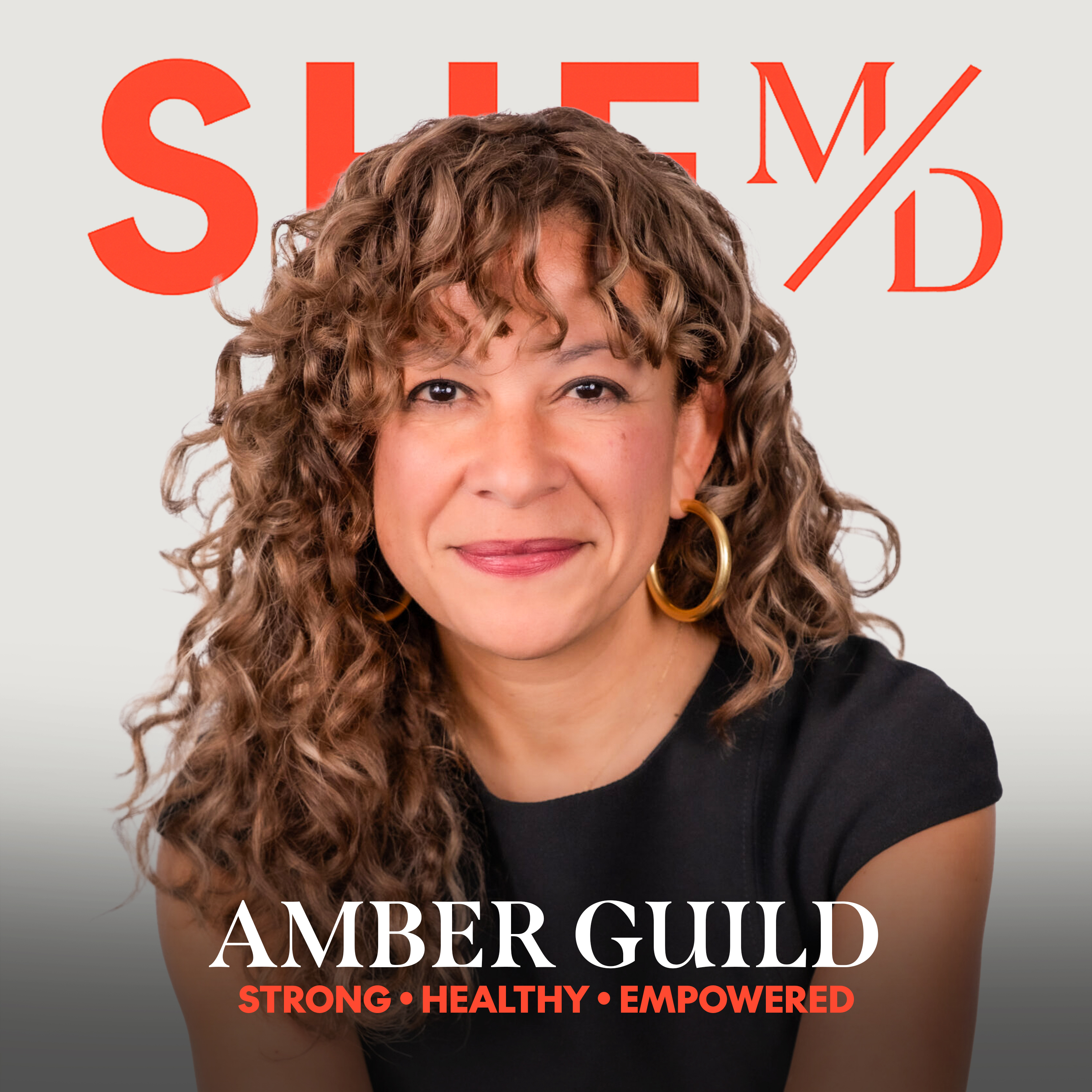
No Family History, Breast Cancer at 43 with Susan G. Komen CEO Amber Guild

Amber Guild had no family history of breast cancer and didn’t think she was at particularly high risk. Although her doctors recommended that she begin screening at 40, she delayed her first mammogram until she was 43. That mammogram found breast cancer. Now the CEO of Susan G. Komen, Amber joins Dr. Thaïs Aliabadi and Mary Alice Haney to share what she learned from her own diagnosis and why she wants more women to understand their individual breast cancer risk long before something feels wrong. Amber walks through her diagnosis, lumpectomies, radiation and tamoxifen treatment and reflects on how differently she would advocate for herself today. Dr. A explains why family history is only one part of breast cancer risk and discusses the importance of breast density, lifetime risk calculations, genetic testing and individualized screening. They also discuss the increasing incidence of breast cancer among younger women, racial disparities in breast cancer outcomes, and why Black women are more likely to die from the disease despite having a slightly lower overall incidence. Amber shares the role Susan G. Komen plays in funding breast cancer research, expanding access to care, providing patient navigation and advocating for women and men who may otherwise struggle to get the screening and treatment they need. They also look toward the future of breast cancer care, including precision medicine, polygenic risk scores and the possibility of identifying risk earlier and treating disease more personally. The biggest takeaway: do not wait for symptoms to understand your breast cancer risk. Know your history, know your breast density, know your individual risk and advocate for the screening that is right for you. What You’ll Learn Why breast cancer can occur even when there is no family history. Why 85% of people diagnosed with breast cancer have no family history, as discussed in the episode. How Amber Guild discovered she had stage zero breast cancer at age 43. Why early detection is so important for breast cancer outcomes. Why women should understand their individual lifetime risk of breast cancer. How breast density can affect breast cancer risk and screening. Why a baseline mammogram can be useful for understanding changes over time. Why breast cancer rates are increasing among younger women. How access to care and treatment can contribute to disparities in breast cancer outcomes. Why Black women face a significantly higher breast cancer mortality rate. Why Black women are more likely to develop triple-negative breast cancer. The role of research in understanding breast cancer risk and treatment. What genetic testing can reveal about breast cancer risk. What polygenic risk scores are and how they may provide additional information about cancer risk. How personalized medicine could change the future of cancer screening and treatment. Why whole genome sequencing may become increasingly important in individualized healthcare. How Susan G. Komen funds breast cancer research and supports patients. How advocacy can help improve access to screening, treatment and care. What resources are available through Susan G. Komen's patient support services. How women can become stronger advocates for their own breast health. What questions to ask your doctor about breast cancer screening and risk. When additional imaging, including ultrasound or MRI, may be discussed. Why people with a family history of breast cancer should ask about genetic testing. Why men can also develop breast cancer. Why men with certain genetic mutations or family histories may need to consider breast cancer screening and genetic testing. What metastatic breast cancer means and why early detection matters. Why continued research, funding and advocacy are critical to reducing breast cancer deaths. Key Takeaways Breast cancer can happen without a family history. Amber Guild was diagnosed with stage zero breast cancer despite having no family history, highlighting why women should not assume they are low risk based solely on their family history. Knowing your individual risk matters. The conversation emphasizes looking beyond a universal screening age and understanding factors such as family history, breast density, genetics and other risk factors. Early detection can make a major difference. The doctors explain why detecting breast cancer while it is still limited to the breast is associated with much better outcomes. Breast density is an important part of the conversation. Dense breast tissue can increase breast cancer risk and may affect conversations around additional screening. Breast cancer disparities remain significant. Black women experience substantially higher mortality from breast cancer, with access to care, treatment delays and biological factors all discussed as contributors. Genetic testing is only part of understanding risk. The conversation explores major genetic mutations as well as polygenic risk scores, which may provide additional information about an individual's lifetime risk. Personalized medicine could transform cancer prevention. Whole genome sequencing, precision medicine and individualized risk assessment could eventually allow screening and treatment to be tailored to each person's unique risk profile. Research remains essential. Guild explains how Susan G. Komen funds researchers working to improve prevention, detection and treatment and ultimately eliminate deaths from breast cancer. Self-advocacy can help patients get the care they need. Women are encouraged to understand their risk, prepare questions for their doctors and seek additional opinions when necessary. Access to care is a critical part of the solution. Susan G. Komen provides patient navigation and other free services for people who need help accessing breast health resources. Breast cancer also affects men. Anyone with breast tissue can develop breast cancer, and men with certain genetic mutations or family histories may need to discuss genetic testing and screening with their doctors. There is still significant work to do. While breast cancer outcomes have improved, Guild emphasizes that continued research, funding, advocacy and access to care are necessary to reach a future where no one dies from the disease. See Privacy Policy at https://art19.com/privacy and California Privacy Notice at https://art19.com/privacy#do-not-sell-my-info.

41 minAbspielen in:

Do15Okt
SHE MD

SHE MDHost

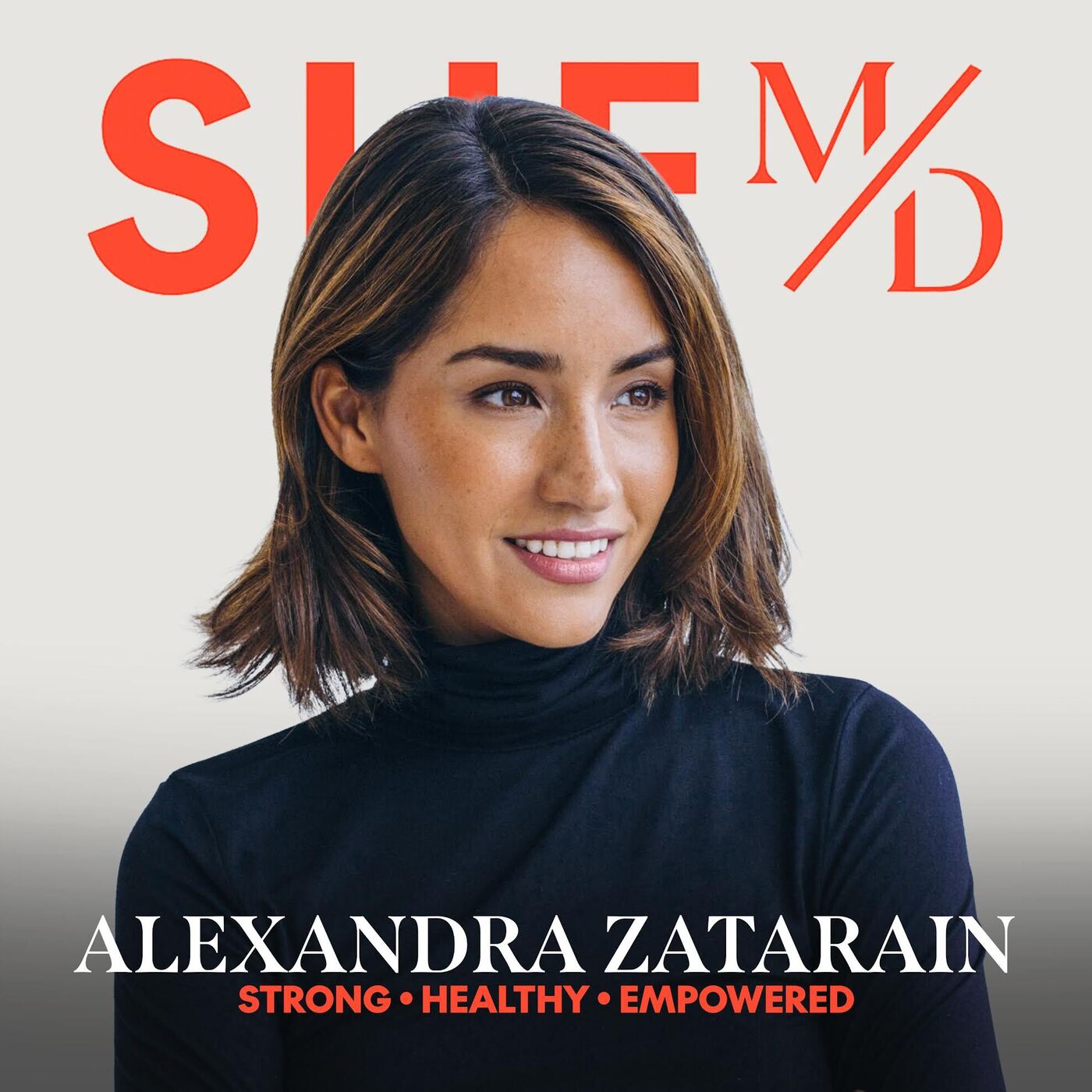
Why Women Sleep Worse in Perimenopause with Eight Sleep's Alexandra Zatarain

Why does sleep suddenly become so much harder for so many women in their 30s, 40s and 50s? Eight Sleep cofounder Alexandra Zatarain joins SheMD to explore how hormones, temperature and the brain’s natural circadian rhythm affect the way women sleep throughout different stages of life. Dr. Thaïs Aliabadi explains why fluctuations in estrogen and progesterone during perimenopause can contribute to night sweats, temperature changes, anxiety, racing thoughts and middle-of-the-night wake-ups. Alexandra shares what years of sleep research and data have taught the Eight Sleep team about deep sleep, REM sleep, temperature regulation, pregnancy, menopause and recovery. We also break down how much sleep adults actually need, why consistency matters and why alcohol, caffeine and late-night exercise may interfere with recovery even when you are technically getting enough hours. Plus, Alexandra shares five practical habits she recommends for better sleep and helps us tackle common sleep myths, including whether you can really catch up on lost sleep over the weekend and whether a nightcap actually helps you sleep. If your sleep has changed and you cannot figure out why, this episode is for you. Sponsors Eight Sleep is featured in this episode through a conversation with co-founder Alexandra Zatarain about sleep science and the company’s sleep technology. No formal sponsorship or promotional offer is mentioned. What You’ll Learn How Alexandra Zatarain's personal experiences inspired the creation of Eight Sleep and its approach to improving sleep through technology. Why perimenopause and menopause can disrupt sleep, including the roles of fluctuating estrogen, declining progesterone, night sweats, and anxiety. How body temperature and circadian rhythms influence when we fall asleep, stay asleep, and wake up. Why pregnancy and postpartum hormonal changes can affect temperature regulation, snoring, and sleep quality. The differences between deep sleep and REM sleep, and why both are essential for physical recovery, memory, and emotional processing. How much sleep adults generally need, why individual sleep requirements vary, and how to recognize whether you're getting enough rest. Why alcohol may make it easier to fall asleep while negatively affecting overnight recovery. Why catching up on sleep over the weekend cannot fully compensate for consistently getting too little sleep during the week. How sleep-tracking technology can help monitor sleep patterns, recovery, temperature preferences, and potential signs of sleep apnea. Five practical ways to improve sleep, including prioritizing sufficient rest, maintaining a consistent schedule, optimizing your sleep environment, adjusting daily habits, and working with your partner. Why women experiencing persistent sleep disruptions should consider underlying factors, including hormonal changes and other health conditions, with guidance from a healthcare provider. Key Takeaways Sleep is a foundational pillar of health. Prioritizing exercise and nutrition while consistently sacrificing sleep can undermine overall well-being. Making enough time for rest is an essential part of supporting long-term health. Hormonal changes can significantly disrupt women's sleep. Fluctuating estrogen and progesterone levels during perimenopause and menopause may contribute to temperature sensitivity, night sweats, anxiety, and nighttime awakenings. Persistent sleep difficulties deserve attention rather than being dismissed as an inevitable part of aging. Temperature plays an important role in sleep. Core body temperature naturally declines as we approach sleep and rises toward morning. A comfortable, cool sleeping environment can support this process, although individual temperature preferences vary. Deep sleep and REM sleep serve different but complementary functions. Deep sleep is associated with physical restoration, while REM sleep supports processes involving memory, learning, and emotional processing. Getting sufficient sleep allows the body to cycle through both. Alcohol can interfere with overnight recovery. Although alcohol may help someone fall asleep more quickly, it can affect recovery metrics, including resting heart rate and heart rate variability. Falling asleep faster does not necessarily mean sleeping well. Consistency matters as much as duration. Maintaining relatively consistent bedtimes and wake-up times can support the body's circadian rhythm. Alexandra recommends aiming for seven to nine hours of sleep for most adults while paying attention to individual needs. Sleep quality can be affected by more than personal habits. Snoring, possible sleep apnea, hormonal changes, stress, and a partner's sleep patterns can all contribute to disrupted rest. Persistent symptoms may warrant evaluation by a healthcare professional. Small, sustainable changes can improve sleep habits. Gradually extending sleep time, keeping the bedroom cool, dark, and quiet, limiting late-day caffeine and alcohol, and avoiding heavy meals close to bedtime are practical starting points. Women's sleep deserves more research and individualized care. Pregnancy, postpartum recovery, perimenopause, and menopause each present different challenges. Understanding these life stages can help inform better research, technology, and healthcare support. See Privacy Policy at https://art19.com/privacy and California Privacy Notice at https://art19.com/privacy#do-not-sell-my-info.

43 minAbspielen in:

Do13Aug
SHE MD

SHE MDHost

Kim Kardashian’s Battle With Psoriasis: What Finally Helped

Kim Kardashian joins Mary Alice Haney and Dr. Thais Aliabadi on SHE MD for an honest conversation about living with psoriasis and psoriatic arthritis. Kim opens up about her first flare, the challenges of managing psoriasis in the public eye, the treatments and lifestyle changes she’s tried, and what finally helped get her symptoms under control.  Alongside Dr. Wallace, Mary Alice and Dr. Thais break down what psoriasis actually is, how it can affect the joints and other parts of the body, how it’s diagnosed, and when it’s time to see a dermatologist or rheumat...

46 minAbspielen in:

Warum PodAppear

Folge Menschen, nicht Podcasts.

Du hast Thais in einer Sendung gehört. PodAppear findet für dich die nächste, und genauso für alle anderen, die du hören willst.

  • Eine Meldung, wenn die Person zu Gast istPer E-Mail: sofort oder gebündelt als Tages- oder Wochenübersicht. Dann nur noch auf Play drücken.
  • Gäste statt bloßer ErwähnungenFolgen, in denen ein Name nur fällt, landen getrennt. Eine Meldung heißt: Die Person ist wirklich in der Sendung.
  • Alle in einem FeedGründerinnen, Autoren, Sportler, Forscherinnen. Folge allen mit Namen, quer durch jede Sendung, in der sie auftreten.

Bis zu 15 Personen kostenlos, ohne Kreditkarte.