SHE MD is a weekly podcast hosted by world-renowned OBGYN, Dr. Thais Aliabadi, “Dr. A,” and women's advocate and influencer, Mary Alice Haney. Their candid conversations with celebrity guests and today's leading experts about women's health topics, such as menopause, endometriosis, PCOS, and fertility empower their…
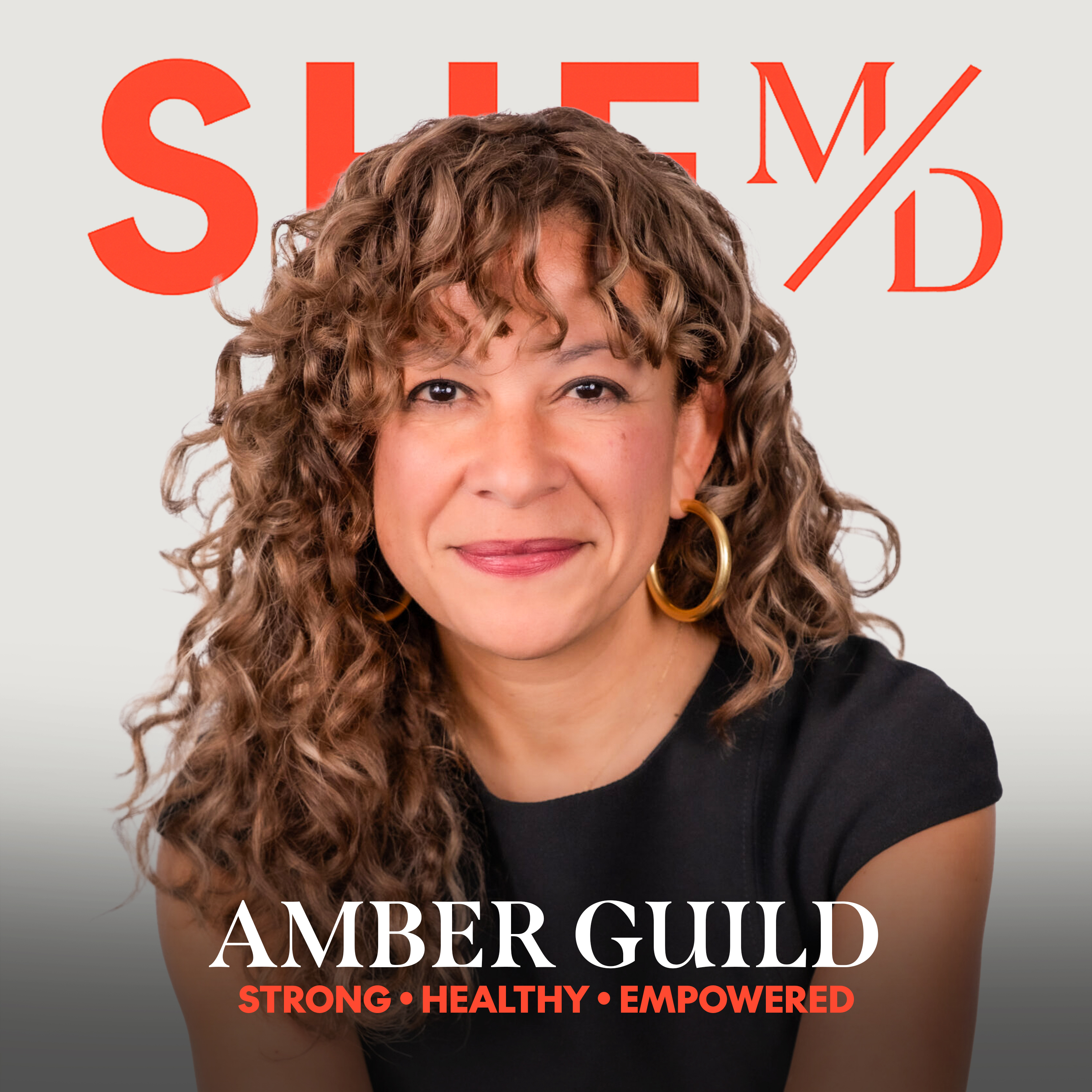
Amber Guild had no family history of breast cancer and didn’t think she was at particularly high risk.
Although her doctors recommended that she begin screening at 40, she delayed her first mammogram until she was 43.
That mammogram found breast cancer.
Now the CEO of Susan G. Komen, Amber joins Dr. Thaïs Aliabadi and Mary Alice Haney to share what she learned from her own diagnosis and why she wants more women to understand their individual breast cancer risk long before something feels wrong.
Amber walks through her diagnosis, lumpectomies, radiation and tamoxifen treatment and reflects on how differently she would advocate for herself today.
Dr. A explains why family history is only one part of breast cancer risk and discusses the importance of breast density, lifetime risk calculations, genetic testing and individualized screening.
They also discuss the increasing incidence of breast cancer among younger women, racial disparities in breast cancer outcomes, and why Black women are more likely to die from the disease despite having a slightly lower overall incidence.
Amber shares the role Susan G. Komen plays in funding breast cancer research, expanding access to care, providing patient navigation and advocating for women and men who may otherwise struggle to get the screening and treatment they need.
They also look toward the future of breast cancer care, including precision medicine, polygenic risk scores and the possibility of identifying risk earlier and treating disease more personally.
The biggest takeaway: do not wait for symptoms to understand your breast cancer risk. Know your history, know your breast density, know your individual risk and advocate for the screening that is right for you.
What You’ll Learn
Why breast cancer can occur even when there is no family history.
Why 85% of people diagnosed with breast cancer have no family history, as discussed in the episode.
How Amber Guild discovered she had stage zero breast cancer at age 43.
Why early detection is so important for breast cancer outcomes.
Why women should understand their individual lifetime risk of breast cancer.
How breast density can affect breast cancer risk and screening.
Why a baseline mammogram can be useful for understanding changes over time.
Why breast cancer rates are increasing among younger women.
How access to care and treatment can contribute to disparities in breast cancer outcomes.
Why Black women face a significantly higher breast cancer mortality rate.
Why Black women are more likely to develop triple-negative breast cancer.
The role of research in understanding breast cancer risk and treatment.
What genetic testing can reveal about breast cancer risk.
What polygenic risk scores are and how they may provide additional information about cancer risk.
How personalized medicine could change the future of cancer screening and treatment.
Why whole genome sequencing may become increasingly important in individualized healthcare.
How Susan G. Komen funds breast cancer research and supports patients.
How advocacy can help improve access to screening, treatment and care.
What resources are available through Susan G. Komen's patient support services.
How women can become stronger advocates for their own breast health.
What questions to ask your doctor about breast cancer screening and risk.
When additional imaging, including ultrasound or MRI, may be discussed.
Why people with a family history of breast cancer should ask about genetic testing.
Why men can also develop breast cancer.
Why men with certain genetic mutations or family histories may need to consider breast cancer screening and genetic testing.
What metastatic breast cancer means and why early detection matters.
Why continued research, funding and advocacy are critical to reducing breast cancer deaths.
Key Takeaways
Breast cancer can happen without a family history. Amber Guild was diagnosed with stage zero breast cancer despite having no family history, highlighting why women should not assume they are low risk based solely on their family history.
Knowing your individual risk matters. The conversation emphasizes looking beyond a universal screening age and understanding factors such as family history, breast density, genetics and other risk factors.
Early detection can make a major difference. The doctors explain why detecting breast cancer while it is still limited to the breast is associated with much better outcomes.
Breast density is an important part of the conversation. Dense breast tissue can increase breast cancer risk and may affect conversations around additional screening.
Breast cancer disparities remain significant. Black women experience substantially higher mortality from breast cancer, with access to care, treatment delays and biological factors all discussed as contributors.
Genetic testing is only part of understanding risk. The conversation explores major genetic mutations as well as polygenic risk scores, which may provide additional information about an individual's lifetime risk.
Personalized medicine could transform cancer prevention. Whole genome sequencing, precision medicine and individualized risk assessment could eventually allow screening and treatment to be tailored to each person's unique risk profile.
Research remains essential. Guild explains how Susan G. Komen funds researchers working to improve prevention, detection and treatment and ultimately eliminate deaths from breast cancer.
Self-advocacy can help patients get the care they need. Women are encouraged to understand their risk, prepare questions for their doctors and seek additional opinions when necessary.
Access to care is a critical part of the solution. Susan G. Komen provides patient navigation and other free services for people who need help accessing breast health resources.
Breast cancer also affects men. Anyone with breast tissue can develop breast cancer, and men with certain genetic mutations or family histories may need to discuss genetic testing and screening with their doctors.
There is still significant work to do. While breast cancer outcomes have improved, Guild emphasizes that continued research, funding, advocacy and access to care are necessary to reach a future where no one dies from the disease.
See Privacy Policy at https://art19.com/privacy and California Privacy Notice at https://art19.com/privacy#do-not-sell-my-info.
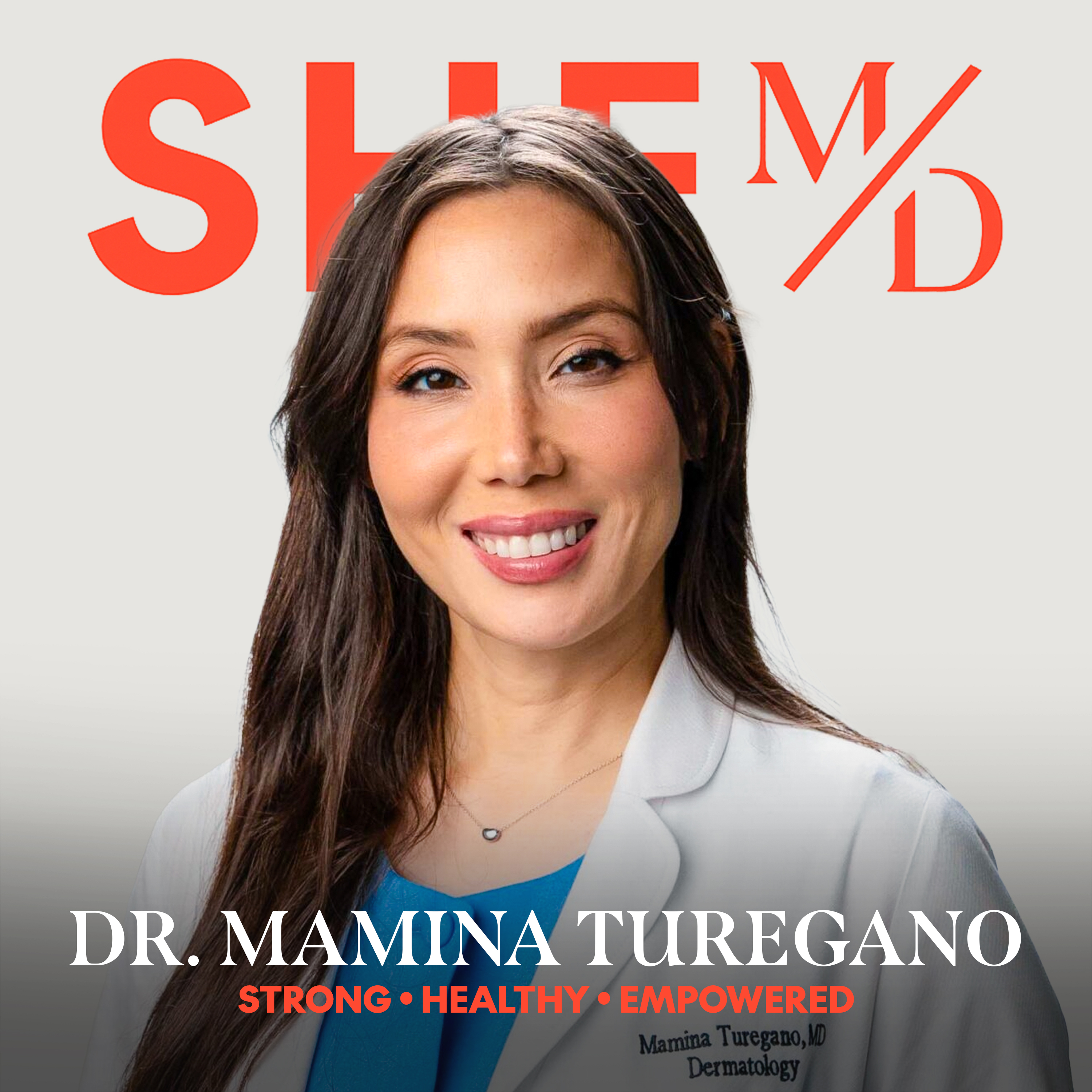
Dermatologist Dr. Mamina Turegano joins SheMD to explain why skin can change so dramatically during perimenopause and menopause and what women can actually do about it.
As estrogen declines, women may notice drier and thinner skin, wrinkles, loss of collagen, crepey texture, rosacea, adult acne and increased sensitivity to products they used for years without a problem.
Dr. Turegano walks us through the skincare ingredients she recommends most for midlife skin, including retinoids, vitamin C, exfoliating acids, moisturizers and sunscreen, and explains how routines may need to become gentler as skin changes with age.
She also weighs in on topical estrogen cream for the face, collagen supplements, peptides, exosomes, snail mucin, beef tallow and other skincare trends flooding social media.
Plus, Dr. Turegano explains how she treats hormonal acne, rosacea and melasma, what women should know about lasers and crepey body skin, and why hormonal changes and GLP-1 medications may contribute to hair loss.
We also cover the warning signs of skin cancer and one of the most dangerous skincare myths circulating online right now: the claim that sunscreen causes cancer.
If you feel like your skin suddenly changed and your old routine no longer works, this episode will help you understand what may be happening and where to start.
Sponsors
Sarah Prognostics / Preterm Test: The Preterm Test is a clinically validated blood test that assesses risk for spontaneous preterm birth. It is a fingerprint blood test performed between 18 and 20 weeks of pregnancy. Visit preterm.com to learn more and speak with your healthcare provider about whether the test may be right for you.
Laundry Sauce: Laundry Sauce's Misfit by Archiste collection is featured, including its fine-fragrance laundry products. Get 20% off your order at laundrysauce.com with code SheMD.
Heat Holders: Heat Holders' thermal socks, hats, gloves, base layers, pajamas, blankets and other cold-weather products are featured. Get 15% off your order, plus free shipping on purchases over $25, at heatholders.com with code SheMD.
OSEA Malibu: OSEA Malibu's Undaria Algae Body Oil and Hydrate & Glow Duo are featured, along with its curated holiday sets. Get up to 32% off curated holiday sets and an additional 10% off your first order with code SheMD at oseamalibu.com.
IT Cosmetics: The episode features the IT Cosmetics Do-It All Sheer Tint Face Balm, an award-winning tinted moisturizer with a 92% skincare base, collagen peptide, hyaluronic acid and vitamin E.
Ladder: Ladder's personalized strength-training program is featured. Visit ladder.fit/SheMD for a free 7-day trial with no credit card required and $10 off your first month.
Manukora: Manukora's manuka honey is featured in a Black Friday/Cyber Monday offer. The starter kit includes a free mini jar of Ultra Strength 1200+ MGO, a full-size jar of 850+ MGO, five honey sticks, a wooden dough spoon and a guide book. The $269-value starter kit is available for $99 for new subscribers, with the offer running November 16 through December 6. Visit manukora.com/SheMD for $170 off your first starter kit.
Seed: Seed's DS-01 is a 24-strain probiotic and prebiotic featuring a capsule-in-capsule delivery system. Get 25% off with code 25SheMD at seed.com.
FIGS: FIGS' healthcare apparel and accessories are featured, including its holiday collection of scrubs, outerwear and accessories. Get 15% off your first order at wearfigs.com with code FIGSRX.
What You’ll Learn
How perimenopause and menopause affect the skin as estrogen levels decline.
Why mature skin may become thinner, drier and more sensitive.
How to build a simple, effective skincare routine.
Which skincare ingredients are worth prioritizing.
Where to save and where it may be worth splurging on skincare.
Why sunscreen is one of the most important products for protecting your skin.
How to recognize potentially concerning changes in moles using the ABCDE rule.
What actinic keratoses are and how they differ from common skin cancers.
The difference between hormonal acne and rosacea.
How menopause can affect sensitive and reactive skin.
What Dr. Turegano thinks about injectable peptides, collagen supplements, exosomes and snail mucin.
What can contribute to hair loss after menopause.
How GLP-1 medications may be connected to hair shedding.
Treatment options for postmenopausal hair loss, including minoxidil, finasteride and dutasteride.
What to know about anti-dandruff shampoos and scalp health.
How spironolactone and Accutane may be used to treat acne.
Why retinoids remain an important part of many skincare routines.
Why Dr. Turegano recommends strength training and discusses creatine for menopausal women.
How to identify and push back against skincare misinformation on social media.
How to choose a sunscreen, including what to look for in SPF and broad-spectrum protection.
Key Takeaways
Hormonal changes can affect the skin in significant ways. Dr. Turegano explains how declining estrogen during perimenopause and menopause can contribute to changes in hydration, skin thickness, sensitivity and the skin barrier.
A simple skincare routine can go a long way. Rather than layering numerous active ingredients, Dr. Turegano emphasizes a thoughtful routine that supports the skin barrier.
Sun protection remains essential. Dr. Turegano recommends using sunscreen consistently and looking for SPF 30 or higher and broad-spectrum protection.
Acne can change with age. Hormonal acne and rosacea can overlap, making it important to understand the differences and approach mature skin more gently.
Hair loss after menopause can have multiple causes. Hormonal changes, nutritional deficiencies, thyroid issues and medications can all play a role, and Dr. Turegano discusses several treatment options.
GLP-1 medications may be associated with hair shedding. Dr. Turegano discusses telogen effluvium and the different factors that can contribute to increased shedding.
Not every trending skincare treatment has definitive evidence behind it. The conversation explores peptides, exosomes and snail mucin while considering what is known and what remains uncertain.
Pay attention to changes in your skin. New or changing moles and other concerning skin changes should be evaluated by a dermatologist.
Be cautious with skincare information online. Dr. Turegano addresses misinformation surrounding sunscreen and encourages women to make skincare decisions based on reliable medical information.
Strength training and overall health matter. The conversation goes beyond skincare to discuss strength training and creatine as part of women's health during menopause.
See Privacy Policy at https://art19.com/privacy and California Privacy Notice at https://art19.com/privacy#do-not-sell-my-info.
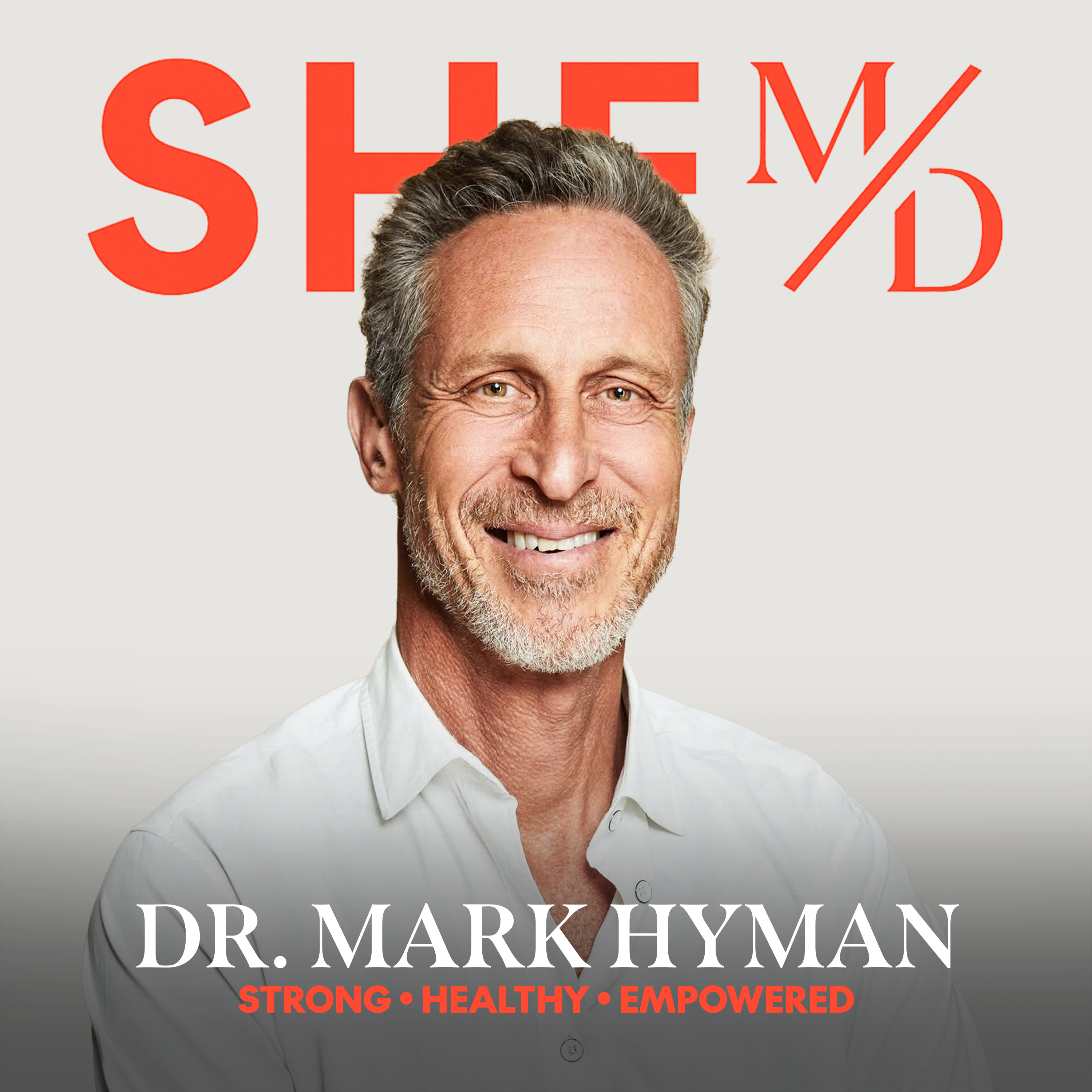
Dr. Mark Hyman joins SheMD for a deep dive into functional medicine, metabolic health and what it means to focus on preventing disease rather than waiting until something goes wrong.
Dr. Hyman explains why he believes insulin resistance sits at the root of many chronic health conditions and why understanding biomarkers like fasting insulin, cardiovascular markers, inflammation, vitamin D and other health data may help patients get a clearer picture of what is happening inside their bodies.
He also discusses the difference between simply falling within a laboratory reference range and looking at health through a more individualized lens.
Dr. Hyman, Dr. Thaïs Aliabadi and Mary Alice Haney also cover ultra-processed foods, sugar and starch, protein, fiber, gut health, the microbiome, supplements, creatine and the everyday habits that can have a major impact when practiced consistently.
Plus, they tackle GLP-1 medications, peptides, biohacking, hormone therapy, endometriosis and why Dr. Hyman believes people should master the fundamentals of food, movement, sleep and stress before chasing the latest wellness trend.
The biggest takeaway: chronic disease often develops long before symptoms appear. Knowing your numbers and understanding your individual health may give you the chance to act earlier.
Dr. Hyman's new book, What to Do Today to Live 100 Healthy Years is available for pre-order now! It releases March 23, 2027.
Sponsers
David Protein: Buy four cartons and get the fifth free at davidprotein.com/shemd. Also available at Target, Walmart, Kroger, Wegmans, and The Vitamin Shoppe.
Momentous: Get up to 35% off your entire first order at livemomentous.com with code SheMD.
Cometeer: Get $20 off your first order at cometeer.com/shemd or with code SheMD.
Huel: Get 15% off online with code SheMD at huel.com/shemd. New customers only.
What You’ll Learn
What functional medicine is and how it differs from traditional disease-focused care.
Why insulin resistance is a root cause of heart disease, diabetes, dementia, PCOS, infertility, and more.
Why “normal” lab ranges are not the same as optimal, with target levels for fasting insulin, ApoB, A1C, and vitamin D.
How to eat healthy on a food stamp budget of about $6 a day.
What actually heals the gut, and why fiber and polyphenols matter more than probiotics.
Dr. Hyman’s view on GLP-1s, peptides, seed oils, and alcohol.
The supplements with the strongest evidence, including creatine.
Why endometriosis may be better understood as an immune condition linked to leaky gut.
Key Takeaways
Functional medicine looks at the body as an interconnected system and focuses on removing root causes of disease rather than treating symptoms in isolation.
Insulin resistance drives many chronic conditions, and fasting insulin should ideally be under 5, even though standard lab ranges allow much higher.
Standard reference ranges reflect a largely unhealthy population, so “normal” results for ApoB, A1C, vitamin D, and other markers may still signal risk.
Eating real food on a tight budget is possible with basic cooking skills, affordable proteins, and simple vegetables.
GLP-1s and peptides can be useful tools, but they work best with proper medical supervision, lab tracking, nutrition, and strength training.
Small daily habits like movement, real food, quality sleep, and stress management compound over time, and knowing your numbers helps catch disease decades before diagnosis.
See Privacy Policy at https://art19.com/privacy and California Privacy Notice at https://art19.com/privacy#do-not-sell-my-info.
Longevity physician Dr. Darshan Shah joins SheMD for a wide-ranging conversation about how women can become more proactive about their health and focus on extending healthspan, not simply lifespan.
Dr. Shah explains the biomarkers he follows with patients, including markers related to metabolic health, cardiovascular risk, inflammation and hormones, and why he believes identifying changes early can help people intervene before chronic disease develops.
We also take a deeper look at women’s cognitive health, including the tests and risk factors Dr. Shah considers when evaluating brain health and how exercise, sleep, metabolic health and cardiovascular health may all play a role.
Then we get practical. Dr. Shah shares the foundational habits he prioritizes for longevity, including strength training, VO2 max training, sleep, nutrition and reducing environmental exposures.
Plus, we discuss some of the most talked-about interventions in longevity medicine, including creatine, sauna, cold plunges, NAD, peptides, stem cells, red light therapy, hyperbaric oxygen and plasma exchange.
Dr. Shah also explains why women should be cautious about unregulated peptides and why advanced therapies should come after the fundamentals, not replace them.
His biggest recommendation? Build muscle. Dr. Shah says lifting heavy weights consistently is one of the most powerful longevity tools women already have access to.
Sponsors
Talkiatry: Featured in a sponsored segment highlighting its virtual psychiatry services and access to mental health care.
Babbel: Featured in a sponsored segment promoting its language-learning platform and tools for building language skills.
OSEA Malibu: Featured in a sponsored segment highlighting its skincare and body-care products.
Arca Wealth: Featured in a sponsored segment discussing financial planning and wealth management services.
Gusto: Featured in a sponsored segment highlighting its platform for simplifying payroll, tax filings, HR, and employee benefits.
What You’ll Learn
What longevity really means and why extending your health span is just as important as extending your lifespan.
Why preventative medicine starts with understanding your individual biology through blood work, physical assessments, cognitive testing, and personalized health data.
The key biomarkers women should consider tracking, including hemoglobin A1C, fasting insulin, ApoB, high-sensitivity C-reactive protein, and important hormones.
How metabolic dysfunction, cardiovascular risk, inflammation, and hormonal changes can influence long-term health.
Why gut health plays an important role in immune function and inflammation, and how fiber, fermented foods, and a healthy microbiome support gut health.
What leaky gut means, how gut health is evaluated, and why reducing ultra-processed foods and excess sugar may help support the microbiome.
How environmental toxins, mold, heavy metals, pesticides, and endocrine-disrupting chemicals are evaluated through specialized testing.
Why genetic screening can help identify certain health risks, including cardiovascular disease and Alzheimer's, and what the APOE4 gene may indicate.
How menopause, declining estrogen, inflammation, and metabolic health intersect with women's cognitive health and Alzheimer's risk.
Which emerging blood biomarkers, including p-tau 217 and the amyloid ratio, are being used to assess potential Alzheimer's-related changes.
How cognitive testing, EEG assessments, and brain blood-flow measurements can help evaluate memory, executive function, and cognitive performance.
Why cardiovascular and metabolic health are important considerations when developing a plan to protect long-term brain health.
How VO2 max training, strength training, and other forms of exercise may support cardiovascular function and cognitive health.
Why sleep quality matters for brain health, including the importance of deep sleep and establishing a consistent sleep routine.
How chronic stress and elevated cortisol may affect inflammation, metabolism, and overall health, and why incorporating more restorative practices matters.
Practical ways to reduce environmental toxin exposure through air purification, water filtration, food choices, and personal care products.
What to know about sauna use and cold plunges, including the differences in available research and their potential benefits.
The research behind creatine, including its potential role in muscle strength, muscle mass, and cognitive performance.
What NAD is, how it relates to cellular energy production, and what researchers still need to understand about NAD supplementation.
What peptides are, how they function as biological signals, and the differences between established peptide medications and less-studied treatments.
What to consider before pursuing peptides, including sourcing, safety data, FDA approval, and potential concerns for people with a history of cancer.
What the current research suggests about stem cell treatments, including the importance of proper manufacturing, handling, and clinical oversight.
How red light therapy may influence circulation and collagen production, and why device wavelength matters.
Which foundational supplements Dr. Shaw discusses, including vitamin D3 with K2, magnesium, omega-3s, creatine, and methylated B vitamins.
Why intermittent fasting may not be appropriate for everyone, particularly when it leads to inadequate protein intake or increased stress.
Why heavy resistance training at least three times a week is one of the most important habits women can prioritize for healthy aging.
Why estrogen and ApoB are two important numbers women should understand when evaluating their long-term health.
Key Timestamps
00:00 The most powerful longevity tool women aren't using
02:42 How preventative medicine starts with personalized biomarkers
03:49 The key health markers every woman should know
04:47 Understanding metabolic health, A1C, and fasting insulin
06:51 Why estrogen, progesterone, testosterone, thyroid, and cortisol matter
07:15 The connection between gut health and chronic inflammation
08:01 Leaky gut, the microbiome, and immune health
09:36 How fiber and fermented foods support gut health
10:32 Choosing probiotics and evaluating supplement quality
12:22 Testing for environmental toxins and genetic health risks
14:45 Dr. Shaw's personal experience reversing chronic health conditions
18:16 Why women's cognitive health deserves more attention
20:37 Understanding women's risk for Alzheimer's disease
23:27 Measuring blood flow to the brain
26:19 VO2 max training and improving microvascular health
28:54 The foundational lifestyle habits that support longevity
29:24 Nutrition, exercise, and strength training for brain health
31:39 Improving sleep quality and evaluating sleep medications
33:05 Why keeping electronics out of the bedroom matters
38:11 How to reduce everyday exposure to environmental toxins
40:12 Ultra-processed foods and environmental chemicals
40:56 Personal care products and everyday toxin exposure
42:40 Advanced treatments for supporting brain health
43:08 Transcranial magnetic stimulation and mental health
43:38 The connection between depression, anxiety, and cognitive health
44:58 Plasma exchange and emerging longevity research
47:02 Sauna, cold plunges, and hot-cold contrast therapy
47:27 What the research says about sauna use
48:14 Cold plunges, inflammation, and nervous system regulation
49:41 Creatine for muscle strength and cognitive health
53:01 What are peptides and how do they work?
56:00 Peptide safety, sourcing, and regulatory considerations
59:05 Healing, and inflammation
1:00:21 Why people with a history of cancer should be especially cautious with unproven treatments
1:03:52 Stem cell treatments and what the research currently shows
1:06:19 Red light therapy, circulation, and collagen production
1:07:32 How chronic stress and cortisol affect longevity
1:09:49 Breathwork, recovery, and tracking heart rate variability
1:11:51 The most powerful longevity tool for women: heavy strength training
1:13:02 The future of preventative medicine and longevity
1:14:54 Dr. Shaw's final thoughts on preventative healthcare
Key Takeaways
Longevity is about health span, not just lifespan. Dr. Shaw emphasizes that the goal is to maintain physical strength, cognitive function, and quality of life for as long as possible. Preventative care focuses on identifying potential health risks before they develop into chronic disease.
Knowing your biomarkers can change the way you approach your health. Blood sugar, fasting insulin, ApoB, inflammation markers, and hormones can provide valuable insight into metabolic, cardiovascular, and hormonal health. Dr. Shaw encourages women to become more familiar with these numbers and discuss appropriate testing with their healthcare providers.
Metabolic health and inflammation are connected to long-term health. The conversation highlights the relationship between blood sugar regulation, insulin, cardiovascular risk, and chronic inflammation. Gut health, nutrition, movement, and sleep are all important considerations when developing a preventative health plan.
Your gut microbiome plays an important role in overall health. Fiber and fermented foods help support beneficial gut bacteria, while diets high in ultra-processed foods and added sugars may negatively affect the microbiome. Dr. Shaw also discusses the importance of evaluating supplement quality rather than automatically adding probiotics to your routine.
Women's cognitive health deserves more attention. The discussion explores how estrogen, metabolic dysfunction, inflammation, and environmental exposures may intersect with cognitive health and Alzheimer's risk. Dr. Shaw explains how genetic screening, emerging blood biomarkers, and cognitive assessments can help provide additional information about brain health.
Estrogen is an important consideration throughout the aging process. Dr. Shaw discusses estrogen's relationship with brain, bone, cardiovascular, and muscular health. Hormone therapy decisions should be individualized, particularly for women with a history of breast cancer or other conditions that may affect treatment eligibility.
Strength training is one of the most important habits for healthy aging. Dr. Shaw recommends resistance training at least three times per week, emphasizing challenging weights and progressively building strength. Muscle supports metabolic health and produces signaling molecules called myokines that are also being studied for their role in brain health.
VO2 max training and cardiovascular fitness matter. High-intensity interval training, regular movement, and strength training can support cardiovascular function and overall physical resilience. Dr. Shaw also discusses the relationship between blood flow and cognitive health.
Sleep is essential for brain health. The conversation highlights the importance of sleep quality, particularly deep sleep, and establishing consistent routines. Monitoring sleep patterns can help identify areas for improvement, while medication decisions should be made with a healthcare provider.
Reducing everyday toxin exposure doesn't have to be overwhelming. Dr. Shaw introduces an 80/20 approach focused on practical changes, such as improving indoor air quality, filtering drinking water, limiting ultra-processed foods, and evaluating personal care products.
Not every popular longevity treatment has the same level of scientific evidence. Sauna use, cold plunges, NAD, peptides, stem cells, and red light therapy are all discussed, but the strength of available research varies. Dr. Shaw emphasizes understanding potential benefits, limitations, sourcing, and safety before pursuing emerging treatments.
Creatine is worth understanding beyond muscle health. Dr. Shaw discusses research on creatine's potential benefits for muscle strength and cognitive performance, particularly in relation to aging and sleep deprivation. Supplementation should be considered in the context of individual health needs.
More supplements and more fasting aren't necessarily better. Dr. Shaw identifies vitamin D3 with K2, magnesium, omega-3s, creatine, and methylated B vitamins as foundational supplements he discusses with patients. He also cautions that intermittent fasting may work against some women if it compromises protein intake or increases stress.
Stress management is part of preventative healthcare. Chronic stress and sustained cortisol activation are discussed in relation to inflammation and metabolic health. Taking breaks, practicing breathwork, spending time outdoors, and monitoring recovery can help support a healthier balance between stress and relaxation.
Personalized medicine requires tracking progress. Rather than relying solely on how you feel, Dr. Shaw encourages using appropriate biomarkers and physical or cognitive assessments to evaluate whether a treatment or lifestyle change is actually making a difference.
Prevention starts before symptoms appear. One of the central messages of the conversation is that women should not wait until they develop a chronic condition to start prioritizing their health. Understanding personal risk factors and building sustainable habits can make a meaningful difference over time.
Guest Bio - Dr. Daron Shaw
Dr. Darshan Shah is a board-certified surgeon, longevity medicine specialist, and founder and CEO of Next Health, a health optimization and longevity clinic focused on preventive medicine and personalized healthcare. After earning his medical degree at just 21 years old and completing surgical training at the Mayo Clinic, Dr. Shah transitioned from traditional surgery to a proactive approach centered on disease prevention, biomarker testing, metabolic health, and extending healthspan. He is also the host of the EXTEND Podcast, where he explores the latest research and strategies for living a longer, healthier life.
See Privacy Policy at https://art19.com/privacy and California Privacy Notice at https://art19.com/privacy#do-not-sell-my-info.
Dr. Mindy Pelz joins SheMD for a wide-ranging conversation about fasting, hormones and metabolic health throughout a woman’s life.
Mindy explains how her approach to fasting changed after she began seeing women experience symptoms including hair loss, thyroid issues and stalled weight loss when they fasted continuously without taking their menstrual cycle into account.
She breaks down how she approaches fasting during different phases of the cycle, why she recommends easing up on fasting before a period, and how those recommendations may change during perimenopause and after menopause.
Dr. Thaïs Aliabadi and Mindy also discuss insulin resistance, PCOS, metabolic health, ketones, protein, carbohydrates and the relationship between blood sugar and hormonal symptoms.
Mindy explains what she means by “metabolic switching,” how she structures an eating window, why she discourages constant snacking and what she likes women to eat when breaking a fast.
Plus, she shares why she sees menopause not as a decline but as an opportunity for women to rethink their health, their brains and the next chapter of their lives.
Sponsors
Prolon: Featured in an advertisement discussing its five-day program, which is described as supporting fat-focused weight loss while protecting lean muscle. The episode includes an offer of 15% off sitewide, plus a $40 bonus gift with a five-day program subscription, at prolonlife.com/gmd.
Huel: Featured in an advertisement for Huel Black Edition powder and ready-to-drink meals, highlighting protein, convenience, and nutritional content. The ad mentions 15% off online for new customers with code SHEMD at huel.com/shemd.
Peloton: Featured in an advertisement for the Peloton Tread Flex treadmill, highlighting its foldable design and at-home running, walking, hiking, and training options.
Sequencing.com: Featured in an advertisement for whole-genome testing, including information about genetic screening and medication-response insights. The ad mentions up to 10% off a full genome test, plus free shipping, with code GMD at sequencing.com.
IT Cosmetics: Featured in an advertisement for the Do-It All Sheer Tint Face Balm, highlighting its skincare ingredients and tinted coverage.
What You’ll Learn
How Dr. Mindy Pelz's experience with chronic fatigue influenced her interest in nutrition, lifestyle changes, and women's health.
Why she developed a cycle-based approach to fasting and what she observed when women adjusted their fasting routines around their menstrual cycles.
How estrogen and progesterone differ in their metabolic roles, including why progesterone is associated with an increased need for glucose.
Why the week before menstruation may call for changes to fasting and carbohydrate intake.
How fasting strategies may differ for women who are menstruating, perimenopausal, or postmenopausal.
What metabolic switching means, how the body uses glucose and ketones for energy, and how fasting relates to this process.
How insulin resistance may contribute to metabolic changes associated with PCOS, including weight gain, acne, hair loss, and irregular periods.
Why Dr. Mindy emphasizes metabolic health when discussing hormonal symptoms, brain fog, and changes in weight.
What autophagy is and how Dr. Mindy describes its role in cellular maintenance and repair.
Why food quality, adequate protein, healthy fats, fiber, and less frequent snacking are central to her approach to metabolic health.
How to think about fasting duration and timing in relation to menstrual cycles and symptoms such as spotting, anxiety, and insomnia.
Why Dr. Mindy describes menopause as an opportunity for reinvention, personal growth, and a new stage of leadership.
How changes in estrogen may affect neurotransmitters involved in mood, motivation, memory, and emotional well-being.
How novelty, storytelling, and exposure to natural daylight can support habits associated with cognitive health.
What Dr. Mindy recommends considering when breaking a fast, including broth, fiber, protein, and olive oil.
Why she believes lifestyle education should be a more central part of conversations about women's hormonal health.
Key Timestamps
00:00 Why fasting differently may change women's experiences
03:13 How lifestyle changes inspired her work in women's health
04:40 Why fasting needs to account for women's hormonal cycles
05:05 Autophagy and the origins of Dr. Mindy's fasting approach
06:30 How the menstrual cycle influenced her approach to fasting
08:24 Why fasting strategies may change during perimenopause and menopause
10:10 Fasting, cortisol, and changing needs during perimenopause
12:58 Insulin resistance, PCOS, and hormonal symptoms
14:53 Why weight changes in midlife aren't simply a matter of willpower
21:22 Why some women feel better fasting than others
23:40 The connection between metabolic health, mood, and PCOS symptoms
25:24 How long should women fast?
28:42 Why the week before your period may require a different approach
30:26 Fasting strategies after menopause
31:18 What metabolic switching means
31:44 Minerals and supplements during fasting
32:36 Dr. Mindy's fasting cycle explained
40:23 Hemoglobin A1C, food quality, and hormone-supportive foods
42:35 Why constant snacking may affect metabolic health
45:04 Why Dr. Mindy describes menopause as an upgrade
48:49 How menopause may influence the brain, people-pleasing, and leadership
51:17 Metabolic switching and brain health in midlife
52:40 Supporting mood and cognition as estrogen declines
54:29 Storytelling, memory, and cognitive health
56:04 The best foods to break a fast
58:08 Foods Dr. Mindy avoids and her perspective on hormonal freedom
59:14 The one thing Dr. Mindy wants every doctor to understand about women's health
59:41 Where to find Dr. Mindy's work
Key Takeaways
Fasting should not be approached as a one-size-fits-all practice. Dr. Mindy emphasizes that women's metabolic and hormonal needs can change throughout the menstrual cycle and during perimenopause and postmenopause. She advocates adjusting fasting routines rather than assuming longer fasts are always better.
The week before your period may require a different approach. Dr. Mindy explains that progesterone rises during the luteal phase and that she believes this phase calls for greater attention to glucose availability. She recommends a less restrictive approach to fasting during this time.
Metabolic health is an important part of the hormonal health conversation. The discussion explores how insulin resistance may be associated with PCOS, changes in weight, and symptoms such as acne, hair loss, and brain fog. The guests emphasize looking beyond individual symptoms to consider broader health factors.
Perimenopause calls for flexibility and symptom awareness. Because cycles can become irregular during the transition to menopause, Dr. Mindy suggests paying attention to changes such as spotting, anxiety, and insomnia when considering fasting. Individual needs and medical guidance are important.
Food quality comes before extending a fasting window. Dr. Mindy recommends prioritizing minimally processed foods, protein, healthy fats, fiber, and nutrient-rich carbohydrate sources as part of her approach to metabolic health.
Metabolic switching describes the body's use of different energy sources. Dr. Mindy discusses the shift between using glucose from food and producing ketones when food intake is reduced. She connects this process to her broader approach to fasting and metabolic health, while acknowledging that individual responses vary.
Menopause can be a new beginning, not simply a decline. Drawing on the grandmother hypothesis and research discussed in the episode, Dr. Mindy presents postmenopause as a potential opportunity to embrace new priorities, personal growth, and leadership rather than viewing aging solely through a lens of loss.
Brain health deserves attention during the menopausal transition. The conversation explores how estrogen changes may affect brain function and neurotransmitters involved in mood, motivation, and memory. Dr. Mindy highlights novelty, storytelling, and daylight exposure as lifestyle practices worth considering.
Breaking a fast is an opportunity to prioritize nourishment. Dr. Mindy discusses broth, fiber-rich foods, protein, and olive oil as options she favors when returning to eating, emphasizing nutrient-dense meals rather than restrictive food rules.
Lifestyle education should be central to women's healthcare. Dr. Mindy closes by emphasizing the importance of helping women understand their bodies, make informed lifestyle choices, and seek care that considers the broader context of their hormonal and metabolic health.
See Privacy Policy at https://art19.com/privacy and California Privacy Notice at https://art19.com/privacy#do-not-sell-my-info.
Why does sleep suddenly become so much harder for so many women in their 30s, 40s and 50s?
Eight Sleep cofounder Alexandra Zatarain joins SheMD to explore how hormones, temperature and the brain’s natural circadian rhythm affect the way women sleep throughout different stages of life.
Dr. Thaïs Aliabadi explains why fluctuations in estrogen and progesterone during perimenopause can contribute to night sweats, temperature changes, anxiety, racing thoughts and middle-of-the-night wake-ups.
Alexandra shares what years of sleep research and data have taught the Eight Sleep team about deep sleep, REM sleep, temperature regulation, pregnancy, menopause and recovery.
We also break down how much sleep adults actually need, why consistency matters and why alcohol, caffeine and late-night exercise may interfere with recovery even when you are technically getting enough hours.
Plus, Alexandra shares five practical habits she recommends for better sleep and helps us tackle common sleep myths, including whether you can really catch up on lost sleep over the weekend and whether a nightcap actually helps you sleep.
If your sleep has changed and you cannot figure out why, this episode is for you.
Sponsors
Eight Sleep is featured in this episode through a conversation with co-founder Alexandra Zatarain about sleep science and the company’s sleep technology. No formal sponsorship or promotional offer is mentioned.
What You’ll Learn
How Alexandra Zatarain's personal experiences inspired the creation of Eight Sleep and its approach to improving sleep through technology.
Why perimenopause and menopause can disrupt sleep, including the roles of fluctuating estrogen, declining progesterone, night sweats, and anxiety.
How body temperature and circadian rhythms influence when we fall asleep, stay asleep, and wake up.
Why pregnancy and postpartum hormonal changes can affect temperature regulation, snoring, and sleep quality.
The differences between deep sleep and REM sleep, and why both are essential for physical recovery, memory, and emotional processing.
How much sleep adults generally need, why individual sleep requirements vary, and how to recognize whether you're getting enough rest.
Why alcohol may make it easier to fall asleep while negatively affecting overnight recovery.
Why catching up on sleep over the weekend cannot fully compensate for consistently getting too little sleep during the week.
How sleep-tracking technology can help monitor sleep patterns, recovery, temperature preferences, and potential signs of sleep apnea.
Five practical ways to improve sleep, including prioritizing sufficient rest, maintaining a consistent schedule, optimizing your sleep environment, adjusting daily habits, and working with your partner.
Why women experiencing persistent sleep disruptions should consider underlying factors, including hormonal changes and other health conditions, with guidance from a healthcare provider.
Key Takeaways
Sleep is a foundational pillar of health. Prioritizing exercise and nutrition while consistently sacrificing sleep can undermine overall well-being. Making enough time for rest is an essential part of supporting long-term health.
Hormonal changes can significantly disrupt women's sleep. Fluctuating estrogen and progesterone levels during perimenopause and menopause may contribute to temperature sensitivity, night sweats, anxiety, and nighttime awakenings. Persistent sleep difficulties deserve attention rather than being dismissed as an inevitable part of aging.
Temperature plays an important role in sleep. Core body temperature naturally declines as we approach sleep and rises toward morning. A comfortable, cool sleeping environment can support this process, although individual temperature preferences vary.
Deep sleep and REM sleep serve different but complementary functions. Deep sleep is associated with physical restoration, while REM sleep supports processes involving memory, learning, and emotional processing. Getting sufficient sleep allows the body to cycle through both.
Alcohol can interfere with overnight recovery. Although alcohol may help someone fall asleep more quickly, it can affect recovery metrics, including resting heart rate and heart rate variability. Falling asleep faster does not necessarily mean sleeping well.
Consistency matters as much as duration. Maintaining relatively consistent bedtimes and wake-up times can support the body's circadian rhythm. Alexandra recommends aiming for seven to nine hours of sleep for most adults while paying attention to individual needs.
Sleep quality can be affected by more than personal habits. Snoring, possible sleep apnea, hormonal changes, stress, and a partner's sleep patterns can all contribute to disrupted rest. Persistent symptoms may warrant evaluation by a healthcare professional.
Small, sustainable changes can improve sleep habits. Gradually extending sleep time, keeping the bedroom cool, dark, and quiet, limiting late-day caffeine and alcohol, and avoiding heavy meals close to bedtime are practical starting points.
Women's sleep deserves more research and individualized care. Pregnancy, postpartum recovery, perimenopause, and menopause each present different challenges. Understanding these life stages can help inform better research, technology, and healthcare support.
See Privacy Policy at https://art19.com/privacy and California Privacy Notice at https://art19.com/privacy#do-not-sell-my-info.
Naomi Watts joins SheMD alongside renowned sexual arousal researcher Dr. Cindy Meston for a candid conversation about sex, desire and what happens to women’s bodies during perimenopause and menopause.
Naomi shares her experience learning in her 30s that she was likely entering early menopause, the shame and isolation she initially felt and how opening up about her changing body ultimately transformed her relationship with intimacy.
Dr. Meston explains why female sexual desire may work differently than many women have been taught, including why arousal can sometimes come before desire. She also breaks down the physical and psychological factors that can affect sex, from hormones, blood flow and vaginal changes to stress, sleep, body image and relationships.
Dr. Thaïs Aliabadi discusses treatment options for women experiencing painful sex, vaginal dryness and changes in libido, including vaginal moisturizers, lubricants, vaginal estrogen and testosterone.
Plus, Naomi explains why she believes menopause can be an empowering new chapter rather than the end of pleasure, intimacy or good sex.
Sponsors
Sarah Pharmaceuticals / The PreTRM Test: Learn more about the PreTRM test at pre-term.com and talk with your healthcare provider about whether it may be appropriate for you.
Momentous: Try Momentous Signature Spec Creatine at livemomentous.com and use code GMD or CMD POD for up to 35% off your first order.
David Protein: Buy four cartons and get the fifth free at davidprotein.com/cmd.
Talkiatry: Visit talkiatry.com/cmd to complete a short assessment and get matched with an in-network psychiatrist.
Sera - To learn more, you can visit https://www.pretrm.com/.
What You’ll Learn
Why Naomi Watts' personal experience with early menopause inspired her to help change the conversation around women's health.
The lesser-known symptoms of perimenopause and menopause, including brain fog, sleep disruption, dry eyes, vaginal dryness, and painful sex.
How hormonal changes can affect vaginal health, lubrication, and urinary symptoms.
Why sexual arousal can precede desire for many women, particularly during perimenopause and menopause.
How stress, exercise, relationship dynamics, and negative thoughts can influence sexual arousal and intimacy.
What treatment options are available for vaginal dryness and painful sex, including moisturizers, lubricants, vaginal estrogen, and other therapies.
Why open communication with your partner and a knowledgeable healthcare provider is essential to navigating changes in sexual health.
How Naomi's experiences and conversations with women inspired Stripes' sexual wellness products.
Why menopause can be a new chapter of confidence, self-advocacy, and sexual fulfillment rather than the end of a satisfying sex life.
Key Timestamps
00:00 Naomi Watts on why good sex doesn't have an age limit
04:51 The overlooked symptoms of perimenopause and menopause
07:32 Vaginal dryness, painful sex, and recurring UTIs
12:32 How arousal, body image, and negative thoughts affect intimacy
18:55 Naomi's experience navigating menopause in a new relationship
22:08 The science of arousal, exercise, and blood flow
31:42 Vaginal estrogen and long-term vaginal health
40:31 How stress, sleep, and relationship dynamics affect desire
42:00 Why women should never feel they have to tolerate painful sex
45:24 The connection between psychological arousal, physical response, and communication
51:16 Testosterone therapy and the Mona Lisa laser
56:38 Naomi's menopause tips, favorite Stripes products, and rapid-fire questions
58:05 The language around menopause that needs to change
1:00:38 Dr. Meston's advice for women navigating menopause
1:02:29 Reframing menopause as an empowering new chapter
Key Takeaways
Menopause affects more than hot flashes. Hormonal changes can influence sleep, mood, cognition, skin, eyes, vaginal health, and sexual comfort, sometimes years before menopause itself.
Female desire and arousal don't always follow a linear pattern. For many women, particularly as they age, arousal can come before desire. Understanding this can help women move away from the expectation that sexual desire must always happen spontaneously.
Sexual health involves both the mind and the body. Physical changes, stress, fatigue, body image, relationship dynamics, and distracting thoughts can all influence arousal and intimacy.
Painful sex should not be accepted as an inevitable part of aging. Vaginal moisturizers, lubricants, vaginal estrogen, and other treatment options may help, depending on individual needs and medical history. Women experiencing persistent pain should seek guidance from a qualified healthcare provider.
Communication can transform intimacy. Talking openly with a partner outside the bedroom about changing needs, comfort, and pleasure can help couples adapt and maintain connection throughout different stages of life.
Women deserve individualized, evidence-informed care. There is no single approach to sexual health during menopause. Working with a clinician knowledgeable in menopause and sexual medicine can help women understand their options.
Menopause is not the end of a fulfilling sex life. Naomi's story underscores the importance of challenging stigma, listening to women's experiences, and giving women the confidence to advocate for their health and pleasure.
See Privacy Policy at https://art19.com/privacy and California Privacy Notice at https://art19.com/privacy#do-not-sell-my-info.
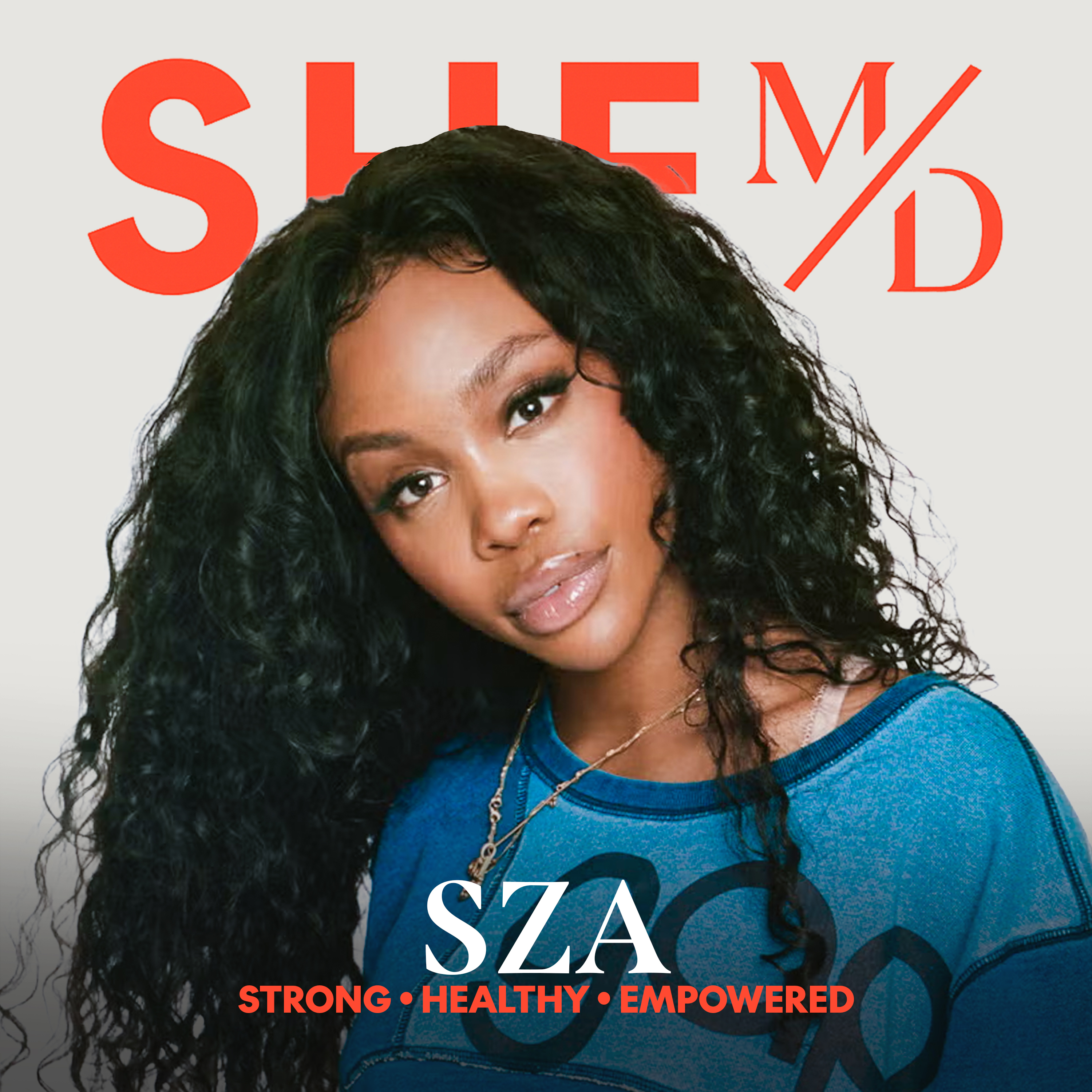
We are revisiting one of our favorite SheMD conversations with SZA.
SZA joins her longtime physician Dr. Thaïs Aliabadi and Mary Alice Haney for an intimate conversation about her health, family history and the anxiety that can come with trying to understand what is happening inside your own body.
Dr. A walks through SZA’s breast cancer risk assessment, family history, genetic testing and why a negative genetic test does not necessarily mean someone has an average lifetime risk of breast cancer.
SZA also talks candidly about health anxiety, therapy, trauma, relationships, creativity and learning to accept the parts of herself that do not fit the traditional idea of being a “nice girl.” She reflects on the drive that helped build her career, why outside validation once mattered so much to her and what she is still learning about trusting herself.
Plus, SZA talks about getting off the internet, motherhood, life beyond music and the people who have shaped who she is today.
This conversation was originally recorded before SZA went on to win three Grammys following the release of SOS.
Subscribe to SHE MD Podcast for expert tips on PCOS, endometriosis, fertility, hormonal balance, mental health, and more. Share with friends and visit SHE MD website and Ovii for research-backed resources, holistic health strategies, and expert guidance on women's health and well-being.
Sponsors
Blueland: Get 15% off your first order at blueland.com/shemd.
Ladder: Take the quiz at ladder.fit/shemd to find your perfect plan and get a free 7-day trial plus $10 off your first month.
Huel: Get 15% off online with code SheMD at huel.com/shemd. New customers only.
Toothpillow: Use code SheMD at toothpillow.com/shemd to unlock a free full video assessment, a $50 value.
Sequencing.com: Get up to 10% off your full genome test plus free shipping at sequencing.com with promo code SheMD.
What You'll Learn
Where the name SZA comes from and what each letter represents.
Why every woman should know her lifetime risk of breast cancer, even without a family history.
How factors like height, weight, breast density, family history, and genetic testing change a lifetime risk score.
Why women with a lifetime risk above 20% should start breast imaging at 30 instead of 40.
What a fibroadenoma is and why imaging catches cancers years before a lump can be felt.
How a family history of cancer can create lasting health anxiety, and why being your own advocate matters.
The story behind SOS and SZA's journey away from trying to be a "nice girl."
SZA's advice for young artists on protecting their health and creativity.
Key Takeaways
The average woman has a 12.5% lifetime risk of breast cancer, and every woman should have her personal risk calculated by her doctor.
A negative genetic test does not mean low risk, since family history, breast density, and other factors still affect a woman's lifetime risk.
Women with a lifetime risk above 20% should begin breast imaging at 30, not 40, and may be missed if risk is never calculated.
By the time a lump can be felt, it has often been there for years, which is why regular imaging is essential.
Watching loved ones go through cancer can create real health anxiety, and advocating for yourself is better than assuming something is nothing.
Integrating every part of yourself, including your edge, can be a source of strength rather than shame.
See Privacy Policy at https://art19.com/privacy and California Privacy Notice at https://art19.com/privacy#do-not-sell-my-info.
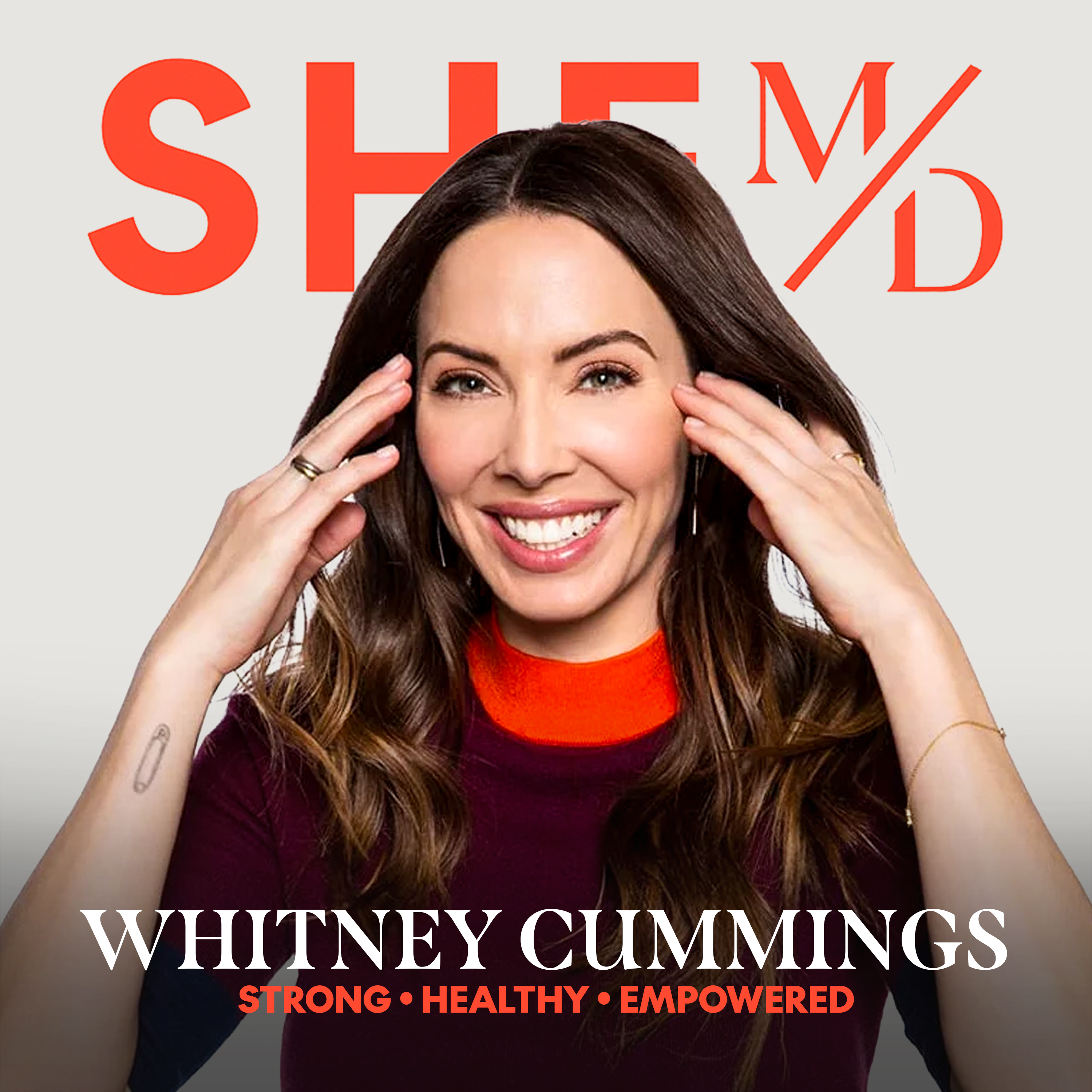
This one is a full-circle moment. Our guest isn't just one of Mary Alice's oldest friends (25 years and counting), she's also one of Dr. A's real-life patients, the doctor who actually froze her eggs. Whitney Cummings, comedian, actress, and creator of 2 Broke Girls and Whitney, has built a career saying the things women usually only whisper about. Today she says them out loud, with us.
Whitney was talking about freezing her eggs before it was a mainstream conversation (she did it at 33), and she is refreshingly, hilariously honest about getting pregnant at 40, being handed the term "geriatric pregnancy," the postpartum depression that came after her son, and the body image struggles she's carried for years. She and the hosts get into fertility, the real cost of waiting, why "biology is sexist," and the money advice she gives every young woman (skip the designer bag, save it for your eggs).
Funny, tender, and the kind of honesty that makes you feel less alone.
Subscribe to SHE MD Podcast for expert tips on PCOS, endometriosis, fertility, hormonal balance, mental health, and more. Share with friends and visit SHE MD website and Ovii for research-backed resources, holistic health strategies, and expert guidance on women's health and well-being.
Sponsors
Prolon: For a limited time, get 15% off sitewide plus a $40 bonus gift when you subscribe to the 5-day program. Visit prolonlife.com/shemd.
Egglife: Find Egglife egg white wraps in the fridge at Aldi, Whole Foods, Kroger, Target, Walmart, and more. Visit egglifefoods.com to find a retailer near you.
OHHO: Get 20% off your first order at ohho.co with code SheMD20.
Acely: Get 20% off SAT prep today at acely.com with code SheMD.
Osea: Get 10% off your first order sitewide with code SheMD at oseamalibu.com.
Skylight: Get $30 off the 15-inch Skylight Calendar at myskylight.com/shemd.
What You'll Learn
Why Whitney froze her eggs at 33 and how it eased her anxiety about dating and timing.
Why Dr. A tells patients never to use all of their frozen eggs to make embryos with a partner.
How egg quantity and quality decline with age, and what that means for miscarriage risk.
The lifestyle changes Whitney made before conceiving naturally at 40.
The testing and monitoring Dr. A recommends for advanced maternal age pregnancies, including preterm birth screening, low-dose aspirin, and growth ultrasounds.
Why delivery at 39 weeks is recommended for women over 40.
The difference between postpartum blues and postpartum depression, and how long the postpartum period really lasts.
Whitney's approach to co-parenting, forgiveness, and choosing a partner.
Key Takeaways
Egg freezing can reduce the pressure and anxiety around timing, and women should always keep some of their own eggs rather than using them all for embryos with a partner.
Both egg quantity and quality decline with age, but many women still have healthy pregnancies in their 40s with the right care and awareness of their personal risk factors.
Advanced maternal age pregnancies benefit from closer monitoring, including preterm birth screening, low-dose aspirin, regular growth ultrasounds, and delivery at 39 weeks.
Postpartum depression affects about one in seven women, can appear up to a year after birth, and is more likely without strong support at home.
Asking for help, leaning on your village, and letting motherhood change you are essential parts of postpartum recovery.
Choosing a partner based on respect and integrity, and co-parenting with kindness, creates a healthier environment for your child.
Guest Bio - Whitney Cummings
Whitney Cummings is a comedian, actress, director, and writer. She is the co-creator of 2 Broke Girls, the creator and star of NBC's Whitney, and the host of the podcast Good for You. Known for her disarmingly honest stand-up specials, Whitney has spoken openly about egg freezing, body image, sobriety, and her recovery from an eating disorder. She became a mom at 40 to her son Henry and has been candid about her pregnancy and postpartum journey.
See Privacy Policy at https://art19.com/privacy and California Privacy Notice at https://art19.com/privacy#do-not-sell-my-info.
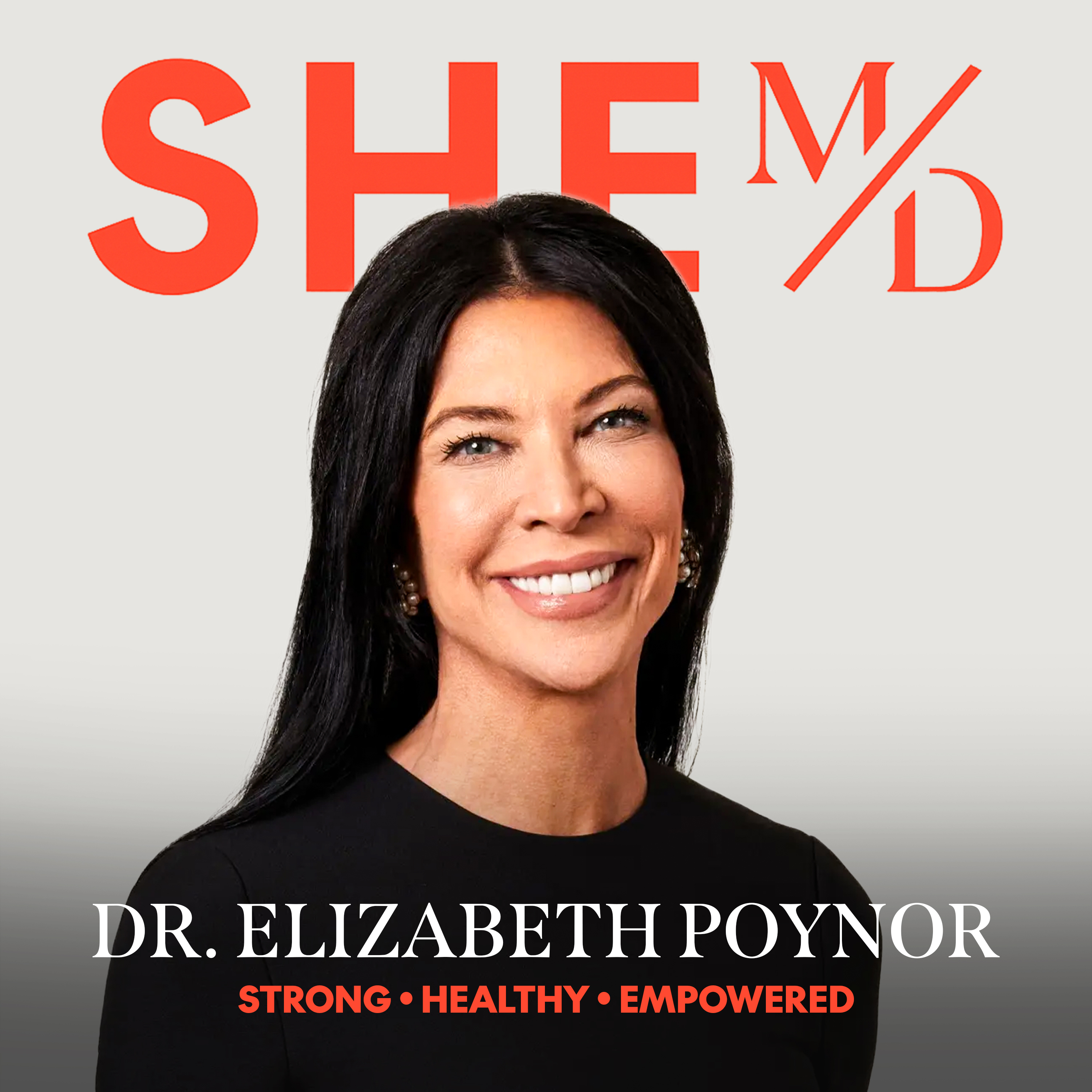
What does it actually mean to age well as a woman?
Dr. Elizabeth Poynor joins SheMD to explore longevity through a female and hormonal lens. Drawing on her background in gynecologic oncology, cancer prevention and women’s health, she explains why midlife can be a critical turning point and what may begin changing in the body years before menopause.
Dr. Poynor breaks down the roles of estrogen, progesterone and testosterone, including their connections to sleep, mood, brain fog, body composition, metabolic health and overall well-being. She also discusses hormone therapy, GLP-1s, protein intake, strength training, genetic testing, cancer prevention and why she believes movement is one of the most important habits women can build for long-term health.
Plus, Dr. Poynor shares her own experience with BRCA1, why she believes women should take a more proactive approach to prevention, and the mindset shift she wants women to make about aging.
Midlife is not just something to get through. It may be one of your greatest opportunities to take control of how you age.
Sponsors
Midi Health: It's time to get back to feeling like you again. Visit joinmidi.com right now to book your first visit today.
Talkiatry: Head to talkiatry.com/shemd to complete the short assessment and get matched with an in-network psychiatrist in just a few minutes.
Gusto: Try Gusto today at gusto.com/shemd and get three months free when you run your first payroll.
Blueland: If you're looking to make a small change in your routine, you can get fifteen percent off your first order at blueland.com/shemd
David: David is offering our listeners a special deal. Buy four cartons and get the fifth free when you go to davidprotein.com/shemd.
What You’ll Learn
Why midlife is a critical window for women to take a proactive approach to longevity and health
How hormonal changes in the late reproductive years can affect sleep, mood, brain health, metabolism, and body composition
The role of strength training, protein, sleep, nutrition, and stress management in healthy aging
What women should know about hormone therapy, including estrogen, progesterone, and testosterone
How GLP-1 medications may fit into midlife health and body composition, and why maintaining muscle is so important
Why women’s longevity needs to be understood through a hormonal lens—and where more research is still needed
Key Timestamps
00:00 Welcome to SHE MD Podcast
00:41 From Oncologist To Longevity Expert
04:04 Why Cancer Rates Are Rising
05:11 Genetic Testing And BRCA Story
07:47 Foundational Pillars For Health
09:42 Protein Intake For Midlife Women
11:44 GLP-1s And Body Composition
19:19 The Midlife Hormonal Turning Point
26:44 When To Start Hormone Therapy
31:46 Oral Vs Transdermal Estrogen
41:07 Progesterone And Testosterone Explained
46:37 Why Midlife Is A Critical Window
50:03 Movement As The Top Longevity Habit
51:12 Peptides: Where The Research Stands
53:10 Women's Longevity Vs Men's
Key Takeaways
Midlife is a critical opportunity to take a proactive approach to health and longevity.
Hormonal changes can impact sleep, mood, brain health, metabolism, and body composition.
Strength training and daily movement are foundational for healthy aging.
Protein and muscle preservation become increasingly important as women age.
Hormone therapy should be personalized and discussed with a knowledgeable healthcare professional.
More research is needed on hormones, GLP-1s, peptides, and women’s longevity.
Healthy habits built earlier in life can create a stronger foundation for long-term health.
Women’s longevity should be studied through a female-specific hormonal lens.
Guest Bio - Dr. Elizabeth Poyner
Dr. Elizabeth Poynor is a board-certified gynecologic oncologist, pelvic surgeon, and women’s health expert specializing in menopause, hormone health, and complex gynecologic conditions. She is Chair of Women’s Health and Gynecology at the Atria Health and Research Institute and a Clinical Professor at NYU Grossman School of Medicine. She combines her expertise in gynecologic oncology, surgery, and midlife women’s health to help women better understand and navigate their health.
See Privacy Policy at https://art19.com/privacy and California Privacy Notice at https://art19.com/privacy#do-not-sell-my-info.
Muscle is having its moment, and the woman leading the charge trains one of the most famous bodies in the world. Senada Greca, Kim Kardashian's trainer, joins Dr. A and Mary Alice to make the case that strength is a woman's birthright, and that lifting heavy will not make you bulky. It will make you powerful, capable, and built to last.
Senada shares how she went from using exercise to punish her body to using it to build herself, and how strength training became a tool that helped her heal. She and the hosts get into why so many of us were taught to fear the weight rack, what strength really does for your bones, your brain, and your longevity as you age, and how to start moving from a place of love instead of punishment.
Her advice for every woman listening: move, move mindfully, and move heavy.
Follow SheMD and share this with a woman who's ready to feel strong. @SheMDPodcast, shemdpodcast.com
Content note: this conversation includes an honest discussion of disordered eating and recovery. If you're struggling, please reach out to someone you trust or a qualified professional.
This podcast is for educational and entertainment purposes only and is not a substitute for medical advice. Some products or services discussed may involve sponsorships or paid advertising..
Sponsors
Sera: You can visit PreTRM.com to learn more and talk with your provider about whether the PreTRM test might be right for you.
Momentous: If you want to try Momentous Signature Spec Creatine, head to livemomentous.com and use code sheMD for up to 35% off your entire first order.
Opill: Preventing pregnancy is as easy as Opill. You can find Opill at most major retailers, in-stores and online.
Egglife: Find egglife wraps chillin' in the fridge at Aldi, Whole Foods, Kroger, Target, Walmart & more. Visit www.egglifefoods.com to find a retailer near you.
Ladder: If you have an iPhone, head to ladder.fit/shemd and take a quick quiz to find your perfect Ladder plan. You'll get a free seven-day trial, no credit card required, and $10 off your first month when you join.
What You’ll Learn
Why women shouldn’t be afraid of lifting heavy weights and why strength training won’t automatically make you bulkyHow strength training can support muscle mass, bone health, cognitive health, and longevity as women ageHow to start strength training safely, from mastering basic movements to gradually increasing weightWhy progressive overload and proper form matter more than how much weight you can liftHow protein, carbohydrates, and creatine can support strength, muscle, and overall healthHow to shift your relationship with exercise from punishment to a way of caring for and building your bodyHow strength can translate beyond the gym into greater confidence, capability, and trust in yourself
Key Timestamps
00:00 Welcome to SHE MD Podcast
01:29 Her Battle With Anorexia & Binge Eating
03:35 The Shift From Punishment to Strength
07:04 Kim's 5x a Week Heavy Lifting Revealed
07:51 Why Women Are Terrified of Weights
10:14 Progressive Overload Explained
19:01 How Beginners Should Start Lifting
23:18 "Will Lifting Make Me Bulky?" Myth Busted
25:35 Muscle, Bone Density & Alzheimer's Link
25:46 Why Protein Is Non-Negotiable
28:11 Sonata's Daily Protein & Creatine Ritual
40:41 Free Resources for Beginners
47:46 Farmer's Carries, Age & Menopause
Key Takeaways
Start where you are. Even five minutes of movement can help build a consistent habit.Focus on moving well and mindfully before adding more weight.Strength training is about becoming stronger and more capable, not shrinking yourself.Gradually increasing the challenge, while maintaining good form, is key to building strength.Aim for consistency over perfection. Three intentional strength-training sessions per week can be effective.Protein is an important part of supporting muscle growth and strength, particularly as women get older.Strength training becomes increasingly important for supporting muscle and bone health as we age and move through perimenopause and menopause.Movement can be an act of self-care: move to protect your future self, support your longevity, and build trust in your body.As Senada puts it: move, move mindfully, and move heavy.
Guest Bio - Senada Greca
Senada Greca is a certified personal trainer, breathwork and meditation teacher, and the strength coach behind Kim Kardashian's viral heavy-lifting transformation. After overcoming her own struggle with anorexia, binge eating, depression, and anxiety, she built her career around helping women reframe fitness as a tool for strength rather than punishment. She holds an MBA and is the founder of We Rise, a fitness and self-development platform and app that combines strength training with mental health support, career development, and community-building for women.
See Privacy Policy at https://art19.com/privacy and California Privacy Notice at https://art19.com/privacy#do-not-sell-my-info.
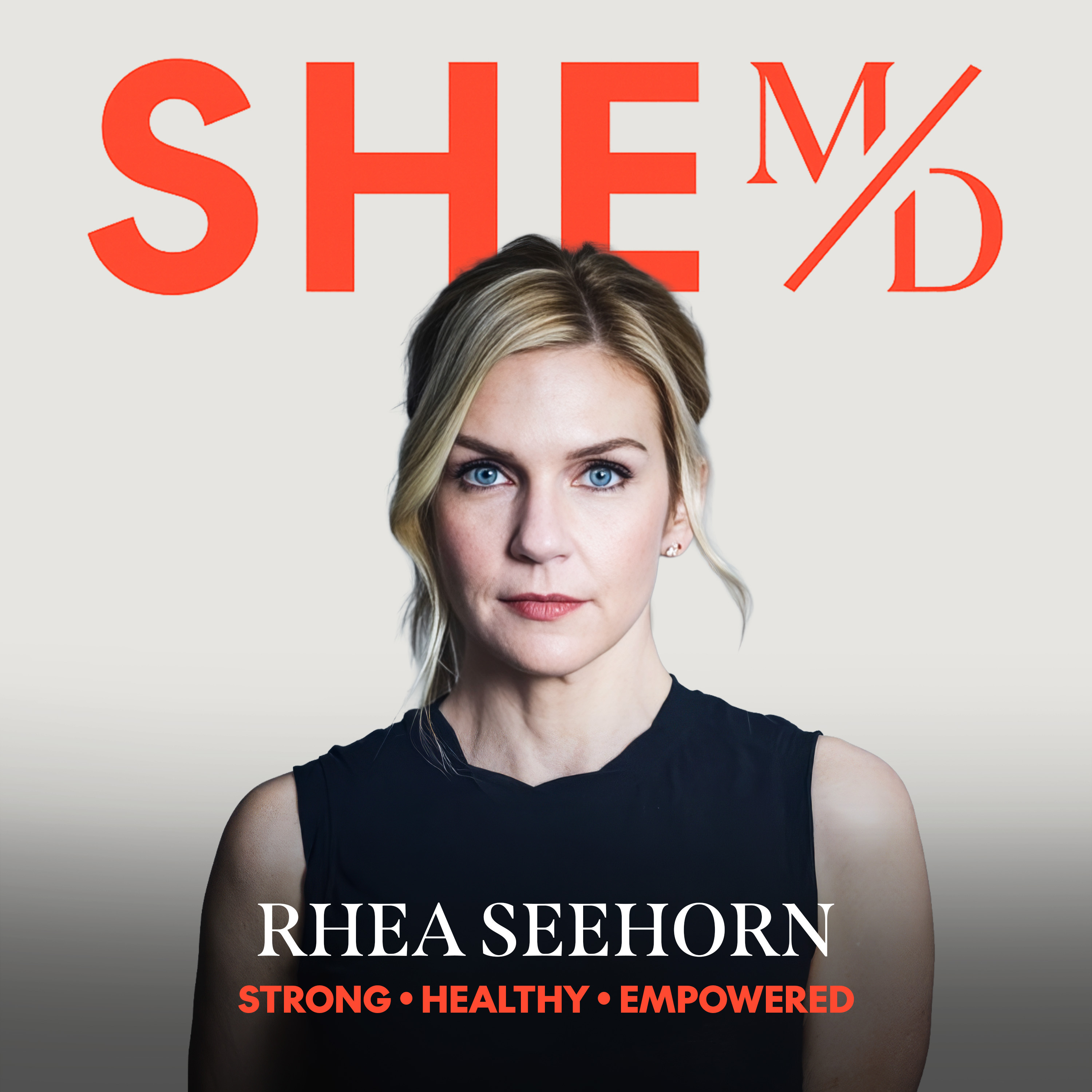
Rhea Seehorn is up for an Emmy this weekend for her extraordinary performance in Pluribus, so we're bringing back one of our most personal, most-loved episodes. Because to Mary Alice, Rhea isn't just an award-winning actress. She's her best friend, and the stepmom to her two boys.
In this conversation, Mary Alice and Rhea tell the wild (and very true) story of how they met, and how Mary Alice ended up setting Rhea up with her own ex-husband. They get honest about building a thriving blended family over twelve years, co-parenting after divorce, dating in your 30s, the female friendships that hold everything up, and the health scare a dozen doctors waved off as "probably hormonal" before Rhea pushed for a real answer. She closes with five pieces of hard-won advice every woman needs to hear, starting with "you're already enough."
Whatever happens on Emmy night, we could not be prouder of her.
A companion to our episode with parenting coach Betsy Brown Braun. Follow SheMD and share this with a woman navigating divorce, dating, or a blended family of her own. @SheMDPodcast ·shemdpodcast.com
This podcast is for educational and entertainment purposes only and is not a substitute for medical advice. Some products or services discussed may involve sponsorships or paid advertising.
Subscribe to SHE MD Podcast for expert tips on PMOS, endometriosis, fertility, hormonal balance, mental health, and more. Share with friends and visit SHE MD website and Ovii for research-backed resources, holistic health strategies, and expert guidance on women’s health and well-being.
Sponsors
Midi Health: It's time to get back to feeling like you again. Visit joinmidi.com right now to book your first visit today.
Huel: Make healthy eating simple. Get Huel today with our exclusive offer of 15% OFF online with code SheMD at Huel.com/SheMD.
Acely: Visit Acely.com and use code SHEMD for 20% off.
Toothpillow: For a limited time, SheMD listeners can get a free video assessment. Just head to toothpillow.com/shemdorshemdpod and use code SheMD at checkout
Gusto: Try Gusto today at gusto.com/shemd and get three months free when you run your first payroll.
Key Timestamps
00:00 Welcome to SHE MD Podcast
04:24 Rhea’s Dating Advice
08:17 Choosing Not to Have Biological Children
11:52 Building a Blended Family
16:45 Friendship, Confidence & Supporting Other Women
18:38 The Hardest Part of a Blended Family
21:37 Missing Moments With Your Kids
23:17 Becoming a “Bonus Mom”
24:52 Balancing Motherhood & a Career
27:09 How Rhea Seehorn Became an Actress
30:00 Building a Career in Hollywood
33:42 Better Call Saul & Career-Defining Roles
37:18 Rhea’s Career, Family & Life Today
40:15 Final Thoughts
Key Takeaways
How to co-parent without chaos: Whether biological or step-parent, your love and presence matter.
Making a blended family work: boundaries, respect, and lots of grace. Accept that blended families require flexibility and compromise.
Women need to stop apologizing for ambition: Working moms can be great role models by pursuing their passions.
Speak up at the doctor’s office: Push for proper medical care, especially when facing dismissive responses.
Open communication: Express needs and boundaries to strengthen relationships.
Guest Bio: Rhea Seehorn
Rhea Seehorn is an Emmy-nominated actress and director best known for her acclaimed performance as Kim Wexler in Better Call Saul. She currently stars as Carol Sturka in Pluribus, earning a 2026 Emmy nomination for Outstanding Lead Actress in a Drama Series. Before acting, Rhea studied visual art and discovered theater through an acting elective in college, eventually building a career across theater, comedy, television, and drama. In this episode of SHE MD, Rhea joins her close friend Mary Alice Haney for a deeply personal conversation about dating, becoming a stepmother, building a blended family, choosing not to have biological children, balancing motherhood with a demanding career, and the path that ultimately led her to acting.
See Privacy Policy at https://art19.com/privacy and California Privacy Notice at https://art19.com/privacy#do-not-sell-my-info.
What if your health is about more than your lab results? In this episode of SHE MD, Mary Alice sits down with Dr. Lucy McBride, physician and author of Beyond the Prescription, to talk about how women can become better advocates for their health while navigating an overwhelming medical system. They discuss HRT and perimenopause, GLP-1s, cortisol, alcohol, health misinformation, vaccines, AI, and how to know which medical information you can actually trust. Dr. McBride shares how to make the most of a 10- or 15-minute doctor’s appointment and why sometimes the most important health question isn’t the one you think you should be asking.
Subscribe to SHE MD Podcast for expert tips on PMOS, endometriosis, fertility, hormonal balance, mental health, and more. Share with friends and visit SHE MD website and Ovii for research-backed resources, holistic health strategies, and expert guidance on women’s health and well-being.
Sponsors
Midi Health: Book your first virtual visit today at joinmidi.com.
Opill: Opill is birth control in your control. Check out Opill to see if it is right for you. You can find Opill at most major retailers in store and online at opill.com.
Olly: Shop Precise Probiotics with Skin, Stress Response, or Metabolism Support at a Walmart near you.
Figs: So if you're in healthcare - or know someone who is - get 15% off your first order at wearfigs.com with code FigsRx.
Ka'Chavaa: Go to kachava.com and use code SheMD for 15% off your first order.
Blueland: If you're looking to make a small change in your routine, you can get 15% off your first order at blueland.com/SheMD.
What You’ll Learn
Why your health is about more than what shows up on a blood test
How to prepare for a short doctor’s appointment and advocate for yourself
What Dr. McBride wants women to understand about HRT and perimenopause
How she approaches GLP-1 medications and the growing conversation around “microdosing”
Why cortisol has become a misleading catch-all explanation for women’s health concerns
How to think about your relationship with alcohol rather than simply how much you drink
How to identify misinformation and evaluate medical claims online
How to use AI tools like ChatGPT or Claude more thoughtfully when researching your health
What questions women should ask when thinking about preventive health
Why finding the right doctor and building an ongoing relationship with them matters
Key Timestamps
00:00 Welcome Dr. Lucy McBride
04:02 How to Advocate for Yourself at the Doctor's Office
07:33 What Women Need to Know About HRT
10:58 Testosterone in Women: Benefits, Risks & When to Consider It
12:20 The Truth About the "Cortisol" Wellness Myth
14:19 Alcohol, Women's Health & Your Relationship With Drinking
21:10 What Preventive Health Really Looks Like
23:51 The Pandemic & Why Dr. McBride Wrote Her Book
25:24 How to Navigate Health Information in the Age of AI
27:50 Spotting Misinformation & Finding Trusted Medical Sources
30:23 How to Use AI to Ask Better Health Questions
36:05 How to Read Medical Studies & Spot Misleading Headlines
38:24 Dangerous Wellness Trends & Medical Misinformation
39:39 Vaccines, COVID-19 & What the Data Shows
41:36 Understanding Long COVID
43:27 Dr. Lucy McBride's Three Takeaways for Patients
45:52 Final Thoughts & SHE MD Takeaways
Key Takeaways
How to advocate for yourself during a short doctor’s appointment
Why your health is about more than your lab results
What women should know about HRT during perimenopause and menopause
How to think about GLP-1 medications and who they may be right for
The truth about cortisol and chronic stress
How alcohol can impact women’s physical and mental health
How to spot health misinformation online
How to use AI to ask better questions about your health
What preventive health questions women should be asking their doctors
Why finding the right doctor can make all the difference
Guest Bio: Dr. Lucy McBride
Dr. Lucy McBride is a physician, author, and medical communicator whose public-facing work grew during the COVID-19 pandemic, when she began sharing evidence-based information and helping people separate medical facts from misinformation. She has written for The Atlantic, appeared regularly on MSNBC, and testified before congressional committees. Her book, Beyond the Prescription, draws on her own experience as a patient and more than 25 years of medical experience to explore a more holistic approach to health. She is also the author of the weekly Substack newsletter Are You Okay?, which focuses on cutting through medical noise and helping people better understand their health.
See Privacy Policy at https://art19.com/privacy and California Privacy Notice at https://art19.com/privacy#do-not-sell-my-info.