Bekomm eine E-Mail, wenn Dr in einem Podcast zu Gast istPodAppear prüft neue Folgen, sobald sie erscheinen, und lässt die weg, in denen Dr nur erwähnt wird. Bis zu 15 Personen kostenlos, ohne Kreditkarte.Bis zu 15 Personen kostenlos, ohne Kreditkarte.
Dr kostenlos folgen
DS

Dr Sonja Lyubomirsky

Dr Sonja Lyubomirsky war in den letzten 12 Monaten in 4 Podcast-Folgen aus 3 verschiedenen Sendungen zu Gast, am häufigsten bei Hidden Brain (2-mal). Zuletzt: Feel Better, Live More with Dr Rangan Chatterjee, 29. Sept. 2026.

Zwei Jahre auf Sendung

GastHostErwähnt

Gastauftritte

Di29Sep
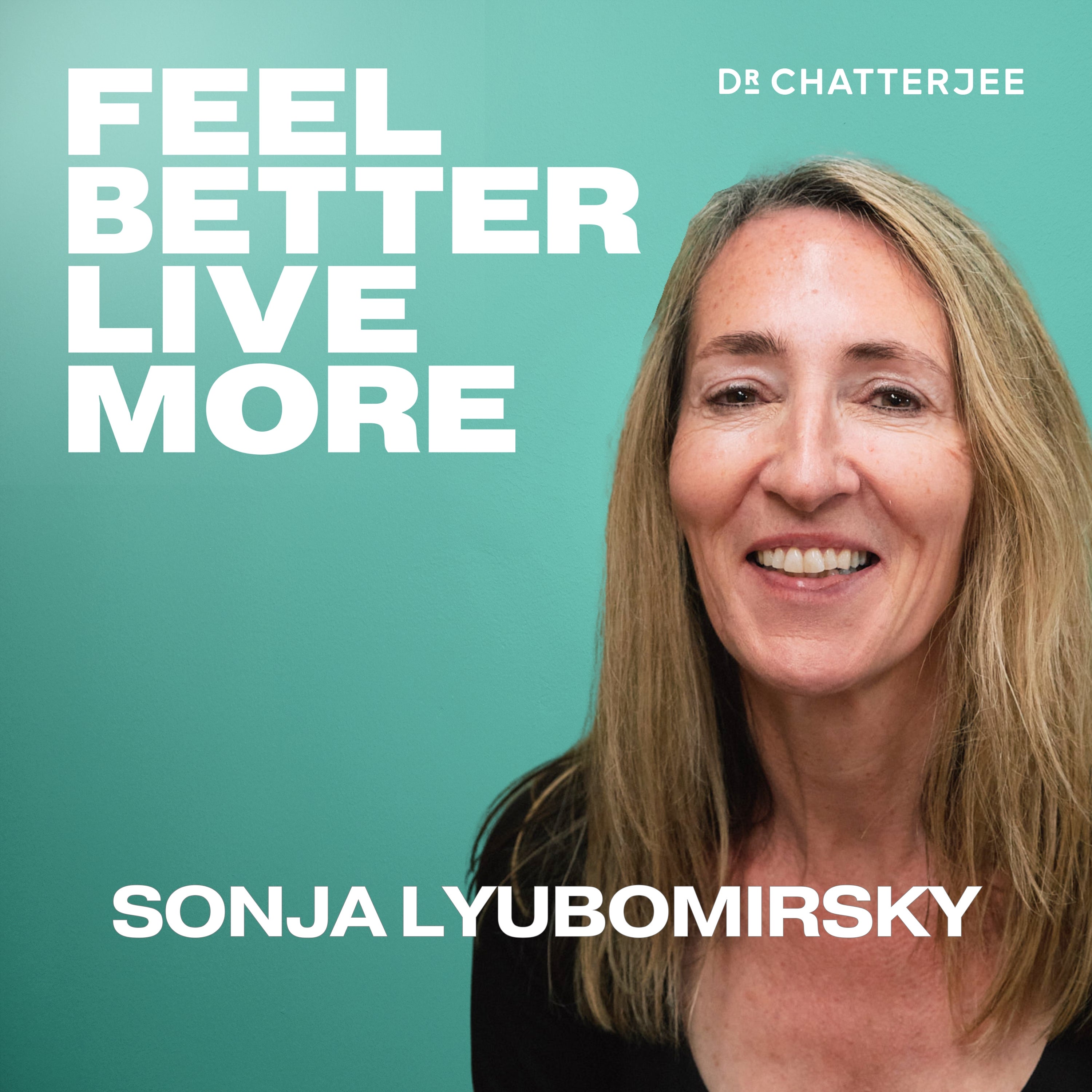
Feel Better, Live More with Dr Rangan Chatterjee

Feel Better, Live More with Dr Rangan Chatterjee

The Science of Happiness, Love & Human Connection with Professor Sonja Lyubomirsky #683

If you can’t shake the idea that happiness lies just around the corner, that you’ll ‘be happy when…’ you achieve X, Y or Z, then this conversation will bring you into the present. Because as my guest reveals, the secret to happiness isn't your future success, money or health, but something far simpler (which you can change today). It’s feeling loved. That's the conclusion happiness researcher Sonja Lyubomirsky has arrived at after 36 years studying what makes us content, and it's the focus of this week's episode. Sonja is Distinguished Professor of Psychology at the University of California, Riverside, and the author of several bestselling books on happiness. Her latest, written with relationship scientist Harry Reis, is called How to Feel Loved. It makes the case that being loved is not the same as feeling loved – and the latter is key to individual happiness and societal wellbeing. During this warm and inspiring conversation, Sonja sets out her five mindsets – including Radical Curiosity, Sharing, and the Multiplicity Mindset – which can help us feel more loved. She demonstrates how we can all adopt them to forge better relationships with everyone from friends, partners and family members to colleagues and strangers. We explore the idea of hedonic adaptation – why those things we assume will make us happy (good looks, a better job, a bigger house) bring short-lived rewards. We discuss why happier people tend to become more successful, rather than the other way round, and Sonja reveals fascinating research linking happiness to physical health and immunity. Our conversation also takes in cultural attitudes to happiness, from Sonja's early years in Russia to her decades living in the US, and what these differences reveal about the assumptions many of us hold without realising. Sonja shares a moving account of meeting the Dalai Lama, including his own definition of happiness. And we try out some of the exercises from her book live in the studio, including her Fast Friends questions designed to dissolve barriers and build closeness in minutes. By the end of this powerful episode, you'll understand why forgiveness, curiosity and honest conversation matter more to your happiness than almost anything else. You'll feel more optimistic about your potential to feel loved. And you’ll come away with practical ways to bring valuable connections into your life, starting with your very next conversation. The Thrive Tour: Transform Your Health and Happiness, a live show: Book Your Tickets https://drchatterjee.com/live Thanks to our sponsors: https://boncharge.com/livemore https://dohealth.co/livemore https://drinkag1.com/livemore Show notes https://drchatterjee.com/683 DISCLAIMER: The content in the podcast and on this webpage is not intended to be a substitute for professional medical advice, diagnosis, or treatment. Always seek the advice of your doctor or qualified healthcare provider. Never disregard professional medical advice or delay in seeking it because of something you have heard on the podcast or on my website. Learn more about your ad choices. Visit podcastchoices.com/adchoices

2 h 03 minAbspielen in:

Mo17Aug
Hidden Brain

Hidden Brain

How to Be A Better Partner

When we look at the people we love, how clearly do we really see them? This week, we talk with psychologist Edward Lemay about how our fears, desires, and insecurities can shape our perceptions of our partners — sometimes creating the very reality we expect. He explains how we can learn to see our partners in ways that create greater trust and connection. Then, Sonja Lyubomirsky answers your questions about the gap between being loved and feeling loved, in our latest installment of "Your Questions Answered." If you enjoy listening to Hidden Brain, we think you'll enjoy watching it as well! Subscribe to our new YouTube channel at youtube.com/@hiddenbrain so you don't miss any of our videos. Hosted by Simplecast, an AdsWizz company. See pcm.adswizz.com for information about our collection and use of personal data for advertising.

1 h 26 minAbspielen in:

Mi20Mai
Finding Mastery with Dr. Michael Gervais

Finding Mastery with Dr. Michael Gervais

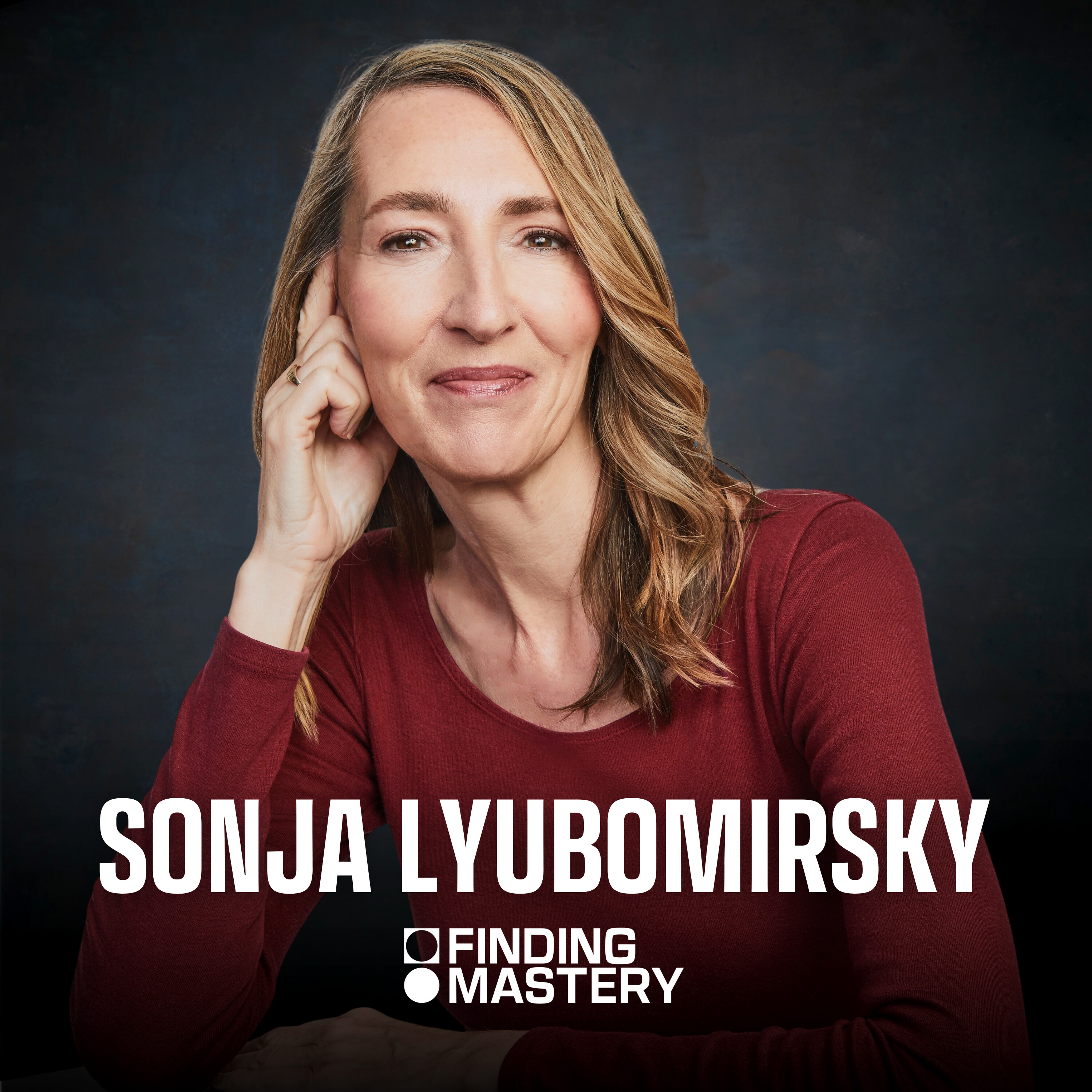
The Psychology Of Feeling Loved | Dr Sonja Lyubomirsky

Why is it that so many of us are loved... and yet don’t actually feel loved? Dr. Sonja Lyubomirsky is a Professor of Psychology at UC Riverside and one of the world’s leading researchers on happiness. Her newest book, How to Feel Loved, co-authored with relationship scientist Harry Reis, lands at a strange moment: a time when more people than ever say they are connected, and more people than ever say they don’t actually feel it. In this conversation with Dr. Michael Gervais, Sonja offers a quietly radical reframe. After 36 years of studying what makes a life happy, she has come to believe the answer lies in this: Feeling loved. And here is where it gets interesting. Sonja’s research is showing that feeling loved is not something we have to wait for. It’s something we can help create. Most of us, when we sense the absence, default to one of two strategies. We try to be more lovable. Or we try to change the person on the other side. Sonja argues that neither one actually works. What changes a relationship is changing the conversation. She walks Mike through the five mindsets at the heart of the book: the sharing mindset, listening to learn, radical curiosity, open heart, and multiplicity. Along the way, they explore why most of us are listening to respond instead of listening to learn, the three words people actually want to hear (hint: it’s not I love you), and why ‘tell me more’ might be one of the most loving phrases in the English language. Sonja shares her foggy glass metaphor for why being known is the prerequisite to being loved, the Michelangelo effect, and a striking line the Dalai Lama once said to her about how we hold each other. The conversation also gets honest about the harder edges. Bridging political divides at the dinner table. Staying curious about a partner of 30 years. Navigating the modern questions around AI companions, monogamy, and what it means to really go deep with another human. And the research on what tiny acts of kindness, including the impact a 10-second compliment can have. If you’ve ever been surrounded by people who love you and still felt unseen, this conversation is a gentle invitation back in. The good news is that feeling loved is under your control, more than you think. Sonja’s research will show you exactly where to start. Most of us are waiting to feel loved. Sonja shows us how to create the conditions for it... starting today. _____________________________________________________ Links & Resources This episode is brought to you in part by our partner Sunlighten, the company that has pioneered infrared sauna technology. Go to https://findingmastery.com/sunlighten to see how you can save up to $2,200 on their mPulse Intelligent Sauna. Subscribe to our YouTube Channel for more conversations at the intersection of high performance, leadership, and wellbeing: https://www.youtube.com/c/FindingMastery Get exclusive discounts and support our amazing sponsors! Go to: https://findingmastery.com/sponsors/ Subscribe to the Finding Mastery newsletter for weekly high performance insights: https://www.findingmastery.com/newsletter Download Dr. Mike’s Morning Mindset Routine: findingmastery.com/morningmindset Follow on YouTube, Instagram, LinkedIn, and X Book: How to Feel Loved by Dr. Sonja Lyubomirsky and Harry Reis. Learn more and take the mindset quiz at howtofeellove.com See Privacy Policy at https://art19.com/privacy and California Privacy Notice at https://art19.com/privacy#do-not-sell-my-info.

1 h 04 minAbspielen in:

Mo20Apr
Hidden Brain

Hidden Brain

Do You Feel Loved?

What’s the difference between being loved and feeling loved? Psychologist Sonja Lyubomirsky joins us to discuss the distinction, and how we can create a stronger feeling of closeness in our relationships. Then, in our latest installment of Your Questions Answered, psychologist Greg Walton returns to answer listeners’ questions about negative thought spirals. As individuals and as a society, we often overlook a strategy that can help us to improve our lives. We discuss this tool in a new video on Hidden Brain's YouTube channel. Please check it out, and let us know what you think! Hosted by Simplecast, an AdsWizz company. See pcm.adswizz.com for information about our collection and use of personal data for advertising.

1 h 33 minAbspielen in:

Warum PodAppear

Folge Menschen, nicht Podcasts.

Du hast Dr in einer Sendung gehört. PodAppear findet für dich die nächste, und genauso für alle anderen, die du hören willst.

  • Eine Meldung, wenn die Person zu Gast istPer E-Mail: sofort oder gebündelt als Tages- oder Wochenübersicht. Dann nur noch auf Play drücken.
  • Gäste statt bloßer ErwähnungenFolgen, in denen ein Name nur fällt, landen getrennt. Eine Meldung heißt: Die Person ist wirklich in der Sendung.
  • Alle in einem FeedGründerinnen, Autoren, Sportler, Forscherinnen. Folge allen mit Namen, quer durch jede Sendung, in der sie auftreten.

Bis zu 15 Personen kostenlos, ohne Kreditkarte.