Finding Mastery with Dr. Michael Gervais cover
Podcast

Finding Mastery with Dr. Michael Gervais

von Dr. Michael Gervais

Finding Mastery with Dr. Michael Gervais hatte in den letzten 12 Monaten 42 bestätigte Gäste in 43 Folgen. Zuletzt: Jackson Olson, 25. Nov. 2026.

Website der SendungApple PodcastsSo werden Gäste bestätigt

Dive into the minds of the world’s greatest athletes, leaders, thinkers, and doers with Dr. Michael Gervais—a high performance psychologist and world-renowned expert on the relationship between high performance and the mind. Dr. Gervais’s client roster includes Super Bowl winning NFL teams, Fortune 50 CEOs, Olympic…

Gäste der Sendung

Mi25Nov
Finding Mastery with Dr. Michael GervaisJackson Olson

Jackson OlsonGast

The Psychology of Panic Attacks | Jackson Olson

Jackson Olson was playing second base for the Savannah Bananas when his vision started to go. He kept picking up dirt and rubbing it on his face to make sure his hands were his hands. He made two errors in a row on balls hit right at him, the kind he never misses. Then he sat in the locker room with his head in his hands for 30 minutes while his teammates walked in and out. Jackson Olson is a second baseman for the famed Savannah Bananas and a contestant on season 35 of Dancing with the Stars, with millions of followers watching him do both. He has been open about his panic attacks and his anxiety, which is still rare in pro sport. Jackson and Mike get into the four panic attacks he remembers from a three week stretch, the games he missed, the performance-based identity underneath them, and the breathing practice he did in the car on the way to record this conversation. Jackson was embarrassed. He thought he was on top of the world, so he felt he had to keep being that person for everyone, including the teammates who looked at him as the one doing it right. He calls it living a double life. What changed was not complicated. He stopped hiding, called his best friend, and started working on the short list of things he is actually in control of. His experiences offer us something we can take for our own lives. Enjoy the conversation. ___________________________________________ Links & Resources: Jackson Olson on Instagram: @jacksonolson_ Jackson Olson on TikTok: @jacksonolson_ Jackson Olson with the Savannah Bananas: bananaball.com/savannah-bananas/roster Dancing with the Stars: Season 35 on ABC, partnered with Emma Slater Also mentioned: Dear Parent: Sport Isn't Easy. Here's How to Have Our Back, by Grayson Gervais: http://www.dearparentbook.com Subscribe to our Youtube Channel for more conversations at the intersection of high performance, leadership, and wellbeing: https://www.youtube.com/c/FindingMastery Get exclusive discounts and support our amazing sponsors! Go to: https://findingmastery.com/sponsors/ Subscribe to the Finding Mastery newsletter for weekly high performance insights: https://www.findingmastery.com/newsletter Download Dr. Mike's Morning Mindset Routine: findingmastery.com/morningmindset Follow on YouTube, Instagram, LinkedIn, and X See Privacy Policy at https://art19.com/privacy and California Privacy Notice at https://art19.com/privacy#do-not-sell-my-info.
58 minAbspielen in:

Mi18Nov
Finding Mastery with Dr. Michael GervaisJC

Jennifer CohenGast

The Psychology of Being Bold | Jennifer Cohen

Jennifer Cohen was 17, standing outside a Winnipeg theater in minus 40 cold, waiting for Keanu Reeves to come out the back door. She had no pen and no plan. A girl in the crowd handed her a lip liner, she found a gum wrapper in her pocket and wrote her phone number on it. She didn't want an autograph. She wanted help making a demo tape. Five days later, her mother told her to check the answering machine... Jennifer Cohen is an entrepreneur and brand strategist, host of the podcast Habits & Hustle, and author of Bigger, Better, Bolder. Her TEDx talk on getting what you want has been viewed more than six million times. Jennifer and Mike get into why she calls mediocrity a superpower, the ten-attempt practice she recommends for pursuing what you want, and why she sees likability as a precursor to boldness. She is direct about the choice she made at 17: risk rejection or regret not trying. This conversation is for anyone who has been taking what is offered instead of asking for what they want. Jennifer’s position is that being bold is a skill, and that most people never make the attempt. Her line is if you do not ask for what you want, the answer will always be no. Enjoy the conversation. __________________________________________________ Links & Resources: Jennifer Cohen’s Website: jennifercohen.com Jennifer Cohen’s Books: Bigger, Better, Bolder: Live the Life You Want, Not the Life You Get, Strong Is the New Skinny, No Gym Required, Badass Body Goals Jennifer Cohen’s Podcast: Habits & Hustle (habitshustle.com) Jennifer Cohen’s TEDx Talk: The Secret to Getting Anything You Want in Life, TEDxBuckhead Mental Health Resources: If you or someone you know is struggling, the 988 Suicide & Crisis Lifeline is available 24/7 in the US. Call or text 988, or chat at 988lifeline.org. Subscribe to our Youtube Channel for more conversations at the intersection of high performance, leadership, and wellbeing: https://www.youtube.com/c/FindingMastery Get exclusive discounts and support our amazing sponsors! Go to: https://findingmastery.com/sponsors/ Subscribe to the Finding Mastery newsletter for weekly high performance insights: https://www.findingmastery.com/newsletter Download Dr. Mike’s Morning Mindset Routine: findingmastery.com/morningmindset Follow on YouTube, Instagram, LinkedIn, and X See Privacy Policy at https://art19.com/privacy and California Privacy Notice at https://art19.com/privacy#do-not-sell-my-info.

55 minAbspielen in:

Mi11Nov
Finding Mastery with Dr. Michael GervaisRobert Greene

Robert GreeneGast

The Psychology of the Sublime | Robert Greene

When Robert Greene woke from his stroke, he looked out the hospital window and everything had an intensity he had never experienced before. The sky seemed to glow. The leaves and the crows outside his window seemed newly alive. The word he uses is “incandescence.” He took the experience as a signal that it was time to write the book he had been thinking about for twenty years. Robert Greene is the bestselling author of The Laws of Human Nature, Mastery, and The 48 Laws of Power. His new book, The Law of the Sublime, took seven years to write. Because he could no longer type, he drafted it by hand across more than a hundred notebooks. Robert and Mike explore what the sublime is, the twelve doorways Greene describes, and how ego and self-absorption can narrow our experience of the world. What Robert wants is for you to look at the world the way he had to learn to look at it. We are only alive once, as he puts it, and most of us are not really seeing it. Enjoy the conversation. _________________________________________________ Links & Resources: Robert Greene’s Website: powerseductionandwar.com Robert Greene’s Books: The Law of the Sublime, The Laws of Human Nature, Mastery, The 48 Laws of Power Robert Greene’s Newsletter: Weekly email at powerseductionandwar.com Subscribe to our YouTube Channel for more conversations at the intersection of high performance, leadership, and wellbeing: https://www.youtube.com/c/FindingMastery Get exclusive discounts and support our amazing sponsors! https://findingmastery.com/sponsors/ Subscribe to the Finding Mastery newsletter for weekly high performance insights: https://www.findingmastery.com/newsletter Download Dr. Mike’s Morning Mindset Routine: findingmastery.com/morningmindset Follow on YouTube, Instagram, LinkedIn, and X See Privacy Policy at https://art19.com/privacy and California Privacy Notice at https://art19.com/privacy#do-not-sell-my-info.
1 h 27 minAbspielen in:

Mi4Nov
Finding Mastery with Dr. Michael GervaisJD

Joe DispenzaGast

The Psychology of Change | Dr Joe Dispenza

Why is change so hard, and what actually makes it possible? Dr Joe Dispenza returns to Finding Mastery to talk with Dr Michael Gervais about change, health, and the patterns that shape our lives. Dr Joe is an author, lecturer, and researcher whose work on meditation and the mind-body connection draws people from around the world to his weeklong events. He says many of us run on familiar thoughts and reactions, often without noticing them. He describes health changes he has observed among participants at his events, and explains how he interprets the data. Joe and Mike discuss the prefrontal cortex and its role in setting a clear intention, why the present moment is where we encounter the unknown, and what can shift when attention moves from a narrow focus to a wider one. Joe’s definition of mastery is knowing that you know. With it, he says, comes a kind of quiet grace. Enjoy the conversation. __________________________________________ Links & Resources Join Dr Joe for a life-changing retreat experience filled with connection, inspiration, and transformation. https://bit.ly/48uAADh Dr Joe Dispenza’s Website: drjoedispenza.com Dr Joe Dispenza’s Books: New You, New Life: Reprogram Your Mind and Body to Create the Future You Want (audio original), Becoming Supernatural, You Are the Placebo, Breaking the Habit of Being Yourself Dr Joe Dispenza’s Retreats and Online Courses and Programs: drjoedispenza.com Subscribe to our YouTube Channel for more conversations at the intersection of high performance, leadership, and wellbeing: https://www.youtube.com/c/FindingMastery Get exclusive discounts and support our amazing sponsors! Go to: https://findingmastery.com/sponsors/ Subscribe to the Finding Mastery newsletter for weekly high performance insights: https://www.findingmastery.com/newsletter Download Dr. Mike’s Morning Mindset Routine: findingmastery.com/morningmindset Follow on YouTube, Instagram, LinkedIn, and X See Privacy Policy at https://art19.com/privacy and California Privacy Notice at https://art19.com/privacy#do-not-sell-my-info.
1 h 09 minAbspielen in:

Mi28Okt
Finding Mastery with Dr. Michael GervaisGG

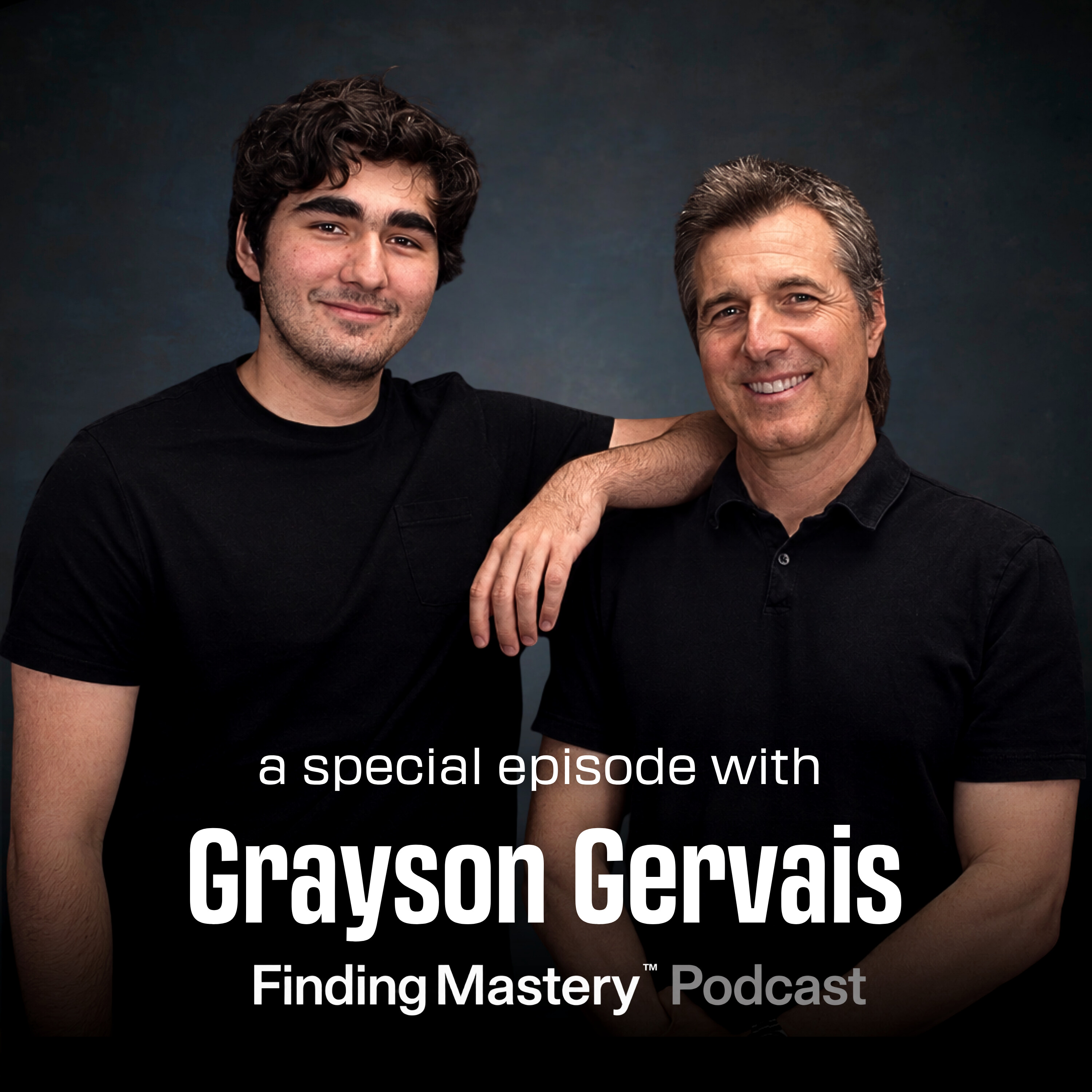
Grayson GervaisGast

The Psychology of Youth Sports | Grayson Gervais

Mike’s son, Grayson, wrote a book to parents about young athletes, and it challenges how we think about supporting our kids through sport. Those of us with kids in youth sports know what the experience gives them... teamwork, commitment, the skill of balancing a full week. We have come at that subject often on this podcast, usually through the lens of the coach, the parent, or the research. This one comes from the kid’s angle – from the court, the car ride home, and the receiving end of those parent and child conversations. Grayson has played competitive club volleyball for six years, four of them as a varsity player and a captain. He wrote the book as a high school senior, in the middle of his last season, while the lessons were still fresh. It’s called Dear Parent: Sport Isn’t Easy. Here’s How to Have Our Back. Eleven chapters… tough teammates, coaches who get something wrong, and what a club sport actually costs in time and sleep. Each one is a story, what he took from it, and something a parent can try that week. Mike and Grayson get into the moments Grayson felt supported and the times where he didn’t, how he learned to separate the player from the person when a season went sideways, and the thin line between extra work and burnout. You also get to watch Mike as a dad and Grayson as a son. The question the book leaves us with is not whether our kids’ teams won or lost... It is whether we honored the person while we were developing the player. ___________________________________________________ Links & Resources: Grayson Gervais’s Book: Dear Parent: Sport Isn’t Easy. Here’s How to Have Our Back. Book Website: dearparentbook.com and you can get your copy here. Subscribe to our Youtube Channel for more conversations at the intersection of high performance, leadership, and wellbeing: https://www.youtube.com/c/FindingMastery Get exclusive discounts and support our amazing sponsors! Go to: https://findingmastery.com/sponsors/ Subscribe to the Finding Mastery newsletter for weekly high performance insights: https://www.findingmastery.com/newsletter Download Dr. Mike’s Morning Mindset Routine: findingmastery.com/morningmindset Follow on YouTube, Instagram, LinkedIn, and X See Privacy Policy at https://art19.com/privacy and California Privacy Notice at https://art19.com/privacy#do-not-sell-my-info.
43 minAbspielen in:

Mi21Okt
Finding Mastery with Dr. Michael GervaisMikaela Shiffrin

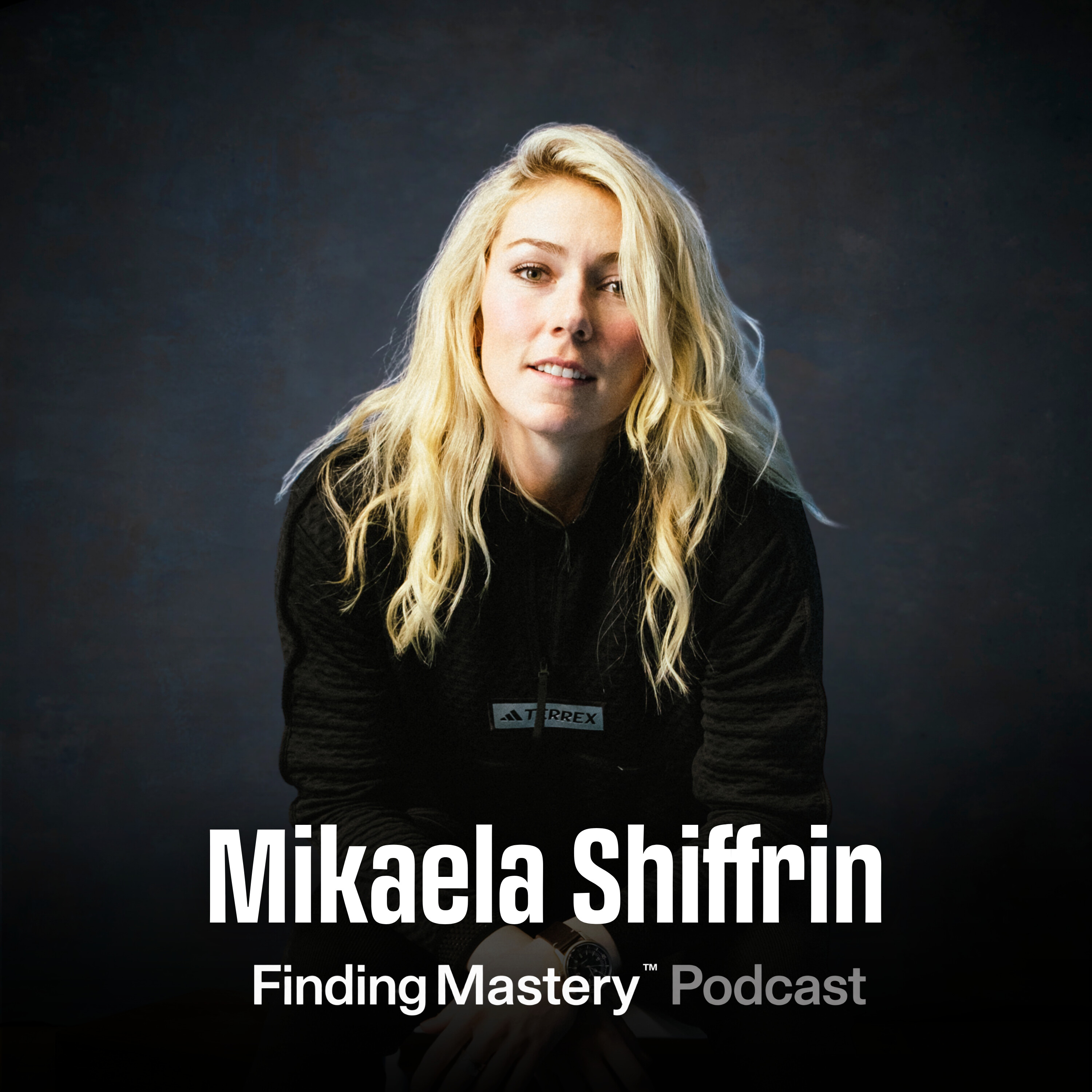
Mikaela ShiffrinGast

The Psychology of Winning and Losing | Mikaela Shiffrin - From The Vault

Finding a way to coach yourself with challenge and grace can be an extraordinary unlock for performance. Mikaela Shiffrin is an Olympic gold medalist and the winningest alpine ski racer in World Cup history. We first released this conversation in 2023. Since then, she has won Olympic slalom gold at Milano Cortina and her sixth overall World Cup title, tying the women’s record, and what she describes in this conversation is the inner work that was already well underway. Mikaela and Mike get into the performance anxiety that had her sick at the start gate years into her career, the self-coaching habit she developed to put her own assessment first, and the race she lost at Killington that she calls the most free she has ever felt in her career. She is open about how long she let the outside world dictate how she felt about her own skiing before she reclaimed that for herself. Coaching yourself well is incredibly difficult, and Mikaela shows us in this conversation what becomes possible when you do it in a world-class way. Enjoy the conversation. -------------------------------------------------- Links & Resources Mikaela Shiffrin: linktr.ee/mikaelashiffrin Mikaela Shiffrin’s YouTube Series: Moving Right Along, on her channel youtube.com/@mikaelashiffrin Mikaela Shiffrin’s Podcast: What’s the Point with Mikaela Shiffrin: listen here Subscribe to our Youtube Channel for more conversations at the intersection of high performance, leadership, and wellbeing: https://www.youtube.com/c/FindingMastery Get exclusive discounts and support our amazing sponsors! Go to: https://findingmastery.com/sponsors/ Subscribe to the Finding Mastery newsletter for weekly high performance insights: https://www.findingmastery.com/newsletter Download Dr. Mike’s Morning Mindset Routine: findingmastery.com/morningmindset Follow on YouTube, Instagram, LinkedIn, and X See Privacy Policy at https://art19.com/privacy and California Privacy Notice at https://art19.com/privacy#do-not-sell-my-info.

52 minAbspielen in:

Mi14Okt
Finding Mastery with Dr. Michael GervaisTB

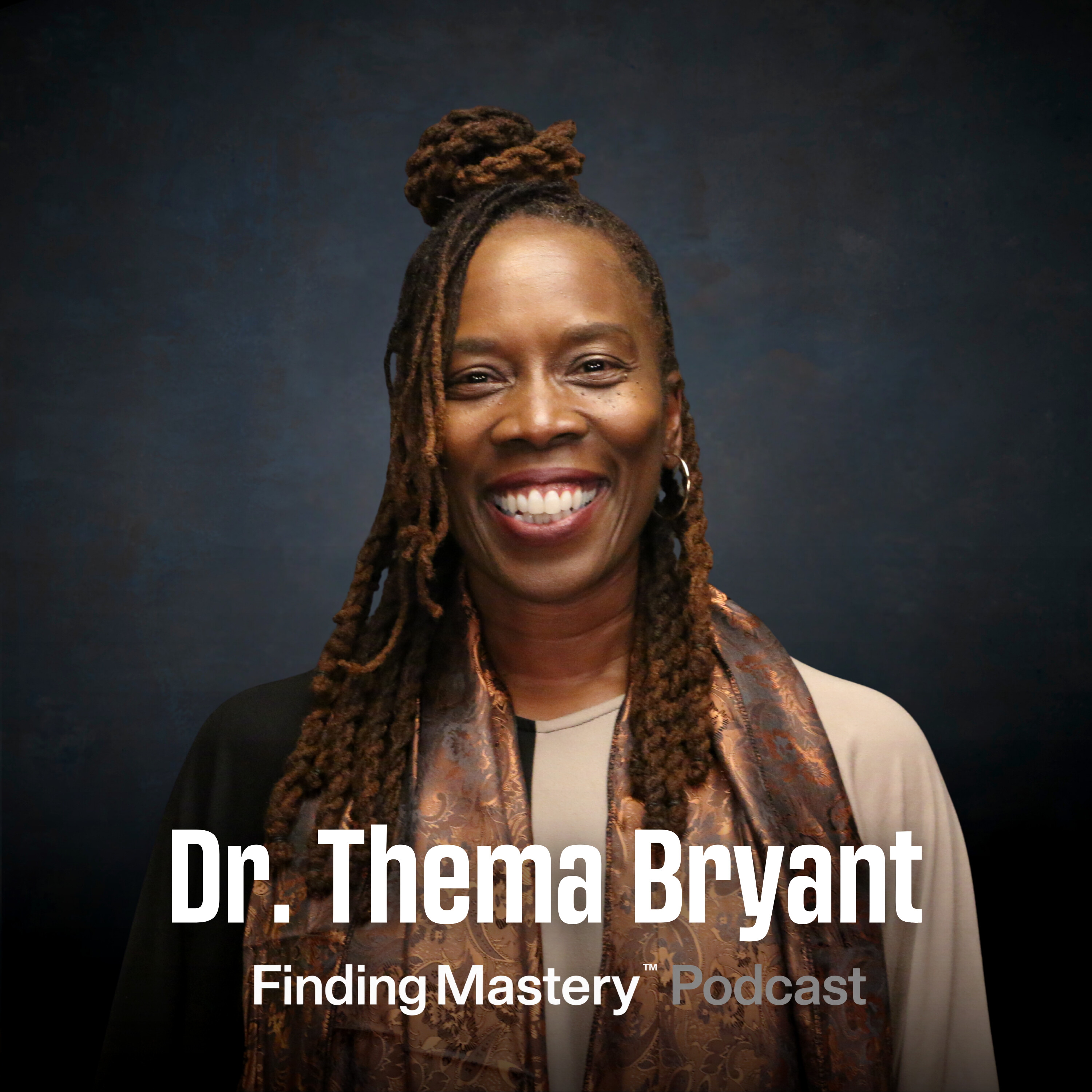
Thema BryantGast

The Psychology of Healthy Relationships | Dr Thema Bryant

What happens to the rest of your relationships when the one you have with yourself goes untended? Dr. Thema Bryant is a clinical psychologist, tenured professor of psychology at Pepperdine University, director of the Culture and Trauma Research Laboratory, and former president of the American Psychological Association. She hosts The Homecoming Podcast and wrote Matters of the Heart: Healing Your Relationship with Yourself and Those You Love. Thema emphasizes that one of the biggest predictors of our mental wellbeing is not your achievement or your bank account. It is the people you spend your time with. Thema and Mike get into her working definition of trauma, the difference between guilt and shame, and why so much people pleasing begins as a strategy for staying safe. Thema talks about being evacuated from Liberia as a teenager during a civil war, and the shift in her own identity after the death of her mother. This conversation is also for the person doing well by every external measure who sees no reason to do any of this work. It is not that you need to, Thema says. It’s that you deserve to. At one point, Mike asks her how we would lead differently if we knew what she knew. Thema’s answer is that you would not leave yourself behind. Enjoy the conversation. __________________________________ Links & Resources: Dr. Thema Bryant’s Website: drthema.com Dr. Thema Bryant’s Books: Matters of the Heart: Healing Your Relationship with Yourself and Those You Love, Reclaim Yourself: The Homecoming Workbook, Homecoming: Overcome Fear and Trauma to Reclaim Your Whole, Authentic Self, The Antiracism Handbook Dr. Thema Bryant’s Podcast: The Homecoming Podcast with Dr. Thema (video version on YouTube, audio on Spotify and Apple Podcasts) Mentioned in this conversation: Dr. Lisa Miller’s research on spirituality as a protective factor for mental health. Her Finding Mastery episode: The Psychology of Spirituality | Dr. Lisa Miller. Her book: The Awakened Brain: The New Science of Spirituality and Our Quest for an Inspired Life. Subscribe to our Youtube Channel for more conversations at the intersection of high performance, leadership, and wellbeing: https://www.youtube.com/c/FindingMastery Get exclusive discounts and support our amazing sponsors! Go to: https://findingmastery.com/sponsors/ Subscribe to the Finding Mastery newsletter for weekly high performance insights: https://www.findingmastery.com/newsletter Download Dr. Mike’s Morning Mindset Routine: findingmastery.com/morningmindset Follow on YouTube, Instagram, LinkedIn, and X #FindingMastery #ThemaBryant #DrMichaelGervais #MattersOfTheHeart #Relationships #Trauma #Healing #Shame #EmotionalSafety #SelfWorth #Attachment #Loneliness #Therapy #Psychology #MentalHealth #HighPerformance #Emotionaltrauma #reltionshiptrauma #selfhelp #selfhealing See Privacy Policy at https://art19.com/privacy and California Privacy Notice at https://art19.com/privacy#do-not-sell-my-info.
1 h 11 minAbspielen in:

Mi30Sep
Finding Mastery with Dr. Michael GervaisRS

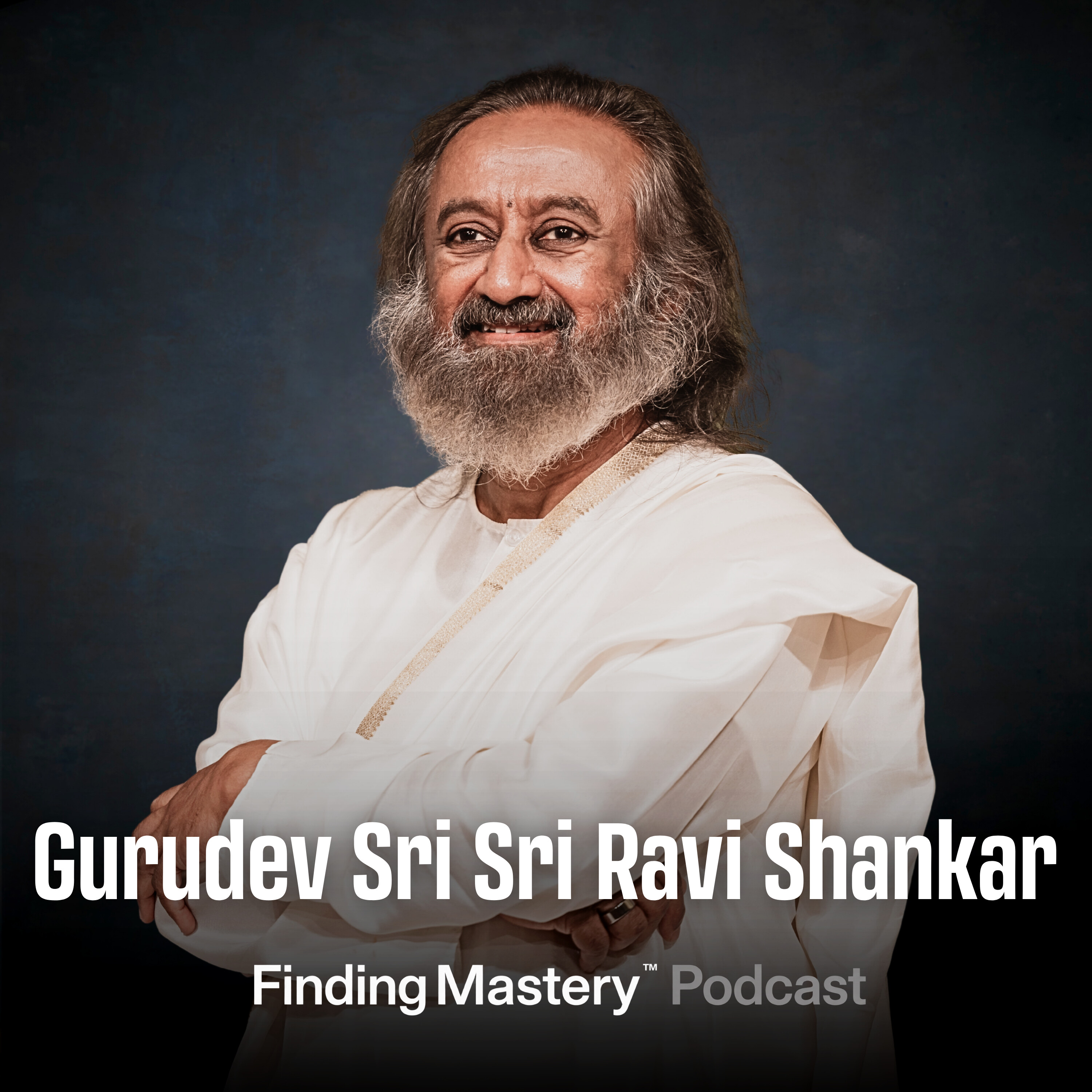
Ravi ShankarGast

The Psychology of Inner Peace | Gurudev Sri Sri Ravi Shankar

What if the calmest person in the room isn’t avoiding pressure, but experiencing it differently? Gurudev Sri Sri Ravi Shankar is one of the world’s most recognized spiritual teachers and humanitarian leaders. He founded the Art of Living, which teaches meditation, breathwork, and service in over 180 countries, and he is the author of Notes for the Journey Within. Stress has a use, and Gurudev compares it to a pinch of salt in food, useful in that amount and unconsumable past it. Most of us have taken on far more than that, and have never learned how to put it down or manage it well. Gurudev and Mike get into why he defines success as exhibiting your limitation, why he thinks failure is worth being proud of, and why authority over your own mind is the only authority there really is. Mike asks him when his body last went into fight or flight. He says it never has. This one is for people who are working hard and running warm. What Gurudev points back to is something simple and repeatable: breathing, meditation, and learning how to release stress before it accumulates. Near the end, Mike asks him to finish a sentence: Mastery is... Gurudev’s answer: recognizing you are not there. Enjoy the conversation. ______________________________________________________ Links & Resources: Gurudev Sri Sri Ravi Shankar’s Website: gurudev.artofliving.org Gurudev Sri Sri Ravi Shankar’s Books: Notes for the Journey Within: Essentials of the Art of Living, An Intimate Note to the Sincere Seeker, Celebrating Silence The Art of Living Foundation: artofliving.org Subscribe to our Youtube Channel for more conversations at the intersection of high performance, leadership, and wellbeing: https://www.youtube.com/c/FindingMastery Get exclusive discounts and support our amazing sponsors! Go to: https://findingmastery.com/sponsors/ Subscribe to the Finding Mastery newsletter for weekly high performance insights: https://www.findingmastery.com/newsletter Download Dr. Mike’s Morning Mindset Routine: findingmastery.com/morningmindset Follow on YouTube, Instagram, LinkedIn, and X See Privacy Policy at https://art19.com/privacy and California Privacy Notice at https://art19.com/privacy#do-not-sell-my-info.
34 minAbspielen in:

Mi23Sep
Finding Mastery with Dr. Michael GervaisTW

Tom WaltersGast

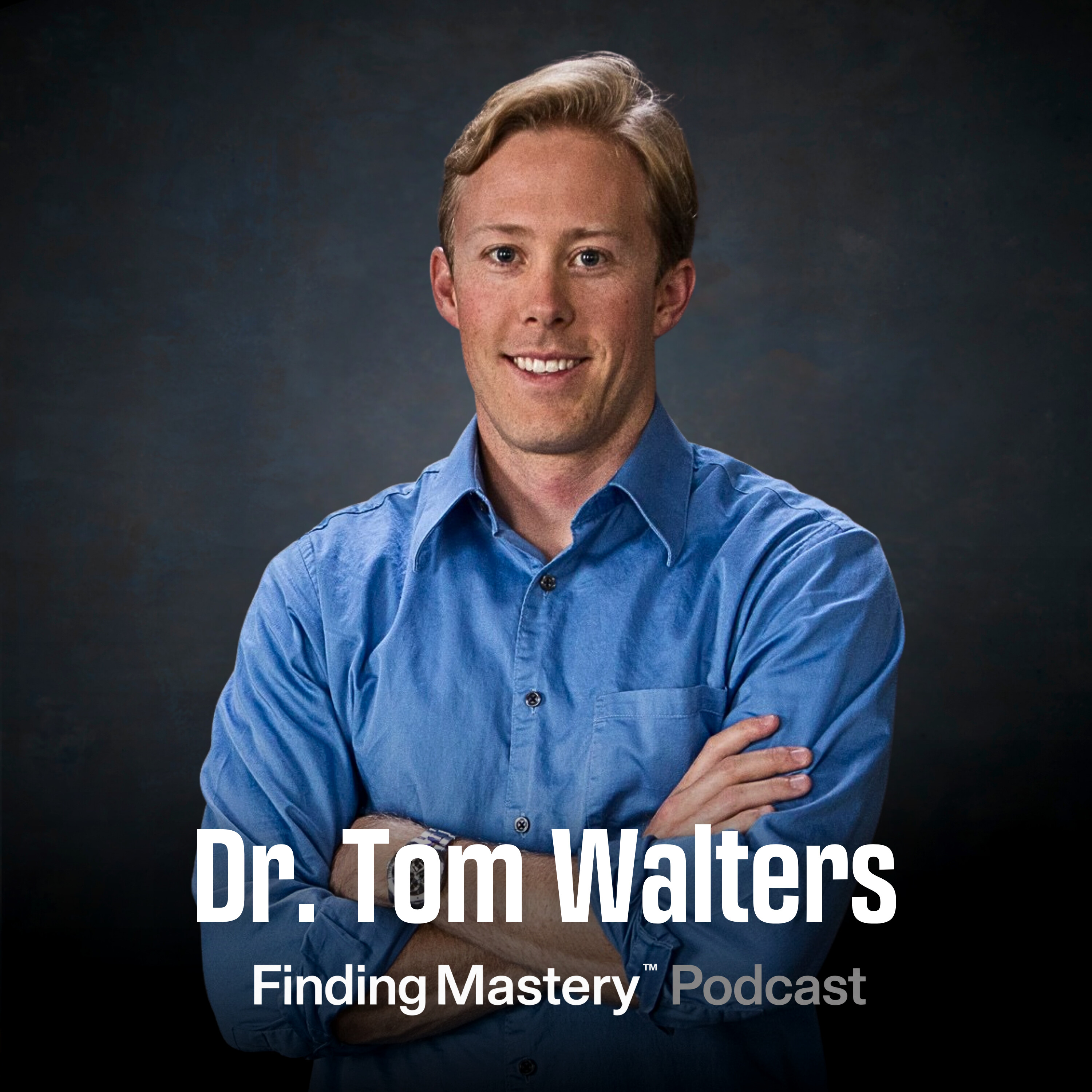
The Psychology of Pain | Dr Tom Walters

How much of the time you spend in pain comes from the injury itself, and how much comes from the fear around it? Dr. Tom Walters is a board-certified orthopedic physical therapist, strength and conditioning specialist, educator, and founder of Rehab Science. He has spent more than two decades helping people understand pain, movement, and injury recovery, and he is the author of Rehab Science: How to Overcome Pain and Heal from Injury. Tom’s starting point is that pain and injury are not the same thing. Pain is an unpleasant sensory or emotional experience tied to actual or potential tissue damage, which means what you believe about your body can change what you feel in it. Tom and Mike get into the nocebo effect, how a clinician’s words or reaction to a scan can amplify pain, why the field traded the word chronic for persistent, and how to manage exercise loads as your body adapts. Mike tells the story of an MRI he had around the age of 23. The doctor looked at the film, his eyes got big, and he asked if Mike was okay. Mike says his pain felt worse instantly. Tom says many musculoskeletal conditions improve with time and movement. He encourages people to take an active role in recovery: try an appropriate movement, notice how your body responds, and adjust from there. Enjoy the conversation. ___________________________________________________________________ Links & Resources: Dr. Tom Walters’ Website: rehabscience.com Dr. Tom Walters’ Books: Rehab Science: How to Overcome Pain and Heal from Injury, plus the 2026 Rehab Science body-region series: Knee, Back and Spine, Hip, Shoulder, Elbow, Wrist & Hand, Ankle and Foot, and Head & Neck Dr. Tom Walters’ YouTube Channel: Rehab Science The Rehab Science App: Rehab Science on the App Store Subscribe to our Youtube Channel for more conversations at the intersection of high performance, leadership, and wellbeing: https://www.youtube.com/c/FindingMastery Get exclusive discounts and support our amazing sponsors! Go to: https://findingmastery.com/sponsors/ Subscribe to the Finding Mastery newsletter for weekly high performance insights: https://www.findingmastery.com/newsletter Download Dr. Mike’s Morning Mindset Routine: findingmastery.com/morningmindset Follow on YouTube, Instagram, LinkedIn, and X See Privacy Policy at https://art19.com/privacy and California Privacy Notice at https://art19.com/privacy#do-not-sell-my-info.
1 h 18 minAbspielen in:

Mi16Sep
Finding Mastery with Dr. Michael GervaisMH

Masud HusainGast

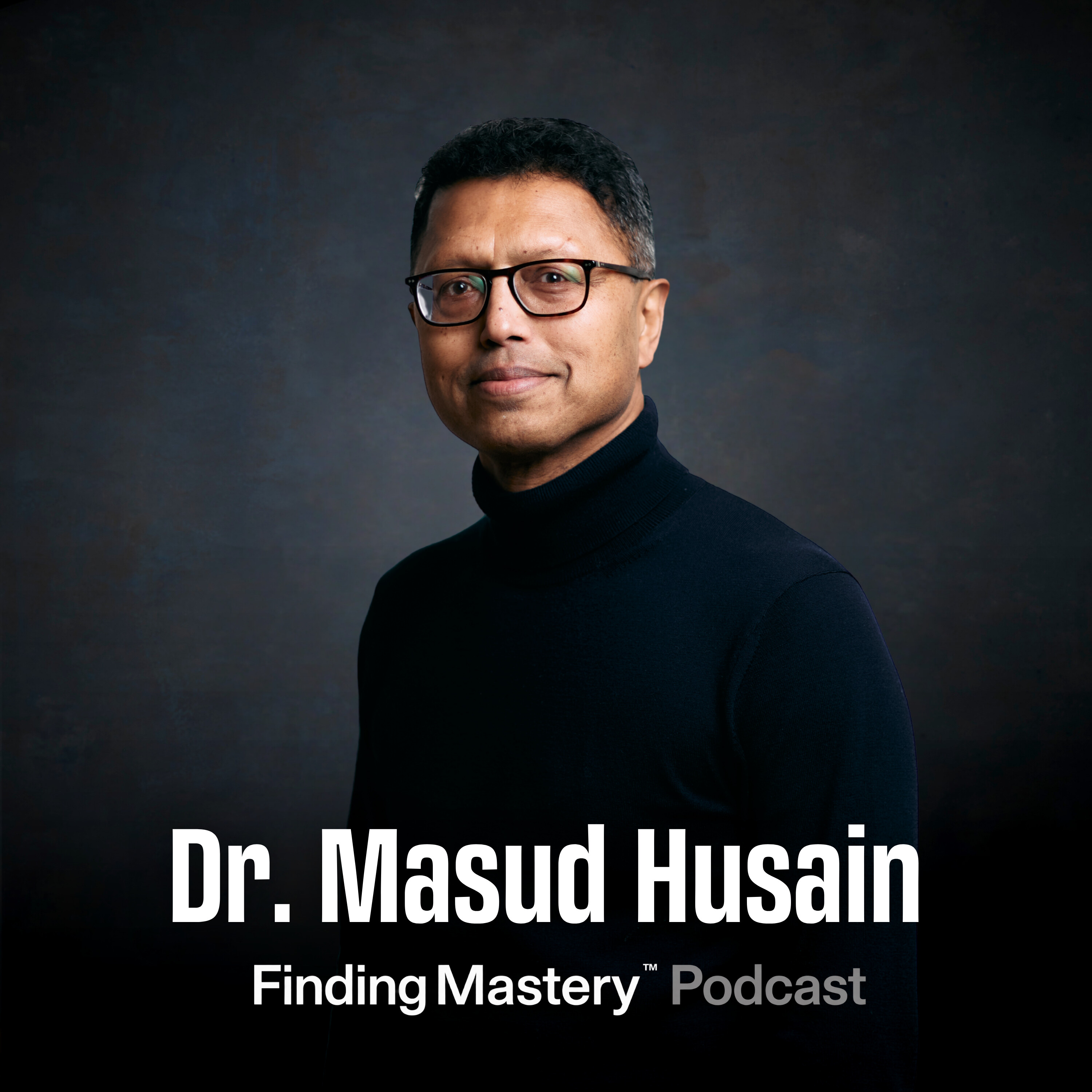
The Psychology of Motivation | Dr. Masud Husain

A letter landed on Masud Husain’s desk about a man in his thirties who had stopped doing anything at all. Dr. Masud Husain is a clinical neurologist, neuroscientist, and Professor of Neurology and Cognitive Neuroscience at the University of Oxford. He is Editor-in-Chief of the journal Brain and author of Our Brains, Our Selves, winner of the 2025 Royal Society Trivedi Science Book Prize. The letter was about a man named David who had been highly productive, worked in finance, and was charming company. Then he lost his job, stopped showering, and could not be bothered to claim the benefits that would have covered his rent. Asked why he no longer listened to music, he said it would take five minutes to connect the cables. David was not depressed. He had suffered two tiny strokes in the basal ganglia, structures deep in the brain that help link motivational cues to action. Nothing was worth the effort to him anymore. After an initial treatment failed, Masud’s team tried another drug that acts on the dopamine system. Three months later David came back with a haircut, a suit, a new job, and a new girlfriend. Addiction researchers had arrived at that same circuit from the other direction: Masud says it is the circuit hijacked by almost every drug of addiction. He and Mike get into what that overlap means about the science of motivation, why apathy and depression are different conditions, why there are more than 200 causes of dementia and what that means for prevention, and whether there is a self to be found in the brain at all. This is a conversation for anyone who has decided to do something and then not done it. Masud frames motivation as a calculation of whether the reward is worth the effort, and the lever most of us have is the size of the effort. After thirty years of seeing patients, the thing Masud says he has learned is that the self is not set in stone. You can change. Enjoy the conversation. ______________________________________________________ Links & Resources: Dr. Masud Husain’s Website: masudhusain.org Dr. Masud Husain’s Books: Our Brains, Our Selves: What a Neurologist’s Patients Taught Him About the Brain, Oxford Textbook of Cognitive Neurology and Dementia (co-editor) Dr. Masud Husain’s Journal: Brain, where he is Editor-in-Chief Subscribe to our Youtube Channel for more conversations at the intersection of high performance, leadership, and wellbeing: https://www.youtube.com/c/FindingMastery Get exclusive discounts and support our amazing sponsors! Go to: https://findingmastery.com/sponsors/ Subscribe to the Finding Mastery newsletter for weekly high performance insights: https://www.findingmastery.com/newsletter Download Dr. Mike’s Morning Mindset Routine: findingmastery.com/morningmindset Follow on YouTube, Instagram, LinkedIn, and X #FindingMastery #MasudHusain #DrMichaelGervais #OurBrainsOurSelves #Neuroscience #Neurology #Motivation #Apathy #Dopamine #Attention #Dementia #BrainHealth #Consciousness #Identity #HighPerformance #Psychology See Privacy Policy at https://art19.com/privacy and California Privacy Notice at https://art19.com/privacy#do-not-sell-my-info.
1 h 44 minAbspielen in:

Mi9Sep
Finding Mastery with Dr. Michael GervaisJamie Metzl

Jamie MetzlGast

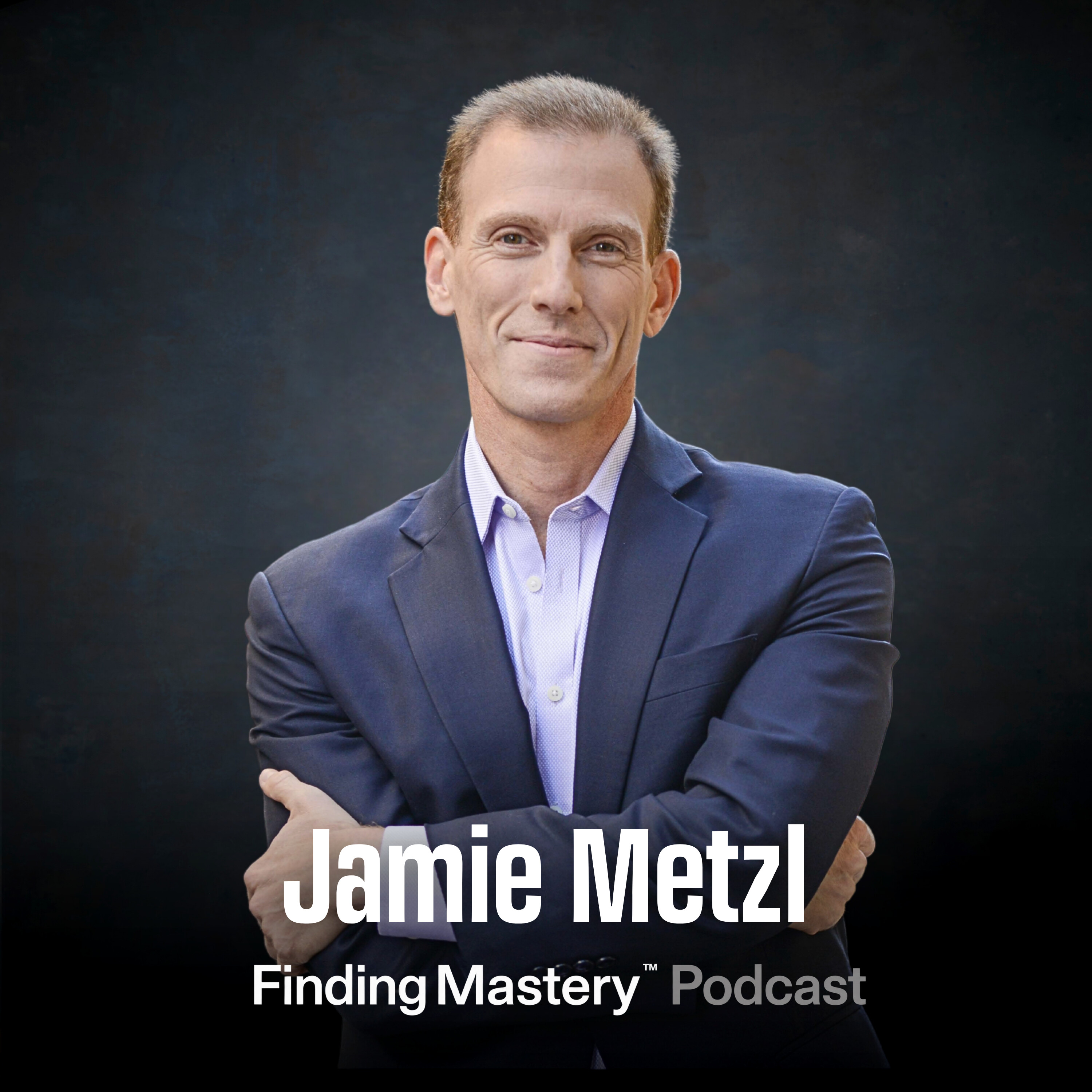
The Psychology of The 10 Commandments| Jamie Metzl

What moral code do we need when our tools can reshape intelligence and biology itself? Jamie Metzl is a technology and healthcare futurist and geopolitical expert, founder and chair of OneShared.World, and a Senior Fellow at the Atlantic Council. He has served on the U.S. National Security Council and with the United Nations in Cambodia, and he is the author of Hacking Darwin, Superconvergence, and his newest book, The AI Ten Commandments. The book began as a question Jamie put to a popular AI model, asking what ten principles, drawn from all of recorded human history, would produce the most peace and human flourishing. What came back pulled from traditions he already knew and others he had never encountered. Jamie and Mike get into what it takes to be a participant in this rather than a bystander, why Jamie thinks the moment belongs to all of us rather than to a handful of technologists and billionaires, and what he would keep from the original Ten Commandments. Mike’s push is that principles on their own do not necessarily hold. Most of us sign off on them easily. What happens to them in a high stress, consequential environment is the harder question. Jamie says technology is what gets us to this conversation, and the conversation is about values. The unsexy word for the rest of it, he says, is governance, and it starts with governance of the self. Enjoy the conversation. Links & Resources Jamie Metzl’s Website: jamiemetzl.com Jamie Metzl’s Books: The AI Ten Commandments: A New Moral Code for Humanity, Superconvergence, Hacking Darwin, Eternal Sonata OneShared.World, where Jamie is founder and chair Atlantic Council, where Jamie is a Senior Fellow: atlanticcouncil.org/expert/jamie-metzl Subscribe to our Youtube Channel for more conversations at the intersection of high performance, leadership, and wellbeing: https://www.youtube.com/c/FindingMastery Get exclusive discounts and support our amazing sponsors! Go to: https://findingmastery.com/sponsors/ Subscribe to the Finding Mastery newsletter for weekly high performance insights: https://www.findingmastery.com/newsletter Download Dr. Mike’s Morning Mindset Routine: findingmastery.com/morningmindset Follow on YouTube, Instagram, LinkedIn, and X See Privacy Policy at https://art19.com/privacy and California Privacy Notice at https://art19.com/privacy#do-not-sell-my-info.
1 h 17 minAbspielen in:

Mi2Sep
Finding Mastery with Dr. Michael GervaisTamsen Fadal

Tamsen FadalGast

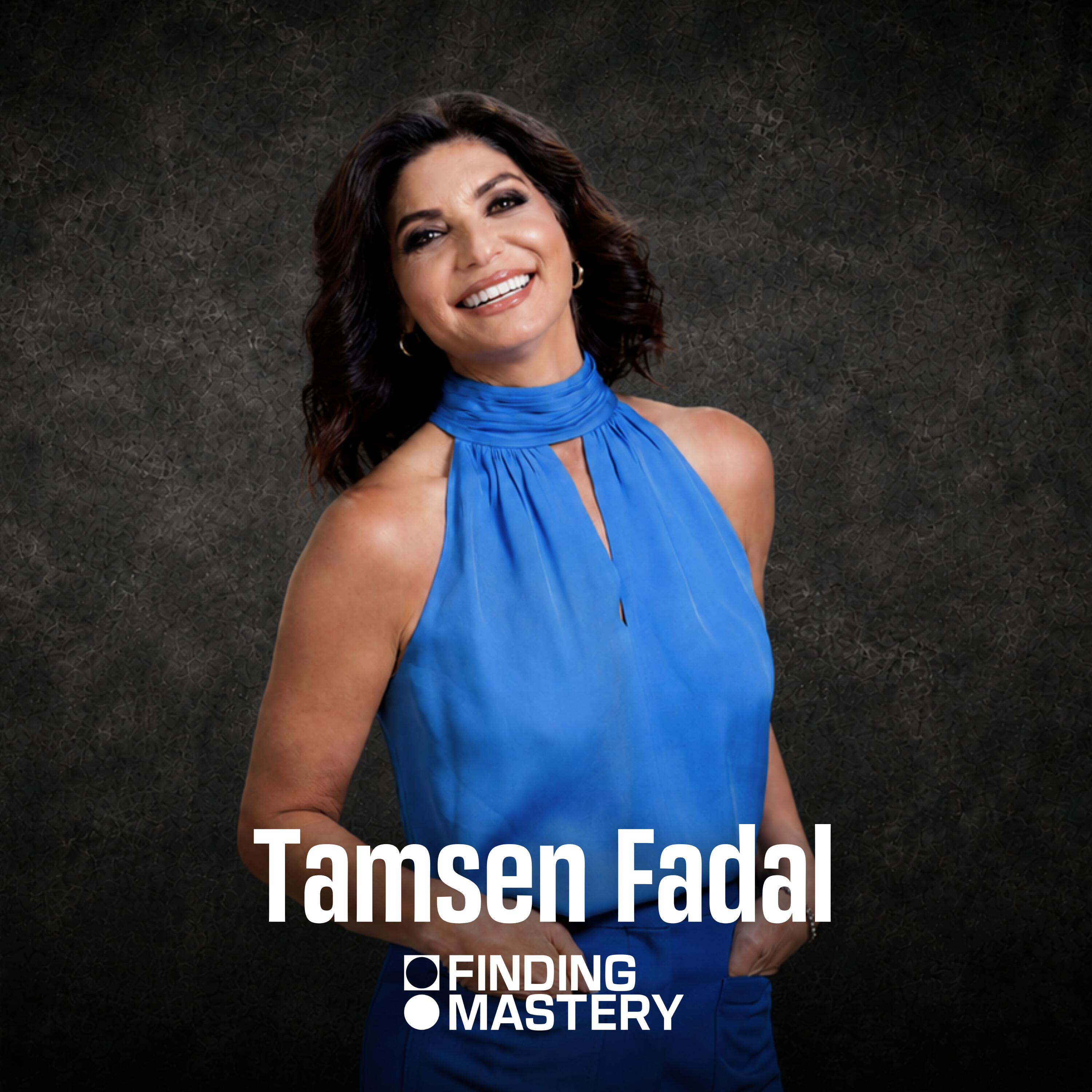
The Psychology of Menopause | Tamsen Fadal

Tamsen Fadal was 47 and anchoring the evening news when the first hot flash hit. She got off the set and lay down on the bathroom floor. No one had prepared her well for any of this. The answer, when it finally came, was a short note from her doctor in her patient portal with four words: "In menopause, any questions?" Tamsen Fadal is an Emmy Award-winning journalist, executive producer of the PBS documentary The M Factor and The M Factor 2, and New York Times bestselling author of How to Menopause. She spent thirty years in television news before turning to the thing nobody had explained to her. Tamsen and Mike get into what menopause actually is, how its symptoms can resemble anxiety or depression, and what changed after the 2002 hormone study. This is a conversation for men as much as for women. Every man is a partner, colleague, son, or father to someone moving through this. Tamsen’s line is that men don’t have to go through it, but they do have to understand it. Tamsen calls what comes after menopause “the next 30.” Her point is to decide what you want those years to look like, and start building toward them now. Enjoy the conversation. ___________________________________________________ Links & Resources: Tamsen Fadal’s Website: tamsenfadal.com Tamsen Fadal’s Books: How to Menopause: Take Charge of Your Health, Reclaim Your Life, and Feel Even Better than Before, The New Single, Why Hasn’t He Proposed?, Why Hasn’t He Called? Tamsen Fadal’s Documentaries: The M Factor: Shredding the Silence on Menopause and The (M) Factor 2: Before the Pause, both on PBS Tamsen Fadal’s Podcast: The Tamsen Show Subscribe to our Youtube Channel for more conversations at the intersection of high performance, leadership, and wellbeing: https://www.youtube.com/c/FindingMastery Get exclusive discounts and support our amazing sponsors! Go to: https://findingmastery.com/sponsors/ Subscribe to the Finding Mastery newsletter for weekly high performance insights: https://www.findingmastery.com/newsletter Download Dr. Mike’s Morning Mindset Routine: findingmastery.com/morningmindset Follow on YouTube, Instagram, LinkedIn, and X See Privacy Policy at https://art19.com/privacy and California Privacy Notice at https://art19.com/privacy#do-not-sell-my-info.

59 minAbspielen in:

Mi26Aug
Finding Mastery with Dr. Michael GervaisDT

Dr Tommy WoodGast

The Psychology of Fighting Dementia | Dr Tommy Wood

What are the things we can do today to help minimize our chances of developing dementia as we age? Dr. Tommy Wood is a physician and neuroscientist, Associate Professor of Pediatrics and Neuroscience at the University of Washington, and author of The Stimulated Mind. The book takes on a belief many of us still hold, that the adult brain becomes fixed at an early age and then declines from there. Tommy traces that idea back to 1906 and to the words of a Nobel laureate. Then he unpacks what the latest research and data say, and it’s not what you might think. This is a conversation about a tough subject, mental decline and dementia. Many of us have been touched by this in our own families, and what Tommy has to say gives all of us hope that we have more agency than we think when it comes to this part of our health. Tommy and Mike get into the 14 modifiable risk factors named by the Lancet Commission, why midlife is when risk starts to diverge, and the three buckets Tommy sorts everything into: stimulus, supply, and support. Mike talks about his grandfather, who had vascular dementia and covered for it so well that the family did not see it for years. Tommy tells us that “At 70 years old now, you are less likely to be diagnosed with dementia than any other time in history.” The trajectory is not fixed, but there’s a lot more work to be done. Enjoy the conversation. ____________________________________________ Links & Resources Dr. Tommy Wood’s Website: drtommywood.com Dr. Tommy Wood’s Book: The Stimulated Mind: Future-Proof Your Brain from Dementia and Stay Sharp at Any Age BetterBrain, where Tommy is Chief Science Officer: betterbrain.com Subscribe to our Youtube Channel for more conversations at the intersection of high performance, leadership, and wellbeing: https://www.youtube.com/c/FindingMastery Get exclusive discounts and support our amazing sponsors! Go to: https://findingmastery.com/sponsors/ Subscribe to the Finding Mastery newsletter for weekly high performance insights: https://www.findingmastery.com/newsletter Download Dr. Mike’s Morning Mindset Routine: findingmastery.com/morningmindset Follow on YouTube, Instagram, LinkedIn, and X See Privacy Policy at https://art19.com/privacy and California Privacy Notice at https://art19.com/privacy#do-not-sell-my-info.
1 h 18 minAbspielen in:

Mi19Aug
Finding Mastery with Dr. Michael GervaisJG

Jon GordonGast

The Psychology of Positive Habits | Jon Gordon

This is a conversation about habits, the ones you want to build and the ones you want to get rid of. Jon Gordon has written more than 30 books on leadership, habits and mindset, including numerous bestsellers. Jon's most recent book is titled The Power of Positive Habits, and it tackles a critical issue so many of us face: how do I break the habits that no longer serve me, and how do I build ones that will help me flourish? Jon and Mike discuss the inward reflections that have helped them break the patterns that have held them back. Jon talks about how he needed to heal wounds from his childhood before he could really break his most challenging habits. The path he describes is not easy, but one well worth considering. This is a conversation about self-awareness, self-challenge, and how to build practical habits, like gratitude, visualization, and something Jon calls the habit before the habit. "You are your habits," Jon says, and the best part is you can choose new ones. Enjoy the conversation. Links & Resources Learn more about Jon here: https://jongordon.com/ Subscribe to our Youtube Channel for more conversations at the intersection of high performance, leadership, and wellbeing: https://www.youtube.com/c/FindingMastery Get exclusive discounts and support our amazing sponsors! Go to: https://findingmastery.com/sponsors/ Subscribe to the Finding Mastery newsletter for weekly high performance insights: https://www.findingmastery.com/newsletter Download Dr. Mike’s Morning Mindset Routine: findingmastery.com/morningmindset Follow on YouTube, Instagram, LinkedIn, and X Jon Gordon’s Books: The Power of Positive Habits, The Energy Bus, The Power of Positive Leadership, The Power of a Positive Team, The One Truth, The Coffee Bean, and The Hard Hat See Privacy Policy at https://art19.com/privacy and California Privacy Notice at https://art19.com/privacy#do-not-sell-my-info.

40 minAbspielen in:

Mi12Aug
Finding Mastery with Dr. Michael GervaisSeth Godin

Seth GodinGast

The Psychology of Authenticity | Seth Godin - From The Vault

What is the change you seek to make? On today's episode we go back to the Finding Mastery Vault for a conversation with Seth Godin, author, entrepreneur, teacher, and one of the most influential thinkers of our time on leadership, creativity, and making meaningful change. Seth has written more than twenty international bestsellers, including The Dip, Purple Cow, and The Song of Significance, alongside one of the longest-running daily blogs in the world. His claim is that naming the change you're actually trying to make is more than a branding exercise. It's what helps make every downstream decision clearer… what to commit to, what to quit, whose opinion to take seriously, and who you will have to become to pull it off. We first released this one a few years ago, and since then the world has only gotten noisier, faster and more demanding of change, which is exactly why we felt it was worth bringing back. In this episode, you'll learn: What Seth means by the change you seek to make, and why it clarifies everything downstream Leadership as a voluntary act, and why enrollment and inspiration come before authority Why consistency is what makes you trustworthy enough to lead change at all How to tell a dead end from the dip when you're deciding whether to quit Whose judgment has actually earned the right to shape your work Who to go to for reassurance, and who to go to for insight If you have ever felt your choices quietly bending toward the approval of people who have not earned it, this conversation offers you a perspective you need to hear. Links & Resources Seth Godin Photo Credit: Brian Bloom For More on Seth, go to https://www.sethgodin.com/ Seth Godin’s Books: The Dip, Purple Cow, Linchpin, Tribes, This Is Marketing, The Practice, and The Song of Significance. His newest book, The Knot: Problems Can Be Solved, is set to be released in September 2026. Subscribe to our Youtube Channel for more conversations at the intersection of high performance, leadership, and wellbeing: https://www.youtube.com/c/FindingMastery Get exclusive discounts and support our amazing sponsors! Go to: https://findingmastery.com/sponsors/ Subscribe to the Finding Mastery newsletter for weekly high performance insights: https://www.findingmastery.com/newsletter Download Dr. Mike’s Morning Mindset Routine: findingmastery.com/morningmindset Follow on YouTube, Instagram, LinkedIn, and X See Privacy Policy at https://art19.com/privacy and California Privacy Notice at https://art19.com/privacy#do-not-sell-my-info.
1 h 19 minAbspielen in:

Mi29Jul
Finding Mastery with Dr. Michael GervaisMA

Matt AbrahamsGast

The Psychology Of Speaking Under Pressure | Matt Abrahams

When the moment arrives and you don’t have a script, are you trying to impress, or working to connect? Matt Abrahams is a lecturer in organizational behavior at the Stanford Graduate School of Business, host of the Think Fast, Talk Smart podcast, and author of Think Faster, Talk Smarter: How to Speak Successfully When You’re Put on the Spot. His path into this work starts very young and is almost comically literal. His last name starts with AB, so all through school he was the one teachers called on first. He felt what it is to be put on the spot before he had any tools for it. Later, in the corporate world and then at Stanford, he watched how much rides on those unscripted and authentic moments, and he set out to study what actually helps. The central idea of this conversation is freeing: speaking in the moment is a skill, not a gift you’re either born with or not. Like any athlete, you can learn it and train it, and, as Matt puts it, you can prepare to be spontaneous. That reframe changes everything downstream. When the spotlight hits and the heart starts pounding, the body reads the moment as a threat. The work is learning to meet it as an opportunity instead, to buy yourself a little space, and to put your attention where it belongs: on the person in front of you rather than on your own performance. Matt and Mike spend time in this conversation getting quite practica. Matt shares the two tools to reach for when your mind goes blank, the simple What, So What, Now What structure for organizing a thought under pressure, and a listening practice he calls pace, space, grace. Mike opens up too, telling the story of a first international conference where he tried to breathe his way to calm on stage and realized, mid-panic, that he had never trained the skill he needed most. In the end, they land on this simple concept: being present, grounded, and in service of the other person is the big rock that makes the rest work. In this conversation, we explore: How speaking in the moment is a trainable skill What actually happens in the body when you’re put on the spot How to shift from seeing a moment as a threat to seeing it as an opportunity The two tools to use when your mind goes blank The What, So What, Now What structure for organizing a thought quickly Why great listening is pace, space, and grace How to turn the spotlight off yourself and onto connection Why the goal is never to sound perfect, only to connect Matt’s work is a reminder to all of us that the goal was never to sound perfect. It was always to connect. Links & Resources Subscribe to our Youtube Channel for more conversations at the intersection of high performance, leadership, and wellbeing: https://www.youtube.com/c/FindingMastery Get exclusive discounts and support our amazing sponsors! Go to: https://findingmastery.com/sponsors/ Subscribe to the Finding Mastery newsletter for weekly high performance insights: https://www.findingmastery.com/newsletter Download Dr. Mike’s Morning Mindset Routine: findingmastery.com/morningmindset Follow on YouTube, Instagram, LinkedIn, and X Matt Abrahams’ Book: Think Faster, Talk Smarter: How to Speak Successfully When You’re Put on the Spot See Privacy Policy at https://art19.com/privacy and California Privacy Notice at https://art19.com/privacy#do-not-sell-my-info.
49 minAbspielen in:

Mi22Jul
Finding Mastery with Dr. Michael GervaisRS

Ross SzaboGast

The Psychology of Youth Mental Health | Ross Szabo

What if the kids who look like they’re doing just fine on the outside are quietly struggling to make sense of what’s happening on the inside? Ross Szabo is one of the leading voices in youth mental health education: founding Wellness Director at Geffen Academy at UCLA, founder of the Human Power Project, co-author of Behind Happy Faces, and author of A Kids Book About Anxiety. His story starts long before the titles. Born into a family with severe mental health disorders and addiction, Ross was 11 when he visited his older brother in a psychiatric ward, was diagnosed with bipolar disorder himself at 16, and coped with drinking that began at age 12. In his senior year of high school, after months of crippling depression, he attempted to take his own life… and this occurred while serving as class president, playing varsity basketball, and carrying a high GPA. On the outside, everything looked fine. The inside was a different story. That distance between the outside and the inside became the through line of his life’s work. The idea Ross has organized his career around sounds simple: treat mental health the same way we treat physical health. That means a clear definition, a shared language, and trainable skills. His definition is a helpful place to start… mental health is not about having a problem, it’s how you address the different challenges in your life. At Geffen Academy, he built what he describes as the only program in the country where students learn about mental health and healthy relationships once a week, every week, from grade six through grade 12, timed to the second largest period of brain growth, which happens between the ages of 12 to 25. His graduates report feeling far more prepared for college than their peers, especially in the interpersonal sense: living with new roommates, managing relationships, and knowing how to ask for support. Ross and Mike walk through how mapping the self-defining memories that shaped you helps build coping mechanisms the way athletes build skills (the more consistently you do something, the better you get at it). And they discuss how expanding your emotional vocabulary improves your mental health. Ross and Mike dive into the difference between vulnerability and trauma dumping, how the crisis shows up differently in young men and young women, why modeling beats lecturing at home, and what a shared language for mental health could unlock in families, schools, and businesses. In this conversation, we explore: Why so many young people look fine on the outside while struggling on the inside A clear, working definition of mental health, and why most of us don’t have one The difference between feeling nervous and having anxiety Why the more words you have for your feelings, the better your mental health The neuroscience of coping, and how to actually rewire a habit How the youth mental health crisis shows up differently in young men and young women What parents overlook when preparing kids for college Why every family, team, and business needs a shared language for mental health Ross's work is an invitation to care for the mind with the same clarity we bring to the body. And if you're raising, teaching, or leading young people, this conversation offers the language and the skills to close the gap between the outside and the inside. Links & Resources Subscribe to our Youtube Channel for more conversations at the intersection of high performance, leadership, and wellbeing: https://www.youtube.com/c/FindingMastery Get exclusive discounts and support our amazing sponsors! Go to: https://findingmastery.com/sponsors/ Subscribe to the Finding Mastery newsletter for weekly high performance insights: https://www.findingmastery.com/newsletter Download Dr. Mike’s Morning Mindset Routine: findingmastery.com/morningmindset Follow on YouTube, Instagram, LinkedIn, and X Ross Szabo’s Books: Behind Happy Faces (co-authored) and A Kids Book About Anxiety See Privacy Policy at https://art19.com/privacy and California Privacy Notice at https://art19.com/privacy#do-not-sell-my-info.
1 h 06 minAbspielen in:

Mi15Jul
Finding Mastery with Dr. Michael GervaisDS

Dr Stacy SimsGast

Women Are Not Small Men | Dr Stacy Sims

What has been the cost to women of relying on research that was never designed around female physiology? Dr. Stacy Sims is an exercise physiologist, nutrition scientist, and bestselling author of ROAR, which challenged the idea that women should train and fuel like men, and Next Level, which focuses on health, performance, and physiology through perimenopause and menopause. Over two decades of research, she has become one of the leading voices reshaping how we understand women's health, with a message that has become synonymous with her work: women are not small men. That line started as a throwaway teaching point during her postdoc at Stanford, and it has since become a paradigm shift. At the center of this conversation is a quiet, costly problem. For decades, much of the science on training, nutrition, and medicine was built on male bodies and then applied to women as if they were simply smaller versions of men. Stacy walks through what that gap has cost, why the literature thins out for women between the ages of thirty and fifty, and how a hormone fluctuation can get mistaken for a panic attack, leading to solutions that were never going to fully work. Stacy and Mike then move into what to actually do about it. They get into why "eat less, train more" often backfires and drives the body into a low energy state, why fasting through the morning for women can dysregulate appetite and stress hormones, and why lifting heavier loads may protect not just muscle and bone but the aging brain. They also draw the line that runs through the whole conversation, the symptoms of perimenopause are the physiology, not the person, and explore why this episode isn't just for the women in the community. Stacy explains why having men in the conversation helps drive action, what partners can actually do... listen first rather than rush to fix... and why the rising noise around menopause online, along with AI tools built on outdated male data, makes clear thinking here more valuable than ever. In this conversation, we explore: Why so much health and performance research was never actually done on women What "women are not small men" really means in training and nutrition Why "eat less, train more" often backfires for women through midlife Why fasting through the morning can dysregulate appetite and stress hormones How lifting heavier loads may help protect the aging brain Why men belong in this conversation, and how to show up for the women in their lives Why most AI health tools still run on outdated male data Whether this conversation is about your body or the body of someone you love, it offers a science-backed way to understand what's happening and what to do next. Guest Links & Resources Website: Learn more about Dr. Sims here: https://www.drstacysims.com/ Dr. Sims' Books: ROAR, Revised Edition (2024) and Next Level (2022) Finding Mastery Links & Resources Subscribe to our YouTube Channel for more conversations at the intersection of high performance, leadership, and wellbeing: https://www.youtube.com/c/FindingMastery Get exclusive discounts and support our amazing sponsors! Go to: https://findingmastery.com/sponsors/ Subscribe to the Finding Mastery newsletter for weekly high performance insights: https://www.findingmastery.com/newsletter Download Dr. Mike’s Morning Mindset Routine: findingmastery.com/morningmindset Follow on YouTube, Instagram, LinkedIn, and X Dr. Stacy Sims’ Books: ROAR and Next Level See Privacy Policy at https://art19.com/privacy and California Privacy Notice at https://art19.com/privacy#do-not-sell-my-info.

1 h 48 minAbspielen in:

Mi8Jul
Finding Mastery with Dr. Michael GervaisEddie Jones

Eddie JonesGast

The Psychology Of Building Team Culture | Eddie Jones

How do great leaders build teams to become who they're capable of becoming, and prepare them to handle their emotions when the pressure is highest? Eddie Jones is one of the most accomplished coaches in world rugby. He has led Australia, England, and Japan on the international stage, and guided Japan to one of the greatest upsets in rugby history at the 2015 World Cup. He has built a career on turning teams around, creating pressure, and challenging more from the people he leads. There is a fine line in that work. Too little challenge and we never understand who we can become. Too much and we create the wrong conditions to explore. That line has not always been easy to walk. Eddie’s demanding methods have drawn criticism over the years, and his exits from England in 2022 and Australia in 2023 came under intense public scrutiny... a chapter he alludes to here when he describes the mistake of letting the noise come down on top of him. In this conversation with Dr. Michael Gervais, Eddie walks through how he builds team identity, starting with a picture in his head of how a team could play and then closing the gap between that vision and the group in front of him. He explains why he keeps training about 70% successful, so the 30% of failure becomes the learning, and why training should always be harder than the game. He makes the case that immediate, private feedback beats public humiliation every time, and that the best coaches ask far more questions than they answer. Eddie also talks about understanding the individual, why coaching has shifted from team-based to one-on-one, and how a single moment of feeling important from a coach 30 years ago still moves him today. He opens up struggles he has faced with his own emotions, the mistakes he has made, the generation that taught him to never show vulnerability, and why he is still learning to make room for joy. In this conversation, we explore: How great coaches build a team identity and close the gap between vision and reality Why training should be about 70% successful, so the failures become the learning The value in training harder than the game Why the best coaches ask more questions than they answer How understanding the individual has become central to modern leadership Why you should never assume, and always confirm by knowing the person The thinking time every leader needs By the end of the conversation the two land on a question every leader should ask: would you want to be coached by yourself? Links & Resources Subscribe to our Youtube Channel for more conversations at the intersection of high performance, leadership, and wellbeing: https://www.youtube.com/c/FindingMastery Get exclusive discounts and support our amazing sponsors! Go to: https://findingmastery.com/sponsors/ Subscribe to the Finding Mastery newsletter for weekly high performance insights: https://www.findingmastery.com/newsletter Download Dr. Mike's Morning Mindset Routine: findingmastery.com/morningmindset Follow on YouTube, Instagram, LinkedIn, and X Eddie Jones' Books: My Life and Rugby: The Autobiography and Leadership: Lessons from My Life in Rugby See Privacy Policy at https://art19.com/privacy and California Privacy Notice at https://art19.com/privacy#do-not-sell-my-info.
1 h 18 minAbspielen in:

Mi24Jun
Finding Mastery with Dr. Michael GervaisDr Valter Longo

Dr Valter LongoGast

The Psychology of Fighting Cancer | Dr Valter Longo

If your body already has powerful systems designed to repair and protect you, are your daily habits helping switch them on... or working against them? Dr. Valter Longo is a professor and director of the Longevity Institute at USC, one of the world’s leading researchers on aging, nutrition, and lifespan, and the author of The Longevity Diet and his latest book, Fasting Cancer. His path into this work is an unusual one. He started as a jazz performance major, chasing rock guitar, and walked away the moment they told him he had to direct a marching band. What pulled him toward aging traces back to being five years old, in the room when his grandfather died, and a question that lodged in him and never left: what if little things can make such a big difference? That question became a career. Longo walks Dr. Michael Gervais through the science of living to 110, a number drawn from two real people he followed personally, and the trade-off at the heart of aging: the body can pour its energy into growth and reproduction, or into protection and repair, but not both at once. From there he challenges one of the loudest narratives in health and performance today, the push for high protein, laying out why he believes most people are eating far more than the research supports, and what a safer balance actually looks like. The conversation moves into the work Longo is best known for: fasting-mimicking diets, why he says fasting on its own doesn’t mean anything, and how cycles of eating less may activate the body’s own repair and regeneration. He and Mike explore what this could mean for cancer, where Longo is careful and precise about what the science does and doesn’t yet show, and they close on what it takes to unlearn a foundational belief when the evidence stops holding up. Mike opens up about how this conversation pushed against a narrative he’d carried his whole life, and why he wanted to have it anyway. In this conversation, we explore: Why aging and cancer are deeply connected, and what that means for prevention The trade-off between growth and protection that shapes how we age Why Longo believes most people eat far too much protein What a safer, mostly plant-based protein balance looks like Why fasting on its own is a meaningless word, and what to do instead How fasting-mimicking cycles may trigger the body’s repair and regeneration What the science does and doesn’t yet show about food and cancer What it takes to unlearn a belief when the evidence stops holding up If you’ve ever wondered whether your daily choices are quietly helping or hurting the systems meant to keep you well, this conversation offers a science-backed place to start thinking about your health and lifestyle. A note from the team: This episode doesn’t exist in a vacuum. Over the last several months, Mike has had numerous conversations on health, nutrition with world-renowned experts like Dr. Gabrielle Lyon, Dr. Jason Fung, and Dr. Tim Spector, among others. These are all rich conversations that at times hold conflicting advice and guidance. We encourage you to listen to all of them, and as always, consult your doctor on what practices are best for you. Health, nutrition, and longevity are all deeply intertwined with living a life of full potential, and we’re committed to having these great conversations with world experts on these subjects. Keep commenting with what’s working in your life, keep passing these onto your friends, and as always keep pushing the frontiers of your own performance! Links & Resources Subscribe to our Youtube Channel for more conversations at the intersection of high performance, leadership, and wellbeing: https://www.youtube.com/c/FindingMastery Get exclusive discounts and support our amazing sponsors! Go to: https://findingmastery.com/sponsors/ Subscribe to the Finding Mastery newsletter for weekly high performance insights: https://www.findingmastery.com/newsletter Download Dr. Mike’s Morning Mindset Routine: findingmastery.com/morningmindset Follow on YouTube, Instagram, LinkedIn, and X Dr. Valter Longo’s Books: The Longevity Diet and Fasting Cancer See Privacy Policy at https://art19.com/privacy and California Privacy Notice at https://art19.com/privacy#do-not-sell-my-info.
59 minAbspielen in:

Mi3Jun
Finding Mastery with Dr. Michael GervaisJon Kabat-Zinn

Jon Kabat-ZinnGast

The Psychology of Awareness | Jon Kabat-Zinn

What if the real crisis we're facing right now isn't political or technological… but a crisis of attention? Jon Kabat-Zinn is a molecular biologist, professor emeritus of medicine, and the founder of Mindfulness-Based Stress Reduction (MBSR), the program that helped move mindfulness from contemplative tradition into modern medicine, psychology, and high performance. The last time Jon joined Finding Mastery was four years ago, as the war in Ukraine was beginning. Four years on, the world hasn't gotten quieter. The crises have multiplied, AI has accelerated, and the same noise we worried about then has become the air we all breathe. In this conversation with Dr. Michael Gervais, Jon argues that mindfulness is not a calming technique or a productivity tool. He calls it a radical act of sanity. A willingness to stop, drop into the body, and meet life as it actually is rather than the story running on top of it. The shift sounds small. Yet the implications are enormous. Health, relationships, performance, decision-making, and even how we treat each other as a society all live downstream of where our attention is. Jon and Mike also dig into the surprising overlap between elite performance and contemplative practice. Why athletes call it the zone, musicians call it the pocket, and scientists call it flow, and why all of it lives downstream of the same thing: presence. Jon introduces the idea of the "body politic," his framing of nations as organ systems inside a single planetary body, and what it would mean to actually live, lead, and parent from that recognition. He reflects on his grandchildren, on the digital and analog tension shaping the next generation, and on what he wants young people to know in a world that is moving faster than ever. And in his ninth decade, he is still, by his own description, perpetually optimistic. By the end, Jon and Mike land somewhere quietly powerful: presence is not something you achieve. It is something you remember. And remembering, even for one breath, changes the trajectory of the moment you are in. In this conversation, we explore: Why mindfulness is a radical act of sanity, not a relaxation technique The difference between being aware and being with awareness How presence quietly shapes relationships, decisions, and health Why outcome attachment is one of the great hidden drains on performance What Jon means by the "body politic," and why it changes how we think about leadership Why mind wandering is the practice, not a failure The one instruction Jon hopes people remember: don't take personally what is not personal If you've ever felt scattered, overwhelmed, or quietly disconnected from your own life, this conversation offers a science-backed, deeply human way back in. Links & Resources; This episode is brought to you in part by our partner, Sunlighten, the company that has pioneered infrared sauna technology. Go to https://findingmastery.com/sunlighten to see how you can save up to $2,100 on their mPulse Intelligent Sauna. Subscribe to our Youtube Channel for more conversations at the intersection of high performance, leadership, and wellbeing: https://www.youtube.com/c/FindingMastery Get exclusive discounts and support our amazing sponsors! Go to: https://findingmastery.com/sponsors/ Subscribe to the Finding Mastery newsletter for weekly high performance insights: https://www.findingmastery.com/newsletter Download Dr. Mike's Morning Mindset Routine: findingmastery.com/morningmindset Follow on YouTube, Instagram, LinkedIn, and X Jon Kabat-Zinn's Books: Full Catastrophe Living, Wherever You Go, There You Are, Coming to Our Senses, and many more: https://jonkabat-zinn.com See Privacy Policy at https://art19.com/privacy and California Privacy Notice at https://art19.com/privacy#do-not-sell-my-info.
1 h 01 minAbspielen in:

Mi27Mai
Finding Mastery with Dr. Michael GervaisMark Manson

Mark MansonGast

The Psychology Of Not Giving A F*ck | Mark Manson

What if the most important skill of our moment isn't knowing more, but knowing what's actually worth caring about? Mark Manson is the bestselling author of The Subtle Art of Not Giving a F*ck and Everything Is F*cked, with three #1 New York Times bestsellers and tens of millions of readers around the world. The last time Mark joined Finding Mastery was in 2020, mid-COVID, when uncertainty was loud and the world felt strange. Five years on, the world is no less strange... it's just strange differently. The information ecosystem has fractured. Trust is harder to find. And the same noise we worried about five years ago has become the air we all breathe. In this conversation with Dr. Michael Gervais, Mark walks through the three principles he's organized his life and work around: radical ownership, radical honesty, and radical acceptance. He explains why ownership is the foundation under everything, because nothing else really works until you take it. He explains why his bar for honesty is anything "relevant or pertinent to somebody's wellbeing." And he talks about why radical acceptance, the Buddhist part of him, is what allows agency without collapse. The conversation moves into territory both timely and timeless. Mark and Mike dig into why the decline of religion has helped the self-help industry explode, why a spiritual framework remains one of the strongest known protective factors for mental health, and how the comparison machinery in our brains, designed for a tribe of thirty, now buckles under the weight of three hundred million people on Instagram. Mark also opens up about Purpose, the AI app he's built, and what he learned designing it to be intentionally disagreeable. He explains why a yes-man entourage, whether it's people around a star athlete or an AI that agrees with everything you say, quietly untethers people from reality. And he shares the stoic-style practice he uses to stay honest with himself: imagining what would be true if he were the problem, then holding that thought lightly enough to set it back down. By the end, Mark and Mike land on what feels like the heart of the episode... You can be perfect as you are, and you can always be better. Both can be true. In this conversation, we explore: Why sincerity has become the most valuable signal in a fractured information landscape The three principles Mark uses to navigate uncertainty: radical ownership, radical honesty, and radical acceptance How our ancient comparison brain breaks under the weight of social media at scale Why a spiritual framework remains one of the strongest known protective factors for mental health The premortem practice that helps Mark stay honest with himself, and why most of us avoid it Why an AI (or a person) that agrees with everything you say is a slow-motion mental health risk How to use AI as a thought partner without letting it do your thinking for you The question that keeps Mark up at night, and might be worth asking yourself If you've ever felt like the noise is winning, or like you've lost the thread on what's worth caring about, this conversation offers a sturdier place to stand. Links & Resources This episode is brought to you in part by our partner, Sunlighten, the company that has pioneered infrared sauna technology. Go to https://findingmastery.com/sunlighten to see how you can save up to $2,100 on their mPulse Intelligent Sauna. Subscribe to our Youtube Channel for more conversations at the intersection of high performance, leadership, and wellbeing: https://www.youtube.com/c/FindingMastery Get exclusive discounts and support our amazing sponsors! Go to: https://findingmastery.com/sponsors/ Subscribe to the Finding Mastery newsletter for weekly high performance insights: https://www.findingmastery.com/newsletter Download Dr. Mike's Morning Mindset Routine: findingmastery.com/morningmindset Follow on YouTube, Instagram, LinkedIn, and X Mark Manson's Books: The Subtle Art of Not Giving a F*ck, Everything Is F*cked: A Book About Hope, and Will (co-written with Will Smith) Mark's AI app, Purpose: https://markmanson.net (see Mark's site for the latest) See Privacy Policy at https://art19.com/privacy and California Privacy Notice at https://art19.com/privacy#do-not-sell-my-info.
48 minAbspielen in:

Mi20Mai
Finding Mastery with Dr. Michael GervaisDS

Dr Sonja LyubomirskyGast

The Psychology Of Feeling Loved | Dr Sonja Lyubomirsky

Why is it that so many of us are loved... and yet don’t actually feel loved? Dr. Sonja Lyubomirsky is a Professor of Psychology at UC Riverside and one of the world’s leading researchers on happiness. Her newest book, How to Feel Loved, co-authored with relationship scientist Harry Reis, lands at a strange moment: a time when more people than ever say they are connected, and more people than ever say they don’t actually feel it. In this conversation with Dr. Michael Gervais, Sonja offers a quietly radical reframe. After 36 years of studying what makes a life happy, she has come to believe the answer lies in this: Feeling loved. And here is where it gets interesting. Sonja’s research is showing that feeling loved is not something we have to wait for. It’s something we can help create. Most of us, when we sense the absence, default to one of two strategies. We try to be more lovable. Or we try to change the person on the other side. Sonja argues that neither one actually works. What changes a relationship is changing the conversation. She walks Mike through the five mindsets at the heart of the book: the sharing mindset, listening to learn, radical curiosity, open heart, and multiplicity. Along the way, they explore why most of us are listening to respond instead of listening to learn, the three words people actually want to hear (hint: it’s not I love you), and why ‘tell me more’ might be one of the most loving phrases in the English language. Sonja shares her foggy glass metaphor for why being known is the prerequisite to being loved, the Michelangelo effect, and a striking line the Dalai Lama once said to her about how we hold each other. The conversation also gets honest about the harder edges. Bridging political divides at the dinner table. Staying curious about a partner of 30 years. Navigating the modern questions around AI companions, monogamy, and what it means to really go deep with another human. And the research on what tiny acts of kindness, including the impact a 10-second compliment can have. If you’ve ever been surrounded by people who love you and still felt unseen, this conversation is a gentle invitation back in. The good news is that feeling loved is under your control, more than you think. Sonja’s research will show you exactly where to start. Most of us are waiting to feel loved. Sonja shows us how to create the conditions for it... starting today. _____________________________________________________ Links & Resources This episode is brought to you in part by our partner Sunlighten, the company that has pioneered infrared sauna technology. Go to https://findingmastery.com/sunlighten to see how you can save up to $2,200 on their mPulse Intelligent Sauna. Subscribe to our YouTube Channel for more conversations at the intersection of high performance, leadership, and wellbeing: https://www.youtube.com/c/FindingMastery Get exclusive discounts and support our amazing sponsors! Go to: https://findingmastery.com/sponsors/ Subscribe to the Finding Mastery newsletter for weekly high performance insights: https://www.findingmastery.com/newsletter Download Dr. Mike’s Morning Mindset Routine: findingmastery.com/morningmindset Follow on YouTube, Instagram, LinkedIn, and X Book: How to Feel Loved by Dr. Sonja Lyubomirsky and Harry Reis. Learn more and take the mindset quiz at howtofeellove.com See Privacy Policy at https://art19.com/privacy and California Privacy Notice at https://art19.com/privacy#do-not-sell-my-info.

1 h 04 minAbspielen in:

Mi13Mai
Finding Mastery with Dr. Michael GervaisCharles Duhigg

Charles DuhiggGast

The Psychology of Being a Super Communicator | Charles Duhigg

Why do so many conversations break down, even when both people are trying to connect? Charles Duhigg is a Pulitzer Prize-winning journalist and the bestselling author of The Power of Habit and Supercommunicators. This is his third conversation on Finding Mastery, and the timing matters. The world has shifted since the last time he and Dr. Michael Gervais spoke. Families, friendships, even whole countries are talking past each other. AI has quietly eroded the signals we used to read each other by. And the ability to genuinely connect with another human has gone from useful to essential. The first thing Charles makes clear is that being a great communicator is not a gift reserved for a lucky few. It's a habit. And it starts with noticing something most of us miss in real time: we are all moving through three kinds of conversations every day. The practical, the emotional, and the social. Most of our misunderstandings happen for one simple reason. The person across from us is in one kind of conversation while we're in another. Charles unpacks what he calls the matching principle and one of the most useful questions a teacher ever taught him: do you want to be helped, hugged, or heard? He explains why looping for understanding tends to work when arguing does not, why deep questions invite people to reveal worldviews they didn't even know they had, and why polish and fluency no longer mean what they used to in a world where AI can make any email sound thoughtful. The conversation also gets personal. Mike shares the story of a professor who once interrupted him mid-trauma with a single odd question and walked away, an act of communication so strange it took him years to understand. Charles talks about how he tries to stay genuinely connected to his two teenage sons, how to navigate Thanksgiving with someone you voted against, and the quiet research finding that strangers can become friends in under an hour if the questions are deep enough and the back-and-forth is real. If you've ever walked away from a conversation feeling unseen, struggled to get through to someone you love, or wondered why connection feels harder than it used to, this conversation offers a practical, science-backed way back in. Anyone can be a super communicator. Charles will show you how it actually works. _____________________________________________________ Links & Resources Subscribe to our Youtube Channel for more conversations at the intersection of high performance, leadership, and wellbeing: https://www.youtube.com/c/FindingMastery Get exclusive discounts and support our amazing sponsors! Go to: https://findingmastery.com/sponsors/ Subscribe to the Finding Mastery newsletter for weekly high performance insights: https://www.findingmastery.com/newsletter Download Dr. Mike's Morning Mindset Routine: findingmastery.com/morningmindset Follow on YouTube, Instagram, LinkedIn, and X Link: Charles and Mike reference “36 Questions” or the Fast Friends Procedure: https://www.stafforini.com/docs/Aron%20et%20al%20-%20The%20experimental%20generation%20of%20interpersonal%20closeness.pdf Citation: Aron, A., Melinat, E., Aron, E. N., Vallone, R. D., & Bator, R. J. (1997). The Experimental Generation of Interpersonal Closeness: A Procedure and Some Preliminary Findings. Personality and Social Psychology Bulletin, 23(4), 363–377. Link: New York Times Article: “36 Questions That Lead to Love.” https://www.nytimes.com/2015/01/09/style/no-37-big-wedding-or-small.html See Privacy Policy at https://art19.com/privacy and California Privacy Notice at https://art19.com/privacy#do-not-sell-my-info.
52 minAbspielen in:

Mi29Apr
Finding Mastery with Dr. Michael GervaisAndrew Whitworth

Andrew WhitworthGast

The Psychology of Performance Under Pressure |Andrew Whitworth

What does it really take to stay at the top for 16 years and still know who you are when it ends? Andrew Whitworth is a Super Bowl champion, four-time Pro Bowler, and the oldest left tackle in NFL history to start a Super Bowl. He spent 16 seasons protecting the most valuable position on the field, finished his career by winning a championship at 40, and walked off in one of the most viral moments in NFL Films history, sitting in a circle with his kids, telling them “that was daddy’s last game.” In this conversation with Dr. Michael Gervais, Andrew pulls back the curtain on what made it all possible, and what almost broke him along the way. The first thing you notice about Andrew is the contradiction. 6'7", 345 pounds, built to dominate. And the engine underneath all of it is empathy. He explains how he prepared for opponents not by lifting more or running more, but by inhabiting them, studying their bodies until he could feel what they were going to do before they did it. “I'm going to study them to a point where we can dance together because I can actually feel everything they're going to try and accomplish before we do it,” he says. That is the offensive line position rendered as jazz. But this conversation goes a lot deeper than craft. Andrew is candid about the anxiety, self-doubt, and self-punishment that shadowed much of his career. He talks about walking home alone in the dark after college games to punish himself for mistakes, about needing to watch tape of the all-time greats failing just to feel okay running out of the tunnel, and about how Sean McVay eventually helped him believe he was “worthy of the light.” He also shares what Nick Saban taught him about process, what Marvin Lewis taught him about consistency, and what fatherhood taught him about everything. In this conversation, we explore: Why empathy, not size or strength, was Andrew’s greatest competitive advantage How to study an opponent so deeply you can feel their next move before they make it Why mastery of self always has to come before mastery of craft How to hold people accountable in a way that builds rather than breaks Why vulnerability comes before trust, not the other way around What changed about how Andrew competed once he became a father Why telling someone what you see in them may be more powerful than telling them you believe in them Andrew's story is a reminder that empathy can be one of the most powerful tools on the path to mastery. And that the greatest thing you leave with anyone is how you made them feel. _____________________________________________________ Links & Resources Subscribe to our Youtube Channel for more conversations at the intersection of high performance, leadership, and wellbeing: https://www.youtube.com/c/FindingMastery Get exclusive discounts and support our amazing sponsors! Go to: https://findingmastery.com/sponsors/ Subscribe to the Finding Mastery newsletter for weekly high performance insights: https://www.findingmastery.com/newsletter Download Dr. Mike's Morning Mindset Routine: findingmastery.com/morningmindset Follow on YouTube, Instagram, LinkedIn, and X See Privacy Policy at https://art19.com/privacy and California Privacy Notice at https://art19.com/privacy#do-not-sell-my-info.

1 h 25 minAbspielen in:

Mi8Apr
Finding Mastery with Dr. Michael GervaisDJ

Dr Jason FungGast

The Psychology of Hunger | Dr Jason Fung

Why do diets so often fail... is it discipline or biology? Dr. Jason Fung is a physician, nephrologist, and one of the most influential voices challenging how we understand metabolism, obesity, and chronic disease. He is the bestselling author of The Obesity Code, The Diabetes Code, and his newest book, The Hunger Code, which explores a deceptively powerful question: what is actually driving hunger, and what does the answer tell us about why so many people struggle with their weight? In this conversation with Dr. Michael Gervais, Dr. Fung explains why the standard advice of "eat less and move more" isn't just ineffective, it's missing the point entirely. The real question isn't how much you eat. It's why you eat. And the answer, he argues, is far more complex, and far more interesting, than anyone has told us. At the center of the conversation is Dr. Fung's framework of three distinct types of hunger: homeostatic hunger, driven by hormones and biology; hedonic hunger, driven by pleasure and reward; and conditioned hunger, driven by environment and learned behavior. Each has its own cause, its own pattern, and its own solution. And until we understand which type of hunger we're dealing with, we'll keep solving the wrong problem. Dr. Fung also digs into the science of insulin, explaining why it is the master switch of fat storage and release, why ultra-processed foods are designed to spike it in ways that leave us hungry again almost immediately, and why intermittent fasting can be one of the most powerful tools available for driving insulin down and letting the body do what it's built to do. The conversation covers a lot of ground: the GLP-1 debate, the gender differences in fasting, what perimenopause does to appetite, how food order affects insulin response, why walking after a meal can reduce your insulin spikes, and why the cultural food environments of Italy and Japan offer a compelling blueprint for what sustainable health can actually look like. In this conversation, we explore: Why "eat less, move more" fails to address the root cause of weight gain The three types of hunger and how each one requires a different response How ultra-processed foods hijack biology, behavior, and environment all at once Why insulin, not calories, is the key metabolic variable to understand How intermittent fasting works, who it's for, and how to do it well What perimenopause does to hunger hormones, and what to do about it Why the Italian and Japanese food environments produce radically different health outcomes Your hunger isn't a character flaw. Learn what's actually behind it. __________________________________ Links & Resources Subscribe to our Youtube Channel for more conversations at the intersection of high performance, leadership, and wellbeing: https://www.youtube.com/c/FindingMastery Get exclusive discounts and support our amazing sponsors! Go to: https://findingmastery.com/sponsors/ Subscribe to the Finding Mastery newsletter for weekly high performance insights: https://www.findingmastery.com/newsletter Download Dr. Mike's Morning Mindset Routine: findingmastery.com/morningmindset Follow on YouTube, Instagram, LinkedIn, and X See Privacy Policy at https://art19.com/privacy and California Privacy Notice at https://art19.com/privacy#do-not-sell-my-info.
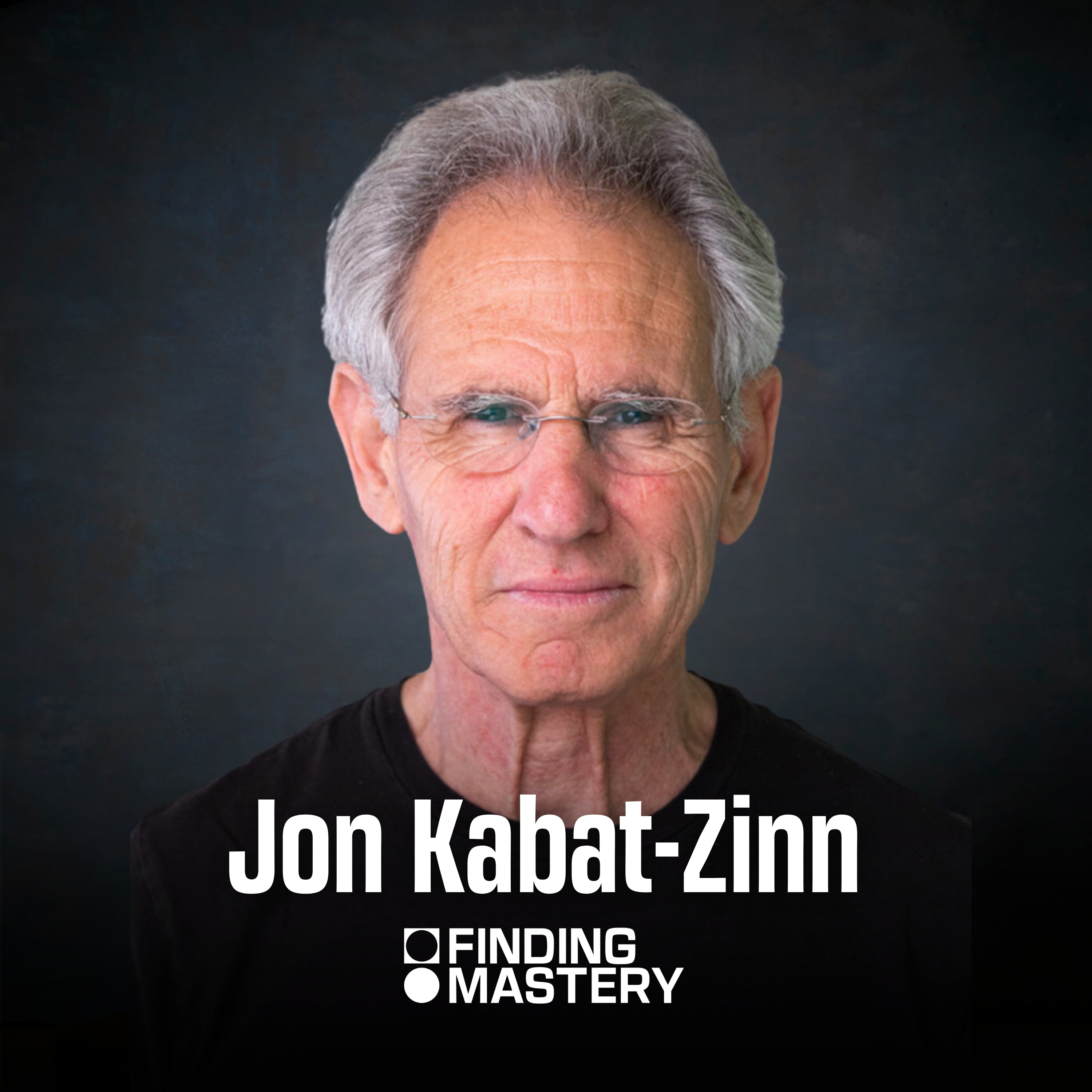
1 h 15 minAbspielen in:

Mi1Apr
Finding Mastery with Dr. Michael GervaisMJ

Michael JohnsonGast

The Psychology of Winning | Michael Johnson

What separates the athletes who perform when it matters most from those who don't... and can that difference be trained? Michael Johnson is one of the greatest sprinters in history: four-time Olympic gold medalist, nine-time World Champion, and the former world record holder in both the 200 and 400 meters. He was also, by his own account, one of the most psychologically prepared competitors the sport has ever seen. In this conversation with Dr. Michael Gervais, Michael takes us inside the hidden moments before the race, the call room, the gathering space beneath the stadium where eight finalists wait together in silence (or something far less than silence) before stepping out under the brightest lights in sport. He explains why the call room isn't just a logistical stop before the race. It's where the race is often decided. And he breaks down exactly how he prepared his mind to show up there. At the center of the conversation is a distinction that Michael discovered early in his career: the difference between being nervous and being scared. Nervousness, he came to understand, was fuel, a sign that he wanted it, that he was alive to the moment. Fear was something different. Fear meant he was underprepared. And once he understood that, he could do something about it. Michael shares how he used mental imagery, constantly, automatically, almost without thinking, to rehearse races until every scenario felt familiar. He explains how he learned to control his environment on race day, why Usain Bolt's pre-race routine was the polar opposite of his own (and worked just as well), and what it really means to master the controllables when the world's fastest sprinters are sitting two feet away trying to get into your head. The conversation also moves into the second half of Michael's life. Eight years ago, at age 50, he suffered a stroke that forced him to relearn how to walk. He reflects on how the same mental frameworks that made him a champion, recognizing small improvements, managing what he could control, and staying present in the process, carried him through that recovery. And he opens up about what the experience taught him: how to depend on people, how to let relationships go both ways, and why the things he'd always controlled most tightly weren't the things that mattered most. In this conversation, we explore: Why the call room is where races are won and lost, and how to navigate it The difference between nervousness (fuel) and fear (a signal of underpreparation) How Michael used mental imagery every single day, without structure or schedule Why self-knowledge is the single most impactful factor in sustained performance How Usain Bolt's exact opposite approach led to the same outcome, and what that means What a stroke at 50 taught Michael about control, vulnerability, and relationships The call room is everywhere. Learn how to master it. __________________________________ Links & Resources Subscribe to our Youtube Channel for more conversations at the intersection of high performance, leadership, and wellbeing: https://www.youtube.com/c/FindingMastery Get exclusive discounts and support our amazing sponsors! Go to: https://findingmastery.com/sponsors/ Subscribe to the Finding Mastery newsletter for weekly high performance insights: https://www.findingmastery.com/newsletter Download Dr. Mike's Morning Mindset Routine: findingmastery.com/morningmindset Follow on YouTube, Instagram, LinkedIn, and X See Privacy Policy at https://art19.com/privacy and California Privacy Notice at https://art19.com/privacy#do-not-sell-my-info.

57 minAbspielen in:

Mi25Mär
Finding Mastery with Dr. Michael GervaisSam Harris

Sam HarrisGast

The Psychology of Truth In a World of Lies | Sam Harris

There's a version of honesty most of us have never tried. Not brutal honesty. Not radical honesty. Something quieter and more demanding than either: a genuine commitment to saying what is true and useful, and nothing else. That is where this conversation begins. Sam Harris, neuroscientist, philosopher, bestselling author, host of the Making Sense podcast, and creator of the Waking Up app, joins Dr. Michael Gervais for a conversation that moves across truth, consciousness, AI, religion, and the inner mechanics of the mind. What starts as a discussion about lying becomes something much larger: an examination of the hidden forces that shape what we believe, who we trust, and how free we actually are. Sam and Dr. Mike explore what it costs us to keep two sets of books — one for people we care about, one for everyone else. They dig into why high-performing environments depend on truth-telling, how tribalism and dogmatism reliably pull us away from reality, and what it might mean to find solid ground in an era of increasing chaos. And then the conversation turns inward. To thoughts, awareness, and the gap between pain and suffering. To what meditation actually is and what it can do. To the possibility that the freedom most of us are chasing doesn't require changing our circumstances at all. If you are trying to get more honest with yourself and the people around you, this conversation will give you a lot to work with. In this conversation, you'll learn: Why a commitment to not lying is one of the most clarifying decisions a person can make How tribalism and dogmatism corrupt our access to truth and keep us divided What AI and deep fakes may actually do to our relationship with institutions and shared reality The difference between pain and suffering, and why that gap matters Why you are not your thoughts, and what opens up when you more fully understand that We’re excited for you to listen. __________________________________ Links & Resources Subscribe to our Youtube Channel for more conversations at the intersection of high performance, leadership, and wellbeing: https://www.youtube.com/c/FindingMastery Get exclusive discounts and support our amazing sponsors! Go to: https://findingmastery.com/sponsors/ Subscribe to the Finding Mastery newsletter for weekly high performance insights: https://www.findingmastery.com/newsletter Download Dr. Mike's Morning Mindset Routine: findingmastery.com/morningmindset Follow on YouTube, Instagram, LinkedIn, and X See Privacy Policy at https://art19.com/privacy and California Privacy Notice at https://art19.com/privacy#do-not-sell-my-info.
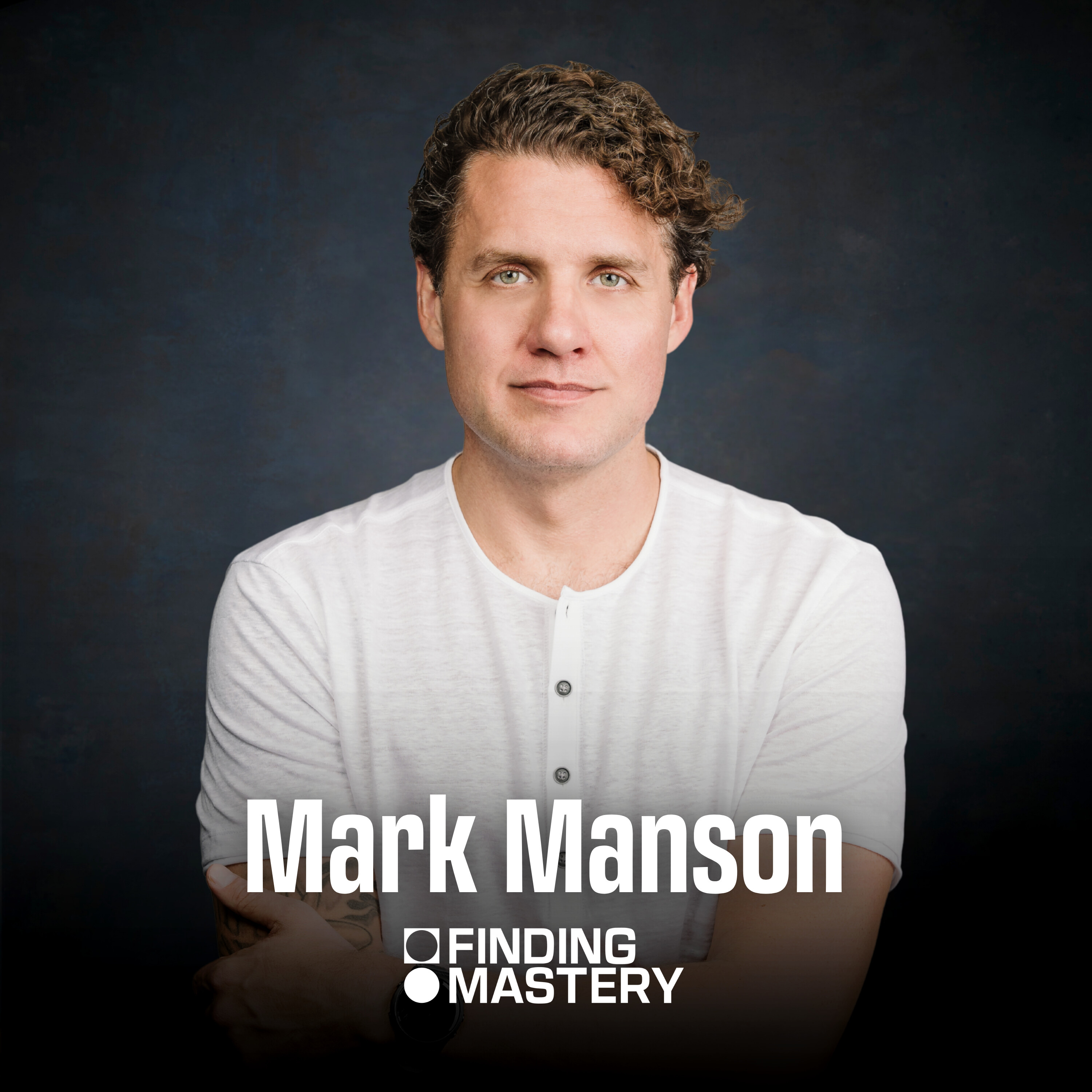
1 h 49 minAbspielen in:

Mi18Mär
Finding Mastery with Dr. Michael GervaisNir Eyal

Nir EyalGast

The Psychology of Limiting Beliefs | Nir Eyal

What if the biggest barrier between you and your potential isn’t talent - but a belief you’ve never questioned? Nir Eyal is a behavioral design expert and the bestselling author of Hooked, Indistractable, and his newest book, Beyond Belief. In this conversation with Dr. Michael Gervais, he explores a deceptively powerful idea: that beliefs operate like the hidden software of the mind, shaping what we notice, what we feel, what we attempt, and what we assume is possible. At the center of the conversation is a problem most of us know very intimately: If we already know what to do, why don’t we do it? Nir argues that motivation is not simply about knowing the right behavior or wanting the right outcome. Holding it all together is belief, the often invisible layer that determines whether we think change is possible, whether our effort is worth it, and whether we believe we are capable of following through. Nir breaks down the difference between facts, faith, and beliefs, and offers a compelling reframing: beliefs are not truths, they are tools. From there, he explores the difference between limiting beliefs and liberating beliefs, why the mind defaults toward safety and passivity, and how small acts of agency can begin to reshape what we think is available to us. Mike and Nir also dig into the relationship between pain and suffering, learned helplessness and hope, and the role interpretation plays in human performance. Along the way, they unpack how beliefs shape our attention, anticipation, and agency, and why changing a belief is often less about finding “the truth” and more about testing perspectives that better serve the life we want to live. This is a conversation about motivation, resilience, and the invisible architecture of our inner life. If you’ve ever felt stuck, frustrated that insight alone isn’t producing change, or curious about the mental filters shaping your performance, this one is for you. __________________________________ Links & Resources Subscribe to our Youtube Channel for more conversations at the intersection of high performance, leadership, and wellbeing: https://www.youtube.com/c/FindingMastery Get exclusive discounts and support our amazing sponsors! Go to: https://findingmastery.com/sponsors/ Subscribe to the Finding Mastery newsletter for weekly high performance insights: https://www.findingmastery.com/newsletter Download Dr. Mike's Morning Mindset Routine: findingmastery.com/morningmindset Follow on YouTube, Instagram, LinkedIn, and X See Privacy Policy at https://art19.com/privacy and California Privacy Notice at https://art19.com/privacy#do-not-sell-my-info.

1 h 18 minAbspielen in:

Mi11Mär
Finding Mastery with Dr. Michael GervaisMichelle Khare

Michelle KhareGast

The Psychology Of YouTube Success | Michelle Khare

What does it look like to bet on yourself, embrace reinvention, and build a YouTube channel that reaches millions? Michelle Khare is the creator and host of Challenge Accepted, the award-winning YouTube series where sherains with elite performers, athletes, and professionals to take on some of the world’s toughest stunts and professions. But this conversation goes far beyond spectacle. It’s about the psychology underneath the performance: how Michelle prepares for high-pressure environments, how she thinks about failure, and how she’s built a serious creative business without losing the joy at the center of it. In this conversation, Michelle shares how her path began at the intersection of two demanding worlds: working as a video producer by day while competing as a professional cyclist at night. Out of that tension, she created something new — a format that blends physical challenge, storytelling, and deep iteration. She talks about the early trial-and-error phase of building her channel, the importance of owning her own IP, and why many creators don’t realize they’ve already become entrepreneurs. Michelle also opens up about what it means to fail in public. She explains why growth often depends on being willing to look unpolished in front of other people, how she identifies her “strategic advantages” in unfamiliar environments, and why the low points — not just the polished outcomes — are what actually make a story worth telling. Along the way, she offers a compelling look at how she built a YouTube channel with over 5.4 million loyal subscribers. In this conversation, we explore: Why courage becomes more useful when it is systematized How Michelle built Challenge Accepted by blending athletics, storytelling, and business Why willingness to fail publicly can become a competitive advantage How to identify your “strategic advantages” in unfamiliar environments Why relationships, feedback, and team culture are essential to longevity How to elevate the YouTube creator space into a respected part of the entertainment industry This is a conversation about courage, yes, but also about design. How do you build a life where courage is not occasional, but trainable? How do you stay ambitious without burning out? And how you can keep evolving while staying grounded in the people and principles that matter most. __________________________________ Links & Resources Subscribe to our Youtube Channel for more conversations at the intersection of high performance, leadership, and wellbeing: https://www.youtube.com/c/FindingMastery Get exclusive discounts and support our amazing sponsors! Go to: https://findingmastery.com/sponsors/ Subscribe to the Finding Mastery newsletter for weekly high performance insights: https://www.findingmastery.com/newsletter Download Dr. Mike's Morning Mindset Routine: findingmastery.com/morningmindset Follow on YouTube, Instagram, LinkedIn, and X See Privacy Policy at https://art19.com/privacy and California Privacy Notice at https://art19.com/privacy#do-not-sell-my-info.
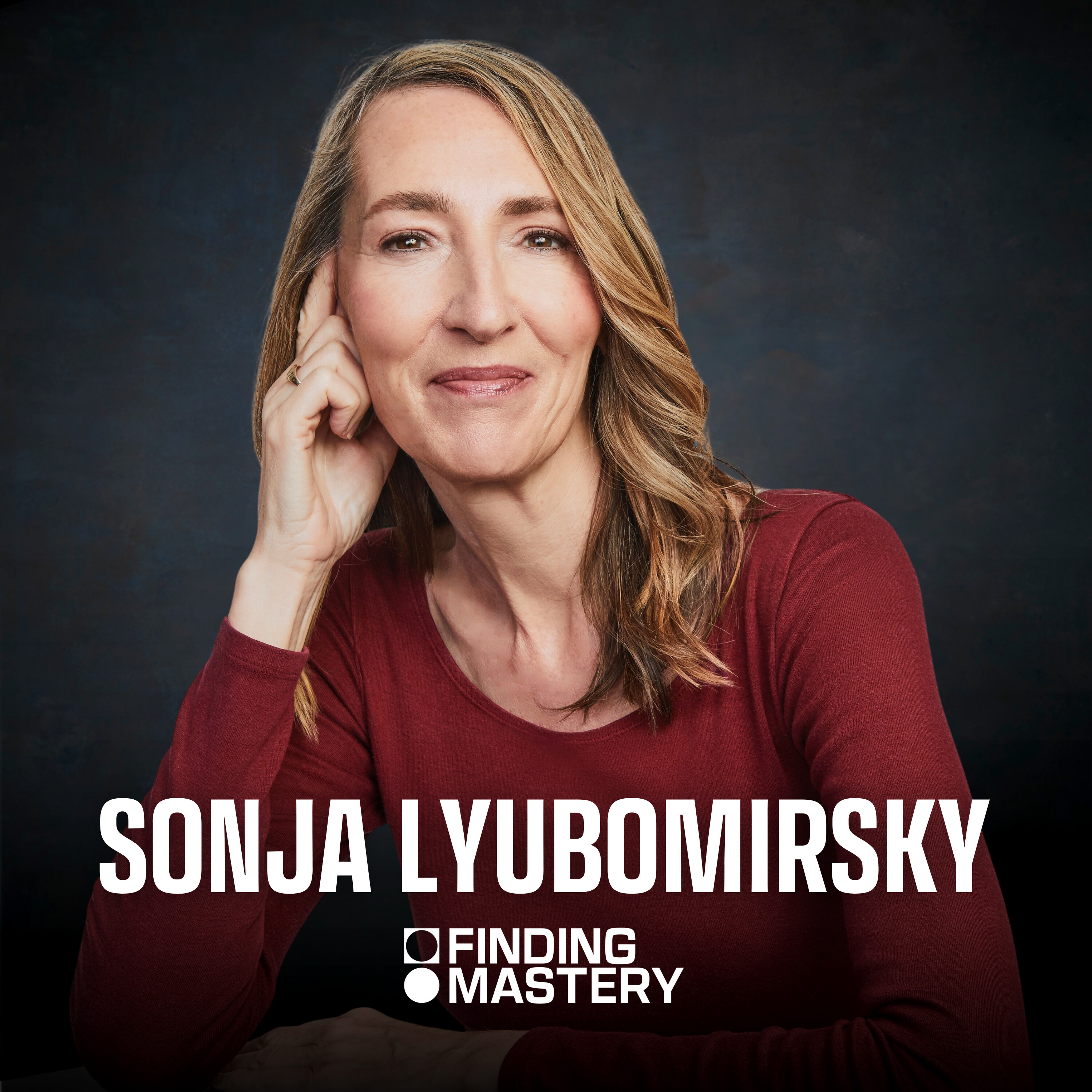
1 h 07 minAbspielen in:

Mi4Mär
Finding Mastery with Dr. Michael GervaisJeff Byers

Jeff ByersGast

Five Questions That Matter | Dr Mike Gervais AMA Vol.28

What questions are tugging at you right now, and how might exploring the answers help you live and perform with more clarity? We’re back with a special edition of the Finding Mastery podcast: another Ask Me Anything episode, built from the deep, thoughtful questions submitted by our community. In this AMA, Michael Gervais is joined by Jeff Byers, former NFL player, Co-Founder and CEO of Momentous, and longtime friend of Finding Mastery. Jeff has built something very special with Momentous, a supplement company grounded in transparency and integrity in an industry that can be full of noise and misinformation. He often says trust is earned, and he takes that responsibility personally. His relentless approach to mastery, both for himself and for the team he’s building at Momentous—makes him an ideal co-host to help Mike wrestle with questions across a wide range of topics… how to perform with more clarity, how to work skillfully with strong emotions, and how to build a life that feels aligned with what matters most. Key insights we explored: Shift from perfection to purpose… why “the constant pursuit of perfectionism” is a setup for burnout, and how purpose changes the whole frame. Downregulating the nervous system… practical ways to move from sympathetic “on” to parasympathetic “rest and digest,” including breath, gaze, laughter, touch, nature, and intentionally induced recovery. Anger and emotional skill… how to feel anger without outward harm or inward collapse, and why the goal is to build the capacity to be “unbothered.” Loneliness and connection… why loneliness can surge when you leave familiar people and routines, and how “time-boxing” the feeling can help you train it instead of letting it bleed through the entire day. Reflection when life is full… how to build a sustainable rhythm for inner work, from 90-second practices to scheduled retreats, and why scheduling and celebration matter. If you find yourself wrestling with perfectionism, emotional spillover, loneliness, or a life that won’t slow down, this AMA is a strong reminder that mastery is trained—one choice, one practice, one reset at a time. __________________________________ Links & Resources Subscribe to our Youtube Channel for more conversations at the intersection of high performance, leadership, and wellbeing: https://www.youtube.com/c/FindingMastery Get exclusive discounts and support our amazing sponsors! Go to: https://findingmastery.com/sponsors/ Subscribe to the Finding Mastery newsletter for weekly high performance insights: https://www.findingmastery.com/newsletter Download Dr. Mike's Morning Mindset Routine: findingmastery.com/morningmindset Follow on YouTube, Instagram, LinkedIn, and X See Privacy Policy at https://art19.com/privacy and California Privacy Notice at https://art19.com/privacy#do-not-sell-my-info.
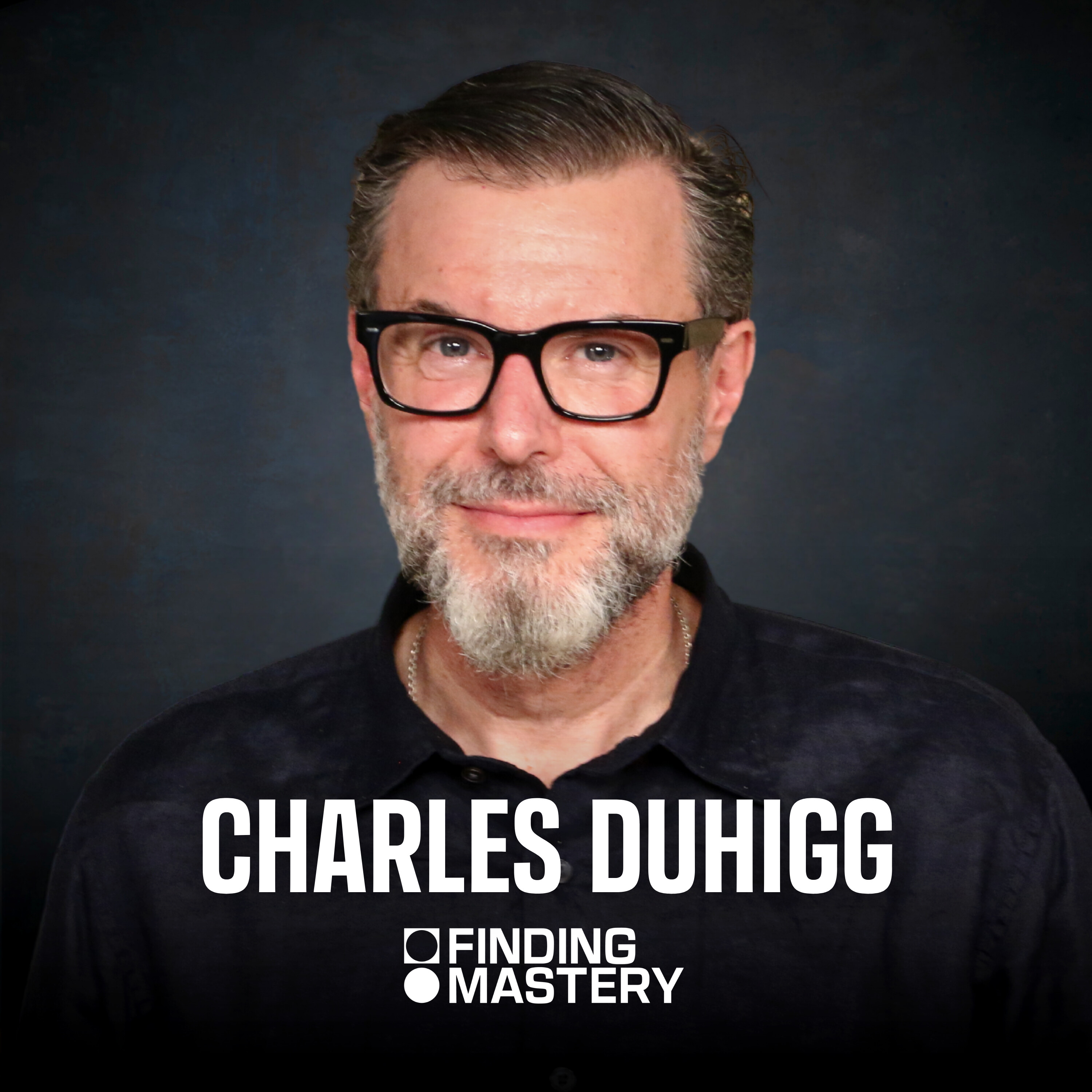
60 minAbspielen in:

Mi25Feb
Finding Mastery with Dr. Michael GervaisMH

Morgan HouselGast

The Only Financial Advice You’ll Ever Need | Morgan Housel

What if the hardest part of money isn’t earning it, but knowing how to use it well? Morgan Housel, bestselling author of The Psychology of Money, returns to Finding Mastery to explore the core idea behind his newest bestselling book, The Art of Spending Money. In this next chapter of his work, Morgan shifts the conversation away from accumulation and toward a deeper question: after the basics are covered, what role should money actually play in your life? While most financial advice focuses on how to earn and invest, Morgan argues that the more consequential skill is learning how to spend in alignment with your values. The challenge isn’t simply getting rich. It’s defining “enough.” In this conversation, Dr. Michael Gervais and Morgan unpack why money decisions are rarely logical and almost always emotional… shaped by identity, comparison, uncertainty, and the quiet pull of status. They explore the psychological difference between getting rich and staying rich, why uncertainty is a permanent feature of life, and how financial independence — not prestige — may be the real prize. At the center of it all is a powerful reframe: Money is a tool, not a scorecard. In this episode, we explore: Why money anxiety persists even when you’re “doing fine” on paper How comparison and status influence spending decisions What it means to use money in service of “a good life” Why defining “enough” matters more than earning “more” How to spend with more intention and fewer regrets If you’re serious about building a life that feels aligned — not just impressive — this conversation offers a grounded, psychologically rigorous lens on how to think about money differently. __________________________________ Links & Resources Subscribe to our Youtube Channel for more conversations at the intersection of high performance, leadership, and wellbeing: https://www.youtube.com/c/FindingMastery Get exclusive discounts and support our amazing sponsors! Go to: https://findingmastery.com/sponsors/ Subscribe to the Finding Mastery newsletter for weekly high performance insights: https://www.findingmastery.com/newsletter Download Dr. Mike's Morning Mindset Routine: findingmastery.com/morningmindset Follow on YouTube, Instagram, LinkedIn, and X See Privacy Policy at https://art19.com/privacy and California Privacy Notice at https://art19.com/privacy#do-not-sell-my-info.

1 h 09 minAbspielen in:

Mi18Feb
Finding Mastery with Dr. Michael GervaisAngela Duckworth

Angela DuckworthGast

Why Young People Are Struggling | Angela Duckworth

Why are young people today reporting the highest levels of anxiety, depression, loneliness, and despair in modern history? Dr. Angela Duckworth is a professor of psychology at the University of Pennsylvania and one of the world’s leading voices on grit, self-control, and the science of thriving. In this conversation with Dr. Michael Gervais, Angela reflects on how her thinking about grit has evolved, where it’s often misunderstood, and why perseverance without purpose can become harmful instead of helpful. They explore what excellence really looks like behind the scenes. Not the highlight reel, but the long stretch of deliberate practice and repeated effort that most people never see. Angela also reframes passion as something that develops over time, and offers a practical lens for staying committed when enthusiasm fades and outcomes take longer than expected. The conversation expands beyond performance into family life and parenting. They examine the cultural forces shaping today’s youth: the rise of social media, the erosion of in-person connection, the displacement of nature, and the unintended consequences of modern parenting. Angela shares what the data actually shows about the mental health crisis, and what we as parents, educators, and leaders can do about it. In this episode, you’ll learn: What grit really is, and what it isn’t Why excellence comes from high-quality practice over time How passion develops slowly, and why it can be treated like a skill How to stay committed when motivation fades Why environments shape kids more than pressure does Why young people’s happiness has sharply declined since 2010 What the research says about anxiety, depression, and loneliness in Gen Z How screens and social disconnection may be reshaping well-being Practical ways parents can create environments where kids can truly thrive ________________________________________________________ Links & Resources Subscribe to our Youtube Channel for more conversations at the intersection of high performance, leadership, and wellbeing: https://www.youtube.com/c/FindingMastery Get exclusive discounts and support our amazing sponsors! Go to: https://findingmastery.com/sponsors/ Subscribe to the Finding Mastery newsletter for weekly high performance insights: https://www.findingmastery.com/newsletter Download Dr. Mike's Morning Mindset Routine: findingmastery.com/morningmindset Follow on YouTube, Instagram, LinkedIn, and X David Blanchflower Article: Blanchflower DG, Bryson A, Xu X (2025) “The declining mental health of the young and the global disappearance of the unhappiness hump shape in age.” https://journals.plos.org/plosone/article?id=10.1371/journal.pone.0327858 See Privacy Policy at https://art19.com/privacy and California Privacy Notice at https://art19.com/privacy#do-not-sell-my-info.
56 minAbspielen in:

So8Feb
Finding Mastery with Dr. Michael GervaisBM

Brandon MarshallGast

The Moment You Have to Decide | Brandon Marshall

Data on an NFL sideline is immediate. Decisions are filtered through fear, experience, and instinct. In this episode of The Game Inside the Games, Dr. Michael Gervais and NFL legend Brandon Marshall explore the tension between analytics and intuition—what happens when information is instant, comprehensive, and impossible to ignore. As technology reshapes decision-making on the NFL sideline, the real question becomes: when the moment arrives, what do you actually trust? Gervais draws on his conversation with Hillary Kerner, CMO of Insight, to examine the human side of AI adoption and why more data doesn’t automatically lead to better choices. Using fourth-down decision-making as a case study, the episode reveals how fear of blame, social pressure, and the need to justify decisions often outweigh what the numbers clearly show. This is a grounded look at how people make decisions under scrutiny—and why learning when to trust the data and when to trust yourself may be one of the most important skills in high-pressure environments. Follow Finding Mastery all week as The Game Inside the Games continues to unpack the inner game at global sporting events,, available on YouTube, Apple Podcasts, Spotify, or wherever you listen. 🔥 Don’t miss this deep dive into the mind of an NFL mastermind. 🎧 Subscribe and follow along with Finding Mastery all week as we unlock championship‑level thinking from the biggest moments in sports. Watch The Game Inside The Games on YouTube, Apple, Spotify, or wherever you listen to podcasts. ___________________ This episode is brought to you by Insight and Microsoft. Insight is redefining integration for the Agentic Era by closing the 65% execution gap currently leaving enterprise AI at a standstill. As a leading Solutions Integrator and top 1% Microsoft partner, we don’t just provision licenses; we build the high-performance infrastructure and secure data estates AI requires to thrive. By converging AI-optimized networking with our proprietary Radius™ Microsoft 365 Copilot framework, we solve the infrastructure-AI paradox. From silicon to skills, Insight leverages "Customer Zero" expertise to transform software into a high-yield autonomous enterprise—enabling seamless, secure collaboration between your people and your AI. https://aka.ms/InsightMicrosoftCopilot See Privacy Policy at https://art19.com/privacy and California Privacy Notice at https://art19.com/privacy#do-not-sell-my-info.

24 minAbspielen in:

Sa7Feb
Finding Mastery with Dr. Michael GervaisRL

Ricardo LocketteGast

The Weight We Carry: Ricardo Lockette on Loss and Healing

Some moments don’t fade. They wait. In this episode of The Game Inside the Games, Dr. Michael Gervais reconnects with Ricardo Lockette as returning to the Super Bowl setting brings old emotions back to the surface. The conversation moves beyond the game itself into grief, loss, and the weight of moments that never fully resolve. Lockette speaks candidly about the Super Bowl heartbreak, the injury that ended his career, and why public grieving can be harder than physical pain. Drawing on their close relationship, Gervais helps him unpack what those experiences still mean—and how resilience is built in the aftermath, not the moment. This is a raw, human conversation about survival, leadership, and learning how to live with moments that don’t come with clean endings. _____ 💥 Support our sponsors and get exclusive discounts: https://findingmastery.com/sponsors 📬 Sign up for the Finding Mastery newsletter to get weekly insights from Dr. Michael Gervais: https://www.findingmastery.com/newsletter 🧠 Download Dr. Mike’s Morning Mindset Routine: https://www.findingmastery.com/morningmindset 🔔 Like and Subscribe to @findingmastery for weekly insights from top performers _____ This episode is brought to you by CDW and Microsoft. AI is revolutionizing how work gets done. CDW and Microsoft can play a vital role in unlocking the transformative potential of Microsoft Copilot. By leveraging this technology, organizations can achieve significant productivity gains, enhance innovation and streamline workflows. Unlock opportunities to improve both employee and customer experiences when you partner with CDW to deploy your Copilot solutions. Our experts can help maximize the capabilities of Copilot, by building out roadmaps, use cases, and agent experiences that supercharge efficiency for your organization. Aka.ms/CDWMicrosoftCopilot Learn more about CDW’s internal Copilot adoption story: CDW rolls out Microsoft 365 Copilot to 10,000 employees, reporting 85% productivity gains | Microsoft Customer Stories See Privacy Policy at https://art19.com/privacy and California Privacy Notice at https://art19.com/privacy#do-not-sell-my-info.
29 minAbspielen in:

Sa7Feb
Finding Mastery with Dr. Michael GervaisBM

Brandon MarshallGast

Brandon Marshall: Inside the Huddle

The huddle is one of the quietest moments in football—and one of the most revealing. Before the play is called, before anyone moves, a team comes together in a space where trust, tone, and connection matter more than words on a whiteboard. In this episode of The Game Inside the Games, Dr. Michael Gervais and All-Pro wide receiver Brandon Marshall go inside the huddle to explore what really happens in the moments before action. Rather than breaking down strategy or schemes, the conversation focuses on culture—how relationships show up under pressure and how teams signal belief, accountability, and presence when it counts. Drawing on lived experience, Gervais and Marshall examine how the huddle becomes a mirror for a team’s inner life. Who speaks. Who listens. How people respond when the moment feels heavy. These subtle dynamics often shape what happens next, long before the ball is snapped. This is a grounded, human conversation about connection, leadership, and shared responsibility. And while the stories come from the highest level of football, the insight applies far beyond the field—to meetings, decisions, and the moments we all face just before we act. Follow Finding Mastery all week as The Game Inside the Games continues to unpack the inner game at global sporting events,, available on YouTube, Apple Podcasts, Spotify, or wherever you listen. _____________ This episode is brought to you by CDW and Microsoft. AI is revolutionizing how work gets done. CDW and Microsoft can play a vital role in unlocking the transformative potential of Microsoft Copilot. By leveraging this technology, organizations can achieve significant productivity gains, enhance innovation and streamline workflows. Unlock opportunities to improve both employee and customer experiences when you partner with CDW to deploy your Copilot solutions. Our experts can help maximize the capabilities of Copilot, by building out roadmaps, use cases, and agent experiences that supercharge efficiency for your organization. Aka.ms/CDWMicrosoftCopilot Learn more about CDW’s internal Copilot adoption story: CDW rolls out Microsoft 365 Copilot to 10,000 employees, reporting 85% productivity gains | Microsoft Customer Stories See Privacy Policy at https://art19.com/privacy and California Privacy Notice at https://art19.com/privacy#do-not-sell-my-info.
16 minAbspielen in:

Fr6Feb
Finding Mastery with Dr. Michael GervaisCN

Cam NewtonBrandon MarshallGast

The Loudest Voice in the Stadium: Cam Newton on Self‑Talk

The noise at the Super Bowl can be overwhelming—tens of thousands of voices colliding into a single roar. But the loudest voice a player hears isn’t coming from the stands. It’s the one inside their own head. In this episode of The Game Inside the Games, Dr. Michael Gervais and All-Pro wide receiver Brandon Marshall sit down with former NFL MVP Cam Newton to explore one of the most overlooked forces in elite performance: self-talk. Rather than revisiting highlights or headlines, the conversation focuses on the internal dialogue that shapes performance in football’s biggest moments. From the intensity of the Super Bowl stage to the quieter moments when doubt creeps in, Cam and Brandon share how the words athletes say to themselves can either steady them—or pull them out of the moment entirely. This is a candid, human conversation about confidence, pressure, imagination, and the unseen work required to stay grounded when everything is on the line. And while the stories come from the highest level of sport, the lessons reach far beyond the field—offering insight into how anyone can use self-talk to access their best when it matters most. Follow Finding Mastery all week as The Game Inside the Games continues to unpack the inner game at global sporting events,, available on YouTube, Apple Podcasts, Spotify, or wherever you listen. _____________ This episode is brought to you by CDW and Microsoft. AI is revolutionizing how work gets done. CDW and Microsoft can play a vital role in unlocking the transformative potential of Microsoft Copilot. By leveraging this technology, organizations can achieve significant productivity gains, enhance innovation and streamline workflows. Unlock opportunities to improve both employee and customer experiences when you partner with CDW to deploy your Copilot solutions. Our experts can help maximize the capabilities of Copilot, by building out roadmaps, use cases, and agent experiences that supercharge efficiency for your organization. Aka.ms/CDWMicrosoftCopilot Learn more about CDW’s internal Copilot adoption story: CDW rolls out Microsoft 365 Copilot to 10,000 employees, reporting 85% productivity gains | Microsoft Customer Stories _____________ Links & Resources Subscribe to our Youtube Channel for more conversations at the intersection of high performance, leadership, and wellbeing: https://www.youtube.com/c/FindingMastery Get exclusive discounts and support our amazing sponsors! Go to: https://findingmastery.com/sponsors/ Subscribe to the Finding Mastery newsletter for weekly high performance insights: https://www.findingmastery.com/newsletter Download Dr. Mike's Morning Mindset Routine: findingmastery.com/morningmindset Follow on YouTube, Instagram, LinkedIn, and X See Privacy Policy at https://art19.com/privacy and California Privacy Notice at https://art19.com/privacy#do-not-sell-my-info.
27 minAbspielen in:

Mi28Jan
Finding Mastery with Dr. Michael GervaisRyan Holiday

Ryan HolidayGast

Why Smart People Make Bad Decisions | Ryan Holiday

What does it mean to live wisely in a loud, distracted, and often reactive world? Ryan Holiday—bestselling author and modern Stoic philosopher—returns to explore how wisdom actually works… not as a theory or a prize of age, but as a daily practice of reflection, humility, and courage. Ryan breaks down why wisdom takes work, how Stoic philosophy applies to modern parenting and leadership, and why the ability to think deeply and act deliberately might be the rarest skill in today’s world. This conversation goes beyond ideas — it’s about living wisely when life feels anything but quiet. You’ll learn: How to treat wisdom as a practice, not an identity Why wisdom demands both courage and humility The key to raising thoughtful kids in a noisy world How to find calm and clarity in times of distraction and division Why discernment is the superpower for the age of AI and misinformation __________________________________________________ Links & Resources Subscribe to our Youtube Channel for more conversations at the intersection of high performance, leadership, and wellbeing: https://www.youtube.com/c/FindingMastery Get exclusive discounts and support our amazing sponsors! Go to: https://findingmastery.com/sponsors/ Subscribe to the Finding Mastery newsletter for weekly high performance insights: https://www.findingmastery.com/newsletter Download Dr. Mike's Morning Mindset Routine: findingmastery.com/morningmindset Follow on YouTube, Instagram, LinkedIn, and X See Privacy Policy at https://art19.com/privacy and California Privacy Notice at https://art19.com/privacy#do-not-sell-my-info.

1 h 23 minAbspielen in:

Mi21Jan
Finding Mastery with Dr. Michael GervaisDG

Dr Gabrielle LyonGast

Why You’re Aging Faster Than You Think | Dr Gabrielle Lyon

What if the real risk to our health isn’t aging itself, but becoming metabolically weak? Dr. Gabrielle Lyon — physician, researcher, and one of the leading voices redefining how we think about health and longevity — shares why muscle sits at the center of lasting strength, energy, and vitality. In this wide-ranging conversation with Dr. Michael Gervais, she explores why health isn’t something to manage later with prescriptions, but something to build deliberately through strength and daily discipline. Dr. Lyon’s muscle-centric approach reframes aging and performance: real longevity is not about doing less, but building the capacity to do more — with purpose, clarity, and resilience. From the science of protein and training to the psychology of sustainable health, this conversation offers a roadmap to living strong, not just long. You’ll learn: Why muscle is the organ of longevity How to build metabolic health through training and nutrition The key to balancing strength, performance, and recovery How to approach GLP-1 drugs (like Ozempic) with nuance and caution Why physical strength fuels mental resilience and purpose _______________________________________________________ Links & Resources Subscribe to our Youtube Channel for more conversations at the intersection of high performance, leadership, and wellbeing: https://www.youtube.com/c/FindingMastery Get exclusive discounts and support our amazing sponsors! Go to: https://findingmastery.com/sponsors/ Subscribe to the Finding Mastery newsletter for weekly high performance insights: https://www.findingmastery.com/newsletter Download Dr. Mike's Morning Mindset Routine: findingmastery.com/morningmindset Follow on YouTube, Instagram, LinkedIn, and X Pre-order The Forever Strong PLAYBOOK and receive exclusive bonuses - https://drgabriellelyon.com/playbook/ See Privacy Policy at https://art19.com/privacy and California Privacy Notice at https://art19.com/privacy#do-not-sell-my-info.
1 h 08 minAbspielen in:

Mi14Jan
Finding Mastery with Dr. Michael GervaisDH

Dan HarrisGast

How To Stay Calm Under Stress | Dan Harris

What changes when anxiety shows up—and you stop trying to outrun it, and start learning how to work with it? Dan Harris—journalist, bestselling author, and host of 10% Happier—returns to Finding Mastery to explore practical ways to work with anxiety. Dan unpacks how meditation, compassionate self-talk, and exposure built his capacity after a panic attack on live TV—and why curiosity is a powerful antidote to fear. Dan and Dr. Mike go beyond optimization into the human side: rebuilding from collapse, confronting panic (on planes, elevators, and big stages), and the daily reps that make composure more accessible. This is a grounded look at attention, identity, and training your inner life—without hacks or magical thinking. What you’ll learn How to use meditation as “bicep curls for the brain” Why self-talk (especially in third person) regulates panic in real time The key to working at your edge without traumatizing yourself How to turn exposure into confidence and capacity Why curiosity beats cynicism for mental performance At its heart, this episode is a reminder: mastery isn’t a shortcut; it’s alignment between awareness, training, and what matters most. _____________________________________________________________ Links & Resources Subscribe to our Youtube Channel for more conversations at the intersection of high performance, leadership, and wellbeing: https://www.youtube.com/c/FindingMastery Get exclusive discounts and support our amazing sponsors! Go to: https://findingmastery.com/sponsors/ Subscribe to the Finding Mastery newsletter for weekly high performance insights: https://www.findingmastery.com/newsletter Download Dr. Mike's Morning Mindset Routine: findingmastery.com/morningmindset Follow on YouTube, Instagram, LinkedIn, and X Dan Harris on YouTube: https://www.youtube.com/@TenPercentHappier See Privacy Policy at https://art19.com/privacy and California Privacy Notice at https://art19.com/privacy#do-not-sell-my-info.

1 h 13 minAbspielen in:

Mi7Jan
Finding Mastery with Dr. Michael GervaisCN

Cal NewportGast

Why You Should Quit Social Media in 2026 | Cal Newport

If you’re trying to be productive, what if the answer isn’t to do more… but to do less, better? On today’s episode, we welcome back Cal Newport — Georgetown computer science professor, bestselling author of Deep Work and Slow Productivity, and one of the most influential voices on focus, sustainable achievement, and the hidden costs of our digital lives. Cal and Dr. Mike pick up where their first conversation left off — exploring why the human brain can’t do its best work while juggling five active tasks, how context switching quietly crushes output, and what leaders can do to build cultures that protect focus without adding headcount. On the human side, Cal dives into digital fatigue, rethinking our relationship with phones, and how parents can create healthier tech norms at home. Finally, he looks ahead to AI — not with fear, but with clarity about how it can remove friction and restore our ability to think deeply. In this episode, you’ll learn: Why doing fewer things at once leads to faster, better results How to reduce context switching and build deep work into team culture The difference between true productivity and “pseudo-productivity” How to counter digital fatigue at work and at home — with different strategies for each What parents should know about phones, social media, and attention How AI can actually protect deep work when used wisely The heart of this conversation: mastery in the modern world isn’t about speed or volume — it’s about depth, clarity, and choosing what truly deserves your attention. _________________________________________________________________________ Links & Resources Subscribe to our Youtube Channel for more conversations at the intersection of high performance, leadership, and wellbeing: https://www.youtube.com/c/FindingMastery Get exclusive discounts and support our amazing sponsors! Go to: https://findingmastery.com/sponsors/ Subscribe to the Finding Mastery newsletter for weekly high performance insights: https://www.findingmastery.com/newsletter Download Dr. Mike's Morning Mindset Routine: findingmastery.com/morningmindset Follow on YouTube, Instagram, LinkedIn, and X See Privacy Policy at https://art19.com/privacy and California Privacy Notice at https://art19.com/privacy#do-not-sell-my-info.
57 minAbspielen in:

Mi10Dez 25
Finding Mastery with Dr. Michael GervaisKH

Kathleen HoganGast

What Microsoft’s Culture Shift Can Teach You in 2026 | Kathleen Hogan

What if the future of work isn’t about technology at all — but about unlocking more humanity in each other? On today’s episode, we sit down with Kathleen Hogan, Chief Strategy and Transformation Officer at Microsoft, and one of the key architects behind the company’s cultural reinvention. Kathleen helped lead Microsoft’s shift from a “know-it-all” to a “learn-it-all” culture — embedding empathy, curiosity, and growth mindset across a global workforce of more than 220,000 people. In this conversation, Kathleen and Dr. Michael Gervais explore what it really means to lead with humanity. She shares the moments that shaped her leadership — from facing cancer twice, to redefining success through purpose and connection — and the inner work required to help others unlock their potential. In this conversation, we explore: How Kathleen helped Microsoft reimagine its culture from the inside out Why purpose and empathy are the foundation of effective leadership How to build psychological safety and courage in high-performing teams What it means to lead with curiosity instead of certainty The role AI can play in empowering — not replacing — human potential At its heart, this episode is a reminder that leadership isn’t about knowing more — it’s about caring more. _______________________________________________________ Links & Resources Subscribe to our Youtube Channel for more conversations at the intersection of high performance, leadership, and wellbeing: https://www.youtube.com/c/FindingMastery Get exclusive discounts and support our amazing sponsors! Go to: https://findingmastery.com/sponsors/ Subscribe to the Finding Mastery newsletter for weekly high performance insights: https://www.findingmastery.com/newsletter Download Dr. Mike's Morning Mindset Routine: findingmastery.com/morningmindset Follow on YouTube, Instagram, LinkedIn, and X See Privacy Policy at https://art19.com/privacy and California Privacy Notice at https://art19.com/privacy#do-not-sell-my-info.

1 h 07 minAbspielen in:

Mi3Dez 25
Finding Mastery with Dr. Michael GervaisJA

John AmaechiGast

The First Openly Gay NBA Player On the Power of Courage, Leadership, and Empathy | John Amaechi

What does it really mean to live with courage and conviction? On today’s episode, we sit down with Dr. John Amaechi — organizational psychologist, New York Times bestselling author, and the first openly gay NBA player. Along his journey, John always set out to be himself in a world that repeatedly told him he was too big, too soft-spoken, too smart, too different. In this conversation, John brings us into parts of his internal world that are hard for any of us to talk about: navigating shame, identity, belonging, and the responsibility of not shrinking so others can stay comfortable. He talks about the cost of visibility, and the radical power of deciding that your worth is not up for negotiation. In this episode, we explore: How to move from clarity to conviction in your personal and professional life Why vulnerability is a core strength of courageous leadership The key to creating relationships rooted in empathy and presence How to develop moral courage — and know when to walk away What it means to lead from your first principles Through stories drawn from sport, psychology, and leadership, John challenges our cultural obsession with individual achievement and redefines what it means to succeed — not by how high you climb, but by how deeply you care and how many people you lift along the way. ___________________________________________________ Links & Resources: Subscribe to our Youtube Channel for more conversations at the intersection of high performance, leadership, and wellbeing: https://www.youtube.com/c/FindingMastery Get exclusive discounts and support our amazing sponsors! Go to: https://findingmastery.com/sponsors/ Subscribe to the Finding Mastery newsletter for weekly high performance insights: https://www.findingmastery.com/newsletter Download Dr. Mike's Morning Mindset Routine: findingmastery.com/morningmindset Follow on YouTube, Instagram, LinkedIn, and X See Privacy Policy at https://art19.com/privacy and California Privacy Notice at https://art19.com/privacy#do-not-sell-my-info.
1 h 22 minAbspielen in:

Gäste, die länger als 12 Monate zurückliegen, gibt es mit Pro. Pläne ansehen