Bekomm eine E-Mail, wenn Sarah in einem Podcast zu Gast istPodAppear prüft neue Folgen, sobald sie erscheinen, und lässt die weg, in denen Sarah nur erwähnt wird. Bis zu 15 Personen kostenlos, ohne Kreditkarte.Bis zu 15 Personen kostenlos, ohne Kreditkarte.
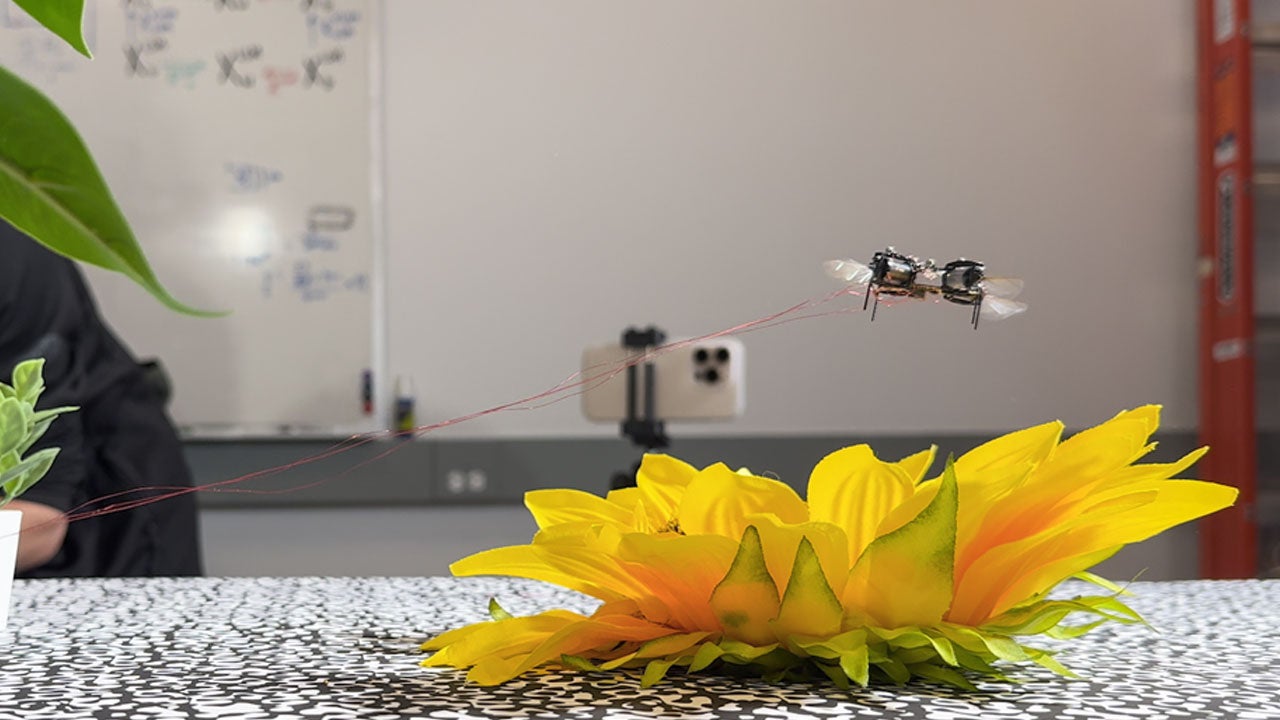
First up on the podcast, Staff Writer Phie Jacobs shares the latest in tiny, flying robots with Producer Meagan Cantwell. After decades of research, what is preventing these bug bots from leaving the lab?
Next on the show, a deep look at the factors that can bulk up the benefits of human breast milk. Meghan Azad, Canada research chair and early nutrition and the developmental origins of health and disease professor in the Department of Pediatrics and Child Health at the University of Manitoba, talks with host Sarah Crespi about some of the results from the International Milk Composition Consortium. They discuss two papers out this week in Science, one on biomarkers for healthy mammary glands and another on which supplements actually change the quality of breast milk after giving birth.
Finally, Science’s Books and Culture Editor Valerie Thompson and books host Angela Saini join Sarah Crespi to reflect on this year’s series on scientific biographies and memoirs. See all the books featured in the series.
Other book reviews mentioned in this segment:
“The history and future of sickle cell disease” review of Curved Air: A Biography of Sickle Cell Anemia and the Quest to Cure the First Molecular Disease by Kevin Davies Belknap
“An uncommon introduction to chemistry” review of Chain Reaction: How Chemistry Shapes Us and Our World by Ijeoma Uchegbu
Fall books roundup review of Minds I’ve Met: From Denying to Embracing the Inner Lives of Animals by Frans de Waal
“The indomitable Stephen Hawking” review of Hawking: His Life and Work by Graham Farmelo
This week’s episode was produced with help from Podigy.
Learn more about your ad choices. Visit megaphone.fm/adchoices
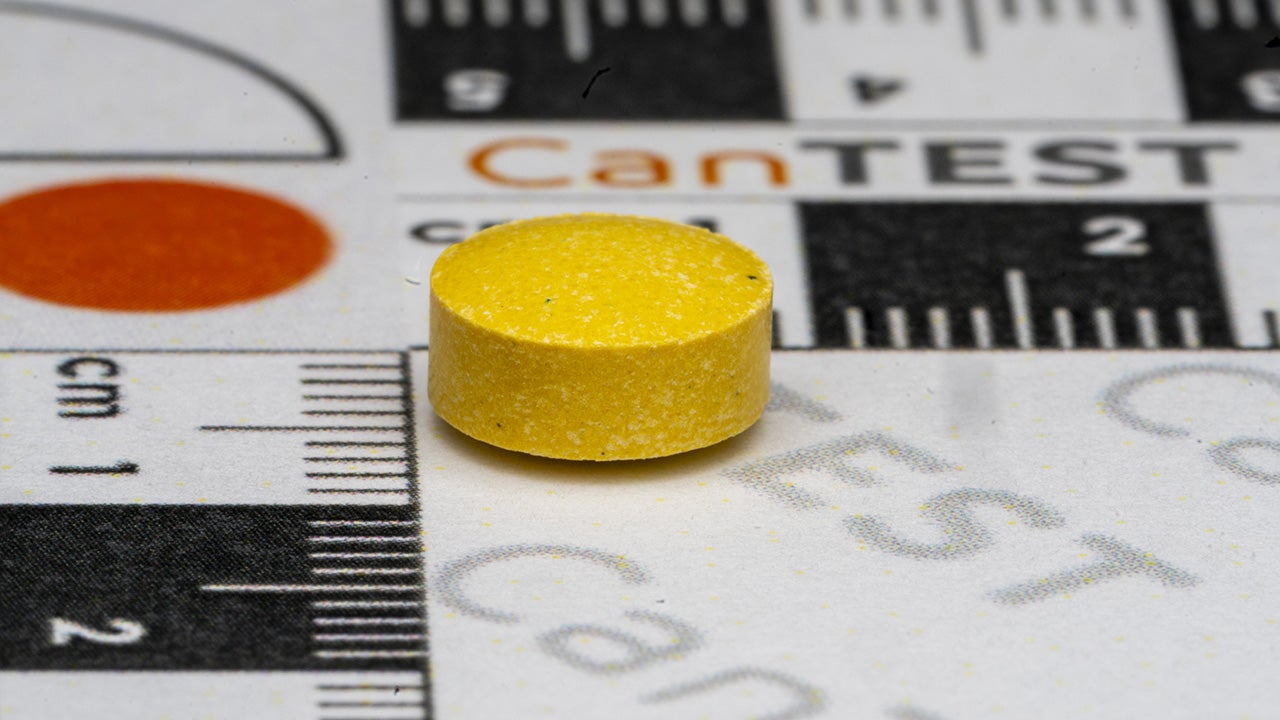
First up on the podcast, improvements in mass spectrometry have researchers rethinking how to find chemicals in the environment. Freelance journalist Perri Thaler talks with host Sarah Crespi about the widespread effects—from identifying environmental contamination to drug adulterants—of this new approach to chemical screening.
Next on the show, communications using electromagnetic waves can be subject to interference or weakened through shielding. Andrew Groszek, a quantum software engineer at Infleqtion, looked to gravity as a way to create an unblockable means of communication. However, he found using gravity as a signal comes with its own struggles, such as an incredibly slow transmission rate of 1 bit per minute and the need for heavy equipment.
Finally, Science’s Books and Culture Editor Valerie Thompson talks with behavioral geneticist K. Paige Harden of the University of Texas at Austin, about her essay on searching for signs of humanity in an age of data-driven avatars.
This week’s episode was produced with help from Podigy.
Learn more about your ad choices. Visit megaphone.fm/adchoices
First up on the podcast, producer Kevin McLean talks with staff writer Jennie Erin Smith about a new old idea for Alzheimer’s disease. They discuss how the cholinergic hypothesis originally came about, how it fell out of fashion, and why it’s making a comeback now.
Next on the show, the United States can make more power as demand goes up, but moving that increased amount of electricity around the country is proving problematic. Madeline Yozwiak, a postdoctoral scholar in the Engineering and Public Policy Department at Carnegie Mellon University, joins host Sarah Crespi to discuss her Policy Forum article on the barriers to scaling up the country’s electric grid and some potential solutions.
Finally, boosting precision medicine by looking at All of Us. The National Institutes of Health’s All of Us project is a gigantic source of whole-genome sequences and electronic health records. Philip Empey, associate professor in the School of Pharmacy and associate director of the Institute for Precision Medicine at the University of Pittsburgh, discusses how panning through this huge trove of data to find pharmacogenomic variants—genes important for prescription decisions—will improve precision medicine.
This week’s episode was produced with help from Podigy.
Image: Helen H. Richardson/MediaNews Group/The Denver Post via Getty Images
Learn more about your ad choices. Visit megaphone.fm/adchoices
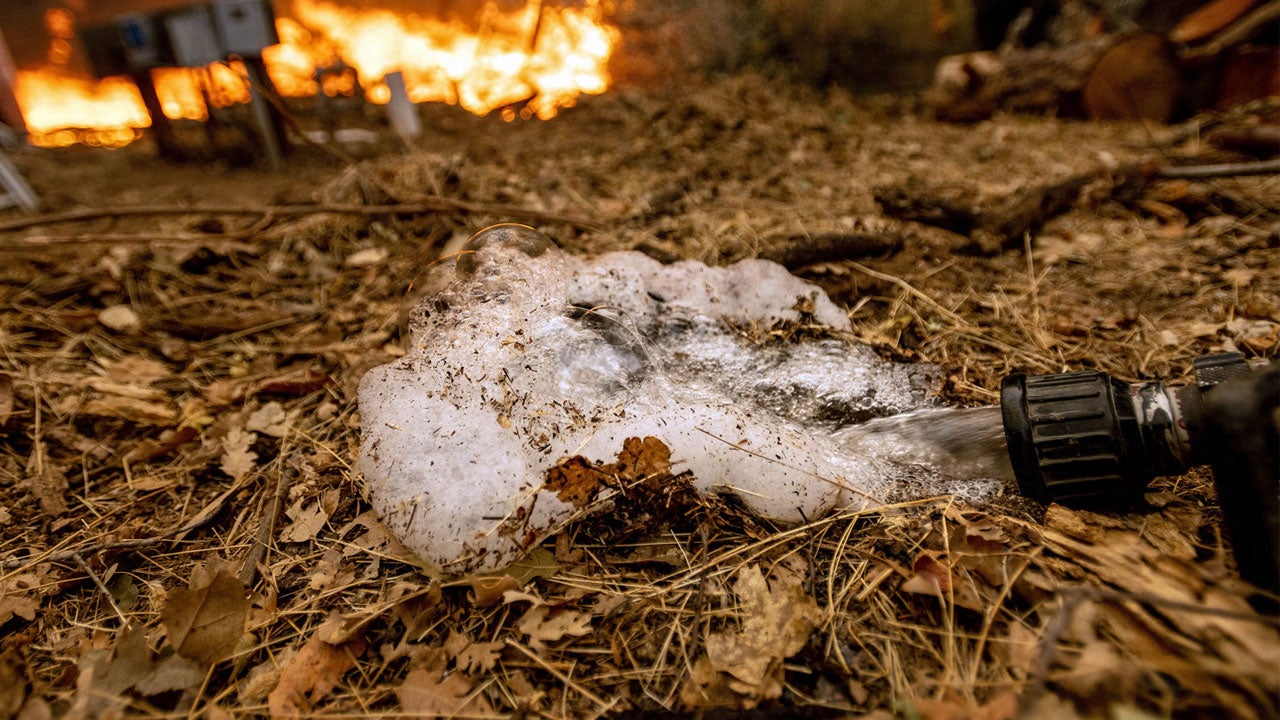
First up on the podcast, thousands of tons of per- and polyfluoroalkyl substances (PFAS) have been released into the environment. It’s not always that difficult to round them up, but what to do next has been a tougher call. Until now, the default has been to burn PFAS—but that has been shown in some cases to release smaller PFAS back into the environment. Freelance science journalist Mark Peplow joins host Sarah Crespi to talk over recent technological improvements in destroying these forever chemicals and how feasible it is to deploy them.
Next on the show, News Intern Julia Vaz talks with Chirag Manchanda, a postdoctoral researcher at Stanford University, about his Science Advances paper on new ways to analyze the sources of urban air pollution.
Finally, the last in our six-part series on scientific biographies. Host Angela Saini talks with biologist Joe Osmundson about his new memoir, Spawning Season: An Experiment in Queer Parenthood.
This week’s episode was produced with help from Podigy.
Image: JOSH EDELSON/AFP via Getty Images
Learn more about your ad choices. Visit megaphone.fm/adchoices
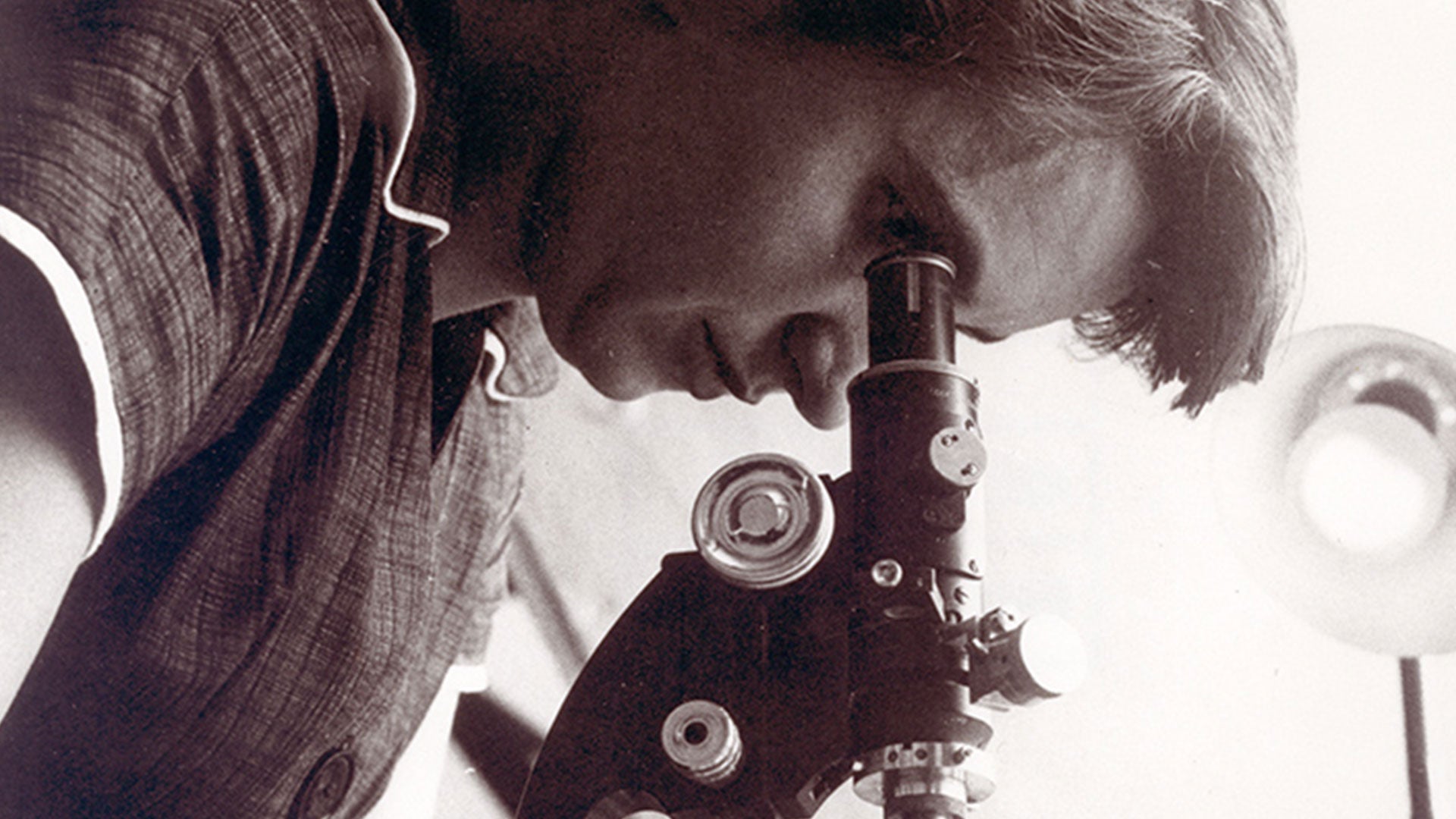
First up on the podcast, News Editor Tim Appenzeller joins host Sarah Crespi to talk about an x-ray image that is upsetting the narrative of DNA’s discovery as told by James Watson. A newly resurfaced photo taken by Rosalind Franklin—photo 49—shows she was aware of the helical structure of DNA and explains why her published image—photo 51—does not have indications of her understanding of its shape.
Next on the show, producer Elah Feder chats with Andreas Nieder, professor of animal physiology and director of the Institute for Neurobiology at the University of Tübingen, about the high speed of bird cognition. It turns out in experimental settings carrion crows make decisions twice as fast as primates. The conversation delves into what could make avian brains ultrafast and the evolutionary advantages of speedy thinking.
Last up this week, poets and scientists get together in books and in real life. Phil Levin and David Hassler discuss their collaboration on a joint effort to create a poetry anthology and a scientific report on the state of nature. They explain how they see science and poetry are connected, and how their ideas will be put into action at an upcoming conference on poetry and science in November.
Also in this segment, Lara Volski reads her poem “The Monarch Bear.”
People in this segment
Phil Levin, professor in sustainability science and director of the School of Marine and Environmental Affairs at the University of Washington (UW)
David Hassler, executive director of the Wick Poetry Center at Kent State University
Lara Volski, Ph.D. candidate in the People and Wildlife Lab at UW
Works mentioned
The Nature of Our Times: Poems on America’s Lands, Waters, Wildlife, and Other Natural Wonders
The Nature Record
Conference details
Poet and science gathering at Kent State
This week’s episode was produced with help from Podigy.
Image: Franklin: Universal History Archive/Universal Images Group via Getty Images
Learn more about your ad choices. Visit megaphone.fm/adchoices
44 minAbspielen in:
Warum PodAppear
Folge Menschen, nicht Podcasts.
Du hast Sarah in einer Sendung gehört. PodAppear findet für dich die nächste, und genauso für alle anderen, die du hören willst.
Eine Meldung, wenn die Person zu Gast istPer E-Mail: sofort oder gebündelt als Tages- oder Wochenübersicht. Dann nur noch auf Play drücken.
Gäste statt bloßer ErwähnungenFolgen, in denen ein Name nur fällt, landen getrennt. Eine Meldung heißt: Die Person ist wirklich in der Sendung.
Alle in einem FeedGründerinnen, Autoren, Sportler, Forscherinnen. Folge allen mit Namen, quer durch jede Sendung, in der sie auftreten.
First up on the podcast, producer Meagan Cantwell and Newsletter Editor Christie Wilcox discuss a few stories from ScienceAdviser, including why Nazi Germany was unlikely to ever make an atomic bomb, a gene that might prevent gray hairs, and 140 years of cheese history from a Swiss basement.
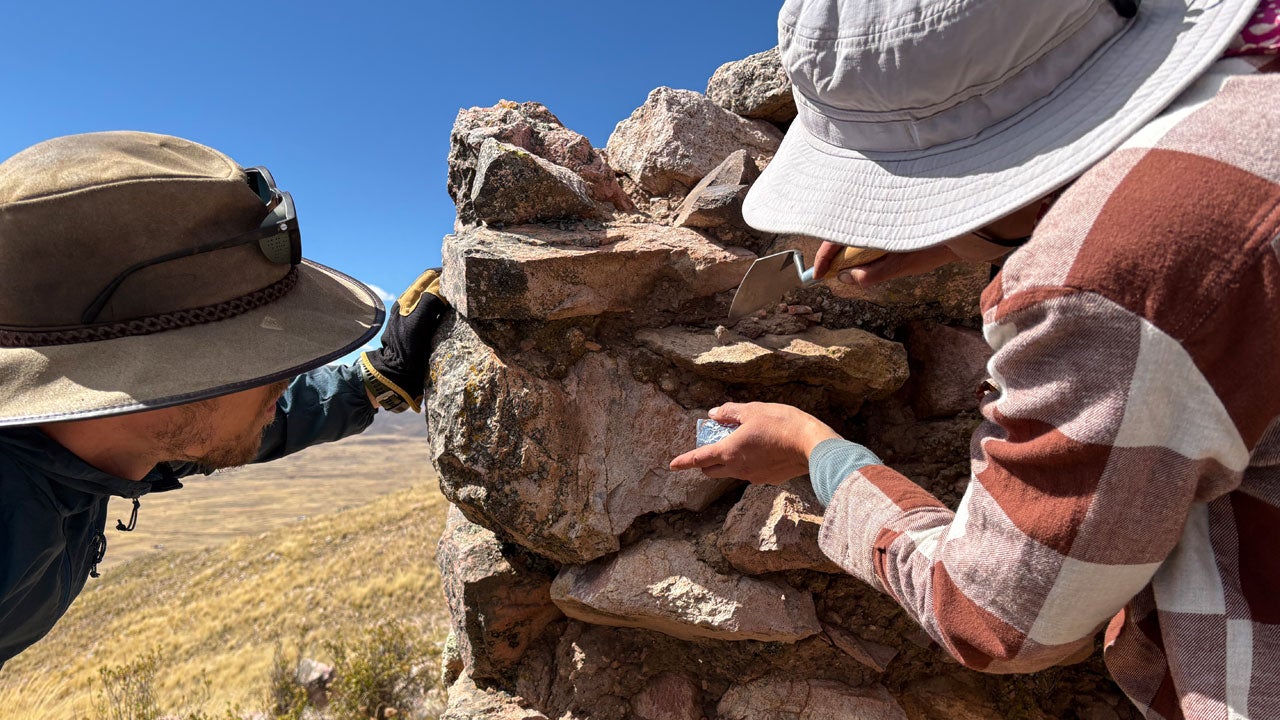
Next on the show, Contributing Correspondent Lizzie Wade joins host Sarah Crespi to discuss how archaeologists are revisiting the standard Inca chronology as radiocarbon dates mix up the timeline for the empire’s inception and growth.
Last up this week, the neural basis of our breath’s rhythm. Nicholas Bush, a staff research scientist at Epsilon, talks about using modern neuronal recording techniques and computing to describe the generation of rhythmic breathing.
This week’s episode was produced with help from Podigy.
Image: Lizzie Wade
Learn more about your ad choices. Visit megaphone.fm/adchoices
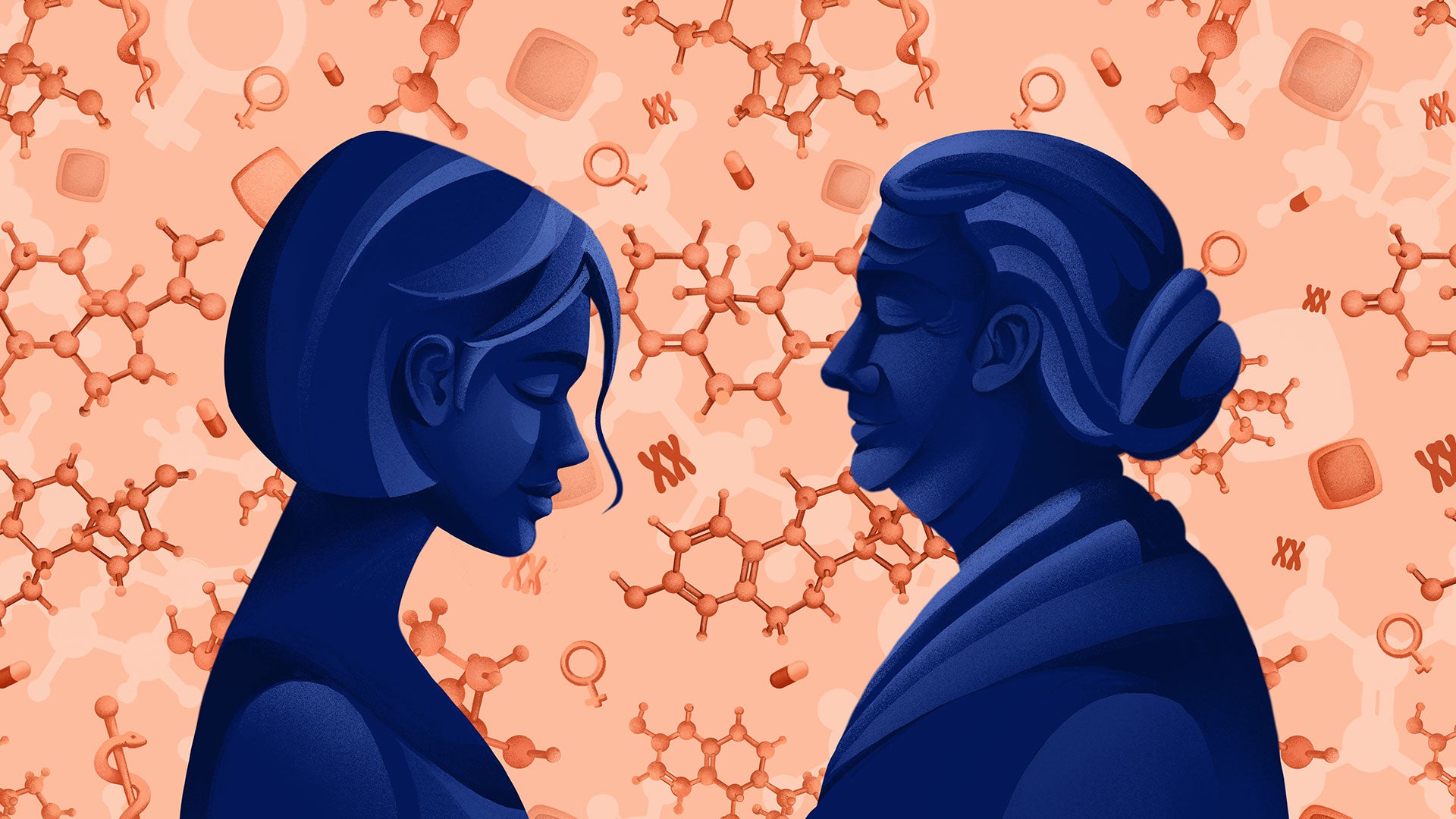
First up on the podcast, Staff Writer Jennie Erin Smith joins host Sarah Crespi to talk about new research on how noninvasive technologies such as transcranial magnetic stimulation are being used in the context of women’s health to tackle everything from postpartum depression to menstrual pain and fertility issues.
Next on the show, we talk with Liisa Galea, Treliving family chair in women’s mental health and professor in the department of psychiatry at the University of Toronto. In a review in this week’s special issue on women’s health, Galea discusses the state of research on hormone therapy during perimenopause and the links between menopausal symptoms and long-term concerns such as dementia and cardiovascular disease.
See the whole women’s health special issue here.
This week’s episode was produced with help from Podigy.
Image credit: Chiara Vercesi
Learn more about your ad choices. Visit megaphone.fm/adchoices
First up on the podcast, Staff Reporter Tom Howarth joins host Sarah Crespi to talk about the language artificial intelligence agents evolve inside their swarms.
Next on the show, producer Elah Feder talks with Revathe Thillaikumar, a behavioral ecologist and postdoctoral fellow at the Max Planck Institute of Animal Behavior. The two discuss the value of social learning as baby orangutans learn to find their own food over the longest dependency period of any animal, except humans.
Finally, from our series on scientific autobiographies, books host Angela Saini talks with astrophysicist Sara Seager about the moving account of life after losing her husband in her book, The Smallest Lights in the Universe.
This week’s episode was produced with help from Podigy.
About the Science Podcast
Image: inkoly/istock
Learn more about your ad choices. Visit megaphone.fm/adchoices
First up on the podcast, as the planet warms and forests burn, can we replant them with new trees that will thrive in the decades ahead? Associate Editor Katie Langin joins host Sarah Crespi to discuss research into “assisted migration” for replenishing forests after wildfires.
Next on the show, Susana Monsó, an associate professor in the Department of Logic, History and Philosophy of Science at the Spanish National University of Distance Education, shares her latest Expert Voices column. She discusses how philosophy can play a role in the scientific process—from defining terms to formulating questions.
This week’s episode was produced with help from Podigy.
Image: Dirk Hobman
Learn more about your ad choices. Visit megaphone.fm/adchoices
First up on the podcast, producer Meagan Cantwell and freelance journalist Andrew Lawler discuss how psychoactive drugs might have shaped culture in pre-Inca Andean societies. They chat about how technical advances and an increasingly open research environment have allowed scientists to detect traces of substances such as vilca, which contains dimethyltryptamine, the psychoactive compound also found in ayahuasca.
Next on the show, host Sarah Crespi is joined by Noam Angrist, academic director of the What Works Hub for Global Education at the University of Oxford’s Blavatnik School of Government. Angrist wrote a Policy Forum piece on the need to move on from small, controlled trials of education interventions to better address educational needs in lower and middle-income countries. To move forward, he explains, we need to learn how to make sure these interventions work at scale and that governments can readily implement them.
This week’s episode was produced with help from Podigy.
About the Science Podcast
Image credit: John Bigelow Taylor/Division of Anthropology, American Museum of Natural History/Catalog number 41.2/7768
Learn more about your ad choices. Visit megaphone.fm/adchoices
First up on the podcast, Senior International Correspondent Richard Stone joins host Sarah Crespi to discuss how climate is pushing the disease-carrying tick Hyalomma marginatum out of its comfort zone. Stone reports from Kosovo, where the tick has long been endemic, on how surveillance can uncover hidden circulation—and help countries prepare before human cases appear.
Next on the show, researchers have long known ambient temperatures cause some species of amphibians to reverse sex. In the case of the agile frog (Rana dalmatina), genetically female frogs take on male characteristics at elevated temperatures—including the ability to sire offspring. Veronika Bókony, an evolutionary ecologist at the Center for Agricultural Science in Hungary, examined what happens to the offspring of sex-reversed agile frogs, which will probably make up more of the species’ population as the planet warms.
This week’s episode was produced with help from Podigy.
Image: Danny Laps/NiS/Minden Pictures
Learn more about your ad choices. Visit megaphone.fm/adchoices
First up on the podcast, ScienceInsider Editor Jocelyn Kaiser joins host Sarah Crespi for the latest science policy news. The two discuss recent grant cancellations by the U.S. National Institutes of Health and the likelihood that the agency will spend its budget by the end of its fiscal year on 30 September.
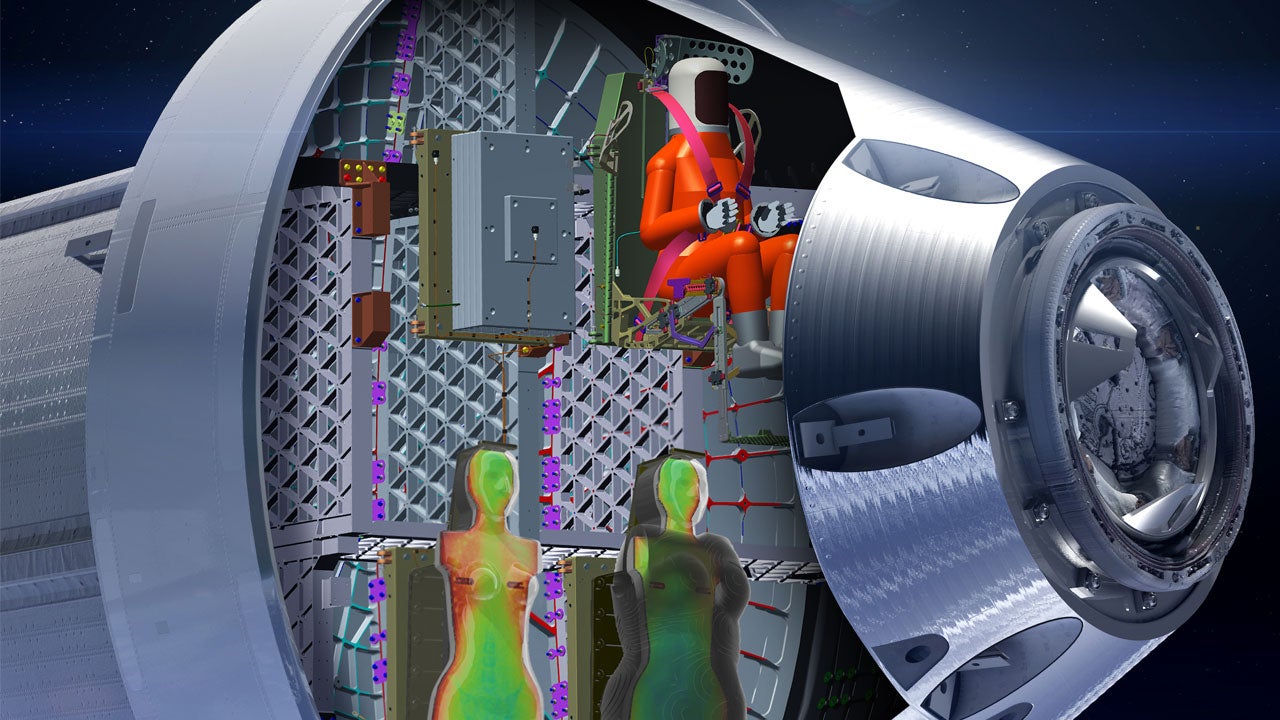
Next on the show, crew aboard spacecraft that enter deep space are likely to be exposed to a radiation source we don’t often encounter on Earth’s surface: high-speed protons coming from solar storms or cosmic rays. So to protect astronauts, researchers are using plastics to defend against this dangerous form of radiation. Jordan Houri, lead scientist for space exploration at StemRad, talks about testing the protective capabilities of specially designed vests aboard NASA’s Artemis I mission.
This week’s episode was produced with help from Podigy.
Image credit: NASA/Lockheed Martin/DLR/StemRad
Learn more about your ad choices. Visit megaphone.fm/adchoices
First up on the podcast, we catch up with Celina Zhao, a staff reporter for Science’s AI In Science reporting initiative. She talks with host Sarah Crespi about artificial intelligence’s knack for finding legal loopholes and how philosophers are navigating conflicts of interest around advising companies on AI.
Next on the show, it’s hard to figure out how much force a muscle is exerting without sticking invasive probes into the body. Christopher Bird, a Ph.D. candidate in the School of Biomedical Sciences at the University of Queensland, discusses a new way to use ultrawideband radar to measure muscle forces that could prove useful for assistive devices and rehabilitation.
Finally, the third in our limited six-part series on scientific biographies. This month, host Angela Saini talks with zoologist Matthew Cobb about his new book on the life of Francis Crick, Crick: A Mind in Motion.
This week’s episode was produced with help from Podigy.
Image credit: Chiara Vercesi
Learn more about your ad choices. Visit megaphone.fm/adchoices
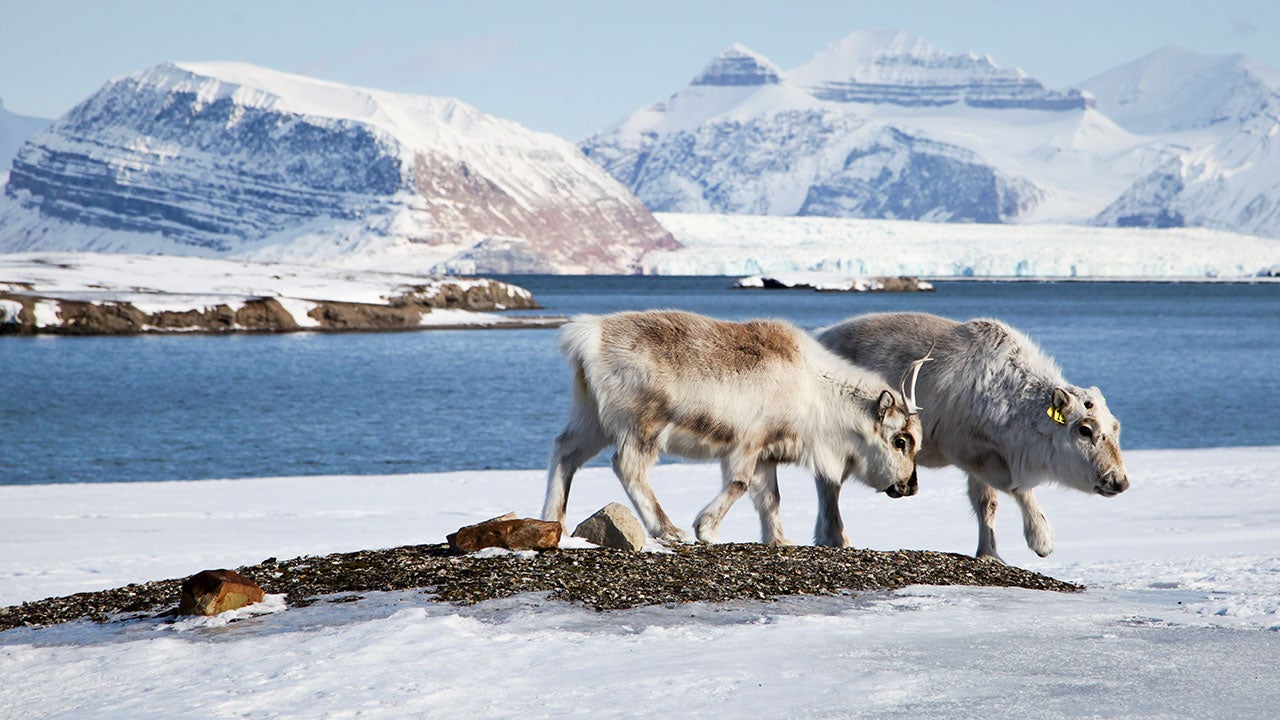
First up on the podcast, relationships turn chilly in the polar research haven of Svalbard in Norway. Senior International Correspondent Richard Stone joins host Sarah Crespi to discuss the impacts of geopolitical shifts on the scientific output of this region so important to the study of climate change.
Next on the show, producer Meagan Cantwell talks with Thomas Gernon, a geologist at the University of Southampton, about how ice sheets formed in Antarctica during a time when the temperatures were relatively warm.
This week’s episode was produced with help from Podigy.
About the Science Podcast
Learn more about your ad choices. Visit megaphone.fm/adchoices
First up on the podcast, ScienceInsider editor Jocelyn Kaiser joins host Sarah Crespi to discuss big policy stories from the past month, including a proposal from President Donald Trump’s administration to increase the involvement of politicians in grantmaking.
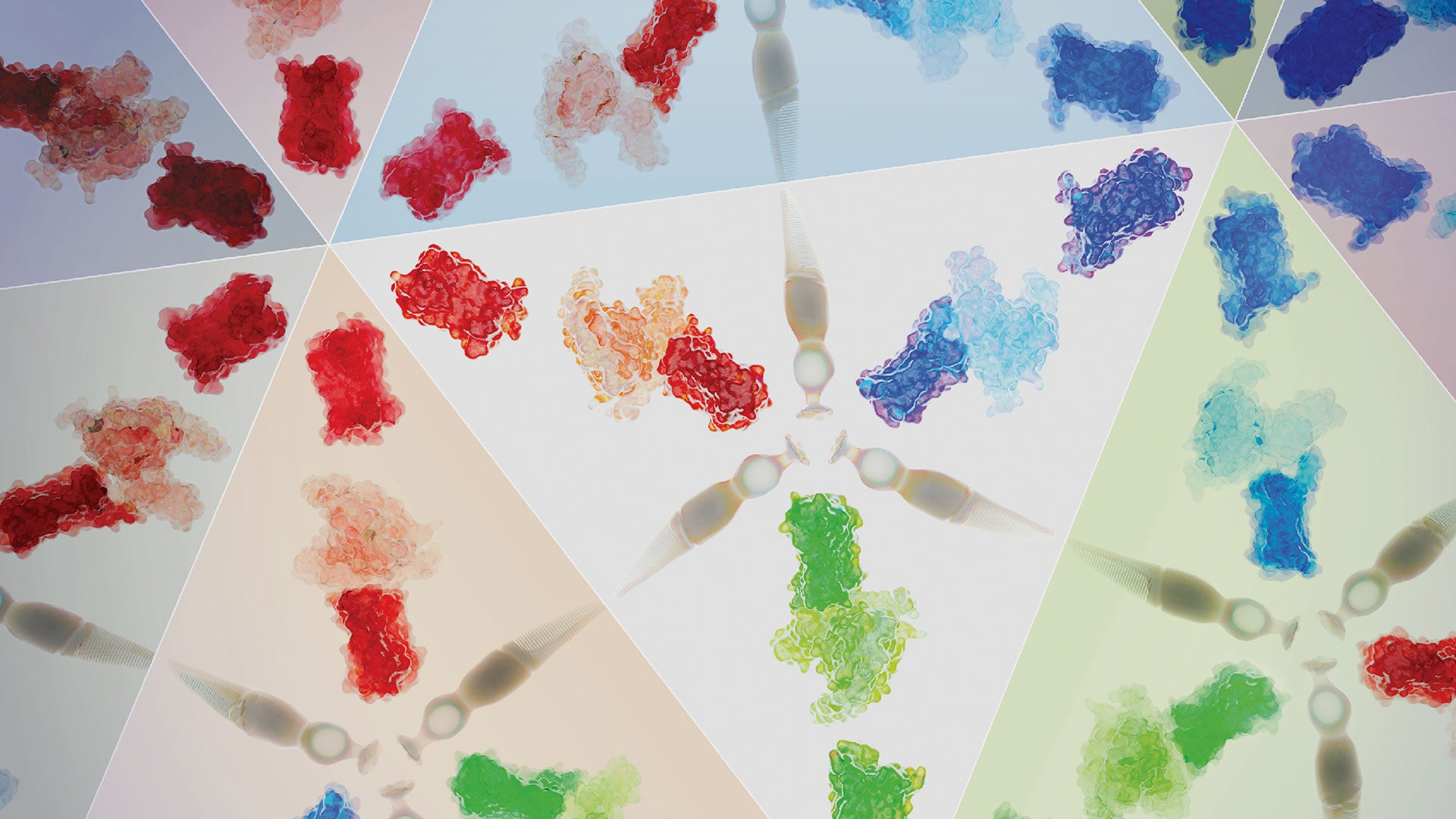
Next on the show, Science Senior Editor Michael Funk joins to discuss a trio of papers on the light-detecting proteins responsible for color vision.
Ohashi et al., Science 2026
Peng et al., Science 2026
Schmidt et al., Science 2026
Finally, in our books segment for this month, host Angela Saini talks with science writer Georgina Ferry, who wrote a biography about crystallographer Dorothy Crowfoot Hodgkin, the first and only woman scientist from the United Kingdom to win a Nobel Prize.
This week’s episode was produced with help from Podigy.
About the Science Podcast
Learn more about your ad choices. Visit megaphone.fm/adchoices
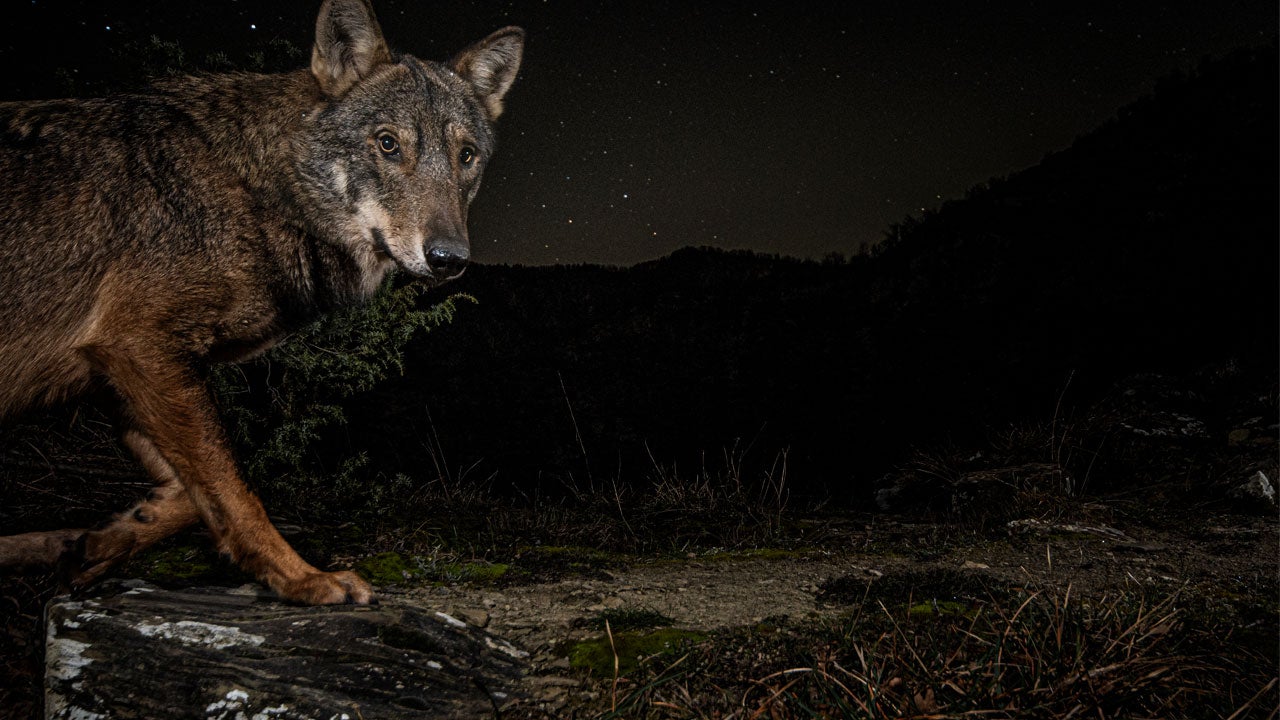
First up on the podcast, wrangling wolves in Europe. After near extermination in much of the continent, wolf numbers have surged up to about 20,000 individuals. Contributing Correspondent Gretchen Vogel joins podcast host Sarah Crespi to discuss the conflicts that have risen as the wolf population grows.
Next on the show, Ph.D. student Carla Bassil talks about designing an e-nose that can hone in on important food smells such as chicken that has gone bad or the presence of allergens including peanuts.
Finally, in a sponsored segment from the Science/AAAS Custom Publishing Office, Erika Berg, director and senior editor of custom publishing, interviews professors Eimear Kenny and Alex Charney about how genomic medicine, artificial intelligence, and large-scale sequencing are transforming the future of patient care. This segment is sponsored by the Icahn School of Medicine at Mount Sinai.
This week’s episode was produced with help from Podigy.
About the Science Podcast
Image credit: Lorenzo Shoubridge
Learn more about your ad choices. Visit megaphone.fm/adchoices
First up on the podcast, producer Kevin McLean talks with Staff Writer Paul Voosen about the latest on the Atlantic Meridional Overturning Circulation, or AMOC. Researchers have long been concerned that global warming could cause a collapse in the AMOC, which would trigger dramatic cooling in Northern Europe. But recent data and models suggest the AMOC may be more resilient than previously thought.
Next on the show, Scott Marek, assistant professor in the Mallinckrodt Institute of Radiology at Washington University School of Medicine, talks with host Sarah Crespi about brainwide association studies (BWAS) for childhood brain development. BWAS measure structure and function across many brains and look for correlations between these measures and behavior, disease, and environment. In this work, Marek and colleagues focus on how socioeconomic factors—captured by zip code—are strongly correlated with certain brain differences in more than 4000 children ages 9.5 to 11. The work also suggests lack of sleep and excess screen time could mediate the influence of socioeconomic conditions on differences in brain structure and function.
This week’s episode was produced with help from Podigy.
About the Science Podcast
Photo: P. Voosen/Science
Learn more about your ad choices. Visit megaphone.fm/adchoices
First up on the podcast, freelance science journalist Joshua Sokol talks about the intense discussion happening in the astrophysics community as artificial intelligence and machine learning become increasingly powerful—could “astronomer” stop being a job one day?
Next on the show, as the Trump administration makes moves to regulate ultraprocessed foods, host Sarah Crespi talks with Faidon Magkos, a professor in obesity and metabolism in the department of nutrition, exercise, and sports at the University of Copenhagen, about what studies say about their health effects.
Finally this week, a behind-the-scenes look at our recent limited series “The normals.” Producer Kevin McLean talks about the experience of joining a study as a healthy subject, and Crespi talks about what didn’t make it into the episodes. Listen to “The normals” here.
This week’s episode was produced with help from Podigy.
About the Science Podcast
Learn more about your ad choices. Visit megaphone.fm/adchoices
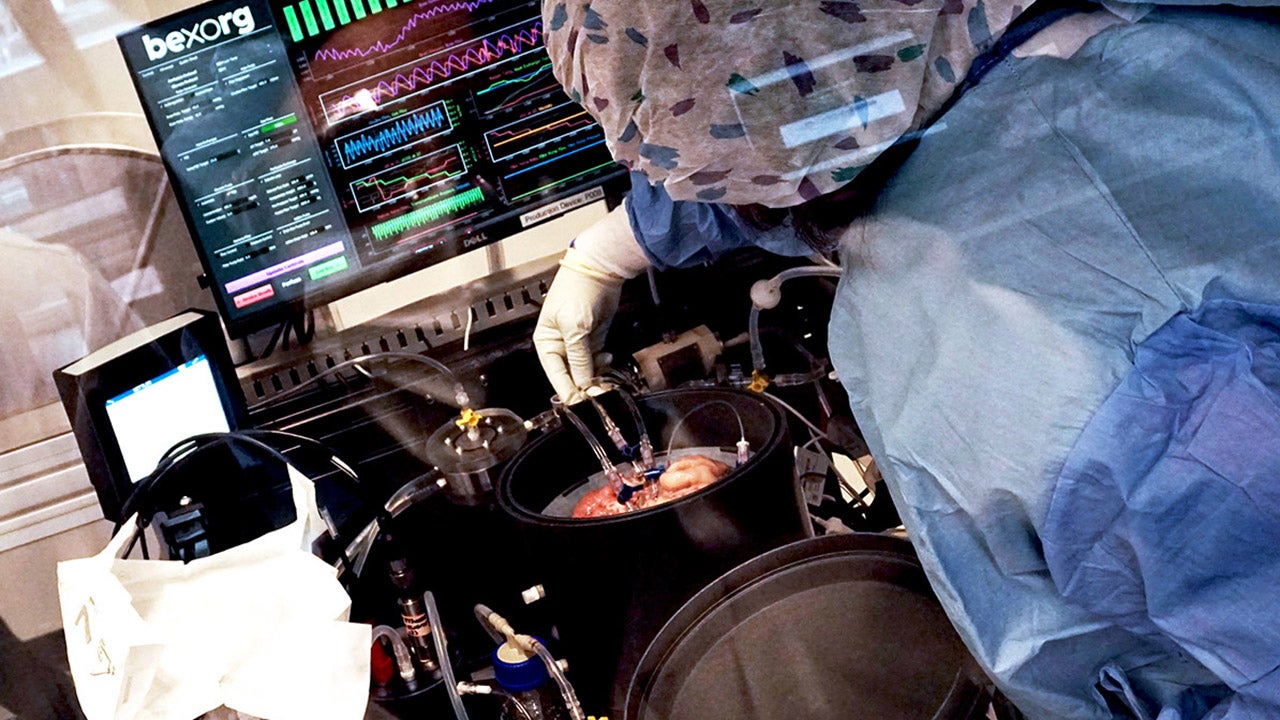
First up on the podcast, a company is using whole brains—maintained with specialized life support—to study new drugs. Freelance science journalist Sara Reardon joins host Sarah Crespi to talk about the advantages and ethical considerations of keeping brains intact but inactive.
Next on the show, when some lizards lose their tails, they might regenerate new ones. But what happens to the old tail? Whereas a castoff lizard tail quickly decomposes, this isn’t the case for the castoff tube feet of the sea cucumber, Psolus fabricii. Sara Miller Jobson, a Ph.D. student at the Memorial University of Newfoundland, describes how these “living” limbs healed after amputation and then survived for more than 3 years in just seawater. Their survival in such simple conditions, while maintaining a complex tissue with a functioning immune response, could make amputated tube feet a useful model system for studying regeneration.
Finally this week, the first in our book series on science biographies. Books host Angela Saini talks with historian Anna-Luna Post about her recent book, Galileo’s Fame: Science, Credibility, and Memory in the Seventeenth Century, which explores how fame shaped the scientific fortunes of Galileo Galilei.
This week’s episode was produced with help from Podigy.
About the Science Podcast
Learn more about your ad choices. Visit megaphone.fm/adchoices
First up on the podcast, Senior International Correspondent Richard Stone joins host Sarah Crespi to discuss the surprising commonalities between our immune systems and the tools bacteria use to defend themselves against viruses. These unexpected parallels have become rich ground for researchers investigating new molecular biology tools and model systems for immune research.
Next on the show, Dominic Rohner, a professor of economics at the Geneva Graduate Institute and University of Lausanne, talks about the impact of cuts in international aid on violent conflict in Africa. His team harnessed the natural experiment of the U.S. Agency for International Development (USAID) work stoppage ordered by the Trump administration in early 2025 to find links between the sudden withdrawal of high levels of aid to increases in conflict.
See also Science’s 2025 news series on the impact of USAID cuts on children.
Finally, Valerie Thompson, Science’s books and media editor, interviews undergraduate student and author Theo Baker. Baker wrote the book How to Rule the World: An Education in Power at Stanford University, which covers the heavy involvement of Silicon Valley investors in Stanford University and his investigation of research misconduct by former Stanford President Marc Tessier-Lavigne. See the full review here.
This week’s episode was produced with help from Podigy.
About the Science Podcast
Learn more about your ad choices. Visit megaphone.fm/adchoices
First up on the podcast, along Brazil’s Juruá River, local residents have been working with scientists to manage a giant fish called the arapaima—affecting the land, the people, and the economy. Contributing Correspondent Warren Cornwall joins host Sarah Crespi to talk about this collaborative effort.
Next on the show, how moonlight affects nocturnal animals. Carlos Camacho, a researcher at the Doñana Biological Station, talks about the Moon-inflected habits of a nighttime foraging bird, the red-necked nightjar. His team found that the extra light provided by the full Moon allows these birds to consume more insects at night. And the timing of their long-haul migration between Europe and Africa is linked to the cycles of the Moon.
Last up this week, Science Editor-in-Chief Holden Thorp talks with Timothy Snyder, historian and author of the book On Tyranny: Twenty Lessons from the Twentieth Century. They discuss the role of institutions, professional ethics, and personal beliefs for scientists in tough political times.
This week’s episode was produced with help from Podigy.
About the Science Podcast
Learn more about your ad choices. Visit megaphone.fm/adchoices
First up on the podcast, Online News Editor David Grimm shares a batch of fun stories with podcast host Sarah Crespi—from spider hearts racing when traffic gets loud to a disease-preventing house. Staff Writer Adrian Cho hops in to help discuss the possibility of black holes without singularities at their center.
Next on the show, epigenetics has become a hot topic in pop science but the ethical conversation is not keeping up. The idea that parents can pass down epigenetic marks from environmental toxins or trauma to their children—without changes in DNA—has been around for decades but the research in people is lacking. Jackie Leach Scully, a professor of bioethics and director of the Disability Innovation Institute at the University of New South Wales, discusses where the research actually is and the concerns that may arise if such marks do appear to impact the young.
Last up this week, we are launching our 2026 biography books series with books host Angela Saini and Science books editor Valerie Thompson. The pair discusses the difficulty of picking biographies and what can be learned about science, fame, and researchers as people from reading these types of books.
This week’s episode was produced with help from Podigy.
About the Science Podcast
Learn more about your ad choices. Visit megaphone.fm/adchoices
First up on the podcast, freelance science and environmental journalist Quentin Septer joins host Sarah Crespi to talk about a controversial uranium mine getting fast-tracked in South Dakota. Septer chatted with locals, scientists, and regulators to learn more about the geology of the region and the promise of cleanup after the miners go home.
Next on the show, looking at cells that don’t get cancer. Giulio Ciucci, a postdoctoral researcher at the International Centre for Genetic Engineering and Biotechnology, talks about the infrequency of heart cancer and how the mechanical load that heart cells endure makes them resist turning cancerous.
*CORRECTION: In the on this site summary in this episode, the book author in the review by Kai Kupferschmidt was listed incorrectly. The correct information is: True Color by Kory Stamper, Knopf, 2026.
This week’s episode was produced with help from Podigy.
About the Science Podcast
Learn more about your ad choices. Visit megaphone.fm/adchoices
First up on the podcast, quantum computers require extremely low temperatures—less than 1°C away from absolute zero. But getting down to those temperatures has usually required dilution fridges using the extremely rare and increasingly expensive isotope helium-3. Freelance science journalist Zack Savitsky joins host Sarah Crespi to discuss up-and-coming technologies that can drive down temperatures while staying helium-3–free.
Next on the show, Nizan Packin, a professor of law at the Zicklin School of Business at Baruch College, talks about prediction markets as a public health threat. Early on, prediction markets were proposed as a way to make reliable forecasts from crowdsourced wisdom. With the appearance of commercial, for-profit prediction markets linked with cryptocurrency and sports betting, Nizan and colleagues ask what studies should be done to better understand potential harms to the public.
Finally, in a Working Life column this week, recent Ph.D. graduate Filippo Dall’Armellina wrote about how his foray into science podcasting helped him regain enjoyment of research. He talks about why having a science-adjacent hobby was life changing.
This week’s episode was produced with help from Podigy.
About the Science Podcast
Learn more about your ad choices. Visit megaphone.fm/adchoices
First up on the podcast, freelance science journalist Hannah Richter joins host Sarah Crespi to discuss NASA’s plans to send a nuclear-powered spacecraft to Mars in less than 3 years. Having not launched a fission reactor to space in more than 60 years, the organization faces many technical and bureaucratic hurdles to make that deadline.
Next on the show, Aaron Sandel, associate professor in the Department of Anthropology at the University of Texas at Austin and co-director of the Ngogo Chimpanzee Project, reports this week in Science on what looks like a chimpanzee civil war. The unprecedented violent split occurred in a large chimp colony that has been tracked by researchers for decades. Now, scientists are asking: What can the lethal division of a chimp community teach us about human conflict?
This week’s episode was produced with help from Podigy.
About the Science Podcast
Learn more about your ad choices. Visit megaphone.fm/adchoices
First up on the podcast, a new path to calculating the Hubble constant. This value for the universe’s speed of expansion is typically determined in one of two ways, one favored by cosmologists, the other by astronomers. But the resulting values from these methods are consistently different. Staff Writer Daniel Clery joins host Sarah Crespi to discuss how reappearing bursts from deep space, lensed by gravity, could resolve the dispute over the speed of the expanding universe.
Next on the show, freelance producer Elah Feder talks with Mauro Costa-Mattioli, principal investigator at Altos Labs’ Institutes of Science, about tuning the “integrated stress response” (ISR) in mouse brains. The ISR pathway turns off much of protein synthesis in cells as a response to stressors such as viral infections or oxygen deprivation. The ISR is overactive in some models of cognitive dysfunction—suggesting the downregulated protein synthesis may hamper brain functions such as memory formation. In his paper, Costa-Mattioli and colleagues show turning on the ISR pathway causes memory problems in mice and turning off the ISR can restore function in mouse models of Alzheimer’s disease and Down syndrome. Although this research was in mice, it suggests cognitive dysfunction associated with many different disorders may involve the ISR—making it a good therapeutic target.
This week’s episode was produced with help from Podigy.
About the Science Podcast
Learn more about your ad choices. Visit megaphone.fm/adchoices
First up on the podcast, we discuss a finding that’s likely to reignite debate over how humans first spread through the Americas. In the late 1990s, a site in southern Chile called Monte Verde forced archaeologists to adjust their views of the peopling of South America because it dated to about 14,500 years before present, which challenged the prevailing idea of when human inhabitants appeared on the continent. Contributing Correspondent Lizzie Wade joins host Sarah Crespi to discuss new results published in Science that suggest Monte Verde is nowhere near that old.
See the paper and related commentary.
Next on the show, we talk about groundwater, a vital source of water for both drinking and agriculture that’s often overused and depleted. Producer Meagan Cantwell talks with Scott Jasechko, a professor of water resources with the University of California, Santa Barbara’s Bren School of Environmental Science & Management, about the many different approaches to improving groundwater supplies and what has worked where, which he reviews in this week’s issue of Science.
This week’s episode was produced with help from Podigy.
About the Science Podcast
Learn more about your ad choices. Visit megaphone.fm/adchoices