Disembodied human brains, immortal bits of sea cucumber, and fame in Galileo’s time
Who is on this episode
Sara ReardonGuest
Why PodAppear says guest
“Freelance science journalist Sara Reardon joins host Sarah Crespi to talk about the advantages and ethical considerations of keeping brains intact but inactive.”Episode notes
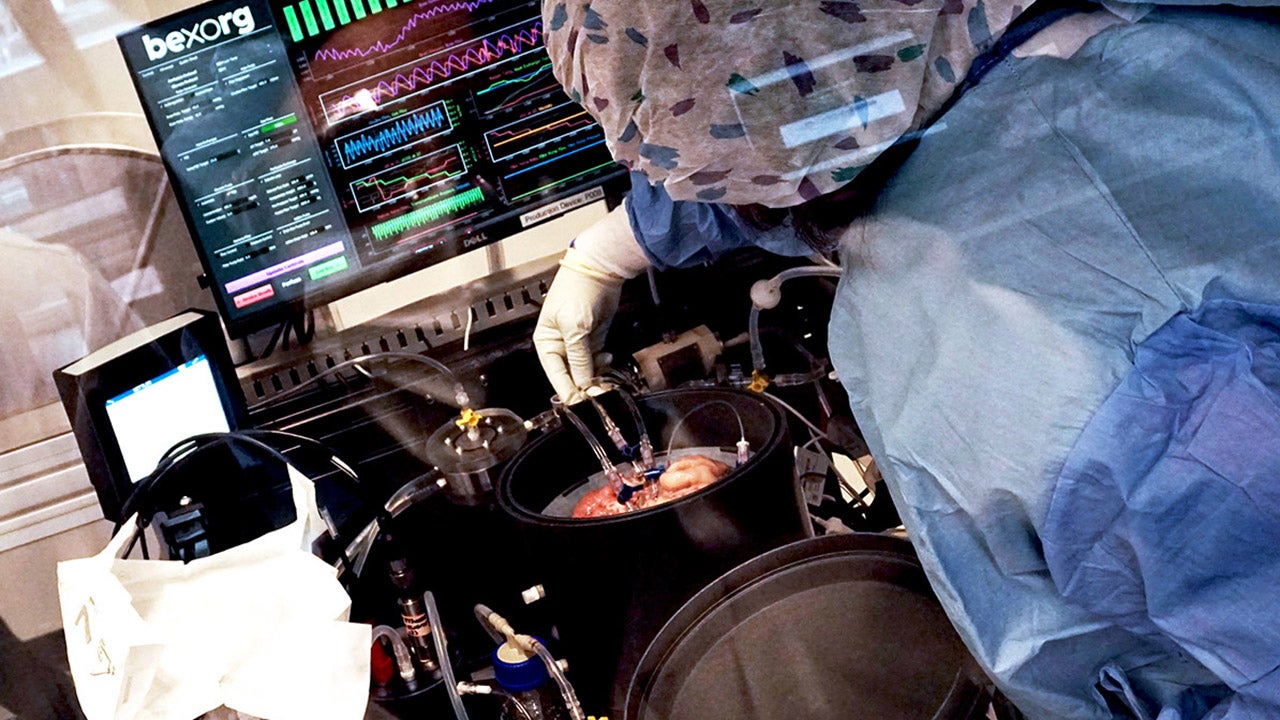
First up on the podcast, a company is using whole brains—maintained with specialized life support—to study new drugs. Freelance science journalist Sara Reardon joins host Sarah Crespi to talk about the advantages and ethical considerations of keeping brains intact but inactive.
Show all notes
Next on the show, when some lizards lose their tails, they might regenerate new ones. But what happens to the old tail? Whereas a castoff lizard tail quickly decomposes, this isn’t the case for the castoff tube feet of the sea cucumber, Psolus fabricii. Sara Miller Jobson, a Ph.D. student at the Memorial University of Newfoundland, describes how these “living” limbs healed after amputation and then survived for more than 3 years in just seawater. Their survival in such simple conditions, while maintaining a complex tissue with a functioning immune response, could make amputated tube feet a useful model system for studying regeneration.
Finally this week, the first in our book series on science biographies. Books host Angela Saini talks with historian Anna-Luna Post about her recent book, Galileo’s Fame: Science, Credibility, and Memory in the Seventeenth Century, which explores how fame shaped the scientific fortunes of Galileo Galilei.
This week’s episode was produced with help from Podigy.
About the Science Podcast
Learn more about your ad choices. Visit megaphone.fm/adchoices