Bekomm eine E-Mail, wenn Richard in einem Podcast zu Gast istPodAppear prüft neue Folgen, sobald sie erscheinen, und lässt die weg, in denen Richard nur erwähnt wird. Bis zu 15 Personen kostenlos, ohne Kreditkarte.Bis zu 15 Personen kostenlos, ohne Kreditkarte.
Richard kostenlos folgen
RM

Richard McCann

Richard McCann war in den letzten 12 Monaten in 2 Podcast-Folgen zu Gast. Zuletzt: The ActionCOACH Podcast, 20. Aug. 2026.

Zwei Jahre auf Sendung

GastHostErwähnt

Gastauftritte

Do20Aug
The ActionCOACH Podcast

The ActionCOACH Podcast

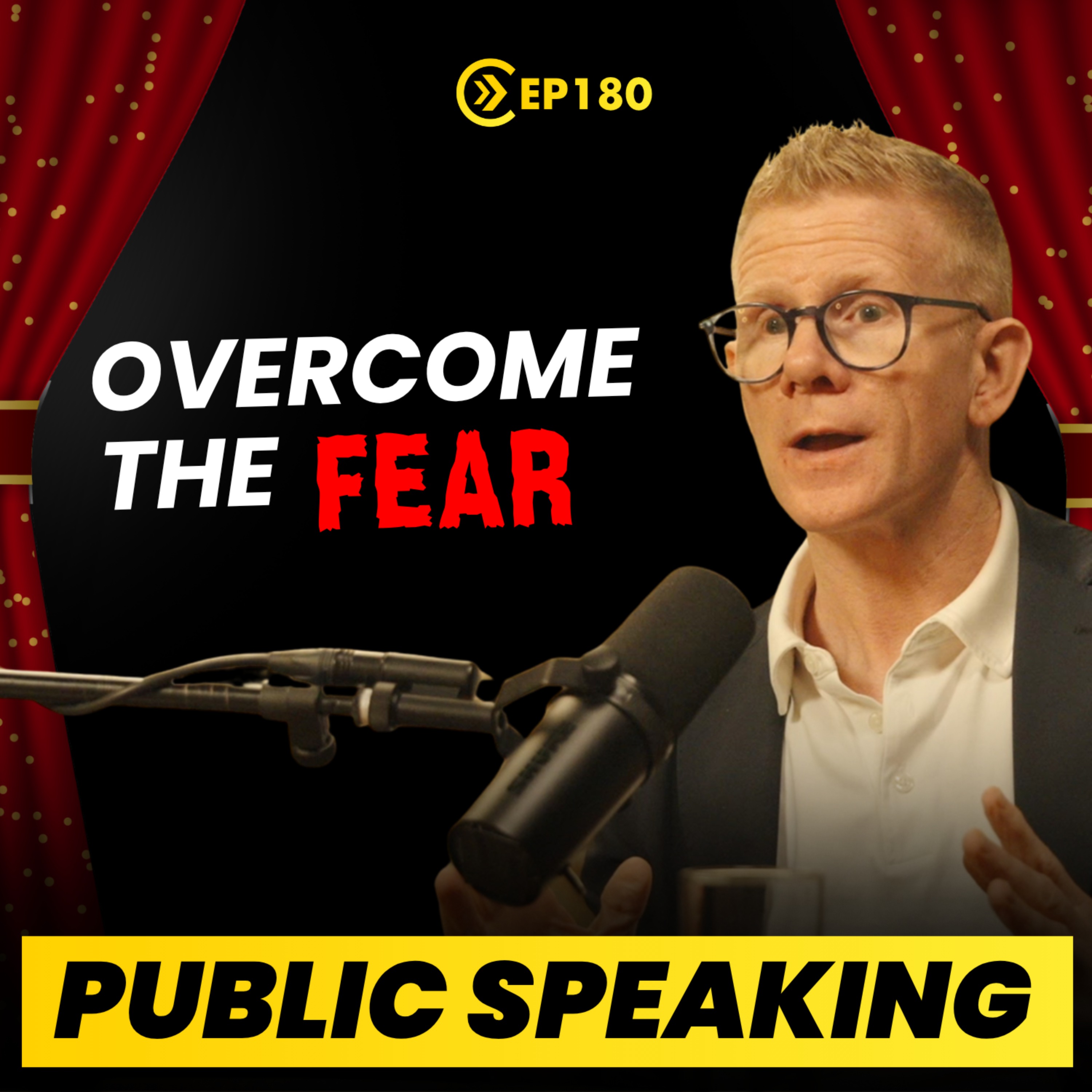
Conquer Glossophobia: Transformational Tips from a Public Speaking Coach

How To Conquer The Fear Of Public Speaking | Richard McCann Speaking Coach Interview Public speaking is one of the biggest fears on the planet. It even has an official name: glossophobia. Most people never get past it, and their careers pay the price every time they stand up in front of a room. Richard McCann knows the fear from the inside. He started out petrified, reading from his own book at his first talk in 2005. He has since delivered 3,521 presentations and coached over 7,000 people in 16 years, and in this episode of the Business Growth Podcast, powered by ActionCOACH UK, he breaks down exactly what separates forgettable speakers from unforgettable ones. His core message is simple: you're not born a great speaker, you become one. What You'll Learn: - The 3 Biggest Mistakes Speakers Make: Lacking presence, racing through filler words, and reading slides or an obvious autocue. Richard explains why senior leaders who are brilliant at their jobs still fall flat on stage. - How To Build Gravitas: Why you need to be a slightly exaggerated version of yourself, projecting your voice and holding the space, even when it feels unnatural at first. - Why Filler Words Kill Credibility: A World Economic Forum speaker said "um" around 40 times in 2 minutes. Learn how slowing down and putting pauses around your phrases instantly puts you ahead of most speakers. - Ethos, Logos, Pathos: Aristotle's 3 pillars of influence, and why pathos, the emotional connection built through storytelling, is the one most business presentations miss. - How To Prepare Without A Script: Richard's method of mind maps and bullet points, filming and timing each section, and starting with the end in mind. - The Power Of Owning It: If something is on your mind, say it out loud. Richard explains why naming the elephant in the room disarms cynics and calms your own nerves. If You Haven't Started: Watch the greats and model them. Search "W Mitchell keynote" on YouTube, the speaker who inspired Richard, and study what he does. Then practise slowing down and chunking your words in everyday conversations, meetings, and phone calls. If You're Already Presenting: Ditch the word-for-word script. Map your talk as bullet points or a mind map, film yourself delivering each section, and time them until the whole talk flows naturally. Then find a coach and get feedback on your delivery. For Everyone: Open with a story before you show a single fact or figure. And when something is off, own it out loud rather than hoping nobody notices. Whether you're a business owner presenting to your team, a leader pitching for investment, or someone who dreads the next meeting, this conversation shows that great speakers are made, not born. Subscribe for weekly conversations with the world's leading business minds. Hosted on Acast. See acast.com/privacy for more information.
44 minAbspielen in:

Fr5Jun
The ActionCOACH Podcast

The ActionCOACH Podcast

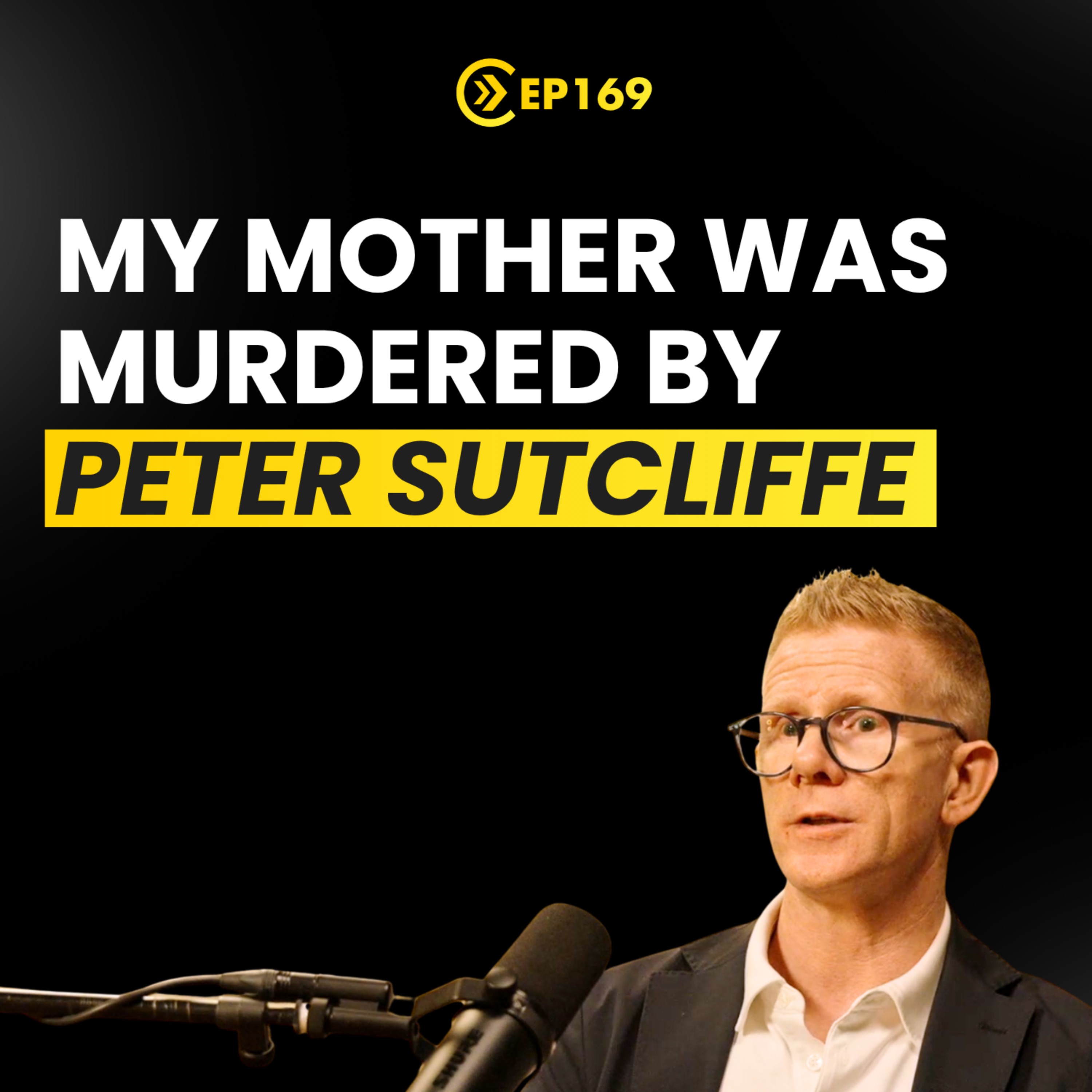
Peter Sutcliffe Killed His Mother. He Chose to Help Others | Richard McCann

Richard McCann - Peter Sutcliffe Killed His Mother. He Chose to Help Others Richard McCann grew up in Scotthall, a deprived area of Leeds, with his mother's alcohol struggles, a violent boyfriend involved in drugs, and constant chaos. Just before his sixth birthday, his mother went out and never came home. At 5:30 the next morning, Richard and his sister Sonia searched for her at a bus stop. Police took them to a children's home: "Mum's been taken to heaven." She'd been murdered by Peter Sutcliffe. Six-year-old Richard reframed the tragedy. His mother was no longer suffering. He and his sisters had a fresh start. That survival mechanism -what psychologists call "explanatory style" -kept him afloat for decades. The meaning you apply to a situation creates your reality. But self-doubt followed. He looked in the mirror and saw an "ugly kid." He felt unworthy of relationships or success. From age 16, Richard sought relationships to feel worthy. His subconscious didn't believe he deserved them, so he'd self-sabotage. He'd push people away, see things that weren't there, and accuse his girlfriend of being with another guy when she was with a friend. He joined the army and lied about his mother because he was ashamed. They discovered the truth after a year. He was discharged following a drunken rampage. Then came drug dealing, arrest, and imprisonment in the same jail that held Peter Sutcliffe 29 years earlier. Rock bottom came after his release in July 1997. He faced house repossession with six weeks to find a job. After five weeks with nothing, he attempted suicide. Nobody would hire him because he had a criminal record. What changed? His sister Sonia stabbed her violent boyfriend and faced prison. Richard impulsively decided to write a book to defend her. He had no qualifications but got "Just a Boy" published. The book led to TV appearances and liberated him. He didn't need to be ashamed of his mother's behaviour. Speaking invitations followed. He was shocking at first, reading from the book with no understanding of how storytelling works. After two years, he realised he could make more of a difference through speaking than through social work. He was getting letters from people he'd helped. Richard discovered that turning trauma into purpose didn't erase the pain. His story became a blueprint for post-traumatic growth -you can grow because of trauma. Lose your job but find work you love. End a relationship, then meet someone you have children with. His workshop helps people identify their first setback and how they grew from it, building belief in their ability to handle future setbacks. Today, Richard helps others reframe struggles using his "bounce back graph." You cycle between red (setback) and green (recovery). He teaches that self-doubt can be challenged with evidence. His process: identify thoughts that aren't serving you, write them down, ask "Where's the evidence?" Use the reticular activation system -when you believe something, you see it everywhere. Henry Ford said it: "Whether you believe you can or you can't, you're right." His younger sister passed away from lung cancer just before the pandemic. Grief doesn't diminish. But he had belief: "You'll get through this." During the pandemic, his business ground to a halt. He earned £400 in April 2020. Pain and love never disappear because that's part of being human. He's written "Teach Me Gently" to help parents support anxious children. His own daughter had six months of school refusal due to anxiety. His key advice: children need to feel safe before any reasoning. When a child is anxious, they're in fight or flight -you can't reason with that. It might take two hours to make them feel safe, but that's the foundation. Richard still lives in Leeds. He had mentors like Stuart Hardy, his boss before prison, who gave him belief and treated him like a son. His core message remains simple: the emotional pain of loss never disappears, yet neither do you have to stay in the red. Hosted on Acast. See acast.com/privacy for more information.

32 minAbspielen in:

Warum PodAppear

Folge Menschen, nicht Podcasts.

Du hast Richard in einer Sendung gehört. PodAppear findet für dich die nächste, und genauso für alle anderen, die du hören willst.

  • Eine Meldung, wenn die Person zu Gast istPer E-Mail: sofort oder gebündelt als Tages- oder Wochenübersicht. Dann nur noch auf Play drücken.
  • Gäste statt bloßer ErwähnungenFolgen, in denen ein Name nur fällt, landen getrennt. Eine Meldung heißt: Die Person ist wirklich in der Sendung.
  • Alle in einem FeedGründerinnen, Autoren, Sportler, Forscherinnen. Folge allen mit Namen, quer durch jede Sendung, in der sie auftreten.

Bis zu 15 Personen kostenlos, ohne Kreditkarte.