The ActionCOACH Podcast cover
Podcast

The ActionCOACH Podcast

von James Vincent

The ActionCOACH Podcast hatte in den letzten 12 Monaten 16 bestätigte Gäste in 18 Folgen. Zuletzt: Martin Offiah, 26. Nov. 2026.

Website der SendungApple PodcastsSo werden Gäste bestätigt

The ultimate resource for business owners, leaders, entrepreneurs, and personal development junkies. This podcast is all about YOU and YOUR success. Bringing the world's best business experts and thought leaders into your environment, giving you the tools and knowledge you need to increase your capability and shape…

Gäste der Sendung

Do26Nov
The ActionCOACH PodcastMO

Martin OffiahGast

Life Lessons From a Rugby Legend | Martin Offiah

Build on Consistency, Not Intensity | Martin Offiah MBE Rugby League Hall of Famer Interview Most people try to build a new habit by going in hard, then wonder why it doesn't last. Martin Offiah knows better. In this episode of the Business Growth Podcast, powered by ActionCOACH UK, he explains why consistency beats intensity, on the pitch and off it. Martin is a rugby league Hall of Famer with over 500 tries and a statue outside Wembley Stadium. Wigan paid £440,000 for him in 1992. Today he's a Wigan ambassador and dad to two young athletes: Tyler, a winger at Bath, and Phoenix, a striker at Tottenham Hotspur. His core idea is simple. You're in control of your own narrative, so write one that supports you. What You'll Learn: - Consistency over intensity: Why Martin started cold showers at 10 seconds and built up to a minute, and how the same thinking makes any new habit stick in your business. - Emotions as a test: How to acknowledge a negative feeling, breathe through it and disconnect from it if it doesn't serve you. - Collect your receipts: Why Martin keeps what's said about him, good and bad, and how a 1994 Daily Mirror story calling him finished became fuel. - Don't praise too early: Why Martin hated pre-match interviews, and what that means for how you motivate a team. - Different coaches, different styles: How Doug Laughton's encouragement and John Monie's "apart from that five tries, you didn't do much else" both pushed him on. - Pivot when it stops being fun: How one tough summer at Essex cricket led him to rugby union, then rugby league. - Let people choose their path: What Martin learned when his youngest son swapped rugby for football. - Train for the next moment: Why "When's the last time you took a penalty?" is worth asking before any big moment. Martin Offiah MBE is one of rugby league's great try scorers, with over 500 tries across a professional career of around 15 years. He started in rugby union at Rosslyn Park, played for the Barbarians and in the Hong Kong Sevens, then switched codes to join Widnes. In 1992 Wigan signed him for £440,000. He's a rugby Hall of Famer, and his statue has stood outside Wembley Stadium since 2015. He's now a Wigan ambassador and had his late father's book, Understanding Your Emotions, published. If You Haven't Started: Pick one habit you keep putting off and do the smallest version of it every day this week. 10 seconds counts. If You're Already Building Habits: Check which ones feel like punishment. Scale them back to a level you could keep up for life, then build from there. For Everyone: Start a receipts file. Save the praise, the criticism and the doubters, and read it the next time you hit a hurdle. Whether you're a business owner, a team leader or a parent backing a young athlete, there's something here you can use tomorrow. Subscribe for weekly conversations with people who've done it. This episode is sponsored by AdSmart from Sky, making TV advertising affordable, targeted and effective for businesses of all sizes. Hosted on Acast. See acast.com/privacy for more information.


46 minAbspielen in:

Do5Nov
The ActionCOACH PodcastDB

Dominic BaldwinGast

Are You Ready for the Future? The 5-Year Goal Setting Strategy

Are You Ready for the Future? The 5-Year Goal Setting Strategy | Dominic Baldwin Xantum Interview Most business owners start financial planning with the money. How much have I got, what should I invest in, how do I save tax? Dominic Baldwin starts somewhere else entirely: what matters to you, and why. In this episode of the Business Growth Podcast, powered by ActionCOACH UK, he shares the exercises he uses to help families make good financial decisions before an exit, retirement or inheritance changes everything. Dominic has spent 35 years guiding families with their wealth and today he and the team at Xantum look after business owners planning a capital event in the next three to five years, as well as high-performing athletes. His purpose comes from a personal place. His father, a Lake District farmer, inherited money in his late 20s and lost it through poor advice. Nobody ever asked him what mattered to him. What You'll Learn: - The Eight Priorities Exercise: How to name the eight most important areas of your life, score each one out of 10, and be honest about where you're falling short. - Finding Your Real Values: A simple way to uncover your core values by thinking about someone you love and admire, and how they behave. - The Five-Year Vision: Why writing down a day in your life five years from now, from the curtains to breakfast, gives you clarity on where you're heading. - Your Enough Number: How to reverse-engineer the price you need for your business from the life you want afterwards, instead of picking a round figure like £10 million. - Planning With Probability: How modelling shows the odds of funding your future at different sale prices, and why an extra £1 million can move you from 62% to 72% certainty. - The Post-Sale Trap: Why owners become more risk-averse after a sale, and what happened to one client who rolled the dice again straight away. - Avoiding Conflicted Advice: Why advisers who walk in with a product already in mind can leave business owners with unsuitable products and charging structures. Dominic Baldwin has spent 35 years helping families plan and protect their wealth. He grew up on a farm in the Lake District, spent his first 15 years in the industry driven by sales and numbers, then rebuilt his approach around values after losing his father. Now a CEO, he and the team at Xantum work with business owners approaching a sale or retirement and with high-performing athletes, focusing on removing conflicts of interest so they can act as true guides. He has looked after some families for around 30 years. Action Steps: If You Haven't Started: Pause this episode and write a detailed description of a single day five years from now. Where you wake up, who's with you, what you're excited about. Then draw a circle, split it into eight segments, and write down the eight things that matter most to you. If You're Already Planning an Exit: Work out what life after the sale will actually cost, then turn that into your enough number. If your business isn't worth that yet, sit down with your coach and build the plan to close the gap. For Everyone: Check your recent decisions against your priorities and values. If you've just had a capital event, take time to pause before taking on any new risk. Whether you're a business owner thinking about an exit, planning retirement or just want your money to serve the life you want, this conversation will change how you think about wealth. Subscribe for weekly conversations. Hosted on Acast. See acast.com/privacy for more information.

45 minAbspielen in:

Do22Okt
The ActionCOACH PodcastNA

Natalie Abou-AlwanGast

The Truth About Leadership Insecurity (And How To Fix It)

Leadership: The Truth About Leadership Insecurity (And How To Fix It) | Thriving in Toxic Culture with Natalie Abou-Alwan Most people think the loudest person in the room is the most confident. Natalie Abou-Alwan has spent her career learning the opposite. In this episode of the Business Growth Podcast, powered by ActionCOACH UK, she explains why "insecurity is loud", how to handle a toxic boss without wrecking your career, and what to do when you realise the insecure leader might be you. Natalie is an Oxford graduate who has worked as general counsel across several businesses, including JPMorgan Chase and BP. She was named a Rising Star on the Legal 500 Powerlist and is the author of How to Navigate Your Career Like a Legend. Her core insight is simple. What looks like ego is usually insecurity, and humility is what separates real legends from bad bosses. Natalie Abou-Alwan is an Oxford-educated lawyer who has worked as general counsel across several businesses, including JPMorgan Chase and BP, and spent more than 20 years working on trading floors. She has been named a Rising Star on the Legal 500 Powerlist. Her first LinkedIn article, on women who don't help women in the workplace, drew tens of thousands of views and is included in her book, How to Navigate Your Career Like a Legend, which uses real-life stories to help people handle toxic cultures and build resilience. If You Haven't Started: Take Natalie's first action. Find a quiet moment, take the noise out and have an honest look at yourself. Ask what is worrying you and which parts of it you can actually control. If You're Already Leading A Team: In your next meeting, listen for the quieter voice with the smart idea and credit them publicly. If you've handled something badly, go back to the person and say so. For Everyone: Build your personal boardroom. Pick a handful of people who will tell you the truth, not just cheer you on, and check feedback with them before you take it to heart. Whether you're dealing with a toxic boss, leading a team or working on your own insecurities, this conversation will help you lead with more humility. Subscribe for weekly conversations. This episode is sponsored by Initium Corporate Finance: Initium is a specialist sell-side corporate finance advisory, providing valuation, consultancy, and business sale transaction services. Find out how Initium can help you at www.initium.com Hosted on Acast. See acast.com/privacy for more information.

45 minAbspielen in:

Do8Okt
The ActionCOACH PodcastAN

Andy NimmoGast

How We Went From an £18k Dream to a Multi-Site Empire

Business Vision - From Nursery Fire To Empire | Andy Nimmo Muddy Boots Nurseries Interview Most business owners get so buried in the day to day that they can't see where the business is actually heading. Andy Nimmo built Muddy Boots Nurseries by learning that lesson the hard way, more than once. Andy co-founded Muddy Boots Nurseries with his wife Anna 15 years ago, starting from a combined household income of £18,000 and a dream of reaching £60,000 a year. Today the business runs multiple sites shaped around outdoor adventure and childcare, after surviving a building budget that ballooned from £450,000 to £1.2 million, a 3am fire that shut a nursery down overnight, and a near-bankruptcy caused by not understanding the difference between profit and cash. What You'll Learn: - The £18k To £60k Vision: How a back of a napkin income goal became the founding plan, and why having any clear number beat having none at all. - Why Vision Gets Bigger As You Grow: How the plan evolved from pure survival to a 10-nursery ambition, using Gino Wickman's Traction and EOS to set a 10-year target. - Purpose From The Infinite Game: How Simon Sinek's book reframed growth as an ongoing standard to keep raising rather than a race against competitors. - The £450k Build That Became £1.2m: What happened when the first nursery build blew its budget and nearly got shut down by the bank. - Profit Versus Cash: How acquiring a second site without understanding profit versus cash nearly bankrupted the business. - The Five Pillars Of Systemised Growth: Team, customers, quality of care, environments, and finances - the framework Andy uses to scale. - The Hire That Changed Everything: Why bringing in a dedicated finance director, years later than he should have, was the most transformational decision Andy made. - Daily Numbers Beat Annual Numbers: How moving from once-a-year account reviews to daily habits let Andy course-correct before problems became crises. Whether you're weighing up your first hire, wrestling with cash flow, or trying to work on your business instead of in it, Andy's story is proof that setbacks don't disqualify you from building something exceptional. Sponsored by YESS Foundation UK: this episode is sponsored by YESS Foundation UK, helping 12 to 22 year olds build confidence, understand money, and develop real entrepreneurial thinking. Find out more at yesfoundation.org.uk. Hosted on Acast. See acast.com/privacy for more information.

46 minAbspielen in:

Do24Sep
The ActionCOACH PodcastPR

Paul RedmondGast

Is your team divided? Leading across generations in an AI-first world

Is Your Team Divided? Leading Across Generations In An AI-First World | Dr Paul Redmond Interview Five generations now share the same workplace, and most leaders are still managing them through one lens: their own. Meanwhile, some are quietly handing their leadership to AI, right down to the condolence letters. In this episode of the Business Growth Podcast, powered by ActionCOACH UK, James Vincent sits down with Dr Paul Redmond to find out how to bring every generation to the table and stay fearlessly human while you do it. Paul is one of the UK's leading voices on generations at work. He delivers 70 to 80 keynotes a year on the subject, and organisations including Google, the NHS and Royal London bring him in to help them lead multi-generational teams. His latest book is Leadership in an Age of AI: How to remain fearlessly human. What You'll Learn: - Make Every Generation Feel Wanted: Why the first job is making it safe for everyone, and what walks out the door when your boomers leave with 30 years of undocumented wisdom. - Reverse Mentoring: How pairing a Gen Z mentor with an older leader works, as long as the older person listens and the younger one feels safe enough to speak. - The 3% Problem: Research shows Gen X dominates most meetings, while Gen Z speaks the most in just 3%. Paul's fix is simple: let the youngest person chair. - Learn AI From Your Youngest Employee: Sit with them, let them show you the AI tools they use every day, and say nothing. Blockbuster's rejection of Netflix shows what happens when leaders stop listening. - Why People Quit Managers: The link between losing Gen Z talent and millennial managers avoiding honest conversations, plus the opening words that set the tone for difficult feedback. - The Generational Audit: How to review the way you recruit, engage, support and retain each generation in your team. - Expert Or AI Builder: Paul's view that the future belongs to people who either go deep in one field or learn to build and direct AI. The danger is sitting in the middle. - RQ, Relational Intelligence: Why getting on with people and handling conflict is the one skill AI can't yet replicate. Key Quotes: "From now on, vulnerability is a strength." "Your generation isn't a straitjacket." "IQ has been automated. EQ has been simulated. All that's left is what I call RQ, relational intelligence." "The first 30 minutes are your golden time." Dr Paul Redmond's Background: Dr Paul Redmond has spent his career in education and is one of the UK's leading voices on managing the generations at work. He delivers 70 to 80 keynotes each year and works with organisations such as Google, the NHS and Royal London on how to engage, retain and lead a multi-generational workforce. His latest book, Leadership in an Age of AI: How to remain fearlessly human, explores how leaders are adapting to AI and the human skills, like courage, curiosity and relational intelligence, that we risk losing if we hand too much over to the machines. Whether you're a business owner, a manager with a mixed-age team or a leader working out where AI fits, this conversation will change how you see your people. Subscribe for weekly conversations. This episode is sponsored by Yes Foundation UK, helping 12 to 22 year olds build confidence, understand money and develop real entrepreneurial thinking. Find out more at yesfoundation.org.uk. Hosted on Acast. See acast.com/privacy for more information.

37 minAbspielen in:

Do27Aug
The ActionCOACH PodcastSG

Spencer GallagherGast

Business Valuation: What They Don't Tell You at Business School

Business Valuation: What They Don't Tell You At Business School | Spencer Gallagher M&A Expert Interview Most business owners treat their company like a chore. Spencer Gallagher spent years doing exactly that until a chance meeting changed how he saw his own business, and eventually helped him sell it for millions. In this episode of the Business Growth Podcast, powered by ActionCOACH UK, Spencer breaks down what actually makes a business valuable, and how to build one that someone wants to buy. Spencer left school at 16 with no qualifications and started his first business in his mum's back garden shed after being made redundant three times in a year. He grew that digital agency 1,100% in five years, built Sky Media's first ever website and Liverpool FC's website, and put Andy Murray on the internet, before selling the business in his late thirties. He's since spent over a decade helping agencies scale and now runs an M&A advisory business. His core message: understand exactly what makes your type of business valuable, then build toward that number, whether you plan to sell or not. What You'll Learn: - Chore vs Asset Mindset: The shift Spencer made after being made redundant three times before starting his own agency in a garden shed. - How Businesses Are Valued: Operating profit versus EBITDA, and why tech and FMCG businesses often sell on revenue instead of profit. - The Three 20s Rule: 20% annual growth, 20% EBITDA, no single client worth more than 20% of billings. - The Now, Next, Future Framework: Mapping what clients need today, next, and in future to stay ahead of buyers' expectations. - What Buyers Want to See: Why recurring revenue, leadership depth, and marketing sophistication matter more than growth alone. - How a Sale Works: Valuation, an exit-readiness audit, an information memorandum, 50 dream acquirers, and due diligence. - Exit Routes Compared: Trade sales, MBOs, employee ownership trusts, mergers, and private equity, and who each suits. Key Quotes: "You've got to look at the business and understand what is it that makes it valuable." "When you retire, when you sell a business, you go on holiday, you get depressed, and then you die, unless you find new purpose." "Only the best businesses get bought for any real value." "Get a coach, get a plan, and get your coach to hold you to account to the plan." Spencer Gallagher's Background: Spencer Gallagher is an M&A expert who spent 11 years building one of the UK's fastest-growing digital agencies, a Deloitte Tech Fast 50 business, before selling it in 2008. He later helped agency owners scale for 15 years, then moved into M&A, where he now advises marketing and advertising agencies through the full sale process, with a network of around 600 buyers. Action Steps: If You Haven't Started: Get your business valued once you pass £1 million in revenue, even as a rough exercise. If You're Already Growing: Track your three 20s - 20% growth, 20% EBITDA, no client above 20%. Build a list of 50 dream acquirers before due diligence. For Everyone: Apply the now, next, future framework to your marketing. Invest around 5% of revenue in marketing and find an accountability partner. Whether you're years from selling or just want a company that runs without you, Spencer's frameworks give you somewhere to start. Subscribe for weekly conversations with the entrepreneurs and experts building real businesses. Hosted on Acast. See acast.com/privacy for more information.

1 h 00 minAbspielen in:

Do20Aug
The ActionCOACH PodcastRM

Richard McCannGast

Conquer Glossophobia: Transformational Tips from a Public Speaking Coach

How To Conquer The Fear Of Public Speaking | Richard McCann Speaking Coach Interview Public speaking is one of the biggest fears on the planet. It even has an official name: glossophobia. Most people never get past it, and their careers pay the price every time they stand up in front of a room. Richard McCann knows the fear from the inside. He started out petrified, reading from his own book at his first talk in 2005. He has since delivered 3,521 presentations and coached over 7,000 people in 16 years, and in this episode of the Business Growth Podcast, powered by ActionCOACH UK, he breaks down exactly what separates forgettable speakers from unforgettable ones. His core message is simple: you're not born a great speaker, you become one. What You'll Learn: - The 3 Biggest Mistakes Speakers Make: Lacking presence, racing through filler words, and reading slides or an obvious autocue. Richard explains why senior leaders who are brilliant at their jobs still fall flat on stage. - How To Build Gravitas: Why you need to be a slightly exaggerated version of yourself, projecting your voice and holding the space, even when it feels unnatural at first. - Why Filler Words Kill Credibility: A World Economic Forum speaker said "um" around 40 times in 2 minutes. Learn how slowing down and putting pauses around your phrases instantly puts you ahead of most speakers. - Ethos, Logos, Pathos: Aristotle's 3 pillars of influence, and why pathos, the emotional connection built through storytelling, is the one most business presentations miss. - How To Prepare Without A Script: Richard's method of mind maps and bullet points, filming and timing each section, and starting with the end in mind. - The Power Of Owning It: If something is on your mind, say it out loud. Richard explains why naming the elephant in the room disarms cynics and calms your own nerves. If You Haven't Started: Watch the greats and model them. Search "W Mitchell keynote" on YouTube, the speaker who inspired Richard, and study what he does. Then practise slowing down and chunking your words in everyday conversations, meetings, and phone calls. If You're Already Presenting: Ditch the word-for-word script. Map your talk as bullet points or a mind map, film yourself delivering each section, and time them until the whole talk flows naturally. Then find a coach and get feedback on your delivery. For Everyone: Open with a story before you show a single fact or figure. And when something is off, own it out loud rather than hoping nobody notices. Whether you're a business owner presenting to your team, a leader pitching for investment, or someone who dreads the next meeting, this conversation shows that great speakers are made, not born. Subscribe for weekly conversations with the world's leading business minds. Hosted on Acast. See acast.com/privacy for more information.

44 minAbspielen in:

Mi5Aug
The ActionCOACH PodcastDP

Daniel PriestleyGast

Your Biggest Marketing Mistake? Too Many People | Daniel Priestley

Daniel Priestley: Your Biggest Marketing Mistake Is Talking To Too Many People | Oversubscribed Author Interview Most business owners are still chasing reach: the biggest audience, the most views, the widest net possible. Daniel Priestley says that instinct now works against you, because the platforms have quietly rewired themselves to reward relevance over reach. In this episode of the ActionCOACH Business Growth Podcast, Daniel explains why fewer, relevant views now beat mass reach. Daniel Priestley is an entrepreneur and bestselling author of Oversubscribed and Key Person of Influence, and one of the most repeat-booked guests on Diary of a CEO. He runs Vidinary, an AI content and teleprompter tool, and posted 154 pieces of content on Instagram in the last 30 days alone, part of a system that generated 12,000 warm leads for his businesses last month. His answer is a repeatable system he calls short form, long form, lead form, starting with getting clear on exactly who you're trying to reach. What You'll Learn: - The Semantic Era: Why LinkedIn's March algorithm change, and similar changes across every major platform, now reads your content instead of just counting likes. - ICP Over Location: Why pinning your business to a location builds an artificial ring fence competitors can exploit, and why an ideal customer persona scales better. - Intellectual Capital Beats Products: Why defining yourself by your story and ideas, not your products and services, stops you competing on price alone. - Personal Brand Over Business Brand: Why a personal brand outperforms a business brand roughly 20 to 1 on engagement. - The Confidence Formula: The 30 samples rule behind learning to drive, and why your first 30 pieces of content always feel terrible. - Short Form, Long Form, Lead Form: Daniel's daily posting system, from 60-second posts to 6-to-60-minute explainer videos to a lead-capturing form like a ScoreApp assessment. - The Everyday CTA: Why the real mistake isn't a weak call to action, it's posting with no call to action at all. f You Haven't Started: Write down your ideal customer persona and the one story that defines your expertise, then post a 60-second video about it today. If You're Already Posting: Move your call to action off short-form and onto long-form content, and build a proof, principles, process structure into your next explainer video. For Everyone: Reverse engineer your funnel. Start with your offer, decide what your lead form needs to ask, then work backwards to the explainer video and daily posts that lead people there. Whether you're just starting to post or you're already posting daily and struggling to turn it into leads, this episode gives you a system to follow. Subscribe to the ActionCOACH Business Growth Podcast for weekly conversations with world-class coaches and entrepreneurs. Sponsored by AdSmart from Sky: making TV advertising affordable, targeted and effective for businesses of all sizes. Hosted on Acast. See acast.com/privacy for more information.

1 h 14 minAbspielen in:

Do23Jul
The ActionCOACH PodcastHB

Harriet BeveridgeGast

Why Top Performers Are Using This Rowing Team's Framework

Elite Performance: Why Top Performers Are Using This Rowing Team's Framework | Harriet Beveridge Performance Psychologist Interview Most business leaders run on autopilot, keeping the same meetings and habits simply because that's what's always been done. Harriet Beveridge has a test that cuts through all of it, borrowed from a British rowing crew that turned one gold medal in a generation into Olympic history. Beveridge is a performance psychologist, executive coach and stand-up comedian who co-wrote Will It Make The Boat Go Faster? with Ben Hunt-Davis, a member of the British eight that won gold in Sydney in 2000, Britain's first gold in the eight since 1912. Now in its third edition, the book is a working playbook for chief executives and high-performing teams. Her answer: ask if it makes the boat go faster, then get out of your own way. What You'll Learn: - The Bullshit Filter: How "will it make the boat go faster?" helped an underfunded crew cut noise, drop altitude training, and focus only on what moved the result. - Wouldn't It Be Amazing If: Why asking a deliberately outrageous question first unlocks ambitions that smart objectives alone never would. - Making It Impossible Not To: How teams engineer commitment, from taping a rower's hand to the oar, to booking a goal before it's funded, to accountability buddies who won't let you off the hook. - The DICE Beliefs Framework: The four beliefs, deserve, important, can, exciting, that quietly block performance, and how an "evidence wall" rebuilds them without affirmations. - Removing Friction From Habits: Why the "activation hump," the effort of just getting started, matters more than willpower, and how frictionless design builds habits that stick. - Thriving Under Pressure: How to identify personal stress triggers, from travel chaos to financial fear, and build small strategies rather than generic advice to stay calm. - Energy Over Time Management: Why managing energy, not just calendar blocks, decides whether high performers burn out or sustain results. - Curious About The Recipe: The deliberate practice habit of deciding what to focus on before a task, then reviewing it after, a step most businesses skip. Hosted on Acast. See acast.com/privacy for more information.

1 h 06 minAbspielen in:

Do2Jul
The ActionCOACH PodcastRory Sutherland

Rory SutherlandGast

Rory Sutherland: Stop Marketing to Customers that Do Not Exist!

Why Rory Sutherland Thinks You're Wrong (The Average Trap) Rory Sutherland Ogilvy Interview Most businesses design for the "average" customer. Rory Sutherland, vice chairman of Ogilvy, explains why this leaves everyone dissatisfied. In this ActionCOACH podcast episode recorded at BizX 2026, host Neil Martin explores how to escape the average trap and think like your customers actually think. When the US Air Force designed fighter jet seats for the "average" pilot, virtually nobody fit. Few people are average across multiple dimensions at once. Rory built his reputation at Ogilvy challenging finance-driven thinking and revealing why psychological factors often matter more than practical features. What You'll Learn: Why Designing for Average Fails: The fighter jet seat story proves adjustability beats one-size-fits-all thinking across product design, customer service, and business strategy. Marketing as Probabilistic Discipline: Why finance executives struggle to value marketing. You're making probabilistic bets on future outcomes like a casino, not controlling internal operations like finance. The Data Paradox: Nearly all business data comes from the past. You're driving whilst looking in the rear-view mirror, missing opportunities that don't show up in historical data. The 70-20-10 Experimentation Framework: 70% proven tactics, 20% incremental improvement, 10% blue-sky experiments where failure should be your goal. Breakthrough ideas contain illogical elements that data would reject. Psychological Friction Blocks Sales: Emotional barriers prevent purchases more often than practical problems. Examples from caravan design to luxury watch brands show how removing psychological friction creates breakthroughs spreadsheets miss. Capitalism's Genius Is Variety: Why exploring 18 different solutions beats optimising one "perfect" average solution. Competition creates better outcomes by testing multiple approaches simultaneously. Marketing as Mindset, Not Function: Sell marketing as a way of thinking rather than defending what marketing departments do. This customer-perspective thinking prevents boards from making internally rational decisions that look foolish to actual buyers. Brought to you by Actioncoach UK | The World Number 1 in Business Coaching Learn more at: actioncoach.co.uk This Episode is sponsored by Santander x Worldpay | Providing business and corporate clients with secure, in-store, and e-commerce payment solutions. Hosted on Acast. See acast.com/privacy for more information.
38 minAbspielen in:

Mi17Jun
The ActionCOACH PodcastJB

Jeb BlountGast

Pipeline is Life: Why Every Entrepreneur Must Become Chief Sales Officer

Sales: You're Already Selling (Here's Why That Matters) | Jeb Blount Fanatical Prospecting Author Interview Most entrepreneurs think they're not in sales. Jeb Blount knows better. In this backstage episode of the Business Growth Podcast at BizX 2026, we reveal why every business owner must become their company's chief sales officer and how keeping your pipeline full changes everything about how you sell, close, negotiate, and choose customers. Jeb built a 1.2 million-person email list over 20 years, hosts the Sales Gravy podcast (top 10 in its category), and has written 18 bestselling books including Fanatical Prospecting. What You'll Learn: Why Pipeline Is Life: A full pipeline makes you better at every aspect of selling. When you have options, you close better, negotiate stronger, and select the right customers instead of taking anyone who says yes. Selling as Consulting: The value bridge concept reframes selling from pushing products to guiding people toward their goals. Start with integrity, ask better questions, and position yourself as an interpreter who helps buyers reach their desired future state. Multi-Touch Prospecting That Actually Works: Phone calls, voicemail, email, LinkedIn messages, in-person visits, newsletters, and podcasts combine to create powerful sequences. Single-channel approaches fail because no one channel works alone anymore. Why AI Is Breaking Email: Salespeople send 8 times more email than 4 years ago but get one-eighth the results. AI-generated messages have saturated inboxes, forcing email providers to filter aggressively. Bold Calling Is Back: In-person prospecting is experiencing a resurgence. Jeb shares how he scaled a chain-link fence past 'Beware of Dog' signs, met a business owner, and later closed a $1.2 million deal. Key Quotes: "Pipeline is life. When you have a full pipeline, you're better at selling, you're better at closing, you're better at negotiating, and you're better at choosing the right customers." "Selling is helping people get what they want. If you start with integrity and don't sell people things they don't need, you're just guiding them toward their goals." "The phone still works. Nobody answers a phone that doesn't ring. Pick it up." Jeb Blount's Background: Jeb Blount is a sales trainer, author of Fanatical Prospecting and 17 other bestselling books, and founder of the Sales Gravy podcast (top 10 in its category). He built a 1.2 million-person email list over 20 years and runs a 34-person consulting firm. Hosted on Acast. See acast.com/privacy for more information.
36 minAbspielen in:

Fr5Jun
The ActionCOACH PodcastRM

Richard McCannGast

Peter Sutcliffe Killed His Mother. He Chose to Help Others | Richard McCann

Richard McCann - Peter Sutcliffe Killed His Mother. He Chose to Help Others Richard McCann grew up in Scotthall, a deprived area of Leeds, with his mother's alcohol struggles, a violent boyfriend involved in drugs, and constant chaos. Just before his sixth birthday, his mother went out and never came home. At 5:30 the next morning, Richard and his sister Sonia searched for her at a bus stop. Police took them to a children's home: "Mum's been taken to heaven." She'd been murdered by Peter Sutcliffe. Six-year-old Richard reframed the tragedy. His mother was no longer suffering. He and his sisters had a fresh start. That survival mechanism -what psychologists call "explanatory style" -kept him afloat for decades. The meaning you apply to a situation creates your reality. But self-doubt followed. He looked in the mirror and saw an "ugly kid." He felt unworthy of relationships or success. From age 16, Richard sought relationships to feel worthy. His subconscious didn't believe he deserved them, so he'd self-sabotage. He'd push people away, see things that weren't there, and accuse his girlfriend of being with another guy when she was with a friend. He joined the army and lied about his mother because he was ashamed. They discovered the truth after a year. He was discharged following a drunken rampage. Then came drug dealing, arrest, and imprisonment in the same jail that held Peter Sutcliffe 29 years earlier. Rock bottom came after his release in July 1997. He faced house repossession with six weeks to find a job. After five weeks with nothing, he attempted suicide. Nobody would hire him because he had a criminal record. What changed? His sister Sonia stabbed her violent boyfriend and faced prison. Richard impulsively decided to write a book to defend her. He had no qualifications but got "Just a Boy" published. The book led to TV appearances and liberated him. He didn't need to be ashamed of his mother's behaviour. Speaking invitations followed. He was shocking at first, reading from the book with no understanding of how storytelling works. After two years, he realised he could make more of a difference through speaking than through social work. He was getting letters from people he'd helped. Richard discovered that turning trauma into purpose didn't erase the pain. His story became a blueprint for post-traumatic growth -you can grow because of trauma. Lose your job but find work you love. End a relationship, then meet someone you have children with. His workshop helps people identify their first setback and how they grew from it, building belief in their ability to handle future setbacks. Today, Richard helps others reframe struggles using his "bounce back graph." You cycle between red (setback) and green (recovery). He teaches that self-doubt can be challenged with evidence. His process: identify thoughts that aren't serving you, write them down, ask "Where's the evidence?" Use the reticular activation system -when you believe something, you see it everywhere. Henry Ford said it: "Whether you believe you can or you can't, you're right." His younger sister passed away from lung cancer just before the pandemic. Grief doesn't diminish. But he had belief: "You'll get through this." During the pandemic, his business ground to a halt. He earned £400 in April 2020. Pain and love never disappear because that's part of being human. He's written "Teach Me Gently" to help parents support anxious children. His own daughter had six months of school refusal due to anxiety. His key advice: children need to feel safe before any reasoning. When a child is anxious, they're in fight or flight -you can't reason with that. It might take two hours to make them feel safe, but that's the foundation. Richard still lives in Leeds. He had mentors like Stuart Hardy, his boss before prison, who gave him belief and treated him like a son. His core message remains simple: the emotional pain of loss never disappears, yet neither do you have to stay in the red. Hosted on Acast. See acast.com/privacy for more information.

32 minAbspielen in:

Do28Mai
The ActionCOACH PodcastPP

Penny PowerGast

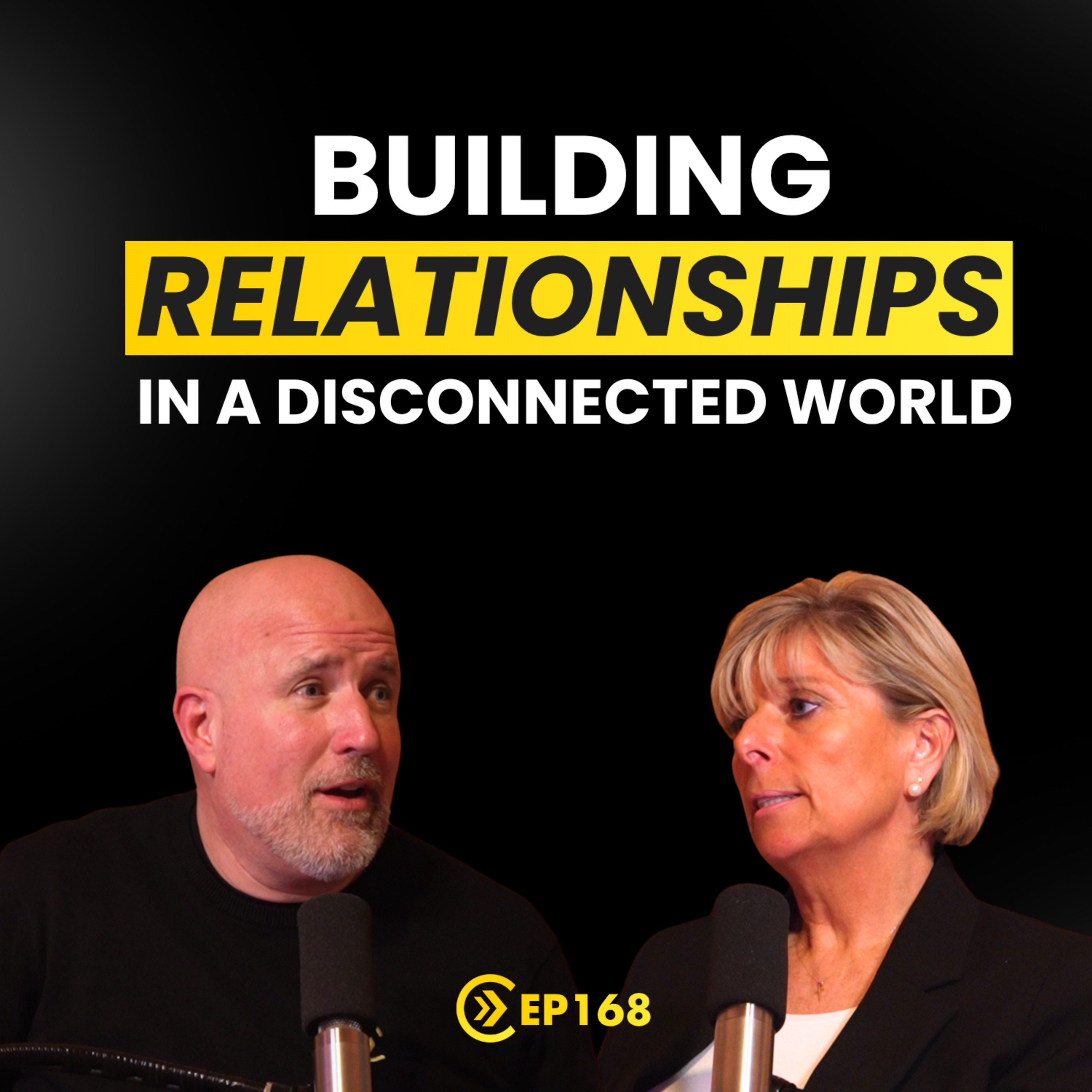
How to Build Deeper Relationships in a Disconnected World with Penny Power OBE

Significance in a Disconnected World | Penny Power OBE Interview We're more digitally connected than ever. Yet we're emotionally disconnected, anxious, and treating relationships like transactions. Penny Power OBE calls it what it is: a massive Silicon Valley psychological experiment that's changed how humans interact. Penny founded a social network in 1998 with her husband, Thomas Power. She built that business to a £60 million valuation before realising she was chasing someone else's dream. Now she runs a small business focused on helping business owners build deeper relationships with clients, staff, and family. Her core insight? Significance, making people feel they matter, is a human need we've forgotten in the age of personal brands and broadcast-driven social media. This episode, recorded at BizX 2026, is about getting it back. What You'll Learn: How Social Media Changed Human Behaviour: Penny contrasts early social networking (1998, meaningful connection) with social media post-2009 (broadcast, performance, comparison). We've shifted from building relationships to building audiences, and it's costing us our mental health. Why Significance Matters More Than Success: Significance means making others feel they matter. Contribution means giving meaningfully to the world. Individualism and a culture of personal branding conflict with our need for deeper relationships, leaving us isolated despite constant connectivity. The Dopamine Trap and Content Culture: Constant media consumption attacks your dopamine reward centres, worsens focus and ADHD symptoms, and feeds constant distraction through comparison. Fear-Based Thinking vs. Love-Based Thinking: People navigate toward fear (news addiction, scarcity marketing, pain-focused content) or love (abundance, community, contribution). This choice shapes your relationships, business decisions, and life outcomes. Why You Might Be Chasing Someone Else's Dream: After building to £60 million, Penny realised she was chasing scale when she actually wanted calm. Redefining wealth around time, values, and resilience made her happier and will likely add 20 years to her life. Define what success actually means to you, not what you think it should mean. Scale or calm? More time or more money? Write it down. If you're stuck, consider therapy or coaching. Understanding yourself is foundational to designing the life you want. Whether you're a business owner tired of transactional relationships, an entrepreneur chasing the wrong success, or a parent protecting your family from toxic content, this episode helps. Subscribe to the Business Growth Podcast for conversations that challenge how you think about business and life. Hosted on Acast. See acast.com/privacy for more information.
42 minAbspielen in:

Do7Mai
The ActionCOACH PodcastMB

Mark BowdenGast

How to Control the Room Without Saying a Word | Mark Bowden

Body Language - How to Control the Room Without Saying a Word | Mark Bowden Most business owners dread meetings. They run too long, people zone out, and nothing gets done. Mark Bowden knows the problem isn't the meeting itself - it's that nobody is actually listening. In this episode of the ActionCOACH podcast, host James Vincent sits down with Mark to reveal the precise techniques that transform chaotic gatherings into focused, productive sessions where everyone leaves knowing exactly what to do next. Mark Bowden is a body language and communication expert who has spent decades teaching leaders how to command attention without dominating the room. His approach isn't about reading minds or manipulating people. It's about creating the conditions where genuine listening happens, confusion evaporates, and action becomes inevitable. His secret? Take your own pulse before you try to read the room. What You'll Learn: The Anatomy of a Terrible Meeting: Discover why meetings fail when people leave confused, inactive, and unwilling to meet again due to poor listening. Reverse Engineering Great Meetings: Learn the three hallmarks of meetings that work: people feel understood, they know exactly what happens next, and they're genuinely motivated for the next step. Opening With Genuine Welcome: Understand why the first 30 seconds determine everything, including a detailed roleplay of opening a cashflow meeting. Cognitive Versus Emotional Empathy: Explore the critical difference between understanding what someone is thinking versus what they're feeling, and why cognitive empathy often supports clearer business thinking. Outcome Over Agenda: Stop boring people with tedious agenda lists and clarify the desired outcome in plain language instead. Reading the Room Starts With You: Master the technique of taking your own pulse before attempting to interpret a chaotic room and leading body language rather than reactively reading it. Using Check-Ins to Surface Value: Learn how frequent, strategic check-ins maintain focus and reveal what participants actually value without turning them into interrogations. Inviting People to Name Their Blockers: Discover the power of asking directly what might prevent someone from contributing fully and surface fears that would otherwise sabotage the meeting. Allowing Conflict Without Suppression: Understand why conflict is useful and should be welcomed, with specific techniques for managing dominant speakers using clear, named interruptions. Closing With Clear Actions: Master the structured wrap-up that extracts key takeaways, identifies next actions, and determines what support people need. Key Quotes: "A terrible meeting is one where people leave confused, inactive, and unwilling to meet again." "Take your own pulse before you try to read the room." "Lead body language rather than read it. You set the tone." "Conflict is useful. Don't suppress it. Manage it instead." Mark Bowden's Background: Mark Bowden is a globally recognised expert in body language, communication, and human behaviour. He has trained leaders across industries on how to command presence, build trust, and facilitate productive conversations without relying on dominance or manipulation. Action Steps: If You Haven't Started: Before your next meeting, write down the single outcome you want. Then craft a 30-second opening that welcomes people genuinely and states that outcome in plain language. If You're Already Running Meetings: Implement the pulse check technique. Before you walk into the room, take 10 seconds to notice your own breathing and physical state, then lead the energy you want to see. For Everyone: Add three check-in moments to your next meeting. Ask "What's valuable here?" or "What might block your contribution?" When someone dominates, use their name and a clear interruption: "John, I'm going to pause you there so we can hear from others." Hosted on Acast. See acast.com/privacy for more information.

1 h 02 minAbspielen in:

Do30Apr
The ActionCOACH PodcastJW

Jamie WallerGast

Jamie Waller: The Straight-Talking Entrepreneur Who Turns Discipline Into Millions

Discipline Into Millions? Jamie Waller refused to let circumstances define him. A dyslexic kid from Bethnal Green who couldn't read or write, he sold three companies worth tens of millions of pounds. Told by a teacher he'd only drive a van, he responded: "I'll employ people who drive vans for me." Growing up poor with dyslexia, colour blindness, and ADHD, he left school at 16 without GCSEs. His foundation: his mother's belief that "love and confidence is all a child needs to succeed" and his own commitment to discipline and consistency. What You'll Learn: The 100-Day Plan That Transforms Businesses: Jamie's private equity framework used red and green Gantt charts (never orange) to force binary decision-making and took a £15 million business to £100 million in five years. Why Brand Is Your Only Defensible Moat: Brand is purpose, values, and mission, the only things competitors cannot copy, and Jamie's current business sells "trust" to the world's largest banks. The Tech Divestment Strategy That Multiplies Exit Value: Divest proprietary technology into a separate company, license it back, and use it as a negotiation tool to create multiple liquidity events. Remote Work Culture and the Camera-On Standard: Jamie confronted the broken remote-work culture by implementing discipline and respect standards rather than flexibility without accountability. The Imposter Syndrome Solution: Jamie overcame a £4 million revenue business that was losing £400,000 by investing in himself through Cranfield University's business growth programme. Personal Values That Guide Every Decision: Jamie's three values (energy, passion, and compassion) filter every business and personal decision, including his decision to turn down a billion-pound opportunity that conflicted with his values as a father. Key Quotes: "A teacher said to me once, Jamie, all you will ever do for a living is drive a van. I remember responding to him, saying, no, I will employ people that drive vans for me." "My purpose was simple. Get rich. It was just not being poor. And that was a really good purpose." "My Gantt charts don't have green, orange, and red. By the way, they have green and red. So if red's not acceptable, guess what? You've gotta come, and you've gotta deliver." "I just want to be a good husband and a good father. That's it. If I can do for my daughters what my mum did for me, and if I can do for my wife what my dad didn't do for my mum, that's me done." Jamie Waller's Background: Jamie Waller is a serial entrepreneur who has sold three businesses worth tens of millions of pounds and now serves as CEO of a £15 million revenue business targeting £100 million in five years. Whether you're fighting imposter syndrome, scaling past £5 million, or proving doubters wrong, this episode provides the blueprint for building valuable businesses from real experience. Hosted on Acast. See acast.com/privacy for more information.

54 minAbspielen in:

Do23Apr
The ActionCOACH PodcastMH

Michael HeppellGast

Want a Brilliant Life? Start Here | Michael Heppell

Want a Brilliant Life? Start Here | Michael Heppell Interview What You'll Learn: Why Your "Least Successful" Work Might Be Your Most Important: Michael's favourite book, *Brilliant Life*, sold the fewest copies but delivered the deepest personal transformation through the Wheel of Life framework. The Vision That Changed Everything: Twenty-eight years ago, Michael set an "impossible" goal to positively influence one million lives, starting with 150 people in year one. How Success Nearly Cost Him Everything: Michael became "a professional arsehole"—so focused on building the business that his marriage collapsed until Tony Robbins' Date with Destiny programme helped him rebuild his values hierarchy. Why He Abandoned His AI Clone: Eighteen months into building "Michael in Your Pocket"—an AI so realistic his mother couldn't tell the difference—Michael pulled the plug to invest in human connection. The Open Lens Framework for Better Living: Michael's three-part model: Observe (who are you?), Embrace (appreciate what you have), and Create (start small without comparison). Designing Your Third Phase of Life: At 59, Michael is designing his "third phase" intentionally, embracing quiet wisdom that builds gradually whilst smart thinking declines. Purpose Through Community Impact: Michael chairs the Northeast Roots Ambassadors, recruiting 100 ambassadors to raise £1 million, embodying Blue Zones research on community connection and purpose. The Magic Words That Open Doors: "I need your help" activates 90% of people's desire to help—Michael shares breakthrough stories from Davina McCall and Lisa Faulkner. Coaching in the AI Era: Generic coaches charging £550 per hour will be replaced by AI unless they bring accountability, genuine value, and availability during crises. This Episode is Sponsored by AdSmart from Sky: Making TV Advertising affordable and available for businesses of all shapes and sizes. Find out more at: https://www.adsmartfromsky.co.uk/ Hosted on Acast. See acast.com/privacy for more information.
54 minAbspielen in:

Do19Mär
The ActionCOACH PodcastRory Sutherland

Rory SutherlandGast

Rory Sutherland on Trivial Improvements vs Real Strategy

Rory Sutherland | Why Businesses Overinvest in Trivial Improvements Most businesses are optimising themselves into irrelevance. In this ActionCOACH Podcast episode, Ogilvy Vice Chairman Rory Sutherland reveals why your obsession with efficiency and benchmarking is destroying customer value and making you identical to your competitors. What You'll Learn: The Self-Checkout Fallacy: "Performative efficiency" that transfers costs to customers isn't efficiency at all. Businesses achieve notional cost savings that harm customer experience. Why Benchmarking Makes You a Loser: When everyone uses the same metrics, they become more similar and create hyper-competition. Fewer choices for consumers, businesses forced to compete on price alone. The High-Touch Premium Strategy: In an AI age where everyone will automate, go "high human, high touch" as premium positioning. Small discretionary gestures create disproportionate value. Why Big Ideas Take Time: Sutherland explains the adoption sigmoid curve. Mobile phones took 10 years to become socially acceptable. Short-term ROI measures mean you'll overinvest in trivial improvements and underinvest in what matters. Key Quotes: "The real value of marketing and marketers is not what they do, it's how they think." "When everybody optimises or benchmarks around the same thing, you automatically create an opportunity to be different." Rory Sutherland's Background: Rory Sutherland is Vice Chairman of Ogilvy, where he's spent 38 years pioneering the application of behavioural science in marketing. Author of "Alchemy," he's become one of marketing's most influential voices. Action Steps: If You're Making Business Decisions: Stop optimising for defensibility and start optimising for customer value. Question whether your "efficiency gains" are transferring costs to customers. If You're Launching Something New: Embrace the sigmoid curve. Don't panic if adoption is slow initially. Be patient. Significant innovations take time because they require behavioural change. For Everyone: Rewrite the question. Get comfortable with ambiguity and subjective judgment. Look for opportunities to add "critical non-essentials" that create disproportionate value. This episode is sponsored by Canva: Say goodbye to creative bottlenecks with Canva Enterprise. Use Magic Resize to instantly reformat one asset for any platform. Empower your team to design at scale, while maintaining total brand control. To find out more, visit canva.com/enterprise so you can turn teams into content powerhouses. Learn more at: https://www.canva.com/ Hosted on Acast. See acast.com/privacy for more information.
1 h 31 minAbspielen in:

Do12Mär
The ActionCOACH PodcastID

Irene DornerGast

The Courage to Lead - Former HSBC USA CEO Irene Dorner on Culture, Crisis and High-Stakes Decisions

Former HSBC USA CEO, Irene Dorner "Expected to Go to Prison". Listen to her views on Courage, Culture & Fixing a Crisis. Most leaders talk about courage. Irene Dorner lived it, running a bank losing $3 billion annually whilst facing potential imprisonment for regulatory failures she inherited. In this ActionCOACH podcast episode, the former CEO and President of HSBC USA, named one of the 25 most influential people on Wall Street and the most powerful woman in global banking, reveals what it really takes to lead through crisis. Dorner arrived in America to discover not just catastrophic mortgage losses, but a far more dangerous problem: money-laundering controls so inadequate that trillions of dollars flowed through systems the bank couldn't prove were clean. "I spent the next five years expecting to wear an orange suit and be locked up," she admits. Her solution? A complete cultural transformation that took years, not months. Dorner explains why fixing processes wasn't enough without accountability, how she instituted a "no surprises" culture where people could report problems without fear, and why she reframes "difficult conversations" as "important conversations." She shares raw truths about leadership pressure—drawing smiley faces on her shower to "put your game face on," managing constant public scrutiny, and why "some days you just don't feel like the CEO." From advancing LGBT inclusion through Pride initiatives (her "biggest achievement") to her candid view that risk-averse capital markets now hinder business growth, Dorner proves that whether you're running a global bank or a small business, the fundamentals remain the same: courage, integrity, and putting people first. This Episode is Sponsored by AdSmart from Sky: Making TV Advertising affordable and available for businesses of all shapes and sizes. Find out more at: https://www.adsmartfromsky.co.uk/ Hosted on Acast. See acast.com/privacy for more information.
55 minAbspielen in:

Gäste, die länger als 12 Monate zurückliegen, gibt es mit Pro. Pläne ansehen