Bekomm eine E-Mail, wenn Richard in einem Podcast zu Gast istPodAppear prüft neue Folgen, sobald sie erscheinen, und lässt die weg, in denen Richard nur erwähnt wird. Bis zu 15 Personen kostenlos, ohne Kreditkarte.Bis zu 15 Personen kostenlos, ohne Kreditkarte.
Israel is preparing for another war with Iran, and the decision rests with Donald Trump. Major General Tamir Hayman, former head of Israeli military intelligence, says Israel is swinging between an interim deal and a renewed strike on an hourly basis. Netanyahu wants regime change in Tehran, while Trump wants a deal.
Hayman, a 34-year veteran of the IDF and Executive Director of the Institute for National Security Studies in Tel Aviv, joins Sir Richard Dearlove and John Raine to explain why Israel concluded that regime change in Iran was within reach, the three questions any joint US-Israeli operation must answer before it starts, and what Netanyahu’s legacy means for Israeli security. They also discuss the intelligence failures before October 7, the state of Hamas and Hezbollah, the stalled reconstruction of Gaza, how the Gulf states’ stance on the Iran war has shifted, and what Gadi Eisenkot would do differently. Prime Minister Benjamin Netanyahu led the bloc that received the most votes in last week’s Israeli elections.
In this episode:
(00:00) Israel Bracing for Renewed Iran War
(00:48) Hosts Introduction Show Welcome
(01:06) Netanyahu Elections After October 7th
(02:45) October 7th Intelligence Security Failures
(06:07) Hamas Deprioritized as Intelligence Target
(15:55) Gaza Reconstruction and Security Redesign
(19:55) Hamas and Hezbollah Military Capabilities
(24:09) Gaza Reconstruction Stalled Political Options
(33:58) Netanyahu Iran Regime Change Strategy
(40:07) Israel Proactive Military Strategy Risks
(45:49) Gulf States Iran War Position
(49:22) Eisenkot's Alternative Security Vision for Israel
(54:06) Trump Iran Strike or Deal
Show Notes:A Second Wave of Popular Anger Is Building in Iran | Wall Street Journal: https://www.wsj.com/world/middle-east/a-second-wave-of-popular-anger-is-building-in-iran-ac51969c?reflink=desktopwebshare_permalink
Hosted by Sir Richard Dearlove (former MI6 Chief) and guest co-host John Raine (International Institute for Strategic Studies).
Photo credit: Western Wall in Jerusalem, October 2006, Hynek Moravec, Creative Commons Attribution 2.5 Generic license.
Learn more about your ad choices. Visit megaphone.fm/adchoices
Professor Vali Nasr argues that the single objective that's driven Tehran since 1979 has been defending its independence from the US. Author of Iran’s Grand Strategy, Nasr says that logic, more than ideology, explains the current war. He unpacks Iran's shift toward hard-nosed nationalism, what leverage it has left, and whether the country will take a more pragmatic approach to geopolitics.
Sir Richard Dearlove and guest co-host John Raine talk through the headlines shaping today’s geopolitics: Japan's intelligence overhaul, the fallout from Zelensky's clash with his defense minister, China's new AI cooperation push, and the UK's untested new PM Andy Burnham.
03:16 Japan Builds Spy Agency07:35 Ukraine Defense Shakeup11:14 China Pushes AI Rules14:49 New UK Prime Minister18:24 Guest interview begins23:20 From Islam to Nationalism28:15 War Pragmatism and New Leaders32:27 Proxies and Forward Defense38:21 How the War Ends43:43 Gulf Markets and Hormuz48:12 Buying Peace49:49 Energy Shifts and Long Game55:37 One Decision to Watch56:23 Takeaways and Wrap Up
Show Notes:
Iran’s New Grand Strategy: How a Remade Islamic Republic Will Reshape the Middle East | Foreign Affairs: www.foreignaffairs.com/iran/irans-new-grand-strategy
Hosted by Sir Richard Dearlove (former MI6 Chief) and guest co-host John Raine (International Institute for Strategic Studies)
Learn more about your ad choices. Visit megaphone.fm/adchoices
Football can be geopolitics by other means. Financial Times Journalist Simon Kuper has covered every World Cup since 1990. This week, he joins Sir Richard Dearlove and guest co-host Baroness Ayesha Hazarika to unpack how football and geopolitics collide.
Kuper explains why he thinks FIFA president Gianni Infantino runs the organization like an autocrat, how U.S. President Donald Trump's red card intervention echoes historical precedents set by Mussolini and Brazil's military government, and why hosting a World Cup brings prestige but rarely economic benefit. The conversation also covers the KGB's use of Soviet football clubs for cover during the Cold War, football's role in the anti-apartheid struggle in South Africa, why China's investment in football hasn't paid off, and how France's multicultural national team has become a flashpoint in its domestic politics.
Plus, in Brief: Russian strikes on Ukraine ahead of the NATO summit, German prosecutors' Nord Stream allegations against Ukraine, deepening Russia-China military cooperation, and reports of Trump pushing for a "master list" of intelligence assets.
In this episode:
(00:00) World Cup Geopolitics Football & Global Power
(00:45) England's Surprising World Cup Victory
(03:05) Football As Geopolitics Explained
(03:24) Russia-Ukraine War Intelligence Analysis
(11:12) Trump CIA Spy List Dangers Exposed
(14:25) Andy Burnham Northern Devolution Power Shift
(19:10) Simon Kuper On The Geopolitics Of Football
(23:07) FIFA Corruption Infantino's Autocratic Control
(28:00) Jules Rimet World Cup Origins Peace Vision
(30:23) 1954 World Cup Rebuilt German National Identity
(38:42) KGB Soviet Football Cold War Espionage
(47:53) Argentina 1978 World Cup Junta Propaganda
(49:52) Qatar 2022 World Cup Human Rights Backlash
(1:02:49) Reflecting On Football Power, Politics, & Identity
Show Notes:
Soccernomics: Why European Men and American Women Usually Win―and American Men Don’t (Yet) | https://a.co/d/07dBzyak
World Cup Fever: A Soccer Journey in Nine Tournaments | https://a.co/d/0g5raBr3
Football Against The Enemy: https://a.co/d/04OUzQgR
Hosted by Sir Richard Dearlove (former MI6 Chief) and guest co-host Baroness Ayesha Hazarika (House of Lords)
Learn more about your ad choices. Visit megaphone.fm/adchoices
President Donald Trump has continued his pressure campaign on European defense spending. But in the lead-up to the next NATO Summit, there is another core question to ask: How is Europe coordinating its defense production? This might be the key issue that determines how Trump's pressure campaign pays off in the long run.
Kate McCann and Sir Richard Dearlove are joined by Ambassador Julianne Smith (Former United States Permanent Representative to NATO under President Biden) and A. Wess Mitchell, Ph.D. (former senior State Department official who helped shape the first Trump administration's Europe strategy) to break down what's really at stake in Ankara.
Plus: Should NATO stay laser-focused on Russia and leave China to the U.S.? How deep is the lingering trust deficit after the Greenland dispute?
Got a question or comment? Email us at hello@onedecision.com or drop us a comment on YouTube. We might answer it in next week's episode.
In this episode:
(00:00) Cold Open
(00:57) Where US-Iran Talks Stand
(06:33) Five Eyes Warnings: Chinese LinkedIn Recruitment & AI Threats
(11:51) Setting the Scene for NATO's Ankara Summit
(13:35) What Does the US Want Out of This Summit?
(19:47) Debating What "US Leadership" Really Means
(24:59) Trump's Balancing Act: Pressure vs. Reassurance
(28:04) The Coordination Problem: Europe's "Potluck Dinner"
(37:19) Should NATO Even Focus on China?
(44:31) The Anglosphere & AUKUS Debate
(45:23) Who's the Most Awkward Meeting for Trump in Ankara?
(47:47) Is Trump's Personality a Distraction From Policy?
(50:05) Will the Iran War Overshadow the Summit?
(52:35) Chaos Agent or Strategic Operator?
(56:19) The One Decision to Watch at Ankara
(59:31) Listener Mail: Energy Pricing & Geopolitical Reality
(1:04:15) Listener Mail: Cuba's Civil Society Problem
Show Notes:
https://youtu.be/0pYUYBwRdLs?si=2fbDUznnuIs-Y5H3
https://www.youtube.com/watch?v=l7FGkxRO_es
Hosted by Sir Richard Dearlove (former MI6 Chief) and Kate McCann (Political Editor at Times Radio)
Learn more about your ad choices. Visit megaphone.fm/adchoices
In the wake of the United States’ MOU with Iran, the headlines have been chock-full of optimism.
Sir Richard Dearlove and guest co-host Sabrina Singh sit down with Helima Croft, Managing Director and Head of Global Commodity Strategy and MENA Research, RBC Capital Markets, to lend more nuance to the news.
Also: What Starmer’s resignation could mean for the UK, takeaways from the recent G7 meeting, Ukraine’s success with drones, and how things have changed in the decade since Brexit.
In this episode:
(00:00) Intro: Strait of Hormuz Crisis Explained
(02:00) UK PM Starmer Resigns: What Comes Next
(08:34) G7 Summit: China, Ukraine, and Europe's Crisis
(14:22) Ukraine War: Can Russia Be Stopped?
(18:35) Brexit at 10: Was It Worth It?
(23:24) Is the Strait of Hormuz Really Open?
(30:08) Oil Markets React to Iran-US Peace Deal
(36:55) Iran Nuclear Deal: What's Really at Stake
(44:39) Iran Sanctions Explained: Congress vs. Treasury
(48:01) OPEC's Collapse: Saudi Arabia vs. China
(51:47) Best and Worst Case Outcomes for Oil
(58:22) Key Takeaways: Global Energy's New Reality
Hosted by Sir Richard Dearlove (former MI6 Chief) and guest co-host Sabrina Singh (former Pentagon Press Secretary)
Learn more about your ad choices. Visit megaphone.fm/adchoices
1 h 03 minAbspielen in:
Warum PodAppear
Folge Menschen, nicht Podcasts.
Du hast Richard in einer Sendung gehört. PodAppear findet für dich die nächste, und genauso für alle anderen, die du hören willst.
Eine Meldung, wenn die Person zu Gast istPer E-Mail: sofort oder gebündelt als Tages- oder Wochenübersicht. Dann nur noch auf Play drücken.
Gäste statt bloßer ErwähnungenFolgen, in denen ein Name nur fällt, landen getrennt. Eine Meldung heißt: Die Person ist wirklich in der Sendung.
Alle in einem FeedGründerinnen, Autoren, Sportler, Forscherinnen. Folge allen mit Namen, quer durch jede Sendung, in der sie auftreten.
The minerals inside your phone, your car, and U.S. fighter jets almost all pass through one country: China.
Dr. Gracelin Baskaran, founding director of the Critical Minerals Security Program at CSIS, joins Sir Richard Dearlove and Rosanna Lockwood to explain how China built a stranglehold on rare earth production, and what it will actually take to break it. Critical Minerals are this century's defining supply chain vulnerability: it's a demand problem, a democracy problem, and, for the West, a race against a country that isn’t swayed by elections.
Also: Israel's espionage escalation against US officials, Poland's rise as Europe's top defense power, and the fall of Orbán's Hungary.
In this episode:
(00:00) Intro: China's Rare Earth Minerals Takeover
(01:43) World Cup 2026 Preview
(03:50) Middle East Conflict Updates
(06:57) Israel Spying on US Officials?
(08:43) Bill Pulte Named Intelligence Director
(10:27) US APAC Strategy Shifts
(14:41) Poland Becomes Europe's Defense Power
(16:44) Hungary After Orbán's Fall
(19:57) China's Critical Minerals Chokehold
(27:12) Western Mining Supply Chain Crisis
(38:28) Frontier Markets: Africa's Mineral Race
(57:32) Taiwan Crisis and Mineral Shortages
Show Notes:
The New York Times: https://www.nytimes.com/2026/06/06/us/politics/pentagon-sees-growing-espionage-threat-from-israel.html
Hosted by Sir Richard Dearlove (former MI6 Chief) and guest co-host Rosanna Lockwood (International Journalist).
Learn more about your ad choices. Visit megaphone.fm/adchoices
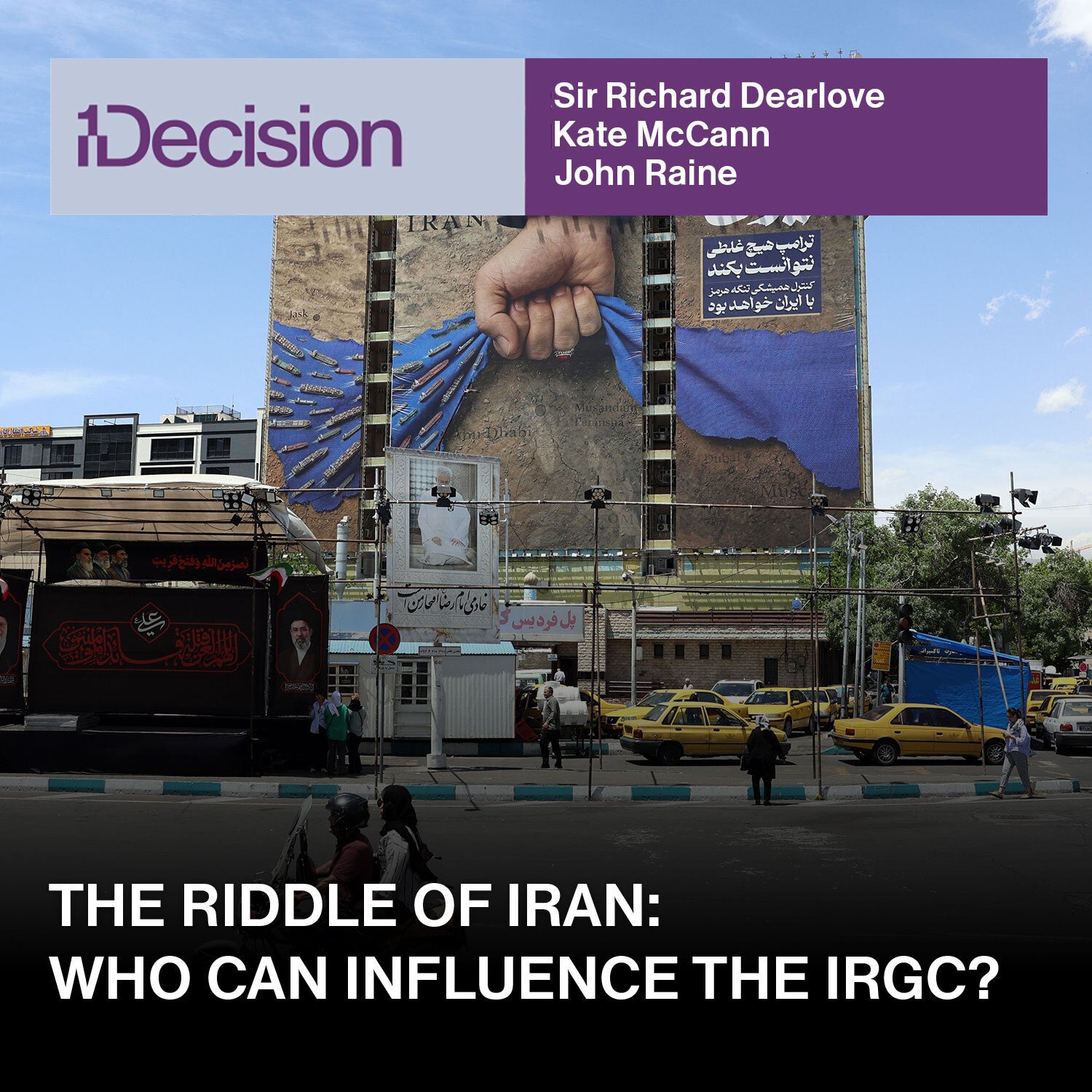
With Ayatollah Khamenei’s demise occurring hours into the war, the West anticipated a collapse of the Iranian regime and a popular uprising that never came to be. Is a ‘memorandum of understanding’ the only thing preventing total escalation in the region? In this episode of One Decision, former MI6 Chief Sir Richard Dearlove and co-host journalist Kate McCann sit down with John Raine, Senior Adviser for Geopolitical Due Diligence for the International Institute for Strategic Studies (IISS), to analyze the ripple effects of the war in Iran and what it will take to stabilize the Middle East.
What is keeping a comprehensive peace deal off the table? How did Western intelligence miscalculate the IRGC’s resilience? And where does this leave the rest of the Middle East?
We also break down China’s pledge to support Cuba’s sovereignty, the 75th anniversary of the Cambridge Five espionage scandal, and the latest in the war in Ukraine, including China’s role in training Russian soldiers and the opening of a museum in North Korea that memorializes the North Korean losses in the war.
In this episode:
1:07 – Iran, Israel & Trump: The Middle East Crisis Explained
2:52 – Cuba, China, and US Spheres of Influence
6:23 – Cambridge Five: Cold War Spy Scandal Revisited
9:51 – Russia, North Korea, and Ukraine War Shifting
13:26 – Iran War: MOU vs. Formal Peace Deal Explained
16:55 – Why a Comprehensive Iran Deal Remains Out of Reach
22:41 – IRGC Resilience: How Iran's Regime Survived
29:08 – Who Has Influence Over Iran's IRGC?
33:51 – Israel's Military Objectives and Netanyahu's Agenda
39:36 – Gulf States' Vulnerability and Abraham Accords Future
45:26 – How Does the Iran Conflict End? Three Scenarios
49:47 – Sir Richard and Kate Discussion
Hosted by Sir Richard Dearlove (former MI6 Chief) and journalist Kate McCann (Political Editor at Times Radio).
Learn more about your ad choices. Visit megaphone.fm/adchoices
95 percent of global internet traffic travels through underwater fiber optic cables. They've never been more vulnerable.
In this episode of One Decision, former MI6 Chief Sir Richard Dearlove and guest co-host Rosanna Lockwood are joined by journalist and author Samanth Subramanian. His latest book, The Web Beneath the Waves, is an investigation into the hidden infrastructure holding the world's economy together, and the growing threats to it. Subramanian’s book, The Web Beneath the Waves, is an investigation
Iran is threatening to levy tolls on cables running through the Strait of Hormuz. China is cutting cables in Taiwan's territorial waters using "fishing boats." Russia has been probing European undersea networks for years. And yet there's virtually no international legal framework to stop any of it.
Links:
The Web Beneath the Waves | Columbia Global Reports
In this episode:
1:05 — Iran Nuclear Deal: Trump's Strategy
3:44 — US-China Summit: What Really Happened
6:10 — Putin Visits Xi: Russia's Anxiety
8:13 — CIA in Cuba: Economic Takeover Begins
11:17 — Israel's New Mossad Chief Explained
13:22 — Germany's BND Gets New Powers
17:52 — Undersea Cable Vulnerability Exposed
18:48 — How 95% of Internet Data Travels
32:58 — Can Cables Be Tapped Underwater?
38:54 — Deliberate Cable Attacks: Gray Zone War
45:04 — South China Sea: The Biggest Chokepoint
54:53 — One Decision: Future of the Internet
55:55 — Sir Richard and Rosanna Discussion
Hosted by Sir Richard Dearlove (former MI6 Chief) and journalist Kate McCann (Political Editor at Times Radio).
Rosanna Lockwood (International Journalist)
Learn more about your ad choices. Visit megaphone.fm/adchoices
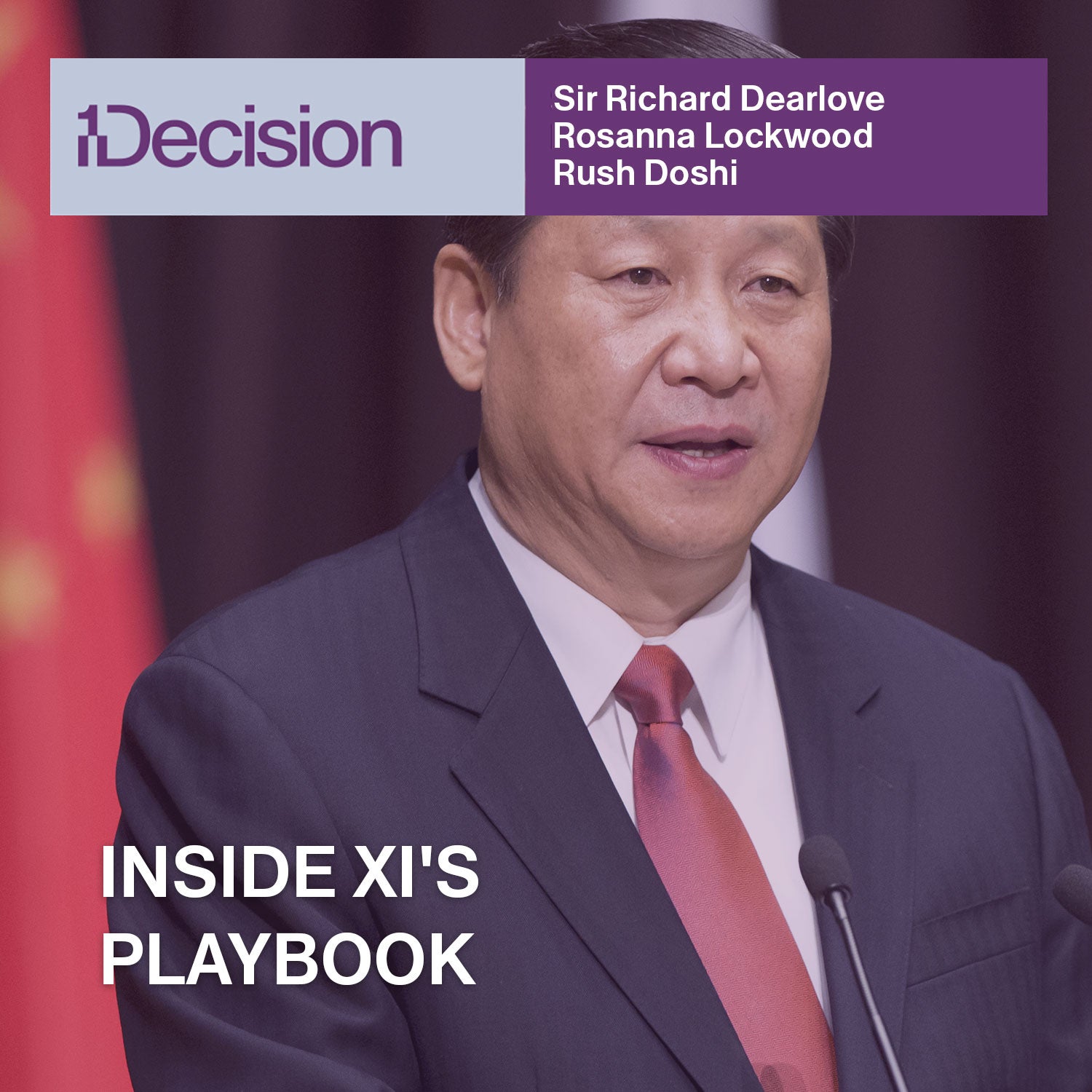
All eyes are on Beijing as President Trump meets with President Xi Jinping for the first US presidential visit to China in nine years. This week, Sir Richard Dearlove and guest co-host Rosanna Lockwood sit down with Rush Doshi — former Deputy Senior Director for China and Taiwan at Biden's National Security Council and author of The Long Game — to break down what's really at stake.
What does China want from this summit? How far will Trump go on Taiwan? And why is artificial intelligence now the defining battleground between the world's two superpowers?
We also cover the latest from the Iran ceasefire collapse, the Russia-Ukraine stalemate, and what sweeping local election losses mean for Keir Starmer's future as Prime Minister.
In this episode:
1:02 – Sir Richard’s Secret China Mission
3:11 – Iran Ceasefire Collapse Explained
7:19 – Russia-Ukraine War Stalemate Update
10:50 – UK Elections: Labour's Sweeping Defeat
17:13 – Rush Doshi on US-China Strategy
22:46 – China vs US Economic Interdependence
35:47 – Taiwan: Invasion or Economic Pressure?
43:11 – AI Regulation: New Nuclear Arms Race
44:51 – Sir Richard and Rosanna Discussion
Show Links:
The Long Game: China's Grand Strategy to Displace American Order
Iran's Regime Won't Fall. It Was Built for This. Iran Expert Trita Parsi on Regional Ramifications
Obama's China Advisor on Why China Wants the US Stuck in the Middle East | One Decision
Will China Invade Taiwan in 2026? Expert's New Insight Reveals "Perfect Storm" | One Decision
Hosted by Sir Richard Dearlove (former MI6 Chief) and Rosanna Lockwood (International Journalist)
Learn more about your ad choices. Visit megaphone.fm/adchoices
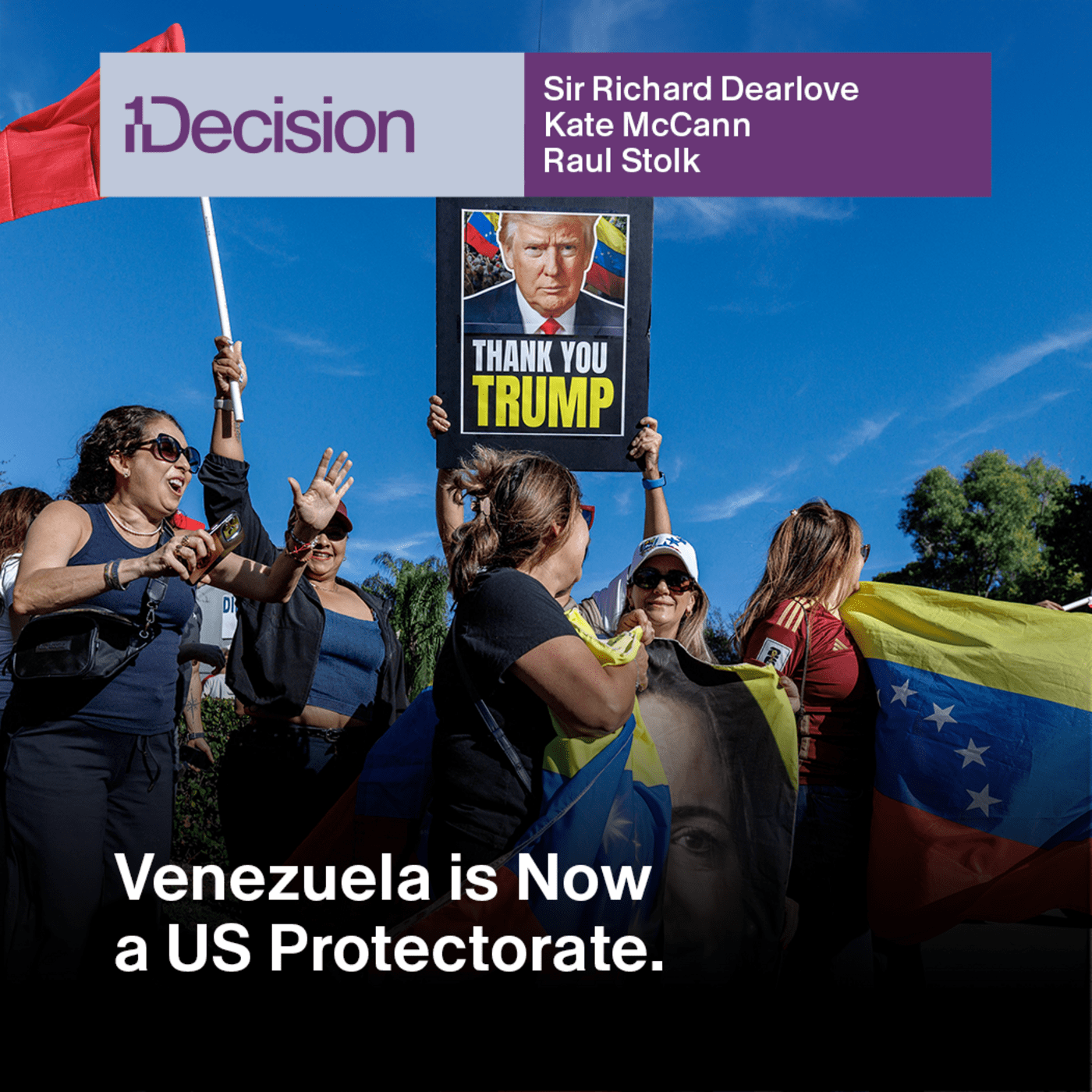
Venezuela's leader Delcy Rodríguez has no constitutional legitimacy, by any standard, including Chavismo's own rules, according to lawyer-turned-journalist Raul Stolk. So who is actually running Venezuela right now? And what does the United States really want?
Raul Stolk, Managing Director of Caracas Chronicles, joins Sir Richard Dearlove and Kate McCann for a deep dive into the power structures propping up the Rodríguez government, the US military's direct line to the Venezuelan armed forces, and why opposition leader María Corina Machado may be the single biggest wild card in the country's future.
Links:
https://caracaschronicles.com
https://caracaschronicles.substack.com/
https://caracasconsulting.com/
In this episode:
2:53 - Iran War Impact on Global Energy Markets
6:34 - UAE Exits OPEC: End of Saudi Dominance
8:16 - New Iraqi Government and Middle East Stability
11:31 - Japan Creates Intelligence Bureau
15:40 - Venezuela After Maduro: Trump's Business Strategy
17:34 - Delcy Rodriguez Legitimacy and Constitutional Crisis
24:34 - Venezuela Military Power Structure Post-Maduro
30:07 - US Geopolitical Goals in Venezuela
45:07 - Venezuela Oil Market China Russia Rivalry
54:47 - Machado Return: Venezuela Election Wild Card
55:48 - Sir Richard and Kate Discussion
Hosted by Sir Richard Dearlove (former MI6 Chief) and Kate McCann (Political Editor, The Times)
Learn more about your ad choices. Visit megaphone.fm/adchoices
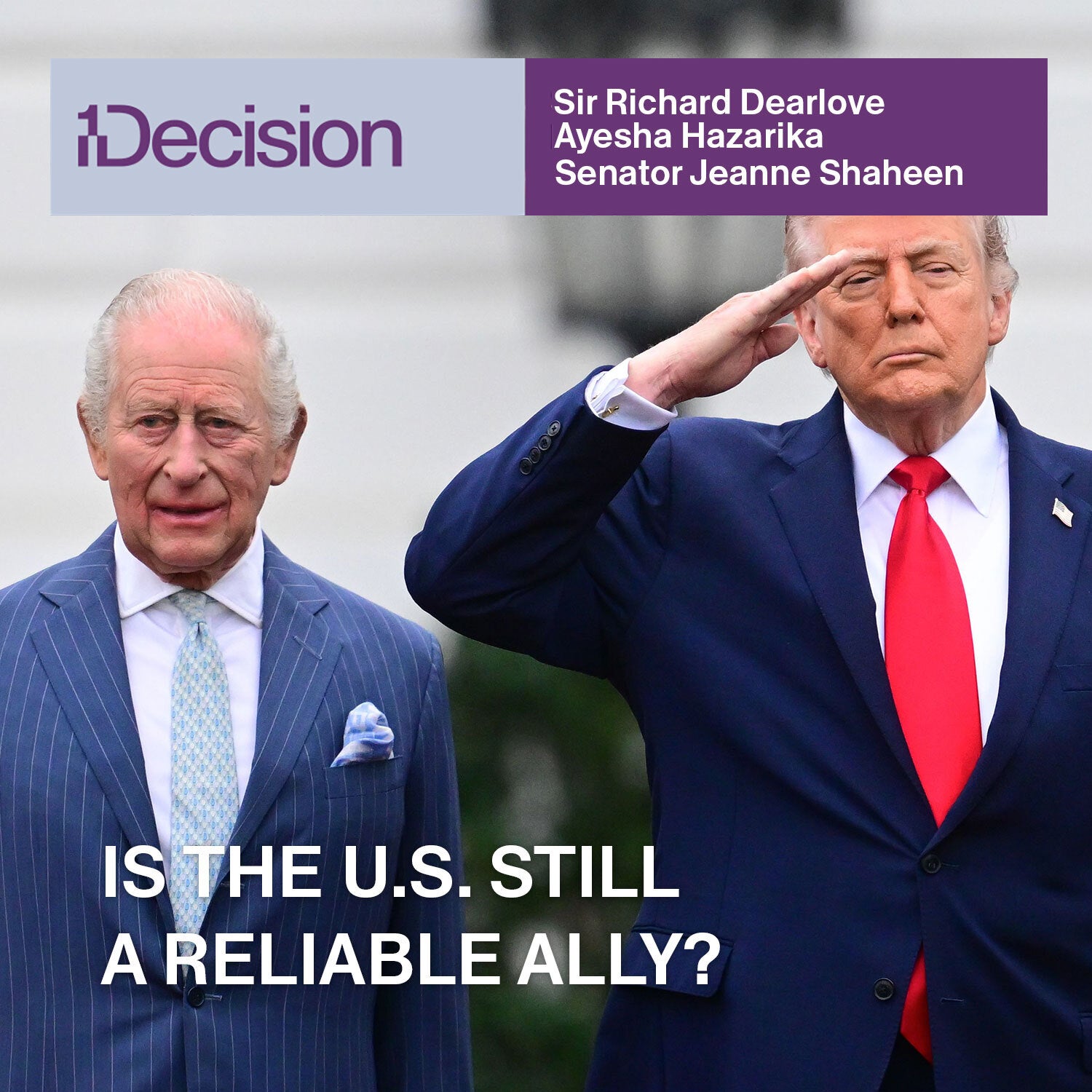
Has the divisive rhetoric of President Trump’s administration irrevocably changed America’s reputation in the eyes of its allies and adversaries? Former head of MI6 Sir Richard Dearlove and guest co-host Baroness Ayesha Hazarika sit down with Democratic US Senator Jeanne Shaheen of New Hampshire to discuss how US foreign policy has shifted during Trump’s second term. Beginning with In Brief, Sir Richard and Ayesha examine the history of UK royalty visits to the US from Queen Elizabeth II to King Charles II, and the strategic importance of these visits for maintaining the “special relationship” between the US and UK. Then, Senator Shaheen argues that Trump’s lax approach to Putin and Russia undermines support for Ukraine, emphasizing that a win for Ukraine is a win for the West. She criticizes the administration’s China strategy, warning that the withdrawal of aid and allyship by America has put China in a position to fill the vacuum. The Senator also warns about the growing relationships between members of the “axis of resistance”—China, Russia, Iran, and North Korea—citing their increased cooperation as why America maintaining its historic alliances with NATO countries and beyond is so critical for a stable world.
In this episode:
03:02 – King Charles’ first official state visit to the US
13:50 – The fragility of the US-UK relationship
17:04 – Allies and adversaries behind the scenes
19:07 – Russia, Ukraine, and the Iran war
21:51 – Putin and the G20
25:10 – What’s next in the Iran war?
24:49 – The blockade ‘game of chicken’ at the Strait of Hormuz
32:39 – US and China relations
36:22 – China’s rare earth dominance
39:26 – NATO defense spending
42:22 – One Decision: Will Iran negotiations be successful?
45:15 – Sir Richard and Ayesha discussion
Hosted by Sir Richard Dearlove (former MI6 Chief) and Baroness Ayesha Hazarika (Member, House of Lords).
Learn more about your ad choices. Visit megaphone.fm/adchoices
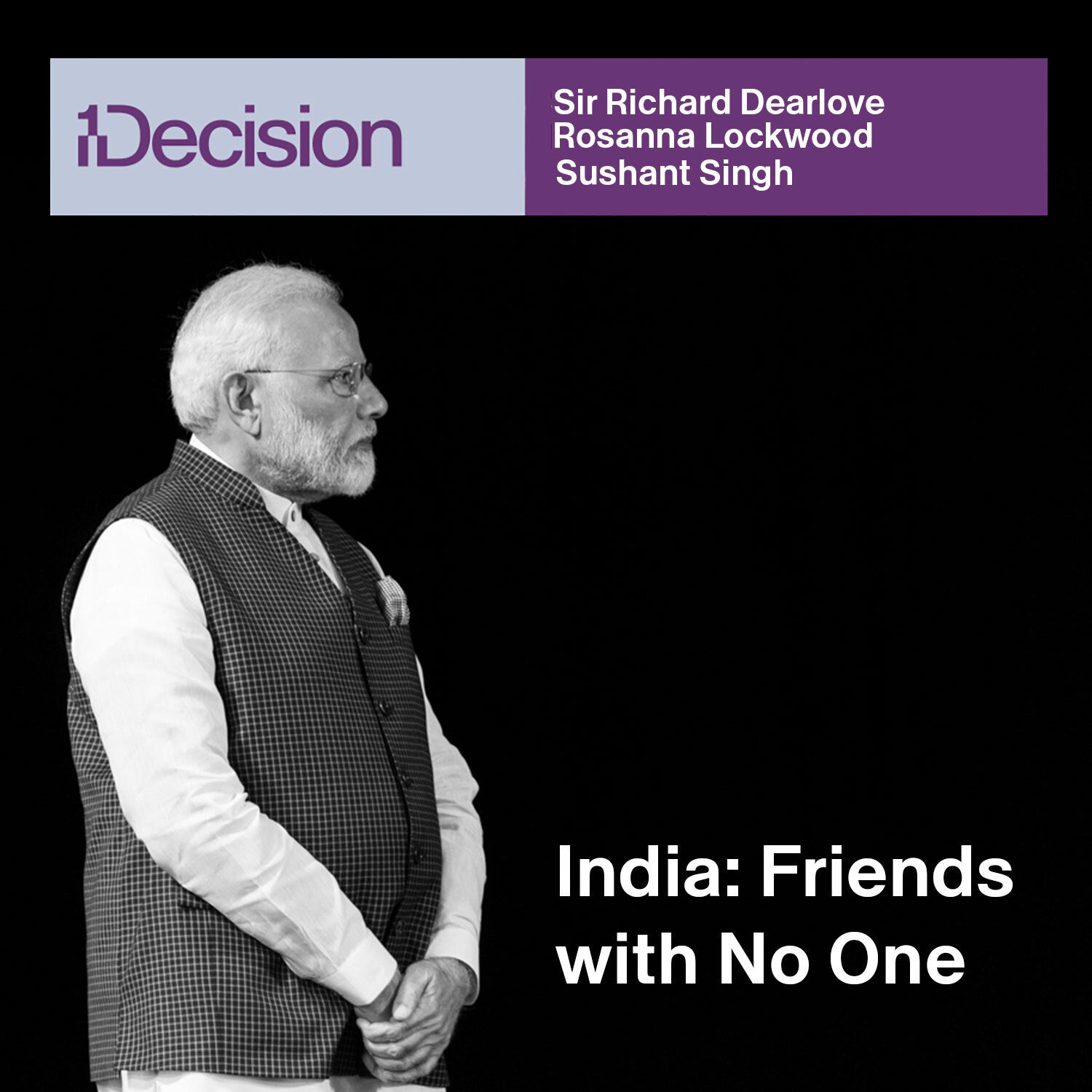
As Pakistan steps into its role as peace broker, is India being left in the cold? Former head of MI6 Sir Richard Dearlove and international journalist Rosanna Lockwood are joined by lecturer in South Asian Studies at Yale, Sushant Singh, to unpack this dramatic shift in South Asian and Middle Eastern geopolitics. Starting with In Brief, Sir Richard and Rosanna look at how the Iran and US blockades of the Strait of Hormuz are putting the global energy economy in peril. They also discuss the Israel-Lebanon ceasefire in relation to the stability of Lebanon’s government, as well as whether secret US talks with Cuba will lead to military or economic intervention in the country. Then, Singh explains the unexpected rise of Pakistan as mediator for peace talks between Washington and Tehran, the diminishing influence of India Prime Minister Narendra Modi globally and at home, and how balancing its relationships with China and Russia may come at the cost of eroding India’s alliance with the US.
In this episode:
03:36 – Standoff in the Strait of Hormuz
08:00 – Latest on the Israel-Lebanon ceasefire
13:53 – Cuba is back on Washington’s radar
18:43 – Sushant Singh introduction
19:30 – Pakistan’s surprise mediator role
23:00 – Explaining India’s ‘dalal’ remark
25:42 – Modi’s weakening at home
27:59 – Muslim-Hindu divide in India
28:56 – Modi’s Pakistan dilemma
30:18 – Pakistan’s Middle East reclassification
32:04 – The growing irrelevance of the Quad
34:08 – India’s dependence on Russia
39:39 – Erosion of US-India relationship
44:04 – India’s Israeli ties
48:19 – Risks for Pakistan as a mediator
51:21 – One Decision: Can India and Pakistan start talking again?
53:01 – Sir Richard and Rosanna discussion
Read more: Pakistan’s Peacemaking Is a Setback for India
Hosted by Sir Richard Dearlove (former MI6 Chief) and Rosanna Lockwood (International Journalist).
Learn more about your ad choices. Visit megaphone.fm/adchoices
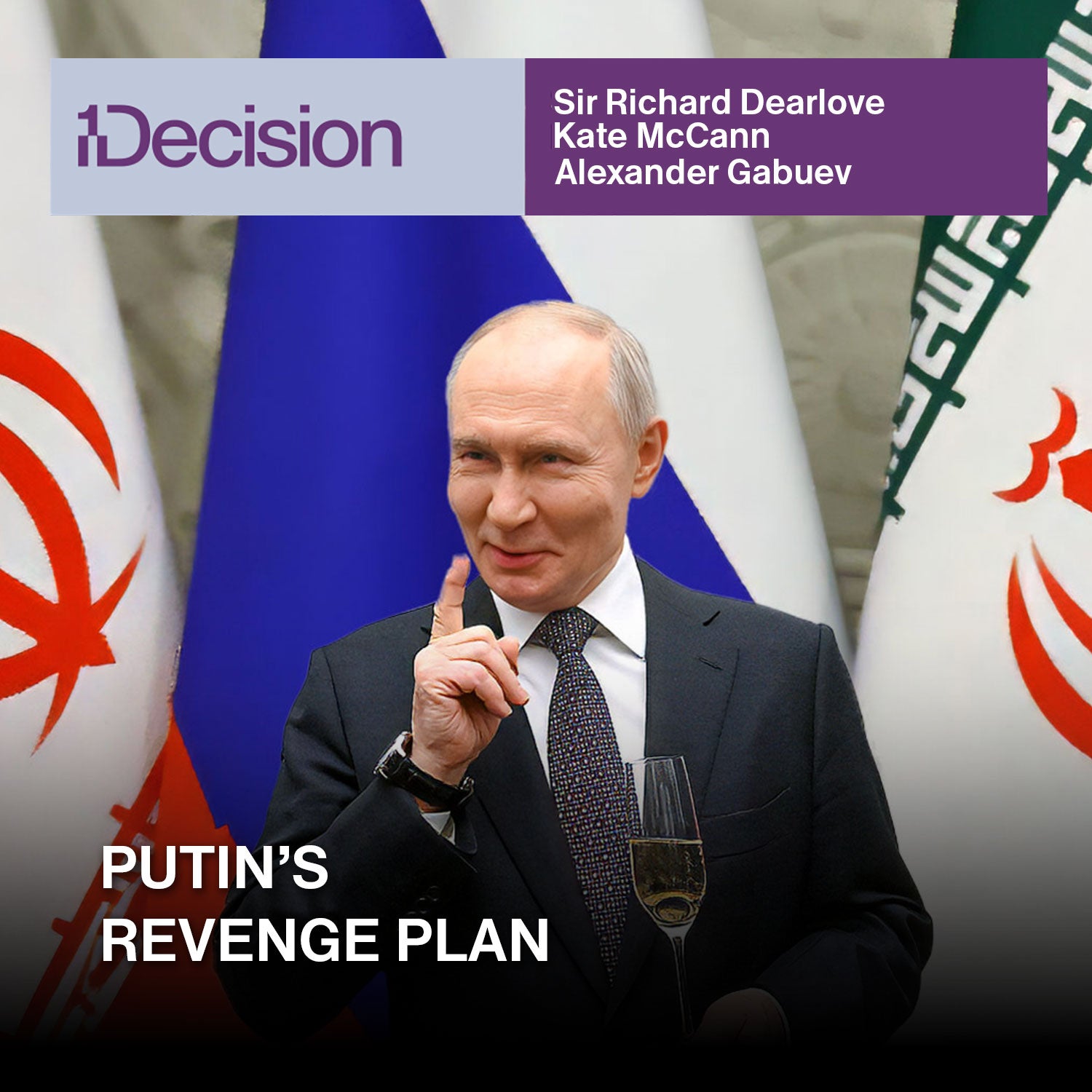
Russia may be issuing verbal condemnations from the sidelines of the conflict in Iran, but behind the scenes, it’s leveraging its relationship with Iran to give the US a “taste of its own medicine.” Former MI6 Chief Sir Richard Dearlove and Times Radio political editor Kate McCann sit down with Alexander Gabuev, director of the Carnegie Russia Eurasia Center, to discuss Russia’s calculated role in the escalating war in Iran. Gabuev explains why the US being preoccupied in fighting another Middle Eastern conflict is a “gift” to Putin, including how temporary sanctions relief and the continued closure of the Strait of Hormuz boosts Russian oil revenues. Together, they also analyze the impact of the war on Ukraine’s security and energy infrastructure, as well as how continued economic strain and repression in Russia may limit its involvement in the conflict.
In this episode:
01:35 – Why the Iran War helps Russia
04:17 – Oil shock and Russian windfall
16:48 – The Iran-Russia alliance
23:11 – Limits of Kremlin support
28:24 – Iran War knock-on effects for Ukraine
32:58 – Ukraine’s Gulf alliance strategy
38:05 – Russian public mood and repression
42:47 – One Decision: What’s Trump’s next move?
44:00 – Sir Richard and Kate discussion
Hosted by Sir Richard Dearlove (former MI6 Chief) and Kate McCann (Political Editor at Times Radio).
Learn more about your ad choices. Visit megaphone.fm/adchoices
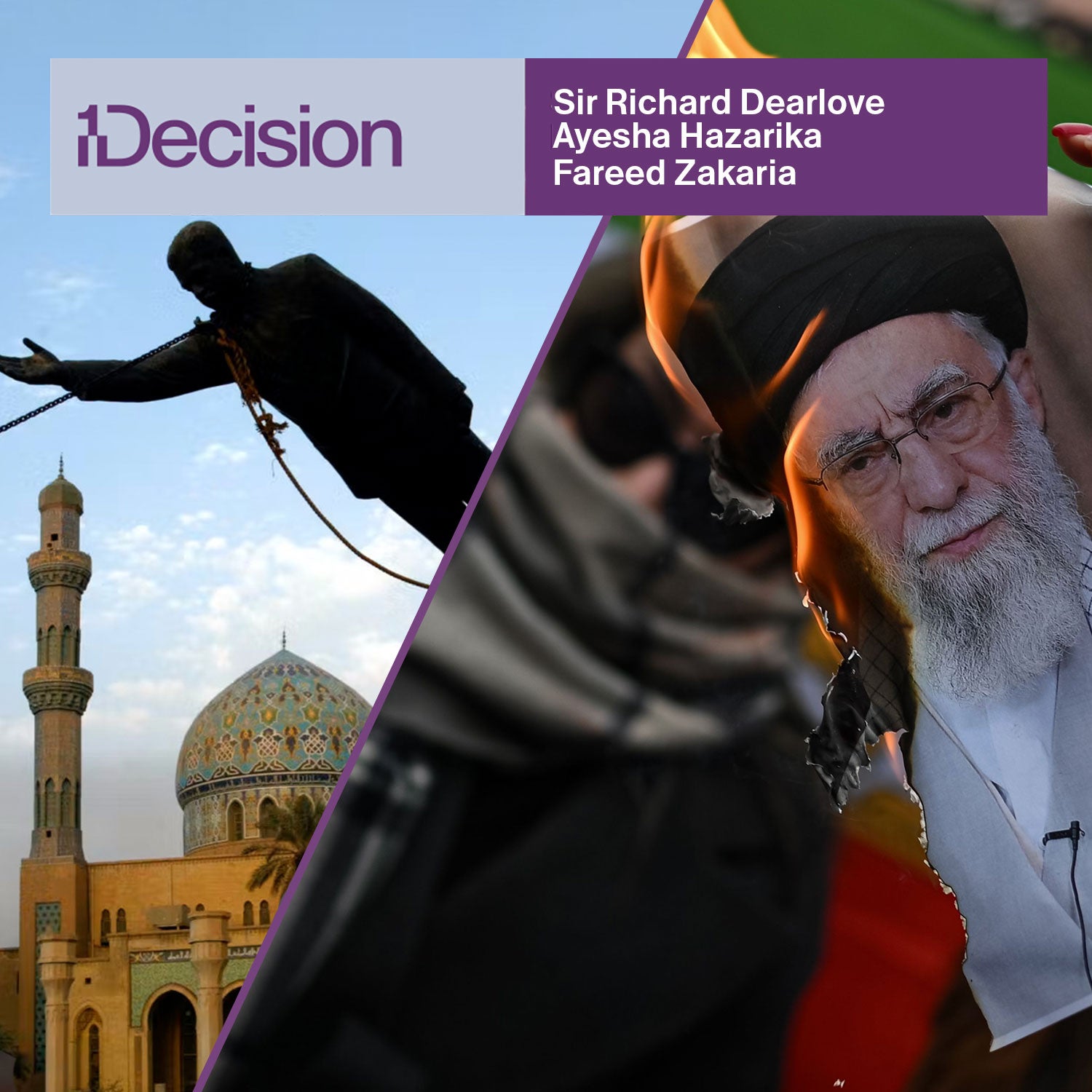
This isn’t just another Middle Eastern conflict—it’s a fundamental restructuring of global power. Sir Richard Dearlove and guest co-host Baroness Ayesha Hazarika with Fareed Zakaria, veteran journalist, author, and host of CNN’s Fareed Zakaria GPS. Together, they examine Israel’s war strategy, and whether or not the war aims of President Donald Trump and Prime Minister Benjamin Netanyahu are misaligned. They also discuss the entry of the Houthis into the conflict on Iran’s behalf, as well as why the war in Iran could prove far more consequential to daily life across the globe than the Iraq War ever was.
In this episode:
01:43 – Israel’s Campaign in Lebanon
08:06 – Does Israel’s “Buffer Zone” Have an Ulterior Motive?
11:29 – Do Netanyahu and Trump Have Different War Aims?
15:10 – Will America Put Boots on the Ground in Iran?
17:14 – End of a Strategic Conflict, or a Massive Gamble?
22:22 – The Houthi Strategy
28:35 – Why Russia Wins and Europe Loses
32:20 – Geopolitics in a Post-Trump World
36:28 – Can the UK Still Rely on the US?
41:47 – Why the Iran War Hurts Ukraine
46:24 – What’s Trump’s Next Move?
48:40 – Sir Richard and Baroness Hazarika Discussion
Hosted by Sir Richard Dearlove (former MI6 Chief) and Baroness Ayesha Hazarika (Member of House of Lords).
Learn more about your ad choices. Visit megaphone.fm/adchoices
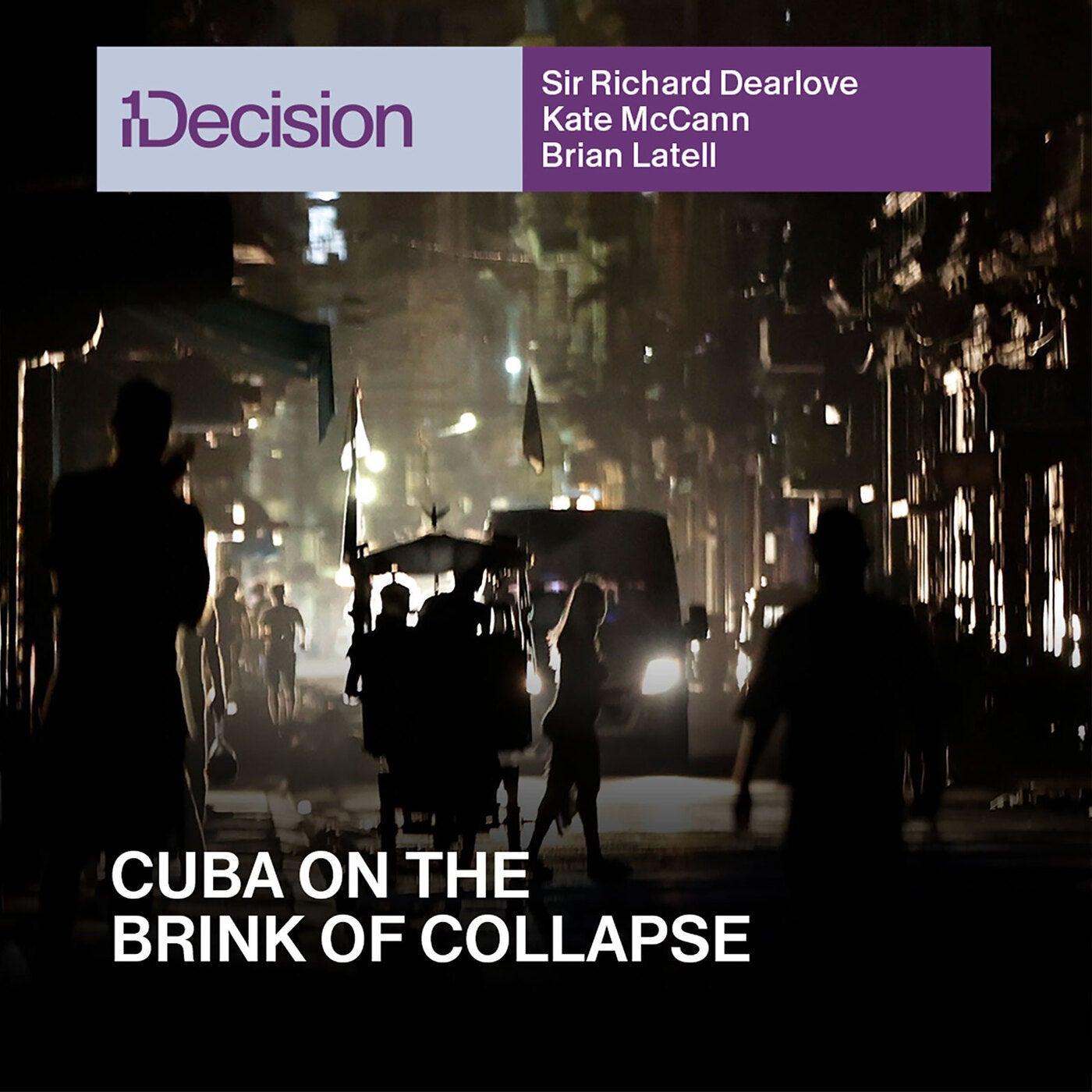
Cuba is running out of fuel, its economy is in ruins, and 2 million of its citizens have already fled. Is the communist regime finally at its breaking point?
Sir Richard Dearlove and Kate McCann sit down with Brian Latell, PhD, a 35-year CIA veteran and the agency's top Cuba and Latin America analyst. They assess whether the government can survive Trump's fuel embargo, what a transition would actually look like, and why Marco Rubio's approach may be more measured than his rhetoric suggests.
In this episode:
04:19 US-Cuba Relations
10:25 Risks of Squeezing Cuba Too Hard
13:03 Can the Regime Collapse Peacefully
18:03 Who Holds Power in Havana
23:02 Intelligence Files and Biosecurity Fears
27:31 Rebuilding Cuba and Diaspora Role
29:35 What Drives Marco Rubio
31:08 One Decision to Watch Next
Hosted by Sir Richard Dearlove (former MI6 Chief) and Kate McCann (Political Editor at Times Radio).
Learn more about your ad choices. Visit megaphone.fm/adchoices