Tough decisions rattle us all to the core. But for our guests on One Decision— the choices they are up against can also shape history. No pressure! They take us through all of their doubts, emotions and—sometimes unexpected--consequences. A fresh take on foreign policy. Hear the former head of Mi6, Sir Richard…
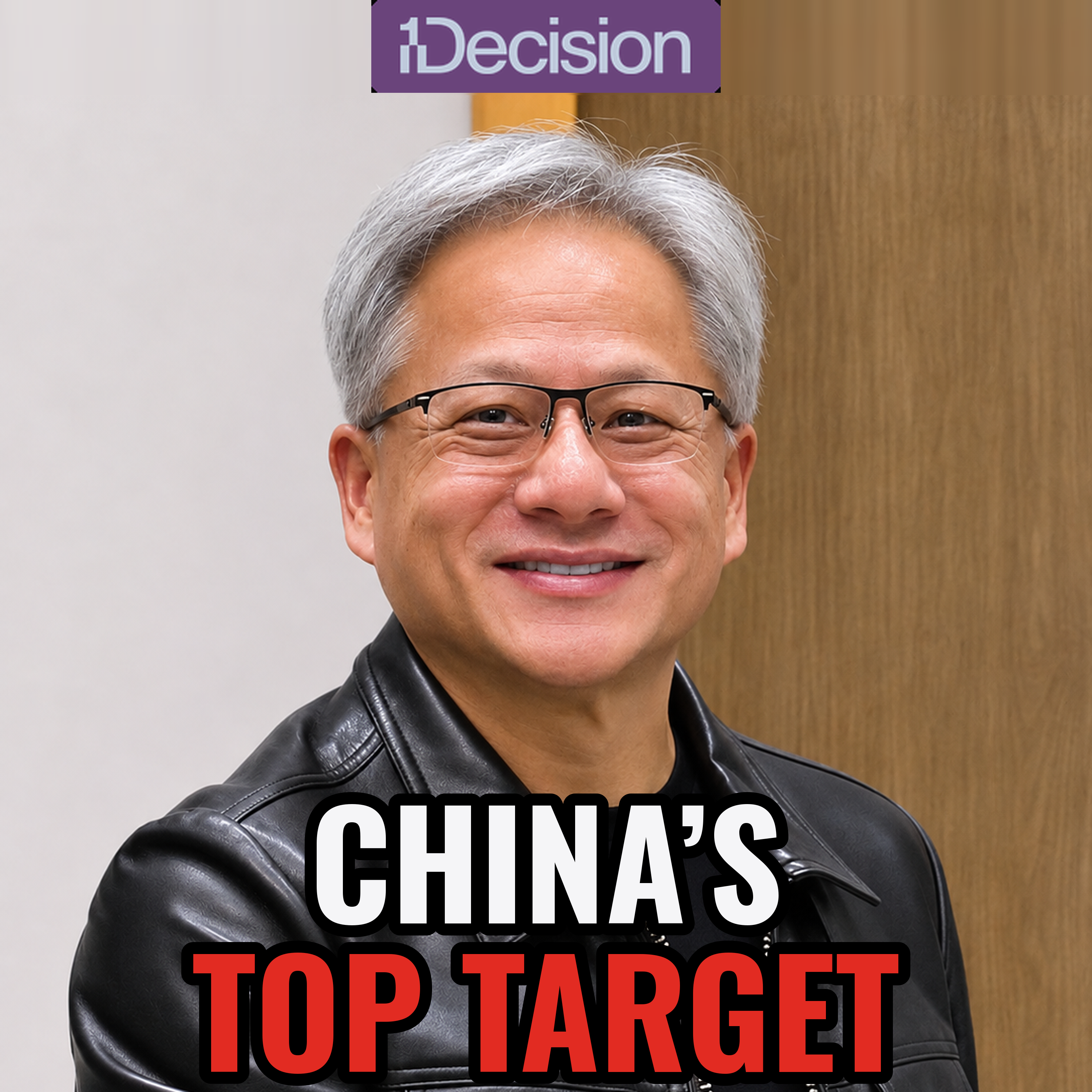
Matt Sheehan, senior fellow at the Carnegie Endowment for International Peace and co-director of its China AI Initiative, joins Sir Richard Dearlove and Kate McCann to explain how China sees the AI race. Sir Richard, the former chief of MI6, argues that NVIDIA’s Jensen Huang would have been a top-priority target for Chinese intelligence, and that the case fits a familiar pattern.
Sheehan explains why Beijing sees AI first as a way to leap to the next level of economic development, and why it treats frontier safety with far less urgency than Silicon Valley, though that is starting to change. He also covers why people inside the US labs think AI that helps build its own successor is imminent, why chips are China’s hard limit, and whether the AI race raises the risk of Chinese pressure on Taiwan. Asked for his One Decision, he picks whether Washington and Beijing build a real incident notification mechanism for AI.
In this episode:
(00:00) China-US AI Race and Intelligence
(02:01) How Large Language Models Work
(03:39) Who Leads the Global AI Race?
(04:34) Chinese Intelligence and IP Theft
(08:19) Jensen Huang Targeted by Chinese Intelligence
(13:52) How China Uses AI for Economy
(16:15) AI Safety Risks in China
(20:14) Global AI Regulation Challenges
(25:24) Chips Limiting China AI Development?
(31:11) AI Building Itself Recursive Improvement
(35:03) China's Philosophy on AI Control
(41:36) Taiwan Chips and Invasion Risk
Show Notes:
Matt Sheehan at Carnegie: https://carnegieendowment.org/people/matt-sheehan
Hosted by Sir Richard Dearlove (former MI6 Chief) and guest co-host Kate McCann (Political Editor at Times Radio).
Learn more about your ad choices. Visit megaphone.fm/adchoices
Will Trump make a deal with Iran, escalate, or walk away? Trita Parsi, co-founder and Executive Vice President of the Quincy Institute for Responsible Statecraft, puts the odds of a deal at less than 50% and says the most likely outcome is a quiet walkaway, with the blockade and sanctions left to decay. But he warns the risk of escalation hasn't passed.
Parsi was one of our first guests after the Iran war began, when he told us Tehran would drive up energy prices to swing the midterms against Trump. He's back to explain why the next four weeks matter, how Iran is cushioning the blockade, and whether the Gulf states and China could anchor a new regional security order.
In this episode:
(00:00) New Supreme Leader Rejects Gray Zone
(00:46) Trita Parsi Returns to One Decision
(01:54) Trump Three Iran Policy Options
(05:22) Nuclear Enrichment as Iranian Leverage
(08:50) Trump Legacy and Iran Vindictiveness
(13:42) Military Escalation Warning Signs
(15:28) What Finishing the Job Means
(17:36) Israel Mowing the Lawn Strategy
(21:58) Gulf States Pushback Against War
(23:44) Iranian Economy Under Blockade
(28:37) Why Status Quo Is Unsustainable
(32:31) Houthis and Regional Ceasefire Challenge
(37:04) Future Gulf Security Architecture
Show Notes:
Trita Parsi's Substack: https://tritaparsi.substack.com/
Hosted by Sir Richard Dearlove (former MI6 Chief) and co-host John Raine (International Institute for Strategic Studies)
Learn more about your ad choices. Visit megaphone.fm/adchoices
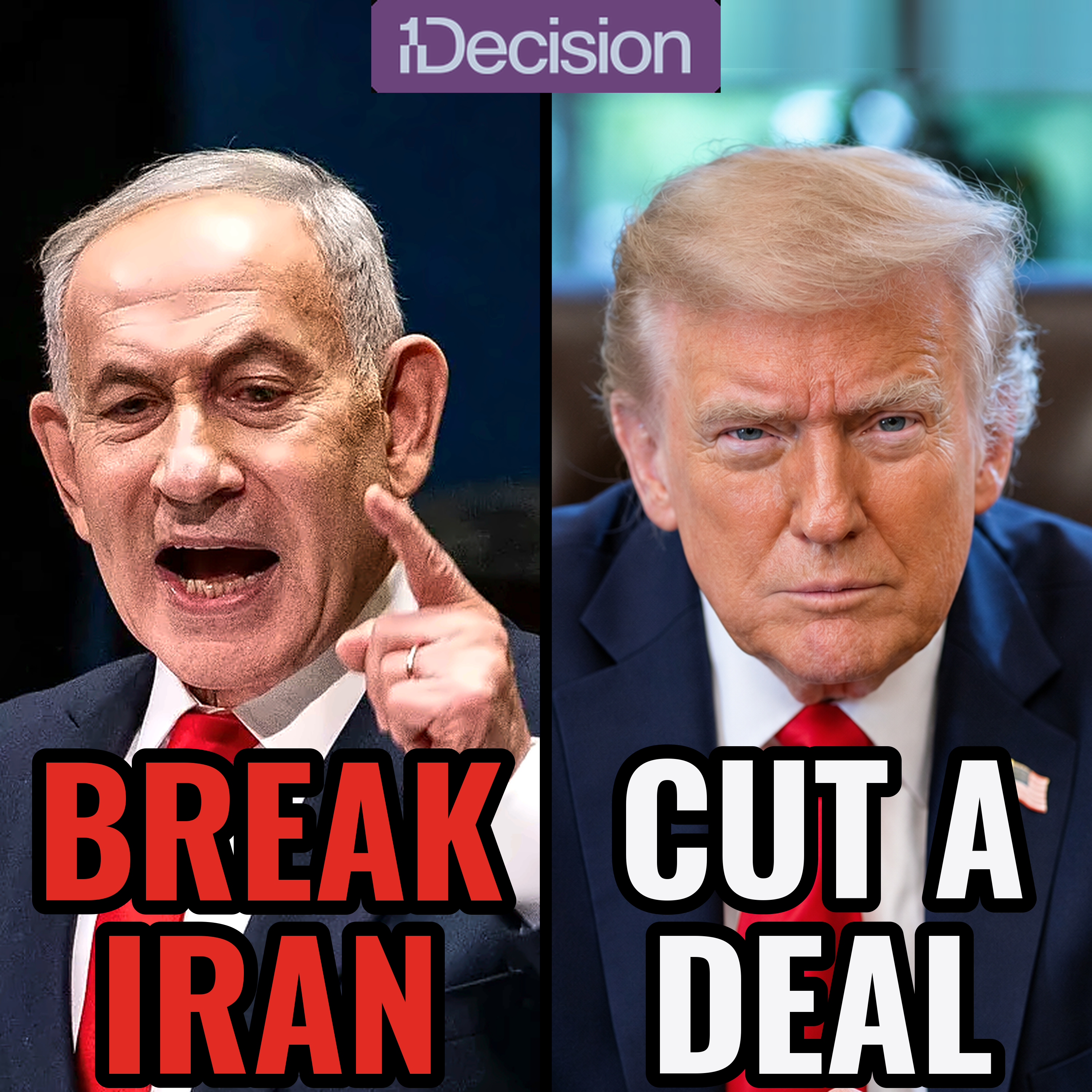
Israel is preparing for another war with Iran, and the decision rests with Donald Trump. Major General Tamir Hayman, former head of Israeli military intelligence, says Israel is swinging between an interim deal and a renewed strike on an hourly basis. Netanyahu wants regime change in Tehran, while Trump wants a deal.
Hayman, a 34-year veteran of the IDF and Executive Director of the Institute for National Security Studies in Tel Aviv, joins Sir Richard Dearlove and John Raine to explain why Israel concluded that regime change in Iran was within reach, the three questions any joint US-Israeli operation must answer before it starts, and what Netanyahu’s legacy means for Israeli security. They also discuss the intelligence failures before October 7, the state of Hamas and Hezbollah, the stalled reconstruction of Gaza, how the Gulf states’ stance on the Iran war has shifted, and what Gadi Eisenkot would do differently. Prime Minister Benjamin Netanyahu led the bloc that received the most votes in last week’s Israeli elections.
In this episode:
(00:00) Israel Bracing for Renewed Iran War
(00:48) Hosts Introduction Show Welcome
(01:06) Netanyahu Elections After October 7th
(02:45) October 7th Intelligence Security Failures
(06:07) Hamas Deprioritized as Intelligence Target
(15:55) Gaza Reconstruction and Security Redesign
(19:55) Hamas and Hezbollah Military Capabilities
(24:09) Gaza Reconstruction Stalled Political Options
(33:58) Netanyahu Iran Regime Change Strategy
(40:07) Israel Proactive Military Strategy Risks
(45:49) Gulf States Iran War Position
(49:22) Eisenkot's Alternative Security Vision for Israel
(54:06) Trump Iran Strike or Deal
Show Notes:A Second Wave of Popular Anger Is Building in Iran | Wall Street Journal: https://www.wsj.com/world/middle-east/a-second-wave-of-popular-anger-is-building-in-iran-ac51969c?reflink=desktopwebshare_permalink
Hosted by Sir Richard Dearlove (former MI6 Chief) and guest co-host John Raine (International Institute for Strategic Studies).
Photo credit: Western Wall in Jerusalem, October 2006, Hynek Moravec, Creative Commons Attribution 2.5 Generic license.
Learn more about your ad choices. Visit megaphone.fm/adchoices
Will Trump strike Iran after the 2026 midterm elections, and is a wider war his way out of lame-duck weakness? Eurasia Group founder and president Ian Bremmer explains why the Iran war may escalate after the US midterms, what a Democratic “blue wave” would mean for Trump’s foreign policy, and whether Trump has passed his peak.
Bremmer also covers what a Democratic Congress would prioritize abroad, the investigations likely to follow the midterms, the future of Republican populism after Trump, and where the Ukraine war stands between Trump and Putin.
Thank you to Incogni for sponsoring. Get 60% off the annual plan with code "onedecision" at https://incogni.com/onedecision
In this episode:
(00:00) Iran War Worst Case Scenario
(03:55) Have We Passed Peak Trump?
(05:20) Trump Midterm Election Outlook
(06:08) Thwarted Trump Foreign Policy Risks
(08:20) Democrats Post-Midterm Investigation Strategy
(10:40) Trump's Vendetta Against Former Insiders
(11:05) Republican Party Populism After Trump
(17:39) Is Trump a Temporary Phenomenon?
(26:10) American Dream and Populist Pitchforks
(28:38) Democratic Geopolitical Priorities After Midterms
(31:16) Iran War: Best and Worst Scenarios
(38:00) Trump, Putin, and the Ukraine War
Hosted by Sir Richard Dearlove (former MI6 Chief) and guest co-host John Raine (International Institute for Strategic Studies)
Learn more about your ad choices. Visit megaphone.fm/adchoices
War with Iran, record diesel prices, and a global bond sell-off: how much more can the world economy take?
Mohamed El-Erian (Wharton, Allianz, former CEO of PIMCO) joins Sir Richard Dearlove (former head of MI6) and John Raine to explain what's driving the bond market sell-off, why the US is exporting instability to the UK, France, and Japan, and why AI is "80% asset, 20% liability." Plus: how PIMCO really navigated Lehman's collapse, and the one decision he's watching.
In this episode:
(00:00) Intro
(03:07) Why this crisis is different
(04:04) Permacrisis and "minilateralism"
(05:46) What's driving the global bond sell-off
(07:32) The hit to US households: mortgages, car loans, the K-shaped economy
(10:10) "Our yields, your problem": UK, France and Japan
(13:05) France, Mélenchon and Europe's leadership vacuum
(17:59) AI: 80% asset, 20% liability
(20:35) US-China AI Race
(31:30) Did PIMCO predict Lehman Brothers collapse?
(35:58) Who wins in today’s economy?
(44:51) Can finance ministers fix what politicians can't?
(46:32) How important are AI companies to the economy?
Hosted by Sir Richard Dearlove (former MI6 Chief) and John Raine (International Institute for Strategic Studies).
Learn more about your ad choices. Visit megaphone.fm/adchoices
Debora Cahn, the writer behind The Diplomat, Homeland, The West Wing, and Grey's Anatomy, joins Kate McCann and Sir Richard Dearlove to talk about writing political drama in an era when reality keeps outpacing fiction. Debora explains how "spy camp" research trips with real diplomats, spies, and generals shape her scripts, why she resists making her stories too close to current events, and what she learned about the strange double life of foreign service officers: the loneliness of constant relocation, the jockeying for a seat in the room, and the quiet patriotism that keeps them showing up. Sir Richard, a former head of MI6, adds his own view from the other side of the table, including a story about deliberately keeping a British ambassador out of the room in Washington.
In this episode:
00:00 Cold Open
02:58 Russia Story Rewritten
04:11 Borgen Inspiration
06:15 Spy Camp Research
08:22 Diplomacy In The Dirt
09:35 Ambassadors Real And Fake
18:39 CIA And Embassy Dynamics
21:24 From West Wing To Diplomat
23:14 No Evil Characters
24:29 MI6 Reality Check
29:59 Demystifying Government Work
31:12 Female President Choice
33:51 Future Of Ambassadors
Hosted by Sir Richard Dearlove (former MI6 Chief) and Kate McCann (Political Editor at Times Radio).
Learn more about your ad choices. Visit megaphone.fm/adchoices
Part Two of our two-part series marking the 25th anniversary of 9/11 reunites former leaders of the US and UK intelligence services, both of whom were in high office on September 11, 2001. Former deputy director of the CIA John McLaughlin joins former MI6 chief Sir Richard Dearlove and co-host Kate McCann to give the insider’s perspective on the intelligence world’s response to the attacks. McLaughlin details what the CIA knew beforehand, the immediate aftermath inside CIA headquarters, and the rapid attribution to al-Qaeda. He also discusses the power of the US-UK "special relationship," the surge in CIA resources after 9/11, the Bush administration's push toward the Iraq War, the effects of the global war on terror on American civil liberties, and why the war in Ukraine is the single most important geopolitical issue today.
In this episode:
(00:00) Emotion is a Luxury in Intelligence
(01:53) John McLaughlin Introduction
(03:03) Pre-9/11 Threats
(07:17) Why Was 9/11 A Surprise?
(14:13) Considering the "What Ifs"
(15:52) M16 Rushes to DC
(22:46) CIA on 9/11
(25:12) Post-9/11 Intelligence Overhaul
(34:16) Origins of the Iraq Focus
(47:17) Legacy of 9/11 in America
(57:42) One Decision: Importance of the Ukraine Conflict
(01:03:00) Takeaways and Wrap Up
Hosted by Sir Richard Dearlove (former MI6 Chief) and co-host Kate McCann (Political Editor at Times Radio).
Learn more about your ad choices. Visit megaphone.fm/adchoices
In 1997, Peter Bergen found himself in the mountains of Afghanistan, face-to-face with al-Qaeda founder Osama bin Laden. During the ensuing landmark interview, bin Laden foreshadowed the terrorist attacks of September 11.
In Part One of our two-part series commemorating the 25th anniversary of 9/11, journalist and author Peter Bergen sits down with former head of MI6 Sir Richard Dearlove and co-host John Raine to discuss the legacy of the 9/11 attacks, including the wars in Afghanistan and Iraq. Bergen talks about why negotiating with Osama bin Laden would have been a nonstarter and why the attacks bin Laden orchestrated generated shock, not surprise, within government intelligence agencies. Bergen and the hosts also discuss decisions after the attacks that Dearlove witnessesed firsthand, the proper relationship between intelligence and policy, how the war on terror reshaped the US view of coalitions and allies, and how the conflict in Ukraine points to the future of warfare.
In this episode:
(00:00) Lessons of Afghanistan and Iraq Wars
(03:23) Would Negotiating with Osama bin Laden Have Worked?
(06:21) Feeling in US Immediately Post-9/11
(11:29) Origins of Iraq War
(15:55) Policy and Intelligence
(17:08) Imperial Power of the Presidency
(21:16) Why Were There No Major Attacks After 9/11?
(25:13) Role of Coalitions and Allies
(34:31) Legacy of Fighting Global War on Terror
(41:10) Importance of Tribalism
(46:54) Scale of Troop Presence and Outcome
(50:41) Ukraine as Laboratory for Modern Warfare
(54:38) One Decision: Why Trump Should Declare Victory in Iran
(56:41) Takeaways and Wrap Up
Hosted by Sir Richard Dearlove (former MI6 Chief) and guest co-host John Raine (International Institute for Strategic Studies)
Learn more about your ad choices. Visit megaphone.fm/adchoices
Vladimir Putin promised Russia a "dictatorship of law" when he took office in 2000. He delivered the dictatorship -- but not the law.
This week, Russia expert, human rights lawyer, and founder of Russia's first independent foreign law firm Jamison Firestone joins journalist Rosanna Lockwood and former head of MI6 Sir Richard Dearlove to discuss his new book, Rule of Lies: My Wild Ride Through Chaos, Corruption, and Murder in Putin's Russia. Firestone lived through the upheaval of the early 1990s and worked alongside Sergei Magnitsky, who was murdered after exposing a Russian state built to loot itself. Firestone explains why Russia may now be close to a historical tipping point, how $300 billion in frozen Russian assets could be legally transferred to Ukraine to fund Kyiv;s war effort, and the ways in which Donald Trump has emulated Putin and Yeltsin.
Plus, in Brief: changes coming to Germany's BND, the legacy of former Chinese Premier Zhu Rongji, Iceland's referendum on restarting EU membership talks, and the latest in the Iran War.
In this episode:
(00:00) Why Ukraine Matters
(02:06) Germany Expands BND Powers
(05:01) Zhu Rongji
(07:52) Iceland EU Vote and NATO Role
(11:46) Iran Deadline and Strait Tensions
(15:11) Meet Jamison Firestone
(16:42) Growing Up Around Gangsters
(26:15) Loving Russia Despite Putin
(30:46) Can Russia Reach a Tipping Point
(34:32) Mobilization Pressure and Next Steps
(36:15) Ukraine Aid and Frozen Funds
(41:17) Legal Case For Seizure
(43:57) Reparations Loan Explained
(50:25) US Politics And Trump Parallels
(54:24) How Putin Could Fall
(57:06) Can Russia Be Democratic
(59:03) Putin Isolation And Ukraine Motive
(01:02:12) Life In London And Safety
(01:05:08) Magnitsky Legacy And Costs
(01:11:33) Drone Swarms And Future War
Show Notes:
Rule of Lies: My Wild Ride Through Chaos, Corruption, and Murder in Putin's Russia | https://www.harpercollins.com/products/rule-of-lies-jamison-r-firestone?variant=44366648180770
Website to learn more about Jamison Firestone’s advocacy: https://makeputinpay.org/
Hosted by Sir Richard Dearlove (former MI6 Chief) and guest co-host Rosanna Lockwood (International Journalist)
Learn more about your ad choices. Visit megaphone.fm/adchoices
What role do intelligence services play under a president that does not heed their advice? That’s one of the questions Pulitzer Prize–winning reporter Tim Weiner posits in his most recent book, The Mission, which details how the modern Central Intelligence Agency (CIA) has evolved during the era of the global war on terror. Weiner describes the evolution of the missions undertaken by the CIA, which were historically driven by presidential desires to change the world through covert action, and contrasts them with the post-Cold War agency that grapples with trust and reputation in the information era. Weiner also discusses how the delicate interplay between betrayal and trust underwrites intelligence work, the common aim of pursuing secrets that intelligence and journalism share, and why he believes the cumulative effects of partisan purges within intelligence services under President Donald Trump leaves the United States in a dire state of danger.
Sir Richard Dearlove and guest co-host Rosanna Lockwood dive into the news stories in geopolitics shaping the world this week: how a secret CIA task force in Cuba may be laying the groundwork for a more American-friendly government, why the construction of a new giant embassy for China is igniting political NIMBY-ism in London, and what US intelligence says about how stray Russian missiles and drones may be Putin’s way of testing NATO’s resolve.
(03:07) Secret CIA Cuba Task Force
(07:24) New Chinese Embassy in London
(12:31) Will Putin Test NATO’s Resolve?
(14:37) Interview with Tim Weiner
(15:29) Difficulty of Writing About the CIA
(20:07) Human Element of Espionage
(22:56) Evolution of the CIA
(25:57) Sir Richard’s Post-9/11 Intel Recollections
(30:08) Journalists, Intelligence, and Secrecy
(34:58) Intelligence and Policy
(39:59) Modern CIA Missions Under Trump
(48:31) Partisan Purges in US Intel Services
(54:55) Can Institutional Trust Recover?
(58:48) Trump’s Potential Paradoxical Legacy
(01:02:47) One Decision to Watch
(01:03:32) Takeaways, Audience Comments, and Wrap Up
Hosted by Sir Richard Dearlove (former MI6 Chief) and guest co-host Rosanna Lockwood (international journalist).
Learn more about your ad choices. Visit megaphone.fm/adchoices
Is the Russian military actually losing ground, or adapting faster than Western allies realize? Fresh off a tour of the Ukrainian front lines, Senior Fellow in the Russia and Eurasia Program at the Carnegie Endowment for International Peace Michael Kofman delivers a realistic assessment of the latest developments in the Russia-Ukraine war. Kofman explains why Ukraine is in its strongest position since mid-2023, how Russian military commanders reporting false progress to Putin may lead to a mismatch between goals and means in the war, the strategic implications behind Ukraine’s recent command changes and political shifts in defense procurement, and why it’s critical that NATO learns what it can from Ukrainian force exercises to be prepared to face Russia’s next post-war threat.
Sir Richard Dearlove and co-host Kate McCann unpack the latest and most significant news stories in geopolitics: the launch of Sweden’s own civilian intelligence service, whether President Trump’s rhetoric on Iran reflects uncertainty or strategic deception, and the data supporting the skeptical American attitude about AI.
In this episode:
(02:13) Sweden to Launch Its Own MI6
(06:01) Trump Hyperbole and Iran
(09:18) America’s AI Skepticism
(12:26) Interview with Michael Kofman
(13:10) State of the Ukrainian-Russian Frontlines
(15:30) Russian Military Goals vs. Means
(19:43) Russia’s False Picture of Success
(23:17) Evolution of Warfare on the Frontlines
(28:58) Assessment of International Response
(33:18) Patriot Missile Licensed Production Timeline
(37:02) Changes in Ukrainian Defense Leadership
(43:28) Corruption, Procurement, and Funding in Ukraine(
48:58) Russia’s Threat Post-War(54:50) Ukrainian Morale on the Frontlines\(57:18) Defining the Front Line of Fighting
(01:00:21) One Decision to Watch
(01:02:47) Takeaways, Audience Comments, and Wrap Up
Show Notes:
The Next Russia Threat: Moscow’s Military Power After Ukraine | Foreign Affairs: www.foreignaffairs.com/russia/next-russia-threat-michael-kofman
Hosted by Sir Richard Dearlove (former MI6 Chief) and co-host Kate McCann (Political Editor at Times Radio).
Learn more about your ad choices. Visit megaphone.fm/adchoices
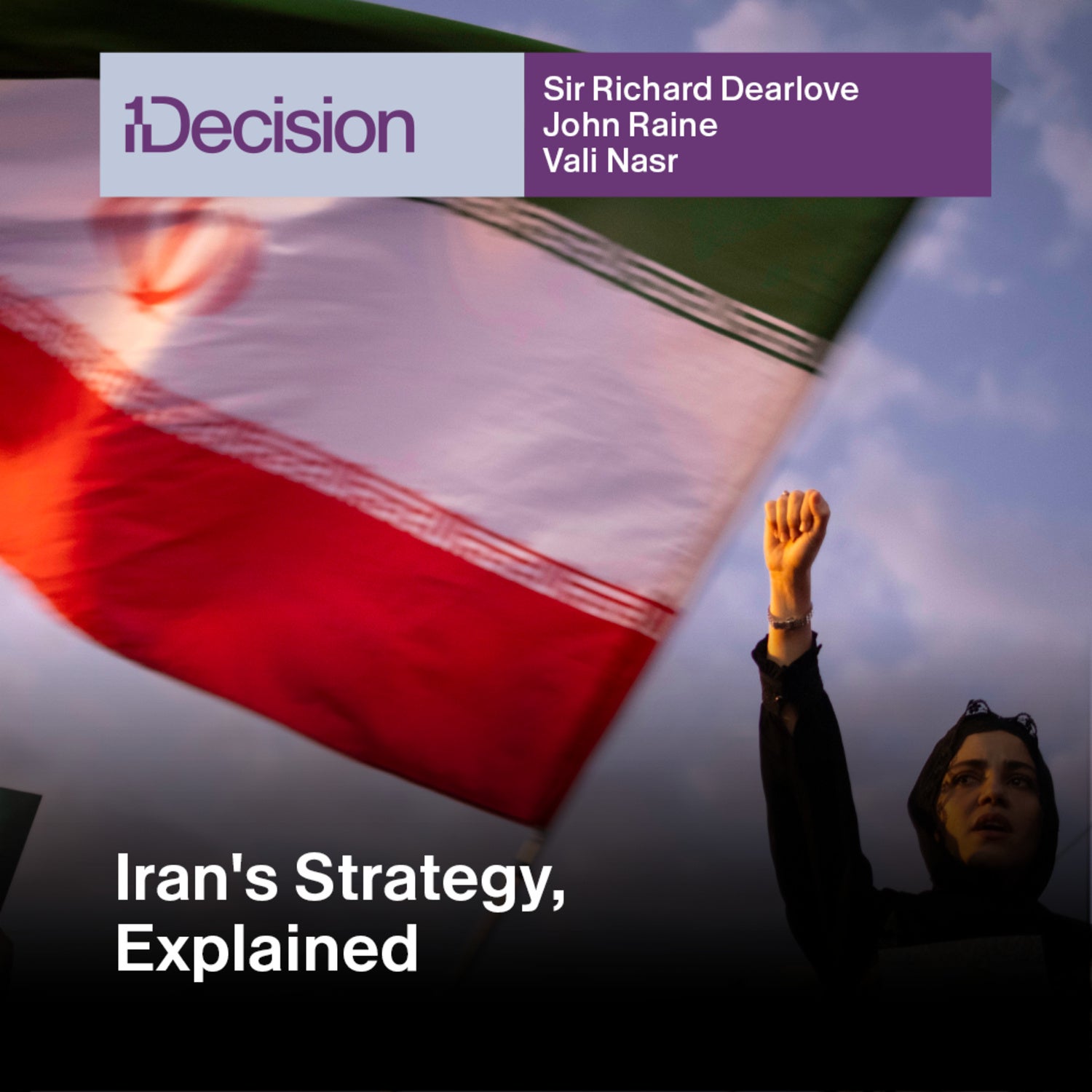
Professor Vali Nasr argues that the single objective that's driven Tehran since 1979 has been defending its independence from the US. Author of Iran’s Grand Strategy, Nasr says that logic, more than ideology, explains the current war. He unpacks Iran's shift toward hard-nosed nationalism, what leverage it has left, and whether the country will take a more pragmatic approach to geopolitics.
Sir Richard Dearlove and guest co-host John Raine talk through the headlines shaping today’s geopolitics: Japan's intelligence overhaul, the fallout from Zelensky's clash with his defense minister, China's new AI cooperation push, and the UK's untested new PM Andy Burnham.
03:16 Japan Builds Spy Agency07:35 Ukraine Defense Shakeup11:14 China Pushes AI Rules14:49 New UK Prime Minister18:24 Guest interview begins23:20 From Islam to Nationalism28:15 War Pragmatism and New Leaders32:27 Proxies and Forward Defense38:21 How the War Ends43:43 Gulf Markets and Hormuz48:12 Buying Peace49:49 Energy Shifts and Long Game55:37 One Decision to Watch56:23 Takeaways and Wrap Up
Show Notes:
Iran’s New Grand Strategy: How a Remade Islamic Republic Will Reshape the Middle East | Foreign Affairs: www.foreignaffairs.com/iran/irans-new-grand-strategy
Hosted by Sir Richard Dearlove (former MI6 Chief) and guest co-host John Raine (International Institute for Strategic Studies)
Learn more about your ad choices. Visit megaphone.fm/adchoices
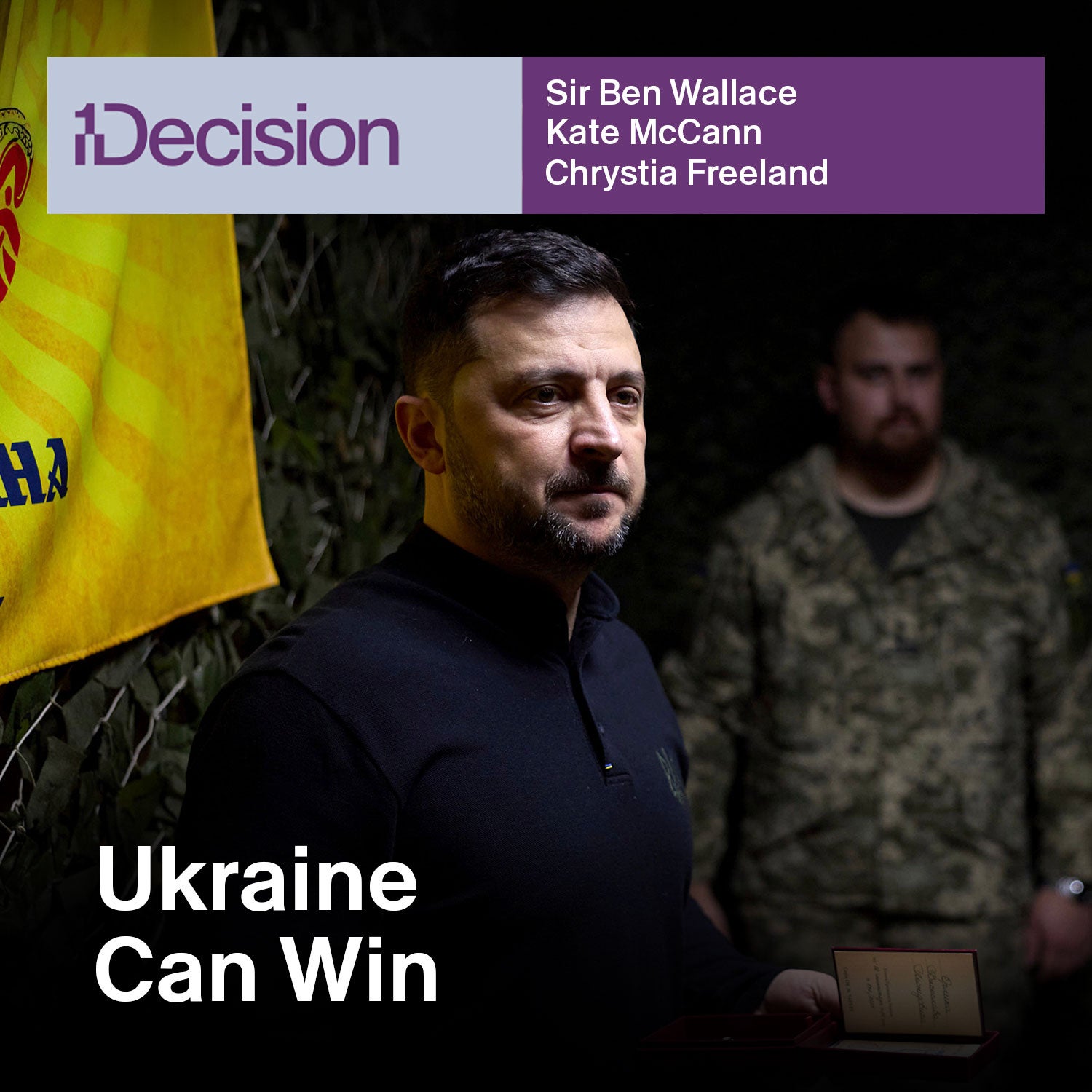
In recent months of the war, Ukraine has managed to hold its front lines and bring war to regular Russians via attacks on infrastructure. That’s why Economic Advisor to the President of Ukraine Chrystia Freeland believes Ukraine has flipped the narrative from being the virtuous victim of Russia’s aggression to the necessary ally and shield of Europe. This week, she joins Sir Ben Wallace and co-host Kate McCann to make the case for why Ukraine is winning, and why winning on the economic battlefield is equally important to the country’s future.
Freeland talks about how Ukraine’s President Volodymyr Zelenskyy is laying the political groundwork for Ukraine’s economic success, the importance of Ukraine’s alliances, and why Poland’s success story should serve as a model for Ukraine’s post-war future. They also discuss Ukraine’s strong defense industrial base, the importance of rooting out corruption and the remnants of Soviet ideology for bringing in investment to the country, the challenges of attracting people back to Ukraine, and why victory for Ukraine is a victory for liberal democracy.
Plus, In Brief: what Andy Burnham is up against on the UK’s defense front as he ascends to the role of Prime Minister, another battle in the Strait of Hormuz reignites conflict between Iran and the United States, and a leadership shakeup in China’s People’s Liberation Army.
In this episode:
(00:00) Cold Open and Introduction
(02:21) Incoming UK PM Andy Burnham
(04:16) IRGC Proscription Explained
(05:20) Renewed Tensions with Iran
(09:14) China Military Leadership Shakeup
(10:32) Chrystia Freeland On Ukraine
(11:35) Is Ukraine Winning?
(15:38) Ukrainian Sentiment on the State of War
(24:43) Zelenskyy’s Political Strategy
(29:44) Ukrainian Defense Innovation
(33:36) Why Crimea Was A Strategic Blunder for Putin
(37:17) Ukraine’s Future Economic Vision
(42:39) Corruption and Investment in Ukraine
(53:32) Rebuilding Ukraine and Returning Home
(56:28) Why Allyship is Key for Ukrainian Success
(59:48) Reflecting On Politics, Alliances, and the Future of Ukraine
Hosted by Sir Ben Wallace (former UK Defense Secretary) and co-host Kate McCann (Political Editor at Times Radio).
Learn more about your ad choices. Visit megaphone.fm/adchoices
Football can be geopolitics by other means. Financial Times Journalist Simon Kuper has covered every World Cup since 1990. This week, he joins Sir Richard Dearlove and guest co-host Baroness Ayesha Hazarika to unpack how football and geopolitics collide.
Kuper explains why he thinks FIFA president Gianni Infantino runs the organization like an autocrat, how U.S. President Donald Trump's red card intervention echoes historical precedents set by Mussolini and Brazil's military government, and why hosting a World Cup brings prestige but rarely economic benefit. The conversation also covers the KGB's use of Soviet football clubs for cover during the Cold War, football's role in the anti-apartheid struggle in South Africa, why China's investment in football hasn't paid off, and how France's multicultural national team has become a flashpoint in its domestic politics.
Plus, in Brief: Russian strikes on Ukraine ahead of the NATO summit, German prosecutors' Nord Stream allegations against Ukraine, deepening Russia-China military cooperation, and reports of Trump pushing for a "master list" of intelligence assets.
In this episode:
(00:00) World Cup Geopolitics Football & Global Power
(00:45) England's Surprising World Cup Victory
(03:05) Football As Geopolitics Explained
(03:24) Russia-Ukraine War Intelligence Analysis
(11:12) Trump CIA Spy List Dangers Exposed
(14:25) Andy Burnham Northern Devolution Power Shift
(19:10) Simon Kuper On The Geopolitics Of Football
(23:07) FIFA Corruption Infantino's Autocratic Control
(28:00) Jules Rimet World Cup Origins Peace Vision
(30:23) 1954 World Cup Rebuilt German National Identity
(38:42) KGB Soviet Football Cold War Espionage
(47:53) Argentina 1978 World Cup Junta Propaganda
(49:52) Qatar 2022 World Cup Human Rights Backlash
(1:02:49) Reflecting On Football Power, Politics, & Identity
Show Notes:
Soccernomics: Why European Men and American Women Usually Win―and American Men Don’t (Yet) | https://a.co/d/07dBzyak
World Cup Fever: A Soccer Journey in Nine Tournaments | https://a.co/d/0g5raBr3
Football Against The Enemy: https://a.co/d/04OUzQgR
Hosted by Sir Richard Dearlove (former MI6 Chief) and guest co-host Baroness Ayesha Hazarika (House of Lords)
Learn more about your ad choices. Visit megaphone.fm/adchoices
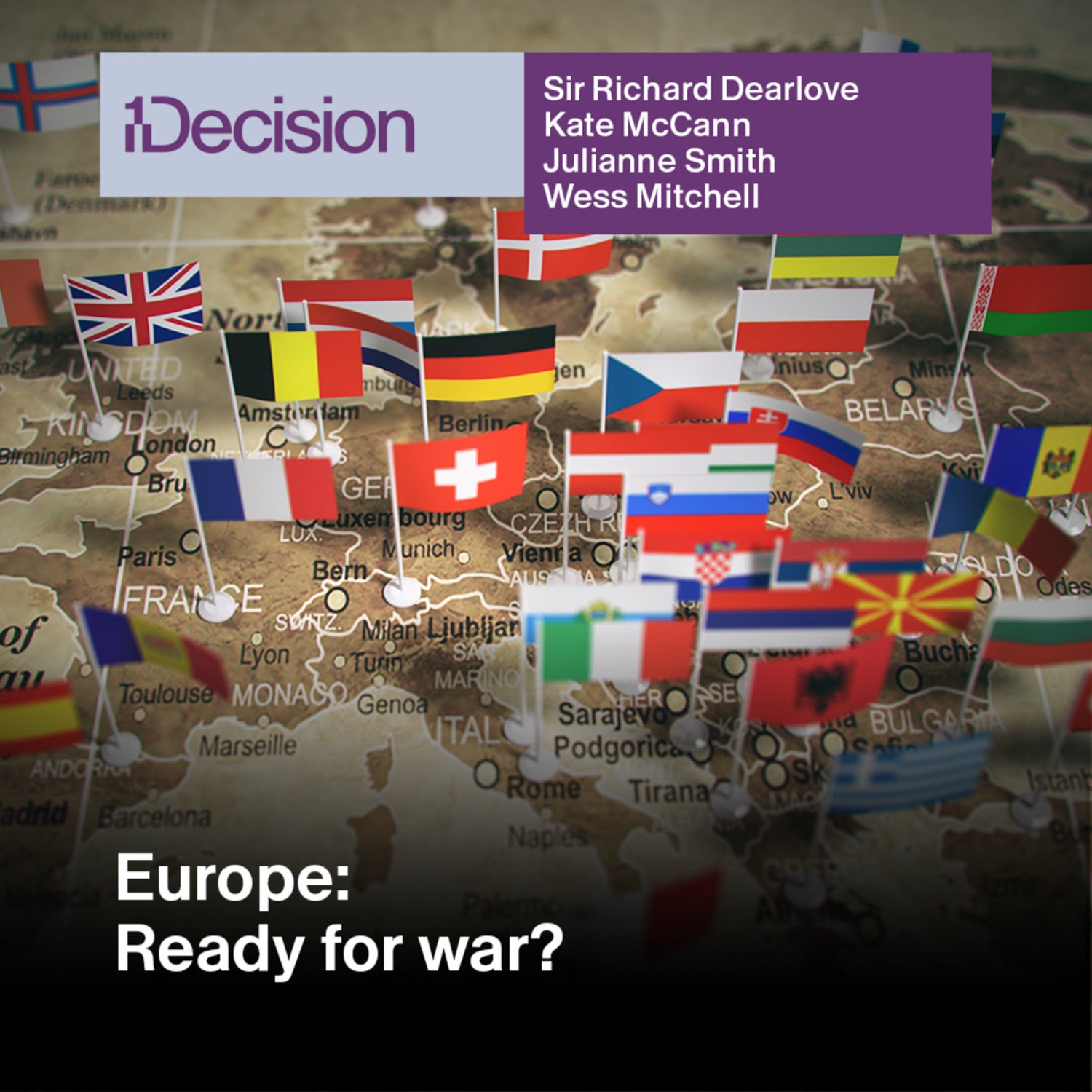
President Donald Trump has continued his pressure campaign on European defense spending. But in the lead-up to the next NATO Summit, there is another core question to ask: How is Europe coordinating its defense production? This might be the key issue that determines how Trump's pressure campaign pays off in the long run.
Kate McCann and Sir Richard Dearlove are joined by Ambassador Julianne Smith (Former United States Permanent Representative to NATO under President Biden) and A. Wess Mitchell, Ph.D. (former senior State Department official who helped shape the first Trump administration's Europe strategy) to break down what's really at stake in Ankara.
Plus: Should NATO stay laser-focused on Russia and leave China to the U.S.? How deep is the lingering trust deficit after the Greenland dispute?
Got a question or comment? Email us at hello@onedecision.com or drop us a comment on YouTube. We might answer it in next week's episode.
In this episode:
(00:00) Cold Open
(00:57) Where US-Iran Talks Stand
(06:33) Five Eyes Warnings: Chinese LinkedIn Recruitment & AI Threats
(11:51) Setting the Scene for NATO's Ankara Summit
(13:35) What Does the US Want Out of This Summit?
(19:47) Debating What "US Leadership" Really Means
(24:59) Trump's Balancing Act: Pressure vs. Reassurance
(28:04) The Coordination Problem: Europe's "Potluck Dinner"
(37:19) Should NATO Even Focus on China?
(44:31) The Anglosphere & AUKUS Debate
(45:23) Who's the Most Awkward Meeting for Trump in Ankara?
(47:47) Is Trump's Personality a Distraction From Policy?
(50:05) Will the Iran War Overshadow the Summit?
(52:35) Chaos Agent or Strategic Operator?
(56:19) The One Decision to Watch at Ankara
(59:31) Listener Mail: Energy Pricing & Geopolitical Reality
(1:04:15) Listener Mail: Cuba's Civil Society Problem
Show Notes:
https://youtu.be/0pYUYBwRdLs?si=2fbDUznnuIs-Y5H3
https://www.youtube.com/watch?v=l7FGkxRO_es
Hosted by Sir Richard Dearlove (former MI6 Chief) and Kate McCann (Political Editor at Times Radio)
Learn more about your ad choices. Visit megaphone.fm/adchoices
In the wake of the United States’ MOU with Iran, the headlines have been chock-full of optimism.
Sir Richard Dearlove and guest co-host Sabrina Singh sit down with Helima Croft, Managing Director and Head of Global Commodity Strategy and MENA Research, RBC Capital Markets, to lend more nuance to the news.
Also: What Starmer’s resignation could mean for the UK, takeaways from the recent G7 meeting, Ukraine’s success with drones, and how things have changed in the decade since Brexit.
In this episode:
(00:00) Intro: Strait of Hormuz Crisis Explained
(02:00) UK PM Starmer Resigns: What Comes Next
(08:34) G7 Summit: China, Ukraine, and Europe's Crisis
(14:22) Ukraine War: Can Russia Be Stopped?
(18:35) Brexit at 10: Was It Worth It?
(23:24) Is the Strait of Hormuz Really Open?
(30:08) Oil Markets React to Iran-US Peace Deal
(36:55) Iran Nuclear Deal: What's Really at Stake
(44:39) Iran Sanctions Explained: Congress vs. Treasury
(48:01) OPEC's Collapse: Saudi Arabia vs. China
(51:47) Best and Worst Case Outcomes for Oil
(58:22) Key Takeaways: Global Energy's New Reality
Hosted by Sir Richard Dearlove (former MI6 Chief) and guest co-host Sabrina Singh (former Pentagon Press Secretary)
Learn more about your ad choices. Visit megaphone.fm/adchoices
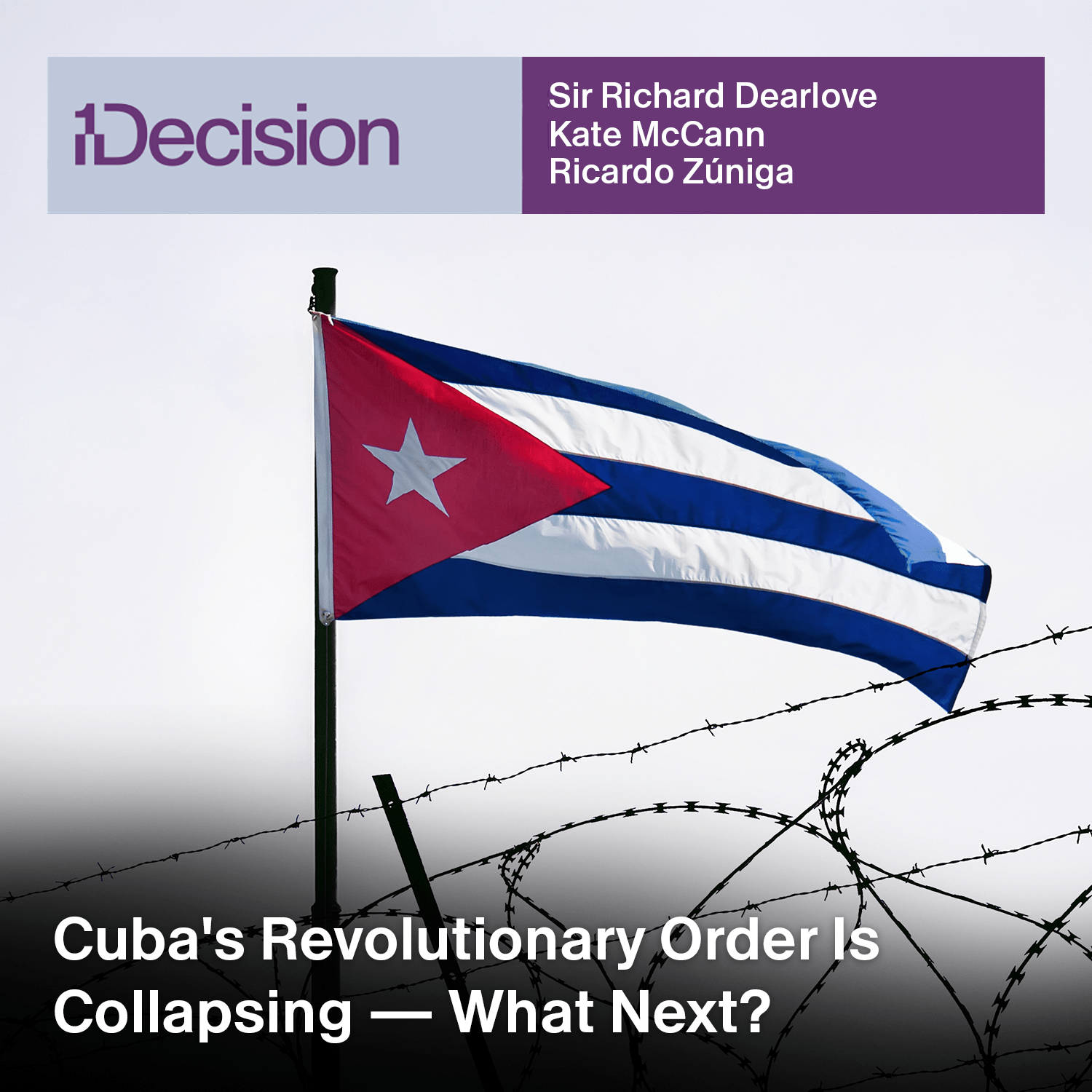
The man who secretly negotiated with Cuba for the Obama Administration says it plainly: the risk of military intervention is quite high. Ricardo Zúniga breaks down why the U.S. and Cuba are headed toward conflict, why the Cuban regime would rather fight than negotiate, and why Cuba is not Venezuela, no matter what the White House says.
Also this week: the Iran-U.S. ceasefire deal, the resignation of UK Defense Secretary John Healey, and what Armenia's election means for Putin.
In this episode:
(02:07) Iran Deal
(07:32) UK Defense Shakeup
(09:39) Armenia Votes West
(12:14) Cuba Interview Begins
(15:04) Life Inside Cuba
(18:31) Cuba Versus Venezuela
(20:22) Russia China Backing
(24:01) Collapse Crime Risks
(28:28) Will US Strike Cuba?
(33:04) Reform Not Bombs
(36:51) CIA Channel Talks(
44:00) Intermediaries Options
(46:34) One Decision to Change Cuba’s Fate
Show Notes:
The Day After in Cuba | Foreign Affairs https://www.foreignaffairs.com/cuba/day-after-cuba
Is Cuba About to Fall? A 35-Year CIA Analyst on What Comes Next | One Decision https://www.youtube.com/watch?v=ddlk1Wxy8To
Hosted by Sir Richard Dearlove (former MI6 Chief) and Kate McCann (Political Editor at Times Radio)
Learn more about your ad choices. Visit megaphone.fm/adchoices
The minerals inside your phone, your car, and U.S. fighter jets almost all pass through one country: China.
Dr. Gracelin Baskaran, founding director of the Critical Minerals Security Program at CSIS, joins Sir Richard Dearlove and Rosanna Lockwood to explain how China built a stranglehold on rare earth production, and what it will actually take to break it. Critical Minerals are this century's defining supply chain vulnerability: it's a demand problem, a democracy problem, and, for the West, a race against a country that isn’t swayed by elections.
Also: Israel's espionage escalation against US officials, Poland's rise as Europe's top defense power, and the fall of Orbán's Hungary.
In this episode:
(00:00) Intro: China's Rare Earth Minerals Takeover
(01:43) World Cup 2026 Preview
(03:50) Middle East Conflict Updates
(06:57) Israel Spying on US Officials?
(08:43) Bill Pulte Named Intelligence Director
(10:27) US APAC Strategy Shifts
(14:41) Poland Becomes Europe's Defense Power
(16:44) Hungary After Orbán's Fall
(19:57) China's Critical Minerals Chokehold
(27:12) Western Mining Supply Chain Crisis
(38:28) Frontier Markets: Africa's Mineral Race
(57:32) Taiwan Crisis and Mineral Shortages
Show Notes:
The New York Times: https://www.nytimes.com/2026/06/06/us/politics/pentagon-sees-growing-espionage-threat-from-israel.html
Hosted by Sir Richard Dearlove (former MI6 Chief) and guest co-host Rosanna Lockwood (International Journalist).
Learn more about your ad choices. Visit megaphone.fm/adchoices
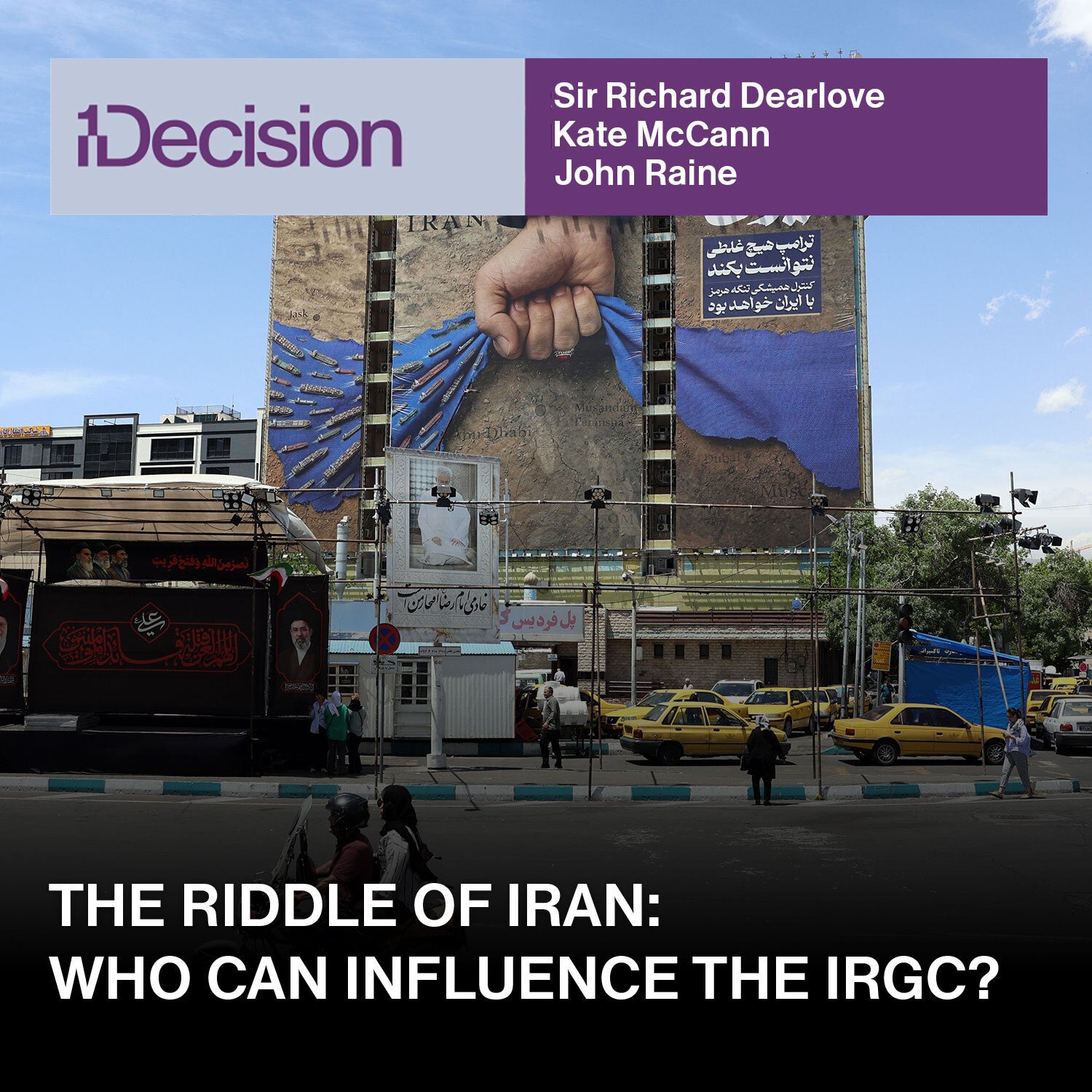
With Ayatollah Khamenei’s demise occurring hours into the war, the West anticipated a collapse of the Iranian regime and a popular uprising that never came to be. Is a ‘memorandum of understanding’ the only thing preventing total escalation in the region? In this episode of One Decision, former MI6 Chief Sir Richard Dearlove and co-host journalist Kate McCann sit down with John Raine, Senior Adviser for Geopolitical Due Diligence for the International Institute for Strategic Studies (IISS), to analyze the ripple effects of the war in Iran and what it will take to stabilize the Middle East.
What is keeping a comprehensive peace deal off the table? How did Western intelligence miscalculate the IRGC’s resilience? And where does this leave the rest of the Middle East?
We also break down China’s pledge to support Cuba’s sovereignty, the 75th anniversary of the Cambridge Five espionage scandal, and the latest in the war in Ukraine, including China’s role in training Russian soldiers and the opening of a museum in North Korea that memorializes the North Korean losses in the war.
In this episode:
1:07 – Iran, Israel & Trump: The Middle East Crisis Explained
2:52 – Cuba, China, and US Spheres of Influence
6:23 – Cambridge Five: Cold War Spy Scandal Revisited
9:51 – Russia, North Korea, and Ukraine War Shifting
13:26 – Iran War: MOU vs. Formal Peace Deal Explained
16:55 – Why a Comprehensive Iran Deal Remains Out of Reach
22:41 – IRGC Resilience: How Iran's Regime Survived
29:08 – Who Has Influence Over Iran's IRGC?
33:51 – Israel's Military Objectives and Netanyahu's Agenda
39:36 – Gulf States' Vulnerability and Abraham Accords Future
45:26 – How Does the Iran Conflict End? Three Scenarios
49:47 – Sir Richard and Kate Discussion
Hosted by Sir Richard Dearlove (former MI6 Chief) and journalist Kate McCann (Political Editor at Times Radio).
Learn more about your ad choices. Visit megaphone.fm/adchoices
95 percent of global internet traffic travels through underwater fiber optic cables. They've never been more vulnerable.
In this episode of One Decision, former MI6 Chief Sir Richard Dearlove and guest co-host Rosanna Lockwood are joined by journalist and author Samanth Subramanian. His latest book, The Web Beneath the Waves, is an investigation into the hidden infrastructure holding the world's economy together, and the growing threats to it. Subramanian’s book, The Web Beneath the Waves, is an investigation
Iran is threatening to levy tolls on cables running through the Strait of Hormuz. China is cutting cables in Taiwan's territorial waters using "fishing boats." Russia has been probing European undersea networks for years. And yet there's virtually no international legal framework to stop any of it.
Links:
The Web Beneath the Waves | Columbia Global Reports
In this episode:
1:05 — Iran Nuclear Deal: Trump's Strategy
3:44 — US-China Summit: What Really Happened
6:10 — Putin Visits Xi: Russia's Anxiety
8:13 — CIA in Cuba: Economic Takeover Begins
11:17 — Israel's New Mossad Chief Explained
13:22 — Germany's BND Gets New Powers
17:52 — Undersea Cable Vulnerability Exposed
18:48 — How 95% of Internet Data Travels
32:58 — Can Cables Be Tapped Underwater?
38:54 — Deliberate Cable Attacks: Gray Zone War
45:04 — South China Sea: The Biggest Chokepoint
54:53 — One Decision: Future of the Internet
55:55 — Sir Richard and Rosanna Discussion
Hosted by Sir Richard Dearlove (former MI6 Chief) and journalist Kate McCann (Political Editor at Times Radio).
Rosanna Lockwood (International Journalist)
Learn more about your ad choices. Visit megaphone.fm/adchoices
1 h 02 minPlay in:
Guests from more than 12 months ago are part of Pro. See plans

 MS