Get an email when Rachel is a guest on a podcastPodAppear checks new episodes as they come out and leaves out the ones that only mention Rachel. Free for up to 15 people, no card needed.Free for up to 15 people, no card needed.
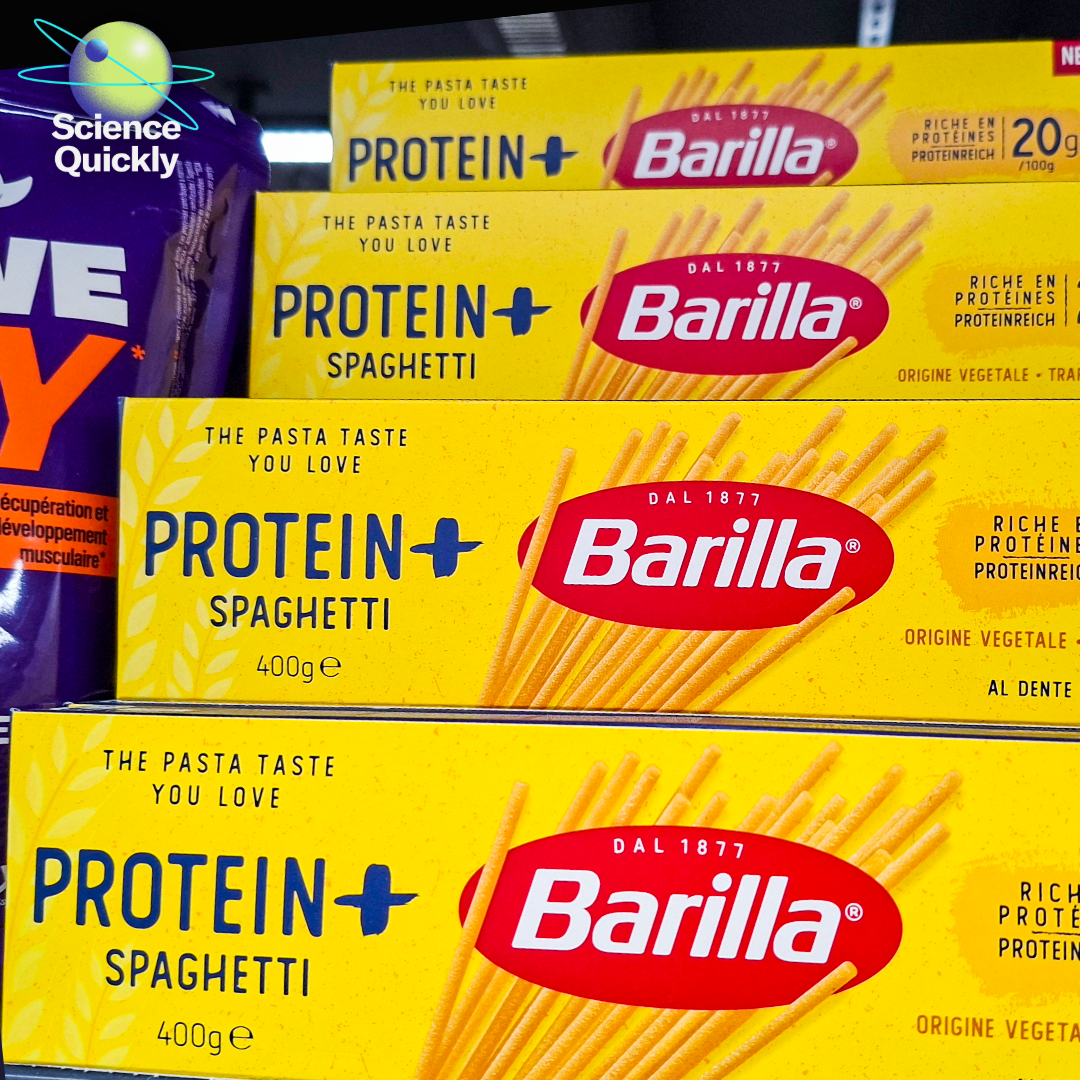
Protein is having a major moment, showing up in everything from snack foods to coffee drinks—but do we actually need more of it? In this episode of Science Quickly, Rachel Feltman speaks with science journalist Bethany Brookshire about what has happened with the rise of the protein craze, how much protein people really need and why most of us are already getting plenty. They explore where the trend came from, what the science says about daily intake and how there are potential downsides to focusing too heavily on protein at the expense of overall diet and sustainability. This episode first aired in May 2026.
Recommended Reading:
Protein is being added to everything from Starbucks’ cold foam to Pop-Tarts. Here’s how much you actually need
The Science That Could Change How You Think about Protein
E-mail us at sciencequickly@sciam.com if you have any questions, comments or ideas for stories we should cover!
Discover something new every day: subscribe to Scientific American and sign up for Today in Science, our daily newsletter.
Science Quickly is produced by Rachel Feltman, Fonda Mwangi, Sushmita Pathak, Allison Rodgers and Jeff DelViscio. This episode was edited by Alex Sugiura, with fact-checking by Shayna Posses, Jennifer Hackett and Aaron Shattuck. Our theme music was composed by Dominic Smith.
Learn more about your ad choices. Visit megaphone.fm/adchoices
In this episode of Science Quickly, Rachel Feltman speaks with environmental historian Edward Melillo about the tiny soybean, which has come to dominate America’s diet. When you think of soy, you may only picture a block of yummy tofu or soy milk, but this crop has quietly made its way into 60 percent of processed foods. In fact, 2026 is on track to become a record soybean harvest for the U.S. And soy doesn’t just show up on our plates: as an oil, it can power trucks, buses and even planes. Tune in to hear how this plant took over the American food system.
Recommended Reading:
How Seed Oils Became Controversial—And What the Science Really Says
Why corn isn’t entirely to blame for ‘corn sweat’
E-mail us at sciencequickly@sciam.com if you have any questions, comments or ideas for stories we should cover!
Discover something new everyday: subscribe to Scientific American and sign up for Today in Science, our daily newsletter.
Science Quickly is produced by Rachel Feltman, Fonda Mwangi, Sushmita Pathak, Allison Rodgers and Jeff DelViscio. This episode was edited by Alex Sugiura, with fact-checking by Marielle Issa and Aaron Shattuck. Our theme music was composed by Dominic Smith.
Learn more about your ad choices. Visit megaphone.fm/adchoices
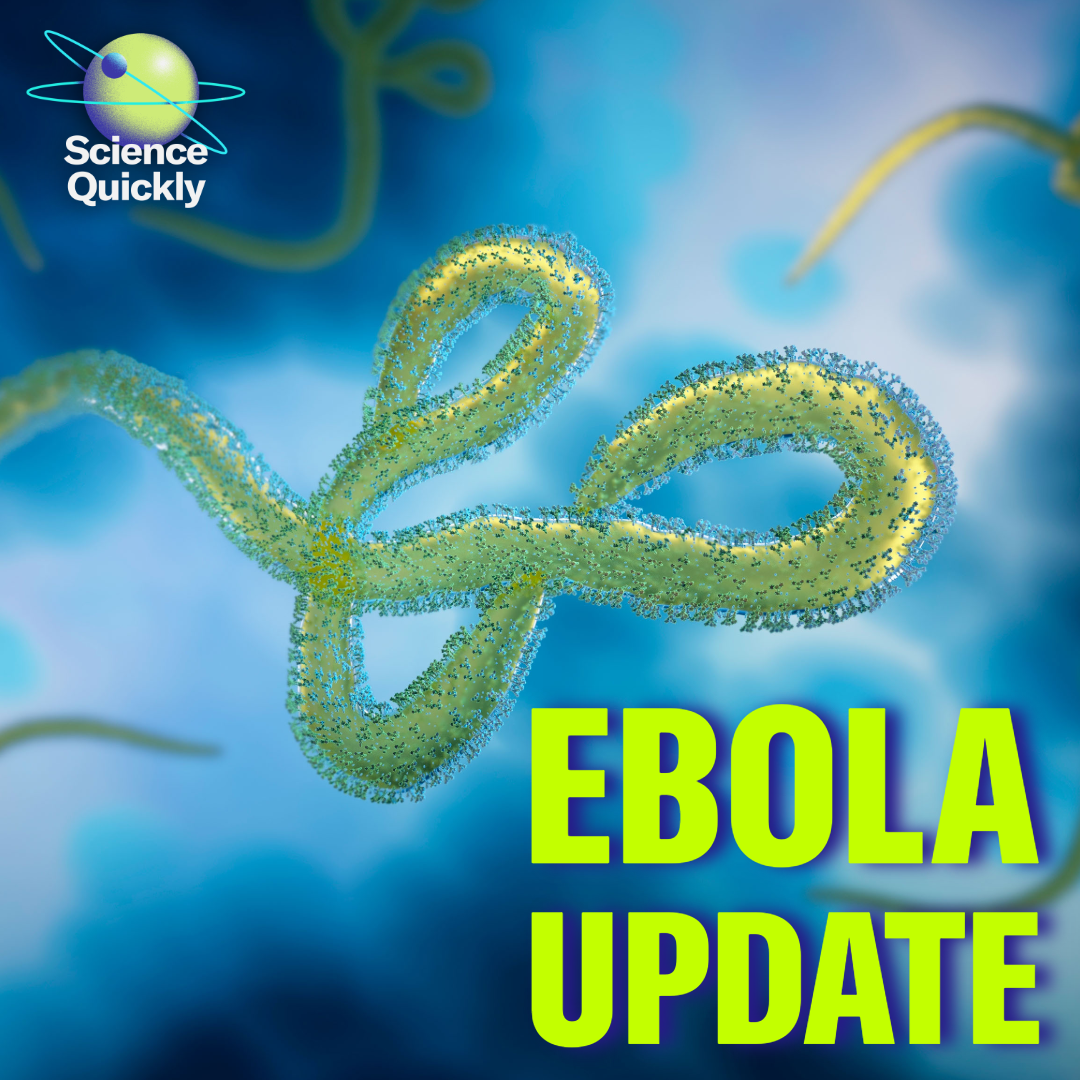
In this week’s news roundup, we take a look at what’s happening with the Ebola outbreak in parts of Africa. Later SciAm editorial fellow Peter Hall joins host Rachel Feltman to discuss recent claims by OpenAI and Anthropic that their models have solved some of the world’s toughest math and physics problems. Plus, we dive into new research that suggests making daylight saving time permanent could put schoolchildren at risk.
Recommended Reading:
Dueling proofs from OpenAI and Anthropic astound scientists
OpenAI just scooped mathematicians’ work on another million-dollar problem
E-mail us at sciencequickly@sciam.com if you have any questions, comments or ideas for stories we should cover!
Discover something new every day: subscribe to Scientific American and sign up for Today in Science, our daily newsletter.
Science Quickly is produced by Rachel Feltman, Fonda Mwangi, Sushmita Pathak, Allison Rodgers and Jeff DelViscio. This episode was edited by Alex Sugiura, with fact-checking by Marielle Issa and Aaron Shattuck. Our theme music was composed by Dominic Smith.
Learn more about your ad choices. Visit megaphone.fm/adchoices
In this Halloween special episode of Science Quickly, host Rachel Feltman explores why our fascination with vampires refuses to die. We dive into the spooky history of vampires—from tuberculosis outbreaks in the 18th and 19th centuries to sexy pop culture icons—and examine what our collective obsession with them says about us.
Recommended Reading:
Exhumed: Unearthing the History of the American Vampire. Aaron Mahnke. Running Press Adult, 2026
Recreational Fear Lab, co-directed by Mathias Clasen, at Aarhus University in Denmark
“Monsters and Posttraumatic Stress: An Experiential-Processing Model of Monster Imagery in Psychological Therapy, Film and Television,” by Jenny Hamilton, in Humanities and Social Sciences Communications, Vol. 7, Article No. 142. Published online November 5, 2020
E-mail us at sciencequickly@sciam.com if you have any questions, comments or ideas for stories we should cover!
Discover something new every day: subscribe to Scientific American and sign up for Today in Science, our daily newsletter.
Science Quickly is produced by Rachel Feltman, Fonda Mwangi, Sushmita Pathak, Allison Rodgers and Jeff DelViscio. This episode was edited by Alex Sugiura, with fact-checking by Marielle Issa and Aaron Shattuck. Our theme music was composed by Dominic Smith.
Learn more about your ad choices. Visit megaphone.fm/adchoices
In this episode of Science Quickly, science journalist and science-fiction author Annalee Newitz discusses their novel A Wall Is Also a Road, a story about a graduate student who also happens to be a conscious slime mold alien. The slime mold, named Gardenpath, has decided to study an alien civilization, and her fieldwork has taken her to Pompeii, where she befriends a local sex worker named Murtis. Newitz and Science Quickly host Rachel Feltman talk about the compelling nature of slime molds, the value of looking at human civilization from the outside and the ordinary people of Pompeii.
Recommended Reading:
Ancient Roman scrolls destroyed by Mount Vesuvius digitally unrolled in full for first time
Tom Hiddleston on Pompeii, Mount Vesuvius and the human stories frozen in time
Slime Mold Helps to Map the Universe’s Tendrils of Dark Matter
How Slime Molds Remember Where They Ate
E-mail us at sciencequickly@sciam.com if you have any questions, comments or ideas for stories we should cover!
Discover something new every day: subscribe to Scientific American and sign up for Today in Science, our daily newsletter.
Science Quickly is produced by Rachel Feltman, Fonda Mwangi, Sushmita Pathak, Allison Rodgers and Jeff DelViscio. This episode was edited by Alex Sugiura, with fact-checking by Marielle Issa and Aaron Shattuck. Our theme music was composed by Dominic Smith.
Learn more about your ad choices. Visit megaphone.fm/adchoices
20 minPlay in:
Why PodAppear
Follow people, not podcasts.
You heard Rachel on one show. PodAppear finds the next one for you, and every other person you want to hear.
An alert when they are a guestBy email as it happens, or as a daily or weekly digest. Then press play.
Guests, not name-dropsEpisodes that only mention a name are kept apart, so an alert means they are really on the show.
Everyone in one feedFounders, authors, athletes, scientists. Follow anyone by name, across every show they visit.
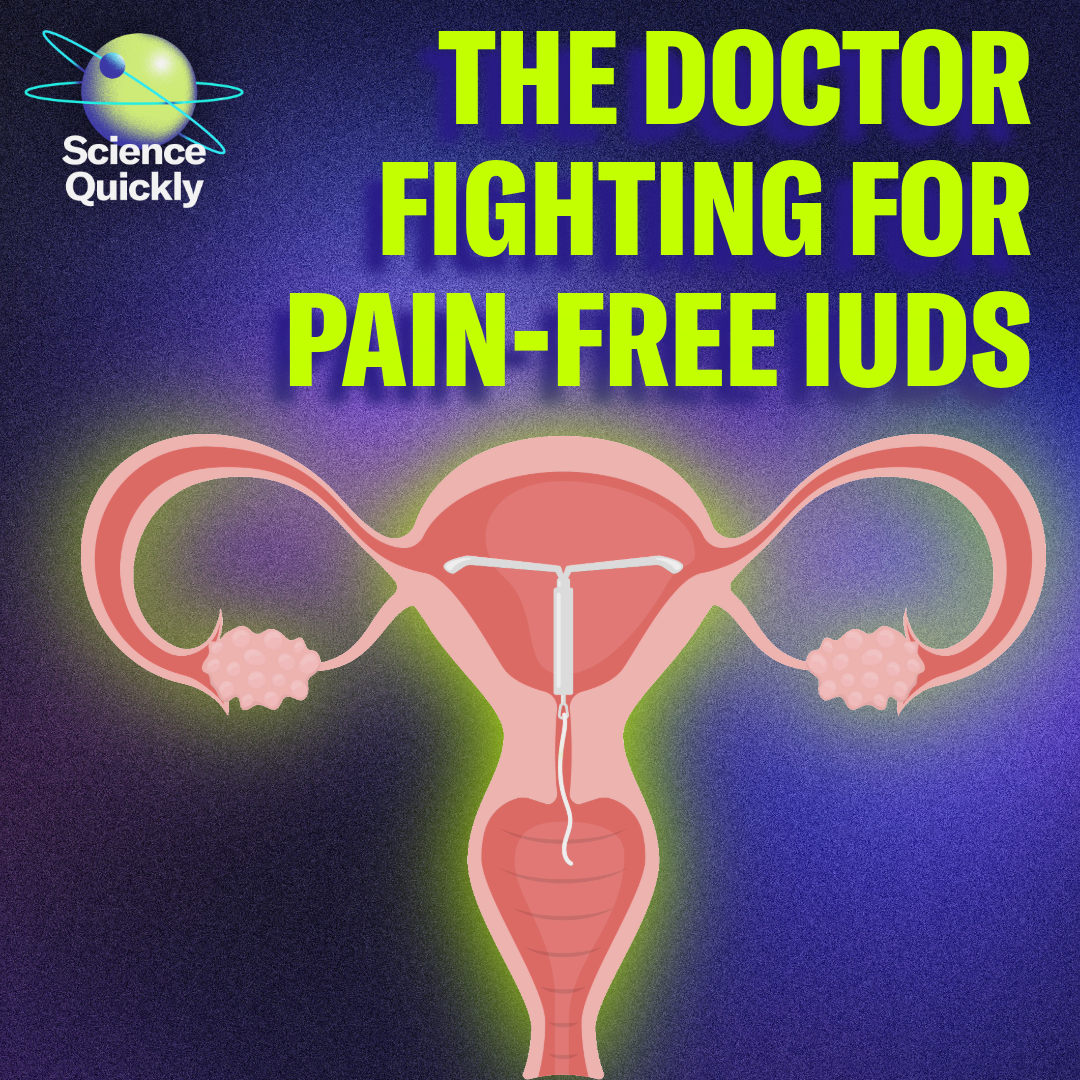
In this episode of Science Quickly, Rachel Feltman speaks with Helena Kopp Kallner, an ob-gyn and a professor, about her promising new study that shows local anesthetic can reduce pain during placements of intrauterine devices (IUDs). These devices are one of the most effective and convenient forms of birth control, but the pain of insertion keeps many patients away. Kopp Kallner explains why IUD insertion pain has long been ignored, how existing pain-relief options fall short and why patients themselves may be the key to driving adoption of this evidence-based approach.
Recommended Reading:
What Is Long-Acting Reversible Birth Control?
Misinformation around Birth Control Online Is a Form of Contraception Coercion
E-mail us at sciencequickly@sciam.com if you have any questions, comments or ideas for stories we should cover!
Discover something new everyday: subscribe to Scientific American and sign up for Today in Science, our daily newsletter.
Science Quickly is produced by Rachel Feltman, Fonda Mwangi, Allison Rodgers and Jeff DelViscio. This episode was edited by Alex Sugiura, with fact-checking by Marielle Issa and Aaron Shattuck. Our theme music was composed by Dominic Smith.
Learn more about your ad choices. Visit megaphone.fm/adchoices
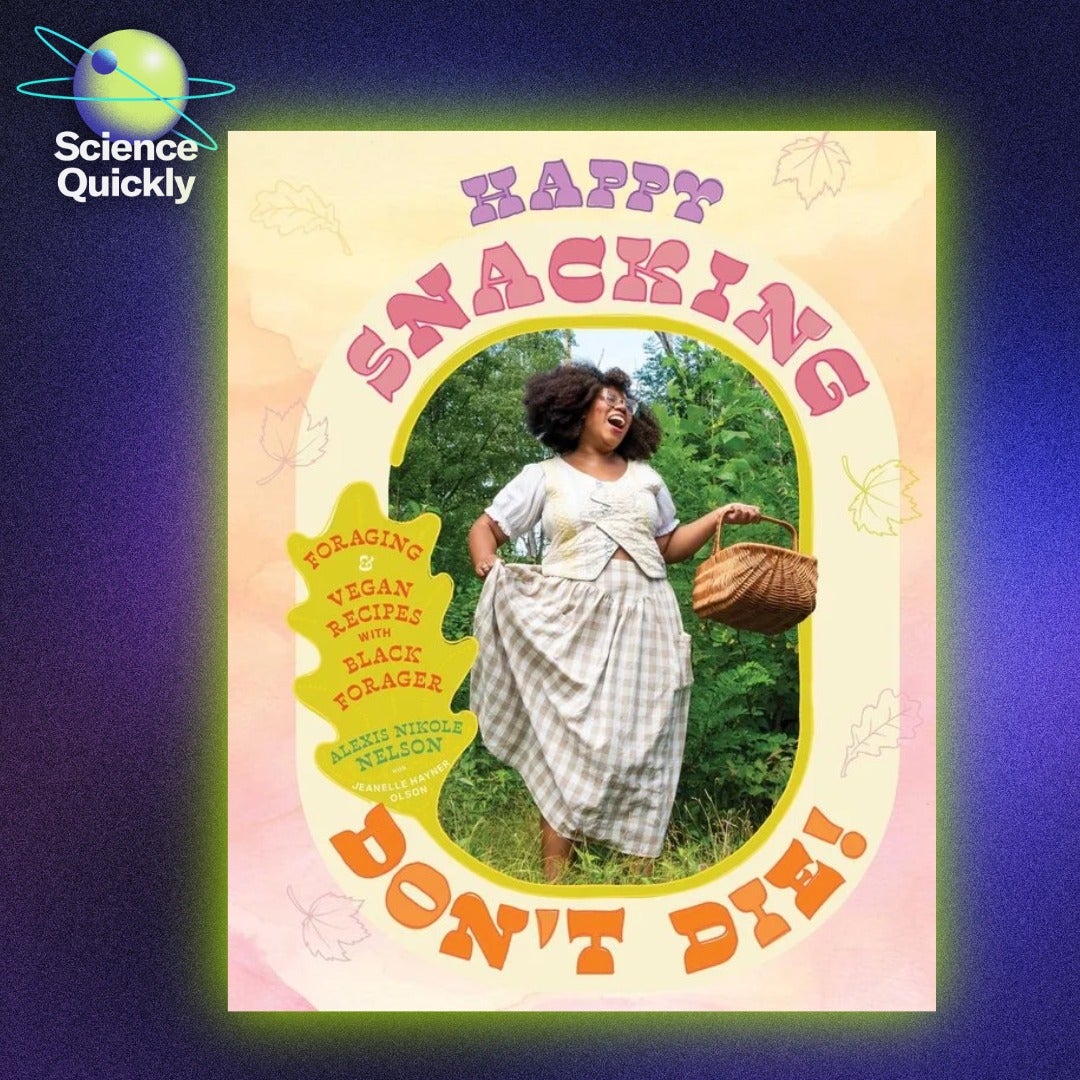
In this episode of Science Quickly, Rachel Feltman speaks with Alexis Nikole Nelson, better known as Black Forager, about her new book Happy Snacking, Don’t Die! Nelson shares how a childhood fascination with edible plants grew into a passion for foraging, conservation and science communication. From city sidewalk snacks and serviceberries to ocean-water pickles, she explains how foraging can deepen our connection to nature while encouraging responsible stewardship of the ecosystems that sustain us.
Recommended Reading:
Happy Snacking, Don’t Die! Alexis Nikole Nelson. S&S/Simon Element, 2026
E-mail us at sciencequickly@sciam.com if you have any questions, comments or ideas for stories we should cover!
Discover something new everyday: subscribe to Scientific American and sign up for Today in Science, our daily newsletter.
Science Quickly is produced by Rachel Feltman, Fonda Mwangi, Allison Rodgers and Jeff DelViscio. This episode was edited by Alex Sugiura, with fact-checking by Marielle Issa and Aaron Shattuck. Our theme music was composed by Dominic Smith.
Learn more about your ad choices. Visit megaphone.fm/adchoices
In this episode of Science Quickly, Rachel Feltman speaks with criminologist Fangzhou Wang about how romance scams have evolved from simple online deception into sophisticated, artificial-intelligence-powered fraud operations. They discuss how scammers use dating apps, fake identities, deepfakes and cryptocurrency schemes to build trust and steal money and what researchers are learning about helping people recognize and resist manipulation before they become victims.
Recommended Reading:
“Daejon Love Case Highlights Online Romance Scams: Research Reveals Scammers’ Tactics—And How to Defend against Them,” by Fangzhou Wang, in the Conversation. Published online September 2, 2026
Fangzhou Wang’s profile at the University of Texas at Arlington
“A Crime Script Analysis of Pao Fen Operations and the Construction of Prevention Strategies,” by Fangzhou Wang, in Crime & Delinquency. Published online August 14, 2025
“The Prevention of Online Romance Scams Using a Crime Script Analysis from the Victim’s Perspective,” by Fangzhou Wang and James D. Kelsay, in International Review of Victimology, Vol. 32, No. 2; May 2026
E-mail us at sciencequickly@sciam.com if you have any questions, comments or ideas for stories we should cover!
Discover something new everyday: subscribe to Scientific American and sign up for Today in Science, our daily newsletter.
Science Quickly is produced by Rachel Feltman, Fonda Mwangi, Allison Rodgers and Jeff DelViscio. This episode was edited by Alex Sugiura, with fact-checking by Marielle Issa and Aaron Shattuck. Our theme music was composed by Dominic Smith.
Learn more about your ad choices. Visit megaphone.fm/adchoices
As colon cancer rates rise in younger adults, more and more people are paying attention to their poop and talking about it on social media, where such “poop maxxing” has become a hashtag. But what’s considered normal, and how can we measure our number twos? Board-certified gastroenterologist Wendi LeBrett joins Rachel Feltman to talk about what’s going on with the poop maxxing trend on social media, what a healthy stool should look and feel like, what common misconceptions around gut health people have, when to see a doctor, and more.
Recommended Reading:
Colon cancer is killing more young people in the U.S. than any other cancer
Scientists gave the same sample to seven at-home microbiome tests. The results were dramatically different
A pair of gut bacteria may cause constipation
E-mail us at sciencequickly@sciam.com if you have any questions, comments or ideas for stories we should cover!
Discover something new everyday: subscribe to Scientific American and sign up for Today in Science, our daily newsletter.
Science Quickly is produced by Rachel Feltman, Fonda Mwangi, Allison Rodgers and Jeff DelViscio. This episode was edited by Alex Sugiura. Marielle Issa and Aaron Shattuck fact-check our show. Our theme music was composed by Dominic Smith.
Learn more about your ad choices. Visit megaphone.fm/adchoices