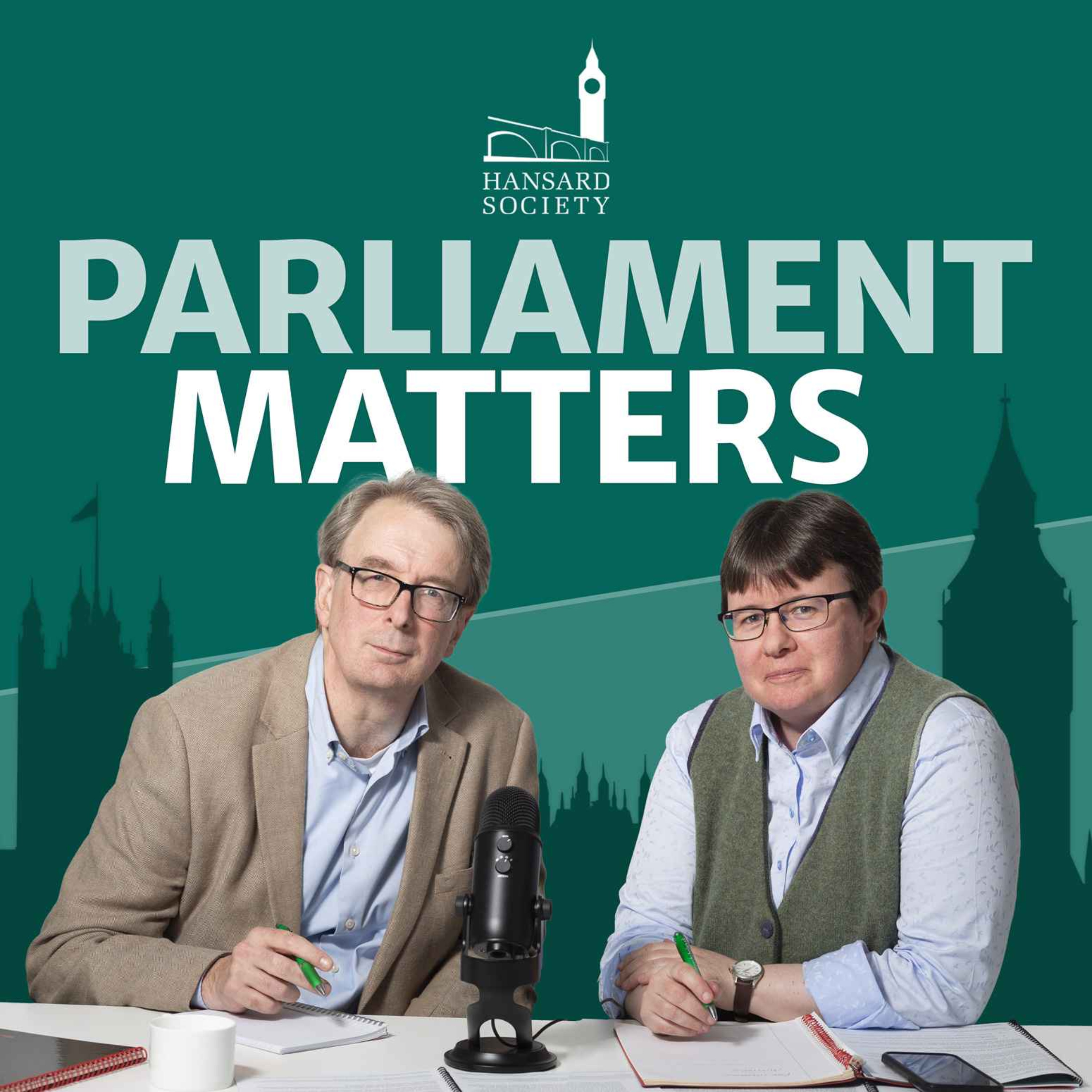
Parliament Matters
Andy Burnham’s March on Westminster: How Could He Become Prime Minister?
Three by-elections delivered three very different results this week. To discuss the implications, we are joined by Professor Philip Cowley, a leading expert on MPs, party discipline and the realities of parliamentary power. The Conservatives secured their first Scottish by-election victory since 1967, taking Aberdeen South from the SNP. Meanwhile, the SNP held on in Arbroath and Broughty Ferry, limiting the damage from what could have been a bruising night. But it is Andy Burnham’s Labour victory in Makerfield that could have the biggest long-term consequences for British politics. We examine the political and parliamentary choreography required as Burnham begins his march back to Westminster, and we assess whether a carefully managed transition from Keir Starmer is possible, or even desirable. Are we witnessing the opening moves in a political dance of death between a sitting Prime Minister and the man many now see as his likely successor? And if Labour’s leadership question is approaching a decisive moment, which historical precedent is most relevant? Will it resemble the swift but dignified end of Margaret Thatcher’s premiership; the chaotic collapse of Boris Johnson’s government; or the slower, more managed departure of Theresa May? We explore the strategic arguments for and against a full Labour leadership contest. Would a competitive election strengthen Burnham’s authority and legitimacy, or expose divisions within the party at precisely the wrong moment? How much influence will Labour’s members, affiliates, and MPs have over the process? And would Burnham be better served by assuming the leadership quickly, or by using a managed transition to develop a governing programme and build a team around him? We also discuss the challenges Burnham could face if he does reach Number 10. Despite his prominence, relatively little is known about how he would govern nationally. What difficulties might he encounter in managing the parliamentary party? And what would a change in leadership mean for the wider workings of Parliament, from ministerial reshuffles to the balance of power across the select committee corridor? Finally, attention turns to Parliament’s agenda. The priority order for Private Members’ Bills in both the Commons and Lords is now clear. MPs will return to the assisted dying bill on 11 September, but it enters the new session only second in the queue rather than first. What difference could that make to the parliamentary tactics surrounding the legislation? And which other Private Members’ Bills deserve close attention in the months ahead? _______________ 🎓 Learn more using our resources for the issues mentioned in this episode. ❓ Send us your questions about Parliament: ✅ Subscribe to our newsletter. 📱 Follow us across social media @HansardSociety / @hansardsociety.bsky.social £ - Support the Hansard Society and this podcast by making a donation today. Parliament Matters is a Hansard Society production supported by the Joseph Rowntree Charitable Trust. Presenters: Mark D’Arcy and Ruth Fox Producer: Richard Townsend Hosted on Acast. See acast.com/privacy for more information.