Bekomm eine E-Mail, wenn Peter in einem Podcast zu Gast istPodAppear prüft neue Folgen, sobald sie erscheinen, und lässt die weg, in denen Peter nur erwähnt wird. Bis zu 15 Personen kostenlos, ohne Kreditkarte.Bis zu 15 Personen kostenlos, ohne Kreditkarte.
Peter Gilchrist war in den letzten 12 Monaten in 3 Podcast-Folgen aus 3 verschiedenen Sendungen zu Gast. Zuletzt: In-Off the Red Billiards Podcast, 3. Okt. 2026.
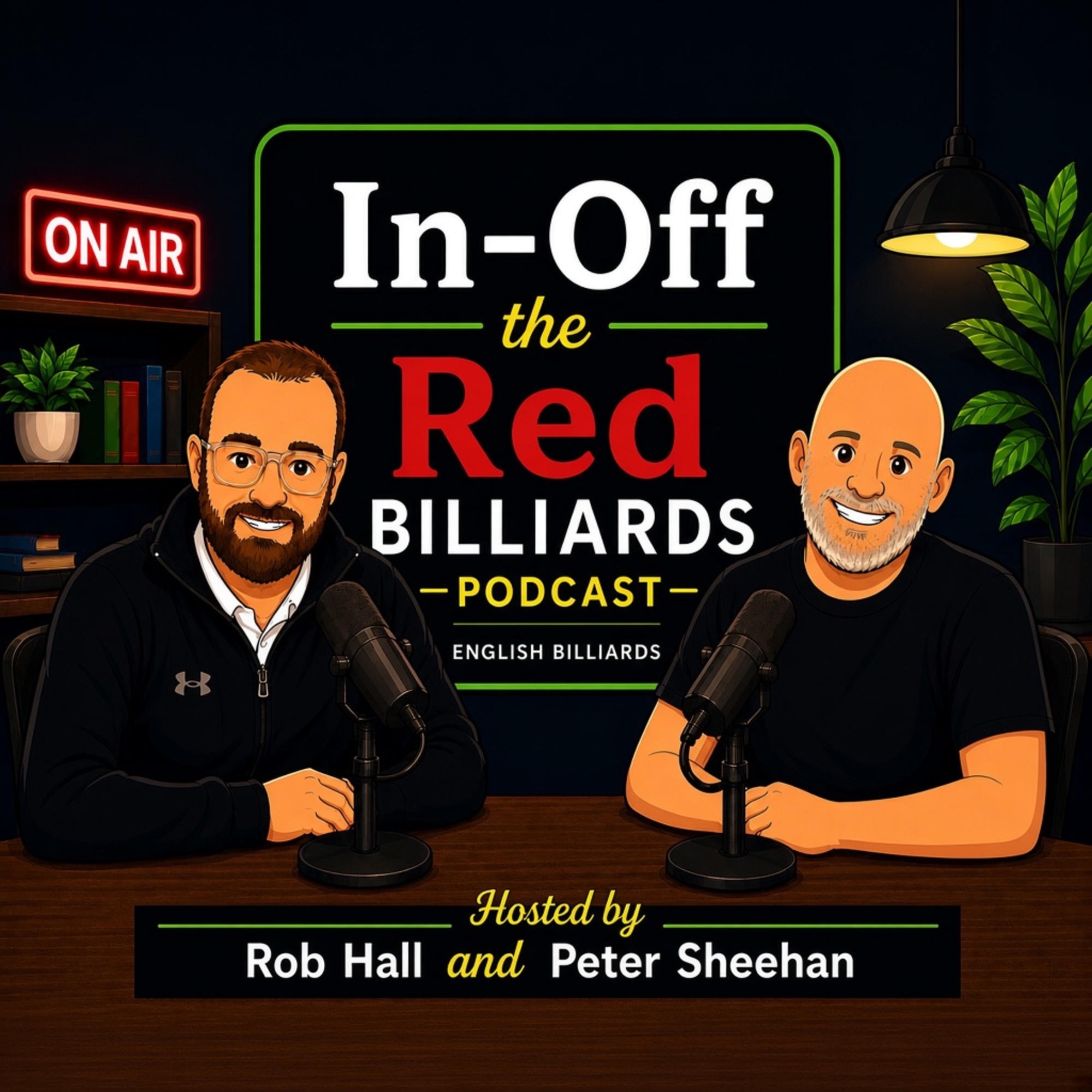
Rob Hall and Peter Sheehan sit down with multiple world champion Peter Gilchrist for a conversation about his life on and off the billiards table. From family life and his early days in the Teesside Boys’ Billiards League to world titles, Singapore and the SEA Games, Peter shares memories of his remarkable journey and the great characters he’s met along the way. There’s plenty of room for laughter too, with stories from the circuit and his notorious joke telling.
Today I am speaking with food historian Peter Gilchrist and food writer Ross Clarke, who specialise in writing about and rediscovering the traditional foods of Scotland and Wales, respectively.
Peter is a returning guest who goes under the name Tenement Kitchen and is the co-host of The Scottish Food History Podcast. Ross is a food and travel writer and author of The Welsh Kitchen on Substack.
They both use a bakestone or griddle (or whatever you call yours – there are quite a few names for the usually round, usually iron piece of iron we bake our crumpets, drop scones, muffins and Welsh cakes upon) and I thought we should discuss using them and some of the best of British bakestone bakes.
We talk about the place of bakestones and griddles in British food culture, Welsh cakes, bannocks and pikelets, classic writers such as Bobby Freeman and F. Marion McNeill and the applied uses of bacon fat, amongst many other things.
Those listening to the secret podcast get plenty of bonus material where we discuss adapting traditional recipes to keep them relevant, how annoyed I get when classic recipes get messed around with, what we get out of recreating historical recipes and buttermilk – plus more.
Follow Peter on social media: @TenementKitchen on Facebook, Insta, Bluesky, X and TikTok
Follow Ross on Social Media: @theguiri on Insta, @rosswclarke on X and Facebook
Tenement Kitchen website
The Welsh Kitchen on Substack
Season 10 of the podcast is sponsored by Netherton Foundry, makers of high-quality kitchen and outdoor cookware. Netherton Foundry ships to several countries outside of the UK, including the USA and Canada. Visit www.netherton-foundry.co.uk to find out more about their wonderful products – approved not just by me but by folk such as Tom Parker-Bowles, Diana Henry and Nigella Lawson.
If you can, support the podcast and blogs by becoming a £3 monthly subscriber, and unlock lots of premium content, including bonus blog posts and recipes, access to the easter eggs and the secret podcast, or treat me to a one-off virtual pint or coffee: click here.
Things mentioned in today’s episode
A Book of Welsh Bakestone Cookery by Bobby Freeman
First Catch Your Peacock by Bobby Freeman
First Principles of Good Cookery by Lady Llanover
The Scots Kitchen by F. Marion McNeill
English Food by Jane Grigson
Knead to Know: A History of Baking by Neil Buttery
World Bannock Day
Ross’s article about Welsh cakes
Ross’s article The Joy of the Bakestone (with bara planc recipe)
The Scottish Food History Podcast episode about F. Marion McNeill – part 1 with Jeremy Lee
Peter’s morning rolls UNSECO bid
Serve it Forth Food History Festival EARLY BIRD TICKETS AVAILABLE NOW!
Previous pertinent blog posts
The Griddle Cakes & Pancakes section on Neil Cooks Grigson
Pancake Day
To Make Muffins
To Make Crumpets
The Muffin-Crumpet Continuum
Singin’ Hinnies
Previous pertinent podcast episodes
A History of Baking with Sam Bilton & Neil Buttery
The Philosophy of Puddings with Neil Buttery, Peter Gilchrist & Lindsay Middleton
Derbyshire Oatcakes with Mark Dawson
Lent episode 1: Preparing for Lent
B is for Bakestone, Bechamel & Barbecue
C is for Custard, Chancellor’s Buttocks & Crumpets
Neil’s blogs and YouTube channel:
‘British Food: a History’
The British Food History Channel
‘Neil Cooks Grigson’
Neil’s books:
Before Mrs Beeton: Elizabeth Raffald, England’s Most Influential Housekeeper
A Dark History of Sugar
Knead to Know: a History of Baking
The Philosophy of Puddings
Don’t forget, there will be postbag episodes in the future, so if you have any questions or queries about today’s episode, or indeed any episode, or have a question about the history of British food please email me at neil@britishfoodhistory.com, or on twitter and BlueSky @neilbuttery, or Instagram and Threads dr_neil_buttery. My DMs are open.
You can also join the British Food: a History Facebook discussion page: https://www.facebook.com/groups/britishfoodhistory
This podcast uses the following third-party services for analysis:
Podtrac - https://analytics.podtrac.com/privacy-policy-gdrp
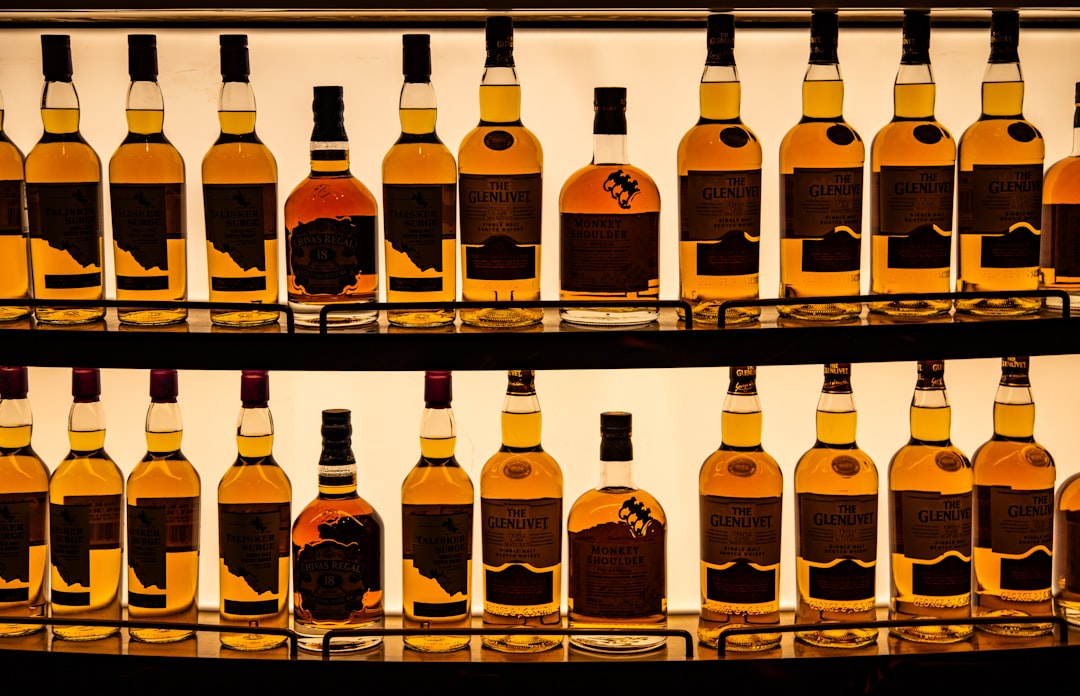
In this episode I discover more about the role women played in the distilling of usquebaugh (or the water of life) and whisky in Scotland with Peter Gilchrist, food historian at the Tenement Kitchen and host of the Scottish Food History podcast. Peter and I are joined by Rosalind Erskine, Food and Drink Editor of the Scotsman and host of the Scran podcast.
If you enjoyed the podcast you can become a paid subscriber to the Comfortably Hungry Substack (which means you’ll receive additional content) or show your appreciation by leaving a small, one off tip here.
Useful Links
Don’t forget to check out Peter’s website The Tenement Kitchen which explores Scottish folk cookery. You can also find him on Instagram, TikTok and YouTube. You can also listen to the Scottish Food History podcast which Peter hosts with Dr Lindsay Middleton here.
You can find out more about Rosalind’s work on her website and also find her on Instagram. Ros is also the host of The Scotsman’s Scran Podcast.
Walter Gregor Tonic Water who make the intriguing turnip tonic!
Lots of whisky distilleries were mentioned in the podcast including Ardbeg which was run by early female distillers Flora and Margaret McDougall in the 1850s.
You can listen to the talk I gave on the history of gingerbread at the 2025 Scottish Food History here along with Perilla Kinchen’s keynote talk on the influence of Catherine Cranston and her tearooms.
Suggested Reading
* Rebellious Spirits: The Illicit History of Booze in Britain by Ruth Ball (2015)
* The English Housewife (1615) by Gervase Markham (ed. Michael R. Best, 1998)
* With Faith and Physic: The Life of a Tudor Gentlewoman by Linda Pollock (1993)
* ‘The Early Use of Aqua Vitae in Scotland’ in the Proceedings of the Society of Antiquaries of Scotland (1916)
* Water of Life: A History of Wine Distilling and Spirits 500 BC to AD 2000 by C. Anne Wilson (2006)
Don’t forget you can follow me on Instagram or Bluesky @mrssbilton or find out more about my work on sambilton.com.
A huge thank you to Thomas Ntinas of The Delicious Legacy for doing the sound mixing on this season of the podcast. Sound effects and music provided by Zapsplat and Pond5.
Comfortably Hungry is a reader-supported publication. To receive new posts and support my work, consider becoming a free or paid subscriber.
This is a public episode. If you'd like to discuss this with other subscribers or get access to bonus episodes, visit comfortablyhungry.substack.com/subscribe
51 minAbspielen in:
Warum PodAppear
Folge Menschen, nicht Podcasts.
Du hast Peter in einer Sendung gehört. PodAppear findet für dich die nächste, und genauso für alle anderen, die du hören willst.
Eine Meldung, wenn die Person zu Gast istPer E-Mail: sofort oder gebündelt als Tages- oder Wochenübersicht. Dann nur noch auf Play drücken.
Gäste statt bloßer ErwähnungenFolgen, in denen ein Name nur fällt, landen getrennt. Eine Meldung heißt: Die Person ist wirklich in der Sendung.
Alle in einem FeedGründerinnen, Autoren, Sportler, Forscherinnen. Folge allen mit Namen, quer durch jede Sendung, in der sie auftreten.