Welcome to the award winning Comfortably Hungry podcast where yesterday’s dinner is tomorrow’s history. If you’re a peckish person who is curious about the history of food and drink, then you’re in the right place. I’m Sam Bilton a food historian, writer and cook and each season I will be joined by some hungry guests…
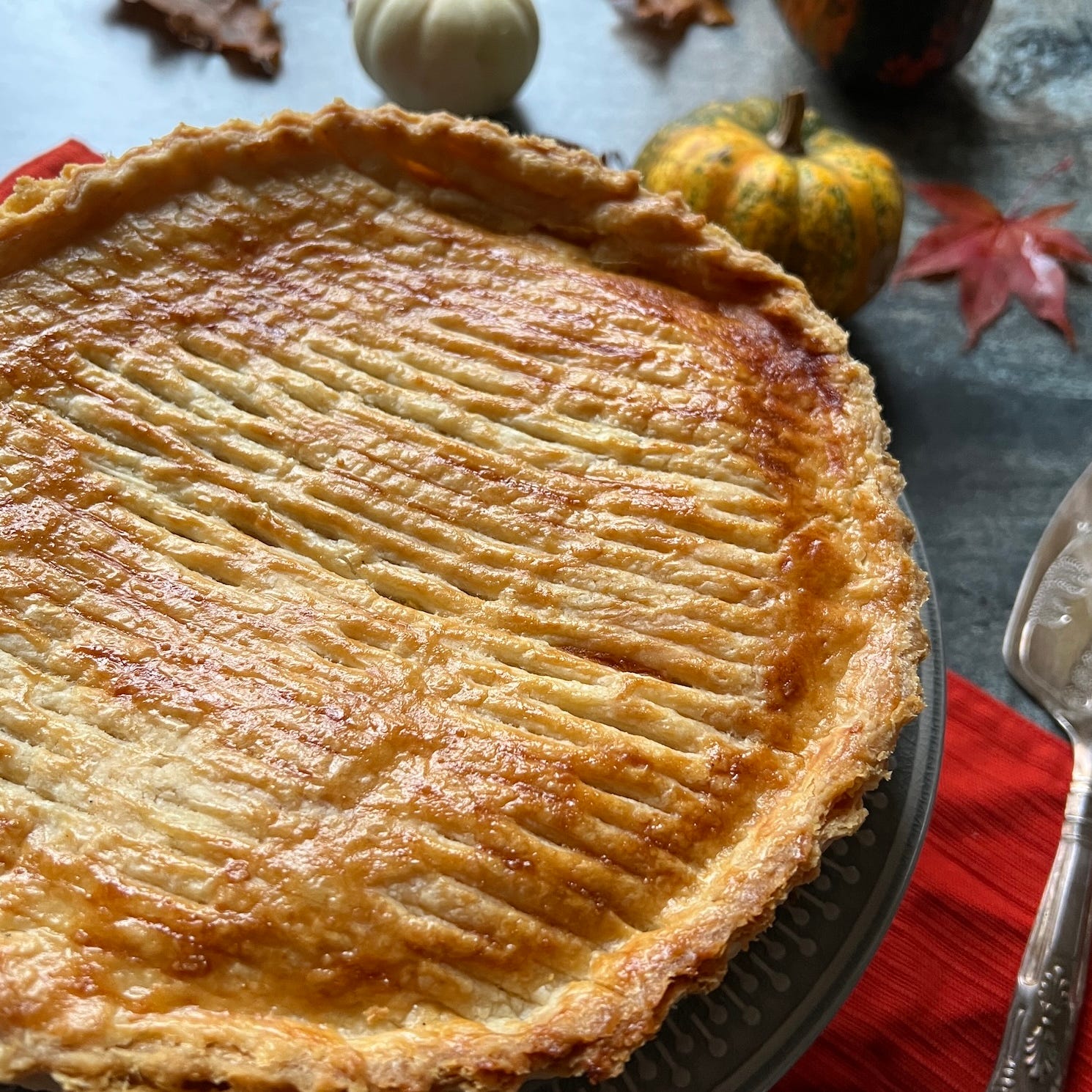
In the first episode of Season 5 I’m discussing New England baking traditions with food historians and authors Keith Stavely and Kathleen Fitzgerald. We pay particular attention to pies but especially the pumpkin variety so ubiquitous at Thanksgiving celebrations in America. We also chat about why two crusts are better than one and my guests introduce me to canned brown bread.
Happy Thanksgiving folks!
‘There was a huge plum pudding, custards and pies of every name and description ever known in Yankee land; yet the pumpkin pie occupied the most distinguished niche.’ – Northwood by Sarah Josepha Hale (1827)
If you enjoyed the episode please follow, rate and review it wherever you get your podcasts (Apple, Spotify, YouTube). Please also consider becoming a paid subscriber to the Comfortably Hungry Substack (which means you’ll receive additional content) or show your appreciation by leaving a small, one off tip here as it will help fund the research required to produce the show.
Useful Links
You can find out more about Keith and Kathleen’s work on their website. Northern Comfort: The New England Baking Tradition is available from all good booksellers.
Keith and Kathleen are doing an online event about Northern Comfort with the Ashland Massachusetts Library on 14 December 2026: Celebrating America’s 250th: “Northern Comfort: The New England Baking Tradition”
Other books by today’s guests include:
* United Tastes: The Making of the First American Cookbook (2017)
* Northern Hospitality: Cooking by the Book in New England (2011)
* America’s Founding Food: The Story of New England Cooking (2006)
You may also be interested in these essays by Keith and Kathleen recently published in Petits Propos Culinaires (PPC):
* ‘Women’s Works: A Fresh Look at Three Historic New England Cookbooks’ in Petits Propos Culinaires (PPC), Vol. 135 (2026)
* ‘A Book of One’s Own: New Light on Three New England Cookbook Authors’ in Petits Propos Culinaires (PPC), Vol. 131 (2025)
Suggested Reading
* The Practical Cook Book by Mrs Bliss of Boston (1850)
* The Ladies’ new book of cookery by Sarah Jospeha Hale (1852)
* Northwood by Sarah Josepha Hale (originally published in 1827)
* American Cookery by Amelia Simmons (1796)
Don’t forget you can follow me on Instagram or Bluesky @mrssbilton or find out more about my work on sambilton.com.
A huge thank you to Thomas Ntinas of The Delicious Legacy for doing the sound mixing on this season of the podcast. Sound effects and music provided by Zapsplat and Pond5.
Comfortably Hungry is a reader-supported publication. To receive new posts and support my work, consider becoming a free or paid subscriber.
This is a public episode. If you'd like to discuss this with other subscribers or get access to bonus episodes, visit comfortablyhungry.substack.com/subscribe
Ahead of my discussion with Jennie Hood and Professor Giles Gasper at the Serve It Forth Food History Festival about how the Normans changed the way we eat, I had a chat with Kevin Booth, English Heritage’s Head Curator of Collections, about what the skeleton of ‘Conquest Man’ can tell us about the diet and health of the English at the time of the Norman invasion.
Facial depiction by Face Lab, Liverpool John Moore’s University. Credit: English Heritage
There’s also a little taster of the other courses my co-curators ( A Curious Appetite, Neil Buttery and Thom Ntinas) are serving up during the festival which features Eleanor Barnett, Paul Couchman, Sally Grainger, Sudi Pigott and Alexandra Sills. Tickets for the online festival are available here.
The Serve It Forth Food History Festival is made possible with the generous support of our sponsors ckbk, Steenbergs, Regency Fiction Writers, Replica, Blackfriars Restaurant and Lindisfarne Mead.
If you happen to be in or near Barton on Humber in Lincolnshire on 20 September 2026 between 12pm and 4pm you can see Conquest Man’s skeleton and find out more about this project at St Peter’s Church.
If you’d like to get a sense of what life was like for Conquest Man and his contemporaries during the Norman Conquest, Battle Abbey in East Sussex is hosting its annual reenactment of the Battle of Hastings on 10 and 11 October 2026, the week before Serve It Forth. Hundreds of reenactors take part, recreating Norman and Saxon camps and giving visitors an insight into everyday life for people almost 1,000 years ago. Tickets are now available from www.english-heritage.org.uk/battle
If you enjoyed the podcast you can become a paid subscriber to the Comfortably Hungry Substack (which means you’ll receive additional content) or show your appreciation by leaving a small, one off tip here.
Don’t forget you can follow me on Instagram or Bluesky @mrssbilton or find out more about my work on sambilton.com.
A huge thank you to Thomas Ntinas of The Delicious Legacy for doing the sound mixing on this season of the podcast. Sound effects and music provided by Zapsplat and Pond5.
Comfortably Hungry is a reader-supported publication. To receive new posts and support my work, consider becoming a free or paid subscriber.
This is a public episode. If you'd like to discuss this with other subscribers or get access to bonus episodes, visit comfortablyhungry.substack.com/subscribe
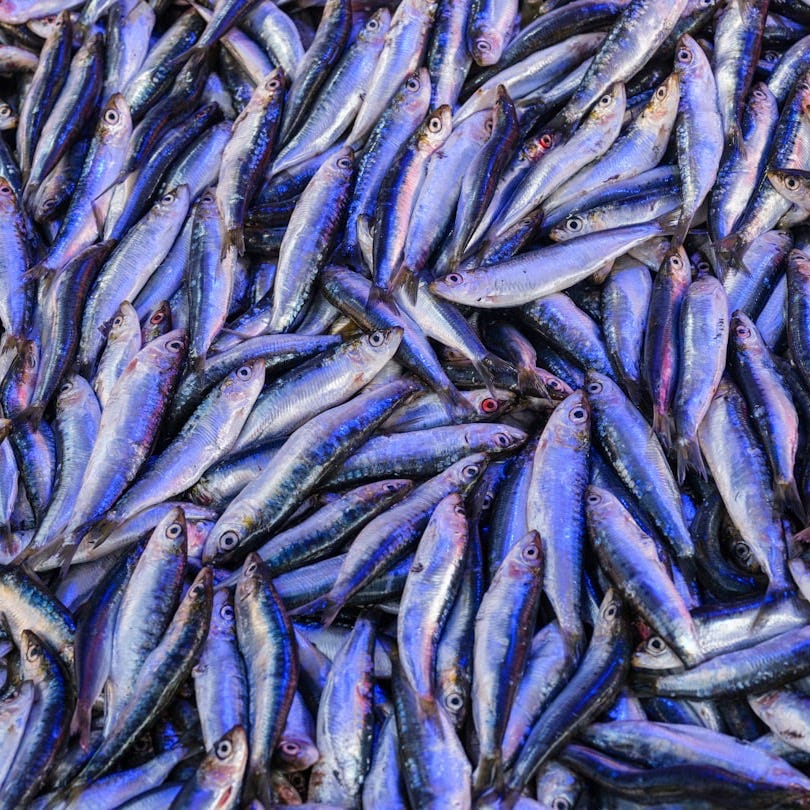
In this bonus episode I plunge into the history of the anchovy - the little fish with a big flavour with food writer Sudi Pigott. We discuss how Sudi became an anchovy evangelist, explore the lives of the women (sobadoras) who are vital to the anchovy industry and lots more.
If you enjoyed the podcast you can become a paid subscriber to the Comfortably Hungry Substack (which means you’ll receive additional content) or show your appreciation by leaving a small, one off tip here.
Useful Links
Consider the Anchovy is available from all good independent bookshops (and the usual big book suppliers but they don’t need a plug here).
Don’t forget to visit Sudi’s website for more details on her work and events plus follow her anchovy travels on Instagram and Substack. You’ll find Sudi at festivals in Abergevenny, Chiswick and Folkestone later this year.
And I will be appearing at the Ludlow Food Festival and the Gloucester History Festival.
You can find out more about the Serve It Forth Food History Festival on 17 October 2026 here.
* Consider the Anchovy Dinner at Caldesi Restaurant in London
* Anchovy Festival and the Anchovy Tapa Trail in L’Escala (Spain)
* Museo Dell’acciuga in Aspra (Sicily)
* Anchoas Hazas
Don’t forget you can follow me on Instagram or Bluesky @mrssbilton or find out more about my work on sambilton.com.
A huge thank you to Thomas Ntinas of The Delicious Legacy for doing the sound mixing on this season of the podcast. Sound effects and music provided by Zapsplat and Pond5.
Comfortably Hungry is a reader-supported publication. To receive new posts and support my work, consider becoming a free or paid subscriber.
This is a public episode. If you'd like to discuss this with other subscribers or get access to bonus episodes, visit comfortablyhungry.substack.com/subscribe
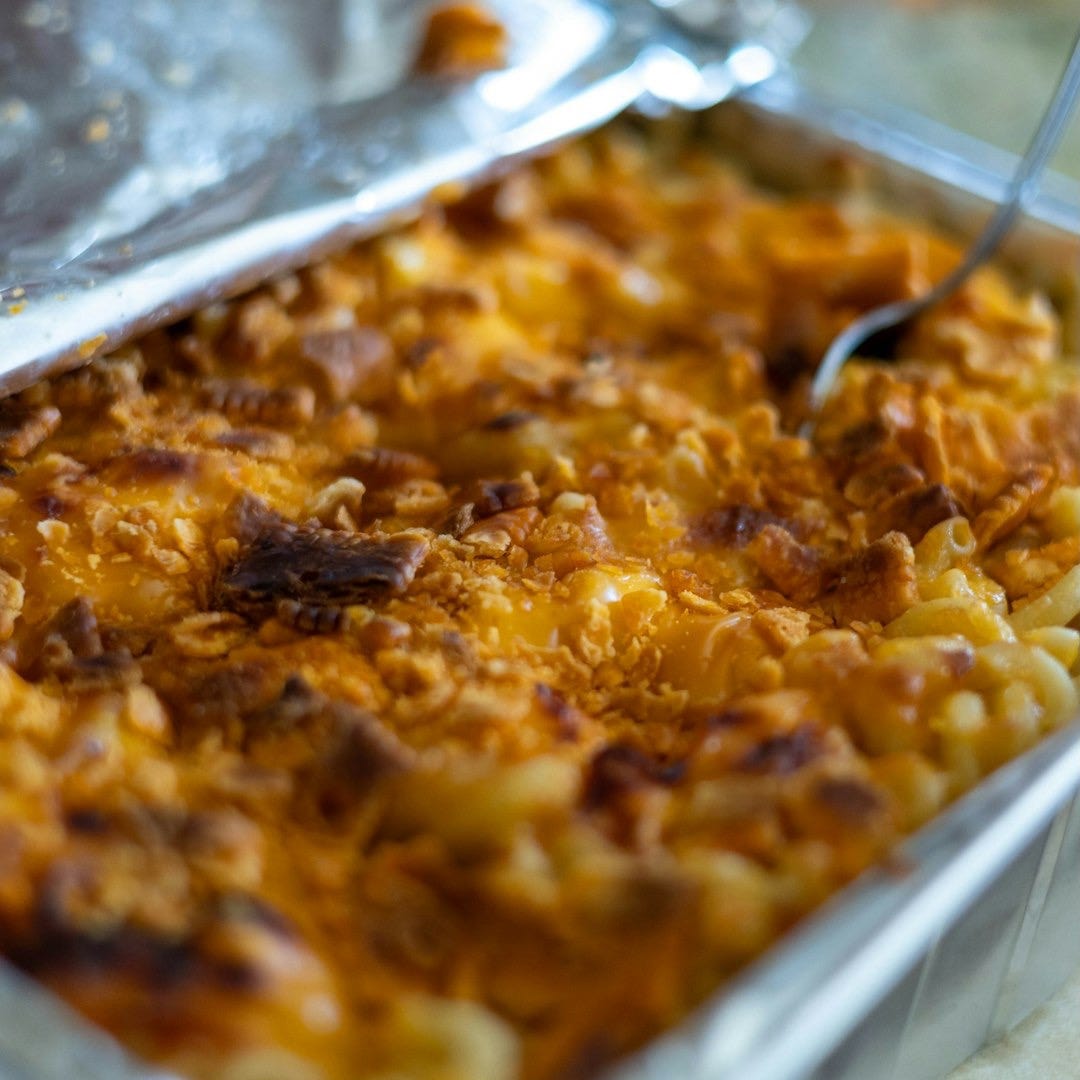
In Part 2 of my deep dive into the history of macaroni and cheese with culinary historian Karima Moyer-Nocchi, author of The Epic History of Mac and Cheese, we chat about colonial FOMO, the macaroni fashion craze and debunk a stubborn gastro myth concerning Mac ‘n’ cheese’s popularity in the US.
You can catch me at the Ludlow Food Festival on Friday 11 September where I’ll be discussing what foods were served in castles over the centuries in a live A is for Apple podcast with my co-hosts Alessandra Pino of A Curious Appetite and Neil Buttery of the British Food History podcast.
If you enjoyed the podcast you can become a paid subscriber to the Comfortably Hungry Substack (which means you’ll receive additional content) or show your appreciation by leaving a small, one off tip here.
Useful Links
You can find Karima on Instagram and don’t forget to check out her website, The Eternal Table.
Karima’s books include:
* The Epic History of Mac and Cheese (2026)
* The Eternal Table: A Cultural History of Food in Rome (Big City Food Biographies) with Giancarlo Rolandi (2019)
* Chewing the Fat: An Oral History of Italian Foodways from Fascism to Dolce Vita (2015)
Suggested Reading
* A complete system of cookery by William Verrall (1759) - the White Hart inn in Lewes where he served as chef is still open today!
* La cuisiniere bourgeoise by Joseph Menon (1771) - you can find a later English translation here.
Don’t forget you can follow me on Instagram or Bluesky @mrssbilton or find out more about my work on sambilton.com.
A huge thank you to Thomas Ntinas of The Delicious Legacy for doing the sound mixing on this season of the podcast. Sound effects and music provided by Zapsplat and Pond5.
Comfortably Hungry is a reader-supported publication. To receive new posts and support my work, consider becoming a free or paid subscriber.
This is a public episode. If you'd like to discuss this with other subscribers or get access to bonus episodes, visit comfortablyhungry.substack.com/subscribe
July 14 is National Macaroni and Cheese day!
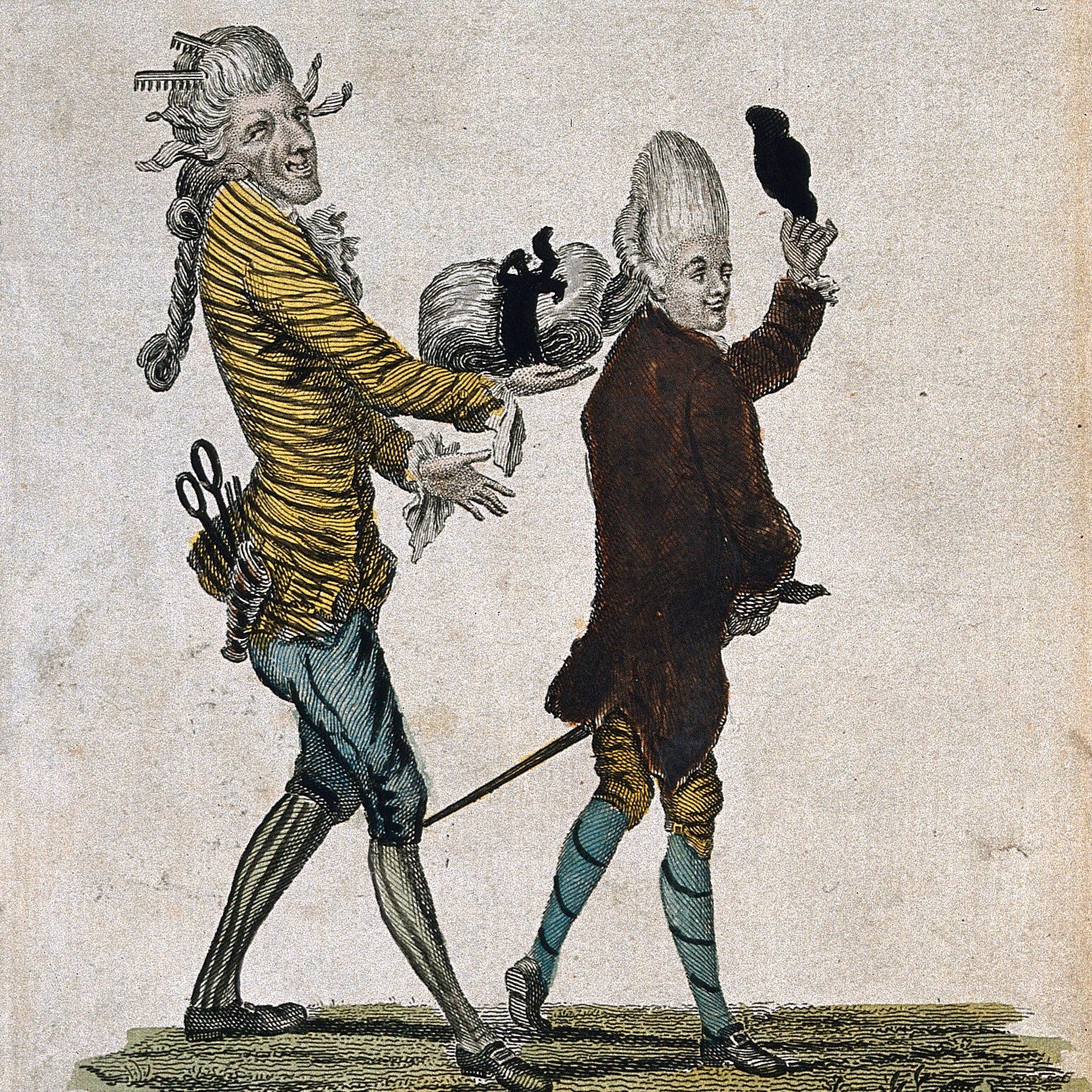
To mark the occasion I thought it would be fun to delve into the history of Mac ‘n’ Cheese with culinary historian Karima Moyer-Nocchi, author of The Epic History of Mac and Cheese. In Part 1, Karima and I explore the antecedents of this iconic pasta dish and how it found its way to England to develop into a recipe fit for medieval kings complete with a liberal sprinkling of spices.
Part 2 will follow soon!
If you enjoyed the podcast you can become a paid subscriber to the Comfortably Hungry Substack (which means you’ll receive additional content) or show your appreciation by leaving a small, one off tip here.
Useful Links
You can find Karima on Instagram and don’t forget to check out her website, The Eternal Table.
Karima’s books include:
* The Epic History of Mac and Cheese (2026)
* The Eternal Table: A Cultural History of Food in Rome (Big City Food Biographies) with Giancarlo Rolandi (2019)
* Chewing the Fat: An Oral History of Italian Foodways from Fascism to Dolce Vita (2015)
Suggested Reading
Forme of Cury (1390)
Don’t forget you can follow me on Instagram or Bluesky @mrssbilton or find out more about my work on sambilton.com.
A huge thank you to Thomas Ntinas of The Delicious Legacy for doing the sound mixing on this season of the podcast. Sound effects and music provided by Zapsplat and Pond5.
Comfortably Hungry is a reader-supported publication. To receive new posts and support my work, consider becoming a free or paid subscriber.
This is a public episode. If you'd like to discuss this with other subscribers or get access to bonus episodes, visit comfortablyhungry.substack.com/subscribe
In the last episode of Season 4 (sad but true) we plunge deep into the ‘underworld’, figuratively speaking, in our final quest for fresh water.
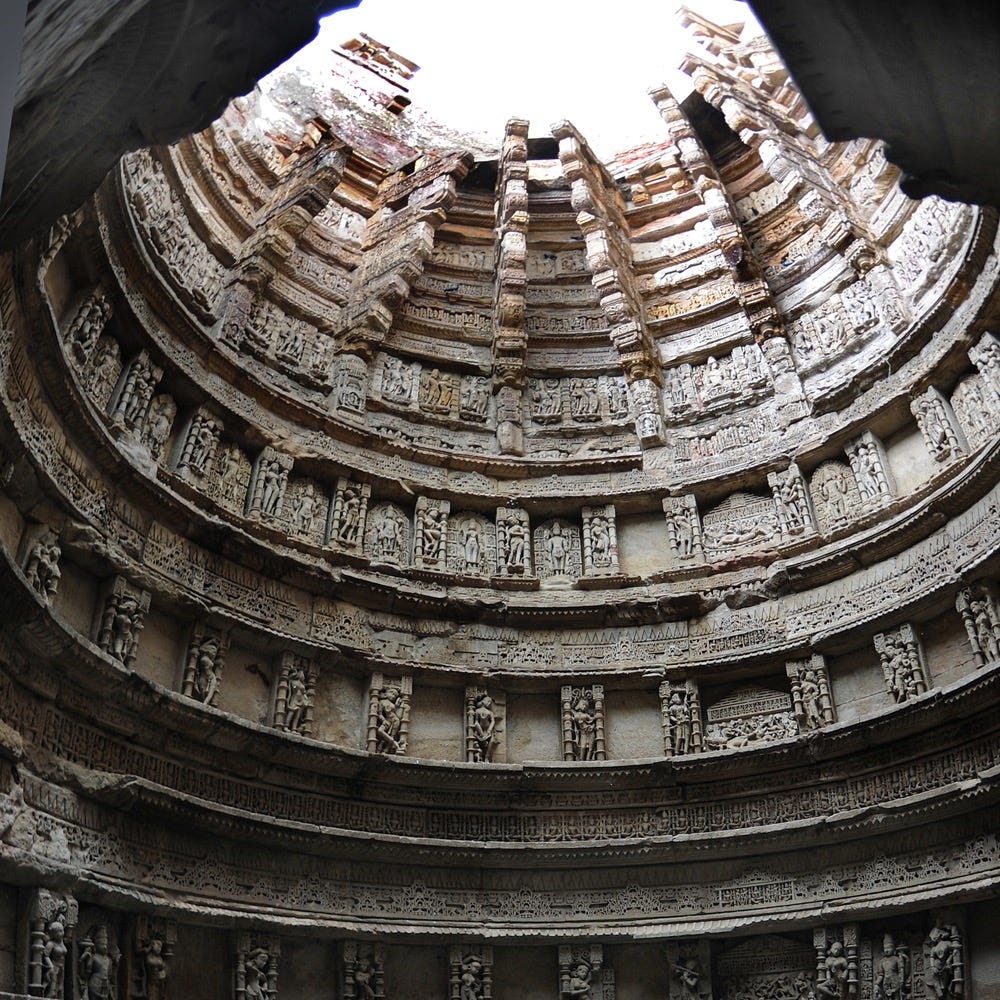
I chat to Niyati Kukadia about Gujarat’s ancient vavs, or stepwells, once vital for supplying drinking water to communities in one of India’s most arid areas. I discover that these architectural wonders were so much more than a source of water. Historically the vavs provided women with a space and the freedom to socialise away from the patriarchal gaze. Although many vavs fell out of use during the British colonial era, they are once again being looked at as a potential solution to water scarcity in this region.
Show Notes
* Niyati runs adventure, wildlife and cultural tours through Soar Excursions, which include visits to the Rani ki Vav (Queen’s Well) mentioned in this podcast and pictured above. You can follow Soar Excursions on YouTube and Instagram.
* Niyati also runs the Dang Forest Retreat in Gujarat.
* You can read about Hyderabad’s newly restored Bansilalpet stepwell in this article on the Guardian website.
* Rani Ki Vav (the Queen’s stepwell) at Patan, Gujarat
* India’s Forgotten Stepwells by Victoria Lautman on the Arch Daily
* Robert Macfarlane’s book Is A River Alive is a troubling but important read if you want to learn more about the pollution of India’s waterways.
* Much Ado About Cooking event at the British Library Food Season Big Weekend on 13 June 2026. Even if in-person tickets have sold out you can buy an online ticket.
If you enjoyed the podcast you can become a paid subscriber to the Comfortably Hungry Substack (which means you’ll receive additional content) or show your appreciation by leaving a small, one off tip here.
Don’t forget you can follow me on Instagram or Bluesky @mrssbilton or find out more about my work on sambilton.com.
A huge thank you to Thomas Ntinas of The Delicious Legacy for doing the sound mixing on this season of the podcast. Sound effects and music provided by Zapsplat and Pond5.
Comfortably Hungry is a reader-supported publication. To receive new posts and support my work, consider becoming a free or paid subscriber.
This is a public episode. If you'd like to discuss this with other subscribers or get access to bonus episodes, visit comfortablyhungry.substack.com/subscribe
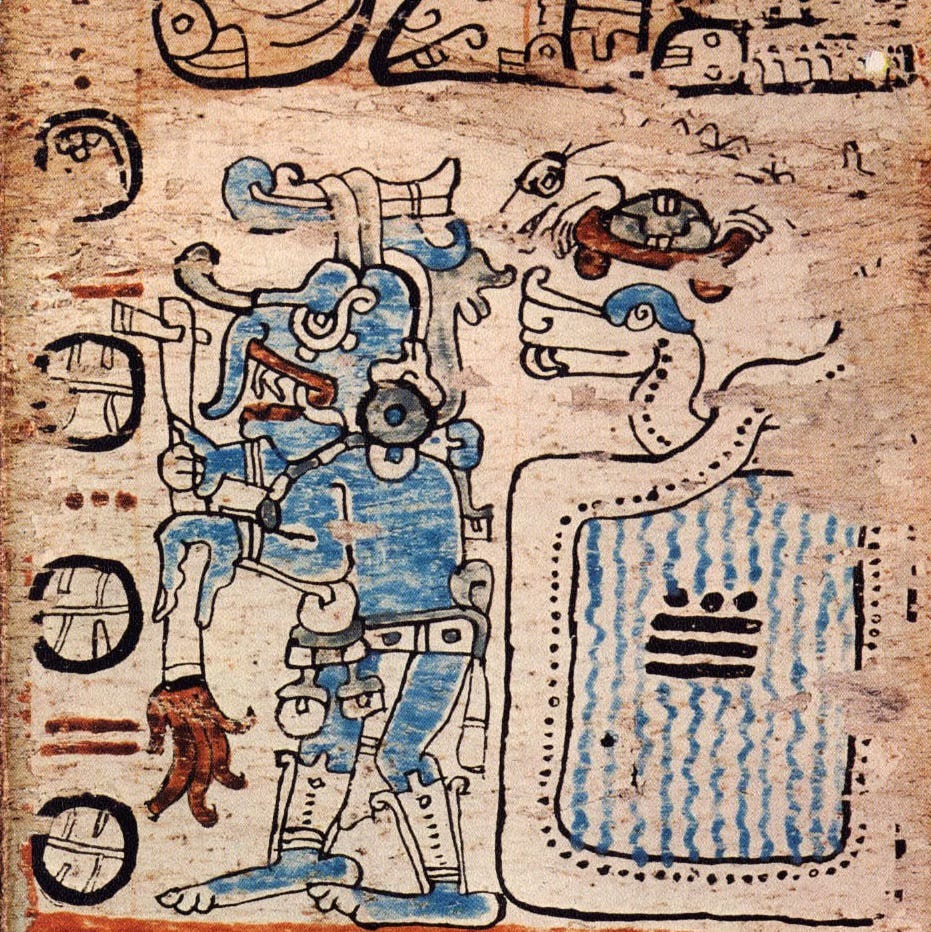
In this episode we’ll be journeying to pre-Colombian Mesoamerica with Dr Gabrielle Vail, Research Collaborator in the Department of Anthropology, at the University of North Carolina at Chapel Hill, to explore why the worship of rain gods like Chaak was so crucial to the Mayans and discover the role that food played in these ceremonies.
You may also want to go back and listen to the first episode of Season 2 where I discuss the Day of the Dead celebrations with Maite Gomez-Rejón.
If you enjoyed the podcast you can become a paid subscriber to the Comfortably Hungry Substack (which means you’ll receive additional content) or show your appreciation by leaving a small, one off tip here.
Useful Links
The Maya Hieroglyphic Codices website features a searchable translation and analysis of four codices (screenfold books) painted by Maya scribes before the Spanish conquest in the early 16th century. The codices contain information about Maya beliefs and rituals, as well as everyday activities, all framed within an astronomical and calendrical context.
Gaby’s co-authored books include:
The New Catalog of Maya Hieroglyphs, Volume Two By Martha J. Macri And Gabrielle Vail (2023)
The New Catalog of Maya Hieroglyphs, Volume 3 By Matthew Looper, Yuriy Polyukhovych, Martha J. Macri And Gabrielle Vail (Out November, 2026)
Madrid Codex: New Approaches to Understanding an Ancient Maya Manuscript (Mesoamerican Worlds: From the Olmecs to the Danzantes) Edited by Gabrielle Vail and Anthony Aveni (2009)
Gaby also contributed a number of chapters to Chocolate: History, Culture, and Heritage edited by Louis Evan Grivetti, Howard-Yana Shapiro (2008)
You can find out more about the Mayan Melipona Bee Sanctuary Project here.
Suggested Reading
* ‘Water Rituals and Offerings to the Maya Rain Divinities’ by Cristina Vidal Lorenzo and Patricia Horcjada-Campos in the European Journal of Science and Theology, April 2000, Vol.16, No.2, 111-123
* Chocolate in Mesoamerica : a cultural history of cacao ed. Dr Cameron McNeil (2006)
* Water Beings: From Nature Beings to the Environmental Crisis by Veronica Strang (2023)
* ‘Rain and Fertility Rituals in Postclassic Yucatan Featuring Chaak and Chak Chel’ by Gabrielle Vail and Christine Hernandez in The Ancient Maya of Mexico: Reinterpreting the Past of the Northern Maya Lowlands ed. Geoffrey E. Braswell
Don’t forget you can follow me on Instagram or Bluesky @mrssbilton or find out more about my work on sambilton.com.
A huge thank you to Thomas Ntinas of The Delicious Legacy for doing the sound mixing on this season of the podcast. Sound effects and music provided by Zapsplat and Pond5.
Comfortably Hungry is a reader-supported publication. To receive new posts and support my work, consider becoming a free or paid subscriber.
This is a public episode. If you'd like to discuss this with other subscribers or get access to bonus episodes, visit comfortablyhungry.substack.com/subscribe
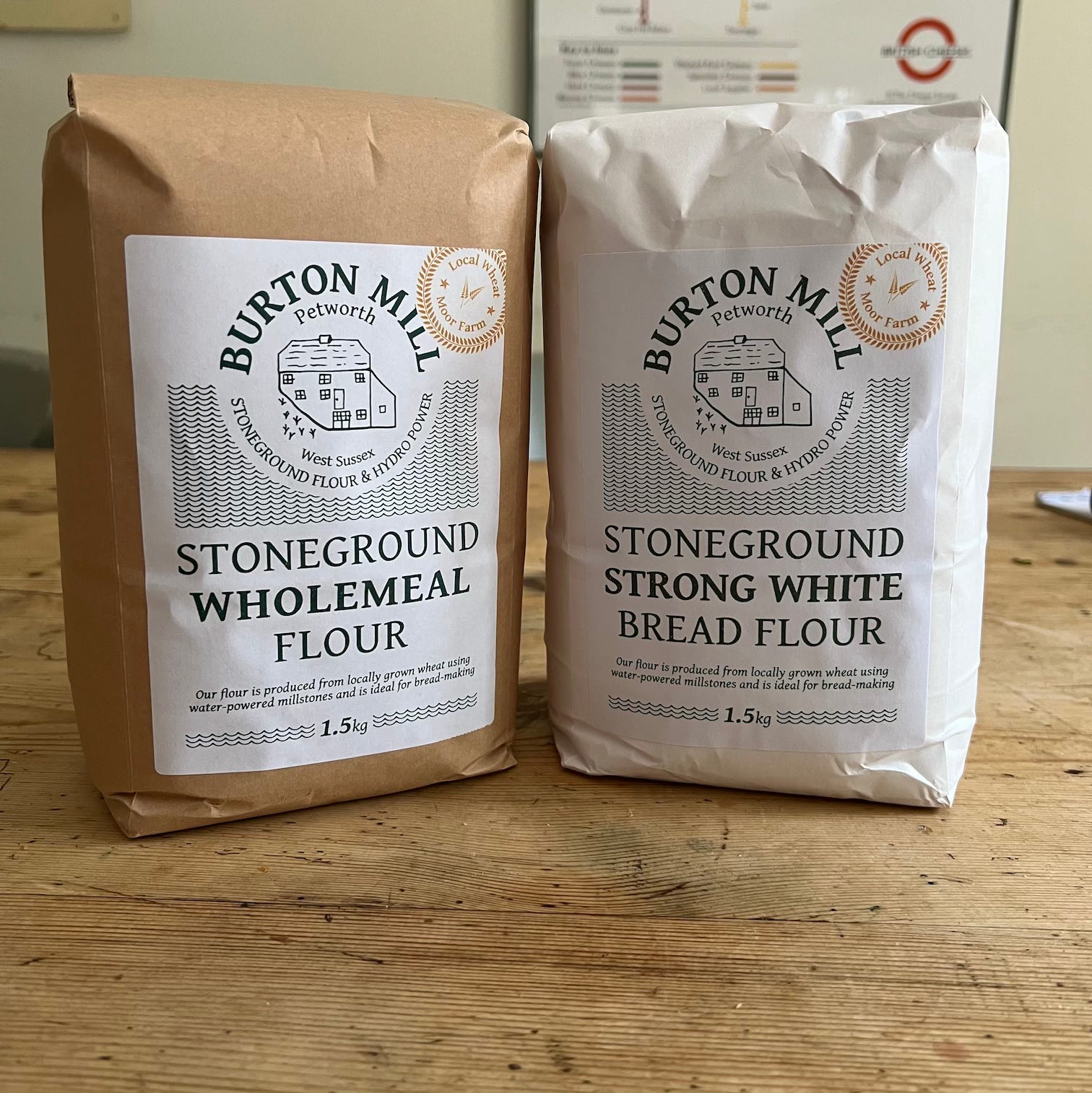
In episode 11, I visit Barry and Chris Flannaghan at the restored Burton watermill in Sussex. I discover how Burton Mill has evolved over the centuries but always using water as its source of power. The present 4 storey, 5 bay mill building dates from 1780 and was built on the foundations of an earlier forge or fulling mill (there is a record of a mill close to this site in the Domesday book). Today Burton Mill produces traditional stoneground flour and I get to taste the results!
If you enjoyed the podcast you can become a paid subscriber to the Comfortably Hungry Substack (which means you’ll receive additional content) or show your appreciation by leaving a small, one off tip here.
Useful Links
* Burton Mill near Petworth is only open to the public a few times per year. Please check their website for details on their upcoming open days.
* You can find Chris’ recipe for Irish tea bread here.
* Mills Archive Trust
* Sussex Industrial Archaeology Society
Suggested Reading
* Modern Cookery for Private Families by Eliza Acton (1845)
* The English Bread Book by Eliza Acton (1857)
* The Canterbury Tales by Geoffry Chaucer (Modern English Version, 1934)
* English Bread and Yeast Cookery by Elizabeth David (1977)
* Watermills, Kent and the borders of Sussex by Michael J Fuller and R J Spain1986
* Water in England by Dorothy Hartley (1964)
* Puck’s Song by Rudyard Kipling (1906)
* The English Huswife by Gervase Markham (originally published 1615)
Don’t forget you can follow me on Instagram or Bluesky @mrssbilton or find out more about my work on sambilton.com.
A huge thank you to Thomas Ntinas of The Delicious Legacy for doing the sound mixing on this season of the podcast. Sound effects and music provided by Zapsplat and Pond5.
Comfortably Hungry is a reader-supported publication. To receive new posts and support my work, consider becoming a free or paid subscriber.
This is a public episode. If you'd like to discuss this with other subscribers or get access to bonus episodes, visit comfortablyhungry.substack.com/subscribe
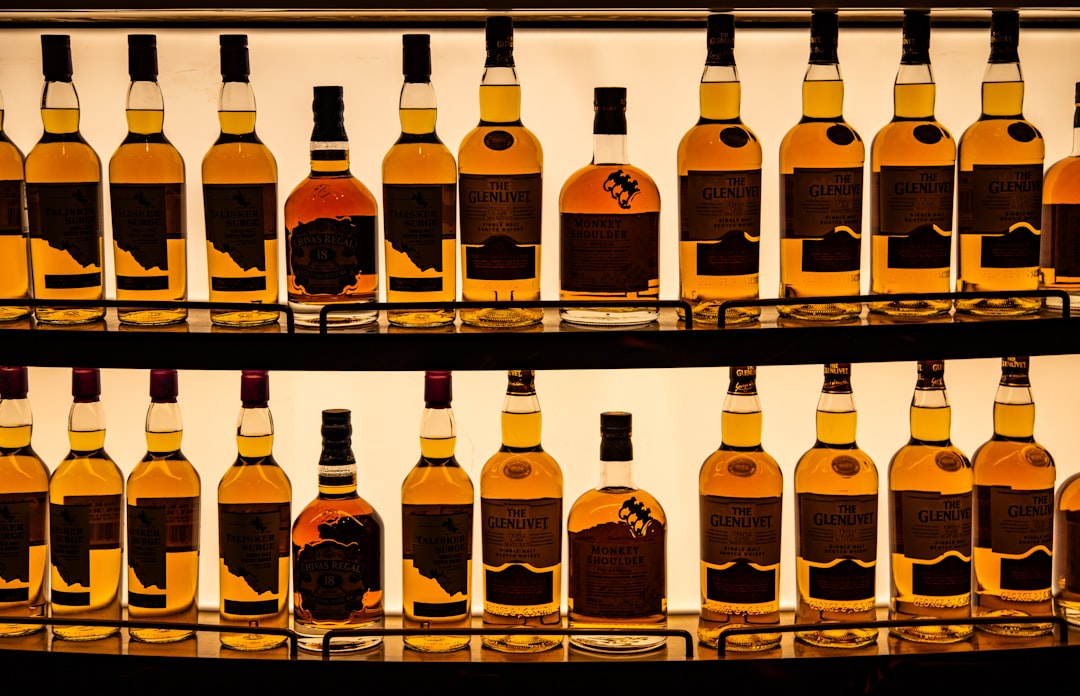
In this episode I discover more about the role women played in the distilling of usquebaugh (or the water of life) and whisky in Scotland with Peter Gilchrist, food historian at the Tenement Kitchen and host of the Scottish Food History podcast. Peter and I are joined by Rosalind Erskine, Food and Drink Editor of the Scotsman and host of the Scran podcast.
If you enjoyed the podcast you can become a paid subscriber to the Comfortably Hungry Substack (which means you’ll receive additional content) or show your appreciation by leaving a small, one off tip here.
Useful Links
Don’t forget to check out Peter’s website The Tenement Kitchen which explores Scottish folk cookery. You can also find him on Instagram, TikTok and YouTube. You can also listen to the Scottish Food History podcast which Peter hosts with Dr Lindsay Middleton here.
You can find out more about Rosalind’s work on her website and also find her on Instagram. Ros is also the host of The Scotsman’s Scran Podcast.
Walter Gregor Tonic Water who make the intriguing turnip tonic!
Lots of whisky distilleries were mentioned in the podcast including Ardbeg which was run by early female distillers Flora and Margaret McDougall in the 1850s.
You can listen to the talk I gave on the history of gingerbread at the 2025 Scottish Food History here along with Perilla Kinchen’s keynote talk on the influence of Catherine Cranston and her tearooms.
Suggested Reading
* Rebellious Spirits: The Illicit History of Booze in Britain by Ruth Ball (2015)
* The English Housewife (1615) by Gervase Markham (ed. Michael R. Best, 1998)
* With Faith and Physic: The Life of a Tudor Gentlewoman by Linda Pollock (1993)
* ‘The Early Use of Aqua Vitae in Scotland’ in the Proceedings of the Society of Antiquaries of Scotland (1916)
* Water of Life: A History of Wine Distilling and Spirits 500 BC to AD 2000 by C. Anne Wilson (2006)
Don’t forget you can follow me on Instagram or Bluesky @mrssbilton or find out more about my work on sambilton.com.
A huge thank you to Thomas Ntinas of The Delicious Legacy for doing the sound mixing on this season of the podcast. Sound effects and music provided by Zapsplat and Pond5.
Comfortably Hungry is a reader-supported publication. To receive new posts and support my work, consider becoming a free or paid subscriber.
This is a public episode. If you'd like to discuss this with other subscribers or get access to bonus episodes, visit comfortablyhungry.substack.com/subscribe
‘The Carp is a stately, a good, and a subtle fish, a fish that hath not (as it is said) been long in England’ Izaak Walton, The Complete Angler (1653)
In this episode I explore the history of carp in Britain, one of the most widely distributed freshwater fish of all the British species, with angler and author John Langridge.
By the seventeenth century carp recipes were frequently found in cookbooks of the period but it is seldom eaten now. As well as busting some myths about how the carp first came to Britain I try to find out why the carp leapt from the plate and back into the pond to become arguably the most popular coarse fish in the UK?
If you enjoyed the podcast you can become a paid subscriber to the Comfortably Hungry Substack (which means you’ll receive additional content) or show your appreciation by leaving a small, one off tip here.
Useful Links
John’s books Aphrodite’s Carp and Fishing for Spanish Barbel are available from Medlar Press.
Suggested Reading
* A Treatyse of Fysshynge wyth an Angle, by Dame Juliana Berners (1496)
* Natural history of British fishes by Frank Buckland (1883)
* The Accomplisht Cook by Robert May (1685)
* The Complete Angler by Izaak Walton (1653)
Don’t forget you can follow me on Instagram or Bluesky @mrssbilton or find out more about my work on sambilton.com.
A huge thank you to Thomas Ntinas of The Delicious Legacy for doing the sound mixing on this season of the podcast. Sound effects and music provided by Zapsplat and Pond5.
Comfortably Hungry is a reader-supported publication. To receive new posts and support my work, consider becoming a free or paid subscriber.
This is a public episode. If you'd like to discuss this with other subscribers or get access to bonus episodes, visit comfortablyhungry.substack.com/subscribe
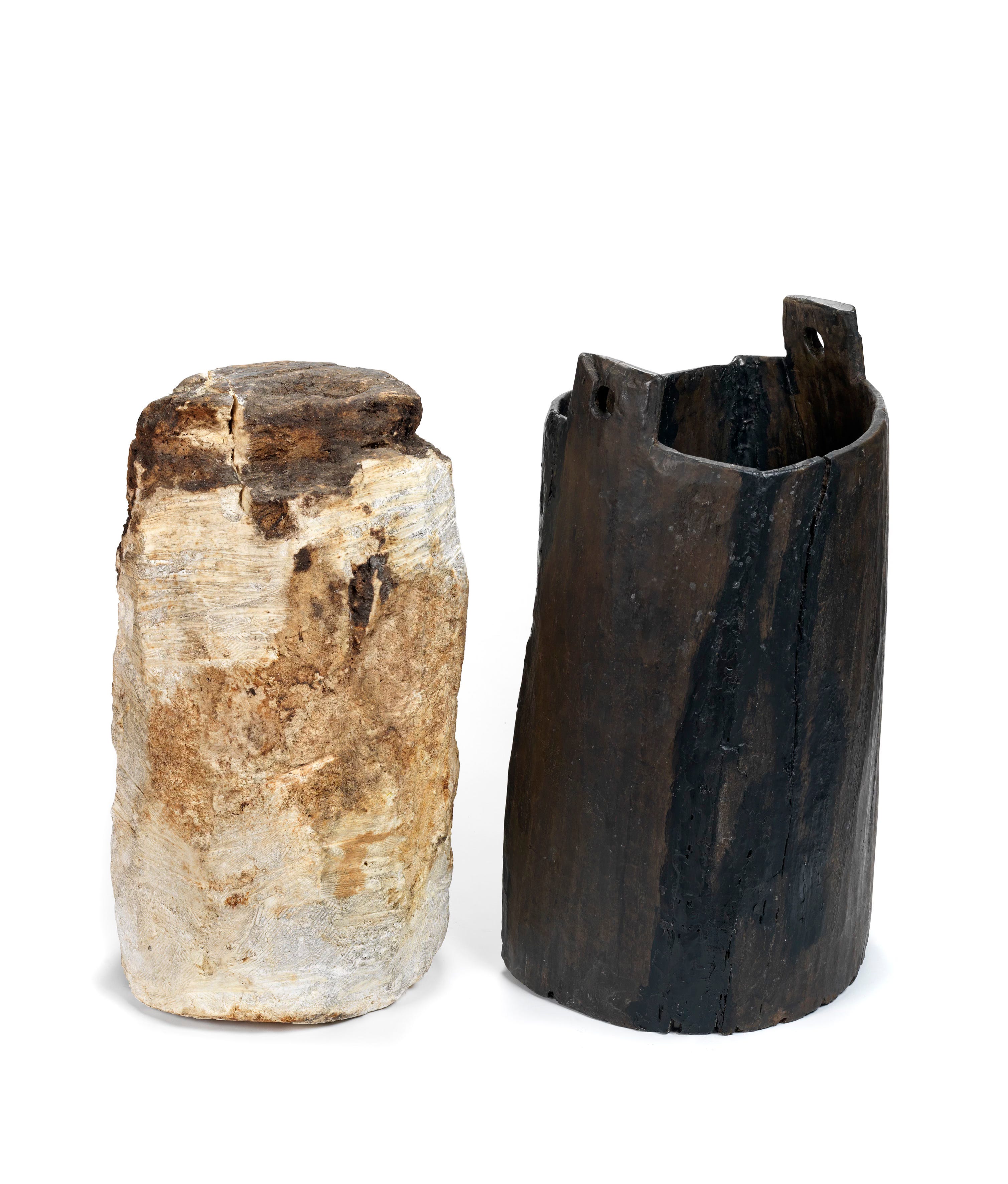
Throughout the nineteenth and twentieth centuries curious yellowish-white waxen lumps encased in the remnants of wooden containers have been unearthed from Irelands peat bogs by turf cutters and farmers. Some specimens weigh several kilos. Many are thought to date back thousands of years to the Bronze age, when the people of Ireland buried supplies of butter.
Maeve Sikora, Keeper of Irish Antiquities and Isabella Mulhall Assistant Keeper of Irish Antiquities from the National Museum of Ireland (NMI) in Dublin join me in this episode to tell us more about bog butter.
If you enjoyed the podcast you can become a paid subscriber to the Comfortably Hungry Substack (which means you’ll receive additional content) or show your appreciation by leaving a small, one off tip here.
Useful Links
National Museum of Ireland in Dublin
Butter Museum in Cork
‘A History of Bog Butter in Ireland’ by Maeve Sikora and Isabella Mulhall in Irish Food History: A Companion (2025)
Don’t forget you can follow me on Instagram or Bluesky @mrssbilton or find out more about my work on sambilton.com.
A huge thank you to Thomas Ntinas of The Delicious Legacy for doing the sound mixing on this season of the podcast.
Comfortably Hungry is a reader-supported publication. To receive new posts and support my work, consider becoming a free or paid subscriber.
This is a public episode. If you'd like to discuss this with other subscribers or get access to bonus episodes, visit comfortablyhungry.substack.com/subscribe
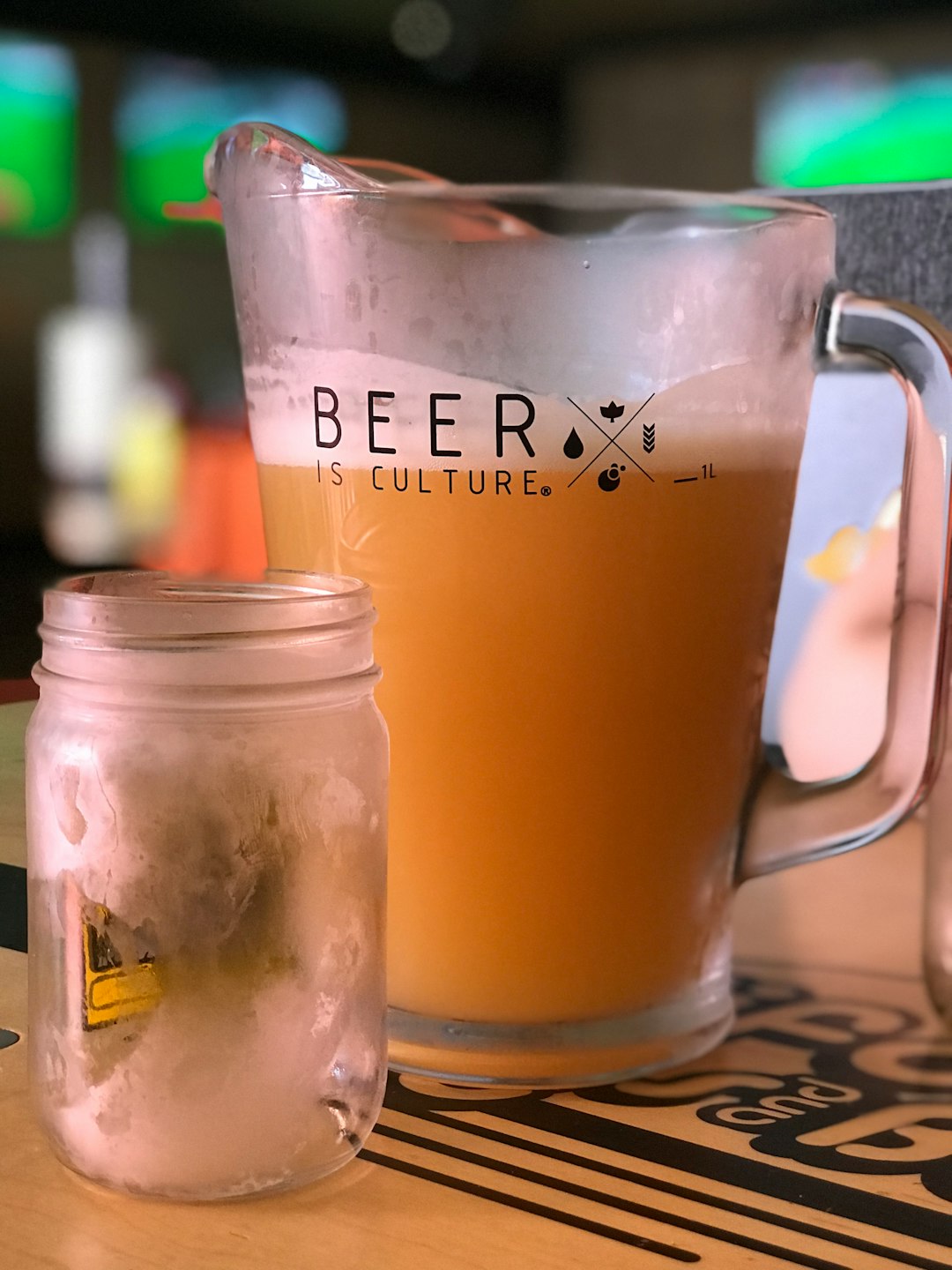
In today’s episode we will be journeying back thousands of years to ancient Mesopotamia, the land between the rivers Euphrates and Tigris. I will be exploring arguably the earliest beer culture in the world with Dr Tate Paulette archaeologist and Associate Professor of History at North Carolina State University. Tate is also the author of In The Land of Ninkasi: A History of Beer in Ancient Mesopotamia.
If you enjoyed the podcast you can become a paid subscriber to the Comfortably Hungry Substack (which means you’ll receive additional content) or show your appreciation by leaving a small, one off tip here.
Useful Links
In The Land of Ninkasi: A History of Beer in Ancient Mesopotamia by Tate Paulette (2024)
You can watch a short video from Yale University about Babylonian cooking over on YouTube.
There Are Rivers in the Sky - Elif Shafak (2025)
Don’t forget you can follow me on Instagram or Bluesky @mrssbilton or find out more about my work on sambilton.com.
A huge thank you to Thomas Ntinas of The Delicious Legacy for doing the sound mixing on this season of the podcast.
Comfortably Hungry is a reader-supported publication. To receive new posts and support my work, consider becoming a free or paid subscriber.
This is a public episode. If you'd like to discuss this with other subscribers or get access to bonus episodes, visit comfortablyhungry.substack.com/subscribe
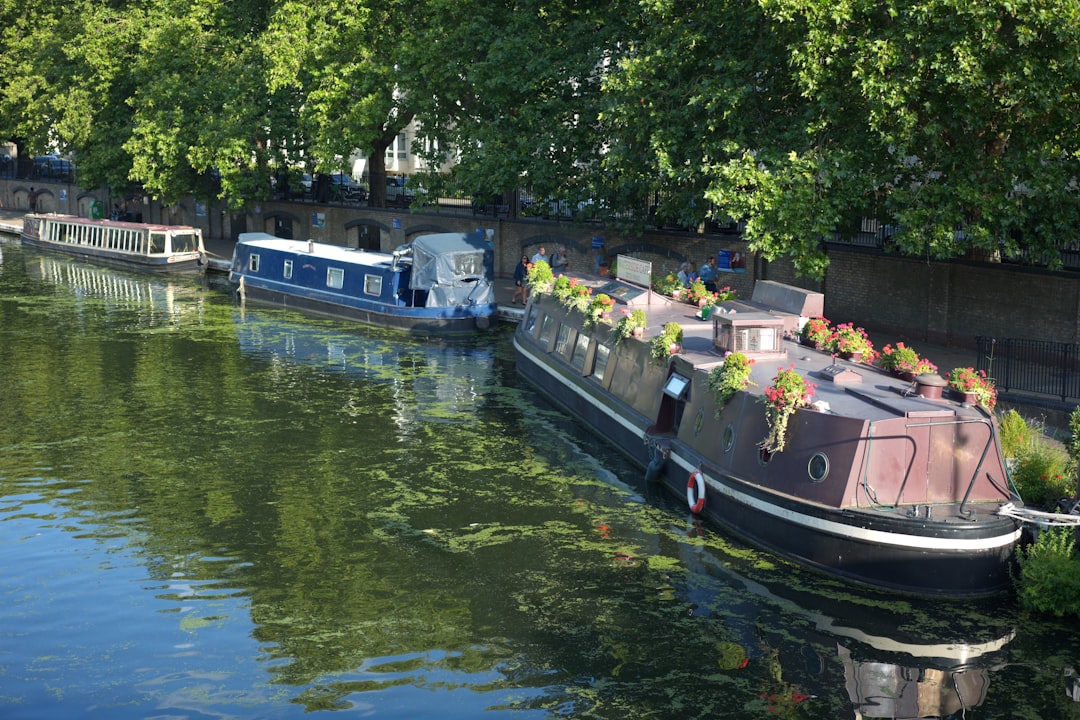
In Episode 4 I chat to food writer Di Murrell about her experiences with her husband Tam of living and working on canals in Britain and France. Canals were played an essential part in how food and fuel was transported around Britain but it is a way of life that has all but disappeared. Among their various roles Di and Tam were involved in transporting limes in the depths of winter to cordial manufacturer Roses on what was known as the ‘lime run’. Forget messing about on the river - working life on the canals was truly hard graft.
If you enjoyed the podcast you can become a paid subscriber to the Comfortably Hungry Substack (which means you’ll receive additional content) or show your appreciation by leaving a small, one off tip here.
Useful Links
You can find out more about Di and Tam’s canal adventures on the A Foodie Afloat website or on her more recent blog Written In My Kitchen.
Petits Propos Culinaires the journal which gave Di her first break in food writing is now published by Equinox (and edited by me!). Di has published several articles in the journal over the years.
The Sophie Coe Prize is the longest-running and most generous prize for writing in food history in the English language, given once a year for an essay or article of up to 10,000 words on any aspect of the history of food. Entries for this year’s award close on 24 April 2026.
You can discover more about Britain’s waterway history at a number of canal museums across the country such as London, Stoke Bruerne and Ellesmere Port or by visiting the Canal & River Trust
Suggested Reading
* Barges & Bread: Canals & Grain to Bread & Baking
* A Foodie Afloat
The following aren’t about working life on the rivers but are fun reads to get you in the mood:
* The Wind in the Willows - Kenneth Graham (1908)
* Three Men and a Boat - Jerome K Jerome (1889)
* An Inland Voyage - Robert Louis Stevenson (1878)
Don’t forget you can follow me on Instagram or Bluesky @mrssbilton or find out more about my work on sambilton.com.
A huge thank you to Thomas Ntinas of The Delicious Legacy for doing the sound mixing on this season of the podcast.
Comfortably Hungry is a reader-supported publication. To receive new posts and support my work, consider becoming a free or paid subscriber.
This is a public episode. If you'd like to discuss this with other subscribers or get access to bonus episodes, visit comfortablyhungry.substack.com/subscribe
51 minAbspielen in:
Gäste, die länger als 12 Monate zurückliegen, gibt es mit Pro. Pläne ansehen
 KF