Bekomm eine E-Mail, wenn Lara in einem Podcast zu Gast istPodAppear prüft neue Folgen, sobald sie erscheinen, und lässt die weg, in denen Lara nur erwähnt wird. Bis zu 15 Personen kostenlos, ohne Kreditkarte.Bis zu 15 Personen kostenlos, ohne Kreditkarte.
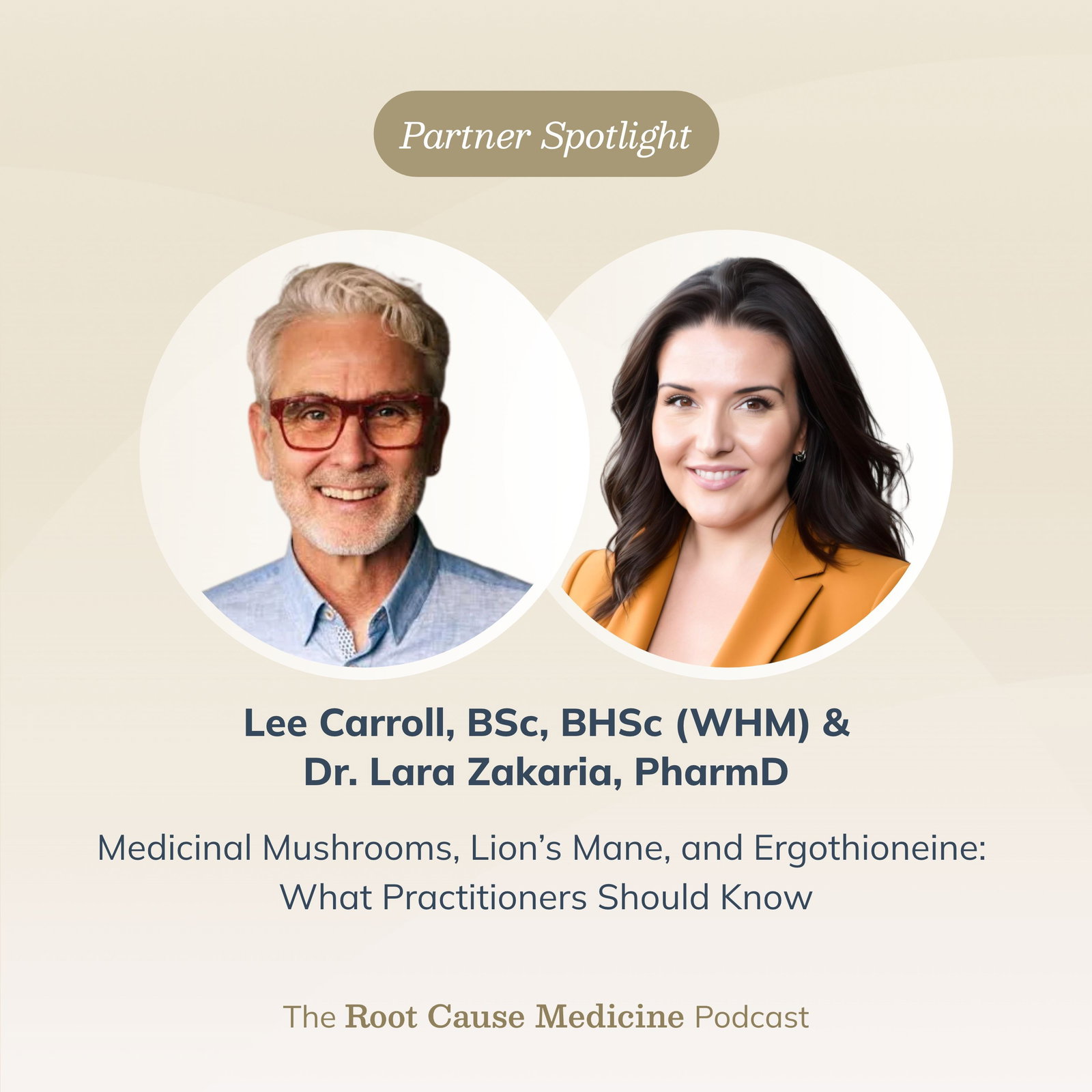
Host Dr. Lara Zakaria talks with medical herbalist Lee Carroll about medicinal mushrooms in clinical practice. They explore what makes lion’s mane unique, how fruiting body, pure mycelium, and mycelium-fermented grain products differ, how to read a mushroom supplement label, and why ergothioneine is drawing growing research interest.
3 Key Takeaways
The fungal part matters. Fruiting bodies, pure mycelium, and mycelium-fermented grain differ in chemistry, so research on one form may not apply to another. (Szućko-Kociuba 2023) (Sweeney 2026)
Quality labels name the species, part, and beta-glucans. Look for beta-glucans in milligrams per serving rather than “polysaccharides,” plus marker compounds where validated methods exist, such as triterpenes in reishi. (McCleary 2016) (Wang 2020)
Ergothioneine is an emerging nutrient of interest. Mushrooms are the leading dietary source, and research suggests intake may be limited in the American diet. (Beelman 2020)
Guest:
Lee Carroll, BSc, BHSc (WHM), is a medical herbalist, educator, and speaker with more than 30 years of experience in the herbal medicine industry. As Chief Medical Herbalist at Real Mushrooms, he contributes to practitioner education and product development, with a focus on medicinal mushrooms. Lee holds degrees in botany and Western herbal medicine and has spent more than two decades teaching healthcare professionals. His approach connects traditional herbal knowledge with contemporary biomedical research, translating complex science into practical insights for clinical practice.
Clinical FAQ
What does research show for lion’s mane and cognition? In a 16-week trial in adults with mild cognitive impairment, lion’s mane was associated with higher cognitive function scores than placebo. (Mori 2009)
Is mycelium the same as the fruiting body? No. Their secondary metabolites differ, and mycelium grown on grain may contain substantial grain material. (Szućko-Kociuba 2023) (Sweeney 2026)
Why look for beta-glucans rather than “polysaccharides”? “Polysaccharides” is a broad category. Beta-glucans are a more specific quality marker for mushroom products. (McCleary 2016) (Sweeney 2026)
Do patients need specialty mushrooms? Higher intake of edible mushrooms overall has been associated with lower cancer risk in observational studies, so common button mushrooms count. (Ba 2021)
Where does ergothioneine come from? The body cannot make it. It comes from food, mainly mushrooms, and a dedicated transporter helps tissues take it up and retain it. (Ba 2021)
Timestamps
00:00 Introduction
03:05 Why medicinal mushrooms matter clinically
06:12 Lion’s mane, the brain, and the gut
19:32 Fruiting body vs. mycelium vs. fermented grain
29:21 How to read a mushroom supplement label
38:00 Ergothioneine and cellular health
01:02:44 A food-first approach to mushrooms
Ready to elevate your practice? This episode is sponsored by Fullscript, a comprehensive care delivery platform designed to support whole-person, integrative healthcare. Fullscript helps clinicians bring supplement dispensing, lab ordering, and patient education into one centralized workflow. For more practitioner education on supplements, nutrition, and evidence-informed clinical care, visit Fullscript Academy at academy.fullscript.com.
Disclaimer: The views expressed on this podcast are those of the hosts and guests and don’t necessarily reflect those of Fullscript or any affiliated organizations. This podcast is for informational and educational purposes only and is not intended to be medical advice. For your safety, always check with your doctor or healthcare provider before making changes to your health routine.
Keywords
References
Ba, D. M., Ssentongo, P., Beelman, R. B., Muscat, J., Gao, X., & Richie, J. P., Jr. (2021). Higher mushroom consumption is associated with lower risk of cancer: A systematic review and meta-analysis of observational studies. Advances in Nutrition, 12(5), 1691–1704. https://doi.org/10.1093/advances/nmab015
Beelman, R. B., Kalaras, M. D., Phillips, A. T., & Richie, J. P., Jr. (2020). Is ergothioneine a “longevity vitamin” limited in the American diet? Journal of Nutritional Science, 9, Article e52. https://doi.org/10.1017/jns.2020.44
McCleary, B. V., & Draga, A. (2016). Measurement of β-glucan in mushrooms and mycelial products. Journal of AOAC International, 99(2), 364–373. https://doi.org/10.5740/jaoacint.15-0289
Mori, K., Inatomi, S., Ouchi, K., Azumi, Y., & Tuchida, T. (2009). Improving effects of the mushroom Yamabushitake (Hericium erinaceus) on mild cognitive impairment: A double-blind placebo-controlled clinical trial. Phytotherapy Research, 23(3), 367–372. https://doi.org/10.1002/ptr.2634
Sweeney, L. C., Walsh, C., O’Cochlain, A., Ivory, R., & Mangan, D. (2026). Advances in enzymatic measurement of β-glucan in mushrooms, yeast, algae, and dietary supplements. Journal of AOAC International. Advance online publication. https://doi.org/10.1093/jaoacint/qsag041
Szućko-Kociuba, I., Trzeciak-Ryczek, A., Kupnicka, P., & Chlubek, D. (2023). Neurotrophic and neuroprotective effects of Hericium erinaceus. International Journal of Molecular Sciences, 24(21), Article 15960. https://doi.org/10.3390/ijms242115960
Wang, L., Li, J.-q., Zhang, J., Li, Z.-m., Liu, H.-g., & Wang, Y.-z. (2020). Traditional uses, chemical components and pharmacological activities of the genus Ganoderma P. Karst.: A review. RSC Advances, 10(69), 42084–42097. https://doi.org/10.1039/D0RA07219B
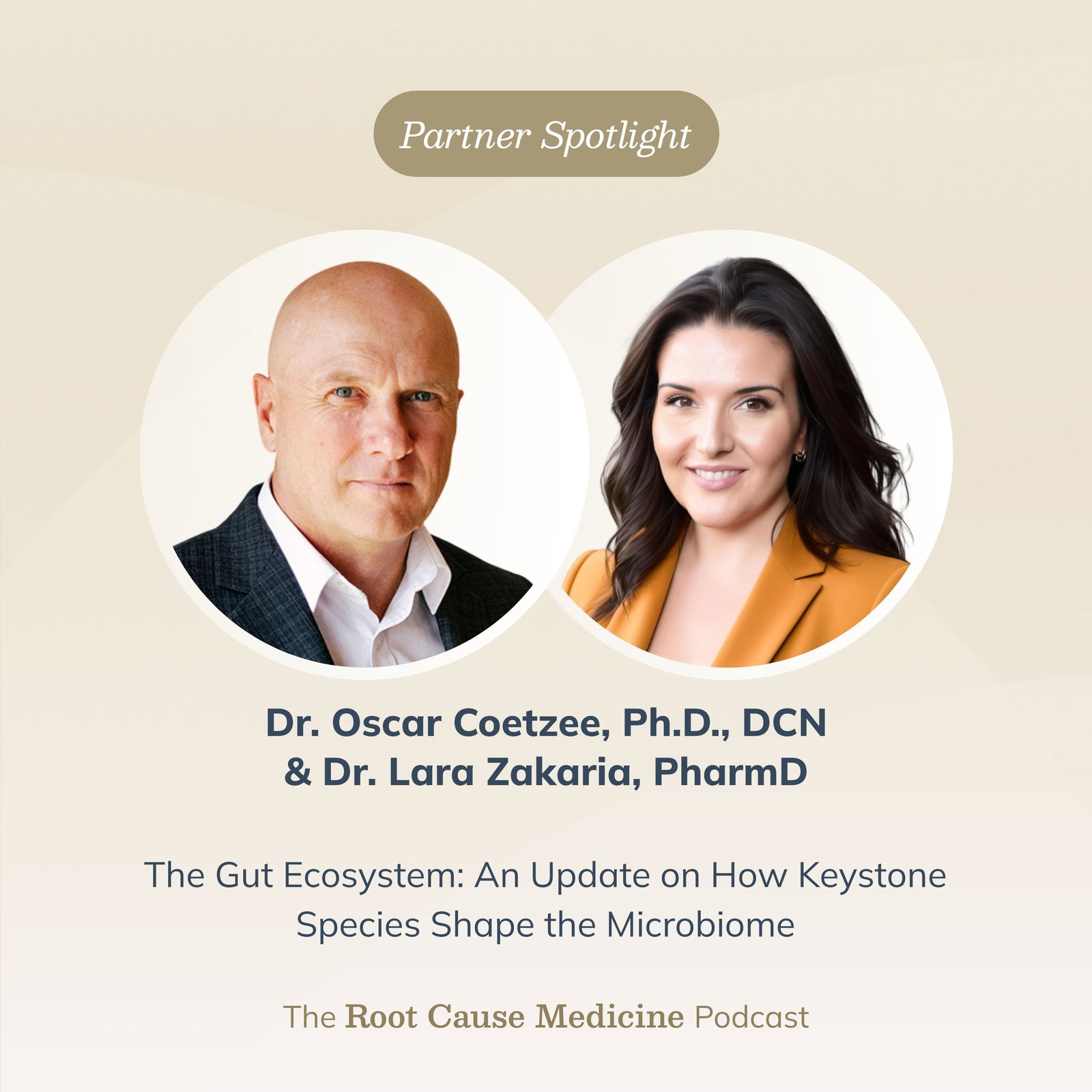
Dr. Oscar Coetzee joins Dr Lara Zakaria on the Root Cause Medicine Podcast to discuss emerging research on keystone commensal organisms and how microbial communities interact within the gut ecosystem.
The conversation focuses on organisms including Akkermansia muciniphila, Faecalibacterium prausnitzii, Roseburia, Bifidobacterium longum, and Bifidobacterium adolescentis. Rather than viewing individual microbes in isolation, Dr. Coetzee describes an ecosystem model centered on cross-feeding, short-chain fatty acid production, and the intestinal environment.
The episode also notes an important context: research on next-generation commensals is still developing, meaning findings from mechanistic studies, case reports, and early clinical research offer initial insights that complement rather than replace evidence from larger randomized controlled trials. (Jan 2024) (Kern 2026)
Clinical takeaways
Keystone organisms are discussed as members of an interconnected ecosystem. The episode explores how organisms can produce metabolites or modify environmental conditions that may influence other members of the microbial community. (Belzer 2017) (Fusco 2023)
Short-chain fatty acids are a major theme. Akkermansia, Faecalibacterium, and Roseburia are discussed in relation to acetate, propionate, and butyrate production and their potential roles within the intestinal environment. (Martin-Gallausiaux 2021) (Tingler 2025)
Clinical evidence remains emerging. Dr. Coetzee describes early clinical observations and studies in progress, while the conversation acknowledges the need for additional published research, including controlled trials, before broader clinical conclusions can be drawn. (Jan 2024) (Kern 2026)
Guest: Oscar Coetzee, PhD, DCN
Dr. Oscar Coetzee is Vice President of Clinical Education and Practitioner Support at Designs for Health. In the episode, he discusses his work in nutrition and microbiome research and his interest in next-generation commensal organisms.
His discussion centers on moving beyond a single-organism view of probiotics toward understanding microbial communities, cross-feeding, and the environment in which commensal organisms coexist.
Clinician FAQ
1. What are keystone commensal organisms?
They are microbes discussed for their potentially important roles within the broader gut ecosystem. (Rios Garza 2026)
The episode focuses on how selected commensals interact with other organisms and their environment rather than evaluating them solely by abundance. (Banerjee 2018)
2. Which organisms are discussed?
The main organisms include Akkermansia muciniphila, Faecalibacterium prausnitzii, Roseburia, Bifidobacterium longum, and Bifidobacterium adolescentis.
The conversation also discusses Anaerostipes caccae separately in the context of butyrate production and microbial cross-feeding. (Belzer 2017)
3. What is microbial cross-feeding?
Cross-feeding describes how metabolites produced by one organism can serve as substrates or influence conditions for another. (Culp 2023) (Louis 2017)
The episode uses this concept to explain why microbial communities may be more informative than considering individual organisms in isolation. (Culp 2023)
4. Why are short-chain fatty acids discussed?
They are microbial metabolites that form part of the communication between gut microbes and their environment. (Martin-Gallausiaux 2021)
The conversation highlights acetate, propionate, and butyrate while exploring how different commensal organisms contribute to their production. (Martin-Gallausiaux 2021)
5. How established is the clinical evidence?
Research on these next-generation commensals is still evolving. (Jan 2024) (Kern 2026)
The guest describes case observations, prospective studies, and additional research underway. These early findings can generate hypotheses, but they do not establish that a specific probiotic combination prevents or treats disease.
Timestamps / key moments
00:00:00 Introducing keystone commensal organisms
00:05:35 Why newer technology matters for anaerobic microbes
00:08:09 Moving beyond probiotic quantity and individual strains
00:13:32 Microbial compensation and ecosystem dynamics
00:18:00 Keystone organisms and emerging clinical observations
00:21:28 Akkermansia and microbial metabolites
00:24:08 Faecalibacterium prausnitzii and butyrate
00:30:49 Roseburia and the anaerobic environment
00:32:24 Bifidobacterium species in the microbial community
00:35:52 Anaerostipes caccae and cross-feeding
00:39:58 Supporting the microbial ecosystem
00:44:18 Current research and evidence limitations
00:48:02 Clinical considerations and unanswered questions
01:02:15 Future research and closing discussion
Want to learn more about microbiome science?
This episode highlights an evolving way of thinking about the microbiome: not simply as a collection of individual organisms, but as an ecosystem shaped by microbial interactions, metabolites, available substrates, and environmental conditions.
For additional practitioner education on supplement quality and clinical decision-making, visit Fullscript Academy.
Disclaimer
The views expressed on this podcast are those of the host and guest and do not necessarily reflect those of Fullscript or affiliated organizations.
This episode is for informational and educational purposes only and is not medical advice. Research on next-generation commensal organisms and related probiotic formulations is evolving, and emerging findings should be interpreted in the context of the strength and limitations of the available evidence.
References
Banerjee, S., Schlaeppi, K., & van der Heijden, M. G. A. (2018). Keystone taxa as drivers of microbiome structure and functioning. Nature Reviews Microbiology, 16(9), 567–576. https://doi.org/10.1038/s41579-018-0024-1
Belzer, C., Chia, L. W., Aalvink, S., Chamlagain, B., Piironen, V., Knol, J., & de Vos, W. M. (2017). Microbial metabolic networks at the mucus layer lead to diet-independent butyrate and vitamin B12 production by intestinal symbionts. mBio, 8(5), e00770-17. https://doi.org/10.1128/mBio.00770-17
Culp, E. J., & Goodman, A. L. (2023). Cross-feeding in the gut microbiome: Ecology and mechanisms. Cell Host & Microbe, 31(4), 485–499. https://doi.org/10.1016/j.chom.2023.03.016
Fusco, W., Lorenzo, M. B., Cintoni, M., Porcari, S., Rinninella, E., Kaitsas, F., Lener, E., Mele, M. C., Gasbarrini, A., Collado, M. C., Cammarota, G., & Ianiro, G. (2023). Short-chain fatty-acid-producing bacteria: Key components of the human gut microbiota. Nutrients, 15(9), 2211. https://doi.org/10.3390/nu15092211
Jan, T., Negi, R., Sharma, B., Kumar, S., Singh, S., Rai, A. K., Shreaz, S., Rustagi, S., Chaudhary, N., Kaur, T., Kour, D., Sheikh, M. A., Kumar, K., Yadav, A. N., & Ahmed, N. (2024). Next generation probiotics for human health: An emerging perspective. Heliyon, 10(16), e35980. https://doi.org/10.1016/j.heliyon.2024.e35980
Kern, L., Tofield, A., Frame, J., & Elinav, E. (2026). Next-generation probiotics: An outlook into current applications and future developments. Nature Reviews Microbiology, 24(8), 539–558. https://doi.org/10.1038/s41579-026-01311-0
Louis, P., & Flint, H. J. (2017). Formation of propionate and butyrate by the human colonic microbiota. Environmental Microbiology, 19(1), 29–41. https://doi.org/10.1111/1462-2920.13589
Martin-Gallausiaux, C., Marinelli, L., Blottière, H. M., Larraufie, P., & Lapaque, N. (2021). SCFA: Mechanisms and functional importance in the gut. Proceedings of the Nutrition Society, 80(1), 37–49. https://doi.org/10.1017/S0029665120006916
Rios Garza, D., Gonze, D., & Faust, K. (2026). Keystone concept revisited: Insights into microbial community dynamics and control. Nature Reviews Microbiology, 24(5), 359–371. https://doi.org/10.1038/s41579-025-01266-8
Tingler, A. M., & Engevik, M. A. (2025). Breaking down barriers: Is intestinal mucus degradation by Akkermansia muciniphila beneficial or harmful? Infection and Immunity, 93(9), e0050324. https://doi.org/10.1128/iai.00503-24
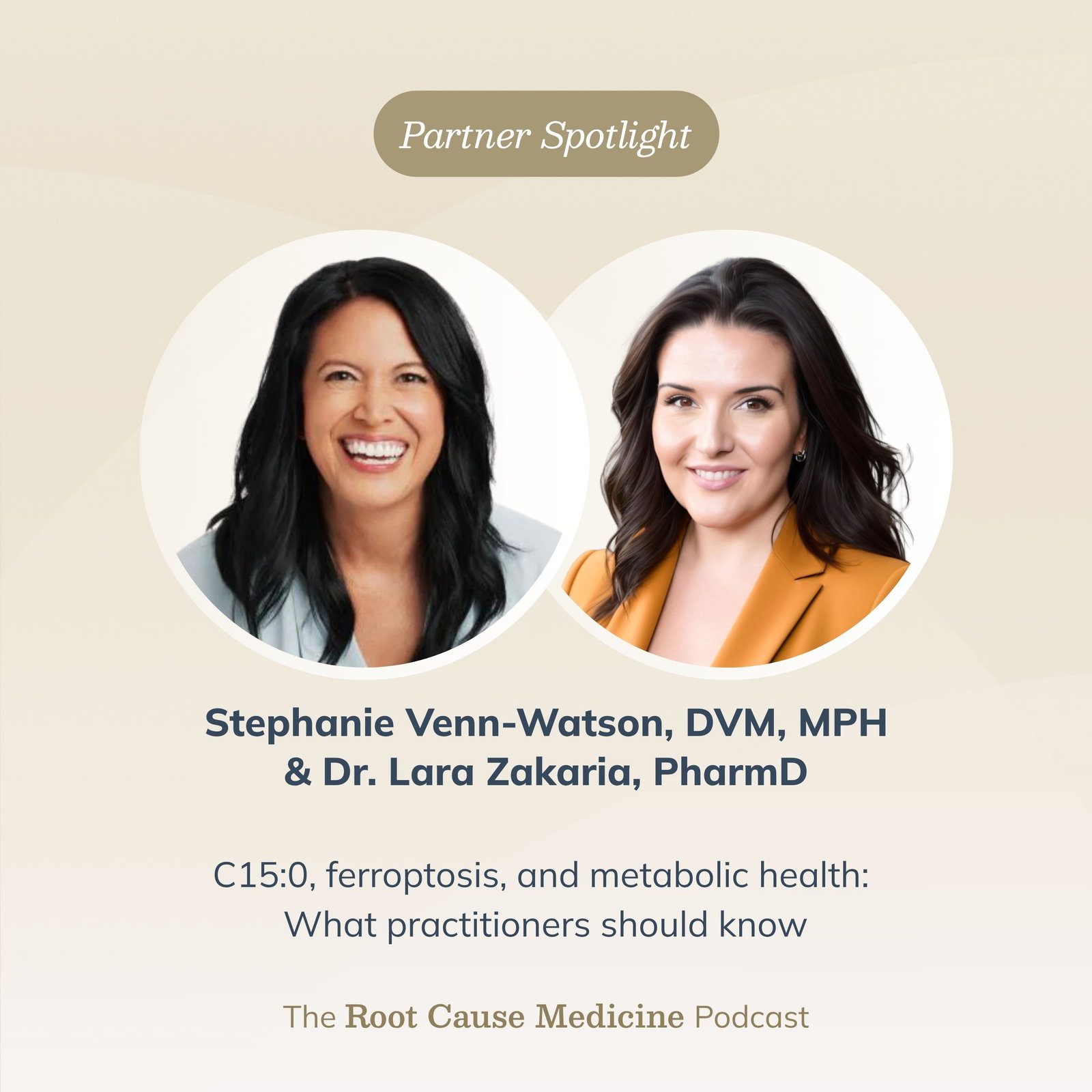
Dr. Lara Zakaria is joined by Stephanie Venn-Watson, DVM, MPH, to explore emerging research on pentadecanoic acid (C15:0), an odd-chain saturated fatty acid initially studied through research involving bottlenose dolphins.
The conversation connects C15:0 with cell-membrane composition, lipid peroxidation, ferroptosis, iron metabolism, metabolic health, and steatotic liver disease. It also examines research on circulating C15:0 as a biomarker associated with cardiometabolic outcomes and early human trials of C15:0 supplementation. (Imamura 2018) (Sawh 2021)
C15:0 has been proposed as a candidate essential fatty acid, however, that classification and a specific human “C15:0 deficiency syndrome” remain emerging hypotheses rather than established clinical diagnoses.
Clinical Takeaways
Ferroptosis is an iron-dependent form of regulated cell death. First characterized in 2012, ferroptosis involves iron-dependent lipid peroxidation and differs mechanistically from apoptosis and other forms of cell death. (Dixon 2012) Polyunsaturated fatty acids in phospholipids are particularly relevant substrates for ferroptotic lipid peroxidation. (Yang 2016)
C15:0 is an odd-chain saturated fatty acid being studied for metabolic effects. Pentadecanoic acid, or C15:0, is found in dairy fat and smaller amounts in other foods. Higher circulating C15:0 has been associated with lower incidence of type 2 diabetes in prospective observational research, but these associations do not establish that C15:0 itself prevents diabetes. (Imamura 2018)
Calling C15:0 an “essential fatty acid” remains an emerging scientific proposal. Experimental work has proposed C15:0 as a candidate essential fatty acid based on dietary exposure, biological activity, and associations between circulating levels and health outcomes. More research is needed before C15:0 can be treated as equivalent to the established essential fatty acids linoleic acid and alpha-linolenic acid. (Venn-Watson 2020) (Venn-Watson 2022)
Metabolic hyperferritinemia is a recognized clinical framework, but it is not synonymous with ferroptosis or C15:0 deficiency. Metabolic hyperferritinemia describes elevated ferritin occurring with metabolic dysfunction. Ferritin is also an acute-phase reactant, so elevated values require evaluation in clinical context rather than being interpreted as tissue iron overload by themselves. (Valenti 2023)
Human C15:0 supplementation evidence is early. Within this broader metabolic context, circulating C15:0 is an emerging biomarker of interest. In a small 12-week randomized, placebo-controlled trial in young adults with overweight or obesity, 200 mg/day oral C15:0 significantly increased circulating C15:0 concentrations. Exploratory analyses suggested that participants who achieved post-treatment circulating C15:0 concentrations above 5 µg/mL had greater reductions in ALT and AST and a greater increase in hemoglobin; these achieved-level findings were not definitive treatment effects and require replication in larger trials designed for liver and hematologic outcomes. (Robinson 2024)
Diet and lifestyle remain the better-established foundation for metabolic and liver health. Dairy fat is the principal dietary source of C15:0, although circulating odd-chain fatty acids may also be influenced by endogenous production. (Weitkunat 2017) For people who avoid or tolerate little dairy, C15:0 supplementation is an emerging option that may be useful alongside high-fiber, Mediterranean-style minimally processed dietary patterns, regular exercise, metabolic-risk reduction, and appropriate evaluation and treatment of fatty liver disease or abnormal iron markers. (Chooi 2024)
Guest: Stephanie Venn-Watson, DVM, MPH
Stephanie Venn-Watson is a veterinary epidemiologist whose research has included comparative medicine and the health of bottlenose dolphins cared for through the U.S. Navy Marine Mammal Program.
Research involving dolphins identified similarities in metabolic and age-associated physiology that led investigators to study odd-chain saturated fatty acids, including C15:0 and C17:0. Her subsequent research has focused on the biological activity of C15:0 and the hypothesis that inadequate C15:0 may contribute to cellular vulnerability.
Some of this research is connected with patents and commercial C15:0 products, making independent replication and larger human clinical trials particularly important when interpreting the findings.
Clinician FAQ
1. What is C15:0?
C15:0, or pentadecanoic acid, is a 15-carbon odd-chain saturated fatty acid.
It occurs in foods including dairy fat and has historically been studied as a biomarker related to dairy-fat intake. (Imamura 2018) More recent research is examining whether C15:0 itself has biologically relevant metabolic effects. (Venn-Watson 2020)
2. Is C15:0 an essential fatty acid?
Not yet by established nutritional consensus.
C15:0 has been proposed as a candidate essential fatty acid, but this remains an emerging area of research. (Venn-Watson 2020) (Venn-Watson 2022) Linoleic acid and alpha-linolenic acid remain the conventionally recognized essential fatty acids in human nutrition.
3. What is ferroptosis?
Ferroptosis is a regulated, iron-dependent form of cell death characterized by damaging lipid peroxidation. (Dixon 2012)
The process involves interactions among cellular iron, oxidizable membrane phospholipids, and antioxidant defense systems. Ferroptosis is being investigated across metabolic, neurologic, cardiovascular, liver, and cancer biology.
4. Is high ferritin evidence that a patient is undergoing ferroptosis?
No.
Ferritin reflects iron storage but is also an acute-phase reactant. Elevated ferritin can occur with inflammation, liver disease, metabolic dysfunction, infection, malignancy, iron overload, and other conditions. (Valenti 2023) Ferroptosis cannot be diagnosed from serum ferritin alone.
5. What is metabolic hyperferritinemia?
Metabolic hyperferritinemia describes elevated serum ferritin occurring in the context of metabolic dysfunction.
A published consensus framework proposes ferritin above 300 ng/mL in men or 200 ng/mL in women together with specified metabolic criteria, while excluding or reassessing alternative explanations for hyperferritinemia. (Valenti 2023) The framework also distinguishes hyperferritinemia from confirmed tissue iron accumulation. (Liu 2024)
6. Does elevated ferritin mean a patient needs phlebotomy?
Not necessarily.
The metabolic hyperferritinemia consensus states that evidence supporting routine iron-depletion therapy is insufficient. (Valenti 2023) Phlebotomy should not be inferred from ferritin alone; evaluation of the cause of hyperferritinemia and, when appropriate, tissue iron burden is important.
7. What foods contain C15:0?
Dairy fat is one dietary source of C15:0, and C15:0 is also present in smaller amounts in some meats, fish, and other foods.
Circulating odd-chain fatty acids are not exclusively determined by dairy intake. Research also suggests that endogenous pathways involving gut-derived propionate can contribute to odd-chain fatty acid production. (Weitkunat 2017)
8. Does eating more full-fat dairy increase C15:0?
Dietary dairy fat can contribute to circulating C15:0, but the health implications of increasing full-fat dairy cannot be reduced to C15:0 alone.
Dairy foods contain multiple fatty acids, proteins, carbohydrates, minerals, and other components, and observational evidence differs by dairy-food type. (Imamura 2018) (Sawh 2021) Dietary recommendations should therefore consider the patient's overall diet and clinical context.
9. What has human supplementation research shown?
Human evidence remains limited.
One randomized trial studied 200 mg/day of C15:0 for 12 weeks in 30 young adults with overweight or obesity and found increased circulating C15:0. (Robinson 2024) A separate randomized trial evaluated 300 mg/day as an addition to an Asian-adapted Mediterranean-style diet in women with fatty liver and reported an additional reduction in LDL cholesterol and an increase in Bifidobacterium adolescentis abundance. (Chooi 2024)
Neither study establishes C15:0 supplementation as treatment for metabolic disease, ferroptosis, or metabolic hyperferritinemia.
10. Can C15:0 levels be used as a clinical treatment target?
A standardized clinical target has not been established.
Thresholds such as 5 μg/mL or 0.2% of total fatty acids have been proposed and explored in C15:0 research, but they should not currently be treated as universally validated diagnostic thresholds for deficiency or treatment targets. (Robinson 2024) (Venn-Watson 2024)
Timestamps / Key Moments
00:00:18 Introducing C15:0, cellular aging, and ferroptosis
00:02:19 Stephanie Venn-Watson’s background and dolphin research
00:05:29 How C15:0 emerged from metabolomics research
00:10:20 Alzheimer’s disease-like pathology in dolphins
00:11:33 What C15:0 is and how fatty acids are classified
00:18:18 C15:0, membrane stability, and lipid peroxidation
00:19:25 Understanding ferroptosis
00:24:34 Metabolic hyperferritinemia and clinical patterns
00:27:37 Proposed C15:0 thresholds and metabolic research
00:30:43 Dietary sources of C15:0
00:40:19 Measuring circulating C15:0
00:45:49 Human clinical research on C15:0
Fatty acids and biological processes discussed
Pentadecanoic acid (C15:0)
Heptadecanoic acid (C17:0)
Odd-chain saturated fatty acids
Saturated fatty acids
Polyunsaturated fatty acids
Linoleic acid
Alpha-linolenic acid
EPA
DHA
Cell-membrane lipids
Lipid peroxidation
Ferroptosis
Reactive oxygen species
Mitochondrial function
Iron metabolism
Ferritin
Clinical markers and conditions discussed
Ferritin
Transferrin saturation
Hemoglobin
Red blood cell distribution width (RDW)
ALT
AST
GGT
Lipid peroxidation
LDL cholesterol
Glucose
Insulin
Metabolic hyperferritinemia
Insulin resistance
Type 2 diabetes
Metabolic syndrome
MASLD
MASH
Iron overload
Cognitive decline
Want to elevate your practice?
This episode is sponsored by Fullscript, a comprehensive care delivery platform designed to support whole-person, integrative healthcare. Fullscript helps practitioners bring supplement dispensing, lab ordering, patient education, and care planning into a centralized workflow.
The goal is not to replace clinical judgment, but to support thoughtful, individualized care and reduce unnecessary administrative steps.
For more practitioner education on supplement quality, metabolic health, and clinical decision-making, visit Fullscript Academy.
Disclaimer
The views expressed on this podcast are those of the host and guest and do not necessarily reflect those of Fullscript or affiliated organizations. This episode is for informational and educational purposes only and is not medical advice.
C15:0 research is evolving. C15:0 is not currently an established treatment for ferroptosis, metabolic hyperferritinemia, diabetes, MASLD, MASH, or neurodegenerative disease. Elevated ferritin has multiple potential causes and should be interpreted in clinical context. Patients should consult a qualified healthcare professional before changing their diet, supplements, iron intake, or treatment plan.
References
Chooi, Y. C., Zhang, Q. A., Magkos, F., Ng, M., Michael, N., Wu, X., Brok Volchanskaya, V. S., Lai, X., Wanjaya, E. R., Elejalde, U., Goh, C. C., Yap, C. P. L., Wong, L. H., Lim, K. J., Velan, S. S., Yaligar, J., Muthiah, M. D., Chong, Y. S., Loo, E. X. L., … Eriksson, J. G. (2024). Effect of an Asian-adapted Mediterranean diet and pentadecanoic acid on fatty liver disease: The TANGO randomized controlled trial. American Journal of Clinical Nutrition, 119(3), 788–799. https://pubmed.ncbi.nlm.nih.gov/38035997/
Dixon, S. J., Lemberg, K. M., Lamprecht, M. R., Skouta, R., Zaitsev, E. M., Gleason, C. E., Patel, D. N., Bauer, A. J., Cantley, A. M., Yang, W. S., Morrison, B., III, & Stockwell, B. R. (2012). Ferroptosis: An iron-dependent form of nonapoptotic cell death. Cell, 149(5), 1060–1072. https://pubmed.ncbi.nlm.nih.gov/22632970/
Imamura, F., Fretts, A., Marklund, M., Ardisson Korat, A. V., Yang, W.-S., Lankinen, M., Qureshi, W., Helmer, C., Chen, T.-A., Wong, K., Bassett, J. K., Murphy, R., Tintle, N., Yu, C. I., Brouwer, I. A., Chien, K.-L., Frazier-Wood, A. C., del Gobbo, L. C., Djoussé, L., … Forouhi, N. G. (2018). Fatty acid biomarkers of dairy fat consumption and incidence of type 2 diabetes: A pooled analysis of prospective cohort studies. PLOS Medicine, 15(10), e1002670. https://pubmed.ncbi.nlm.nih.gov/30303968/
Liu, W.-Y., Lian, L.-Y., Zhang, H., Chen, S.-D., Jin, X.-Z., Zhang, N., Ye, C.-H., Chen, W.-Y., Goh, G. B. B., Wang, F.-D., Miele, L., Corradini, E., Valenti, L., & Zheng, M.-H. (2024). A population-based and clinical cohort validation of the novel consensus definition of metabolic hyperferritinemia. Journal of Clinical Endocrinology & Metabolism, 109(6), 1540–1549. https://pubmed.ncbi.nlm.nih.gov/38124275/
Robinson, M. K., Lee, E., Ugalde-Nicalo, P. A., Skonieczny, J. W., Chun, L. F., Newton, K. P., & Schwimmer, J. B. (2024). Pentadecanoic acid supplementation in young adults with overweight and obesity: A randomized controlled trial. Journal of Nutrition, 154(9), 2763–2771. https://pubmed.ncbi.nlm.nih.gov/39069269/
Sawh, M. C., Wallace, M., Shapiro, E., Goyal, N. P., Newton, K. P., Yu, E. L., Bross, C., Durelle, J., Knott, C., Gangoiti, J. A., Barshop, B. A., Gengatharan, J. M., Meurs, N., Schlein, A., Middleton, M. S., Sirlin, C. B., Metallo, C. M., & Schwimmer, J. B. (2021). Dairy fat intake, plasma C15:0, and plasma iso-C17:0 are inversely associated with liver fat in children. Journal of Pediatric Gastroenterology and Nutrition, 72(4), e90–e96. https://pubmed.ncbi.nlm.nih.gov/33399331/
Vacher, M. C., Durrant, C. S., Rose, J., Hall, A. J., Spires-Jones, T. L., Gunn-Moore, F., & Dagleish, M. P. (2023). Alzheimer's disease-like neuropathology in three species of oceanic dolphin. European Journal of Neuroscience, 57(7), 1161–1179. https://pubmed.ncbi.nlm.nih.gov/36514861/
Valenti, L., Corradini, E., Adams, L. A., Aigner, E., Alqahtani, S., Arrese, M., Bardou-Jacquet, E., Bugianesi, E., Fernandez-Real, J.-M., Girelli, D., Hagström, H., Henninger, B., Kowdley, K., Ligabue, G., McClain, D., Lainé, F., Miyanishi, K., Muckenthaler, M. U., Pagani, A., … Zoller, H. (2023). Consensus statement on the definition and classification of metabolic hyperferritinaemia. Nature Reviews Endocrinology, 19(5), 299–310. https://pubmed.ncbi.nlm.nih.gov/36805052/
Venn-Watson, S., Smith, C. R., Stevenson, S., Parry, C., Daniels, R., Jensen, E., Cendejas, V., Balmer, B., Janech, M., Neely, B. A., & Wells, R. (2013). Blood-based indicators of insulin resistance and metabolic syndrome in bottlenose dolphins (Tursiops truncatus). Frontiers in Endocrinology, 4, 136. https://pubmed.ncbi.nlm.nih.gov/24130551/
Venn-Watson, S., Parry, C., Baird, M., Stevenson, S., Carlin, K., Daniels, R., Smith, C. R., Jones, R., Meegan, J., Simmons, J., Gomez, F., & Jensen, E. D. (2015). Increased dietary intake of saturated fatty acid heptadecanoic acid (C17:0) associated with decreasing ferritin and alleviated metabolic syndrome in dolphins. PLOS ONE, 10(7), e0132117. https://pubmed.ncbi.nlm.nih.gov/26200116/
Venn-Watson, S., Lumpkin, R., & Dennis, E. A. (2020). Efficacy of dietary odd-chain saturated fatty acid pentadecanoic acid parallels broad associated health benefits in humans: Could it be essential? Scientific Reports, 10, 8161. https://pubmed.ncbi.nlm.nih.gov/32424181/
Venn-Watson, S. K., & Butterworth, C. N. (2022). Broader and safer clinically-relevant activities of pentadecanoic acid compared to omega-3: Evaluation of an emerging essential fatty acid across twelve primary human cell-based disease systems. PLOS ONE, 17(5), e0268778. https://journals.plos.org/plosone/article?id=10.1371/journal.pone.0268778
Venn-Watson, S. (2024). The cellular stability hypothesis: Evidence of ferroptosis and accelerated aging-associated diseases as newly identified nutritional pentadecanoic acid (C15:0) deficiency syndrome. Metabolites, 14(7), 355. https://www.mdpi.com/2218-1989/14/7/355
Weitkunat, K., Schumann, S., Nickel, D., Hornemann, S., Petzke, K. J., Schulze, M. B., Pfeiffer, A. F. H., & Klaus, S. (2017). Odd-chain fatty acids as a biomarker for dietary fiber intake: A novel pathway for endogenous production from propionate. American Journal of Clinical Nutrition, 105(6), 1544–1551. https://pubmed.ncbi.nlm.nih.gov/28424190/
Yang, W. S., Kim, K. J., Gaschler, M. M., Patel, M., Shchepinov, M. S., & Stockwell, B. R. (2016). Peroxidation of polyunsaturated fatty acids by lipoxygenases drives ferroptosis. Proceedings of the National Academy of Sciences, 113(34), E4966–E4975. https://pubmed.ncbi.nlm.nih.gov/27506793/
54 minAbspielen in:
Warum PodAppear
Folge Menschen, nicht Podcasts.
Du hast Lara in einer Sendung gehört. PodAppear findet für dich die nächste, und genauso für alle anderen, die du hören willst.
Eine Meldung, wenn die Person zu Gast istPer E-Mail: sofort oder gebündelt als Tages- oder Wochenübersicht. Dann nur noch auf Play drücken.
Gäste statt bloßer ErwähnungenFolgen, in denen ein Name nur fällt, landen getrennt. Eine Meldung heißt: Die Person ist wirklich in der Sendung.
Alle in einem FeedGründerinnen, Autoren, Sportler, Forscherinnen. Folge allen mit Namen, quer durch jede Sendung, in der sie auftreten.