Bekomm eine E-Mail, wenn Lara in einem Podcast zu Gast istPodAppear prüft neue Folgen, sobald sie erscheinen, und lässt die weg, in denen Lara nur erwähnt wird. Bis zu 15 Personen kostenlos, ohne Kreditkarte.Bis zu 15 Personen kostenlos, ohne Kreditkarte.
Lara Zakaria war in den letzten 12 Monaten in 5 Podcast-Folgen aus 2 verschiedenen Sendungen zu Gast, am häufigsten bei The Root Cause Medicine Podcast (4-mal). Zuletzt: The DUTCH Podcast, 24. Nov. 2026.
Send us Fan Mail
In this episode, Dr. Lara Zakaria joins host Dr. Jaclyn Smeaton to discuss metabolic health as the foundation of the hormone hierarchy, the benefits of baseline hormone testing, and more.
This episode also explores:
How reproductive symptoms and stress can reflect deeper metabolic dysregulation
Cortisol as a metabolic hormone, and how both high and low cortisol can drive insulin resistance
The importance of body composition over scale weight
The impact of metabolic dysregulation on insulin resistance, thyroid function, and cholesterol levels
Recommendations for both basic and more advanced lab tests, as well as baseline hormone testing to track shifts over time
Show Notes
Learn more about Dr. Lara Zakaria and follow her on Instagram @foodiepharmacist!
Join us at DUTCH Fest 2027 at Omni La Costa Resort & Spa in Carlsbad, CA from March 11-13, 2027. Register today to get early bird ticket pricing!
Become a DUTCH Provider today to get access to comprehensive patient reports, peer-reviewed and validated research, and expert clinical support.
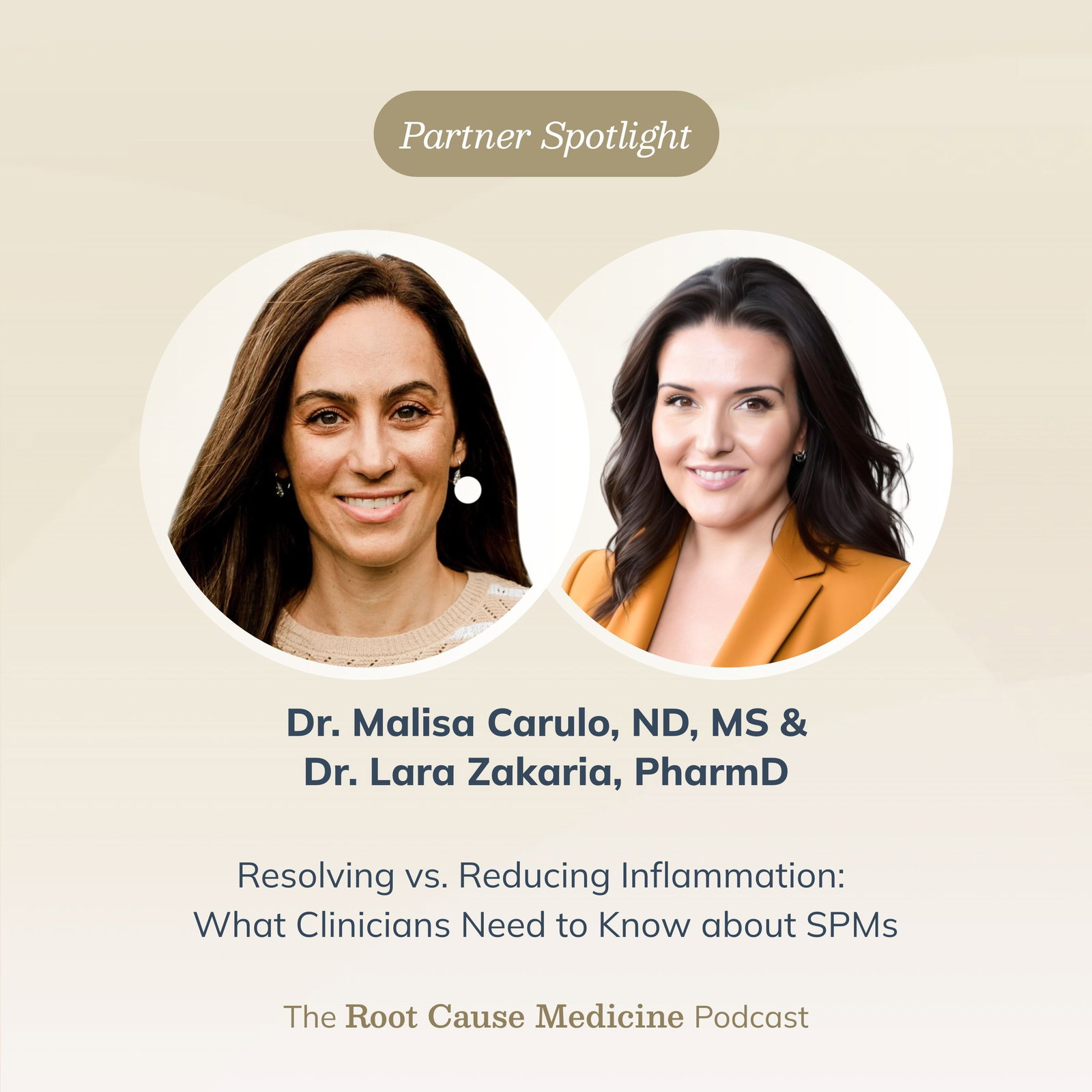
On the Root Cause Medicine Podcast, Dr. Lara Zakaria joins Dr. Malisa Carulo to explore specialized pro-resolving mediators (SPMs), omega-3-derived precursors, and emerging pain research, with a focus on evidence limits and clinical decision-making.
Clinical Takeaways
Distinguish SPMs from their precursors. TSPMs are lipid signals that help steer inflammation toward resolution. (Serhan 2018) SPM-focused marine-oil supplements contain upstream intermediates, a few enzymatic steps closer to finished SPMs than EPA and DHA, but these are not equivalent to finished SPMs. (Souza 2020)
Separate mechanisms from clinical outcomes. condition.Mechanistic research outpaces human trials, which so far center on pain and musculoskeletal conditions such as osteoarthritis. (Callan 2020) (Möller 2023) Evidence does not yet support broad benefits for autoimmune disease, gut health, or every inflammatory condition.
Keep clinical response central. The conversation emphasizes pain, stiffness, and mobility alongside foundational care. Acute high-dose strategies and bedtime use are discussed as anecdotes, not validated protocols.
Guest
Dr. Malisa Carulo holds a doctorate in naturopathic medicine and an MS in biology. Introduced as Senior Manager of Medical Information and Safety at Metagenics, her interests include chronic disease, healthy aging, and sports medicine.
Clinician FAQ
1. What are specialized pro-resolving mediators?
SPMs, including resolvins, protectins, and maresins, as lipid signals involved in the active resolution of inflammation. (Serhan 2018)
2. How do SPM-focused supplements differ from fish oil?
The guest distinguishes EPA and DHA from downstream intermediates such as 18-HEPE, 17-HDHA, and 14-HDHA. This distinction alone does not establish superior clinical outcomes. (Möller 2023)
3. What evidence for SPMs and joint pain does the episode discuss?
The guest highlights early human research in musculoskeletal pain, including osteoarthritis, while acknowledging that clinical evidence remains limited relative to mechanistic research. (Callan 2020) (Möller 2023)
4. Are SPM supplements established therapies for autoimmune or gut conditions?
The discussion does not establish that use. The guest describes clinical experiences and biological hypotheses rather than condition-specific evidence sufficient to support broad treatment claims.
5. Does the episode establish an SPM dosing protocol?
No. Studies have used doses ranging from about 250 mg per day in early research to 500 mg and 1 g in human trials, but the guest cautions that evidence-guided dosing recommendations remain limited. (Callan 2020) (Möller 2023)
Key Moments
03:56 SPM biology and marine-oil intermediates
07:42 Conversion pathways and inflammation resolution
11:15 Mechanistic research versus human evidence
13:21 Evaluating formulations and clinical outcomes
18:44 Measurement limitations and pain research
24:38 Dosing discussion and anecdotal strategies
30:25 Tracking pain, stiffness, and mobility
Disclaimer
The views expressed on this podcast are those of the hosts and the guests, and they don't necessarily reflect the views of FullScript or any affiliated organizations. This podcast is for informational and educational purposes only, and it's not intended to be medical advice. For your safety, always check with your healthcare provider before making any changes to your healthcare routine.
References
Callan, N., Hanes, D., & Bradley, R. (2020). Early evidence of efficacy for orally administered SPM-enriched marine lipid fraction on quality of life and pain in a sample of adults with chronic pain. Journal of Translational Medicine, 18(1), Article 401. https://doi.org/10.1186/s12967-020-02569-5
Möller, I., Rodas, G., Villalón, J. M., Rodas, J. A., Angulo, F., Martínez, N., & Vergés, J. (2023). Randomized, double-blind, placebo-controlled study to evaluate the effect of treatment with an SPMs-enriched oil on chronic pain and inflammation, functionality, and quality of life in patients with symptomatic knee osteoarthritis: GAUDI study. Journal of Translational Medicine, 21(1), Article 423. https://doi.org/10.1186/s12967-023-04283-4
Serhan, C. N., & Levy, B. D. (2018). Resolvins in inflammation: Emergence of the pro-resolving superfamily of mediators. Journal of Clinical Investigation, 128(7), 2657–2669. https://doi.org/10.1172/JCI97943
Souza, P. R., Marques, R. M., Gomez, E. A., Colas, R. A., De Matteis, R., Zak, A., Patel, M., Collier, D. J., & Dalli, J. (2020). Enriched marine oil supplements increase peripheral blood specialized pro-resolving mediators concentrations and reprogram host immune responses: A randomized double-blind placebo-controlled study. Circulation Research, 126(1), 75–90. https://doi.org/10.1161/CIRCRESAHA.119.315506
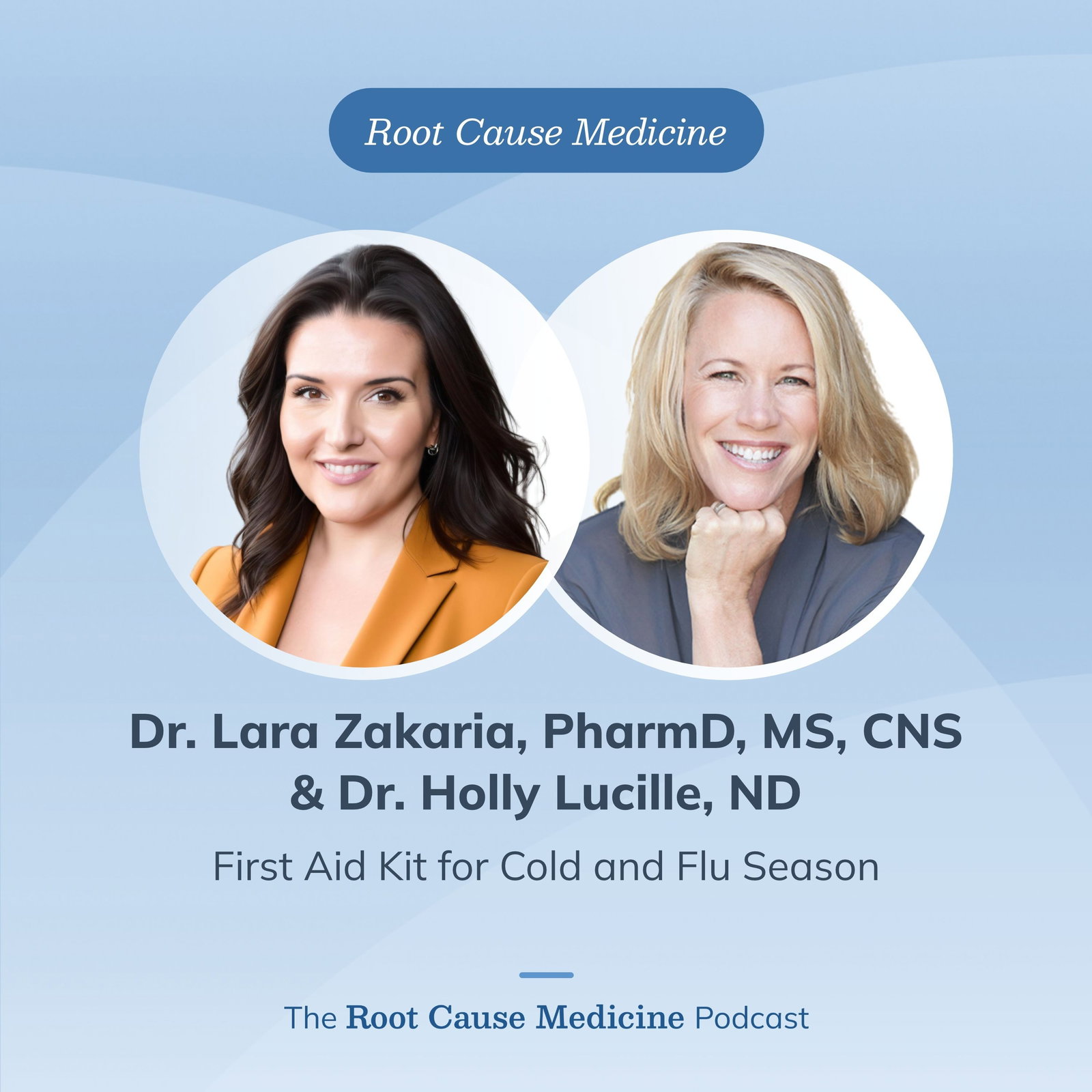
What to do at the first sign of a cold: an evidence-informed toolkit
Dr. Holly Lucille, ND, is joined by Lara Zakaria, PharmD, MS, CNS, to discuss what people can do when a scratchy throat, fatigue, or other early respiratory symptoms begin. The conversation covers rest and recovery, respiratory virus testing, zinc, vitamin C, elderberry, echinacea, honey, green tea, garlic, ginger, turmeric, and practical ways to prepare for cold and flu season.
Early symptoms of COVID-19, influenza, and other respiratory infections can overlap, making symptom pattern alone an unreliable way to identify the cause. Testing, individual risk factors, symptom severity, and timing can all affect the appropriate next step. (CDC 2026a) (CDC 2025)
Clinical Takeaways
Start with the fundamentals: rest, fluids, testing when appropriate, and risk assessment. Most uncomplicated colds improve without specific treatment, and supportive measures such as adequate rest and fluids remain foundational. (CDC 2026b) Testing can help distinguish respiratory infections such as COVID-19 and influenza when the result may affect treatment or precautions, particularly for patients at higher risk of severe illness. (CDC 2025)
Zinc and vitamin C have different levels of evidence for the common cold. Zinc has been studied extensively, particularly as lozenges started early in a cold, but results vary substantially by formulation, dose, and study design. (Nault 2024) (Hemilä 2017) (Hemilä 2020) Regular vitamin C supplementation may modestly shorten cold duration, while evidence for starting vitamin C only after symptoms appear has been less consistent. Long-term or excessive zinc supplementation also warrants attention because sustained high intake can interfere with copper status. (NIH 2022)
Botanical evidence is ingredient- and formulation-specific. (Karsch-Völk 2014) Elderberry and echinacea have both been studied for respiratory infections, but findings are mixed and should not be generalized across products. (Wieland 2021) (Karsch-Völk 2014) (David 2019) Evidence for elderberry remains limited and uncertain, while echinacea studies vary considerably according to species, plant part, extraction method, and formulation. (Wieland 2021) (Karsch-Völk 2014) Garlic, green tea, ginger, turmeric, and honey may have nutritional or symptom-support roles, but they should not be presented as established treatments for viral respiratory infections. (Lissiman 2014) (Abuelgasim 2021)
Guest: Lara Zakaria, PharmD, MS, CNS
Lara Zakaria is a pharmacist and clinical nutritionist with a background spanning community pharmacy, functional medicine, and personalized nutrition. In this episode, she discusses how conventional pharmacy knowledge and nutrition can be brought together when thinking about early respiratory symptoms, supplement use, and practical supportive care.
Clinician FAQ
1. What should patients do when they first feel a cold coming on?
Supportive care is a reasonable starting point for uncomplicated symptoms. Rest, adequate fluids, and attention to symptom progression can help patients through a typical viral illness. Testing for COVID-19 or influenza may also be useful when results could affect treatment or precautions, particularly in higher-risk patients. (CDC 2026b) (CDC 2025)
Patients at increased risk for severe respiratory illness should contact a healthcare provider promptly because prescription antiviral treatment for influenza and COVID-19 is time-sensitive. (CDC 2026a)
2. Does zinc shorten a cold?
Possibly, but the evidence is formulation-dependent. (Nault 2024) Trials of zinc lozenges have produced conflicting findings, with some showing shorter illness duration and others showing no meaningful benefit. (Hemilä 2017) (Hemilä 2020) Differences in zinc salt, formulation, dose, timing, and lozenge composition complicate comparisons across studies. (Nault 2024)
This means findings from a specific zinc-lozenge trial should not automatically be extrapolated to zinc supplements in general. Prolonged high zinc intake can also impair copper absorption, making duration and total intake relevant to safety. (NIH 2022)
3. Should vitamin C be started when cold symptoms appear?
The evidence is stronger for regular supplementation than for starting vitamin C after symptoms begin. A large systematic review found that routine vitamin C supplementation did not substantially reduce cold incidence in the general population but was associated with modest reductions in cold duration. (Hemilä 2013) Trials starting vitamin C therapeutically after symptom onset have not demonstrated a consistent benefit. (Hemilä 2013)
Practitioners should therefore distinguish evidence for ongoing vitamin C intake from evidence for using vitamin C as an acute intervention.
4. Do elderberry and echinacea help with colds and respiratory infections?
The evidence is mixed. A systematic review of elderberry found that it may reduce the duration or severity of some viral respiratory illnesses, but the certainty of the evidence was insufficient for firm conclusions. (Wieland 2021) Echinacea research is complicated by substantial differences among preparations. (Karsch-Völk 2014) Systematic reviews and individual trials have reached differing conclusions, and some well-controlled studies have not found significant reductions in cold duration or severity. (Karsch-Völk 2014) (David 2019) Product-specific evidence matters when interpreting these findings.
5. When should respiratory symptoms prompt testing or medical evaluation?
Testing becomes particularly important when identifying COVID-19 or influenza could change treatment or precautions. (CDC 2025) Patients at higher risk for severe illness should seek healthcare promptly because antiviral treatments for influenza and COVID-19 work best when initiated early. (CDC 2026a) (CDC 2026b) Trouble breathing, chest pain or pressure, confusion, inability to stay awake, dehydration, severe weakness, or symptoms that improve and then significantly worsen warrant prompt medical assessment. (CDC 2026a)
Timestamps / Key Moments
00:03:00 Early signs that an illness may be developing
00:04:00 Temperature, heart rate, and HRV changes
00:06:35 When testing and medical evaluation may be appropriate
00:08:46 Why rest and recovery matter
00:09:55 Respiratory virus testing and RSV
00:12:15 Vitamin C and zinc
00:14:35 Vitamin C formulations and intake
00:15:24 Zinc supplements and lozenges
00:17:15 Long-term zinc intake and copper balance
00:20:30 Vitamin D status and seasonal preparation
00:22:33 Elderberry, echinacea, honey, and other botanicals
00:26:45 Symptom relief versus the underlying infection
00:30:20 Echinacea preparations
00:32:47 Green tea and EGCG
00:34:10 Garlic and allicin
00:35:15 Ginger and turmeric
00:36:49 Building a practical early-symptom toolkit
Nutrients and botanicals discussed
Zinc
Vitamin C
Vitamin D
Elderberry
Echinacea
Honey
Manuka honey
Green tea
EGCG
Garlic
Allicin
Ginger
Turmeric
Supportive strategies discussed
Rest and sleep
Hydration
Respiratory virus testing
Monitoring symptoms
Reviewing wearable trends
Warm fluids and tea
Supplement preparation before cold and flu season
Evaluating zinc intake and copper balance
Individualizing supplement use
Want to elevate your practice?
This episode is sponsored by Fullscript, a comprehensive care delivery platform designed to support whole-person, integrative healthcare. Fullscript helps clinicians bring supplement dispensing, lab ordering, and patient education into one centralized workflow.
For more practitioner education on supplements, nutrition, and evidence-informed clinical care, visit Fullscript Academy at academy.fullscript.com.
Disclaimer
The views expressed on this podcast are those of the host and guest and do not necessarily reflect those of Fullscript or affiliated organizations. This episode is for informational and educational purposes only and is not medical advice. Dietary supplements can cause adverse effects and interact with medications. Patients should consult a qualified healthcare professional when symptoms are severe, persistent, worsening, or when individual health conditions or medications may affect appropriate care.
References
Abuelgasim, H., Albury, C., & Lee, J. (2021). Effectiveness of honey for symptomatic relief in upper respiratory tract infections: A systematic review and meta-analysis. BMJ Evidence-Based Medicine, 26(2), 57–64. https://doi.org/10.1136/bmjebm-2020-111336
Centers for Disease Control and Prevention. (2025, August 18). Testing and respiratory viruses. https://www.cdc.gov/respiratory-viruses/prevention/testing.html
Centers for Disease Control and Prevention. (2026a, September 10). About respiratory illnesses. https://www.cdc.gov/respiratory-viruses/about/index.html
Centers for Disease Control and Prevention. (2026b, March 11). Manage common cold. https://www.cdc.gov/common-cold/treatment/index.html
David, S., & Cunningham, R. (2019). Echinacea for the prevention and treatment of upper respiratory tract infections: A systematic review and meta-analysis. Complementary Therapies in Medicine, 44, 18–26. https://doi.org/10.1016/j.ctim.2019.03.011
Hemilä, H., & Chalker, E. (2013). Vitamin C for preventing and treating the common cold. Cochrane Database of Systematic Reviews, 2013(1), Article CD000980. https://doi.org/10.1002/14651858.CD000980.pub4
Hemilä, H., Fitzgerald, J. T., Petrus, E. J., & Prasad, A. (2017). Zinc acetate lozenges may improve the recovery rate of common cold patients: An individual patient data meta-analysis. Open Forum Infectious Diseases, 4(2), ofx059. https://doi.org/10.1093/ofid/ofx059
Hemilä, H., Haukka, J., Alho, M., Vahtera, J., & Kivimäki, M. (2020). Zinc acetate lozenges for the treatment of the common cold: A randomised controlled trial. BMJ Open, 10(1), e031662. https://doi.org/10.1136/bmjopen-2019-031662
Karsch-Völk, M., Barrett, B., Kiefer, D., Bauer, R., Ardjomand-Woelkart, K., & Linde, K. (2014). Echinacea for preventing and treating the common cold. Cochrane Database of Systematic Reviews, 2014(2), Article CD000530. https://doi.org/10.1002/14651858.CD000530.pub3
Lissiman, E., Bhasale, A. L., & Cohen, M. (2014). Garlic for the common cold. Cochrane Database of Systematic Reviews, 2014(11), Article CD006206. https://doi.org/10.1002/14651858.CD006206.pub4
National Institutes of Health, Office of Dietary Supplements. (2022). Copper: Fact sheet for health professionals. Retrieved October 21, 2026, from https://ods.od.nih.gov/factsheets/Copper-HealthProfessional/
Nault, D., Machingo, T. A., Shipper, A. G., Antiporta, D. A., Hamel, C., Nourouzpour, S., Konstantinidis, M., Phillips, E., Lipski, E. A., & Wieland, L. S. (2024). Zinc for prevention and treatment of the common cold. Cochrane Database of Systematic Reviews, 2024(5), Article CD014914. https://doi.org/10.1002/14651858.CD014914.pub2
Wieland, L. S., Piechotta, V., Feinberg, T., Ludeman, E., Hutton, B., Kanji, S., Seely, D., & Garritty, C. (2021). Elderberry for prevention and treatment of viral respiratory illnesses: A systematic review. BMC Complementary Medicine and Therapies, 21(1), 112. https://doi.org/10.1186/s12906-021-03283-5
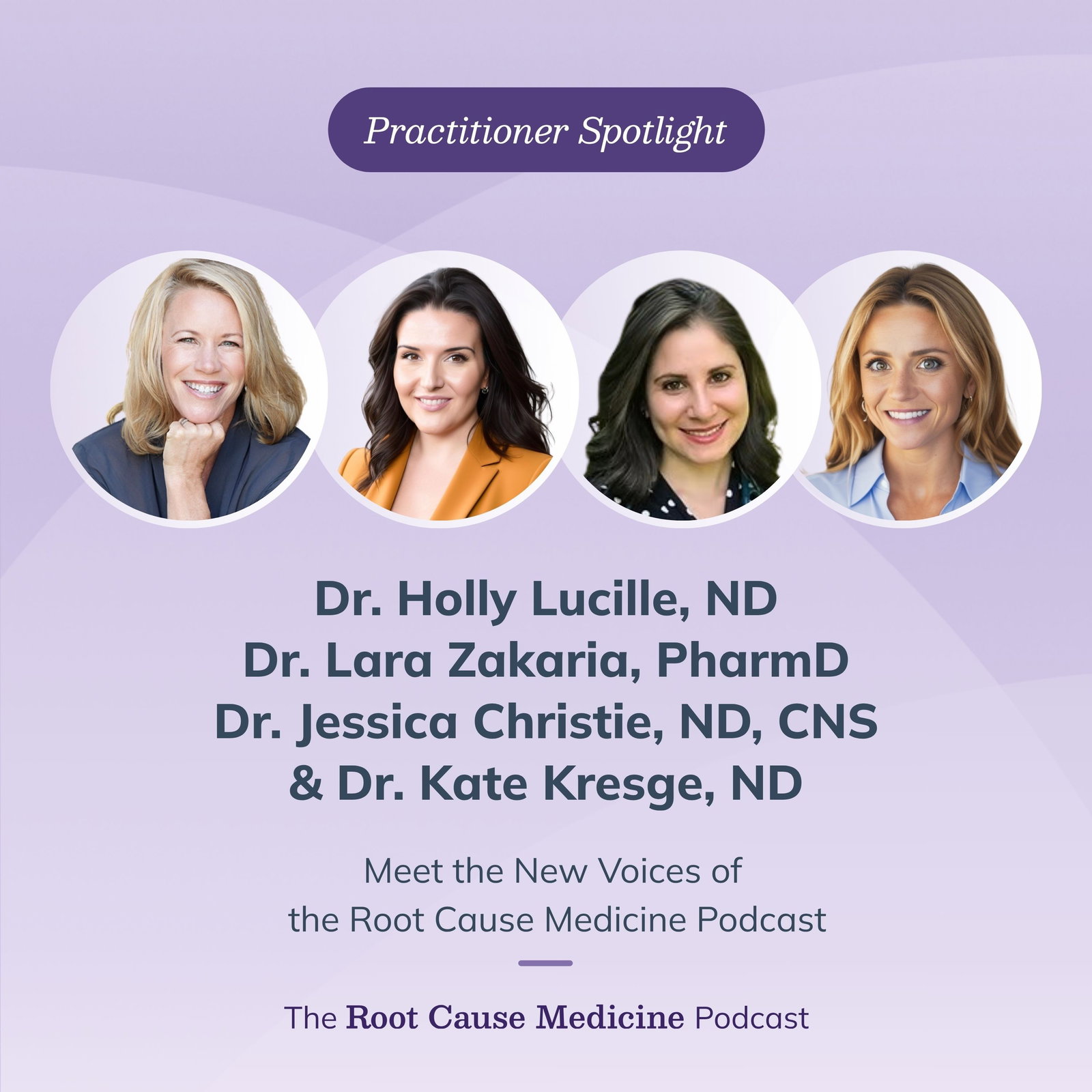
You've been hearing new voices in the host chair lately — so this week we're pulling back the curtain to introduce them properly. Dr. Kate Kresge sits down with Dr. Holly Lucille, Dr. Lara Zakaria, and Dr. Jessica Christie for a roundtable on the winding, deeply personal paths that led each of them into root-cause medicine.
A pharmacist nearly buried under her own stack of nutrition books who came out dual-licensed. A psychology student who couldn't find a medical school that took food and sleep seriously, so she built her own path. A holistic nurse turned naturopathic doctor who fought for her profession on the statehouse floor. And a host whose decade-long "mystery illness" resolved in three days once the right test was finally run. What ties them together is a stubborn refusal to stop at the easy answer — the instinct to say, let's think this through, because so often the protocol failed the patient, not the other way around.
Consider this your proper introduction to the team learning and sharing what works, right alongside you.
What you'll hear
Why every one of these clinicians came to functional medicine as a "detective" — and often as a patient first.
Dr. Lara Zakaria's path from community pharmacist to dual-licensed nutritionist, and a clear-eyed explainer on what the CNS credential actually requires.
Dr. Jessica Christie's move from developmental psychology into naturopathic medicine, becoming her own first patient, and finding her way into fertility and women's health.
Dr. Holly Lucille's journey through holistic nursing and naturopathic medicine — and helping pass California's ND licensing bill (SB 907) in 2004.
Dr. Kate Kresge's decade of misdiagnosed illness that resolved in days once the root cause was identified — and why it reshaped how she thinks about mental-health symptoms with a physiological root cause.
How Rupa and Fullscript coming together puts labs, education, boot camps, webinars and AI-assisted evidence in one free place for clinicians.
The team's reframe of "the patient failed treatment" into "the treatment failed the patient" — and what patient-centered care really means.
Key themes
Let's think things through — clinical reasoning over the 15-minute prescribe-and-go visit.
The empowered, informed patient is a good thing; clinicians add the nuance.
Whole-person care means mind and body are never truly separate.
Personalization: the protocol fits the patient, not the other way around.
Timestamps
02:21 — Welcoming the hosts
03:13 — Naming the listeners
05:35 — "Let's think things through"
06:40 — Nuance and the empowered patient
09:02 — Dr. Lara Zakaria's story
12:16 — Dr. Jessica Christie's story
16:00 — Rupa magazine + free education
17:03 — What a CNS is
20:10 — Dr. Holly Lucille's story
28:17 — Whiskey Flower + Wipeout
30:16 — Rupa + Fullscript coming together
32:20 — AI Assist for whole-person care
34:00 — Dr. Kate Kresge's story
44:11 — The protocol failed the patient
46:05 — What excites the team next
53:21 — Wrap-up + listener name reveal
Want to elevate your practice? This episode is sponsored by Fullscript, a comprehensive care delivery platform designed to support whole-person, integrative healthcare. Fullscript allows clinicians to streamline supplement dispensing, lab ordering, and patient education in one free, centralized system—helping reduce administrative burden while supporting clinical decision-making. For practitioners, Fullscript offers access to professional-grade supplements, evidence-informed protocols, and lab integrations that can support more efficient planning and follow-up. For patients, it provides a clear, organized way to receive recommendations, manage refills, and stay engaged in their care. The goal is not to replace clinical judgment, but to make it easier for clinicians to focus on what matters most: thoughtful, individualized patient care.
Disclaimer: Views expressed are those of the hosts and guests and do not necessarily reflect Fullscript or affiliated organizations. For informational and educational purposes only; not medical advice.
There’s a category of patients every clinician recognizes immediately.
They’re exhausted.
Their hair is thinning.
They’re getting sick more often than they used to.
Their focus isn’t what it was.
And their labs?
“Normal.”
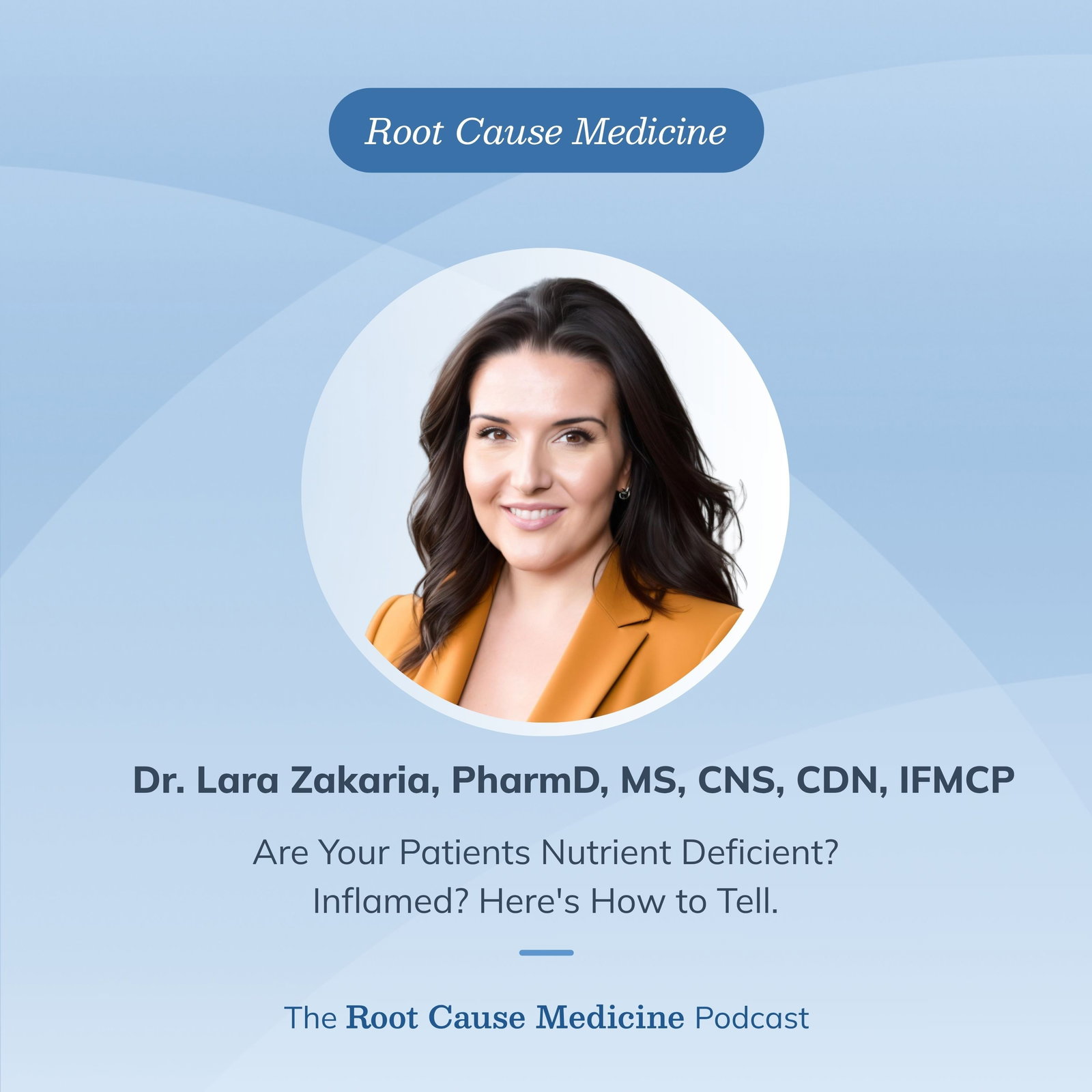
This episode is about what gets missed in that gap.
We sit down with Lara Zakaria to discuss some of the least commonly tested for (but most commonly occuring) nutrient deficiencies that can help to explain symptoms like fatigue, hair loss, impaired immune function, and reduced resilience.
We walk through how a structured nutrition panel combining familiar markers like CBC and iron studies with underutilized ones like vitamin B6, folate, zinc, and RBC magnesium can reveal patterns that standard interpretations often overlook.
Because the future isn’t more testing - it’s running the right labs and using smarter interpretation to uncover what’s been hiding in plain sight.
Clinical Takeaways from This Episode
Pattern recognition is the clinical upgrade: Interpreting CBC, iron studies, and nutrient markers together - rather than in isolation - helps connect symptoms to physiology and identify contributing drivers earlier.
Iron deficiency can exist before anemia: Hemoglobin is often a late marker; early depletion may only be visible through ferritin and iron transport patterns (Dhurde, 2025).
Intracellular status matters: Serum values alone may miss functional deficiencies—markers like RBC magnesium offer insight into cellular availability and physiologic demand (Razzaque, 2018).
Underutilized nutrients complete the picture: Vitamin B6 and zinc play roles in neurotransmitter pathways, immune signaling, and metabolic function—but are rarely assessed together in standard workflows.
Guest Introduction
Dr. Lara Zakaria is an integrative pharmacist, nutritionist, and professor specializing in Functional Medicine and Personalized Nutrition. In addition to clinical practice and teaching, her work focuses on translating complex science—spanning nutrition, natural products, diagnostics, and health technology—into clear, clinically relevant frameworks that support education, implementation, and informed decision-making. You can sign up for the Journeys webinar series with Dr. Zakaria here.
FAQ
What types of symptoms should prompt nutrient testing? Fatigue, brain fog, hair loss, reduced exercise tolerance, and frequent illness are common presentations where nutrient patterns may play a role.
Why isn’t hemoglobin enough to assess iron status? Hemoglobin changes occur later in the course of deficiency. Ferritin, transferrin saturation, and TIBC provide earlier insight into iron availability and storage (Dhurde, 2025).
Why include markers like B6 and zinc? These nutrients are involved in neurotransmitter production, immune response, and metabolic pathways. They are often under-assessed but may contribute to overlapping symptom patterns.
What’s the benefit of RBC magnesium vs serum magnesium? Serum magnesium reflects a small, tightly regulated portion of total body magnesium, while RBC magnesium offers a better proxy for intracellular status (Al Alawi, 2018).
Timestamps
02:36 – The new way to test for nutrient deficiencies
03:55 – Building a smarter, structured nutrition panel
10:54 – Vitamin D and why “adequate” isn’t always enough
17:34 – Iron deficiency and early clinical clues
24:43 – B vitamins and functional metabolism
30:53 – Zinc: the overlooked but essential nutrient
34:57 – Answering “Am I inflamed?” with data
43:31 – Fatty acids and inflammation patterns
48:33 – Making personalized care scalable and efficient
This episode is sponsored by Fullscript, a comprehensive care delivery platform designed to support whole-person, integrative healthcare. Fullscript allows clinicians to streamline supplement dispensing, lab ordering, and patient education in one free, centralized system—helping reduce administrative burden while supporting clinical decision-making. For practitioners, Fullscript offers access to professional-grade supplements, evidence-informed protocols, and lab integrations that can support more efficient planning and follow-up. For patients, it provides a clear, organized way to receive recommendations, manage refills, and stay engaged in their care. The goal is not to replace clinical judgment, but to make it easier for clinicians to focus on what matters most: thoughtful, individualized patient care.
Disclaimer
The views expressed on this podcast are those of the hosts and the guests, and they don’t necessarily reflect the views of Fullscript or any affiliated organizations. This podcast is for informational and educational purposes only, and it’s not intended to be medical advice. For your safety, always check with your healthcare provider before making any changes to your healthcare routine. We’ll catch you next time on the Root Cause Medicine Podcast.
References
Dhurde VS, Patel AB, Locks LM, Hibberd PL. Diagnostic performance of red cell indices in detecting iron deficiency and iron deficiency anemia among rural adolescent girls aged 14-19 years in Nagpur District. PLOS Glob Public Health. 2025 Sep 29;5(9):e0005108. doi: 10.1371/journal.pgph.0005108. PMID: 41021630; PMCID: PMC12478879.
Chaudhry, H. S., & Kasarla, M. R. (2026). Microcytic hypochromic anemia. StatPearls. Retrieved March 31, 2026 from https://www.ncbi.nlm.nih.gov/books/NBK470252/
Razzaque MS. Magnesium: Are We Consuming Enough? Nutrients. 2018 Dec 2;10(12):1863. doi: 10.3390/nu10121863. PMID: 30513803; PMCID: PMC6316205.
Al Alawi AM, Majoni SW, Falhammar H. Magnesium and Human Health: Perspectives and Research Directions. Int J Endocrinol. 2018 Apr 16;2018:9041694. doi: 10.1155/2018/9041694. PMID: 29849626; PMCID: PMC5926493.
42 minAbspielen in:
Warum PodAppear
Folge Menschen, nicht Podcasts.
Du hast Lara in einer Sendung gehört. PodAppear findet für dich die nächste, und genauso für alle anderen, die du hören willst.
Eine Meldung, wenn die Person zu Gast istPer E-Mail: sofort oder gebündelt als Tages- oder Wochenübersicht. Dann nur noch auf Play drücken.
Gäste statt bloßer ErwähnungenFolgen, in denen ein Name nur fällt, landen getrennt. Eine Meldung heißt: Die Person ist wirklich in der Sendung.
Alle in einem FeedGründerinnen, Autoren, Sportler, Forscherinnen. Folge allen mit Namen, quer durch jede Sendung, in der sie auftreten.