Bekomm eine E-Mail, wenn Kate in einem Podcast zu Gast istPodAppear prüft neue Folgen, sobald sie erscheinen, und lässt die weg, in denen Kate nur erwähnt wird. Bis zu 15 Personen kostenlos, ohne Kreditkarte.Bis zu 15 Personen kostenlos, ohne Kreditkarte.
Matt Sheehan, senior fellow at the Carnegie Endowment for International Peace and co-director of its China AI Initiative, joins Sir Richard Dearlove and Kate McCann to explain how China sees the AI race. Sir Richard, the former chief of MI6, argues that NVIDIA’s Jensen Huang would have been a top-priority target for Chinese intelligence, and that the case fits a familiar pattern.
Sheehan explains why Beijing sees AI first as a way to leap to the next level of economic development, and why it treats frontier safety with far less urgency than Silicon Valley, though that is starting to change. He also covers why people inside the US labs think AI that helps build its own successor is imminent, why chips are China’s hard limit, and whether the AI race raises the risk of Chinese pressure on Taiwan. Asked for his One Decision, he picks whether Washington and Beijing build a real incident notification mechanism for AI.
In this episode:
(00:00) China-US AI Race and Intelligence
(02:01) How Large Language Models Work
(03:39) Who Leads the Global AI Race?
(04:34) Chinese Intelligence and IP Theft
(08:19) Jensen Huang Targeted by Chinese Intelligence
(13:52) How China Uses AI for Economy
(16:15) AI Safety Risks in China
(20:14) Global AI Regulation Challenges
(25:24) Chips Limiting China AI Development?
(31:11) AI Building Itself Recursive Improvement
(35:03) China's Philosophy on AI Control
(41:36) Taiwan Chips and Invasion Risk
Show Notes:
Matt Sheehan at Carnegie: https://carnegieendowment.org/people/matt-sheehan
Hosted by Sir Richard Dearlove (former MI6 Chief) and guest co-host Kate McCann (Political Editor at Times Radio).
Learn more about your ad choices. Visit megaphone.fm/adchoices
Debora Cahn, the writer behind The Diplomat, Homeland, The West Wing, and Grey's Anatomy, joins Kate McCann and Sir Richard Dearlove to talk about writing political drama in an era when reality keeps outpacing fiction. Debora explains how "spy camp" research trips with real diplomats, spies, and generals shape her scripts, why she resists making her stories too close to current events, and what she learned about the strange double life of foreign service officers: the loneliness of constant relocation, the jockeying for a seat in the room, and the quiet patriotism that keeps them showing up. Sir Richard, a former head of MI6, adds his own view from the other side of the table, including a story about deliberately keeping a British ambassador out of the room in Washington.
In this episode:
00:00 Cold Open
02:58 Russia Story Rewritten
04:11 Borgen Inspiration
06:15 Spy Camp Research
08:22 Diplomacy In The Dirt
09:35 Ambassadors Real And Fake
18:39 CIA And Embassy Dynamics
21:24 From West Wing To Diplomat
23:14 No Evil Characters
24:29 MI6 Reality Check
29:59 Demystifying Government Work
31:12 Female President Choice
33:51 Future Of Ambassadors
Hosted by Sir Richard Dearlove (former MI6 Chief) and Kate McCann (Political Editor at Times Radio).
Learn more about your ad choices. Visit megaphone.fm/adchoices
Part Two of our two-part series marking the 25th anniversary of 9/11 reunites former leaders of the US and UK intelligence services, both of whom were in high office on September 11, 2001. Former deputy director of the CIA John McLaughlin joins former MI6 chief Sir Richard Dearlove and co-host Kate McCann to give the insider’s perspective on the intelligence world’s response to the attacks. McLaughlin details what the CIA knew beforehand, the immediate aftermath inside CIA headquarters, and the rapid attribution to al-Qaeda. He also discusses the power of the US-UK "special relationship," the surge in CIA resources after 9/11, the Bush administration's push toward the Iraq War, the effects of the global war on terror on American civil liberties, and why the war in Ukraine is the single most important geopolitical issue today.
In this episode:
(00:00) Emotion is a Luxury in Intelligence
(01:53) John McLaughlin Introduction
(03:03) Pre-9/11 Threats
(07:17) Why Was 9/11 A Surprise?
(14:13) Considering the "What Ifs"
(15:52) M16 Rushes to DC
(22:46) CIA on 9/11
(25:12) Post-9/11 Intelligence Overhaul
(34:16) Origins of the Iraq Focus
(47:17) Legacy of 9/11 in America
(57:42) One Decision: Importance of the Ukraine Conflict
(01:03:00) Takeaways and Wrap Up
Hosted by Sir Richard Dearlove (former MI6 Chief) and co-host Kate McCann (Political Editor at Times Radio).
Learn more about your ad choices. Visit megaphone.fm/adchoices
In recent months of the war, Ukraine has managed to hold its front lines and bring war to regular Russians via attacks on infrastructure. That’s why Economic Advisor to the President of Ukraine Chrystia Freeland believes Ukraine has flipped the narrative from being the virtuous victim of Russia’s aggression to the necessary ally and shield of Europe. This week, she joins Sir Ben Wallace and co-host Kate McCann to make the case for why Ukraine is winning, and why winning on the economic battlefield is equally important to the country’s future.
Freeland talks about how Ukraine’s President Volodymyr Zelenskyy is laying the political groundwork for Ukraine’s economic success, the importance of Ukraine’s alliances, and why Poland’s success story should serve as a model for Ukraine’s post-war future. They also discuss Ukraine’s strong defense industrial base, the importance of rooting out corruption and the remnants of Soviet ideology for bringing in investment to the country, the challenges of attracting people back to Ukraine, and why victory for Ukraine is a victory for liberal democracy.
Plus, In Brief: what Andy Burnham is up against on the UK’s defense front as he ascends to the role of Prime Minister, another battle in the Strait of Hormuz reignites conflict between Iran and the United States, and a leadership shakeup in China’s People’s Liberation Army.
In this episode:
(00:00) Cold Open and Introduction
(02:21) Incoming UK PM Andy Burnham
(04:16) IRGC Proscription Explained
(05:20) Renewed Tensions with Iran
(09:14) China Military Leadership Shakeup
(10:32) Chrystia Freeland On Ukraine
(11:35) Is Ukraine Winning?
(15:38) Ukrainian Sentiment on the State of War
(24:43) Zelenskyy’s Political Strategy
(29:44) Ukrainian Defense Innovation
(33:36) Why Crimea Was A Strategic Blunder for Putin
(37:17) Ukraine’s Future Economic Vision
(42:39) Corruption and Investment in Ukraine
(53:32) Rebuilding Ukraine and Returning Home
(56:28) Why Allyship is Key for Ukrainian Success
(59:48) Reflecting On Politics, Alliances, and the Future of Ukraine
Hosted by Sir Ben Wallace (former UK Defense Secretary) and co-host Kate McCann (Political Editor at Times Radio).
Learn more about your ad choices. Visit megaphone.fm/adchoices
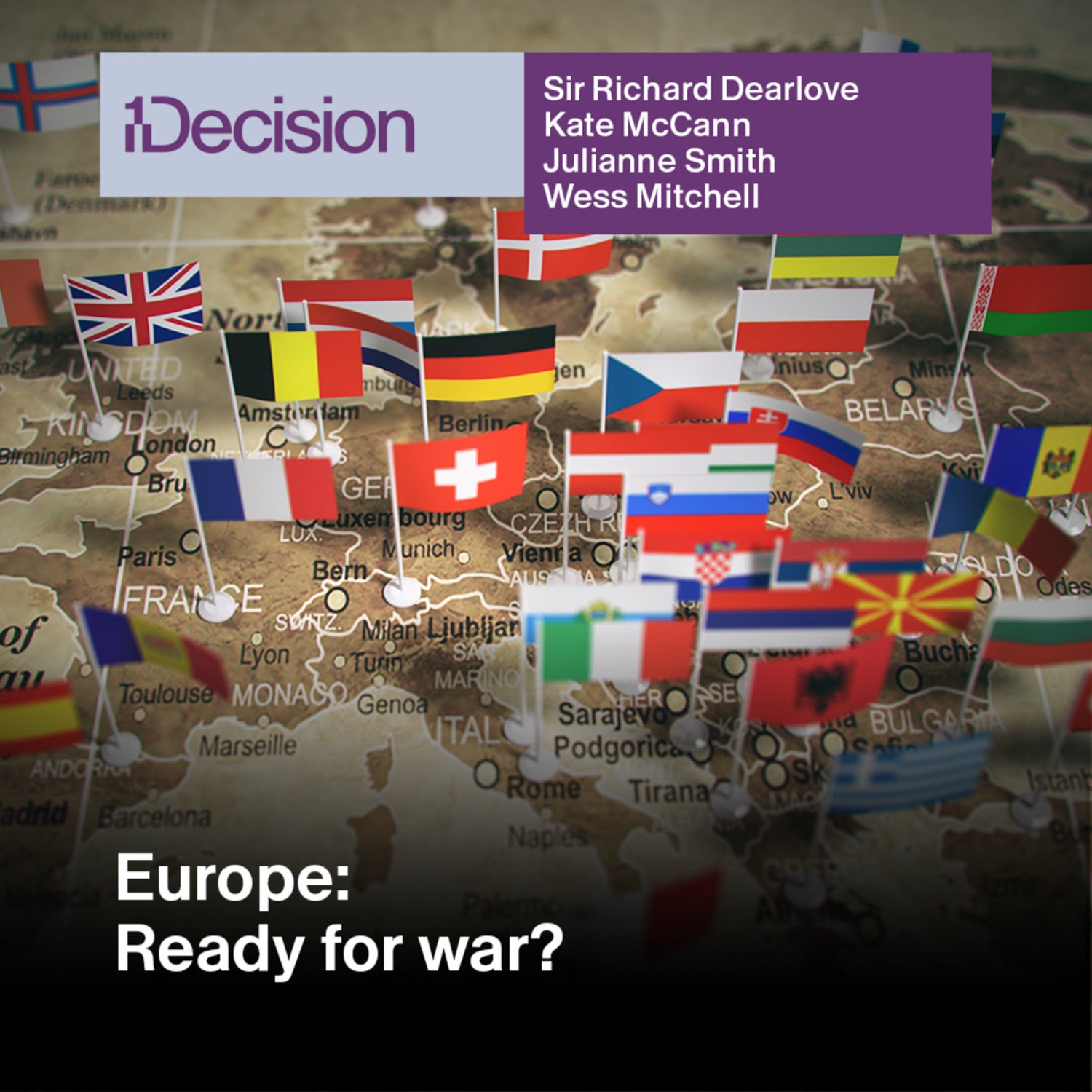
President Donald Trump has continued his pressure campaign on European defense spending. But in the lead-up to the next NATO Summit, there is another core question to ask: How is Europe coordinating its defense production? This might be the key issue that determines how Trump's pressure campaign pays off in the long run.
Kate McCann and Sir Richard Dearlove are joined by Ambassador Julianne Smith (Former United States Permanent Representative to NATO under President Biden) and A. Wess Mitchell, Ph.D. (former senior State Department official who helped shape the first Trump administration's Europe strategy) to break down what's really at stake in Ankara.
Plus: Should NATO stay laser-focused on Russia and leave China to the U.S.? How deep is the lingering trust deficit after the Greenland dispute?
Got a question or comment? Email us at hello@onedecision.com or drop us a comment on YouTube. We might answer it in next week's episode.
In this episode:
(00:00) Cold Open
(00:57) Where US-Iran Talks Stand
(06:33) Five Eyes Warnings: Chinese LinkedIn Recruitment & AI Threats
(11:51) Setting the Scene for NATO's Ankara Summit
(13:35) What Does the US Want Out of This Summit?
(19:47) Debating What "US Leadership" Really Means
(24:59) Trump's Balancing Act: Pressure vs. Reassurance
(28:04) The Coordination Problem: Europe's "Potluck Dinner"
(37:19) Should NATO Even Focus on China?
(44:31) The Anglosphere & AUKUS Debate
(45:23) Who's the Most Awkward Meeting for Trump in Ankara?
(47:47) Is Trump's Personality a Distraction From Policy?
(50:05) Will the Iran War Overshadow the Summit?
(52:35) Chaos Agent or Strategic Operator?
(56:19) The One Decision to Watch at Ankara
(59:31) Listener Mail: Energy Pricing & Geopolitical Reality
(1:04:15) Listener Mail: Cuba's Civil Society Problem
Show Notes:
https://youtu.be/0pYUYBwRdLs?si=2fbDUznnuIs-Y5H3
https://www.youtube.com/watch?v=l7FGkxRO_es
Hosted by Sir Richard Dearlove (former MI6 Chief) and Kate McCann (Political Editor at Times Radio)
Learn more about your ad choices. Visit megaphone.fm/adchoices
1 h 11 minAbspielen in:
Warum PodAppear
Folge Menschen, nicht Podcasts.
Du hast Kate in einer Sendung gehört. PodAppear findet für dich die nächste, und genauso für alle anderen, die du hören willst.
Eine Meldung, wenn die Person zu Gast istPer E-Mail: sofort oder gebündelt als Tages- oder Wochenübersicht. Dann nur noch auf Play drücken.
Gäste statt bloßer ErwähnungenFolgen, in denen ein Name nur fällt, landen getrennt. Eine Meldung heißt: Die Person ist wirklich in der Sendung.
Alle in einem FeedGründerinnen, Autoren, Sportler, Forscherinnen. Folge allen mit Namen, quer durch jede Sendung, in der sie auftreten.
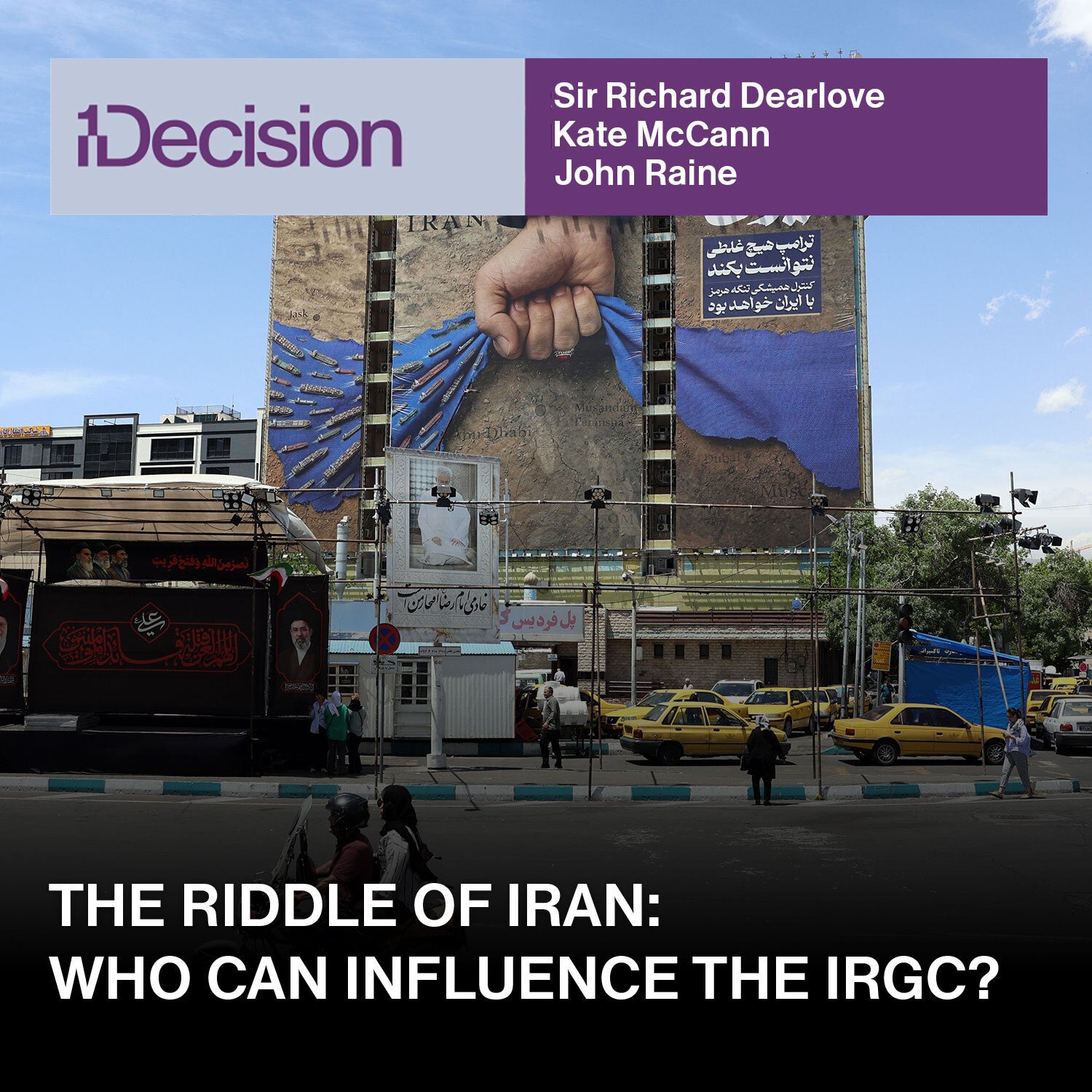
With Ayatollah Khamenei’s demise occurring hours into the war, the West anticipated a collapse of the Iranian regime and a popular uprising that never came to be. Is a ‘memorandum of understanding’ the only thing preventing total escalation in the region? In this episode of One Decision, former MI6 Chief Sir Richard Dearlove and co-host journalist Kate McCann sit down with John Raine, Senior Adviser for Geopolitical Due Diligence for the International Institute for Strategic Studies (IISS), to analyze the ripple effects of the war in Iran and what it will take to stabilize the Middle East.
What is keeping a comprehensive peace deal off the table? How did Western intelligence miscalculate the IRGC’s resilience? And where does this leave the rest of the Middle East?
We also break down China’s pledge to support Cuba’s sovereignty, the 75th anniversary of the Cambridge Five espionage scandal, and the latest in the war in Ukraine, including China’s role in training Russian soldiers and the opening of a museum in North Korea that memorializes the North Korean losses in the war.
In this episode:
1:07 – Iran, Israel & Trump: The Middle East Crisis Explained
2:52 – Cuba, China, and US Spheres of Influence
6:23 – Cambridge Five: Cold War Spy Scandal Revisited
9:51 – Russia, North Korea, and Ukraine War Shifting
13:26 – Iran War: MOU vs. Formal Peace Deal Explained
16:55 – Why a Comprehensive Iran Deal Remains Out of Reach
22:41 – IRGC Resilience: How Iran's Regime Survived
29:08 – Who Has Influence Over Iran's IRGC?
33:51 – Israel's Military Objectives and Netanyahu's Agenda
39:36 – Gulf States' Vulnerability and Abraham Accords Future
45:26 – How Does the Iran Conflict End? Three Scenarios
49:47 – Sir Richard and Kate Discussion
Hosted by Sir Richard Dearlove (former MI6 Chief) and journalist Kate McCann (Political Editor at Times Radio).
Learn more about your ad choices. Visit megaphone.fm/adchoices
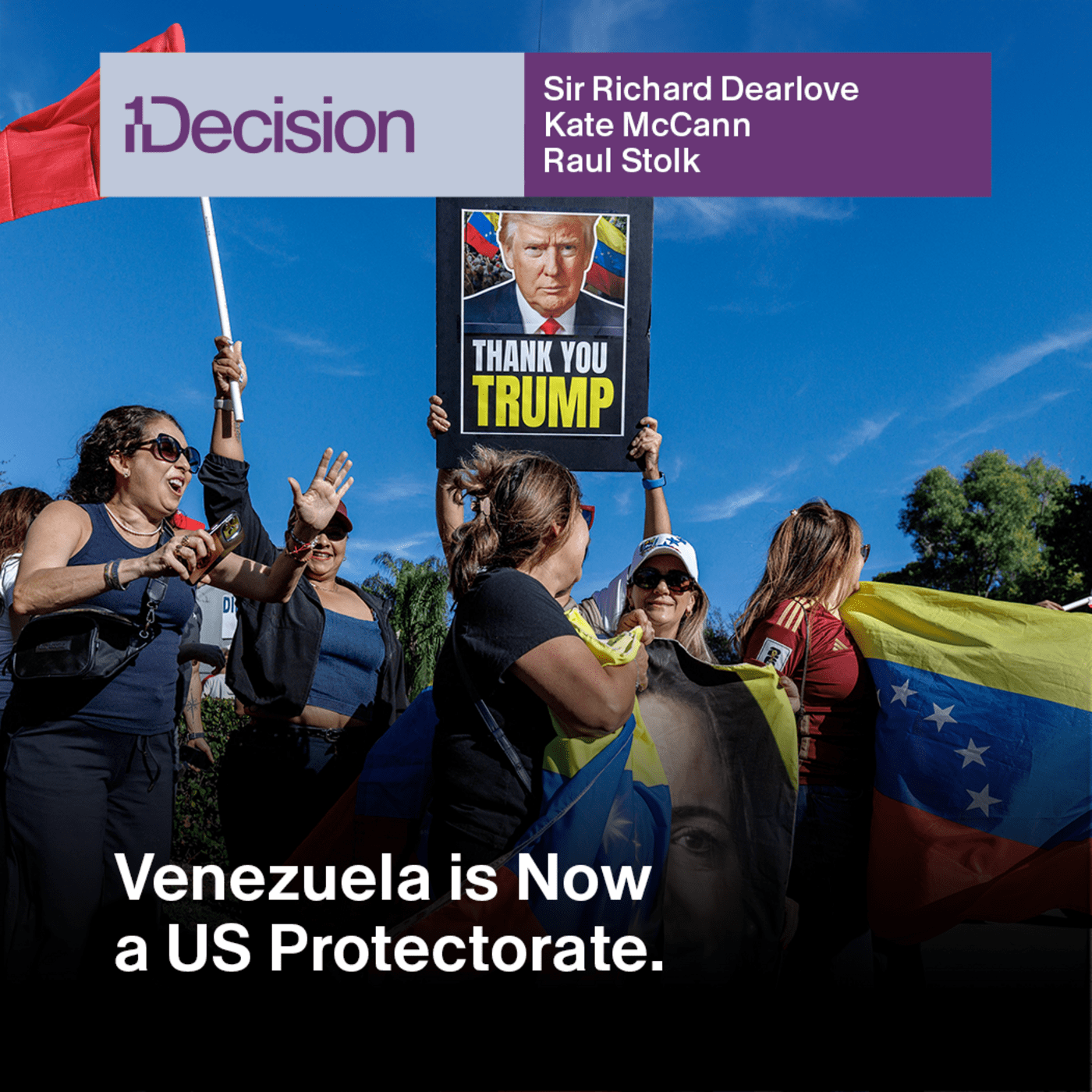
Venezuela's leader Delcy Rodríguez has no constitutional legitimacy, by any standard, including Chavismo's own rules, according to lawyer-turned-journalist Raul Stolk. So who is actually running Venezuela right now? And what does the United States really want?
Raul Stolk, Managing Director of Caracas Chronicles, joins Sir Richard Dearlove and Kate McCann for a deep dive into the power structures propping up the Rodríguez government, the US military's direct line to the Venezuelan armed forces, and why opposition leader María Corina Machado may be the single biggest wild card in the country's future.
Links:
https://caracaschronicles.com
https://caracaschronicles.substack.com/
https://caracasconsulting.com/
In this episode:
2:53 - Iran War Impact on Global Energy Markets
6:34 - UAE Exits OPEC: End of Saudi Dominance
8:16 - New Iraqi Government and Middle East Stability
11:31 - Japan Creates Intelligence Bureau
15:40 - Venezuela After Maduro: Trump's Business Strategy
17:34 - Delcy Rodriguez Legitimacy and Constitutional Crisis
24:34 - Venezuela Military Power Structure Post-Maduro
30:07 - US Geopolitical Goals in Venezuela
45:07 - Venezuela Oil Market China Russia Rivalry
54:47 - Machado Return: Venezuela Election Wild Card
55:48 - Sir Richard and Kate Discussion
Hosted by Sir Richard Dearlove (former MI6 Chief) and Kate McCann (Political Editor, The Times)
Learn more about your ad choices. Visit megaphone.fm/adchoices
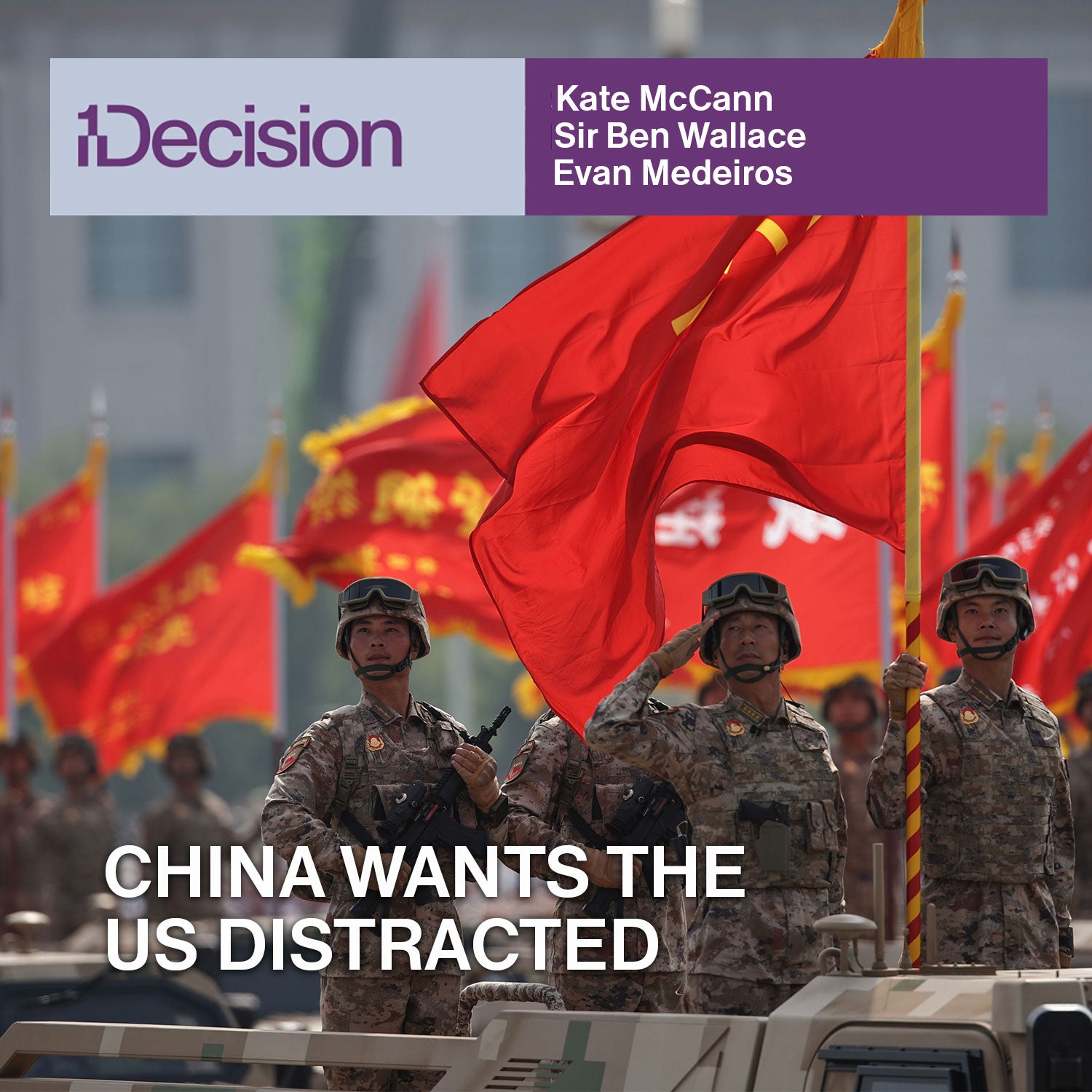
The US has moved critical missile defenses and troops from East Asia to the Middle East. With America’s resources stretched thin, is this the ultimate strategic opportunity for China? Former UK Defence Secretary Sir Ben Wallace and Times Radio political editor Kate McCann sit down with former advisor to President Obama and Georgetown University Director of Asia Studies Evan Medeiros to explore what he calls China’s strategy of “calculated neutrality” – protecting Beijing’s economic interests while avoiding direct conflict with the United States. First, for In Brief, Sir Ben and Kate discuss the US’s thinking behind blocking the Strait of Hormuz, Lord George Robertson’s scathing critique of UK foreign policy, and whether Hungary Prime Minister Viktor Orbán’s defeat signals the beginning of the end of “strong man” populist politics. Later, Medeiros examines China’s balancing of its economic interests in both Iran and the Gulf countries, China’s Iranian oil “loophole” via the UAE, and if the Iran war is deepening fractures in Western alliances, potentially upending the global rules-based order.
In this episode:
02:05 – US blockade of the Strait of Hormuz
04:59 – Frustration amongst Gulf states
06:45 – UK Role, and Lord George Robertson’s warning to the UK
12:16 – Does Orban’s defeat signal the end of “strong man” politics?
15:39 – Evan Medeiros introduction
17:04 – Defining China’s “calculated neutrality”
18:28 – Is China above the fray of war?
19:32 – Balancing leverage with Iran and the Gulf states
24:03 – Is Beijing arming Iran?
27:45 – China’s Iranian oil loophole
28:54 – China: Displacing vs. replacing the US
32:25 – Why China avoids regional wars
36:54 – One Decision: China’s vision for a post-American world order
42:08 – Sir Ben and Kate discussion
Hosted by Sir Ben Wallace (former UK Defence Secretary) and Kate McCann (Political Editor at Times Radio).
Learn more about your ad choices. Visit megaphone.fm/adchoices
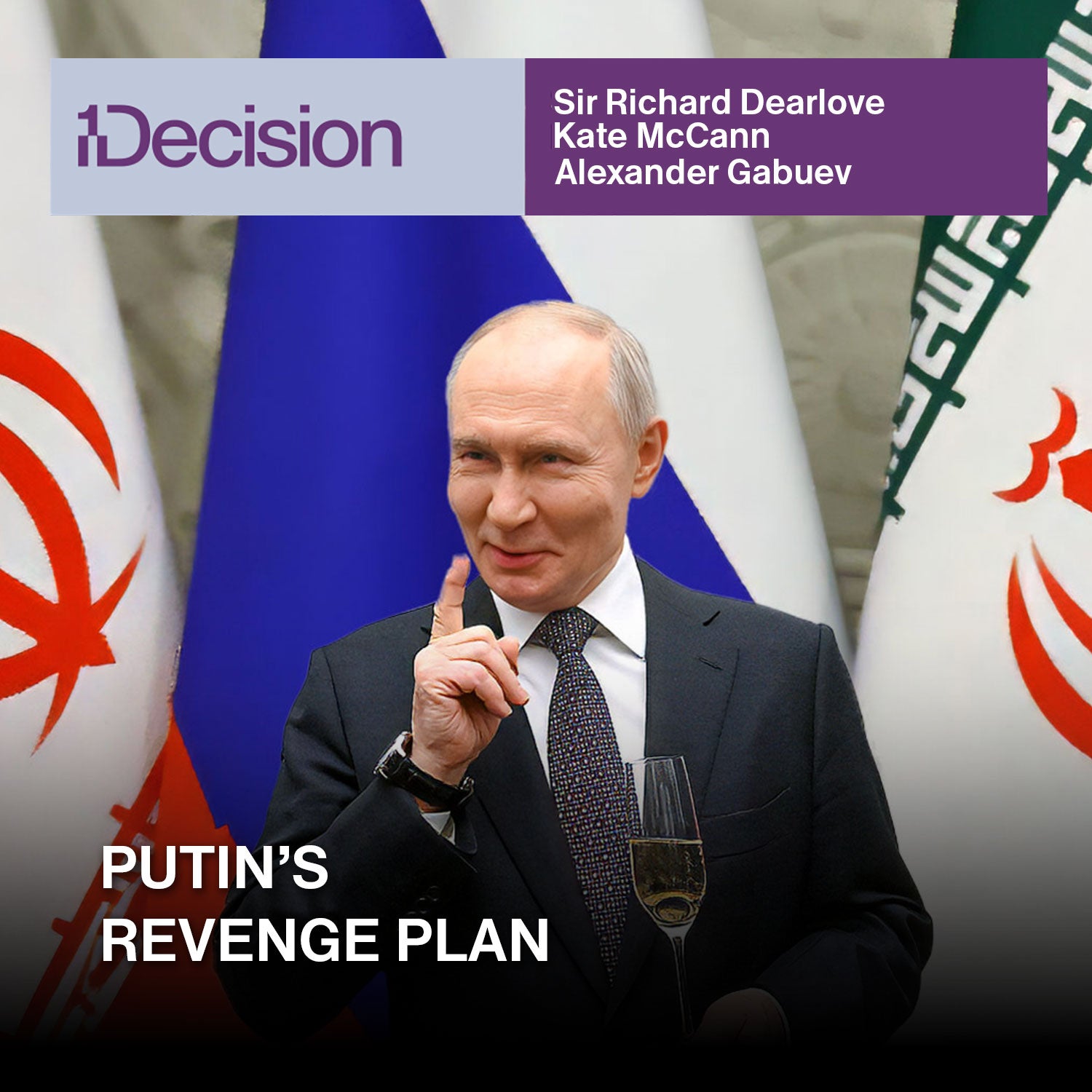
Russia may be issuing verbal condemnations from the sidelines of the conflict in Iran, but behind the scenes, it’s leveraging its relationship with Iran to give the US a “taste of its own medicine.” Former MI6 Chief Sir Richard Dearlove and Times Radio political editor Kate McCann sit down with Alexander Gabuev, director of the Carnegie Russia Eurasia Center, to discuss Russia’s calculated role in the escalating war in Iran. Gabuev explains why the US being preoccupied in fighting another Middle Eastern conflict is a “gift” to Putin, including how temporary sanctions relief and the continued closure of the Strait of Hormuz boosts Russian oil revenues. Together, they also analyze the impact of the war on Ukraine’s security and energy infrastructure, as well as how continued economic strain and repression in Russia may limit its involvement in the conflict.
In this episode:
01:35 – Why the Iran War helps Russia
04:17 – Oil shock and Russian windfall
16:48 – The Iran-Russia alliance
23:11 – Limits of Kremlin support
28:24 – Iran War knock-on effects for Ukraine
32:58 – Ukraine’s Gulf alliance strategy
38:05 – Russian public mood and repression
42:47 – One Decision: What’s Trump’s next move?
44:00 – Sir Richard and Kate discussion
Hosted by Sir Richard Dearlove (former MI6 Chief) and Kate McCann (Political Editor at Times Radio).
Learn more about your ad choices. Visit megaphone.fm/adchoices
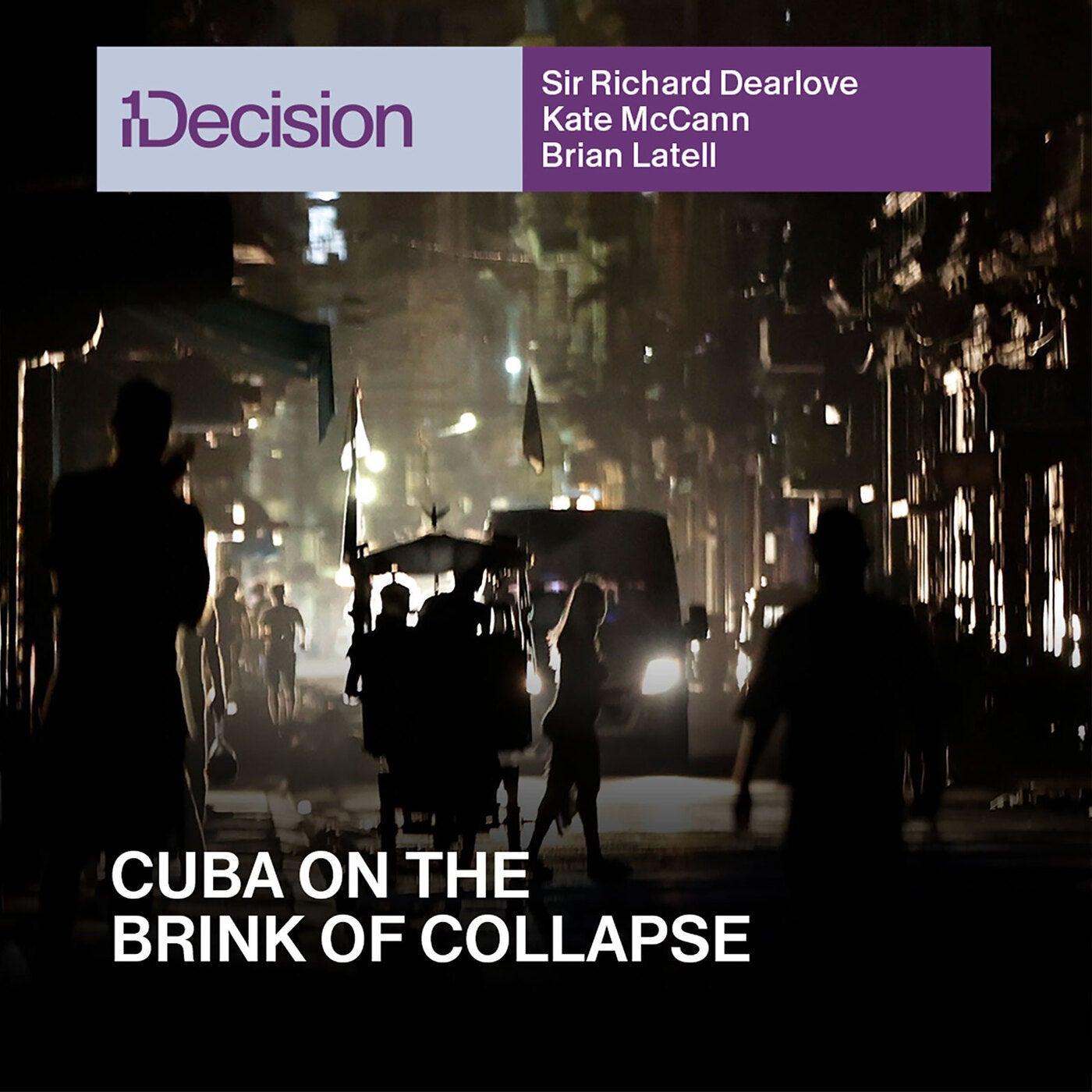
Cuba is running out of fuel, its economy is in ruins, and 2 million of its citizens have already fled. Is the communist regime finally at its breaking point?
Sir Richard Dearlove and Kate McCann sit down with Brian Latell, PhD, a 35-year CIA veteran and the agency's top Cuba and Latin America analyst. They assess whether the government can survive Trump's fuel embargo, what a transition would actually look like, and why Marco Rubio's approach may be more measured than his rhetoric suggests.
In this episode:
04:19 US-Cuba Relations
10:25 Risks of Squeezing Cuba Too Hard
13:03 Can the Regime Collapse Peacefully
18:03 Who Holds Power in Havana
23:02 Intelligence Files and Biosecurity Fears
27:31 Rebuilding Cuba and Diaspora Role
29:35 What Drives Marco Rubio
31:08 One Decision to Watch Next
Hosted by Sir Richard Dearlove (former MI6 Chief) and Kate McCann (Political Editor at Times Radio).
Learn more about your ad choices. Visit megaphone.fm/adchoices