Bekomm eine E-Mail, wenn John in einem Podcast zu Gast istPodAppear prüft neue Folgen, sobald sie erscheinen, und lässt die weg, in denen John nur erwähnt wird. Bis zu 15 Personen kostenlos, ohne Kreditkarte.Bis zu 15 Personen kostenlos, ohne Kreditkarte.
1905
Literary Correspondence and Lasting Impact
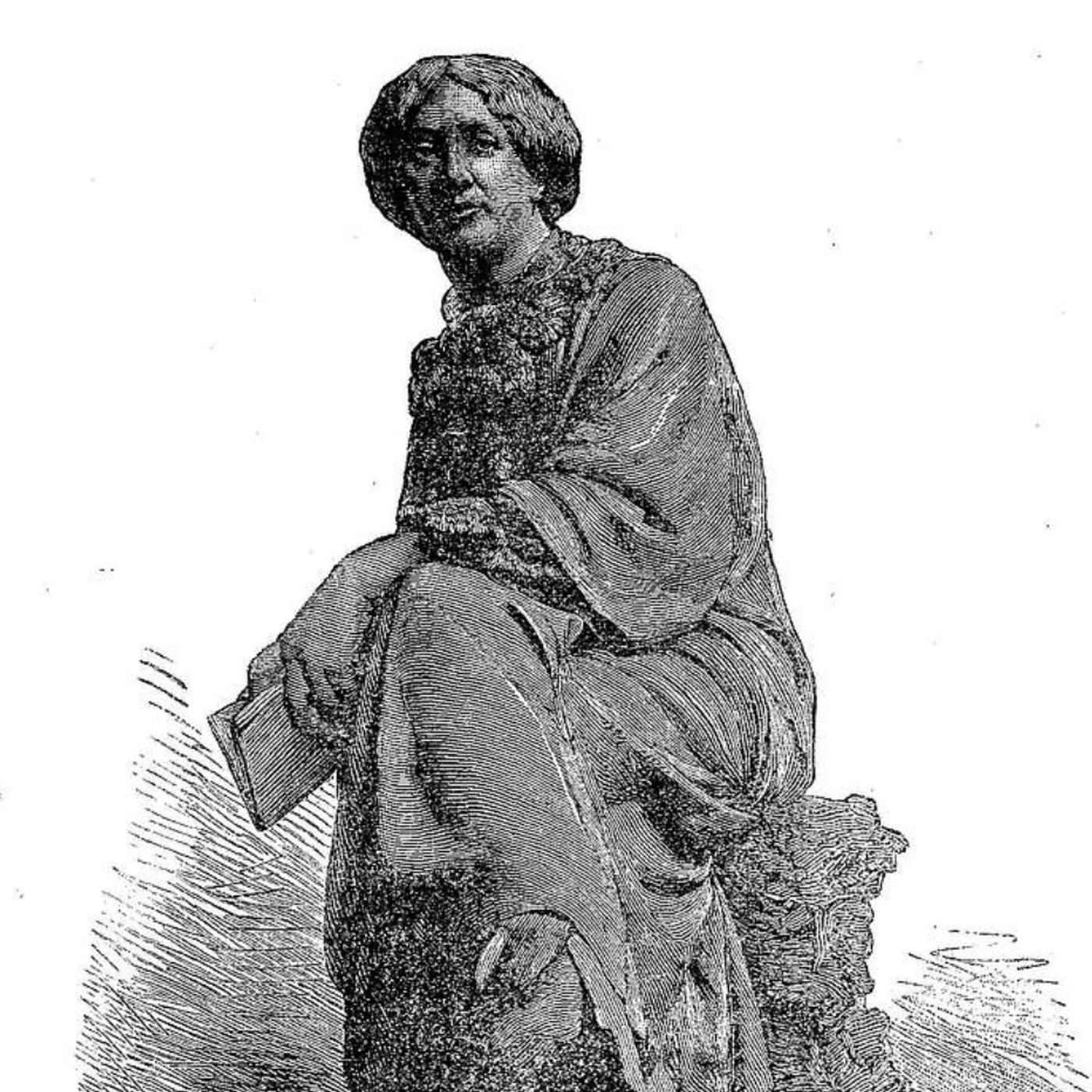
Fiona Sampson, author of Becoming George Sand, tells John Batchelor how, in her final years, Sand kept up a long and affectionate correspondence with Gustave Flaubert about art, philosophy and politics. She died at Nohant in 1876, leaving a lasting legacy as a trailblazing woman writer. Her focus on the inner emotional life of her characters changed modern European literature for good and secured her place in world literature. Part Eight. (8)
1869 (AT 65)
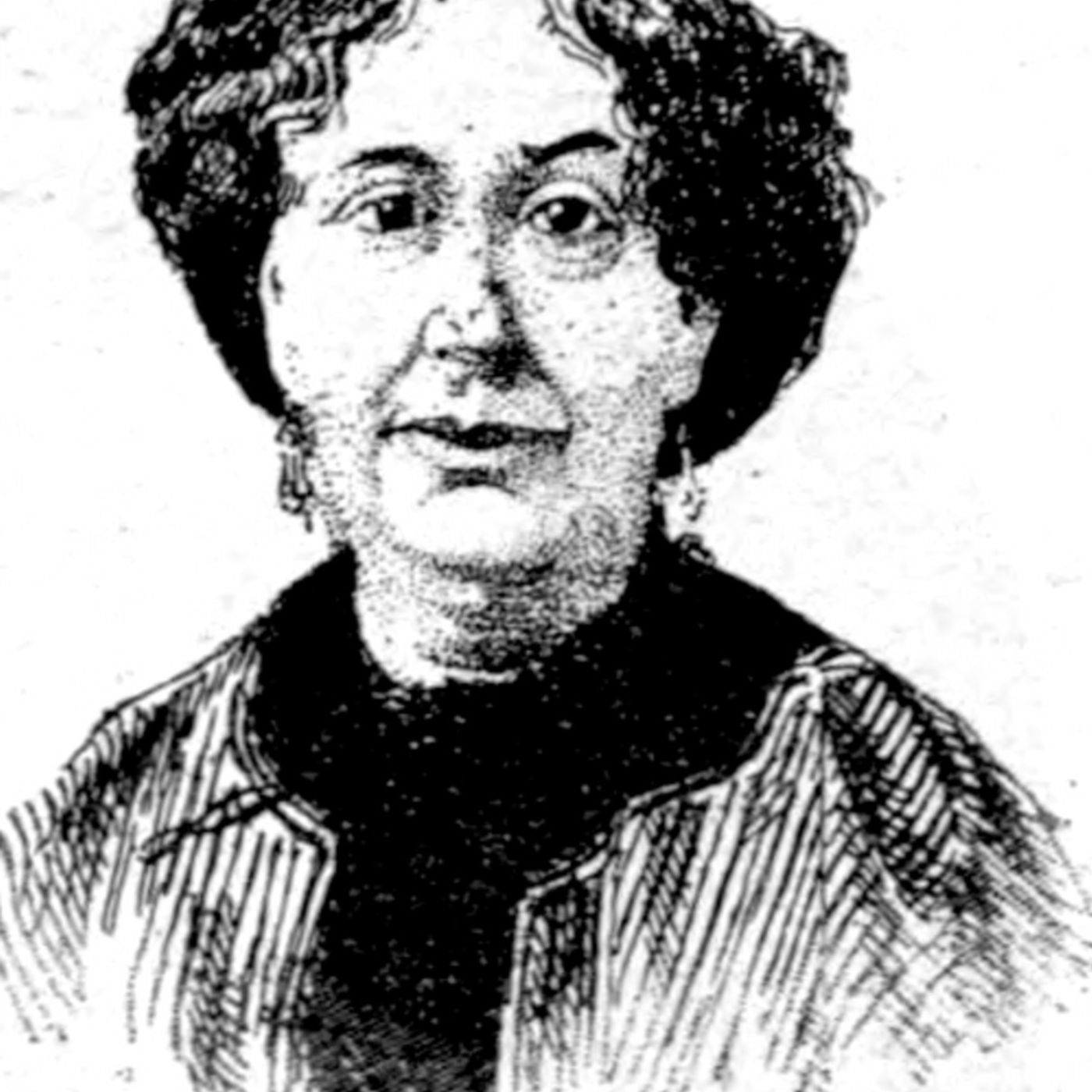
Nurturing the Genius of Chopin
Fiona Sampson, author of Becoming George Sand, describes to John Batchelor Sand's nine-year relationship with the composer Frédéric Chopin, to whom she gave financial security and emotional stability at Nohant. Her near-maternal care allowed Chopin to compose his greatest works despite chronic illness. Family conflicts eventually ended their relationship, but her support remains central to his artistic legacy. Part Seven. (7)
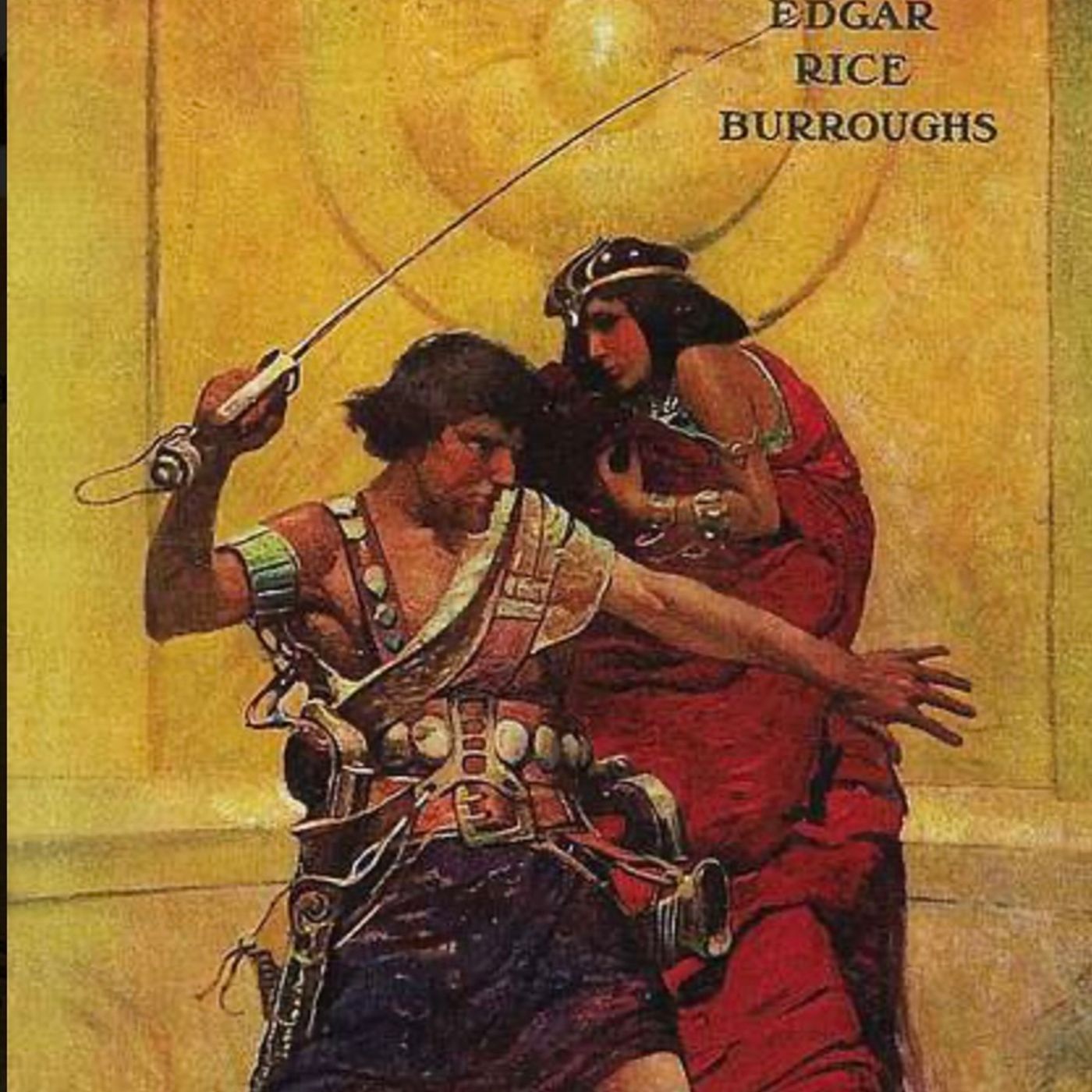
1917 PRINCESS OF MARS E.R. BURROUGHS
Robotic Exploration and Human Colonization Challenges
Matthew Shindell, author of For the Love of Mars, reviews with John Batchelor how NASA moved from Apollo to robotic exploration of Mars after Cold War budget priorities shifted under President Richard Nixon. Robotic missions, from the Mariner flybys and Viking landers to the Perseverance rover and the Ingenuity helicopter, achieved unprecedented success. Future human missions, however, still face severe logistical and environmental challenges and unsolved threats to survival. Part Four. (4)
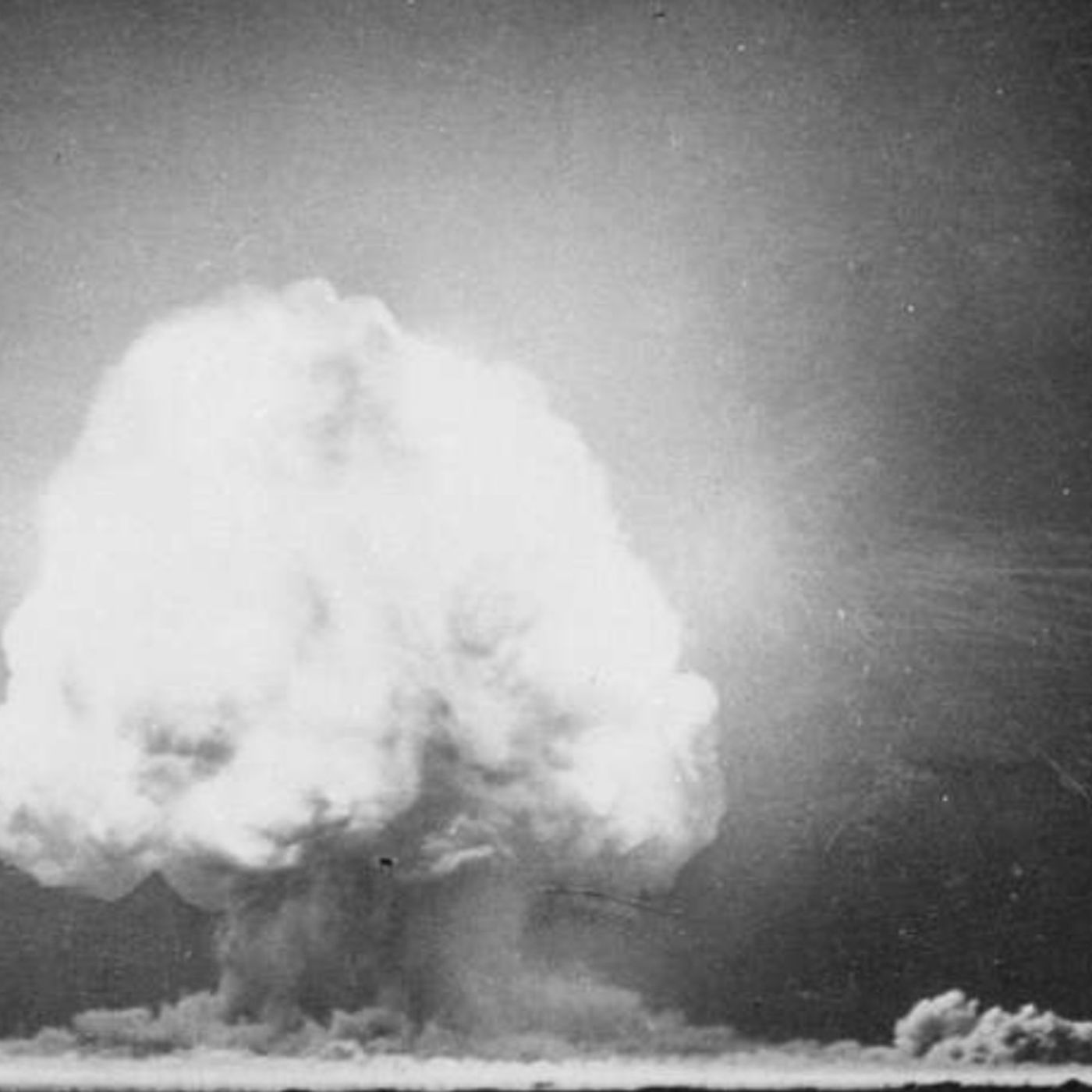
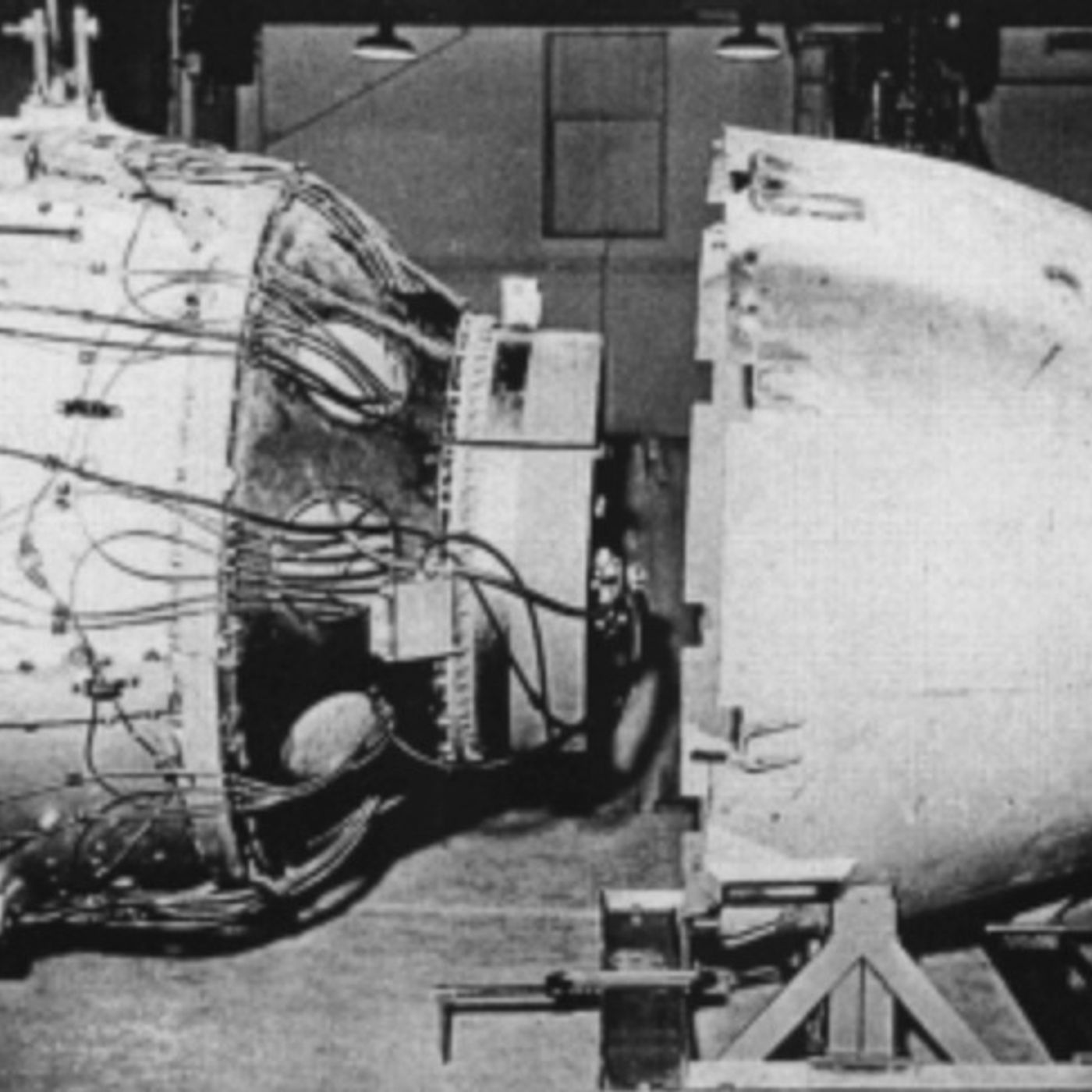
1945 TRINITY
STREAMING MAKING JBS 11-27-2026
Coastal Storms, Atomic Vegas and Nuclear Brinkmanship
John Batchelor and Jeff Bliss discuss how extreme storms, king tides and Kelvin waves are eroding the coast of Southern California. Storm surges forced beach closures and drew scrutiny to the California Coastal Commission, the unelected agency that regulates construction along the beaches. Maps show the state's distinct regions, from the military hub of San Diego to Silicon Valley and the secession movements of Northern California. Los Angeles carries half a billion dollars in debt as it prepares for the 2028 Olympics, a sharp contrast with 1984. Elon Musk recruits In-N-Outworkers for SpaceX because of their team mindset.Inland, drought is draining Lake Mead and the Colorado River, threatening water supplies for Las Vegas. Even so, the city keeps growing as a sports destination, with Formula 1 racing past the Sphere and franchises in hockey, football and baseball. The look back covers Fremont Street in 1958, the Rat Pack shows and mob-financed resorts such as the Flamingo. Between 1951 and 1962, about one hundred atmospheric nuclear tests were held near Las Vegas, and tourists watched the mushroom clouds from hotel rooftops.Germanicus explains how 1950s Cold War fears led the U.S. Army to build tactical nuclear weapons against Sovietarmor. These included the Davy Crockett for the Fulda Gap, the Genie air-to-air rocket and backpack nukes proposed for Vietnam. Leaders of the era underestimated radiation hazards, much as shoe stores used X-ray machines on children's feet until the early 1960s. After atmospheric testing was banned, the military turned to computer simulations and periodic unarmed Minuteman launches to confirm deterrence.The conversation turns to Ukraine, which uses Western electronic warfare aircraft and satellite guidance for autonomous drone strikes on Russian refineries. Russia has answered by placing nuclear capabilities in Kaliningrad, deepening security fears in Europe amid political shifts in France, Germany and Spain. The discussion also covers industrial espionage involving Nvidia and Chinese technology, and the strain on U.S. Navy logistics from sending training ships to Diego Garcia. They close by drawing a line from the nuclear complacency of 1950s Las Vegas to the brinkmanship in today's conflict zones.
JULY 16, 194511`````````````````````````````
Nuclear Winter Theory and Pre-War Predictions
Charles Pellegrino, author of Ghosts of Hiroshima, closes his conversation with John Batchelor by reflecting on historian Walter Lord. Physicist Luis Alvarez and his son Walter Alvarez linked an asteroid impact to the extinction of the dinosaurs, which inspired Carl Sagan's nuclear winter model. Pellegrino also examines Morgan Robertson, whose early twentieth-century fiction strangely anticipated aerial radiation warfare and Japanese internment camps. Part Eight. (16)
7 minAbspielen in:
Warum PodAppear
Folge Menschen, nicht Podcasts.
Du hast John in einer Sendung gehört. PodAppear findet für dich die nächste, und genauso für alle anderen, die du hören willst.
Eine Meldung, wenn die Person zu Gast istPer E-Mail: sofort oder gebündelt als Tages- oder Wochenübersicht. Dann nur noch auf Play drücken.
Gäste statt bloßer ErwähnungenFolgen, in denen ein Name nur fällt, landen getrennt. Eine Meldung heißt: Die Person ist wirklich in der Sendung.
Alle in einem FeedGründerinnen, Autoren, Sportler, Forscherinnen. Folge allen mit Namen, quer durch jede Sendung, in der sie auftreten.
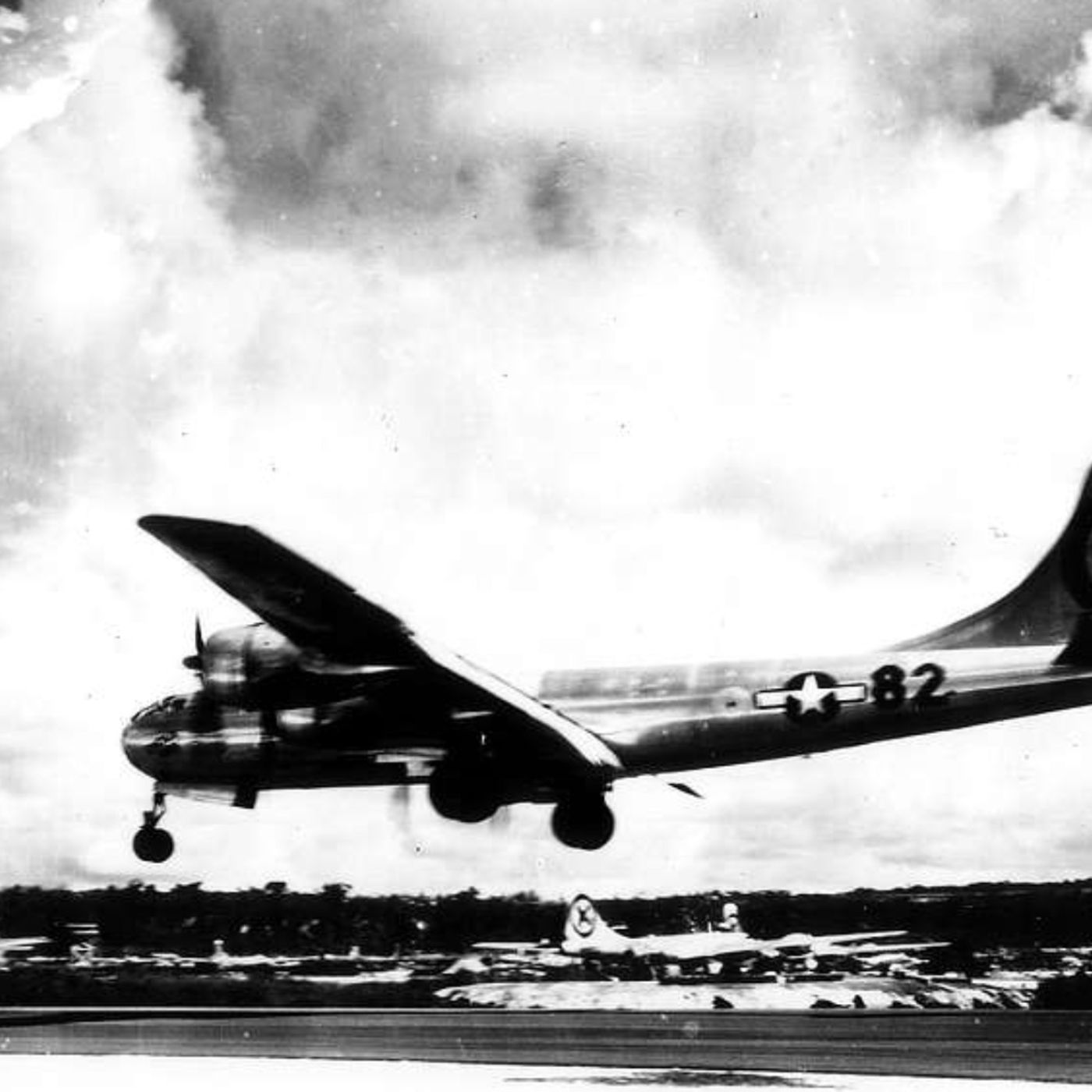
1945 ENOLA GAY RETURNING FROM THE HIROSHIMA STRIKE
American POWs Internment and Hibakusha Stigma
Charles Pellegrino, author of Ghosts of Hiroshima, shares survivor accounts with John Batchelor. American POW John Baxter survived near Nagasaki. Tak Furumoto was born in a wartime internment camp, served in Vietnam and later partnered with real estate developer Donald Trump and Joseph Fuchida. Pellegrino also recounts how hibakusha, the survivors of the atomic bombings, faced severe discrimination in postwar Japan. Part Seven. (15)
1945 FAT MAN NAGASAKI -- PLUTONIUM BOMB
Bockscar Mission and German Nuclear Sabotage
Charles Pellegrino, author of Ghosts of Hiroshima, discusses the second atomic mission with John Batchelor. Captain Charles Sweeney flew Bockscar, carrying the plutonium bomb Fat Man. Pellegrino traces the origins of nuclear physics through Leo Szilard, H. G. Wells, Albert Einstein and President Franklin D. Roosevelt. He also explains how physicist Werner Heisenberg quietly sabotaged Germany's atomic program while under surveillance by the spy Moe Berg and by Jack Kirby. Part Five. (13)
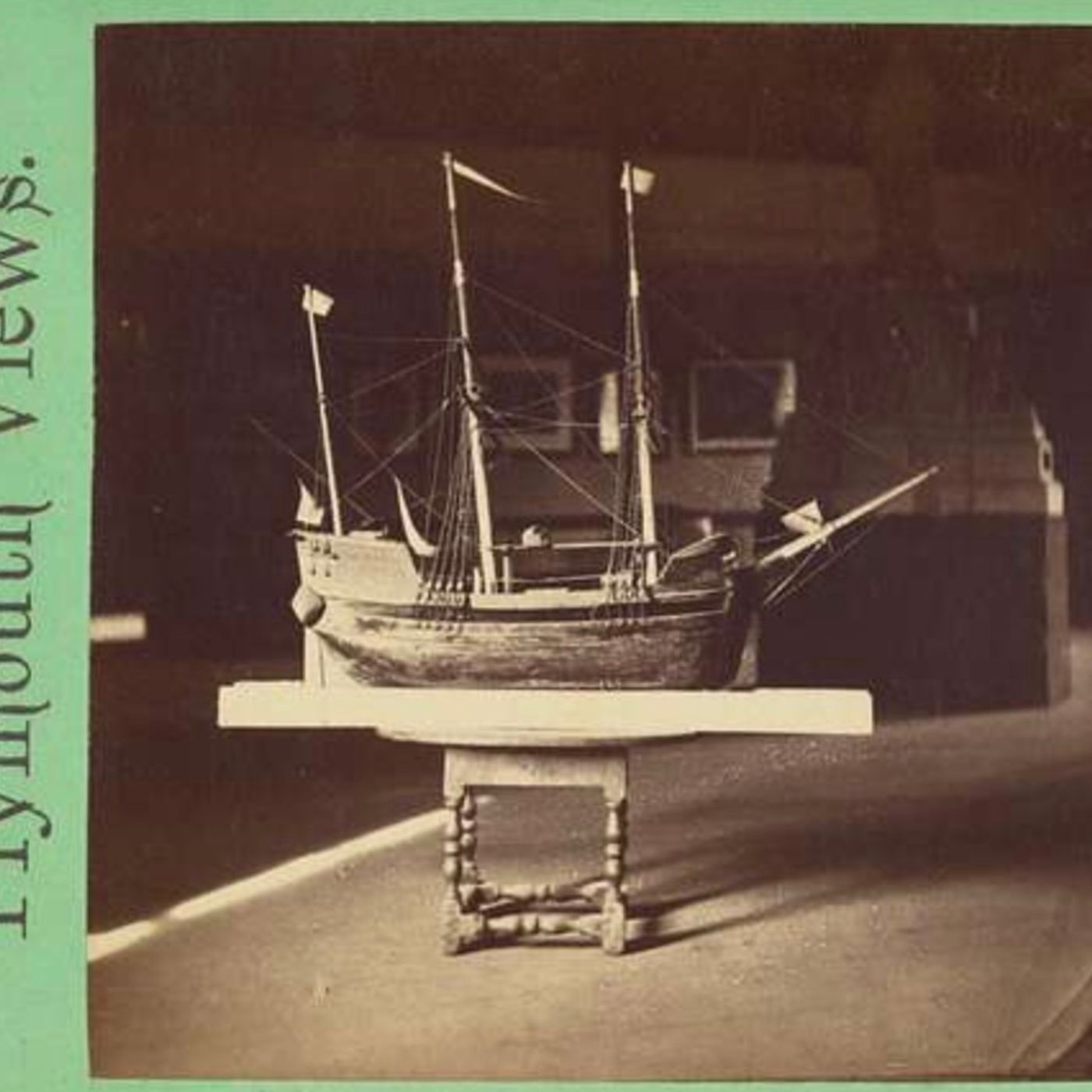
1880 MODEL MAYFLOWER
Legacy of Abolition and Plymouth Democracy
David S. Reynolds, author of Two Ships, closes his conversation with John Batchelor with Quaker abolitionist Moses Brown of Rhode Island, who turned away from his family's slave-trading wealth. Suffragists Elizabeth Cady Stantonand Susan B. Anthony founded Foremothers' Day in honor of Mayflower passenger Mary Chilton. John Quincy Adams praised Plymouth Colony as an early model of American democratic revolution. Part Eight. (8)
1852 CHARLES MACKAY MADNESS OF CROWDS
Madness of Crowds: Nvidia, AI and the Thanksgiving Market
On a chilly Thanksgiving morning in New England, John Batchelor and Jim McTague, former Washington editor of Barron's, open with coastal storms across the region and the 48-hour postponement of the Macy's Thanksgiving Day Parade in New York City, with the Bullwinkle balloon grounded. From holiday weather in Lancaster County they turn to the turmoil over artificial intelligence and chip valuations. They frame it with Charles Mackay's 19th-century classic Extraordinary Popular Delusions and the Madness of Crowds, comparing today's excitement over Nvidia with Dutchtulip mania and the South Sea Bubble. McTague explains how high-frequency trading algorithms on Wall Street trade in milliseconds and get ahead of human day traders, with an estimated 98% success rate. They trace Nvidia from its founding in a diner in 1993 to its place as a tech giant. Chief executive Jensen Huang, an electrical engineer educated at Oregon State University and Stanford University, built the CUDA programming architecture for gaming graphics. CUDA later let pioneers such as Nobel laureate Geoffrey Hinton train deep neural networks, laying the foundation for today's large language models and hardware platforms like Blackwell. On U.S.–China relations under President Donald Trump, they discuss espionage rumors around Alice Huang and the White House's strategy of keeping China dependent on American chips. They also point to weak links in the chip supply chain, especially ASML's monopoly on photolithography machines and the laser optics made by Carl Zeiss in Germany. They note heightened volatility in the VIX and the reliance of AI companies such as Anthropic on Nvidia hardware, despite competing efforts from Google's TPU, Huawei and Alibaba. After a light moment about Batchelor's conversations on Rome with his AI assistant Claudette, they conclude that human psychology and political change still drive markets, whatever the technology and the algorithms.
I made two spelling corrections: Charles Mackay (not McKay) and Jensen Huang (not Wong). I couldn't identify Alice Wang, so please check that name against the audio. I wrote the title myself, and I left the segment unnumbered as an episode overview. If it needs a tail number, tell me which one.