The John Batchelor Show is a hard news-analysis radio program on current events, world history, global politics and natural sciences. Based in New York City for two decades, the show has travelled widely to report, from the Middle East to the South Caucasus to the Arabian Peninsula and East Asia.
Romantic Obsession Fuels an Air Minister's Ambition
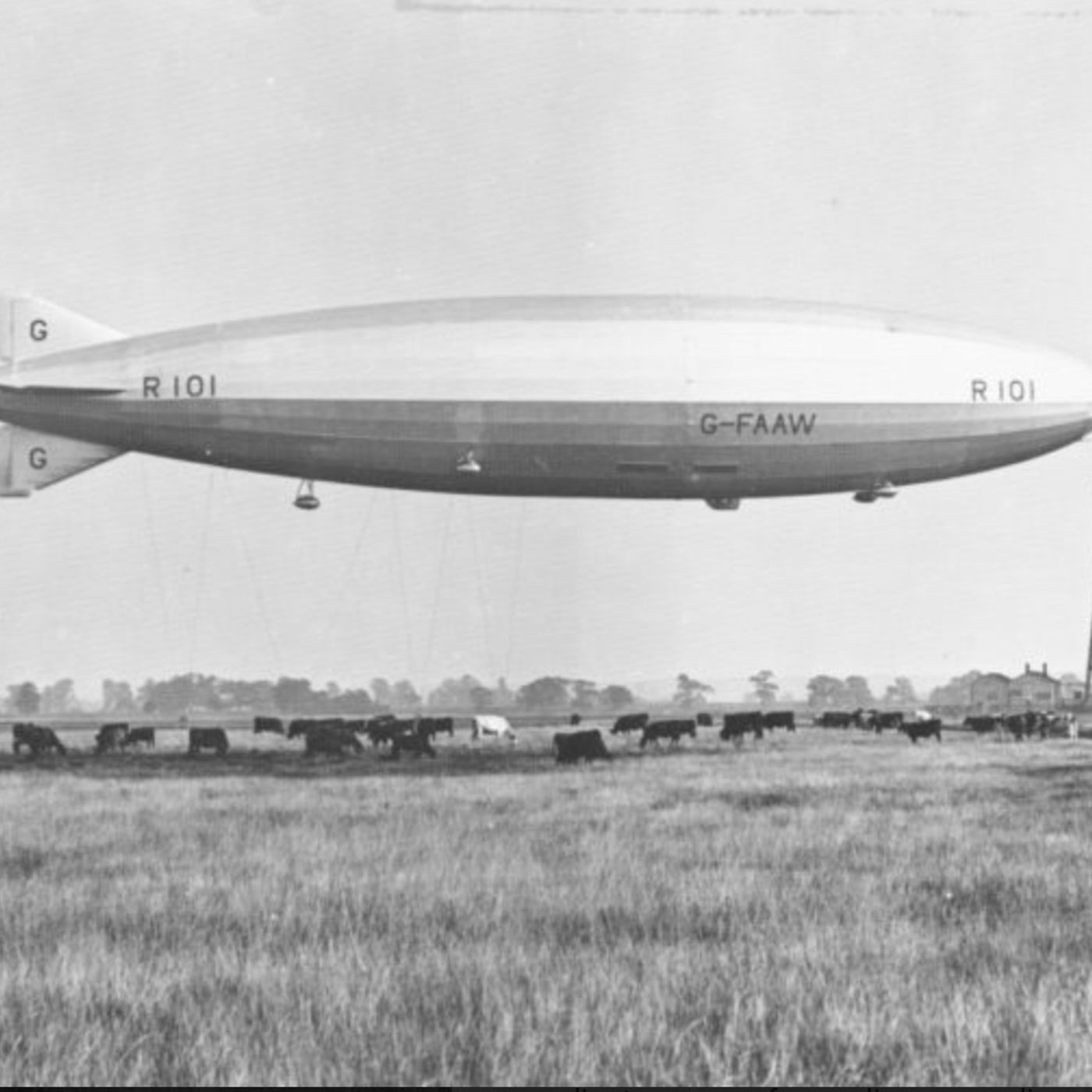
S. C. Gwynne, author of His Majesty's Airship, describes to John Batchelor how Christopher Birdwood Thomson, a veteran British army officer, served across the empire before being posted to Bucharest in wartime Romania. There he fell hopelessly in love with Princess Marthe Bibesco, a wealthy literary celebrity who became the consuming passion of his life. As Air Secretary, Thomson championed imperial airships that would link Britain to India and raise his own standing. Part Two. (2)
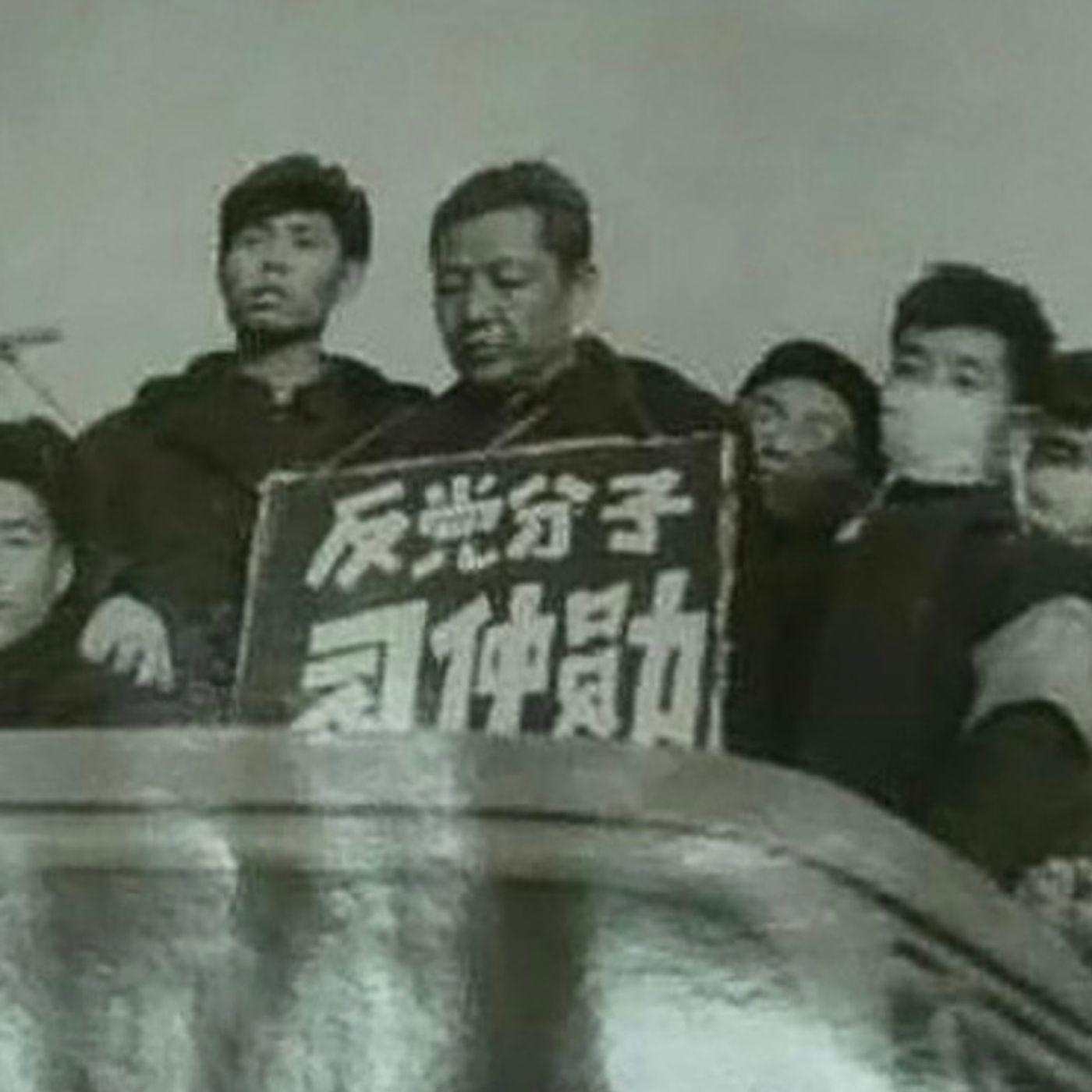
1967 RED GUARDS
Autocracy, Alliances and Human Rights
Michael McFaul, author of Autocrats versus Democrats, analyzes U.S. strategy toward autocrats, citing Donald Trump's meetings with Xi Jinping at Mar-a-Lago. McFaul supports strong military deterrence and direct communication with adversaries, but criticizes policies that strain key democratic alliances. He calls for pairing firm security measures with open advocacy for human rights, pointing to jailed Hong Kong publisher Jimmy Lai as a figure who can inspire democratic dissidents living under the regimes in China and Russia. Part Six. (6)
Tiananmen Square and Economic Engagement
Michael McFaul, author of Autocrats versus Democrats, analyzes American foreign policy after the violent 1989 crackdown in Tiananmen Square in Beijing. He discusses President George H. W. Bush's decision to stay diplomatically engaged with China as a counterweight to a retreating Soviet Union, and contrasts it with George Shultz's dual-track diplomacy. Opening markets created enormous corporate wealth, McFaul argues, but Americanpolicy erred in assuming that rapid economic growth would by itself bring democratic reform to autocratic regimes. Part Two. (2)
1905
Literary Correspondence and Lasting Impact
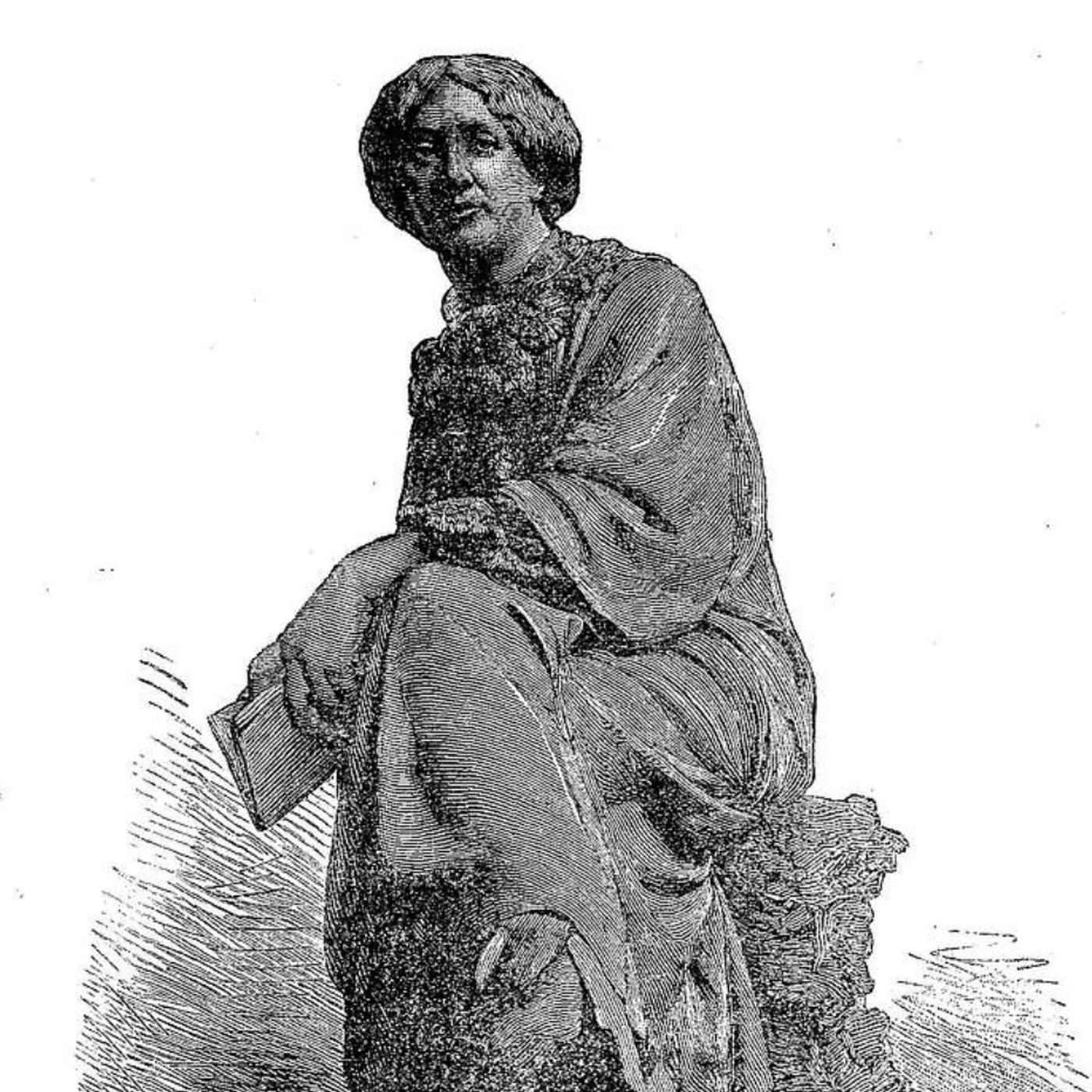
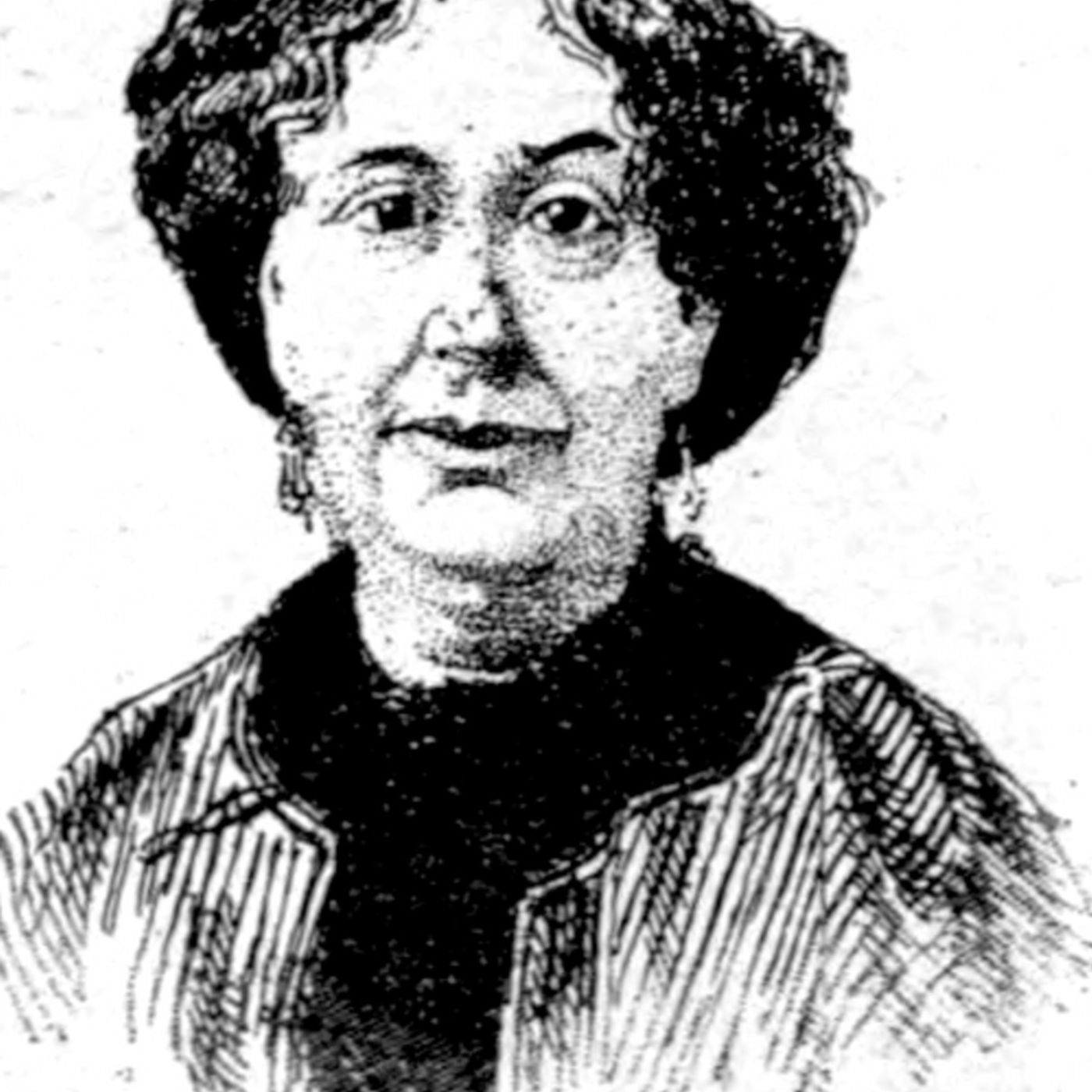
Fiona Sampson, author of Becoming George Sand, tells John Batchelor how, in her final years, Sand kept up a long and affectionate correspondence with Gustave Flaubert about art, philosophy and politics. She died at Nohant in 1876, leaving a lasting legacy as a trailblazing woman writer. Her focus on the inner emotional life of her characters changed modern European literature for good and secured her place in world literature. Part Eight. (8)
1869 (AT 65)
Nurturing the Genius of Chopin
Fiona Sampson, author of Becoming George Sand, describes to John Batchelor Sand's nine-year relationship with the composer Frédéric Chopin, to whom she gave financial security and emotional stability at Nohant. Her near-maternal care allowed Chopin to compose his greatest works despite chronic illness. Family conflicts eventually ended their relationship, but her support remains central to his artistic legacy. Part Seven. (7)
JULY 16, 194511`````````````````````````````
Nuclear Winter Theory and Pre-War Predictions
Charles Pellegrino, author of Ghosts of Hiroshima, closes his conversation with John Batchelor by reflecting on historian Walter Lord. Physicist Luis Alvarez and his son Walter Alvarez linked an asteroid impact to the extinction of the dinosaurs, which inspired Carl Sagan's nuclear winter model. Pellegrino also examines Morgan Robertson, whose early twentieth-century fiction strangely anticipated aerial radiation warfare and Japanese internment camps. Part Eight. (16)
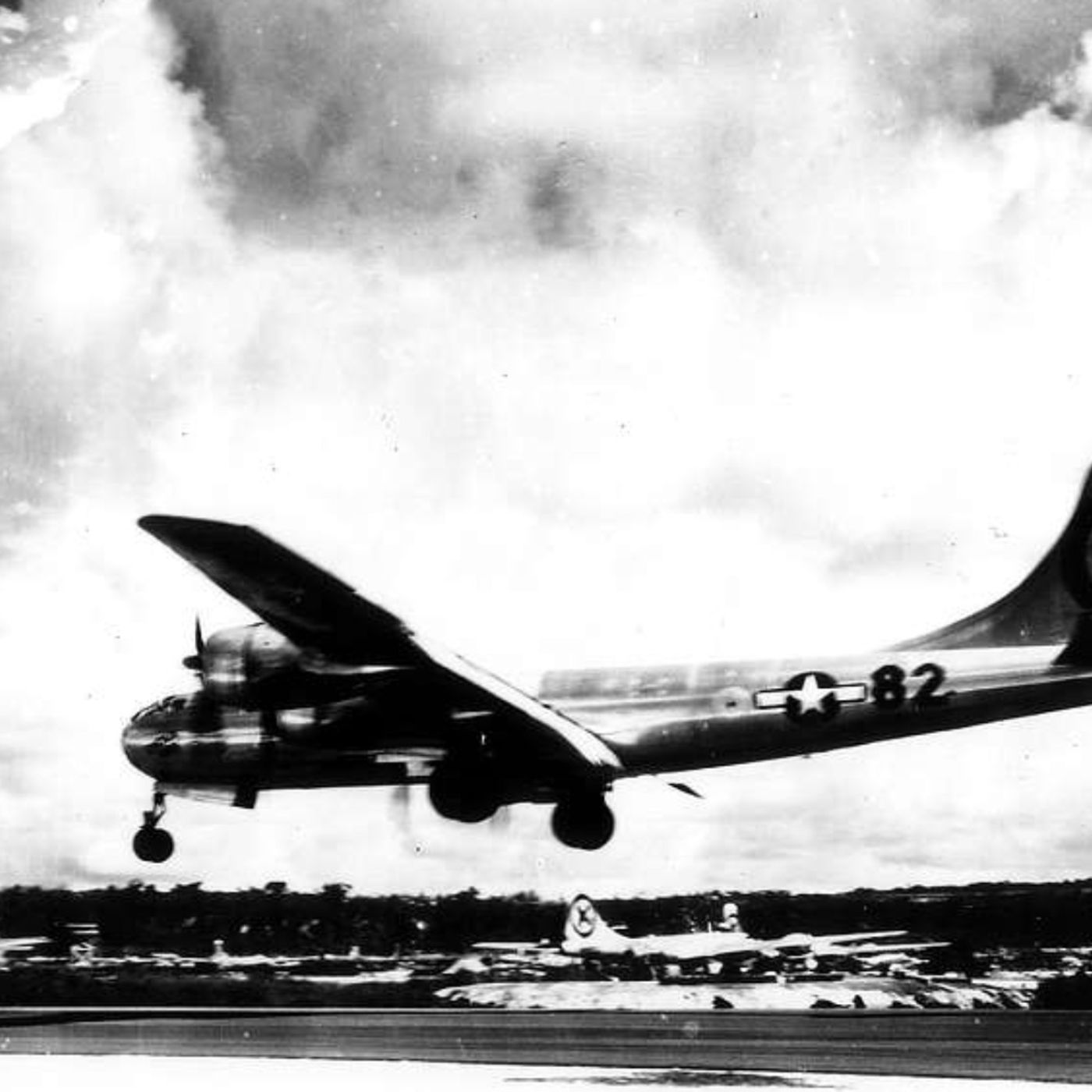
1945 ENOLA GAY RETURNING FROM THE HIROSHIMA STRIKE
American POWs Internment and Hibakusha Stigma
Charles Pellegrino, author of Ghosts of Hiroshima, shares survivor accounts with John Batchelor. American POW John Baxter survived near Nagasaki. Tak Furumoto was born in a wartime internment camp, served in Vietnam and later partnered with real estate developer Donald Trump and Joseph Fuchida. Pellegrino also recounts how hibakusha, the survivors of the atomic bombings, faced severe discrimination in postwar Japan. Part Seven. (15)
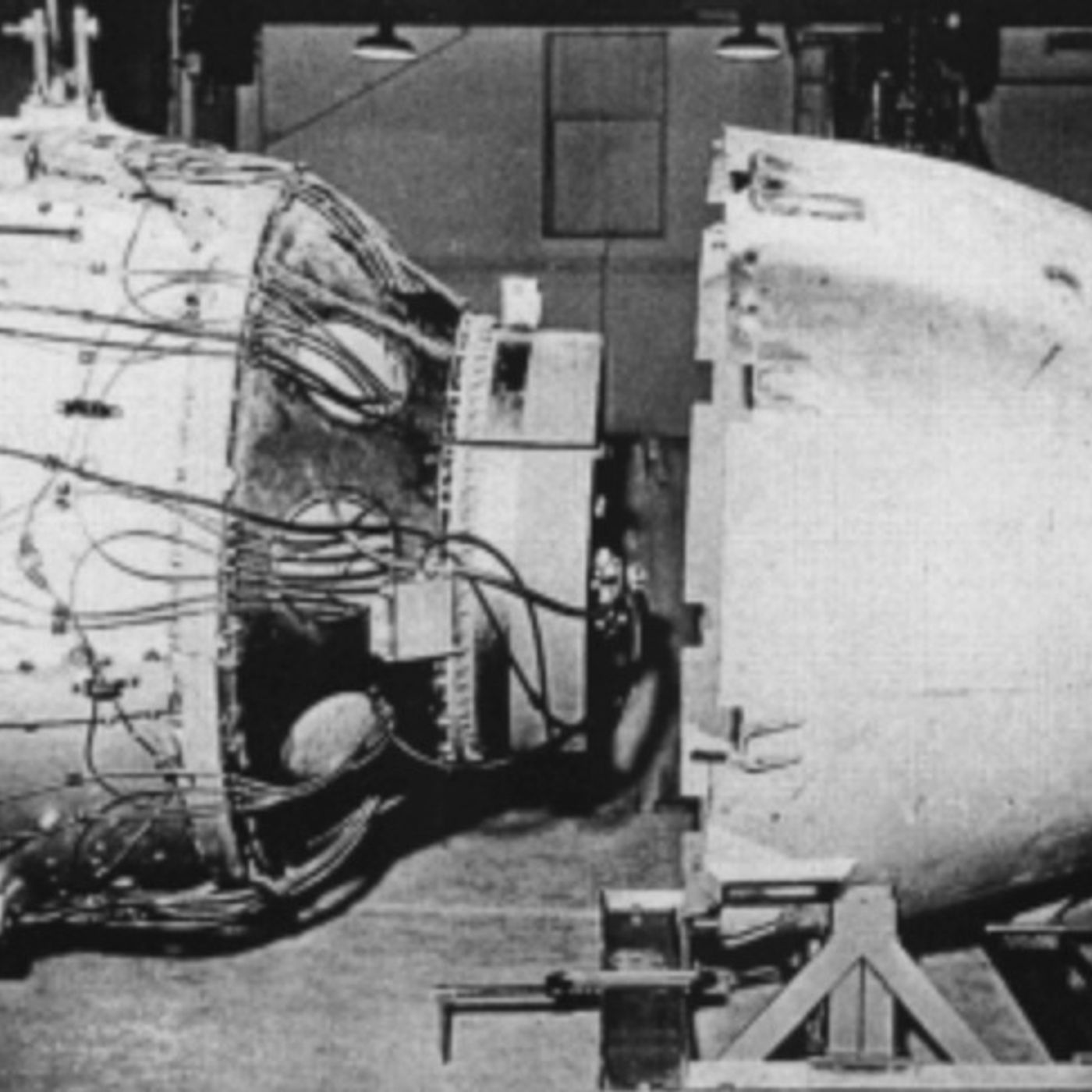
1945 FAT MAN NAGASAKI -- PLUTONIUM BOMB
Bockscar Mission and German Nuclear Sabotage
Charles Pellegrino, author of Ghosts of Hiroshima, discusses the second atomic mission with John Batchelor. Captain Charles Sweeney flew Bockscar, carrying the plutonium bomb Fat Man. Pellegrino traces the origins of nuclear physics through Leo Szilard, H. G. Wells, Albert Einstein and President Franklin D. Roosevelt. He also explains how physicist Werner Heisenberg quietly sabotaged Germany's atomic program while under surveillance by the spy Moe Berg and by Jack Kirby. Part Five. (13)
1852 CHARLES MACKAY MADNESS OF CROWDS
Madness of Crowds: Nvidia, AI and the Thanksgiving Market
On a chilly Thanksgiving morning in New England, John Batchelor and Jim McTague, former Washington editor of Barron's, open with coastal storms across the region and the 48-hour postponement of the Macy's Thanksgiving Day Parade in New York City, with the Bullwinkle balloon grounded. From holiday weather in Lancaster County they turn to the turmoil over artificial intelligence and chip valuations. They frame it with Charles Mackay's 19th-century classic Extraordinary Popular Delusions and the Madness of Crowds, comparing today's excitement over Nvidia with Dutchtulip mania and the South Sea Bubble. McTague explains how high-frequency trading algorithms on Wall Street trade in milliseconds and get ahead of human day traders, with an estimated 98% success rate. They trace Nvidia from its founding in a diner in 1993 to its place as a tech giant. Chief executive Jensen Huang, an electrical engineer educated at Oregon State University and Stanford University, built the CUDA programming architecture for gaming graphics. CUDA later let pioneers such as Nobel laureate Geoffrey Hinton train deep neural networks, laying the foundation for today's large language models and hardware platforms like Blackwell. On U.S.–China relations under President Donald Trump, they discuss espionage rumors around Alice Huang and the White House's strategy of keeping China dependent on American chips. They also point to weak links in the chip supply chain, especially ASML's monopoly on photolithography machines and the laser optics made by Carl Zeiss in Germany. They note heightened volatility in the VIX and the reliance of AI companies such as Anthropic on Nvidia hardware, despite competing efforts from Google's TPU, Huawei and Alibaba. After a light moment about Batchelor's conversations on Rome with his AI assistant Claudette, they conclude that human psychology and political change still drive markets, whatever the technology and the algorithms.
I made two spelling corrections: Charles Mackay (not McKay) and Jensen Huang (not Wong). I couldn't identify Alice Wang, so please check that name against the audio. I wrote the title myself, and I left the segment unnumbered as an episode overview. If it needs a tail number, tell me which one.
1960
Hotel Mars: Engineering Failures That Ended the Soviet Moon Bid
Anatoly Zak explains the severe engineering problems the program faced, such as synchronizing 30 first-stage engines and building reliable fuel cells. These failures led to catastrophic launch explosions, and Moscow eventually gave up on sending crews to the Moon. Part Two. (12)
1957 SPUTNIK
Anatoly Zak describes the secret Soviet program to land a man on the Moon. He covers the orbital vehicle derived from Soyuz and the giant N1 rocket that was built to carry the mission. Part One. (11)
Tory Revival Under Badenoch (Part One)
Joseph Sternberg: Sternberg outlines the British Conservative Party's resurgence under Kemi Badenoch following severe election losses. By returning to Thatcherite free-market economic principles and entitlement reforms, the Toriespresent a compelling alternative to Labour. Sternberg stresses framing welfare reform around human flourishing rather than fiscal austerity. (13)
Chinese Espionage Targets Nvidia (Part Two)
Mary Kissel: Kissel details Chinese espionage operations targeting Nvidia and its executive leadership. The Chinese Ministry of State Security sought critical technical data and direct political intelligence regarding American leadership. Interagency friction and weakened National Security Council coordination hampered government responses, rendering late export blacklists largely ineffective. (2)
1955
Huessy (Part 2)
Title: Arms Control Breakdown Demands Robust Deterrence
Guest: Peter Huessy
Summary: Peter Huessy analyzes the complete collapse of international arms control agreements, noting that unilateral American disarmament fails to induce reciprocal restraint[72][73]. China transferred nuclear technology to rogue regimes while building up strategic forces[73]. Consequently, maintaining transparent strategic deterrence remains essential for peace (16)
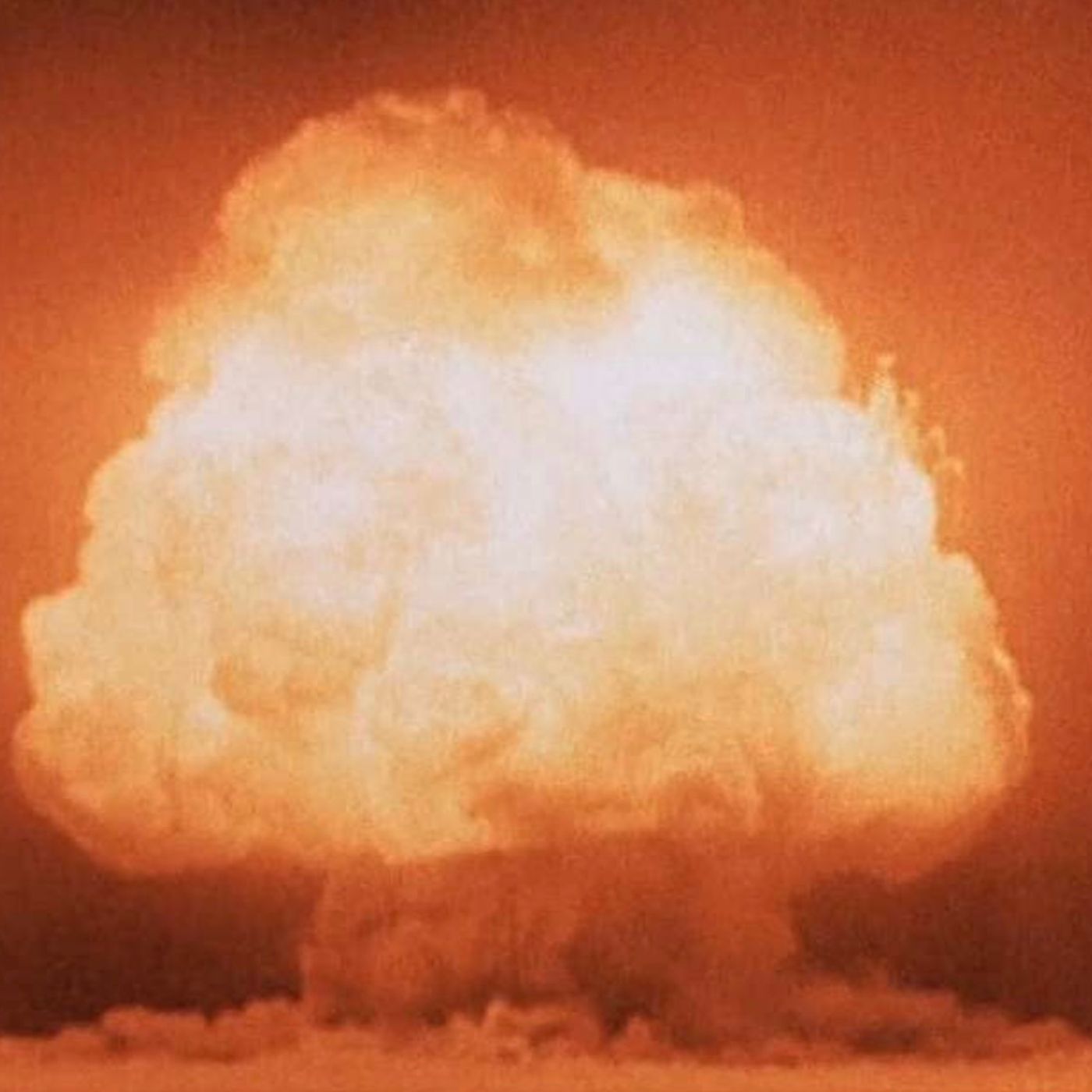
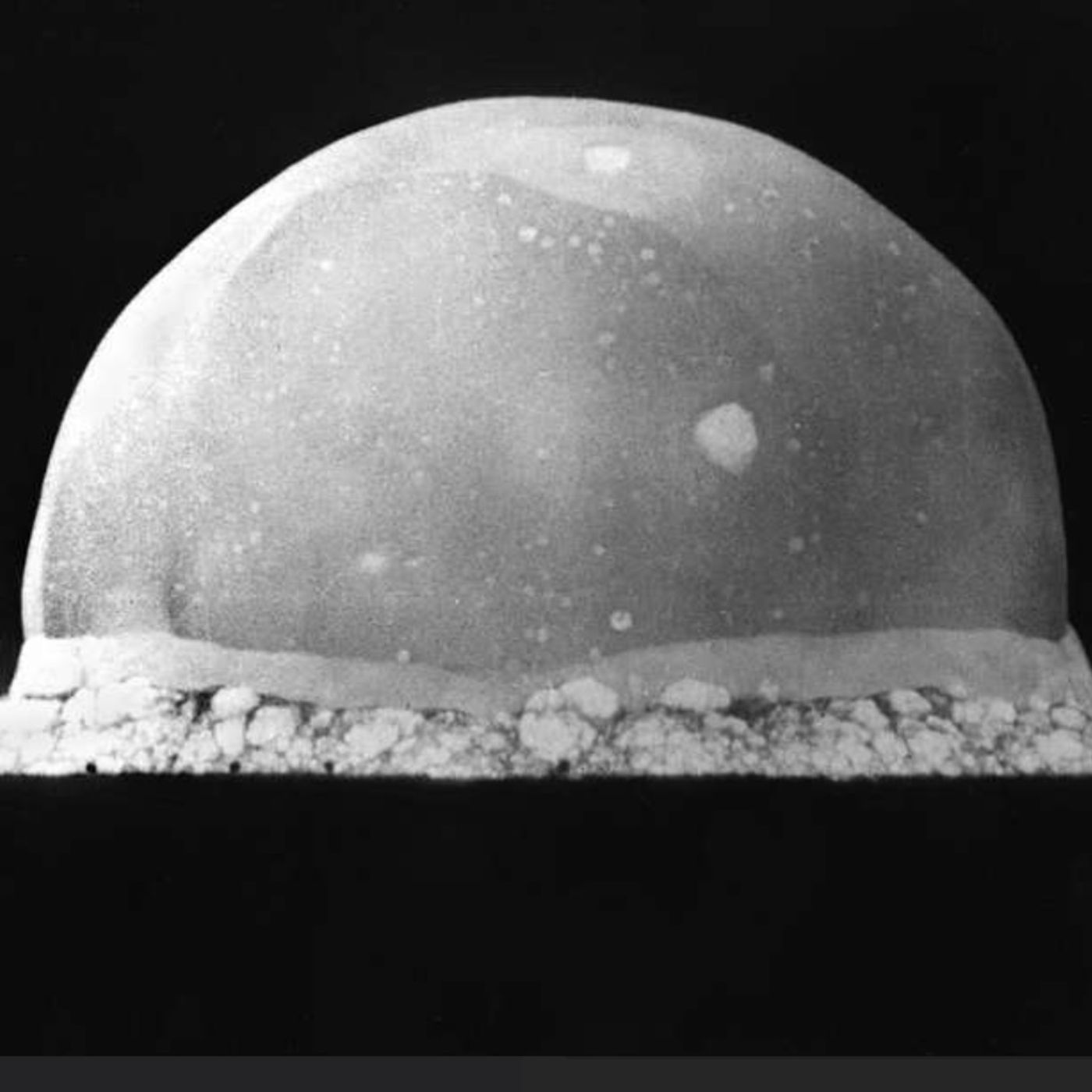
1945 TRINITY
Huessy (Part 1)
Title: Nuclear Triad Imbalance Threatens Global Security
Guest: Peter Huessy
Sum15ary: Peter Huessy warns that China and Russia rapidly expand unconstrained strategic warhead arsenals while American forces face aging Minute Man missiles[66][67]. China builds 320 mountain missile silos and train based MIRVs[70][71]. Consequently, the United States enters a dangerous second window of vulnerability (15)
13 minAbspielen in:
Gäste, die länger als 12 Monate zurückliegen, gibt es mit Pro. Pläne ansehen

 SC