Bekomm eine E-Mail, wenn Diana in einem Podcast zu Gast istPodAppear prüft neue Folgen, sobald sie erscheinen, und lässt die weg, in denen Diana nur erwähnt wird. Bis zu 15 Personen kostenlos, ohne Kreditkarte.Bis zu 15 Personen kostenlos, ohne Kreditkarte.
Diana Pearl war in den letzten 12 Monaten in 6 Podcast-Folgen aus 2 verschiedenen Sendungen zu Gast, am häufigsten bei The Debrief (4-mal). Zuletzt: The Debrief, 25. Nov. 2026.
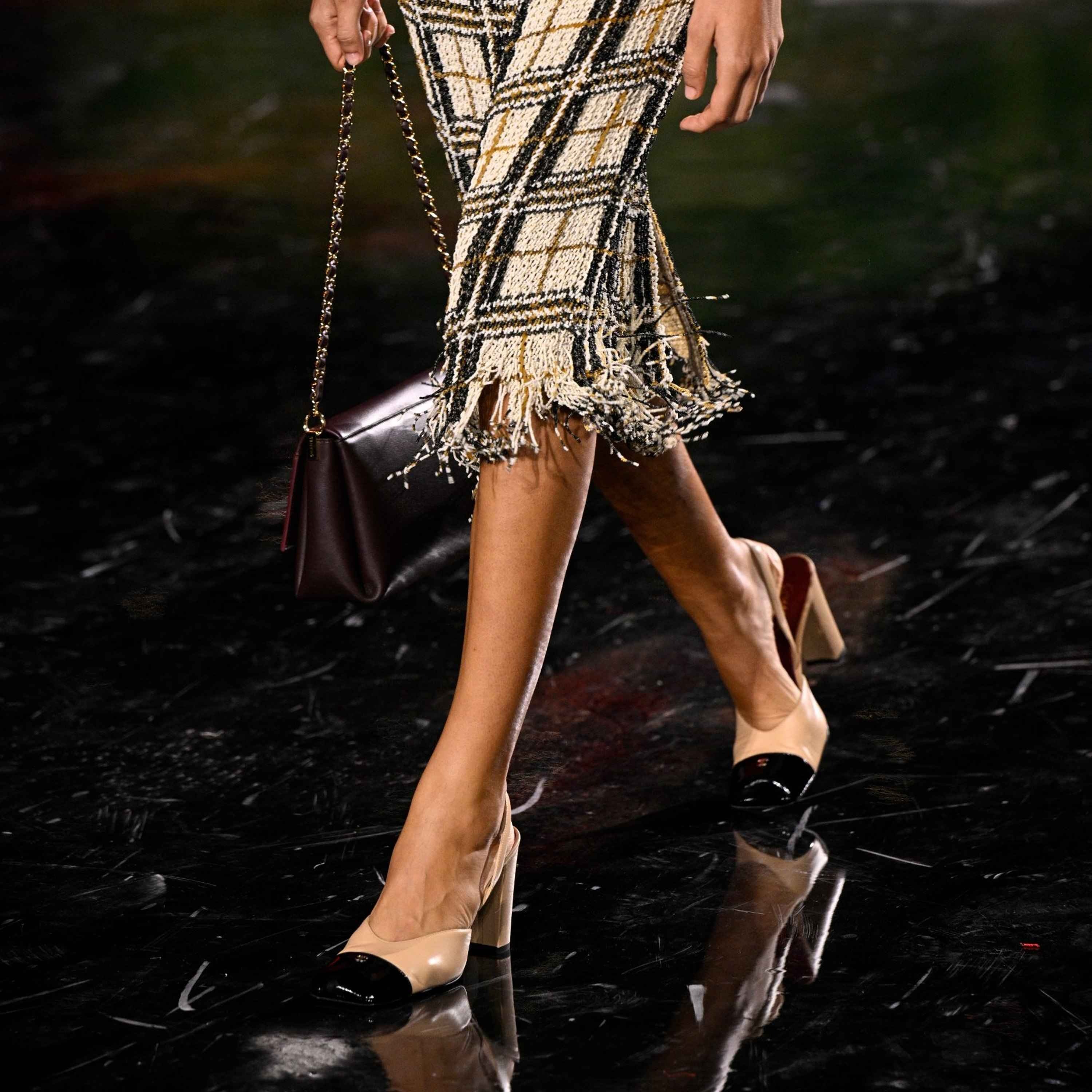
Fashion sourcing has evolved from an informal network of personal shoppers, stylists and vintage dealers into a professionalised sub-industry with dedicated platforms and direct brand partnerships. Operating on behalf of clients rather than retailers, these sourcers track down hard-to-find and sold-out luxury items – from Matthieu Blazy's Chanel to archival Celine – for a flat fee or commission.
On this episode of The Debrief, senior correspondent Sheena Butler-Young speaks with BoF US editor Diana Pearl about why wealthy shoppers rely on sourcers to bypass retail friction, how high-demand collections are blurring the lines between sourcing and reselling and whether brands should embrace these intermediaries.
Additional Resources:
Fashion Sourcing Is Big Business. Luxury Is Catching On. | BoF
How Shoppers Get Luxury’s Most Exclusive Products | BoF
Fashion’s Unexpected Data Treasure Troves | BoF
Hosted on Acast. See acast.com/privacy for more information.
In 2016, the global retail landscape was dominated by successful direct-to-consumer (DTC) disruptors like Everlane, Glossier, Allbirds and Outdoor Voices. Backed by hundreds of millions of dollars in venture capital, they prioritised rapid sales growth and hyper-aggressive social media customer acquisition over immediate profitability.
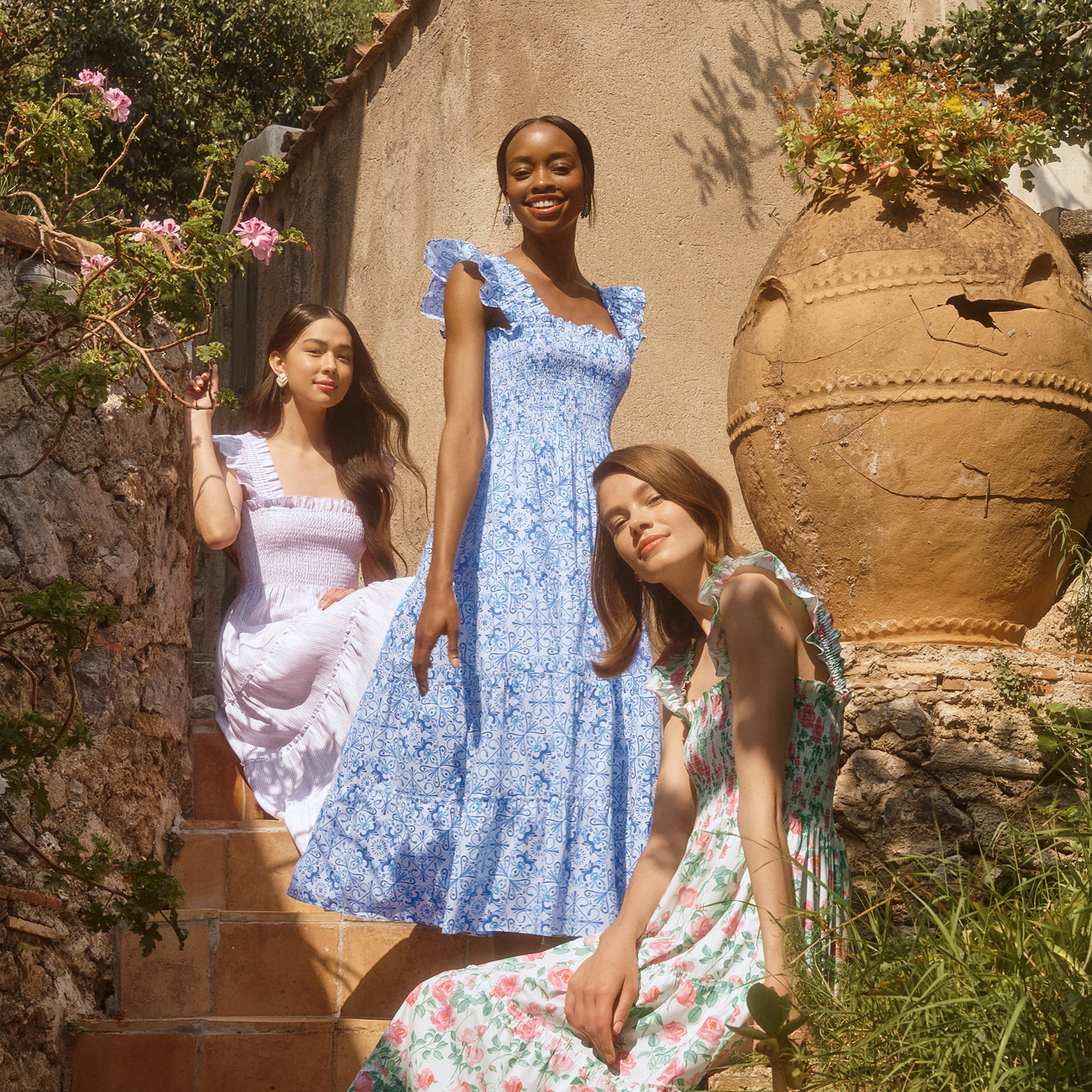
In this episode, senior news and features editor Diana Pearl joins senior correspondent Sheena Butler-Young to explore why the once-dominant DTC formula ultimately unravelled — and how a quieter, lesser-scrutinised class of brands, such as Doên, Hill House and Staud, built more durable businesses by taking a different path.
Key Insights:
A faltering DTC playbook faltered : IIn 2016, fashion's direct-to-consumer boom was fuelled by venture capital. Well-funded startups spent heavily on creative agencies, polished brand identities and social media advertising in pursuit of rapid growth, while largely rejecting wholesale. But as customer acquisition costs climbed and digital marketing became less effective, many brands discovered that bypassing traditional retail wasn't the sustainable advantage it once seemed.
Brand before scale: Having a strong aesthetic is key to the equation. . “Being very defined with your aesthetic and your point of view, you can then take that and apply it to a bunch of different categories,” says Pearl Direct consumer selling can be a good way to control brand identity but wholesale remains a critical avenue for brand awareness and discovery. 'It’s not that direct- to-consumers can't work, you just need to build up that brand identity,” says Pearl. “I think a lot of these big 2016 names went wrong by raising so much money without [the brand identity].”
The value of being small and growing slow Limited capital forced many of these brands to stay disciplined with inventory, giving them time to understand what customers actually wanted before making bigger bets. While frequent sell-outs weren't ideal, they were often less damaging than excess inventory that required markdowns and eroded profitability. The result was a stronger feedback loop between brands and their customers and quicker pivots.“When products sell out, you get to see what your customers are really resonating with versus if you're just advertising on social media in order to grow sales,” says Pearl.
Community over customer acquisition : Rather than relying on expensive paid marketing, many of these brands built loyal followings through authentic relationships with creators and customers. Early influencer partnerships grew alongside the brands themselves, creating trust and awareness that proved more durable than simply buying reach through social media advertising. “
Additional Resources:
For These Brands, Resisting the DTC Playbook Paid Off
Glossier’s New Strategy: Fewer Stores, Fewer Products
The ‘Nap Dress’ Propelled Hill House to $110 Million. What’s Next?
Hosted on Acast. See acast.com/privacy for more information.
The rise of GLP–1 drugs, such as Ozempic and Wegovy, is forcing fashion and beauty companies to rethink everything from sizing and fit to product development. With one in eight Americans having tried a GLP–1 medication, brands are grappling with how to serve consumers whose bodies may be changing more rapidly than traditional product cycles were designed to accommodate.
In this episode of The Debrief, senior correspondent Sheena Butler-Young sits down with BoF senior news and features editor Diana Pearl and The Business of Beauty news and features editor Brennan Kilbane to discuss how fashion and beauty brands are responding to the GLP-1 boom — and why the industry's apparent willingness to adapt to these consumers is raising difficult questions about its long history with size inclusivity.
Key Insights:
GLP-1s have turned into a fashion infrastructure problem: GLP-1 drugs are creating a new kind of consumer need — not just smaller sizes, but clothes and products that can accommodate rapid physical change. For fashion, this exposes the limits of systems built around relatively stable bodies, from fit models to inventory planning to alterations. As Pearl puts it, the industry may be talking more openly about fit, but real change will be slow because the underlying systems are deeply entrenched. “I don’t think it’s going to be a change that happens overnight or even in the next few months,” she says. “This is something that’s going to take years to fully address.”
The best brand responses meet customers where they are: Brands such as Soma offer one model for how to respond: create products for bodies in transition without framing that change as something to fix. Pearl says that approach works because it centres practical need rather than aspiration or shame. “It’s really just making it about: ‘okay, your life has changed, your body has changed, let’s meet you where you are,’” she says. Kilbane adds, “It's possible that we’re going to continue to see more people fluctuating in their weight and it’s quite forward-thinking for a fashion brand to accommodate that changing body.”
Beauty is already speaking more directly to the GLP-1 consumer: Beauty and wellness brands are moving faster than fashion in addressing the physical effects of rapid weight loss, from skin laxity to changes in facial volume. According to Kilbane, the category has to have a clearer product rationale for entering the conversation and respond to specific consumer concerns with products and treatments that feel practical. As Kilbane says, “I’ve talked to a lot of plastic surgeons and dermatologists and even some skincare executives. There are things that happen to your skin when you take these medicines,” he says. “I think especially beauty and wellness brands do need to talk to this customer differently, because they are going through a different transformation.”
Fashion’s unresolved relationship with thinness: The GLP-1 conversation has provoked scepticism as plus-size consumers have long argued that fashion sizing is broken, yet the industry appears more willing to change when bodies are getting smaller. For Kilbane, this criticism is fair: “It’s hard to not see any of this as the fashion industry’s excuse to champion thinness once again,” he says. Pearl adds that the debate cannot be separated from fashion’s deeper history of exclusion. “On the surface, it’s about sizing, but you can’t talk about what’s going on and not talk about fashion’s history of championing thinness,” she says.
Additional Resources:
How Ozempic Is Forcing Fashion to Rethink Fit
Novo Nordisk Looks Beyond Weight Loss to Longevity and Aesthetics
At Wellness Resorts, Ozempic Becomes Part of the Menu
Hosted on Acast. See acast.com/privacy for more information.
For years, European luxury brands set the pace in fashion, while American labels were often dismissed as overly commercial and too broadly distributed to compete at the highest end of the market.
But that balance is shifting. As many European luxury houses struggle with slowing demand, price resistance and creative inconsistency, a group of American brands is seeing renewed momentum.
On the episode, Diana Pearl joins Sheena Butler-Young and Brian Baskin to unpack what those brands are getting right, and why their recent success may offer a useful playbook for the rest of the industry.
Key Insights:
Pearl argues that part of the shift comes down to timing. American brands like Coach, Ralph Lauren and Tory Burch went through their overexposure phase years ago and were forced to correct course, while European luxury brands are only now grappling with the consequences of aggressive growth. “European brands maybe got a little cocky,” she says. “They raised prices too much and maybe let the creative slide a little. I think as those businesses have grown, it just became more about sales and less about focusing on the core of the business.” By contrast, American brands “really had to recalibrate, pull back, think about who is our core customer and laser in on that message.”
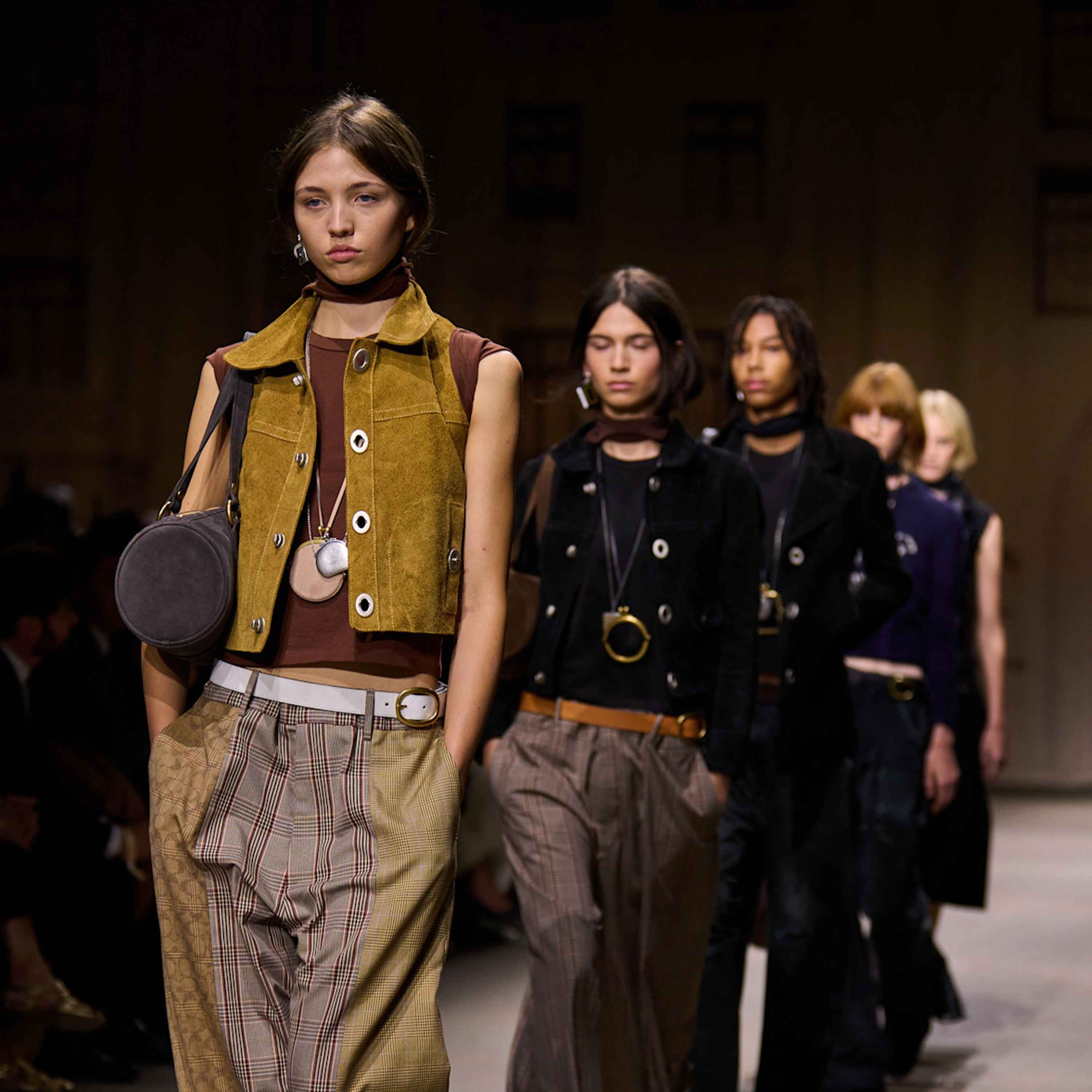
Pearl presents Coach as the clearest example of how this American reset has worked. Instead of chasing quick expansion, the brand spent years refining its identity, sharpening its offer and building around a defined consumer. “They want to be that first luxury bag purchase that someone makes when they’re in high school, when they get their first job and save up to buy a nice bag,” she says. That focus shapes everything from product to casting to marketing tone. Just as importantly, Coach stopped cycling through products too quickly. Rather than dropping a hit bag and moving on, “when they see these silhouettes start to pop off, they find ways to iterate them,” Pearl says, pointing to the Tabby and the Brooklyn as examples.
Pearl says European luxury’s current problems are not just about price, but about value and treatment. Consumers have become more sensitive to whether products feel worth the money and whether the shopping experience feels inviting. “People don’t want to spend their money at a place where they feel like they’re being mistreated,” she says, referring to growing frustration with intimidating store environments, long queues and rigid service hierarchies. She also argues that “cachet can only get you so far,” especially when shoppers no longer feel that the biggest European brands are producing the most desirable or practical items.
Another theme in Pearl’s reporting is consistency. Several American brands now doing well are still shaped by founder-led or founder-adjacent creative visions, and she suggests that stability matters. “Even if consumers don’t necessarily know that creative directors are changing, they see it in how a brand feels inconsistent from season to season,” she says. With Tory Burch, Ralph Lauren and Khaite, the creative point of view feels legible and sustained. That makes it easier to build a coherent world around the brand and evolve it gradually, rather than asking consumers to reset every few years with a new designer era.
Additional Resources:
What European Luxury Can Learn From American Fashion | BoF
The Great Fashion Reset | How to Fix Luxury’s Trust Issues | BoF
The Great Fashion Reset: Can Designer Debuts Revive Luxury? | The Debrief | BoF
Hosted on Acast. See acast.com/privacy for more information.
25 minAbspielen in:
Warum PodAppear
Folge Menschen, nicht Podcasts.
Du hast Diana in einer Sendung gehört. PodAppear findet für dich die nächste, und genauso für alle anderen, die du hören willst.
Eine Meldung, wenn die Person zu Gast istPer E-Mail: sofort oder gebündelt als Tages- oder Wochenübersicht. Dann nur noch auf Play drücken.
Gäste statt bloßer ErwähnungenFolgen, in denen ein Name nur fällt, landen getrennt. Eine Meldung heißt: Die Person ist wirklich in der Sendung.
Alle in einem FeedGründerinnen, Autoren, Sportler, Forscherinnen. Folge allen mit Namen, quer durch jede Sendung, in der sie auftreten.