Welcome to The Debrief, a new weekly podcast from The Business of Fashion, where we go beyond the glossy veneer and unpack our most popular BoF Professional stories. Hosted by BoF correspondents Sheena Butler-Young and Brian Baskin, The Debrief will be your guide into the mega labels, indie upstarts and unforgettable…
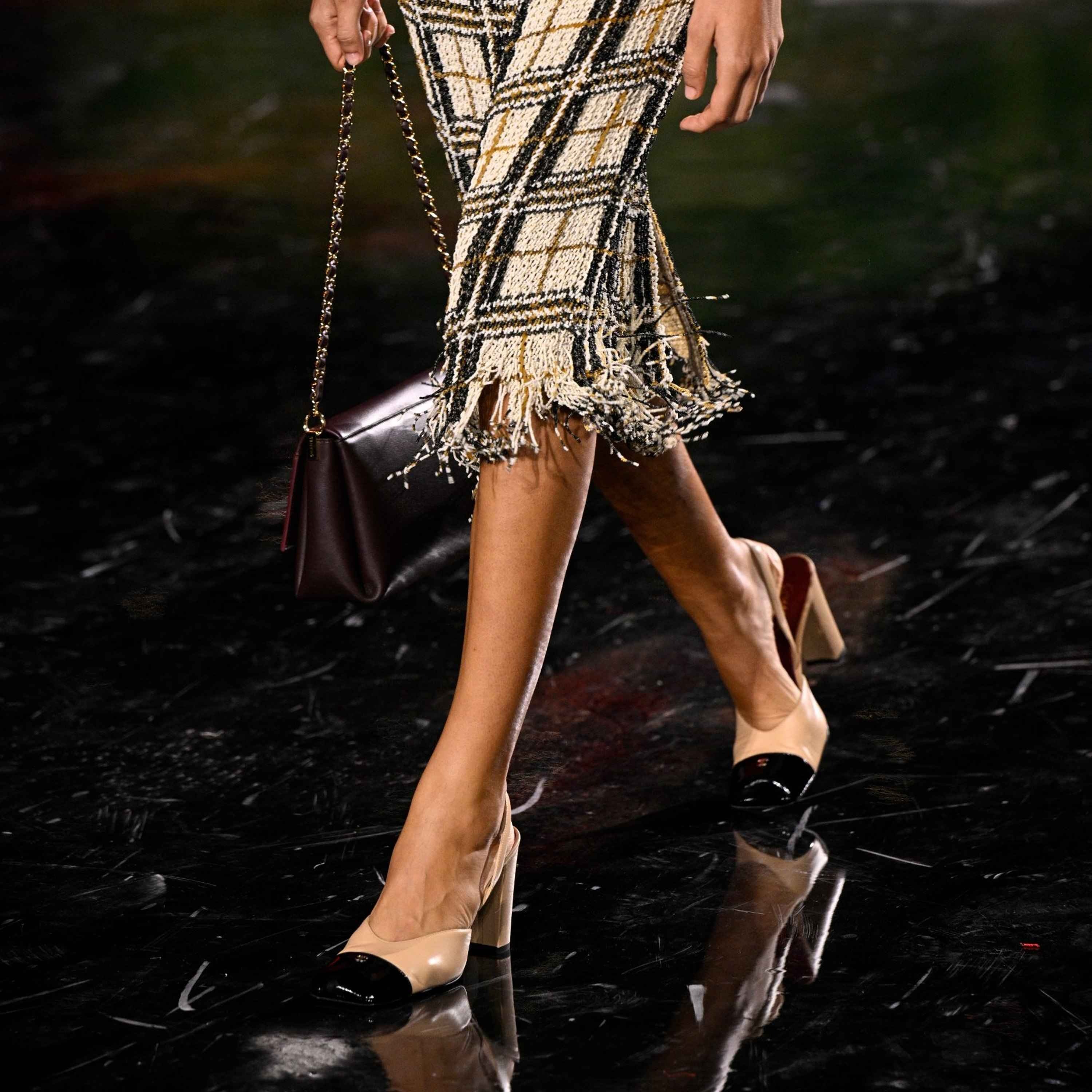
Fashion sourcing has evolved from an informal network of personal shoppers, stylists and vintage dealers into a professionalised sub-industry with dedicated platforms and direct brand partnerships. Operating on behalf of clients rather than retailers, these sourcers track down hard-to-find and sold-out luxury items – from Matthieu Blazy's Chanel to archival Celine – for a flat fee or commission.
On this episode of The Debrief, senior correspondent Sheena Butler-Young speaks with BoF US editor Diana Pearl about why wealthy shoppers rely on sourcers to bypass retail friction, how high-demand collections are blurring the lines between sourcing and reselling and whether brands should embrace these intermediaries.
Additional Resources:
Fashion Sourcing Is Big Business. Luxury Is Catching On. | BoF
How Shoppers Get Luxury’s Most Exclusive Products | BoF
Fashion’s Unexpected Data Treasure Troves | BoF
Hosted on Acast. See acast.com/privacy for more information.
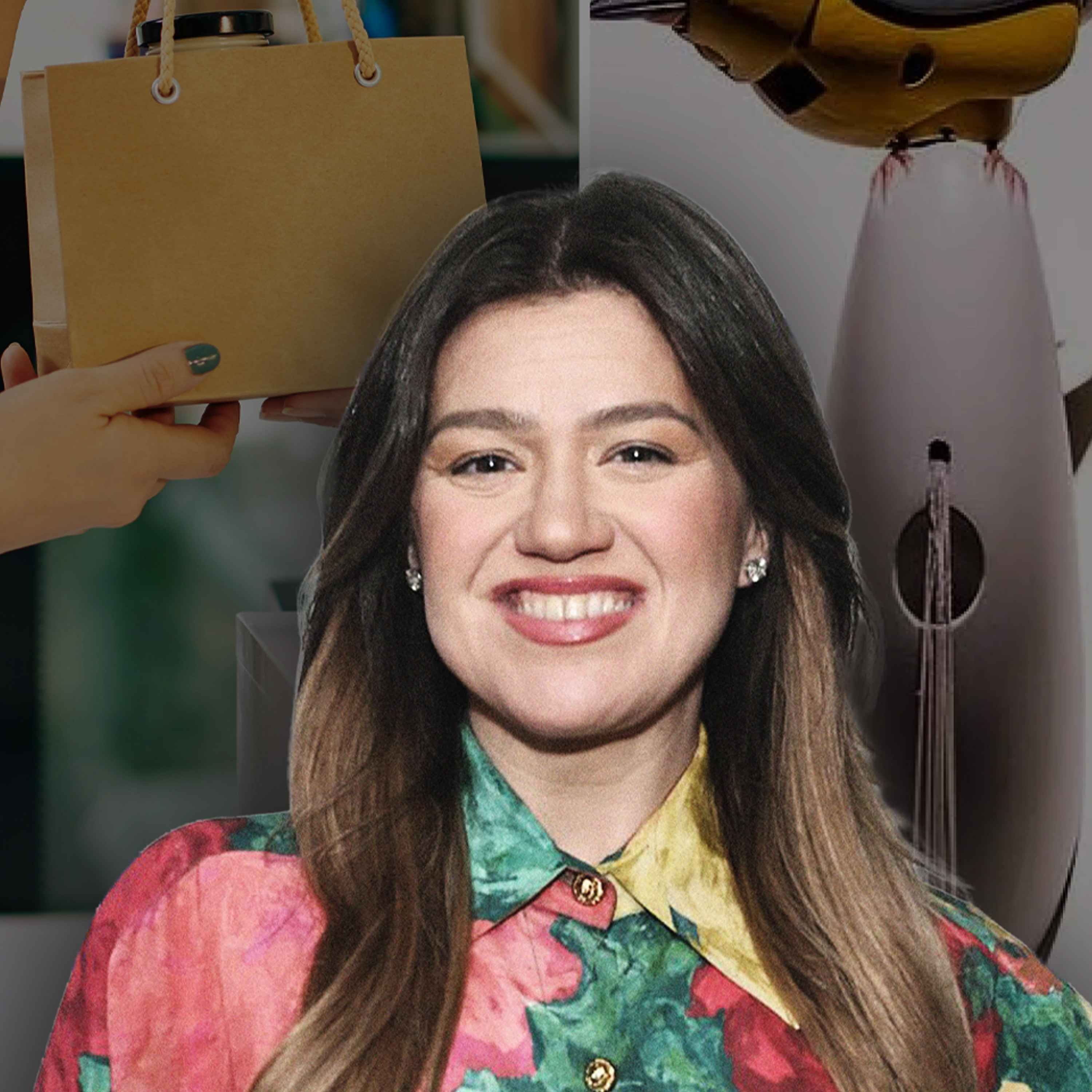
A $15,000 mechanical bird named Molly has become an unlikely flashpoint for retail. After pop star Kelly Clarkson accused Brooklyn boutique Art of Play of treating her “like Julia Roberts’ character” in Pretty Woman, the dispute ignited a much bigger debate about customer service, training and who bears the brunt of bad retail experiences.
In this episode, senior correspondent Sheena Butler-Young is joined by Jessica Kwon, who recently examined why poor customer service remains so pervasive across retail, and retail editor Cathaleen Chen, who spearheaded BoF’s coverage of the world’s best independent stores. Together, they explore why retailers struggle to get service right — and what it takes to deliver a better shopping experience.
Key Insights:
Kwon connects the Clarkson incident to a longer pattern of retail profiling. “There’s a reason there’s this dedicated phrase, ‘shopping while Black’, that points to this phenomenon of Black customers being disproportionately scrutinized and surveilled,” she says, noting Oprah, Cardi B and Savannah James have all described similar treatment.
Chen is skeptical of the theory that cold treatment drives luxury sales. “I personally find that very hard to believe,” she says, arguing the opposite is now true: “I don’t think that a true luxury shopping environment should make anyone feel intimidated or condescended upon.”
For Chen, salaried-plus-commission models — like those at Elyse Walker — build loyalty because staff see a path up. “The CEO of Aritzia – she started at that company as a sales associate,” she says, tying good service to employees who “feel like they have a stake in the store.”
Chen points to average tenures of five to six months as the real culprit behind inconsistent service. “It’s really not enough time... to soak up the culture of the brand and feel like you are a part of this environment,” she says.
Kwon links pandemic-era social isolation to a generational shift in what good service looks like. “A lot of young people want to be left alone,” she says, adding that attentive service can now read as “a little obsequious.”
Additional Resources:
Why Is It Still So Painful to Shop in Stores? | BoF
The Best Fashion Stores in the World | BoF
How to Build the Retail Customer Service Dream Team | BoF
Hosted on Acast. See acast.com/privacy for more information.
For decades, institutions like Central Saint Martins, Parsons and Institut Français de la Mode have launched some of fashion's most successful careers. But, today's graduates are entering a more competitive industry grappling with slower growth across the board, where AI is changing how work gets done and employers are reassessing the skills they need.
This week, BoF Careers features editor Dan Hastings joins Senior Correspondent Sheena Butler–Young to examine how fashion education is evolving alongside a rapidly changing industry — and whether those changes are enough to prepare students for today's job market.
Key Insights:
Fashion graduates are entering a far more competitive industry. With thousands of graduates competing for a limited number of entry-level roles, breaking into fashion is arguably becoming even more difficult than it was just a decade ago. According to UCAS data, the UK alone now offers over 200 bachelor's-level fashion courses, with cohorts running from single figures up to roughly 50 at institutions such as Central Saint Martins and the London College of Fashion. That points to close to 5,000 new fashion design graduates a year, entering a job market that, in Hastings's words, “is not ready for that number of young graduates” — and competing not only with each other but with the backlog of graduates from previous years who haven't yet found work.
Financial barriers persist. Despite some progress, Hastings describes many fashion students continuing to work unpaid internships to gain much-needed experience while struggling to afford tuition, housing and other college expenses. It’s structure that, he says, often “excludes people from working-class backgrounds, even if now they have access to fashion degrees.” UK student loans widen access to the degree itself, but not to the unpaid work experience that increasingly follows it.
Prestige still opens doors. Hastings says some of fashion's most prestigious schools continue to offer a route into the industry's most sought-after roles—but not because of the name on the diploma alone. Their value lies in the combination of rigorous creative training, selective programmes and sustained access to industry professionals. As examples, Hastings points to schools like La Cambre in Brussels, whose highly selective programmes and graduate shows, he says, continue to attract attention from leading luxury brands and recruiters. He also highlights institutions like IFM in Paris, where close industry ties and scholarship support help connect students with the wider fashion ecosystem. As Hastings puts it, "when you have a foot inside the door, you can really connect with really amazing people."
Additional Resources:
Paris' New Super-School Aims to Rival Central Saint Martins | BoF
How Fashion Schools Court Industry Talent | BoF
How Fashion Schools Are Tackling AI’s Blind Spots | BoF
Hosted on Acast. See acast.com/privacy for more information.
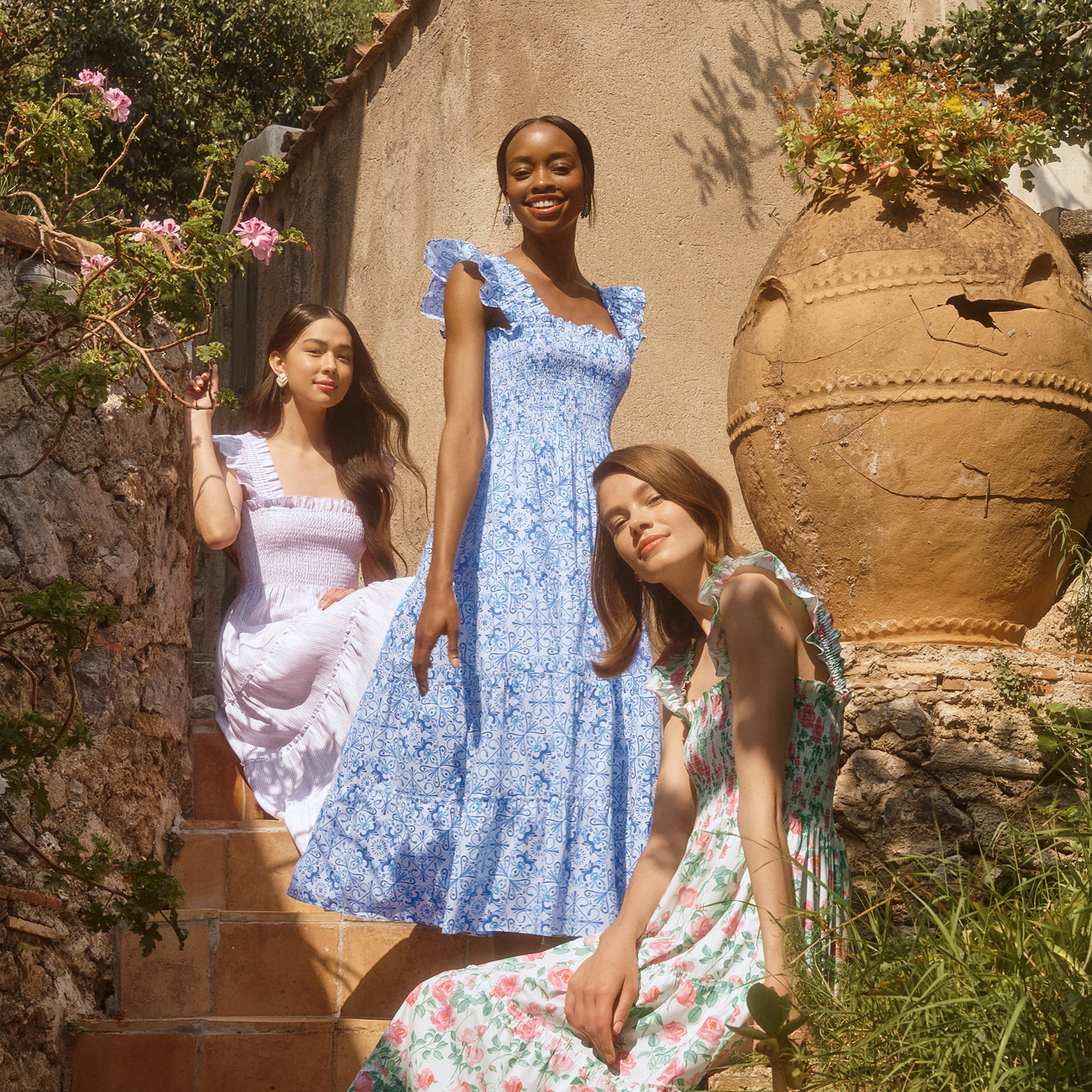
In 2016, the global retail landscape was dominated by successful direct-to-consumer (DTC) disruptors like Everlane, Glossier, Allbirds and Outdoor Voices. Backed by hundreds of millions of dollars in venture capital, they prioritised rapid sales growth and hyper-aggressive social media customer acquisition over immediate profitability.
In this episode, senior news and features editor Diana Pearl joins senior correspondent Sheena Butler-Young to explore why the once-dominant DTC formula ultimately unravelled — and how a quieter, lesser-scrutinised class of brands, such as Doên, Hill House and Staud, built more durable businesses by taking a different path.
Key Insights:
A faltering DTC playbook faltered : IIn 2016, fashion's direct-to-consumer boom was fuelled by venture capital. Well-funded startups spent heavily on creative agencies, polished brand identities and social media advertising in pursuit of rapid growth, while largely rejecting wholesale. But as customer acquisition costs climbed and digital marketing became less effective, many brands discovered that bypassing traditional retail wasn't the sustainable advantage it once seemed.
Brand before scale: Having a strong aesthetic is key to the equation. . “Being very defined with your aesthetic and your point of view, you can then take that and apply it to a bunch of different categories,” says Pearl Direct consumer selling can be a good way to control brand identity but wholesale remains a critical avenue for brand awareness and discovery. 'It’s not that direct- to-consumers can't work, you just need to build up that brand identity,” says Pearl. “I think a lot of these big 2016 names went wrong by raising so much money without [the brand identity].”
The value of being small and growing slow Limited capital forced many of these brands to stay disciplined with inventory, giving them time to understand what customers actually wanted before making bigger bets. While frequent sell-outs weren't ideal, they were often less damaging than excess inventory that required markdowns and eroded profitability. The result was a stronger feedback loop between brands and their customers and quicker pivots.“When products sell out, you get to see what your customers are really resonating with versus if you're just advertising on social media in order to grow sales,” says Pearl.
Community over customer acquisition : Rather than relying on expensive paid marketing, many of these brands built loyal followings through authentic relationships with creators and customers. Early influencer partnerships grew alongside the brands themselves, creating trust and awareness that proved more durable than simply buying reach through social media advertising. “
Additional Resources:
For These Brands, Resisting the DTC Playbook Paid Off
Glossier’s New Strategy: Fewer Stores, Fewer Products
The ‘Nap Dress’ Propelled Hill House to $110 Million. What’s Next?
Hosted on Acast. See acast.com/privacy for more information.
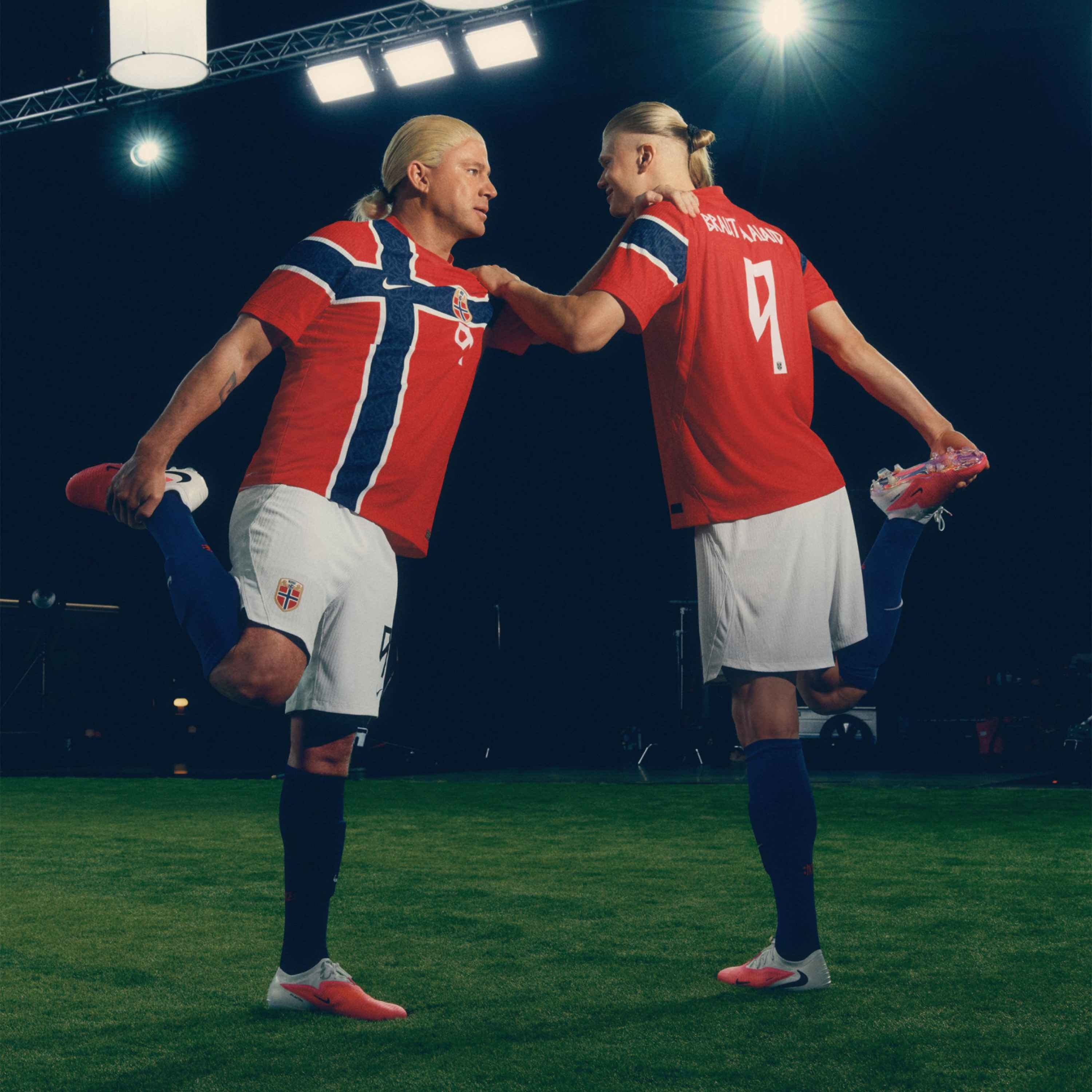
The 2026 World Cup marked an unprecedented milestone for global football, expanding to 48 teams playing over 100 matches across the US, Canada and Mexico. In this special episode of The Debrief, Nike’s vice president of global brand management Helena Thornton joins BoFsenior correspondent Sheena Butler-Young and sports and fashion correspondent Mike Syke to discuss the strategy behind the brand's World Cup campaign, the expansive relationship between football, culture and commerce and what the tournament means at a pivotal moment for Nike.
The episode examines how Nike approached the sport's biggest stage, from the creative thinking behind its 'Rip the Script' campaign — which brought together elite athletes, pop culture figures and cinematic storytelling — to the challenge of building campaigns that resonate in an increasingly fragmented media landscape. Thornton also reflects on how the World Cup fits into Nike's broader brand strategy as the company works to regain brand heat.
Key Insights:
Breaking beyond football fans requires becoming part of the broader cultural conversation. As brands compete for attention with creators, entertainment and other cultural forces, Nike designed its World Cup campaign to extend beyond the sport itself, bringing together elite footballers, athletes and cultural figures to appeal to both dedicated supporters and more casual fans. “Including the sort of that celebrity class alongside the elite footballers and the athletes, because I think that speaks to the more casual fan,” Thornton says.
Long-term community building matters more than tournament marketing alone. Thornton says major sporting events should serve as a catalyst for brand storytelling and momentum rather than the entirety of the brand’s strategy. You don't ever just want to be the shiny object that drops in for the weeks of the tournament and then you leave,” she says. “We really want to make sure that people have unbelievable access to the game... that moment actually really ignites this huge love of the game.” Grassroots investments, like Nike's ‘Toma’ platform, the street football movement, help build deeper consumer relationships than short-lived tournament campaigns.
Nike built its campaign around athlete instinct rather than a traditional sports marketing playbook. Rather than relying on rigid creative formulas, the brand grounded 'Rip the Script' in conversations with professional footballers, embracing emotion, authenticity and intuition as the foundation for the campaign. “We spoke to hundreds of footballers who kept telling us the same thing,” Thornton explains. “They were … just a bit sick of people telling [them] what to do... ‘we just wanna trust our gut.’”
Football creates moments of connection that few cultural platforms can match. The World Cup's global reach made it more than just a sporting event, creating a shared cultural moment at a time when people were looking for connection and optimism. “There's just a passion about the sport…there is just this larger unity right now that I'm seeing from people,” Thornton says. “I think the world just needed this thing to bring us all together and there is no other sport other than football really that truly, truly is the global game.”
Innovation remains central to Nike's broader turnaround strategy. While campaigns like 'Rip the Script' are among the brand's most visible expressions, Thornton says major sporting moments bring together teams across the company to think beyond marketing. “We sit down across all of the different departments at Nike and we talk about these big sports moments, ‘what do we wanna do to totally change the industry again? What is the athlete problem that we're solving for? What innovation can we push to allow an athlete to do something they never even believed that was possible?’”
Additional Resources:
Nike and Adidas Are Taking the World Cup to the Street
The Strategy Behind Nike’s Colossal World Cup Bet
Nike’s World Cup Takeover Is Off to a Hot Start
Hosted on Acast. See acast.com/privacy for more information.
The rise of GLP–1 drugs, such as Ozempic and Wegovy, is forcing fashion and beauty companies to rethink everything from sizing and fit to product development. With one in eight Americans having tried a GLP–1 medication, brands are grappling with how to serve consumers whose bodies may be changing more rapidly than traditional product cycles were designed to accommodate.
In this episode of The Debrief, senior correspondent Sheena Butler-Young sits down with BoF senior news and features editor Diana Pearl and The Business of Beauty news and features editor Brennan Kilbane to discuss how fashion and beauty brands are responding to the GLP-1 boom — and why the industry's apparent willingness to adapt to these consumers is raising difficult questions about its long history with size inclusivity.
Key Insights:
GLP-1s have turned into a fashion infrastructure problem: GLP-1 drugs are creating a new kind of consumer need — not just smaller sizes, but clothes and products that can accommodate rapid physical change. For fashion, this exposes the limits of systems built around relatively stable bodies, from fit models to inventory planning to alterations. As Pearl puts it, the industry may be talking more openly about fit, but real change will be slow because the underlying systems are deeply entrenched. “I don’t think it’s going to be a change that happens overnight or even in the next few months,” she says. “This is something that’s going to take years to fully address.”
The best brand responses meet customers where they are: Brands such as Soma offer one model for how to respond: create products for bodies in transition without framing that change as something to fix. Pearl says that approach works because it centres practical need rather than aspiration or shame. “It’s really just making it about: ‘okay, your life has changed, your body has changed, let’s meet you where you are,’” she says. Kilbane adds, “It's possible that we’re going to continue to see more people fluctuating in their weight and it’s quite forward-thinking for a fashion brand to accommodate that changing body.”
Beauty is already speaking more directly to the GLP-1 consumer: Beauty and wellness brands are moving faster than fashion in addressing the physical effects of rapid weight loss, from skin laxity to changes in facial volume. According to Kilbane, the category has to have a clearer product rationale for entering the conversation and respond to specific consumer concerns with products and treatments that feel practical. As Kilbane says, “I’ve talked to a lot of plastic surgeons and dermatologists and even some skincare executives. There are things that happen to your skin when you take these medicines,” he says. “I think especially beauty and wellness brands do need to talk to this customer differently, because they are going through a different transformation.”
Fashion’s unresolved relationship with thinness: The GLP-1 conversation has provoked scepticism as plus-size consumers have long argued that fashion sizing is broken, yet the industry appears more willing to change when bodies are getting smaller. For Kilbane, this criticism is fair: “It’s hard to not see any of this as the fashion industry’s excuse to champion thinness once again,” he says. Pearl adds that the debate cannot be separated from fashion’s deeper history of exclusion. “On the surface, it’s about sizing, but you can’t talk about what’s going on and not talk about fashion’s history of championing thinness,” she says.
Additional Resources:
How Ozempic Is Forcing Fashion to Rethink Fit
Novo Nordisk Looks Beyond Weight Loss to Longevity and Aesthetics
At Wellness Resorts, Ozempic Becomes Part of the Menu
Hosted on Acast. See acast.com/privacy for more information.
For years, Revolve was fashion retail’s byword for influencer marketing, particularly around its over-the-top Coachella event. But as the Instagram aesthetic matures and the cost of human-led marketing rises, the company is pivoting. The new mandate? To become as much an AI powerhouse as it is a party-hosting fashion giant.
In a recent conversation with Retail Editor Cathaleen Chen, Revolve founders Michael Mente and Mike Karanikolas argued that AI isn't just a buzzword for the board; it’s the engine that will sustain their multi-billion dollar dominance.
Chen joined The Debrief to talk about how Revolve is pushing the limits of how AI can be used in retail, and whether its strategy is working.
Key Insights:
Revolve was founded by software engineers who viewed fashion as an e-commerce "white space,” setting it apart from rivals that invested in new technologies only after establishing themselves in the marketplace. "While Revolve looks like a Shopbop or a Net-a-Porter... Revolve is actually built like a data science company." said retail editor Cathaleen Chen.
Revolve differentiates itself by building its own tools where possible, rather than buying off-the-shelf software, including the product search on its website. Using AI, Revolve has moved beyond literal keyword matching to a system that understands the vibe or occasion a customer is shopping for. By analyzing image attributes, the site can surface the perfect "party dress" even if that specific tag doesn't exist, explains Chen. "What their AI tool is able to do is pull up anything that is sequined... or textured... it is anticipating the desire."
Revolve fosters a "bottom-up" environment where every employee is encouraged to experiment with AI. They aren't just looking for "moonshots"; they value any application that moves the needle even slightly. "Eeven if something improves efficiency or output by just 1%, that's considered a success,” said Chen.
Additional Resources:
Why Revolve Can’t Stop Talking About AI | BoF
Why Fashion Doesn’t Talk About How It Uses AI | BoF
Why Revolve Is Embracing Brick-and-Mortar | BoF
Hosted on Acast. See acast.com/privacy for more information.
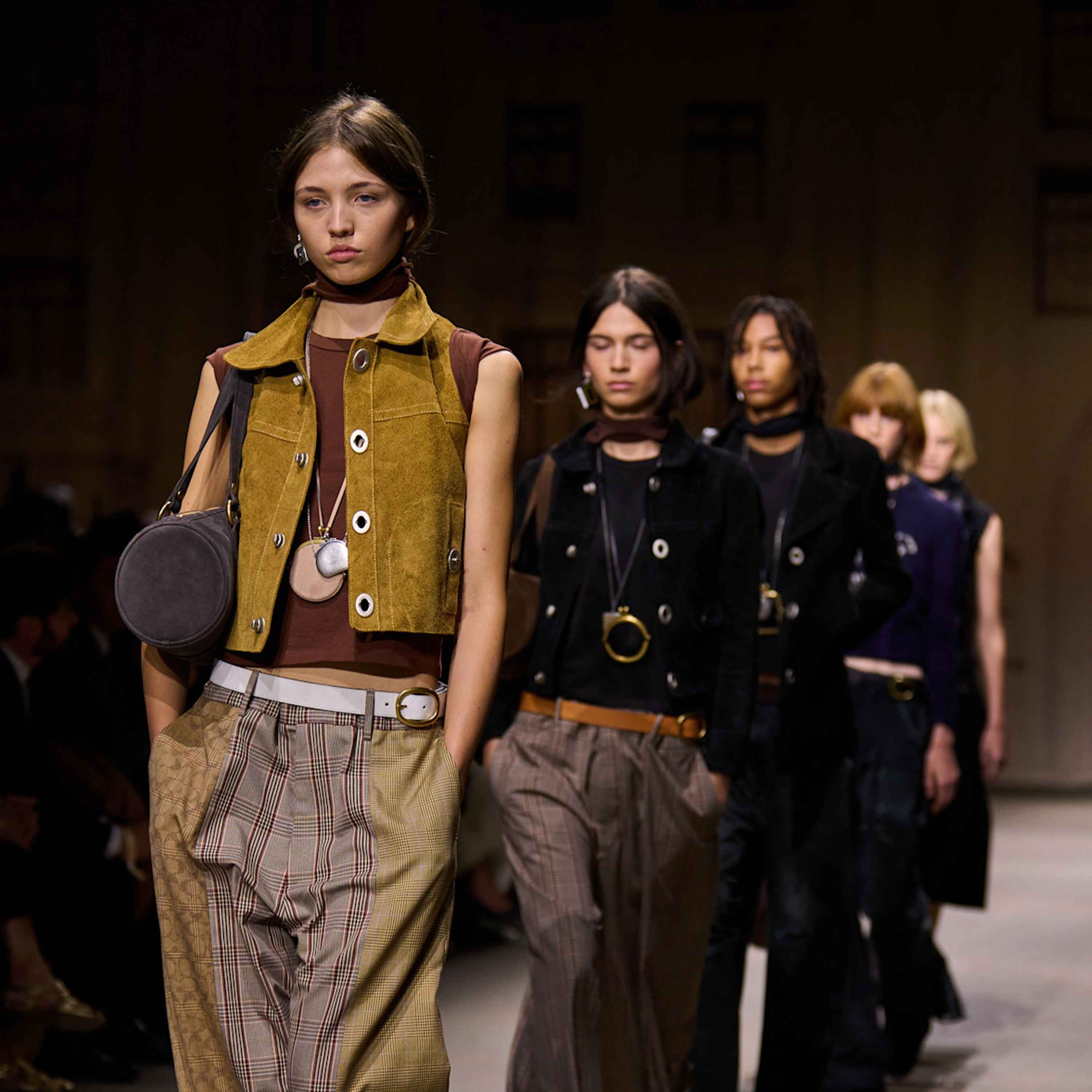
For years, European luxury brands set the pace in fashion, while American labels were often dismissed as overly commercial and too broadly distributed to compete at the highest end of the market.
But that balance is shifting. As many European luxury houses struggle with slowing demand, price resistance and creative inconsistency, a group of American brands is seeing renewed momentum.
On the episode, Diana Pearl joins Sheena Butler-Young and Brian Baskin to unpack what those brands are getting right, and why their recent success may offer a useful playbook for the rest of the industry.
Key Insights:
Pearl argues that part of the shift comes down to timing. American brands like Coach, Ralph Lauren and Tory Burch went through their overexposure phase years ago and were forced to correct course, while European luxury brands are only now grappling with the consequences of aggressive growth. “European brands maybe got a little cocky,” she says. “They raised prices too much and maybe let the creative slide a little. I think as those businesses have grown, it just became more about sales and less about focusing on the core of the business.” By contrast, American brands “really had to recalibrate, pull back, think about who is our core customer and laser in on that message.”
Pearl presents Coach as the clearest example of how this American reset has worked. Instead of chasing quick expansion, the brand spent years refining its identity, sharpening its offer and building around a defined consumer. “They want to be that first luxury bag purchase that someone makes when they’re in high school, when they get their first job and save up to buy a nice bag,” she says. That focus shapes everything from product to casting to marketing tone. Just as importantly, Coach stopped cycling through products too quickly. Rather than dropping a hit bag and moving on, “when they see these silhouettes start to pop off, they find ways to iterate them,” Pearl says, pointing to the Tabby and the Brooklyn as examples.
Pearl says European luxury’s current problems are not just about price, but about value and treatment. Consumers have become more sensitive to whether products feel worth the money and whether the shopping experience feels inviting. “People don’t want to spend their money at a place where they feel like they’re being mistreated,” she says, referring to growing frustration with intimidating store environments, long queues and rigid service hierarchies. She also argues that “cachet can only get you so far,” especially when shoppers no longer feel that the biggest European brands are producing the most desirable or practical items.
Another theme in Pearl’s reporting is consistency. Several American brands now doing well are still shaped by founder-led or founder-adjacent creative visions, and she suggests that stability matters. “Even if consumers don’t necessarily know that creative directors are changing, they see it in how a brand feels inconsistent from season to season,” she says. With Tory Burch, Ralph Lauren and Khaite, the creative point of view feels legible and sustained. That makes it easier to build a coherent world around the brand and evolve it gradually, rather than asking consumers to reset every few years with a new designer era.
Additional Resources:
What European Luxury Can Learn From American Fashion | BoF
The Great Fashion Reset | How to Fix Luxury’s Trust Issues | BoF
The Great Fashion Reset: Can Designer Debuts Revive Luxury? | The Debrief | BoF
Hosted on Acast. See acast.com/privacy for more information.
25 minAbspielen in:
Gäste, die länger als 12 Monate zurückliegen, gibt es mit Pro. Pläne ansehen
 DP