Bekomm eine E-Mail, wenn Christian in einem Podcast zu Gast istPodAppear prüft neue Folgen, sobald sie erscheinen, und lässt die weg, in denen Christian nur erwähnt wird. Bis zu 15 Personen kostenlos, ohne Kreditkarte.Bis zu 15 Personen kostenlos, ohne Kreditkarte.
Christian B. Miller war in den letzten 12 Monaten in 3 Podcast-Folgen aus 3 verschiedenen Sendungen zu Gast. Zuletzt: Converging Dialogues, 12. Nov. 2026.
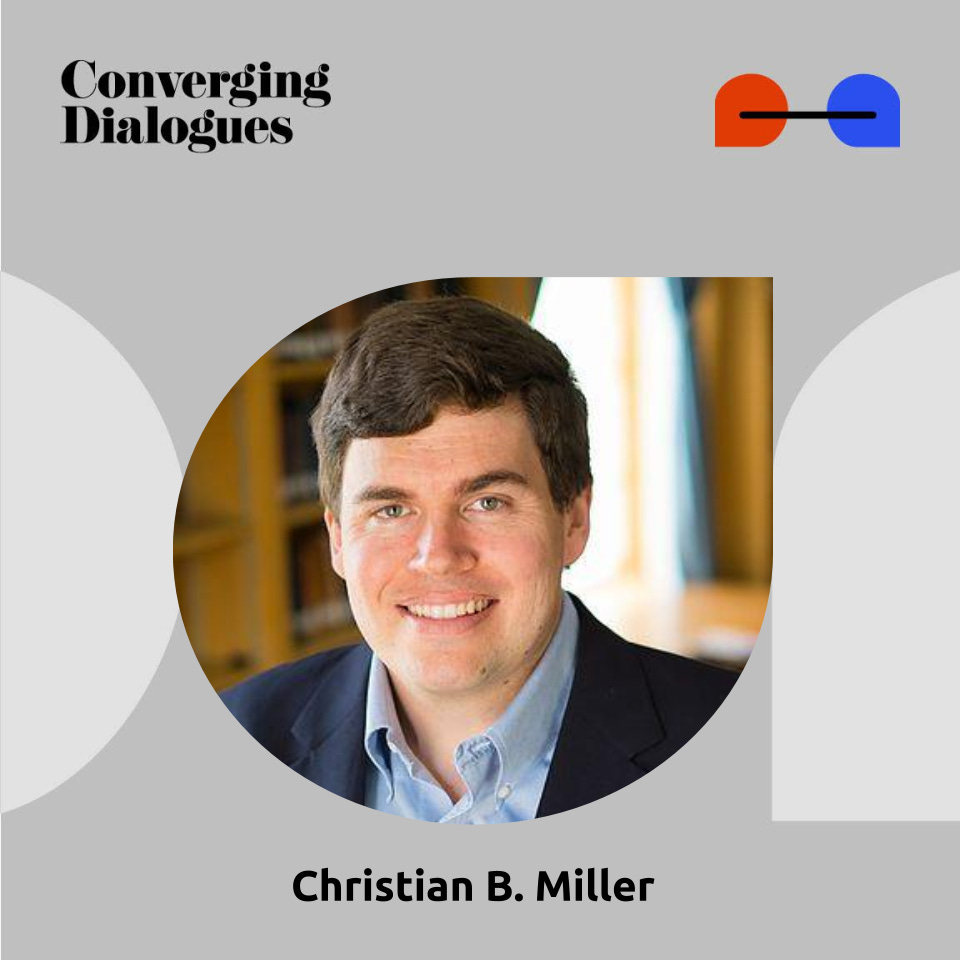
In this episode, Xavier Bonilla has a dialogue with Christian Miller about honesty. They talk about the framing of honesty, Aristotelian honesty, Nietzsche and moral relativism, honesty and trust, white lies, infidelity, lying in politics, improving with honesty, and many more topics.
Christian B. Miller is the A. C. Reid Professor of Philosophy at Wake Forest University. He is the author of over 130 articles as well as Moral Psychology and four books with Oxford University Press, Moral Character: An Empirical Theory, Character and Moral Psychology, The Character Gap: How Good Are We?, Honesty: The Philosophy and Psychology of a Neglected Virtue, and the latest book, The Honesty Crisis. He is a contributor for Forbes, and his writings have appeared in The New York Times, Wall Street Journal, Dallas Morning News, Slate, The Conversation, Newsweek, Aeon, and Christianity Today.
Get full access to Converging Dialogues at convergingdialogues.substack.com/subscribe
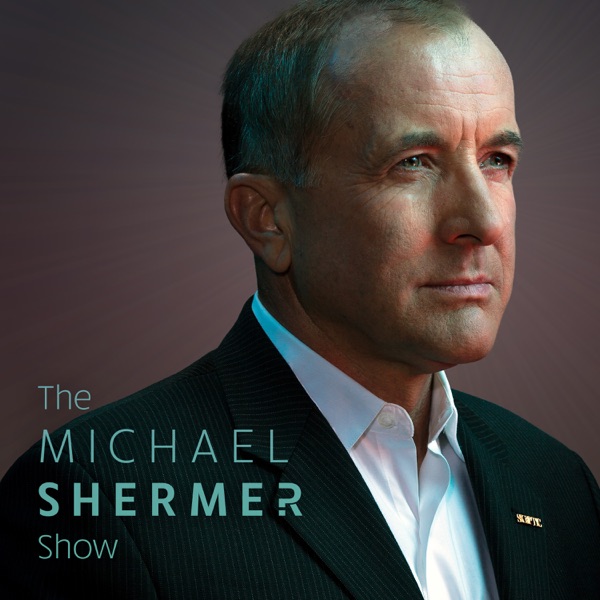
Most of us think of ourselves as honest. But would we still tell the truth if lying got us what we wanted—and nobody would ever find out? Philosopher Christian Miller joins Michael Shermer to discuss his new book The Honesty Crisis and the uncomfortable gap between having a reputation for honesty and actually being honest.
Christian B. Miller is the A.C. Reid Professor of Philosophy at Wake Forest University. He is the author of over 130 articles as well as several books. Thanks to a $4.4 million grant from the John Templeton Foundation, he directed The Honesty Project, one of the largest research initiatives ever undertaken on honesty. His new book is The Honesty Crisis: Preserving Our Most Treasured Virtue in an Increasingly Dishonest World.
Read the full transcript here.
Is dishonesty best understood as a permanent feature of human nature or as a condition that worsens when incentives and tools change? When new technologies make cheating easier and detection harder, do they merely reveal existing character or actively reshape it? How much of moral behavior depends less on values than on friction, surveillance, and the perceived odds of getting caught? Is the deepest threat of AI enabled cheating that people deceive more, or that they stop believing sincerity can be known at all? If most people are not chronic liars, why do so many people still cheat when the opportunity is clean and the cost is low? Do people mainly avoid dishonesty because they are virtuous, or because they want to preserve a workable image of themselves as virtuous? Why do so many moral failures seem to stop at the point where self justification breaks down? If people cheat only a little, is that evidence of conscience or merely evidence of strategic moderation? Why do reminders of honor, vows, and identity sometimes reduce cheating even when enforcement is absent? Does honesty depend less on abstract principle than on whether a situation activates the right self conception? How much of morality is really a contest between temptation and the stories we need to tell ourselves about who we are? If truth telling is cognitively easier than lying, why are human beings still so vulnerable to deception? Do we default to honesty because we are moral, or because truth is usually simpler, cheaper, and less mentally demanding? If we are biased toward assuming others are truthful, is that a moral achievement or a practical shortcut that civilization depends on?
Links:
Christian's New Book: The Honesty Crisis: Preserving Our Most Treasured Virtue in an Increasingly Dishonest World
Christian's Website
Christian B. Miller is the A.C. Reid Professor of Philosophy at Wake Forest University. He lives in Winston-Salem, North Carolina with his wife and three children. His research primarily has to do with virtue and moral character, and he is the former leader of The Character Project, one of the largest research projects in the world on these topics.
Staff
Spencer Greenberg — Host + Director
Ryan Kessler — Producer + Technical Lead
WeAmplify — Transcriptionists
Igor Scaldini — Marketing Consultant
Music
Broke for Free
Josh Woodward
Lee Rosevere
Quiet Music for Tiny Robots
wowamusic
zapsplat.com
Affiliates
Clearer Thinking
GuidedTrack
Mind Ease
Positly
UpLift
[Read more]
1 h 15 minAbspielen in:
Warum PodAppear
Folge Menschen, nicht Podcasts.
Du hast Christian in einer Sendung gehört. PodAppear findet für dich die nächste, und genauso für alle anderen, die du hören willst.
Eine Meldung, wenn die Person zu Gast istPer E-Mail: sofort oder gebündelt als Tages- oder Wochenübersicht. Dann nur noch auf Play drücken.
Gäste statt bloßer ErwähnungenFolgen, in denen ein Name nur fällt, landen getrennt. Eine Meldung heißt: Die Person ist wirklich in der Sendung.
Alle in einem FeedGründerinnen, Autoren, Sportler, Forscherinnen. Folge allen mit Namen, quer durch jede Sendung, in der sie auftreten.