Bekomm eine E-Mail, wenn Charity in einem Podcast zu Gast istPodAppear prüft neue Folgen, sobald sie erscheinen, und lässt die weg, in denen Charity nur erwähnt wird. Bis zu 15 Personen kostenlos, ohne Kreditkarte.Bis zu 15 Personen kostenlos, ohne Kreditkarte.
Charity Majors war in den letzten 12 Monaten in 3 Podcast-Folgen aus 3 verschiedenen Sendungen zu Gast. Zuletzt: The Stack Overflow Podcast, 30. Okt. 2026.
Ryan is joined by Charity Majors, co-founder and CTO at Honeycomb, for a conversation about applying the concept of immutable infrastructure to software development to treat code like cattle instead of pets, shifting the paradigm of system specifications to accommodate the rapid influx of AI-generated code, and navigating the complex ethical boundaries between system observability and human surveillance in modern technology ecosystems.
Episode notes:
Honeycomb is an observability platform that empowers engineering teams to visualize, analyze, and understand the behavior of their complex cloud systems.
Connect with Charity on her blog at charity.wtf and read her team's posts on AI norms and values on the Honeycomb blog.
See Privacy Policy at https://art19.com/privacy and California Privacy Notice at https://art19.com/privacy#do-not-sell-my-info.
Brought to You By:
• Antithesis – verify your system’s correctness without human review or traditional integration tests – and avoid bugs or outages.
• WorkOS – everything you need to make your app enterprise ready.
• Buildkite – CI software built to absorb whatever your coding agents throw at the build queue
—
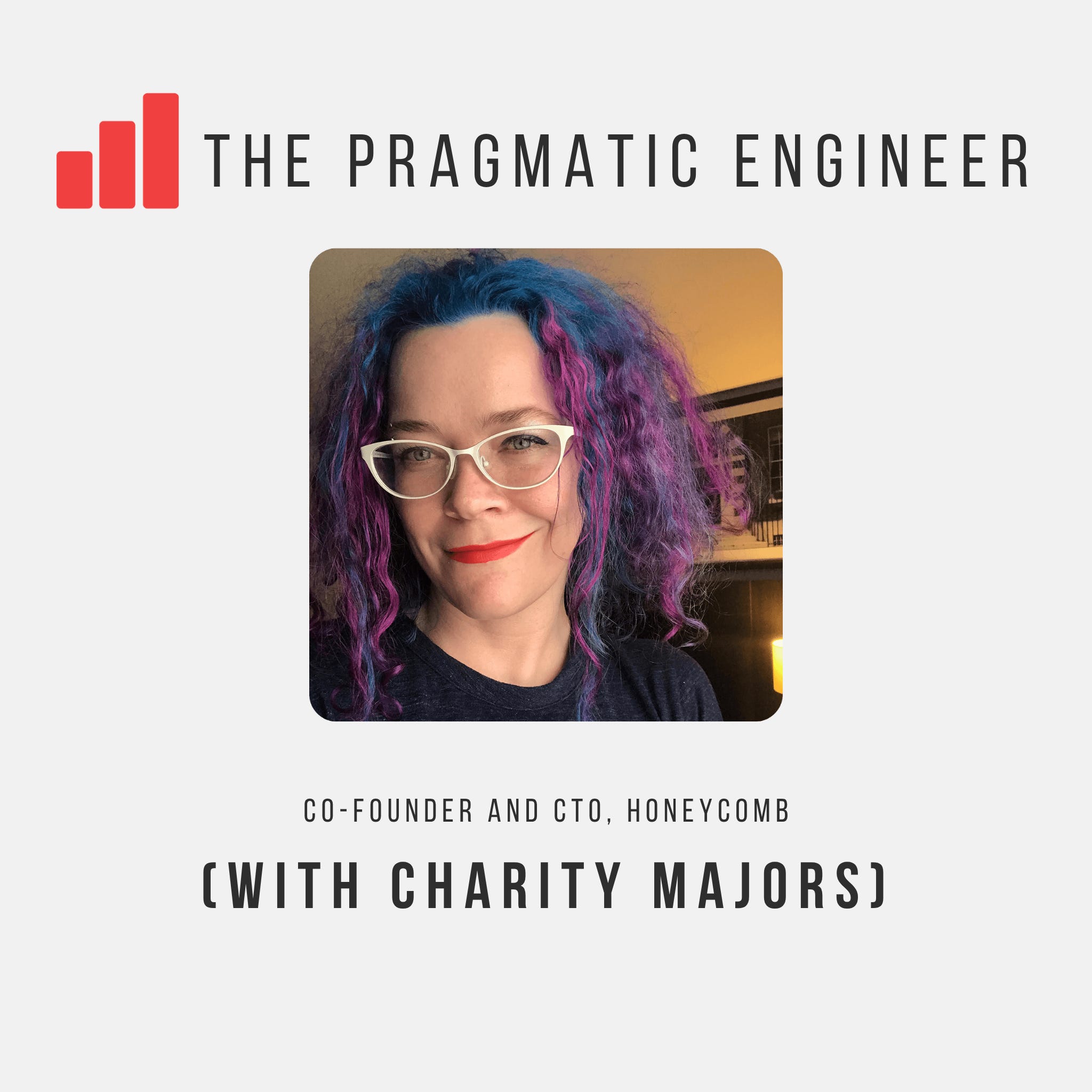
In 2025, it was rational to be skeptical about AI, but in 2026 it’s clear that AI is changing all of the industry, and there’s less and less place for skepticism. This take is from one of my favorite voices in software reliability and observability: Charity Majors, CTO and cofounder of Honeycomb, co-author of Observability Engineering. (Note: the second edition of Observability Engineering is out, and it’s pretty much a full rewrite of the book, I recommend grabbing it if you’re building reliable systems)
In this episode, I sat down with Charity to discuss how her thinking on AI has evolved, why she believes it is becoming a foundational part of software engineering, and what that means for how teams build, review, and ship software.
We explore how AI is changing the economics of code generation, why reliability and verification are increasingly the bottlenecks, and why the rise of non-deterministic systems requires more engineering discipline. Charity shares her views on code reviews, observability, DevOps, leadership, and why both AI skeptics and enthusiasts are getting important things right.
—
Timestamps
00:00 Intro
02:56 How Parse led to Honeycomb
06:00 The limits of individual productivity metrics
09:08 How Charity’s perspective on AI has evolved
13:50 Rewriting code vs. editing code
19:20 Production as a stage of development
22:14 Code reviews
26:56 Non-deterministic systems
31:11 Sensible uses of AI
37:41 The two AI camps
44:40 Why AI works so well for building software
49:42 DevOps
55:13 Modern observability
1:00:40 Handling context overload
1:01:56 What’s new in Observability Engineering’s 2nd edition
1:07:45 What effective leadership looks like
1:10:25 Engineering management: what is changing?
1:16:31 Junior engineers
1:18:01 AI fatigue
1:21:39 Book recommendations
—
The Pragmatic Engineer deepdives relevant for this episode:
• Shipping to production
• Deepdive: How 10 tech companies choose the next generation of dev tools
• Why is Meta destroying its engineering organization?
• When AI writes almost all code, what happens to software engineering?
• Are AI agents actually slowing us down?
• Observability: the present and future, with Charity Majors
• The third golden age of software engineering – thanks to AI, with Grady Booch
—
Production and marketing by https://penname.co/. For inquiries about sponsoring the podcast, email podcast@pragmaticengineer.com.
Get full access to The Pragmatic Engineer at newsletter.pragmaticengineer.com/subscribe
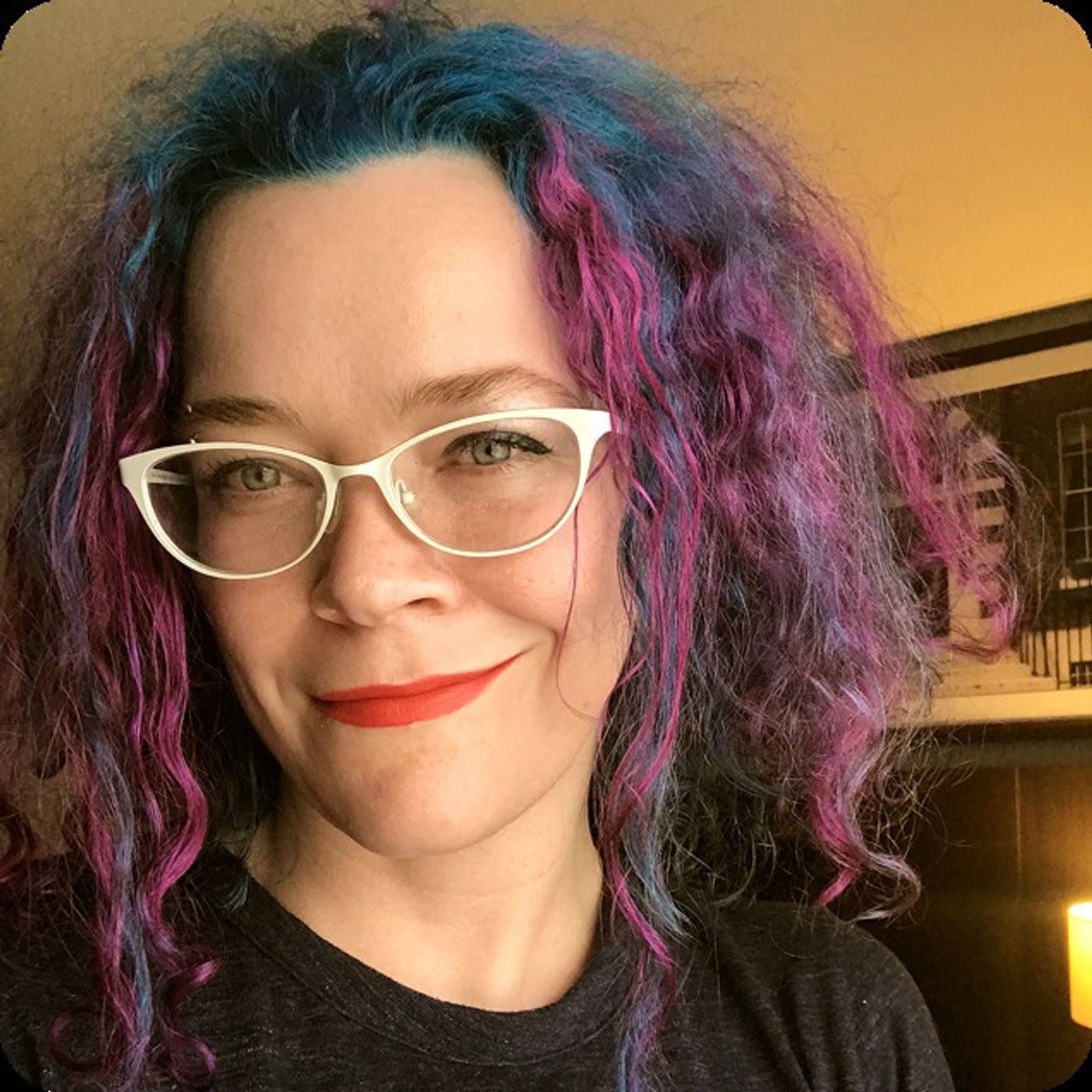
Charity Majors is the co-founder and CTO of Honeycomb.io, where she pioneered the concept of modern observability for distributed systems. Before Honeycomb, she spent years at Parse (acquired by Facebook), Facebook, and Linden Lab building Second Life. She is the co-author of "Observability Engineering" and "Database Reliability Engineering" (O'Reilly). She writes at charity.wtf. Whatever she and Scott are planning, they are gonna observability the heck out of it.
32 minAbspielen in:
Warum PodAppear
Folge Menschen, nicht Podcasts.
Du hast Charity in einer Sendung gehört. PodAppear findet für dich die nächste, und genauso für alle anderen, die du hören willst.
Eine Meldung, wenn die Person zu Gast istPer E-Mail: sofort oder gebündelt als Tages- oder Wochenübersicht. Dann nur noch auf Play drücken.
Gäste statt bloßer ErwähnungenFolgen, in denen ein Name nur fällt, landen getrennt. Eine Meldung heißt: Die Person ist wirklich in der Sendung.
Alle in einem FeedGründerinnen, Autoren, Sportler, Forscherinnen. Folge allen mit Namen, quer durch jede Sendung, in der sie auftreten.