Bekomm eine E-Mail, wenn Andrew in einem Podcast zu Gast istPodAppear prüft neue Folgen, sobald sie erscheinen, und lässt die weg, in denen Andrew nur erwähnt wird. Bis zu 15 Personen kostenlos, ohne Kreditkarte.Bis zu 15 Personen kostenlos, ohne Kreditkarte.
Andrew Bosworth war in den letzten 12 Monaten in 2 Podcast-Folgen aus 2 verschiedenen Sendungen zu Gast. Zuletzt: Big Technology Podcast, 8. Juli 2026.
Andrew "Boz" Bosworth is the chief technology officer of Meta. Bosworth joins Big Technology to discuss why Meta fell behind in the frontier AI race and how it plans to turn its models, products, and distribution into an advantage. Tune in to hear his candid explanation of what went wrong with Llama, why the best AI products will use multiple models, and what it will take for consumer agents to break through. We also cover Meta’s AI glasses, the future of augmented reality, employee tracking and training programs, AI companions, and the painful process of adapting a company to a technological revolution. Hit play for a revealing conversation about Meta’s AI comeback and the products that could shape how we interact with computers.
---
Enjoying Big Technology Podcast? Please rate us five stars ⭐⭐⭐⭐⭐ in your podcast app of choice.
Watch the full documentary here: https://www.gravitee.io/ai-agent-documentary
Want a discount for Big Technology on Substack + Discord? Here’s 25% off for the first year: https://www.bigtechnology.com/subscribe?coupon=0843016b
Learn more about your ad choices. Visit megaphone.fm/adchoices
However you feel about Meta, Andrew Bosworth has likely played a part in it. The long-serving right hand to Mark Zuckerberg and current Chief Technology Officer, “Boz” has helped shape almost every stage of the company’s growth. He’s credited with introducing the Facebook News Feed in 2006, and, more recently, with overseeing the company’s efforts in the metaverse.
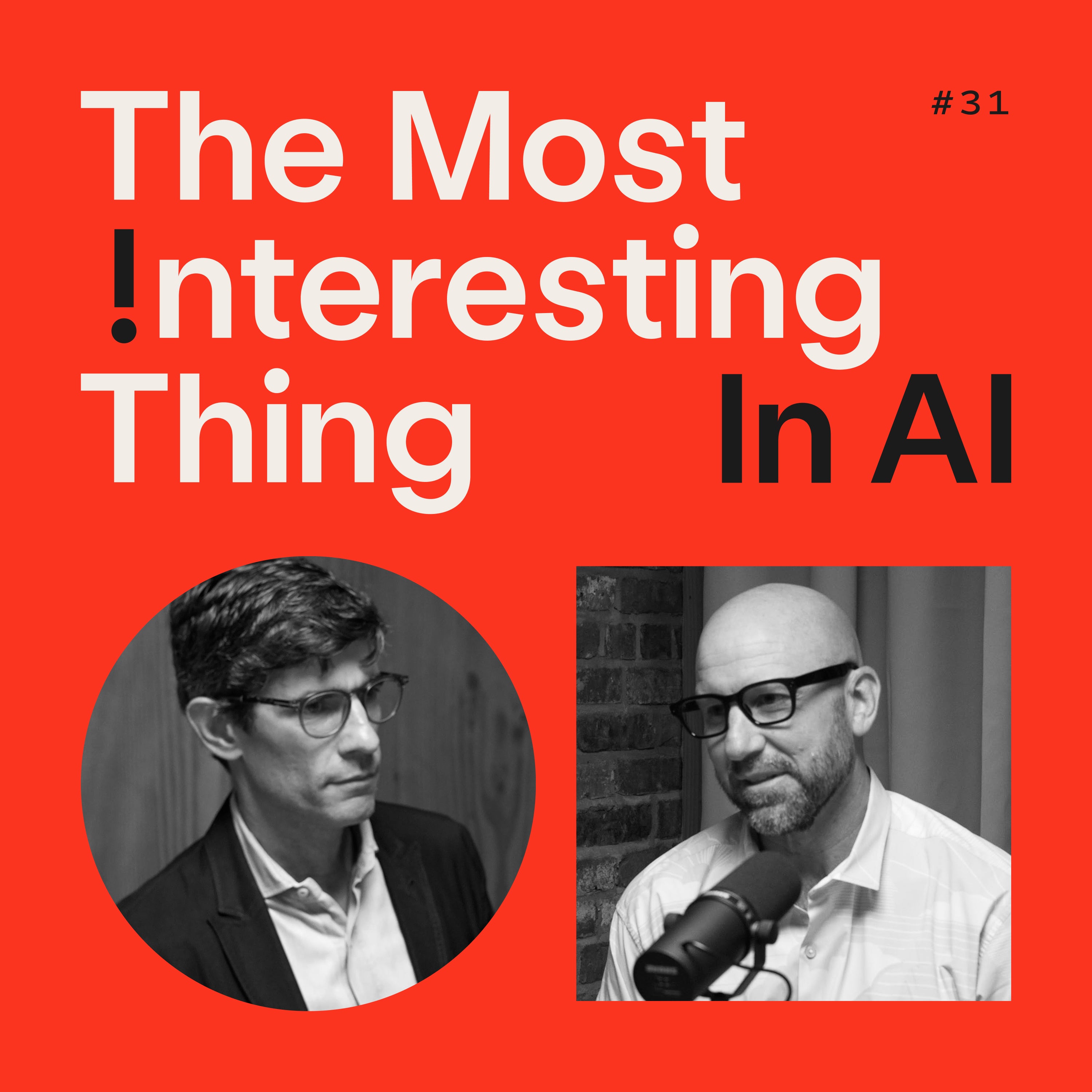
Now, Boz is a key figure behind Meta's artificial intelligence strategy. In late June, he joined Nicholas Thompson, CEO of The Atlantic, for a conversation covering the state of Meta AI: from the privacy concerns around its glasses to its controversial (and now halted) program training models on its employees’ keystrokes and mouse movements to its pivot from open-source AI to a proprietary model.
(00:00) Introduction
(02:34) Can AI glasses get past the developer ecosystem Catch-22?
(05:45) What’s true and false about NameTag, facial recognition, and Meta’s glasses
(09:22) Why Meta tracked employee keystrokes to teach AI how to use computers—and why it stopped
(12:20) The legal complications of tracking employee data
(15:58) Why unique professional workflows are more valuable than generic internet text
(18:15) Boz’s vision for AI: a tool to maximize individual human potential, not replace workers
(21:15) How AI produces faster coding but slower thinking, leading to "well-executed bad products"
(24:10) If AI doubles a worker's productivity, do companies hire fewer people or double the team size?
(28:38) Why Boz is optimistic about life "under the algorithm"
(32:08) Meta’s pivot from open source (Llama) to closed models (Muse Spark)
(37:25) How long will scaling laws hold?
(40:26) Where Meta already excels in AI
(46:27) Why energy production is the upstream constraint for the future of AI
Learn more about your ad choices. Visit podcastchoices.com/adchoices
51 minAbspielen in:
Warum PodAppear
Folge Menschen, nicht Podcasts.
Du hast Andrew in einer Sendung gehört. PodAppear findet für dich die nächste, und genauso für alle anderen, die du hören willst.
Eine Meldung, wenn die Person zu Gast istPer E-Mail: sofort oder gebündelt als Tages- oder Wochenübersicht. Dann nur noch auf Play drücken.
Gäste statt bloßer ErwähnungenFolgen, in denen ein Name nur fällt, landen getrennt. Eine Meldung heißt: Die Person ist wirklich in der Sendung.
Alle in einem FeedGründerinnen, Autoren, Sportler, Forscherinnen. Folge allen mit Namen, quer durch jede Sendung, in der sie auftreten.