Bekomm eine E-Mail, wenn Afua in einem Podcast zu Gast istPodAppear prüft neue Folgen, sobald sie erscheinen, und lässt die weg, in denen Afua nur erwähnt wird. Bis zu 15 Personen kostenlos, ohne Kreditkarte.Bis zu 15 Personen kostenlos, ohne Kreditkarte.
Afua kostenlos folgen
AH

Afua Hirsch

Zwei Jahre auf Sendung

GastHostErwähnt

Selbst moderierte Folgen

Do26Nov
Legacy

LegacyHost

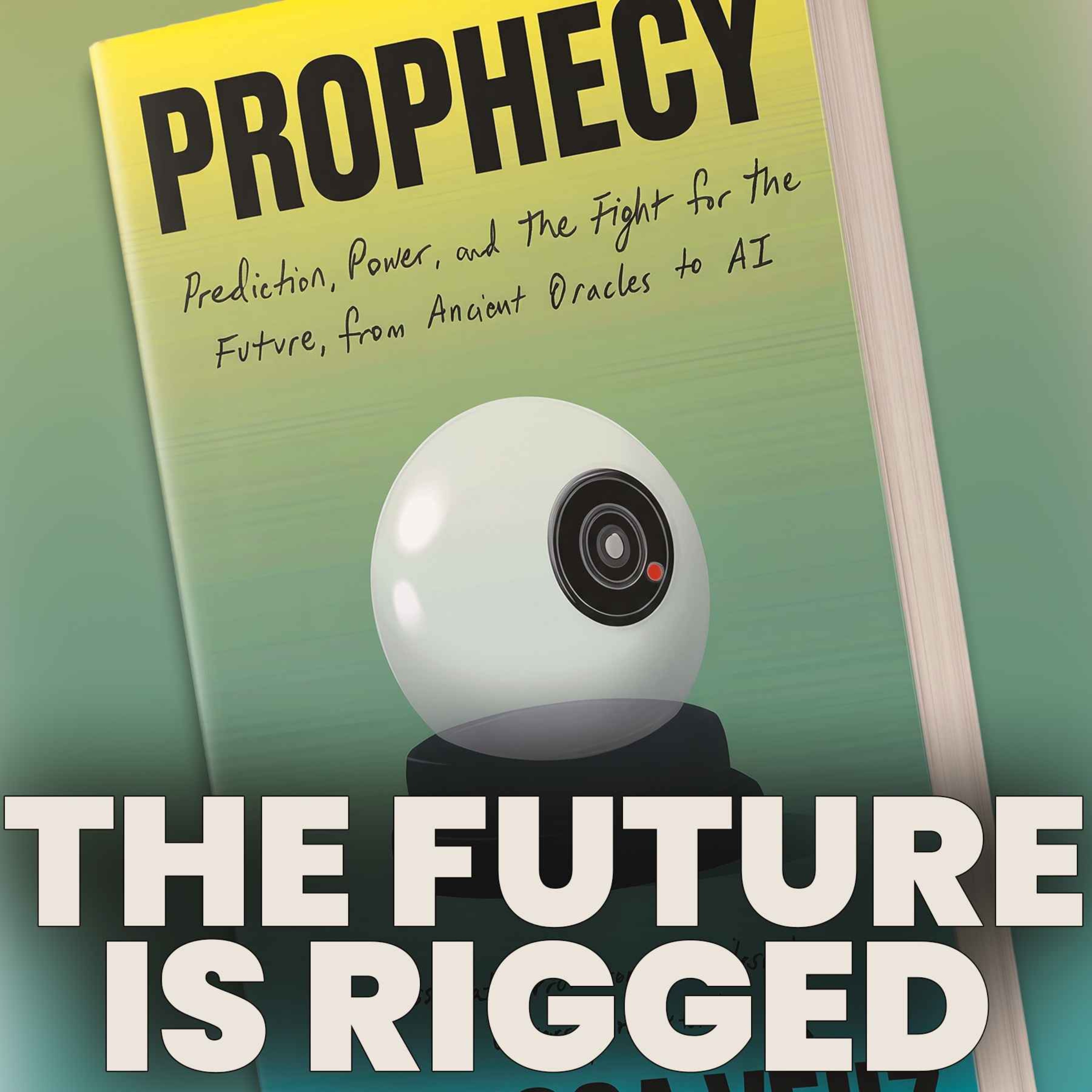
Inbox: The New Oracles of Silicon Valley | Carissa Véliz

Where did the claim that AI has a 10% chance of destroying the world come from? What do Silicon Valley’s predictions have in common with the Oracle of Delphi? And, what happens when an algorithm doesn't just predict your future, but decides it? Oxford philosopher Carissa Véliz joins Peter Frankopan and Afua Hirsch to challenge our faith in forecasts, drawing on her new book, Prophecy. From the seers who advised ancient rulers to the algorithms that decide who gets a job, Carissa argues that predictions can be a means of exercising power. Why do uncertain times make us so susceptible to prophets, and what might we gain by preparing for the future rather than trying to predict it? Join Legacy Plus for bonus episodes, early access, Q&As, fewer adverts and more. legacy.supportingcast.fm 00:00 - The problem with predicting the future 02:26 - Why we want to know what comes next 06:03 - Self-fulfilling prophecies 09:46 - Ancient oracles and political power 13:24 - The hidden commands in predictions 15:50 - Prophecy, science and the limits of knowledge 20:24 - The danger of believing the future is fixed 21:30 - How algorithms shape our lives 25:19 - Preparing instead of predicting 29:50 - What happens when we forget history 31:47 - A future worth building 34:15 - Final thoughts Stay connected with Legacy: Instagram: @originallegacypodcast TikTok: @legacy_productions Explore more from Peter and Afua — essays, sources and ideas: Substack: peterfrankopan.substack.com | afuahirsch.substack.com Join Legacy+ for bonus episodes, early access, Q&A's, fewer adverts and more. legacy.supportingcast.fm Stay connected with Legacy: Instagram: @originallegacypodcast TikTok: @legacy_productions Explore more from Peter and Afua — essays, sources, and ideas: Substack: peterfrankopan.substack.com | afuahirsch.substack.com Hosted on Acast. See acast.com/privacy for more information.
37 minAbspielen in:

Di24Nov
Legacy

LegacyHost

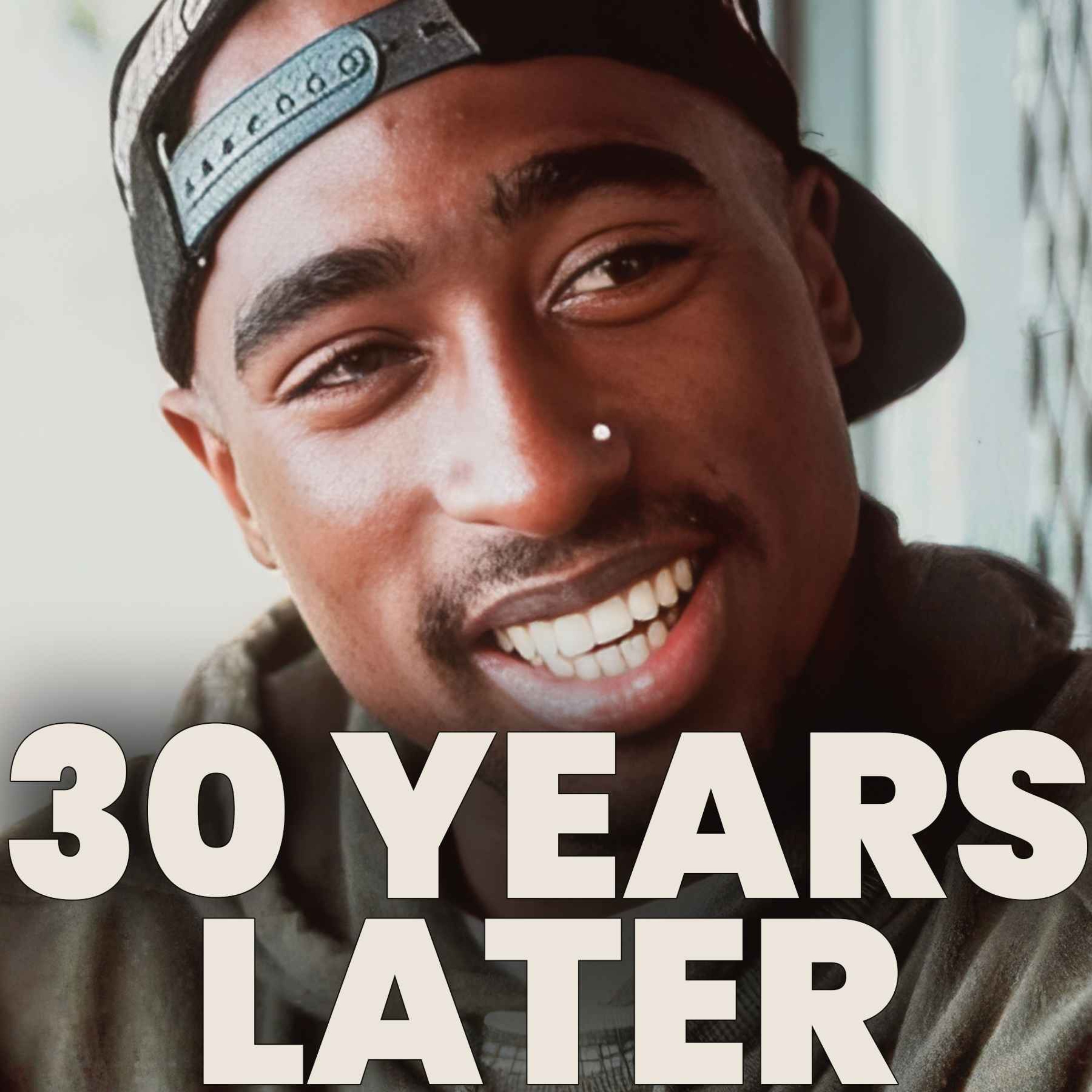
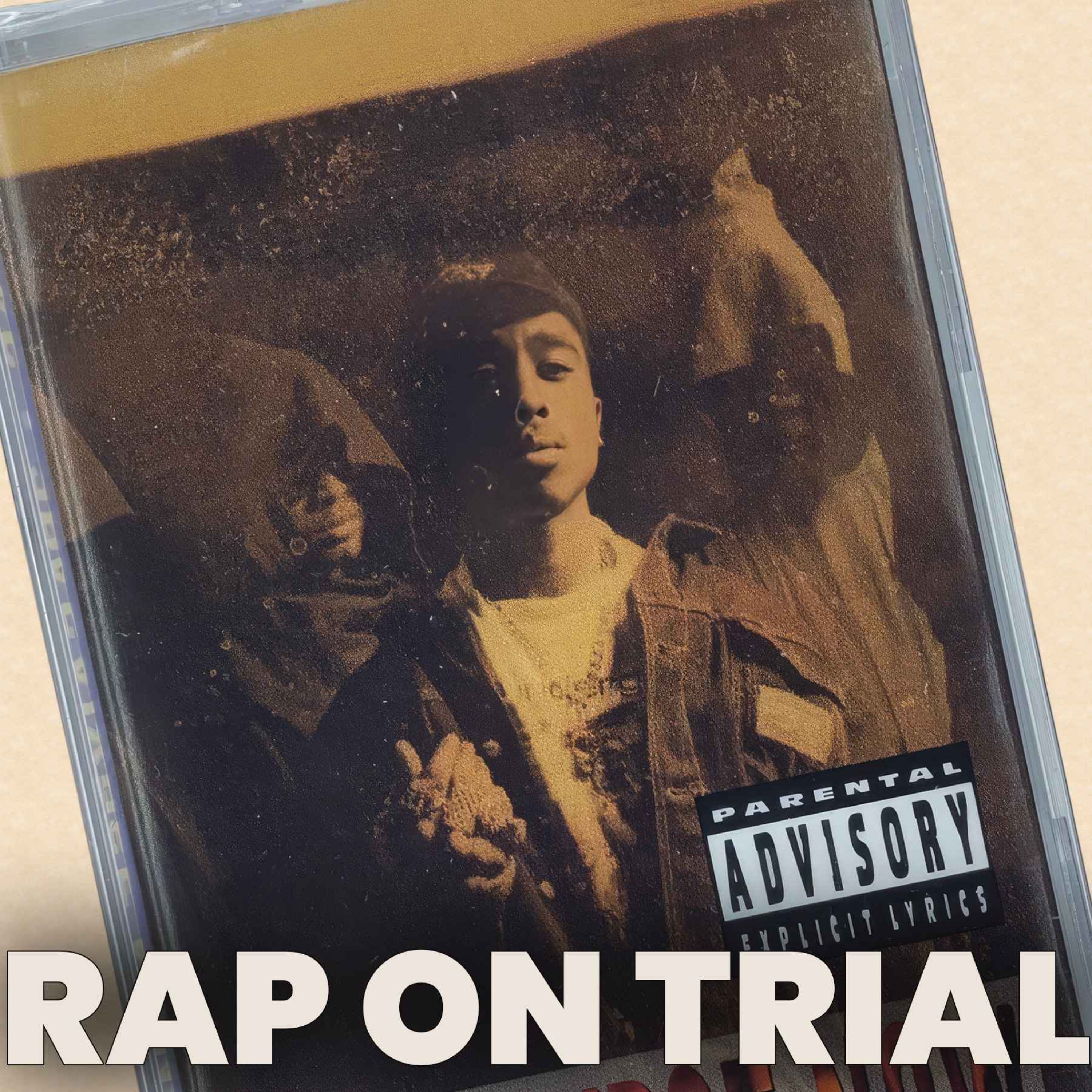
Tupac Shakur | The Afterlife | 4

How did a killing on the Las Vegas Strip take nearly 30 years to reach a verdict? What did a jury make of a defendant whose own words helped build the case against him? And, why can’t the world let Tupac Shakur go? In the final part of the Tupac Shakur series, Peter Frankopan and Afua Hirsch follow the murder case into court and ask why his music still speaks to people who weren’t alive when he died. Six months after Tupac was killed, Biggie Smalls was shot dead in Los Angeles. The two killings left hip-hop fans searching for answers. Decades later, a jury convicted Duane ‘Keffe D’ Davis in Tupac’s murder. He has appealed. Peter and Afua look at what the verdict meant to Tupac’s family, then trace his afterlife from a virtual performance at Coachella to a portrait on the desk of one of Putin’s advisers. Join Legacy Plus for bonus episodes, early access, Q&As, fewer adverts and more. legacy.supportingcast.fm 00:00 - A red light in Las Vegas 01:21 - Two killings that shook hip-hop 06:49 - The investigation and Keffe D’s account 11:08 - The arrest 12:18 - Inside the murder trial 16:35 - The verdict and Tupac’s family 21:29 - From ‘Dear Mama’ to Coachella 26:40 - Tupac on a Kremlin adviser’s desk 29:30 - What Tupac still means today Stay connected with Legacy: Instagram: @originallegacypodcast TikTok: @legacy_productions Explore more from Peter and Afua — essays, sources, and ideas: Substack: peterfrankopan.substack.com | afuahirsch.substack.com Join Legacy+ for bonus episodes, early access, Q&A's, fewer adverts and more. legacy.supportingcast.fm Stay connected with Legacy: Instagram: @originallegacypodcast TikTok: @legacy_productions Explore more from Peter and Afua — essays, sources, and ideas: Substack: peterfrankopan.substack.com | afuahirsch.substack.com Hosted on Acast. See acast.com/privacy for more information.
37 minAbspielen in:

Do19Nov
Legacy

LegacyHost

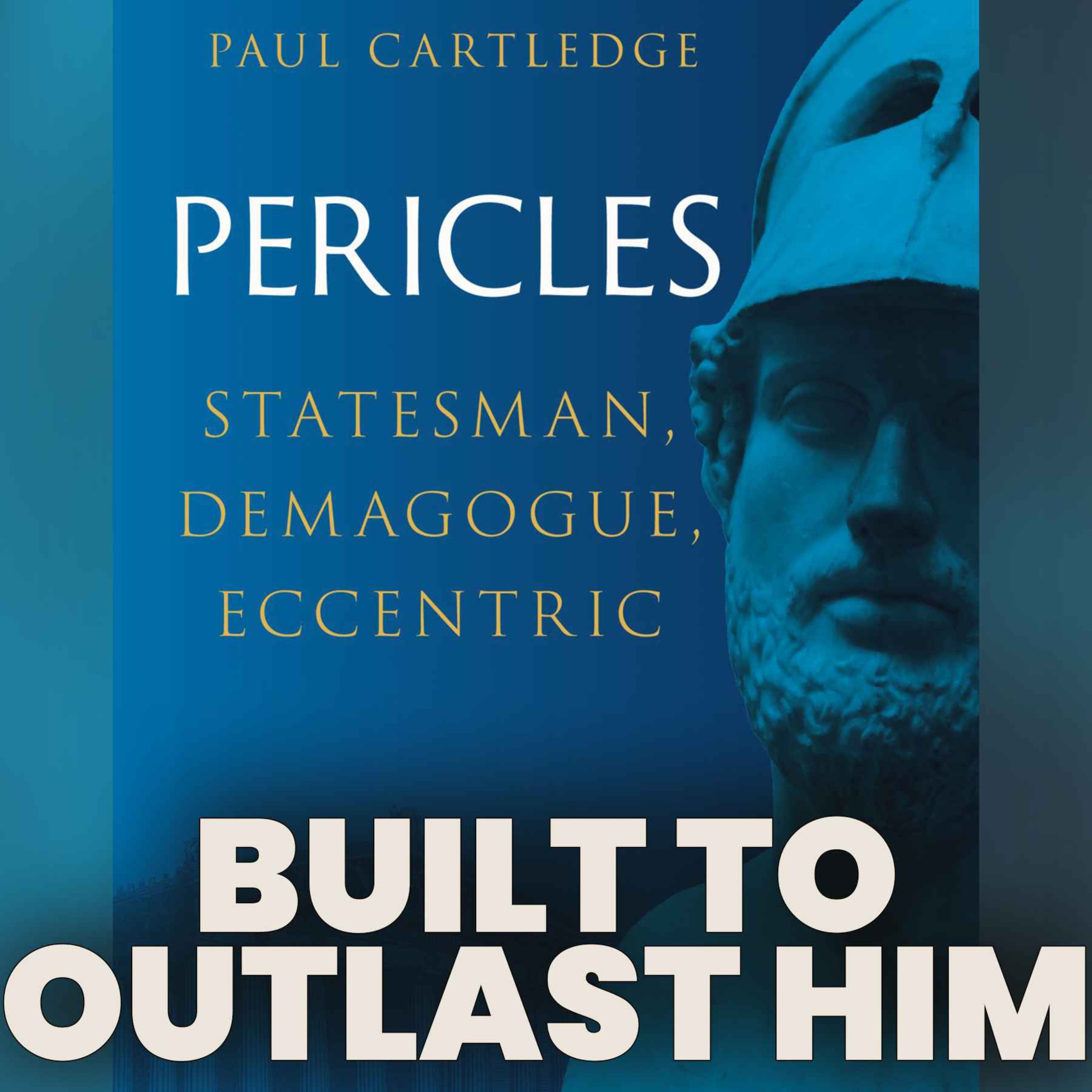
Inbox: Pericles and the Limits of Democracy | Paul Cartledge

How did Pericles become the most powerful voice in Athens without a political party? Who got a say in the democracy he championed? And what happened when his own citizenship law shut out his son? Peter Frankopan and Afua Hirsch speak to historian Paul Cartledge about his new book, Pericles: Statesman, Demagogue, Eccentric. From the Parthenon to the plague that killed him, Cartledge traces the choices that shaped Athens’s golden age. He also makes the case that the most famous speech attributed to Pericles owes more to the historian Thucydides than to the man who delivered it. Join Legacy Plus for bonus episodes, early access, Q&As, fewer adverts and more. legacy.supportingcast.fm 00:00 - The man who made Athens 04:40 - Who had a say in Athenian democracy? 12:43 - Power without a party 24:43 - The Parthenon and Athens’s golden age 29:02 - War with Sparta and the plague 30:36 - Who wrote the funeral speech? 36:08 - Aspasia and the citizenship law Stay connected with Legacy: Instagram: @originallegacypodcast TikTok: @legacy_productions Explore more from Peter and Afua — essays, sources, and ideas: Substack: peterfrankopan.substack.com | afuahirsch.substack.com Join Legacy+ for bonus episodes, early access, Q&A's, fewer adverts and more. legacy.supportingcast.fm Stay connected with Legacy: Instagram: @originallegacypodcast TikTok: @legacy_productions Explore more from Peter and Afua — essays, sources, and ideas: Substack: peterfrankopan.substack.com | afuahirsch.substack.com Hosted on Acast. See acast.com/privacy for more information.
42 minAbspielen in:

Di17Nov
Legacy

LegacyHost

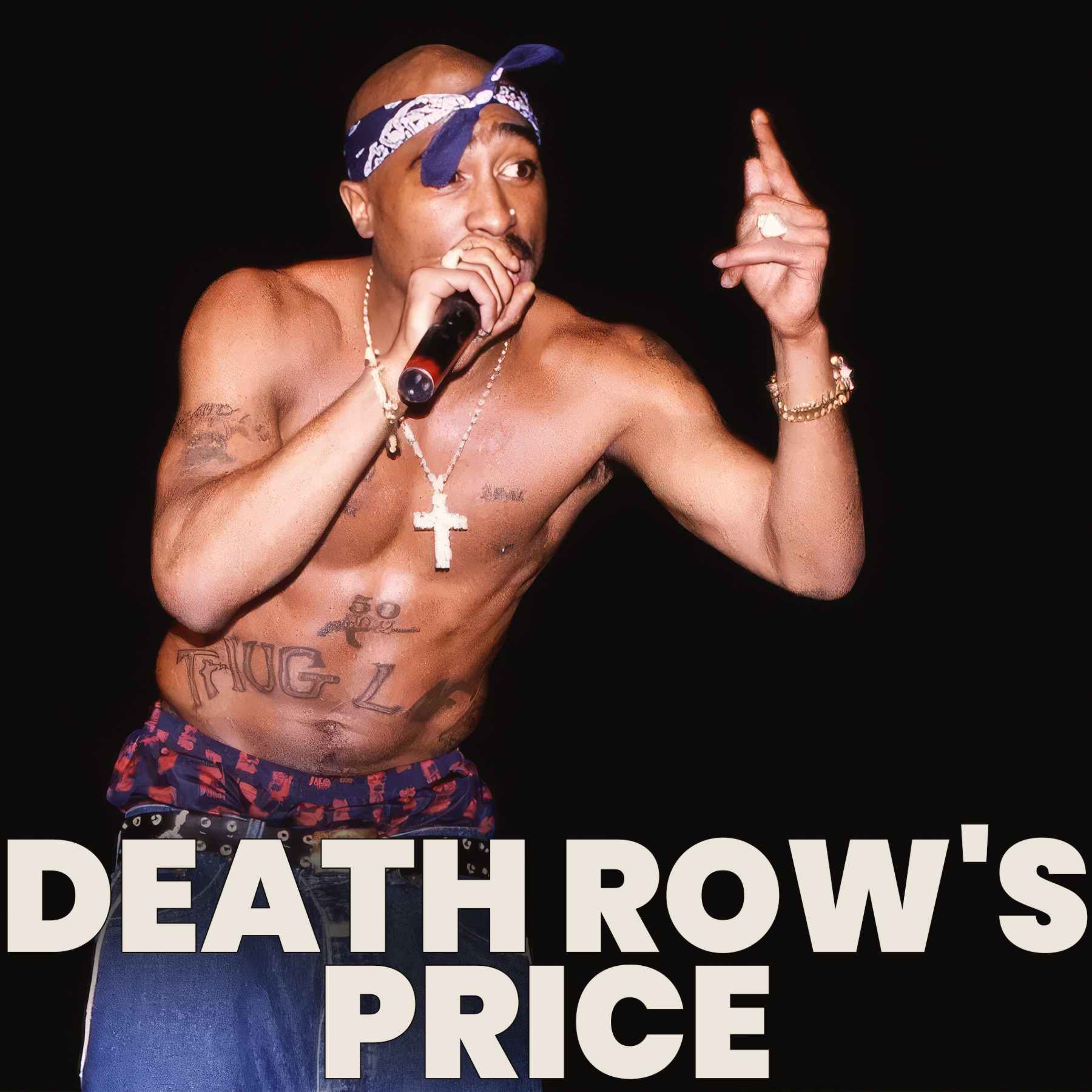
Tupac Shakur | Me Against the World | 3

How did Tupac Shakur end up at number one in the charts while serving a prison sentence? Why did a shooting in New York convince him that people close to him wanted him dead? And, how did a deal to secure his freedom lead him towards a fatal confrontation in Las Vegas? Peter Frankopan and Afua Hirsch follow Tupac through the most turbulent and dangerous years of his extraordinary life. As Tupac faces a sexual abuse conviction, Afua reflects on the darker side of 1990s hip-hop culture and her own experiences as a young music journalist. A shooting at a Manhattan recording studio fuels Tupac's suspicions about his former friends, while his music reaches new heights from behind bars. Then Death Row Records boss Suge Knight offers him a way out of prison. Peter and Afua trace the explosive success that follows, the escalating feud with Biggie Smalls and the events of September 1996 that leave Tupac dead at just 25. Join Legacy Plus for bonus episodes, early access, Q&As, fewer adverts and more. legacy.supportingcast.fm 00:00 - Five shots in New York 02:00 - Tupac's sexual abuse conviction 04:08 - Celebrity, power and hip-hop culture 08:15 - How hip-hop became big business 11:35 - Success from behind bars 14:22 - The shooting at Quad Studios 17:15 - Life in prison 19:40 - Tupac and Machiavelli 20:38 - Suge Knight and Death Row Records 22:40 - All Eyez on Me 24:37 - The East Coast–West Coast feud 27:31 - The fight at the MGM Grand 29:09 - The Las Vegas shooting 30:45 - Tupac's final days 33:35 - The questions surrounding his murder Stay connected with Legacy: Instagram: @originallegacypodcast TikTok: @legacy_productions Explore more from Peter and Afua — essays, sources, and ideas: Substack: peterfrankopan.substack.com | afuahirsch.substack.com Join Legacy+ for bonus episodes, early access, Q&A's, fewer adverts and more. legacy.supportingcast.fm Stay connected with Legacy: Instagram: @originallegacypodcast TikTok: @legacy_productions Explore more from Peter and Afua — essays, sources, and ideas: Substack: peterfrankopan.substack.com | afuahirsch.substack.com Hosted on Acast. See acast.com/privacy for more information.
35 minAbspielen in:

Di10Nov
Legacy

LegacyHost

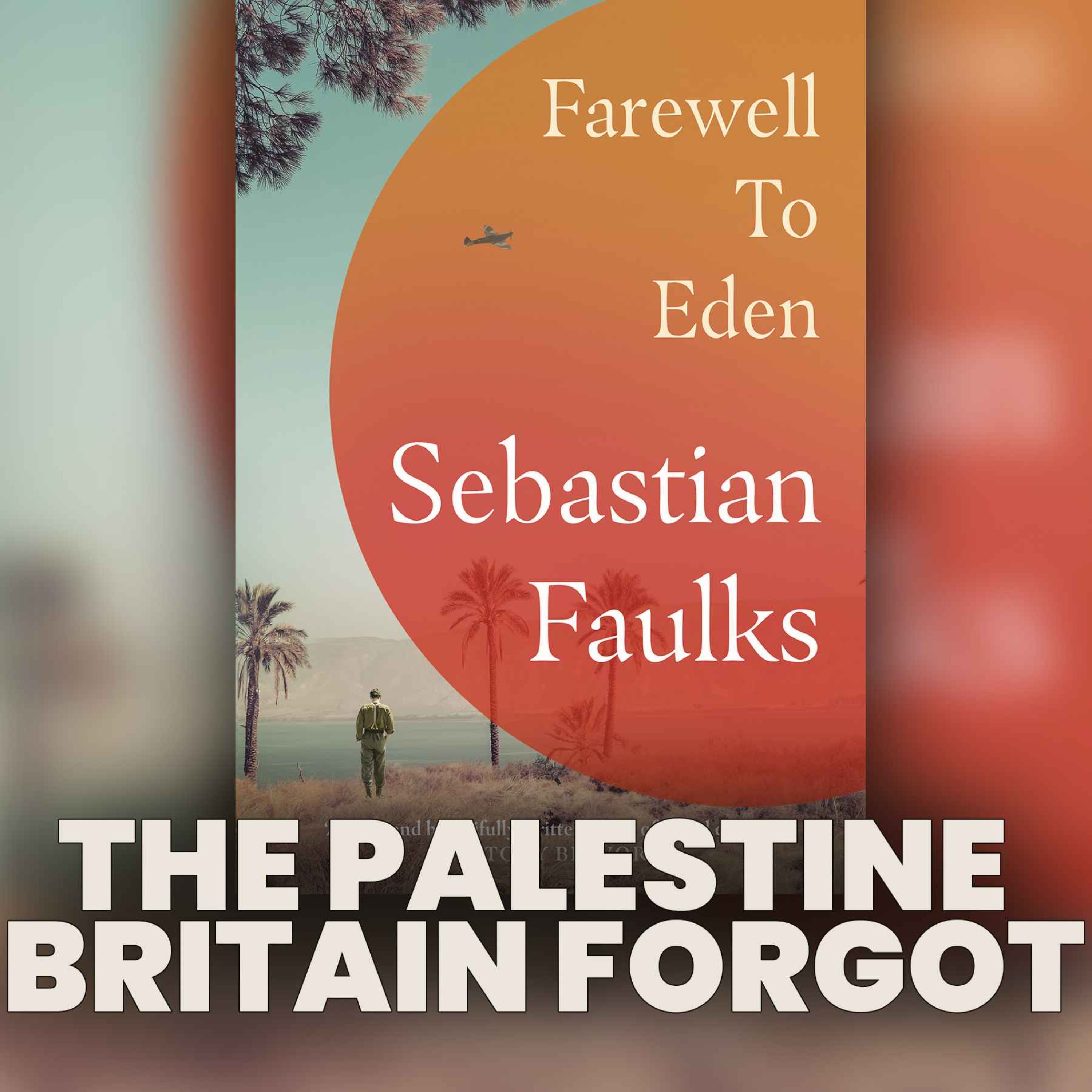
Tupac Shakur | Poet and Provocateur | 2

Why did the US vice president want Tupac’s debut album pulled from shops? What did Tupac see in a newspaper that made him write ‘Brenda’s Got a Baby’? And, what happened when the persona he built began to take over? In Part 2 of the Tupac Shakur series, Peter Frankopan and Afua Hirsch trace his rise from young rapper to film star and a target in America’s culture wars. After a Texas state trooper is killed, the defence points to a cassette of Tupac’s debut album. Vice President Dan Quayle calls for the record to be withdrawn. As the backlash grows, Tupac is making films with Janet Jackson and writing songs about Black women whose stories rarely make the headlines. Peter and Afua ask what his Thug Life tattoo was meant to say, and how much of the character he created he could leave behind. Join Legacy Plus for bonus episodes, early access, Q&As, fewer adverts and more. legacy.supportingcast.fm 00:00 The cassette at the centre of a murder case 01:29 How Tupac’s debut became a national controversy 03:46 The story behind ‘Brenda’s Got a Baby’ 09:23 Tupac goes to Hollywood 18:39 The women Tupac wrote about 20:55 What Thug Life meant to Tupac 27:24 The confrontations that followed fame 30:21 The case that leads into Part 3 Stay connected with Legacy: Instagram: @originallegacypodcast TikTok: @legacy_productions Explore more from Peter and Afua — essays, sources and ideas: Substack: peterfrankopan.substack.com | afuahirsch.substack.com Join Legacy+ for bonus episodes, early access, Q&A's, fewer adverts and more. legacy.supportingcast.fm Stay connected with Legacy: Instagram: @originallegacypodcast TikTok: @legacy_productions Explore more from Peter and Afua — essays, sources, and ideas: Substack: peterfrankopan.substack.com | afuahirsch.substack.com Hosted on Acast. See acast.com/privacy for more information.
32 minAbspielen in:

Warum PodAppear

Folge Menschen, nicht Podcasts.

Du hast Afua in einer Sendung gehört. PodAppear findet für dich die nächste, und genauso für alle anderen, die du hören willst.

  • Eine Meldung, wenn die Person zu Gast istPer E-Mail: sofort oder gebündelt als Tages- oder Wochenübersicht. Dann nur noch auf Play drücken.
  • Gäste statt bloßer ErwähnungenFolgen, in denen ein Name nur fällt, landen getrennt. Eine Meldung heißt: Die Person ist wirklich in der Sendung.
  • Alle in einem FeedGründerinnen, Autoren, Sportler, Forscherinnen. Folge allen mit Namen, quer durch jede Sendung, in der sie auftreten.

Bis zu 15 Personen kostenlos, ohne Kreditkarte.

Do29Okt
Legacy

LegacyHost

Inbox: Oranges, Sunshine and a Storm Coming | Sebastian Faulks

What were British soldiers doing in Palestine in 1945, between the oranges, the swimming and the bombs? Why does the Christmas show in Sebastian Faulks's Jerusalem swap Gilbert and Sullivan for Oscar Wilde? And, how did a novelist who plans everything end up with a twist he never saw coming? Sebastian Faulks tells Peter Frankopan and Afua Hirsch how his father's posting, hundreds of hours of soldiers' memories and a much-missed friend became his new novel, Farewell to Eden. His father was sent from Italy in late 1945 for what the army called "rest and peacekeeping", and was there when the King David Hotel was bombed. Sebastian built the book from the Imperial War Museum's sound archive, a 1949 diary kept by the Uruguayan member of the UN committee that drew the borders, and the memory of his closest friend, the Guardian's Middle East editor Ian Black, who first explained it all to him in their first week at Cambridge. Plus Amos Oz's grandparents, who thought Palestine was "too Asian", a padre's vision on Easter Saturday, the grey "tundra" of post-war Britain, and why Sebastian had to unlearn the idea that happy endings are vulgar. Join Legacy Plus for bonus episodes, early access, Q&A's, fewer adverts and more. legacy.supportingcast.fm [0:00] Oranges, sunshine and a storm coming [2:22] A boarding school, October 2023 and an old friend [5:52] His father's "rest and peacekeeping" in 1945 [15:17] The Irgun, a bombing in Rome and no easy sides [18:53] Faith in the Holy Land, and a Christmas show in Jerusalem [24:51] The twist even he didn't plan [26:56] How grim post-war Britain really was [29:43] Why happy endings aren't vulgar [33:04] Crosswords, coffee and 1,000 words a day [38:14] A diary from 1949 and the UN's impossible job Stay connected with Legacy: Instagram: @originallegacypodcast TikTok: @legacy_productions Explore more from Peter and Afua — essays, sources, and ideas: Substack: peterfrankopan.substack.com | afuahirsch.substack.com Join Legacy+ for bonus episodes, early access, Q&A's, fewer adverts and more. legacy.supportingcast.fm Stay connected with Legacy: Instagram: @originallegacypodcast TikTok: @legacy_productions Explore more from Peter and Afua — essays, sources, and ideas: Substack: peterfrankopan.substack.com | afuahirsch.substack.com Hosted on Acast. See acast.com/privacy for more information.
41 minAbspielen in:

Di27Okt
Legacy

LegacyHost

Legacy Live: Elif Shafak | 16 November, Kings Place

Come and join us live! On Monday 16 November, Peter Frankopan and Afua Hirsch will be on stage at Kings Place in London with the wonderful Elif Shafak. Her extraordinary new novel, In One Brief Moment All Eternity, tells the story of Gustave Flaubert, the creator of Madame Bovary, through the eyes of the women whose lives shaped his, and whose stories have largely been forgotten. It's about who gets to tell history, whose voices are silenced, and why literature matters, especially in times of turmoil. The book comes out the day before, so this is a rare chance to hear Elif talk about it, and about history and memory, with us. Tickets: https://www.eventbrite.co.uk/e/legacy-live-elif-shafak-in-conversation-with-afua-hirsch-peter-frankopan-tickets-2003929321545 Or through the Kings Place box office. More Legacy Live events are on the way in late 2026 and 2027. To hear about them first, join Legacy Plus for bonus episodes, early access, Q&A's, fewer adverts and more. legacy.supportingcast.fm Stay connected with Legacy: Instagram: @originallegacypodcast TikTok: @legacy_productions Explore more from Peter and Afua — essays, sources, and ideas: Substack: peterfrankopan.substack.com | afuahirsch.substack.com Join Legacy+ for bonus episodes, early access, Q&A's, fewer adverts and more. legacy.supportingcast.fm Stay connected with Legacy: Instagram: @originallegacypodcast TikTok: @legacy_productions Explore more from Peter and Afua — essays, sources, and ideas: Substack: peterfrankopan.substack.com | afuahirsch.substack.com Hosted on Acast. See acast.com/privacy for more information.
2 minAbspielen in:

Do22Okt
Legacy

LegacyHost

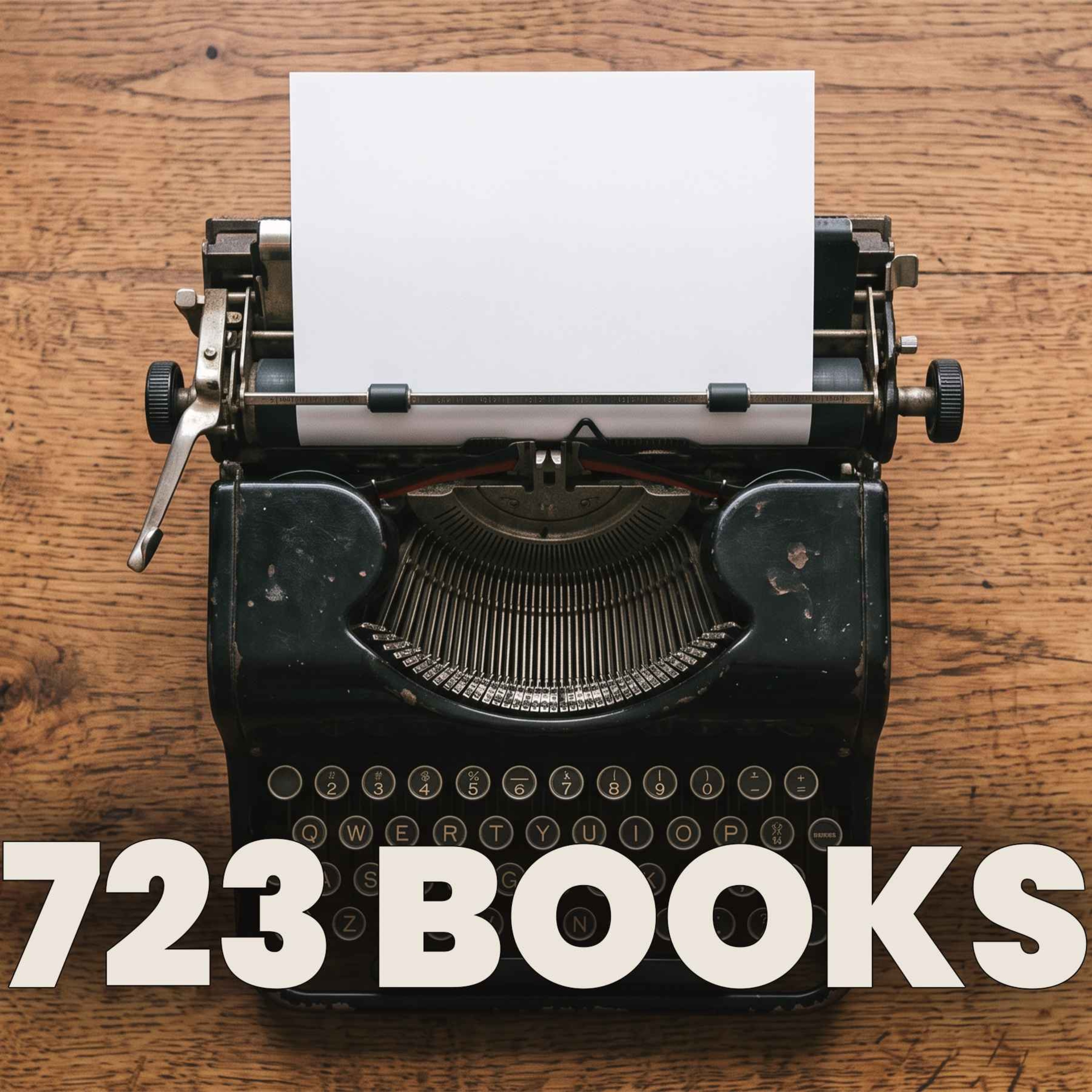
Inbox: Barbara Cartland, The Great Dictator | Matthew Sweet

How did a woman lying on a sofa with a Pekingese on her lap write 723 books? Why did the queen of pink chiffon put shoe polish on her eyelashes? And, if she sold around 750 million copies, why can't you find her books in a shop today? Matthew Sweet, author of the first biography to take Barbara Cartland seriously, tells Peter Frankopan and Afua Hirsch how a Doctor Who audio play about alien bookworms led him to her private papers. A house left almost untouched since she died in 2000. A father killed in the Great War, two brothers lost at Dunkirk, and two suitors who threatened to shoot themselves if she said no. Then the paradox: a woman who told readers to put their husbands first while working six days a week, a Tory councillor who fought for travellers' rights, and the author of sex advice manuals. Plus Private Eye's cruellest cartoons, bought and hung in her downstairs loo, the Nigerian romance writers who name her as their inspiration, and why Matthew will never sit on her sofa. Join Legacy Plus for bonus episodes, early access, Q&A's, fewer adverts and more. legacy.supportingcast.fm [0:00] 723 books, a Pekingese and shoe polish on her lashes [4:14] Alien bookworms: the strangest way into a biography [7:00] Why "The Great Dictator": a lost fortune and a family rebuilt by work [9:41] Writing from the couch: war, grief and the women left behind [17:37] The Tory councillor who fought for travellers' rights [21:21] Nigerian romance writers, and her plan to conquer the world [25:12] War paint: the lashes, the hair and the dog [28:33] Private Eye cartoons in the downstairs loo [31:00] Motherhood, and a family where everyone had to confess [37:53] Third best-selling author ever, so why has she vanished? Stay connected with Legacy: Instagram: @originallegacypodcast TikTok: @legacy_productions Explore more from Peter and Afua — essays, sources, and ideas: Substack: peterfrankopan.substack.com | afuahirsch.substack.com Join Legacy+ for bonus episodes, early access, Q&A's, fewer adverts and more. legacy.supportingcast.fm Stay connected with Legacy: Instagram: @originallegacypodcast TikTok: @legacy_productions Explore more from Peter and Afua — essays, sources, and ideas: Substack: peterfrankopan.substack.com | afuahirsch.substack.com Hosted on Acast. See acast.com/privacy for more information.
44 minAbspielen in:

Do8Okt
Legacy

LegacyHost

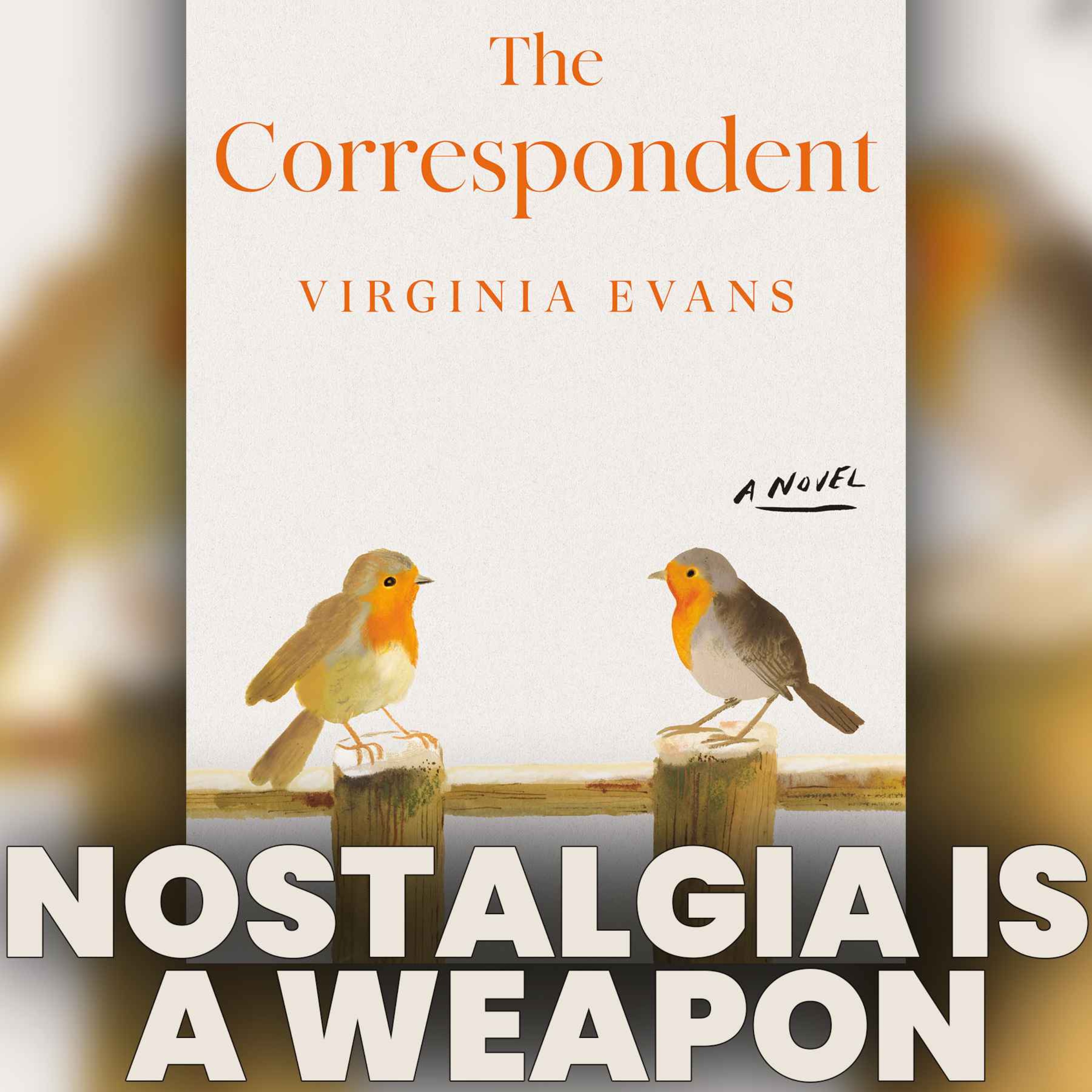
Inbox: The Correspondent | The Power of Letter Writing | Book Club

What happens when an author gets rejected eight times, writes a ninth novel in hand-written letters, and ends up at number one on the New York Times bestseller list? Why are we so drawn to storytellers, tradwives, and 73-year-old law clerks who reject email in favor of pen and paper? And, what does a 73-year-old fictional letter-writer have in common with the rise of the AfD in Germany and the political power of nostalgia? Afua Hirsch brings her summer read — Virginia Evans’s Women’s Prize-winning novel The Correspondent — to Peter Frankopan, and what starts as a book review turns into a deep dive into rejection, class, ageism, and the performance of identity. A 73-year-old former lawyer firing off petty grievances to her gardening club while hiding her deepest heartbreaks; Marlon James demanding his friends destroy his rejected manuscript; and why late-stage capitalism makes everyone treat their personal identity like a brand. Plus: why both Peter and Afua write their best work between midnight and 4:00 AM. Join Legacy Plus for bonus episodes, early access, Q&A's, fewer adverts and more. legacy.supportingcast.fm Stay connected with Legacy: Instagram: @originallegacypodcast TikTok: @legacy_productions Explore more from Peter and Afua — essays, sources, and ideas: Substack: peterfrankopan.substack.com | afuahirsch.substack.com Join Legacy+ for bonus episodes, early access, Q&A's, fewer adverts and more. legacy.supportingcast.fm Stay connected with Legacy: Instagram: @originallegacypodcast TikTok: @legacy_productions Explore more from Peter and Afua — essays, sources, and ideas: Substack: peterfrankopan.substack.com | afuahirsch.substack.com Hosted on Acast. See acast.com/privacy for more information.

1 h 03 minAbspielen in:

Do1Okt
Legacy

LegacyHost

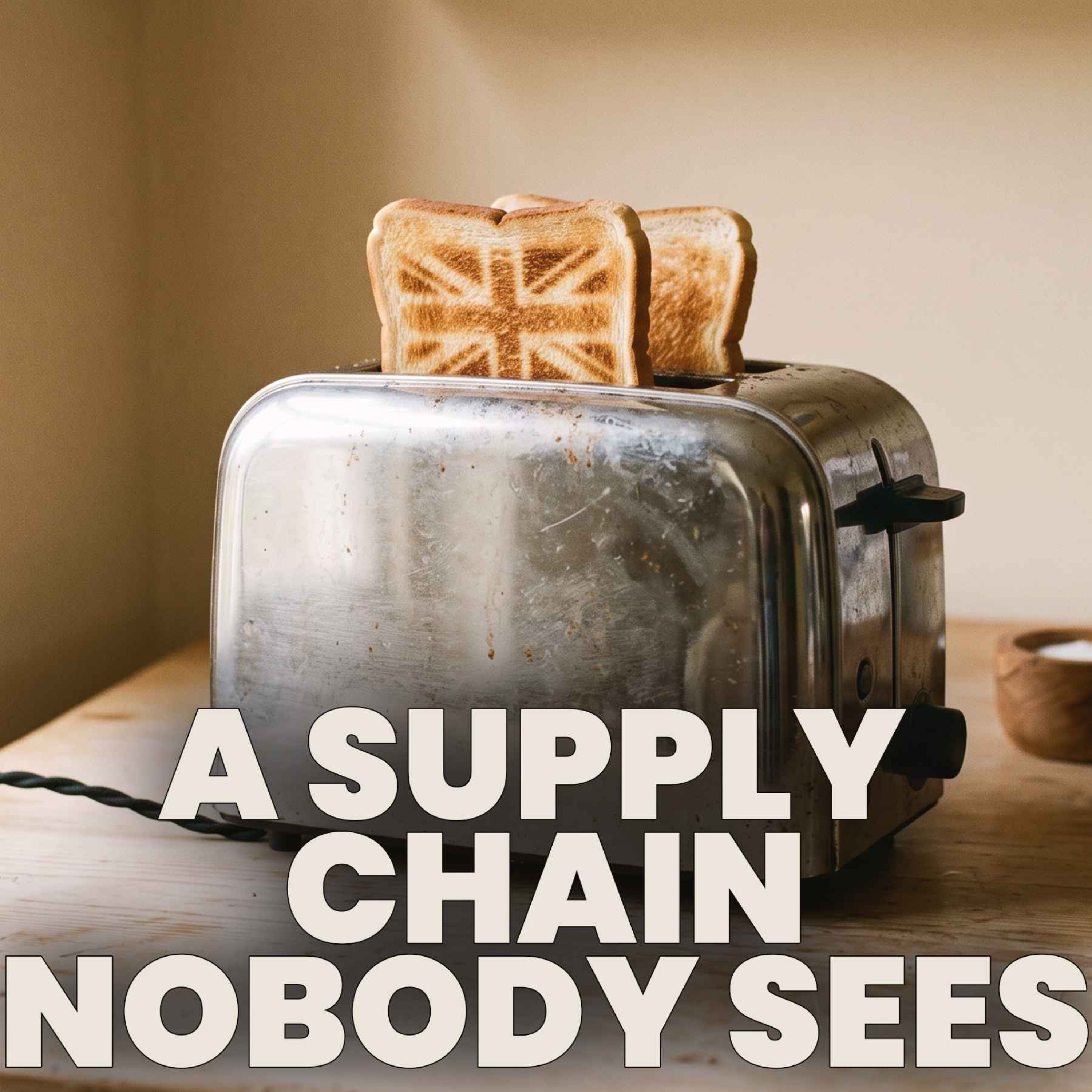
Inbox: The Invisible Machine Behind Everything | Ed Conway

Why did the cod in your fish fingers go to China and back before it reached your freezer? What does a medieval king blocking English wool from Flanders have to do with Xi Jinping's grip on rare earths? And, if China can now build cars far more cheaply than Europe or America, could the West lose its car industry altogether? Ed Conway, Sky News economics and data editor and Times columnist, takes Peter Frankopan and Afua Hirsch down the hidden supply chains behind everyday life with his new book, Trade World. The sliced white loaf that can't be made without wheat from the far side of the world. The cotton fields of Gujarat, where farmers have no idea where their crop ends up. The Corn Laws as the original Brexit, the West African cocoa farmers who've never tasted chocolate, and what David Ricardo really thought about free trade. Then comes the warning about cars that Afua hopes is wrong, and suspects isn't. Join Legacy Plus for bonus episodes, early access, Q&A's, fewer adverts and more. legacy.supportingcast.fm [0:00] North Sea, Shandong, back again: the fish finger's secret round trip [2:48] The invisible network beneath everything you own [8:29] Edward III, Flemish wool and Xi Jinping's rare earths [13:10] Why your toast depends on wheat from the other side of the world [17:21] The Corn Laws, free trade and the Brexit echo [21:03] Gujarat's cotton fields, and a farmer who never asks where it goes [26:51] Was Ricardo right, and what did he actually say? [32:09] The car industry Europe and America could lose Stay connected with Legacy: Instagram: @originallegacypodcast TikTok: @legacy_productions Explore more from Peter and Afua — essays, sources, and ideas: Substack: peterfrankopan.substack.com | afuahirsch.substack.com Join Legacy+ for bonus episodes, early access, Q&A's, fewer adverts and more. legacy.supportingcast.fm Stay connected with Legacy: Instagram: @originallegacypodcast TikTok: @legacy_productions Explore more from Peter and Afua — essays, sources, and ideas: Substack: peterfrankopan.substack.com | afuahirsch.substack.com Hosted on Acast. See acast.com/privacy for more information.
39 minAbspielen in:

Di29Sep
Legacy

LegacyHost

Dolly Parton | Unproblematic White Queen | Feat. Kelechi Okafor |2

What were the taxi drivers of 1990s Accra playing on repeat? How does a woman who swore she was "not a bit political" write a hit about being used up and spat out by the system? And, what does it take for the most unmistakably white icon in American country music to become the unproblematic queen of a Nigerian girl growing up in Peckham? Afua Hirsch hands the Dolly Parton question to her friend Kelechi Okafor — author, podcaster, voice artist and pole studio owner — and Peter Frankopan discovers he is the last to know that West Africa loves country music. Part two of two. Missionaries, a banjo with West African roots and a grandfather in cowboy boots in Lagos; the royalties, the military and the art of choosing your hypocrisies; and the day Dolly Parton's Imagination Library asked for Kelechi's own picture book, then came back for it a second year. Underneath it all, the question part one left hanging: did everyone give Dolly a pass that Beyoncé never gets? Join Legacy Plus for bonus episodes, early access, Q&A's, fewer adverts and more. legacy.supportingcast.fm [0:00] The tribute that travelled furthest didn't come from Nashville [2:40] Patsy Cline, Jim Reeves and a cassette player in the headboard [4:20] Accra taxis, the banjo, and a secret hundreds of millions already knew [8:41] Unpicking "unproblematic white queen", and choosing what you're a hypocrite for [11:37] The Imagination Library comes calling for Kelechi's picture book [14:35] Dumb Blonde as a business plan, all the way to the bank [18:09] Church ladies, queer fans, and the pass Beyoncé never gets [23:24] Peckham, Yoruba, and why a songwriter chose books Stay connected with Legacy: Instagram: @originallegacypodcast TikTok: @legacy_productions Explore more from Peter and Afua — essays, sources, and ideas: Substack: peterfrankopan.substack.com | afuahirsch.substack.com Join Legacy+ for bonus episodes, early access, Q&A's, fewer adverts and more. legacy.supportingcast.fm Stay connected with Legacy: Instagram: @originallegacypodcast TikTok: @legacy_productions Explore more from Peter and Afua — essays, sources, and ideas: Substack: peterfrankopan.substack.com | afuahirsch.substack.com Hosted on Acast. See acast.com/privacy for more information.
32 minAbspielen in:

Do24Sep
Legacy

LegacyHost

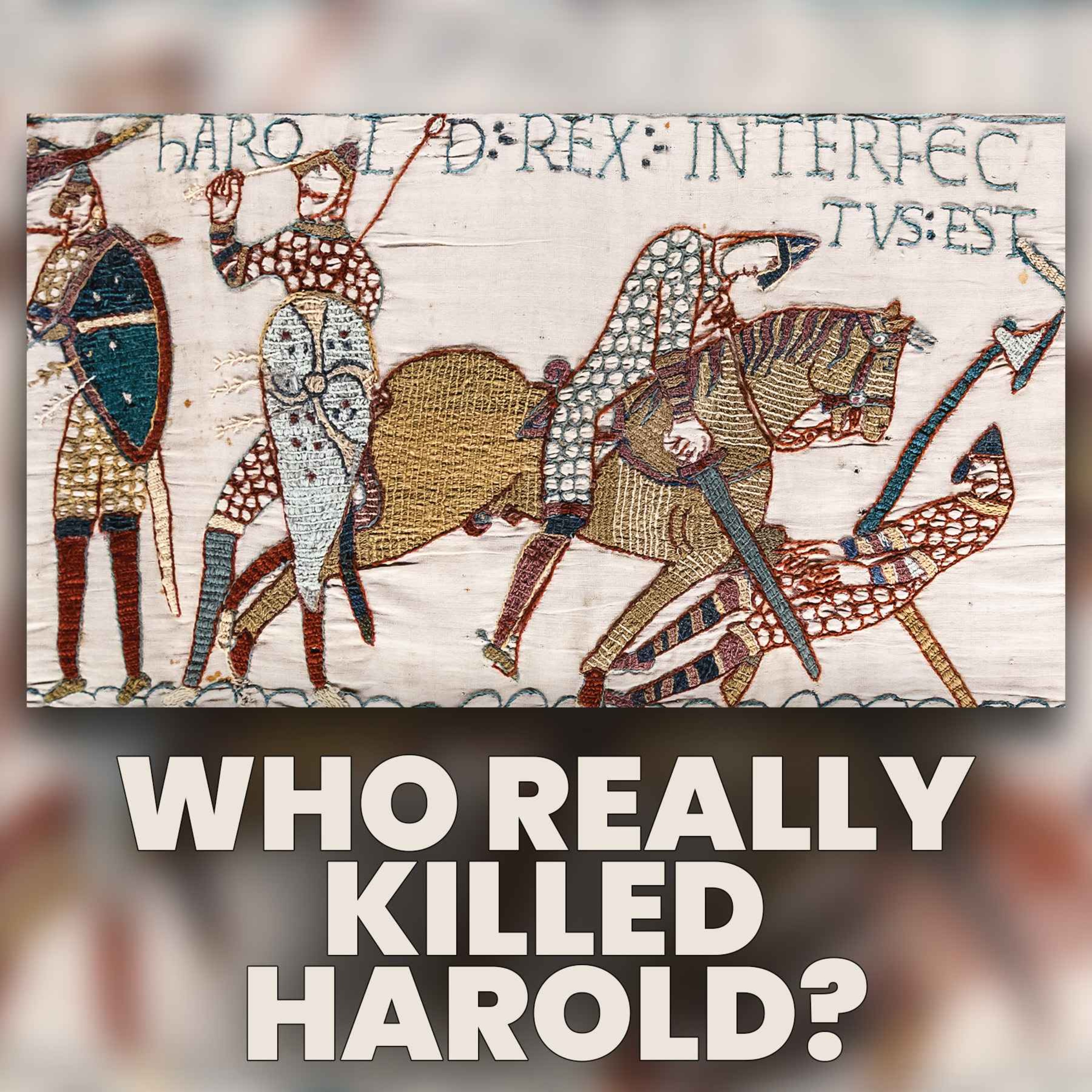
Inbox: The Bayeux Tapestry and the Arrow Nobody Can Prove | Sue Brunning

Why are a million people about to queue at the British Museum for a strip of embroidered linen? What if the most famous picture of 1066 isn't a tapestry, was probably stitched in England, and treats the losing king as a hero? And, if the arrow in Harold's eye was stitched back in by 19th-century restorers, how sure are we of the one thing everyone knows about 1066? With the Bayeux Tapestry in Britain for the first time in nearly a thousand years, Peter Frankopan and Afua Hirsch sit down with Sue Brunning, the British Museum curator who helped bring it here and waved Sutton Hoo off to France in exchange. Sue takes them through the bishop who probably paid for it and gave himself a starring role, the English women who likely stitched it, and a Harold who looks nothing like a villain. Then come six women in 68 metres, three of them naked; a cleric, a woman called Ælfgyva and a slap nobody can explain; and a battle sequence brutal enough to send visitors out shaken. And then there's the arrow. Join Legacy Plus for bonus episodes, early access, Q&A's, fewer adverts and more. legacy.supportingcast.fm [0:00] 68 metres of linen, home after nearly a thousand years [3:33] From a Sandhurst summit to Bloomsbury, with Sutton Hoo sent the other way [7:53] Why it isn't a tapestry, and why 1066 changed everything [11:55] Harold the hero, hauling Normans out of the quicksand [13:14] Bishop Odo, Canterbury and the women with the needles [17:39] Six women, three naked, and a slap nobody can explain [21:43] The battle that leaves visitors shaken [26:44] Restorers, fading dyes and the arrow in Harold's eye Stay connected with Legacy: Instagram: @originallegacypodcast TikTok: @legacy_productions Explore more from Peter and Afua — essays, sources, and ideas: Substack: peterfrankopan.substack.com | afuahirsch.substack.com Join Legacy+ for bonus episodes, early access, Q&A's, fewer adverts and more. legacy.supportingcast.fm Stay connected with Legacy: Instagram: @originallegacypodcast TikTok: @legacy_productions Explore more from Peter and Afua — essays, sources, and ideas: Substack: peterfrankopan.substack.com | afuahirsch.substack.com Hosted on Acast. See acast.com/privacy for more information.
40 minAbspielen in:

Di22Sep
Legacy

LegacyHost

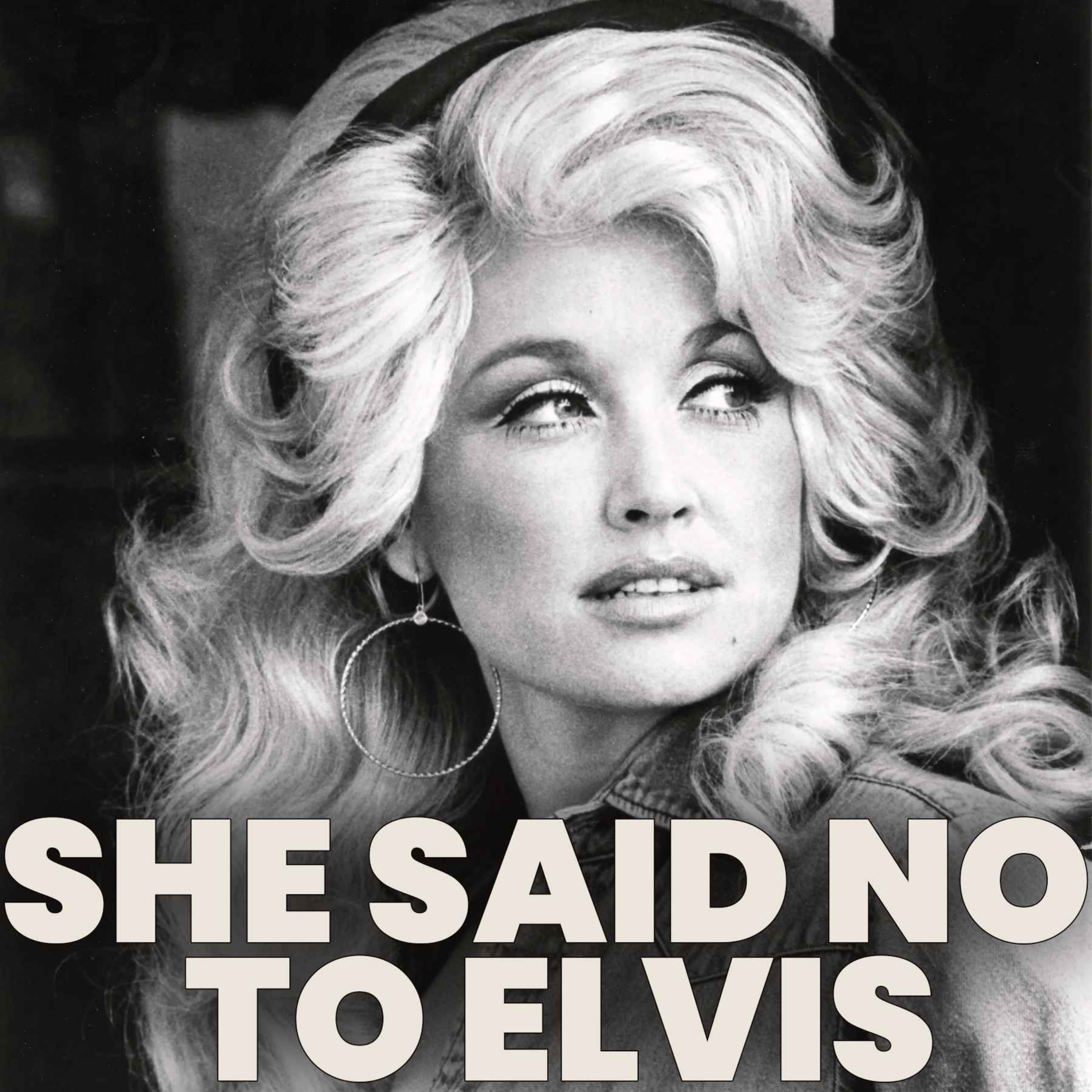
Dolly Parton | It's Dolly Parton's World and We're Living In It | 1

Who says no to Elvis Presley — and is proved right eighteen years later? How does a girl from a one-room cabin with no electricity work out the economics of music publishing before most of Nashville has? And, in an age that agrees on almost nothing, how did Dolly Parton end up claimed by drag queens, evangelicals and everyone in between? Peter Frankopan opens on the phone call that cost Dolly Parton an Elvis record, and Afua Hirsch traces what that refusal was really protecting. Part one of two. Locust Ridge to Nashville, the Porter Wagoner years, and the moment a songwriter worked out that the leverage was never in the performance. Along the way: a theme park propping up one of Tennessee's poorest counties, a book scheme built for a father who never learned to read, and a working women's anthem that half the people singing it have never thought about. Underneath it all, a harder question — whether being loved by everybody is a strategy, and what it costs to hold on to. Join Legacy Plus for bonus episodes, early access, Q&A's, fewer adverts and more. legacy.supportingcast.fm [0:00] Elvis wants the song. Then the phone rings. [2:08] One room, twelve children, and a childhood with its own acronym [5:33] Nashville the day after school finishes, and no plan B [8:05] The double act that made her, and the goodbye song that ended it [12:55] Half the publishing, one sleepless night, and a fortune left on the table [15:11] 9 to 5: the most political song she never called political [18:35] A theme park, 4,000 jobs and billions into East Tennessee [26:07] Dixie, Black Lives Matter, and the edges of staying out of it Stay connected with Legacy: Instagram: @originallegacypodcast TikTok: @legacy_productions Explore more from Peter and Afua — essays, sources, and ideas: Substack: peterfrankopan.substack.com | afuahirsch.substack.com Join Legacy+ for bonus episodes, early access, Q&A's, fewer adverts and more. legacy.supportingcast.fm Stay connected with Legacy: Instagram: @originallegacypodcast TikTok: @legacy_productions Explore more from Peter and Afua — essays, sources, and ideas: Substack: peterfrankopan.substack.com | afuahirsch.substack.com Hosted on Acast. See acast.com/privacy for more information.

32 minAbspielen in:

Do17Sep
Legacy

LegacyHost

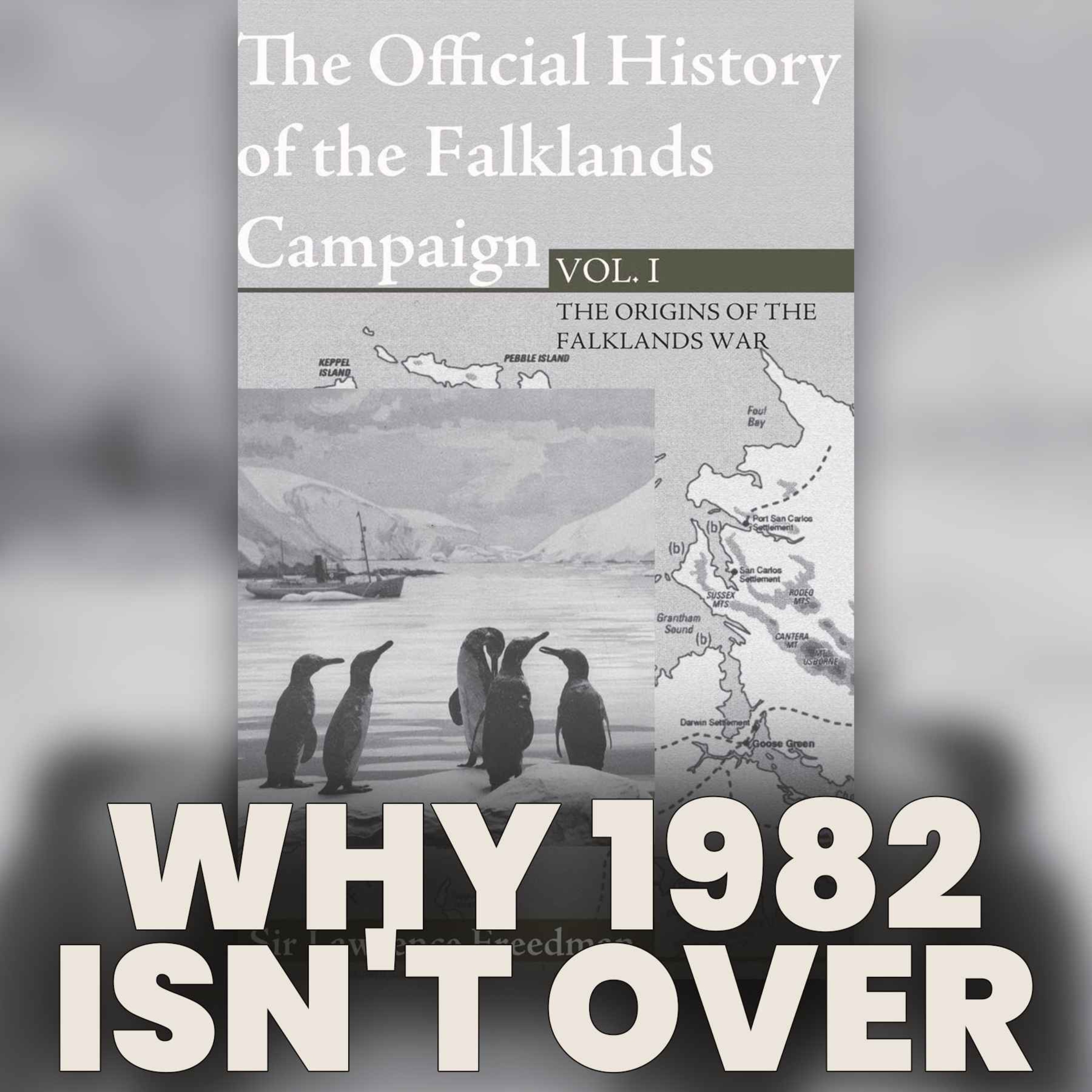
Inbox: The Falklands Campaign | Milei, Trump and Oil | Book Club

Why is a war fought 44 years ago back on the front pages? What happens when a combative president in Buenos Aires, a friend in the White House and an oil field due online in 2028 all point at the same islands? And, when 99.8% of the people who live there have already voted, whose islands are they to argue over? Fresh from Sir Lawrence Freedman's two-volume official history of the Falklands campaign, Peter Frankopan takes on the question Afua Hirsch can't let go: whose rights come first? The official record reads like a detective story: the orders, the officers' doubts, and a Prime Minister who went against some of her own senior ministers. But the argument behind it never went away. Afua sets out why the politics look upside down to someone who opposes colonialism. Peter traces Argentina's claim back to a 15th-century treaty. Then come Chagos, Guam and the British Virgin Islands, and the question of whether Britain applies its own principle consistently. There's also the odd matter of why Yair Netanyahu weighed in at all. Join Legacy Plus for bonus episodes, early access, Q&A's, fewer adverts and more. legacy.supportingcast.fm [1:15] A summer with Sir Lawrence Freedman's official history of the Falklands [2:34] Milei, Trump and oil: why a 1982 war is live again [7:18] Inside the official records, and Thatcher's gamble [10:54] Afua's question: whose rights? [14:08] 99.8%, and the islanders who've been there for 200 years [16:48] Chagos, Guam, the British Virgin Islands: is Britain consistent? [19:47] Two wrongs, red post boxes and the Victory Pub [24:44] Why Yair Netanyahu picked a side Stay connected with Legacy: Instagram: @originallegacypodcast TikTok: @legacy_productions Explore more from Peter and Afua — essays, sources, and ideas: Substack: peterfrankopan.substack.com | afuahirsch.substack.com Join Legacy+ for bonus episodes, early access, Q&A's, fewer adverts and more. legacy.supportingcast.fm Stay connected with Legacy: Instagram: @originallegacypodcast TikTok: @legacy_productions Explore more from Peter and Afua — essays, sources, and ideas: Substack: peterfrankopan.substack.com | afuahirsch.substack.com Hosted on Acast. See acast.com/privacy for more information.

26 minAbspielen in:

Di25Aug
Legacy

LegacyHost

Modern Travel | The Full Package | 5

Who decided that the thing stopping people travelling was not money, but choice? What happens to a country when the holiday is designed so that the visitor never has to leave the compound? And of every hundred dollars you spend at an all-inclusive, how much do you think actually stays there? Gerard Blitz opened his first holiday village on a Majorcan beach in 1950 on the theory that what people wanted was not adventure but the removal of every decision — Peter Frankopan and Afua Hirsch follow that idea all the way to the gated resorts of the present. The all-inclusive is now worth close to a hundred billion dollars a year. In the Dominican Republic it accounts for more than seventy per cent of hotel rooms and helps generate over forty per cent of GDP. And of every hundred dollars a guest spends, roughly five stays in the local economy. The rest is repatriated to foreign operators, international airlines and global supply chains, along with the food flown in so that nobody has to eat anything unfamiliar. In water-stressed places, guests can use ten times what a local resident uses in a day. In Jamaica there is now a movement against the privatisation of beaches that local people can no longer reach. Afua has just come back from an Arawak village in the Guyanese Amazon where all-inclusive means something entirely different. Peter, who has enjoyed rather more package holidays than he lets on, is not convinced the answer is to take them away from people. Join Legacy Plus for bonus episodes, early access, Q&A's, fewer adverts and more. legacy.supportingcast.fm [0:00] Sun lounger wars at dawn, and the buffet as a way of life [7:58] Gerard Blitz, a Belgian on a Majorcan beach, and the founding of Club Med [14:59] A hundred billion dollars a year, and the country where all-inclusives are seventy per cent of the rooms [16:39] Five dollars in every hundred — where the rest of your money actually goes [17:54] Ten times the water a local resident uses in a day [26:47] The beaches in Jamaica that Jamaicans can no longer reach [31:07] Plantations sold as celebratory places, and what the industry assumes you cannot handle [34:14] Afua in the Amazon: an all-inclusive of a completely different kind Stay connected with Legacy: Instagram: @originallegacypodcast TikTok: @legacy_productions Explore more from Peter and Afua — essays, sources, and ideas: Substack: peterfrankopan.substack.com | afuahirsch.substack.com Join Legacy+ for bonus episodes, early access, Q&A's, fewer adverts and more. legacy.supportingcast.fm Stay connected with Legacy: Instagram: @originallegacypodcast TikTok: @legacy_productions Explore more from Peter and Afua — essays, sources, and ideas: Substack: peterfrankopan.substack.com | afuahirsch.substack.com Hosted on Acast. See acast.com/privacy for more information.
43 minAbspielen in:

Di18Aug
Legacy

LegacyHost

Modern Travel | The Age of the Skies | 4

When did flying stop being the most glamorous thing a person could possibly do? What kind of industry fixes its own prices by law, and then competes on how much champagne it can pour? And what happened to the man who broke it? Sir Freddie Laker swept floors at an aircraft factory, worked out that the entire airline business was upside down, and got taken apart for it — Peter Frankopan and Afua Hirsch on the man whose bankruptcy made your budget flight possible. For most of the twentieth century the airlines ran a legal cartel. IATA fixed the fares, so a London to New York ticket cost the same on Pan Am, TWA or BA, and the only thing left to compete on was luxury: forty inches of legroom, professional chefs, sterling silver, a side of beef carved in the aisle. It was magnificent, and roughly eighty-five per cent of people never got on a plane. Then Laker put a transatlantic seat on sale for fifty-nine pounds and let people queue on the pavement outside Victoria for it. The industry drove him under inside five years, then adopted everything he had done. What is left is a world where five billion people fly each year, three per cent of them internationally, and the seat in front of you gets a little closer every season. Join Legacy Plus for bonus episodes, early access, Q&A's, fewer adverts and more. legacy.supportingcast.fm [0:00] Peter hates airports, Afua loves them, and the words "you're a Terminal Five girl" [5:19] The legal cartel — how IATA fixed every fare and left nothing to compete on but champagne [6:39] Forty inches of legroom, a chef, and a side of beef carved at your seat [8:13] Nail polish, posture, and the finishing-school standards applied to an air hostess [11:36] Freddie Laker, the Canterbury boy who swept factory floors and broke the cartel [13:23] Fifty-nine pounds to New York, and people sleeping on the pavement outside Victoria [21:57] Four per cent of climate change, and the cities buckling under weekend visitors [30:57] Why business class keeps improving while your seat keeps getting thinner Stay connected with Legacy: Instagram: @originallegacypodcast TikTok: @legacy_productions Explore more from Peter and Afua — essays, sources, and ideas: Substack: peterfrankopan.substack.com | afuahirsch.substack.com Join Legacy+ for bonus episodes, early access, Q&A's, fewer adverts and more. legacy.supportingcast.fm Stay connected with Legacy: Instagram: @originallegacypodcast TikTok: @legacy_productions Explore more from Peter and Afua — essays, sources, and ideas: Substack: peterfrankopan.substack.com | afuahirsch.substack.com Hosted on Acast. See acast.com/privacy for more information.
40 minAbspielen in:

Di11Aug
Legacy

LegacyHost

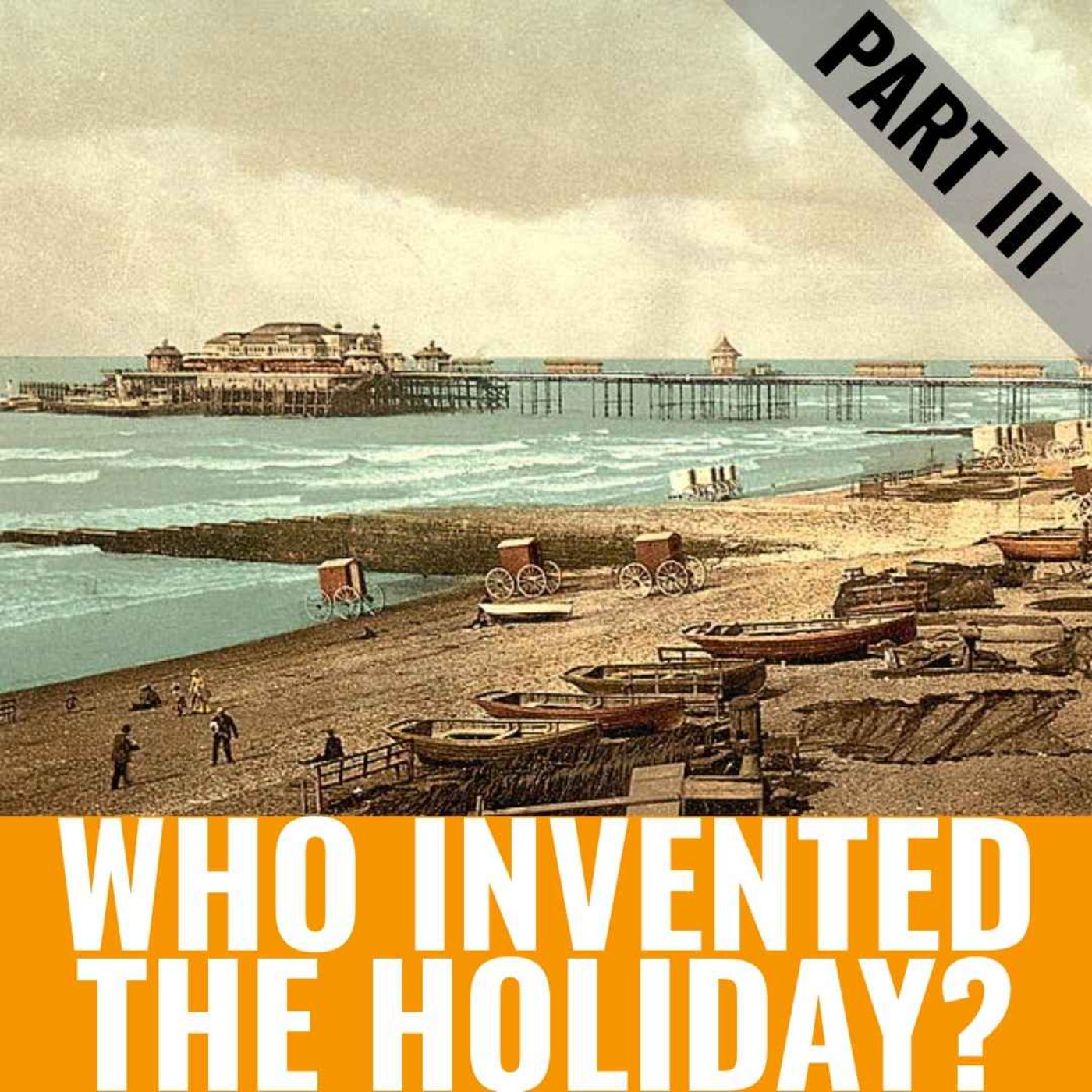
Modern Travel | Rise Of The Seaside | 3

Who decided that the sea — cold, dangerous and full of smugglers — was somewhere you went for fun? What kind of doctor prescribes plunging into the Channel naked in the dead of winter, and then drinking it? And how did the towns Britain built to enjoy itself end up among the most deprived places in the country? The holiday — the whole idea that ordinary people are owed one — starts with a Brighton doctor, a shed on wheels and an Act of Parliament, and Peter Frankopan and Afua Hirsch follow it from there to the boarded-up promenades of the present. Dr Richard Russell published a book in the 1750s arguing that seawater cured everything from scrofula to melancholy, and that you ought to drink it by the pint, with milk or port to take the edge off. The elites followed him to a fishing village called Brighthelmstone, the Prince Regent built a pleasure palace there, and once the railways arrived the whole thing belonged to everybody. Then cheap flights took it away again. What the Victorians left behind is a coastline of magnificent architecture standing in some of the poorest wards in England — and, lately, the first signs of something coming back. Join Legacy Plus for bonus episodes, early access, Q&A's, fewer adverts and more. legacy.supportingcast.fm [0:00] From the Grand Tour to the stick of rock — the moment travel stopped belonging to the rich [8:52] Before the deckchairs: smugglers, pirates and a coastline you kept well away from [9:51] Dr Richard Russell, the eighteenth-century wellness influencer who told Britain to drink the sea [13:17] Peter jumps into the Antarctic in his swimming trunks, shamed into it by a woman in her eighties [17:57] The steam train, the Bank Holidays Act, and the week the mills shut down [20:53] The bathing machine: a shed, a horse, and a strong local person to dunk you [29:54] Clacton, Jaywick, and what happened to the towns Britain built to enjoy itself [35:09] Margate, Dreamland, and whether hipsters can fix a structural problem Stay connected with Legacy: Instagram: @originallegacypodcast TikTok: @legacy_productions Explore more from Peter and Afua — essays, sources, and ideas: Substack: peterfrankopan.substack.com | afuahirsch.substack.com Join Legacy+ for bonus episodes, early access, Q&A's, fewer adverts and more. legacy.supportingcast.fm Stay connected with Legacy: Instagram: @originallegacypodcast TikTok: @legacy_productions Explore more from Peter and Afua — essays, sources, and ideas: Substack: peterfrankopan.substack.com | afuahirsch.substack.com Hosted on Acast. See acast.com/privacy for more information.
44 minAbspielen in:

Di4Aug
Legacy

LegacyHost

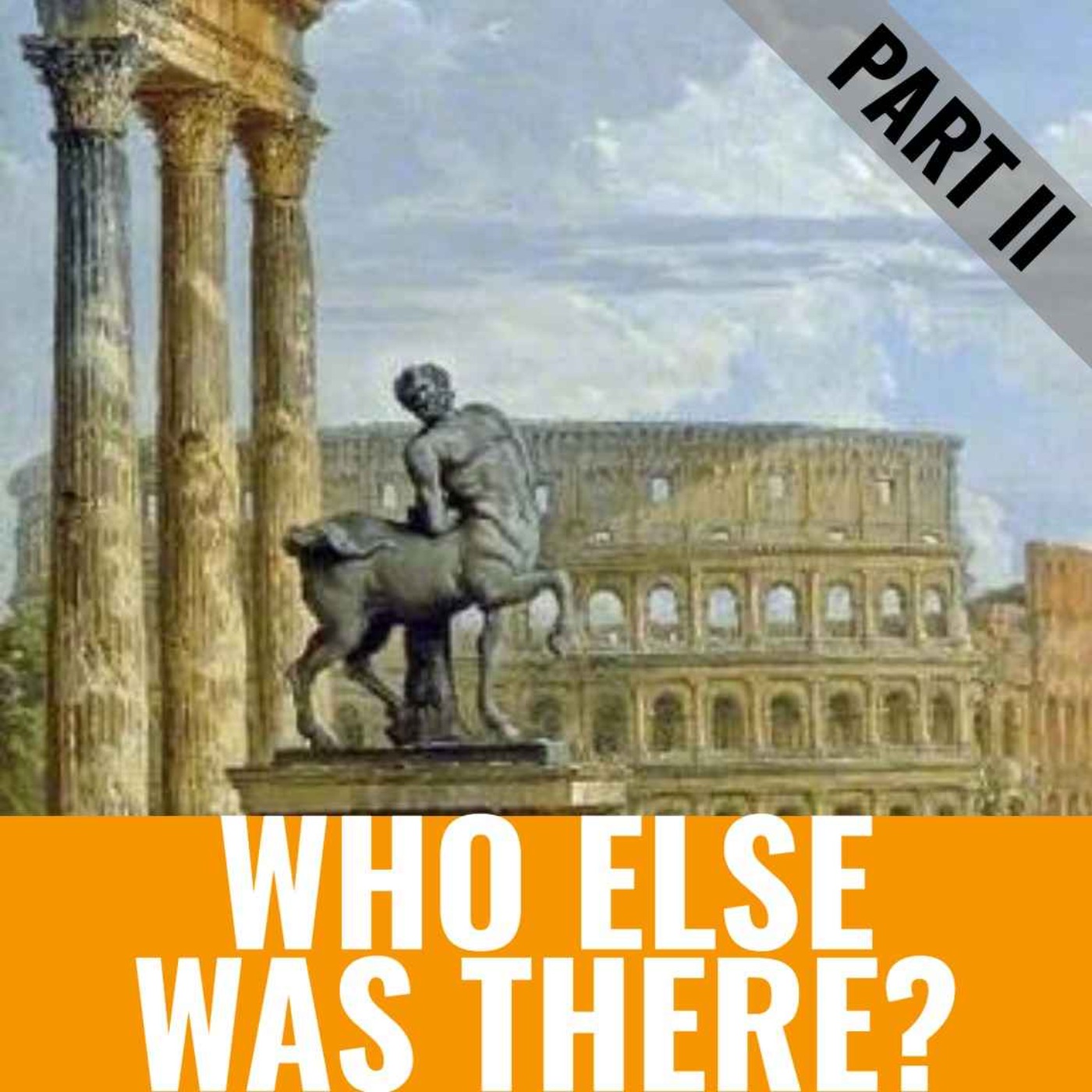
Modern Travel | The Other Grand Tour | 2

What happened when the people written out of the Grand Tour wrote their own account of it? What did an eighteenth-century Bengali diplomat see in London that made him call the British a conceited race? And how did a man from Bihar end up as shampooing surgeon to the King of England? Afua Hirsch and Peter Frankopan follow the travellers the Grand Tour left out — enslaved servants, Black abolitionists, Indian intellectuals — and find them looking back at Europe with a colder eye than Europe ever turned on them. Frederick Douglass and Sarah Parker Remond met in Rome in 1868, two free Black Americans taking in the ruins of one slave society while campaigning against a living one. Mirza Abu Talib Khan toured Britain and reported home that its true religion was money. I'tesamuddin filled a notebook with the wonders of Europe and the conceit of its inhabitants. And Sake Dean Mahomed opened a vapour bath in Brighton and gave English the word shampoo. The Grand Tour was never only white men learning Latin — it was the moment the world started looking back. Join Legacy Plus for bonus episodes, early access, Q&A's, fewer adverts and more. legacy.supportingcast.fm [0:00] The Grand Tour you think you know — powdered wigs, Roman ruins, enough marble to fill a museum [3:01] The servants who weren't servants: enslaved Africans on the road to Italy and France [4:29] Frederick Douglass, viral superstar, meets Sarah Parker Remond in Rome [8:36] Ira Aldridge plays Shakespeare to the aristocrats who came for the ruins [13:40] Bihar to Brighton — and the word that came with him [17:54] Europe judged: spiritually hollow, morally compromised, excessively fond of luxury [25:24] The Maharajas whose Cartier and Rolls Royce orders kept European luxury solvent [36:24] What actually killed the Grand Tour, and whether Magaluf is its heir Stay connected with Legacy: Instagram: @originallegacypodcast TikTok: @legacy_productions Explore more from Peter and Afua — essays, sources, and ideas: Substack: peterfrankopan.substack.com | afuahirsch.substack.com Join Legacy+ for bonus episodes, early access, Q&A's, fewer adverts and more. legacy.supportingcast.fm Stay connected with Legacy: Instagram: @originallegacypodcast TikTok: @legacy_productions Explore more from Peter and Afua — essays, sources, and ideas: Substack: peterfrankopan.substack.com | afuahirsch.substack.com Hosted on Acast. See acast.com/privacy for more information.

44 minAbspielen in:

Do23Jul
Legacy

LegacyHost

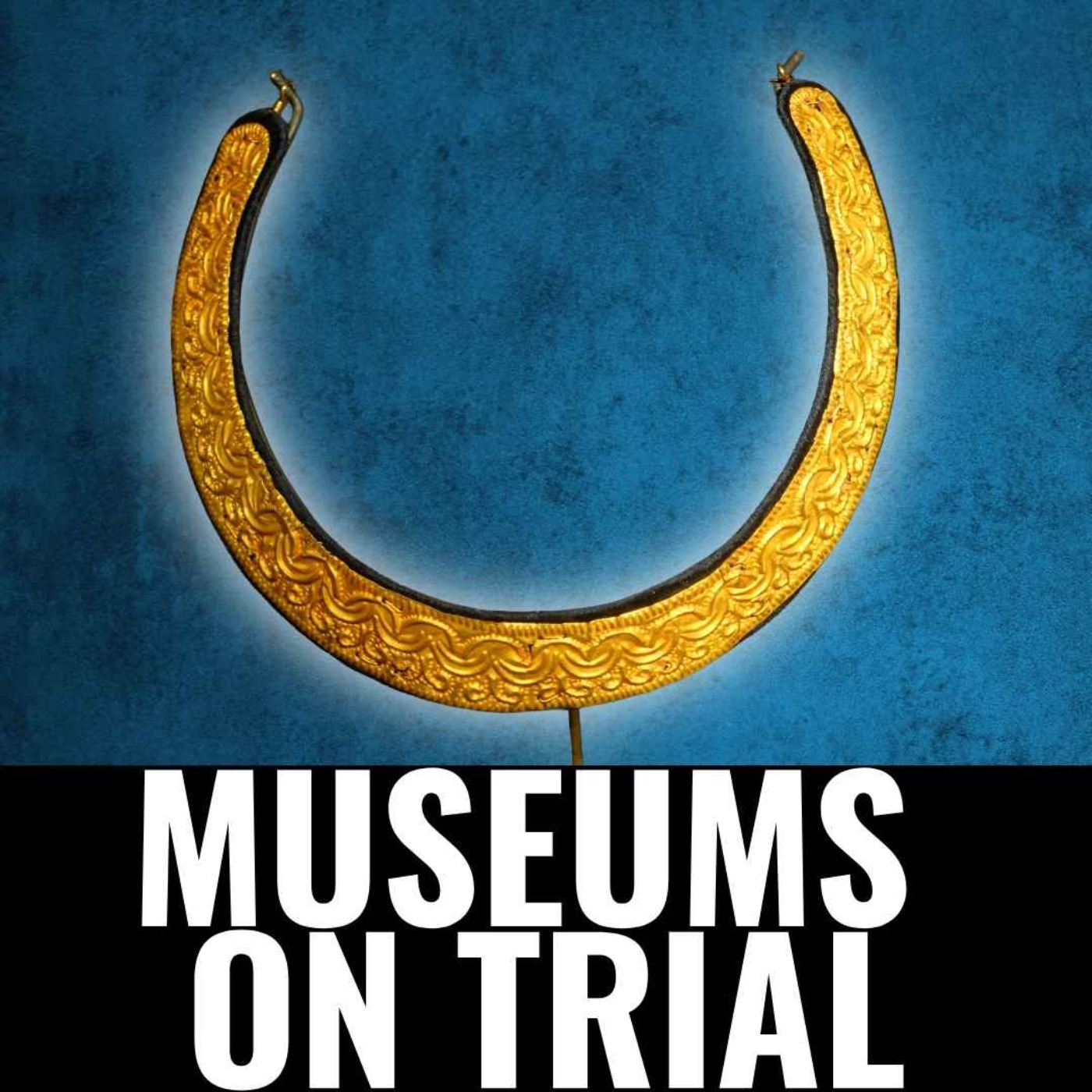
Legacy Inbox: The Gold Britain Still Won't Return

What does it take to get a room of ex-military festival-goers in rural Wiltshire to agree Britain should return its stolen gold? And why does an obsolete Victorian law still make it a criminal offence for the British Museum to give any of it back? Afua Hirsch just spent a week testing both — with a Buckingham Palace thought experiment, a courtroom-style cross-examination, and a verdict on two centuries of looted treasure that even British Museum members found hard to argue with. Afua brings Peter inside two sold-out tents at the Chalke Valley History Festival — one on the Ashanti gold Britain still won't return, the other on the German peasants written out of history. Welcome to Legacy Inbox, a new lighter-touch addition to the feed. Join Legacy Plus for bonus episodes, early access, Q&A's, fewer adverts and more. legacy.supportingcast.fm [0:00] Afua's back from Chalke Valley, sold-out crowds and all [4:10] Barnaby Phillips and a sequel to Loot bring Ashanti gold into the tent [12:05] A sacked palace, a stolen throne, and a case Afua calls open and shut [18:55] Her answer to "it's illegal to give it back": test it in court [21:52] The 2024 loan Britain calls generosity — and Ghana calls something else [24:00] A blacked-out England XI, and what it says about the British Museum [25:38] Why a tent full of skeptics left more hopeful than they arrived Stay connected with Legacy: Instagram: @originallegacypodcast TikTok: @legacy_productions Explore more from Peter and Afua — essays, sources, and ideas: Substack: peterfrankopan.substack.com | afuahirsch.substack.com Join Legacy+ for bonus episodes, early access, Q&A's, fewer adverts and more. legacy.supportingcast.fm Stay connected with Legacy: Instagram: @originallegacypodcast TikTok: @legacy_productions Explore more from Peter and Afua — essays, sources, and ideas: Substack: peterfrankopan.substack.com | afuahirsch.substack.com Hosted on Acast. See acast.com/privacy for more information.

28 minAbspielen in: