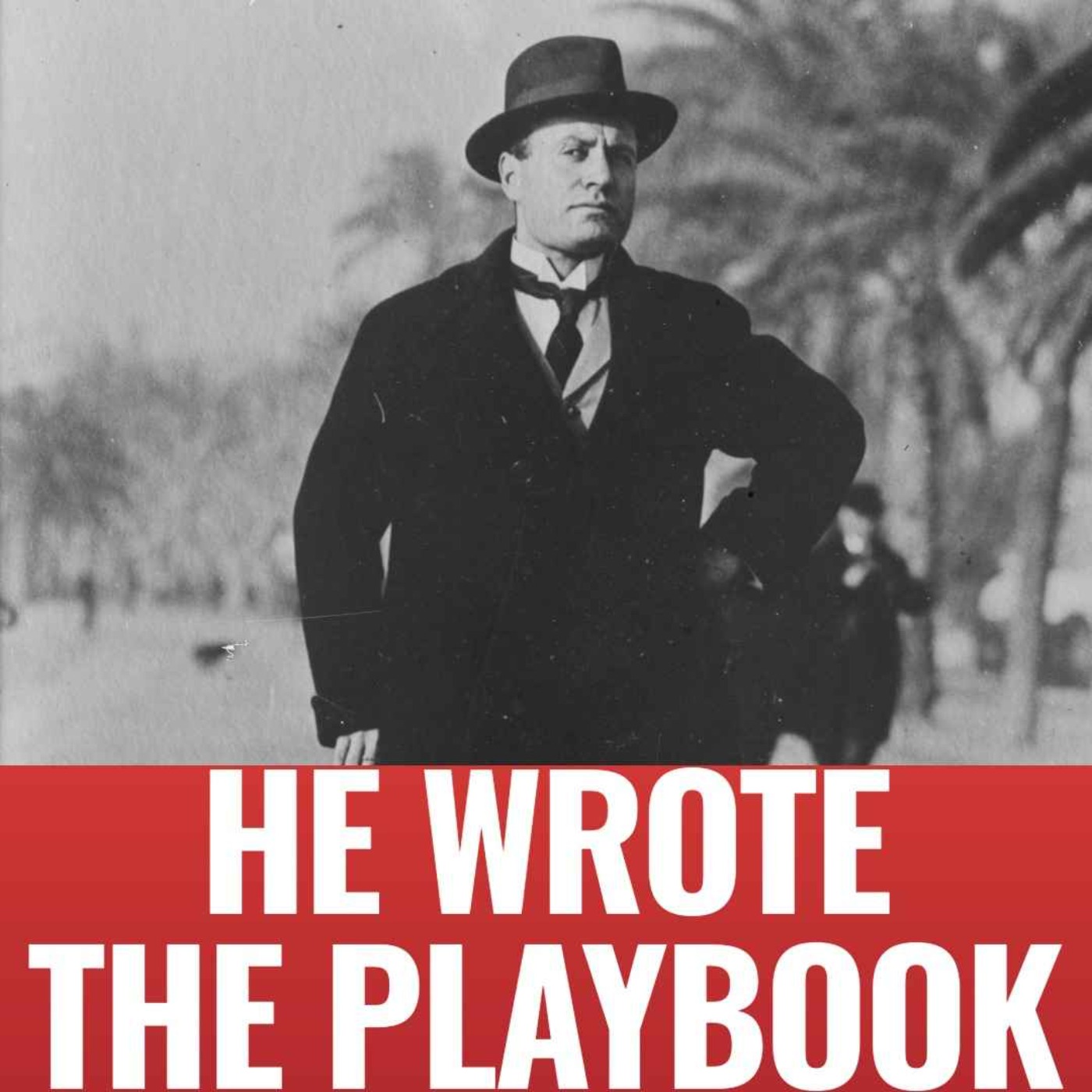
Legacy cover
Podcast

Legacy

by Original Legacy Productions

Legacy has had 14 confirmed guests across 12 episodes in the last 12 months. Latest: Carissa Véliz, Nov 26, 2026.

Show websiteApple PodcastsHow guests are confirmed

Afua Hirsch and Peter Frankopan tell the wild stories of some of the most extraordinary men and women ever to have lived – and ask whether they have the rep they deserve. Should Nina Simone’s role in the civil rights movement be more celebrated than it is? When you find out what Picasso got up to in his studio, can…

Guests on the show

Thu26Nov
Legacy

Carissa VélizGuest

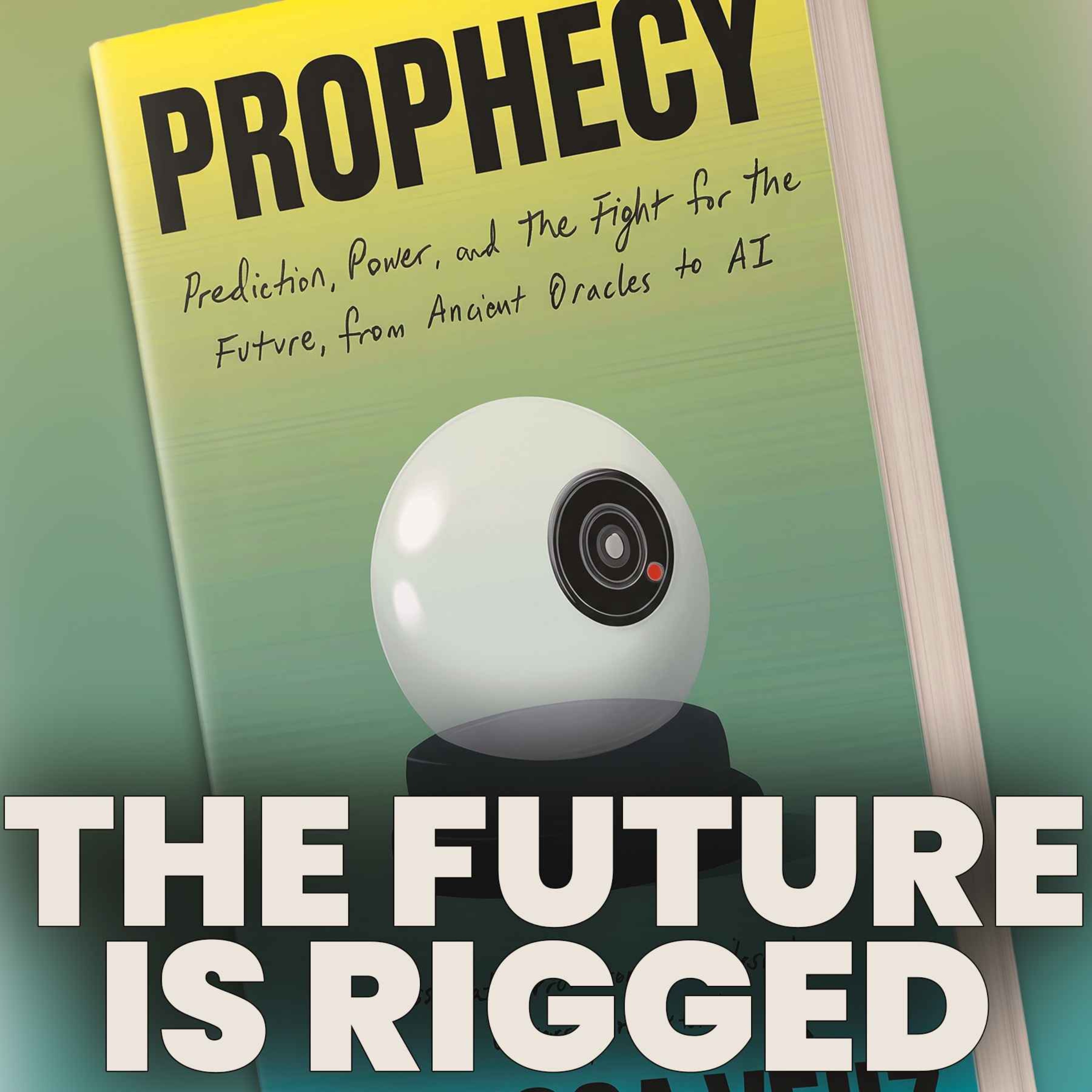
Inbox: The New Oracles of Silicon Valley | Carissa Véliz

Where did the claim that AI has a 10% chance of destroying the world come from? What do Silicon Valley’s predictions have in common with the Oracle of Delphi? And, what happens when an algorithm doesn't just predict your future, but decides it? Oxford philosopher Carissa Véliz joins Peter Frankopan and Afua Hirsch to challenge our faith in forecasts, drawing on her new book, Prophecy. From the seers who advised ancient rulers to the algorithms that decide who gets a job, Carissa argues that predictions can be a means of exercising power. Why do uncertain times make us so susceptible to prophets, and what might we gain by preparing for the future rather than trying to predict it? Join Legacy Plus for bonus episodes, early access, Q&As, fewer adverts and more. legacy.supportingcast.fm 00:00 - The problem with predicting the future 02:26 - Why we want to know what comes next 06:03 - Self-fulfilling prophecies 09:46 - Ancient oracles and political power 13:24 - The hidden commands in predictions 15:50 - Prophecy, science and the limits of knowledge 20:24 - The danger of believing the future is fixed 21:30 - How algorithms shape our lives 25:19 - Preparing instead of predicting 29:50 - What happens when we forget history 31:47 - A future worth building 34:15 - Final thoughts Stay connected with Legacy: Instagram: @originallegacypodcast TikTok: @legacy_productions Explore more from Peter and Afua — essays, sources and ideas: Substack: peterfrankopan.substack.com | afuahirsch.substack.com Join Legacy+ for bonus episodes, early access, Q&A's, fewer adverts and more. legacy.supportingcast.fm Stay connected with Legacy: Instagram: @originallegacypodcast TikTok: @legacy_productions Explore more from Peter and Afua — essays, sources, and ideas: Substack: peterfrankopan.substack.com | afuahirsch.substack.com Hosted on Acast. See acast.com/privacy for more information.
37 minPlay in:

Thu19Nov
Legacy

Paul CartledgeGuest

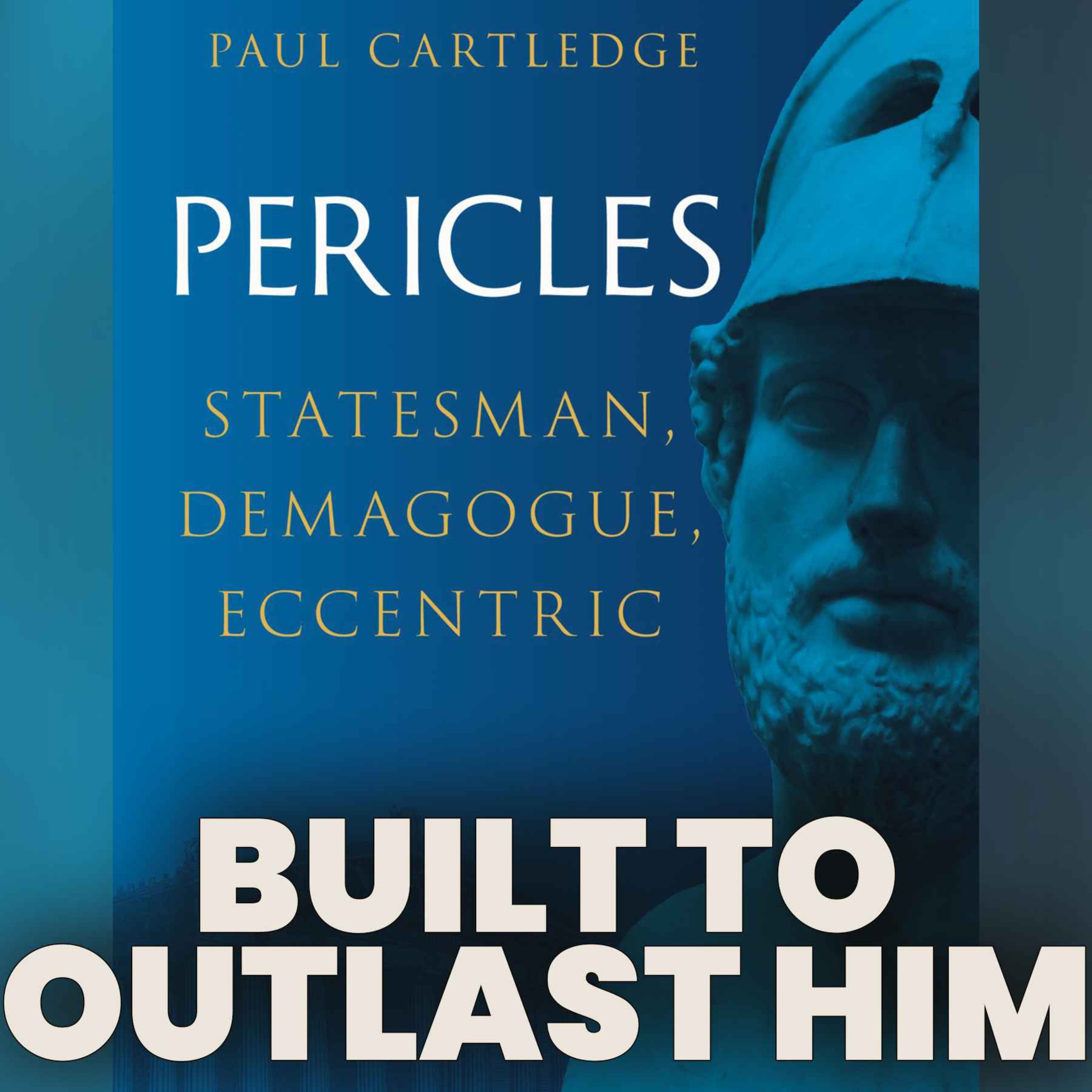
Inbox: Pericles and the Limits of Democracy | Paul Cartledge

How did Pericles become the most powerful voice in Athens without a political party? Who got a say in the democracy he championed? And what happened when his own citizenship law shut out his son? Peter Frankopan and Afua Hirsch speak to historian Paul Cartledge about his new book, Pericles: Statesman, Demagogue, Eccentric. From the Parthenon to the plague that killed him, Cartledge traces the choices that shaped Athens’s golden age. He also makes the case that the most famous speech attributed to Pericles owes more to the historian Thucydides than to the man who delivered it. Join Legacy Plus for bonus episodes, early access, Q&As, fewer adverts and more. legacy.supportingcast.fm 00:00 - The man who made Athens 04:40 - Who had a say in Athenian democracy? 12:43 - Power without a party 24:43 - The Parthenon and Athens’s golden age 29:02 - War with Sparta and the plague 30:36 - Who wrote the funeral speech? 36:08 - Aspasia and the citizenship law Stay connected with Legacy: Instagram: @originallegacypodcast TikTok: @legacy_productions Explore more from Peter and Afua — essays, sources, and ideas: Substack: peterfrankopan.substack.com | afuahirsch.substack.com Join Legacy+ for bonus episodes, early access, Q&A's, fewer adverts and more. legacy.supportingcast.fm Stay connected with Legacy: Instagram: @originallegacypodcast TikTok: @legacy_productions Explore more from Peter and Afua — essays, sources, and ideas: Substack: peterfrankopan.substack.com | afuahirsch.substack.com Hosted on Acast. See acast.com/privacy for more information.
42 minPlay in:

Thu5Nov
Legacy

Amy AbdelnoorGuest

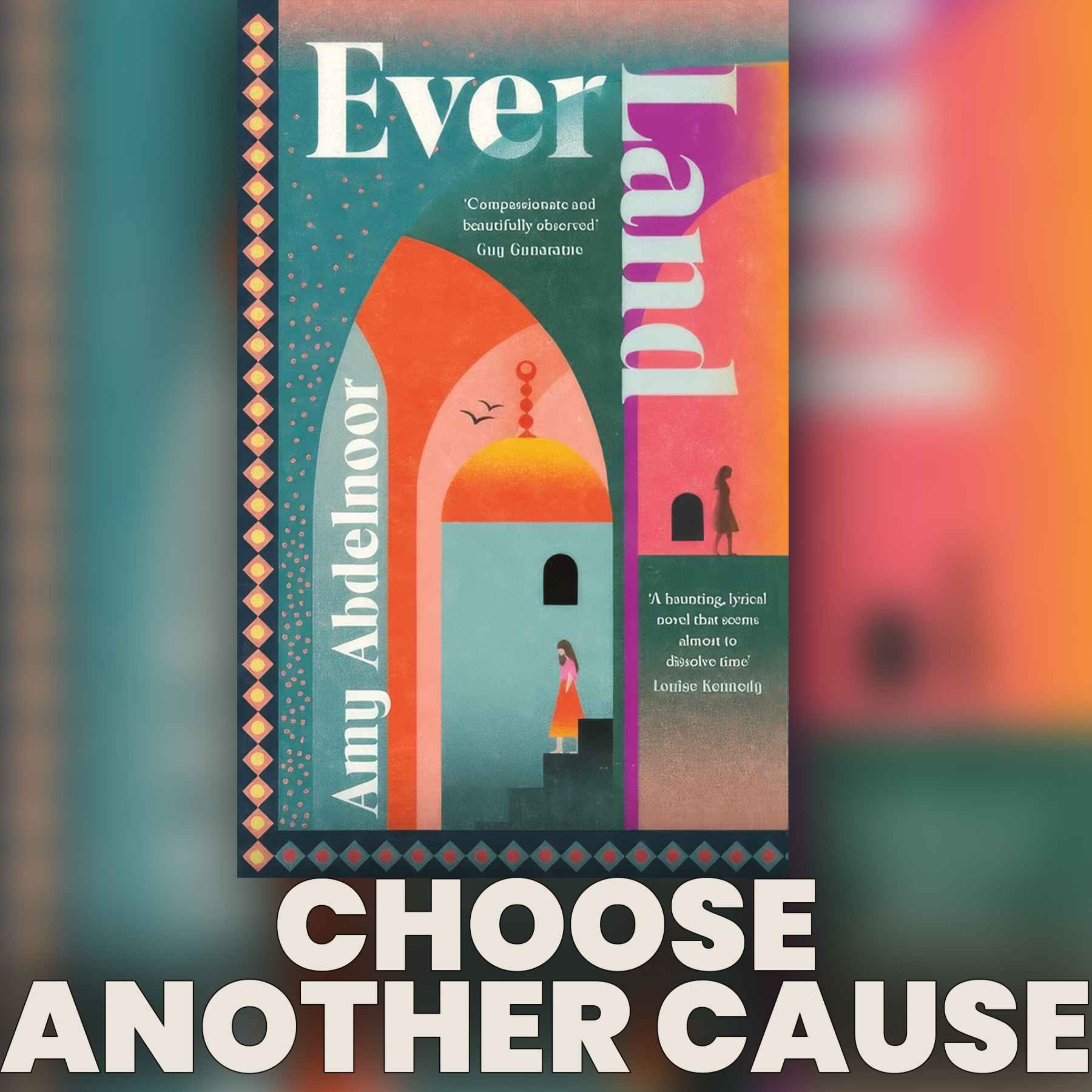
Inbox: A Ghost Story for Palestine | Amy Abdelnoor

Content warning: this episode includes discussion of war, killing and the ongoing violence in Gaza. Why did a cactus in an empty Palestinian village become the start of a novel? What happens when the ghost of a girl killed in 1967 asks a teenager from North London for help? And, why did Amy's tutor tell her, aged 20, to choose another cause? Peter and Afua talk to novelist Amy Abdelnoor about her debut, Ever Land. Amy volunteered in Palestinian refugee camps in Lebanon and lived in Ramallah during the Second Intifada. Ever Land follows two girls. Safa is a Palestinian girl killed in the 1967 Six-Day War, who can't move on until she finds her little sister. Dinah is a Jewish teenager from London who moves to Israel decades later. Amy talks about the cactus plants that still mark emptied villages, why she chose fiction over non-fiction, the email that told her there are "two sides to every story", writing grief, and her Lebanese grandfather. Join Legacy Plus for bonus episodes, early access, Q&A's, fewer adverts and more. legacy.supportingcast.fm 00:00 Introduction 03:07 What Ever Land is about 03:56 Why a ghost? The cactus in the empty village 08:25 Why fiction, not history 11:16 "Two sides to every story" 15:30 Writing as the world changed 20:46 Writing grief 24:05 Ghosts in the landscape 27:31 Is Safa every ghost? 30:30 Amy's Lebanese roots 33:40 "Choose another cause" Stay connected with Legacy: Instagram: @originallegacypodcast TikTok: @legacy_productions Explore more from Peter and Afua — essays, sources, and ideas: Substack: peterfrankopan.substack.com | afuahirsch.substack.com Join Legacy+ for bonus episodes, early access, Q&A's, fewer adverts and more. legacy.supportingcast.fm Stay connected with Legacy: Instagram: @originallegacypodcast TikTok: @legacy_productions Explore more from Peter and Afua — essays, sources, and ideas: Substack: peterfrankopan.substack.com | afuahirsch.substack.com Hosted on Acast. See acast.com/privacy for more information.

39 minPlay in:

Thu29Oct
Legacy

Sebastian FaulksGuest

Inbox: Oranges, Sunshine and a Storm Coming | Sebastian Faulks

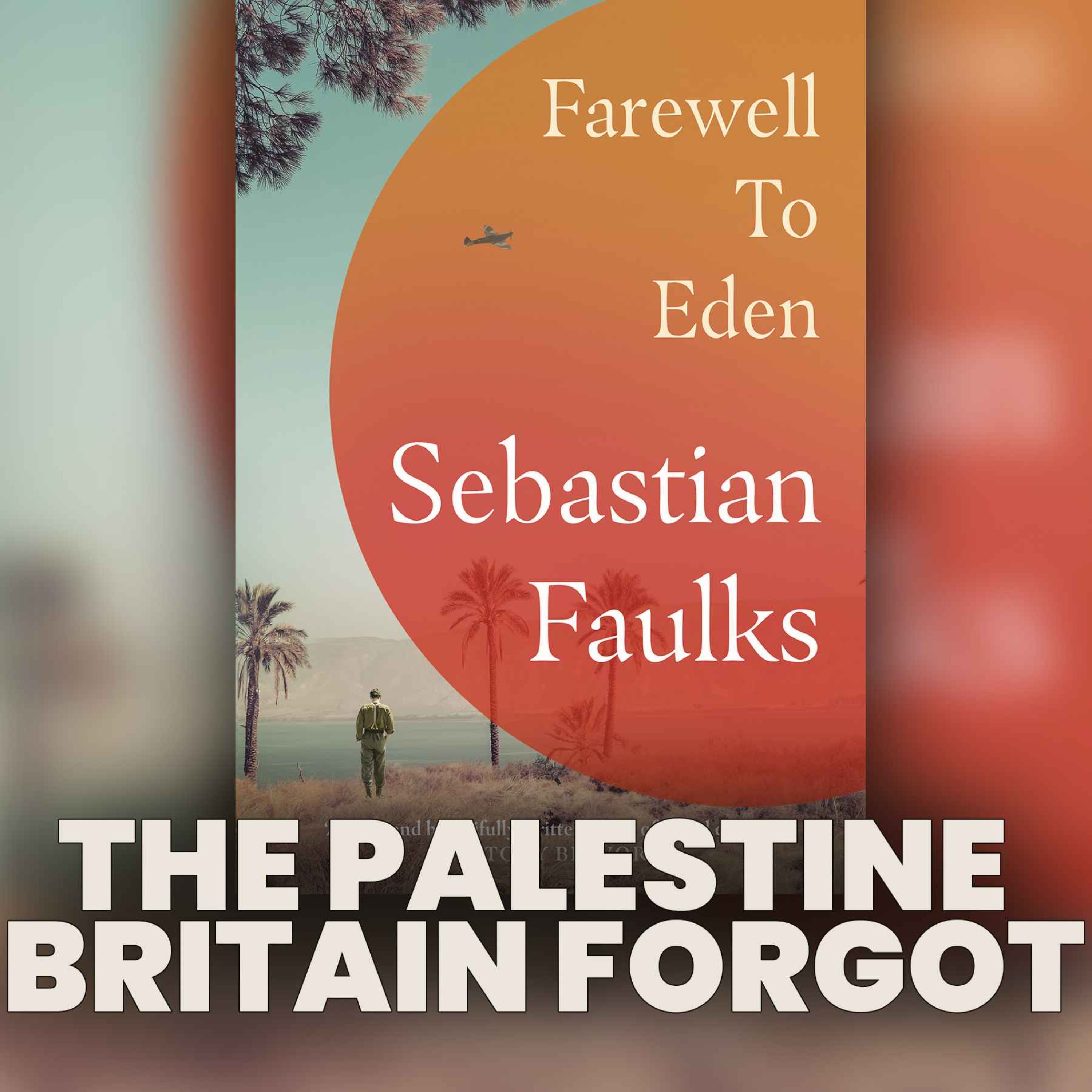
What were British soldiers doing in Palestine in 1945, between the oranges, the swimming and the bombs? Why does the Christmas show in Sebastian Faulks's Jerusalem swap Gilbert and Sullivan for Oscar Wilde? And, how did a novelist who plans everything end up with a twist he never saw coming? Sebastian Faulks tells Peter Frankopan and Afua Hirsch how his father's posting, hundreds of hours of soldiers' memories and a much-missed friend became his new novel, Farewell to Eden. His father was sent from Italy in late 1945 for what the army called "rest and peacekeeping", and was there when the King David Hotel was bombed. Sebastian built the book from the Imperial War Museum's sound archive, a 1949 diary kept by the Uruguayan member of the UN committee that drew the borders, and the memory of his closest friend, the Guardian's Middle East editor Ian Black, who first explained it all to him in their first week at Cambridge. Plus Amos Oz's grandparents, who thought Palestine was "too Asian", a padre's vision on Easter Saturday, the grey "tundra" of post-war Britain, and why Sebastian had to unlearn the idea that happy endings are vulgar. Join Legacy Plus for bonus episodes, early access, Q&A's, fewer adverts and more. legacy.supportingcast.fm [0:00] Oranges, sunshine and a storm coming [2:22] A boarding school, October 2023 and an old friend [5:52] His father's "rest and peacekeeping" in 1945 [15:17] The Irgun, a bombing in Rome and no easy sides [18:53] Faith in the Holy Land, and a Christmas show in Jerusalem [24:51] The twist even he didn't plan [26:56] How grim post-war Britain really was [29:43] Why happy endings aren't vulgar [33:04] Crosswords, coffee and 1,000 words a day [38:14] A diary from 1949 and the UN's impossible job Stay connected with Legacy: Instagram: @originallegacypodcast TikTok: @legacy_productions Explore more from Peter and Afua — essays, sources, and ideas: Substack: peterfrankopan.substack.com | afuahirsch.substack.com Join Legacy+ for bonus episodes, early access, Q&A's, fewer adverts and more. legacy.supportingcast.fm Stay connected with Legacy: Instagram: @originallegacypodcast TikTok: @legacy_productions Explore more from Peter and Afua — essays, sources, and ideas: Substack: peterfrankopan.substack.com | afuahirsch.substack.com Hosted on Acast. See acast.com/privacy for more information.
41 minPlay in:

Tue27Oct
Legacy

Elif ShafakGuest

Legacy Live: Elif Shafak | 16 November, Kings Place

Come and join us live! On Monday 16 November, Peter Frankopan and Afua Hirsch will be on stage at Kings Place in London with the wonderful Elif Shafak. Her extraordinary new novel, In One Brief Moment All Eternity, tells the story of Gustave Flaubert, the creator of Madame Bovary, through the eyes of the women whose lives shaped his, and whose stories have largely been forgotten. It's about who gets to tell history, whose voices are silenced, and why literature matters, especially in times of turmoil. The book comes out the day before, so this is a rare chance to hear Elif talk about it, and about history and memory, with us. Tickets: https://www.eventbrite.co.uk/e/legacy-live-elif-shafak-in-conversation-with-afua-hirsch-peter-frankopan-tickets-2003929321545 Or through the Kings Place box office. More Legacy Live events are on the way in late 2026 and 2027. To hear about them first, join Legacy Plus for bonus episodes, early access, Q&A's, fewer adverts and more. legacy.supportingcast.fm Stay connected with Legacy: Instagram: @originallegacypodcast TikTok: @legacy_productions Explore more from Peter and Afua — essays, sources, and ideas: Substack: peterfrankopan.substack.com | afuahirsch.substack.com Join Legacy+ for bonus episodes, early access, Q&A's, fewer adverts and more. legacy.supportingcast.fm Stay connected with Legacy: Instagram: @originallegacypodcast TikTok: @legacy_productions Explore more from Peter and Afua — essays, sources, and ideas: Substack: peterfrankopan.substack.com | afuahirsch.substack.com Hosted on Acast. See acast.com/privacy for more information.

2 minPlay in:

Thu22Oct
Legacy

Matthew SweetGuest

Inbox: Barbara Cartland, The Great Dictator | Matthew Sweet

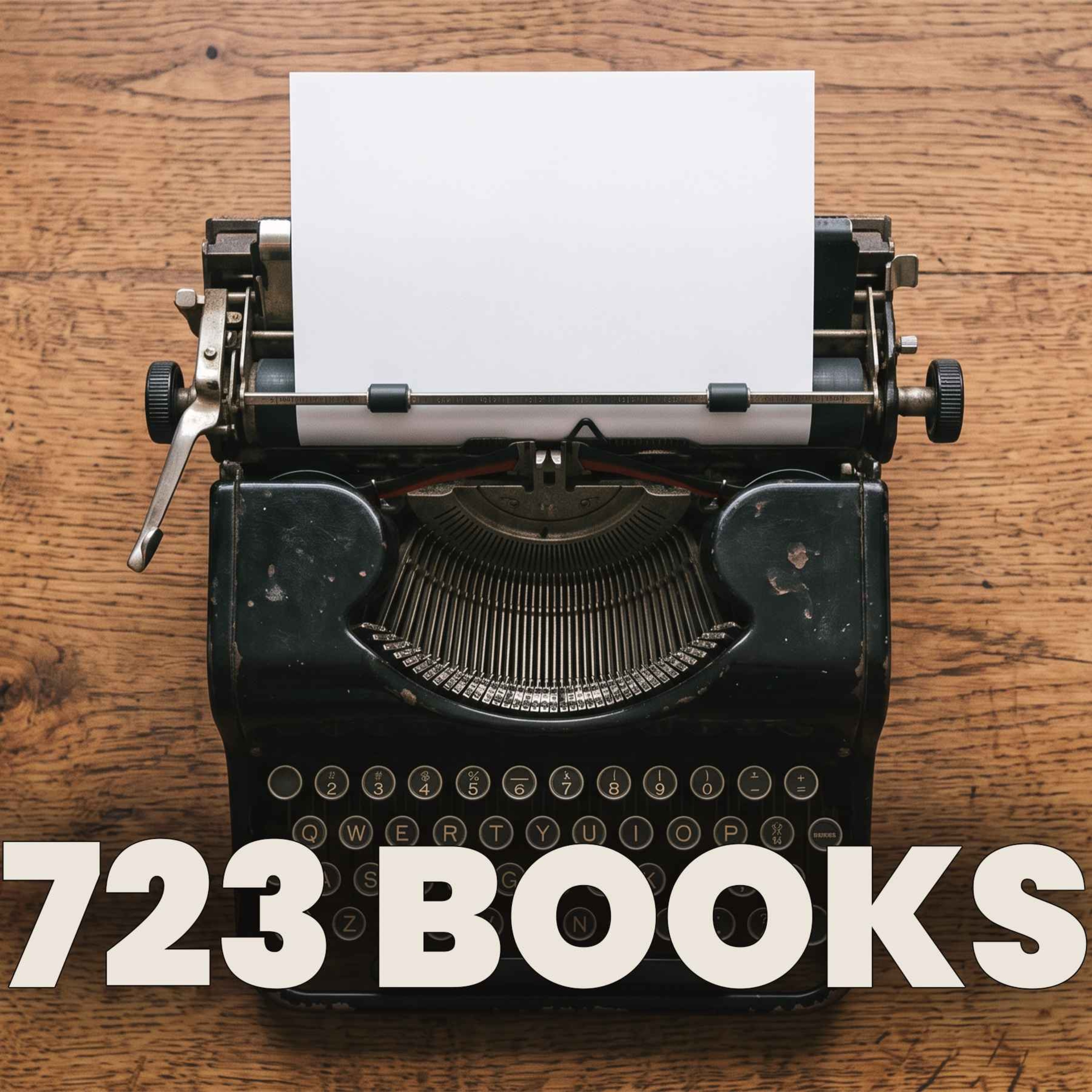
How did a woman lying on a sofa with a Pekingese on her lap write 723 books? Why did the queen of pink chiffon put shoe polish on her eyelashes? And, if she sold around 750 million copies, why can't you find her books in a shop today? Matthew Sweet, author of the first biography to take Barbara Cartland seriously, tells Peter Frankopan and Afua Hirsch how a Doctor Who audio play about alien bookworms led him to her private papers. A house left almost untouched since she died in 2000. A father killed in the Great War, two brothers lost at Dunkirk, and two suitors who threatened to shoot themselves if she said no. Then the paradox: a woman who told readers to put their husbands first while working six days a week, a Tory councillor who fought for travellers' rights, and the author of sex advice manuals. Plus Private Eye's cruellest cartoons, bought and hung in her downstairs loo, the Nigerian romance writers who name her as their inspiration, and why Matthew will never sit on her sofa. Join Legacy Plus for bonus episodes, early access, Q&A's, fewer adverts and more. legacy.supportingcast.fm [0:00] 723 books, a Pekingese and shoe polish on her lashes [4:14] Alien bookworms: the strangest way into a biography [7:00] Why "The Great Dictator": a lost fortune and a family rebuilt by work [9:41] Writing from the couch: war, grief and the women left behind [17:37] The Tory councillor who fought for travellers' rights [21:21] Nigerian romance writers, and her plan to conquer the world [25:12] War paint: the lashes, the hair and the dog [28:33] Private Eye cartoons in the downstairs loo [31:00] Motherhood, and a family where everyone had to confess [37:53] Third best-selling author ever, so why has she vanished? Stay connected with Legacy: Instagram: @originallegacypodcast TikTok: @legacy_productions Explore more from Peter and Afua — essays, sources, and ideas: Substack: peterfrankopan.substack.com | afuahirsch.substack.com Join Legacy+ for bonus episodes, early access, Q&A's, fewer adverts and more. legacy.supportingcast.fm Stay connected with Legacy: Instagram: @originallegacypodcast TikTok: @legacy_productions Explore more from Peter and Afua — essays, sources, and ideas: Substack: peterfrankopan.substack.com | afuahirsch.substack.com Hosted on Acast. See acast.com/privacy for more information.
44 minPlay in:

Thu1Oct
Legacy

Ed ConwayGuest

Inbox: The Invisible Machine Behind Everything | Ed Conway

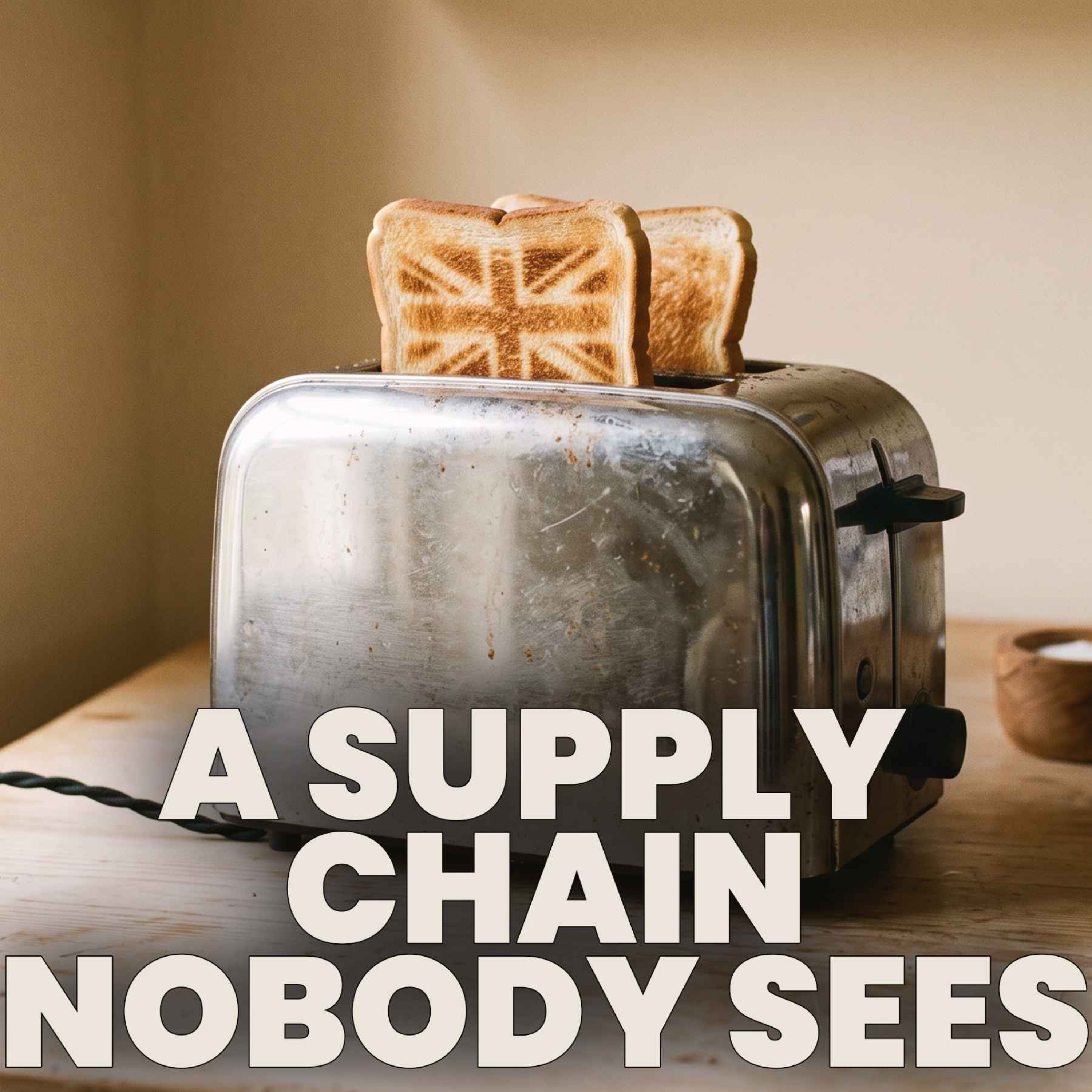
Why did the cod in your fish fingers go to China and back before it reached your freezer? What does a medieval king blocking English wool from Flanders have to do with Xi Jinping's grip on rare earths? And, if China can now build cars far more cheaply than Europe or America, could the West lose its car industry altogether? Ed Conway, Sky News economics and data editor and Times columnist, takes Peter Frankopan and Afua Hirsch down the hidden supply chains behind everyday life with his new book, Trade World. The sliced white loaf that can't be made without wheat from the far side of the world. The cotton fields of Gujarat, where farmers have no idea where their crop ends up. The Corn Laws as the original Brexit, the West African cocoa farmers who've never tasted chocolate, and what David Ricardo really thought about free trade. Then comes the warning about cars that Afua hopes is wrong, and suspects isn't. Join Legacy Plus for bonus episodes, early access, Q&A's, fewer adverts and more. legacy.supportingcast.fm [0:00] North Sea, Shandong, back again: the fish finger's secret round trip [2:48] The invisible network beneath everything you own [8:29] Edward III, Flemish wool and Xi Jinping's rare earths [13:10] Why your toast depends on wheat from the other side of the world [17:21] The Corn Laws, free trade and the Brexit echo [21:03] Gujarat's cotton fields, and a farmer who never asks where it goes [26:51] Was Ricardo right, and what did he actually say? [32:09] The car industry Europe and America could lose Stay connected with Legacy: Instagram: @originallegacypodcast TikTok: @legacy_productions Explore more from Peter and Afua — essays, sources, and ideas: Substack: peterfrankopan.substack.com | afuahirsch.substack.com Join Legacy+ for bonus episodes, early access, Q&A's, fewer adverts and more. legacy.supportingcast.fm Stay connected with Legacy: Instagram: @originallegacypodcast TikTok: @legacy_productions Explore more from Peter and Afua — essays, sources, and ideas: Substack: peterfrankopan.substack.com | afuahirsch.substack.com Hosted on Acast. See acast.com/privacy for more information.
39 minPlay in:

Tue29Sep
Legacy

Kelechi OkaforGuest

Dolly Parton | Unproblematic White Queen | Feat. Kelechi Okafor |2

What were the taxi drivers of 1990s Accra playing on repeat? How does a woman who swore she was "not a bit political" write a hit about being used up and spat out by the system? And, what does it take for the most unmistakably white icon in American country music to become the unproblematic queen of a Nigerian girl growing up in Peckham? Afua Hirsch hands the Dolly Parton question to her friend Kelechi Okafor — author, podcaster, voice artist and pole studio owner — and Peter Frankopan discovers he is the last to know that West Africa loves country music. Part two of two. Missionaries, a banjo with West African roots and a grandfather in cowboy boots in Lagos; the royalties, the military and the art of choosing your hypocrisies; and the day Dolly Parton's Imagination Library asked for Kelechi's own picture book, then came back for it a second year. Underneath it all, the question part one left hanging: did everyone give Dolly a pass that Beyoncé never gets? Join Legacy Plus for bonus episodes, early access, Q&A's, fewer adverts and more. legacy.supportingcast.fm [0:00] The tribute that travelled furthest didn't come from Nashville [2:40] Patsy Cline, Jim Reeves and a cassette player in the headboard [4:20] Accra taxis, the banjo, and a secret hundreds of millions already knew [8:41] Unpicking "unproblematic white queen", and choosing what you're a hypocrite for [11:37] The Imagination Library comes calling for Kelechi's picture book [14:35] Dumb Blonde as a business plan, all the way to the bank [18:09] Church ladies, queer fans, and the pass Beyoncé never gets [23:24] Peckham, Yoruba, and why a songwriter chose books Stay connected with Legacy: Instagram: @originallegacypodcast TikTok: @legacy_productions Explore more from Peter and Afua — essays, sources, and ideas: Substack: peterfrankopan.substack.com | afuahirsch.substack.com Join Legacy+ for bonus episodes, early access, Q&A's, fewer adverts and more. legacy.supportingcast.fm Stay connected with Legacy: Instagram: @originallegacypodcast TikTok: @legacy_productions Explore more from Peter and Afua — essays, sources, and ideas: Substack: peterfrankopan.substack.com | afuahirsch.substack.com Hosted on Acast. See acast.com/privacy for more information.

32 minPlay in:

Thu24Sep
Legacy

Sue BrunningGuest

Inbox: The Bayeux Tapestry and the Arrow Nobody Can Prove | Sue Brunning

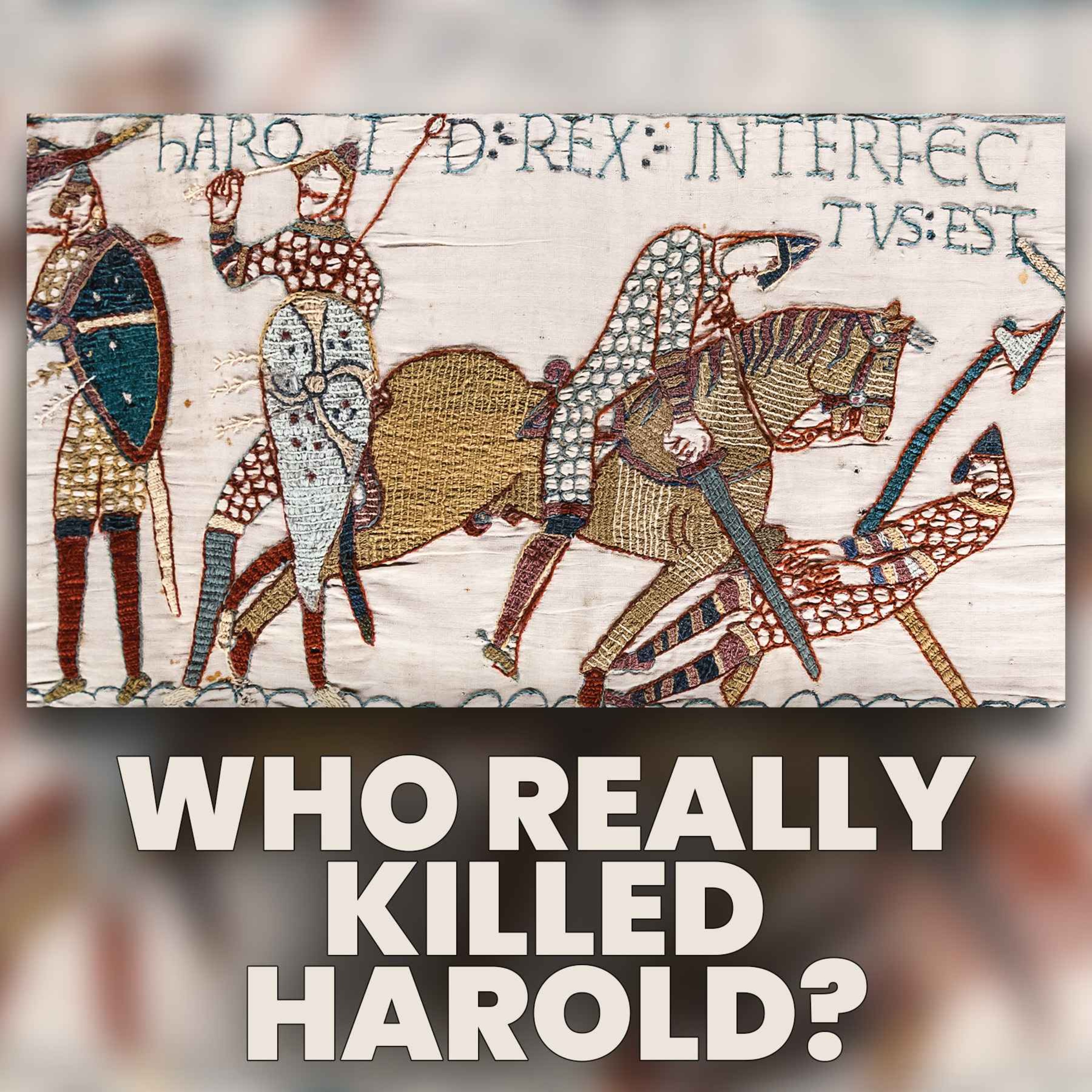
Why are a million people about to queue at the British Museum for a strip of embroidered linen? What if the most famous picture of 1066 isn't a tapestry, was probably stitched in England, and treats the losing king as a hero? And, if the arrow in Harold's eye was stitched back in by 19th-century restorers, how sure are we of the one thing everyone knows about 1066? With the Bayeux Tapestry in Britain for the first time in nearly a thousand years, Peter Frankopan and Afua Hirsch sit down with Sue Brunning, the British Museum curator who helped bring it here and waved Sutton Hoo off to France in exchange. Sue takes them through the bishop who probably paid for it and gave himself a starring role, the English women who likely stitched it, and a Harold who looks nothing like a villain. Then come six women in 68 metres, three of them naked; a cleric, a woman called Ælfgyva and a slap nobody can explain; and a battle sequence brutal enough to send visitors out shaken. And then there's the arrow. Join Legacy Plus for bonus episodes, early access, Q&A's, fewer adverts and more. legacy.supportingcast.fm [0:00] 68 metres of linen, home after nearly a thousand years [3:33] From a Sandhurst summit to Bloomsbury, with Sutton Hoo sent the other way [7:53] Why it isn't a tapestry, and why 1066 changed everything [11:55] Harold the hero, hauling Normans out of the quicksand [13:14] Bishop Odo, Canterbury and the women with the needles [17:39] Six women, three naked, and a slap nobody can explain [21:43] The battle that leaves visitors shaken [26:44] Restorers, fading dyes and the arrow in Harold's eye Stay connected with Legacy: Instagram: @originallegacypodcast TikTok: @legacy_productions Explore more from Peter and Afua — essays, sources, and ideas: Substack: peterfrankopan.substack.com | afuahirsch.substack.com Join Legacy+ for bonus episodes, early access, Q&A's, fewer adverts and more. legacy.supportingcast.fm Stay connected with Legacy: Instagram: @originallegacypodcast TikTok: @legacy_productions Explore more from Peter and Afua — essays, sources, and ideas: Substack: peterfrankopan.substack.com | afuahirsch.substack.com Hosted on Acast. See acast.com/privacy for more information.

40 minPlay in:

Thu3Sep
Legacy

Marie FavereauGuest

Inbox: Genghis Khan and the Empire We Got Wrong | Marie Favereau

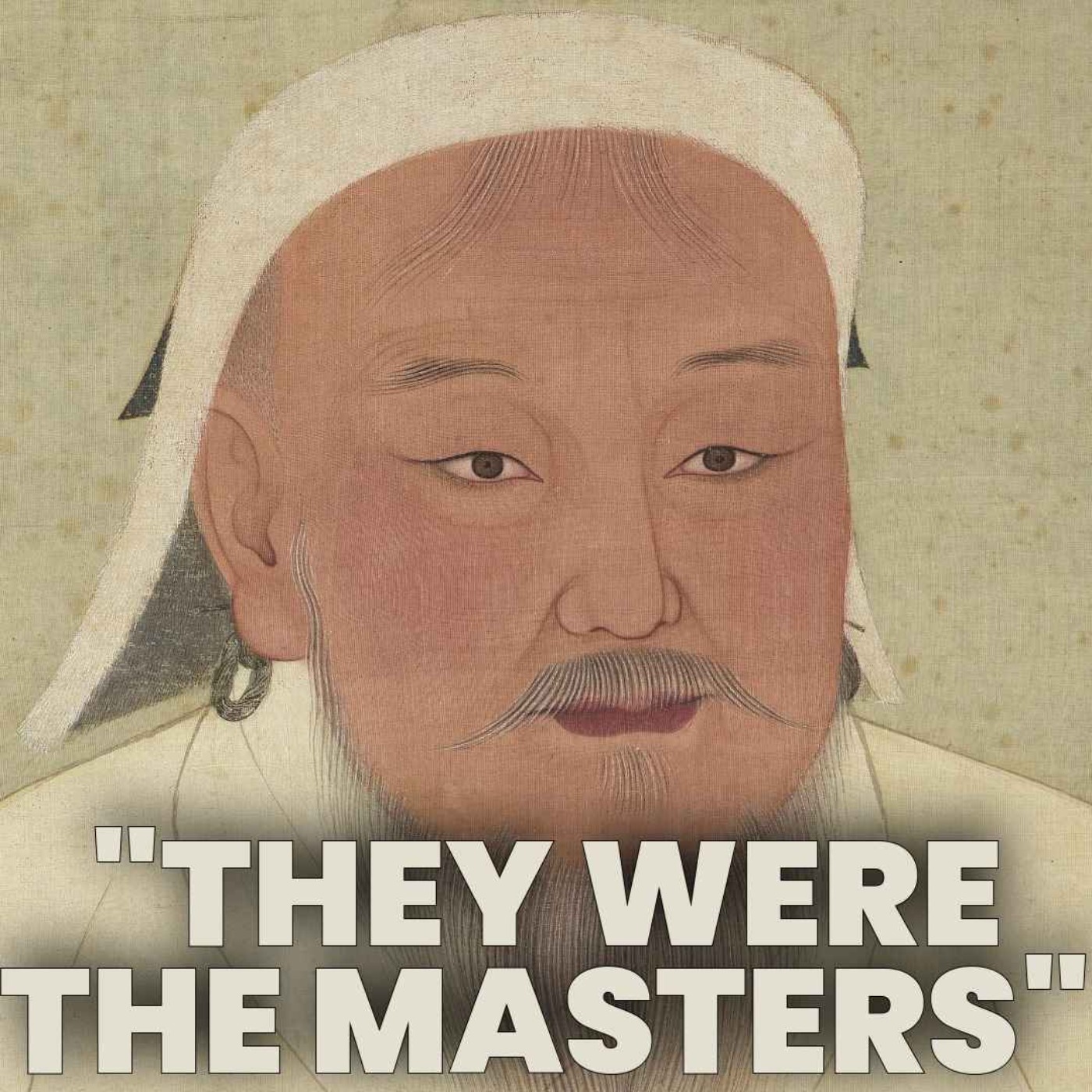
Who taught you that the Mongols only destroyed things? What if the empire that sacked Baghdad also invented blue and white porcelain, elected its leaders, and let the Khan's first wife decide on war? And why do the Mongols still have a worse reputation than any other empire in history — including the ones that lasted longer and killed more? In this Legacy Inbox episode, Peter is joined by Marie Favereau, one of the world's leading historians of the Mongol Empire, whose work has done more than anyone's to dismantle the story of a bloodthirsty wave that destroyed everything in front of it. A small group of nomads from what is now Mongolia — probably fewer than a million people — reached Central Europe within sixty years. They did it partly by fighting in winter, when everyone else went home, and by bringing their families and their herds with them so they never had to depend on the villages they passed through. Then they stopped conquering and started building: cities, workshops, tax systems, religious debates at court, and a trade network running from Korea to the Mediterranean. Marie Favereau is co-curator of Genghis Khan: How the Mongols Changed the World, at the Royal Armouries in Leeds until 1 November — almost 250 objects out of Mongolia, most of which have never left the country before. Join Legacy Plus for bonus episodes, early access, Q&A's, fewer adverts and more. legacy.supportingcast.fm [0:00] Peter introduces Marie Favereau, and the 248 objects that have just landed in Leeds [5:48] Ridden, eaten, milked, worn — why everything starts with the horse [9:47] Khans are elected, can be deposed, and the senior wife decides on trade, diplomacy and war [13:22] "If you just build your empire on the family, you have a dead-born empire" [16:44] Blue and white porcelain turns out to be a Mongol invention [36:12] Why the Mongols get a worse press than any empire that came after them Genghis Khan: How the Mongols Changed the World runs at the Royal Armouries Museum, Leeds, until 1 November 2026. Adults £9, concessions £7, under-16s free. Co-curated by Marie Favereau and Natasha Bennett. royalarmouries.org/leeds/whats-on/genghis-khan Marie Favereau's book The Horde: How the Mongols Changed the World is published by Harvard University Press. Stay connected with Legacy: Instagram: @originallegacypodcast TikTok: @legacy_productions Explore more from Peter and Afua — essays, sources, and ideas: Substack: peterfrankopan.substack.com | afuahirsch.substack.com Join Legacy+ for bonus episodes, early access, Q&A's, fewer adverts and more. legacy.supportingcast.fm Stay connected with Legacy: Instagram: @originallegacypodcast TikTok: @legacy_productions Explore more from Peter and Afua — essays, sources, and ideas: Substack: peterfrankopan.substack.com | afuahirsch.substack.com Hosted on Acast. See acast.com/privacy for more information.
42 minPlay in:

Thu13Aug
Legacy

Arwa OmarenCharlotte EagarWilliam StirlingGuest

Inbox: Hecuba, Exile and Coming Home | Arwa Omaren

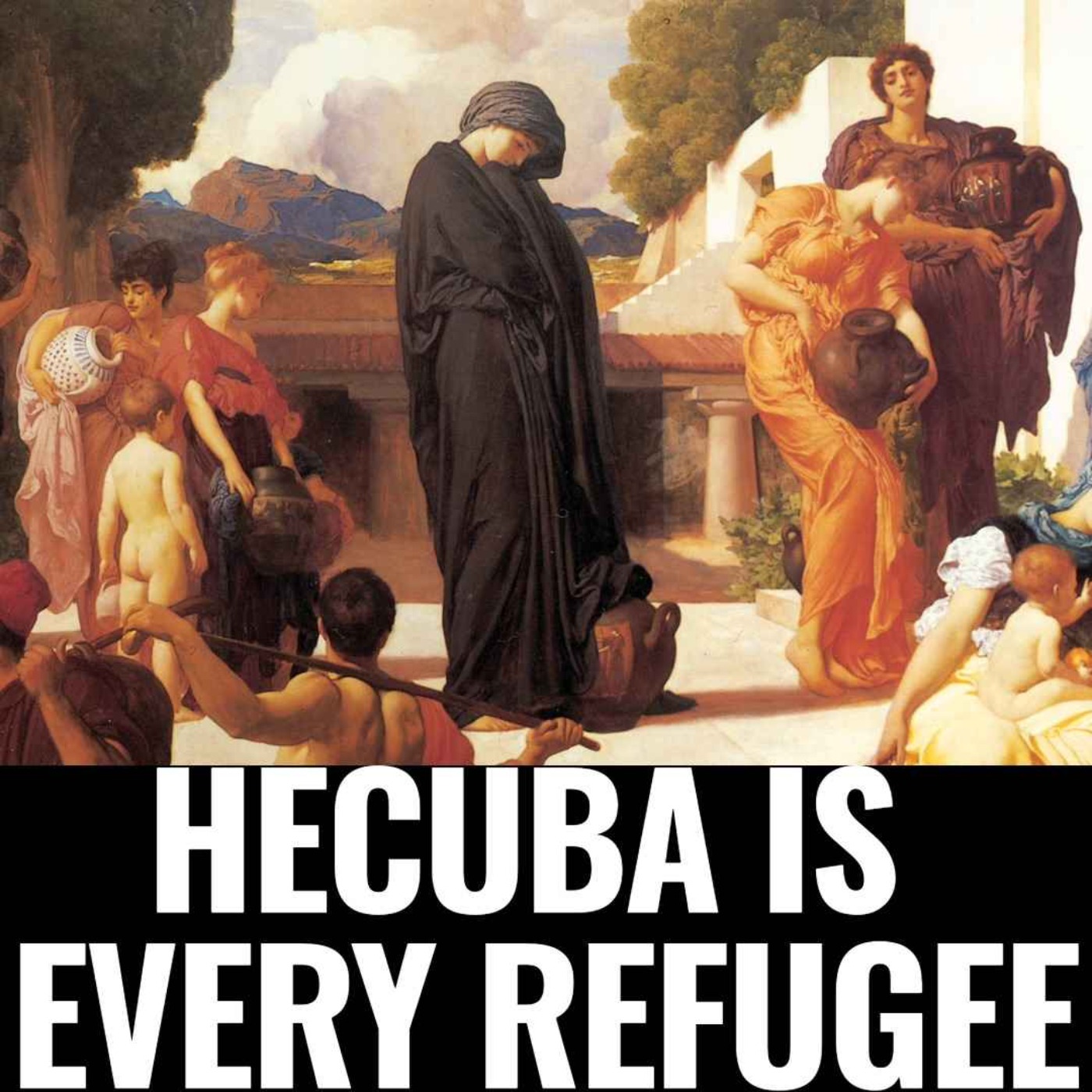
What happens to a person when the country they were born in decides they were never really from there? What does a play about the women of a sacked city, written 2,400 years ago, have to say to an actress walking out of Syria on foot? And how do you stand on a stage in Edinburgh and make an audience laugh about the worst thing that ever happened to you? At the Edinburgh Fringe, Peter Frankopan meets Arwa Omaren, whose one-woman show sets her own escape from Syria inside the story of Hecuba, Queen of Troy — along with William Stirling and Charlotte Eagar, who have spent a decade staging Euripides with refugees. Arwa Omaren found out she was a refugee at twelve, in a playground fight in Damascus. She graduated top of her class from Syria's leading drama school in 2011, signed a television contract, and then the war took all of it. She walked for five weeks through the mountains of Kurdistan. Britain granted her asylum, then she was evicted, and she slept on the street with her dog. Hecuba: Why Am I In Your Country? is what she made of it. Euripides wrote the first play about refugees in 415 BC, the year after Athens massacred the people of Melos. Twenty-four centuries later it is still the play that fits. Hecuba: Why Am I In Your Country? runs at the Gilded Balloon Teviot, Edinburgh Fringe, until 31 August: edfringe.com More on the Trojan Women Project: trojanwomenproject.org Peter has written about the play at peterfrankopan.substack.com Join Legacy Plus for bonus episodes, early access, Q&A's, fewer adverts and more. legacy.supportingcast.fm [0:00] Peter at the Fringe, and a performance he could not stop thinking about [3:23] Oxfam, 2013, and the Greek tragedy that turned out to be about refugees [9:50] Who Hecuba is, and why a queen reduced to nothing is the right story for now [16:18] A playground fight in Damascus, and the day Arwa found out she was a refugee [17:24] Five weeks walking, and the paperwork that told her she belonged nowhere [33:13] Jacko: the dog she left behind in Syria, and the charity that brought him back Stay connected with Legacy: Instagram: @originallegacypodcast TikTok: @legacy_productions Explore more from Peter and Afua — essays, sources, and ideas: Substack: peterfrankopan.substack.com | afuahirsch.substack.com Join Legacy+ for bonus episodes, early access, Q&A's, fewer adverts and more. legacy.supportingcast.fm Stay connected with Legacy: Instagram: @originallegacypodcast TikTok: @legacy_productions Explore more from Peter and Afua — essays, sources, and ideas: Substack: peterfrankopan.substack.com | afuahirsch.substack.com Hosted on Acast. See acast.com/privacy for more information.
40 minPlay in:

Thu6Aug
Legacy

Karim ZidanGuest

Inbox: Why Dictators Love the World Cup | Feat. Karim Zidan

Why does every dictator, sooner or later, want to host the World Cup? What did a military junta that never wanted the tournament discover once the goals started going in? And when a hundred thousand people are dancing in the street, who is that actually working for? Peter Frankopan sits down with investigative journalist Karim Zidan, who has spent a decade tracking how autocrats turn football into propaganda — and who found his own way into the story as a teenager being dragged out of a stand by Egyptian riot police. Mussolini wrote the blueprint in 1934 and nobody has much improved on it since: host the tournament, invest in the team, let the collective joy do the rest. Videla's junta inherited a World Cup it didn't want and got away with it. Putin raised the pension age while Russia were in the quarter-finals. Qatar ended a Gulf blockade without conceding a thing. Zidan's argument isn't that you should stop watching. It's that escapism and willful ignorance are not the same thing — and that the people buying your club are not your friends. Karim Zidan's podcast series Power Plays, presented by the Human Rights Foundation, is at powerplays.xyz. His newsletter is at sportspolitika.news. Join Legacy Plus for bonus episodes, early access, Q&A's, fewer adverts and more. legacy.supportingcast.fm [0:00] Why the world's game keeps ending up in the hands of people who don't much like the world [4:14] Cairo, 2007: a teenager in the Ultras section watches the police move in [8:36] Mussolini's blueprint, and why he preferred boxing to football [15:33] Argentina 1978: the junta that inherited a World Cup it never wanted [26:19] "A monstrous, cancerous, corrupt patronage system" — Zidan on FIFA [35:24] A message for Newcastle fans, and everyone else who welcomed the money in Stay connected with Legacy: Instagram: @originallegacypodcast TikTok: @legacy_productions Explore more from Peter and Afua — essays, sources, and ideas: Substack: peterfrankopan.substack.com | afuahirsch.substack.com Join Legacy+ for bonus episodes, early access, Q&A's, fewer adverts and more. legacy.supportingcast.fm Stay connected with Legacy: Instagram: @originallegacypodcast TikTok: @legacy_productions Explore more from Peter and Afua — essays, sources, and ideas: Substack: peterfrankopan.substack.com | afuahirsch.substack.com Hosted on Acast. See acast.com/privacy for more information.
39 minPlay in:

Guests from more than 12 months ago are part of Pro. See plans