Do26Nov
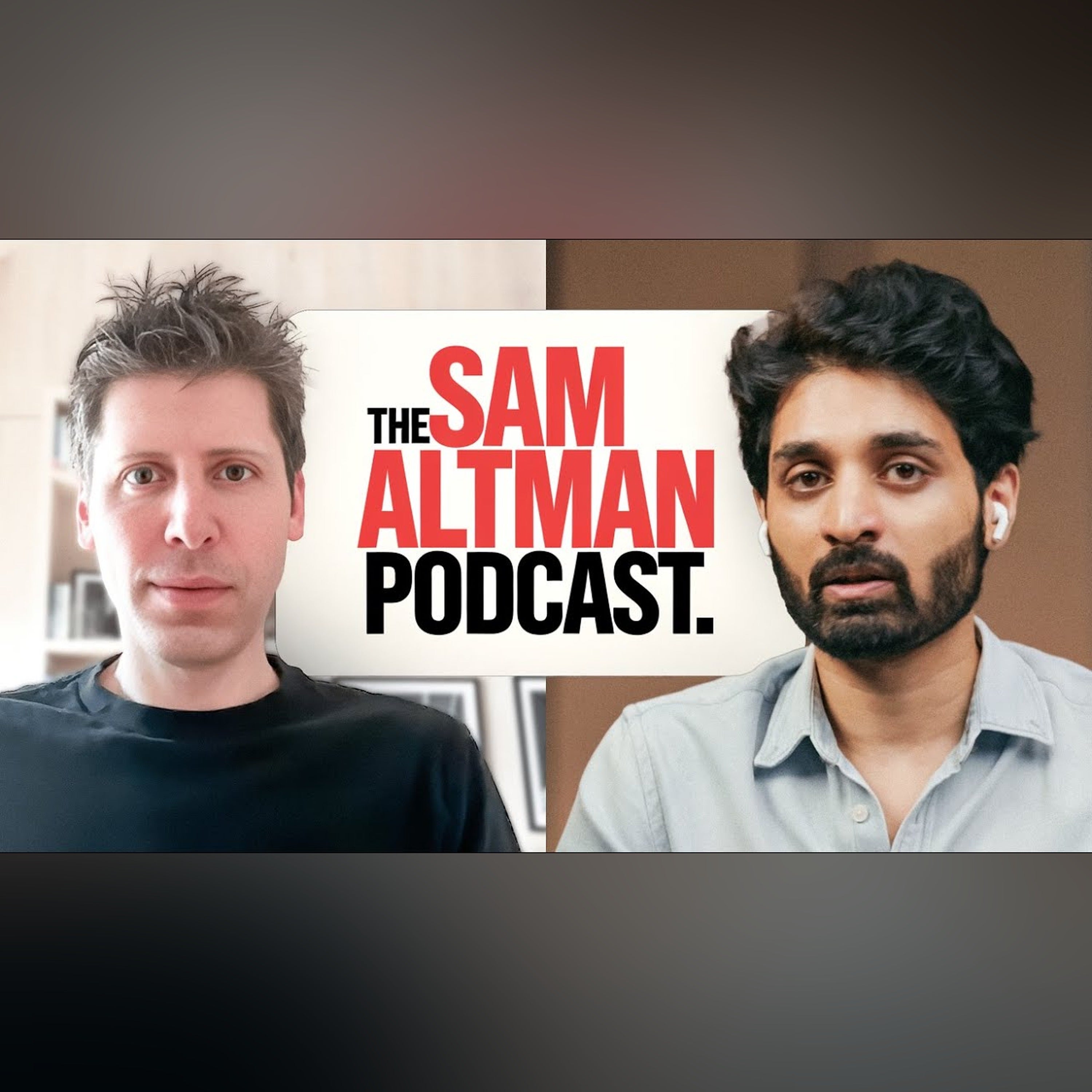

Sam AltmanGast
Sam Altman On Miyazaki’s thoughts on art, Design Jobs, Indian AI, Is Prompt Engineering A Job?
Discusses India's AI adoption, image generation tools, creative jobs, prompt engineering, and the future of work.
Varun Mayya hatte in den letzten 12 Monaten 13 bestätigte Gäste in 12 Folgen. Zuletzt: Sam Altman, 26. Nov. 2026.
Science and business follow the same principles and are practically the same thing - you experiment, you observe, you make conclusions, and you repeat. I help entrepreneurs build software, content, small companies, and freelancing careers with actionable advice. I try my best to distill new developments in technology…
Sam AltmanGast
Discusses India's AI adoption, image generation tools, creative jobs, prompt engineering, and the future of work.
 TP
Tanay PratapGast
Sub to tanay on YT: https://www.youtube.com/channel/UCNFmBuclxQPe57orKiQbyfA Uploaded 28-07-19 Learn more about your ad choices. Visit megaphone.fm/adchoices Learn more about your ad choices. Visit megaphone.fm/adchoices
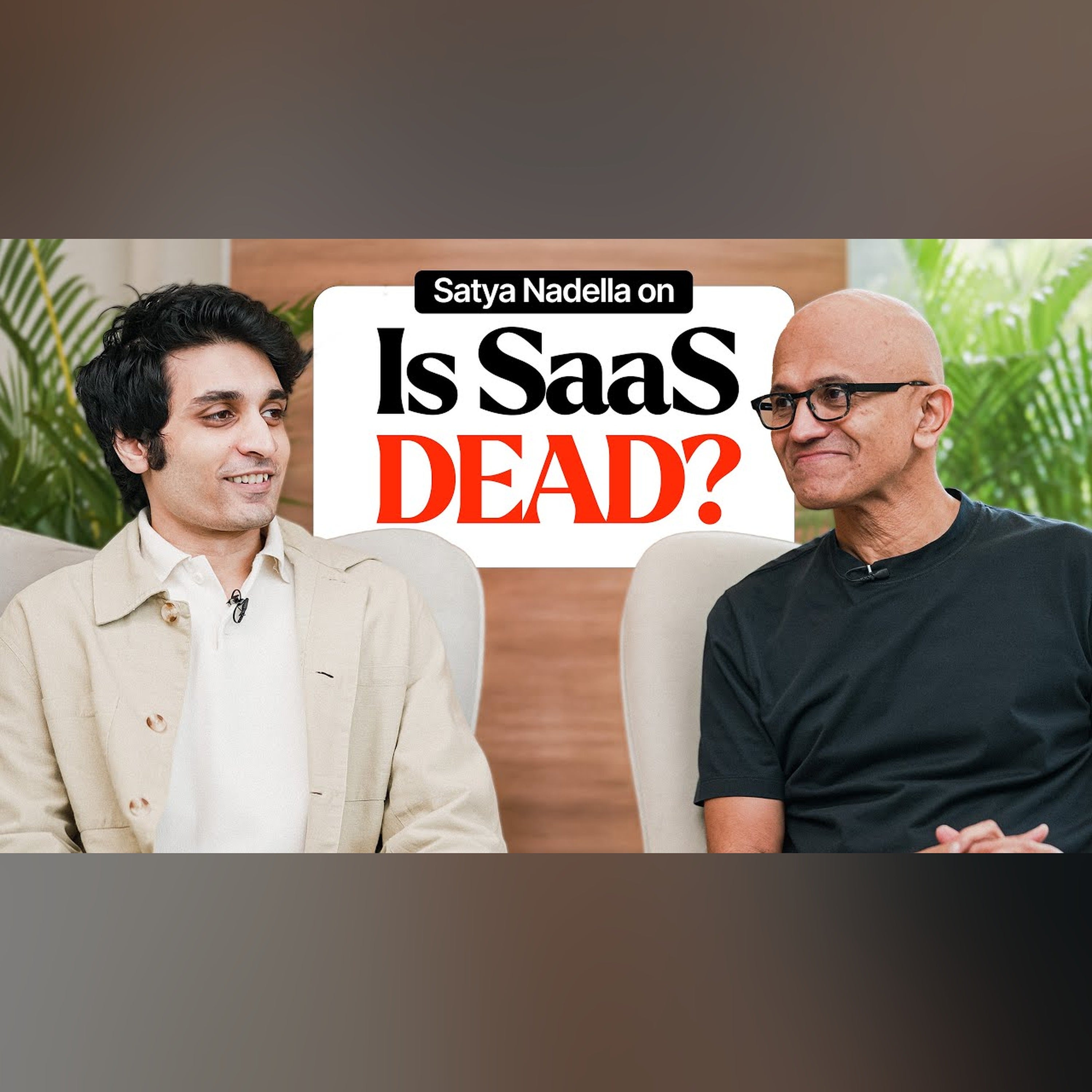

Satya NadellaGast
Just had an incredible conversation with Satya Nadella! From the future of SaaS to AI agents reshaping business, we covered so much ground. Some fascinating insights on India's role in the AI revolution, career advice for young engineers, and where technology is headed. Uploaded 13-01-25 If you are a brand looking for a collaboration, please email us at teamvarunmayya@gmail.com. 00:00 - Is SaaS Dead? 03:30 - India's Competitiveness 06:00 - Career Advice For 25-Year-Olds 08:04 - Future Technology Trends 09:20 - Legacy Businesses And AI Adoption 11:01 - Conclusion Learn more about your ad choices. Visit megaphone.fm/adchoices Learn more about your ad choices. Visit megaphone.fm/adchoices
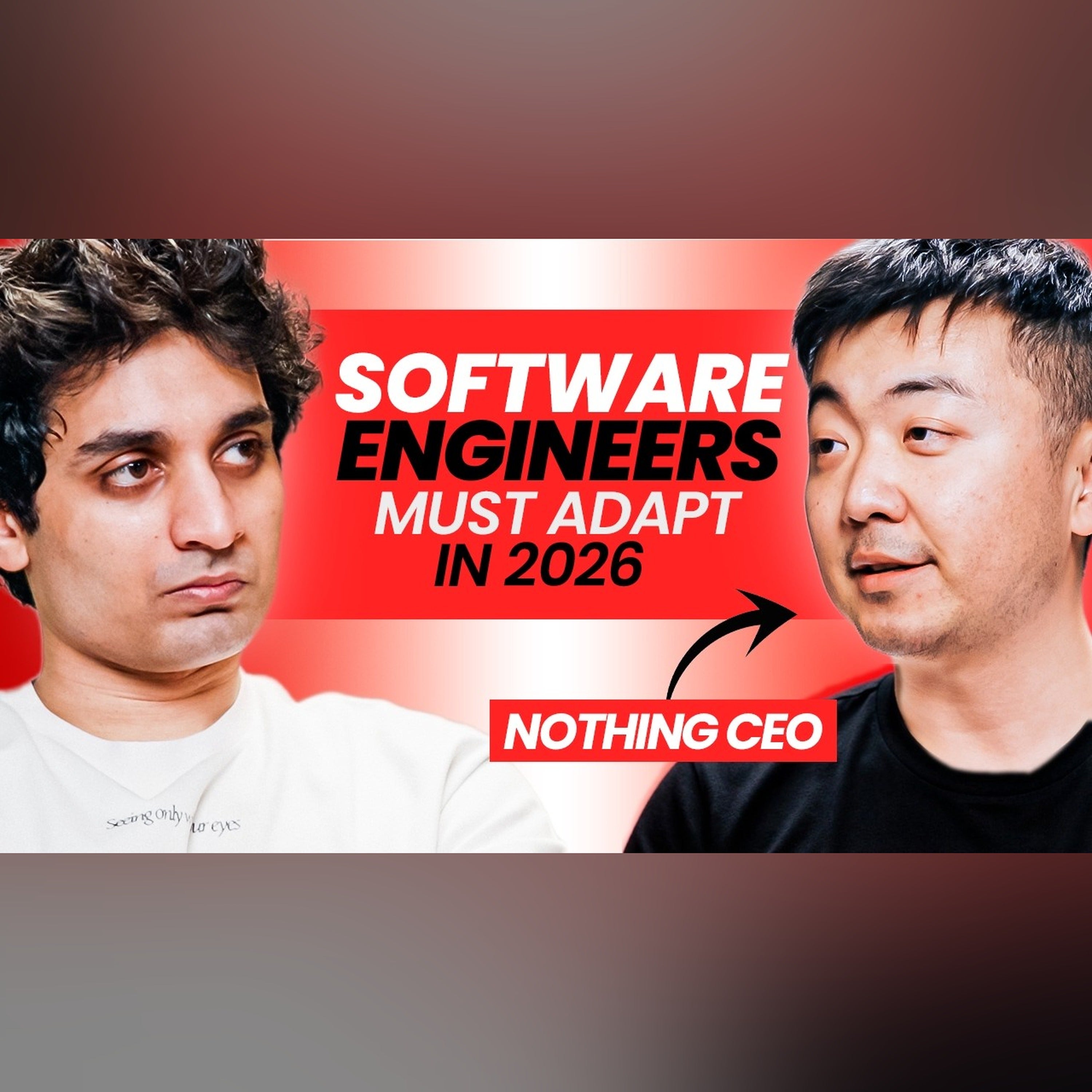

Carl PeiGast
In this conversation, we sit down with Carl Pei, founder of Nothing, to talk about how he built a phone company from scratch in a hypercompetitive market like India. We get into how Nothing stood out not by having the biggest budget but by noticing a simple thing: all the big brands were trying to sell to everyone, which meant nobody was really selling to anyone specific. Uploaded 21-03-26 We then go deep on how a phone actually gets made, from deciding what the product stands for to managing hundreds of supplier relationships, keeping cash from getting stuck in inventory, and shipping on time when delays cost millions. Carl also talks about where Nothing is headed with AI, what Essential Apps is really pointing toward, and why he thinks the entire idea of an operating system is going to change completely within the next few years. We then wrap up by talking about people and culture, why Carl brought everyone back to the office five days a week, what that did to the quality of hiring, and what he thinks the next few years mean for software engineers who are not actively paying attention. If you’re someone who wants to understand how a hardware startup actually competes, how Carl thinks about building for the long term, and where phones and AI are headed, this episode is absolutely worth your time. 00:00 – Introduction 02:16 – Breaking into a commodity market 05:08 – How Nothing plans to be uncopyable 06:25 – Beyond vibe coding 07:50 – The way we build software has changed 09:25 – The process of phone manufacturing 15:04 – Distribution strategy 21:50 – Why Nothing opened a physical store 25:32 – Nothing's content playbook 29:34 – First hires are never your best hires 35:27 – Carl Pei's learnings 41:19 – The OS that makes apps obsolete 46:50 – Closing Thoughts Learn more about your ad choices. Visit megaphone.fm/adchoices Learn more about your ad choices. Visit megaphone.fm/adchoices
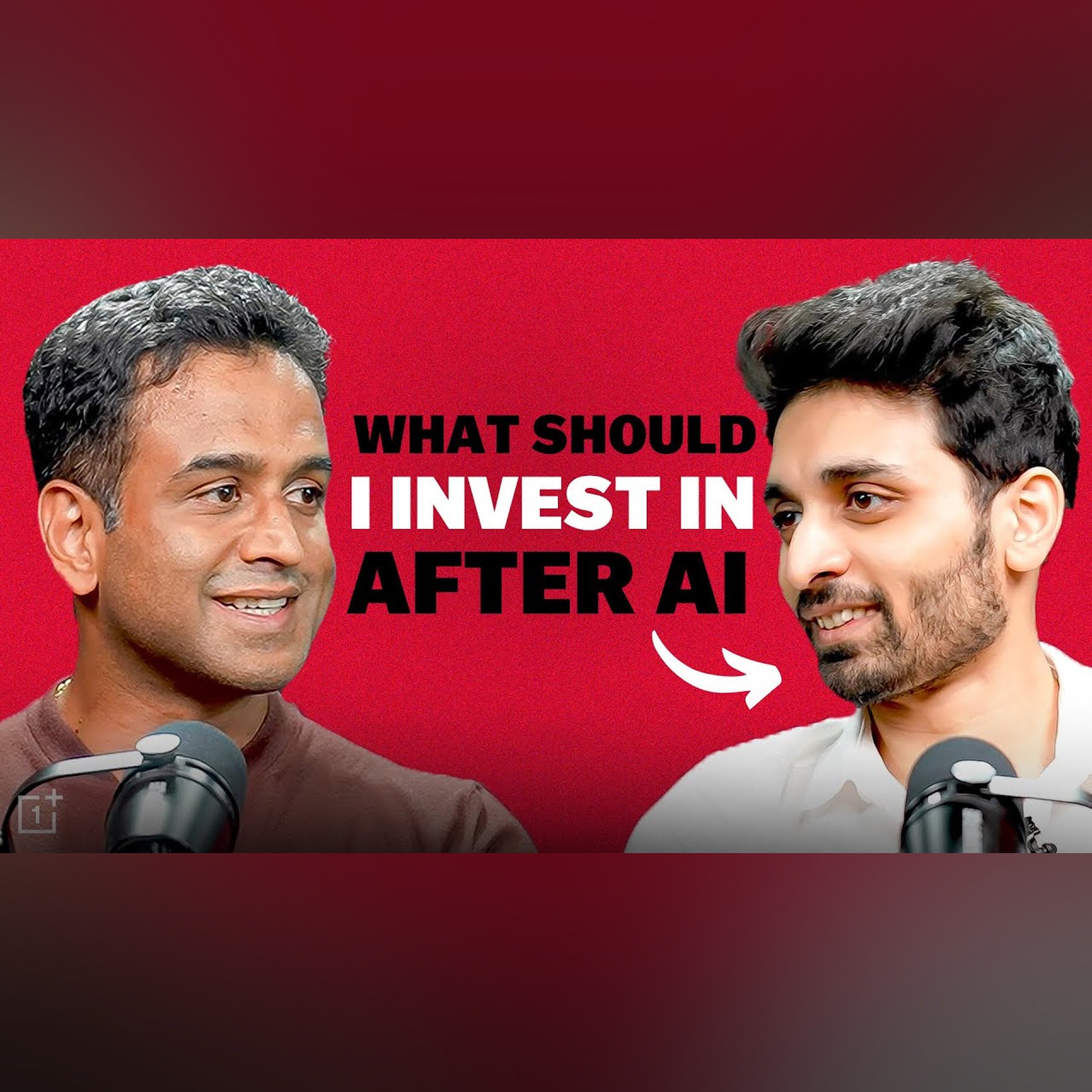 NK
Nithin KamathGast
I'm Varun, and this is a show where we talk about the future of tech, entertainment and business. Uploaded 21-12-23 Today, we're thrilled to have Nithin Kamath with us. He's the Founder and CEO of Zerodha and, as per Forbes, is valued at over $2.7 billion. Beyond running a successful fintech company, Nithin supports startups through Rainmatter and contributes to social causes with the Rainmatter Foundation. Nithin is not just a successful entrepreneur; he's a passionate trader who started his journey in the stock market at 17. He's also a family man who enjoys playing guitar, singing, and working out. Today, we're eager to get his insights on where the world of finance and technology is heading. We'll discuss how the financial sector is changing, the impact of AI, and how these shifts affect our investment choices. Checkout https://www.oneplus.in/open 00:00 - Highlights 00:30 - Introduction 01:27 - Financial Influencers and SEBI Regulations 06:04 - Challenges in Controlling Scams and Efforts to Warn Customers about Stock Manipulations 08:18 - Nithin Explains a ₹4 Crore Scam and the Scale of Financial Scams Today 09:35 - Concerns Regarding the Use of AI to Cheat Verification Systems 12:06 - Reasons Behind Zerodha's Emphasis on Content 17:50 - What Distinguishes Nikhil Kamath's Content 19:15 - Challenges in Content Creation 19:29 - Nithin's Top 3 Podcast Recommendations 19:50 - Information Overload and the Creative Burden 20:15 - Challenges Faced by Public Figures due to Increasing Fame and the Difficulty in Being Outspoken 25:55 - Overview of AI Progress, the Potential Emergence of AGI, and Its Effects 28:51 - Inflation in Real Estate Pricing in India and the Viability of Real Estate as an Investment 32:16 - Gold as a Potential Investment in Uncertain Environments 32:50 - Corporate Adoption of AI Driving Efficiency Gains and Its Effects 33:55 - Structural Advantages that Keep India Growing and India's Global Brand 34:43 - Zerodha's Business Interest in NRI as a Potential Target Market 35:12 - Discrimination/Racism Towards Indians and Immigrants in the US and Europe Due to Nationalism 36:00 - Zerodha's Help in Financialization of India 36:52 - Why India Needs the Culture of Indians Investing in Entrepreneurs 38:26 - Nithin's Views on UBI and Public Goods in a Post-AGI World 39:45 - Nithin's Views on Inheritance Tax 41:55 - Math on Funding UBI 42:15 - Personal Plans Around Passions, Family Time, Continued Startup Participation 42:58 - Experimentation by Social Sector to Inform Government Policy and Decision Making 43:30 - Limitations of Philanthropy Relative to Government Spending 44:00 - Observations on Excessive Startup Valuations and Founder Incentives 44:58 - Nithin's Recommendation and Lessons for Founders 52:10 - Responsibility for Investor Community Beyond Just Founders 53:25 - Media Enjoys Scandal Over Success Stories 54:24 - Zerodha's Strategy on Advertising 55:55 - Zerodha's Advantages Over Competition 57:25 - Zerodha's Philosophy and Stance 58:12 - Zerodha's Competitive Moat and Superpower 58:30 - Enhanced Customer Orientation from Absence of Customer Acquisition Expenses 59:51 - End Notes and Gifting Nithin a OnePlus Open 1:00:37 - Outro Learn more about your ad choices. Visit megaphone.fm/adchoices Learn more about your ad choices. Visit megaphone.fm/adchoices
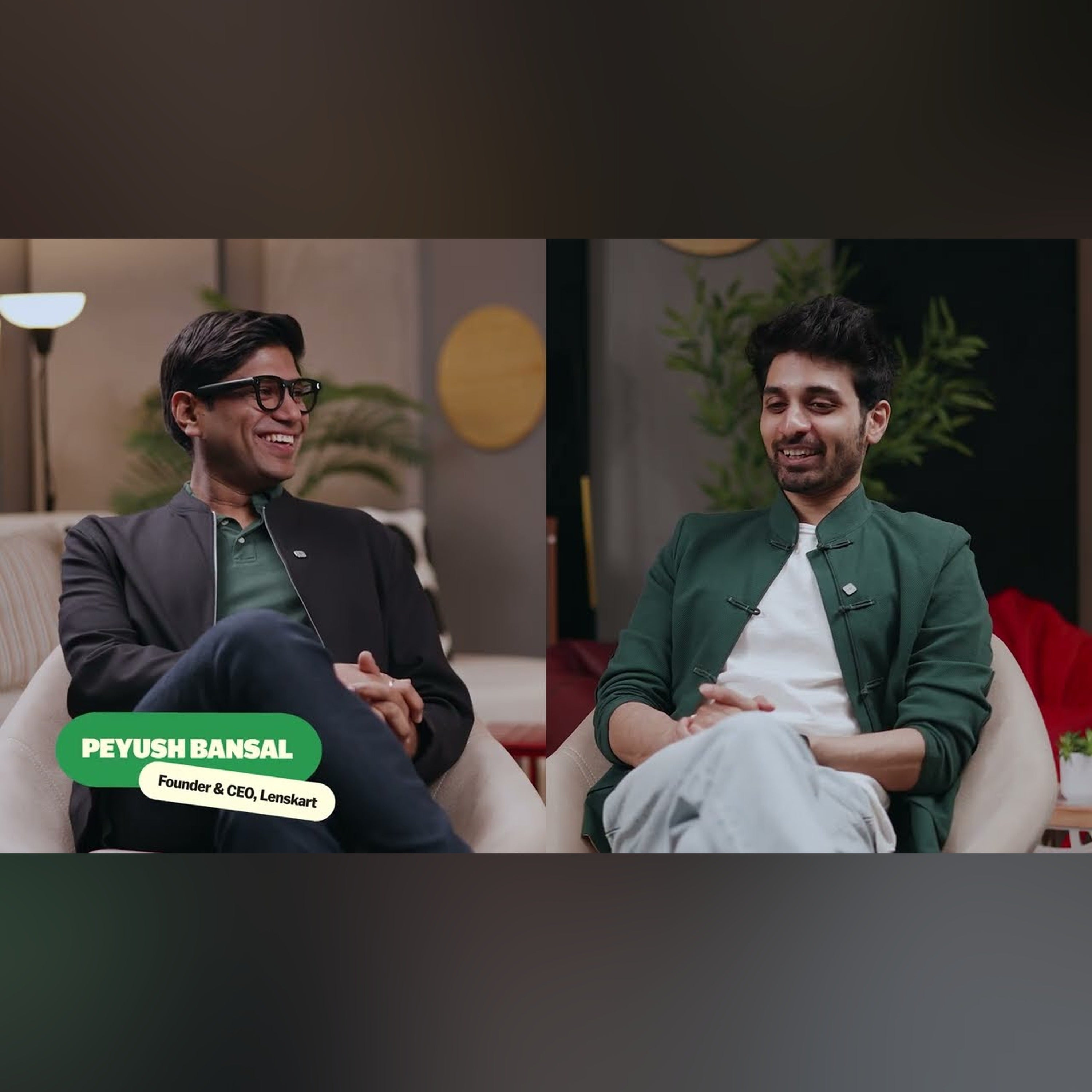 PB
Peyush BansalGast
In this episode, Peyush Bansal sits down to talk about Lenskart’s IPO, the debate around its valuation, and why he believes the company has been priced fairly despite market chatter. He explains how Lenskart’s profitability, strong unit economics, and sustained growth make it stand apart from most consumer tech listings that were still loss-making when they went public. Uploaded 02-11-25 We then get into how the company grew from a small tech-led eyewear startup into a global brand through vertical integration, manufacturing, and customer obsession. Peyush also discusses the next frontier, smart glasses, built in partnership with Qualcomm, and how India could lead this new form factor by developing full-stack hardware and software locally. The conversation then goes beyond business metrics to explore his Shark Tank experience, lessons in scaling culture, counterintuitive insights on Indian consumers, and how he stays grounded amid success, criticism, and the chaos of IPO day. 00:00 - Intro 00:52 - IPO Launch Day Experience 02:18 - The Valuation Debate 08:22 - Shark Tank Impact 09:48 - Lenskart Origin Story 13:49 - Evolution from Startup to Global Company 16:38 - Smart Glasses and Future of Computing 25:29 - The Road to Profitability 29:05 - Post-IPO Team Motivation 32:37 - Counter-Intuitive Consumer Insights 38:04 - Dealing with Success and Criticism Learn more about your ad choices. Visit megaphone.fm/adchoices Learn more about your ad choices. Visit megaphone.fm/adchoices


Demis HassabisGovindan RangarajanGast
I was honoured to sit down with Demis Hassabis, co-founder and CEO of Google DeepMind, and Prof. Govindan Rangarajan, Director of IISc, to discuss how breakthroughs like AlphaFold could accelerate medicine, healthcare, and scientific progress in India. Uploaded 19-02-26 We then go deeper into a harder question: scientific taste. What helps great scientists choose the right problems, and why intuition and curiosity are still so difficult for machines to replicate. We also touch on mentorship, experimentation, and why the future belongs to people who can connect ideas across disciplines rather than staying inside silos. Finally, we zoom out to discuss bigger shifts like AGI, robotics, and AI in the physical world, and what all of this means for engineers, students, and India’s role in global tech. 00:00 Introduction and Audience Welcome 01:33 AlphaFold's Impact on India 03:17 How to Build Scientific Taste 07:04 The Future of Medical AI 09:40 AI and Gaming's New Golden Era 13:50 How to Be a Polymath 20:14 Demis Hassabis on AGI 22:50 Balancing Google's Commercial Pressure vs DeepMind's Research 25:00 The Future of Indian Engineers in the Age of AI 28:30 The Next Big AI Breakthrough 30:44 Should AI Replace or Complement Human Intelligence? 34:35 Demis Hassabis on Learning to Learn 35:32 Memory in LLMs vs Human Memory 39:05 Closing Thoughts Learn more about your ad choices. Visit megaphone.fm/adchoices Learn more about your ad choices. Visit megaphone.fm/adchoices
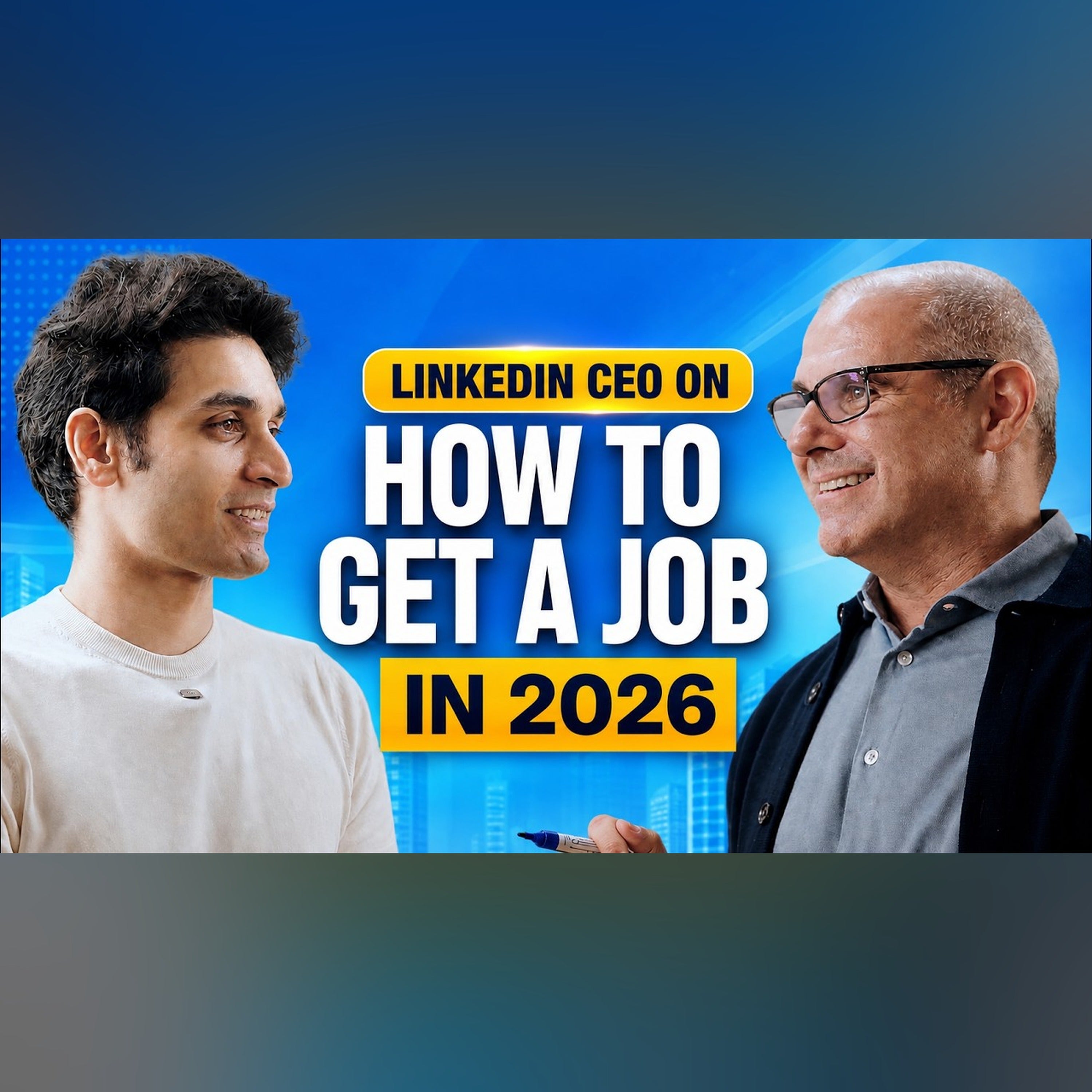 DS
Daniel ShaperoGast
In this conversation, I sat down with Daniel Shapero, CEO of LinkedIn, and got him to reverse engineer his entire career on a whiteboard. Yes, a whiteboard where he walks us through starting a company as a math student back in 1998, watching three startups collapse one after another, getting an MBA to regroup, spending four years at Bain doing due diligence on companies for private equity deals, and then landing at LinkedIn almost by luck, where he built a sales org from just himself to a team of 1,500 people before working his way up to COO and eventually CEO. Uploaded 30-08-26 The whiteboard session also gets into the skills he didn't have at every stage, the people who took a bet on him when it mattered, and the decisions that looked reckless at the time but ended up defining his career. We then get into where jobs are actually headed with AI. What should a 22 year old in India be doing right now. Which roles are quietly disappearing. Why entrepreneurship, healthcare, and data center jobs are booming while old-school skill sets are getting wiped out fast. Daniel pushes back on the "AI is cheating" mindset some people online have, explains why real skill still beats knowing how to prompt, gives advice to someone in their 40s who feels like they're falling behind, and talks about where LinkedIn is headed with video, short-form content, and paying creators directly. 00:00 Highlights 00:59 Reverse-Engineering the LinkedIn CEO’s Career 14:23 Becoming CEO After 18 Years at LinkedIn 16:28 What Changes When You Go from COO to CEO? 19:41 What Should a 22-Year-Old in India Do in the AI Era? 21:21 Which Industries Are Growing in India? 24:20 Does a College Degree Still Matter? 27:23 How LinkedIn Is Adapting to New AI-Era Jobs 29:08 Open to Work and the Changing Culture of Employment 31:31 How LinkedIn Makes Money and Why India Matters 33:10 How AI Agents Are Changing Job Applications and Hiring 36:33 Which Jobs Are Growing and Which Are Fading? 41:49 Are Colleges Leaving Graduates Behind on AI? 44:43 LinkedIn’s Strategy for Creators and Video 49:26 Closing Thoughts Learn more about your ad choices. Visit megaphone.fm/adchoices Learn more about your ad choices. Visit megaphone.fm/adchoices
 SN
Shantanu NarayenGast
Have you ever wondered what the secret to Adobe’s longevity is? Why Photoshop still dominates even though dozens of tech trends have come and go? Or maybe if you’ve ever been interested in knowing how CEOs manage their time? Uploaded 23-05-25 In this video, I sit with Adobe Global Chair and CEO Shantanu Narayen to discover it all. We talk about Adobe’s longevity, how they’ve built tools that stay relevant across generations, and how generative AI might not replace creativity but amplify it. We also dig into Shantanu’s unconventional career path—from wanting to be a journalist to leading one of the world’s most iconic creative software companies. He shares how early setbacks shaped his leadership, how focusing on product (not politics) ultimately made the difference, and what he focuses on now as CEO. And finally, we look at the future: why India’s next big opportunity might not be IT, but creativity. And what it’ll take to unlock it at scale. If you care about design, product-strategies, leadership, or the future of creativity, this video is meant for you. 00:00 – Highlights 01:12 – Introduction 01:32 – Adobe Longevity and Photoshop’s Success 03:21 – Product Strategy: Desktop, Cloud and Mobile 05:05 – Shantanu Narayen’s Career Path to CEO 09:45 – Generative AI and Creativity in India 13:14 – Education and Creative Opportunity in India 15:54 – Balancing AI and Intellectual Property Rights 21:54 – CEO Time Management and Leadership 27:14 – Adobe India Team and Innovation 28:59 – Accessibility and Educational Outreach Learn more about your ad choices. Visit megaphone.fm/adchoices Learn more about your ad choices. Visit megaphone.fm/adchoices
 AK
Ajitesh KurupuluGast
In the age of digital abundance, where code, content, and even labour can be automated using AI… what’s left for humans that’s truly scarce? Land. Uploaded 23-06-25 In this episode, we sit down with Ajitesh Kurupulu, second-generation real estate developer and founder of ASBL, to explore why real estate might become the backbone of the post-AI economy. We talk about how as white-collar jobs get automated and robotics threaten blue-collar jobs, real estate might become one of the few asset classes AI can’t replicate or replace. We also challenge some of the loudest financial advices out there “Is renting really smarter than buying? What do billionaires understand about land that influencers miss? And why is Indian real estate still so chaotic despite decades of reform?” We then get into why GenZ can’t afford houses and what they can do about it, how to evaluate real estate using public data and AI tools, the myth of endless stock market growth vs. land appreciation, and why consistent policy (not just ambition) builds real cities. If you’re someone in their 20s interested in the post-AI world, and how to prepare yourself for the shift… this podcast is for you. 00:00 - Intro 01:00 - Automation, Jobs, and Land as the Ultimate Asset 04:51 - Ajitesh’s Background and Entry into Real Estate 10:08 - Buying vs. Renting Real Estate 15:54 - Understanding Real Estate Investment Math 21:55 - Investment Strategy in an Automated World 25:18 - Costs and Realities of Urban vs. Rural Land 28:29 - Predicting Land Prices with Urban Economics 31:07 - Growth Potential of North Bangalore 38:57 - Importance of Real Estate Aesthetics 46:44 - Contrarian Insight: "Don't Buy Land" 48:58 - ASBL’s Operations and Expansion Goals 50:40 - Hyderabad vs. Bangalore Real Estate Comparison Learn more about your ad choices. Visit megaphone.fm/adchoices Learn more about your ad choices. Visit megaphone.fm/adchoices
 TB
Tanmay BhatGast
I'm Varun, and this is a show where we get really deep about the future of tech, entertainment and business. While other podcasts scratch the surface, I think it is important to meet the best people in their fields and go much deeper. Today, we're kicking things off with someone who's at the apex of creating content – Tanmay Bhat. You've seen him everywhere, from cracking jokes online to streaming video games to playing around with AI tools. But today, I don’t want to talk about AI at all. I want to talk about this new age of content. Today’s conversation is going to be a masterclass on how to ace making video content. I’ve learned some of this myself from Tanmay, so it only makes sense that I dive deeper with him and share it for you. Let’s democratize this knowledge. Uploaded 17-12-23 Also a big shout out to The Hub Bengaluru for the studio space. Check them out here: https://g.co/kgs/NmZD8o 00:00 - Highlights 0:43 - Intro 2:14 - Tanmay's Content Journey 4:59 - Tanmay's Big Shift in His Career and Finding Your PMF 6:55 - Tanmay's First Paycheck and How Much Money He Made Starting Off 9:22 - Importance of Being a Good Writer to Succeed as a Content Creator 12:36 - Benefits of Making Content as an Individual 15:25 - AIB's Secret to Success and Maximizing Your Asymmetric Returns 17:21 - Why Creating Content is Useful for a Brand/Business 18:50 - How Content Increases a Company's Internal Culture 20:12 - Short-form vs Long-form 24:19 - Why Tanmay Changed His Opinion on Short-form Content 27:03 - Anatomy of a Video 29:18 - Why Subscribers Don't Matter Anymore 30:35 - How Variable Rewards Affect Creators 31:59 - How Much Money Do Content Creators Actually Make 38:27 - Successful Creator Business in India and the Ways They Monetize 40:51 - Advice for Brand Managers and the Right Team for Creating Content 42:22 - What and How Much Do Brand Managers Need to Spend to Kickstart Content and Why You Need to Hire Creators In-House 44:26 - What is Tanmay's Team Composed of Right Now 45:27 - End Notes and Gifting Tanmay a OnePlus Open 47:20 - Outro 47:47 - BTS Learn more about your ad choices. Visit megaphone.fm/adchoices Learn more about your ad choices. Visit megaphone.fm/adchoices
 AW
Alex WangGast
In this episode, we sit down with Alex Wang, former founder of Scale AI and now Chief AI Officer at Meta, to understand what Meta Superintelligence Labs is actually building. We talk about how Meta is designing its AI organisation from scratch, focusing on research depth, talent density, and long-term scientific foundations instead of short-term wins. Uploaded 26-02-26 We then understand how Meta balances frontier research with real-world products, and how models, infrastructure, and consumer applications all work together. They focus then shifts to AI agents, including wearables like the Ray-Ban Meta glasses. Finally, we talk about leadership, what it is like working with Mark Zuckerberg. So if you’re someone even remotely interested in AI, this conversation has it all. 00:00 - Highlights 00:57 - Introduction 01:46 - What is Meta Super Intelligence Labs? 03:31 - Balancing Research vs Product 05:17 - What's the team structure at MSL? 06:16 - Why Meta is betting big on personal agents 07:05 - What is Meta's identity in the AI race? 08:21 - The hardware vision beyond the phone 09:28 - When will Meta Ray-Bans get modern AI? 11:22 - Lessons from being an 18-year-old entrepreneur vs. today 13:54 - Why Alex left Scale AI to join Meta 16:18 - Alex's Unconventional Views on AI 18:10 - Should Meta have a chief philosopher for AI? 19:21 - What's it like working with Mark Zuckerberg? 21:12 - Closing thoughts Learn more about your ad choices. Visit megaphone.fm/adchoices Learn more about your ad choices. Visit megaphone.fm/adchoices
Gäste, die länger als 12 Monate zurückliegen, gibt es mit Pro. Pläne ansehen