Nik Storonsky, Founder and CEO of Revolut, joins John to break down how Revolut scales across 80 million customers worldwide, their strategy to challenge Amex and Chase in the US, and why products live or die by strict retention curves in their "new bets" process. They also discuss building a profitable fintech around subscriptions rather than lending, how they are cutting 210-day compliance approval cycles with AI, and why CEOs should skip conferences in favor of product development.
Timestamps
(00:00:00) Introduction
(00:00:21) Revolut growth
(00:04:03) New bets framework
(00:12:35) Why bank lending is like selling options
(00:20:12) Automated cross-sell machine
(00:27:39) Stripe Radar
(00:28:10) Lightweight users to primary accounts
(00:33:16) Building the AI-pilled bank
(00:39:04) Taking on Amex and Chase
(00:42:36) Products over conferences
Scott Nolan, Co-Founder and CEO of General Matter, joins John for a pint to discuss the engineering, economics, and geopolitics behind uranium enrichment. Scott breaks down why advanced reactors can't scale without High-Assay Low-Enriched Uranium (HALEU), why the US outsourced its fuel supply following the Cold War, and how General Matter is building a domestic facility in Paducah, Kentucky, to replace Russian imports. He also shares lessons as an early employee at SpaceX, and why 1970s interest rates stalled nuclear.
Timestamps
(00:00:00) Introduction
(00:00:41) America’s missing nuclear fuel
(00:05:27) Why small reactors need stronger fuel
(00:11:42) Can nuclear power the AI buildout?
(00:15:25) Why nuclear became so expensive
(00:22:24) The startups reinventing nuclear
(00:25:31) General Matter’s race to 2030
(00:29:44) Stripe Press’ new books
(00:30:22) The SpaceX playbook applied to nuclear
(00:35:18) Uranium enrichment, explained
(00:45:53) How small startups beat stagnant incumbents
Sam Altman, CEO of OpenAI, joins John to break down how models uncovered critical PHP vulnerabilities, why test-time compute unlocks massive agent swarms, and OpenAI's internal experiments proving complex math problems like Navier-Stokes. He also shares why sandboxing superhuman models is an unsolved safety dilemma, how robotics will scale future gigawatt data centers, and why businesses must adapt as personal agents replace traditional web forms and mobile apps.
Timestamps
(00:00:00) Introduction
(00:00:12) PHP week
(00:02:37) Internet early days
(00:07:33) Cyber Blue
(00:08:54) Sandboxing
(00:15:47) Math
(00:23:12) Agent swarms
(00:24:48) Stripe Atlas
(00:25:17) Compute
(00:37:53) Revenue per gigawatt
(00:49:27) Token pricing is fake
As Meta scales its AI infrastructure past five gigawatts, Mark Zuckerberg (founder and CEO, Meta) and Alexandr Wang (Chief AI Officer, Meta Superintelligence Labs) join John for a pint to discuss the launch of Muse Wonder and the future of personal AI agents.
In this episode, Mark and Alex open up about the creation of Meta Superintelligence Labs (MSL), the decision to execute a complete talent reboot, and what it really feels like to make a $100B+ CapEx commitment before knowing if the model will work. They dive deep into the architecture of Muse Wonder—including active memory, multimodal perception, and frontier coding—while laying out their vision for agentic commerce, hardware form factors like smart glasses, and why superintelligence belongs in the hands of billions.
Timestamps
(00:00:24) Muse’s breakout use cases
(00:07:28) Why the model is the product
(00:14:35) Meet Muse Wonder
(00:24:56) How frontier models are actually built
(00:48:26) Betting $100B
(01:07:21) Agentic commerce
(01:19:34) OpenRouter
(01:20:06) Beyond the smartphone
(01:27:00) Funding
(01:34:06) Why AI won’t be winner-take-all
(01:40:46) Meta Superintelligence Labs (MSL)
(02:08:11) Working for Mark Zuckerberg
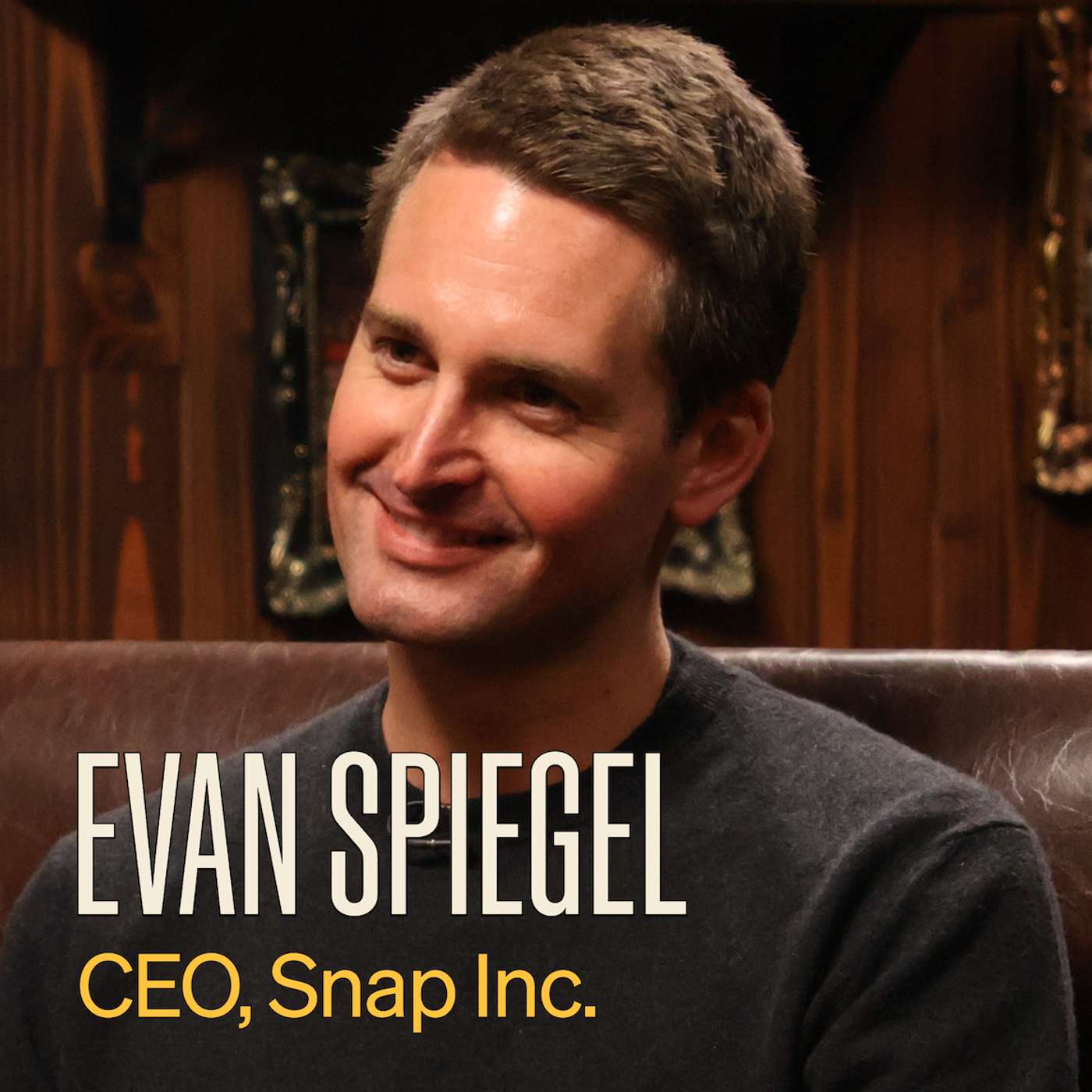
Snap CEO Evan Spiegel joins John at the pub for a deep dive into Snap's "crucible moment" of 2026: the long-awaited consumer launch of Spectacles. Evan explains why he believes the smartphone has become an isolating legacy device and how true AR glasses represent the first step toward making computing human again. They discuss the technical hurdles of fitting a spatial computer into a glasses form factor, why Snap built its own OS from scratch, and how Claude is transforming their software development, with over two-thirds of Snap’s new code now written by AI. Plus, the pair dig into the complex reality of teen phone usage, the distinction between social and media, and why Norway was the first country to embrace Snapchat.
Timestamps
(00:00:15) Snap’s crucible moment
(00:01:05) Specs
(00:09:12) AR as the right form factor
(00:20:45) Stablecoin payouts on Stripe
(00:21:46) Monetizing the camera
(00:28:13) Social media vs messaging
(00:47:37) Content moderation
(00:59:49) Snap’s evolution
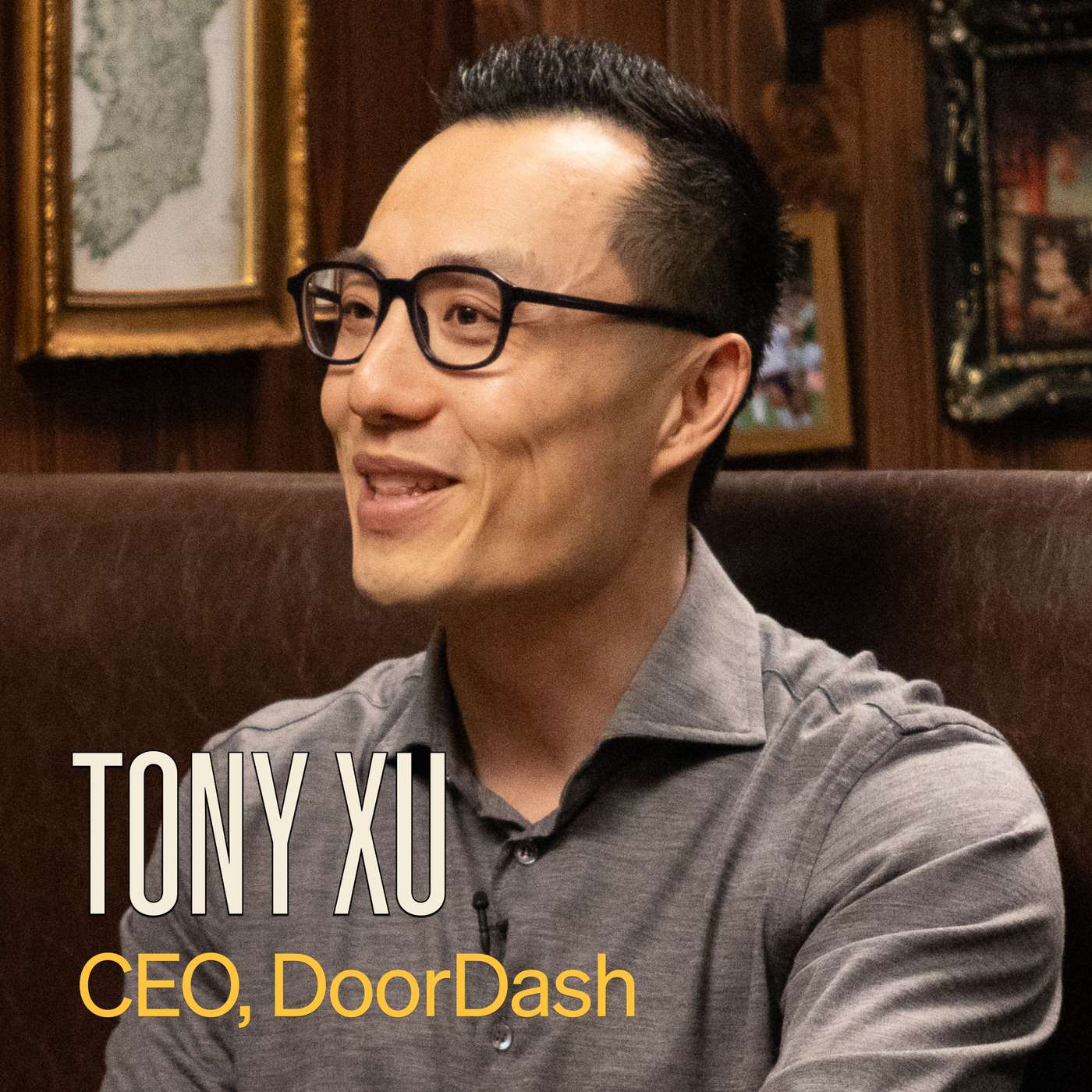
Tony Xu, cofounder and CEO of DoorDash, joins John for a pint to discuss how they won a crowded market by obsessing over retention and the reality of fighting fraud in the physical world. They cover the harsh economics of the restaurant industry, why DoorDash succeeded where Google failed, and the harrowing story of spending 40% of their remaining cash on refunds to save the company’s reputation. Tony introduces Dot, their new autonomous delivery robot, and explains why true autonomy requires solving for the “last two feet” of delivery. Finally, he shares lessons from the early days, including why customer obsession sometimes means baking cookies.
Timestamps
(00:00:25) Why did DoorDash win?
(00:10:50) China
(00:17:10) Restaurant trends
(00:27:59) Loyalty
(00:30:40) Stripe Issuing
(00:44:09) Delivery modalities
(00:51:11) Fraud
(00:58:32) New products
(01:13:26) Dot
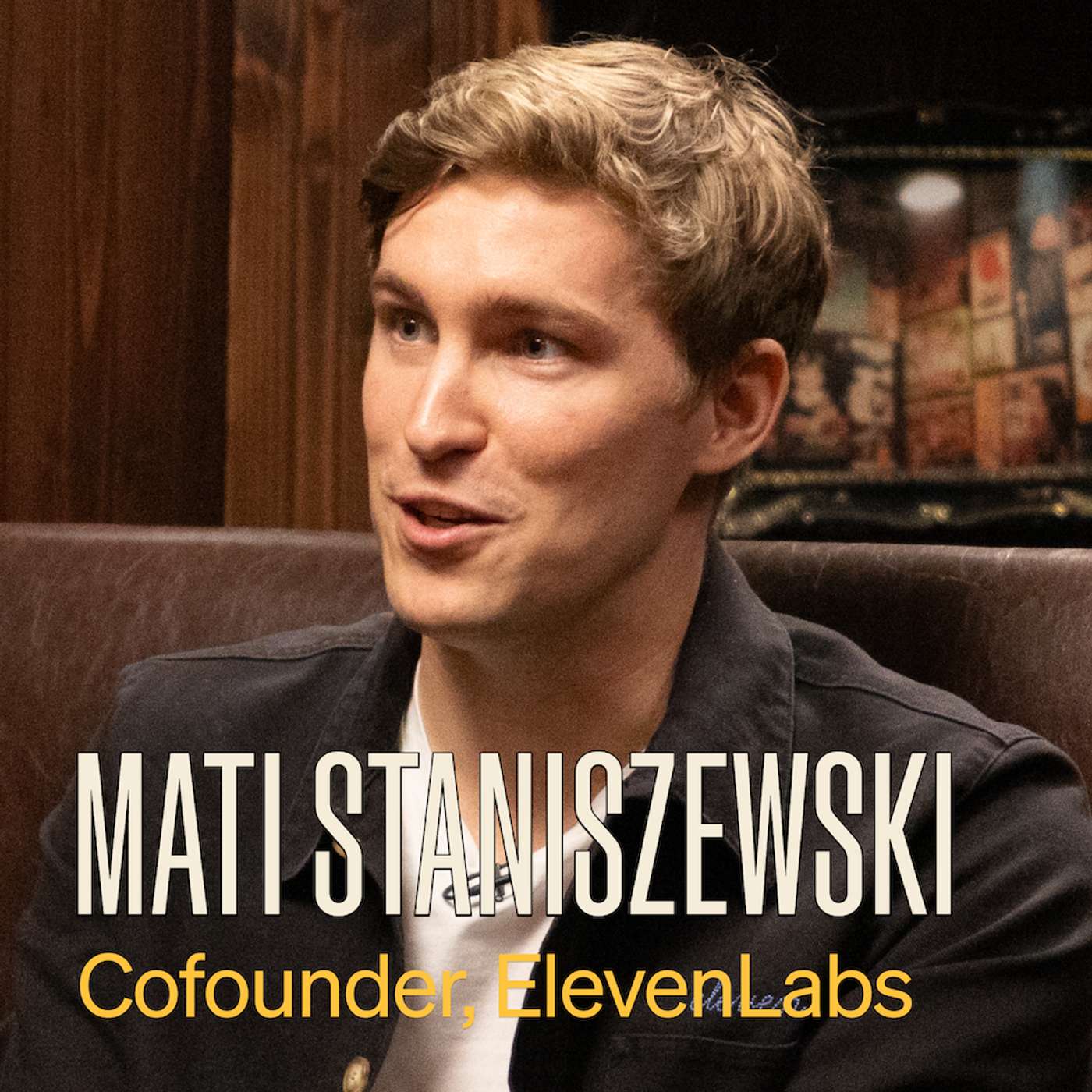
Mati Staniszewski is the co-founder of ElevenLabs, the research company making audio accessible across languages and voices. He sits down with John to discuss the "voice Turing Test" and why AI has conquered text but still struggles with conversational speech. They discuss the future of human-computer interaction, including why we still can't get our phones to read a PDF properly and the massive potential for voice agents in everything from farming to healthcare. Mati also opens up about ElevenLabs’ rapid ascent to an $11 billion valuation and gives a behind-the-scenes look at how Ukraine is using their tech for digital government services.
Timestamps
(00:00:27) How audio models work
(00:08:52) ElevenLabs business model
(00:17:50) The conversational Turing Test
(00:21:01) Link by Stripe
(00:26:02) Cascaded vs speech-to-speech
(00:31:53) Universal translation
(00:51:41) Designing an AI-native org
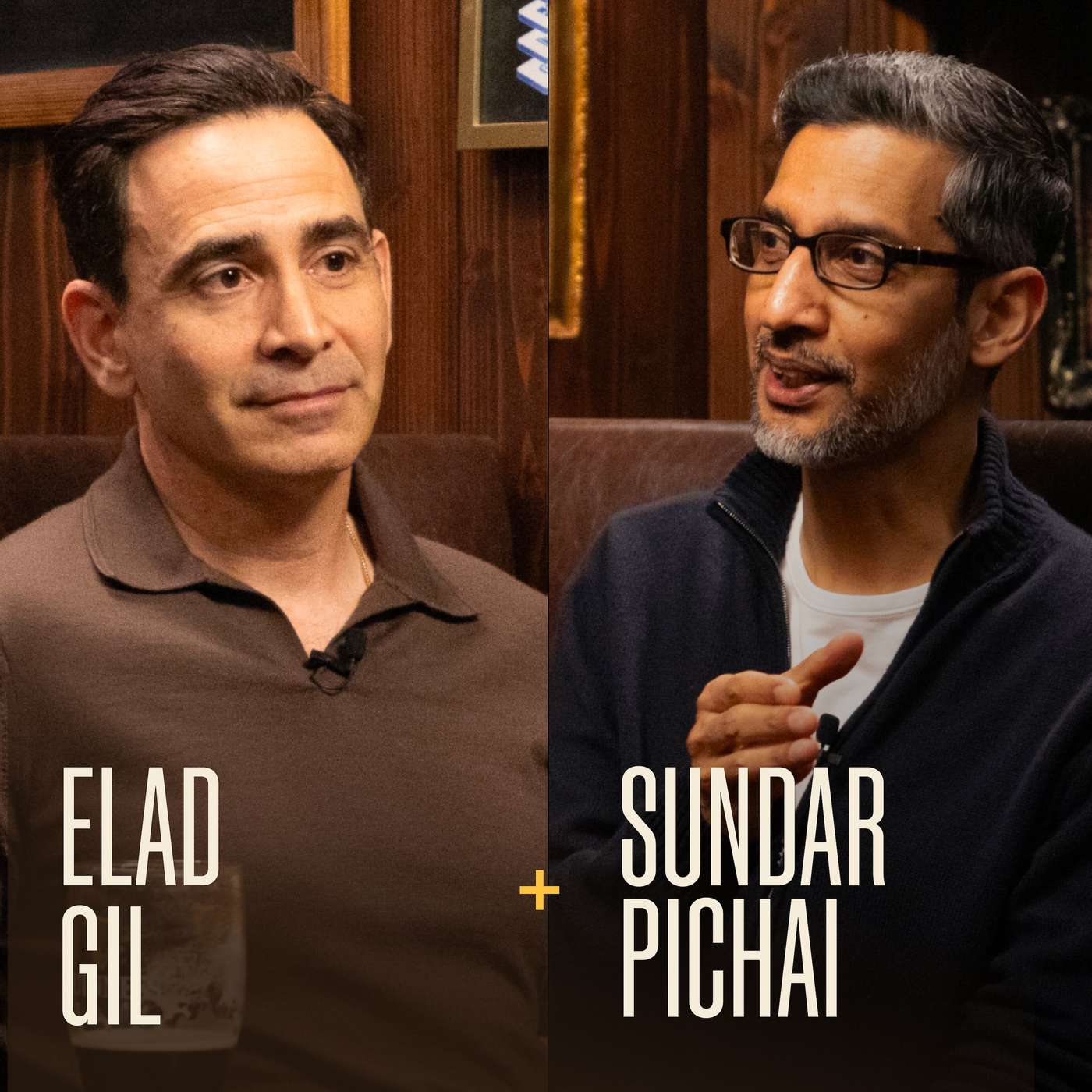
Sundar Pichai is the CEO of Google and Alphabet. He sits down with John and Elad Gil to discuss Google’s resurgence in the AI race, managing a massive $180 billion CapEx budget, and why 2026 is the year of the supply crunch. They cover the constraints of memory and power, why he believes the US economy will grow significantly due to AI, and the internal cultural shift back to "Googley" optimism. Sundar also shares details on long-term bets like data centers in space, why he wishes he had funded Waymo even faster, and the small thing inside Google that still ignites his passion for building.
Timestamps
(00:00:18) The history of Google and AI
(00:05:17) Speed and Search
(00:12:12) Google’s AI comeback
(00:27:03) Stripe network intelligence
(00:27:53) Bottlenecks
(00:41:25) Capital allocation
(01:00:44) How Google works
Christina Cacioppo, founder and CEO of Vanta, joins the pub to discuss building the future of agentic trust. She explains why compliance has a “vitamin vs painkiller” dynamic, the drama behind their famous 101-billboard campaign, and why she believes "market sizing is bullshit." They cover the tension between vibe coding and rigorous security, how Vanta is using agents to generate UI, and why the best founders are relentless truth-seekers.
Timestamps
(00:00:17) Vanta
(00:12:30) How compliance works
(00:15:06) Breaches
(00:23:52) Stripe Tax
(00:24:43) AI and compliance
(00:44:50) Go-to-market
(00:47:22) Lessons from USV
Waymo is now doing nearly 500,000 rides a week across 10 cities. Co-CEO Dmitri Dolgov came to the pub to discuss how they moved from scientific research to massive global scaling. He gives a masterclass on the sensor stack (and why you still need Lidar), how they use "Simulation" and "Critic" models to train the AI, and why he believes cars that require human supervision will never naturally evolve into robotaxis. They also cover the new custom-built vehicle that feels like a living room, the economics of ride-hailing in rural Alaska, and the "Russian math nerd" diaspora that seems to run the UK tech scene.
Timestamps
(00:00:22) Russia
(00:02:51) Waymo architecture
(00:09:59) Why now?
(00:19:46) Driving nuance
(00:29:37) Stripe Agentic Commerce Suite
(00:30:17) Hardware
(00:40:20) Emergent behavior
(00:46:36) Scaling
(00:57:56) Google
Article:
EMMA: End-to-End Multimodal Model for Autonomous Driving – Waymo Research: https://waymo.com/research/emma/
Tarek Mansour and Luana Lopes Lara are the co-founders of Kalshi, the first federally regulated prediction market in the US. They sit down with John and Matt Huang to discuss growing their revenue 11x in six months, why they sued their own regulator to list election markets, and how they are building the "New York Stock Exchange of events." They cover why prediction markets are an antidote to social media polarization, the mechanics of market making for culture, and their vision for trading everything from GPU shipments to the Oscars and the weather.
Timestamps
(00:01:39) Suing the government
(00:14:42) Why now?
(00:17:12) Kalshi by numbers
(00:20:58) Solving market making
(00:31:33) Agentic trading
(00:33:43) Sharps
(00:38:45) Stripe Connect
(00:39:33) Evolving Kalshi
(00:44:50) Who loses from Kalshi?
(00:47:35) Insider trading
(00:53:28) The ethics of sports contracts
(00:58:08) New derivatives
(01:04:27) Politics
Article(s):
On the Observational Implications of Knightian Uncertainty – Kevin Hassett & Weifeng Zhong (AEI)
The 2028 Global Intelligence Crisis – Citrini Research
Eric Glyman is the cofounder and CEO of Ramp, the finance automation platform that now powers over 2% of all corporate spend in the US. He sits down with John and co-host Alex Rampell to discuss how Ramp scaled to over $1 billion in revenue in just seven years, and why the future of fintech is "selling time, not money." They cover the "SaaS apocalypse" (and why lines of code are becoming a liability), how Ramp uses AI agents to review 100,000 expenses a day with 99% accuracy, and why their internal data suggests the US economy is much stronger than the Census Bureau reports.
Timestamps
(00:00:21) Ramp business today
(00:04:27) The *correct* expense policy
(00:11:07) Bill Pay
(00:16:52) AI and software
(00:32:23) Stablecoin-backed cards
(00:33:06) Ramp data
(00:36:25) How to cut your expenses
(00:41:13) Ramp strategy
(00:57:08) Capital One
(01:06:34) Treasury
John Collison and Dwarkesh Patel sit down with Elon Musk to discuss why the future of AI isn’t on Earth, but in the "always sunny" vacuum of space. Between pints, they discuss the brutal physics of scaling—from the "farcically cheap" solar cells coming out of China to switching Starship from carbon fiber to stainless steel—as well as the “infinite money glitch” of humanoid robots, China, and DOGE.
Timestamps
00:00:23 Space GPUs
00:35:39 Alignment
00:58:48 xAI
01:15:01 Optimus
01:28:03 China
01:40:46 Management
02:16:38 DOGE
02:34:58 Space GPUs redux
2 h 46 minPlay in:
Guests from more than 12 months ago are part of Pro. See plans