Enough with the doom and gloom — we’re ready to talk about how America can thrive. Hosted by Washington Post Opinion columnist Megan McArdle, “Reasonably Optimistic” is your weekly conversation about how America can get unstuck and build a better future. Stop feeding your rage and start embracing our possibilities…
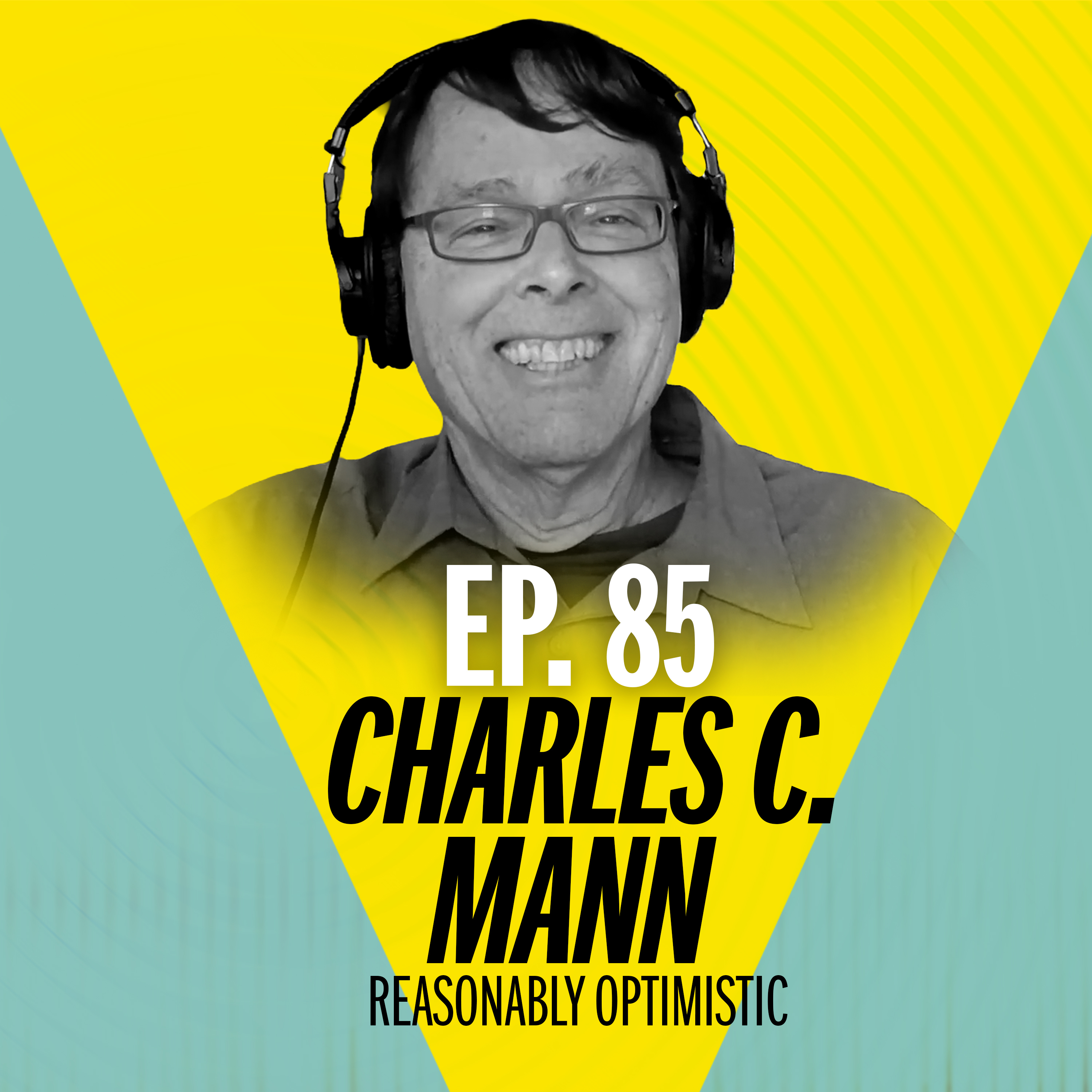
The Thanksgiving story is often told as a simple tale of friendship between the Pilgrims and Native Americans, but the reality is more complicated. Host Megan McArdle is joined by author Charles Mann to explore the history behind the holiday and the complex relationships that followed. They discuss how the groups meeting brought the exchange of ideas, commerce and technology, but also violence, resentment and displacement.
Subscribe to The Washington Post here.
Boys and men are falling behind in education, employment, family life, mental health and a sense of purpose. How did we get here, and where do we go next?
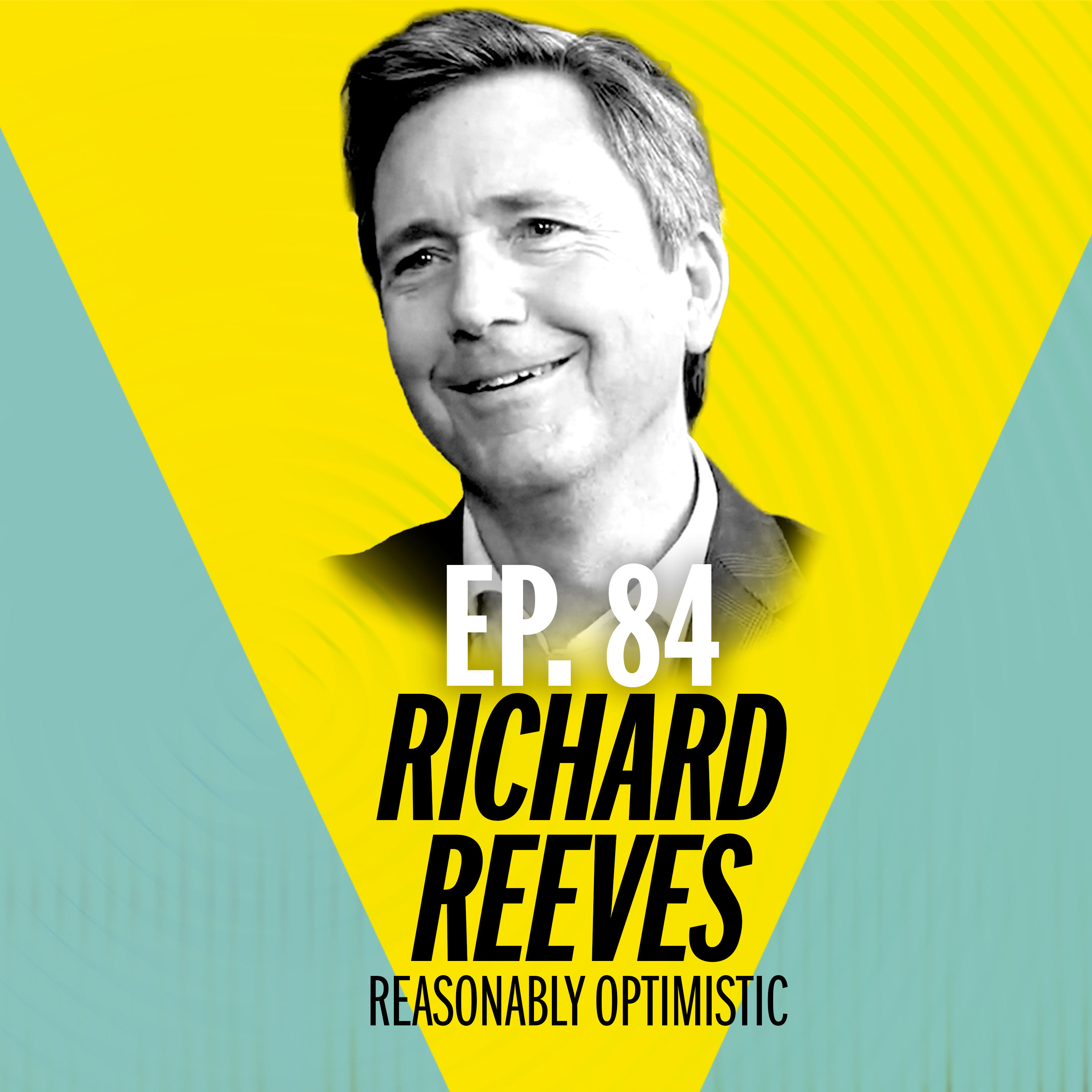
Host Megan McArdle is joined by Richard Reeves, president of the American Institute for Boys and Men and author of “Of Boys and Men,” to discuss the widening gender divide. They explore why the crisis facing boys and men is so often obscured by gender politics and what modern fatherhood can look like.
This episode was originally published May 20.
Subscribe to The Washington Post here.
Money is essential for modern life. We spend our lives earning it, saving it and worrying about it. But we also tend to think it makes us selfish, corrupt and less connected to one another. What if money has actually made us more moral?
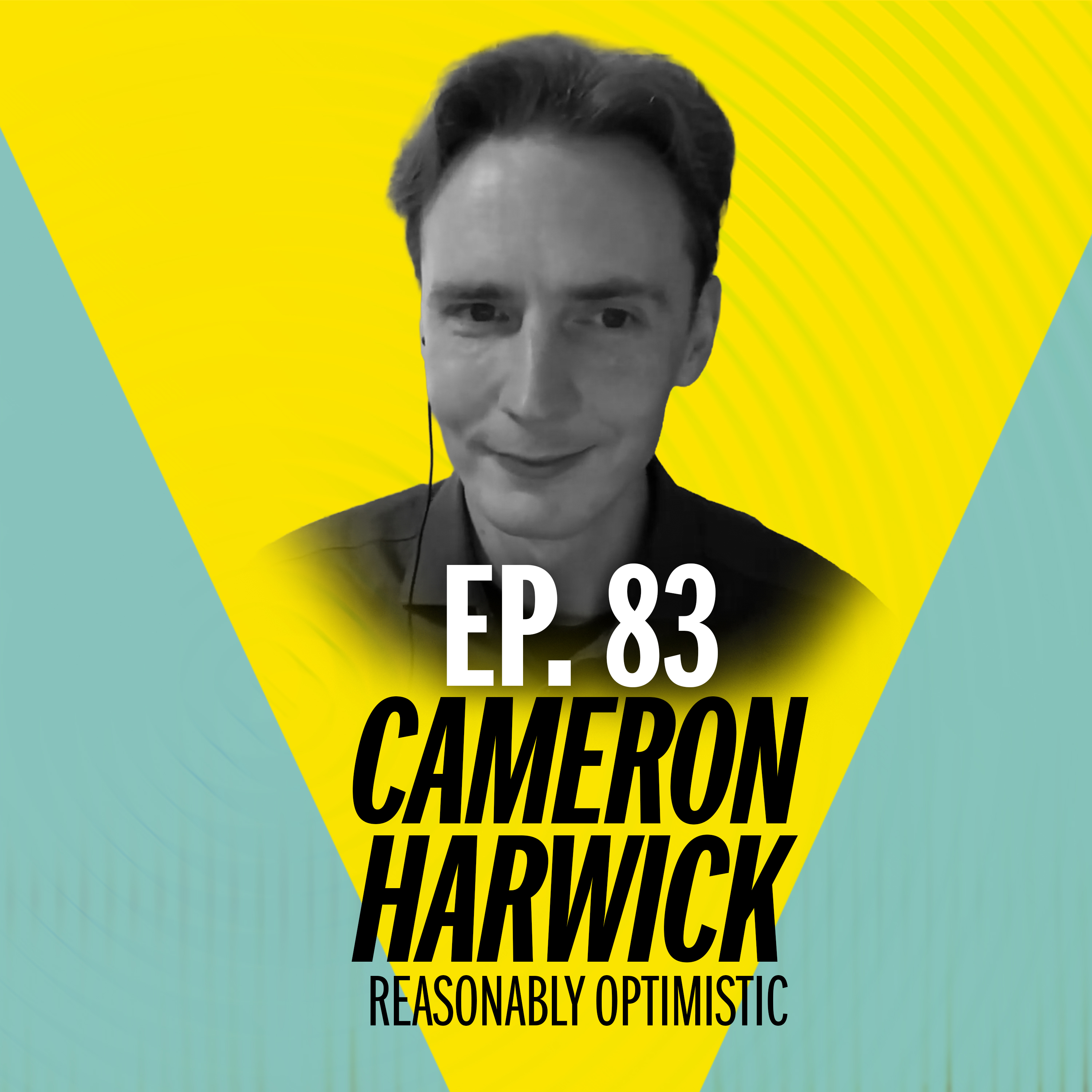
Host Megan McArdle talks with economist Cameron Harwick about how money has made societies more virtuous, not less. They discuss how markets changed the way we cooperate with strangers, why religion and community still matter in a money economy and what society’s discomfort with money reveals about today’s political fights.
Subscribe to The Washington Post here.
For years, women were told that freedom meant independence: Build a career, make your own money and never need anyone’s help. But what if there is an alternative?
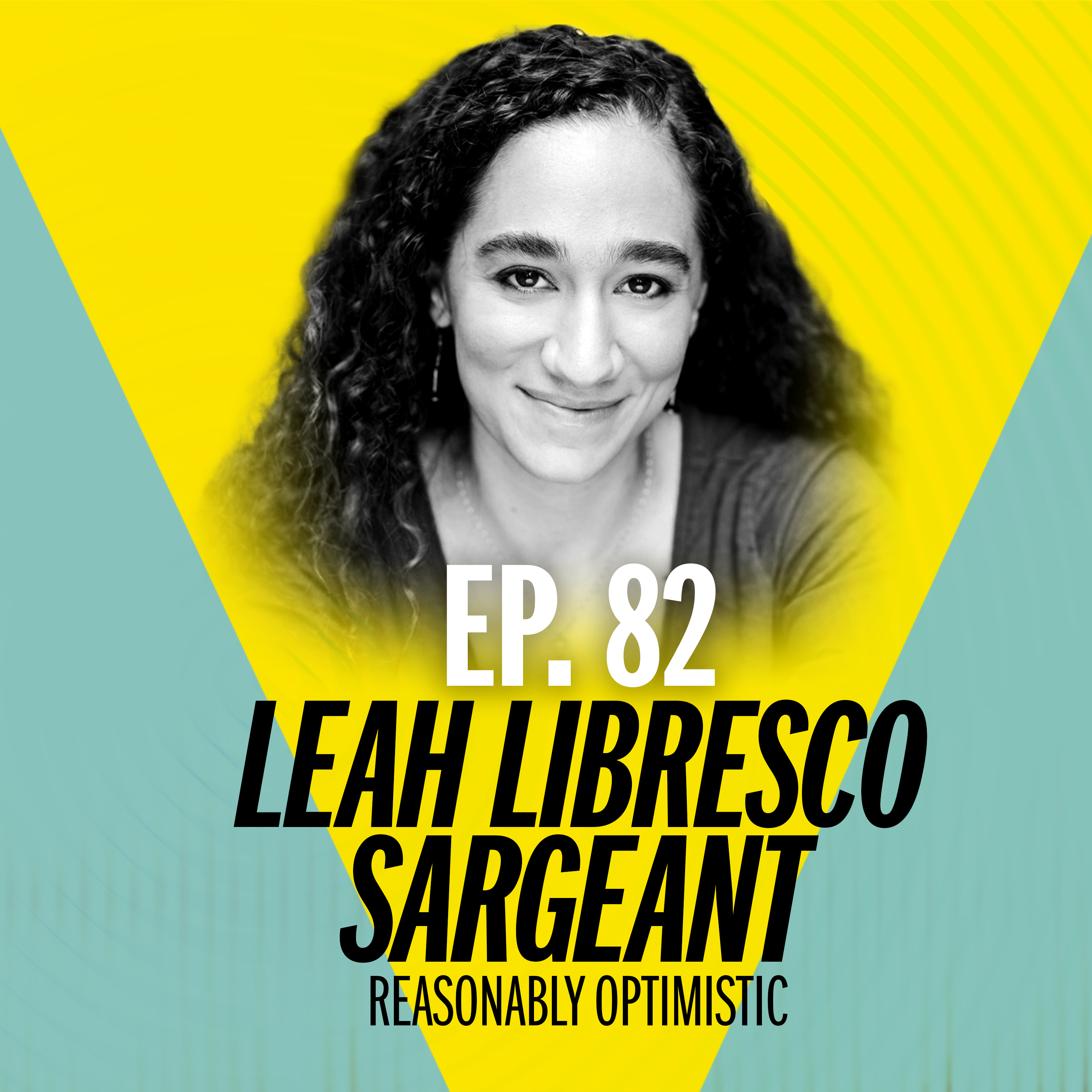
Host Megan McArdle talks with Leah Libresco Sargeant, author of “The Dignity of Dependence: A Feminist Manifesto,” about why feminism’s promise of independence can fall short and how to build better work and family lives.
This episode was originally published on April 8.
Subscribe to The Washington Post here.
In a recent interview, President Donald Trump said he’s ready to make a deal on immigration. But what would one that is popular across the political spectrum actually look like?
Host Megan McArdle talks with Alexander Kustov, a political scientist and professor at the University of Notre Dame, about what voters really want from immigration policy and how policymakers could build a system that welcomes immigrants while serving national interests.
Subscribe to The Washington Post here.
Weil, Gotshal & Manges was a nearly century-old law firm that was profitable, prestigious and apparently healthy — until an exodus of superstar partners caused it to unravel.
In the wake of the firm's collapse, host Megan McArdle talks with legal journalist David Lat about workplace loyalty, the “businessification” of professions and the power of top employees. They also explore how AI is eliminating the entry-level tasks that once trained young lawyers and what happens across industries when technology removes the first rung of the career ladder.
Subscribe to The Washington Post here.
Artificial intelligence can feel as though it arrived overnight. But today’s AI boom grew out of a vision championed by a small group of researchers who believed machines could one day rival human intelligence. That once far-fetched idea has become a global race that no one seems to know how to stop.
Host Megan McArdle talks with Kevin Roose, author of "The AGI Chronicles," about the unusual people and rivalries behind the AI revolution, why the race for superintelligence is so difficult to slow down and whether governments can shape what comes next.
Subscribe to The Washington Post here.
The Democratic Socialists of America was once on the fringes of American politics. Now, DSA candidates are winning primaries, challenging establishment Democrats and pushing the Democratic Party leftward on everything from housing and health care to policing and Israel. But can the movement turn that energy into lasting political power?
Host Megan McArdle is joined by David Weigel, a national politics reporter at Semafor, to discuss the DSA’s rise and the question it raises for Democrats: Is democratic socialism the future of their party?
Subscribe to The Washington Post here.
On platforms like Kalshi and Polymarket, users can bet on elections, interest-rate cuts, corporate earnings and almost any question with an answer that will eventually be revealed. Those bets can produce a different kind of forecast than a traditional poll. But what happens when betting on everything becomes easier and more socially acceptable?
Host Megan McArdle is joined by Robin Hanson, an economist at George Mason University and one of the earliest advocates for prediction markets. They discuss how betting markets compare with polls and experts, the risks of manipulation and insider trading, whether people should be able to bet on elections and wars, and what it would take for prediction markets to become a useful tool for business and government.
This episode was originally published on May 13, 2026.
Subscribe to The Washington Post here.
The polls suggest a strong Democratic showing in the 2026 midterms. They also reveal an electorate angry about the cost of living, political corruption and a system many believe is rigged against them. But what will that anger mean at the ballot box?
Host Megan McArdle is joined by Kristen Soltis Anderson, a pollster and co-founder of Echelon Insights. They break down what the polls are telling us, whether Democrats are headed for a wave and why voter anger doesn’t always translate into support for the policies party leaders expect.
Subscribe to The Washington Post here.
The American Dream can feel farther away than ever. Housing is expensive, good jobs seem harder to find and the people getting rich seem to be concentrated in a handful of big cities. But some of America’s biggest fortunes are being built far from the spotlight: by auto dealers, contractors, beverage distributors and the owners of the unglamorous businesses that keep everyday life running. So who are these overlooked millionaires — and what do they tell us about opportunity in America?
Host Megan McArdle is joined by Owen Zidar, a professor at Princeton University and co-author of “The Everywhere Millionaire.” They discuss the hidden world of private-business wealth, why early work experience matters and how retiring boomers may create new opportunities for the next generation to buy and run America’s small businesses.
Subscribe to The Washington Post here.
There’s a lot to complain about in the American political system: Congress lurches from deadline to deadline, presidents claim more and more power and each side of the aisle treats the other as an existential threat. So how did our political system get this way—and what would it take to make it work again?
Host Megan McArdle is joined by Yuval Levin, director of Social, Cultural, and Constitutional Studies at the American Enterprise Institute and editor-in-chief of National Affairs. They discuss why Congress no longer rewards negotiation, how primaries and a 50-50 party system fuel polarization, what Trump has changed about the presidency and the Republican Party, and the reforms that could help America move beyond gridlock.
Subscribe to The Washington Post here.
In the decades following World War II, the American right coalesced around fusionism — the idea that individual liberty and limited government could coexist with religious faith and traditional morality. Today, that coalition is divided. After a decade of Trump-era politics, can fusionism bring it back together?
Host Megan McArdle is joined by Stephanie Slade, senior editor at Reason magazine and author of “Fusionism: Liberty, Virtue, and the Future of the American Right.” They explore how fusionism came to shape modern conservatism, why that consensus faded and how President Donald Trump’s rise reveals the coalition’s deepest fault lines. They also ask whether fusionism’s core values of liberty and virtue can still provide common ground in a very different political era.
Subscribe to The Washington Post here.
No one likes the idea of being surveilled. That concern is fueling a nationwide backlash against Flock cameras, the automated license plate readers police use to find stolen vehicles, track suspects and locate missing people. Critics see their rapid spread as the beginnings of a mass surveillance network. Supporters say they reduce crime and save lives. So can communities keep the benefits without sacrificing privacy?
Host Megan McArdle is joined by Charles Fain Lehman, a senior fellow at the Manhattan Institute and senior editor at City Journal. They examine what Flock cameras actually see, the data behind the headlines and whether safeguards can prevent a useful tool from becoming a threat to civil liberties.
Subscribe to The Washington Post here.
Artificial intelligence is advancing faster than many expected. So much so that some of the experts who understand it best are sounding the alarm. Are their warnings exaggerated, or are we approaching a point of no return? And what can we do now to shape the future of artificial intelligence?
Host Megan McArdle is joined by Tim Lee, author of the Understanding AI newsletter, to explore what AI experts fear most, from misinformation and economic disruption to the possibility of losing control of increasingly powerful systems. They break down recent AI controversies and examine why some researchers are calling for slower AI development, what meaningful AI safety could look like, and whether governments and technology companies are moving quickly enough to address the risks.
Subscribe to The Washington Post here.
More than six centuries ago, the Black Death wiped out nearly half of England’s population. Suddenly, workers had more power, wealthy landowners had less, and the old social order began to crack. When the ruling class tried to force that order back into place, anger erupted into the Peasants’ Revolt of 1381 — a political crisis that feels startlingly familiar today, dramatized in the new film “The Uprising.”
Host Megan McArdle is joined by historian Dan Jones, author of “Summer of Blood,” who was a consultant on the film. They explore how a pandemic transformed England’s economy, why legitimate grievances spiraled into violence, the tension between natural justice and written law, and what happens when elites stop listening to the people they govern.
Subscribe to The Washington Post here.
Why are Americans having fewer children, even though many say they want larger families? Host Megan McArdle talks with author Tim Carney about how professional ambition, personal autonomy and intensive parenting have made family life more daunting. They discuss why Americans are marrying later, how workplaces and communities could make raising children easier, and whether stronger family norms can be revived without bringing back the inequalities of the past.
Subscribe to The Washington Post here.
America’s colleges have spent years at the center of the culture wars. But some of the sharpest critics of higher education are people who once believed deeply in its mission — and changed their minds after seeing it from the inside.
Host Megan McArdle is joined by Tyler Austin Harper, staff writer at The Atlantic and former professor at Bates College. He breaks down how academia reshaped his views on affirmative action and diversity, and why he came to see some efforts at inclusion as a form of tokenism. They get into race and class, ideological conformity, the decline of tenure, the treatment of adjunct faculty and the gap between universities’ social justice rhetoric and their economic incentives.
Subscribe to The Washington Post here.
From the housing shortage to rising electricity costs, many of America’s biggest affordability problems come back to the same question: Why can’t we build more?
Host Megan McArdle is joined by political commentator Josh Barro to talk about the “abundance” agenda and what it could mean for the cost of living, housing and energy prices, and economic growth. They discuss how both Democrats and Republicans stand in the way of building, whether increasing the supply of housing and energy can make everyday life more affordable, and whether Democrats can turn a wonky policy agenda into a compelling message on affordability.
Subscribe to The Washington Post here.
Dinner shouldn’t be stressful. But after a long day, even deciding what to cook can feel like one more exhausting task. Add the pressure to make meals healthy, affordable, interesting and Instagram-worthy, and home cooking can start to feel more like performance than pleasure.
Host Megan McArdle talks with Caroline Chambers, author of "What to Cook When You Don’t Feel Like Cooking: Make It Fast," about how she turned a cookbook idea rejected by publishers into a cooking empire, why dinner has become such a source of stress and what we gain when we stop trying to cook the “right” way.
Subscribe to The Washington Post here.
35 minPlay in:
Guests from more than 12 months ago are part of Pro. See plans