Bekomm eine E-Mail, wenn Woody in einem Podcast zu Gast istPodAppear prüft neue Folgen, sobald sie erscheinen, und lässt die weg, in denen Woody nur erwähnt wird. Bis zu 15 Personen kostenlos, ohne Kreditkarte.Bis zu 15 Personen kostenlos, ohne Kreditkarte.
Woody kostenlos folgen
WM

Woody McClendon

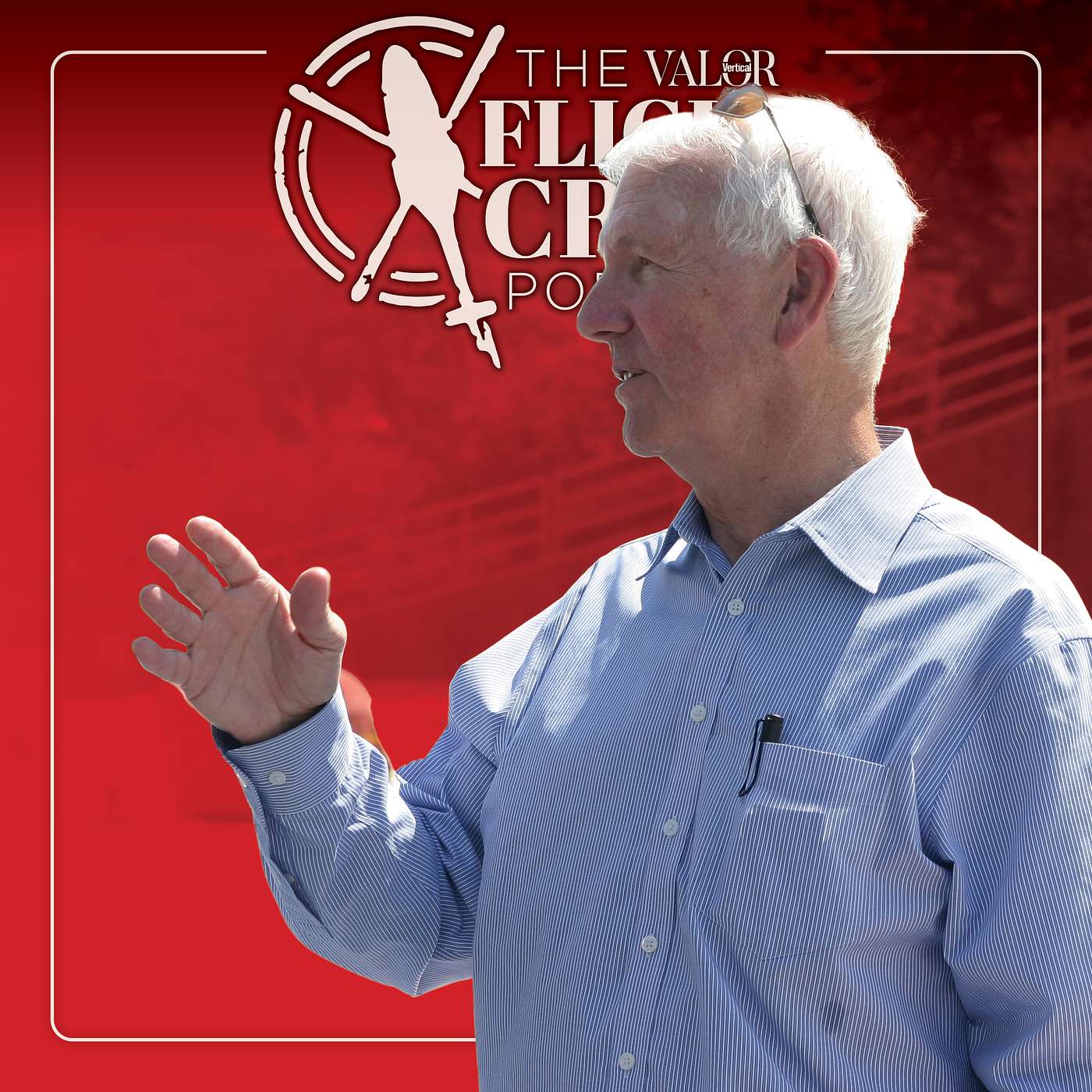
Woody McClendon war in den letzten 12 Monaten in 3 Podcast-Folgen aus 2 verschiedenen Sendungen zu Gast, am häufigsten bei The Valor Flight Crew (2-mal). Zuletzt: The Valor Flight Crew, 8. Juli 2026.

Zwei Jahre auf Sendung

GastHostErwähnt

Gastauftritte

Mi8Jul
The Valor Flight Crew

The Valor Flight Crew

The Fatigue Factor: How Tired Crews Make Dangerous Decisions Part 2 | Ep 69

Welcome back to the Valor Flight Crew Podcast, brought to you by Vertical HeliCASTS and partnered with Valor Plus.  Today's episode is a special collaboration with our friends from the Hangar Z Podcast, and we're tackling a topic that impacts every one of us in aviation — fatigue.   Joining us for this outstanding panel discussion is Hangar Z Podcast host Jack Schonely, along with highly respected aviator and former HEMS pilot Woody McClendon, whose decades of operational experience bring valuable insight to this important conversation.   Fatigue is truly the danger you can't see. Unlike weather, mechanical issues, or other operational hazards, fatigue can quietly affect our judgment, decision-making, situational awareness, and overall performance long before we recognize its impact.  Whether you're a pilot, tactical flight officer, medical crew member, mechanic, dispatcher, or supervisor, fatigue affects all of us differently — and it becomes an even greater challenge in the shift-work environments common throughout public safety aviation. The reality is that fatigue is not a possibility — it is an inevitability. The question is not if fatigue will contribute to an incident or accident in public safety aviation, but when. That is why open and honest conversations like this one are so important. In this episode, we'll discuss fatigue mitigation strategies, flight risk assessment tools, crew readiness, organizational responsibility, and personal accountability. Most importantly, our guests share real-world experiences and lessons learned from careers spent operating in demanding environments where fatigue was often a constant factor. This is a candid, informative, and thought-provoking discussion that every aviation professional should hear. So settle in and join us as we explore one of the most significant — and often overlooked — threats to aviation safety. This is the Valor Flight Crew Podcast in collaboration with the Hangar Z Podcast, and the conversation starts right now. Read the related article by Tania Glenn - Sleep Under Stress (in the Spring 2026 issue of Valor Plus.  Thank you to our sponsors Coptersafety , Metro Aviation and Precision Aviation Group.

1 h 15 minAbspielen in:

Mo6Jul
The Hangar Z Podcast

The Hangar Z Podcast

The Danger You Can't See: Fatigue in Public Safety Aviation Part 2 | Ep 367

Welcome back to the Hangar Z Podcast brought to you by Vertical HeliCASTS and in partnership with Valor Plus.  Today's episode is a special collaboration with our friends from the Valor Flight Crew Podcast, and we're tackling a topic that impacts every one of us in aviation — fatigue.  Joining us for this outstanding panel discussion are the hosts of the Valor Flight Crew Podcast, Mike Fadale and Blake Shrider. We are also honored to welcome a highly respected aviator with decades of experience, former HEMS pilot Woody McClendon.  Fatigue is truly the danger you can't see. Unlike weather, mechanical issues, or other operational hazards, fatigue can quietly affect our judgment, decision-making, situational awareness, and overall performance long before we recognize its impact. Whether you're a pilot, TFO, crew member, mechanic, dispatcher, or supervisor, fatigue affects all of us. And in public safety aviation, the demands of shift work can make managing fatigue an even greater challenge.  The reality is that fatigue is not a possibility — it is an inevitability. The question is not if fatigue will contribute to an incident or accident in public safety aviation, but when. That is why open and honest conversations like this one are so important.  In this episode, we'll discuss safety initiatives designed to mitigate fatigue, the role of flight risk assessment tools, crew readiness, organizational responsibility, and personal accountability. Most importantly, our panel shares real-world experiences and lessons learned from careers spent operating in demanding environments where fatigue was often a constant factor.  This is a candid, informative, and thought-provoking discussion that every aviation professional should hear.  So settle in and join us as we explore one of the most significant — and often overlooked — threats to aviation safety. This is the Hangar Z Podcast in collaboration with the Valor Flight Crew Podcast, and the conversation starts right now.  Read the related article by Tania Glenn - Sleep Under Stress in the Spring 2026 issue of Valor Plus. Thank you to our sponsors Metro Aviation, Robinson Helicopter and SHOTOVER Systems.

1 h 17 minAbspielen in:

Mi1Jul
The Valor Flight Crew

The Valor Flight Crew

The Fatigue Factor: How Tired Crews Make Dangerous Decisions Part 1 | Ep 68

Welcome back to the Valor Flight Crew Podcast, brought to you by Vertical HeliCASTS and partnered with Valor Plus.  Today's episode is a special collaboration with our friends from the Hangar Z Podcast, and we're tackling a topic that impacts every one of us in aviation — fatigue.   Joining us for this outstanding panel discussion is Hangar Z Podcast host Jack Schonely, along with highly respected aviator and former HEMS pilot Woody McClendon, whose decades of operational experience bring valuable insight to this important conversation.   Fatigue is truly the danger you can't see. Unlike weather, mechanical issues, or other operational hazards, fatigue can quietly affect our judgment, decision-making, situational awareness, and overall performance long before we recognize its impact.  Whether you're a pilot, tactical flight officer, medical crew member, mechanic, dispatcher, or supervisor, fatigue affects all of us differently — and it becomes an even greater challenge in the shift-work environments common throughout public safety aviation. The reality is that fatigue is not a possibility — it is an inevitability. The question is not if fatigue will contribute to an incident or accident in public safety aviation, but when. That is why open and honest conversations like this one are so important. In this episode, we'll discuss fatigue mitigation strategies, flight risk assessment tools, crew readiness, organizational responsibility, and personal accountability. Most importantly, our guests share real-world experiences and lessons learned from careers spent operating in demanding environments where fatigue was often a constant factor. This is a candid, informative, and thought-provoking discussion that every aviation professional should hear. So settle in and join us as we explore one of the most significant — and often overlooked — threats to aviation safety. This is the Valor Flight Crew Podcast in collaboration with the Hangar Z Podcast, and the conversation starts right now. Read the related article by Tania Glenn - Sleep Under Stress (in the Spring 2026 issue of Valor Plus.  Thank you to our sponsors Airbus, Coptersafety and Precision Aviation Group.

1 h 17 minAbspielen in:

Warum PodAppear

Folge Menschen, nicht Podcasts.

Du hast Woody in einer Sendung gehört. PodAppear findet für dich die nächste, und genauso für alle anderen, die du hören willst.

  • Eine Meldung, wenn die Person zu Gast istPer E-Mail: sofort oder gebündelt als Tages- oder Wochenübersicht. Dann nur noch auf Play drücken.
  • Gäste statt bloßer ErwähnungenFolgen, in denen ein Name nur fällt, landen getrennt. Eine Meldung heißt: Die Person ist wirklich in der Sendung.
  • Alle in einem FeedGründerinnen, Autoren, Sportler, Forscherinnen. Folge allen mit Namen, quer durch jede Sendung, in der sie auftreten.

Bis zu 15 Personen kostenlos, ohne Kreditkarte.