Bekomm eine E-Mail, wenn William in einem Podcast zu Gast istPodAppear prüft neue Folgen, sobald sie erscheinen, und lässt die weg, in denen William nur erwähnt wird. Bis zu 15 Personen kostenlos, ohne Kreditkarte.Bis zu 15 Personen kostenlos, ohne Kreditkarte.
For this week’s Edition, William Moore is joined by the Spectator’s economics editor Michael Simmons, the journalist and author Simon Jenkins and the actress and Spectator book reviewer Genevieve Gaunt.
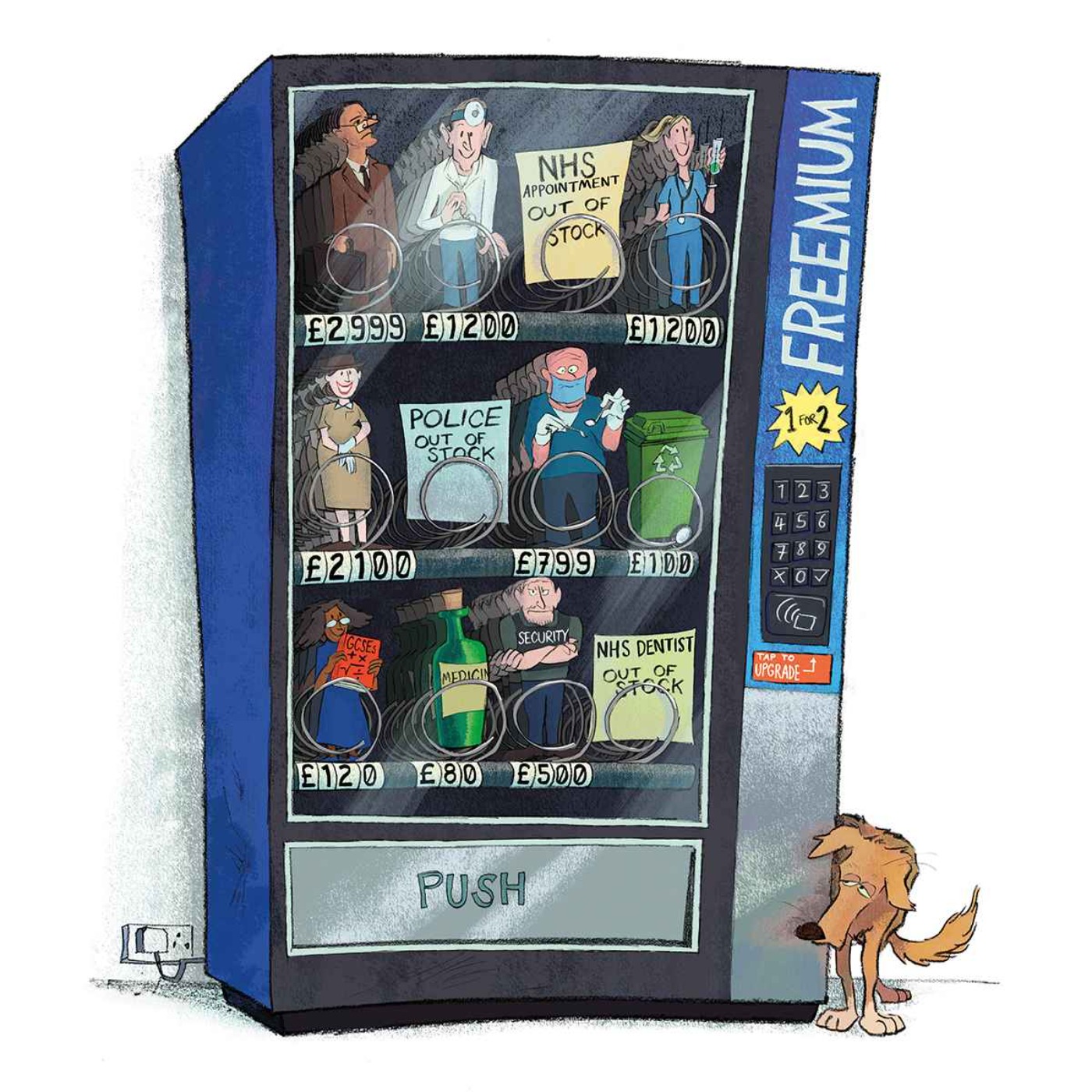
This week: are the British giving up on the state? Michael’s cover story looks at the growing number of people paying privately for healthcare, dentistry and other services – despite public spending remaining close to record levels. Britons now spend more out of pocket on healthcare than Americans, while satisfaction with the NHS has collapsed from 70 per cent to 26 per cent since 2010. Is the post-war bargain – in which everyone pays in and everyone has a stake – beginning to break down? And would charging to see a GP really be so outrageous?
Also: could the village save Britain? Simon discusses his new book The Village in Britain and argues that, in an age of loneliness and atomisation, we need to recreate village life even in our cities. From pubs and churches to neighbours and home ownership, have we forgotten how to build communities – and has working from home made the problem worse?
Finally, the panel choose their books of the year – from the late Doris Lessing to Sebastian Faulks and Michel Houellebecq. Plus, how much can you trust historical fiction?
Produced by Patrick Gibbons.
This episode is brought to you by Raymond James. Combining deep insights into who you are with our financial expertise, that’s the power of personal. Investment involves risk.
raymondjames.uk.com
Become a Spectator subscriber today to access this podcast without adverts. Go to spectator.co.uk/adfree to find out more.
For more Spectator podcasts, go to spectator.co.uk/podcasts.
Contact us: podcast@spectator.co.uk
Hosted on Acast. See acast.com/privacy for more information.
For this week’s Edition, William Moore is joined by the Spectator’s commissioning editor Lara Brown, Financial Times columnist and peer Camilla Cavendish and broadcaster and former Labour MP Gloria De Piero.
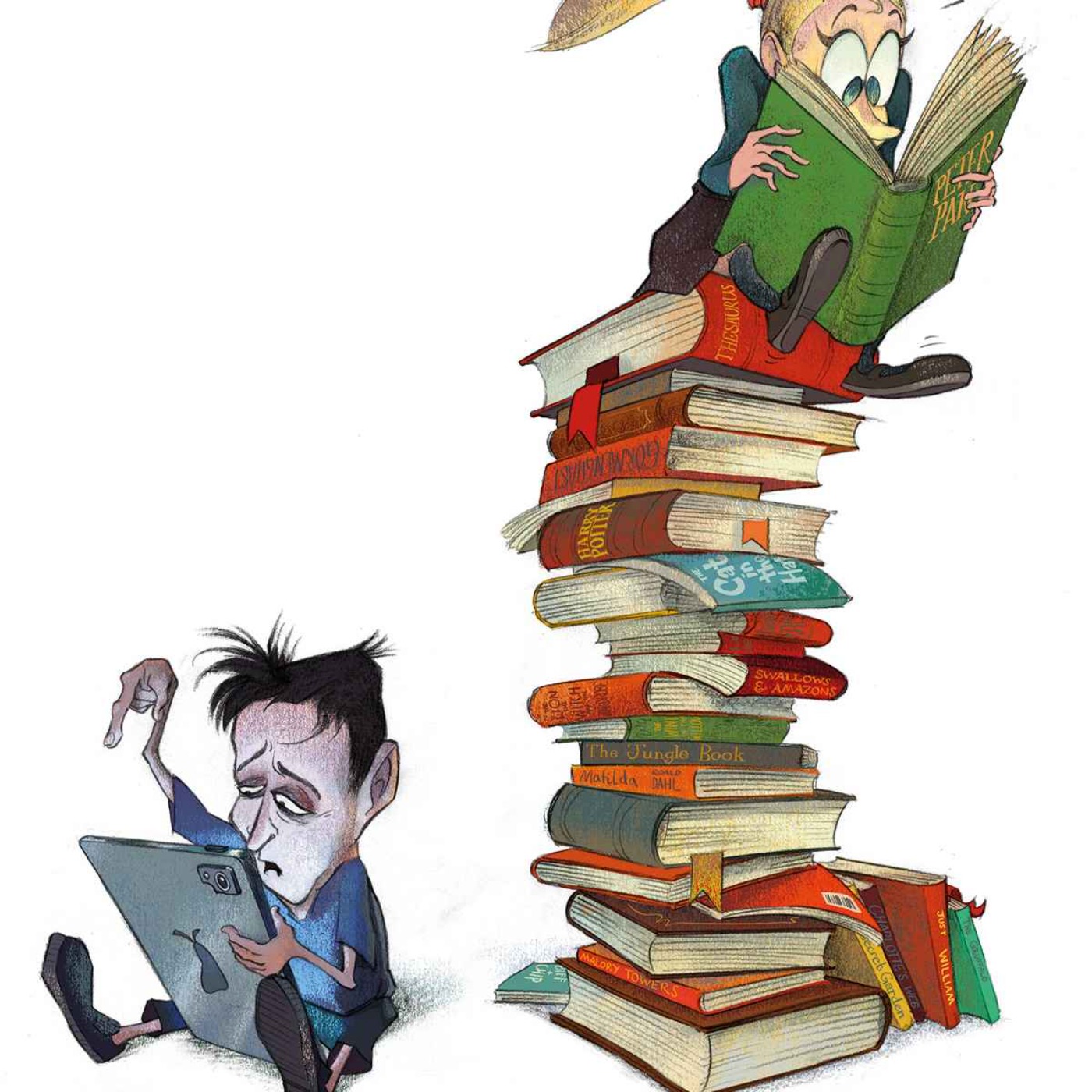
This week: are screens creating a new education divide? Lara examines the growing backlash against technology in schools. What began as an attempt to create a generation of ‘digital natives’ has left children as young as four doing reading and maths on gamified apps – despite little evidence that they improve learning. State schools are spending hundreds of millions of pounds on 'EdTech', while some of Britain’s leading private schools are moving back towards books, handwriting and screen-free classrooms. Are we creating a two-tier education system – books for the rich and screens for everyone else?
Also: why aren’t young people having children? Camilla discusses her new book Generation Maybe, which investigates falling birth rates around the world. She argues that the problem isn’t simply that women are choosing careers over motherhood: millions of people would like children but cannot find someone to have them with. Are we living through a ‘relationship recession’? Have men failed to keep up with women or have expectations changed? And can governments actually do anything about it?
Finally: why are we so nostalgic for the 1990s? The panel look back at Tony Blair, boozy lunches, and the millennium bug – a world before smartphones took over.
Produced by Patrick Gibbons.
This episode is brought to you by Raymond James. Combining deep insights into who you are with our financial expertise, that’s the power of personal. Investment involves risk.
raymondjames.uk.com
Become a Spectator subscriber today to access this podcast without adverts. Go to spectator.co.uk/adfree to find out more.
For more Spectator podcasts, go to spectator.co.uk/podcasts.
Contact us: podcast@spectator.co.uk
Hosted on Acast. See acast.com/privacy for more information.
For this week’s Edition, William Moore is joined by the Spectator’s associate editor and director of the Free Speech Union Toby Young, journalist and author Esther Walker, and Mail on Sunday columnist Peter Hitchens.
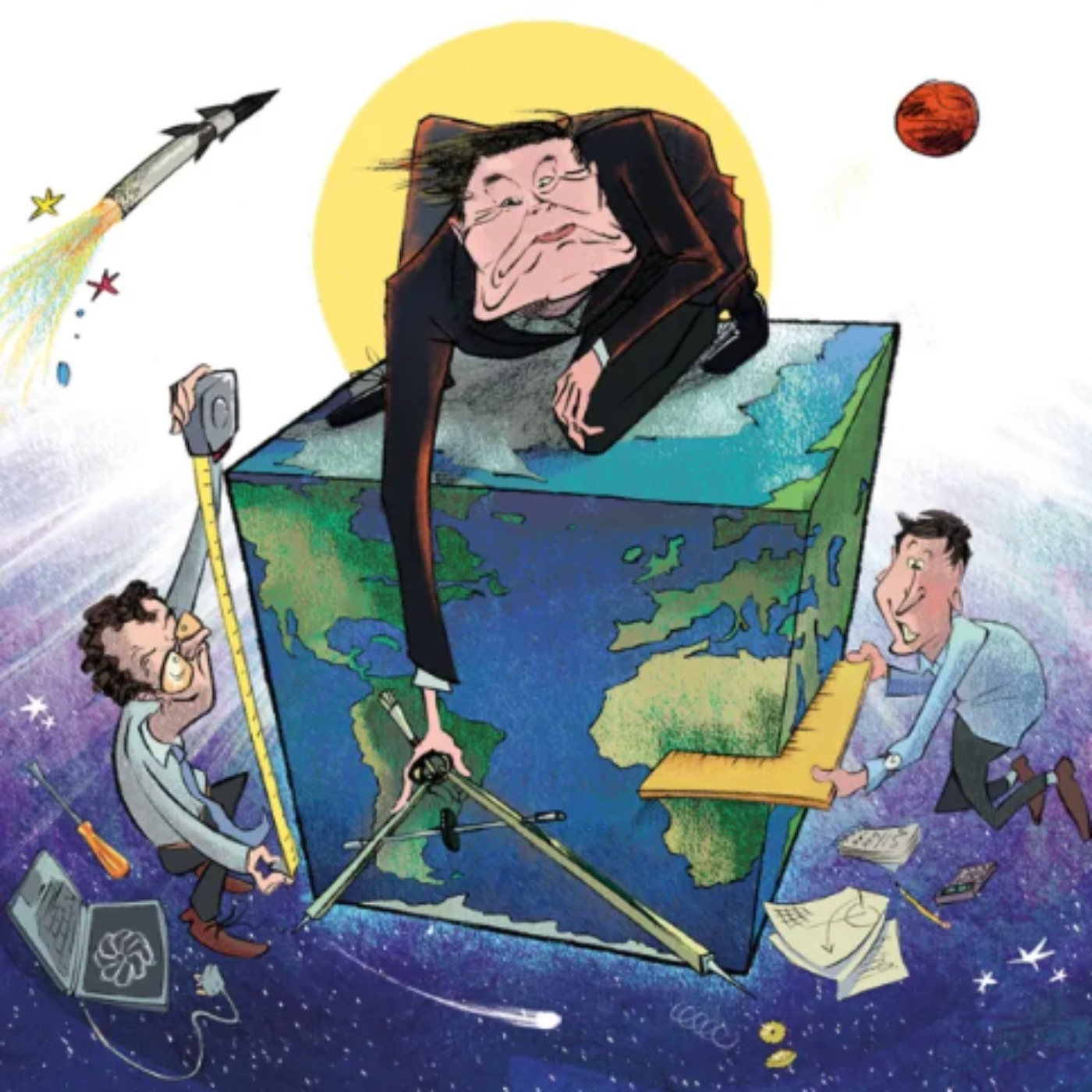
This week: the men on the spectrum who rule the world. Charles Steel writes in the magazine about the wealthy, obsessive and often unconventional figures who increasingly shape politics and technology – from Elon Musk to the crypto billionaire Ben Delo. Is autism a useful way of understanding these men or has society become too obsessed with diagnosing people? Toby argues that traits such as hyper-focus and an indifference to what others think can be an advantage in competitive professions, while Peter dismisses our enthusiasm for putting people on ‘spectrums’ altogether. And, as tech leaders issue increasingly apocalyptic warnings about artificial intelligence, should we take them seriously or be suspicious of calls for greater regulation?
Also: should parents really be worried about the ‘manosphere’? Esther argues that the moral panic surrounding online influencers such as Andrew Tate is already out of date. Teenage boys, she says, are perfectly capable of recognising when misogyny is being used as a business model – and many are more interested in mocking influencers than following them. But with ‘looksmaxxing’, bodybuilding and increasingly extreme attempts at self-improvement taking off online, are boys becoming more like the teenage girls of previous generations?
Plus: Peter reveals why he has fallen out of love with America – and in love with Canada, while Toby marks 35 years since the launch of the Modern Review.
Produced by Patrick Gibbons.
This episode is brought to you by Raymond James. Combining deep insights into who you are with our financial expertise, that’s the power of personal. Investment involves risk.
raymondjames.uk.com
Become a Spectator subscriber today to access this podcast without adverts. Go to spectator.co.uk/adfree to find out more.
For more Spectator podcasts, go to spectator.co.uk/podcasts.
Contact us: podcast@spectator.co.uk
Hosted on Acast. See acast.com/privacy for more information.
For this week’s Edition, William Moore is joined by The Spectator’s political editor, Tim Shipman, commissioning editor and writer at large Tali Fraser, and the historian Antony Beevor.
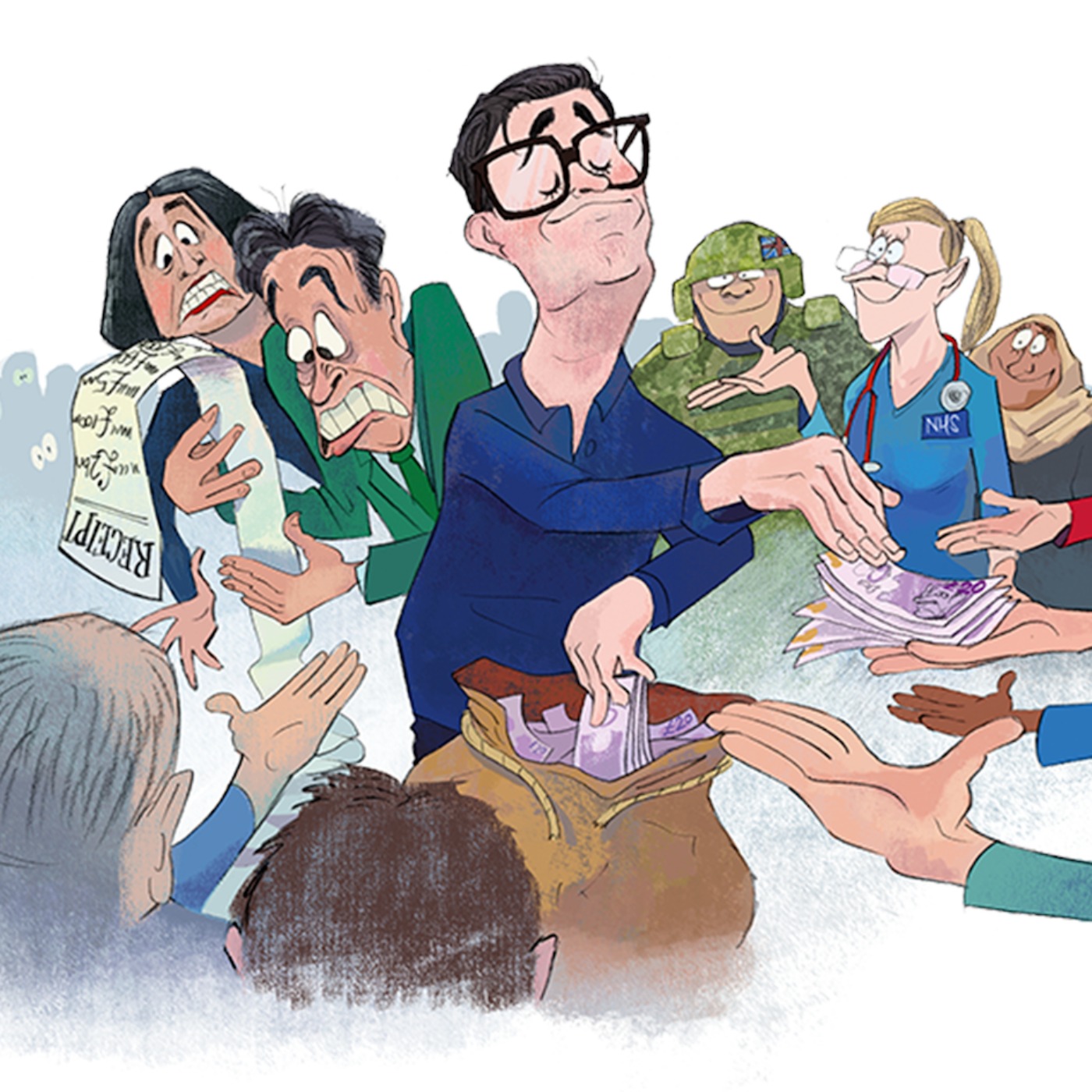
This week: what will Andy Burnham actually do in Downing Street? Tim reveals what to expect from the incoming prime minister’s first ten days, from a blitz of policies and a ‘Number 10 North’ to higher borrowing and wealth taxes.
Also: has Britain expanded the definition of disability too far? The panel discusses Michael Simmons’s argument that compassion should not mean turning every difficulty into a disorder – and asks how the government can encourage resilience and work while protecting those who genuinely need support.
Plus: Tali investigates the Welsh government’s plan to make Wales ‘anti-racist’ by 2030. From hate-crime training for landlords to decolonising museums – and even Welsh cakes – has the Welsh government gone mad?
Produced by Patrick Gibbons and Oscar Edmondson.
This episode is brought to you by Raymond James. Combining deep insights into who you are with our financial expertise, that’s the power of personal. Investment involves risk.
raymondjames.uk.com
Become a Spectator subscriber today to access this podcast without adverts. Go to spectator.co.uk/adfree to find out more.
For more Spectator podcasts, go to spectator.co.uk/podcasts.
Contact us: podcast@spectator.co.uk
Hosted on Acast. See acast.com/privacy for more information.
For this week’s Edition, William Moore is joined by the Spectator’s political editor Tim Shipman, the drinks writer Henry Jeffreys and the founder and chair of iNHouse Communications – and former director of communications for Theresa May – Katie Perrior.
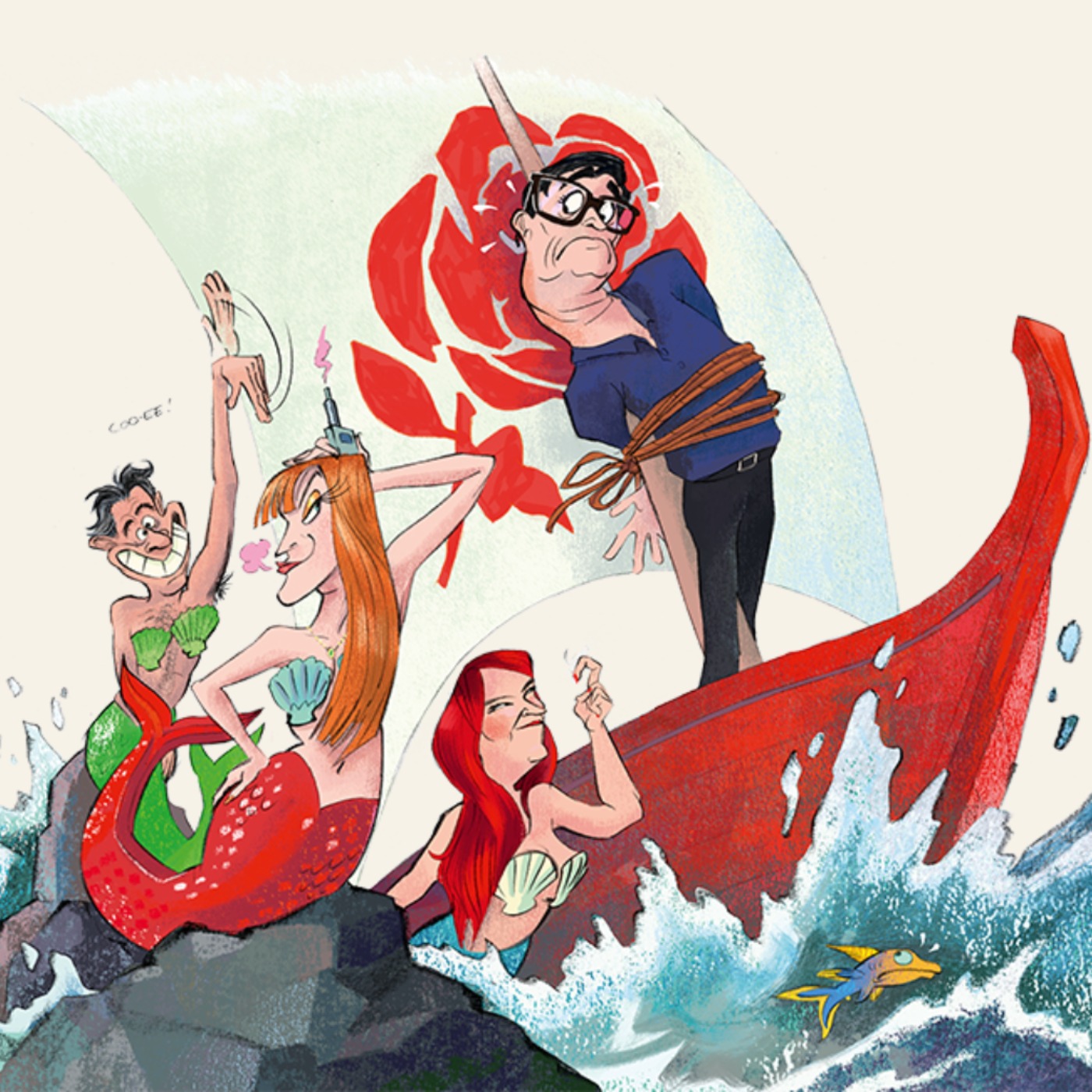
This week: another year, another prime ministerial resignation – it’s all becoming a little too common in British politics. The guests give their views on Starmer’s downfall and look ahead to the inevitable Andy Burnham premiership, from his policy agenda to who’s in – and who’s out – when it comes to the Cabinet and all-important role of Chancellor. Facing criticism that he lacks a mandate, not to mention how recently he was elected to Parliament, should he call for a general election? Burnham may be influenced from Gordon Brown’s failure to call one in 2007 but, as Katie warns, snap elections don't always go your way – just ask Theresa May. And do you agree with Tim characterising Burnham as Labour’s first female leader.
Also: from Burnham’s black t-shirt to Theresa May’s kitten heels, does it matter how politicians dress? Henry makes his argument that people should always strive to dress well and why – from charity shops to the app Vinted – it’s never been easier to do so.
Plus: as the country bakes, what’s the best booze to drink to cool off?
Produced by Patrick Gibbons.
This episode is brought to you by Raymond James. Combining deep insights into who you are with our financial expertise, that’s the power of personal. Investment involves risk.
raymondjames.uk.com
Become a Spectator subscriber today to access this podcast without adverts. Go to spectator.co.uk/adfree to find out more.
For more Spectator podcasts, go to spectator.co.uk/podcasts.
Contact us: podcast@spectator.co.uk
Hosted on Acast. See acast.com/privacy for more information.
47 minAbspielen in:
Warum PodAppear
Folge Menschen, nicht Podcasts.
Du hast William in einer Sendung gehört. PodAppear findet für dich die nächste, und genauso für alle anderen, die du hören willst.
Eine Meldung, wenn die Person zu Gast istPer E-Mail: sofort oder gebündelt als Tages- oder Wochenübersicht. Dann nur noch auf Play drücken.
Gäste statt bloßer ErwähnungenFolgen, in denen ein Name nur fällt, landen getrennt. Eine Meldung heißt: Die Person ist wirklich in der Sendung.
Alle in einem FeedGründerinnen, Autoren, Sportler, Forscherinnen. Folge allen mit Namen, quer durch jede Sendung, in der sie auftreten.
For this week’s Edition, William Moore is joined by the Spectator’s assistant editor Isabel Hardman and the editor of The New Statesman Tom McTague. Plus, in a special episode this week, the Spectator’s economics editor Michael Simmons joins for the first half of the episode, before political editor Tim Shipman jumps in later on.
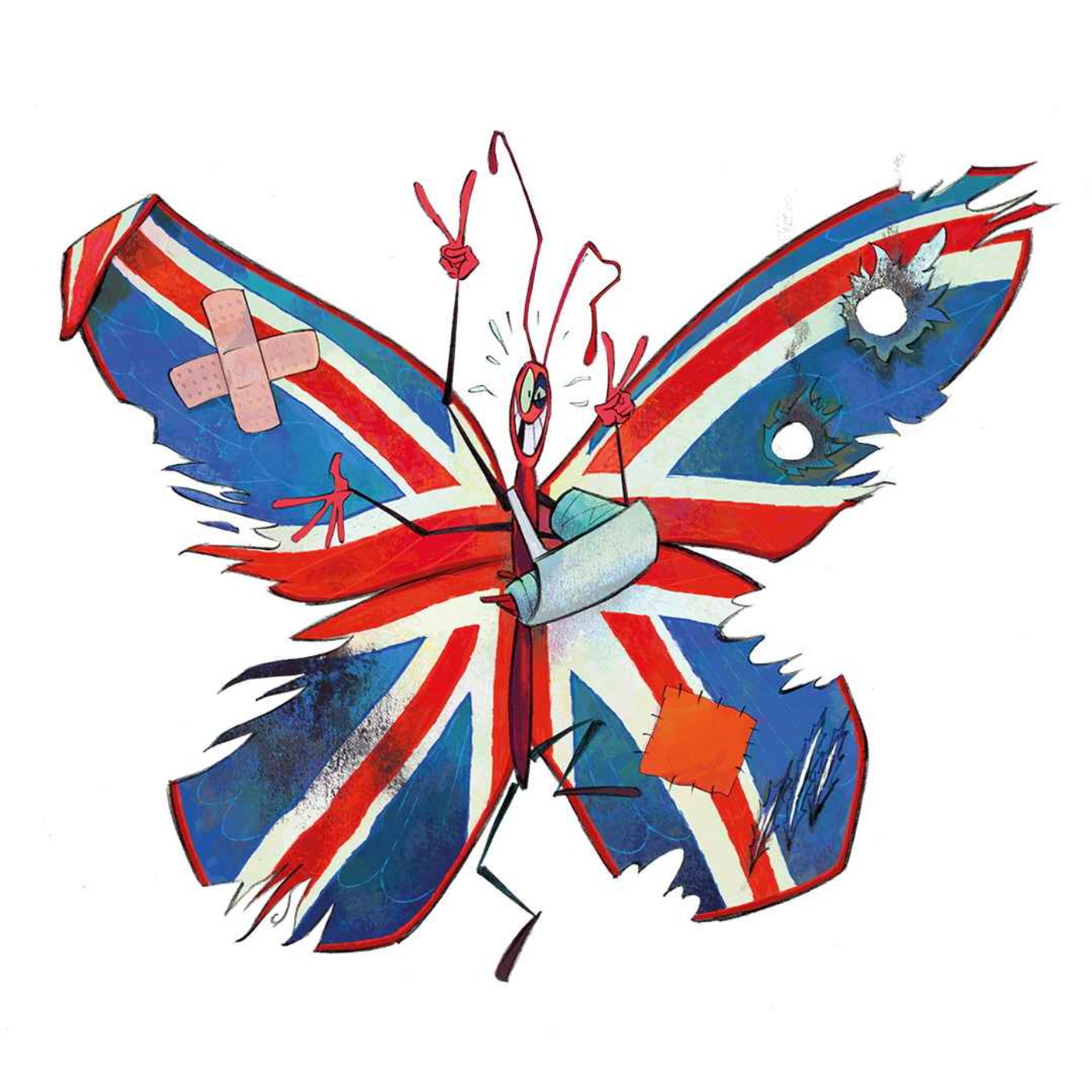
This week: was Brexit worth it? As we approach the tenth anniversary of the vote to leave the European Union, the Spectator’s editor – and former prominent Vote Leave campaigner – Michael Gove makes the case that not only was Britain right to leave, but it has benefitted from leaving. The past decade however has been marked by domestic political chaos, so to what extent was Brexit a symptom or a cause of deeper problems with the British state? Tom argues that whatever your thoughts on Brexit itself, most people in Britain – including in Makerfield – feel nothing has changed; it has been a ‘damp squib’. The author of Between The Waves, which charts the decision to Leave back to the Second World War, explains that while Brexit might not have been inevitable, there was always going to be a reckoning for Britain’s contradictory relationship with Europe. Brexit has undoubtably destabilised politics but, with a decade of chaos since, does that mean that Brexit has failed – or has the state failed?
Also: to what extent is the Labour leadership saga connected to Brexit? Is it a symptom of the post-Brexit period, or was British politics always heading for instability? The group discuss where it all went wrong for Keir Starmer, from winter fuel to the welfare rebellion, and whether Andy Burnham will be able to succeed where Starmer failed. As the polls close in Makerfield, what happens next?
Produced by Patrick Gibbons.
This episode is brought to you by Raymond James. Combining deep insights into who you are with our financial expertise, that’s the power of personal. Investment involves risk.
raymondjames.uk.com
Become a Spectator subscriber today to access this podcast without adverts. Go to spectator.co.uk/adfree to find out more.
For more Spectator podcasts, go to spectator.co.uk/podcasts.
Contact us: podcast@spectator.co.uk
Hosted on Acast. See acast.com/privacy for more information.
For this week’s Edition, William Moore is joined by the Spectator's commissioning editor Lara Brown, the columnist for the Wall Street Journal’s Free Expression newsletter Louise Perry and the Telegraph journalist and presenter of Ukraine: The Latest Francis Dearnley.
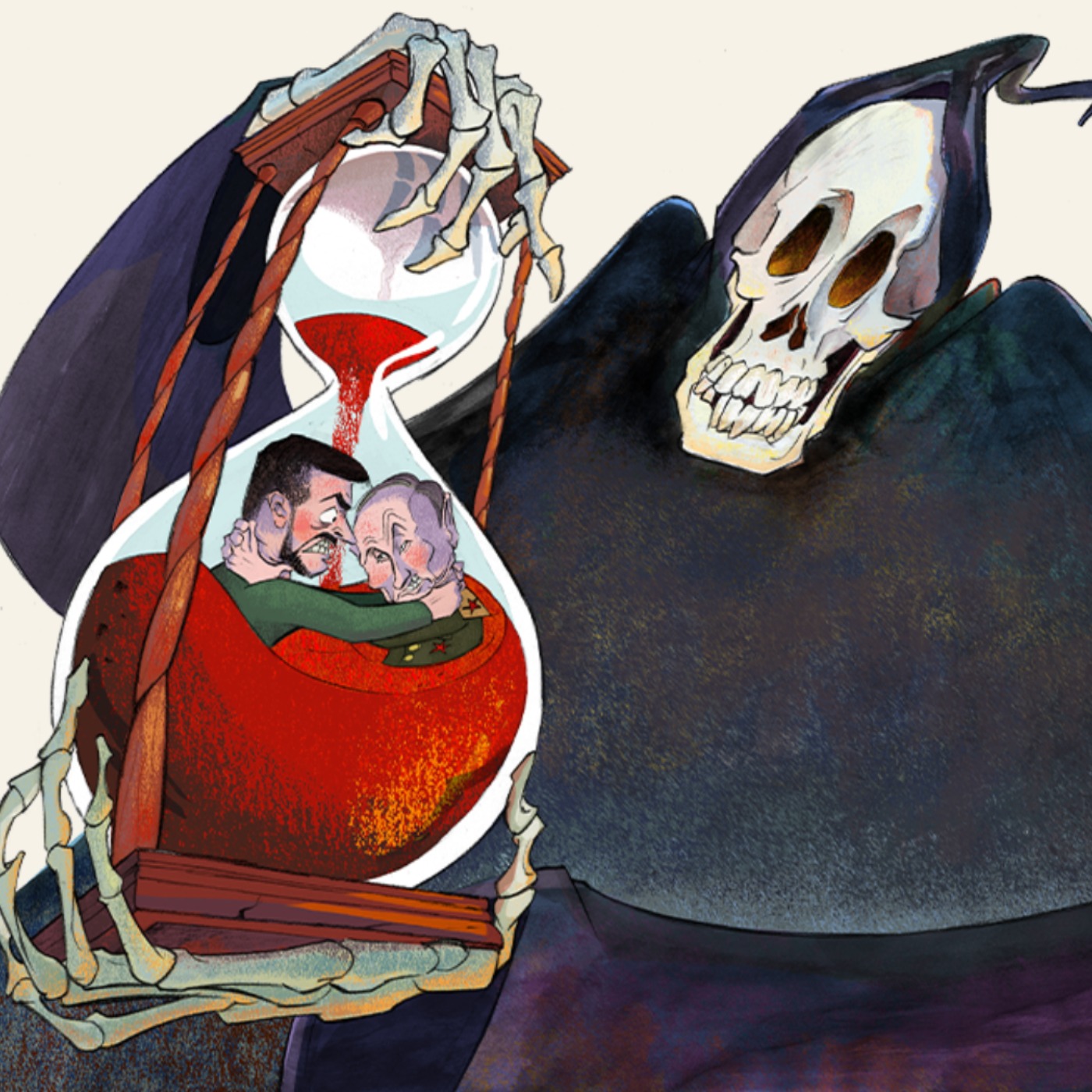
This week: Russia’s full-scale invasion of Ukraine has now gone on longer than the first world war and it shares much of the horrors of that war, from attrition warfare to substantial losses on both sides. So, with over half a million Russians estimated to be killed, could Putin and Zelensky be brought to an exhausted peace? ’No’ is the pessimistic answer from Francis Dearnley this week, who explains that while it might appear to be stuck in a stalemate, casualties are still rising rapidly and Ukraine is currently in the strongest position it has been in for almost 18 months. This is in part due to advances in drone technology, of which Ukraine is now the world’s leading ’superpower’. Drone technology has evolved so rapidly that Francis predicts ‘we are only a few months away from our first political assassination by drone’. What could bring the war to an end? And does British support for Ukraine remain strong?
Also: one week out from the Makerfield by-election, what do we know of Andy Burnham’s Cambridge days? Lara Brown reveals the ‘reassuringly bland’ antics of the Northern lad – who could become Britain’s first Prime Minister with an English Literature degree. Does it matter? And more importantly – will he win?
Plus, they discuss: whether ‘two-tiering’ or positive discrimination can ever be a good thing; if the new motherhood trend of ‘matrescence’ is a con; and, as the World Cup kicks off – is it coming home?
Produced by Patrick Gibbons.
This episode is brought to you by Raymond James. Combining deep insights into who you are with our financial expertise, that’s the power of personal. Investment involves risk.
raymondjames.uk.com
Become a Spectator subscriber today to access this podcast without adverts. Go to spectator.co.uk/adfree to find out more.
For more Spectator podcasts, go to spectator.co.uk/podcasts.
Contact us: podcast@spectator.co.uk
Hosted on Acast. See acast.com/privacy for more information.
In this week’s podcast, William Moore is joined by The Spectator’s economics editor Michael Simmons, assistant editor Isabel Hardman and Times columnist and Sky News presenter Trevor Phillips.
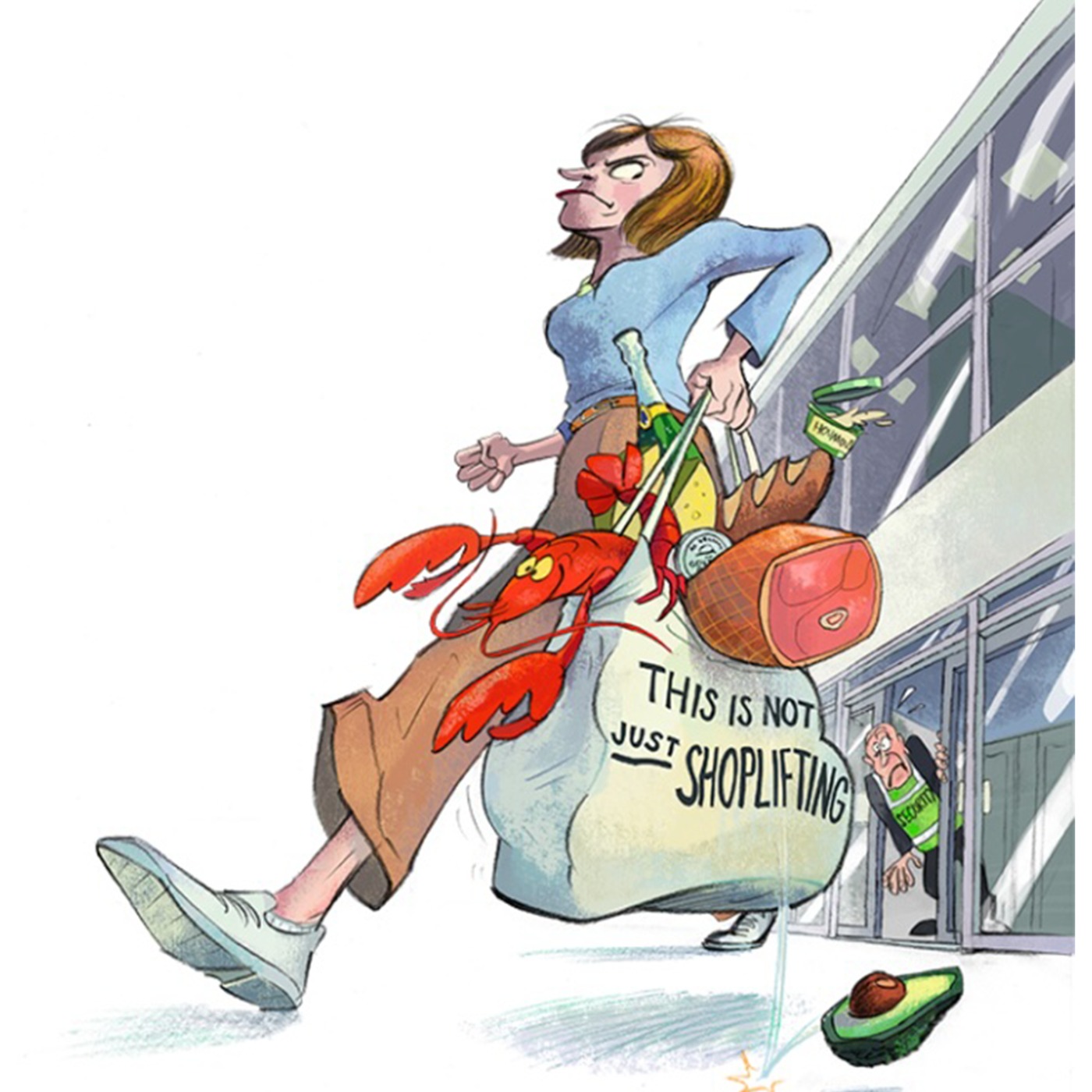
The panel unpacks Mary Wakefield’s cover story on the rise of shoplifting – and what it reveals about’ shameless Britain’. After a Morrisons manager was reportedly sacked for stopping a thief, they ask whether petty crime, fare-dodging and everyday rule-breaking are eroding the social contract.
Also on the episode: Tim Shipman’s latest piece on Labour after Starmer. With Andy Burnham, Angela Rayner and Ed Miliband said to be thinking about what comes next, they debate whether the Prime Minister has lost authority – and whether Labour can choose between what its party wants and what voters want.
And finally: after Green MP Hannah Spencer criticised Parliament’s drinking culture, the panel asks whether Westminster has a booze problem – or should we cut MPs some slack.
Produced by Patrick Gibbons and Oscar Edmondson.
This episode is brought to you by Raymond James. Combining deep insights into who you are with our financial expertise, that’s the power of personal. Investment involves risk.
raymondjames.uk.com
Become a Spectator subscriber today to access this podcast without adverts. Go to spectator.co.uk/adfree to find out more.
For more Spectator podcasts, go to spectator.co.uk/podcasts.
Contact us: podcast@spectator.co.uk
Hosted on Acast. See acast.com/privacy for more information.
The Pope is 'WEAK on crime and terrible on foreign policy' – this was the verdict of the President of the United States this week, as he appeared to deepen his row with the leader of the Catholic Church. In the magazine this week, Damian Thompson reports on why the President appears to have engaged in his own Holy War with the leader of 1.3 billion Catholics around the world.
For this week's Edition, host William Moore is joined by deputy editor Freddy Gray, commissioning editor Lara Brown – and the former Archbishop of Canterbury, Rowan Williams.
Baron Williams, now retired from the Lords, fears there is something 'demonic' in the political culture of the United States right now, as people appear to twist Christian teaching to justify their own causes. He does admit he feels 'slightly sorry' for the US Vice President – and recent Catholic convert – J.D. Vance saying he appears to be 'floundering', following Vance's recent comments that the Pope should 'stick to morality'. Why is the President fighting with the Pope? And what reflections does Rowan have on how involved religious leaders should be in politics?
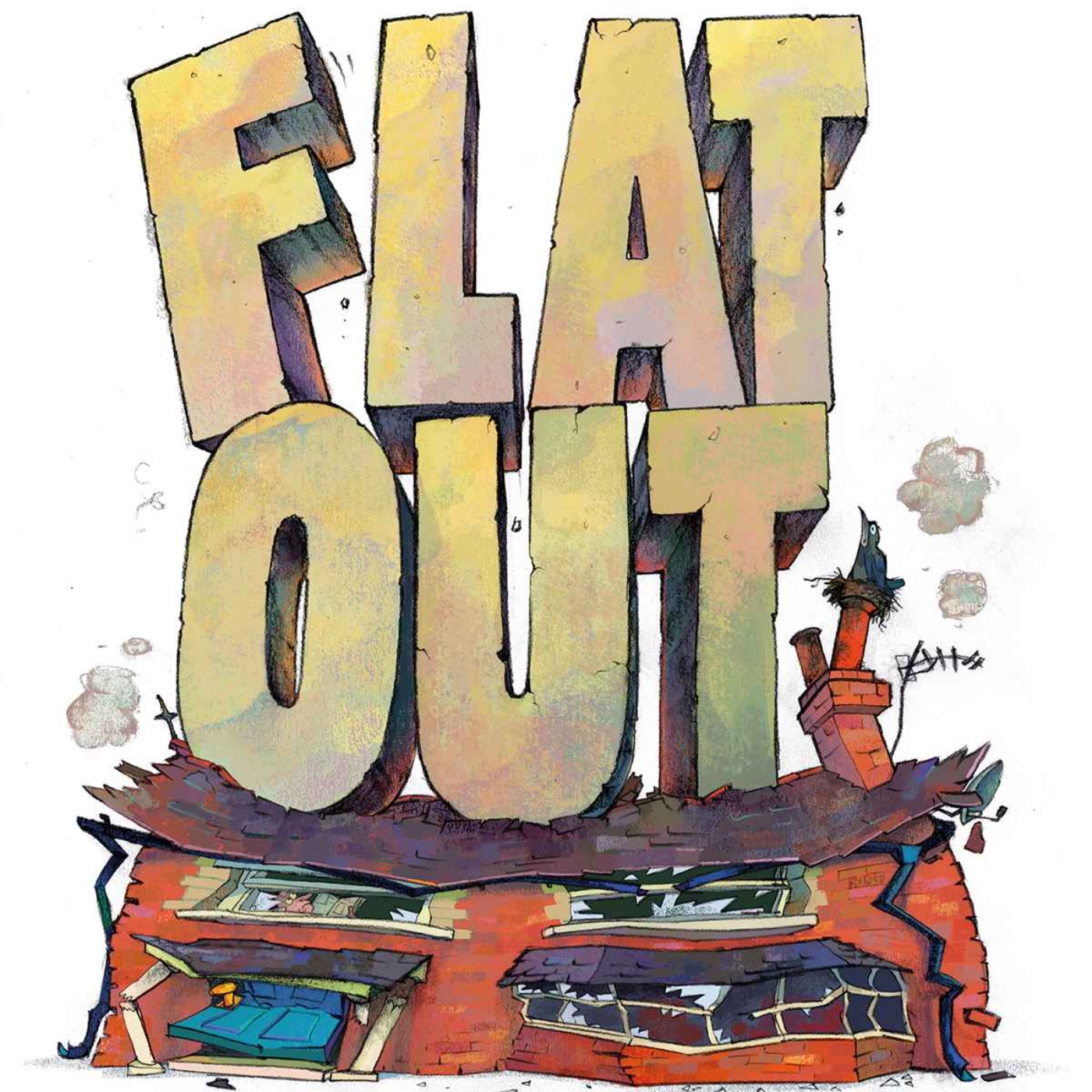
Also on the episode, they discuss: the American right's obsession with the Antichrist; Rowan's new book Solidarity; the Spectator's cover story – by John Power – on the property crash of the London flat market; how the future might be vegetarian; and finally, whether foreign visitors should pay to enter British museums. Plus, what are the panel's favourite cultural attractions in London?
Produced by Patrick Gibbons.
This episode is brought to you by Raymond James. Combining deep insights into who you are with our financial expertise, that’s the power of personal. Investment involves risk.
raymondjames.uk.com
Become a Spectator subscriber today to access this podcast without adverts. Go to spectator.co.uk/adfree to find out more.
For more Spectator podcasts, go to spectator.co.uk/podcasts.
Contact us: podcast@spectator.co.uk
Hosted on Acast. See acast.com/privacy for more information.
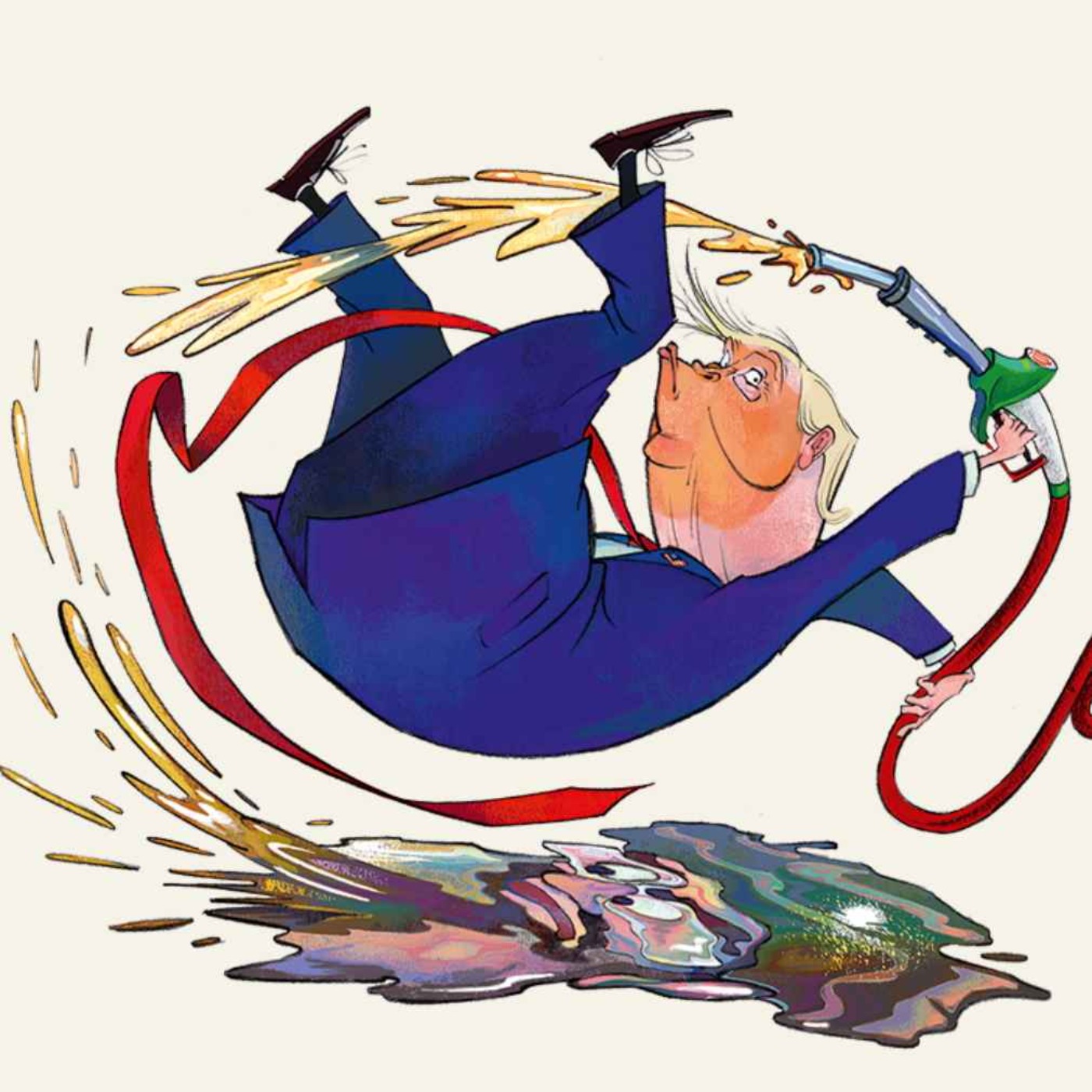
As oil prices rise, the Spectator’s cover story this week – written by deputy editor Freddy Gray – wonders if Trump’s gamble has backfired, and Operation Epic Fury could end up more like Operation Epic Fail. What does it mean to describe Trump’s plan as ‘failing’? And can we judge him by the same metrics that we have judged other presidents?
For this week’s Edition, host William Moore is joined by political editor Tim Shipman, Bloomberg Opinion columnist Adrian Wooldrodge and actress and campaigner Sophie Winkleman. Adrian, author of Centrists of the Worlds Unite!, explains why comparisons with the 1930s might not be as hyperbolic as they seem – while Sophie sees logic in using the diplomatic power of Britain’s monarchy. Could the King be Britain’s ’Trump’ card?
As well as the ongoing crisis in the Middle East, they discuss: if Starmer’s inexperience has hindered Britain’s defence policy; why the decline of the textbook spells trouble for Britain’s students – and the prevailing sense that smartphones should be banned for children; and that, while boasting might be human nature – it’s much harder for those of with left-wing sensibilities.
Produced by Patrick Gibbons.
This episode is brought to you by Raymond James. Combining deep insights into who you are with our financial expertise, that’s the power of personal. Investment involves risk.
raymondjames.uk.com
Become a Spectator subscriber today to access this podcast without adverts. Go to spectator.co.uk/adfree to find out more.
For more Spectator podcasts, go to spectator.co.uk/podcasts.
Contact us: podcast@spectator.co.uk
Hosted on Acast. See acast.com/privacy for more information.