Bekomm eine E-Mail, wenn Thomas in einem Podcast zu Gast istPodAppear prüft neue Folgen, sobald sie erscheinen, und lässt die weg, in denen Thomas nur erwähnt wird. Bis zu 15 Personen kostenlos, ohne Kreditkarte.Bis zu 15 Personen kostenlos, ohne Kreditkarte.
Thomas kostenlos folgen
TC

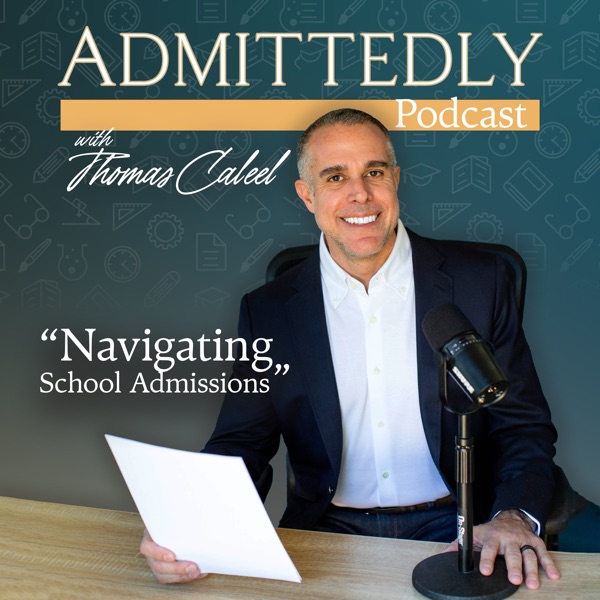
Thomas Caleel

Zwei Jahre auf Sendung

GastHostErwähnt

Selbst moderierte Folgen

Fr20Nov
Admittedly: College Admissions with Thomas Caleel

Admittedly: College Admissions with Thomas CaleelHost

S5E33: The Future of Education in the Age of AI: The College & Career Decisions That Matter More Than Ever

To speak with an advisor and map out your student's next steps, book a Complimentary Strategy Call at admittedly.co/path-to-admissions AI is transforming education and the workforce. But what does that mean for the colleges students choose, the majors they pursue, and the careers they're preparing for? In this episode of the Admittedly Podcast, Thomas Caleel sits down with Scott Kosch. Scott Kosch is the author of Indispensable: A Student's Guide to Thriving in the Age of AI, Senior Partner at NextAccess (an AI business transformation consultancy), and Managing Partner at Kosch Capital. He also publishes The AI-Ready Student newsletter. With over 25 years of experience, he advises students, parents, and educators on preparing for AI-era careers. He holds an MBA from The Wharton School of the University of Pennsylvania and a BA from Claremont McKenna College. They discuss how artificial intelligence is changing the way students learn, what families should consider when choosing colleges and majors, whether Ivy League prestige still matters, and why critical thinking, communication, and adaptability may be among the most valuable skills students can develop. Key Takeaways AI in education: How can students use AI without compromising critical thinking and genuine learning? Choosing colleges: Should families look beyond traditional rankings to evaluate how universities are preparing students for AI? College majors: Is choosing a major based on today's job market a mistake? Liberal arts vs. technical skills: Why might interdisciplinary education, communication, and intellectual flexibility become increasingly valuable? College admissions: What does it take to stand out when AI-powered projects are becoming commonplace? Career planning: How should students approach internships, entry-level jobs, and long-term professional development? The goal isn't to predict exactly what the workforce will look like in ten or twenty years. It's to help students develop the skills, judgment, and adaptability to succeed as the world changes. Learn more about Scott Kosch: Book and website: https://www.scottkosch.com/ The AI-Ready Student newsletter: https://aireadystudent.com/ LinkedIn: https://www.linkedin.com/in/scottkosch/ To speak with an advisor and map out your student's next steps, book a Complimentary Strategy Call at admittedly.co/path-to-admissions

37 minAbspielen in:

Fr30Okt
Admittedly: College Admissions with Thomas Caleel

Admittedly: College Admissions with Thomas CaleelHost

S5E31: Pay-to-Play College Admissions: When Summer Programs & Research Actually Help (And When They Hurt)

To speak with an advisor and map out your student's next steps, book a Complimentary Strategy Call at admittedly.co/apply. Are expensive summer programs and paid research opportunities actually helping students get into selective colleges? Or are families spending thousands of dollars on activities that do little to strengthen an application? In this episode of the Admittedly Podcast, Thomas Caleel tackles one of the most controversial topics in college admissions: pay-to-play summer programs and research opportunities. From university-branded pre-college programs to paid research mentorships, Thomas explains how admissions officers evaluate these experiences, why some impressive-sounding credentials carry less weight than parents expect, and when paying for an academic opportunity can genuinely make sense. Key Takeaways Paid research: Does paying for research actually strengthen a college application? High school research: Do students need research experience for Ivy League admissions? Summer programs: When are expensive pre-college programs worth the investment? University prestige: Does attending a summer program at a top university give students an advantage? Alternative experiences: Why might jobs, internships, and independent projects stand out more? University of Chicago: What makes its summer program admissions pathway different? The question isn't whether a program is prestigious or expensive. It's whether the experience helps your student develop genuine interests, take initiative, and build a more compelling college application. To speak with an advisor and map out your student's next steps, book a Complimentary Strategy Call at admittedly.co/apply.

23 minAbspielen in:

Sa24Okt
Admittedly: College Admissions with Thomas Caleel

Admittedly: College Admissions with Thomas CaleelHost

S5E30: The Return of Standardized Testing: What PSAT, SAT, & ACT Scores Mean for 2027 Admissions and Beyond

To speak with an advisor and map out your student's next steps, book a Complimentary Strategy Call at admittedly.co/apply. SAT or ACT? Does the PSAT matter? When should your student start preparing? Should they submit their scores to test-optional colleges? And what does a competitive score actually look like for Ivy League and other highly selective universities? In this episode of the Admittedly Podcast, Thomas Caleel answers some of the most common questions families have about standardized testing and its role in college admissions. Inspired by a recent live event with Arun Alagappan, founder of Advantage Testing, Thomas breaks down how students should approach the SAT, ACT, and PSAT, from choosing the right exam to developing a realistic testing timeline. As colleges reconsider test-optional policies and place renewed emphasis on standardized scores, understanding how testing fits into the broader application has become increasingly important. Thomas explains how admissions officers interpret scores alongside grades and academic rigor, what students should consider before withholding scores, and why even an impressive overall score may not tell the full story. Key Takeaways SAT vs. ACT: Does one test give students an advantage in selective college admissions? When should students begin preparing for the SAT or ACT? How much does the PSAT matter for college admissions? What does applying test-optional communicate to admissions officers? How do colleges evaluate standardized test scores alongside GPA, course rigor, and AP or IB performance? Can a high SAT or ACT score compensate for weaker grades? How much do individual section scores matter for students interested in engineering, business, or other academic fields? Do students really need a 1550+ SAT score to be competitive for Ivy League admissions? The right testing strategy isn't simply about chasing the highest possible score. It's about understanding your student's academic strengths, choosing the right exam, preparing at the right time, and knowing how their scores contribute to the larger admissions picture. For families seeking individualized SAT/ACT preparation and academic support, learn more about Admittedly's partnership with Advantage Testing at https://admittedly.co/test-prep-tutoring/ To speak with an advisor and map out your student's next steps, book a Complimentary Strategy Call: admittedly.co/apply

20 minAbspielen in:

Do24Sep
Admittedly: College Admissions with Thomas Caleel

Admittedly: College Admissions with Thomas CaleelHost

S5E26: What 22 Years of Tutoring Teaches You About Students: Motivation, Mastery, and Finding Your Voice (With Advantage Testing's Sarah Bernbach)

In this episode of The Admittedly Podcast, Thomas Caleel sits down with Sarah Bernbach, Associate Director of Advantage Testing's New York offices, to explore what more than two decades of tutoring has taught her about how students learn, build confidence, and find their voice. Drawing on 22 years of experience (and her own unconventional path as a pastry chef, bookbinder, writer, and costume designer), Sarah explains why struggling is often part of learning, why a lack of motivation can actually be fear, and what helps students move from uncertainty to mastery. Thomas and Sarah also dive into college essays, including why students often focus too much on what happened to them instead of what their story reveals about who they are. Key Topics: Why student resistance or lack of motivation may actually be rooted in fear How great tutors build trust and confidence with students What being a beginner teaches us about learning and mastery Why authenticity is so difficult (and important) in personal writing How to find a college essay topic that reveals who you are Why imitating successful college essays can work against your own voice Guest: Sarah Bernbach is the Associate Director of Advantage Testing's New York offices and has spent 22 years as an elite tutor helping students strengthen their academic skills, writing, and confidence as learners. Learn more about Admittedly's partnership with Advantage Testing: admittedly.co/programs Follow Admittedly: Instagram & TikTok: @admittedlyco Follow Advantage Testing: Instagram: @advantagetesting

20 minAbspielen in:

Fr7Aug
Admittedly: College Admissions with Thomas Caleel

Admittedly: College Admissions with Thomas CaleelHost

S5E21: How College Transfer Admissions Really Work | Strategy, Timing, & What Top Schools Look For

In this episode of The Admittedly Podcast, Thomas Caleel is joined by Sonam Aidasani, Director of Product & Strategy at Admittedly and former Duke admissions officer, to break down one of the most misunderstood areas of college admissions: transferring. Is transferring actually an easier way into a highly selective college? What makes a compelling reason to transfer? And if you're already thinking about transferring before freshman year even begins, what should you be doing now? Thomas and Sonam unpack the different paths students take—from community college to four-year universities, to students realizing their current college simply isn't the right fit, to families considering transfer as a deliberate admissions strategy. They also explain why transfer admissions is its own process and why strong college grades alone aren't enough. Key Topics: The different reasons students pursue transfer admissions (and which ones make the strongest case) Why your high school transcript can still matter in transfer admissions The importance of college grades, professor relationships, recommendations, and campus involvement Why admissions officers scrutinize your reason for leaving your current institution Whether you can reuse essays from your original freshman application How SAT and ACT scores can factor into a transfer application Transfer vs. gap year: what students should consider before choosing either path Why every college's transfer policies, requirements, priorities, and credit rules need to be researched individually Considering a Transfer? Admittedly's transfer programs are designed for students preparing to apply now as well as students who are earlier in college and want to position themselves strategically for a potential transfer later. From course selection and academic performance to campus involvement, recommendations, testing, school selection, and the application itself, the decisions you make before applying can significantly shape your options. 📅 Speak with the Admittedly team about your transfer strategy: Apply for a Complimentary Strategy Call 📱 Follow Admittedly: Instagram & TikTok: @admittedlyco

24 minAbspielen in:

Warum PodAppear

Folge Menschen, nicht Podcasts.

Du hast Thomas in einer Sendung gehört. PodAppear findet für dich die nächste, und genauso für alle anderen, die du hören willst.

  • Eine Meldung, wenn die Person zu Gast istPer E-Mail: sofort oder gebündelt als Tages- oder Wochenübersicht. Dann nur noch auf Play drücken.
  • Gäste statt bloßer ErwähnungenFolgen, in denen ein Name nur fällt, landen getrennt. Eine Meldung heißt: Die Person ist wirklich in der Sendung.
  • Alle in einem FeedGründerinnen, Autoren, Sportler, Forscherinnen. Folge allen mit Namen, quer durch jede Sendung, in der sie auftreten.

Bis zu 15 Personen kostenlos, ohne Kreditkarte.

Do18Jun
Admittedly: College Admissions with Thomas Caleel

Admittedly: College Admissions with Thomas CaleelHost

S5E17: What Makes a Great College Essay? Storytelling, Authenticity, & Finding Your Voice | Interview With Charles Loxton From Advantage Testing

In this episode of The Admittedly Podcast, Thomas Caleel sits down with Charles Loxton, Chief Communications Officer at Advantage Testing and an experienced application consultant, to explore one of the most misunderstood parts of the admissions process: the college essay. Drawing on decades of experience helping students develop their personal narratives, Charles explains why essays matter, how storytelling works in admissions, and why the best essays often start in unexpected places. Key Topics: Why the college essay is one of the few places students can show who they are beyond grades, scores, and activities The connection between storytelling, listening, and authentic self-reflection How to think about family, adversity, mental health, and other sensitive topics in admissions essays What the Additional Information section is really for — and the mistakes students make when using it The difference between Common App essays, UC personal insight questions, and UCAS personal statements Why students should stop obsessing over the perfect hook and focus on telling a compelling story first How to approach "Why This College?" essays in a way that feels genuine rather than formulaic Guest: Charles Loxton is the Chief Communications Officer at Advantage Testing and has spent more than two decades helping students develop compelling application essays and personal narratives. With a background in creative writing, documentary filmmaking, and educational consulting, Charles specializes in helping students uncover authentic stories that resonate with admissions officers. Learn more about Admittedly's partnership with Advantage Testing: admittedly.co/programs Follow Admittedly: Instagram & TikTok: @admittedlyco Follow Advantage Testing: Instagram: @advantagetesting

31 minAbspielen in:

Fr29Mai
Admittedly: College Admissions with Thomas Caleel

Admittedly: College Admissions with Thomas CaleelHost

S5E15: Admissions Essays Explained: What Admissions Officers Are Actually Looking For (& What Most Students Get Wrong)

To speak with an advisor and build a smarter college admissions strategy, book a Complimentary Strategy Call at: 👉 https://admittedly.co/path-to-admissions/ College application essays are one of the biggest opportunities students have to differentiate themselves in competitive admissions. In this episode of the Admittedly Podcast, Thomas Caleel breaks down what admissions officers are actually looking for in college essays, why essays matter in a world of grade inflation and strong test scores, and how students should think strategically about telling their story. He explains why essays are not English assignments, why authenticity matters more than polished prose, and how students should approach the Common App personal statement, supplemental essays, and additional information sections with intention and clarity. Key Takeaways • Essays help admissions officers understand the person behind grades, scores, and activities. • Strong essays are strategic... students should think about what they want admissions officers to understand about them before writing. • College essays are not English essays and should prioritize clarity, reflection, and authenticity. • Over-editing by parents, consultants, or AI can undermine authenticity and weaken applications. • Admissions officers value voice, self-awareness, and intellectual curiosity over perfect writing. • The Common App personal essay, supplements, and additional information section should work together as a cohesive narrative. • Reading, writing, and self-reflection are critical skills for developing stronger essays. A great college essay is not about sounding impressive... it IS about helping admissions officers understand who you are, how you think, and what you will contribute to a campus community. The strongest essays are authentic, intentional, and deeply reflective of the student behind the application. If you're looking for guidance on essays, application strategy, or building a stronger admissions narrative, you can book a Complimentary Strategy Call here 👉 https://admittedly.co/path-to-admissions/ 🔗 Explore more admissions resources: https://admittedly.co/resources/ 📱 Follow us on Instagram & TikTok: @admittedlyco

26 minAbspielen in:

Fr3Apr
Admittedly: College Admissions with Thomas Caleel

Admittedly: College Admissions with Thomas CaleelHost

S5E10: ADHD, Executive Functioning, & College Readiness: What Parents Need to Know Before Senior Year

To speak with an advisor and map out your student's next steps, book a Complimentary Strategy Call at admittedly.co/apply. In this episode of the Admittedly Podcast, Thomas Caleel speaks with Mike McLeod, founder of GrowNOW ADHD, about the real factor that determines whether students thrive in college: executive functioning skills. Strong grades and test scores can help students gain admission, but independence, motivation, and resilience determine what happens next. Thomas and Mike break down how ADHD affects executive functioning, why many students struggle with the transition to college, and what families can do now to build the internal skills students need to succeed without constant supervision. From screen dependence to time management to real-world responsibility, this conversation offers a practical framework for helping students develop the habits and mindset that selective colleges — and future employers — expect. Key Takeaways • ADHD is primarily a challenge of executive functioning, not intelligence or effort. • Executive functioning skills include self-regulation, task initiation, motivation, and follow-through. • Many students arrive at college academically prepared but struggle with independence. • Screen overuse can interfere with the development of focus, resilience, and delayed gratification. • Real-world experiences like jobs, activities, and responsibilities build executive functioning skills. • Accommodations can support students, but independence must still be developed. • Parents should prioritize long-term readiness, not just short-term academic performance. College success requires more than academic ability. Students who develop independence, resilience, and ownership over their time are far better positioned to thrive once they arrive on campus. *]:pointer-events-auto scroll-mt-[calc(var(--header-height)+min(200px,max(70px,20svh)))]" dir="auto" data-turn-id= "request-698ba4c4-86c0-8332-bb91-d1ab5e770345-2" data-testid= "conversation-turn-132" data-scroll-anchor="true" data-turn= "assistant"> Executive functioning development is one of the most important long-term investments families can make, particularly for students navigating ADHD or motivation challenges. When students learn how to manage their time, regulate their focus, and take ownership of their responsibilities, they are better prepared not only for selective colleges, but for life beyond the classroom. For families looking to go deeper, the following resources can help support next steps: • Learn more about GrowNOW ADHD: https://www.grownowadhd.com/ • Explore The Executive Function Playbook: https://www.grownowadhd.com/grownow-book/ • Listen to the ADHD Parenting Podcast: https://www.youtube.com/@TheADHDParentingPodcast Follow Admittedly on Instagram and TikTok for weekly strategy insights: @admittedlyco Book a Complimentary Strategy Call with our advising team: admittedly.co/apply

41 minAbspielen in:

Di3Feb
Admittedly: College Admissions with Thomas Caleel

Admittedly: College Admissions with Thomas CaleelHost

S5E6: What Parents Should Know About Academic Tutoring & Test Prep: Fit, Timing, & Real Progress

In this episode of The Admittedly Podcast, Thomas Caleel sits down with Kathy Yellen, Senior Program Consultant at Advantage Testing, to pull back the curtain on what most families misunderstand about tutoring and test prep. With 16 years at Advantage Testing and a background spanning early childhood education, classroom teaching, and performance, Kathy explains what her role actually looks like: listening to families, building a roadmap, and "matchmaking" students with the right tutors so the relationship works, not just the schedule. Together, Thomas and Kathy unpack the real concerns parents bring to the table when they're navigating SAT/ACT prep or academic tutoring for the first time, including confusion, misinformation, and the fear that "we're behind." Key Topics: What Advantage Testing "program consulting" actually is, and why the student-tutor match matters as much as expertise How families should approach test prep and academic tutoring when they don't know where to start Why there is no "only way" to prep and how to tune out conflicting opinions and social media noise What tutoring is (and is not): scaffolding, mentorship, and confidence-building, not replacement or shortcutting When to consider tutoring, including support, remediation, and enrichment, and why timing depends on the student Why practice test scores often fluctuate and how to evaluate progress using trendlines, not single data points How to handle mid-process stress and what to do if the match isn't working (and why course correction should happen early) Guest: Kathy Yellen: Senior Program Consultant at Advantage Testing with 16 years of experience supporting families through academic tutoring and test preparation. Kathy holds a BA in English from Tufts University and an MST in Early Childhood Education from Fordham University, and has worked as a teacher, tutor, actor, and singer before joining Advantage Testing. Learn more about Admittedly's partnership with Advantage Testing: admittedly.co/programs Follow Admittedly: Instagram and TikTok: @admittedlyco Follow Advantage Testing: Instagram: @advantagetesting

24 minAbspielen in:

Di13Jan
Admittedly: College Admissions with Thomas Caleel

Admittedly: College Admissions with Thomas CaleelHost

S5E3: Raising Resilient Kids: Nature Connections, Mental Health, and College Readiness with Mario Mendez of Wilderness Youth Project (WYP)

If you're ready to take the next step in your admissions journey, visit https://admittedly.co/apply to register for a free Family Action Call with one of our advisors. Parents worry about grades, test scores, and résumés. But underneath all of that, what really shapes a student who can thrive in competitive academics and in life? In this episode, Thomas Caleel talks with Mario Mendez, Community Accountability Manager and Senior Program Staff at Wilderness Youth Project (WYP) in Santa Barbara, about how nature, unstructured exploration, and real-world challenge help kids build the resilience, awareness, and confidence they need long before they ever apply to college. Mario draws on decades of experience working with young people in South America, the Middle East, Europe, and the United States. Together, he and Thomas unpack how nature-based programs can support mental health, reduce stress, and help students develop a stronger sense of self – and why those qualities matter so much in highly selective college admissions. Key Topics & Takeaways Education beyond the classroom Why real education includes social emotional learning, self-awareness, and lived experience, not just what happens in class. Nature as a tool for awareness and belonging How tracking, observation, and time outdoors teach kids to notice their surroundings, read a room, and understand their impact on others. Access, equity, and Bridge to Nature How programs like WYP's Bridge to Nature serve under resourced students, and why nature connection is not just for "outdoorsy" or privileged families. What families can do anywhere Practical ways to build nature connection in cities and suburbs using small routines: a single tree, a window, a daily walk, or attention to seasonal changes. Storytelling, resilience, and admissions How a rich inner life, curiosity, and the ability to tell your own story show up in college essays and in the way students move through school and life. This conversation is especially helpful for parents who see anxiety, burnout, or disconnection in their kids and want something more meaningful than another activity on the schedule. It is also for families thinking about highly selective admissions who recognize that resilience, authenticity, and self-knowledge are just as important as GPA and test scores. Links to Wilderness Youth Project, Mario's recommended resources, and related nature-connection tools: Nature Connection and Outdoor School Directory Learn More About Wilderness Youth Project Read About Stress Busters For more support on building thoughtful, strategic paths to college for your student, visit admittedly.co and follow @admittedlyco on Instagram and TikTok.

50 minAbspielen in:

Di9Dez 25
Admittedly: College Admissions with Thomas Caleel

Admittedly: College Admissions with Thomas CaleelHost

S4E42: Inside the Mind of a Top Tutor: Why Students Struggle and How to Help Them Thrive (With Advantage Testing's Michelle Chasin)

In this episode of The Admittedly Podcast, Thomas Caleel speaks with Michelle Chasin, Associate Director of Advantage Testing New York and senior tutor with more than 30 years of experience working with high school students. Michelle specializes in tutor development, long-term academic mentorship, and supporting students through test preparation, foundational skill-building, and the emotional challenges of high-pressure academic environments. Together, Thomas and Michelle discuss how students actually learn, why academic anxiety is rising, and how consistent practice and strong process habits set students up for success not only on standardized tests but throughout high school, college, and beyond. Key Topics: Why academic anxiety has increased and how to help students break through it What "missing foundations" look like and how long-term tutoring repairs them How consistent, incremental practice outperforms last-minute cramming Why failure and "messing up" are critical parts of real learning Effective ways parents can support academic growth without increasing pressure How to motivate gifted students who appear disengaged Lessons from competitive chess that apply directly to test prep and high-level academics Why there is no such thing as a "natural test taker" — only strong processes and habits Guest: Michelle Chasin: Associate Director of Advantage Testing New York, senior tutor, mentor, and parent of a seven-time national chess champion, with three decades of experience supporting students through deep, long-term academic development. Learn more about Admittedly's partnership with Advantage Testing: admittedly.co/programs Follow Admittedly: Instagram and TikTok: @admittedlyco

30 minAbspielen in:

Di2Dez 25
Admittedly: College Admissions with Thomas Caleel

Admittedly: College Admissions with Thomas CaleelHost

S4E41: Freshman Year Check-In: The Essential Guide to Grades, Activities & Summer Planning

In this episode of The Admittedly Podcast, host Thomas Caleel breaks down what freshmen (and their parents) should be thinking about as they wrap up their first semester of high school. From academic foundations to extracurricular exploration to strategic planning for summer, Thomas explains why the habits students build now will shape their options in junior and senior year — especially if they're aiming for selective or highly selective colleges. Rather than overwhelming families with long-term predictions, Thomas focuses on practical, immediate steps freshmen can take to stay on track, reduce future stress, and explore their interests with intention. Key Takeaways Academic Foundations Matter: Freshman year grades and mastery—not just passing—set the tone for your entire transcript. Weak foundations now become big problems in junior year. Teachers Should Know You: Asking questions, checking in after class, and building relationships early pays off later when rigor increases and recommendations matter. You Must Be Doing Something Outside of Class: Clubs, sports, jobs, community involvement—freshman year is about exploration, not perfection. But doing nothing is not an option. Summer Planning Starts Now: Applications for competitive or meaningful summer programs open between December and February. Freshmen need to be ahead of the curve, not scrambling in April. Choose Activities With Intention, Not Prestige: Freshman summer doesn't need to be fancy. Programs, jobs, volunteering, or personal projects all count—admissions officers care about why you did something and what you gained from it. Reading Is a Superpower: Regular reading builds critical thinking and reading speed, two skills that make a huge difference for future SAT/ACT prep and AP courses. Freshman year sets the foundation for high school. This episode walks you through how to self-assess, course-correct, and plan ahead without burning out or getting caught up in panic culture. Follow along on Instagram and TikTok @admittedlyco for more tips to stay ahead. And if your family is ready to take the next step, visit https://admittedly.co/apply to apply for a free Family Action call with one of our admissions advisors.

21 minAbspielen in: