Get an email when Steve is a guest on a podcastPodAppear checks new episodes as they come out and leaves out the ones that only mention Steve. Free for up to 15 people, no card needed.Free for up to 15 people, no card needed.
Follow Steve free
SM

Steve MacFeely

Two years on the air

GuestHostMentioned

Episodes they host

Mon22Jun
OECD Podcasts

OECD PodcastsHost

Making good data easier to find and use with Google's Prem Ramaswami

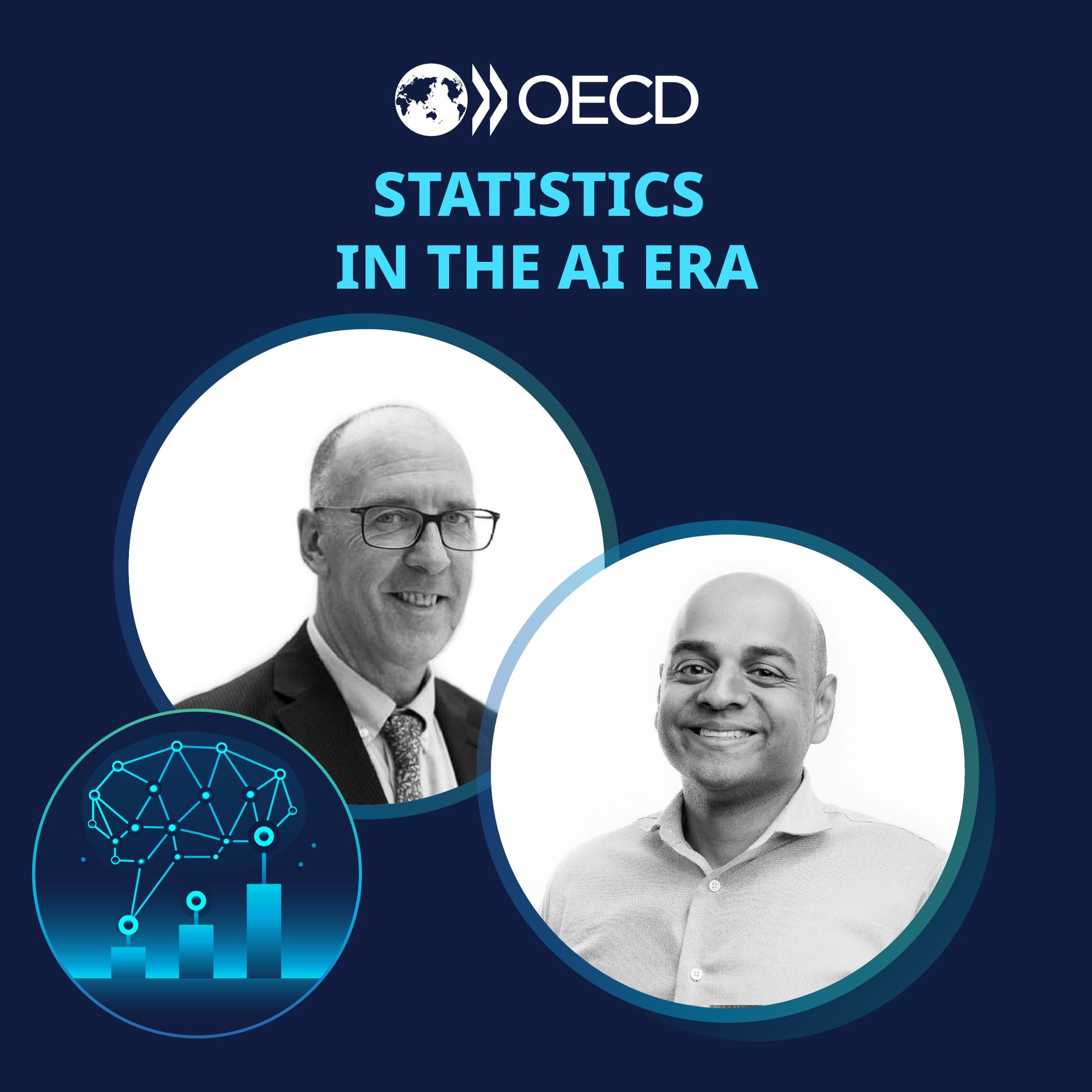
As AI assistants, search engines and chatbots become intermediaries between users and information, official statistics face a new usability test: can authoritative public data be found, understood, sourced and used correctly by both humans and machines? In the second episode of Statistics in the AI Era, OECD Chief Statistician Steve MacFeely speaks with Prem Ramaswami, Head of Google Data Commons, about the practical work needed to make trusted statistics understandable to people and legible to AI systems. Prem argues that the challenge is not only to publish reliable data, but to make it easier to discover, connect and use. He explains why fragmented datasets impose a hidden “data tax” on analysts, why AI systems need data that is well sourced, auditable and reproducible, and why statistical organisations should start with machine-readable metadata. The conversation also explores practical AI use cases across the statistical pipeline - including data collection, data cleaning, sharing and tailored policy outputs - as well as the need for public-private partnerships where technology companies help, and statistical institutions hold them to account. Host: Steve MacFeely | Chief Statistician, Statistics and Data Directorate, OECD LinkedIn | https://www.linkedin.com/in/steve-macfeely-a1a710112/ Guest: Prem Ramaswami | Head of Data Commons, Google LinkedIn | https://www.linkedin.com/in/premrama/ To learn more about this policy area: https://www.oecd.org/en/about/directorates/statistics-and-data-directorate.html To learn more about the OECD, our global reach, and how to join us, go to www.oecd.org/about/ To keep up with latest at the OECD, visit www.oecd.org/ Get the latest OECD content delivered directly to your inbox! Subscribe to our newsletters: www.oecd.org/newsletters
29 minPlay in:

Tue16Jun
OECD Podcasts

OECD PodcastsHost

AI and the future of official statistics with André Loranger - Chief Statistician of Canada

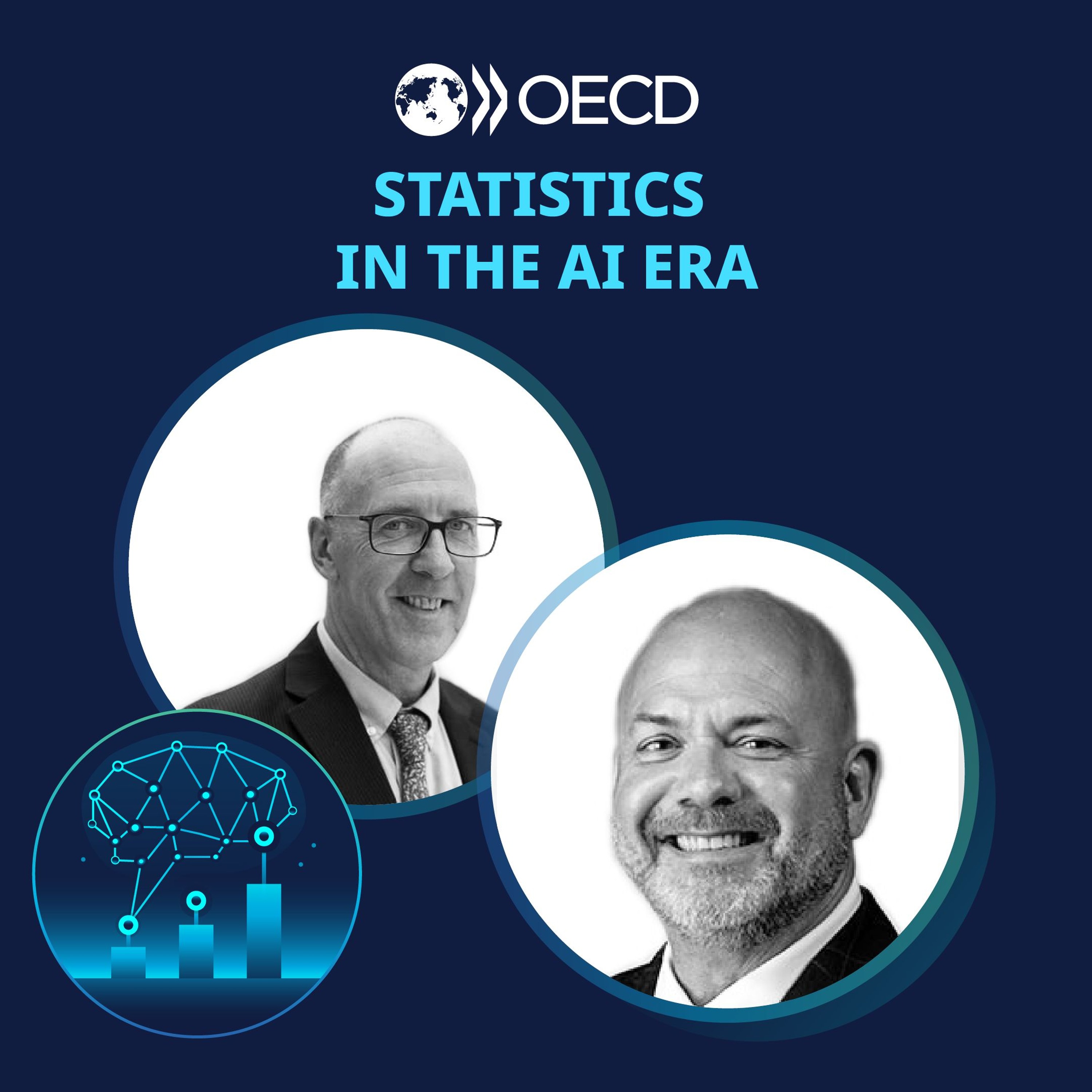
AI is changing how citizens, journalists and policymakers find facts. Instead of going directly to statistical databases, more users are turning to AI assistants and chatbots to retrieve, interpret and reference official statistics. In this first episode of Statistics in the AI Era, OECD Chief Statistician Steve MacFeely speaks with André Loranger, Chief Statistician of Canada and head of Statistics Canada, about what trusted public data means when AI becomes the interface between society and statistics. They discuss metadata, evolving data quality frameworks, hallucination risks, responsible AI use within statistical organisations, and whether AI should be treated as a new kind of user. The episode also explores Statistics Canada’s 2030 vision and the mix of skills statistical offices will need to protect quality, transparency and public trust in the AI age. Host: Steve MacFeely, OECD Chief Statistician (OECD Statistics and Data Directorate) LinkedIn | https://www.linkedin.com/in/steve-macfeely-a1a710112/ Guest: André Loranger, Chief Statistician of Canada (Statistics Canada) LinkedIn | https://www.linkedin.com/in/andre-loranger-12515731/ To learn more about this policy area: https://www.oecd.org/en/about/directorates/statistics-and-data-directorate.html To learn more about the OECD, our global reach, and how to join us, go to www.oecd.org/about/ To keep up with latest at the OECD, visit www.oecd.org/ Get the latest OECD content delivered directly to your inbox! Subscribe to our newsletters: www.oecd.org/newsletters

30 minPlay in:

Why PodAppear

Follow people, not podcasts.

You heard Steve on one show. PodAppear finds the next one for you, and every other person you want to hear.

  • An alert when they are a guestBy email as it happens, or as a daily or weekly digest. Then press play.
  • Guests, not name-dropsEpisodes that only mention a name are kept apart, so an alert means they are really on the show.
  • Everyone in one feedFounders, authors, athletes, scientists. Follow anyone by name, across every show they visit.

Free for up to 15 people, no card needed.