Bekomm eine E-Mail, wenn Steve in einem Podcast zu Gast istPodAppear prüft neue Folgen, sobald sie erscheinen, und lässt die weg, in denen Steve nur erwähnt wird. Bis zu 15 Personen kostenlos, ohne Kreditkarte.Bis zu 15 Personen kostenlos, ohne Kreditkarte.
Steve kostenlos folgen
SE

Steve Edelman

Zwei Jahre auf Sendung

GastHostErwähnt

Selbst moderierte Folgen

Di24Nov
Taking Control Of Your Diabetes® - The Podcast!

Taking Control Of Your Diabetes® - The Podcast!Host

Diabetes GOATs: Stories and Lessons

Living with type 1 diabetes today looks very different than it did 50 or 60 years ago. Before CGMs, insulin pumps, and fingerstick testing, managing diabetes meant testing urine, following strict meal schedules, and making insulin decisions with limited information. Advances in diabetes care have since transformed what's possible for people living with type 1 diabetes. In this episode, Dr. Steve Edelman sits down with his longtime friend and fellow endocrinologist, Dr. Irl Hirsch, to reflect on their experiences growing up with type 1 diabetes. They share stories about their childhood diagnoses, early insulin treatments, and the challenges of navigating medical school, careers, and family life without modern technology. They also discuss hypoglycemia, diabetes burnout, and why blood sugar numbers shouldn't define personal success or failure. Finally, Dr. Edelman and Dr. Hirsch explore how advances in CGMs, insulin pumps, and automated insulin delivery have improved diabetes management and quality of life. They also discuss the importance of cardiovascular health and look ahead at emerging treatments, including islet cell transplantation and the potential for insulin independence. Reflecting on decades of progress, they share advice for people newly diagnosed with type 1 diabetes and why the future continues to offer exciting possibilities. Key Topics Growing up with type 1 diabetes in the 1960s and 1970s Dr. Edelman and Dr. Hirsch's diagnosis stories Managing diabetes before fingerstick testing and CGMs Urine glucose testing and early insulin treatments Unpredictable blood sugars and hypoglycemia Navigating medical school and careers with type 1 diabetes How diabetes complications and life expectancy have changed Relationships, parenting, and family life with diabetes Diabetes burnout and emotional challenges Why blood sugar numbers don't define personal success How CGMs and insulin pumps have transformed diabetes care Automated insulin delivery and hypoglycemia prevention The importance of cholesterol and blood pressure management Cardiovascular health and long-term complications Emerging treatments and islet cell transplantation The future of fully automated insulin delivery Access to diabetes technology and treatments Advice for people newly diagnosed with type 1 diabetes ✨ Subscribe for practical diabetes management tips, technology updates, and treatment breakthroughs that help people with diabetes live healthier, more flexible lives. More diabetes resources: Website: tcoyd.org Blog: tcoyd.org/blog Podcast: tcoydthepodcast.transistor.fm Instagram:   / tcoyd Facebook:   / tcoyd Stay connected! Sign up for our monthly newsletter here! Support TCOYD's educational programs: tcoyd.org/donate ★ Support this podcast ★
47 minAbspielen in:

Do12Nov
Taking Control Of Your Diabetes® - The Podcast!

Taking Control Of Your Diabetes® - The Podcast!Host

Diabetes and Your Eyes: Why Clear Vision Isn’t Enough

Diabetic eye disease can develop without any noticeable symptoms, but that doesn’t mean vision loss is inevitable. With regular eye exams, early detection, and advances in treatment, people living with diabetes have more options than ever to protect their eyesight and prevent serious complications. In this episode, Dr. Steve Edelman sits down with Dr. Eric Nudleman, a retina specialist and associate professor at UC San Diego’s Shiley Eye Institute, to discuss how diabetes affects the eyes and what people living with type 1 and type 2 diabetes can do to preserve their vision. Drawing from his own experience living with diabetic retinopathy and macular edema, Dr. Edelman shares his personal journey with laser treatments, eye injections, and the advances in care that have helped stabilize his vision. The conversation begins with the basics of diabetic eye disease, including the differences between diabetic retinopathy and diabetic macular edema. Dr. Nudleman explains how diabetes can damage the small blood vessels in the retina, leading to swelling, leakage, and abnormal blood vessel growth. They also discuss why eye damage can occur long before someone notices blurry vision or other symptoms, making routine screening especially important. Dr. Nudleman walks through when people living with type 1 and type 2 diabetes should begin getting eye exams, how often follow-up visits may be needed, and what to expect during a comprehensive retinal examination. Dr. Edelman and Dr. Nudleman also explore how treatments for diabetic eye disease have evolved over the years. From traditional laser therapy to modern anti-VEGF injections, they explain how these treatments work, when they’re recommended, and how they help prevent vision loss. Dr. Nudleman breaks down what actually happens during an eye injection, why the procedure is generally much less uncomfortable than people expect, and how newer medications and longer-lasting treatment options are helping reduce the burden of frequent injections. They also discuss alternative treatments for diabetic macular edema, including steroids and sustained-release therapies. Beyond treatment, they emphasize the importance of managing blood sugar, blood pressure, and cholesterol to help reduce the risk of diabetic eye disease progression. Dr. Nudleman explains why keeping up with regular eye appointments is just as important as managing glucose levels, even when vision seems perfectly normal. Finally, they look ahead at promising developments in diabetic eye care, including new medications targeting the Wnt signaling pathway and other approaches that could provide additional options for people who don’t respond fully to current treatments. Throughout the conversation, Dr. Edelman and Dr. Nudleman reinforce an encouraging message: diabetic eye disease is serious, but early detection, consistent monitoring, and effective treatment can make a tremendous difference in protecting your vision for the long term. Key Topics: How diabetes affects the retina and blood vessels in the eyes The difference between diabetic retinopathy and diabetic macular edema Nonproliferative vs. proliferative diabetic retinopathy Why diabetic eye disease can develop without symptoms When to start getting diabetic eye exams Recommended screening and follow-up intervals for type 1 and type 2 diabetes What to expect during a comprehensive retinal exam How retinal photography and OCT imaging help detect eye damage When diabetic retinopathy requires monitoring vs. treatment The role of VEGF in abnormal blood vessel growth and leakage How laser treatments work and their effects on peripheral and night vision How anti-VEGF injections have changed diabetic eye disease treatment What happens during an eye injection Treating diabetic macular edema with anti-VEGF medications and steroids Longer-lasting treatments and refillable drug delivery systems The importance of blood sugar, blood pressure, and cholesterol management Why early detection and consistent eye care are essential Emerging treatments targeting the Wnt signaling pathway The future of diabetic eye disease prevention and treatment This episode was supported by Merck. ✨ Subscribe for practical diabetes management tips, technology updates, and treatment breakthroughs that help people with diabetes live healthier, more flexible lives. More diabetes resources: Website: tcoyd.org Blog: tcoyd.org/blog Podcast: tcoydthepodcast.transistor.fm Instagram:   / tcoyd Facebook:   / tcoyd Stay connected! Sign up for our monthly newsletter here! Support TCOYD's educational programs: tcoyd.org/donate ★ Support this podcast ★
29 minAbspielen in:

Do8Okt
Taking Control Of Your Diabetes® - The Podcast!

Taking Control Of Your Diabetes® - The Podcast!Host

Once-Weekly Insulin: Most Exciting Advance in Years?

What if you could take your basal insulin once a week instead of every day? Once-weekly basal insulin has arrived, offering a new approach that could make insulin therapy simpler while providing glucose control comparable to daily basal insulin. In this episode, Dr. Steve Edelman is joined by Dr. Athena Philis-Tsimikas, a leading diabetes researcher who has been directly involved in clinical trials of once-weekly basal insulins. Together, they explain how these ultra-long-acting insulins work, how a single injection can provide steady background insulin throughout an entire week, and what studies have shown when once-weekly insulin is compared with traditional daily basal insulin. The conversation gets practical with how once-weekly insulin is started, adjusted, and switched from daily basal insulin. Dr. Edelman and Dr. Philis-Tsimikas discuss the dosage differences with once-weekly basal insulin, how concentrated insulin keeps the actual injection volume small, and how fasting glucose can help guide dose adjustments. They also discuss what happens if you miss a dose and why reaching a steady state is an important part of understanding how these longer-acting insulins work. They also dive into the clinical trial results, including A1C, time in range, and hypoglycemia. In studies of people living with type 2 diabetes, once-weekly basal insulin provided similar A1C lowering to daily basal insulin without an increase in hypoglycemia. They also explain why the story is different for people living with type 1 diabetes, where studies found higher rates of hypoglycemia with weekly basal insulin, and what that means for its use in the United States. Finally, Dr. Edelman and Dr. Philis-Tsimikas look at how once-weekly insulin could make diabetes management easier. Going from seven basal injections a week to just one could help reduce some of the daily burden of diabetes and make it easier to consistently take your insulin. They also explore using weekly insulin alongside GLP-1 medications, potential combination therapies, cost and access, and what we still need to learn as these newer insulins move from clinical trials into everyday diabetes care. Key Topics: How once-weekly basal insulin works Once-weekly vs. daily basal insulin Starting, dosing, and adjusting weekly insulin Why weekly insulin doses may look surprisingly large A1C, time in range, and hypoglycemia results What to do if you miss a weekly dose Once-weekly insulin in type 1 vs. type 2 diabetes Who may benefit from once-weekly insulin? Reducing the burden of daily injections Using once-weekly insulin with GLP-1 medications Future insulin and GLP-1 combination therapies Cost, access, and real-world considerations What the future of basal insulin could look like This episode was supported by Lilly. ✨ Subscribe for practical diabetes management tips, technology updates, and treatment breakthroughs that help people with diabetes live healthier, more flexible lives. More diabetes resources: Website: tcoyd.org Blog: tcoyd.org/blog Podcast: tcoydthepodcast.transistor.fm Instagram:   / tcoyd Facebook:   / tcoyd Stay connected! Sign up for our monthly newsletter here! Support TCOYD's educational programs: tcoyd.org/donate ★ Support this podcast ★

29 minAbspielen in:

Di8Sep
Taking Control Of Your Diabetes® - The Podcast!

Taking Control Of Your Diabetes® - The Podcast!Host

Kidney Disease: Steve Edelman's Own Nephrologist Explains

Chronic kidney disease (CKD) is one of the most common complications of diabetes, but here’s the tricky part: you can have it for years without feeling any symptoms. The good news? Kidney disease can often be detected early, and with the right screening, treatments, and lifestyle changes, its progression can be dramatically slowed.  In this episode, Dr. Steve Edelman and Dr. Jeremy Pettus are joined by nephrologist Dr. Bethany Karl to break down what everyone with diabetes should know about kidney health. Dr. E also steps into the patient seat to share his own experience living with chronic kidney disease, from discovering it without symptoms to navigating kidney tests and newer treatments. Together, they explain the two simple tests that can uncover kidney problems, why blood pressure and cardiovascular health matter, and how today’s growing toolbox of medications is giving people with diabetic kidney disease more reasons for hope. Key Topics: Why chronic kidney disease is often a “silent” complication of diabetes How diabetes can affect the kidneys over time Dr. Edelman’s personal experience with diabetic kidney disease The two important kidney tests: eGFR and UACR Why urine protein can be an important early warning sign How often people with diabetes should have their kidneys screened The connection between glucose, blood pressure, cholesterol, heart health, and kidney health Lifestyle considerations for protecting kidney function Medications that can help slow the progression of diabetic kidney disease Newer kidney-protective therapies and why there is more reason for optimism today ✨ Subscribe for practical diabetes management tips, technology updates, and treatment breakthroughs that help people with diabetes live healthier, more flexible lives. More diabetes resources: Website: tcoyd.org Blog: tcoyd.org/blog Podcast: tcoydthepodcast.transistor.fm Instagram:   / tcoyd Facebook:   / tcoyd Stay connected! Sign up for our monthly newsletter here! Support TCOYD's educational programs: tcoyd.org/donate ★ Support this podcast ★
48 minAbspielen in:

Di14Jul
Taking Control Of Your Diabetes® - The Podcast!

Taking Control Of Your Diabetes® - The Podcast!Host

Raising Kids with Type 1 Diabetes: Practical Advice Every Parent Needs with Raquel Baron

In this episode of the TCOYD Podcast, Dr. Steve Edelman is joined by Raquel Baron, founder of Type One Together, to discuss the challenges, triumphs, and everyday realities of raising a child with type 1 diabetes. Diagnosed herself at age five, Raquel combines her lived experience with years of supporting families through Type One Together, an organization that provides trusted resources, educational programs, and a nationwide network of trained babysitters for children with type 1 diabetes.  Together, Dr. Edelman and Raquel explore the emotional side of diabetes that often goes beyond blood sugars. They discuss helping children navigate school, sports, friendships, burnout, and growing independence, while giving parents practical strategies to reduce fear, build confidence, and create a healthier relationship with diabetes. The conversation also covers diabetes technology, social media, Afrezza for children, community support, and why perfection should never be the goal. Whether you’re the parent of a newly diagnosed child or have been managing type 1 diabetes for years, this episode offers practical advice, reassurance, and reminders that children with diabetes can live full, active lives. ✨ Subscribe for practical diabetes management tips, technology updates, and treatment breakthroughs that help people with diabetes live healthier, more flexible lives. More diabetes resources: Website: tcoyd.org Blog: tcoyd.org/blog Podcast: tcoydthepodcast.transistor.fm Instagram:   / tcoyd Facebook:   / tcoyd Stay connected! Sign up for our monthly newsletter here! Support TCOYD's educational programs: tcoyd.org/donate ★ Support this podcast ★

33 minAbspielen in:

Warum PodAppear

Folge Menschen, nicht Podcasts.

Du hast Steve in einer Sendung gehört. PodAppear findet für dich die nächste, und genauso für alle anderen, die du hören willst.

  • Eine Meldung, wenn die Person zu Gast istPer E-Mail: sofort oder gebündelt als Tages- oder Wochenübersicht. Dann nur noch auf Play drücken.
  • Gäste statt bloßer ErwähnungenFolgen, in denen ein Name nur fällt, landen getrennt. Eine Meldung heißt: Die Person ist wirklich in der Sendung.
  • Alle in einem FeedGründerinnen, Autoren, Sportler, Forscherinnen. Folge allen mit Namen, quer durch jede Sendung, in der sie auftreten.

Bis zu 15 Personen kostenlos, ohne Kreditkarte.

Mo11Mai
Taking Control Of Your Diabetes® - The Podcast!

Taking Control Of Your Diabetes® - The Podcast!Host

Fatty Liver Disease and Type 2 Diabetes

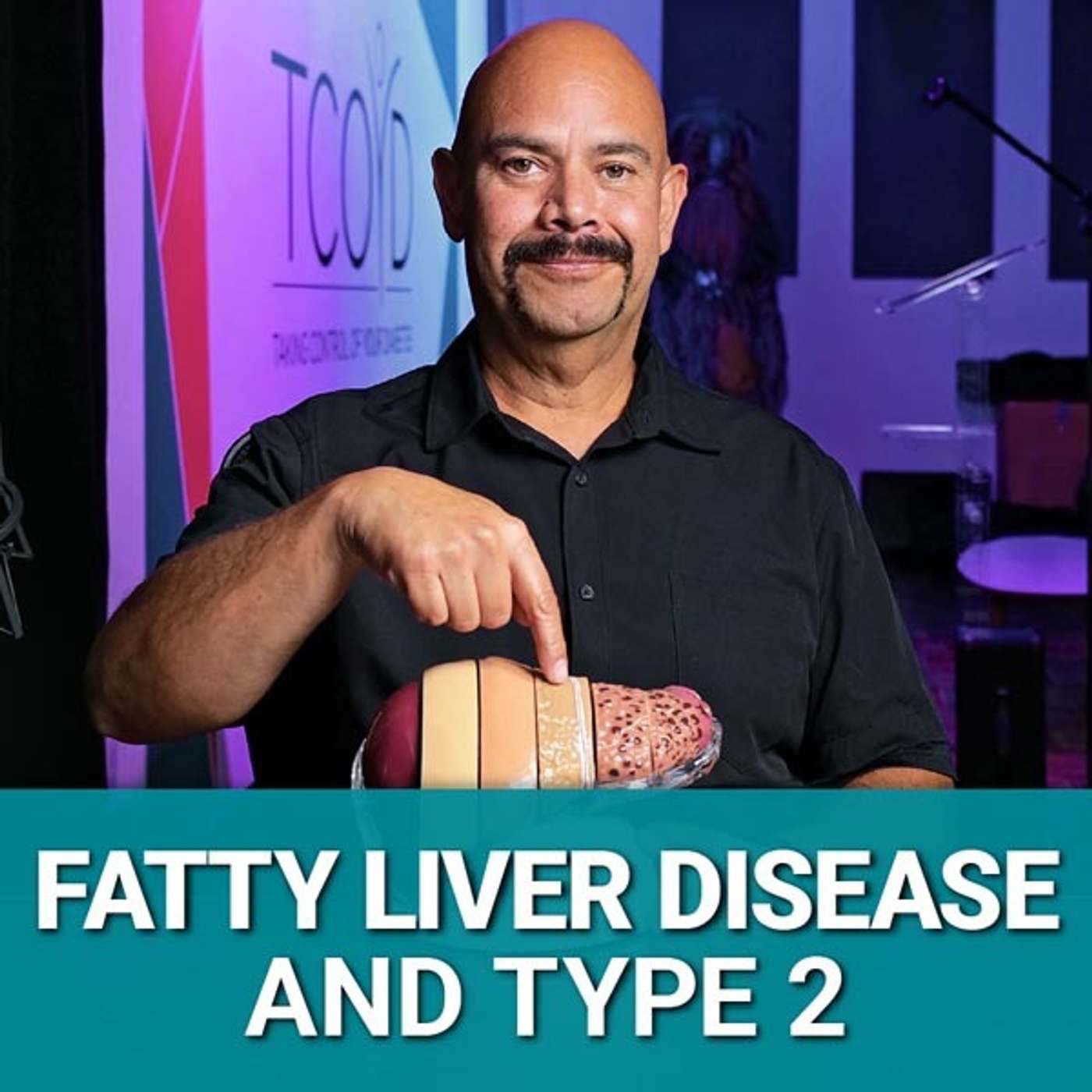
What if something was going on with your health and you didn’t feel any symptoms at all? Could it be metabolic dysfunction-associated steatohepatitis (MASH)? In this episode, Dr. Steve Edelman and Dr. Jeremy Pettus talk about fatty liver and MASH, a condition that can develop quietly but still has a real impact over time. They’re joined by patient advocate Manuel Oliver, who shares his experience after being diagnosed and what helped him turn things around.  They explain why fatty liver is so common, especially in people with metabolic conditions, and why it often goes unnoticed. The conversation also highlights how things can change over time, even when you feel okay, and why routine checkups matter. Manuel shares what it was like to hear his diagnosis, how it affected him, and the steps he took to improve his health. You’ll also hear how care has evolved, including better ways to detect liver disease and more options to support treatment alongside lifestyle changes. The message is simple: this condition can be serious, but there are ways to manage it, and taking action can make a meaningful difference. ✨ Subscribe for practical diabetes management tips, technology updates, and treatment breakthroughs that help people with diabetes live healthier, more flexible lives. More diabetes resources: Website: tcoyd.org Blog: tcoyd.org/blog Podcast: tcoydthepodcast.transistor.fm Instagram:   / tcoyd Facebook:   / tcoyd Stay connected! Sign up for our monthly newsletter here! Support TCOYD's educational programs: tcoyd.org/donate ★ Support this podcast ★
30 minAbspielen in:

Mo27Apr
Taking Control Of Your Diabetes® - The Podcast!

Taking Control Of Your Diabetes® - The Podcast!Host

Breaking Down Gluten: Understanding Intolerance & Celiac Disease

What does it really mean to be “gluten-free” and how do you know if it’s something you actually need?In this episode, Dr. Steve Edelman sits down with registered dietitian EA Stewart (aka The Spicy RD) to talk through the difference between celiac disease and gluten sensitivity, and why that distinction matters. They explain how celiac disease develops, why it’s often missed, and how it connects to other autoimmune conditions like type 1 diabetes. This conversation helps make sense of a topic that can feel confusing. Dr. E and EA walk through symptoms that go beyond digestion, the importance of getting tested the right way, and what it means to truly follow a gluten-free diet. They also talk about the day-to-day side of things—how to approach food, avoid cross-contamination, and build a way of eating that works in real life. The main takeaway: not everyone needs to avoid gluten, but if you do, understanding the reason behind it can make it a lot more manageable Key Topics • What celiac disease is and how it differs from gluten sensitivity • The role of genetics, triggers, and gluten exposure • Why celiac disease is often undiagnosed • Common and less obvious symptoms • The connection between celiac disease and type 1 diabetes • How to properly test for celiac disease • Why you need to be eating gluten before testing • What a gluten-free diet actually looks like • Naturally gluten-free foods and better alternatives • Hidden sources of gluten in everyday foods • Cross-contamination and why it matters • Nutrient deficiencies and when supplements may help • Tips for eating out and traveling ✨ Subscribe for practical diabetes management tips, technology updates, and treatment breakthroughs that help people with diabetes live healthier, more flexible lives. More diabetes resources: Website: tcoyd.org Blog: tcoyd.org/blog Podcast: tcoydthepodcast.transistor.fm Instagram:   / tcoyd Facebook:   / tcoyd Stay connected! Sign up for our monthly newsletter here! Support TCOYD's educational programs: tcoyd.org/donate ★ Support this podcast ★

33 minAbspielen in:

Di10Mär
Taking Control Of Your Diabetes® - The Podcast!

Taking Control Of Your Diabetes® - The Podcast!Host

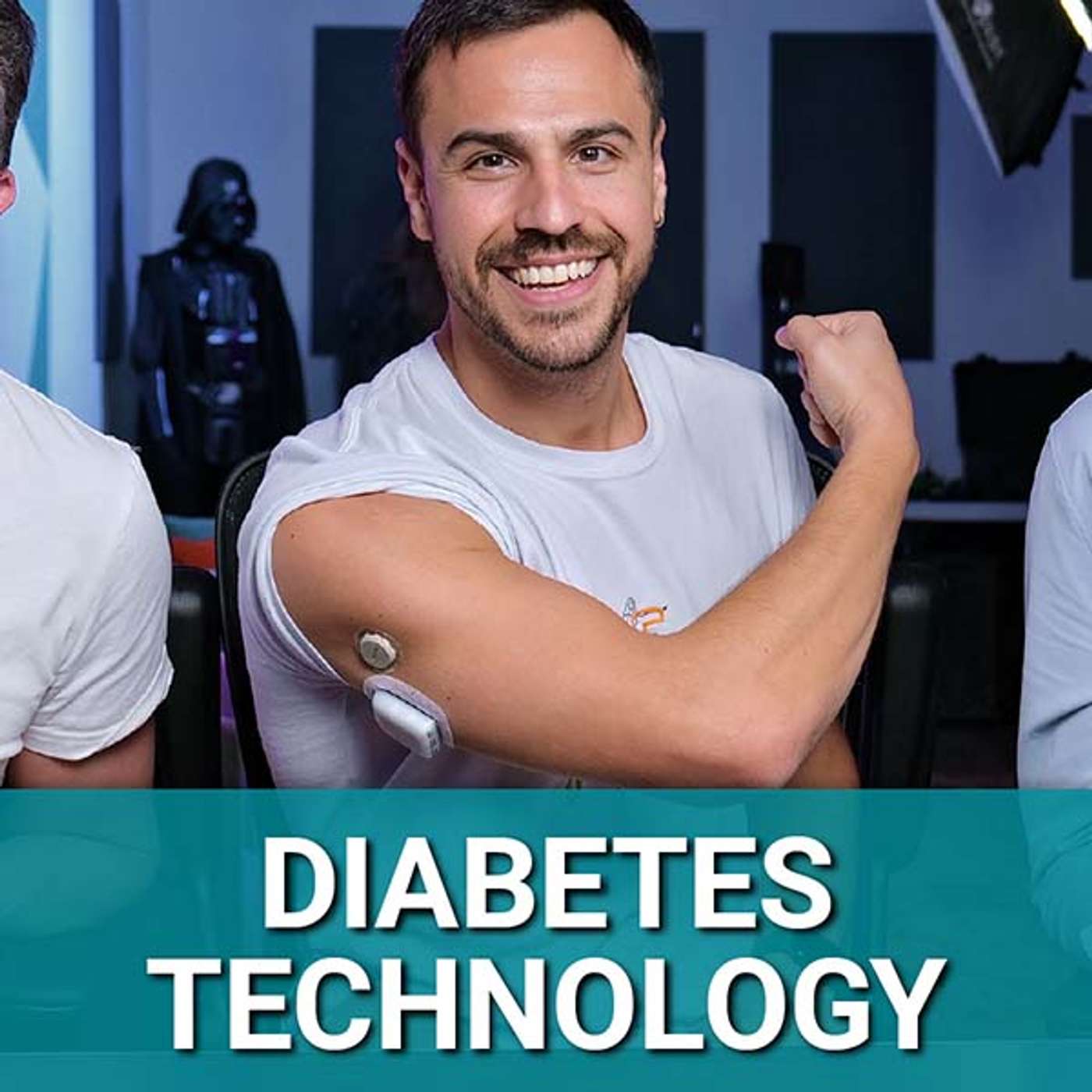
Omnipod 6, Tubeless Pumps & the Apps You're Missing ft. Diabetech

Are you getting the most out of the diabetes technology you use every day and do you know what’s coming next? In this episode, Dr. Steve Edelman and Dr. Jeremy Pettus sit down with diabetes tech expert Justin Eastzer, creator of Diabetech, who is also living with type 1 diabetes, for a conversation about the steadily growing and expanding world of diabetes technology. They talk about how CGMs, automated insulin delivery systems, connected apps, and wearable displays are continuing to improve the way people with type 1 diabetes manage glucose in daily life. Justin shares his diagnosis story, including being initially treated for type 2 diabetes before learning he had type 1, and how the online diabetes community helped him find the right answers. That experience led him to build a platform dedicated to reviewing devices, following industry developments, and helping people better understand the technology available today. The discussion explores the current landscape of automated insulin delivery systems, practical differences between pumps, and the growing ecosystem of apps, displays, and data tools that allow people to interact with their glucose data in real time. They also look ahead at what’s coming next in diabetes tech, including new pump designs, smarter algorithms, improved connectivity, and continued efforts to reduce the day-to-day workload of living with type 1 diabetes. Key Topics • Why many people only use part of their diabetes tech’s capabilities • Justin’s journey to a type 1 diabetes diagnosis • Making pumps, CGMs, and apps work in everyday life • Comparing automated insulin delivery systems • Tubed vs. tubeless pump considerations • The importance of optimizing personal settings • Progress over perfection with time in range • Reducing diabetes burnout through technology • Helpful apps, displays, and tech hacks • Where diabetes technology is heading next ✨ Subscribe for practical diabetes management tips, technology updates, and treatment breakthroughs that help people with diabetes live healthier, more flexible lives. More diabetes resources: Website: tcoyd.org Blog: tcoyd.org/blog Podcast: tcoydthepodcast.transistor.fm Instagram:   / tcoyd Facebook:   / tcoyd Stay connected! Sign up for our monthly newsletter here! Support TCOYD's educational programs: tcoyd.org/donate ★ Support this podcast ★

47 minAbspielen in:

Di24Feb
Taking Control Of Your Diabetes® - The Podcast!

Taking Control Of Your Diabetes® - The Podcast!Host

T1D to 100: How to Live a Long, Healthy, and Happy Life

What does it really look like to grow older with type 1 diabetes today? The good news is people with diabetes are now living longer than ever! In this episode, Dr. Steve Edelman is joined by diabetes advocate Joanne Milo and endocrinologist Dr. Athena Tsimikas to talk about the realities of aging with type 1. They share how expectations have changed over time, why more people are now living long lives with diabetes, and what it takes to stay safe, independent, and supported through the aging process. The conversation covers changing insulin needs, screening for vision, hearing, and cognitive health, the role of technology, and the importance of community and care partners. They also discuss the emotional side of aging with diabetes, including the need to feel heard, understood, and safe while continuing to live a full and meaningful life. Key Topics • Living longer with type 1: how expectations have changed • Changing insulin sensitivity, muscle mass, and dosing over time • Preventing falls: vision, neuropathy, and mobility considerations • Cognitive health and why screening matters • Technology in older adults: CGM and hybrid closed-loop benefits • Medication considerations for heart and kidney protection • The role of care partners and support systems • Emotional health: fear, independence, and being understood • Staying active, social, and engaged while aging with diabetes • Advocacy and preparing for the future ✨ Subscribe for practical diabetes management tips, technology updates, and treatment breakthroughs that help people with diabetes live healthier, more flexible lives. More diabetes resources: Website: tcoyd.org Blog: tcoyd.org/blog Podcast: tcoydthepodcast.transistor.fm Instagram:   / tcoyd Facebook:   / tcoyd Stay connected! Sign up for our monthly newsletter here! Support TCOYD's educational programs: tcoyd.org/donate ★ Support this podcast ★
37 minAbspielen in:

Do12Feb
Taking Control Of Your Diabetes® - The Podcast!

Taking Control Of Your Diabetes® - The Podcast!Host

Travel Tips From a T1D Commercial Pilot

What does it take to safely manage type 1 diabetes while flying a commercial jet? In this episode, Dr. Jeremy Pettus and Dr. Steve Edelman talk with Quinton Weiskittel, a commercial pilot living with type 1 diabetes. Quinton shares what it was like to be diagnosed mid-career, how FAA rules have changed, and the real-world routines he uses to stay steady through long flights, time zones, busy airports, and long stretches of sitting. They also cover what the FAA requires for certification, how Quinton uses CGM data and smart “buffer” strategies to prevent lows, and why he’s chosen MDI over pump therapy while flying. Key Topics Being diagnosed with diabetes mid-career: the moment everything changed FAA rules on pilots with diabetes and the path back to the cockpit CGM targets, reporting requirements, and medical follow-ups as a pilot with diabetes  Preventing lows during flights: alerts, trends, and planning ahead Food choices and low-carb strategies while flying a plane What coworkers need to know (CGM alarms, injections, and professionalism) Travel tips for diabetes: airports,travel lulls and wait time, and insulin logistics Pump therapy in the air: pressure concerns and practical tradeoffs Advocacy and finding the right endocrinology support Life perspective: staying grounded while chasing big goals ✨ Subscribe for practical diabetes management tips, technology updates, and treatment breakthroughs that help people with diabetes live healthier, more flexible lives. More diabetes resources: Website: tcoyd.org Blog: tcoyd.org/blog Podcast: tcoydthepodcast.transistor.fm Instagram:   / tcoyd Facebook:   / tcoyd Stay connected! Sign up for our monthly newsletter here! Support TCOYD's educational programs: tcoyd.org/donate ★ Support this podcast ★
38 minAbspielen in:

Mo22Dez 25
Taking Control Of Your Diabetes® - The Podcast!

Taking Control Of Your Diabetes® - The Podcast!Host

SGLT Inhibitors & What’s Next for Type 1 Diabetes: FDA’s Sotagliflozin Denial – with Stacey Simms

Why did the FDA deny sotagliflozin —even with strong data showing heart, kidney, and glucose benefits? In this episode, Dr. Steve Edelman sits down with special guest Stacey Simms to break down the full story behind SGLT inhibitors and their complicated path in type 1 diabetes. Together, they walk through how SGLT inhibitors transformed type 2 diabetes care, why many clinicians believe people with type 1 should have access, and how the risk of DKA shaped the FDA’s decision. Dr. Edelman also shares insights on who might benefit, how to reduce risk, and why continuous ketone monitoring could be a game-changer for future approvals. They also touch on the growing discussion around GLP-1 medications in type 1 diabetes, new study results, and what emerging evidence could mean for future treatment options. In this episode:  • Sotagliflozin & SGLT Inhibitors in T1D: Why these medications matter and what the latest data shows. • The FDA Denial: Understanding the DKA concerns and why approval remains challenging. • Real-World Experience: How clinicians are using SGLT inhibitors safely today in select patients. • Continuous Ketone Monitoring: Why dual-analyte sensors could unlock safer use in T1D. • GLP-1s in Type 1 Diabetes: What recent research reveals about potential benefits. • Who Might Benefit Most: Kidney protection, heart health, and metabolic improvements. • Looking Ahead: How ongoing studies and patient advocacy could shape future guidelines Learn more about Diabetes Connections with Stacey Simms: diabetes-connections.com ✨ Subscribe for practical diabetes management tips, technology updates, and treatment breakthroughs that help people with diabetes live healthier, more flexible lives. More diabetes resources: Website: tcoyd.org Blog: tcoyd.org/blog Podcast: tcoydthepodcast.transistor.fm Instagram:   / tcoyd Facebook:   / tcoyd Stay connected! Sign up for our monthly newsletter here! Support TCOYD's educational programs: tcoyd.org/donate ★ Support this podcast ★

30 minAbspielen in:

Mo8Dez 25
Taking Control Of Your Diabetes® - The Podcast!

Taking Control Of Your Diabetes® - The Podcast!Host

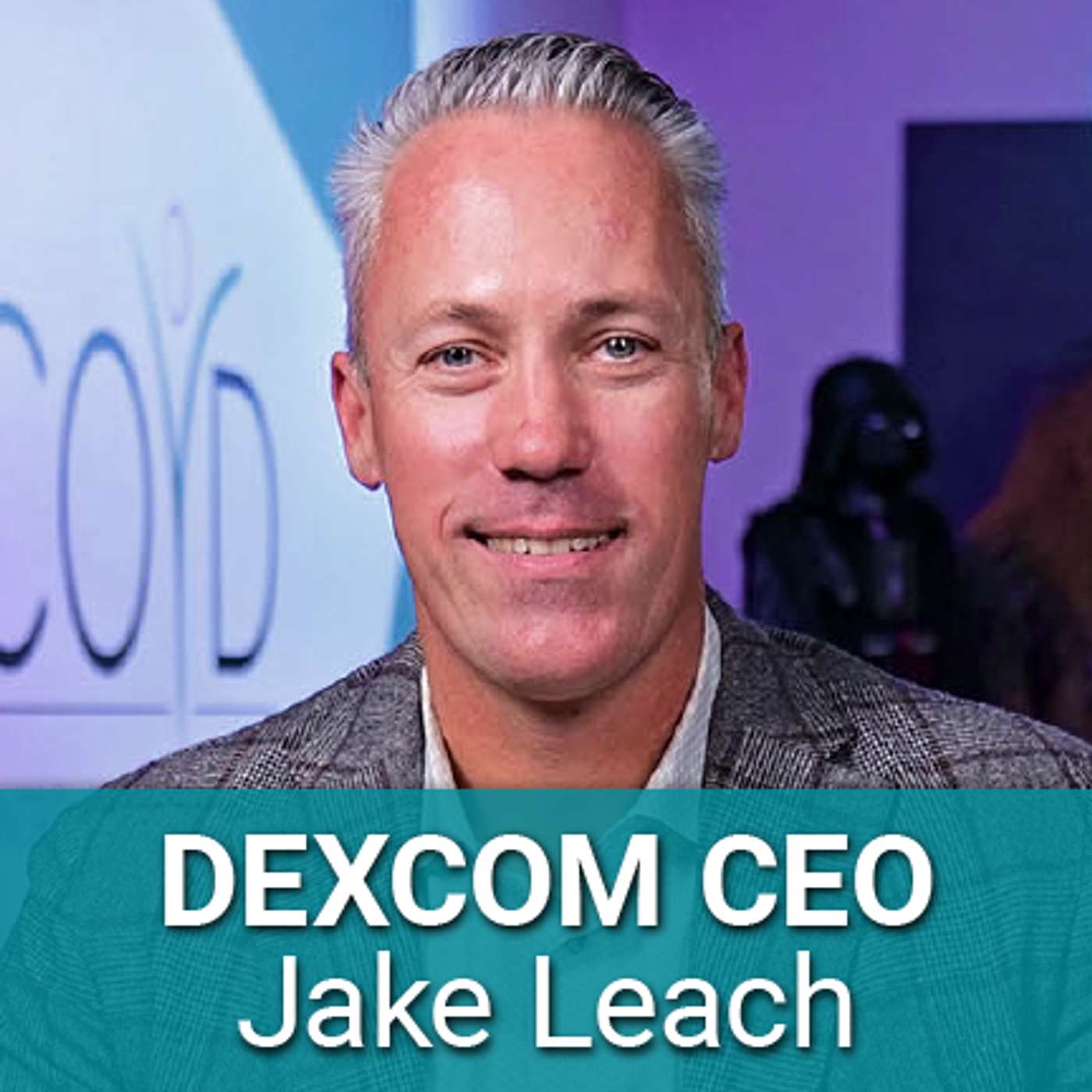
Dexcom G7 Sensor, The 15-Day Sensor, and What to Expect from G8 with CEO Jake Leach

Continuous glucose monitoring didn’t start as sleek apps and tiny sensors — it began with chunky receivers, short wear times, and a lot of skepticism. In this episode, Dr. Jeremy Pettus and Dr. Steve Edelman sit down with Dexcom CEO and original sensor engineer Jake Leach to trace the evolution of CGM from those early “Tylenol-shaped” receivers and repurposed pagers to today’s G7 system and beyond. They walk through the major turning points: abandoning long-term implants for subcutaneous sensors, proving that real-time CGM meaningfully improves time in range and safety, and pushing back against old-school thinking that insisted patients shouldn’t see their own data. From STS 3-Day to Seven Plus, G4, G5, G6, and now G7, Dr. Edelman, Dr. Pettus, and Jake Leach break down what each generation added — better accuracy, easier insertion, smartphone and cloud connectivity, and integration with pumps and AID systems. Most importantly, Dr. Edelman, Dr. Pettus, and Dexcom CEO Jake Leach, focus on what’s coming next and what it means for people living with diabetes today: the 15 day Dexcom G7 sensor, Smart Basal insulin titration for people with type 2 diabetes, AI-powered food logging, and the upcoming G8 platform designed to measure multiple analytes (glucose plus ketones and more) — all while pushing toward broader access and affordability. Key Topics: Early Dexcom Days & STS 3-Day: How Dexcom pivoted from implantable sensors to disposable subcutaneous CGMs and what the earliest systems were really like. Blinded vs Real-Time CGM: The ethics debate, safety implications, and studies proving real-time data improves time in range and reduces hypoglycemia. Seven Plus, G4 & G5: Major accuracy improvements, longer wear times, and the move to smartphone-based monitoring. G6 & Auto-Applicators: Eliminating mandatory calibrations and making sensor insertion faster and easier. G7 Wins & Growing Pains: Reduced size, faster warm-up, early reliability challenges, and how Dexcom addressed manufacturing and support issues. 15-Day Wear & Smart Basal: Extended wear life and CGM-guided basal insulin titration for type 2 diabetes. G8 & Multi-Analyte Sensing: A preview of Dexcom’s next-generation platform measuring glucose plus ketones and other markers. AI Food Logging & Smarter Care: Photo-based meal tracking and pairing nutrition data with glucose trends. Access & Affordability: Expanding CGM access globally and using data to reshape how diabetes care is delivered. 0:23 - Introduction & TCOYD’s 30th Anniversary 1:39 - Meet Jake Leach: 21 Years at Dexcom 3:08 - The Early Days: From Implantable Sensors to Patches 5:26 - The First Commercial CGM (STS 3-Day) & The "Pager" Receiver 8:35 - The Evolution to 7-Day Wear (Seven Plus) 10:15 - The Early Struggles with Insurance Coverage 12:32 - Why Unblinded Real-Time Data Changed Everything 16:36 - The G4 Era: Improved Accuracy & The "Share" Cradle 20:26 - G5: The Shift to Smartphone Connectivity 27:04 - Real Talk: Addressing G7 Connectivity & Sensor Failures 29:07 - Dexcom's "Unlimited Replacement" Policy for Failed Sensors 31:39 - CONFIRMED: The New 15-Day Sensor Launch 32:43 - "Smart Basal": A New Tool for Type 2 Diabetes 35:44 - G8 Reveal: Measuring Ketones, Lactate & Potassium 39:12 - New Feature: AI Smart Food Logging 41:22 - The Future of CGM: Pre-Diabetes & Heart Health 46:34 - Closing Thoughts ✨ Subscribe for practical diabetes management tips, technology updates, and treatment breakthroughs that help people with diabetes live healthier, more flexible lives. More diabetes resources: Website: tcoyd.org Blog: tcoyd.org/blog Podcast: tcoydthepodcast.transistor.fm Instagram:   / tcoyd  Facebook:   / tcoyd   Stay connected! Sign up for our monthly newsletter here! Support TCOYD's educational programs: tcoyd.org/donate ★ Support this podcast ★

48 minAbspielen in: