Bekomm eine E-Mail, wenn Sandeep in einem Podcast zu Gast istPodAppear prüft neue Folgen, sobald sie erscheinen, und lässt die weg, in denen Sandeep nur erwähnt wird. Bis zu 15 Personen kostenlos, ohne Kreditkarte.Bis zu 15 Personen kostenlos, ohne Kreditkarte.
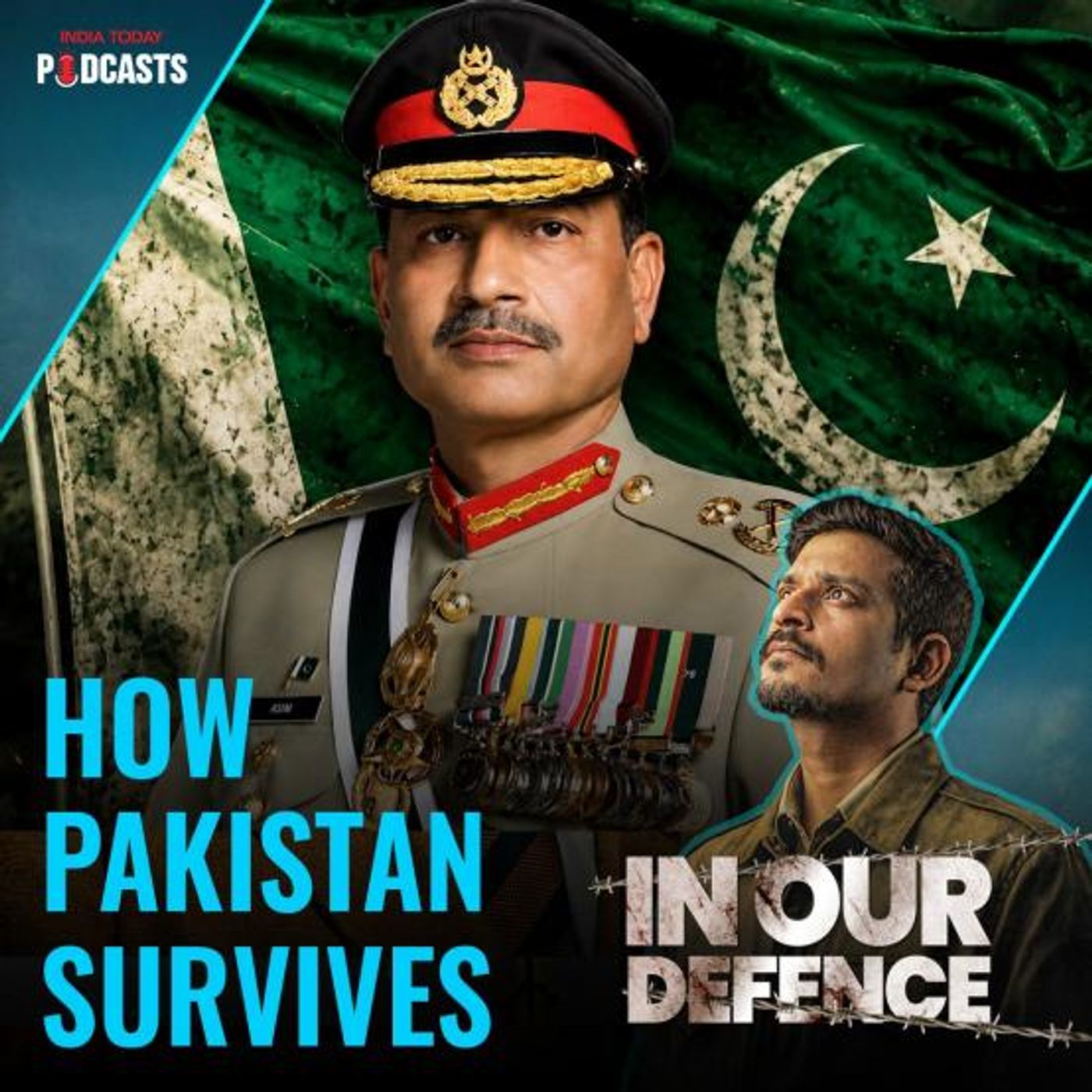
Pakistan did not just become America's ally after 1947 – it slowly became a state whose military and strategic establishment learned that survival depended on staying useful to Washington.
In this episode of In Our Defence, host Dev Goswami and national security expert Sandeep Unnithan trace how Pakistan evolved into a geopolitical rentier state: trading geography, military cooperation and strategic access for money, weapons, political backing, and regime stability.
We break down:
-Why the United States backed Pakistan after independence
-How Pakistan's military became deeply tied to Washington
-Why Pakistani generals realised pleasing the US was often the key to surviving domestically
-The Cold War origins of the US-Pakistan partnership
-How this relationship pushed India closer to the Soviet Union
-What the Imran Khan cipher controversy actually revealed
-Whether the US played a role in Khan's removal
-The rise of Asim Munir and Pakistan's military establishment
-Why Pakistan may still prioritise US ties even at the cost of China
Tune in!
Produced by Taniya Dutta
Sound mixed by Aman Pal
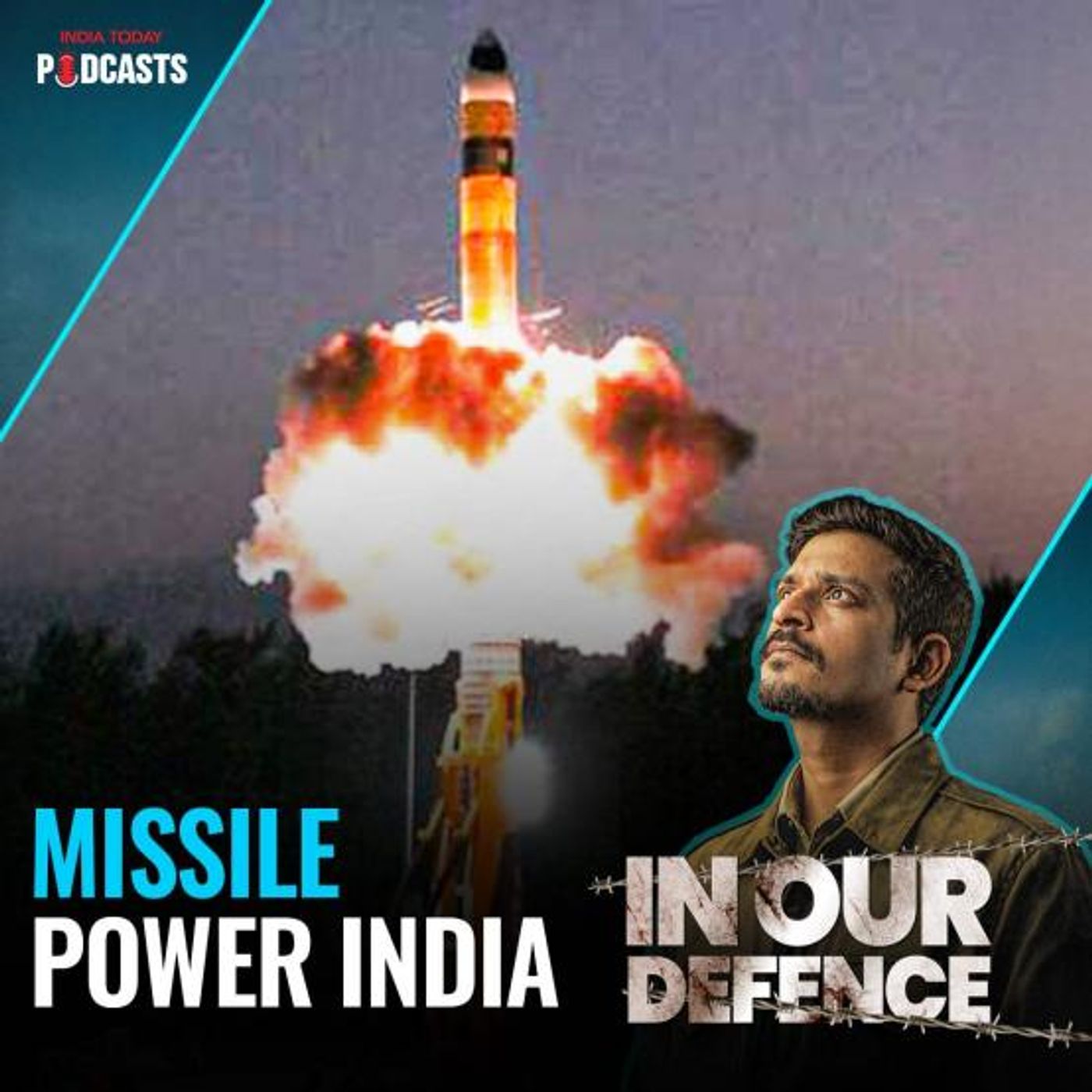
India has had a very busy missile season. In this episode of In Our Defence, host Dev Goswami and defence expert Sandeep Unnithan unpack a cluster of recent developments: the reported long-range hypersonic anti-ship missile test, DRDO and IAF’s TARA glide weapon trial, the Advanced Agni MIRV test, the long-duration scramjet combustor test, and the chatter around possible K-series submarine-launched missile activity.
But this is not just spec-sheet episode.
The episode looks at the story of how India managed to develop a rocket and missile force that is abreast with the rest of the world.
We go back to PN Haksar’s 1968 strategic thinking, Project Valiant, the IGMDP era, the shadowy Project Surya, and the modern Agni-6 question to understand how India’s missile ambitions evolved.
We also ask whether the least glamorous weapon in the news cycle -- TARA -- might actually matter the most in an age of long wars and attrition.
Hypersonics are sexy, MIRVs are apocalyptic, scramjets are manic engineering, but cheap precision at scale may be the real battlefield superpower.
Tune in!
Produced by Taniya Dutta
Sound mixed by Rohan Bharti
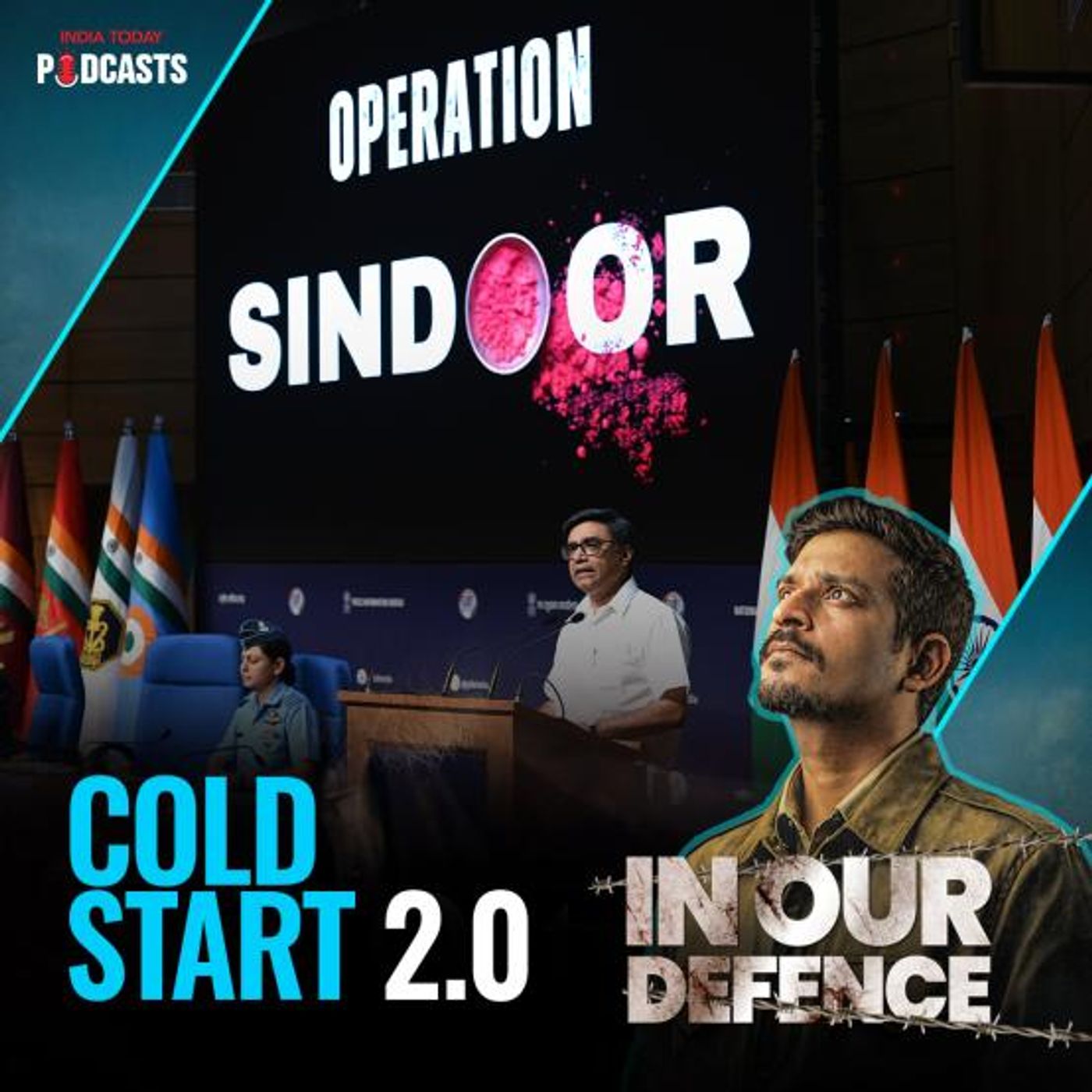
One year ago, the template for India's response to state-sponsored terror changed forever. It began with a tragedy in Pahalgam -- where tourists were targeted with M4 rifles -- and ended with a 30-minute IAF rampage that shattered Pakistan's airbases.
In this episode, host Dev Goswami and national security expert Sandeep Unnithan go beyond the headlines of Operation Sindoor. They break down the "fast-moving missile" that nearly triggered a nuclear escalation, why India stayed silent about it, and the birth of Cold Start 2.0: a new era of kinetic non-contact warfare that uses Pakistan's own geography against it.
Key Takeaways:
The Geography Curse: How Pakistan's lack of physical depth (only 600-900km wide) makes every inch of its territory a target for BrahMos and S-400 systems.
Tactical Mistakes vs. Strategic Wins: Unpacking CDS Gen Anil Chauhan's comments on military losses and the evolution of India's policy: no more distinction between state and non-state actors.
The Silent Interception: The story of the ballistic missile fired at Delhi and why India's "off-ramp" diplomacy was just as lethal as its jets.
The lessons learnt: What India, Pakistan and even will have taken away from Operation Sindoor.
Produced by Taniya Dutta
Sound mixed by Suraj Singh
In this episode of In Our Defence, host Dev Goswami and defence expert Sandeep Unnithan unpack one of the most complex parts of modern warfare: the art and science of shooting things out of the sky.
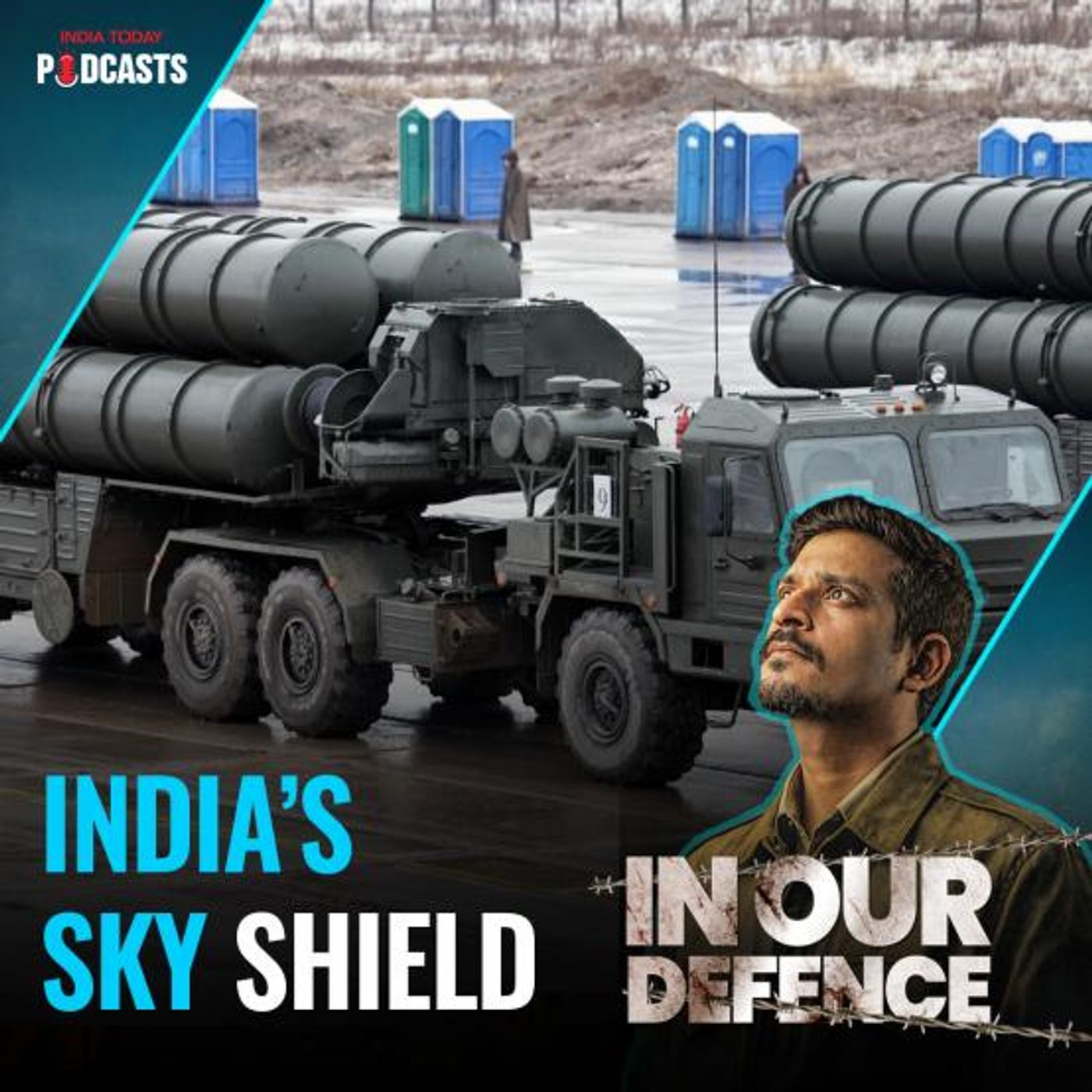
India is preparing to induct another S-400 regiment, the system that grabbed attention during Operation Sindoor and remains one of the most formidable long-range air-defence systems in the world. But the S-400 is only one piece of a much larger puzzle.
The episode breaks down India’s layered air-defence architecture: VSHORADS, MANPADS, Akash, MRSAM, Barak-8, S-400, ballistic missile defence, and the crucial command-and-control network that ties it all together: IACCS.
The episode also looks at what recent conflicts have shown us: from mass drone and missile attacks in West Asia to the growing challenge of cheap drones forcing expensive interceptors into action. And then, we turn to the uncomfortable but necessary question: what happens when air defence goes wrong?
This is not just about missiles. It is about sensors, software, human judgement, rules of engagement, friendly-fire risks, and the terrifying pressure of deciding what to shoot -- and what not to shoot -- in real time
Tune In!
Produced by Taniya Dutta
Sound mixed by Aman Pal
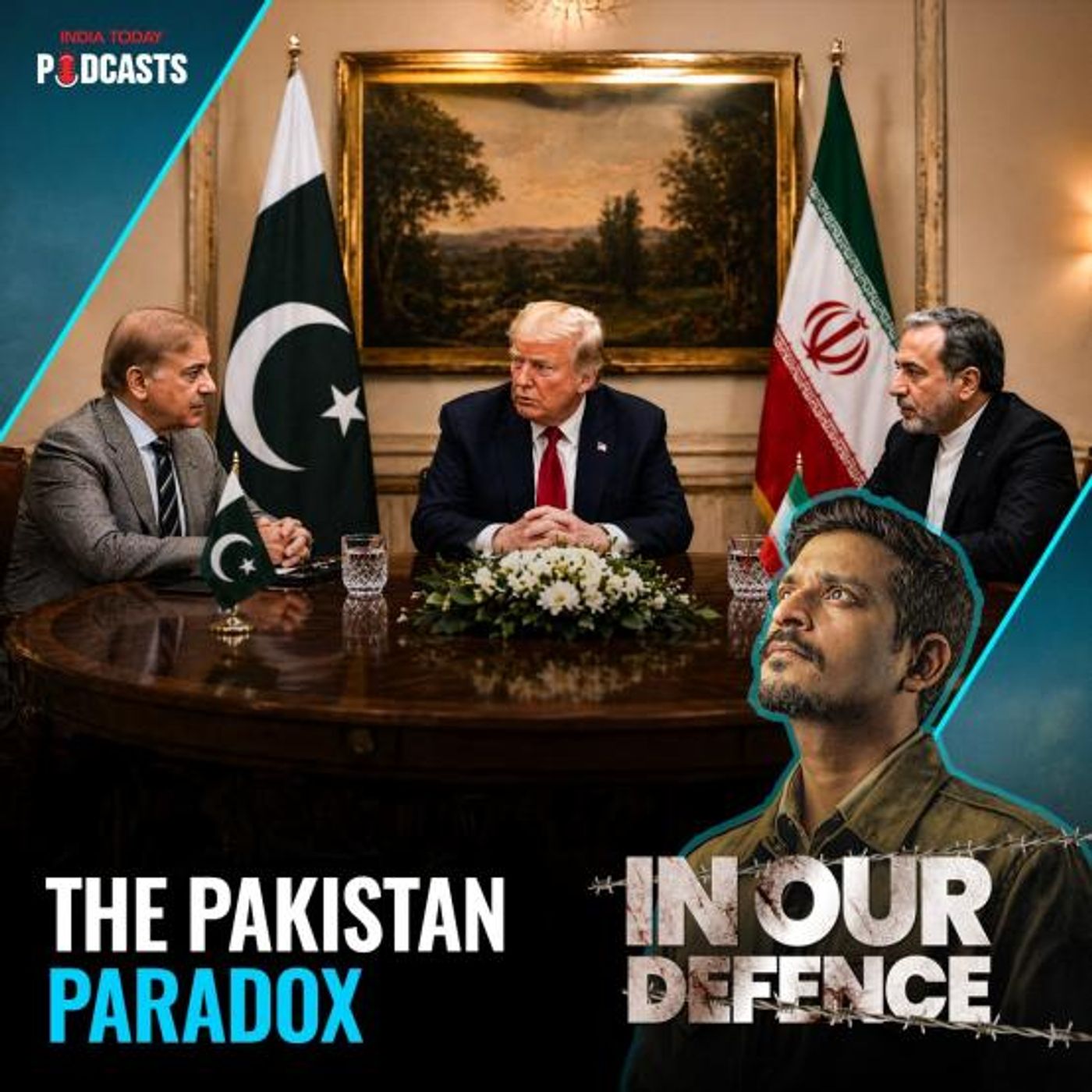
In this episode of In Our Defence, we step away from the predictable outrage and look at the harder, more interesting question: why does Pakistan remain useful in high-stakes geopolitics despite its long record of contradictions?
Host Dev Goswami and national security expert Sandeep Unnithan unpack Pakistan's complicated ties with the United States, its uneasy relationship with Iran, its growing closeness to Saudi Arabia, and the larger truth that diplomacy is often driven less by morality and more by access, leverage, geography and utility.
They discuss the irony of how Pakistan with its history of having helped seed Iran's nuclear program is now helping broker talks that hinge on Tehran agreeing to give up its nuclear capabilities.
The two also get into the Osama bin Laden episode, the strange durability of US-Pakistan ties, and the role "middlemen" play in crises where nobody fully trusts anybody.
Tune In!
Produced by Taniya Dutta
Sound mixed by Rohan Bharti
56 minAbspielen in:
Warum PodAppear
Folge Menschen, nicht Podcasts.
Du hast Sandeep in einer Sendung gehört. PodAppear findet für dich die nächste, und genauso für alle anderen, die du hören willst.
Eine Meldung, wenn die Person zu Gast istPer E-Mail: sofort oder gebündelt als Tages- oder Wochenübersicht. Dann nur noch auf Play drücken.
Gäste statt bloßer ErwähnungenFolgen, in denen ein Name nur fällt, landen getrennt. Eine Meldung heißt: Die Person ist wirklich in der Sendung.
Alle in einem FeedGründerinnen, Autoren, Sportler, Forscherinnen. Folge allen mit Namen, quer durch jede Sendung, in der sie auftreten.
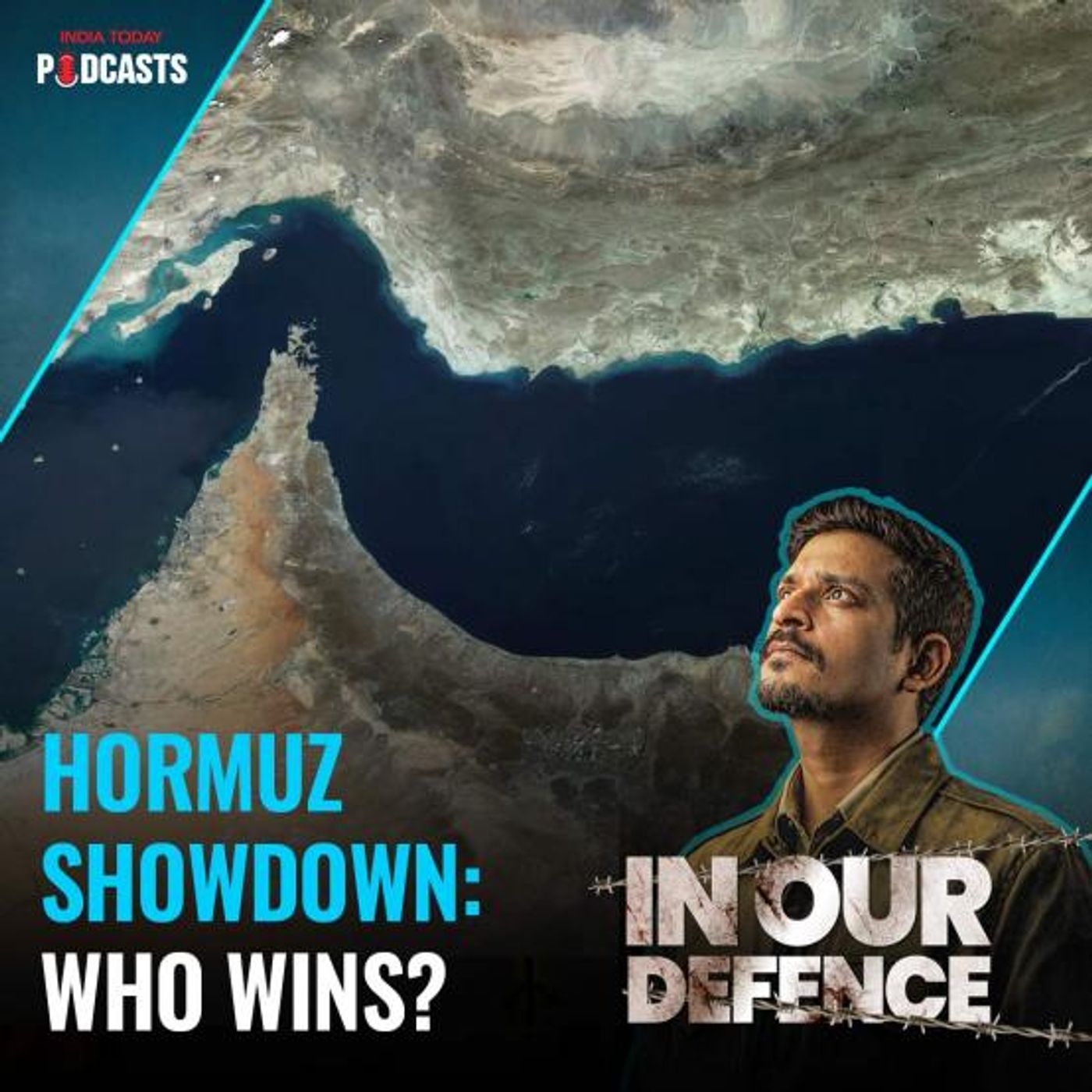
In this episode of In Our Defence, host Dev Goswami is joined by national security expert Sandeep Unnithan to unpack one of the world’s most critical flashpoints—the Strait of Hormuz.
Why do narrow sea lanes like Hormuz matter so much to global trade and oil supply? What does a naval blockade actually look like in practice—not theory, but at sea? From ship strength and surveillance tech to geography and fleet positioning, we break down the real mechanics behind maritime chokeholds.
The episode also explores the counterplay: can a blockade be breached, and what does it take to punch through one? As tensions simmer between the US and Iran, does Washington’s naval dominance guarantee control, or is Tehran playing a deeper, asymmetric game?
They also unpack the curious case of the Rich Starry, the China-bound vessel whose strange movements through Hormuz have raised eyebrows. Additionally, a throwback to history — when India blockaded Karachi during the Indo-Pakistani War of 1971. What worked, what didn’t, and what it tells us about modern naval warfare.
Tune In!
Produced by Taniya Dutta
Sound mixed by Rohan Bharti
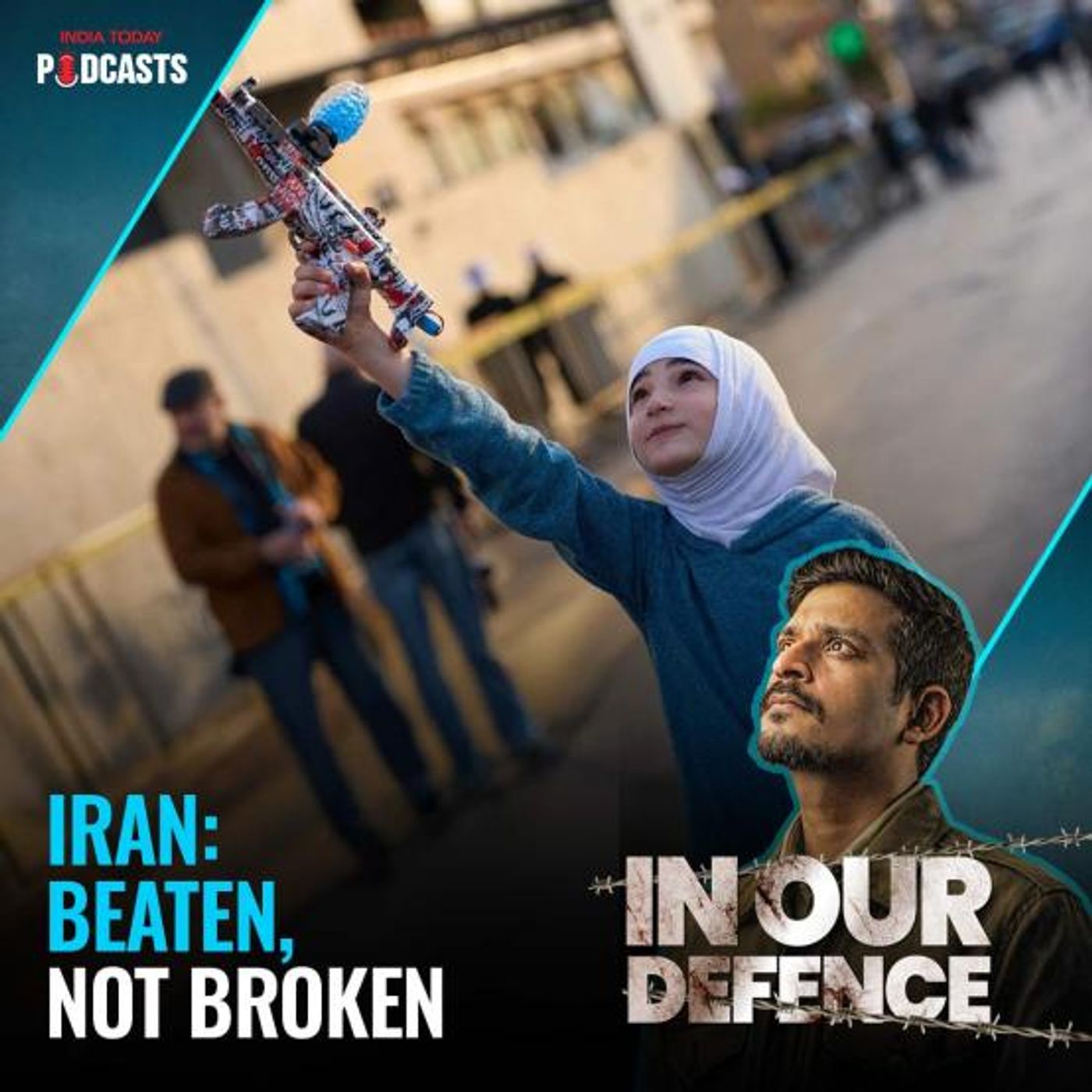
After 39 days of war, Iran has agreed to a temporary ceasefire and the Strait of Hormuz is back in focus. But the big question remains: what exactly did this war achieve?
In this episode of In Our Defence, host Dev Goswami and national security expert Sandeep Unnithan unpack how the conflict escalated, why the war's goals seemed to keep shifting, and why, despite taking enormous punishment, Iran still ended up at the negotiating table without complete submission.
We get into:
How the US and Israel framed the war, and how those aims evolved
Whether Iran was defeated militarily but survived strategically
What this conflict revealed about air defence and modern missile warfare
Why this war may go down as a lesson in the limits of overwhelming force
Whether the ceasefire can actually hold
And the biggest long-term question of all: does this make Iran more likely to want the bomb?
This is not just a story about Iran, Israel, or the US. It is also a story about miscalculation, resilience, and what modern war looks like when even massive military superiority cannot produce a neat political outcome.
Tune In!
Produced by Areeb Raza
Sound mixed by Suraj Singh
Link To NY Times Article- https://www.nytimes.com/2026/0...
Nearly two weeks into Operation Epic Fury, the war in West Asia has spilled over from the streets of Tehran to the depths of the Indian Ocean. In this episode of In Our Defence, host Dev Goswami and national security expert Sandeep Unnithan break down the most chaotic week in modern strategic history.
The two also dive into the sinking of the IRIS Dena, an Iranian frigate that was literally a guest at the Indian Navy’s MILAN 2026 exercise before being torpedoed by a US submarine off the coast of Sri Lanka. What message was the US trying to send by sinking a warship far away from the theatre of conflict?
Also on the episode: How for Iran, winning is equal to just suriving and how global players such as France and China will be looking at this conflict.
Tune in!
Produced by Taniya Dutta
Sound mixed by Rohan Bharti
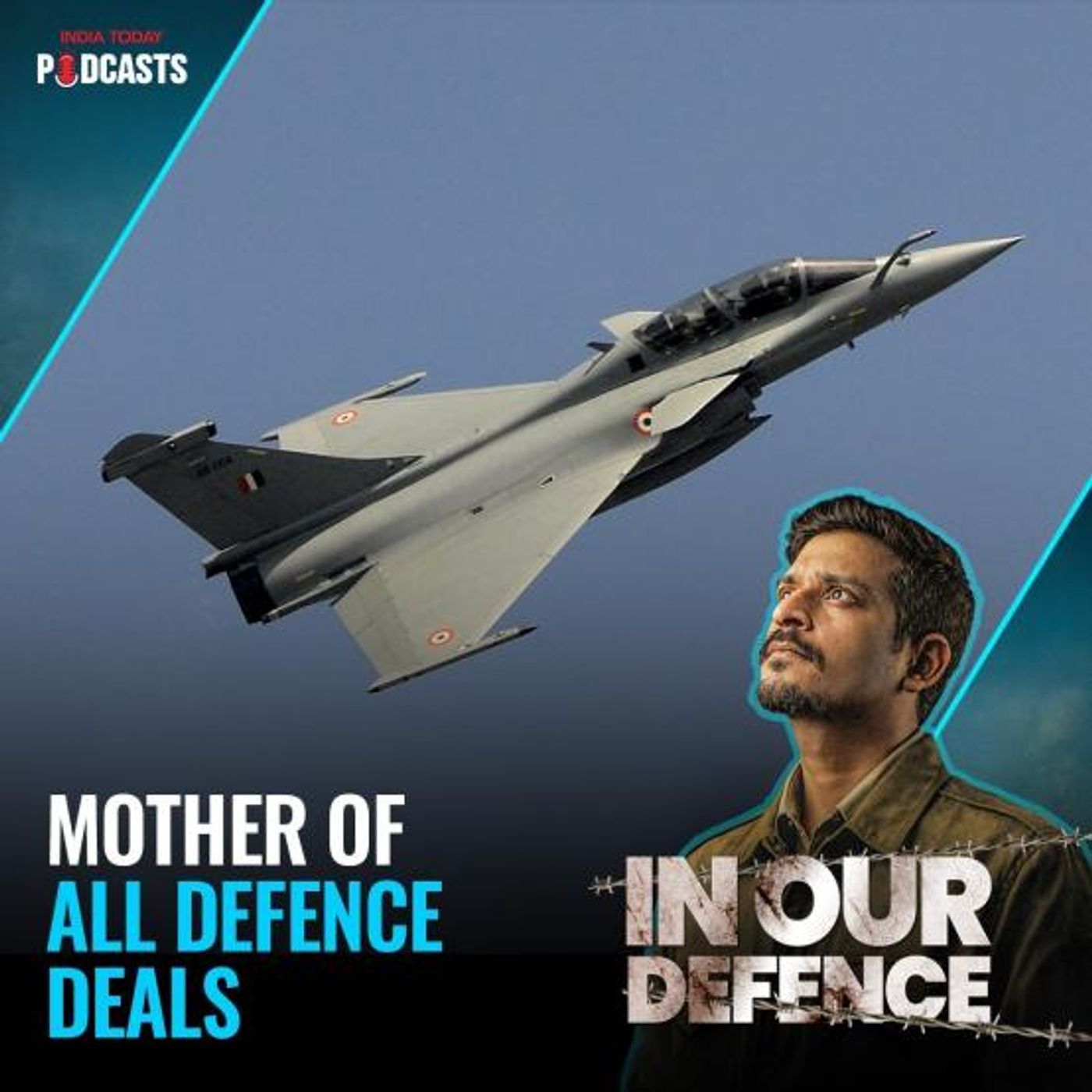
It has been 19 years in the making. From the original MMRCA tender in 2007 to the emergency purchase in 2016, and now, finally MRFA, the "Mother of All Defence Deals" seems ready for ink.
Reports suggest the Indian Air Force is in the final stages of acquiring 114 Rafale jets in a deal estimated at a staggering Rs 3.25 Lakh Crore (~$40 Billion).
In this episode of In Our Defence, Dev Goswami sits down with national security expert Sandeep Unnithan to decode the deal. The two trace the origins of the Indian Air Force's hunt for a fighter jet to the post-Kargil years and look at the various stumbling blocks along the way that have kept the deal from taking off.
The two also discuss just how dire the situation is for the Indian Air Force and why this reported deal to buy 114 Rafale jets is a "now or never" moment.
Tune in!
Produced by Taniya Dutta
Sound mixed by Aman Pal