Bekomm eine E-Mail, wenn Ruth in einem Podcast zu Gast istPodAppear prüft neue Folgen, sobald sie erscheinen, und lässt die weg, in denen Ruth nur erwähnt wird. Bis zu 15 Personen kostenlos, ohne Kreditkarte.Bis zu 15 Personen kostenlos, ohne Kreditkarte.
Ever wondered what the chef is eating? Snacking on the finest produce or surviving on thin air and caffeine?
In this episode Ruth Alexander speaks to three chefs about how they get through the day, and the importance of the ‘family’ or staff meal.
She’s joined by Juliette Feller, a Swiss chef working in London, Marisha Shukla a pastry chef in Bengaluru India, and Sam Grainger, an exec chef and restaurateur in Manchester in England.
You can contact the programme by emailing thefoodchain@bbc.co.uk.
(Image: from left to right, Juliette Feller wearing a pinstripe blazer, Marisha Shukla wearing a white shirt and Sam Grainger wearing a blue denim apron. Credit: Fin Nichols, Victoire Terrade, Sam Grainger)
Have you ever asked yourself: should I do Keto? Is white rice good for me? Am I eating too many carbohydrates? If so, then this episode of The Food Chain is for you. Carbohydrate-rich foods are everywhere and they’re delicious. But are they good for us? Carbs have a reputation for spiking our blood sugar and making us fat. But is that reputation deserved?
Ruth Alexander talks to Javier Gonzalez, Professor of Nutrition and Metabolism at the University of Bath in England and US-based dietitian Julie Stefanski from the Academy of Nutrition and Dietetics to find out whether we’ve been approaching carbohydrates all wrong.
Plus: are there some populations who need to think more carefully about carbs than others? Dr Nelum Dharmapriya thinks so. She’s an Australian family doctor with a special interest in metabolic health in South Asian populations. She advises her patients to make some tweaks to the traditional South Asian carbohydrate-rich diet and says it can be done without losing heritage and identity.
If you would like to get in touch with the show, please email: thefoodchain@bbc.co.uk
Produced by Lexy O'Connor and Beatrice Pickup.
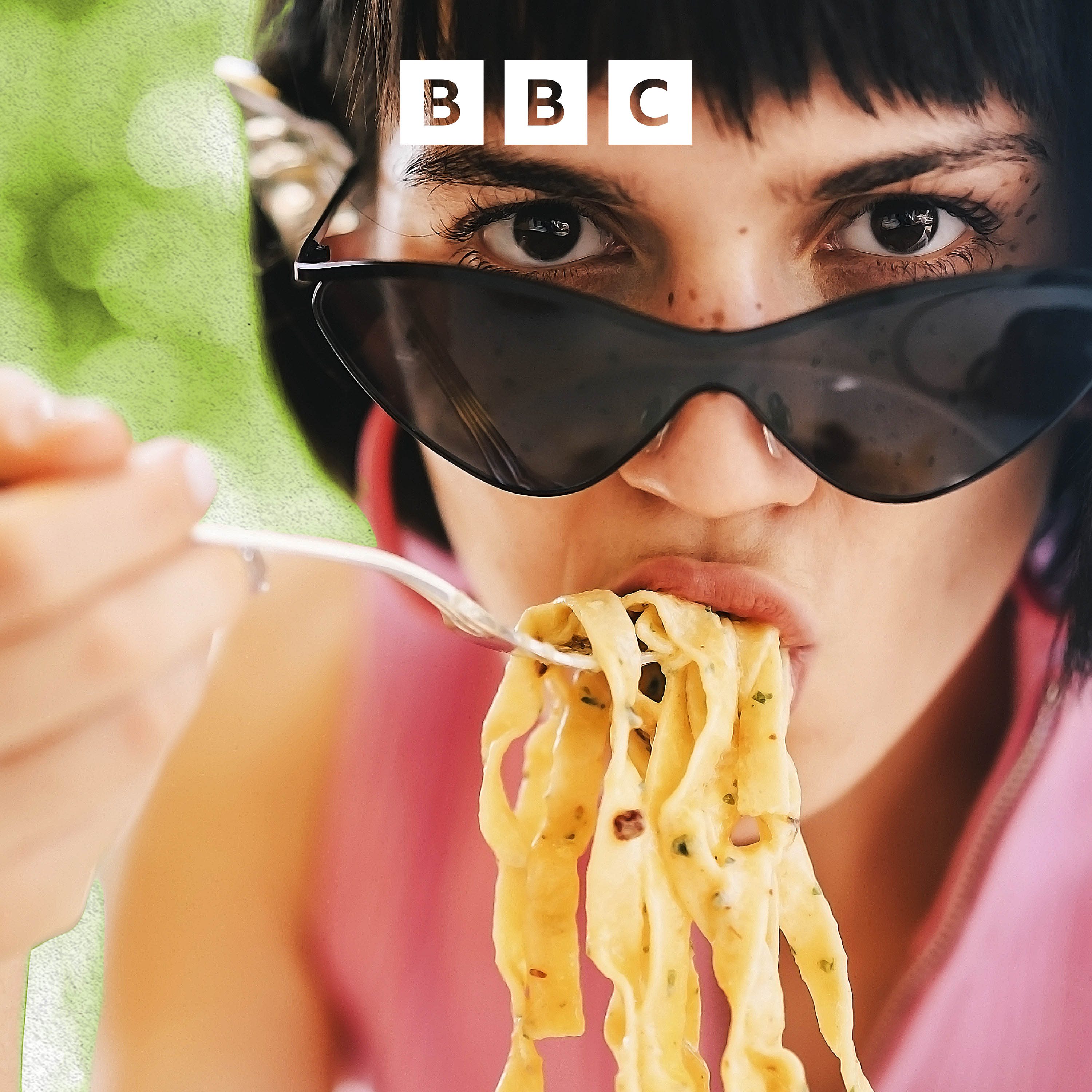
(Image: A woman stares over her sunglasses as she slurps pasta from a fork in a sunlit garden.Credit: Getty images/BBC)
Ever wondered how anyone gets a job writing about food? Ruth Alexander talks to Melissa Clark, recipe columnist and newsletter host for the New York Times; Laura Rowe food journalist and former content director of Olive and Delicious magazines in London, and Malin Turunen of MatMalin in Stockholm, formerly editor of Swedish food magazine, Allt om Mat.
They discuss their first jobs, how their work shapes our tastes and why they think columns about cake matter more than you might think.
If you would like to get in touch with The Food Chain team, please email thefoodchain@bbc.co.uk
Producers: Izzy Greenfield and Lexy O'Connor
Sound engineer: Hal Haines
(Photo: Woman writes in a notebook next to an open laptop and vegetables on a kitchen counter top. Credit: Getty Images)
Most of us have foods we refuse to eat - think coriander, or maybe olives. But where do those strong dislikes come from, and is it possible to change them?
In this episode of The Food Chain, Ruth Alexander sets out to find out whether you really can learn to love the foods you hate. From first encounters that go wrong to memories that linger, she explores why food preferences can feel so fixed, and whether anything might help shift them.
Ruth speaks to neuroscientist Dr Dana Small, professor and Canada Excellence Research Chair at McGill University, about what’s happening in the brain and body when we eat, and how unconscious reward signals shape what we come to like or avoid.
She also hears from psychologist Dr Rachel Herz, an expert on the science of smell and author of Why We Eat What We Eat, about the powerful role odour, memory and emotion play in food dislike, often before we’re even aware of it.
And registered dietitian Clare Thornton-Wood shares practical, low-pressure techniques used with both children and adults to build tolerance - and sometimes even enjoyment - for foods they can’t stand.
Producer: Izzy Greenfield
Sound engineer: Annie Gardiner
Picture: A woman holding a fork with a piece of broccoli in front of her, looking unsure (credit: Getty)
26 minAbspielen in:
Warum PodAppear
Folge Menschen, nicht Podcasts.
Du hast Ruth in einer Sendung gehört. PodAppear findet für dich die nächste, und genauso für alle anderen, die du hören willst.
Eine Meldung, wenn die Person zu Gast istPer E-Mail: sofort oder gebündelt als Tages- oder Wochenübersicht. Dann nur noch auf Play drücken.
Gäste statt bloßer ErwähnungenFolgen, in denen ein Name nur fällt, landen getrennt. Eine Meldung heißt: Die Person ist wirklich in der Sendung.
Alle in einem FeedGründerinnen, Autoren, Sportler, Forscherinnen. Folge allen mit Namen, quer durch jede Sendung, in der sie auftreten.