Bekomm eine E-Mail, wenn Rob in einem Podcast zu Gast istPodAppear prüft neue Folgen, sobald sie erscheinen, und lässt die weg, in denen Rob nur erwähnt wird. Bis zu 15 Personen kostenlos, ohne Kreditkarte.Bis zu 15 Personen kostenlos, ohne Kreditkarte.
Jonathan Wilson and Rob Draper continue their Arsène Wenger series by tracing his leap from youth coaching at Strasbourg to assistant work under Jean-Marc Guillet at Cannes, where his scouting and relentless workload stood out, before taking his first major job at Nancy with Aldo Platini as director. They discuss Wenger’s early innovations—psychologists, stretching, diet, massage and “invisible training”—and his severity, detail-obsession and frugality, alongside the loneliness and intensity he describes after defeats. Despite Nancy’s limited means and eventual relegation, Wenger earned the Monaco job in 1987, where the glamorous setting contrasted with his ascetic focus. With signings like Glenn Hoddle and Mark Hateley, he introduced advanced recovery and professionalism, won Ligue 1 in 1988, and later built teams featuring Claude Puel, while developing talents such as George Weah, Lilian Thuram and Emmanuel Petit, amid disillusionment about French football’s corruption.
00:00 Hoddle Meets Modern Training
00:47 Wenger Series Returns
01:37 Cannes Assistant Breakthrough
02:50 Motorway Scouting Story
04:08 Workaholic Coaching Routine
05:27 First Team Taste of Power
06:37 Nancy Job and Platini Link
08:03 Invisible Training Revolution
12:21 Youth Development and Frugality
15:09 Severity and Dark Obsession
19:49 Monaco Move and Glamour
23:23 Royals and Monaco Memories
25:46 Why Hoddle and Hateley Fit
26:54 Hateley Meets Wenger
27:46 Hoddle Hijacked From PSG
30:17 Training Revolution In Monaco
33:28 Beer Smoking And Culture Clash
34:46 Tactics And Touchline Temper
38:00 Monaco Glory And Marseille Shadow
43:17 Annie And Private Life
44:48 Weah Thuram Petit Talent Spotting
49:03 Highbury Encounter With Dein
52:31 Next Episode And Wrap
Hosted on Acast. See acast.com/privacy for more information.
53 minAbspielen in:
Di22Sep
It Was What It Was : The Football History PodcastHost
Rob Draper and Jonathan Wilson examine Kwame Nkrumah’s state-backed club Real Republicans and why it became widely unpopular despite winning trophies, after being created by taking top players from existing clubs without compensation and reinforcing regional and ethnic tensions, particularly in Ashanti. They track criticism in the Evening News and Ashanti Pioneer, Kotoko’s protests, and the club’s lack of public support even at its peak. The episode argues the project nonetheless helped the Black Stars by building cohesion, highlighted by a 3–3 draw with Real Madrid in 1962 and Ghana’s AFCON triumphs in 1963 and 1965 under C.K. Gyamfi, with key players drawn from Republicans. The discussion then links football to Nkrumah’s growing authoritarianism, economic strain from cocoa price swings, and his 1966 CIA-backed coup, after which Real Republicans were dissolved, while Ghana’s club and national successes continued briefly before declining with reduced state support.
00:00 Why Fans Reject Republicans
01:33 Nkrumah Builds a Model Club
05:09 Player Raids Spark Backlash
09:05 Trophies Without Love
16:32 Politics and Regional Resentment
21:34 Cocoa Prices and Ashanti Nationalism
25:41 Break and Reset
26:07 Golden Era for Black Stars
26:55 Real Madrid Draw and FIFA Fight
29:24 World Cup Qualifiers Reality Check
30:12 FIFA Spots Ghana
32:08 Real Republicans Core
33:18 Baba Yara Tragedy
34:00 1963 AFCON Triumph
36:03 Ethiopia Tangent
41:10 1965 AFCON Away Win
43:38 Ghana Legacy Debate
45:37 Nkrumah Turns Authoritarian
50:27 Coup Ends Era
51:37 Aftermath and Wrap
Hosted on Acast. See acast.com/privacy for more information.
57 minAbspielen in:
Di15Sep
It Was What It Was : The Football History PodcastHost
Rob Draper and Jonathan Wilson discuss how Kwame Nkrumah used football to build Ghana’s national identity and promote Pan-African unity after independence (1957) and becoming a republic (1960). They trace Ghana’s colonial background as the Gold Coast, Nkrumah’s education and political radicalization in London and the US, his leadership of the CPP, and the push to independence amid postwar unrest and cocoa blight riots. Nkrumah backed football as a tool for unity, sponsoring the Nkrumah Gold Cup and founding the African Club Championships (Osagyefo Cup), a precursor to today’s African Champions League. The episode then profiles Ghana star C.K. Gyamfi (“Magic Feet”), his rise through local clubs, a 1951 UK tour, and a breakthrough spell at Fortuna Düsseldorf in 1960 before returning to play for Ghana.
00:00 Nkrumah and Football Nationhood
03:04 Ghana Under Empire
04:53 Nkrumah Abroad and Ideas
06:38 London Debates and Mentors
12:33 Return and Rising Unrest
15:15 CPP and Road to Independence
18:43 Republic and Cult of Leader
20:05 Sport as National Unity
23:11 Pan African Tournaments Begin
25:30 Gold Cup Wins and Wider Wave
26:53 Osagyefo Cup Club Vision
27:13 Osagyefo Cup Origins
27:58 First African Club Final
28:17 Unity Through Football
30:01 Ghana Golden Era Focus
31:07 Meet CK Gyamfi
33:14 Early Life And Clubs
35:00 Mysterious Dwarves Tangent
38:41 Kotoko And UK Tour
41:55 Germany With Fortuna
48:06 Called Back To Ghana
49:31 Part One Wrap Up
Hosted on Acast. See acast.com/privacy for more information.
50 minAbspielen in:
Di8Sep
It Was What It Was : The Football History PodcastHost
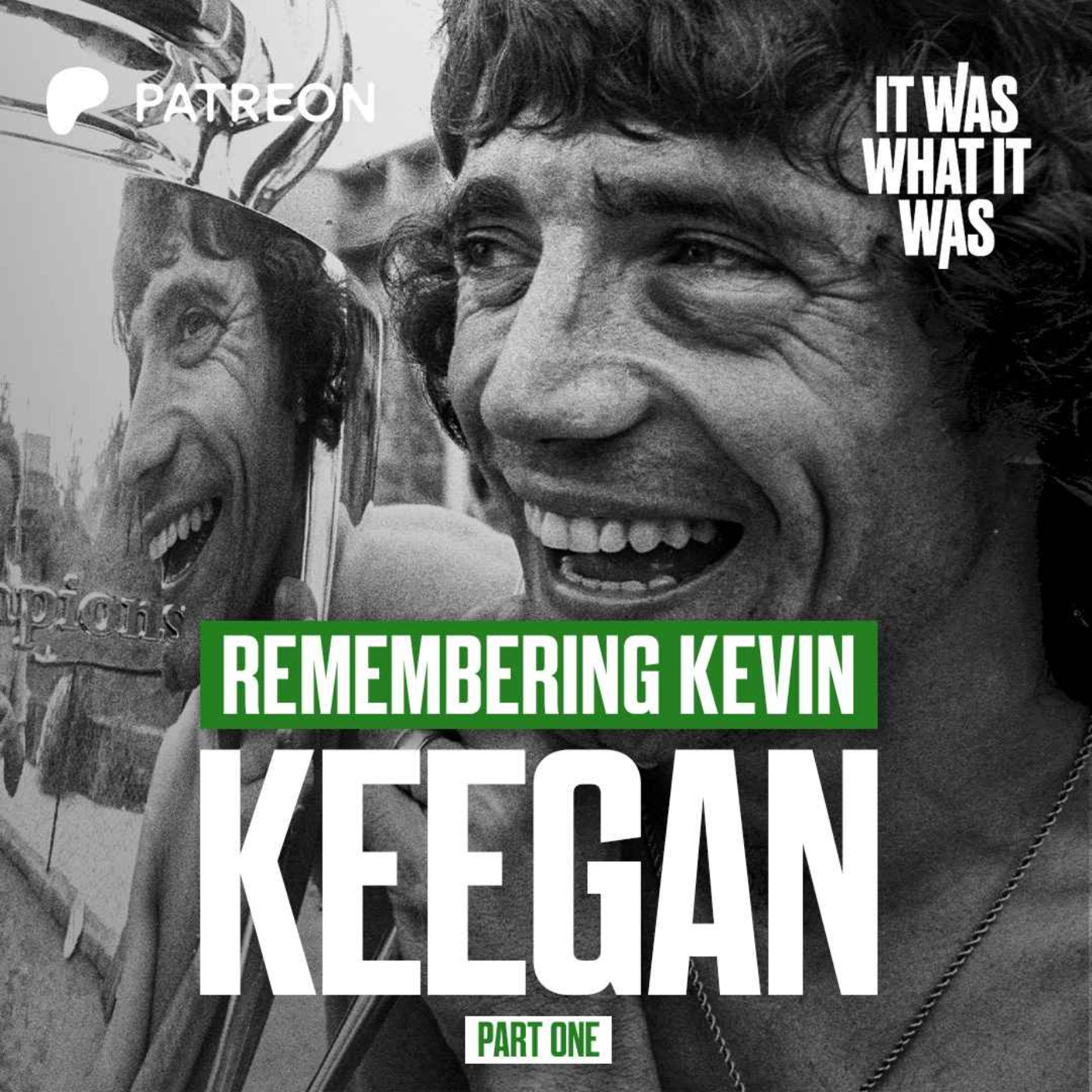
Jonathan Wilson and Rob Draper conclude their three-part series on Kevin Keegan by tracing his managerial career and the idealism behind his “why not?” philosophy. They cover his post-playing retreat in Marbella, a 1991 roadside attack that sparked unfounded rumours, and his surprise return to rescue near-bankrupt Newcastle in 1992 despite having barely watched football. Keegan’s early chaos, promotion to the Premier League, and “entertainers” era are explored, including the Andy Cole sale and his famous address to angry fans. The episode revisits the 1995–96 title collapse, his exit amid Newcastle’s flotation plans, spells at Fulham and England, a steadier period at Manchester City, and a final, acrimonious Newcastle return under Mike Ashley, ending with reflections on his legacy and farewell tour.
00:00 Dreamers Welcome
01:39 Marbella Escape
02:49 Celebrity Golf Circuit
04:52 M25 Attack Rumors
08:10 Lightbulb Moment
09:34 Sir John Hall Calls
14:02 Return of the King
17:03 Unprepared New Boss
20:29 Great Escape Finale
22:13 Promotion Blueprint
24:53 Entertainers Era
26:32 Newcastle Goldfish Bowl
28:41 Keegan in the City
30:22 Keegan Tea Reception
32:14 Andy Cole Fallout
33:24 Calming The Mob
36:31 Title Charge Collapse
39:03 Shearer And Glory
41:43 Flotation Clash Exit
44:52 Fulham And England Call
47:24 Poisoned Chalice England
52:56 City Comeback Era
55:36 Third Newcastle Breakdown
58:54 Final Farewell Legacy
Hosted on Acast. See acast.com/privacy for more information.
1 h 01 minAbspielen in:
Di1Sep
It Was What It Was : The Football History PodcastHost
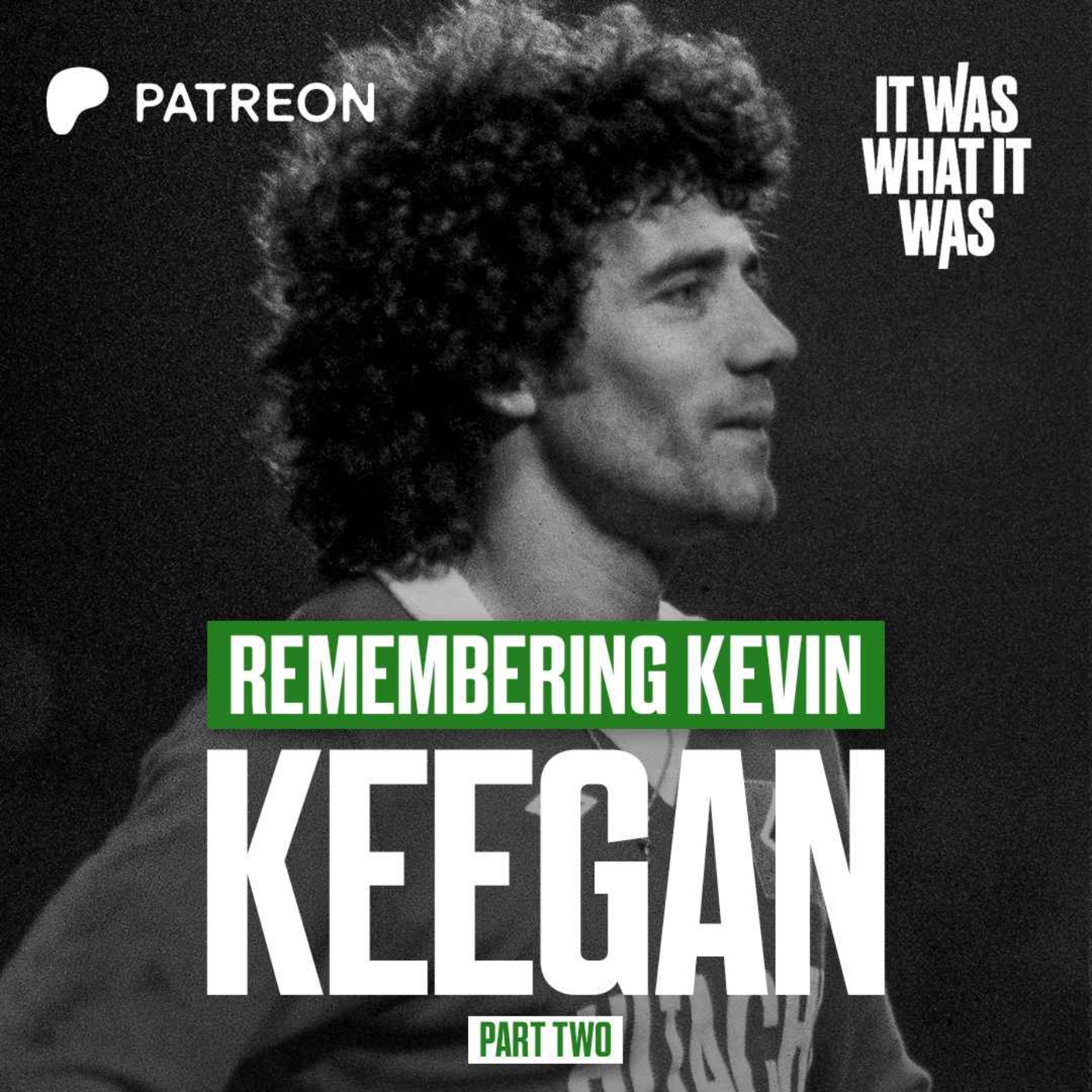
Jonathan Wilson and Rob Draper continue their Kevin Keegan series, following his 1977 move from Liverpool to Hamburg for a far higher salary and the difficult start marked by teammate resentment, managerial upheaval, a humiliating Super Cup loss at Anfield, and an eight-week ban after he struck a defender in a friendly at Lübeck. They chart his turnaround under Branko Zebec as Hamburg win the Bundesliga in 1978–79, Keegan becomes a German celebrity, learns the language, and wins the Ballon d’Or twice, before turning down Juventus and returning to England with an underwhelming Southampton spell and a breakdown with Lawrie McMenemy. The episode also covers Keegan’s burdened England captaincy amid missed World Cups, including a beating by Yugoslav police, threats in Belfast, Euro 1980, and injury-hit World Cup 1982, before his high-profile move to Second Division Newcastle, the lift he gives the city, and his retirement after a sobering FA Cup loss to Liverpool.
00:00 Keegan Cashes In
01:06 Hamburg Move Explained
01:39 The Bubble Perm Era
03:40 Frosty Dressing Room
06:36 Lübeck Punch Up
09:46 Backlash and Doubts
10:58 Turning Point Return
12:01 Zebec Sparks Revival
14:03 Pop Star in Germany
17:20 Ballon d'Or Debate
21:12 European Cup Heartbreak
23:14 Shock Southampton Switch
25:07 Saints Reality Check
27:22 Keegan Takes Criticism Personally
28:27 England Captain Burden
30:38 Poland Wembley Heartbreak
31:47 Belgrade Police Beating
34:20 Euro 1980 Chaos
35:38 Thatcher Photo Fallout
36:51 IRA Threats Belfast
40:28 World Cup 1982 Injury
43:50 Newcastle Homecoming Move
46:52 Robson Drops Keegan
49:31 Keegan Lifts Newcastle
55:12 Lawrenson Moment Retirement
55:54 Helicopter Farewell Wrap
Hosted on Acast. See acast.com/privacy for more information.
58 minAbspielen in:
Warum PodAppear
Folge Menschen, nicht Podcasts.
Du hast Rob in einer Sendung gehört. PodAppear findet für dich die nächste, und genauso für alle anderen, die du hören willst.
Eine Meldung, wenn die Person zu Gast istPer E-Mail: sofort oder gebündelt als Tages- oder Wochenübersicht. Dann nur noch auf Play drücken.
Gäste statt bloßer ErwähnungenFolgen, in denen ein Name nur fällt, landen getrennt. Eine Meldung heißt: Die Person ist wirklich in der Sendung.
Alle in einem FeedGründerinnen, Autoren, Sportler, Forscherinnen. Folge allen mit Namen, quer durch jede Sendung, in der sie auftreten.
*The full three-part series is available on Patreon now*
Jonathan Wilson and Rob Draper pay tribute to Kevin Keegan, who died in July aged 75, reflecting on his rare charisma, self-awareness, and ability to connect with people, as well as his status as the only British player to win the Ballon d’Or twice. They trace his working-class upbringing in Armthorpe near Doncaster, his family’s mining and Labour roots, and formative influences like Sister Mary Oliver, who encouraged his football. The episode follows Keegan’s unlikely early path—rejected by Doncaster and Coventry, starting at Scunthorpe—through his move to Liverpool under Bill Shankly, where his fitness, motivation, and partnership with John Toshack helped drive major success, alongside growing fame via endorsements and Superstars. They end with Keegan’s decision to leave as Liverpool approach European glory.
00:00 Tribute to Keegan
01:09 Charisma and Kindness
06:19 Roots in Doncaster
09:14 Mining Heritage
15:22 School and Sweetheart
22:21 Rejected Then Spotted
24:28 Scunthorpe Breakthrough
28:18 Move to Liverpool
30:03 Negotiating His Worth
33:34 Late Arrival Debut
35:22 Toshack Partnership
35:47 Sweat Box Fitness
37:10 Telepathy Test Hoax
40:12 Shankly Mind Games
41:46 Celebrity Endorsements
47:26 Superstars Bike Crash
49:48 Trophies And Turning Point
54:44 Shankly Leaves Fallout
57:34 European Peak Exit Plan
Hosted on Acast. See acast.com/privacy for more information.
60 minAbspielen in:
Di18Aug
It Was What It Was : The Football History PodcastHost
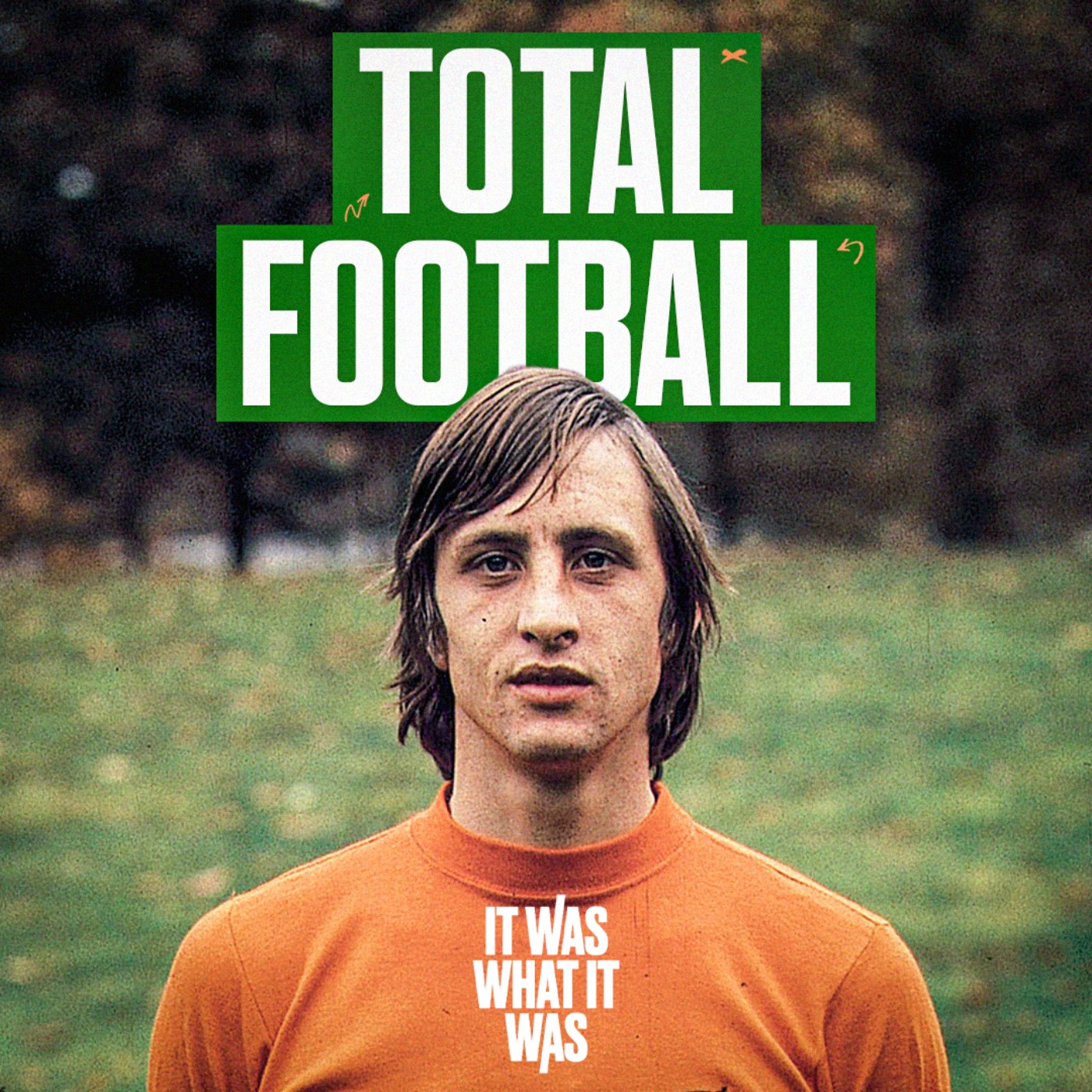
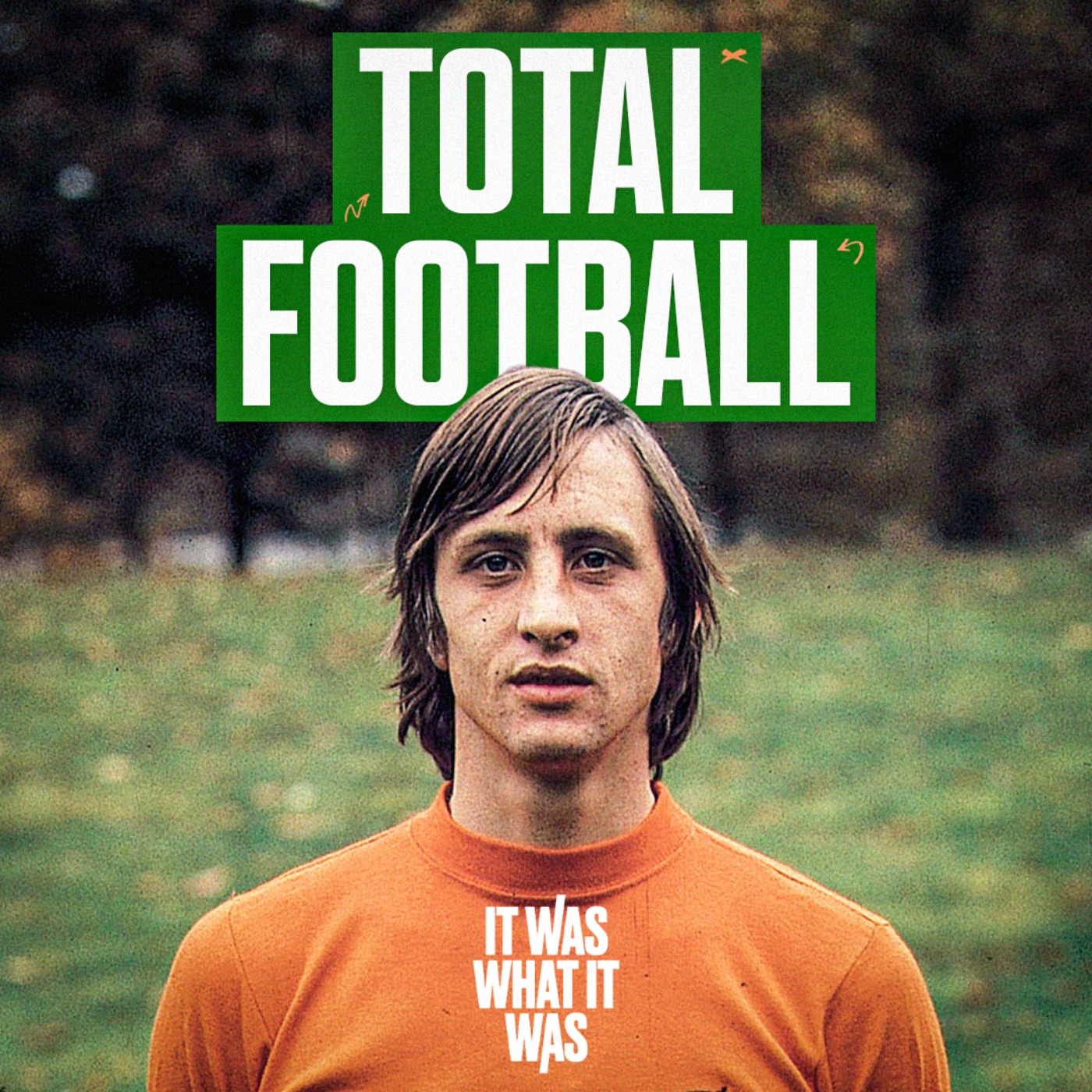
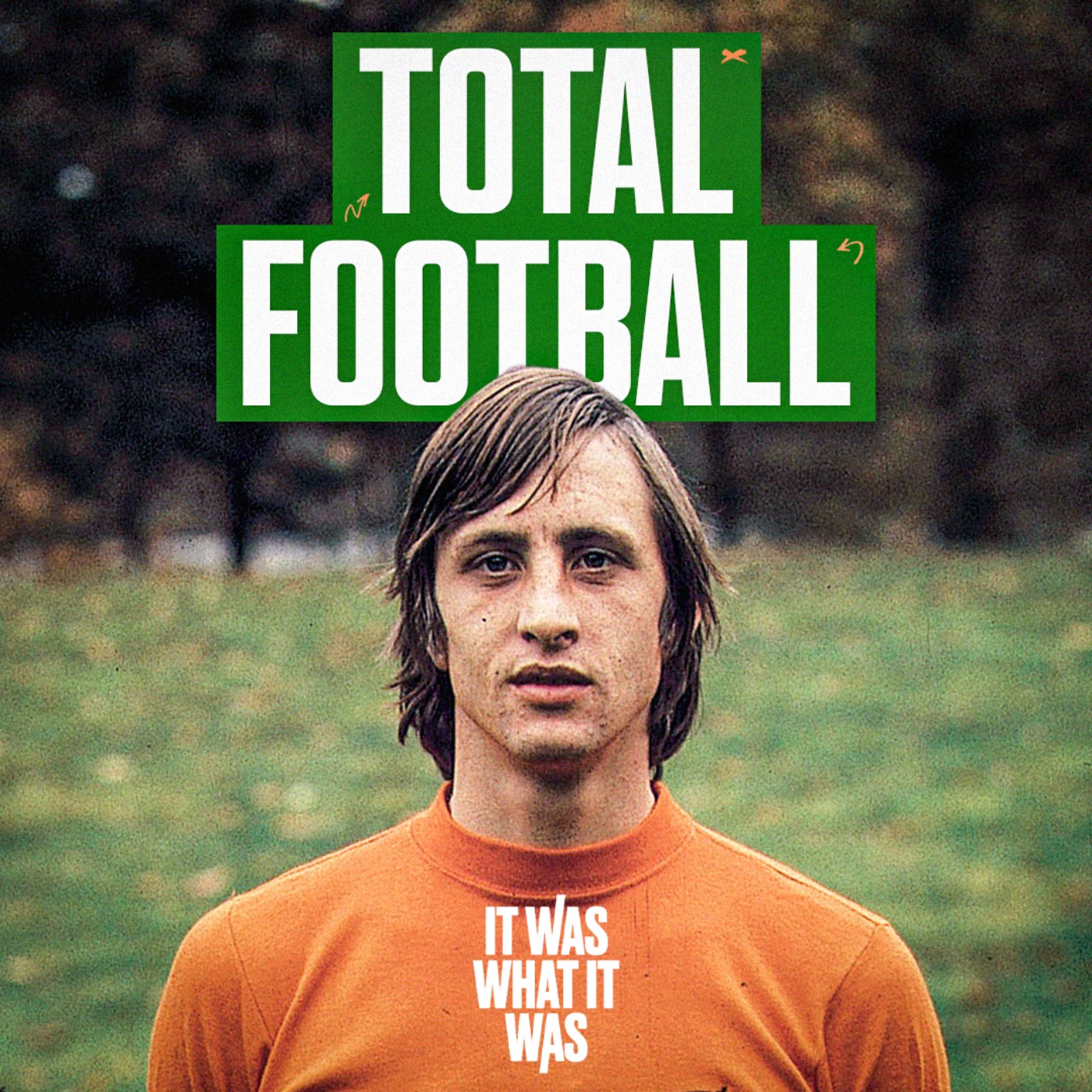
The fourth and final episode in Jonathan Wilson and Rob Draper's Total Football series explores Ajax’s remarkable success under Stefan Kovacs and the Netherlands’ unforgettable 1974 World Cup campaign.
Kovacs inherited Rinus Michels’ European champions but allowed the side’s fluid, player-led style to evolve. Ajax continued to win major honours, including two European Cups, but growing player power and Johan Cruyff’s influence created tensions beneath the success. As internal divisions deepened, Kovacs left, Cruyff departed for Barcelona, and Ajax’s golden era began to unravel.
Enter the 1974 World Cup. Despite a difficult qualification process and a squad shaped by rivalries, Michels and Cruyff assembled a side that thrilled the world. They swept past Argentina, overcame Brazil in a fiercely contested encounter, and brought Total Football to its global peak.
But in the final against hosts West Germany, an early lead was not enough. Off-pitch distractions, overconfidence and German resilience contributed to a famous 2–1 defeat.
The Dutch did not lift the World Cup, but their legacy was greater than a single trophy: Total Football transformed how the modern game is played.
Hosted on Acast. See acast.com/privacy for more information.
52 minAbspielen in:
Di11Aug
It Was What It Was : The Football History PodcastHost
In part three of our Total Football series, Jonathan Wilson and Rob Draper arrive at Ajax’s golden age.
They explore Johan Cruyff’s development: the precocious teenager shaped by Ajax, Vic Buckingham and Rinus Michels; a player whose extraordinary understanding of space, timing and tactics made him the ultimate expression of individuality within a system.
The episode unpicks how Ajax’s 4-3-3 worked in practice. Positional rotations, an aggressive offside trap, collective pressing and the instinctive relationships built through years of playing together.
Jonathan also examines the uncomfortable questions around fitness, sports science and alleged stimulant use in the era, before charting Ajax’s first European Cup triumph in 1971 and the arrival of Ștefan Kovács after Michels’ departure for Barcelona.
This is the story of how a brilliant group of players, led by Cruyff, turned a tactical idea into the most influential team in European football.
You can listen to all the Total Football episodes early right now, here on Patreon. Enjoy.
Hosted on Acast. See acast.com/privacy for more information.
57 minAbspielen in:
Do6Aug
It Was What It Was : The Football History PodcastHost
*You can listen to the full episode on our Patreon*
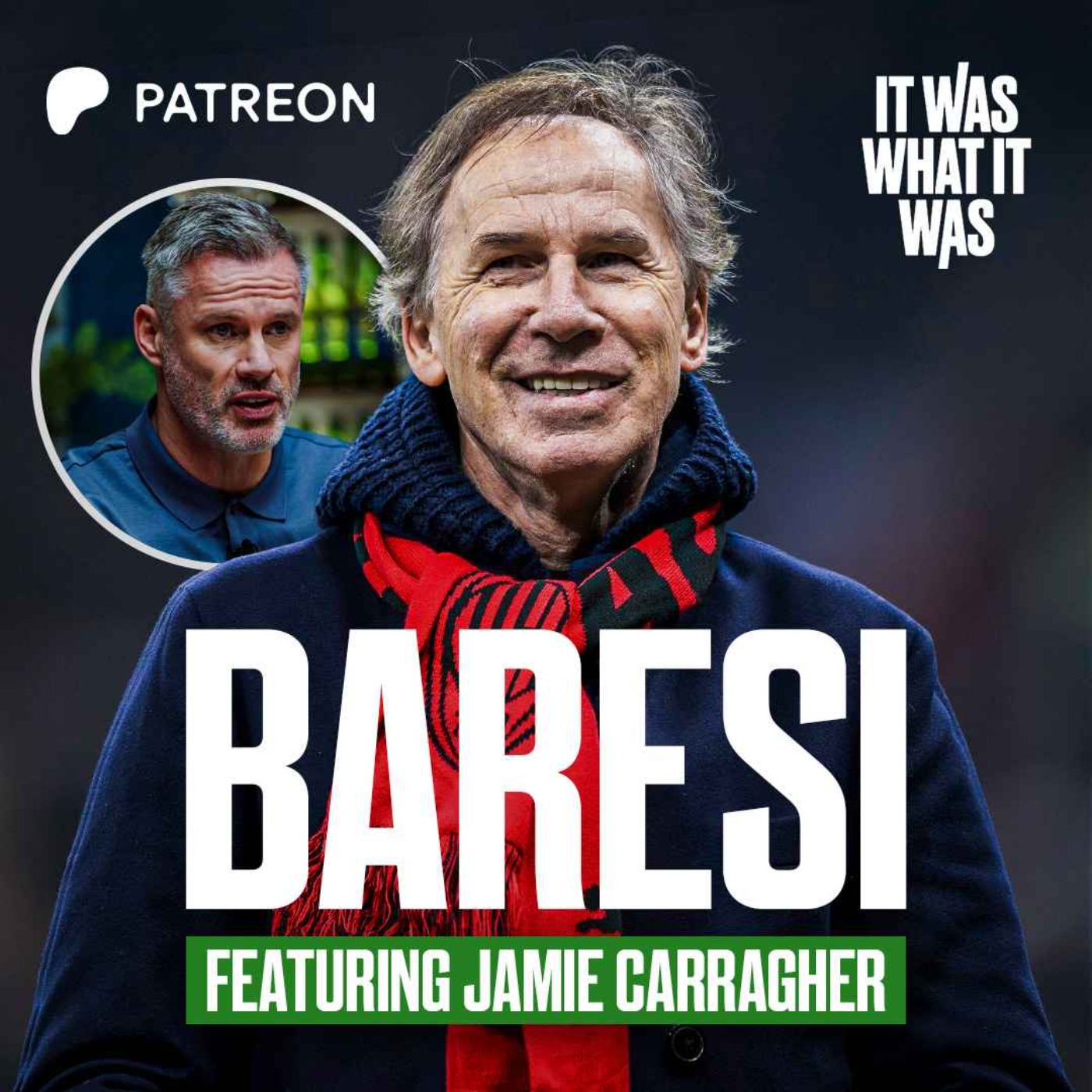
Rob Draper hosts a bonus edition of It Was What It Was with Jamie Carragher stepping in to pay tribute to the late great Franco Baresi .
Carragher explains why Baresi’s name is passed down through generations, calls him the greatest defender he’s ever seen, and hails Sacchi’s AC Milan as the greatest team until Guardiola’s Barcelona, with Baresi and Maldini central to a back four that revolutionised modern football through pressing, a high line and the shift away from the sweeper system.
They discuss Baresi’s unique blend of sweeper elegance and aggressive defending in a back four, his extraordinary return from a knee injury for the 1994 World Cup final against Romario, and how his football brain overcame a lack of height. Carragher also shares meeting Baresi at a Milan derby and showing his signed Baresi shirts.
Hosted on Acast. See acast.com/privacy for more information.
18 minAbspielen in:
Di21Jul
It Was What It Was : The Football History PodcastHost
Jonathan Wilson and Rob Draper are joined by special guest Jordi Cruyff for the first episode in a new series on Total Football: its origins, its legacy, and one of its key architects, Johan Cruyff.
Who better than Jordi to reflect on his father's footballing influences and legacy? Beginning with his upbringing in Amsterdam, the hardship that shaped his ambition, and the profound influence of Rinus Michels on his development, Jordi also shares personal insight into Johan’s personality: stubborn, curious, challenging and, of course, never afraid to go against the grain.
The conversation explores Cruyff’s football philosophy in detail - his attacking mindset, positional ideas, emphasis on angles and intelligence, and refusal to compromise on style. Jordi also retells the story of being named Jordi in Franco-era Spain, a moment that captured his father’s defiant spirit and deep connection with Catalonia.
Rob, Jonathan and Jordi look at Johan’s transformational impact on Barcelona, the 1992 European Cup, his influence on Pep Guardiola, and how Cruyff’s ideas continue to shape elite football - from La Masia to the modern Premier League.
Rob and Jonathan will be back next week for a dive into the origins of Total Football itself; the first in a new four-part series. Sign up to our Patreon to get early-access to every episode.
Hosted on Acast. See acast.com/privacy for more information.
48 minAbspielen in:
Di7Jul
It Was What It Was : The Football History PodcastHost
Jonathan Wilson and Rob Draper pick their favourite World Cup quarterfinals while previewing the upcoming last-eight: Portugal’s 5–3 comeback against North Korea at Goodison Park in 1966, highlighting Eusébio’s peak display, disputed refereeing, and the enduring Middlesbrough bond with the North Korean team; Germany–Argentina in 2006 as a pivotal step in Klinsmann’s cultural and tactical reset with Löw, Lehmann’s sock note in the shootout, and debate over Pekerman’s substitutions; and Argentina–Netherlands in 2022, remembered amid Grant Wahl’s death, for Messi’s pass, a record 18 yellows, a late Weghorst equaliser from a worked free kick, and a combustible shootout and aftermath. Wilson also covers Italy–Spain in 1934 as Mussolini’s World Cup’s key test and Draper adds Italy–Brazil 1982 and France–Brazil 1986 as defining classics.
00:00 Quarterfinal Classics Setup
00:47 Portugal vs North Korea 1966
03:40 Goodison Shock and Comeback
08:32 Eusebio Takes Over
10:10 Legacy and Middlesbrough Bond
16:19 Germany vs Argentina 2006
17:20 Klinsmann Revolution Explained
23:27 Match Drama and Lehmann Note
26:11 Argentina vs Netherlands 2022
30:33 Battle of Lusail Chaos
34:48 Penalties And Tragedy
36:04 Mussolini World Cup Clash
41:41 Replay And Brutality
42:58 England Debate Sunderland Joke
44:43 Rossi Sinks Brazil 1982
49:50 Romance Dies Guardiola Inspired
51:57 France Brazil 1986 Classic
57:43 Shootout Controversy Carlos Story
01:00:31 Legacy And Wrap Up
Hosted on Acast. See acast.com/privacy for more information.
1 h 06 minAbspielen in:
Fr3Jul
It Was What It Was : The Football History PodcastHost
Throughout the World Cup Jonathan Wilson and Rob Draper are recording weekly live Q&As, exclusively for our Patreon subscribers.
This week, all eyes were on England's win over DR Congo, sparking a debate on their reliance on Harry Kane. A worry, or a strength? There's a look at Marcelo Bielsa's Uruguay, a debate on what's happened to Germany, and so much more in this week's World Cup mailbag.
Want in? Then all you need to do is head over to www.patreon.com/ItWas and sign up for £4.99 a month. That'll get you access to Rob and Jonathan's live Q&As and a whole host of bonus content, including:
The World Cup Collection - dissecting every tournament since 1930.
Retro Magazine Collection - flicking through the archives of classic football culture.
Lots of bonus, one-off IWWIW specials.
Plus, you'll become part of our growing IWWIW community on Patreon.
Sign up today to hear the full episode - and we'll see you on Patreon. Thanks for listening!
Hosted on Acast. See acast.com/privacy for more information.
21 minAbspielen in:
Di30Jun
It Was What It Was : The Football History PodcastHost
To listen to the full four-part series instantly, subscribe to our Patreon where listeners can enjoy ad-free listening, our World Cup Wednesdays, bonus editions and live Q&A episodes.
Rob Draper and Jonathan Wilson conclude their four-part series on England’s 1966 World Cup win, picking up from the semi-final against Portugal and Eusébio, where Alf Ramsey sticks with Geoff Hurst over the media-favoured Jimmy Greaves and England’s wingless 4-1-3-2 thrives, with Bobby Charlton scoring twice and Jack Charlton’s handball leading to a late penalty. They then set up the final against West Germany, including Ramsey’s instruction for Charlton to sit deeper and nullify Franz Beckenbauer, before revisiting a disjointed 4–2 match shaped by England’s direct play, West Germany’s controversial equaliser, Hurst’s debated goal off the bar, and his hat-trick. The episode also explores Ramsey’s vindication, England’s fitness and planning, and the broader cultural context of Swinging London, post-imperial Britain, and the night of celebrations after victory.
00:00 Doubting Ramsey
00:23 Series Setup
01:04 Semifinal Stakes
02:07 Bobby Charlton Anxiety
05:13 Greaves Or Hurst
07:12 Wingless Wonders Win
08:57 Charlton Double
11:44 Penalty Scare
12:50 Charlton Family Duty
14:53 1966 Life Off Pitch
17:47 Cinema And Trauma
20:13 Final Plan Mark Beckenbauer
22:20 Final Rewatch Context
24:03 Targeting Tilkowski
25:07 Final Goals Breakdown
26:26 German Equaliser Debate
28:13 Ramsey Team Talk Myth
29:26 Ramsey Mind Games
30:08 Fitness Wins Extra Time
30:34 Was It Over The Line
32:52 Pitch Invaders Fourth Goal
33:48 Hurst Becomes Immortal
35:01 Planning Versus Flair
36:52 Ramsey Vindicated
40:19 War Memory And Germany
43:05 Swinging London Soundtrack
45:19 Post Imperial Cool Britannia
50:48 Football Enters Mainstream
54:07 Night Of Celebration
57:05 Legacy And Farewell
Hosted on Acast. See acast.com/privacy for more information.
59 minAbspielen in:
Di23Jun
It Was What It Was : The Football History PodcastHost
To listen to the full four-part series instantly, subscribe to our Patreon where listeners can enjoy ad-free listening, our World Cup Wednesdays, bonus editions and live Q&A episodes.
Rob Draper and Jonathan Wilson continue their series on how England won the 1966 World Cup by focusing on the quarter-final against Argentina, presented as the tournament’s key and most controversial test. They explain Alf Ramsey’s tactical preparation, including hiding his 4-1-3-2 “wingless” system and replacing the injured Jimmy Greaves with the more aerially suited Geoff Hurst. The episode traces Ramsey’s lessons from England’s 1964 South American trip, where Argentina’s pragmatic defensive approach and man-marking shaped his thinking, then sets the fraught 1966 backdrop: referee paranoia, Argentina’s internal chaos and recent coup, and a Wembley training dispute caused by greyhound racing. They dissect Antonio Rattín’s baffling dismissal amid language barriers and unclear bookings, the ugly atmosphere, and England’s 1–0 win through Hurst, before covering the aftermath, including Ramsey’s “animals” remark, protests, bans, fines, and Argentina’s defiant homecoming.
00:00 Setting Up England Argentina
01:23 Ramsey Hides Wingless Wonders
03:16 Hurst Replaces Greaves
05:11 Mundialito Lessons In Brazil
09:47 Argentina Pragmatism And Press Reaction
15:43 Referee Paranoia And FIFA Politics
19:14 Argentina Chaos Before Wembley
22:40 Greyhound Racing And Pre Match Tension
26:32 Match Begins And Footage Limits
29:37 Rattin Booking Sparks Flashpoint
33:57 Booking Confusion Builds
35:06 Rattin Sent Off Mystery
38:40 Interpreter Myth Explained
41:53 Aero Bars and Union Jack
45:25 Who Was Actually Booked
46:06 Press Fury and Fix Claims
51:56 Ten Men Battle On
56:01 England Finally Break Through
57:18 Animals Comment Fallout
01:03:17 Bans Fines and Aftermath
Hosted on Acast. See acast.com/privacy for more information.
1 h 05 minAbspielen in:
Di16Jun
It Was What It Was : The Football History PodcastHost
To listen to the full four-part series instantly, subscribe to our Patreon where listeners can enjoy ad-free listening, our World Cup Wednesdays, bonus editions and live Q&A episodes.
Rob Draper and Jonathan Wilson continue their four-part series on England’s 1966 World Cup win by tracing how Alf Ramsey’s team took shape amid low expectations and press criticism after a 3–2 Wembley loss to Austria. They discuss doubts over the 4-2-4, Bobby Charlton’s role, and growing concerns about Jimmy Greaves’ form, before key friendlies reveal Ramsey’s “wingless wonders” approach: a 4-1-3-2/4-3-3 hybrid showcased in Spain and then unveiled dramatically in Poland with the surprise inclusion of Martin Peters. At the World Cup, Ramsey initially reverts to wingers, drawing 0–0 with Uruguay, then beating Mexico 2–0 via a standout Bobby Charlton strike and France 2–0 with Roger Hunt’s goals. Two shadows emerge: Nobby Stiles’ violent conduct against France and Greaves’ shin injury that rules him out of the quarterfinal, opening the door for Geoff Hurst.
00:00 England Written Off
01:48 Austria Defeat Fallout
04:17 Ramsey Rethinks Tactics
07:47 Greaves Under Scrutiny
10:24 Spain Reveals Wingless Plan
15:08 Poland Test and Peters Shock
20:43 Hiding the System
22:21 World Cup Opener Uruguay
25:49 Uruguay Stalemate Fallout
26:49 Meet J L Manning
28:58 Tactics Jargon Backlash
32:24 Mexico Magic Moment
33:15 Charlton Screamer Breakdown
36:18 France Win And Rotation
39:04 Stiles Controversy And FA Row
42:36 Greaves Injury Hurst Opportunity
44:50 Greaves Debate Luxury Player
50:05 Next Episode And Patreon Plug
Hosted on Acast. See acast.com/privacy for more information.
51 minAbspielen in:
Di9Jun
It Was What It Was : The Football History PodcastHost
To listen to the full four-part series instantly, subscribe to our Patreon where listeners can enjoy ad-free listening, our World Cup Wednesdays, bonus editions and live Q&A episodes.
Rob Draper and Jonathan Wilson begin a four-part series revisiting England’s 1966 World Cup win by focusing on Sir Alf Ramsey’s background and the conservative England setup he inherited, including the FA selection committee and a poor early World Cup record. They argue Ramsey, often caricatured as dour, was socially conservative and xenophobic but tactically radical, demanding control of selection and modernizing England with a system-focused approach influenced by his Ipswich success, zonal marking, and experiments that questioned traditional wingers. They discuss his reserved personality, class and heritage issues, a reported instance of backing a player convicted of gross indecency, and why blaming 1966 for later English insularity is misguided. Ramsey’s early England results are mixed, but a 1964 Brazil trip helps crystallize his shift away from 4-2-4, and by April 1965 the emerging core includes Banks, Moore, Jack Charlton, and Nobby Stiles.
00:00 Meet Alf Ramsey
01:49 Ipswich Miracle Title
03:28 Ending Selection Committees
05:20 England World Cup Woes
06:50 Dour Yet Radical
09:23 Xenophobia And Origins
14:14 Was 1966 A Curse
17:28 Ramsey Playing Roots
20:36 Ipswich Tactical Experiments
24:38 Brutalism And Football
27:27 Brutalism Meets Football
31:21 Ramsey Blueprint Emerges
33:02 First Camp Shock Therapy
36:43 Early Results and Doubts
40:05 Brazil Trip Reality Check
40:43 Curfew Crackdown
46:16 Tactics Shift and New Spine
47:51 Jack Charlton and Stiles Debut
53:19 Foundations of 1966
Hosted on Acast. See acast.com/privacy for more information.
55 minAbspielen in:
Di2Jun
It Was What It Was : The Football History PodcastHost
Welcome back to It Was What It Was, the football history podcast. In this week's episode, co-hosts Jonathan Wilson and Rob Draper are joined by Tim Vickery to discuss the extraordinary story of Brazil at the World Cup.
From the ultra-nationalism and hysteria of 1938, to the trauma of the Maracanazo in 1950, and the glorious Pelé years that forged a nation's identity between 1958 and 1970. Vickery traces every Brazilian World Cup campaign.
Drawing on his new book Mundiales, Vickery offers a uniquely South American perspective on how the beautiful game's most celebrated nation has wrestled with myth, race, politics, and tactical evolution across nearly a century of football.
With the 2026 World Cup on the horizon and Carlo Ancelotti now at the helm, can Brazil rediscover their identity, or has the ghost of 1970 become an impossible standard?
00:00 Introduction — Tim Vickery Joins from Rio
06:30 The Myth of Samba Football
13:00 1938, Radio, and Tropical Nationalism
19:30 1950, The Maracanazo and a Nation's Trauma
27:00 1954, The Battle of Bern and Revenge Football
31:30 1958, Meticulous Planning, Pelé, and Redemption
37:20 The Post-1970 Identity Crisis
41:00 1982, Failure and a Lost Midfield Art
47:00 The Domestic Decline of Brazilian Coaching
49:30 Qatar 2022, Were Brazil Really That Far Off?
52:00 Carlo Ancelotti and the 2026 World Cup
Hosted on Acast. See acast.com/privacy for more information.
56 minAbspielen in:
Fr22Mai
It Was What It Was : The Football History PodcastHost
Listen to the Full Episode on the IWWIW Patreon here...
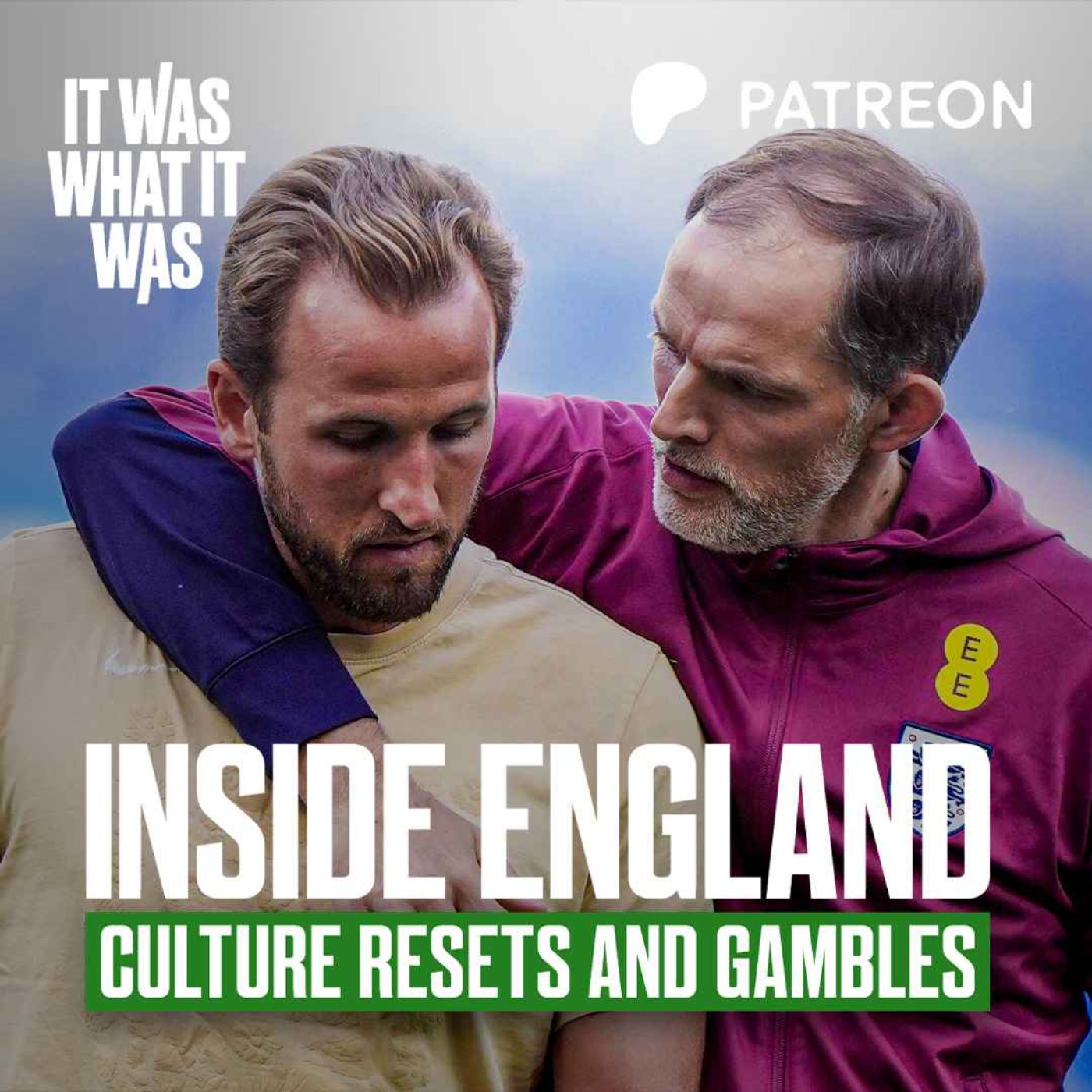
In this Patreon special of It Was What It Was, Jonathan Wilson and Rob Draper speak with Jonathan Northcroft about the updated paperback edition of their Gareth Southgate book, retitled Inside England, which adds four new chapters. They discuss Southgate’s cultural reset, including the Royal Marines camp at Lympstone, and trace the deeper roots of England’s revival through reforms such as EPPP and England DNA, alongside figures like Dan Ashworth, Dave Redding, Trevor Brooking and Greg Dyke’s 2022 World Cup target. They cover how improved youth development, psychology and data-led penalty preparation helped transform England into a resilient tournament team, before assessing Euro 2024’s tactical problems and the FA’s decision to appoint Thomas Tuchel for “wow factor” and elite coaching. They end by weighing concerns about recent friendlies, squad management and camp culture heading into the World Cup.
Hosted on Acast. See acast.com/privacy for more information.
16 minAbspielen in:
Di19Mai
It Was What It Was : The Football History PodcastHost
Welcome back to It Was What It Was, the football history podcast. In this week's episode, co-hosts Jonathan Wilson and Rob Draper are joined by Michael Grant, Scottish football correspondent for The Times and author of Fergie Rises, to tell the story of how a young Alex Ferguson shattered the Old Firm duopoly and transformed Aberdeen into serial winners.
This Episode was recorded before the dramatic showdown on the final day of the SPL season between Celtic and Hearts, but was this just the start of the Hearts story? Will they continue threatening to break the Rangers-Celtic stranglehold for years to come? Wilson, Draper and Grant trace the remarkable parallels with Ferguson's Aberdeen revolution. They explore how a brash 36-year-old manager, fresh from a humiliating tribunal after being sacked by St Mirren, walked into a club that had nearly been relegated two years earlier and forged a dynasty. Along the way, they examine the clashes on the pitch, the psychological scars of Fergie's playing days, the infamous post-cup final rant that still hurts his players 40 years on. Michael Grant reveals the man behind the myth... volatile, funny, manipulative, and utterly relentless.
00:00 Introduction — Hearts, the Old Firm, and Why Fergie Matters Now
06:30 Aberdeen Before Ferguson — Nearly Relegated
12:45 The St Mirren Sacking and the Tribunal
19:20 The Westhill Willy Biters
27:10 Willie Miller and the Power Struggle
34:50 Breaking the Old Firm's Psychological Hold
42:15 Winning the League — 5-0 at Easter Road
48:00 Knocking on Fergie's Door at 3am
53:40 The Liverpool Humiliation
58:10 Fergie's Fury — The Morning After Anfield
01:03:20 Youth Development and Building a Dynasty
01:09:00 The Infamous 1983 Cup Final Rant
01:14:30 Why the Old Firm Were Vulnerable — and can Hearts Can Do It Again?
Hosted on Acast. See acast.com/privacy for more information.
58 minAbspielen in:
Di28Apr
It Was What It Was : The Football History PodcastHost
Welcome back to It Was What It Was, the football history podcast. In this week’s episode, co-hosts Jonthan Wilson and Rob Draper are joined by Sports Journalist and author Jonathan Northcroft to take a look 10 years on from that extraordinary and famous Premier League win! They frame the story around key pivot points, including the Valentine’s Day defeat at Arsenal and the self-belief it sparked, plus Ranieri’s unexpected decision to still grant the squad a holiday. Northcroft traces the longer build-up through the 2013 Watford play-off heartbreak, Nigel Pearson’s cross-department reset, the 2014 Championship-winning platform (and the later FFP breach), and the club’s smart recruitment and early data use that delivered players like Kanté, Mahrez and Okazaki. They cover Pearson’s departure after off-field incidents, the scepticism around Ranieri’s appointment, his “dilly ding” media touch, rivals’ crises, standout wins over Liverpool and Manchester City, Spurs’ chase, and the city’s all-in celebrations as the miracle became real.
06:35 Origins of the Build
10:39 FFP and the Promotion Debate
11:35 Recruitment and Data Edge
17:36 Kante and Mahrez Backstories
22:22 Pearson Great Escape and Exit
26:10 Ranieri Arrives Against the Odds
27:46 Dilly Ding and Pizza Psychology
35:24 Chelsea Chaos Unravels
41:42 Big Clubs in Crisis
45:02 Vardy Volley and City Statement
47:37 Leicester Media Frenzy
53:30 Spurs Pressure and Title Night
59:19 Leicester Celebrates as One
01:04:30 Bonkers Finale
Hosted on Acast. See acast.com/privacy for more information.
1 h 05 minAbspielen in:
Di21Apr
It Was What It Was : The Football History PodcastHost
Welcome back to It Was What It Was the football history podcast. In today’s episode, co-hosts Jonathan Wilson and Rob Draper bring this Graham Taylor series to a close with the Oslo qualifier that defined his reign: a chaotic, tactically muddled 2–0 loss to Norway at the peak of their ‘golden age’, captured in painful detail by The Impossible Job. Unpacking Taylor’s mounting stress, tabloid caricature and “no‑win” selection calls—especially the dilemma of persisting with an undercooked Paul Gascoigne—before explaining how the back-three plan collapsed, England’s structure unravelled, and Norway’s alertness (including a quick free kick) punished them. The episode breaks down England’s chaotic structure, Norway’s tactical calm under Egil “Drillo” Olsen, and Taylor’s famous touchline outbursts, before tracing the fallout: “Norse Manure” headlines, concerns the players had stopped responding, and a demoralising US tour. England briefly revive by beating Poland, but lose in Rotterdam and, despite winning 7–1 in San Marino after conceding almost instantly, miss out as the Netherlands win in Poland. They assess Taylor’s broader legacy, his misfortune with timing and player form, and his later rehabilitation at Watford.
01:51 Norway’s Golden Generation
04:51 Tabloid Mockery Era
06:11 Psychology and Pressure
08:18 The Gaza Fitness Dilemma
18:30 Paranoia and Tactical Switch
22:50 System Collapse in Oslo
25:57 Quick Free Kick Nightmare
29:41 Norway Strike Again
30:32 Tabloid Backlash
32:07 Tactics And Trust
35:18 Bigger Picture Failings
42:56 USA Tour Fallout
43:49 Last Chance Qualifiers
45:36 San Marino Shock
48:28 Reassessing the Taylor Legacy
Hosted on Acast. See acast.com/privacy for more information.
54 minAbspielen in:
Di14Apr
It Was What It Was : The Football History PodcastHost
Welcome back to It Was What It Was. In today's episode, co-hosts Rob Draper and Jonathan Wilson continue Graham Taylor’s England story as the 1994 World Cup qualifying begins to wobble, with Paul Gascoigne’s talent and volatility dominating the narrative. They examine how Taylor’s pragmatic, direct style—shaped by lower-league realities and later linked (often unfairly) to FA long-ball doctrine—collided with more technical European approaches, and how internal battles involving Charles Hughes and data pioneer Charles Reap poisoned the backdrop. England’s campaign lurches through a Norway draw at Wembley after a late stunner, a Gascoigne-inspired win over Turkey, and a damaging 2–2 draw with the Netherlands featuring an undetected elbow and a late penalty. With Gascoigne returning in a mask, England then stumble in a hostile Poland away match and escape with a late equaliser, before Taylor’s brutal “headless chickens” verdict leaves his team heading to Oslo under growing pressure.
00:24 Setting the Scene
03:08 Taylor’s Pragmatic Roots
06:50 Pressing vs Possession
10:04 Charles Hughes and the Winning Formula
13:55 Reap vs Hughes Fallout
19:31 Norway’s Long Ball Irony
21:59 Back to Qualifying Hopes
24:10 Gazza’s Norway Controversy
26:50 Taylor’s Gaza Dilemma
28:22 Norway Opener Heartbreak
30:53 Turkey Win and Dependence
32:53 Too Honest With Press
40:12 Dutch Clash at Wembley
44:13 Mask Return and Mania
45:52 Poland Chaos and Critique
49:03 Headless Chickens Finale
Hosted on Acast. See acast.com/privacy for more information.
50 minAbspielen in:
Di7Apr
It Was What It Was : The Football History PodcastHost
Welcome back to It Was What It Was, the football history podcast. Co-hosts Jonathan Wilson and Rob Draper continue on from last week’s episode with Jan Fjortoft to delve into how things went wrong for Graham Taylor during his time as England manager. In this first part of a three part series on Graham Taylor (following our episode with Fjortoft) we take a look at the high of Italia ’90 to the early warning signs of Graham Taylor’s troubled England reign, setting up the wider story of his eventual downfall. Central to the episode is Paul Gascoigne’s rise into “Gaza mania,” the off-field chaos and disciplinary problems that followed, including the 1991 FA Cup final knee rupture and subsequent setbacks. Taylor struggled to manage both the player and the circus around him. England qualified for Euro 1992 but drew twice, lost to Sweden and Taylor’s substitution of Gary Lineker became emblematic as tabloid ridicule culminate in a reputational collapse for Taylor.
01:05 The Impossible Job Era
07:39 Referees And Rotterdam
12:47 Italia 90 Reality Check
20:02 Gaza Mania Begins
25:31 Euro Qualifiers Begin
28:24 Ireland Away Selection
30:08 Taylor Press Tightrope
35:48 Cup Final Knee Rupture
41:46 Euro 92 Sweden Turning Point
42:55 Lineker Sub Controversy
47:50 Fitness Gap And Refuelling
49:32 Turnip Taylor Tabloid Sting
Hosted on Acast. See acast.com/privacy for more information.
51 minAbspielen in:
Mi25Mär
It Was What It Was : The Football History PodcastHost
Today, Jonathan Wilson and Rob Draper take you back to the 1966 FIFA World Cup.
On home soil in England, the hosts claimed their first and only World Cup title. Captain Bobby Moore marshalled the side with composure, while Geoff Hurst rose to immortality with a historic hat-trick in the final. England’s triumph, sealed in a dramatic victory over West Germany, remains one of the most iconic moments in football history and the nations greatest footballing day.
You can listen to the full episode on Patreon, along with the below privileges:
BONUS EDITIONS
Exclusive deep dives, specials & extended conversations from one-off specials to extra episodes that expand on our weekly free shows, you’ll get fresh, members-only content - including our “Bonus Editions” strand where Rob and Jonathan go deeper into football’s biggest stories and hidden histories.
WORLD CUP WEDNESDAYS!
Our countdown to 2026 - every tournament revisited Join Rob and Jonathan as they walk through every World Cup from 1930 to today, exploring the drama, evolution, legends, controversies and cultural impact of each tournament.
RETRO MAGAZINE COLLECTION
Flicking through the archives of classic football culture A nostalgic series diving into the pages of Shoot! and other retro football magazines - revisiting the stars, forgotten features, and football fandom of decades past.
MONTHLY LIVE Q&A WITH ROB & JONATHAN
Your chance to ask two of football’s leading writers anything. Submit your questions about recent episodes, football history, their journalism, or upcoming projects — and hear their answers in our LIVE members-only Q&A.
JOIN THE IT WAS COMMUNITY
Connect with fellow fans & nostalgia lovers Meet other members who share your passion for football history. Be part of the conversation and help shape the future of the show.
What’s included
Exclusive content
Q&As
Ad-free episodes
Private community
Follow the link here - or go to Patreon.com and search for It Was What It Was
Hosted on Acast. See acast.com/privacy for more information.
18 minAbspielen in:
Di24Mär
It Was What It Was : The Football History PodcastHost
Welcome to It Was What It Was, the football history podcast. This week, co-hosts Jonathan Wilson and Rob Draper are joined by an extraudinary guest - Clyde Best. An absolute pioneer to the game, born in Bermuda, Clyde would become one of the first black players in First Division football in England. His new film, ‘Transforming the Beautiful Game: The Clyde Best Story’ will be shown for a week at Sadler’s Wells East from 25th March.
In this episode, Clyde recounts arriving in England as a teenager, getting lost at West Ham station and being taken in by the Charles family. He reflects on his rise at West Ham, getting his debut against Arsenal under Ron Greenwood in 1969 and playing alongside the likes of Bobby Moore, Geoff Hurst and Martin Peters. Clyde talks of the his Bermuda upbringing, national team breakthrough and the influence that his father had on him. Best reflects on being one of the first prominent black players in English football, enduring racist abuse and an acid-attack threat and playing against Pelé. He also discusses NASL moves to Tampa Bay and Portland Timbers and the inspiration he provided players such as Ian Wright.
01:29 Lost at Heathrow
03:23 The Charles Family
06:59 Bermuda Beginnings
10:20 West Ham Dream
13:20 Ron Greenwood Impact
15:22 Fast Track Debut
18:35 Breaking Barriers
24:06 Facing Racism
31:03 Scoring Against Pelé
35:20 Leaving West Ham for the NASL
37:17 American Soccer Showmanship
43:01 Legacy as a Pioneer
46:57 Honorary Doctorate
49:44 His love for West Ham
Hosted on Acast. See acast.com/privacy for more information.