Two years on the air
GuestHostMentioned
Dec 2024MarJunSepDec 2025MarJunNov 2026
Guest appearances
Thu3Sep
Science Magazine Podcast
First up on the podcast, Senior International Correspondent Richard Stone joins host Sarah Crespi to discuss how climate is pushing the disease-carrying tick Hyalomma marginatum out of its comfort zone. Stone reports from Kosovo, where the tick has long been endemic, on how surveillance can uncover hidden circulation—and help countries prepare before human cases appear.
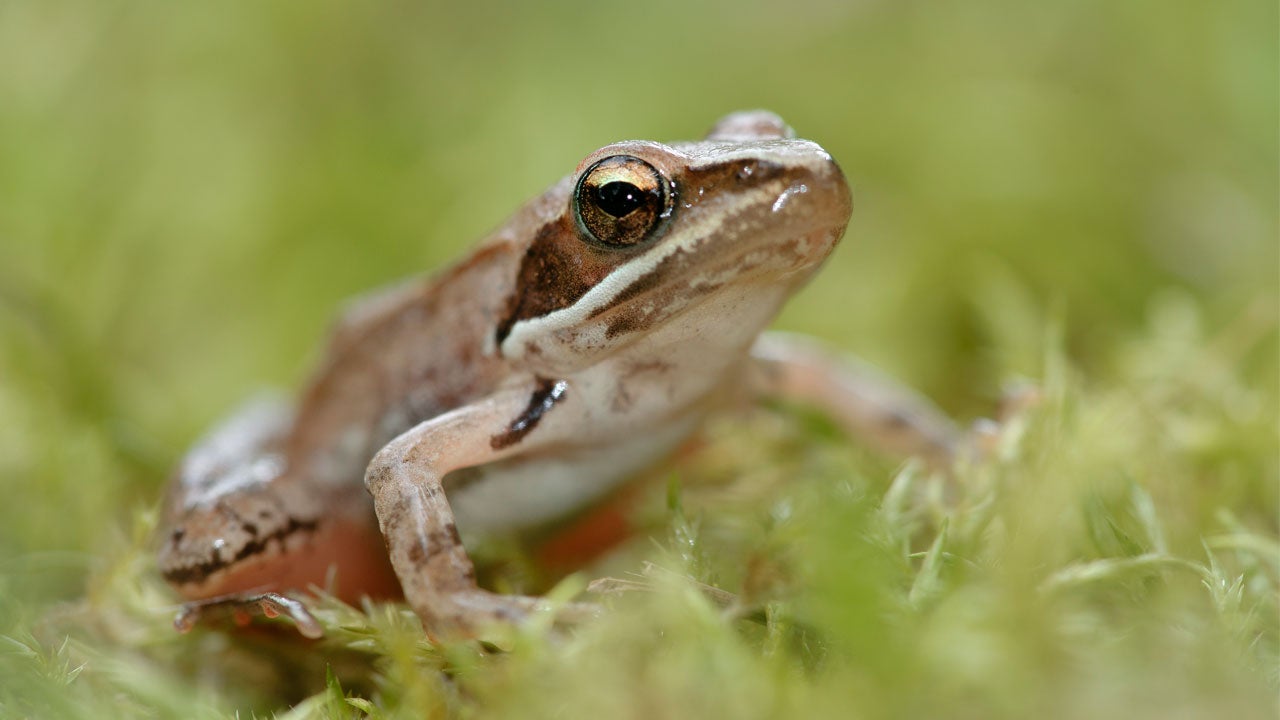
Next on the show, researchers have long known ambient temperatures cause some species of amphibians to reverse sex. In the case of the agile frog (Rana dalmatina), genetically female frogs take on male characteristics at elevated temperatures—including the ability to sire offspring. Veronika Bókony, an evolutionary ecologist at the Center for Agricultural Science in Hungary, examined what happens to the offspring of sex-reversed agile frogs, which will probably make up more of the species’ population as the planet warms.
This week’s episode was produced with help from Podigy.
Image: Danny Laps/NiS/Minden Pictures
Learn more about your ad choices. Visit megaphone.fm/adchoices
28 min
Thu2Jul
Science Magazine Podcast
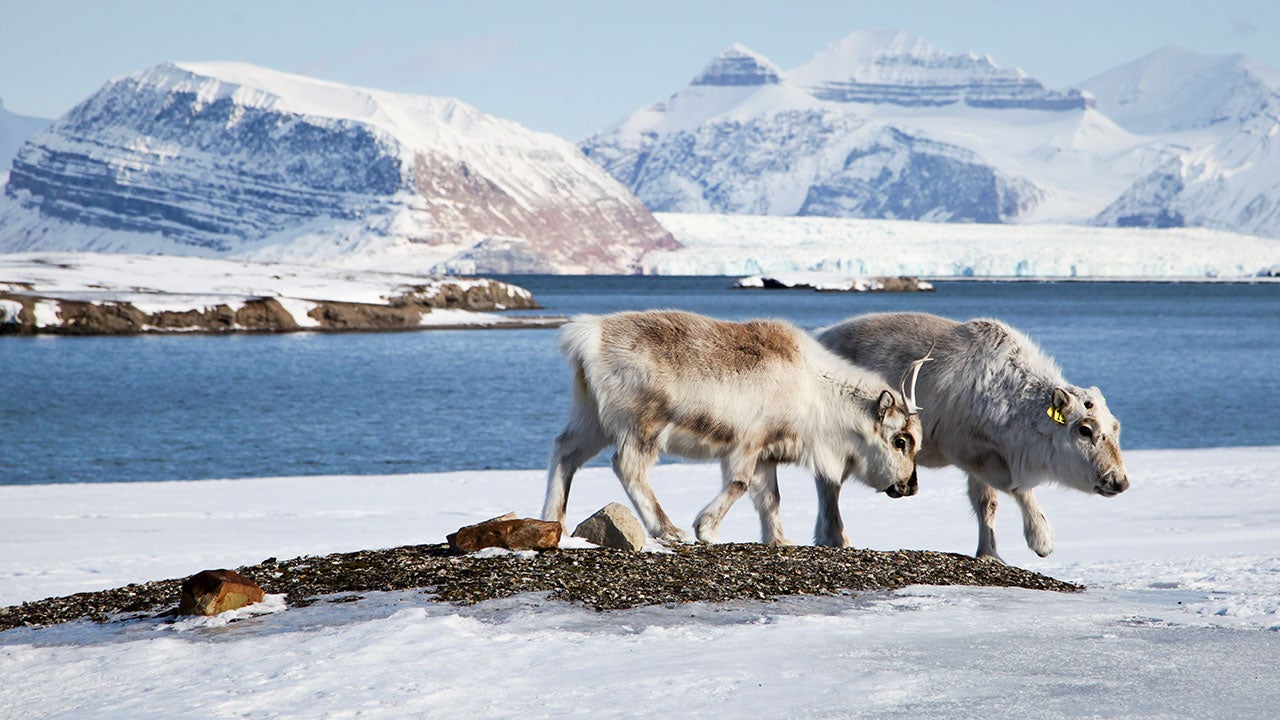
First up on the podcast, relationships turn chilly in the polar research haven of Svalbard in Norway. Senior International Correspondent Richard Stone joins host Sarah Crespi to discuss the impacts of geopolitical shifts on the scientific output of this region so important to the study of climate change.
Next on the show, producer Meagan Cantwell talks with Thomas Gernon, a geologist at the University of Southampton, about how ice sheets formed in Antarctica during a time when the temperatures were relatively warm.
This week’s episode was produced with help from Podigy.
About the Science Podcast
Learn more about your ad choices. Visit megaphone.fm/adchoices
33 min
Thu21May

Science Magazine Podcast
First up on the podcast, Senior International Correspondent Richard Stone joins host Sarah Crespi to discuss the surprising commonalities between our immune systems and the tools bacteria use to defend themselves against viruses. These unexpected parallels have become rich ground for researchers investigating new molecular biology tools and model systems for immune research.
Next on the show, Dominic Rohner, a professor of economics at the Geneva Graduate Institute and University of Lausanne, talks about the impact of cuts in international aid on violent conflict in Africa. His team harnessed the natural experiment of the U.S. Agency for International Development (USAID) work stoppage ordered by the Trump administration in early 2025 to find links between the sudden withdrawal of high levels of aid to increases in conflict.
See also Science’s 2025 news series on the impact of USAID cuts on children.
Finally, Valerie Thompson, Science’s books and media editor, interviews undergraduate student and author Theo Baker. Baker wrote the book How to Rule the World: An Education in Power at Stanford University, which covers the heavy involvement of Silicon Valley investors in Stanford University and his investigation of research misconduct by former Stanford President Marc Tessier-Lavigne. See the full review here.
This week’s episode was produced with help from Podigy.
About the Science Podcast
Learn more about your ad choices. Visit megaphone.fm/adchoices
41 min