Bekomm eine E-Mail, wenn Rich in einem Podcast zu Gast istPodAppear prüft neue Folgen, sobald sie erscheinen, und lässt die weg, in denen Rich nur erwähnt wird. Bis zu 15 Personen kostenlos, ohne Kreditkarte.Bis zu 15 Personen kostenlos, ohne Kreditkarte.
Rich kostenlos folgen
RD

Rich DiPaolo

Zwei Jahre auf Sendung

GastHostErwähnt

Selbst moderierte Folgen

Fr11Sep
CAR WASH Podcasts

CAR WASH PodcastsHost

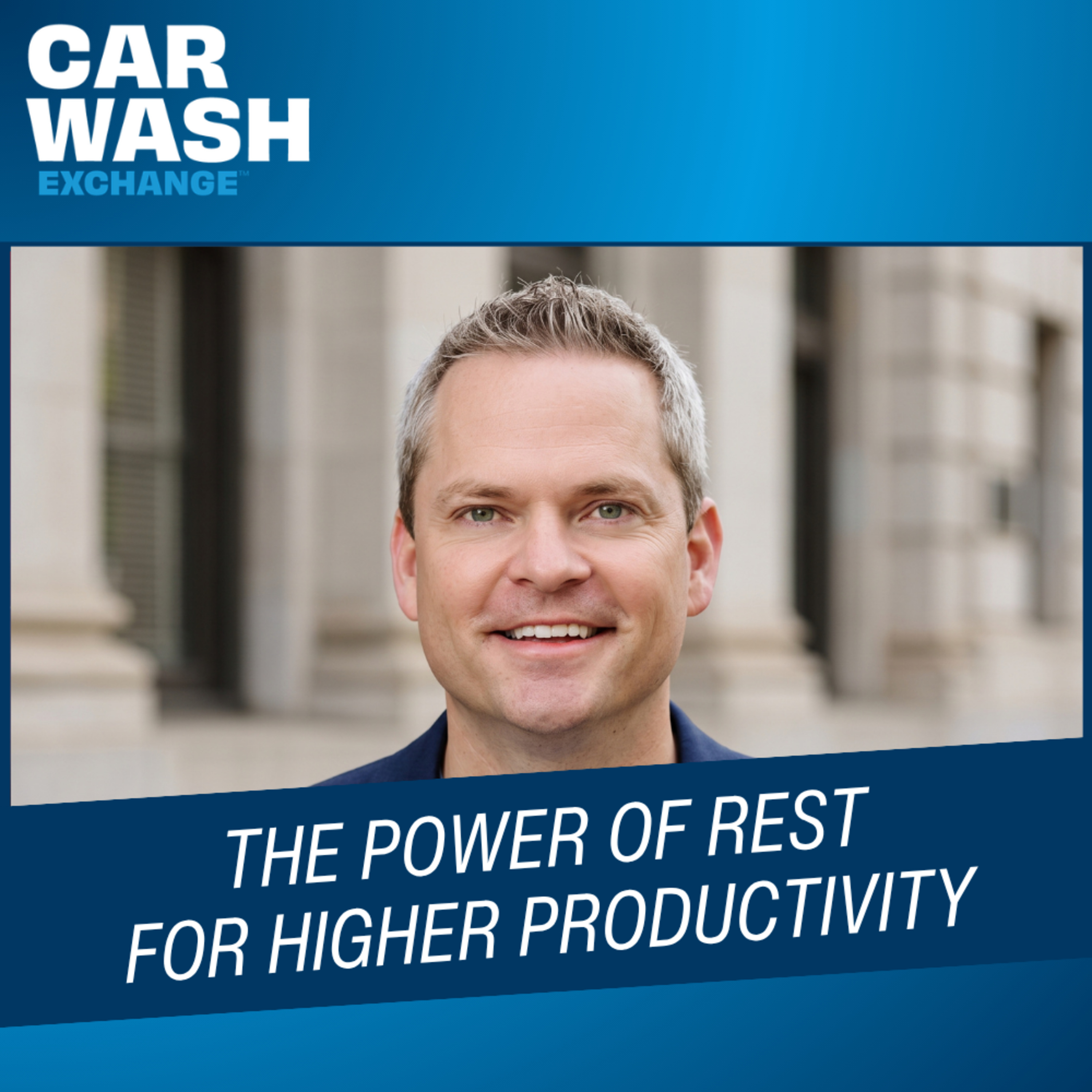
John Briggs on the Power of Rest For Higher Productivity

In this episode of Car Wash Exchange, Rich DiPaolo talks with John Briggs, author of Take Breaks, Work Better, about why taking intentional breaks can actually make business owners and employees more productive. John challenges the “hustle culture” mindset that equates long hours with productivity and explains how structured recovery can improve focus, profitability, employee retention and performance. He also shares his 3.3 Rule and practical ways car wash owners can apply the approach—from line workers to entrepreneurs and growing multi-location operations. • Busy doesn’t always mean productive. John challenges the belief that working longer and harder automatically produces better results. • Breaks are a productivity strategy. The brain naturally cycles between focus and distraction, and intentional breaks allow people to return with greater focus. • The 3.3 Rule: Work for up to three hours, followed by a 30% recovery break. For line workers, • Pay employees for their breaks. Research discussed in the episode found that additional break time did not reduce productivity—and providing paid breaks may help improve retention. • Take the first break yourself. John encourages owners to schedule a real break during the day rather than waiting until everything on the to-do list is finished. • Audit your time. Track what you're actually doing and identify lower-level tasks that can be delegated, freeing owners and key employees to focus on higher-value work. • Measure outcomes, not just activity. For car washes, metrics such as memberships, membership close rates, errors and employee retention may be more meaningful than simply measuring cars per hour. • Deadlines create focus. “All human performance works to a deadline.” Creating intentional limits around work time can help people focus on what really needs to get done. • The approach can work during growth. John says the process works whether a company has 20 employees or 290 because the human brain still needs recovery. • Try it as an experiment. Owners who are skeptical can start with a pilot program and measure the results. (1:43) John talks about his inspiration for his book Take Breaks – Work Better (3:23) What’s the biggest myth about productivity that owners buy into – and it actually works against them? (4:58) How does knowing when not to work…work in a business that never stops? Learn why taking breaks is of paramount importance to line workers. (11:56) What’s the 3.3 Rule? (12:58) How do you sell this approach to someone who is paid by the shift and not the outcome? (15:05) What’s the first break entrepreneurs should take and what’s stopping them from taking it? (18:46) How do you measure implementing this idea? (21:55) What’s one piece of advice can John provide to encourage owners to try this approach? (23:45) “All human performance works to a deadline”! Learn what this is and what it means! (25:36) How does John’s process work in a fast growth structure/culture? (29:08) Is John seeing more owners trying this process?
32 minAbspielen in:

Fr28Aug
CAR WASH Podcasts

CAR WASH PodcastsHost

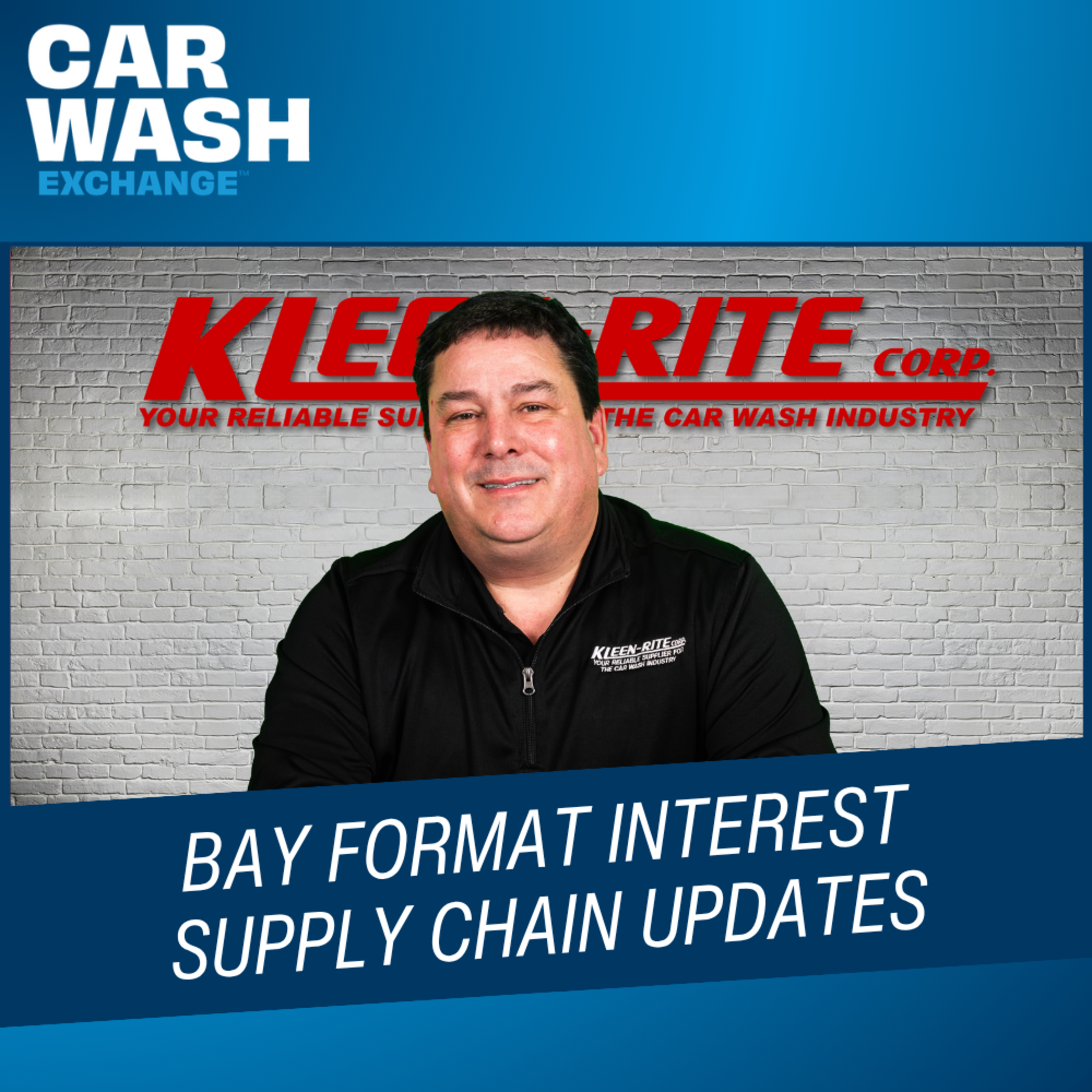
Keith Lutz on Bay Format Interest & Supply Chain Updates

In this episode of Car Wash Exchange, host Rich DiPaolo talks with Keith Lutz, CEO of Kleen-Rite and an ICA Board member, about the resurgence of the self-serve car wash market. Keith explains what is driving new investment, how self-serve operators can compete with express washes, and why professionalism, reinvestment and operationalexcellence are creating new opportunities in the segment. They also discuss Kleen-Rite’s approach to supply-chain challenges, company culture and recentacquisition · The self-serve segment is benefiting from the overall growth and professionalization of the car wash industry, attracting both new and existinginvestors. · Self-serve can offer an attractive investment model because it generally requires less capital and fewer employees than an express tunnel. · Operators shouldn't fear competition from express washes. Instead, they should focus on making their own locations inviting, reliable, well-maintained and easy to use. · Reinvestment matters. Equipment, appearance, curb appeal and operational excellence can make a major difference in a location's ability to compete. ·  Membership and club programs aren't limited to express washes; self-serve and in-bay automatic operators can also use them to create value and encourage repeat customers. · The supply-chain disruptions of the past several years reinforced the importance of investing in inventory, distribution and infrastructure to maintain continuityfor customers. · Kleen-Rite is balancing its family-business legacy with growth by investing in its people, technology, distribution and professional management while staying grounded in its mission and values. · Keith sees continued opportunity across all car wash models, with the industry's growing focus on professionalism and operational excellence benefitingoperators across the board.  The self-serve car wash segment is experiencing a resurgence, attracting newinvestors and renewed interest from longtime operators. In this episode of Car Wash Exchange, Rich DiPaolo sits down with Keith Lutz, CEO of Kleen-Rite and an ICA Board member, to explore what’s behind that growth and what it means for the future of the industry. Keith shares insights on competing with express washes, creating value for customers, reinvesting in existing locations andrunning a self-serve business with greater professionalism and operational excellence. He also discusses Kleen-Rite’s lessons from recent supply-chain challenges, maintaining its family-business culture and the strategy behind its recent acquisitions. (:56) Keith and Rich will talk about theresurgence of the self-serve car wash market. (1:58) Keith talks about the factorsthat are influencing the self-serve segment. (4:51) Keith talks about the types ofinvestors are coming to the self-serve market (9:33) How can a self-serve operatorremain competitive with the larger car washes? (13:57) What can a self-serve locationdo to offer the same value as a membership? (17:56) What lessons has Kleen Ritetaken from the current industry…and has the industry normalized? (21:44) How does Kleen Rite balancepreserving a legacy culture with market demands? (23:56) What gaps and capabilities isKleen Rite looking for in their recent acquisitions? (26:38) What excited Keith most aboutthe Car Wash industry? JoinICA: https://www.carwash.org/join-ica

31 minAbspielen in:

Fr10Jul
CAR WASH Podcasts

CAR WASH PodcastsHost

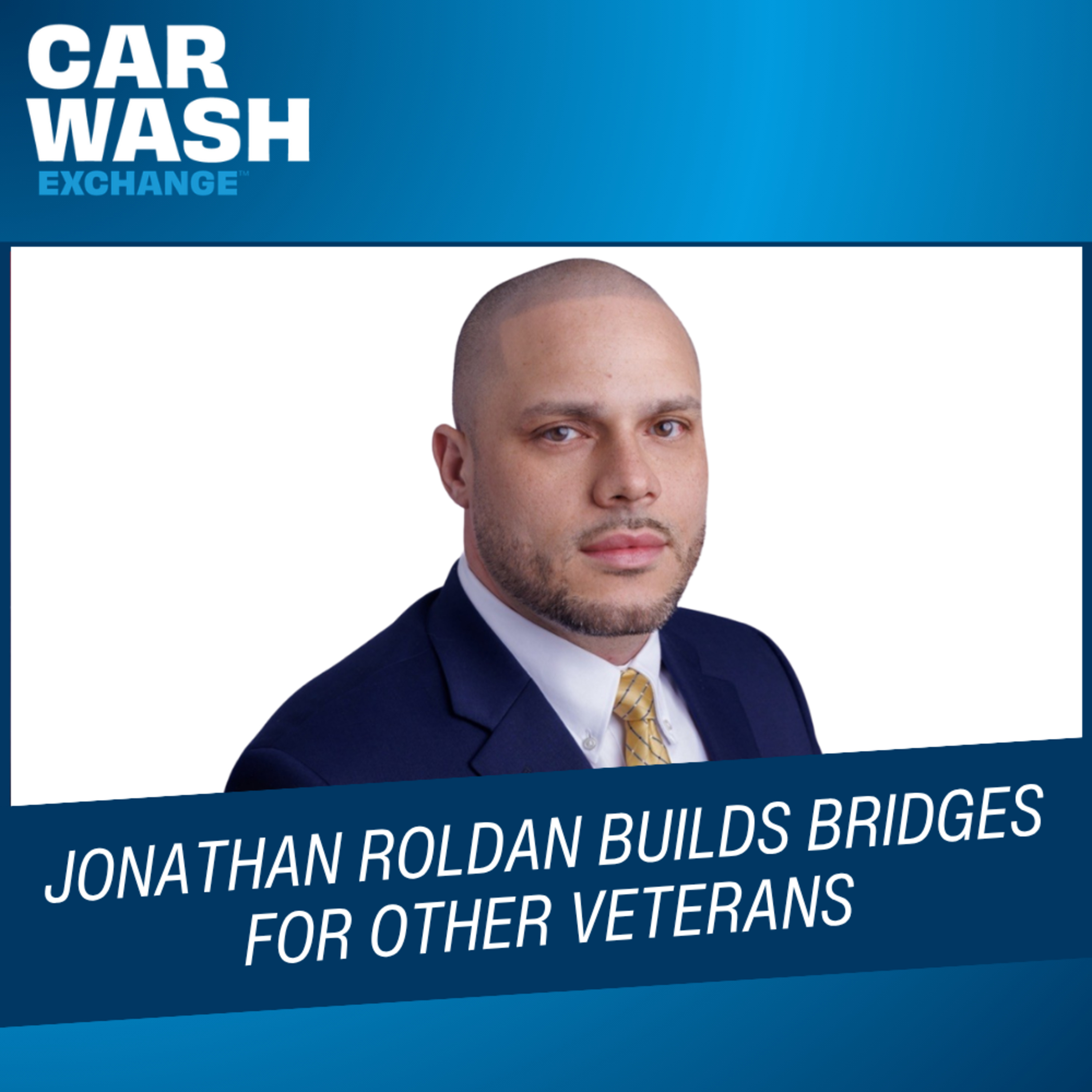
Jonathan Roldan Builds Bridges for Other Veterans

What does it take to transform a struggling car wash into a thriving business—and then successfully double in size within a year? In this episode of Car Wash Exchange, host Rich DiPaolo sits down with Jonathan Roldan, co-owner of Brightside Car Wash, to discuss the lessons he's learned since acquiring and revitalizing his first location before expanding to a second. Drawing on his background as a U.S. Army veteran, Jonathan explains how military leadership principles, disciplined operating systems and a culture of leading by example have shaped Brightside's rapid growth. He shares why success depends on building systems instead of relying on one person, how preventive maintenance and standard operating procedures have become the backbone of his operation, and why customer memberships are critical to long-term stability. Beyond operations, Jonathan discusses his commitment to serving the Naperville community through Brightside's "Wash With a Purpose" initiative, which donates a portion of membership sales to local nonprofits selected by customers. He also shares his long-term vision for Brightside University, a program designed to help military veterans transition into successful careers—and eventually business ownership—within the car wash industry. Whether you're an owner looking to scale, an entrepreneur considering the industry, or a veteran searching for your next mission, Jonathan offers practical advice on leadership, planning, teamwork and building a business with purpose. . Key Takeaways ·  Scaling requires systems, not superheroes. Jonathan explains why operating multiple locations demands standardized procedures, clear documentation and strong training rather than relying on one person.  ·  Military leadership translates well to business. Principles like accountability, preventive maintenance, teamwork and leading by example have become the foundation of Brightside's culture.  ·  Community creates customer loyalty. Brightside's "Wash With a Purpose" program allows customers to support local nonprofits while purchasing memberships, strengthening both customer relationships and community impact.  ·  Memberships provide stability. After experiencing every season in business, Jonathan says recurring memberships help offset weather-related fluctuations and create predictable revenue.  ·  Leadership means earning respect. Jonathan believes leaders should never ask employees to do work they aren't willing to do themselves, regularly working alongside his team.  ·  Veterans have valuable business skills. Leadership, discipline and work ethic make veterans strong candidates for careers in the car wash industry, and Jonathan hopes to build a pathway for them through Brightside University.  ·  Do your homework before buying a car wash. Jonathan stresses researching demographics, traffic patterns, equipment condition, maintenance history and financial performance before making an investment.  ·  Build a team that complements your strengths. No owner excels at everything, making trusted advisors and skilled team members essential for sustainable growth.  ·  Always maintain access to capital. Unexpected expenses are inevitable, making financial reserves a necessity rather than a luxury.  ·  Growth is fueled by purpose. As Brightside celebrates its first anniversary and second location, Jonathan remains focused on serving customers, supporting his community and creating opportunities for others.

11 minAbspielen in:

Do2Jul
CAR WASH Podcasts

CAR WASH PodcastsHost

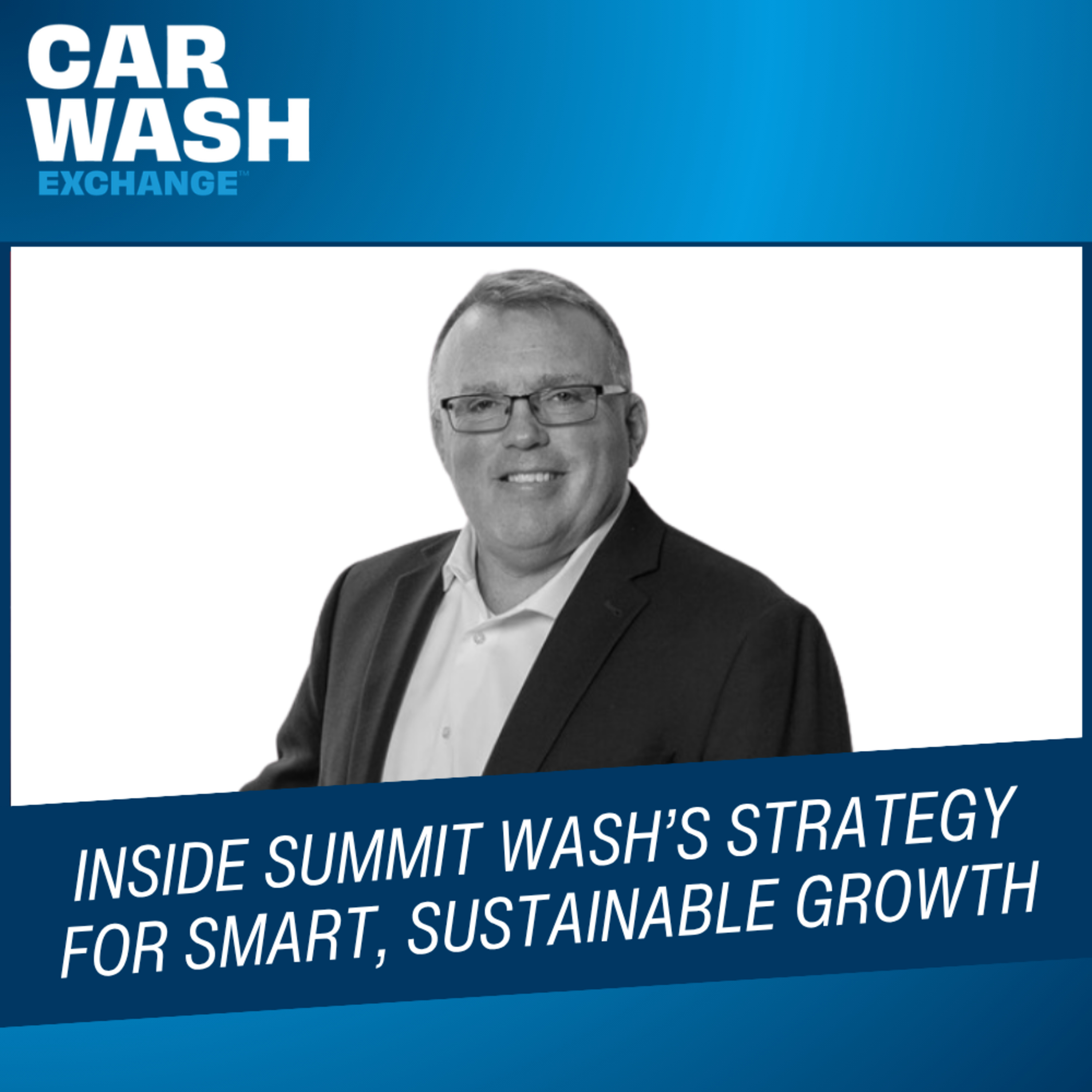
Inside Summit Wash's Strategy for Smart, Sustainable Growth

What does it take to scale from a regional operator to one of the industry's fastest-growing car wash companies? On this episode of Car Wash Exchange, Rich DiPaolo sits down with Dan Pittman, Chairman and CEO of Summit Wash Holdings, to explore the strategy behind Summit's remarkable expansion—particularly its rapid growth in New Jersey. Founded in 2021, Summit Wash Holdings has quickly become one of the nation's largest express car wash operators, with more than 100 locations across multiple states. Rather than chasing growth for growth's sake, Summit has focused on building a scalable organization rooted in culture, operational systems, data intelligence and talent development. Dan explains that the company's headline-making acquisition of 22 New Jersey locations in less than a year was actually the result of more than three years of preparation. That groundwork included investing heavily in employee training, building a sophisticated "data lake" that integrates operational, financial, marketing and customer information, and creating processes capable of rapidly integrating acquisitions. You’ll hear why Summit viewed New Jersey as an overlooked opportunity despite its permitting challenges and fragmented ownership, how patience ultimately led to acquiring CJ's Car Wash, and why culture remains the foundation of every growth decision. Dan also shares how Summit balances discipline with aggressive expansion, the importance of hiring "humble, hungry and smart" team members, and why flexibility, trust and strong relationships have been just as critical as financial analysis in the company's success. Whether you're managing a single location or planning your next acquisition, this conversation offers valuable insights into building an organization that can grow without sacrificing its culture. Episode Notes:  Rapid growth doesn't happen overnight—it happens through years of preparation. On this episode of Car Wash Exchange, Rich DiPaolo welcomes Dan Pittman, Chairman and CEO of Summit Wash Holdings, to discuss how one of the industry's fastest-growing operators built the foundation for explosive expansion. Summit Wash Holdings has grown to more than 100 locations by focusing on scalable systems, intentional culture and disciplined acquisitions. Dan shares the lessons behind the company's successful New Jersey growth strategy, why investing in people and data came long before rapid expansion, and how Summit continues to identify opportunities while staying true to its values. It's an inside look at the leadership principles driving one of the industry's most ambitious growth stories. (1:35) Dan talks about the years of dramatic growth for Summit Wash. Think of Culture, Systems and Talent that are all scalable! (5:39) What did Summit see in the New Jersey market that they felt it was an untapped market and a great opportunity? (7:44) Dan tells the story of the acquisition of CJ’s Car Wash. (9:28) How did the on-the-ground systems they implemented work for them? (11:05) Learn about Summit’s commitment to culture and what that actually means…humble, hungry, smart! Also, be fast and flexible! (12:54) Hear about their data lake and what they do with the information they have. (14:18) Dan walks us through an example of having to make tough choices in selecting sites (17:20) What other places are under consideration in addition to New Jersey? (18:28) What did the growth pace reveal about Summit, and would they do it again or differently?

11 minAbspielen in:

Warum PodAppear

Folge Menschen, nicht Podcasts.

Du hast Rich in einer Sendung gehört. PodAppear findet für dich die nächste, und genauso für alle anderen, die du hören willst.

  • Eine Meldung, wenn die Person zu Gast istPer E-Mail: sofort oder gebündelt als Tages- oder Wochenübersicht. Dann nur noch auf Play drücken.
  • Gäste statt bloßer ErwähnungenFolgen, in denen ein Name nur fällt, landen getrennt. Eine Meldung heißt: Die Person ist wirklich in der Sendung.
  • Alle in einem FeedGründerinnen, Autoren, Sportler, Forscherinnen. Folge allen mit Namen, quer durch jede Sendung, in der sie auftreten.

Bis zu 15 Personen kostenlos, ohne Kreditkarte.