Bekomm eine E-Mail, wenn Patricia in einem Podcast zu Gast istPodAppear prüft neue Folgen, sobald sie erscheinen, und lässt die weg, in denen Patricia nur erwähnt wird. Bis zu 15 Personen kostenlos, ohne Kreditkarte.Bis zu 15 Personen kostenlos, ohne Kreditkarte.
Patricia kostenlos folgen
PL

Patricia Linton

Zwei Jahre auf Sendung

GastHostErwähnt

Selbst moderierte Folgen

Mo28Sep
Voices of British Ballet

Voices of British BalletHost

Brenda Last

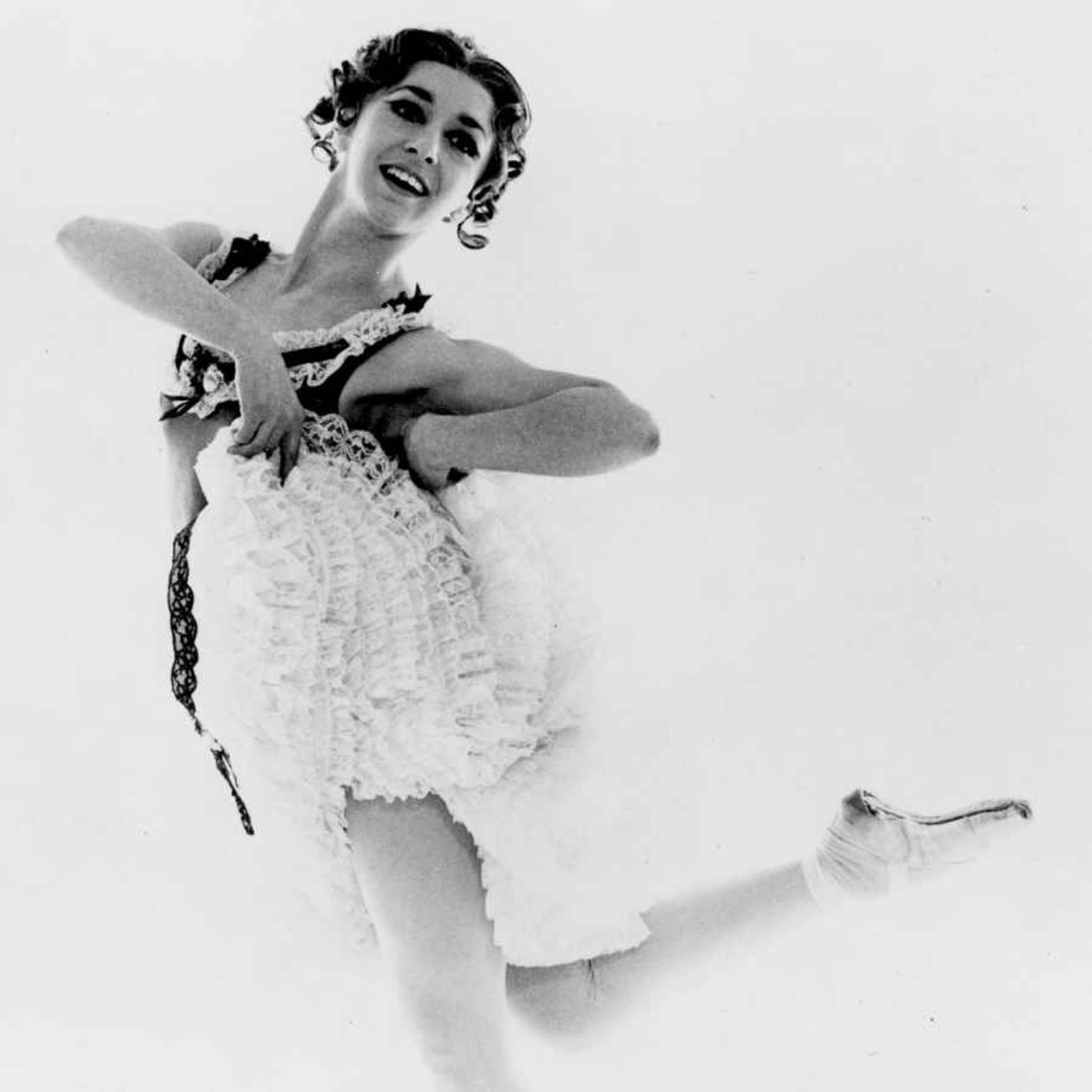
Brenda Last achieved distinction as a ballerina with The Royal Ballet, but this was after a successful and multi-facetted career in many theatrical disciplines. Here, she tells Patricia Linton, founder and director of Voices of British Ballet, about her early training with teachers such as Tamara Karsavina, Vera Volkova and Lydia Kyasht, winning the Royal Academy of Dance’s Adeline Genée Gold Medal at the age of 16, and performing at the Edinburgh International Festival and in television before joining The Royal Ballet School. After that, she performed at Stratford-upon-Avon (as the leading dancer in Toad of Toad Hall) and then was asked by Elizabeth West to join Western Theatre Ballet as a founder member. Last talks about the early years of the company with Elizabeth West and Peter Darrell, and about Maurice Béjart, with whom she worked in Brussels. The interview, which was recorded in 2010, is introduced by former Royal Ballet principal Stephen Jefferies in conversation with Natalie Steed. Brenda Last was born in South London in 1938. Recovering from a childhood illness, she started dance classes and became passionate about dance. She trained with Biddy Pinchard at Brixton Hill, and studied with such notable teachers as Tamara Karsavina, Vera Volkova and Lydia Kyasht before winning the Royal Academy of Dance’s Adeline Genée Gold Medal at the age of 16. She then went to The Royal Ballet School for a year, having already performed at the Edinburgh International Festival and worked in television. She was then the leading dancer in Toad of Toad Hall at Stratford-upon-Avon. In 1957 Elizabeth West, with whom she had already worked in Edinburgh, asked Last to join her and Peter Darrell to become one of the founder members of Western Theatre Ballet. This was a pioneering company that specialised in dramatic works with contemporary themes, fusing classical and modern dance. She remained with the company until 1963, when Ninette de Valois saw her performing and asked her to join The Royal Ballet Touring Company. After two years in the corps de ballet, she was promoted to the rank of principal dancer. She stayed with the touring company because she relished the amount of performances it afforded – she once calculated that during her career, she danced the role of Lise in Frederick Ashton’s La Fille Mal Gardee 101 times. She eventually became ballet mistress for the company in 1974. In 1977, Last unexpectedly became director of the Norwegian National Ballet in Oslo, following the sudden death of David Blair, a former Royal Ballet colleague who had just taken up the position there. In 1980, Last returned to London to teach at the London Contemporary Dance School, where she stayed for 14 years. During this period of time she also worked extensively with the Noriko Kobayashi Ballet in Tokyo, where she staged works by Ashton and de Valois, among others. She has also worked with the Royal New Zealand Ballet and The Australian Ballet, as well as English National Ballet and Scottish Ballet. Brenda Last, who was married to the musician, conductor and accompanist Stephen Lade until his death in 2022, has served on the Arts Council Dance Panel and as a trustee of The Royal Ballet Benevolent Fund. She is vice president of the British Ballet Organisation, having previously been director of Training there. She was appointed an OBE for her services to dance in 2012 Hosted on Acast. See acast.com/privacy for more information.
24 minAbspielen in:

Mo14Sep
Voices of British Ballet

Voices of British BalletHost

Bryony Brind

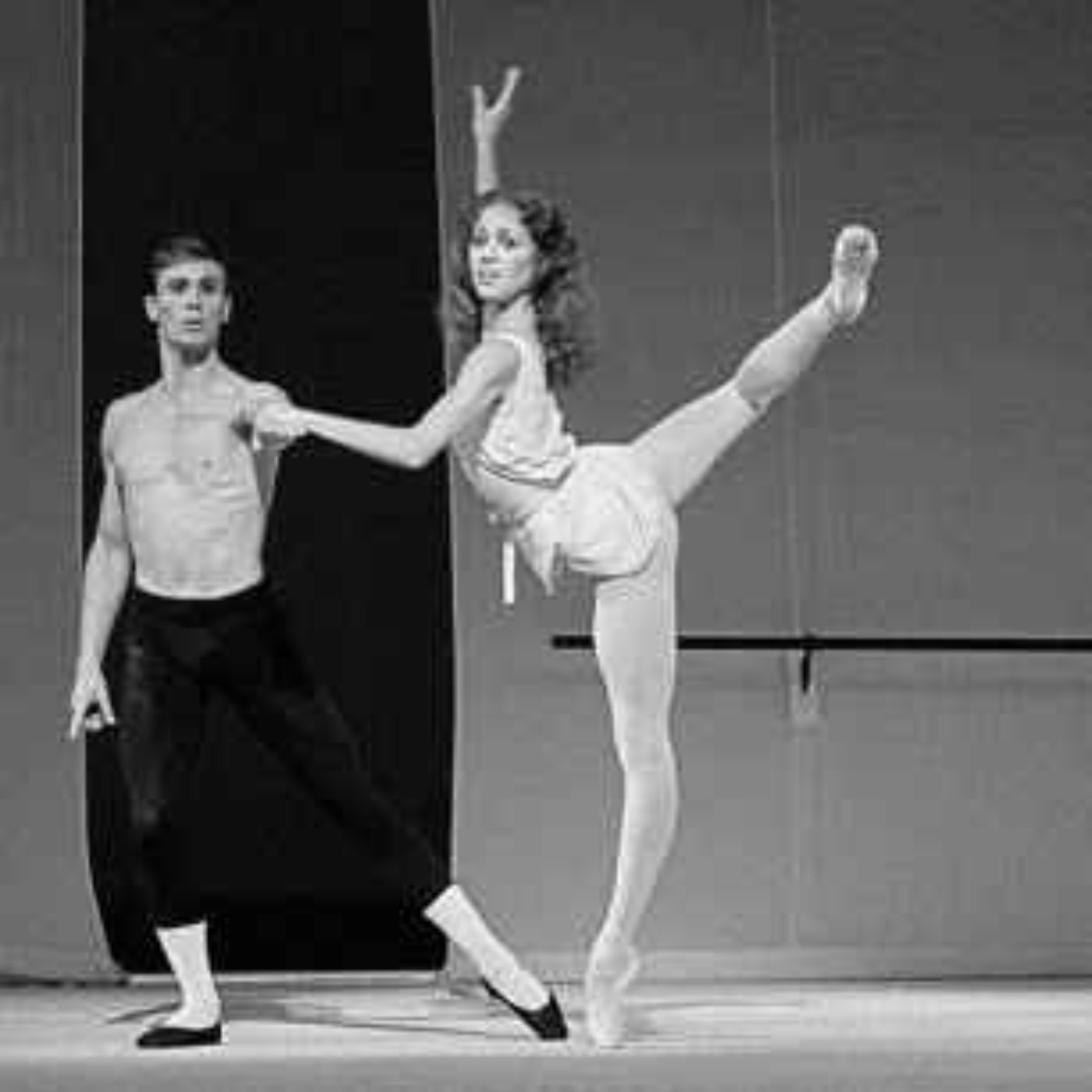
During the 1980s Bryony Brind was a distinctive and glittering presence in The Royal Ballet, famed for her long limbs and beautiful lines, combined with a deeply sensitive artistry. Here, she tells Patricia Linton, founder and director of Voices of British Ballet, of her early days in the company, star struck by the dancers around her, and particularly moved by Margot Fonteyn’s captivating use of her eyes. She talks of her own desire in dancing always to open up as much as possible, for which she was criticised by some, but defended by Fonteyn herself. Coached by Michael Somes for her historic debut in Swan Lake in 1981, while still in the corps de ballet, Brind recounts how determined she was to make that appearance, despite a heavy injury just days before. The interview, which was recorded in 2007, is introduced by Jay Jolley in conversation with Patricia Linton. Bryony Brind started dancing at the age of three and joined The Royal Ballet School in 1971. In 1977 she won the Prix de Lausanne competition and joined The Royal Ballet a year later. In 1980, while still in the corps de ballet, she created a role in Frederick Ashton’s Rhapsody, and the following year made her debut as Odette/Odile in Swan Lake. In 1982, she partnered Rudolf Nureyev in the “Kingdom of Shades” scene from La Bayadère, which led to other pairings together, including in George Balanchine’s Prodigal Son. Other leading roles followed, including Princess Aurora in The Sleeping Beauty, the Sugar Plum Fairy in The Nutcracker and the title roles in The Firebird and Giselle, and in 1984 she was made a principal dancer with the company. During her time with The Royal Ballet, she created roles in works by Richard Alston, David Bintley, Michael Corder, Jennifer Jackson, Kenneth MacMillan and Glen Tetley, which testified to her range and ability. In 1991 she left the company to pursue a freelance career in ballet, television and teaching, including at the Arts Educational School in London. In more recent years, Bryony Brind devoted herself to caring for her husband and her mother, before herself dying of a heart attack in 2015. Hosted on Acast. See acast.com/privacy for more information.
22 minAbspielen in:

Mo17Aug
Voices of British Ballet

Voices of British BalletHost

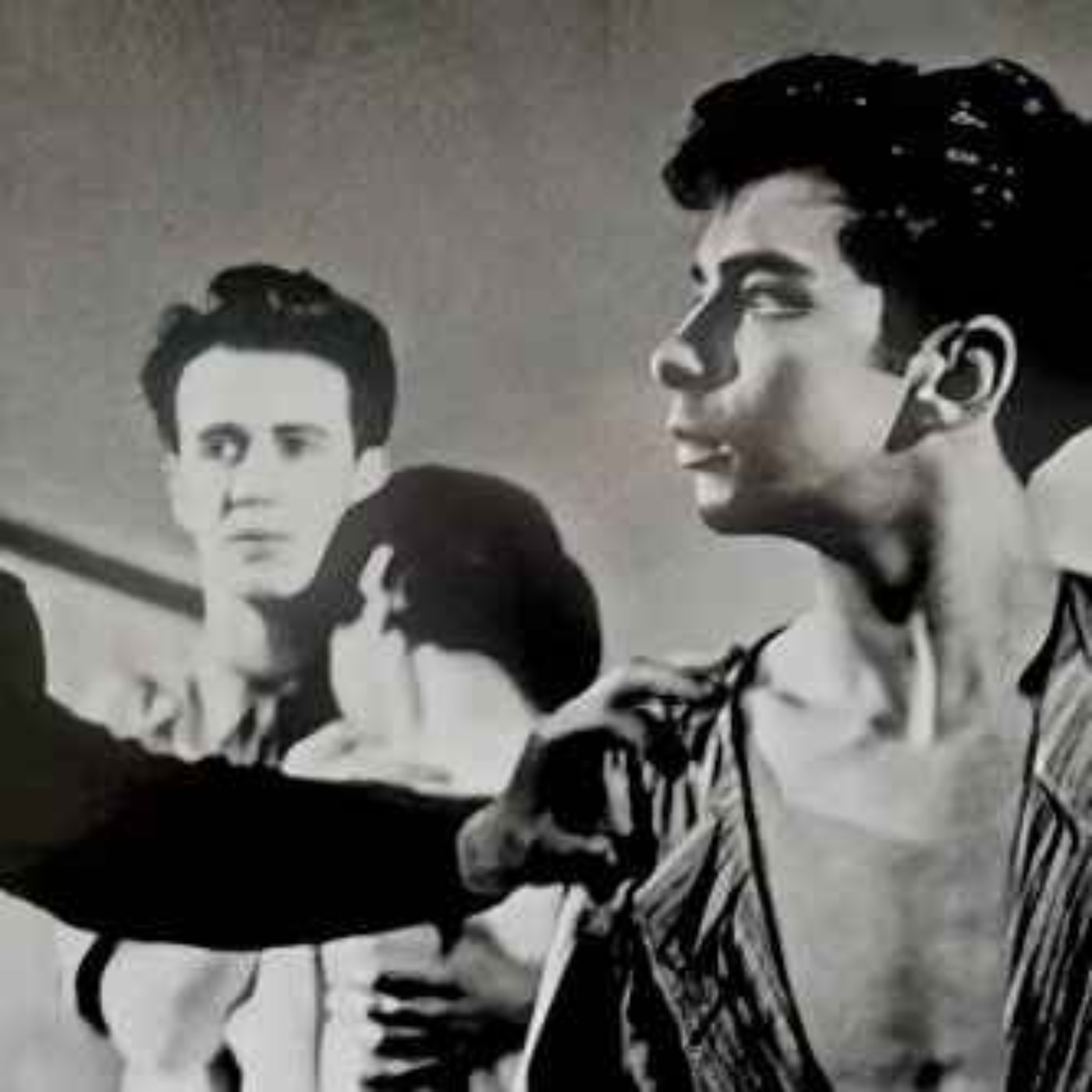
Reflections: Serafina Astafieva

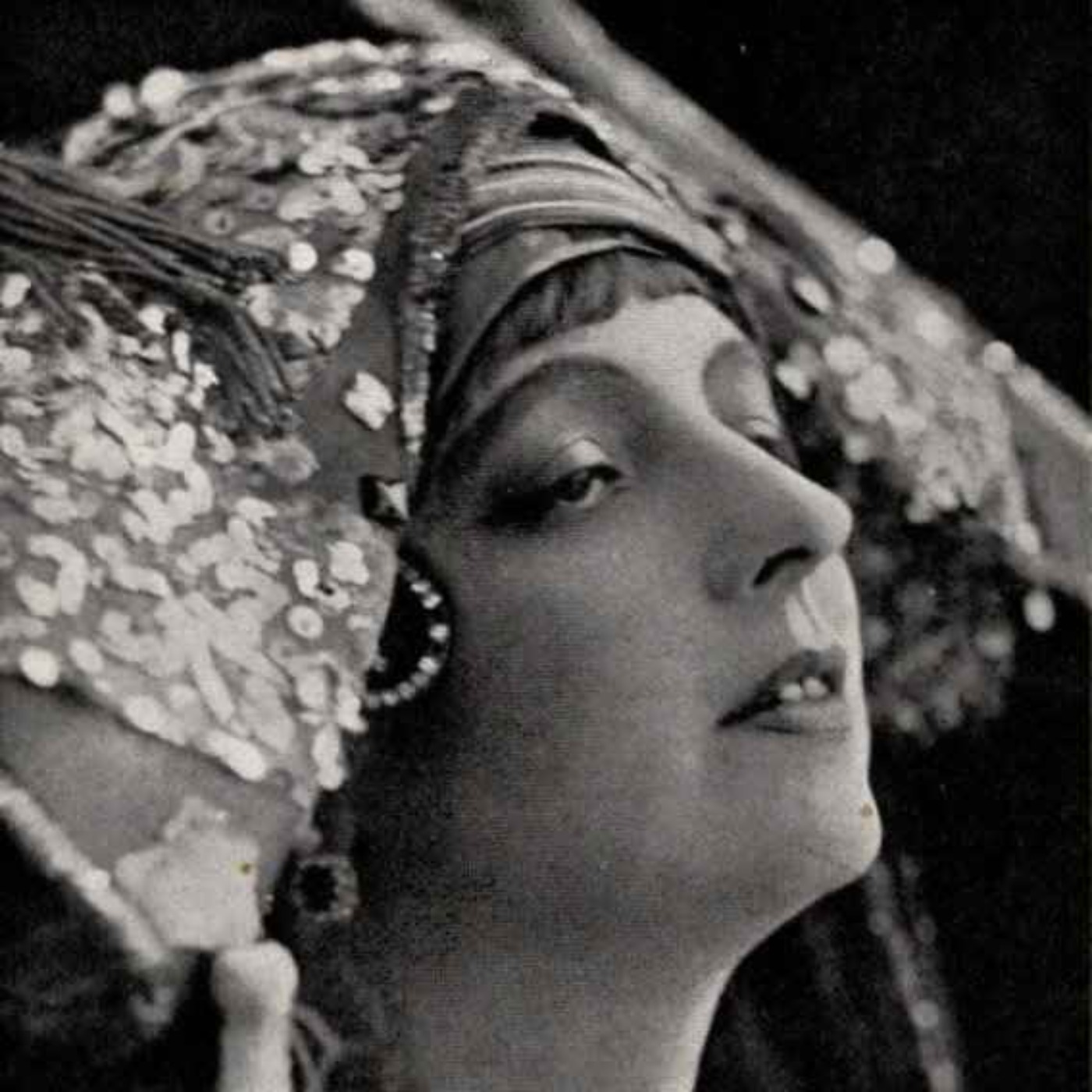
As part of Voices of British Ballet’s Reflections series Jane Pritchard, former curator of Dance at the Victoria and Albert Museum, talks to Patricia Linton, founder and director of Voices of British Ballet, about the Russian ballerina and teacher, Serafina Asatfieva. Born in St Petersburg in 1876, Serafina Astafieva became an important teacher in London in the early years of the 20th century. She ran a school on the King’s Road in Chelsea. Her pupils included Anton Dolin, Alicia Markova and Margot Fonteyn. Reflections is a collection of personal responses to the topics and ideas that our archives highlight. These illuminating recordings sit alongside the Grace Notes section of our website. Grace Notes is a nod to the musical practice of embellishment, and also to British composer Arthur Bliss, who used the words to describe his “Grace Notes on Ballet” in Peter Noble’s 1949 book, British Ballet. Dancers spend their careers engaging with the ideas of choreographers. Thus, having a colourful and enriched perspective on the world around them is essential. Ballet does not live in a bubble. These embellishments, both written on our website, and recorded in this special Reflections series, show the wider social and artistic context from which ballet springs and within which it thrives. Hosted on Acast. See acast.com/privacy for more information.
16 minAbspielen in:

Mo20Jul
Voices of British Ballet

Voices of British BalletHost

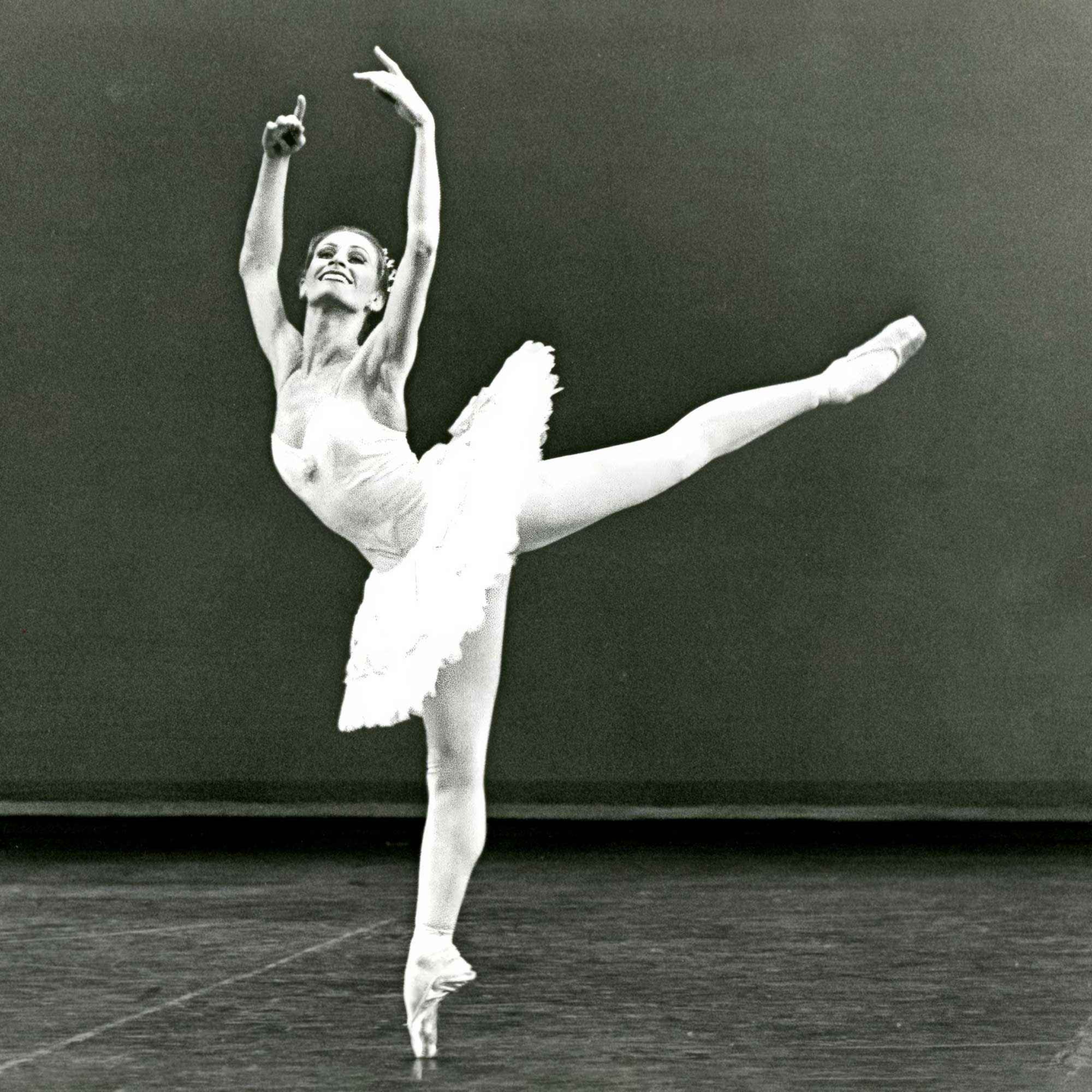
Patricia Clover

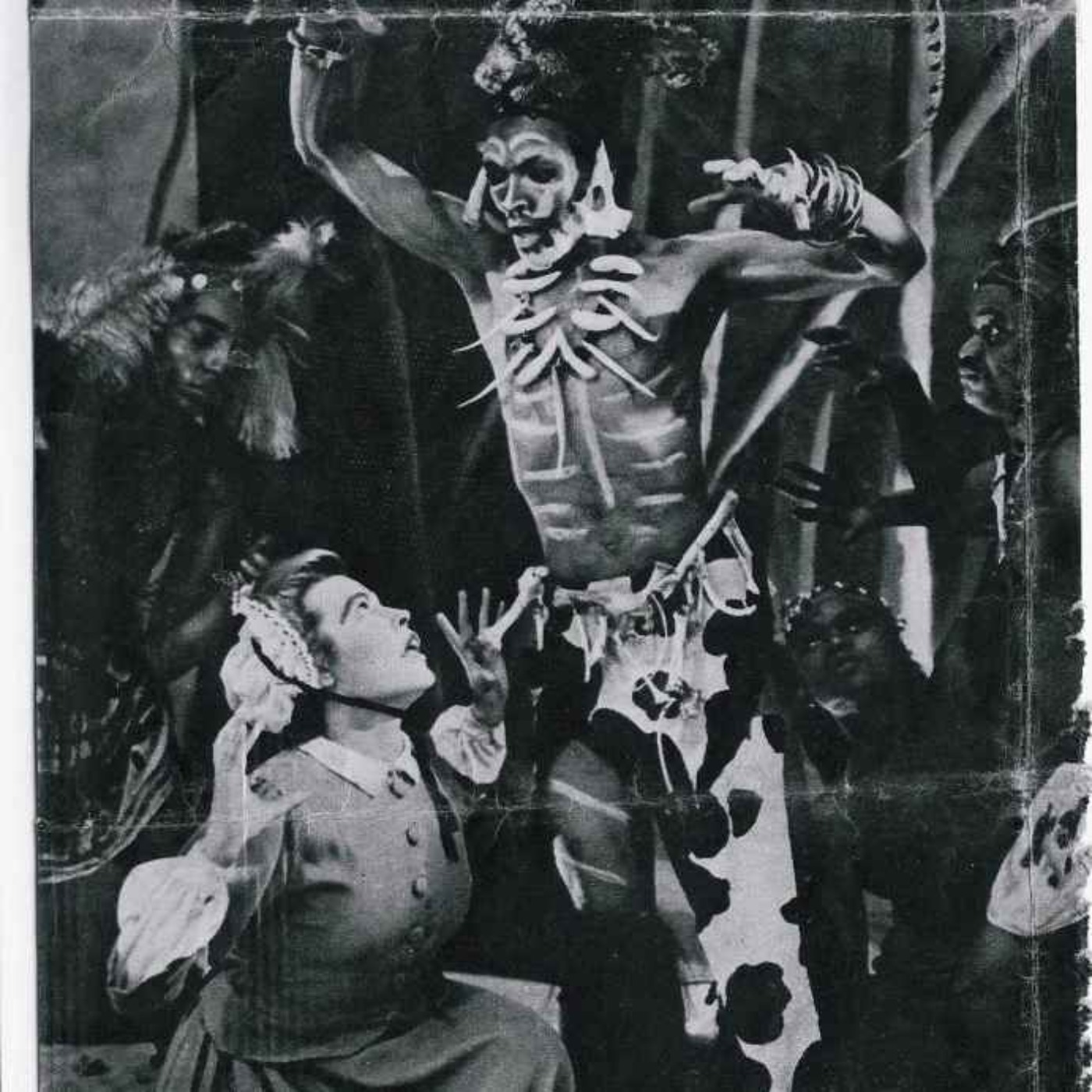
Patricia Clover gives the merest hint of the thinking behind Les Ballets Nègres, the company that lasted from 1946 until 1952. Her excellent memory and matter of fact style almost make you forget what a feat was achieved by its founder and director, Berto Pasuka: a Black company of dancers with cutting-edge material existing full time for six years touring the length and breadth of the country and abroad without any sort of government grant. Clover tells Patricia Linton, founder and director of Voices of British Ballet, of her early involvement with dance and about dancing with Les Ballets Nègres in its early days, as well as reflecting on the extent of racial prejudice at the time. She also talks about the musician Leonard Salzedo, whom she married, about the choreographer Andrée Howard, and about Pasuka’s determination in setting up, running and choreographing for his company. The interview, which was recorded in 2010, is introduced by the historian Stephen Bourne who talks about Berto Pasuka’s life and career and shows Natalie Steed Les Ballets Nègres press cuttings and programmes. Patricia Clover was born in Hammersmith, west London, in 1924. She started dancing at a local ballet school and at 16 went to study at Morley Theatre School in Lambeth. After working for a short time in a library, she joined the Gateway Theatre in Notting Hill Gate as assistant stage manager where she also played character parts. It was here that Clover met her future husband, the composer Leonard Salzedo, who was later to become musical director for Ballet Rambert and Scottish Ballet; the couple married in May 1945. Clover was involved with Berto Pasuka’s Les Ballets Nègres from the start, and the first performance was held at the 20th Century Theatre in Westbourne Park. Salzedo wrote the music for all four of the opening ballets and Clover danced with the company for several months before leaving in 1946. She later worked at the Ida Foster Theatrical Agency and then became general secretary of the Society of Cosmetic Scientists. After her retirement, Clover decided to study for her A Levels, followed by an English Literature degree. Salzedo died in 2000 and Clover in 2012. Hosted on Acast. See acast.com/privacy for more information.
32 minAbspielen in:

Mo29Jun
Voices of British Ballet

Voices of British BalletHost

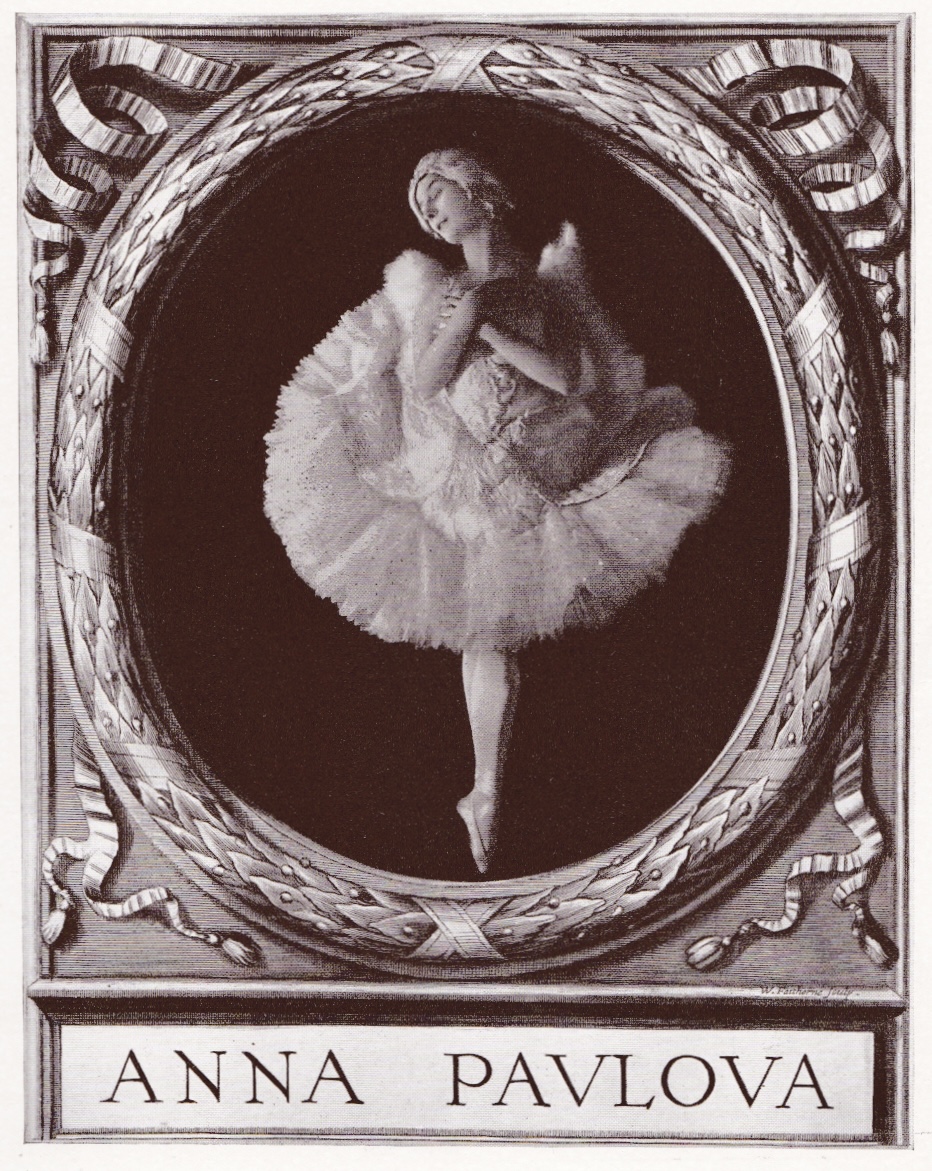
Reflections: Anna Pavlova

As part of Voices of British Ballet’s Reflections series Jane Pritchard, curator of Dance at the Victoria and Albert Museum, talks to Patricia Linton, founder and director of Voices of British Ballet, about the Russian ballerina Anna Pavlova and her influence on Frederick Ashton. Anna Pavlova is one of the few names in ballet whose fame was worldwide and enduring. Apart from her unrivalled quality as a dancer, in her later years she did more than any of her contemporaries to bring ballet to audiences all over the world, often to audiences with no previous experience of the artform. Born in St Petersburg in 1881, Pavlova entered the Imperial Ballet School in 1891 after being inspired by a performance of The Sleeping Beauty at the Maryinsky Theatre in 1890. Her teachers included Pavel Gerdt, Christian Johansson and, later, Enrico Cecchetti. In 1897 she first danced on the Maryinsky stage, and graduated in 1899 in False Dryads, a ballet arranged by Gerdt. She danced Giselle in 1903, Princess Aurora in 1908 and Nikiya (from Marius Petipa’s La Bayadère) in 1909. She was accorded ballerina status in 1906, the year when she also danced in Moscow and began a famous and long-lasting partnership with Mikhail Mordkin. In 1907, she created Armida in Mikhail Fokine’s Le Pavillon d’Armide, and in the same year he created on her Pavlova’s famous Dying Swan solo, with which she became indissolubly linked. In all she danced 18 major roles on the Maryinsky stage on which she also appeared with Vaslav Nijinksy in Les Sylphides. Pavlova began touring abroad in 1908, partnered first by Adolph Bolm and then by Nicholas Legat. In 1909 she was Serge Diaghilev’s first ballerina for his Ballets Russes in Paris. She made her debuts in London and New York in 1910, and in 1912 she bought Ivy House in London, which became her permanent home. The ballerina made her final Russian appearance in June 1914. She then formed her own company, consisting mainly of British dancers. She was sympathetic to the work of Fokine and had danced in several of Diaghilev’s early seasons, but after leaving Russia she preferred the autonomy of her own company, using her own repertoire and conforming to her tastes. For some this could seem mediocre and unexciting, but Pavlova had triumphant success all over the world, and she inspired many people with a love and enthusiasm for ballet, including notably the young Frederick Ashton, when she came to perform in Lima, Peru, where he was living as a schoolboy. Anna Pavlova married Victor Dandré in 1914, who outlived her. She died in Holland in 1931. Reflections is a collection of personal responses to the topics and ideas that our archives highlight. These illuminating recordings sit alongside the Grace Notes section of our website. Grace Notes is a nod to the musical practice of embellishment, and also to British composer Arthur Bliss, who used the words to describe his “Grace Notes on Ballet” in Peter Noble’s 1949 book, British Ballet. Dancers spend their careers engaging with the ideas of choreographers. Thus, having a colourful and enriched perspective on the world around them is essential. Ballet does not live in a bubble. These embellishments, both written on our website, and recorded in this special Reflections series, show the wider social and artistic context from which ballet springs and within which it thrives. Hosted on Acast. See acast.com/privacy for more information.
27 minAbspielen in:

Warum PodAppear

Folge Menschen, nicht Podcasts.

Du hast Patricia in einer Sendung gehört. PodAppear findet für dich die nächste, und genauso für alle anderen, die du hören willst.

  • Eine Meldung, wenn die Person zu Gast istPer E-Mail: sofort oder gebündelt als Tages- oder Wochenübersicht. Dann nur noch auf Play drücken.
  • Gäste statt bloßer ErwähnungenFolgen, in denen ein Name nur fällt, landen getrennt. Eine Meldung heißt: Die Person ist wirklich in der Sendung.
  • Alle in einem FeedGründerinnen, Autoren, Sportler, Forscherinnen. Folge allen mit Namen, quer durch jede Sendung, in der sie auftreten.

Bis zu 15 Personen kostenlos, ohne Kreditkarte.

Mo8Jun
Voices of British Ballet

Voices of British BalletHost

Janette Mulligan

The energy in Janette Mulligan’s voice reveals what a vibrant dancer she was. Her enthusiasm for the whole gamut of performing shines through, from correct hair styles and clean shoes right through to an irrepressible vitality of spirit. In this interview with Patricia Linton, founder and director of Voices of British Ballet, she describes her audition for London Festival Ballet (LFB) in 1977 when the company was under the direction of Beryl Grey. The interview, which was recorded in 2006, is introduced by the dance writer and editor Deborah Weiss, who had performed alongside Mulligan when they were both members of LFB. Janette Mulligan was born in Townsville, Australia, in 1957. She started ballet lessons with Marilyn Stratford at the age of six, later studying with Joyce Munroe, and then with Ann Roberts. She joined The Australian Ballet School in 1974. Following successful auditions for various companies, Janette briefly joined Ballet Victoria, before obtaining a contract with London Festival Ballet. Janette spent 14 years with the company, eventually becoming a senior principal dancer. She went on to have an extensive international career as a teacher, including stints as ballet mistress with the Royal Danish Ballet and Queensland Ballet. She has been a guest teacher across the globe and is now a teacher and senior faculty member of Queensland National Ballet School in Australia. Hosted on Acast. See acast.com/privacy for more information.
19 minAbspielen in:

Mo25Mai
Voices of British Ballet

Voices of British BalletHost

Alan Cunliffe

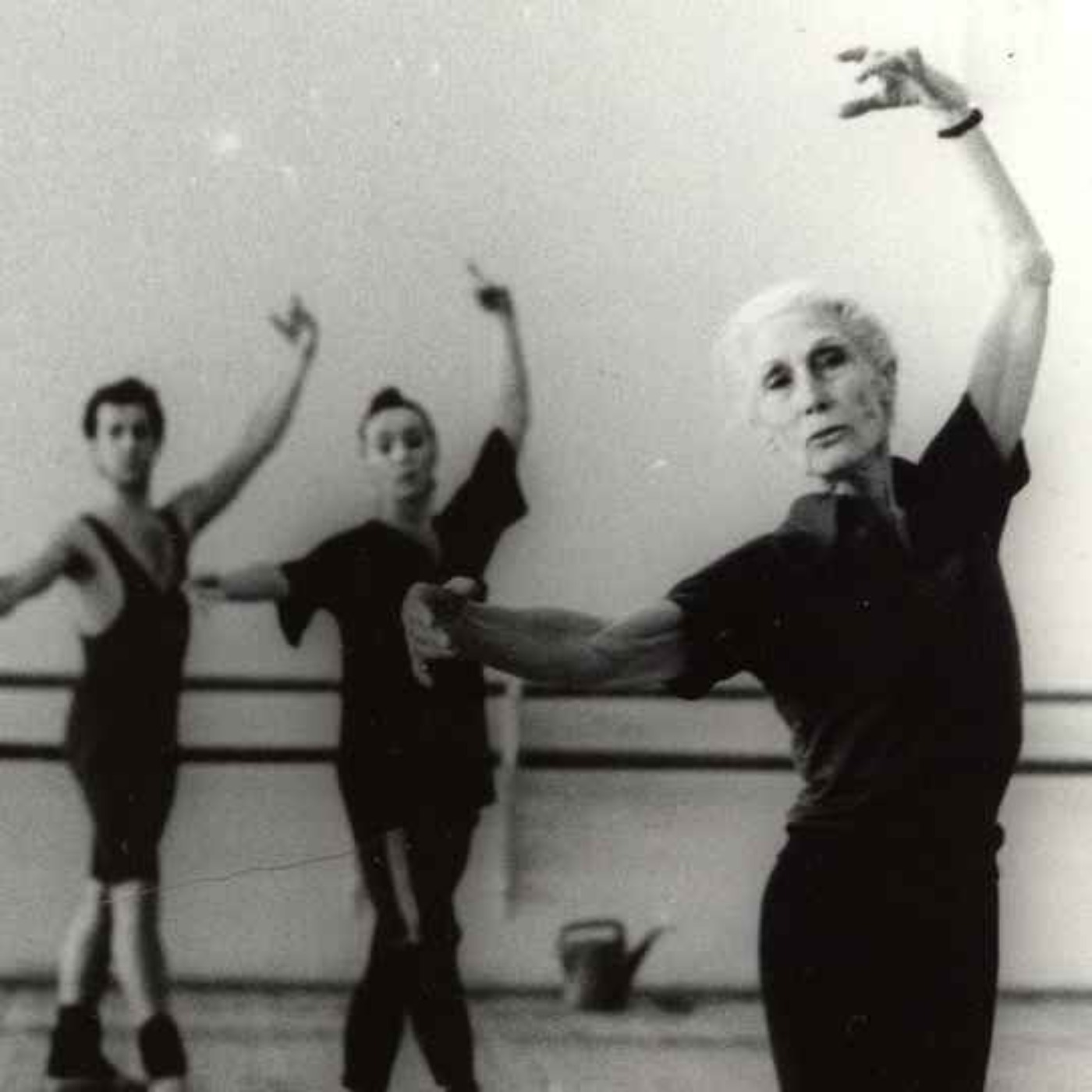
Here is Alan Cunliffe talking to Patricia Linton, founder and director of Voices of British Ballet. Inspired by watching pantomimes with his mother at the Harrow Coliseum in the 1950s, Cunliffe broke with the family military tradition and decided to pursue life as a dancer. He is another terrific example of the grit and sticking power needed to come close to one’s dreams. In this conversation, which was recorded in 2013, Cunliffe takes us through some early points in his dancing career. His story is also a good reminder that there are many things in the theatre that one can be part of when it is time to hang up the dancing shoes. In Cunliffe’s case it was dance photography. The interview is introduced by Jane Pritchard, Curator of Dance, Theatre and Performance at the V&A. Alan Cunliffe was born into a military family in Portsmouth in 1937. When he was a child, he often went to see the pantomime at the Harrow Coliseum, and it was there that he first saw Ballet Rambert and became fascinated by dance. Alan left school at the age of 15 and became a window dresser but regularly took Saturday morning ballet classes with Barbara Vernon and John Gregory. His first dancing job was with Welsh National Opera. He then joined The Royal Ballet Upper School and, two years later in 1960, joined Ballet Rambert. His four years with Ballet Rambert was followed by a short time with Sadler’s Wells Opera Ballet. During his dancing years, Cunliffe had developed a love of photography. He became apprenticed to the great dance photographer, Anthony Crickmay, and after some time as Crickmay’s assistant, he opened his own photographic studio. He remained passionate about dance photography for the rest of his life. Alan Cunliffe died in 2020. Hosted on Acast. See acast.com/privacy for more information.
20 minAbspielen in:

Mo18Mai
Voices of British Ballet

Voices of British BalletHost

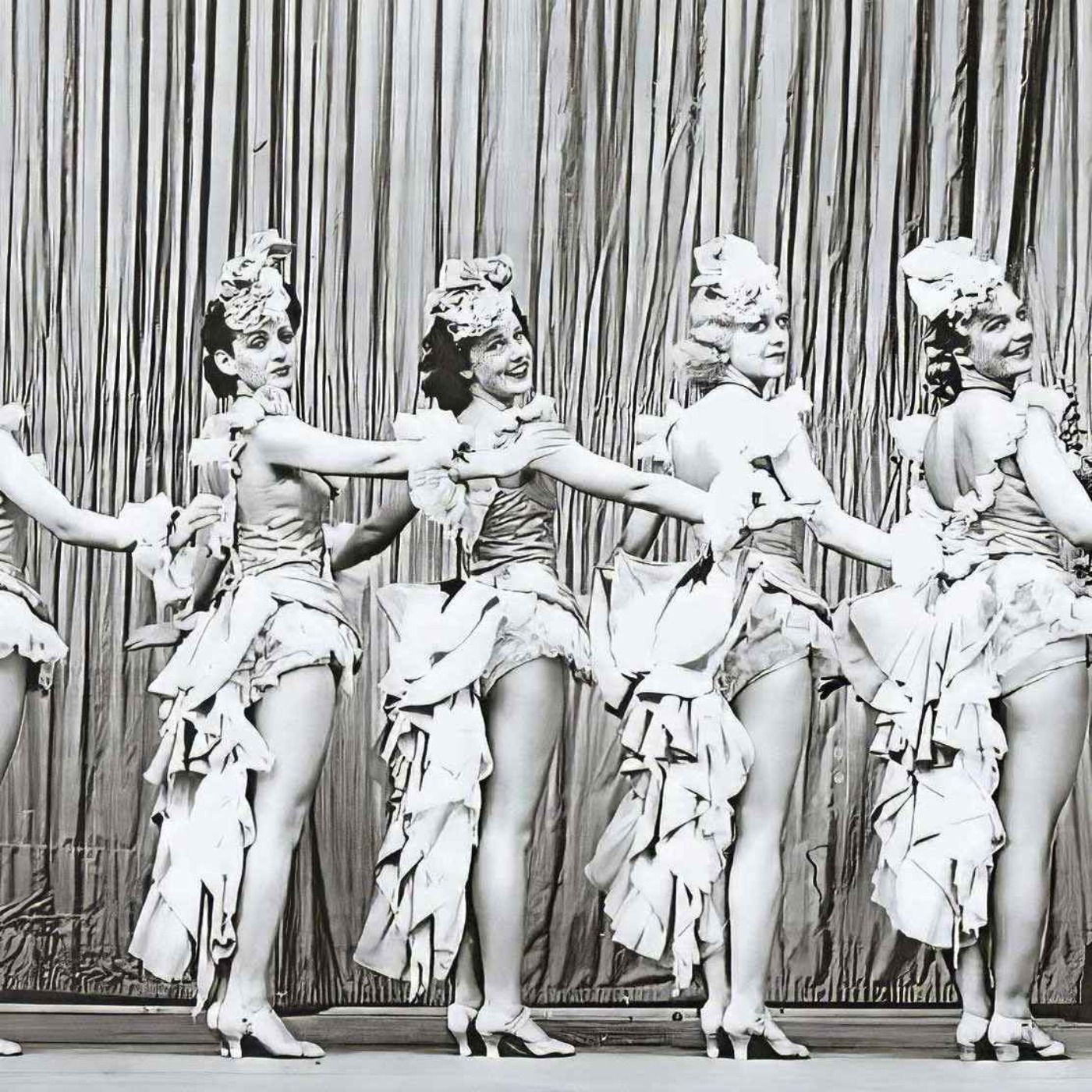
Felicity Sands Widdrington

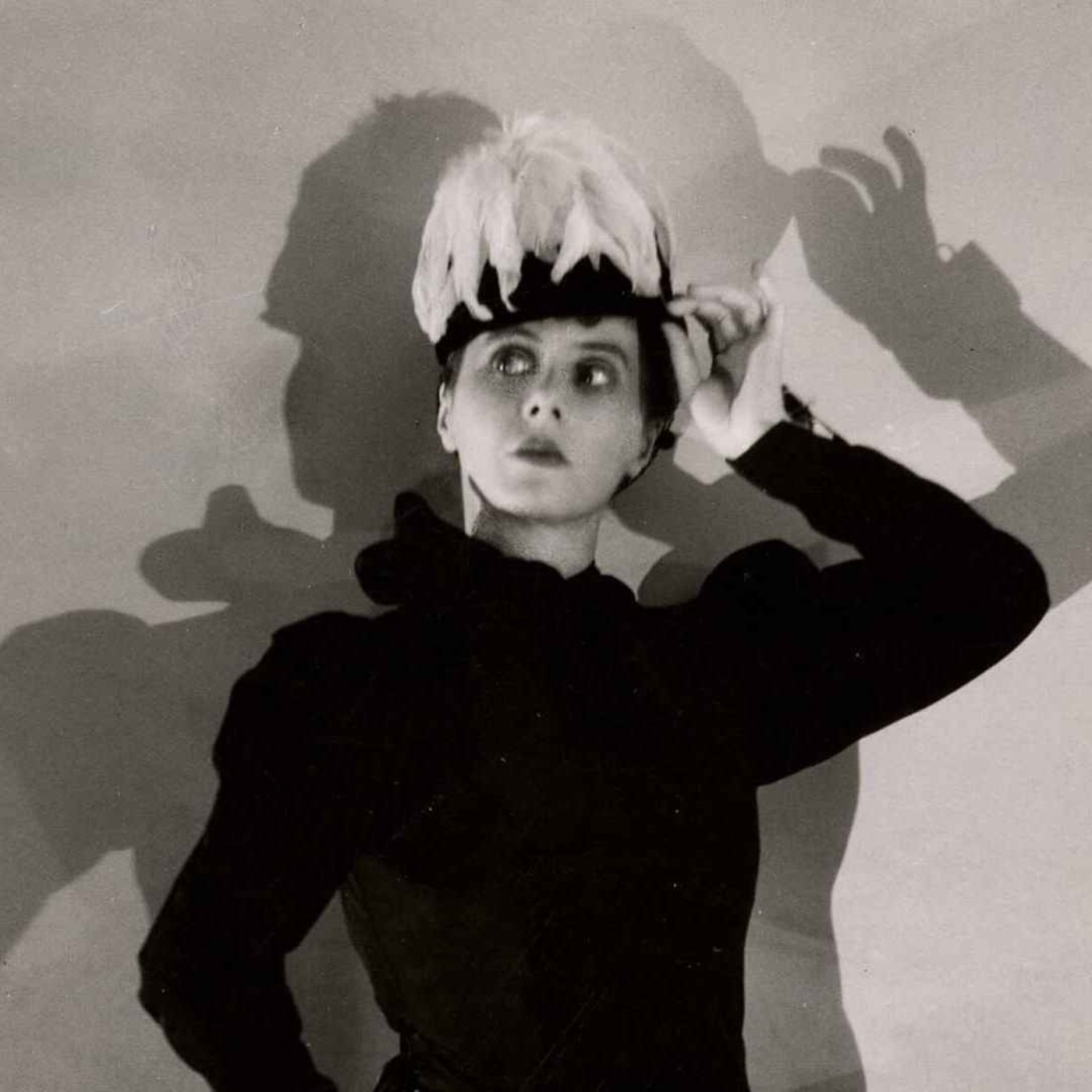
The fate of many a dancer is discussed at the end of the interview featured in this episode. Adventures are recounted with unaffected humour and a deliciously 1930s delivery. In this interview with Patricia Linton, founder and director of Voices of British Ballet, Felicity Sands-Widdrington talks about becoming a Bluebell Girl in Paris and being stuck in prison when World War Two broke out, before getting back to London via Switzerland and France. The interview was recorded in 2003. Felicity Sands (later Felicity Sands-Widdrington) was born in Kalgoorlie, Western Australia, in 1917. She took ballet classes in Perth with Linley Wilson, and came to London in 1936, partly to complete her Royal Academy of Dance exams and, when there, she trained under Olive Handley. She then got a job working on a film in Vienna, (Premiere 1937 directed by Géza von Bolváry) along with 100 other female dancers in a spectacular dance sequence. After that, Felicity danced professionally in France, Italy, Austria and Switzerland, and eventually joined the Bluebell Girls at the Lido de Paris. During her dancing career she was always the only Australian in whatever company she was appearing. She was dancing in Milan in 1939 just before World War Two broke out. Two days before Italy joined the war, she and some of her colleagues were arrested and thrown into prison, wrongly suspected of being involved with gun runners. After a few days they were released and escorted by the Italian police to the Swiss border. She got into France and was able to get back to London on one of the last boats to leave for England. Back in London in 1940, Felicity thought show dancing was “no way to conduct yourself in the war”, so she drove ambulances, before working in the Postal and Censorship Office in the famous Room 99. She had married in 1940, and after the war never returned to professional dancing. The photograph shows Felicity in a Bluebell line up in 1939 in Milan. Hosted on Acast. See acast.com/privacy for more information.
14 minAbspielen in:

Mo11Mai
Voices of British Ballet

Voices of British BalletHost

Barbara Vernon

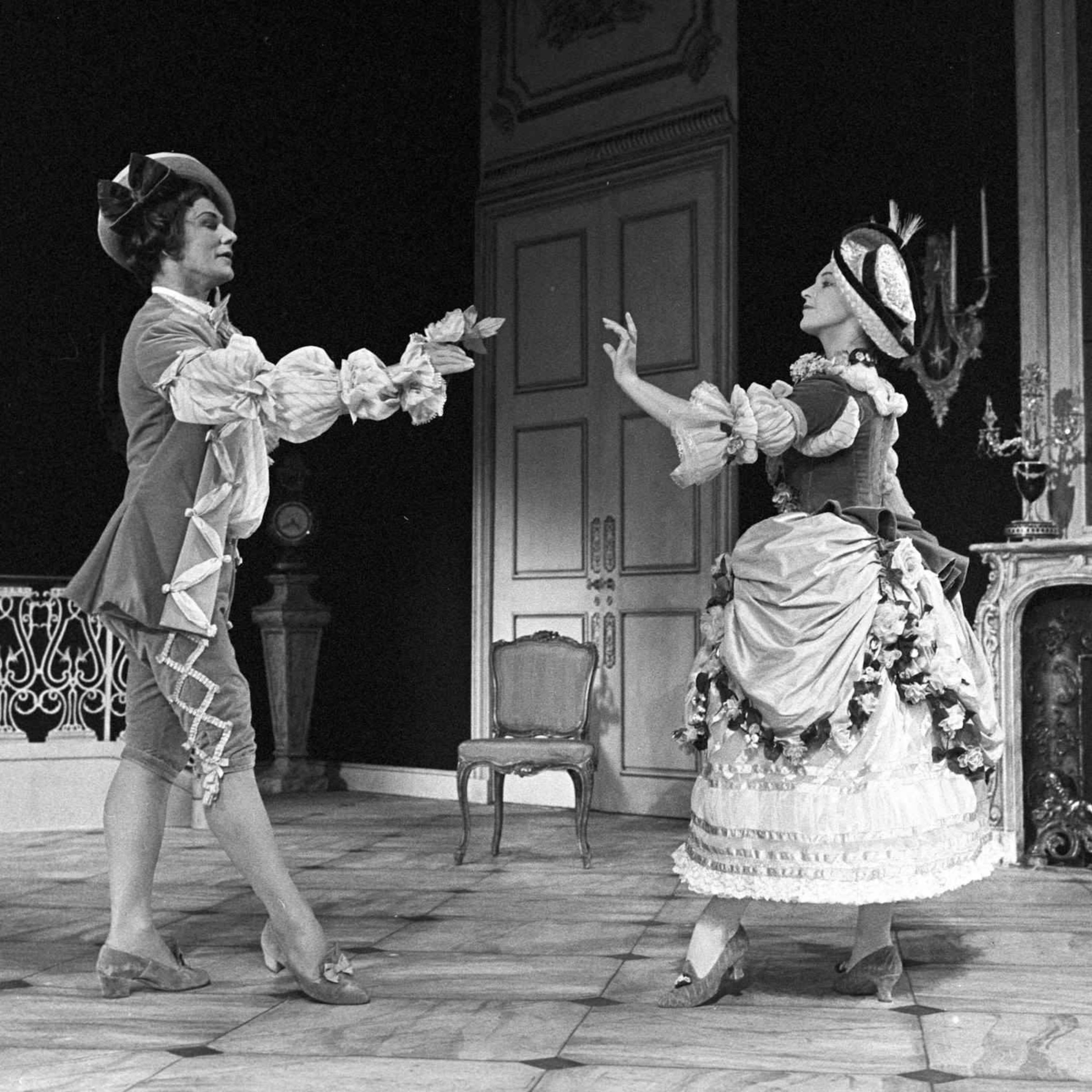
In this interview with Patricia Linton, founder and director of Voices of British Ballet, Barbara Vernon illustrates that it is not all plain sailing out of the mainstream of the ballet world and gives a glimpse of a different sort of struggle, where dedication and belief are not quite enough – especially without funds. The interview, which was recorded in 2003, is introduced by the dance historian Jane Pritchard. Born in 1918, Barbara Vernon’s mother was aware that she was an artistic child and supported her in her endeavours. Her first ballet classes were in Birmingham, where she trained in the syllabus as set by the Royal Academy of Dance (RAD). From the age of 16, she danced with various small groups, but it was whilst performing in pantomime at the Gaiety Theatre in Dublin that her future life was set. There, she heard about the teaching of a Russian émigré ballet master, Nicholas Legat. When back in London in 1936, she joined his classes at 46, Colet Gardens. Legat died the following year, and Vernon then found her way to Léonide Massine’s studio in Monte Carlo, where she learnt a wonderful variety of repertoire. These two momentous happenings – the teaching of Legat and the repertoire of Massine – were to shape and inform the whole of Vernon’s future life. During World War Two, she danced with various companies, including Mona Inglesby’s International Ballet, and the Anglo-Polish Ballet. It was whilst she was in the latter company that she met John Gregory, the multi-talented actor, artist, dancer and writer, John Gregory. The couple married in 1945 and later had two children together. In 1949 the pair created the School of Russian Classical Ballet in Chelsea, which developed into the Harlequin Ballet ten years later. This little group took ballet to the people for the following decade. From that time onwards they taught, lectured and wrote, and in 1995 the couple inaugurated the Legat Foundation. John Gregory died in 1996, and Barbara Vernon in 2007 Hosted on Acast. See acast.com/privacy for more information.
25 minAbspielen in:

Mo4Mai
Voices of British Ballet

Voices of British BalletHost

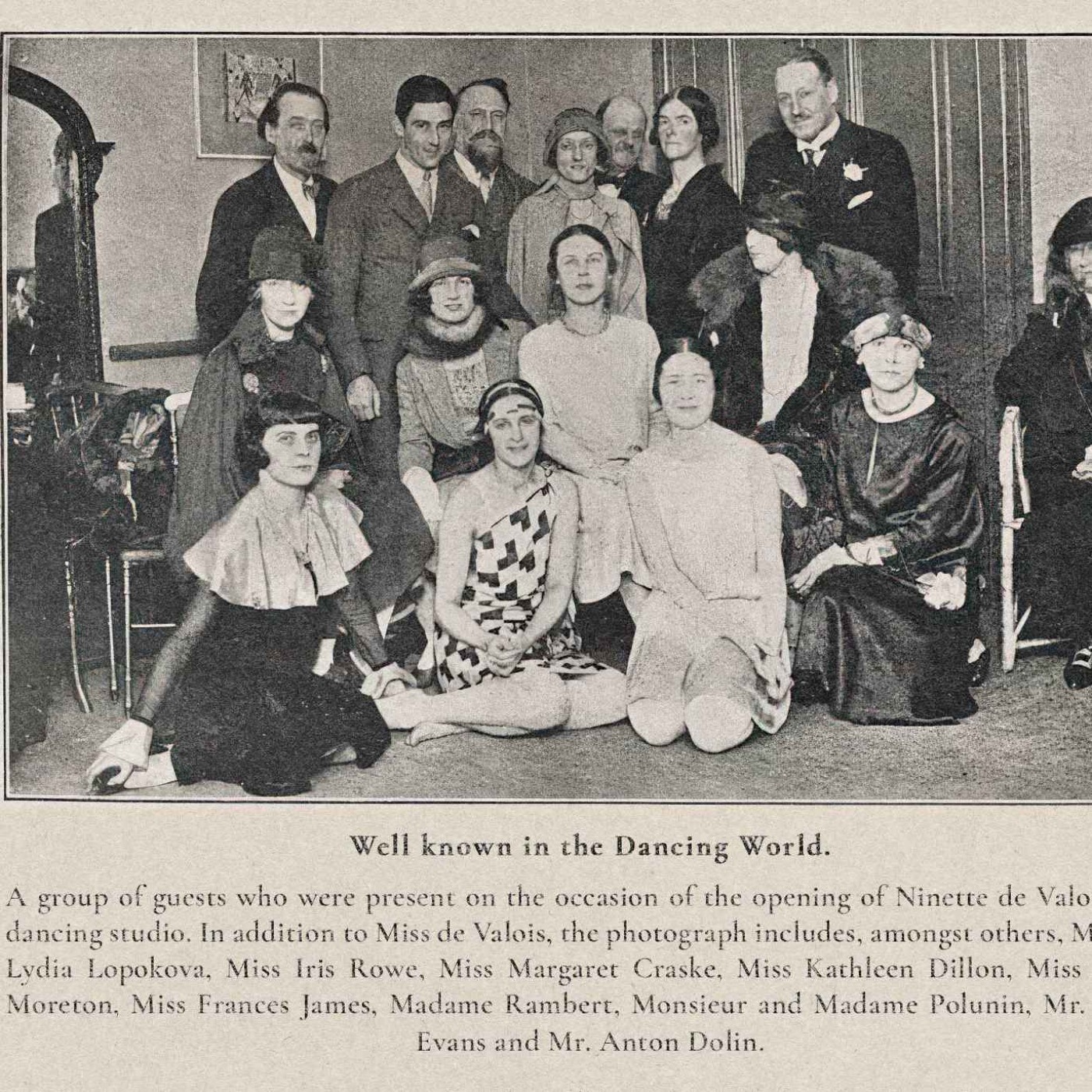
Celebrating Ninette de Valois - a conversation with Giannadrea Poesio

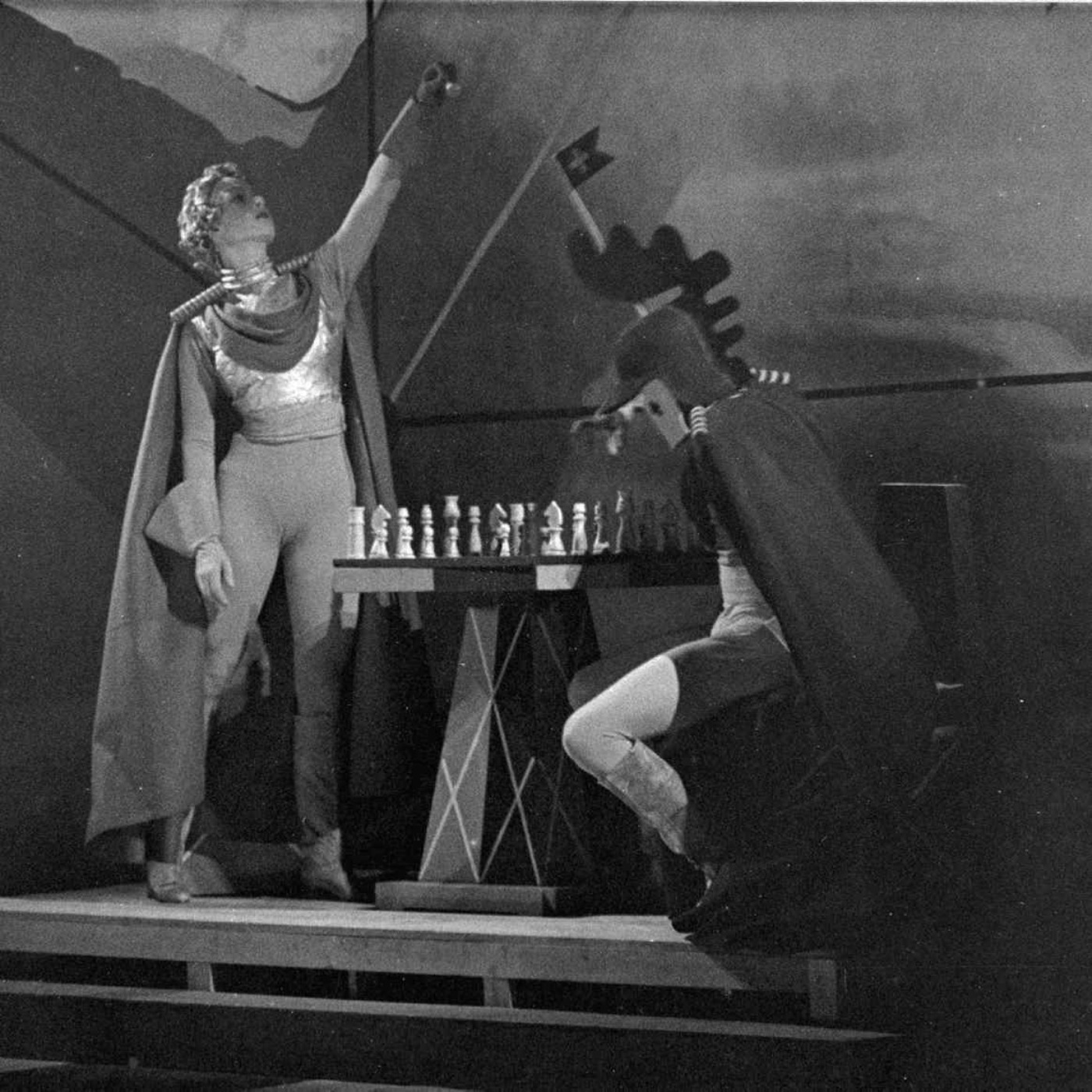
In 2026 Voices of British Ballet is celebrating the life of Ninette de Valois, to mark the centenary of the Royal Ballet School, with a series of interviews and special episodes that illuminate her life and artistic practice. In this episode, Dr Anna Meadmore, Manager of Special Collections at the Royal Ballet School, introduces an interview with the writer and ballet historian Giannandrea Poesio. The interview was recorded in 2011 at a conference dedicated to Ninette de Valois where Giannandrea Poesio was one of the delegates. He talks with Patricia Linton about two meetings he had with de Valois and how she gave him the nickname “Cecchetti Boy”. He discusses Ninette de Valois’ reservations about the Cecchetti method and explores the use of historical mime in present day performance. Anna Meadmore was one of the organisers of that conference in 2011 and reflects on the importance of dance history to the education and training of new dancers and choreographers. She also talks about Giannandrea’s talk at the conference about mime in ballet and the influence of Giuseppina Cecchetti and Francesca Zanfretta. Giannadrea Poesio died in 2017. Hosted on Acast. See acast.com/privacy for more information.
34 minAbspielen in:

Di28Apr
Voices of British Ballet

Voices of British BalletHost

Robert Harrold

It really does seem true that dancers in the difficult years of World War Two were happy to exist on the bare minimum. The common bond was that they all loved dancing and that appeared to keep them going. In this interview with the dancer and teacher Robert Harrold, which was recorded in 2007, Patricia Linton, founder and director of Voices of British Ballet, talks with him about a career that commenced during a time of conflict. The interview is introduced by Jane Pritchard. Robert Harrold was born in Wolverhampton in 1923. His first dancing lessons were in Birmingham with Evelyn Goodwin, and his stage career began with the Anglo-Polish Ballet in 1940. For the next few years, he danced with Ballet Rambert, where he experienced a fine repertoire of ballets with an enviable range of choreographers, in which he often partnered Rambert’s charismatic ballerina of the time, Sally Gilmour. During the later years of World War Two, Harrold was a member of the Central Pool of Artists (CPA), and he was a part of groups that entertained the troops in Italy, via India, Ceylon and Australia. After the war he danced in musical theatre and television and began to develop his choreographic ability. Most important was the beginning of his lifelong love and involvement with National and Folk Dance. He was a tireless advocate of this form of dance and, along with his friend and mentor Helen Windgrave, wrote books and formed groups – notably the Modial Company – and educational enterprises to interest people in general and to win converts if possible! Dancer, teacher, examiner, adjudicator and writer, Robert Harrold had a very full and busy life in dance and contributed unstintingly to the many ventures in which he was involved. In 1986 he received the Imperial Award for Outstanding Services to the Imperial Society of Teachers of Dancing (ISTD), an organisation he had been involved with for many years. Photograph: CAPRICCIO by Richard Strauss; Valerie Davie and Robert Harrold as the Dancers Conducted by Pritchard; Directed by Rennert; Scenery Designed by Lennon; Costumes designed by Powell; Glyndebourne Festival Opera; Glyndebourne, Lewes, East Sussex, UK; 1963; © Glyndebourne Productions Ltd.; Credit: Guy Gravett / Glyndebourne Productions Ltd. / ArenaPAL ; Hosted on Acast. See acast.com/privacy for more information.
26 minAbspielen in:

Mo6Apr
Voices of British Ballet

Voices of British BalletHost

Celebrating Ninette de Valois: Checkmate

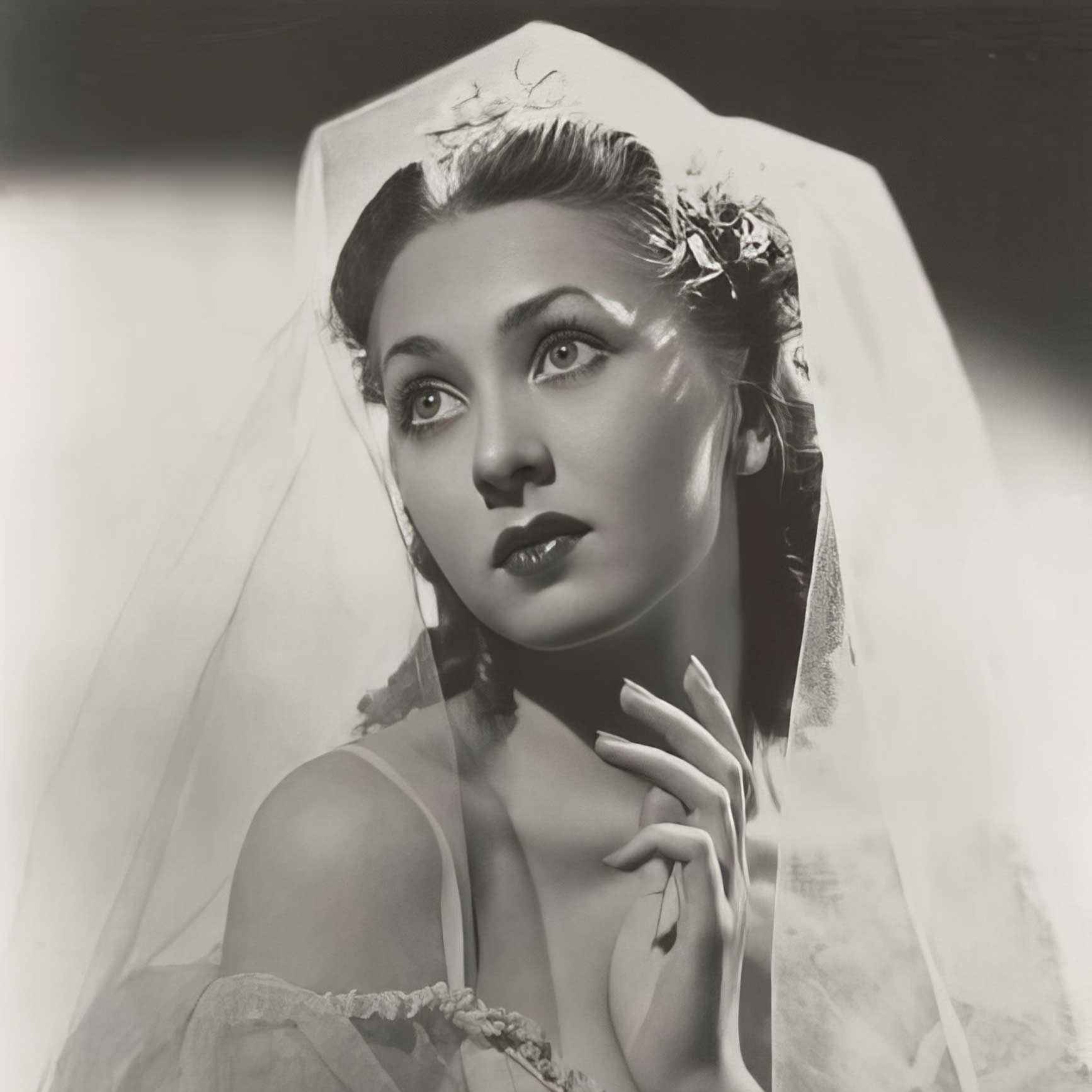
The second in our series of special episodes to celebrate the 100th anniversary of the founding of Ninette de Valois’ Academy for Choregraphic Art in March 1926, and to mark 25 years since de Valois' death. Patricia Linton talks to Dr Anna Meadmore, archivist at The Royal Ballet School about de Valois ballet, Checkmate. Checkmate is one of the only two ballets by Ninette de Valois to survive in the repertoire. It makes allegorical use of a chess game to represent a battle between love and death. Arthur Bliss, the composer, and Edward McKnight Kauffer, the designer, worked with de Valois’ ideas in a way that made perfect sense of the ensuing battle, and testified to her commitment to Serge Diaghilev’s ideas on the importance of music and design in ballet. The action of the chess pieces is foreshadowed in a prologue in which the skeletal hand of death plays chess with the figure of love and suggests that what we are about to see is in some way pre-determined. The chess pieces from pawn and knight to King and Queen make their moves as if guided by the hand of fate. The Black Queen powers her way across the board, dominating all around her. After the thunderous chaos and brutal murder of her would-be lover the Red Knight, the climatic finale sees the Red King goaded out of his inertia. His feeble resistance prompts the Queen to administer the coup de grace: ‘checkmate indeed’. The ballet was first performed at the Théâtre des Champs Élysées, Paris in 1937, with June Brae as the Black Queen, Harold Turner as the Red Knight, and Robert Helpmann and Pamela May as the Red King and Queen. The photograph shows Sadler’s Wells Ballet in Checkmate at the Royal Opera House, 1947. Love (Jean Bedells) and Death (Franklin White) deliberate over a game of chess in the Prologue to Ninette de Valois’ ballet Credit: Frank Sharman/Royal Opera House/ArenaPAL Hosted on Acast. See acast.com/privacy for more information.
40 minAbspielen in:

Di24Mär
Voices of British Ballet

Voices of British BalletHost

Patricia Thorburn

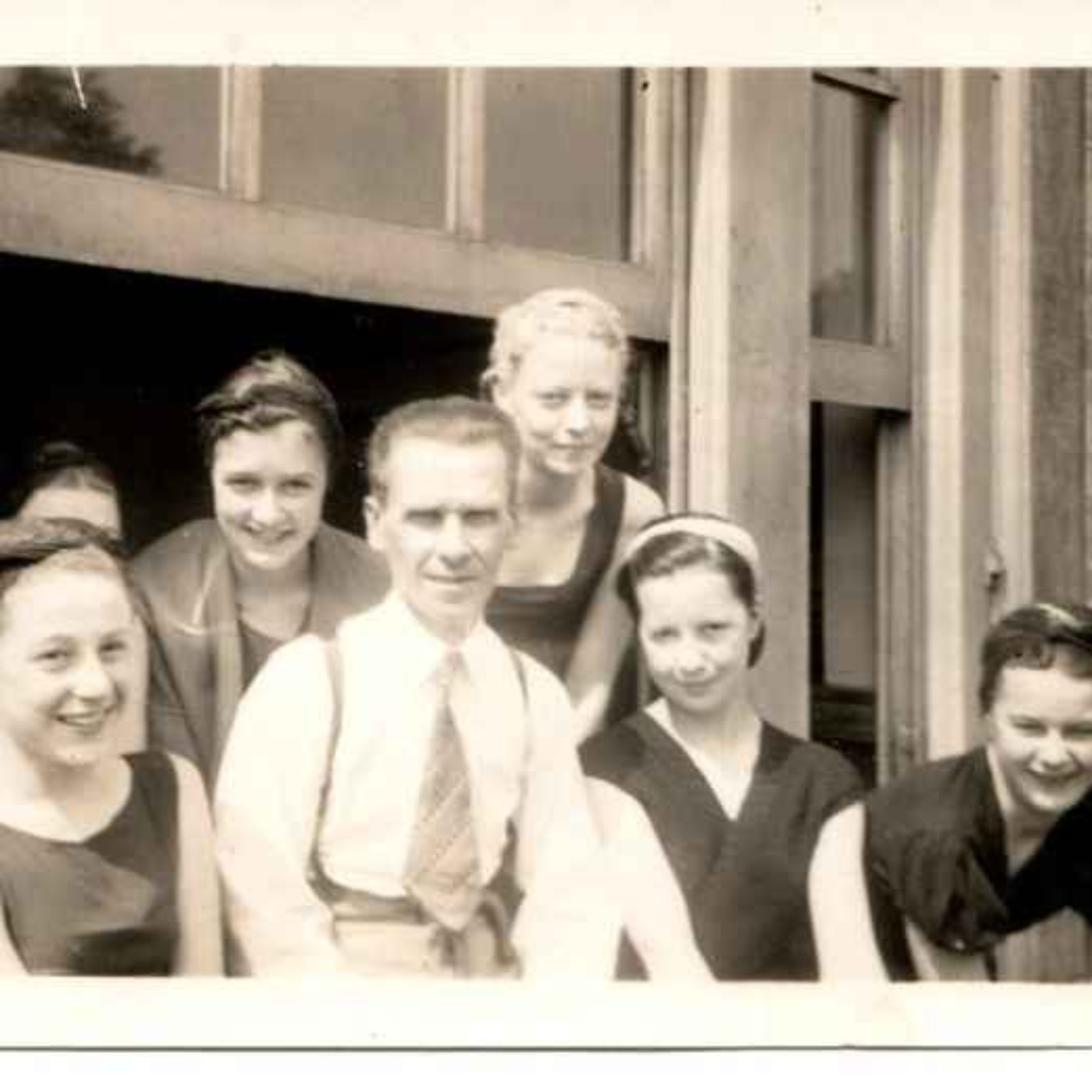
Here, Patricia Thorburn throws a little light on finding jobs with Patricia Linton, founder and director of Voices of British Ballet. The interview, which was recorded in 2003, is introduced by dance historian Jane Pritchard. Patricia Thorburn was born in Peebles, Scotland, and was a student of Mrs Bell Hardy in Edinburgh. In 1937, she auditioned and then studied at the Sadler’s Wells Ballet School and made her debut with the Carl Rosa Opera in 1938. In 1939 and 1940 she served with the Auxiliary Territorial Service (ATS) but joined the Anglo Polish Ballet in 1940 and remained with the company until 1942. Following this, she appeared in a number of London shows, and married John Arnold in 1945 before joining the Sadler’s Wells Ballet at the Royal Opera House, Covent Garden, in 1946 to boost the numbers in their extraordinary production of The Sleeping Beauty. Thorburn then danced as a member of the Agnes de Mille Ballet in the stage musical London Town. She retired from the company in 1947. Using her ballet training as a basis, she went to study with Sigurd Leeder at his School of Dance at Dartington Hall, Devon, to expand her horizons. She pioneered a Pure Movement course to help actors move more naturally on stage and screen and, working under her married name of Patricia Arnold, started to teach movement and historical dance at the London Academy of Music and Dramatic Art (LAMDA) in 1955, where she became head of Movement from 1963 until 1972. She also taught at the Guildhall School of Music and Drama. Thorburn taught well beyond the age of 75, and even after retirement was often asked back to teach masterclasses. The photograph shows Patricia Thorburn with fellow classmates from Sadler's Wells Ballet School with Nicholas Segeyev in the centre in 1937 / 1938. Photo courtesy of Patricia Thorburn. Hosted on Acast. See acast.com/privacy for more information.
16 minAbspielen in:

Di17Mär
Voices of British Ballet

Voices of British BalletHost

Irina Baronova

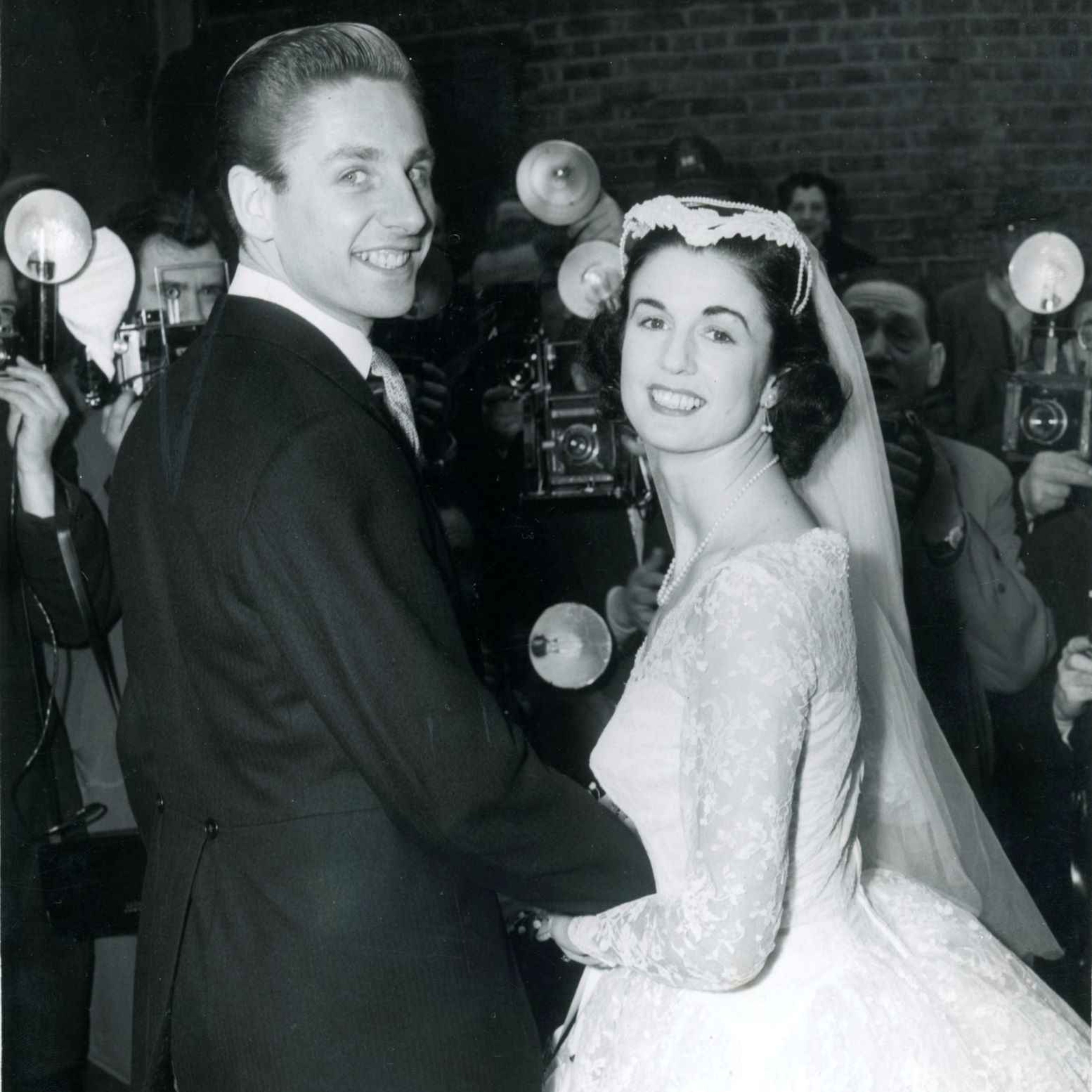
What agony to hear this gorgeous, beguiling woman lament the lack of interest she feels was shown to her generation in passing on their knowledge and experience to the next. Irina Baronova’s no nonsense approach is mysteriously interwoven with intuitive artistry – we could expect no less from one of the original “Baby Ballerinas” of the Ballet Russe de Monte Carlo. In this interview, recorded in 2006, Irina Baronova is interviewed by Patricia Linton, founder and director of Voices of British Ballet. The interview is introduced by Jane Pritchard of the V&A. Irina Baronova was a Russian-born ballerina and actress, known as one of the “Baby ballerinas” of the Ballet Russe de Monte Carlo. She was born in Petrograd in 1919. Her father, Mikhail Baronov, was a lieutenant in the Imperial Navy, and in 1920 he and his family had to flee the country following the Russian Revolution. They crossed the border into Romania disguised as peasants and eventually settled in Bucharest. They had no money in a foreign country where they did not know or speak the language. Baronov eventually found a job at a factory, and the family spent the following years living in the city slums. At the age of seven, Baronova began taking her first ballet classes when her mother (who was a ballet enthusiast) found her a teacher, Madame Majaiska, a former corps de ballet member of the Imperial Russian Ballet. She was also a refugee from Russia and so conducted Baronova’s classes in the kitchen of her one-bedroom house, using the kitchen table as a barre. To provide Irina with professional training, the family moved to Paris when she was ten years old, where she was taught by Olga Preobrajenska and Mathilde Kschessinska. In 1930, at the age of 11, Baronova made her debut at the Paris Opéra. The catalyst for her career came in 1932, just before her 13th birthday, when George Balanchine engaged her for the Ballet Russe de Monte Carlo, along with the equally youthful Tamara Toumanova and Tatiana Riabouchinska. The English critic Arnold Haskell dubbed this illustrious trio the “Baby Ballerinas”. Baronova was 14 when she was given her first principal role, as Odette in Act II of Swan Lake, in which she was partnered by Anton Dolin. At the age of 17, she eloped with an older Russian man, German (Jerry) Sevastianov, in order to get married. Their marriage came two years later, in 1938, with a ceremony in Sydney, Australia. Baronova then joined Ballet Theatre (now American Ballet Theatre) in the United States of America, subsequently divorcing Sevastianov. In 1946, in the United Kingdon, she met the theatrical agent Cecil Tennant who asked her to marry him, which she did, retiring from her career in ballet at the age of 27. Between 1940 and 1951, Baronova appeared in several films, including Ealing Studio’s Train of Events (1949). Much later she worked as ballet mistress on the 1980 Hollywood film Nijinsky. During her marriage to Tennant, she gave birth to three children: Victoria, Irina and Robert. In 1967, Tennant was killed in a car accident, and Baronova subsequently moved to Switzerland. She then resumed her marriage with her first husband, Sevastianov, who died in 1974. Baronova then began teaching master classes in the UK and the USA. In 1986 she staged Mikhail Fokine’s Les Sylphides for The Australian Ballet, and in 1992 returned to Russia to help the Maryinsky Theatre with an archival project. In 1996 she received a Vaslav Nijinsky Medal in Poland and an honorary doctorate from the North Carolina School of the Arts. In 2000, she went to live in Australia with her daughter, Irina. In 2005 she appeared in a documentary on the Ballet Russe, and published her autobiography Irina: Ballet, Life and Love. She died in her sleep in Byron Bay, Australia, on June 28, 2008, at the age of 89. Hosted on Acast. See acast.com/privacy for more information.
28 minAbspielen in:

Di10Mär
Voices of British Ballet

Voices of British BalletHost

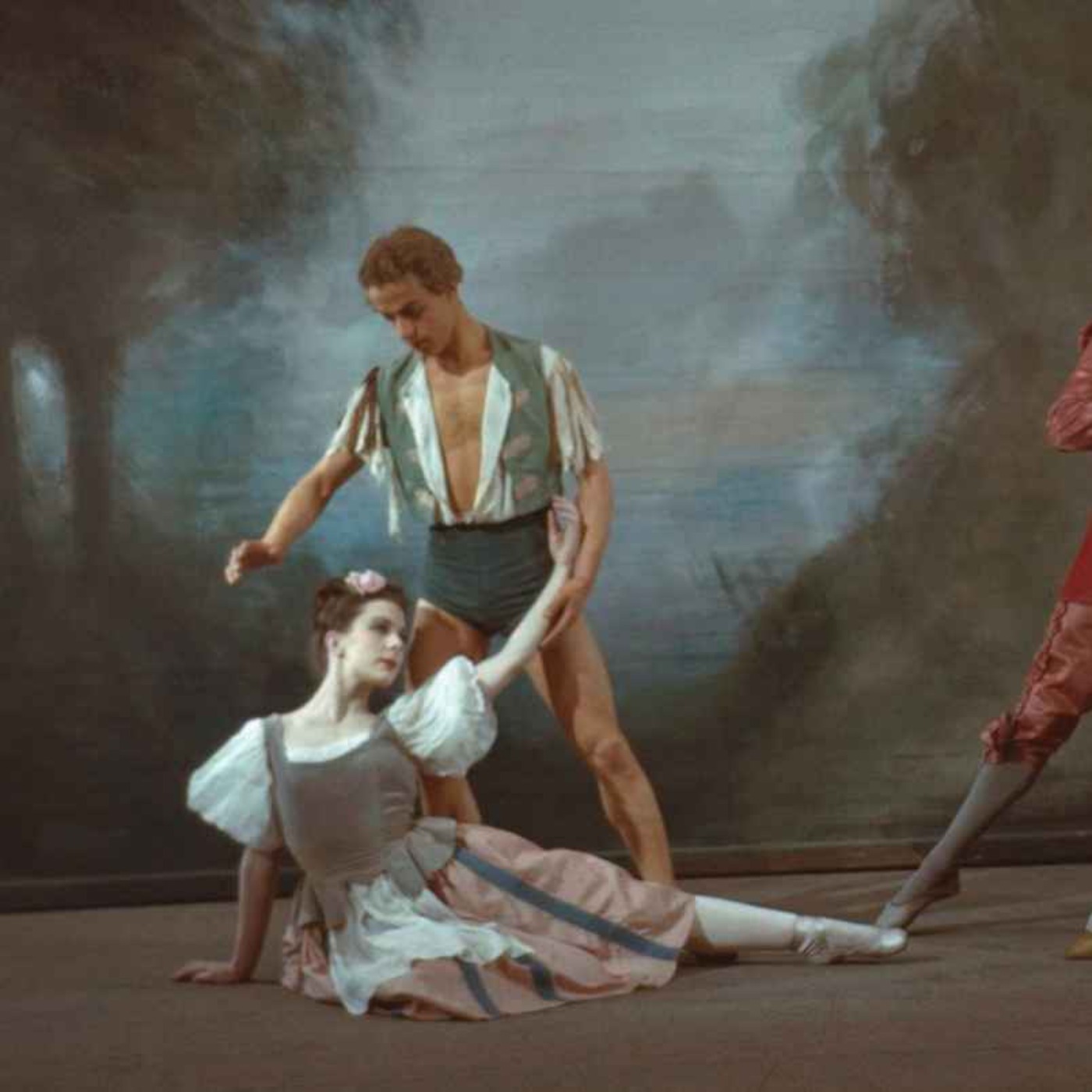
Rowena Jackson and Philip Chatfield

This gorgeous couple, infectiously happy and loving and warm, not surprisingly became special “voices” for British ballet. They were stars of The Royal Ballet at a remarkable point of that company’s history and contributed hugely to its success. This conversation between the couple and Patricia Linton, founder and director of Voices of British Ballet, was recorded in 2006. The episode is introduced by Dame Monica Mason. Rowena Jackson was born in Invercargill, New Zealand, in 1926. She originally studied ballet with Rosetta Powell and Stan Lawson and for her academic studies attended the Epsom Girls’ Grammar School in Auckland. In 1941, Rowena won the very first Royal Academy of Dancing Scholarship to be awarded in New Zealand. She travelled to London and joined the Sadler’s Wells Ballet School in 1946 and won the Adeline Genée Gold Medal in 1947, the same year she joined the Sadler’s Wells (later Royal) Ballet at Covent Garden. Rowena Jackson b. 1926 d. 2024; Dancer, teacher and director By 1954 Rowena had been promoted to the rank of principal dancer and performed most of the ballerina roles in the repertoire at that time. She was especially noted for her interpretation of Swanhilda in Coppélia and was also famous for her ability to pirouette, both alone and supported. There is proof in film of her ability to perform fast and brilliant turns with a repetition of single and double fouettés for the whole of Odile’s 32 fouettés in the third act of Swan Lake, something that was seldom attempted in those days. Before she left New Zealand for England, Rowena had set a World Record of 121 consecutive fouettés without a break. Early in 1958 Rowena married fellow Royal Ballet principal, Philip Chatfield. That same year they danced together in The Royal Ballet’s Giselle. They both retired in 1959 and moved to New Zealand. In 1961 Rowena was awarded an MBE. In 1972, she and Philip became directors of the National School of Ballet in Wellington. They eventually moved to Australia but continued to teach until well into their eighties. The couple had two children. Rowena died in 2024. Philip Chatfield b. 1927 d. 2021; Dancer, teacher and director Philip Chatfield was born in Eastleigh, Hampshire, in 1927. He first studied at the Elfin School of Dancing before getting a scholarship to the Sadler’s Wells Ballet School. He joined the Sadler’s Wells Ballet in 1943 and danced in a wide range of ballets. In 1944 he joined the Armed Forces and returned from service to re-join the Sadler’s Wells (now Royal) Ballet at Covent Garden in 1946. He travelled extensively with the company and was on the famous tour to the United States of America in 1949. He became a principal in 1953, married Rowena Jackson, a ballerina with the company in 1958, and retired in 1959 to New Zealand. In 1972 he and Rowena became joint directors of the National School of Ballet in Wellington, and they later went on to direct the Royal New Zealand Ballet. They retired again, this time to Australia where they made their home. Both Philip and Rowena continued to teach and coach for many years. Philip died in 2021 Hosted on Acast. See acast.com/privacy for more information.
19 minAbspielen in:

Di3Mär
Voices of British Ballet

Voices of British BalletHost

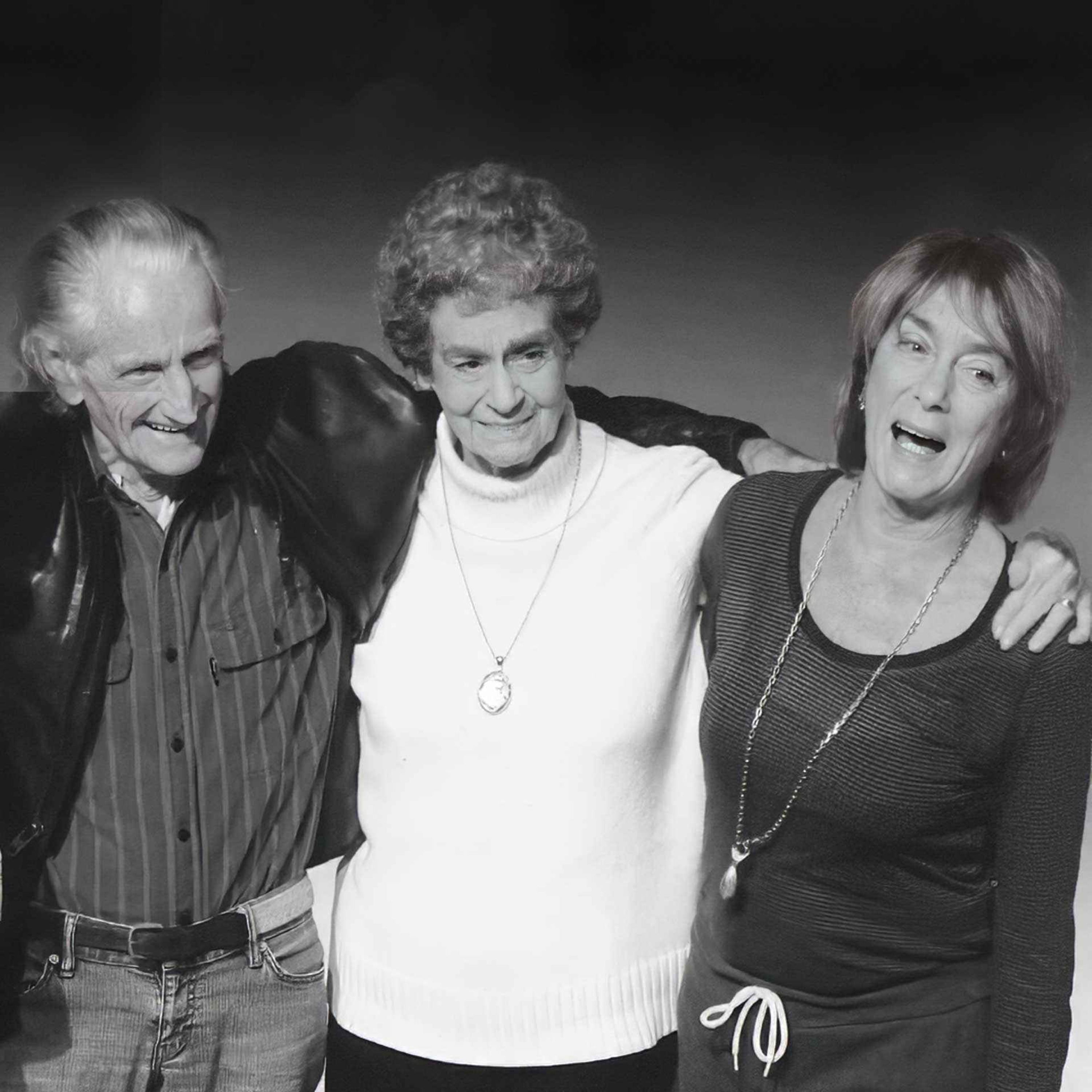
Celebrating Ninette de Valois: the founding of The Academy of Choregraphic Art

To celebrate the 100th anniversary of the founding of Ninette de Valois’ Academy for Choregraphic Art in March 1926, and to mark 25 years since her death, Patricia Linton talks to Dr Anna Meadmore, archivist at The Royal Ballet School. In the first of a series of special programmes across 2026, they discuss the early years of what would become the Vic-Wells, Sadler’s Wells Ballet School and then The Royal Ballet School. Hosted on Acast. See acast.com/privacy for more information.
38 minAbspielen in:

Di24Feb
Voices of British Ballet

Voices of British BalletHost

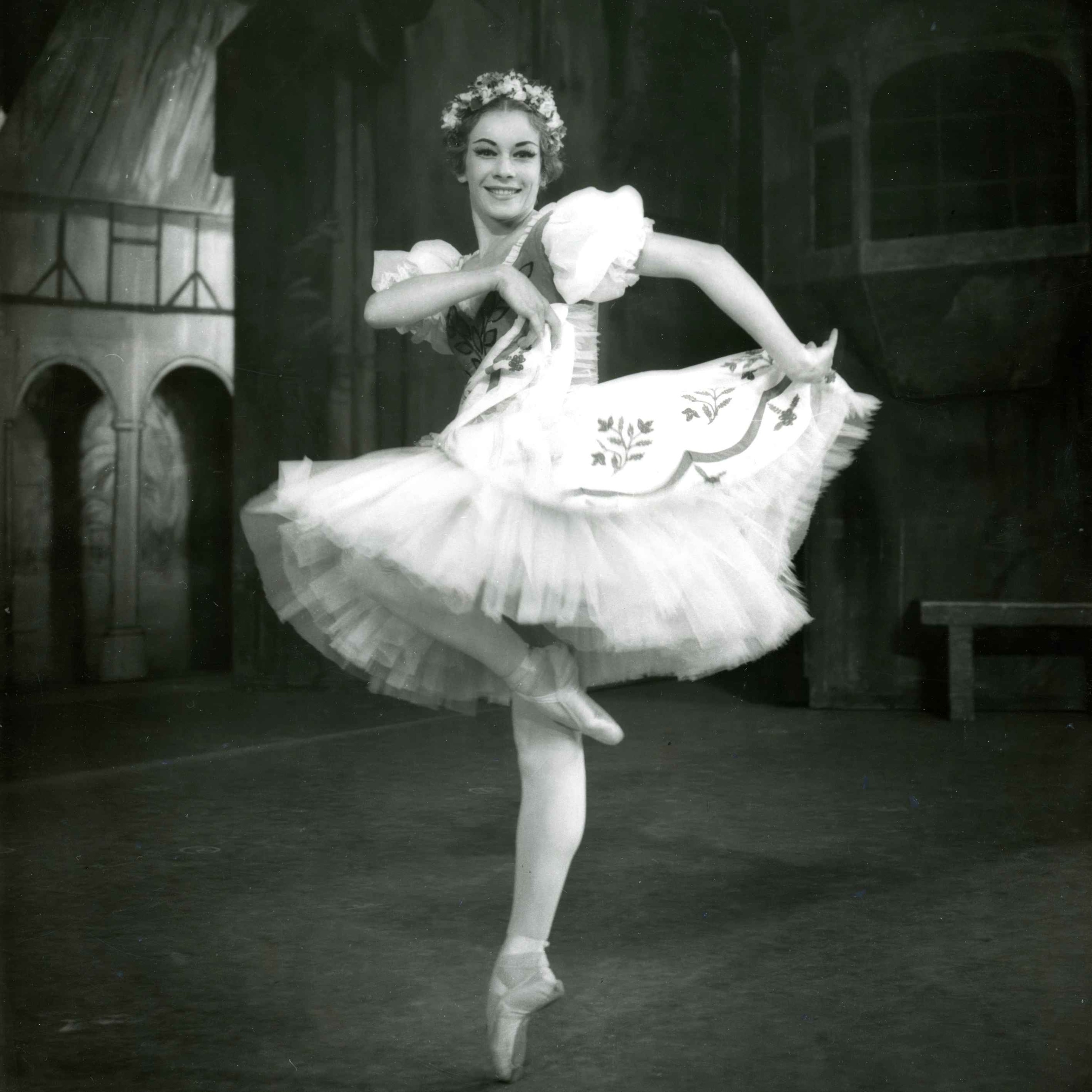
Anne Heaton

Anne Heaton’s career coincided with an upsurge in creative talent at the Sadler’s Wells Ballet. Observant and wide ranging she reflects on many things, not least the enigmatic choreographer, Andrée Howard. In this interview, which was recorded in 2003, she is talking to Patricia Linton, founder and director of Voices of British Ballet. The interview is introduced by Monica Mason. Anne Heaton was born in Rawalpindi, India, in 1930. She studied with Janet Cranmore in Birmingham from 1937 until 1943, and then with the Sadler’s Wells Ballet School. Her debut was with the Sadler’s Wells Opera in 1945 in a production of The Bartered Bride, and she became a soloist with Sadler’s Wells Theatre Ballet (SWTB) in 1946. That year, Heaton created roles in two ballets by Andrée Howard, Assembly Ball and Mardi Gras, and also in Celia Franca’s Khadra. In 1947, she created a role in Frederick Ashton’s Valses Nobles et sentimentales. She transferred to Sadler’s Wells Ballet at Covent Garden in 1948, where she specialised in romantic roles, for example, in Les Sylphides and Giselle. She performed again with SWTB when it was renamed The Royal Ballet Touring Company, creating the roles of the Woman in Kenneth MacMillan’s The Burrow in 1958 and the Wife in The Invitation in 1960. A foot injury caused her to resign from The Royal Ballet in 1959, but she continued to dance intermittently until 1962. Following her retirement from the stage, Heaton taught at the Arts Educational School and, from time to time, she staged ballets, including Giselle in Tehran in 1971. Having married Royal Ballet principal dancer John Field, who later became director of The Royal Ballet Touring Company, she co-directed the British Ballet Organization with him from 1984 until 1991. Field died in 1991 and Heaton in 2020. Hosted on Acast. See acast.com/privacy for more information.
22 minAbspielen in:

Di10Feb
Voices of British Ballet

Voices of British BalletHost

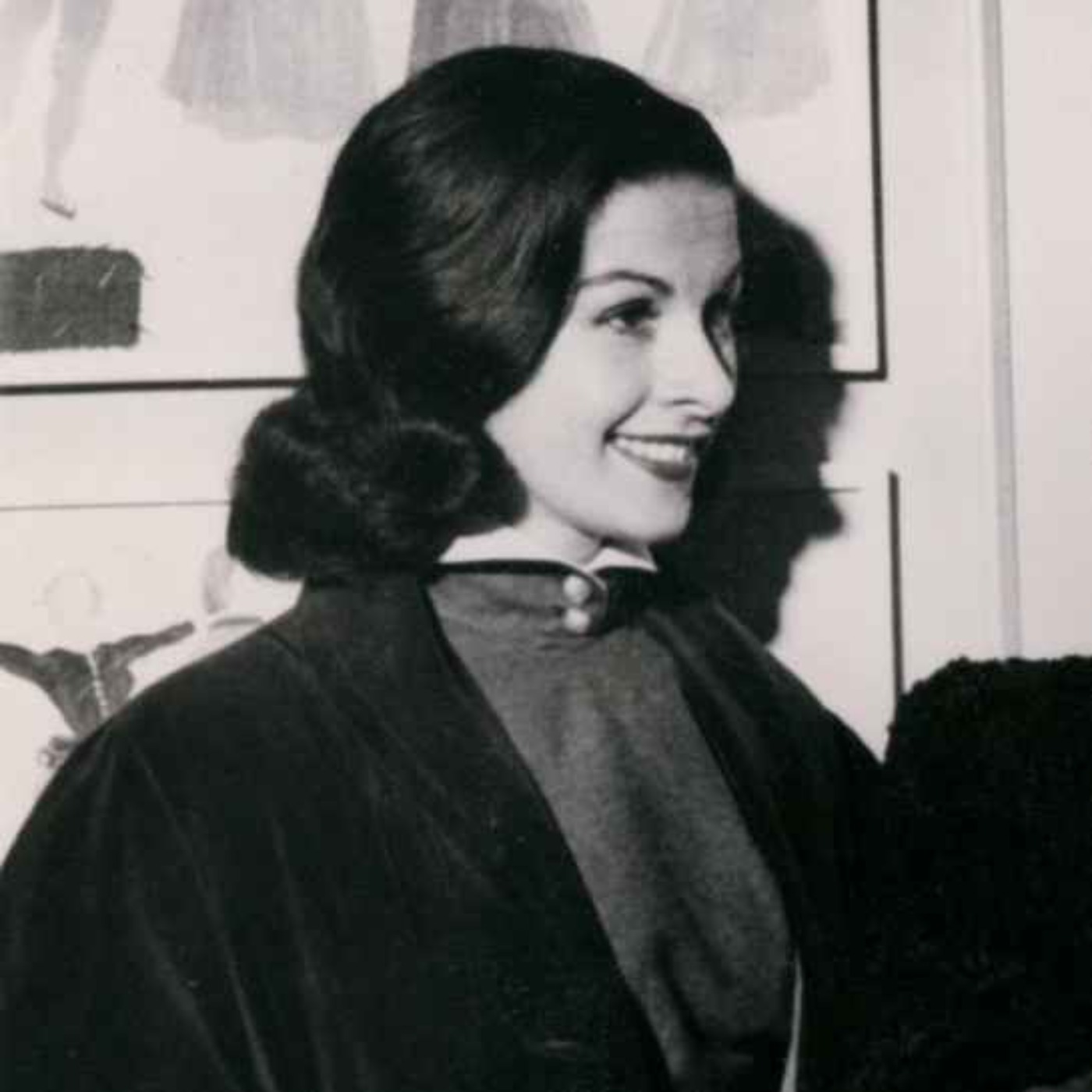
Henry Danton

In this extract, poor Henry Danton always seems to be running behind his talent – that is until he met the wonderful ballet teacher, Vera Volkova. However, before this and often against the odds, he managed to do quite a few things. From his early training with Judith Espinosa, he went on to work with Allied Ballet, International Ballet and, finally, Sadler’s Wells Ballet, and all this in the space of a few years. Candid and clear, something eventually went right as Henry continued to teach ballet into his 100th year. In this interview, recorded in 2004, Henry Danton talks to Patricia Linton, founder and director of Voices of British Ballet. The interview is introduced by Alastair Macaulay. Handsome and dashing, clever and full of life and good humour, Henry Danton was born into an army family in Bedford in 1919. He was educated as a King’s cadet at Wellington College. At first, Danton joined the army, but when on sick leave, following a back injury, he was introduced by a friend to the ballet teaching of Judith Espinosa. Almost overnight a new life unfolded for him. Although an avid ice skater, ballet had not been contemplated, but was “in his bones”, so to speak. After only 18 months of training, Danton joined the short-lived Allied Ballet, and then Mona Inglesby’s International Ballet. He joined the Sadler’s Wells Ballet in 1944. Here he began studying with Vera Volkova in her West Street Studio, and his lifelong passion and interest in Russian ballet training began. Volkova helped him to understand and fill in the gaps in his training. He was one of the original six dancers in Frederick Ashton’s Symphonic Variations at Covent Garden in 1946. From here he danced with various companies, including Les Ballets des Champs-Elysées, and toured the United States of America with Roland Petit’s Ballets de Paris. The USA became his home. He taught and choreographed extensively, both there and internationally, and was teaching at The Dance Studio with the Ballet Theatre of Scranton, Pennsylvania, until shortly before his death in 2022. The photograph shows Henry with Julia Farron and Gillian Lynne rehearsing a studio revival of Miracle in the Gorbals at White Lodge in 2011 photo courtesy of Marius Arnold Clarke Hosted on Acast. See acast.com/privacy for more information.
25 minAbspielen in:

Di27Jan
Voices of British Ballet

Voices of British BalletHost

Dianne Richards

Dianne Richards talks about skipping her dancing life, especially the start of London Festival (now English National) Ballet. Names from the world of Serge Diaghilev and his Ballets Russes, such as Alexandra Danilova, as well as Tamara Toumanova, Alicia Markova and Anton Dolin, weave through her very special company story and still cast a shimmering magic spell whenever mentioned. In conversation with Patricia Linton, founder and director of Voices of British Ballet, Dianne explains how, at the age of 14, she danced in a performance in her native Rhodesia (now Zimbabwe), in which Markova and Dolin were appearing as guest artists. When she was 16, Dianne came to England with her mother. Dolin remembered her and asked her to join London Festival Ballet (LFB), with whom she worked for 18 years. Dianne was soon dancing solos and was coached in the role of The Nutcracker’s Sugar Plum Fairy by Markova herself. With LFB Dianne toured the world, including long tours of North America where the company had their own train. A highlight was performing in Monte Carlo in 1956 for the wedding of Grace Kelly and Prince Rainier; another was Igor Stravinsky conducting Petrushka in Chicago and disagreeing with Dolin over tempi. She also recalls Charlie Chaplin pursuing Nathalie Krassovska in Paris. The interview is introduced by Deborah Weiss. Born in Rhodesia (Zimbabwe) in 1934, Dianne Richards studied under Majorie Sterman. She joined London Festival Ballet in 1951, becoming a soloist in 1955 and a principal in 1959. In a very full career with the company, she toured the world and worked with many famous dancers, including Alicia Markova, John Gilpin, Anton Dolin, Erik Bruhn, Serge Lifar, Alexandra Danilova, Tamara Karsavina, Irina Baronova and Tamara Toumanova. She also appeared as a guest artist with American Ballet Theatre from 1963 to 1964. Richards danced with Galina Samsova and Andre Prokovsky’s New London Ballet in 1972 and then with Scottish Theatre Ballet until 1974, when, at the age of 40, she retired from the stage. She then went to live in South Africa, and in her retirement taught from time to time, including at a newly opened academy in Hong Kong and, at the invitation of Robert de Warren, for Northern Ballet Theatre in England. Hosted on Acast. See acast.com/privacy for more information.
17 minAbspielen in:

Di6Jan
Voices of British Ballet

Voices of British BalletHost

Violetta Elvin

This episode is introduced by Dame Monica Mason. Violetta Elvin was one of Frederick Ashton’s favourite ballerinas. She was born Violetta Prokhorova in Russia. Here, in this interview with Patricia Linton, founder and director of Voices of British Ballet, Violetta traces her evacuation to Tashkent at the start of World War II and how she returned, via Kuibyshev, to Moscow to join the Bolshoi Ballet. Despite being warned by the authorities not to talk to foreigners, she married the British diplomat Harold Elvin and managed to come to London in 1946. Only weeks after her arrival she joined the Sadler’s Wells Ballet at Covent Garden and danced the “Blue Bird” pas de deux on the second night of their opening production of The Sleeping Beauty. The interview is introduced by Monica Mason. A dancer of rare beauty, Violetta Prokhorova was born in 1923. She trained at the Bolshoi Ballet School in Moscow and joined the Bolshoi Ballet in 1942, following her graduation performance, for which she was coached by Galina Ulanova. When Moscow was evacuated and the Bolshoi was scattered, she danced as a ballerina with the State Theatre of Tashkent. In 1944 she re-joined the Bolshoi in Kuibyshev, on the Volga, where she fell in love with a young Englishman, Harold Elvin. The Bolshoi returned to Moscow in early 1945. She danced with the Stanislavsky Ballet for a year, then married Elvin and obtained permission from Joseph Stalin to leave Russia. Once in London Violetta started training with Vera Volkova, where she was seen by Ninette de Valois and immediately offered a place in the Sadler’s Wells Ballet. She adored and was true to her Russian training, but with her intelligence and sensitivity she was able to fit in beautifully with the British repertoire. From the Black Queen in de Valois’ Checkmate, through all the classical ballerina roles to Roland Petit’s Ballabile in 1950, Violetta Elvin as she was now known, danced with exquisite vivacity, a hint of exoticism and always impeccable port de bras. Frederick Ashton created several roles for her, notably the Summer Fairy in Cinderella (1948), Lykanion in Daphnis and Chlöe (1951), and one of the seven ballerinas in Birthday Offering (1956). For a decade Violetta Elvin was a unique and irreplaceable member of the developing Sadler’s Wells Ballet. She went to live in Italy in 1956, and although she guested with several companies, including La Scala, Milan (where she performed alongside soprano Maria Callas) in 1952 and 1953, and briefly directed the Ballet of the Teatro San Carlo in Naples in 1985, she retired from ballet when her heart called her elsewhere. Hosted on Acast. See acast.com/privacy for more information.
15 minAbspielen in:

Di23Dez 25
Voices of British Ballet

Voices of British BalletHost

Ernest Tomlinson

In this no-nonsense, down-to-earth account of writing music for Northern Ballet Theatre’s production of Aladdin, choreographed by Laverne Meyer in 1974, composer Ernest Tomlinson talks to Patricia Linton, founder and director of Voices of British Ballet. The interview is introduced by Stephen Johnson. Ernest Tomlinson was a British composer, well known for his contributions to light music and for founding The Library of Light Orchestral Music (which prevented the loss of 50,000 works released from the BBC’s archive and other collections). He wrote the music for the ballet Aladdin for Northern Ballet Theatre in 1974. Tomlinson was born in 1924, in Rawtenstall, Lancashire. His parents were musical, and he sang as a chorister at Manchester Cathedral. After a grammar school education, he studied at Manchester University and the Royal Manchester School of Music, with a break for war service in the RAF. He moved to London after graduation in 1947, working first for music publishers. In 1955, after some of his compositions had been performed by the BBC, he formed his own orchestra – the Ernest Tomlinson Light Orchestra – and set out on a highly successful freelance career as a prolific composer, conductor and director of choirs and orchestras. He was particularly concerned to counter the notion of a strict division between art music and popular music. His own Sinfonia 62 was written for jazz band and symphony orchestra, while his Symphony 65 was performed at festivals in London and Munich and in the Soviet Union in 1966, where it was the first symphonic jazz to be heard there. In 1975, Tomlinson won his second Ivor Novello Award for his ballet, Aladdin. Among many other professional appointments, he was the chairman of the Light Music Society from 1966 until 2009. Ernest Tomlinson was appointed an MBE for his services to music in 2012. Hosted on Acast. See acast.com/privacy for more information.

16 minAbspielen in:

Di16Dez 25
Voices of British Ballet

Voices of British BalletHost

Patrick Harding-Irmer

Here is Patrick Harding-Irmer proving that it is never too late to start dancing. He says, in this interview with Patricia Linton, founder and director of Voices of British Ballet, he only began to take dance classes at the age of 24 but was soon working in dance commercially. In 1972, inspired by a visit to Australia by Nederlands Dans Theater, he came to Europe, where he fell under the spell of the Martha Graham technique and the teaching of Robert Cohan at London Contemporary Dance Theatre (LCDT). After nine months performing with the X Group, he joined the main LCDT, going on the be voted Best Contemporary Dancer in Europe in 1985. This interview was recorded in Sydney, Australia, in 2006 and is introduced by Kenneth Olumuyiwa Tharp. Patrick Harding-Irmer was born in Munich in 1945, where his Australian mother had been working in dance and choreography. After World War Two, she and he returned to Australia. In 1964 he represented Australia in the World Surfing Championships, and then began to study arts at Sydney University. At the age of 24 he began to take dance classes and to dance commercially. In 1972, inspired by a performance by Nederlands Dans Theater on tour in Australia, he travelled to Europe and began studying at London Contemporary Dance School, specialising in Martha Graham technique. That same year he joined the X Group of the London Contemporary Dance Theatre (LCDT), which included five dancers who toured the UK and abroad, demonstrating and teaching Graham technique. In 1973, after nine months with the X Group, Harding-Irmer joined the main company of LCDT. In 1985 he was voted Best Contemporary Dancer in Europe. He returned to Australia in 1990, and has subsequently taught, and also worked with Australian Dance Artists, a group of mature performers dancing their own creations in different settings. Hosted on Acast. See acast.com/privacy for more information.

21 minAbspielen in: