Bekomm eine E-Mail, wenn Mike in einem Podcast zu Gast istPodAppear prüft neue Folgen, sobald sie erscheinen, und lässt die weg, in denen Mike nur erwähnt wird. Bis zu 15 Personen kostenlos, ohne Kreditkarte.Bis zu 15 Personen kostenlos, ohne Kreditkarte.
Mike kostenlos folgen
MJ

Mike Jesowshek

Zwei Jahre auf Sendung

GastHostErwähnt

Selbst moderierte Folgen

Mi25Nov
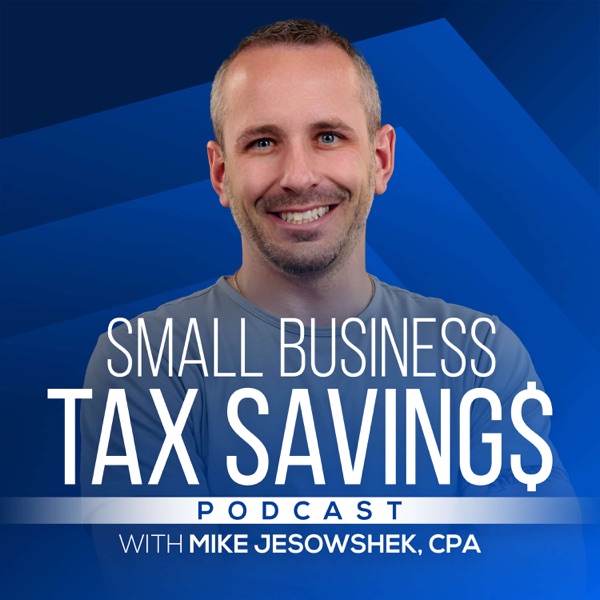
Small Business Tax Savings Podcast

Small Business Tax Savings PodcastHost

2026 Year-End Tax Planning Checklist: What to Do Before December 31

2026 Year-End Tax Planning Checklist: What to Do Before December 31 Are you waiting until tax season to think about your taxes? By then, it may be too late to take advantage of some of the biggest tax savings opportunities. In this episode, Mike Jesowshek, CPA, walks through a 2026 year-end tax planning checklist for small business owners. From S Corp elections and accountable plans to business deductions, retirement contributions, and advanced tax strategies, Mike breaks down what you need to review, what needs to be done before December 31, and how to implement these strategies correctly to lower your tax bill. 👉Find out how much your business could save in taxes: TaxSavingsPodcast.com/scorecard  🚀 Book your free demo call today. Click here or visit: https://taxelm.com/demo/ [00:00] Why Year-End Tax Planning Matters Understand the difference between tax planning and tax preparation, why December 31 matters, and how to use this checklist to identify missed tax savings opportunities. [04:00] Business Structure and S Corp Requirements Review your business structure, S Corp elections, reasonable salary, health insurance reporting, capitalization policies, and board meetings. [12:00] Reimbursements and Payments to Complete Before Year-End Learn how to properly implement accountable plans, home office deductions, vehicle reimbursements, the Augusta Rule, hiring your kids, and medical expense reimbursements. [21:00] Maximizing Deductions, Savings, and Investments Explore business deductions, equipment purchases, bonus depreciation, retirement contributions, HSAs, real estate, and charitable giving. [29:00] Advanced Tax Strategies for High-Income Earners Understand how adjusted gross income affects tax deductions and explore advanced strategies involving asset purchases, oil and gas investments, and captive insurance. [34:00] Year-End Tax Checklist Recap and Common Mistakes Review the year-end checklist, see a practical tax savings example, and learn how to avoid common mistakes when implementing tax strategies. Podcast Host: Mike Jesowshek, CPA – Founder and Host of Small Business Tax Savings Podcast Join TaxElm: https://taxelm.com 🚀 Visit:  https://www.TaxSavingsPodcast.com  🚀 Check Out TaxElm: https://taxelm.com/ 🚀 Join our Free Facebook Group: https://www.facebook.com/groups/taxsavings/ 🚀 YouTube: www.TaxSavingsTV.com 👋🏼 GET IN TOUCH You can Tweet @MJesowshek with any feedback, ideas, or thoughts about the lessons you've learned from the episodes. We want to thank you personally for tuning in 🙏 🙌LEAVE A REVIEW If you enjoy the podcast, please leave a 5-star review on Apple Podcasts or Spotify—it helps more business owners find the show ⭐

41 minAbspielen in:

Mi11Nov
Small Business Tax Savings Podcast

Small Business Tax Savings PodcastHost

Advanced Year-End Tax Strategies for High-Income Business Owners

You've implemented the basic tax strategies, but you're still facing a large tax bill. What else can you do to lower your taxes before December 31? In this episode, Mike Jesowshek, CPA, breaks down advanced year-end tax strategies designed for high-income business owners who have already maximized their core tax savings opportunities. From real estate depreciation and advanced retirement plans to charitable donations, asset purchases, and tax-advantaged investments, Mike explains how these strategies work, who they're best suited for, and what to consider before implementing them. 👉Find out how much your business could save in taxes: TaxSavingsPodcast.com/scorecard  🚀 Book your free demo call today. Click here or visit: https://taxelm.com/demo/ [00:00] Why Business Owners Should Consider Advanced Tax Strategies Learn the difference between core and advanced tax strategies, why higher-income business owners may need additional planning, and why December 31 is a critical deadline for maximizing tax savings. [04:40] How Real Estate Can Help Reduce Your Tax Bill Understand how real estate professional status, short-term rentals, and self-rental strategies can help offset business or W-2 income, plus how cost segregation and bonus depreciation create larger upfront deductions. [13:40] Advanced Retirement Strategies for High-Income Business Owners Learn how cash balance plans can increase retirement contributions beyond a traditional 401(k), and when Roth conversions could provide long-term tax advantages. [16:00] How Donating Appreciated Assets Can Save You Taxes Discover how donating appreciated stocks, cryptocurrency, and other assets instead of cash can help reduce capital gains taxes while supporting charitable causes. [18:00] Using Asset Purchases and 100% Bonus Depreciation Learn how qualifying business equipment, vehicles, and other income-producing assets can generate significant first-year deductions, and why material participation and long-term planning matter. [21:40] Tax-Advantaged Investments: Oil, Gas, and Opportunity Zones Explore how oil and gas investments can generate upfront deductions, how Qualified Opportunity Zones can provide tax benefits, and why investment risks should always come before potential tax savings. [26:00] How Captive Insurance Can Benefit Profitable Businesses Understand how captive insurance allows businesses to cover certain risks, potentially create tax advantages, and why proper documentation and IRS compliance are essential. [33:30] Common Year-End Tax Planning Mistakes to Avoid Avoid skipping foundational tax strategies, making unnecessary purchases for deductions, missing December 31 deadlines, and failing to maintain the documentation needed to support your tax savings. Podcast Host: Mike Jesowshek, CPA – Founder and Host of Small Business Tax Savings Podcast Join TaxElm: https://taxelm.com 🚀 Visit:  https://www.TaxSavingsPodcast.com  🚀 Check Out TaxElm: https://taxelm.com/ 🚀 Join our Free Facebook Group: https://www.facebook.com/groups/taxsavings/ 🚀 YouTube: www.TaxSavingsTV.com 👋🏼 GET IN TOUCH You can Tweet @MJesowshek with any feedback, ideas, or thoughts about the lessons you've learned from the episodes. We want to thank you personally for tuning in 🙏 🙌LEAVE A REVIEW If you enjoy the podcast, please leave a 5-star review on Apple Podcasts or Spotify—it helps more business owners find the show ⭐

38 minAbspielen in:

Mi16Sep
Small Business Tax Savings Podcast

Small Business Tax Savings PodcastHost

Business Vehicle Tax Deductions: What You Can Write Off in 2026

Are you missing out on a business vehicle deduction, or claiming more than you’re actually allowed? In this episode, Mike Jesowshek explains how business vehicle deductions work, including the difference between the standard mileage and actual expense methods. He also breaks down the 6,000-pound vehicle rule, business versus personal mileage, vehicle ownership, and the records you need to protect your deduction. You’ll learn how to choose the right deduction method, avoid costly mistakes, and turn legitimate business driving into a defensible tax strategy. 👉Find out how much your business could save in taxes. TaxSavingsPodcast.com/scorecard  🚀 Book your free demo call today. Click here or visit: https://taxelm.com/demo/ 00:00 How Business Vehicle Tax Deductions Work Vehicle deductions should begin with a legitimate business purpose, not the type of vehicle you want to purchase. Business use determines the deduction, regardless of whose name is on the title or whether the vehicle displays your company logo. 02:29 Standard Mileage vs. Actual Expenses The standard mileage method provides a set deduction for each documented business mile. The actual expense method deducts the business-use portion of costs such as fuel, insurance, repairs, lease payments, interest, and depreciation. 05:20 How to Choose the Right Deduction Method Compare your expected mileage, business-use percentage, purchase price, operating costs, and potential deductions over several years. 06:55 The 6,000-Pound Vehicle Tax Strategy Vehicles with a gross vehicle weight rating above 6,000 pounds may qualify for different depreciation treatment. But the available deduction still depends on business use, vehicle classification, taxable income, and the depreciation method used. 09:45 Should the Vehicle Be in Your Personal or Business Name? A vehicle doesn’t always need to be titled in the company’s name to qualify for a deduction. Personally owned vehicles may be reimbursed for business use, while personal use of a company-owned vehicle may need to be treated as a taxable fringe benefit. 12:30 What Counts as Business Mileage? Driving between your home and regular office is generally considered commuting. Trips between business locations, client meetings, job sites, suppliers, and other qualifying destinations may count as deductible business mileage. 15:15 The Records You Need to Protect Your Deduction Business owners should track the date, destination, purpose, and mileage of every business trip. Mileage records are necessary even when using the actual expense method because they support the vehicle’s business-use percentage. 19:00 How to Claim the Vehicle Deduction Sole proprietors and single-member LLCs generally claim vehicle expenses on Schedule C. S Corporation owners may deduct a company-owned vehicle’s expenses through the business or use an accountable plan to reimburse business use of a personally owned vehicle. 20:20 Business Vehicle Deduction Checklist Establish the vehicle’s business purpose, estimate business and personal mileage, compare both deduction methods, check the vehicle’s weight rating, and consider whether buying or leasing makes more sense. 22:00 Avoid This Expensive Vehicle Tax Mistake A deductible vehicle isn’t free. Before purchasing an expensive truck or SUV for the write-off, calculate the actual tax savings and make sure the vehicle is something the business genuinely needs. Podcast Host: Mike Jesowshek, CPA – Founder and Host of Small Business Tax Savings Podcast Join TaxElm: https://taxelm.com 🚀 Visit:  https://www.TaxSavingsPodcast.com  🚀 Check Out TaxElm: https://taxelm.com/ 🚀 Join our Free Facebook Group: https://www.facebook.com/groups/taxsavings/ 🚀 YouTube: www.TaxSavingsTV.com 👋🏼 GET IN TOUCH You can Tweet @MJesowshek with any feedback, ideas, or thoughts about the lessons you've learned from the episodes. We want to thank you personally for tuning in 🙏 🙌LEAVE A REVIEW If you enjoy the podcast, please leave a 5-star review on Apple Podcasts or Spotify—it helps more business owners find the show ⭐

25 minAbspielen in:

Mi22Jul
Small Business Tax Savings Podcast

Small Business Tax Savings PodcastHost

Are Your Business Expenses Audit-Ready? With Shoeboxed Owner Doug Breaker

👉 Ready to simplify your recordkeeping? Check out Shoeboxed to organize receipts, track mileage, and keep your business expenses audit-ready. Visit https://referrals.shoeboxed.com/mb4p7wl1ithi You could qualify for thousands of dollars in tax deductions, but without the right documentation, the IRS could take them away. Mike sits down with Doug Breaker, owner of Shoeboxed, to explain how proper recordkeeping helps business owners protect their tax deductions. They break down what to document for receipts, meals, mileage, home offices, and business travel, how long to keep your records, and how simple tracking systems can help you stay organized and audit-ready. 👉Find out how much your business could save in taxes. TaxSavingsPodcast.com/scorecard  🚀 Book your free demo call today. Click here or visit: https://taxelm.com/demo/ Chapters:  01:00 Doug Breaker’s Journey to Owning Shoeboxed Doug explains how he went from working as a corporate CEO to purchasing Shoeboxed and becoming a business owner. 05:00 How Shoeboxed Simplifies Recordkeeping Doug shares how Shoeboxed helps business owners digitize receipts, automatically collect expense information, and classify business mileage. 06:00 What Counts as Proper Documentation? Receipts should capture details such as the date, vendor, amount, and business purpose, while mileage logs require the date, destination, mileage, and purpose of the trip. 11:00 How to Organize a Backlog of Receipts Business owners with years of disorganized receipts should begin by digitizing recent records and creating a consistent process for tracking new expenses. 15:00 What an Audit-Ready Mileage Log Should Include A proper mileage log should record the date, destination, miles driven, and business purpose of each trip rather than relying on an annual estimate. 19:00 How Long Should You Keep Business Tax Records? Doug recommends keeping receipts, mileage logs, and supporting documentation for at least three years in a secure and accessible location. 22:00 When Driving From Home Becomes Deductible Mileage Driving from home to a regular workplace is generally commuting, but traveling from a qualifying home office to another business location can create deductible mileage. 27:00 Deducting Expenses Before a Business Makes Money Expenses incurred before a business begins operating may be treated as startup costs. Establishing a paying customer can help show that the business has moved into its operational stage. 32:00 Why Better Recordkeeping Protects Your Tax Savings Consistently tracking every receipt and business mile helps protect deductions, reduce audit anxiety, and keep more money in the business. Podcast Host: Mike Jesowshek, CPA – Founder and Host of Small Business Tax Savings Podcast Join TaxElm: https://taxelm.com 🚀 Visit:  https://www.TaxSavingsPodcast.com  🚀 Check Out TaxElm: https://taxelm.com/ 🚀 Join our Free Facebook Group: https://www.facebook.com/groups/taxsavings/ 🚀 YouTube: www.TaxSavingsTV.com 👋🏼 GET IN TOUCH You can Tweet @MJesowshek with any feedback, ideas, or thoughts about the lessons you've learned from the episodes. We want to thank you personally for tuning in 🙏 🙌LEAVE A REVIEW If you enjoy the podcast, please leave a 5-star review on Apple Podcasts or Spotify—it helps more business owners find the show ⭐ 🎙 ABOUT THE PODCAST The Small Business Tax Savings Podcast is your go-to resource for cutting-edge tax strategies to help entrepreneurs legally slash their tax bills. Hosted by Mike Jesowshek, CPA, this show breaks down complex tax topics into clear, no-fluff insights so you can keep more of your hard-earned money.

34 minAbspielen in:

Mi15Jul
Small Business Tax Savings Podcast

Small Business Tax Savings PodcastHost

How Rental Properties Create Tax-Free Cash Flow

Can a rental property put $30,000 in your pocket without adding $30,000 to your taxable income? Let’s talk about rental property tax strategies Mike explains how rental real estate can create tax savings even when you can’t use rental losses to offset your business or W-2 income.  He breaks down the difference between cash flow and taxable income, how depreciation can shelter rental income, and what happens to suspended passive losses. He also covers short-term rental rules, real estate professional status, common entity mistakes, and the key questions to ask before buying a rental property. 👉Find out how much your business could save in taxes. TaxSavingsPodcast.com/scorecard  🚀 Book your free demo call today. Click here or visit: https://taxelm.com/demo/ Chapters:  00:00 How Rental Properties Create Tax Savings Rental properties don’t need to generate a usable tax loss to provide tax benefits. Depreciation and other deductions can allow investors to earn positive cash flow without reporting the same amount as taxable income. 02:15 What Happens When You Can’t Use a Rental Loss? Rental losses are generally passive and can’t usually offset W-2 or active business income. Unused losses are  suspended until they can offset passive income or be used when the property is sold. 05:15 Rental Cash Flow vs. Taxable Income Cash flow is the money that reaches your pocket, while taxable income is the amount the IRS taxes.  06:15 How $30,000 of Rental Cash Flow Could Create No Taxable Income A business owner earning $200,000 could receive another $30,000 in rental cash flow while still reporting around $200,000 of taxable income. Depreciation and rental deductions could shelter the additional income. 08:45 When Rental Losses Can Offset Active Income Short-term rental treatment, real estate professional status, and certain active participation rules can allow rental losses to offset W-2 or business income. 12:30 How Rental Property Depreciation Works Residential rental buildings are generally depreciated over 27.5 years, while commercial properties are depreciated over 39 years.  14:45 Why You Shouldn’t Hold Rental Property in an S Corporation Rental properties are commonly held in LLCs for liability protection, but generally shouldn’t be placed inside an S corporation. Active business operations and passive rental activities should also be kept legally separate. 17:15 Building a Complete Rental Property Tax Strategy A strong rental strategy combines positive cash flow, depreciation, expense tracking, appreciation, debt paydown, suspended losses, and potential strategies such as hiring your children or completing a 1031 exchange. 19:15 Four Questions to Ask Before Buying a Rental Property Before investing, determine whether the property makes sense without the tax benefits, what its cash flow will be after debt payments, how much income will be taxable, and whether any rental losses can be used immediately or will be suspended. Podcast Host: Mike Jesowshek, CPA – Founder and Host of Small Business Tax Savings Podcast Join TaxElm: https://taxelm.com 🚀 Visit:  https://www.TaxSavingsPodcast.com  🚀 Check Out TaxElm: https://taxelm.com/ 🚀 Join our Free Facebook Group: https://www.facebook.com/groups/taxsavings/ 🚀 YouTube: www.TaxSavingsTV.com 👋🏼 GET IN TOUCH You can Tweet @MJesowshek with any feedback, ideas, or thoughts about the lessons you've learned from the episodes. We want to thank you personally for tuning in 🙏 🙌LEAVE A REVIEW If you enjoy the podcast, please leave a 5-star review on Apple Podcasts or Spotify—it helps more business owners find the show ⭐ 🎙 ABOUT THE PODCAST The Small Business Tax Savings Podcast is your go-to resource for cutting-edge tax strategies to help entrepreneurs legally slash their tax bills. Hosted by Mike Jesowshek, CPA, this show breaks down complex tax topics into clear, no-fluff insights so you can keep more of your hard-earned money.

23 minAbspielen in:

Warum PodAppear

Folge Menschen, nicht Podcasts.

Du hast Mike in einer Sendung gehört. PodAppear findet für dich die nächste, und genauso für alle anderen, die du hören willst.

  • Eine Meldung, wenn die Person zu Gast istPer E-Mail: sofort oder gebündelt als Tages- oder Wochenübersicht. Dann nur noch auf Play drücken.
  • Gäste statt bloßer ErwähnungenFolgen, in denen ein Name nur fällt, landen getrennt. Eine Meldung heißt: Die Person ist wirklich in der Sendung.
  • Alle in einem FeedGründerinnen, Autoren, Sportler, Forscherinnen. Folge allen mit Namen, quer durch jede Sendung, in der sie auftreten.

Bis zu 15 Personen kostenlos, ohne Kreditkarte.

Mi8Jul
Small Business Tax Savings Podcast

Small Business Tax Savings PodcastHost

Oil & Gas Tax Investing: The Strategy High-Income Business Owners Should Understand

👉 Interested in learning more about oil and gas investing?  Email us at ask@taxsavingspodcast.com and we’ll connect you with Nick White and the team at US Energy. Big tax deduction or risky investment? Oil and gas investing can be a powerful tax strategy for high-income business owners, but it’s not something to jump into just because you want a write-off. In this episode, Mike sits down with Nick White from US Energy to break down how oil and gas investing works, where the tax benefits come from, and why intangible drilling costs can create a large first-year deduction. They cover who is a good fit, how these investments can potentially offset W-2 income, business income, K-1 income, and capital gains, what the return and cash flow profile may look like, and the key risks investors need to understand before getting involved.  👉 Get the Free Tax Savings Starter Kit Built for Small Business Owners: https://www.taxsavingspodcast.com/starterkit 🚀 Book your free demo call today. Click here or visit: https://taxelm.com/demo/ Chapters:  01:00 How Oil and Gas Investing Creates Tax Benefits Oil and gas investing is built around government incentives for domestic energy production. Investors who participate directly in drilling funds may be able to receive large first-year deductions through intangible drilling costs. 06:00 Intangible Drilling Costs Explained Intangible drilling costs include expenses tied to the drilling process that do not have a depreciation schedule, such as labor, roads, and hydraulic fracturing. These costs can help create a large year-one deduction for qualified investors. 07:45 Offsetting W-2, Business, K-1, and Capital Gains Income Unlike many real estate losses, oil and gas deductions may be able to offset active income, including W-2 income, business income, K-1 income, and capital gains. This is one reason the strategy is often discussed with high-income earners. 09:15 Who is Oil and Gas Investing a Good Fit For? Oil and gas investing is generally geared toward accredited investors, including individuals with at least $1 million in net worth excluding their primary residence, or income of at least $200,000 for single filers and $300,000 for joint filers. 11:15 Key Risks Investors Need to Understand Oil and gas investing comes with real risks, including drilling risk, pricing risk, concentration risk, and company structure risk. Look closely at debt levels, drilling strategy, diversification, and whether the company is focused on proven production areas. 17:00 Timing Your Investment Before Year-End While an investment may qualify if completed by December 31, starting earlier gives investors more time to understand the deal, plan properly, and avoid rushed year-end decisions. 23:30 QBI, SALT, and Phaseout Planning Oil and gas deductions may help business owners reduce taxable income enough to phase back into other tax benefits, such as the qualified business income deduction or state and local tax deductions. 26:00 Common Mistakes When Evaluating Oil and Gas Deals Not every deal is structured the same way. Investors should avoid chasing deductions blindly and instead evaluate the partnership structure, use of debt, drilling approach, technology, risk profile, and long-term cash flow potential. Disclaimer: This episode was not sponsored. This conversation is for educational purposes only and is not investment, legal, or tax advice. It is not a recommendation or endorsement of any specific company, fund, security, or oil and gas offering. Oil and gas investments may involve substantial risk, illiquidity, commodity price volatility, operational risk, tax complexity, and possible loss of principal. Tax treatment depends on each taxpayer’s facts, investment structure, at-risk basis, passive activity rules, and professional advice. Past results do not guarantee future results. Podcast Host: Mike Jesowshek, CPA – Founder and Host of Small Business Tax Savings Podcast Join TaxElm: https://taxelm.com 🚀 Visit:  https://www.TaxSavingsPodcast.com  🚀 Check Out TaxElm: https://taxelm.com/ 🚀 Join our Free Facebook Group: https://www.facebook.com/groups/taxsavings/ 🚀 YouTube: www.TaxSavingsTV.com 👋🏼 GET IN TOUCH You can Tweet @MJesowshek with any feedback, ideas, or thoughts about the lessons you've learned from the episodes. We want to thank you personally for tuning in 🙏 🙌LEAVE A REVIEW If you enjoy the podcast, please leave a 5-star review on Apple Podcasts or Spotify—it helps more business owners find the show ⭐ 🎙 ABOUT THE PODCAST The Small Business Tax Savings Podcast is your go-to resource for cutting-edge tax strategies to help entrepreneurs legally slash their tax bills. Hosted by Mike Jesowshek, CPA, this show breaks down complex tax topics into clear, no-fluff insights so you can keep more of your hard-earned money.

31 minAbspielen in:

Mi1Jul
Small Business Tax Savings Podcast

Small Business Tax Savings PodcastHost

Trump Accounts Explained: Gimmick or New Savings Tool for Kids?

Free money for kids? Not so fast. Trump Accounts could become one of the newest long-term wealth-building tools for families, but you need to understand how they work, who qualifies, and how they fit into a bigger tax and investment strategy. In this episode, Mike breaks down everything you need to know about the Trump Accounts. He covers the contribution rules, tax-deferred growth, employer contribution opportunities, Roth conversion planning, and how Trump Accounts compare to 529 plans, Roth IRAs, custodial accounts, and brokerage accounts.  👉 Get the Free Tax Savings Starter Kit Built for Small Business Owners: https://www.taxsavingspodcast.com/starterkit 🚀 Book your free demo call today. Click here or visit: https://taxelm.com/demo/ Chapters: 01:00 What Are Trump Accounts? Trump Accounts are new savings vehicles for children under 18, created under the One Big Beautiful Bill Act. They are designed to encourage early investing, long-term compounding, and tax-deferred growth. 02:25 The $1,000 Government Seed Contribution Children born between 2025 and 2028 may qualify for a $1,000 federal contribution. This is not spending money; it is long-term investment capital placed into the child’s Trump Account. 03:30 Contribution Rules and Tax Treatment Families can contribute up to $5,000 per year until the child turns 18. Contributions are not tax-deductible, but the growth inside the account is tax-deferred. 05:30 Roth Conversion Planning for Trump Accounts Once the child reaches adulthood, the account transitions into a traditional IRA structure. Low-income years may create an opportunity to convert portions into a Roth IRA. 09:15 Trump Accounts vs. 529 Plans and Roth IRAs for Kids 529 plans focus on education, while Trump Accounts focus on long-term wealth building. Roth IRAs are still a strong option for kids with earned income, but Trump Accounts can help fill the gap when a child does not qualify yet.  12:25 Downsides of Trump Accounts Trump Accounts are not perfect for every family. Funds are locked up until adulthood, the child eventually controls the account, investment choices may be limited, and future taxation still needs to be planned for. 13:35 The Stacking Strategy for Family Wealth Planning Families do not have to rely on just one account type. A 529 plan, Roth IRA, Trump Account, brokerage account, or custodial account can each serve a different purpose depending on the family’s goals and cash flow. 14:40 Final Strategy Thoughts on Trump Accounts Trump Accounts may not be an automatic fit for everyone, but they should be considered as part of a larger family wealth plan, especially for children eligible for the $1,000 government contribution. Podcast Host: Mike Jesowshek, CPA – Founder and Host of Small Business Tax Savings Podcast Join TaxElm: https://taxelm.com 🚀 Visit:  https://www.TaxSavingsPodcast.com  🚀 Check Out TaxElm: https://taxelm.com/ 🚀 Join our Free Facebook Group: https://www.facebook.com/groups/taxsavings/ 🚀 YouTube: www.TaxSavingsTV.com 👋🏼 GET IN TOUCH You can Tweet @MJesowshek with any feedback, ideas, or thoughts about the lessons you've learned from the episodes. We want to thank you personally for tuning in 🙏 🙌LEAVE A REVIEW If you enjoy the podcast, please leave a 5-star review on Apple Podcasts or Spotify—it helps more business owners find the show ⭐ 🎙 ABOUT THE PODCAST The Small Business Tax Savings Podcast is your go-to resource for cutting-edge tax strategies to help entrepreneurs legally slash their tax bills. Hosted by Mike Jesowshek, CPA, this show breaks down complex tax topics into clear, no-fluff insights so you can keep more of your hard-earned money.

19 minAbspielen in:

Mi17Jun
Small Business Tax Savings Podcast

Small Business Tax Savings PodcastHost

How to Choose the Right Retirement Plan for Your Business

Stop treating your retirement like a someday problem…For business owners, the right plan can be a valuable tax strategy. But too many entrepreneurs wait too long, choose the wrong plan, or assume a 401(k) is only for big companies.  In this episode, Mike sits down with Matt Ruttenberg to explain how retirement plans work for small business owners. They break down the differences between SEP IRAs, SIMPLE IRAs, solo 401(k)s, safe harbor 401(k)s, and defined benefit plans, plus the questions you should ask before choosing a plan, including your contribution goals, employee needs, cost, timing, and tax savings potential. 🚀 Ready to find the right retirement plan for your business? Start here: https://lifeincrs.com/tax-savings-podcast 👉 Get the Free Tax Savings Starter Kit Built for Small Business Owners: https://www.taxsavingspodcast.com/starterkit 🚀 Book your free demo call today. Click here or visit: https://taxelm.com/demo/ Chapters 00:00 Why Retirement Planning Matters for Business Owners The wrong retirement plan can cost business owners tax savings, growth, and long-term financial security. 01:20 Retirement Plan Options for Business Owners A breakdown of SEP IRAs, SIMPLE IRAs, solo 401(k)s, safe harbor 401(k)s, defined benefit plans, and executive plans. 02:00 How to Choose the Right Plan The right plan depends on the owner’s goals, employee needs, contribution targets, and tax strategy. 04:30 Retirement Plans for Businesses With Employees Traditional 401(k)s, SIMPLE IRAs, state retirement programs, and safe harbor plans can help businesses offer employee benefits. 08:00 Retirement Plans for Solo Business Owners Owners without eligible employees may consider an IRA, Roth IRA, SIMPLE IRA, solo 401(k), or defined benefit plan. 11:35 Time, Maintenance, and Costs Plan setup and maintenance may include payroll setup, employee deferrals, compliance, annual testing, filings, and administrative costs. 18:50 Why Not All 401(k)s Are Created Equal Payroll-based 401(k)s are easier to start, while custom plans offer more flexibility for tax strategy, plan design, and business growth. 27:10 Tax Credits, Deadlines, and Final Takeaways SECURE 2.0 tax credits may help offset plan costs, but timing matters. Starting early helps avoid missed deadlines and lost tax savings. Podcast Host: Mike Jesowshek, CPA – Founder and Host of Small Business Tax Savings Podcast Join TaxElm: https://taxelm.com 🚀 Visit:  https://www.TaxSavingsPodcast.com  🚀 Check Out TaxElm: https://taxelm.com/ 🚀 Join our Free Facebook Group: https://www.facebook.com/groups/taxsavings/ 🚀 YouTube: www.TaxSavingsTV.com 👋🏼 GET IN TOUCH You can Tweet @MJesowshek with any feedback, ideas, or thoughts about the lessons you've learned from the episodes. We want to thank you personally for tuning in 🙏 🙌LEAVE A REVIEW If you enjoy the podcast, please leave a 5-star review on Apple Podcasts or Spotify—it helps more business owners find the show ⭐ 🎙 ABOUT THE PODCAST The Small Business Tax Savings Podcast is your go-to resource for cutting-edge tax strategies to help entrepreneurs legally slash their tax bills. Hosted by Mike Jesowshek, CPA, this show breaks down complex tax topics into clear, no-fluff insights so you can keep more of your hard-earned money.

35 minAbspielen in:

Mi20Mai
Small Business Tax Savings Podcast

Small Business Tax Savings PodcastHost

Hiring Remote Employees? You May Have Created State Tax Nexus

Hiring one remote employee in another state changes everything from a tax standpoint. The same goes for selling products or services across state lines. Once your business creates a connection to another state, that state may expect you to register, file, collect taxes, or handle payroll compliance there. In this episode, Mike sits down with Nellie Akalp, CEO and Co-Founder of CorpNet, to break down state tax nexus in plain English. They explain what creates nexus, why remote employees and multi-state sales can trigger tax obligations, and what business owners need to do to avoid penalties, back taxes, and compliance headaches. 🚀 Need help registering in another state, setting up payroll tax accounts, or staying compliant as your business grows? Visit CorpNet at https://www.corpnet.com/?PID=1071 👉 Get the Free Tax Savings Starter Kit Built for Small Business Owners: https://www.taxsavingspodcast.com/starterkit 🚀 Book your free demo call today. Click here or visit: https://taxelm.com/demo/ Chapters 00:58 What Is State Tax Nexus? State tax nexus is the connection your business has to a state that creates a legal obligation to follow that state’s tax laws. Nellie explains the two main types of nexus business owners need to understand: employee nexus and sales nexus. 03:30 Hiring Remote Employees in Another State Hiring one remote employee in another state can trigger payroll tax obligations, unemployment insurance registration, and state compliance requirements. Mike and Nellie explain why this should not stop you from hiring great talent, but it does need to be handled properly. 06:30 Why You Should Not Run Payroll by Hand Payroll tax rules change often, and running payroll manually can create serious compliance issues. Nellie explains why business owners should use payroll software or a payroll provider once they start hiring employees. 09:00 Common Mistakes Business Owners Make With Employee Nexus The biggest mistake is not knowing nexus exists. Nellie shares common issues like hiring remote employees without registering in the correct state, running payroll before accounts are set up, and forgetting ongoing filing requirements. 12:00 What Is Economic Nexus? Economic nexus is based on how much you sell into a state, even if you do not have an office or employees there. Nellie explains how the South Dakota v. Wayfair case changed the rules for out-of-state sellers. 14:00 Sales Thresholds and Multi-State Tax Obligations A common benchmark for economic nexus is $100,000 in sales or 200 transactions annually, but rules vary by state. Mike and Nellie explain why business owners should track sales by state and consider a nexus study as they grow. 16:30 Why E-Commerce Businesses Are More Exposed Online businesses often assume they have nothing to worry about because they do not have a physical location in other states. Nellie explains why e-commerce sellers can be especially exposed when they sell across multiple states. 18:00 Foreign Qualification and State Registration Some states may require your LLC or corporation to foreign qualify before registering for payroll tax accounts or sales tax accounts. Nellie explains what foreign qualification means and when it may apply. 20:30 Why Closing State Accounts Matters If you stop doing business in a state, terminate an employee, or move operations, you may need to close your state accounts properly. Otherwise, your business may keep receiving notices or filing requirements even with no activity. 22:30 What Happens If You Ignore Sales Tax Nexus? If your business has sales tax nexus and does nothing, states may assess back taxes, penalties, and interest. Mike and Nellie explain why sales tax exposure can be riskier because there may not be an automatic warning when you cross the line. 27:00 How to Fix Nexus Issues and Stay Compliant Nellie explains the three key steps: identify where you have nexus, get properly registered, and put a system in place to stay compliant. The goal is to stay proactive before a state comes knocking. Podcast Host: Mike Jesowshek, CPA – Founder and Host of Small Business Tax Savings Podcast Join TaxElm: https://taxelm.com 🚀 Visit:  https://www.TaxSavingsPodcast.com  🚀 Check Out TaxElm: https://taxelm.com/ 🚀 Join our Free Facebook Group: https://www.facebook.com/groups/taxsavings/ 🚀 YouTube: www.TaxSavingsTV.com 👋🏼 GET IN TOUCH You can Tweet @MJesowshek with any feedback, ideas, or thoughts about the lessons you've learned from the episodes. We want to thank you personally for tuning in 🙏 🙌LEAVE A REVIEW If you enjoy the podcast, please leave a 5-star review on Apple Podcasts or Spotify—it helps more business owners find the show ⭐ 🎙 ABOUT THE PODCAST The Small Business Tax Savings Podcast is your go-to resource for cutting-edge tax strategies to help entrepreneurs legally slash their tax bills. Hosted by Mike Jesowshek, CPA, this show breaks down complex tax topics into clear, no-fluff insights so you can keep more of your hard-earned money.

34 minAbspielen in:

Mi6Mai
Small Business Tax Savings Podcast

Small Business Tax Savings PodcastHost

Should You Open Another LLC? Multi-Entity Structures Explained

Should you open another LLC, elect S Corp status, or create a more advanced business structure? Mike breaks down when a multi-entity structure makes sense, and when it creates more confusion than value.  Learn when one LLC is enough, how S Corps and partnerships fit in, and why timing matters. Structure too early and you create chaos. Wait too long and you expose yourself to risk.  👉 Get the Free Tax Savings Starter Kit Built for Small Business Owners: https://www.taxsavingspodcast.com/starterkit 🚀 Book your free demo call today. Click here or visit: https://taxelm.com/demo/ Chapters (00:40) The Problem With “Just Open Another LLC” More entities do not automatically mean more tax savings. Opening LLCs too early can create costs, confusion, messy bookkeeping, and unnecessary complexity. (02:50) Active vs. Passive Business Activity Active operating businesses and passive activities, like rental real estate or investments, should usually stay separate because they have different tax treatment and risk profiles. (04:15) The First Triggers for Adding Another Entity Higher income, multiple revenue streams, different types of business activity, and different risk levels can signal that it may be time to consider a multi-entity structure. (08:00) Using an S Corp as a Management Company Instead of creating multiple S Corps, active LLCs can often be owned by one main S corporation, helping simplify tax filings, payroll, and planning. (11:15) How Partnerships Change the Structure When a partner enters the picture, a new entity is usually needed to create clean ownership, clear agreements, and easier exits. (14:15) The Risk of Structuring Too Early Creating multiple LLCs before there is real revenue or activity can lead to annual fees, confusion, co-mingled funds, and bookkeeping problems. (16:00) How to Know When You Are Ready Different income types, multiple revenue streams, liability concerns, sufficient profit, and current or future partners are all signs that a multi-entity structure may be worth considering. (20:00) The Bottom Line on Multi-Entity Structures Multi-entity structures are not about looking sophisticated. They are about solving real business problems at the right time, without creating chaos or waiting until the business is exposed. Podcast Host: Mike Jesowshek, CPA – Founder and Host of Small Business Tax Savings Podcast Join TaxElm: https://taxelm.com 🚀 Visit:  https://www.TaxSavingsPodcast.com  🚀 Check Out TaxElm: https://taxelm.com/ 🚀 Join our Free Facebook Group: https://www.facebook.com/groups/taxsavings/ 🚀 YouTube: www.TaxSavingsTV.com 👋🏼 GET IN TOUCH You can Tweet @MJesowshek with any feedback, ideas, or thoughts about the lessons you've learned from the episodes. We want to thank you personally for tuning in 🙏 🙌LEAVE A REVIEW If you enjoy the podcast, please leave a 5-star review on Apple Podcasts or Spotify—it helps more business owners find the show ⭐ 🎙 ABOUT THE PODCAST The Small Business Tax Savings Podcast is your go-to resource for cutting-edge tax strategies to help entrepreneurs legally slash their tax bills. Hosted by Mike Jesowshek, CPA, this show breaks down complex tax topics into clear, no-fluff insights so you can keep more of your hard-earned money.

22 minAbspielen in:

Mi25Mär
Small Business Tax Savings Podcast

Small Business Tax Savings PodcastHost

Are You Going to Jail for Tax Planning? Tax Attorney Sets the Record Straight

Are you worried a tax strategy could land you in trouble with the IRS?  In this episode, Mike Jesowshek sits down with tax attorney Ed Lyon to break down what tax risk actually means. They explain why most business owners do not get in trouble for smart tax planning, where the line between gray-area strategy and fraud really sits, and why proper implementation matters just as much as the strategy itself.  They cover audit risk, common red flags, what to ask before moving forward with an advanced strategy, and how business owners should think about their own risk tolerance when building a tax plan. 👉 Get the Free Tax Savings Starter Kit Built for Small Business Owners: https://www.taxsavingspodcast.com/starterkit 🚀 Book your free demo call today. Click here or visit: https://taxelm.com/demo/ Chapters (02:00) Why Business Owners Fear Tax Planning People don't go to jail for legal tax planning. They go to jail for fraud, lying, and backdating documents. (05:00) Why Tax Strategies Exist in the First Place The tax code is designed to encourage certain behavior. Congress uses tax incentives to push homeownership, healthcare benefits, investing, and charitable giving. (12:00) When a Legal Strategy Becomes Illegal A strategy can be perfectly valid in theory, but fail when implemented poorly.  (24:00) How to Vet an Advanced Tax Strategy When someone pitches an advanced strategy, transparency matters. Ed explains what questions to ask, what red flags to look for, and why business owners need to understand who they are dealing with before moving forward. (27:00) How Business Owners Should Think About Risk Tax risk is just another business risk. The real goal is to understand your own risk tolerance, know where your advisor falls on the conservative-to-aggressive spectrum, and make informed decisions. (31:00) A Favorite Strategy for the Right Client Ed closes by sharing one tax strategy he likes for the right candidate, the charitable lead trust, and explains why the best strategy always depends on the client’s goals, income, and long-term plan. Podcast Host: Mike Jesowshek, CPA – Founder and Host of Small Business Tax Savings Podcast Join TaxElm: https://taxelm.com 🚀 Visit:  https://www.TaxSavingsPodcast.com  🚀 Check Out TaxElm: https://taxelm.com/ 🚀 Join our Free Facebook Group: https://www.facebook.com/groups/taxsavings/ 🚀 YouTube: www.TaxSavingsTV.com 👋🏼 GET IN TOUCH You can Tweet @MJesowshek with any feedback, ideas, or thoughts about the lessons you've learned from the episodes. We want to thank you personally for tuning in 🙏 🙌LEAVE A REVIEW If you enjoy the podcast, please leave a 5-star review on Apple Podcasts or Spotify—it helps more business owners find the show ⭐ 🎙 ABOUT THE PODCAST The Small Business Tax Savings Podcast is your go-to resource for cutting-edge tax strategies to help entrepreneurs legally slash their tax bills. Hosted by Mike Jesowshek, CPA, this show breaks down complex tax topics into clear, no-fluff insights so you can keep more of your hard-earned money.

34 minAbspielen in: