Bekomm eine E-Mail, wenn Michael in einem Podcast zu Gast istPodAppear prüft neue Folgen, sobald sie erscheinen, und lässt die weg, in denen Michael nur erwähnt wird. Bis zu 15 Personen kostenlos, ohne Kreditkarte.Bis zu 15 Personen kostenlos, ohne Kreditkarte.
Is unemployment in Britain rising or falling? The worrying answer is that we don't really know. The Office for National Statistics (ONS) is struggling to produce reliable employment figures, with fewer than four in ten people now responding to its Labour Force Survey. But what does this mean for government policy, interest rates and our understanding of the British economy?
Michael Simmons speaks to Labour MP and former pollster Chris Curtis about why Britain's economic statistics have become so unreliable, whether the UK's youth unemployment crisis is as bad as we think and how flawed data has distorted our understanding of productivity. They also discuss whether Britain relies too heavily on evidence-based policymaking, why Chris wants to make participation in the Labour Force Survey compulsory and whether better use of government data could help fix the problem.
Produced by Patrick Gibbons.
This episode is brought to you by Raymond James. Combining deep insights into who you are with our financial expertise, that’s the power of personal. Investment involves risk.
raymondjames.uk.com
Become a Spectator subscriber today to access this podcast without adverts. Go to spectator.co.uk/adfree to find out more.
For more Spectator podcasts, go to spectator.co.uk/podcasts
Contact us: podcast@spectator.co.uk
Hosted on Acast. See acast.com/privacy for more information.
Alan Milburn wants to scrap Pip for under-25s and replace the Universal Credit health element with a new youth allowance. He says the plan could get 440,000 young people into work within a decade and eventually save £3.6 billion a year. With 981,000 young people not in education, employment or training, nobody disputes the scale of the problem. They disagree about its cause.
Milburn insists this is not a generation lacking resilience. Yet his own report finds that benefit claims have outpaced any rise in ill health, and it warns of overdiagnosis of ADHD and autism. Michael Simmons puts that contradiction to Milburn directly. He also asks whether the National Insurance and minimum wage rises are pricing young people out of the jobs they need most.
Can welfare reform get a generation back to work – or is the deeper problem a loss of resilience that no policy can fix?
This episode is brought to you by Raymond James. Combining deep insights into who you are with our financial expertise, that’s the power of personal. Investment involves risk. raymondjames.uk.com
Hosted on Acast. See acast.com/privacy for more information.
Is the AI bubble about to burst or is the boom only just beginning? As investors pile into AI stocks, tech valuations soar and central banks raise interest rates, comparisons with the dotcom crash are growing. But are we really heading for another market meltdown?
To make sense of it all, Michael Simmons speaks to Giulio Bertini, a former European Central Bank employee and hedge fund trader – author of Ten Moments That Defined Markets – about the extraordinary rise and collapse of the dotcom bubble. They discuss the similarities with today's AI boom, why he actually believes the market still has further to run – and what there is to be positive about the British approach to AI.
You can find Giulio’s book Ten Moments That Defined Markets here.
Produced by Patrick Gibbons and Henry Lloyd.
This episode is brought to you by Raymond James. Combining deep insights into who you are with our financial expertise, that’s the power of personal. Investment involves risk.
raymondjames.uk.com
Become a Spectator subscriber today to access this podcast without adverts. Go to spectator.co.uk/adfree to find out more.
For more Spectator podcasts, go to spectator.co.uk/podcasts
Contact us: podcast@spectator.co.uk
Hosted on Acast. See acast.com/privacy for more information.
Inheritance tax is one of Britain's most unpopular taxes – but why, when so few people actually pay it? Michael Simmons is joined by tax expert Dan Neidle, founder of Tax Policy Associates, to explore why the tax hits the middle classes while the super-rich often escape it. They discuss the Conservatives' plans to exempt family homes, the unintended consequences for the housing market, and Neidle's radical proposal to overhaul the system. Plus, why are Britain's politicians so reluctant to pursue meaningful tax reform?
Hosted on Acast. See acast.com/privacy for more information.
21 minAbspielen in:
Warum PodAppear
Folge Menschen, nicht Podcasts.
Du hast Michael in einer Sendung gehört. PodAppear findet für dich die nächste, und genauso für alle anderen, die du hören willst.
Eine Meldung, wenn die Person zu Gast istPer E-Mail: sofort oder gebündelt als Tages- oder Wochenübersicht. Dann nur noch auf Play drücken.
Gäste statt bloßer ErwähnungenFolgen, in denen ein Name nur fällt, landen getrennt. Eine Meldung heißt: Die Person ist wirklich in der Sendung.
Alle in einem FeedGründerinnen, Autoren, Sportler, Forscherinnen. Folge allen mit Namen, quer durch jede Sendung, in der sie auftreten.
Inheritance tax is one of Britain's most unpopular taxes – but why, when so few people actually pay it? Michael Simmons is joined by tax expert Dan Neidle, founder of Tax Policy Associates, to explore why the tax hits the middle classes while the super-rich often escape it. They discuss the Conservatives' plans to exempt family homes, the unintended consequences for the housing market, and Neidle's radical proposal to overhaul the system. Plus, why are Britain's politicians so reluctant to pursue meaningful tax reform?
This episode is brought to you by Raymond James. Combining deep insights into who you are with our financial expertise, that’s the power of personal. Investment involves risk.
raymondjames.uk.com
Become a Spectator subscriber today to access this podcast without adverts. Go to spectator.co.uk/adfree to find out more.
For more Spectator podcasts, go to spectator.co.uk/podcasts
Contact us: podcast@spectator.co.uk
Hosted on Acast. See acast.com/privacy for more information.
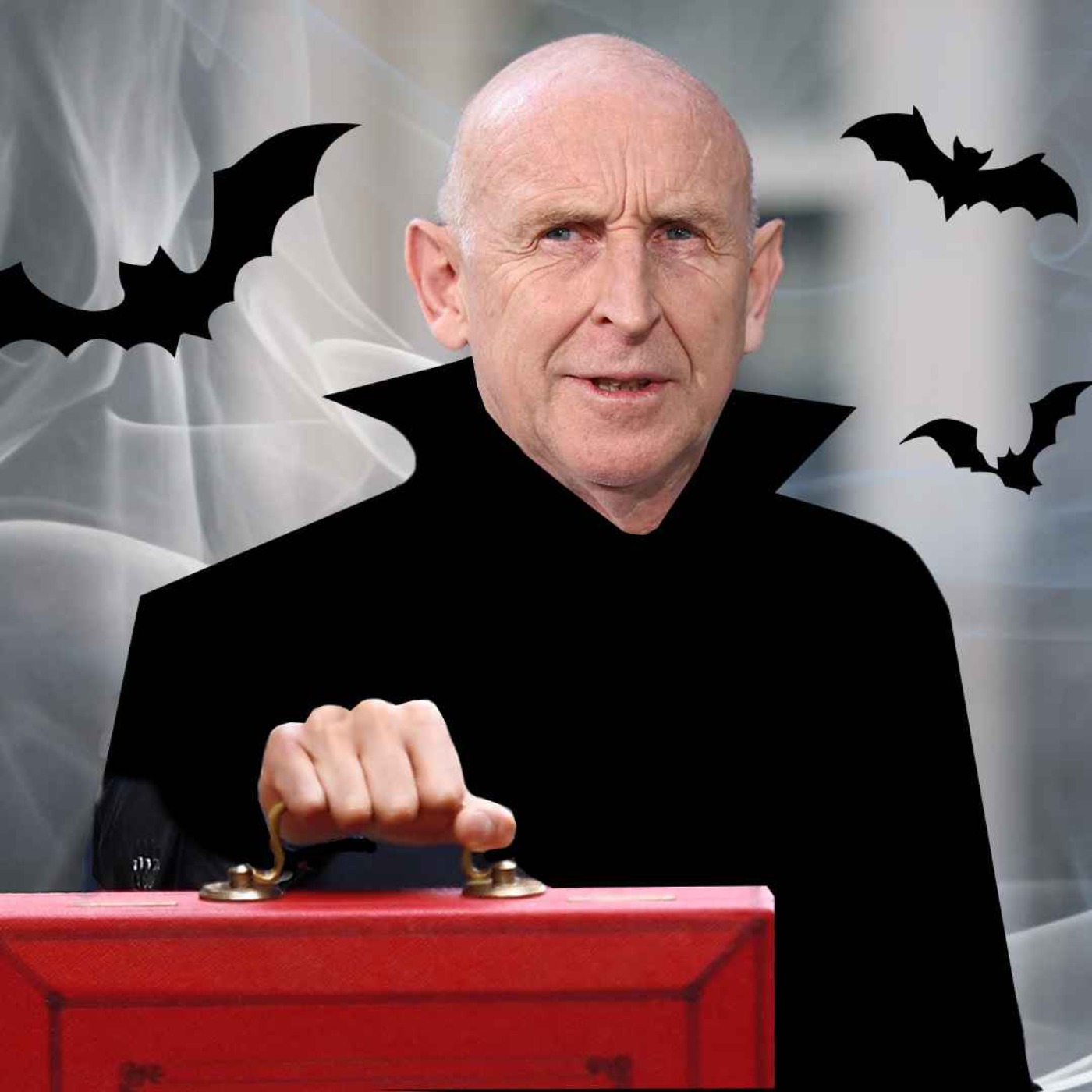
Chancellor John Healey has just delivered his first Budget of the Andy Burnham premiership – but has he done enough to turn the economy around?
In this special live edition of Reality Check, economics editor Michael Simmons is joined by deputy political editor James Heale, former Treasury adviser – and Managing Director of Forefront Advisors – James Nation and pollster Scarlett Maguire – founder of Merlin Strategy, to unpack the Budget. From £100 energy payments and downgraded growth forecasts to what this means for Britain’s banks – is the Chancellor offering households genuine 'breathing space'?
Plus: has this first Burnham-Healey Budget stoked the flames, or dampened expectations, of an early general election?
Produced by Patrick Gibbons.
This episode is brought to you by Raymond James. Combining deep insights into who you are with our financial expertise, that’s the power of personal. Investment involves risk.
raymondjames.uk.com
Become a Spectator subscriber today to access this podcast without adverts. Go to spectator.co.uk/adfree to find out more.
For more Spectator podcasts, go to spectator.co.uk/podcasts
Contact us: podcast@spectator.co.uk
Hosted on Acast. See acast.com/privacy for more information.
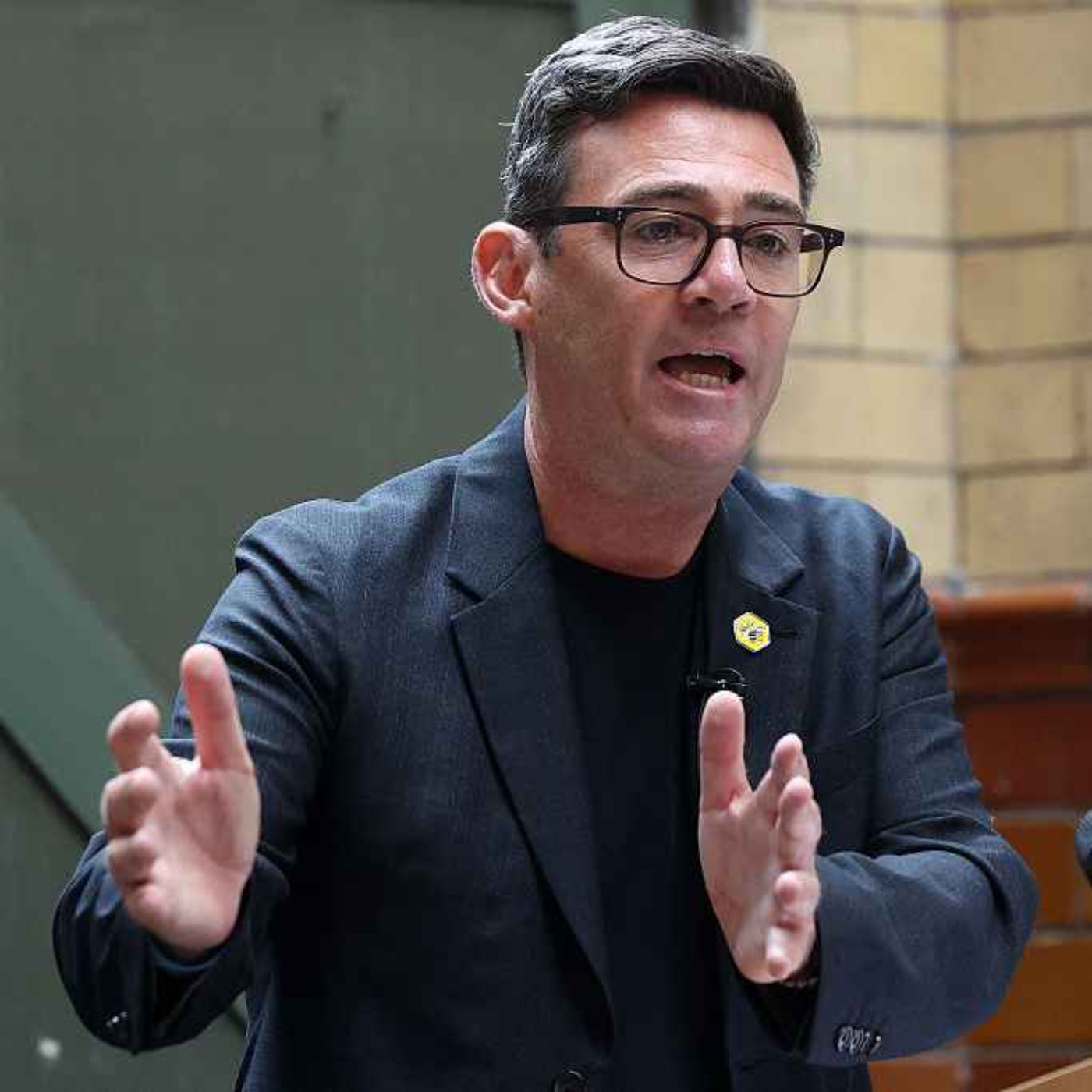
Andy Burnham’s first Budget as Prime Minister is approaching – but higher borrowing costs have already made the sums more difficult. Former Bank of England chief economist Andy Haldane joins Michael Simmons to warn that Britain has little room left to borrow more.
For this episode of Reality Check, Andy tells Michael what could be in next week’s Budget, why devolution alone is not a growth strategy and why he appears to have praised Kemi Badenoch’s economic policies this week. Plus: they discuss the Bank of England’s record on inflation – with Haldane arguing the Bank has not 'learnt its lesson’. What would he have done differently?
Produced by Patrick Gibbons and Henry Lloyd.
This episode is brought to you by Raymond James. Combining deep insights into who you are with our financial expertise, that’s the power of personal. Investment involves risk.
raymondjames.uk.com
Become a Spectator subscriber today to access this podcast without adverts. Go to spectator.co.uk/adfree to find out more.
For more Spectator podcasts, go to spectator.co.uk/podcasts
Contact us: podcast@spectator.co.uk
Hosted on Acast. See acast.com/privacy for more information.
For this special edition of Reality Check, economics editor Michael Simmons hosts a panel from Conservative Party conference on Britain’s growing NEETs crisis: the hundreds of thousands of young people not in education, employment or training. He is joined by shadow education secretary Laura Trott, the CBI’s Megan Bulford, Spectator commissioning editor Lara Brown and the CPS's Daniel Herring.
Why are so many young people struggling to enter the labour market, and is the problem education, welfare, the cost of hiring or something deeper? The panel debate the value of university compared with apprenticeships, whether tax and employment regulation are shutting younger workers out, and whether Britain’s welfare system is making it too easy for young people to fall out of work altogether. Plus: are rising anxiety and poor mental health driving the crisis or are they symptoms of a labour market that is failing the young?
Produced by Patrick Gibbons and Oscar Edmondson.
This episode is brought to you by Raymond James. Combining deep insights into who you are with our financial expertise, that’s the power of personal. Investment involves risk.
raymondjames.uk.com
Become a Spectator subscriber today to access this podcast without adverts. Go to spectator.co.uk/adfree to find out more.
For more Spectator podcasts, go to spectator.co.uk/podcasts
Contact us: podcast@spectator.co.uk
Hosted on Acast. See acast.com/privacy for more information.
Will the next debt crisis arrive as a sudden market rout – or is Britain already in the foothills of a slower one? Bond markets are back in the headlines, with every move in gilt yields read as a verdict on Westminster.
Michael Simmons speaks to the editor of FT Alphaville Robin Wigglesworth, author of A Fabulous Debt, about where bonds came from, who the 'bond vigilantes' really are, whether Liz Truss has a point about the Bank of England and why Britain's index-linked gilts have become so expensive.
This episode is brought to you by Artemis Fund Managers, for more information on our fund range please click here https://www.artemisfunds.com/
Produced by Oscar Edmondson and Henry Lloyd
This episode is brought to you by Raymond James. Combining deep insights into who you are with our financial expertise, that’s the power of personal. Investment involves risk.
raymondjames.uk.com
Become a Spectator subscriber today to access this podcast without adverts. Go to spectator.co.uk/adfree to find out more.
For more Spectator podcasts, go to spectator.co.uk/podcasts
Contact us: podcast@spectator.co.uk
Hosted on Acast. See acast.com/privacy for more information.
Some whistleblowers from the AI industry claim there is a more than 10% chance that artificial intelligence could wipe out humanity within a few years. A group of mostly Labour MPs has written to Andy Burnham calling for action on existential AI risk, while conceding there is little the British government can do about it alone.
Michael Simmons speaks to John Power about the incentives behind the warnings, whether AI can realistically be regulated and why more mundane harms, from AI-written complaints flooding bodies such as IPSO to hackers using chatbots, may deserve more attention. Are the doom-mongers sounding a genuine alarm – or selling the most powerful product ever built?
This episode is brought to you by Artemis Fund Managers, for more information on our fund range please click here https://www.artemisfunds.com/
Produced by Henry Lloyd
This episode is brought to you by Raymond James. Combining deep insights into who you are with our financial expertise, that’s the power of personal. Investment involves risk.
raymondjames.uk.com
Become a Spectator subscriber today to access this podcast without adverts. Go to spectator.co.uk/adfree to find out more.
For more Spectator podcasts, go to spectator.co.uk/podcasts
Contact us: podcast@spectator.co.uk
Hosted on Acast. See acast.com/privacy for more information.
Britain is in the grip of another hot, dry summer, with hosepipe bans in force and fears growing about the country’s water supply. But are we really running out of water?
Michael Simmons is joined by Reality Check reporter John Power to explain what is actually behind the shortages, whether Britain needs more reservoirs and why nationalising the water companies may not be the answer. They also ask what the drought tells us about the future of net zero – and how Britain should adapt to a changing climate.
This episode is brought to you by Artemis Fund Managers, for more information on our fund range please click here https://www.artemisfunds.com
This episode is brought to you by Raymond James. Combining deep insights into who you are with our financial expertise, that’s the power of personal. Investment involves risk.
raymondjames.uk.com
Become a Spectator subscriber today to access this podcast without adverts. Go to spectator.co.uk/adfree to find out more.
For more Spectator podcasts, go to spectator.co.uk/podcasts
Contact us: podcast@spectator.co.uk
Hosted on Acast. See acast.com/privacy for more information.
Andy Burnham has launched a major push to overhaul adult social care in England, seeking cross-party consensus for a new National Care Service. He has refused to rule out tax rises to fund the reforms. Michael Simmons speaks to the author and journalist David Goodhart about why social care should be reframed as prevention, whether salaries should be increased in social care and why the public isn't as worried as politicians tend to panic about.
This episode is brought to you by Alliance Witan investment trust. To learn more about the trust and how we’re helping investors find their comfort zone, please visit https://www.alliancewitan.com/
This episode is brought to you by Raymond James. Combining deep insights into who you are with our financial expertise, that’s the power of personal. Investment involves risk.
raymondjames.uk.com
Become a Spectator subscriber today to access this podcast without adverts. Go to spectator.co.uk/adfree to find out more.
For more Spectator podcasts, go to spectator.co.uk/podcasts
Contact us: podcast@spectator.co.uk
Hosted on Acast. See acast.com/privacy for more information.
Last week, the Joe Rogan Experience podcast released a two-hour interview with Rupert Lowe, leader of the Restore party. Was Lowe there merely to create content – or is Restore a serious political party? Some of his statements suggest it’s the former rather than the latter. The Spectator's John O'Neil wrote a piece for the website correcting some of Lowe's claims. He joined Michael Simmons on this week's Reality Check.
This episode is brought to you by Alliance Witan investment trust. To learn more about the trust and how we’re helping investors find their comfort zone, please visit Alliance Witan (ALW) | Investment Trust.
This episode is brought to you by Raymond James. Combining deep insights into who you are with our financial expertise, that’s the power of personal. Investment involves risk.
raymondjames.uk.com
Become a Spectator subscriber today to access this podcast without adverts. Go to spectator.co.uk/adfree to find out more.
For more Spectator podcasts, go to spectator.co.uk/podcasts
Contact us: podcast@spectator.co.uk
Hosted on Acast. See acast.com/privacy for more information.
A report has suggested that white working class children are being failed by the education system that is 'not serving in [their] interests'. Burnham blames a lack of aspiration – but does this issue, like many others in Britain really stem from an overbearing state? Michael Simmons is joined by the Head of Communications and External Affairs at Onward, Joanna Marchong to discuss educational outcomes between ethnicities and the private school VAT charge.
This episode is brought to you by Alliance Witan investment trust. To learn more about the trust and how we’re helping investors find their comfort zone, please visit Alliance Witan (ALW) | Investment Trust.
This episode is brought to you by Raymond James. Combining deep insights into who you are with our financial expertise, that’s the power of personal. Investment involves risk.
raymondjames.uk.com
Become a Spectator subscriber today to access this podcast without adverts. Go to spectator.co.uk/adfree to find out more.
For more Spectator podcasts, go to spectator.co.uk/podcasts
Contact us: podcast@spectator.co.uk
Hosted on Acast. See acast.com/privacy for more information.
Andy Burnham has laid out his plans to 'level up the North'. Something we have heard with almost every Prime Minister pledge to do – but with very little clarity over how this will be achieved and what success looks like. It's true there is a clear divide when it comes to economic outcomes between London and the North. Michael Simmons takes a look at the data and discusses a left-wing levelling up agenda with Ed Shackle Head of Qualitative Research at Public First and Neil O'Brien, Conservative MP and former minister for Levelling up.
This episode is brought to you by Artemis Fund Managers, for more information on our fund range please click here https://www.artemisfunds.com/ .
This episode is brought to you by Raymond James. Combining deep insights into who you are with our financial expertise, that’s the power of personal. Investment involves risk.
raymondjames.uk.com
Become a Spectator subscriber today to access this podcast without adverts. Go to spectator.co.uk/adfree to find out more.
For more Spectator podcasts, go to spectator.co.uk/podcasts
Contact us: podcast@spectator.co.uk
Hosted on Acast. See acast.com/privacy for more information.
Is the US economy immune to harm? It has been tested this year under Trump's trade tariffs, and inflation fears. Kate Andrews, former economics editor of The Spectator now opinion journalist at the Washington Post and host of the Make it Make Sense podcast returns to Spectator TV with Michael Simmons to discuss the US economy, whether Mamdani is as bad as Zack Polanski, Andrew Bailey vs Kevin Warsh the UK's growth figures.
This episode is brought to you by Artemis Fund Managers, for more information on our fund range please click here https://www.artemisfunds.com/ .
This episode is brought to you by Raymond James. Combining deep insights into who you are with our financial expertise, that’s the power of personal. Investment involves risk.
raymondjames.uk.com
Become a Spectator subscriber today to access this podcast without adverts. Go to spectator.co.uk/adfree to find out more.
For more Spectator podcasts, go to spectator.co.uk/podcasts
Contact us: podcast@spectator.co.uk
Hosted on Acast. See acast.com/privacy for more information.
Britain has recorded the highest drug deaths in Europe. Green Party leader Zack Polanski has declared that this means the so called 'war on drugs' is not working, and favours a more liberal approach of legalisation. Michael Simmons is joined by John Power to look at the numbers and show why Polanski would likely make drug deaths rise under his policy.
This episode is brought to you by Artemis Fund Managers, for more information on our fund range please click here https://www.artemisfunds.com/ .
This episode is brought to you by Raymond James. Combining deep insights into who you are with our financial expertise, that’s the power of personal. Investment involves risk.
raymondjames.uk.com
Become a Spectator subscriber today to access this podcast without adverts. Go to spectator.co.uk/adfree to find out more.
For more Spectator podcasts, go to spectator.co.uk/podcasts
Contact us: podcast@spectator.co.uk
Hosted on Acast. See acast.com/privacy for more information.
Buying a flat in Britain has increasingly become a fool's errand, driven in part by the leasehold system trapping homeowners into flats. When Labour wrote their manifesto they promised reform to the leasehold system, but it remains a sticking point in Westminster due to heavy lobbying. Michael Simmons is joined by Harry Scoffin, founder from Free Leaseholders who makes the case for the common hold system.
This episode is brought to you by Raymond James. Combining deep insights into who you are with our financial expertise, that’s the power of personal. Investment involves risk.
raymondjames.uk.com
Become a Spectator subscriber today to access this podcast without adverts. Go to spectator.co.uk/adfree to find out more.
For more Spectator podcasts, go to spectator.co.uk/podcasts
Contact us: podcast@spectator.co.uk
Hosted on Acast. See acast.com/privacy for more information.
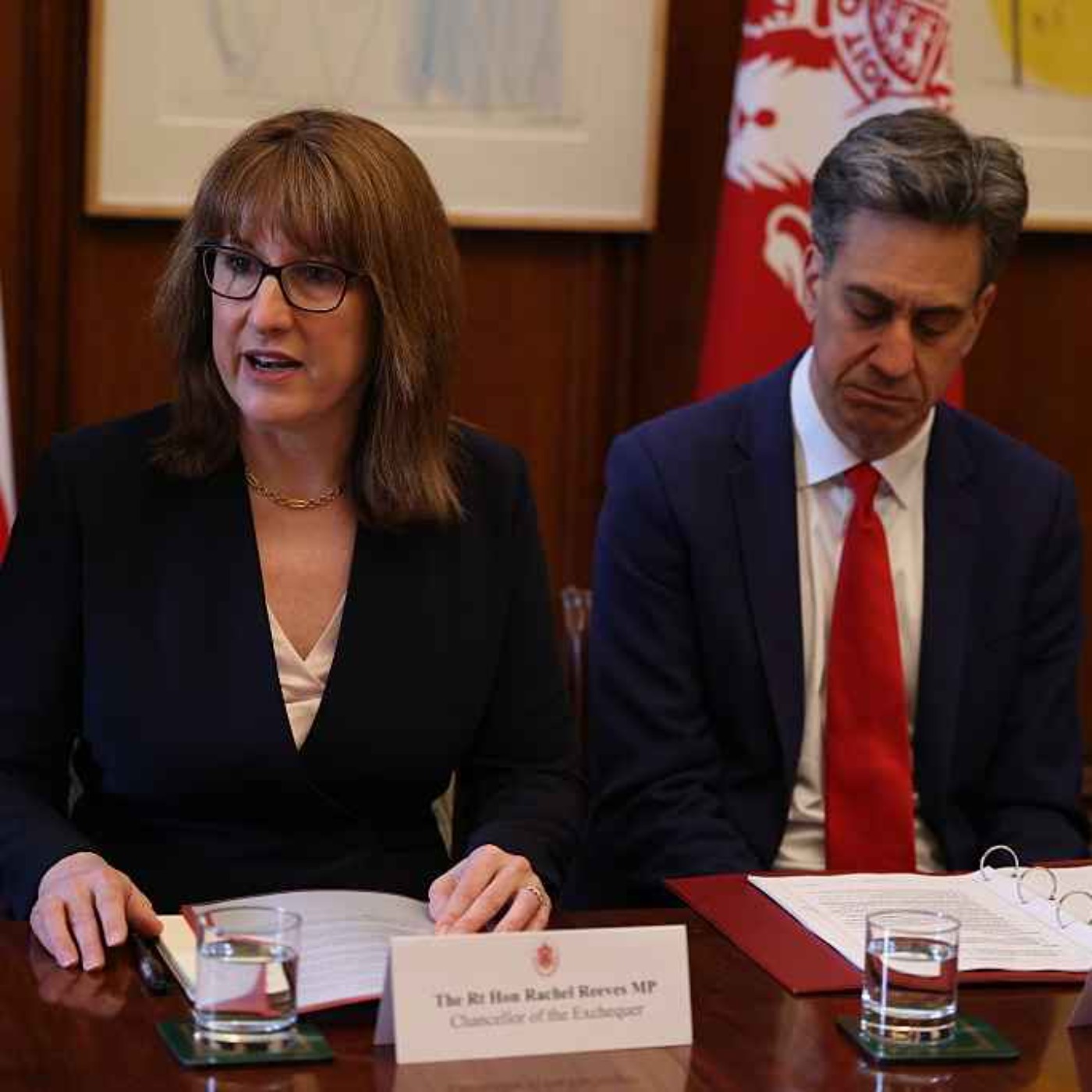
Yesterday Rachel Reeves gave her Mais lecture and said UK would achieve ‘fastest AI adoption in the G7’. Today govt is publishing its position on AI rules that are crucial for keeping AI startups in the UK and not losing them abroad. Michael Simmons uncovers the data that shows just how costly of Britain's energy resources this plan for an AI revolution would be. And how incompatible this is with Ed Miliband's dreams of a net zero future.
This episode is brought to you by Raymond James. Combining deep insights into who you are with our financial expertise, that’s the power of personal. Investment involves risk.
raymondjames.uk.com
Become a Spectator subscriber today to access this podcast without adverts. Go to spectator.co.uk/adfree to find out more.
For more Spectator podcasts, go to spectator.co.uk/podcasts
Contact us: podcast@spectator.co.uk
Hosted on Acast. See acast.com/privacy for more information.