Bekomm eine E-Mail, wenn Michael in einem Podcast zu Gast istPodAppear prüft neue Folgen, sobald sie erscheinen, und lässt die weg, in denen Michael nur erwähnt wird. Bis zu 15 Personen kostenlos, ohne Kreditkarte.Bis zu 15 Personen kostenlos, ohne Kreditkarte.
On this week's Quite right!, Michael Gove is joined by Reform UK's shadow home secretary Zia Yusuf for a wide-ranging conversation about immigration and the future of the British Right.
Zia sets out Reform's plans for mass deportations, explains why he believes Jeremy Corbyn would have allowed fewer migrants into Britain than Boris Johnson, and argues that Uniting the Right could be worse than Labour.
They also discuss the growing threat from Rupert Lowe's Restore, Reform's battle to win back voters and what a Nigel Farage government might look like.
Hosted on Acast. See acast.com/privacy for more information.
On this week's Quite right!, Michael Gove is joined by Reform UK's shadow home secretary Zia Yusuf for a wide-ranging conversation about immigration and the future of the British Right.
Zia sets out Reform's plans for mass deportations, explains why he believes Jeremy Corbyn would have allowed fewer migrants into Britain than Boris Johnson, and argues that Uniting the Right could be worse than Labour.
They also discuss the growing threat from Rupert Lowe's Restore, Reform's battle to win back voters and what a Nigel Farage government might look like.
Become a Spectator subscriber today to access this podcast without adverts. Go to spectator.co.uk/adfree to find out more.
For more Spectator podcasts, go to spectator.co.uk/podcasts.
Contact us: podcast@spectator.co.uk
Hosted on Acast. See acast.com/privacy for more information.
Michael Gove is joined by the theologian, Church of England priest and Conservative peer Nigel Biggar to discuss Our Islands’ Story, his new history of Britain co-written with Robert Tombs.
Nigel reflects on the 2014 Scottish independence referendum, which first convinced him that a distorted story of Britain was fuelling a political cause, before turning to empire, slavery and the Christians who led the fight to abolish it. Why do so many in Britain’s elite actively want the negative story to be true – and why does an A-level history student not know when the Civil War happened?
They also discuss free speech in universities, the debates on assisted dying and abortion in the Lords, and the ‘zealots’ Nigel sees on the Labour benches. And looking to the future, Nigel argues that Britain would be better as a more Christian country, and that liberal culture may need more religion than it thinks.
Produced by Henry Lloyd and Oscar Edmondson
Become a Spectator subscriber today to access this podcast without adverts. Go to spectator.co.uk/adfree to find out more.
For more Spectator podcasts, go to spectator.co.uk/podcasts.
Contact us: podcast@spectator.co.uk
Hosted on Acast. See acast.com/privacy for more information.
In the second part of Michael Gove’s conversation with Douglas Murray, they discuss the rise of antisemitism, the Left’s obsession with Palestine and the unlikely alliance between Islamists and the radical Left. What does the future hold for Israel – and would replacing Netanyahu really change anything?
They also turn to the things that make Western civilisation worth defending, from Britain's great cathedrals to classical music and literature. Despite the challenges facing the West, can it be saved even at the 13th hour?
Produced by Oscar Edmondson.
Become a Spectator subscriber today to access this podcast without adverts. Go to spectator.co.uk/adfree to find out more.
For more Spectator podcasts, go to spectator.co.uk/podcasts.
Contact us: podcast@spectator.co.uk
Hosted on Acast. See acast.com/privacy for more information.
As the embers fade from last week’s unrest in France, could Britain be heading for a similar fate? In the first of a two-part interview, Michael Gove is joined by author and Spectator columnist Douglas Murray to discuss the future of Western civilisation.
Douglas argues that decades of mass migration and failed integration have left Britain facing the prospect of civil conflict, warning that violent extremists could one day ‘take this country by force’. He also asks why successive governments have allowed alleged jihadists to settle in Britain while pursuing members of our own armed forces. Has Britain lost the will to defend itself – and is it already too late to change course?
Produced by Oscar Edmondson.
Become a Spectator subscriber today to access this podcast without adverts. Go to spectator.co.uk/adfree to find out more.
For more Spectator podcasts, go to spectator.co.uk/podcasts.
Contact us: podcast@spectator.co.uk
Hosted on Acast. See acast.com/privacy for more information.
39 minAbspielen in:
Warum PodAppear
Folge Menschen, nicht Podcasts.
Du hast Michael in einer Sendung gehört. PodAppear findet für dich die nächste, und genauso für alle anderen, die du hören willst.
Eine Meldung, wenn die Person zu Gast istPer E-Mail: sofort oder gebündelt als Tages- oder Wochenübersicht. Dann nur noch auf Play drücken.
Gäste statt bloßer ErwähnungenFolgen, in denen ein Name nur fällt, landen getrennt. Eine Meldung heißt: Die Person ist wirklich in der Sendung.
Alle in einem FeedGründerinnen, Autoren, Sportler, Forscherinnen. Folge allen mit Namen, quer durch jede Sendung, in der sie auftreten.
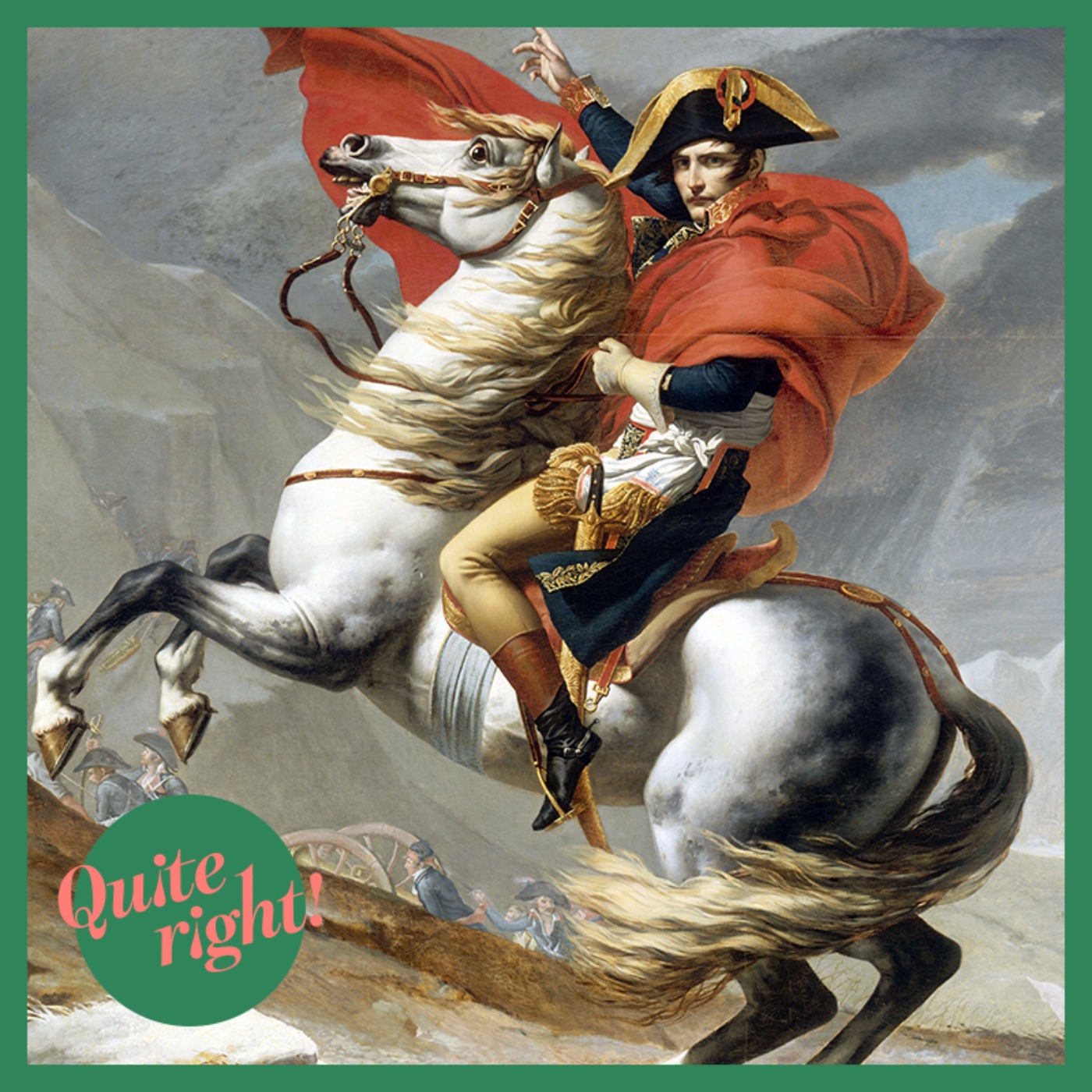
Napoleon was one of history’s greatest military commanders – but was his downfall ultimately of his own making?
Michael Gove and Madeline Grant are joined by historian Andrew Roberts, Lord Roberts of Belgravia, to discuss his new book on Napoleon’s 26 marshals: the extraordinary men who helped build his empire, and whose rivalries, betrayals and personal ambitions contributed to its collapse.
From Napoleon’s obsessive micromanagement to the disastrous invasion of Russia, they explore the genius and fatal flaws of the French emperor. Could Napoleon have won at Waterloo? And would victory really have changed the course of history?
Recorded live in front of an audience.
Produced by Oscar Edmondson.
Become a Spectator subscriber today to access this podcast without adverts. Go to spectator.co.uk/adfree to find out more.
For more Spectator podcasts, go to spectator.co.uk/podcasts.
Contact us: podcast@spectator.co.uk
Hosted on Acast. See acast.com/privacy for more information.
Michael Gove is joined by historian Simon Schama to discuss the resurgence of antisemitism in Britain, why many British Jews increasingly feel unsafe, and what history can teach us about the war in Gaza.
Simon argues that the language of genocide is being misapplied to Gaza and warns that historical ignorance, social media and political polarisation are fuelling a new strain of antisemitism on both left and right.
They also discuss Holocaust education, Donald Trump and the politics of truth, the treatment of Jewish students in Britain, and what the rise of antisemitism tells us about the health of liberal democracy.
Produced by Oscar Edmondson and Henry Lloyd.
'Jew-Hatred: The Latest Edition' by Sir Simon Schama is out now: https://jewishquarterly.com/essay/2026/10/jew-hatred
Become a Spectator subscriber today to access this podcast without adverts. Go to spectator.co.uk/adfree to find out more.
For more Spectator podcasts, go to spectator.co.uk/podcasts.
Contact us: podcast@spectator.co.uk
Hosted on Acast. See acast.com/privacy for more information.
Michael Gove is joined by shadow justice secretary Nick Timothy, live at Conservative party conference in Birmingham, to discuss prisons, policing and the fight against Islamist extremism. Nick reflects on swapping life as a Downing Street adviser for the Commons and makes the case that prison works, before turning to the Tories’ plan for 50,000 new prison places. Britain, he argues, must ‘come down like a ton of bricks’ on extremists – but why did 14 years of Conservative government fail to draw that line?
Plus: West Midlands Police’s ban on Maccabi Tel Aviv fans, the Trafalgar Square iftar, and why Nick changed his mind on legalising cannabis.
Produced by Oscar Edmondson and Henry Lloyd.
Become a Spectator subscriber today to access this podcast without adverts. Go to spectator.co.uk/adfree to find out more.
For more Spectator podcasts, go to spectator.co.uk/podcasts.
Contact us: podcast@spectator.co.uk
Hosted on Acast. See acast.com/privacy for more information.
Michael Gove is joined by novelist and former Conservative Party deputy chairman Jeffrey Archer to discuss his final novel, Adam and Eve, and a life spent close to the centre of British politics.
Jeffrey explains how the book was inspired by September 1940, when Hitler changed his mind three times about invading Britain. They also discuss class, snobbery in the House of Lords, Diana, and his advice for Harry and Meghan.
Plus: Jeffrey reflects on Margaret Thatcher, reveals the prime minister he believes is the most underrated, and considers whether Kemi Badenoch and Nigel Farage could ever reach an electoral agreement.
Jeffrey Archer’s final book, Adam and Eve, published by HarperCollins is out on the 6th of October 2026, pre-order here…
Produced by Oscar Edmondson and Henry Lloyd.
Become a Spectator subscriber today to access this podcast without adverts. Go to spectator.co.uk/adfree to find out more.
For more Spectator podcasts, go to spectator.co.uk/podcasts.
Contact us: podcast@spectator.co.uk
Hosted on Acast. See acast.com/privacy for more information.
Michael Gove is joined by Jonathan Hinder, MP for Pendle and Clitheroe, one of the leading voices of Blue Labour, to discuss class, borders and the common good in a conversation recorded live at Labour conference.
Jonathan, a former police officer, sets out his case against the economic and social 'hyper liberalism' of recent decades, before turning to industrial strategy, North Sea oil and gas, and why his constituents in terraced houses pay more property tax than multi-millionaires in London.
With over a million voters said to have moved from Labour to Reform since the election, can Andy Burnham bring them back – and what would it take on immigration? They also discuss balanced migration, the Danish approach to integration, puberty blockers, and why Jonathan, a Remain voter, thinks rejoining the EU would be a distraction.
And finally: why even police officers love Hot Fuzz.
Produced by: Henry Lloyd and Oscar Edmondson
Become a Spectator subscriber today to access this podcast without adverts. Go to spectator.co.uk/adfree to find out more.
For more Spectator podcasts, go to spectator.co.uk/podcasts.
Contact us: podcast@spectator.co.uk
Hosted on Acast. See acast.com/privacy for more information.
In the second part of his conversation with Michael Gove, Rory Stewart defends the most taboo position in British politics: that private schools are worth protecting. He further argues that the only excuse for privilege is living up to its obligations, and that a wealth tax would destroy the idea of public service.
Rory tells Michael what Nigel Farage and Reform UK get wrong about tax, why he disagrees with Peter Thiel on what the wealthy should do with their money, and why Rishi Sunak staying in parliament matters more than anyone noticed.
They also discuss how to get Britain growing, why he is a big fan of building more data centres, and how Rory came to be at peace with 450 new houses being built at the end of his own driveway.
Plus: What he really disagrees with Alastair Campbell about, the writers he cannot stand, and his plans for the future.
You can pre-order Rory's book Middleland now
Become a Spectator subscriber today to access this podcast without adverts. Go to spectator.co.uk/adfree to find out more.
For more Spectator podcasts, go to spectator.co.uk/podcasts.
Contact us: podcast@spectator.co.uk
Hosted on Acast. See acast.com/privacy for more information.
Michael Gove is joined by Rory Stewart, for a conversation he admits would ‘revolt’ his podcasting partner Alastair Campbell.
Rory sets out the migration policy he would impose: every boat he would return to France, how he would cut the number of legal arrivals, and completely rework Britain’s broken asylum system.
Rory argues that the grooming gangs debate is being conducted in bad faith, that migrant communities in Britain tend to assimilate rather than isolate, and that the culture warriors have picked a fight that distracts from Britain’s bigger problems.
Part Two, in which he makes a case for the future of private education and explains how Britain can achieve growth, will be released on Thursday 17th September.
You can pre-order Rory's book Middleland now
Become a Spectator subscriber today to access this podcast without adverts. Go to spectator.co.uk/adfree to find out more.
For more Spectator podcasts, go to spectator.co.uk/podcasts.
Contact us: podcast@spectator.co.uk
Hosted on Acast. See acast.com/privacy for more information.
Michael Gove is joined by Reform UK MP Danny Kruger to discuss the party’s plans for government and why he believes Britain is in a ‘revolutionary moment’.
Kruger sets out how Reform would overhaul Whitehall, including replacing the Cabinet Secretary, reforming the civil service and taking a ‘torch’ to parts of the quango state. He also argues for major changes to the way judges are appointed and says Parliament must ultimately remain sovereign over the courts.
They also discuss immigration, welfare and the NHS, as Kruger explains why Reform wants to accelerate deportations, cut benefit entitlements for those who could work and introduce more private-sector discipline into public services.
And turning to the future of the right, Kruger argues that the Conservative party can no longer win, says Britain risks ‘falling apart’ without radical change, and predicts that one day conservatives will be united under the leadership of Nigel Farage.
Become a Spectator subscriber today to access this podcast without adverts. Go to spectator.co.uk/adfree to find out more.
For more Spectator podcasts, go to spectator.co.uk/podcasts.
Contact us: podcast@spectator.co.uk
Hosted on Acast. See acast.com/privacy for more information.
Michael Gove is joined by political scientist Francis Fukuyama to discuss liberalism, populism and the future of democracy in an increasingly unstable world.
Francis reflects on The End of History and why its argument was so often misunderstood, before turning to the transformation of the American right under Donald Trump. Why have traditional conservative ideas lost their hold – and what explains the rise of populism across the West?
They also discuss Brexit, which Francis argues Britain should reconsider, the importance of patriotism and national identity, and why liberals have too often neglected both.
And looking to the future, Francis warns about the impact of artificial intelligence on work and democracy, explains why universal basic income will not solve the problem, and offers one piece of advice to young people: don’t learn how to code.
Produced by Oscar Edmondson.
Become a Spectator subscriber today to access this podcast without adverts. Go to spectator.co.uk/adfree to find out more.
For more Spectator podcasts, go to spectator.co.uk/podcasts.
Contact us: podcast@spectator.co.uk
Hosted on Acast. See acast.com/privacy for more information.
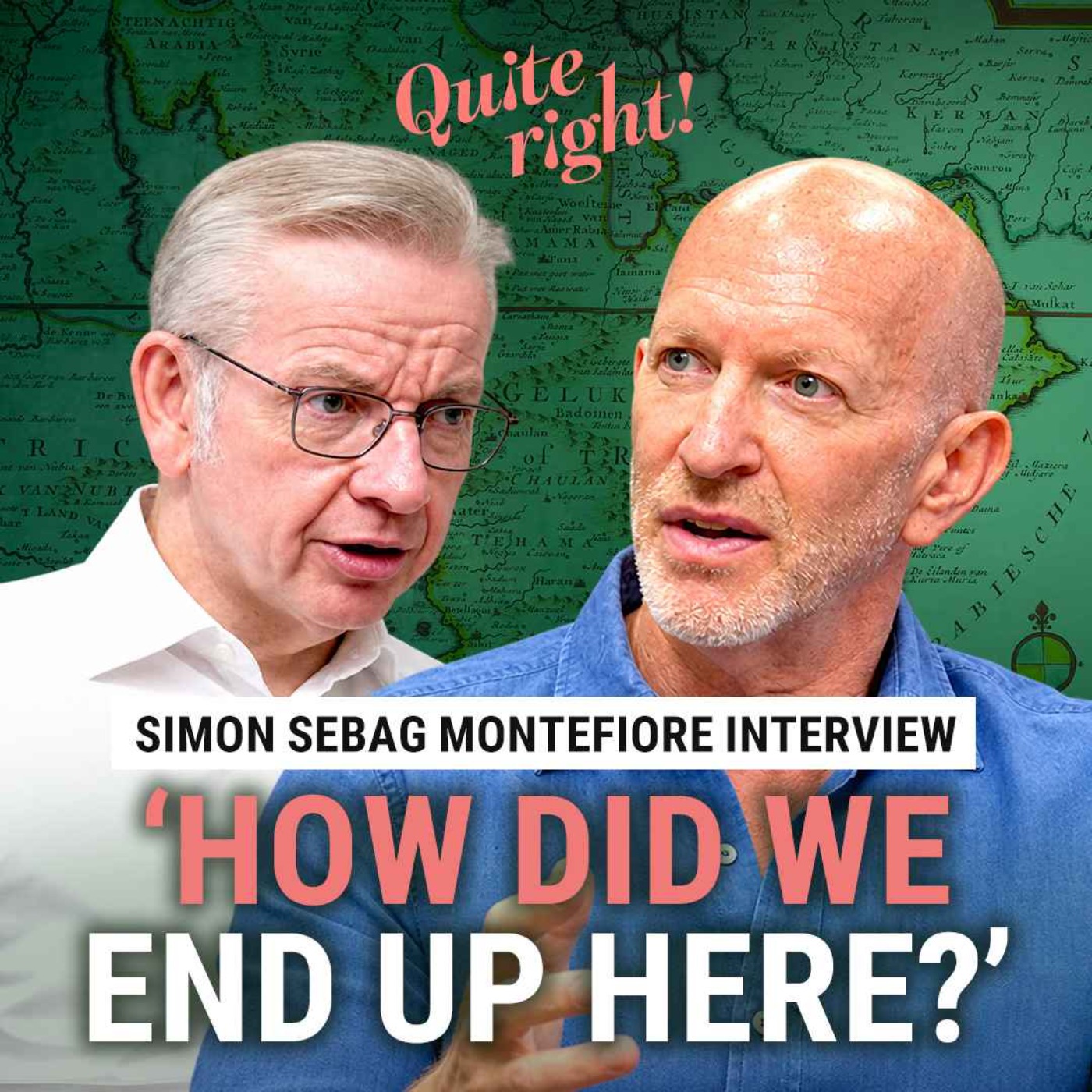
This week, Michael Gove is joined by historian Simon Sebag Montefiore to discuss the rulers, revolutionaries and nation builders who shaped one of the world’s most turbulent regions.
From Ibn Saud’s dramatic conquest of Riyadh and Atatürk’s creation of modern Turkey to Ben-Gurion, Reza Shah and Nasser, Simon explores the extraordinary personalities who built states from the ruins of empire. What made these leaders so successful – and why did so many of their projects end in dictatorship, war or collapse?
They also discuss Nasser’s rise as the champion of Arab nationalism, Gaddafi’s obsession with his Egyptian hero, and the strongmen who tried to remake the Arab world in their own image.
And looking at the Middle East today, Simon explains why the legacy of the Ottoman Empire, the failure of nationalism and the rise of political Islam still shape the region’s conflicts.
Produced by Oscar Edmondson and Henry Lloyd.
Become a Spectator subscriber today to access this podcast without adverts. Go to spectator.co.uk/adfree to find out more.
For more Spectator podcasts, go to spectator.co.uk/podcasts.
Contact us: podcast@spectator.co.uk
Hosted on Acast. See acast.com/privacy for more information.
Enoch Powell is one of the most polarising figures in modern British politics. His infamous ‘Rivers of Blood’ speech – in which he warned that immigration would spark ethnic conflict – continues to shape some of today’s most important debates on race, identity and immigration.
Michael Gove and assistant editor Madeline Grant sit down with Simon Heffer, author of Like the Roman: The Life of Enoch Powell, to explore Powell’s legacy. They examine how he became a model for populist rhetoric and discuss why understanding Enoch Powell is central to understanding the right today.
This podcast was originally recorded as a live event. To find out more about future Spectator events go to: spectator.com/events
Become a Spectator subscriber today to access this podcast without adverts. Go to spectator.co.uk/adfree to find out more.
For more Spectator podcasts, go to spectator.co.uk/podcasts.
Contact us: podcast@spectator.co.uk
Hosted on Acast. See acast.com/privacy for more information.
This week: Keir Starmer’s legacy, Andy Burnham’s next move – and should there be a general election?
With the Makerfield by-election just days away, Michael Gove is joined by Rachel Johnson to ask whether an Andy Burnham victory would spell the end of Keir Starmer’s premiership. Could Starmer really fight on – or is the Labour party heading for a regicidal ‘bloodbath’? They discuss Starmer’s record in government, whether Labour has become the ‘welfare party’, and if Burnham could offer the party anything more than a political glow-up.
Also on the podcast: Kemi Badenoch’s revival, the threat from Reform, and whether the right is actually ready for a general election.
Produced by Oscar Edmondson.
Become a Spectator subscriber today to access this podcast without adverts. Go to spectator.co.uk/adfree to find out more.
For more Spectator podcasts, go to spectator.co.uk/podcasts.
Contact us: podcast@spectator.co.uk
Hosted on Acast. See acast.com/privacy for more information.