Bekomm eine E-Mail, wenn Meagan in einem Podcast zu Gast istPodAppear prüft neue Folgen, sobald sie erscheinen, und lässt die weg, in denen Meagan nur erwähnt wird. Bis zu 15 Personen kostenlos, ohne Kreditkarte.Bis zu 15 Personen kostenlos, ohne Kreditkarte.
First up on the podcast, freelance science journalist Brendan Borrell talks about his work reporting on the previously undisclosed death of a 6-year-old girl in a gene-editing clinical trial in China and the reasons her parents came forward.
This story was produced in collaboration with Retraction Watch and supported by the Science Fund for Investigative Reporting.
Next on the show, Producer Meagan Cantwell talks with Evan McKenzie, a researcher at the University of British Columbia, about an insect that evolved to avoid predators by modifying its respiratory system to withstand high pressure at depth.
This week’s episode was produced with help from Podigy.
Image credit: Daria Lada
Learn more about your ad choices. Visit megaphone.fm/adchoices
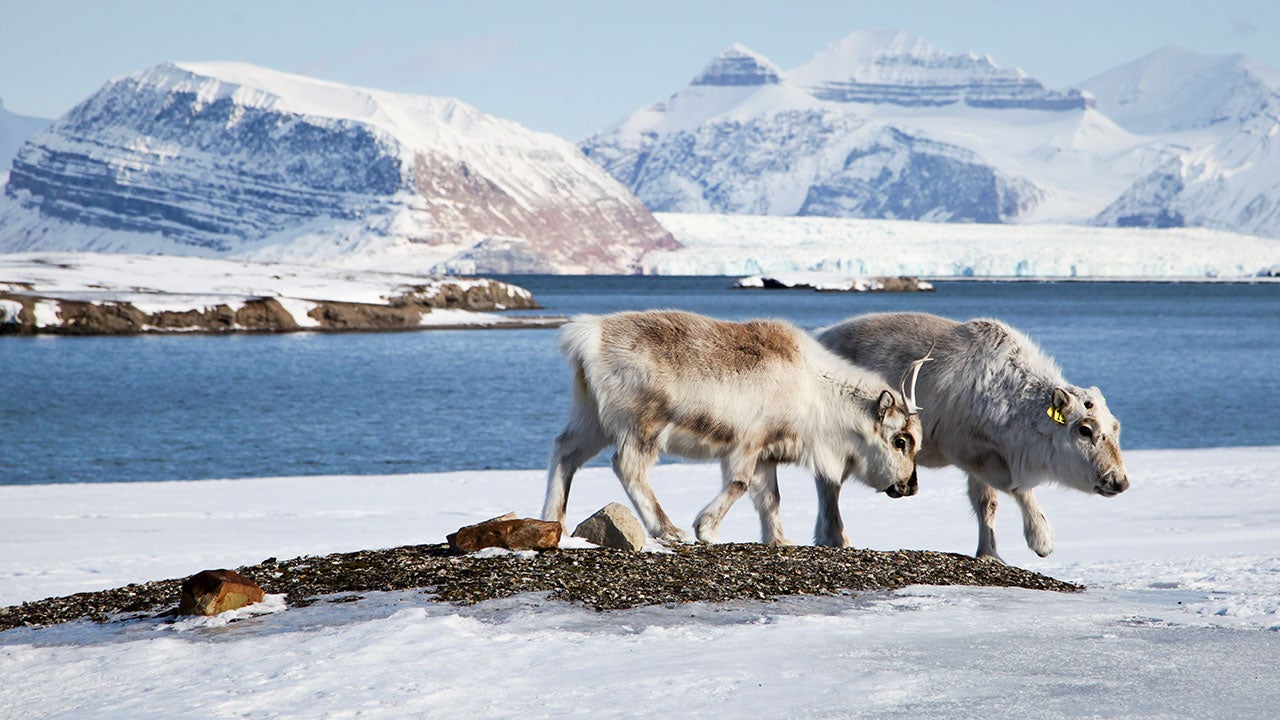
First up on the podcast, relationships turn chilly in the polar research haven of Svalbard in Norway. Senior International Correspondent Richard Stone joins host Sarah Crespi to discuss the impacts of geopolitical shifts on the scientific output of this region so important to the study of climate change.
Next on the show, producer Meagan Cantwell talks with Thomas Gernon, a geologist at the University of Southampton, about how ice sheets formed in Antarctica during a time when the temperatures were relatively warm.
This week’s episode was produced with help from Podigy.
About the Science Podcast
Learn more about your ad choices. Visit megaphone.fm/adchoices
First up on the podcast, Meagan Cantwell produced a segment with Contributing Correspondent Kai Kupferschmidt on the fight against deepfakes. Kupferschmidt talks with Hany Farid, professor at the University of California, Berkeley, about the never-ending battle against fake imagery and why Farid is not giving up.
Next on the show, building a tough, bio-compatible capsule for engineered bacteria. Tetsuhiro Harimoto talks about the challenges of keeping living bacteria inside a hydrogel capsule and the advantages of using engineered bacteria as sensors and medicine dispensers inside the body. (Harimoto completed this work as a postdoc at Harvard University and will start as a professor at Cornell University in the fall.)
This week’s episode was produced with help from Podigy.
About the Science Podcast
Learn more about your ad choices. Visit megaphone.fm/adchoices
32 minAbspielen in:
Warum PodAppear
Folge Menschen, nicht Podcasts.
Du hast Meagan in einer Sendung gehört. PodAppear findet für dich die nächste, und genauso für alle anderen, die du hören willst.
Eine Meldung, wenn die Person zu Gast istPer E-Mail: sofort oder gebündelt als Tages- oder Wochenübersicht. Dann nur noch auf Play drücken.
Gäste statt bloßer ErwähnungenFolgen, in denen ein Name nur fällt, landen getrennt. Eine Meldung heißt: Die Person ist wirklich in der Sendung.
Alle in einem FeedGründerinnen, Autoren, Sportler, Forscherinnen. Folge allen mit Namen, quer durch jede Sendung, in der sie auftreten.