Bekomm eine E-Mail, wenn Mariann in einem Podcast zu Gast istPodAppear prüft neue Folgen, sobald sie erscheinen, und lässt die weg, in denen Mariann nur erwähnt wird. Bis zu 15 Personen kostenlos, ohne Kreditkarte.Bis zu 15 Personen kostenlos, ohne Kreditkarte.
Mariann kostenlos folgen
MS

Mariann Sullivan

Zwei Jahre auf Sendung

GastHostErwähnt

Selbst moderierte Folgen

Fr30Okt
The Animal Law Podcast

The Animal Law PodcastHost

The Federal Government vs. Prop 12: Can the Egg Products Inspection Act Preempt Cage-Free Egg Laws?

In this episode of The Animal Law Podcast, Mariann Sullivan speaks with Rebecca Cary and Melissa Alpert, attorneys at Humane World for Animals, about the federal government’s unprecedented lawsuits challenging California’s Proposition 12 and Michigan’s cage-free egg law. The government argues that the Egg Products Inspection Act — a 1970 statute about inspecting liquid and dried egg products for adulteration — expressly preempts state-level farm animal welfare sales bans. The discussion covers the government’s novel and contested theory of sovereign standing, the surprising split between the California and Michigan courts, and why the egg industry has broken ranks with the pork industry to side with animal advocates in these cases. Prop 12’s legal history and the Supreme Court victory in NPPC v. Ross: a recap of California’s evolving farm animal welfare laws from Proposition 2 (2008) through Proposition 12 (2018), and the Supreme Court’s unanimous 2023 decision upholding the pork sales ban against dormant commerce clause challenges The federal government’s EPIA preemption argument explained: how the government relies on a single preemption clause about egg grading standards (size, quality, condition) to claim that cage-free hen housing requirements are preempted, despite the Egg Products Inspection Act having nothing to do with on-farm animal welfare Constitutional standing and the sovereign injury theory: why the government’s standing allegations are remarkably thin, how the California court found standing but certified the question for interlocutory appeal to the Ninth Circuit, and why the Michigan court dismissed the case entirely for lack of injury The egg industry’s shift from opposition to alliance: how the egg industry, after losing early challenges to Prop 2 and California’s AB 1437, pivoted to embrace cage-free production as a market opportunity and is now intervening alongside animal advocates against the federal government’s lawsuits The Save Our Bacon Act and broader threats to state animal welfare laws: the latest version of the decades-old King Amendment effort to federally preempt state agricultural sales bans, its inclusion in the House farm bill, and what it means for the future of farm animal protection legislation ABOUT OUR GUESTS Rebecca Cary is a managing attorney within the Animal Protection Law section of Humane World for Animals, where she has worked since 2010. Her practice includes farm animal welfare and constitutional defense issues, and she has been the lead attorney on multiple challenges to state farm animal confinement and sales initiatives, including the NPPC v. Ross case in which the Supreme Court upheld California’s Proposition 12 against a pork industry challenge. Rebecca is a 2009 graduate of Northeastern University School of Law and a 2005 graduate of the University of California San Diego, where she was a founder of a student animal welfare group. She has taught animal law courses at George Mason University and George Washington University, and she is the co-chair of the District of Columbia Bar’s animal law section. Rebecca lives in Maryland with her two rescue cats. Melissa Alpert is a Staff Attorney within the Animal Protection Law section of Humane World for Animals, focused on farm animal issues. She is a graduate of Harvard College and Harvard Law School, and joined Humane World for Animals in 2024 after working at large law firms in Washington, DC, and Pittsburgh, PA. At Humane World for Animals, she has been active in litigation related to farm animal confinement laws, including the defense of California’s Proposition 12. We are thrilled to expand the accessibility of our podcast by offering written transcripts of the interviews! Click here to read this episode's interview. ********** You can listen to the Animal Law Podcast directly on our website (at the top of this page) or you can listen and subscribe on Apple Podcasts, YouTube, or your favorite podcatcher. Also, if you like what you hear, please rate it on Apple Podcasts, and don’t forget to leave us a friendly comment! Of course, we would be thrilled if you would consider making a donation or becoming a member of our flock (especially if you’re a regular listener). All donations made before December 31 will be DOUBLED, up to $25,000 if we reach our goal. Contributions of any amount will go towards our fundraising goal and are hugely appreciated. Our Hen House is a 501(c)(3) nonprofit organization, so it’s tax-deductible. Thank you for helping us create quality content! Don’t forget to also listen to the award-winning,  weekly signature OHH podcast — now in its fifteenth glorious year!

1 h 01 minAbspielen in:

Fr25Sep
The Animal Law Podcast

The Animal Law PodcastHost

The Trump Administration Is Dismantling the Endangered Species Act

In this episode of The Animal Law Podcast, Mariann Sullivan speaks with Eric Glitzenstein, Director of Litigation at the Center for Biological Diversity, about what he calls the most extreme attack on the Endangered Species Act in its history. They break down two unprecedented actions by the Trump administration: the elimination of the long-standing regulatory definition of “harm” that protected endangered species’ habitat from destruction, and the invocation of the so-called “God Squad” — a cabinet-level committee that can exempt entire industries from the ESA — to shield all oil and gas operations in the Gulf of Mexico from endangered species protections. Both moves target the core mechanisms of the law and could hasten the extinction of species like the Rice’s whale, of which only about 50 remain. In this episode, we cover: The rescission of the “harm” definition — how the Fish and Wildlife Service and National Marine Fisheries Service eliminated decades of regulatory protection for habitat, adopting Justice Scalia’s dissenting opinion from the 1995 Sweet Home case and using the Loper Bright decision as justification The God Squad’s first invocation in 40 years — how Secretary of Defense Pete Hegseth declared a “national security” exemption for all Gulf of Mexico oil and gas activities, based not on any actual operational curtailment but on the mere prospect of future citizen lawsuits The legal challenges underway — five cases challenging the harm definition rescission across federal courts, plus the Center for Biological Diversity’s suit over the God Squad’s rubber-stamp exemption, including a key jurisdictional fight over whether cases belong in district court or the Fifth Circuit Court of Appeals How the two actions intersect — the shell game of claiming habitat is protected under other ESA provisions while simultaneously gutting those same provisions through national security exemptions What concerned citizens can do — how to educate yourself, raise public awareness during an election year, advocate for state and local protections as federal safeguards erode, and support the organizations fighting these rollbacks in court ABOUT OUR GUEST Eric Glitzenstein is the Director of Litigation at the Center for Biological Diversity, a national conservation organization dedicated to preventing human-caused extinctions and protecting life on Earth. The Center has more than 80 attorneys nationwide who litigate in federal and state courts on a wide variety of wildlife protection and other issues. Mr. Glitzenstein oversees and coordinates the Center’s litigation of cases brought under the Endangered Species Act, Migratory Bird Treaty Act, Marine Mammal Protection Act, and many other statutes on which the Center’s attorneys rely to further the protection of wildlife and imperiled ecosystems. Prior to working with the Center, Eric was the co-founder (with Katherine Meyer) and Managing Partner of the D.C.-based firm Meyer & Glitzenstein, one of the nation’s leading public-interest law firms. On behalf of both national and grassroots non-profit organizations, the firm specialized in the protection of wildlife and captive animals, environmental and natural resource conservation, and open government cases, among other issues. In addition to managing the firm and mentoring the firm’s new attorneys, Mr. Glitzenstein was lead counsel in many wildlife cases in federal courts throughout the country, including in various U.S. Courts of Appeals and in the U.S. Supreme Court. We are thrilled to expand the accessibility of our podcast by offering written transcripts of the interviews! Click here to read this episode's interview. ********** You can listen to the Animal Law Podcast directly on our website (at the top of this page) or you can listen and subscribe on Apple Podcasts, YouTube, or your favorite podcatcher. Also, if you like what you hear, please rate it on Apple Podcasts, and don’t forget to leave us a friendly comment! Of course, we would be thrilled if you would consider making a donation or becoming a member of our flock (especially if you’re a regular listener). Contributions of any amount will go towards our fundraising goal and are hugely appreciated. Our Hen House is a 501(c)(3) nonprofit organization, so it’s tax-deductible. Thank you for helping us create quality content! Don’t forget to also listen to the award-winning,  weekly signature OHH podcast — now in its fifteenth glorious year!

1 h 08 minAbspielen in:

Fr31Jul
The Animal Law Podcast

The Animal Law PodcastHost

Building the Field: Inside the Animal Law Practice Association with Cheryl Leahy

This week, Mariann Sullivan sits down with Cheryl Leahy, director of the newly launched Animal Law Practice Association (ALPA) at the Brooks Institute for Animal Rights Law and Policy, to unpack how the free program is training and connecting lawyers who want to build careers protecting animals. Cheryl explains ALPA’s two core pillars — a growing library of practical, topic-specific legal resources (like an in-depth FOIA guide) and a mentorship-driven community network — and dives into the question every attorney actually wants answered: can you really make a living practicing animal law? The conversation covers everything from dangerous dog hearings and dog bite liability insurance to False Claims Act opportunities and third-party litigation funding as an underused tool for animal law cases. What ALPA offers: a free membership program pairing a detailed practice-topic library with a mentorship and networking community for licensed U.S. attorneys Making animal law pay: why practice models range from pro bono and boutique firms to full-time solo practices, big-law pro bono work, and highly specialized, fee-generating litigation Dog bite law deep dive: the overlooked world of dangerous dog hearings, why dog bite liability insurance matters, and the surge in civil dog bite litigation Untapped funding strategies: how False Claims Act cases and third-party litigation funding — a $15 billion industry — could bankroll more animal law cases, including smaller ones through case “bundling” Growing the field: the case for hybrid practices, co-counseling, legal incubators, and mainstreaming animal law expertise across every type of firm and practice area ABOUT OUR GUEST Cheryl Leahy is the Director of the newly-launched Animal Law Practice Association (ALPA) at the Brooks Institute for Animal Rights Law & Policy. The purpose of the ALPA is to provide practical resources and a network of support to introduce and improve lawyers’ skills in representing animal interests. The ALPA fills crucial gaps to move lawyers – whether newer or seasoned and no matter their primary practice discipline – with a passion for animals to effectively utilize their legal skills to maximize impact for animals. Cheryl also serves on the board of directors for Animal Outlook, where she previously served as Executive Director, focusing on the development and oversight of its investigations, impact litigation, and policy work, and on effecting mainstream corporate and cultural change to shift away from animal agriculture. She also developed and taught one of the nation’s first courses on animals in agriculture and the law at UCLA Law and is a regular speaker at law schools and conferences. Cheryl and her work have been featured in academic journals as well as media outlets including The Washington Post, NPR, and the New York Times. We are thrilled to expand the accessibility of our podcast by offering written transcripts of the interviews! Click here to read this episode's interview. ********** You can listen to the Animal Law Podcast directly on our website (at the top of this page) or you can listen and subscribe on Apple Podcasts, YouTube, or your favorite podcatcher. Also, if you like what you hear, please rate it on Apple Podcasts, and don’t forget to leave us a friendly comment! Of course, we would be thrilled if you would consider making a donation or becoming a member of our flock (especially if you’re a regular listener). Contributions of any amount will go towards our fundraising goal and are hugely appreciated. Our Hen House is a 501(c)(3) nonprofit organization, so it’s tax-deductible. Thank you for helping us create quality content! Don’t forget to also listen to the award-winning,  weekly signature OHH podcast — now in its fifteenth glorious year!

1 h 11 minAbspielen in:

Fr26Jun
The Animal Law Podcast

The Animal Law PodcastHost

Wayne Hsiung’s Landmark Animal Rescue Appeal Wins Some, Loses Some: What It Means for the Right to Rescue

Animal law attorney and activist Wayne Hsiung joins host Mariann Sullivan along with attorneys Chris Carraway and Steffen Seitz of the University of Denver’s Animal Activist Legal Defense Project to break down the California Court of Appeals decision in Hsiung’s criminal case—a pivotal ruling that overturned two of three trespass convictions stemming from actions at Sunrise Farms and Reichardt Duck Farm, while leaving critical legal questions about the necessity defense unresolved. The group also previews a potential California Supreme Court battle and provides updates on Zoe Rosenberg’s appeal and the Ridglan Farms beagle rescue prosecution in Wisconsin. Necessity defense left in limbo: The appellate court declined to rule definitively on whether harm to animals can qualify as a “significant evil,” instead defeating the defense on narrow imminence grounds—creating a circular legal standard that punishes activists for both planning too much and failing to exhaust alternatives. Mistake of law defense wins: The court agreed Wayne was entitled to present evidence that he genuinely believed the necessity doctrine made his actions lawful, a ruling the prosecution is now asking the California Supreme Court to overturn. First Amendment challenge to trespass statute: A novel argument that a California trespass law is unconstitutionally content-based—because it exempts labor organizers but not animal rights advocates—was poorly addressed by the appellate court and remains a live issue. Ridglan Farms prosecution underway in Wisconsin: Wayne and co-defendants face four felony counts including burglary and theft connected to the March 2025 rescue of 30 beagles from the notorious research facility; trial is currently set for January 2027. Dogs as a bridge to broader animal advocacy: Wayne argues that widespread social connection to companion animals—combined with the mainstream visibility of the Ridglan campaign—is creating a meaningful pathway to expanded concern for farmed and laboratory animals across the political spectrum. ABOUT OUR GUESTS Chris Carraway is an attorney and an activist. Before joining the Animal Activist Legal Defense Project, he was a lead attorney in the Office of the Colorado State Public Defender. There, Chris defended cases ranging from low-level misdemeanors to first-degree murder, participated in over 60 jury trials, and litigated cases in the Colorado Court of Appeals and Colorado Supreme Court. Chris graduated from Georgetown University Law Center, where he was president of the student chapters for the National Lawyers Guild and the Student Animal Legal Defense Fund. Before that, Chris began his involvement in animal rights activism in his hometown of Raleigh, North Carolina­—doing outreach, defendant and prisoner support, and organizing local campaigns against the selling of foie gras and fur. Witnessing the criminalization of animal rights activism in the 00’s compelled him to go to law school. Chris brings his experience as a defense attorney and his passion for animal rights to the Animal Activist Legal Defense Project. Steffen Seitz is a litigation fellow for the Animal Activist Legal Defense Project, where he represents animal advocates and whistleblowers in a variety of proceedings and conducts academic research. Steffen graduated from Yale Law School in May 2023. As a law student, Steffen was a member of the Yale Animal Law Society and a Law Ethics and Animal Program Student Fellow. He also worked as a legal extern on animal activist cases, particularly those involving the right to rescue. Steffen is interested in criminal law, animal law, social movements, and their intersections. Wayne Hsiung is an animal rights lawyer, co-founder of The Simple Heart Initiative and Direct Action Everywhere, and former faculty member at Northwestern School of Law. He has served as lead counsel—and sometimes defendant—in five “right to rescue” trials, investigated and rescued animals from factory farms and slaughterhouses globally, and published on animal law in the Harvard Law Review and University of Pennsylvania Law Review. His work has been covered by The New York Times, WIRED, ABC’s Nightline, and The Ezra Klein Show. Follow his work at simpleheart.org. We are thrilled to expand the accessibility of our podcast by offering written transcripts of the interviews! Click here to read this episode's interview. ********** You can listen to the Animal Law Podcast directly on our website (at the top of this page) or you can listen and subscribe on Apple Podcasts, YouTube, or your favorite podcatcher. Also, if you like what you hear, please rate it on Apple Podcasts, and don’t forget to leave us a friendly comment! Of course, we would be thrilled if you would consider making a donation or becoming a member of our flock (especially if you’re a regular listener). Contributions of any amount will go towards our fundraising goal and are hugely appreciated. Our Hen House is a 501(c)(3) nonprofit organization, so it’s tax-deductible. Thank you for helping us create quality content! Don’t forget to also listen to the award-winning,  weekly signature OHH podcast — now in its fifteenth glorious year!

1 h 21 minAbspielen in:

Fr29Mai
The Animal Law Podcast

The Animal Law PodcastHost

When the Law Fails Farmworkers: J-1 Visa Exploitation, Labor Trafficking, and the Hidden Cost of Cheap Meat

In this episode of the Animal Law Podcast, host Mariann Sullivan speaks with Amal Bouhabib, senior staff attorney at FarmSTAND, about a landmark federal lawsuit involving three young men from Guatemala who were recruited to the U.S. on J-1 cultural exchange visas and subjected to dangerous working conditions, fraudulent promises, substandard housing, and coercive threats at an industrial swine operation in Nebraska. The conversation reveals how the very legal structure meant to facilitate international exchange is being weaponized to exploit vulnerable workers — and why this should matter deeply to the animal law community. J-1 visa fraud and labor trafficking in animal agriculture: Three Guatemalan agronomists were recruited under false pretenses to work at a Nebraska hog farm, facing a classic bait-and-switch scheme involving unpaid training, unsafe conditions, and threats of deportation — conduct that FarmSTAND argues meets the legal standard for forced labor under the Trafficking Victims Protection Reauthorization Act (TVPRA). The intersection of worker exploitation and animal suffering: Without proper training, workers were forced to perform procedures on pigs — including tail docking, oxytocin administration, and farrowing assistance — resulting in animal deaths and injuries, illustrating how the mistreatment of workers and animals in industrial agriculture are deeply intertwined. RICO claims and systemic fraud: The lawsuit names the recruiting agency (Worldwide Farmers Exchange), the farm (LEI/Livingston Enterprises), and individual defendants under the RICO Act, arguing they conspired to commit visa fraud and underpay workers for mutual financial gain — with the U.S. State Department identified as an “unwitting” participant. The broader crisis of temporary agricultural visas: The episode examines how industrial animal agriculture deliberately targets TPS holders, refugees, and J-1 participants as a legally compliant but deeply exploitative labor pipeline, and what the potential expansion of H-2A visas to dairy and hog operations could mean for workers, animals, and food system accountability. Why animal lawyers should engage with farmworker justice: Improving conditions and wages for farmworkers directly pressures industrial animal agriculture to slow down, reform and absorb the costs of appropriate working conditions — making labor rights litigation a powerful, complementary tool for the animal law movement. ABOUT OUR GUEST Amal Bouhabib is a Senior Staff Attorney at FarmSTAND, where she engages in strategic litigation to combat and expose forced labor, discrimination, and other workplace abuses impacting workers in the industrial animal agricultural system. Amal’s practice centers on holding powerful industry actors accountable while elevating the experiences of frontline food workers. Prior to joining FarmSTAND, Amal was the Managing Director of Southern Migrant Legal Services in Nashville, where she fought for the rights of migrant farmworkers. We are thrilled to expand the accessibility of our podcast by offering written transcripts of the interviews! Click here to read this episode's interview. ********** You can listen to the Animal Law Podcast directly on our website (at the top of this page) or you can listen and subscribe on Apple Podcasts, YouTube, or your favorite podcatcher. Also, if you like what you hear, please rate it on Apple Podcasts, and don’t forget to leave us a friendly comment! Of course, we would be thrilled if you would consider making a donation or becoming a member of our flock (especially if you’re a regular listener). Contributions of any amount will go towards our fundraising goal and are hugely appreciated. Our Hen House is a 501(c)(3) nonprofit organization, so it’s tax-deductible. Thank you for helping us create quality content! Don’t forget to also listen to the award-winning,  weekly signature OHH podcast — now in its fifteenth glorious year!
58 minAbspielen in:

Fr24Apr
The Animal Law Podcast

The Animal Law PodcastHost

Court Strikes Down Trump ESA Regulations — A Win for Endangered Species

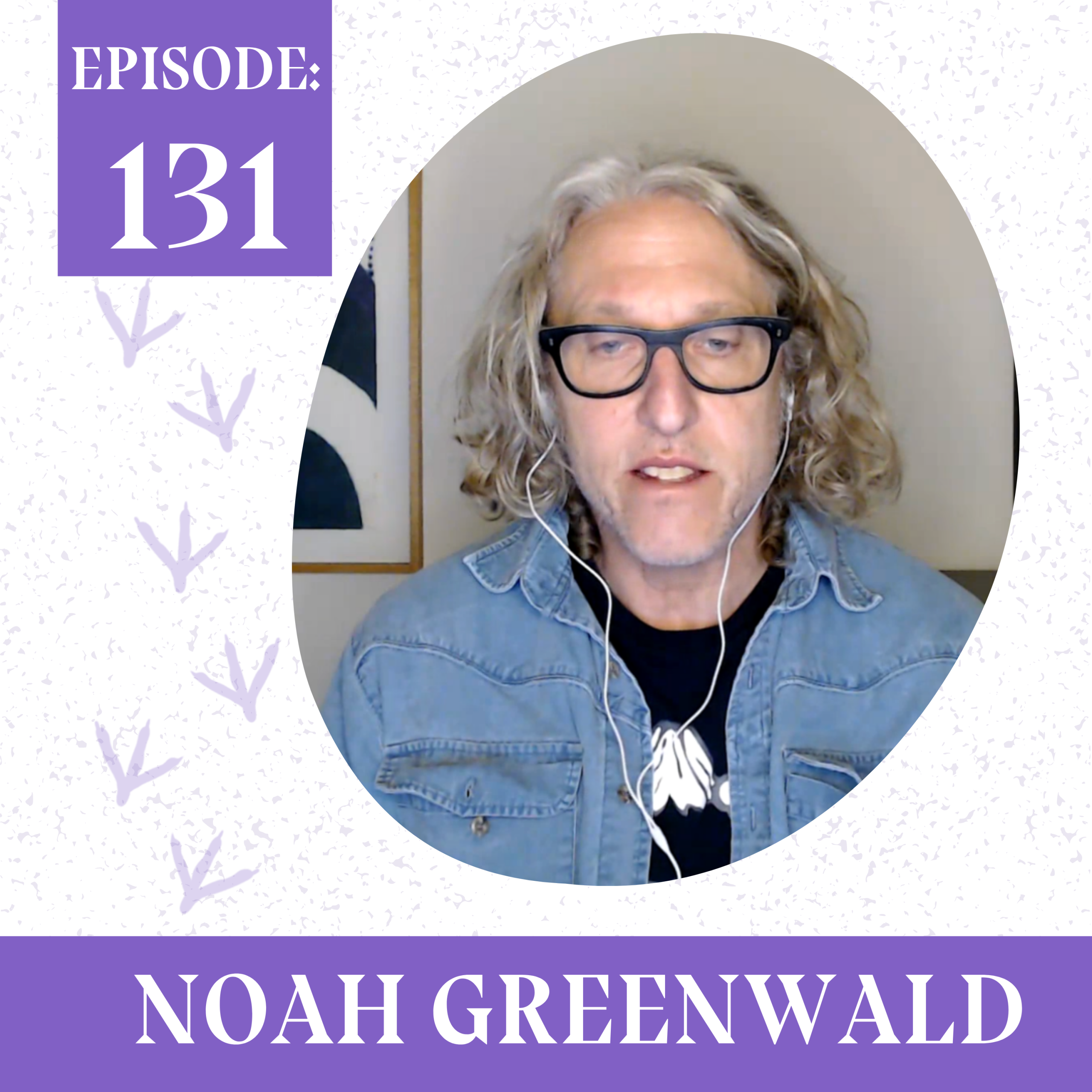
In a landmark ruling, a federal court in the Northern District of California struck down four of six challenged Trump administration regulations that had significantly weakened the Endangered Species Act’s core enforcement mechanisms. Host Mariann Sullivan speaks with Noah Greenwald, Endangered Species Program Director at the Center for Biological Diversity, about the case — what was challenged, what the court decided, and what it means for wildlife protection amid ongoing regulatory rollbacks under the current administration. Federal court invalidates four ESA regulations: The Northern District of California ruled that changes to Section 7 of the Endangered Species Act were both facially inconsistent with the statute and arbitrary and capricious under the Administrative Procedure Act. “Reasonably certain to occur” standard struck down: The court rejected a heightened evidentiary standard for evaluating effects of federal projects on listed species, restoring the lower “likely to occur” threshold that better reflects the statute. “As a whole” critical habitat language invalidated: Adding three words to the adverse modification standard would have allowed death-by-a-thousand-cuts destruction of critical habitat for wide-ranging species like the Northern Spotted Owl — the court found this directly contrary to the ESA. Enforceable mitigation commitments required: The court upheld that project proponents cannot escape ESA obligations through vague promises; terms and conditions to protect listed species must be binding and enforceable. Fish and Wildlife Service duty to flag reinstated: The ruling reaffirmed that FWS has an affirmative obligation to notify action agencies when consultation must be reinitiated — it cannot simply wash its hands of its expert role. ABOUT OUR GUEST Noah Greenwald is the Director of the Endangered Species Program at the Center for Biological Diversity, where he has worked since 1997 to protect imperiled wildlife, strengthen the Endangered Species Act, and raise public awareness about the biodiversity crisis facing North American wildlife. We are thrilled to expand the accessibility of our podcast by offering written transcripts of the interviews! Click here to read this episode's interview. ********** You can listen to the Animal Law Podcast directly on our website (at the top of this page) or you can listen and subscribe on Apple Podcasts, YouTube, or your favorite podcatcher. Also, if you like what you hear, please rate it on Apple Podcasts, and don’t forget to leave us a friendly comment! Of course, we would be thrilled if you would consider making a donation or becoming a member of our flock (especially if you’re a regular listener). Contributions of any amount will go towards our fundraising goal and are hugely appreciated. Our Hen House is a 501(c)(3) nonprofit organization, so it’s tax-deductible. Thank you for helping us create quality content! Don’t forget to also listen to the award-winning,  weekly signature OHH podcast — now in its fifteenth glorious year!

1 h 08 minAbspielen in:

Fr27Feb
The Animal Law Podcast

The Animal Law PodcastHost

Understanding EU Farmed Animal Welfare with Dr. Neil Dullaghan

In this episode of the Animal Law Podcast, Mariann Sullivan sits down with Dr. Neil Dullaghan, political scientist and author of The Compassion Mandate: Remaking the European Union’s Leadership on Farmed Animal Welfare. Together, they explore the complexities and challenges of EU farmed animal policies. This episode explores: The historical progress and current state of farmed animal welfare in the EU. The intricacies of EU governance and its impact on animal welfare legislation. Insights into the successes and setbacks of welfare reforms, including the influence of public activism. The potential for future improvements in animal welfare standards, particularly for farmed fish. The role of trade and labeling laws in shaping EU animal welfare policies. Join us as we delve into the factors shaping the future of farmed animal welfare in Europe. ABOUT OUR GUEST Dr. Neil Dullaghan is a political scientist with a PhD in Political and Social Science from the European University Institute and an MPhil in European Politics and Society from the University of Oxford. He has led research projects on farmed-animal protection policy in the European Union as a senior research manager at the nonprofit, nonpartisan think tank Rethink Priorities. We are thrilled to expand the accessibility of our podcast by offering written transcripts of the interviews! Click here to read this episode's interview. ********** You can listen to the Animal Law Podcast directly on our website (at the top of this page) or you can listen and subscribe on Apple Podcasts, YouTube, or your favorite podcatcher. Also, if you like what you hear, please rate it on Apple Podcasts, and don’t forget to leave us a friendly comment! Of course, we would be thrilled if you would consider making a donation or becoming a member of our flock (especially if you’re a regular listener). Contributions of any amount will go towards our fundraising goal and are hugely appreciated. Our Hen House is a 501(c)(3) nonprofit organization, so it’s tax-deductible. Thank you for helping us create quality content! Don’t forget to also listen to the award-winning,  weekly signature OHH podcast — now in its fifteenth glorious year!

1 h 06 minAbspielen in:

Warum PodAppear

Folge Menschen, nicht Podcasts.

Du hast Mariann in einer Sendung gehört. PodAppear findet für dich die nächste, und genauso für alle anderen, die du hören willst.

  • Eine Meldung, wenn die Person zu Gast istPer E-Mail: sofort oder gebündelt als Tages- oder Wochenübersicht. Dann nur noch auf Play drücken.
  • Gäste statt bloßer ErwähnungenFolgen, in denen ein Name nur fällt, landen getrennt. Eine Meldung heißt: Die Person ist wirklich in der Sendung.
  • Alle in einem FeedGründerinnen, Autoren, Sportler, Forscherinnen. Folge allen mit Namen, quer durch jede Sendung, in der sie auftreten.

Bis zu 15 Personen kostenlos, ohne Kreditkarte.