Bekomm eine E-Mail, wenn Louise in einem Podcast zu Gast istPodAppear prüft neue Folgen, sobald sie erscheinen, und lässt die weg, in denen Louise nur erwähnt wird. Bis zu 15 Personen kostenlos, ohne Kreditkarte.Bis zu 15 Personen kostenlos, ohne Kreditkarte.
Does testosterone help women with more than low libido?Real-world data from Dr Louise’s research team says yes. Content advisory: this episode includes themes of mental health and suicide.
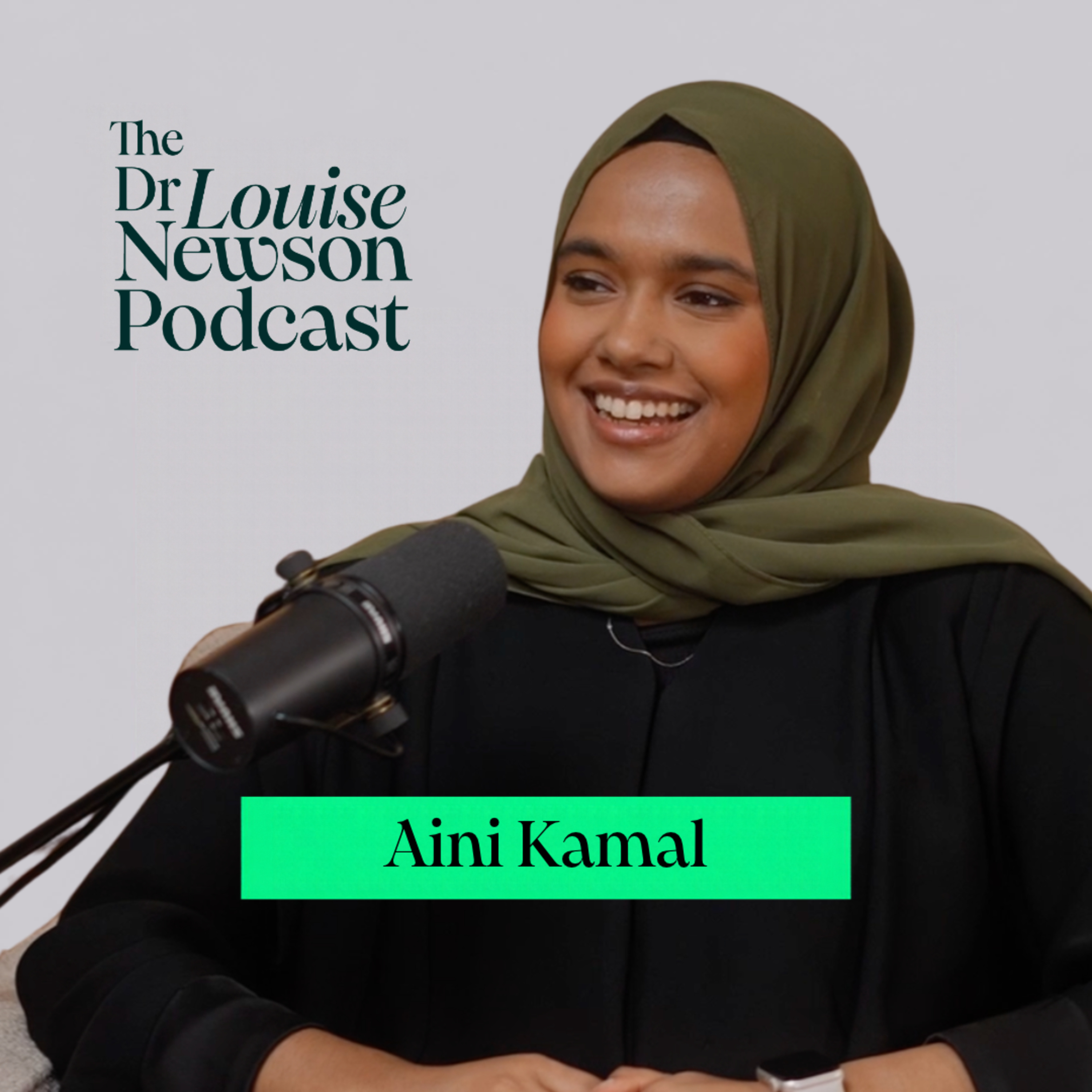
In this episode, Dr Louise Newson is joined by Aini Kamal, a neuroscience graduate and researcher with Newson Research, the small team Louise funds to study hormone health. Aini shares how her mum’s mental illness drew her to neuroscience, and how a gap year showed her just how under-researched women’s health still is.
Together they discuss data showing testosterone improving joint pain, vaginal dryness, urinary symptoms and mood, research linking HRT with fewer suicidal thoughts, why FSH blood tests can mislead doctors diagnosing menopause, and why female athletes are being denied testosterone.Louise also explains why every cell in the brain responds to hormones.
Aini closes with the three things she most wants her research to achieve, from easier access to care to closing cultural gaps in hormone education.
Chapters
0:00 Why does women's hormone research matter so much?
1:05 Why did a neuroscientist move into women's health?
2:12 Why is women's health so under-researched?
3:13 Can a digital tool help explain HRT?
5:30 Does every brain cell respond to hormones?
7:00 Why does so much medical research never help patients?
8:38 Can a private clinic produce unbiased research?
13:11 How do clinic notes become research data?
15:22 Can HRT reduce suicidal thoughts in menopause?
17:47 Can an FSH blood test miss menopause?
21:34 What symptoms does testosterone improve in women?
23:44 Do women have more testosterone than oestrogen?
25:15 Why are female athletes denied testosterone?
27:56 What hormone research is coming next?
28:53 What does Aini want her research to change?
Let’s connect
👉 Told your blood tests are "normal" but still struggling with symptoms? Book with a doctor who understands testosterone at Newson Health: DrLN.co.uk/clinic
👉Follow the podcast on Spotify:
👉More from Dr Louise Newson: https://linkin.bio/drlouisenewson
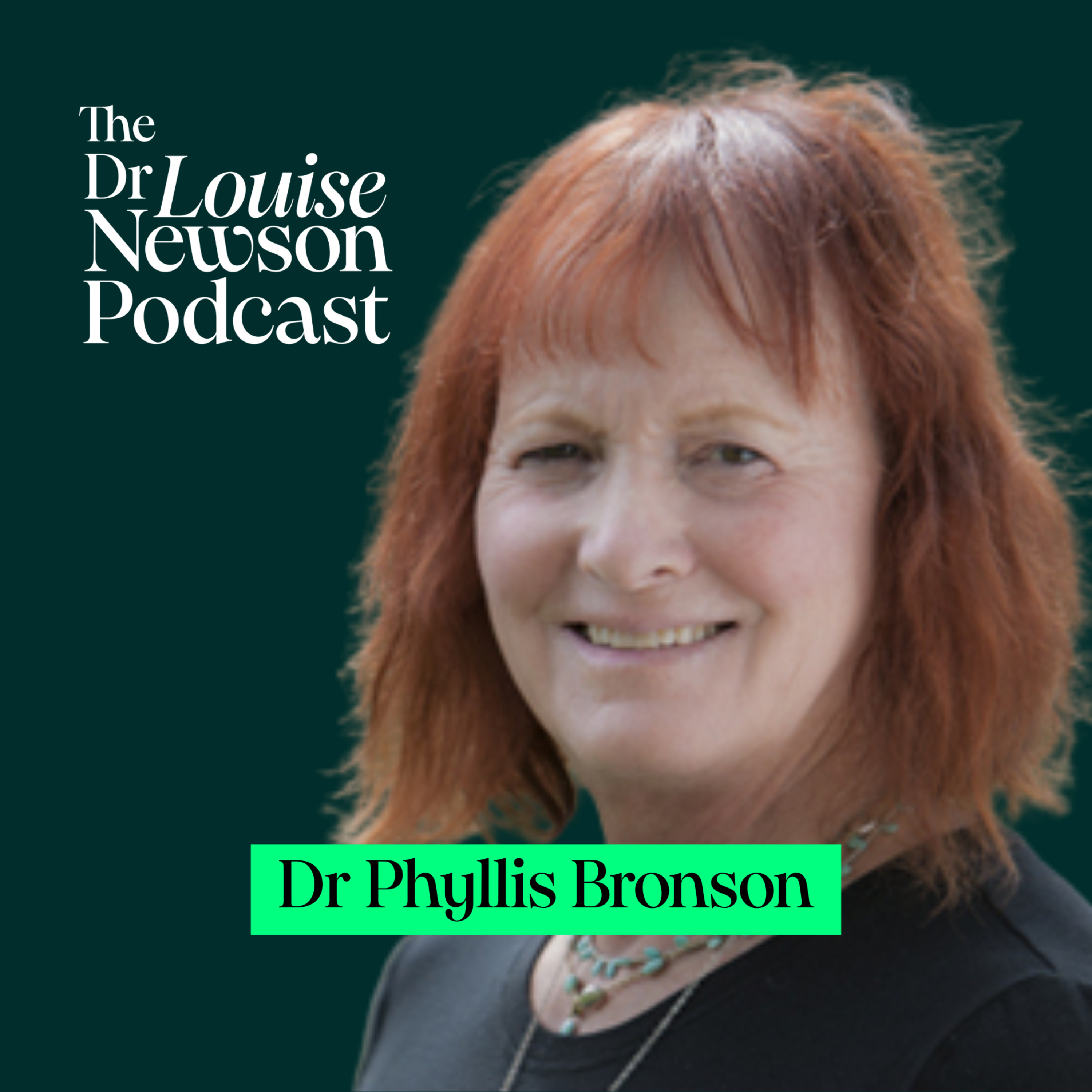
Biochemist Dr Phyllis Bronson on why women who can't tolerate progesterone may actually be reacting to progestogens/progestins (the synthetic type of progesterone)
Phyllis has spent decades researching progesterone and mood, and her doctoral work looked at the molecular differences between body identical progesterone and the synthetic progestogens found in many contraceptive pills and older types of HRT. She joins Dr Louise Newson to share the primate study that changed how she saw synthetic hormones, and why a small change to a molecule can have such a big effect on the body.
They talk about progesterone as the "molecule of calm", how transdermal and oral progesterone work differently in the brain and why some women may simply need a higher dose. They also discuss progesterone's role in making cortisol, and why it's often the first hormone to decline, sometimes as early as your 20s and 30s.
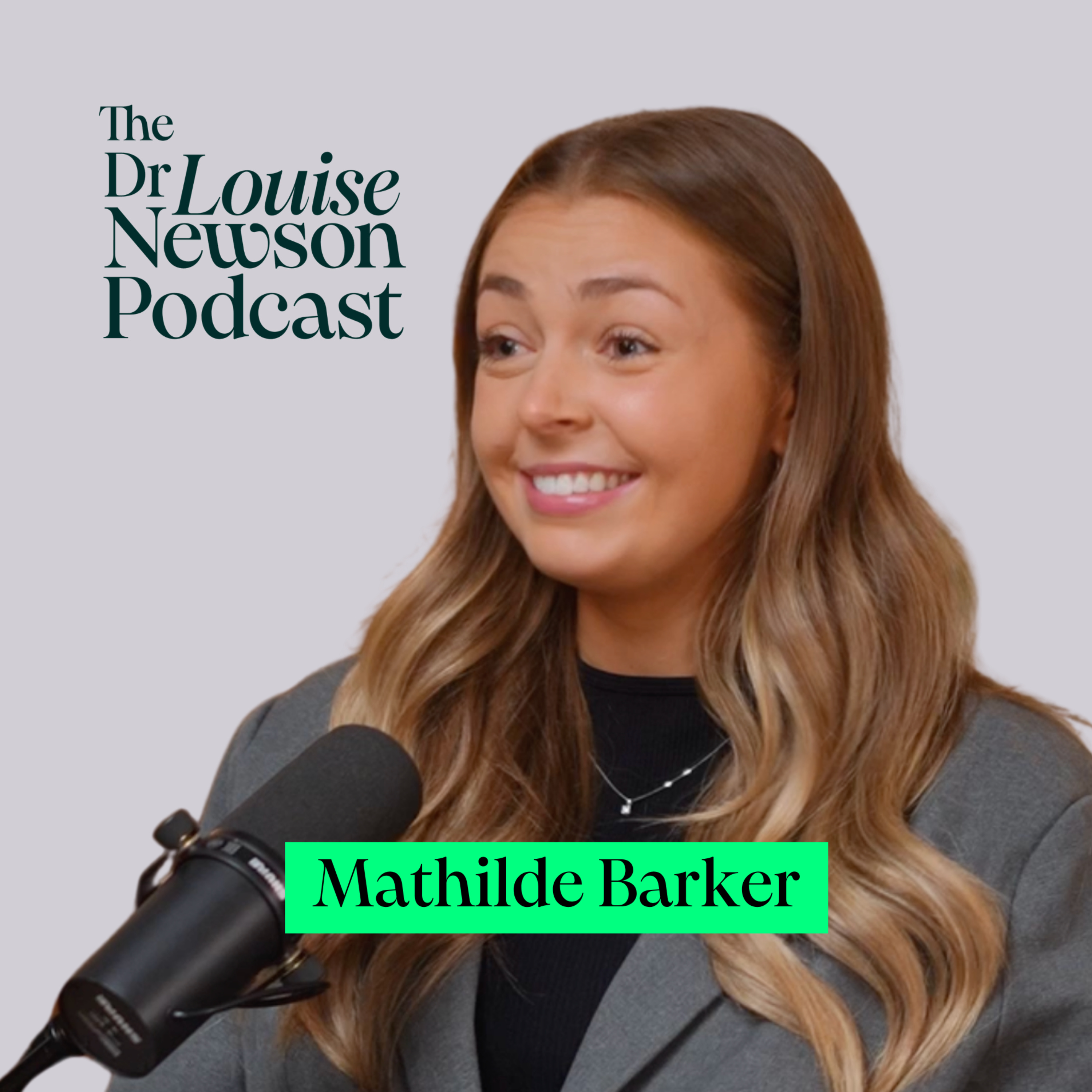
Mathilde Barker was 23 when she finally understood why, since the age of 14, doctors had told her it was "just" muscle strain, put her on antidepressants, and once removed her appendix by mistake. It took five years to get a diagnosis of endometriosis, and two surgeries later, adenomyosis too.
She joins Dr Louise Newson to talk through her whole journey: the misdiagnoses, a scan result that was reversed by a phone call, being told by a doctor at 19 that having a baby would cure her symptoms, and the reality of being put into a medically induced menopause in her twenties just to manage the pain.
Louise explains what's actually happening in the body with endometriosis and adenomyosis, why low testosterone and progesterone are so common in women with these conditions, and why blocking hormones completely isn't always the right approach.
Louise ends, as always, with three take-home tips for anyone who suspects they — or someone they know — might have endometriosis or adenomyosis.
Lets connect
👉 Track your symptoms and understand hormones, download the Balance app: https://bit.ly/4yZty5A👉 More from Dr Louise Newson: https://linkin.bio/drlouisenewson👉 Follow Mathilde: @mathildebarker
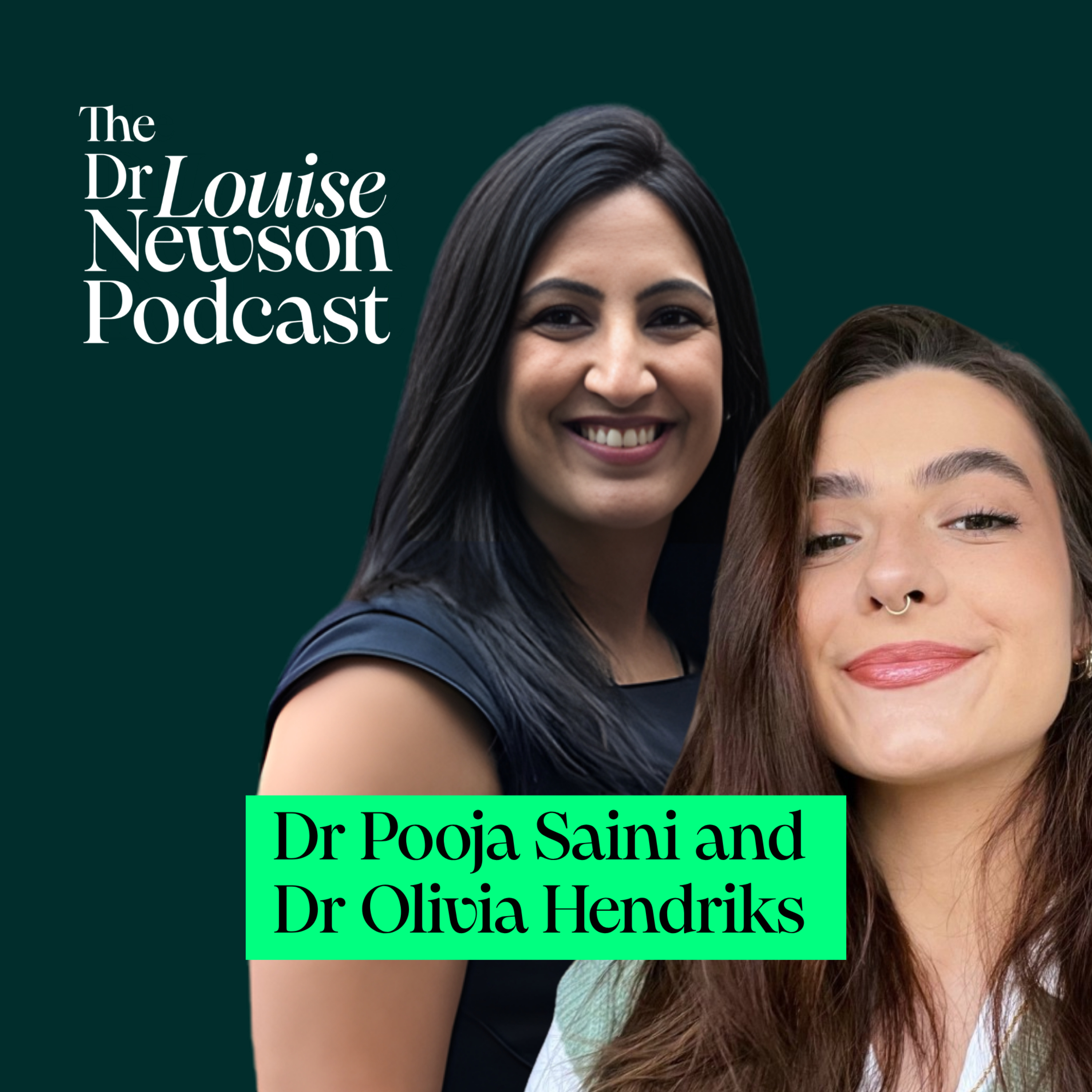
In this episode, Dr Louise Newson is joined by Dr Pooja Saini and psychologist Dr Olivia Hendriks to discuss their important research into perimenopause, menopause and suicide risk. Together, they explore why hormonal changes during perimenopause and menopause can have such profound impacts on mental health, and why this connection is still often overlooked in both research and clinical care.
They also discuss findings showing significant improvements in mental health and suicidal thoughts with appropriate hormone treatments, and why greater awareness, better research and more frequent prescribing of hormones are urgently needed to improve the health of women.
This is a really important episode highlighting the important link between menopause and suicide risk that can’t be ignored.
Let’s connect
👉 Read the full research paper discussed in this episode: https://www.drlouisenewson.co.uk/knowledge/hormone-related-suicide-risk-going-undetected
👉 More from Dr Louise Newson: https://linkin.bio/drlouisenewson
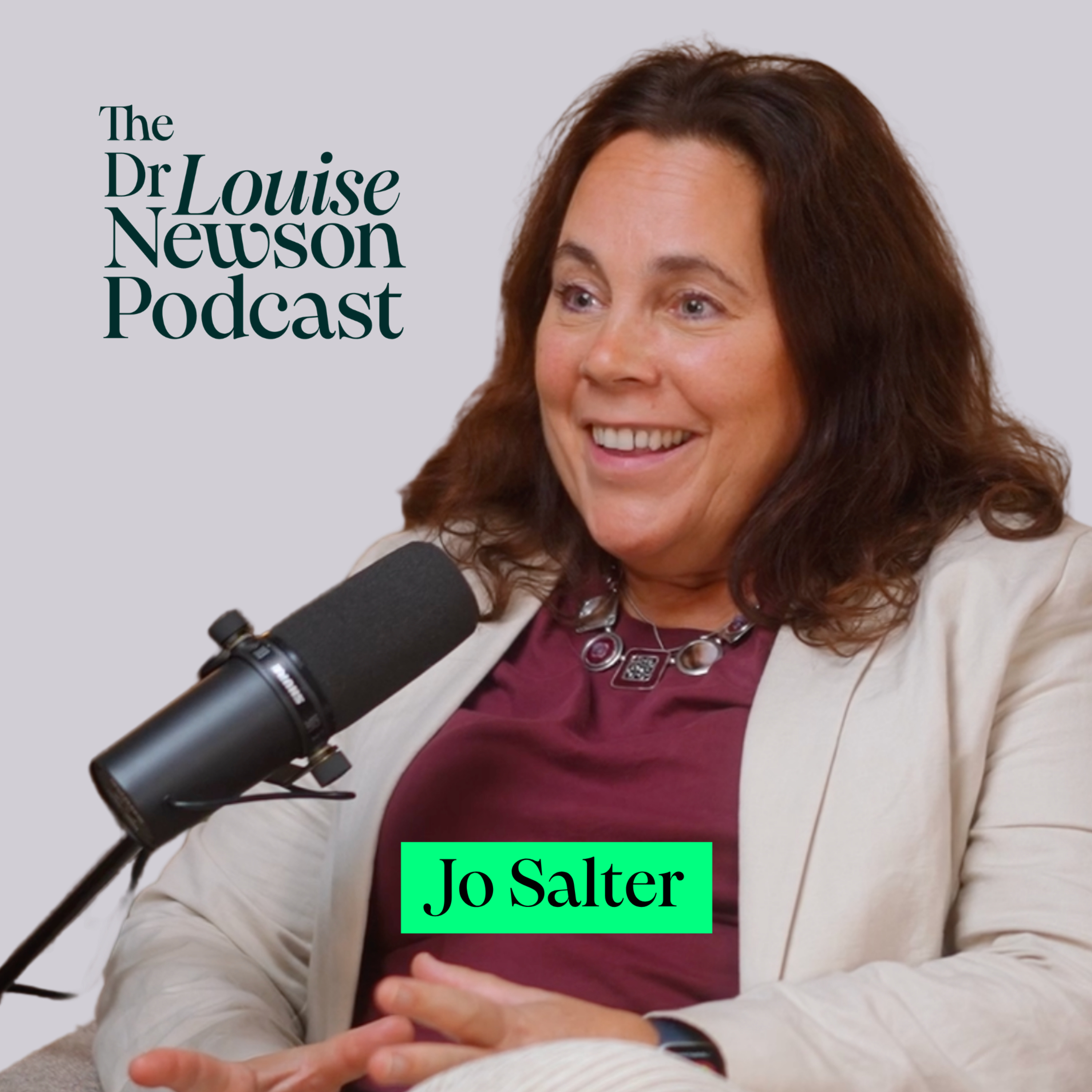
Jo flew supersonic jets under extreme pressure for a living, but missed the menopause happening inside her own body.
This week Dr Louise Newson is joined by Jo Salter, Britain's first female fast jet pilot, who spent years pushing through severe menopause symptoms without realising what they were, until she found herself mentally ticking off a symptom checklist in the middle of a conference. They talk about why testosterone is still so hard for women to access even on an NHS prescription, and the guidelines that leave many women denied any hormones at all after a surgical menopause.
Louise also explains why breast cancer shouldn't automatically rule out HRT, the buried history of progesterone and postnatal depression, and shares a patient story that shows just how much hormones can transform a life.
Jo closes with her three take-home tips for building the confidence to advocate for your own health.
Let’s connect
👉 Track your symptoms and understand hormones, download the Balance app: https://bit.ly/4yZty5A
👉 More from Dr Louise Newson: https://linkin.bio/drlouisenewson
👉Follow Jo: @josaltermbe
39 minAbspielen in:
Warum PodAppear
Folge Menschen, nicht Podcasts.
Du hast Louise in einer Sendung gehört. PodAppear findet für dich die nächste, und genauso für alle anderen, die du hören willst.
Eine Meldung, wenn die Person zu Gast istPer E-Mail: sofort oder gebündelt als Tages- oder Wochenübersicht. Dann nur noch auf Play drücken.
Gäste statt bloßer ErwähnungenFolgen, in denen ein Name nur fällt, landen getrennt. Eine Meldung heißt: Die Person ist wirklich in der Sendung.
Alle in einem FeedGründerinnen, Autoren, Sportler, Forscherinnen. Folge allen mit Namen, quer durch jede Sendung, in der sie auftreten.
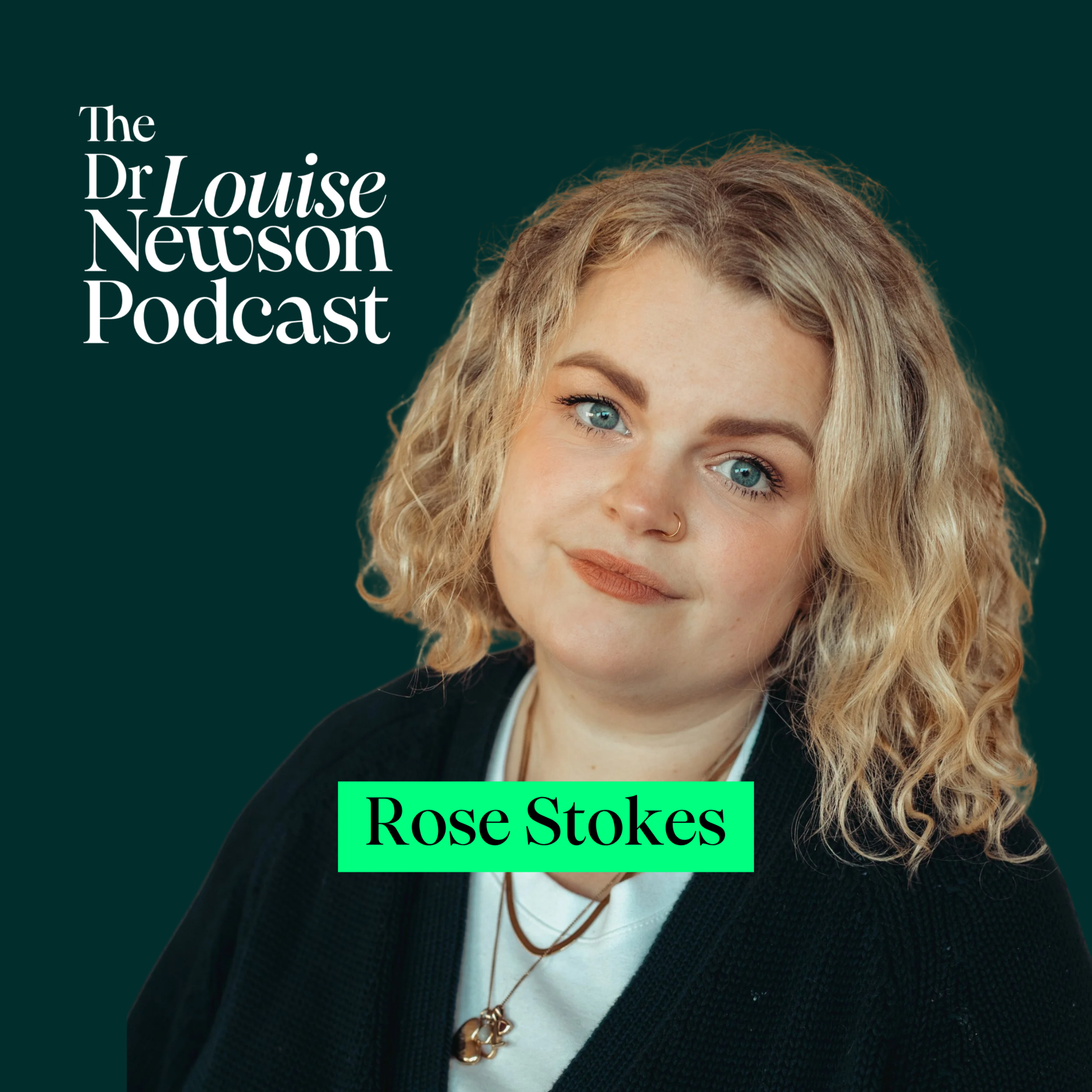
Rose Stokes, journalist and host of the Matter of Fat podcast, joins Dr Louise Newson to talk GLP-1 weight-loss drugs, the hormones behind weight gain and the shame around women's bodies.
Rose has lived with obesity on and off for thirty years and is currently taking GLP-1 medication herself, after months of exercise and calorie counting made no difference to her weight post-pregnancy. She and Louise talk candidly about what these drugs can and can't do, and why "easy" is the last word Rose would use to describe taking them.
Louise explains why women are so often told their weight is a food and exercise problem when the real cause can be hormonal. They also cover the research gaps around GLP-1s and women's hormones and why blame and shame make it harder to get the right help.
Rose closes with her three take-home tips for anyone rethinking their relationship with weight.
Let’s connect
👉 Track your symptoms and understand hormones, download the Balance app: https://bit.ly/4yZty5A
👉 More from Dr LouiseNewson: https://linkin.bio/drlouisenewson
👉 Follow Rose: Insta: @rosestokeshttps://podcasts.apple.com/us/podcast/a-matter-of-fat/id6805913565
https://open.spotify.com/show/469s4SFr3DNivfx1dQVyXR?si=9065a05ed85b4723
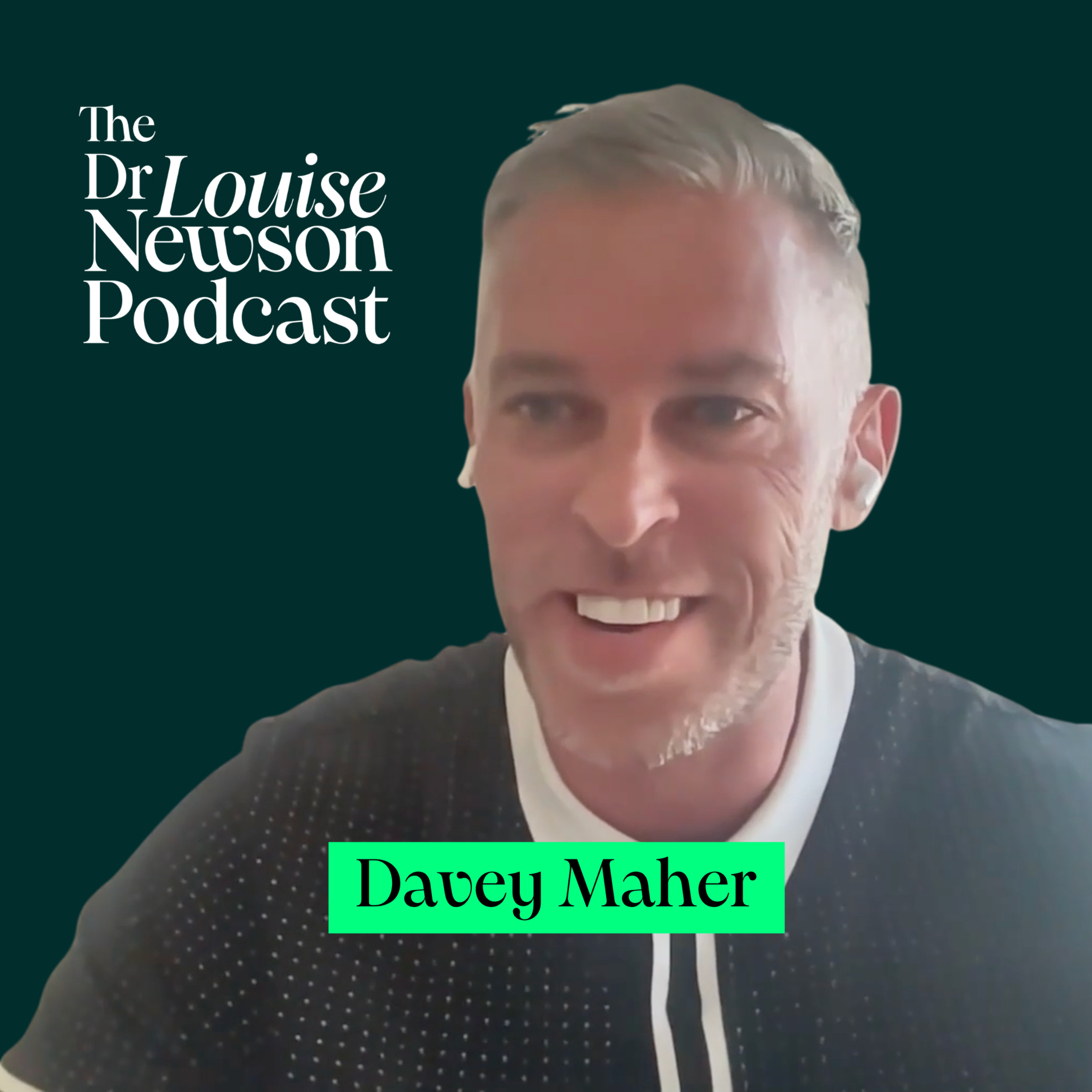
Many women are told that all hormone treatments are essentially the same. But the reality is far more complex, and understanding the difference could have a significant impact on your health, fitness and wellbeing.
In this episode, Dr Louise Newson is joined by women’s health and fitness coach Davey Maher to discuss why bioidentical and synthetic hormones work differently in the body, how they influence inflammation, muscle, metabolism and long-term health, and why these differences are so often overlooked.
Together, they explore why so many women struggle with weight gain and muscle loss during midlife, why strength training and nutrition become increasingly important as hormone levels change, and how taking the right hormones alongside healthy lifestyle habits can help women stay stronger, healthier and more active for longer.
Let’s connect
👉 Track your symptoms and understand hormones, download the Balance app: https://bit.ly/4yZty5A
👉 More from Dr Louise Newson: https://linkin.bio/drlouisenewson
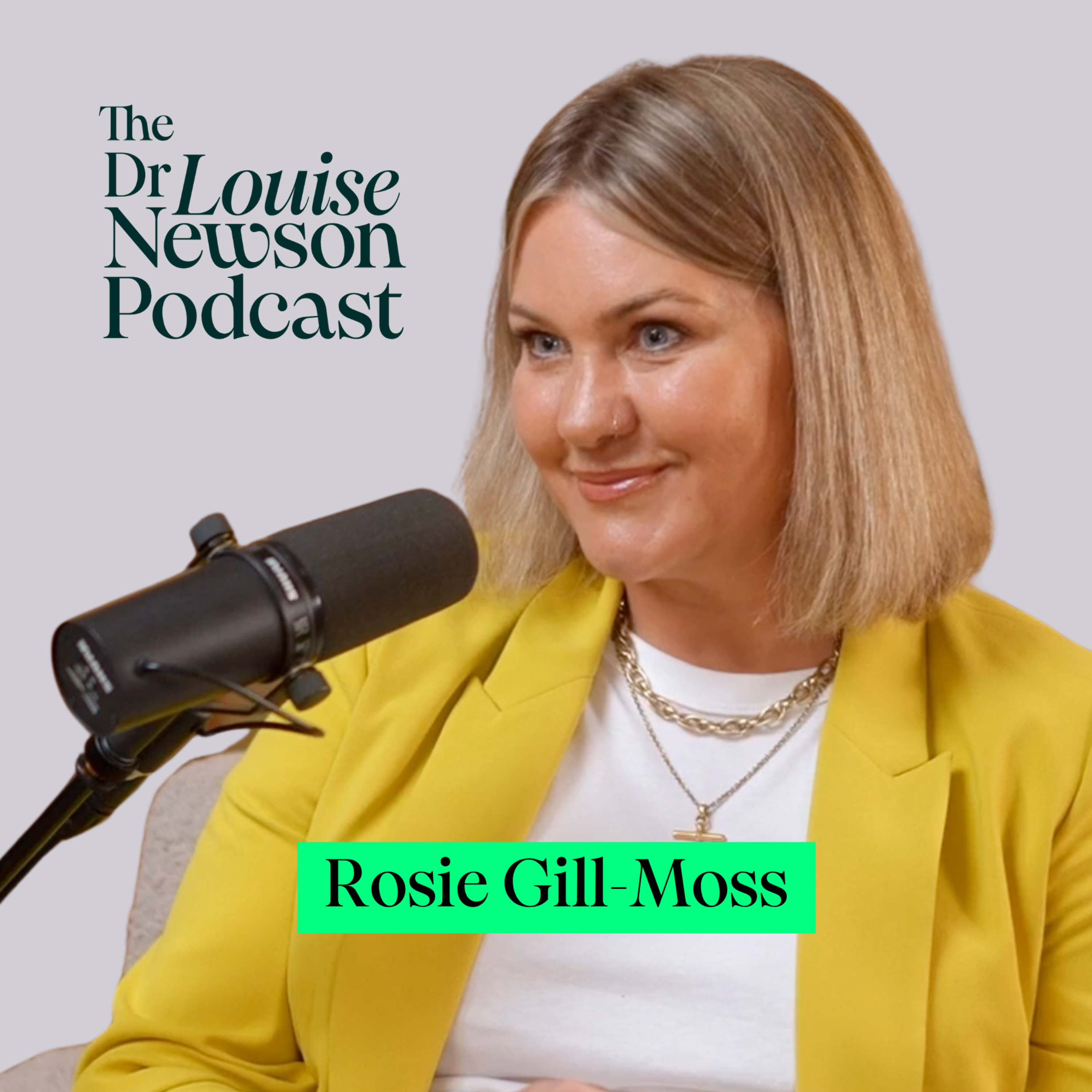
Rosie Moss spent years being told her symptoms were simply grief, when actually there was undiagnosed PMDD also at play.
Rosie hosts the podcast Widowed AF, and after her husband Ben died suddenly in a scuba diving accident in 2018, she was left to raise three young children while experiencing monthly crises that went far beyond ordinary grief, including periods of being unable to leave her bed for days at a time. Over the following years she was prescribed a succession of medications, from antidepressants to sedatives to an antipsychotic, none of which addressed what was actually happening to her hormones.
Rosie describes being threatened with the police at A&E and being refused the estrogen dose that had finally brought her stability, while Dr Louise explains why physical symptoms such as joint pain and night sweats are often a sign that hormones are involved rather than grief alone, and why current guidelines still recommend antidepressants for PMDD despite limited evidence that they help.
Rosie also shares the three take-home tips she would give anyone navigating grief.
Follow Rosie and Widowed AF: @widowed_af
Let’s connect
👉 Track your symptoms and understand hormones, download the Balance app: https://bit.ly/4yZty5A
👉 More from Dr Louise Newson: https://linkin.bio/drlouisenewson
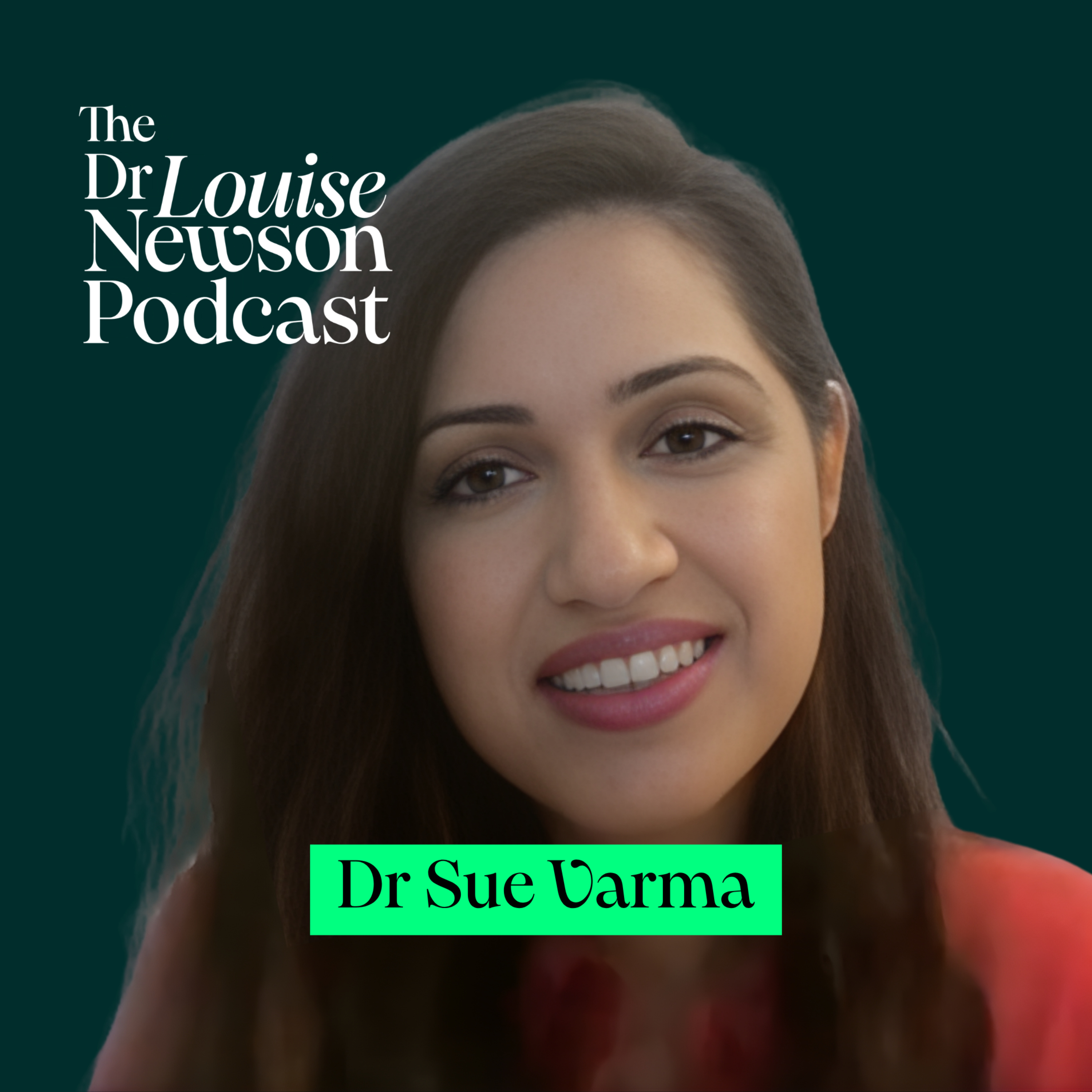
Psychiatrist Dr Sue Varma joins Dr Louise Newson to unpack why hormones are so often left out of mental health care and what gets missed as a result, from puberty to postpartum to perimenopause.
Dr Varma is a board-certified psychiatrist and was the first medical director of the World Trade Center Mental Health Program, treating 9/11 survivors and first responders.
Sue and Louise discuss why psychiatric training leaves out hormones' role in the brain - memory, mood, dementia risk - and why a proper medical work-up (thyroid, B12, vitamin D, hormones) should come before a psychiatric label. They talk about the stigma around seeking help, the risk of over-medicalising ordinary emotions and Sue's practical tools for difficult periods such as the "four M's" of mental health, the worry diary and her four-step framework - name it, tame it, claim it, reframe it.
Sue closes with three take-home tips for anyone having a difficult time right now.
Let’s connect
👉 Track your mood symptoms with the Balance app: https://bit.ly/4yZty5A
👉 More from Dr Louise Newson: https://linkin.bio/drlouisenewson
👉 Link to Dr Sue Varma's book : Practical Optimism https://a.co/d/ekTvcfq
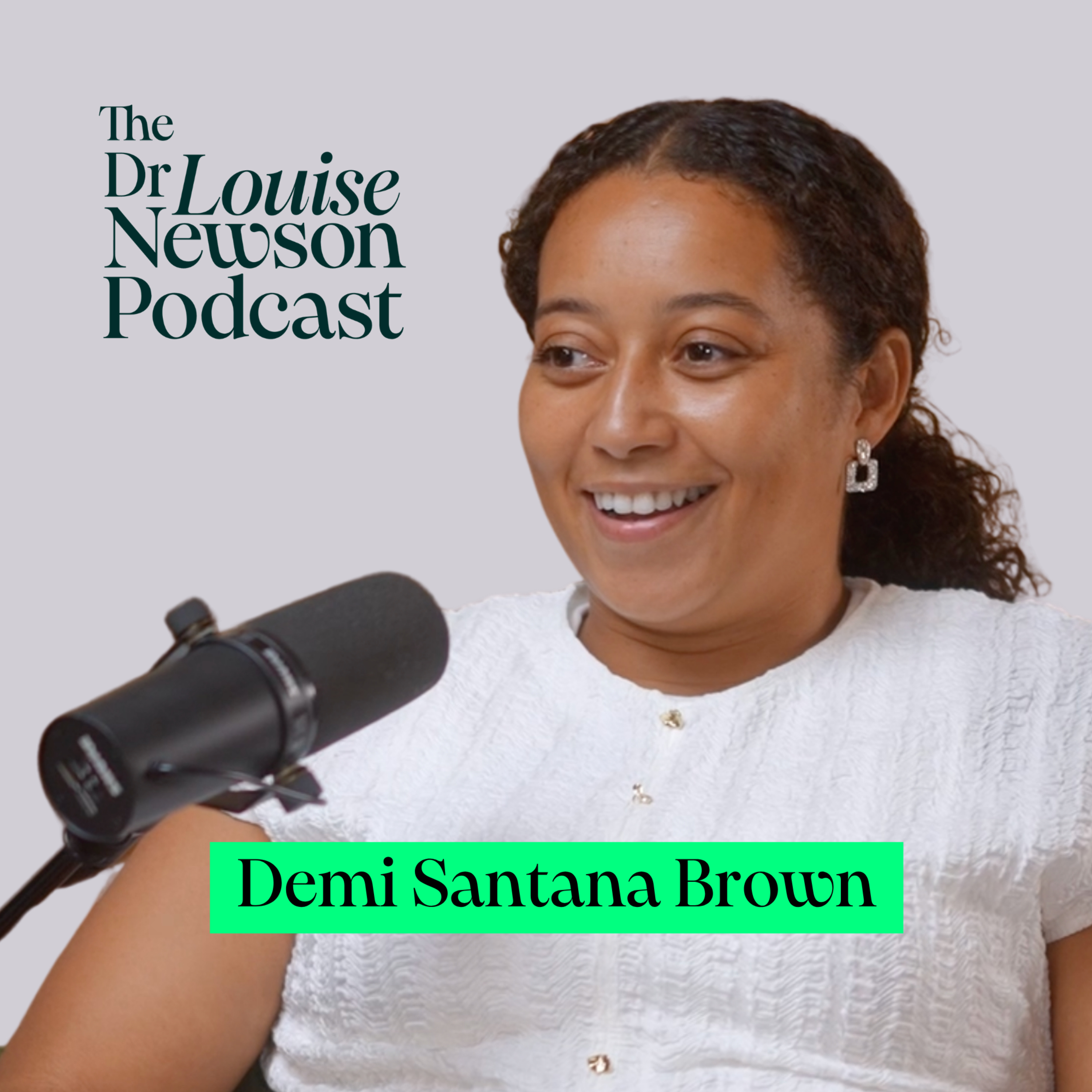
Love Is Blind's Demi Santana Brown opens up aboutendometriosis, adenomyosis, fibroids and the power of natural hormones.
Before Love Is Blind UK, Demi was a professional footballer for Millwall, West Ham and Leyton Orient - playing through heavy, painful periods for years before doctors took her seriously. She joins Dr Louise Newsonto share what it's really like to be dismissed by doctors, why the contraceptive pill made her mental health worse and how an online hormone test told her she was "fine" when her testosterone was actuallydangerously low.
Louise explains the real difference between synthetic and natural hormones, why testosterone and progesterone matter for endometriosis and how reducing inflammation can ease pain, heavy bleeding and fatigue. They also discuss medical misogyny, harmful advice like "just get pregnant," and Demi’s three take-home tips for anyone struggling with endometriosis.
Let’s connect
👉 Follow Demi: @demisantanabrown
👉 Track your hormones properly with the Balance app: https://bit.ly/4yZty5A👉 More from Dr Louise Newson:https://linkin.bio/drlouisenewson
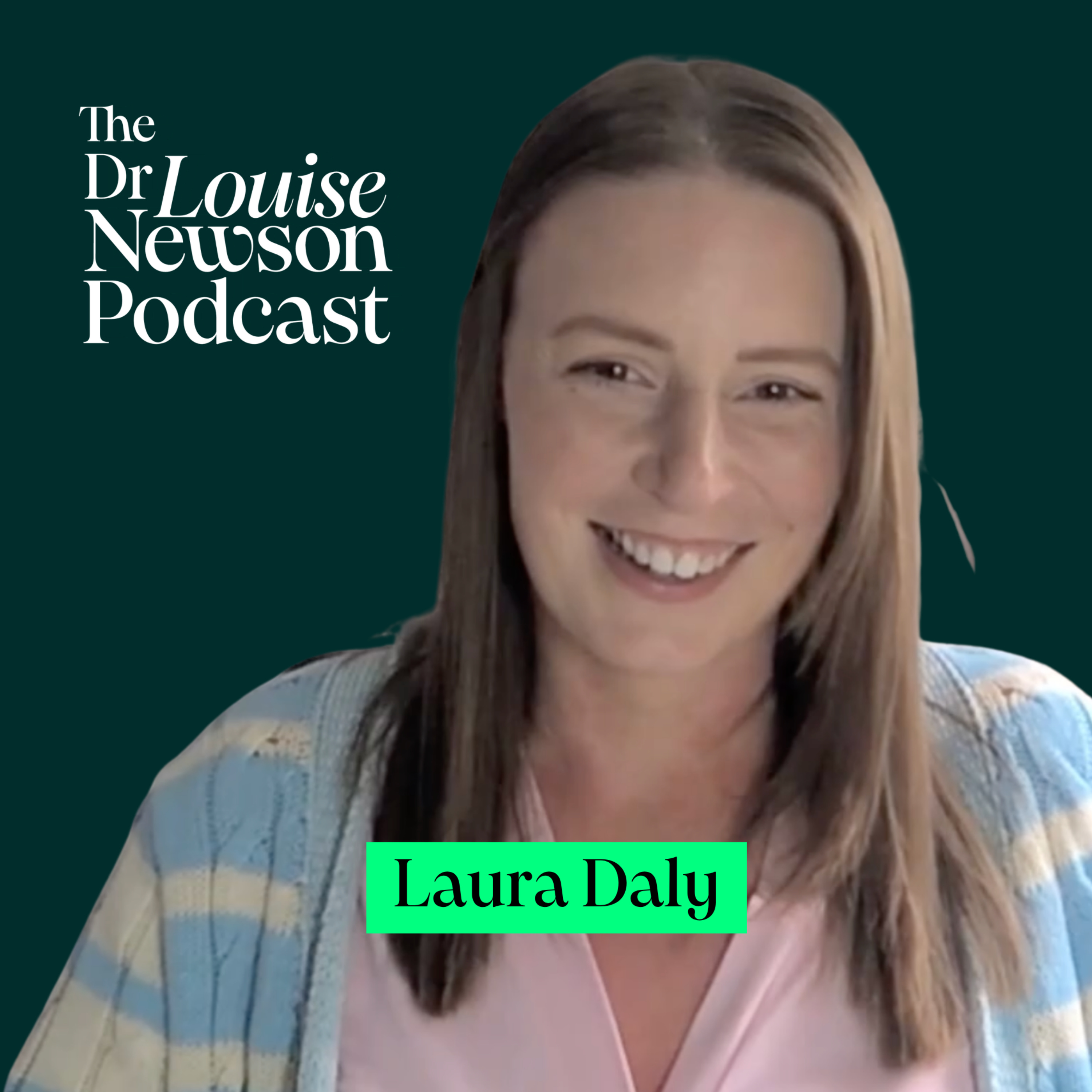
Having your ovaries removed causes an immediate menopause, yet many women are still told to simply ‘see how they get on’ afterwards.
This week, Dr Louise Newson is joined by Laura Daly, who shares her experience of surgical menopause at the age of 37 following treatment for severe endometriosis. Having seen first-hand how hormonetreatment transformed her mother’s life after PMDD, Laura knew she wanted to understand her options before surgery and advocate for the care she needed.
Together they discuss why replacing hormones after surgical menopause is about far more than relieving symptoms. Laura shares how she experienced brain fog, anxiety, joint pain, palpitations, poor sleep and a loss of confidence despite being prescribed a standard dose of HRT, and explains the remarkable improvements she noticed once her hormone treatment was personalised.
Louise and Laura also explore why hormone treatments should be individualised, why women who have their ovaries removed lose more than just estrogen and why treating the underlying hormone deficiency is so important for both current symptoms and future health.
Louise and Laura discuss:
Why women need a plan for hormone replacement before surgical menopause
Why replacing oestrogen, progesterone and testosterone can all be important
Why hormone treatment should be tailored to the individual, not standardised
The long-term health benefits of optimising hormones after early menopause
Why women deserve informed choices about their treatment after ovary removal
This episode is an empowering conversation about advocatingfor better care, understanding your hormones and ensuring women receive the treatment they need to protect both their quality of life and their future health.
LET'S CONNECT
👉 Subscribe on YouTube
https://www.youtube.com/@menopause_doctor?utm_source=DLNpodcast+&utm_medium=shownotes&utm_campaign=BAU+
👉 Instagram
https://www.instagram.com/menopause_doctor/?hl=en&utm_source=DLNpodcast+&utm_medium=shownotes&utm_campaign=BAU+
👉 LinkedIn
https://www.linkedin.com/in/drlouisenewson/?utm_source=DLNpodcast+&utm_medium=shownotes&utm_campaign=BAU+
👉 TikTok
https://www.tiktok.com/@drlouisenewson?utm_source=DLNpodcast+&utm_medium=shownotes&utm_campaign=BAU+
👉 Spotify
https://open.spotify.com/show/7dCctfyI9bODGDaFnjfKhg?utm_source=DLNpodcast+&utm_medium=shownotes&utm_campaign=BAU+
LEARN MORE
👉 Download mybalance app
https://balance-app.com/?utm_source=DLNpodcast+&utm_medium=shownotes&utm_campaign=BAU+
👉 Order my new book
https://bio.to/ThePowerofHormones?utm_source=DLNpodcast+&utm_medium=shownotes&utm_campaign=BAU+
👉 Speak to NewsonClinic
https://www.newsonhealth.co.uk/?utm_source=louise_podcast&utm_medium=show_notes&utm_campaign=clinic_cross_promotion
👉 Visit my website
https://www.drlouisenewson.co.uk/?utm_source=DLNpodcast+&utm_medium=shownotes&utm_campaign=BAU+
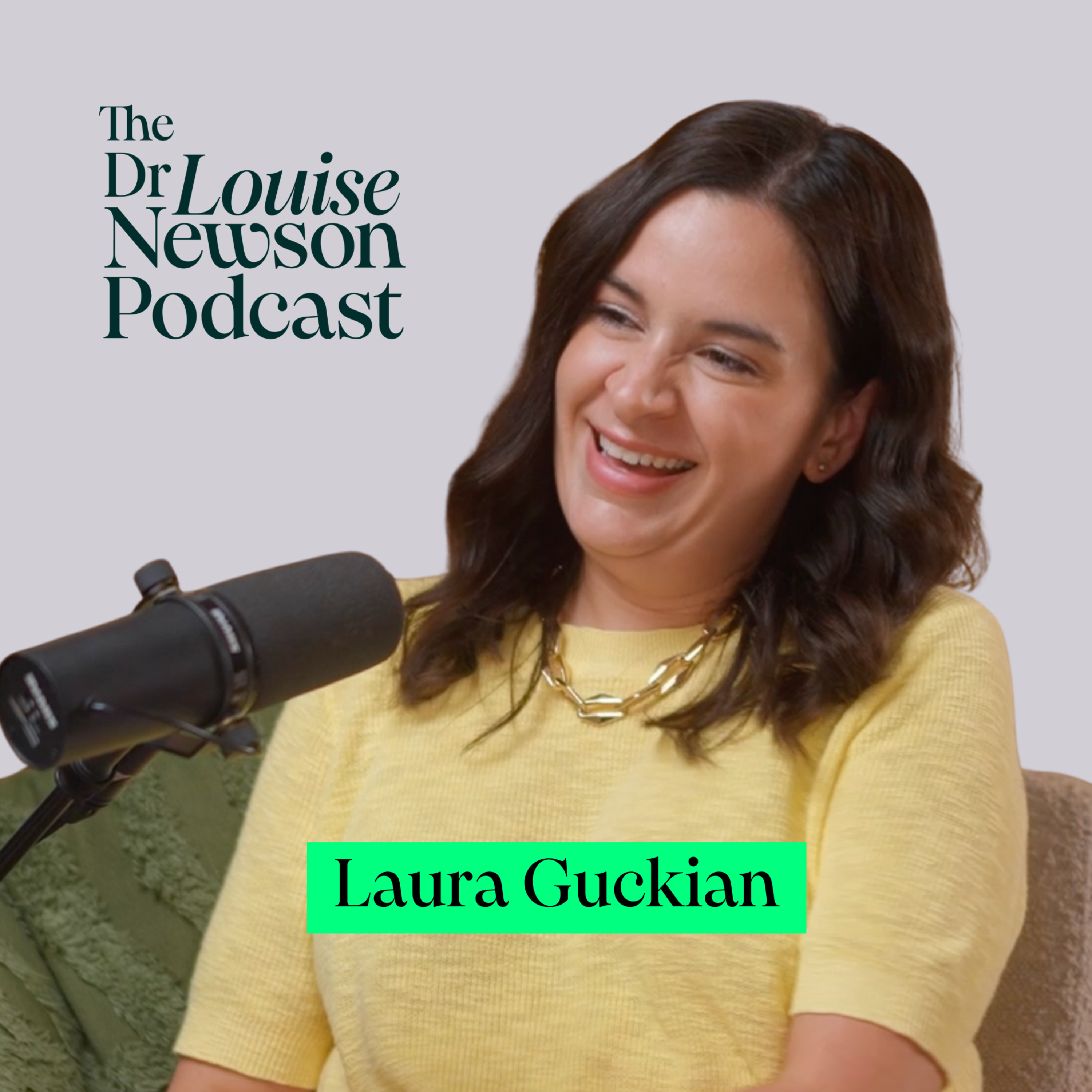
Becoming a mother is often described as the happiest time in a woman’s life. But for many, it can also be the hardest.
In this week’s episode, Dr Louise Newson is joined by Motherhood Coach, Maternal Mental Wellbeing expert and Founder of Mind Mommy Coaching, Laura Guckian, who shares her deeply personal story of severe postnatal mental health difficulties that led her to admit herself to a psychiatric hospital when her son was just 10 months old. Years later, she was diagnosed with autism and ADHD, helping her make sense of experiences that had never fully been explained.
Together, Louise and Laura explore why hormonal changes after pregnancy can have such profound effects on the brain, particularly for neurodivergent women, and why hormones are so often overlooked in conversations about maternal mental health. They discuss the limitations of labels such as postnatal depression, why antidepressants don’t address the underlying cause for every woman and how understanding progesterone, testosterone and estradiol may transform the way we support mothers.
This is an important conversation about feeling unseen, finding answers and why every woman deserves healthcare that looks beyond symptoms to understand what’s really happening.
LET'S CONNECT
👉 Subscribe on YouTube
https://www.youtube.com/@menopause_doctor?utm_source=DLNpodcast+&utm_medium=shownotes&utm_campaign=BAU+
👉 Instagram
https://www.instagram.com/menopause_doctor/?hl=en&utm_source=DLNpodcast+&utm_medium=shownotes&utm_campaign=BAU+
👉 LinkedIn
https://www.linkedin.com/in/drlouisenewson/?utm_source=DLNpodcast+&utm_medium=shownotes&utm_campaign=BAU+
👉 TikTok
https://www.tiktok.com/@drlouisenewson?utm_source=DLNpodcast+&utm_medium=shownotes&utm_campaign=BAU+
👉 Spotify
https://open.spotify.com/show/7dCctfyI9bODGDaFnjfKhg?utm_source=DLNpodcast+&utm_medium=shownotes&utm_campaign=BAU+
LEARN MORE
👉 Download mybalance app
https://balance-app.com/?utm_source=DLNpodcast+&utm_medium=shownotes&utm_campaign=BAU+
👉 Order my new book
https://bio.to/ThePowerofHormones?utm_source=DLNpodcast+&utm_medium=shownotes&utm_campaign=BAU+
👉 Speak to NewsonClinic
https://www.newsonhealth.co.uk/?utm_source=louise_podcast&utm_medium=show_notes&utm_campaign=clinic_cross_promotion
👉 Visit my website
https://www.drlouisenewson.co.uk/?utm_source=DLNpodcast+&utm_medium=shownotes&utm_campaign=BAU+
We’re losing experienced, talented women from the workforce because hormonal symptoms are still being overlooked, misunderstood and too often left untreated.
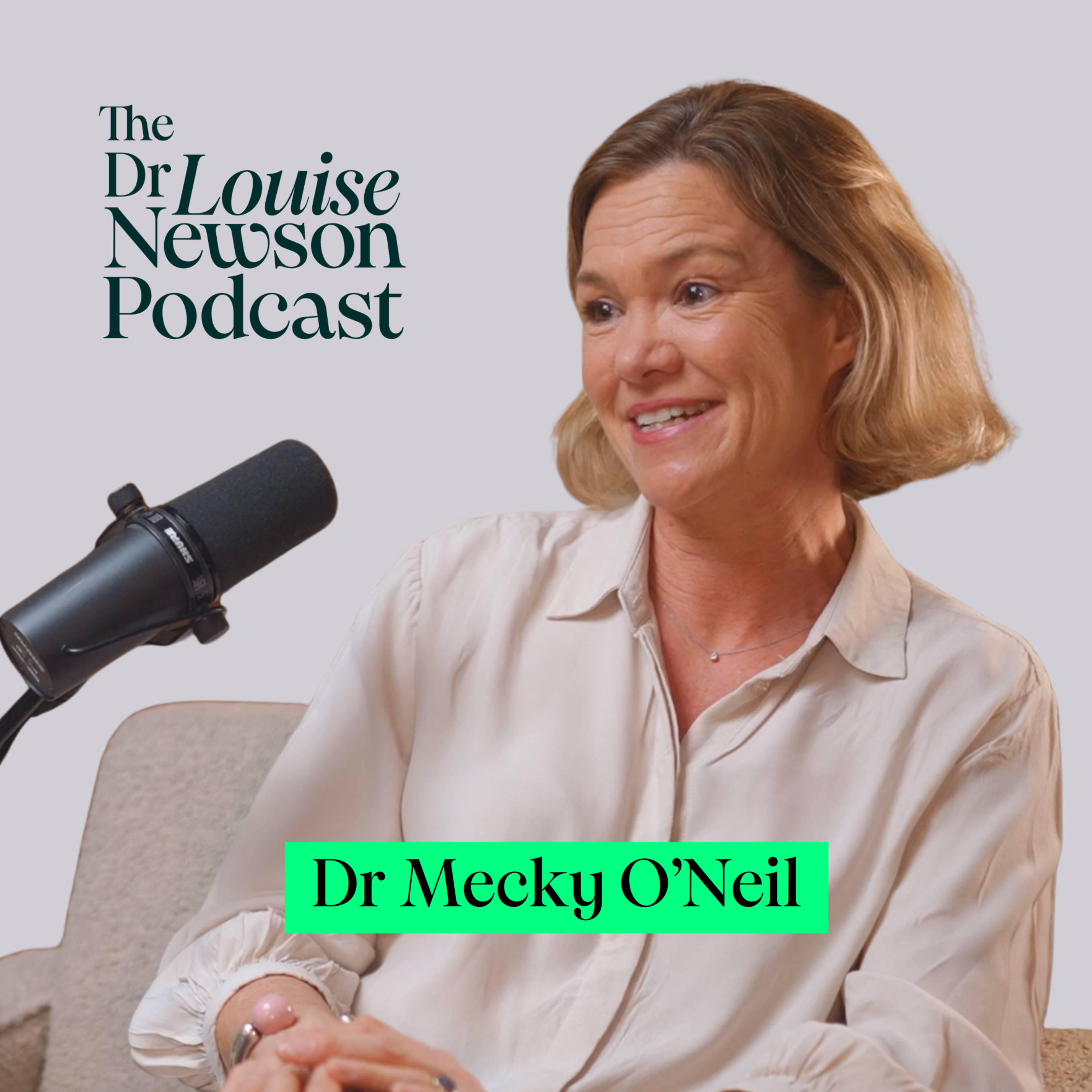
In this episode, Dr Louise Newson is joined by Dr Mecky McNeil, a former GP and health educator who is leading work to improve understanding of hormones and menopause in workplaces across Europe. Having trained together at medical school, Louise and Mecky reflect on how generations of doctors were left without the confidence to prescribe hormone replacement therapy following the publication of the Women’s Health Initiative study, and the lasting consequences this has had for women.
They explore why the most common hormone-related symptoms affecting work are often not hot flushes, but brain fog, poor concentration, anxiety, fatigue and loss of confidence. They also discuss the growing number of women reducing their hours, changing careers or leaving the workforce altogether because their symptoms are unrecognised or untreated, despite effective treatments being available for many.
The conversation highlights why improving hormone education isn’t just about individual health. It’s about protecting careers, families, workplaces and the wider economy. If you would like support in your workplace, get in touch with Balance@Work here: https://balanceatwork.co.uk?utm_source=Podcast&utm_medium=episodenotes&utm_campaign=mecky
LET'S CONNECT
👉 Subscribe on YouTube
https://www.youtube.com/@menopause_doctor?utm_source=DLNpodcast+&utm_medium=shownotes&utm_campaign=BAU+
👉 Instagram
https://www.instagram.com/menopause_doctor/?hl=en&utm_source=DLNpodcast+&utm_medium=shownotes&utm_campaign=BAU+
👉 LinkedIn
https://www.linkedin.com/in/drlouisenewson/?utm_source=DLNpodcast+&utm_medium=shownotes&utm_campaign=BAU+
👉 TikTok
https://www.tiktok.com/@drlouisenewson?utm_source=DLNpodcast+&utm_medium=shownotes&utm_campaign=BAU+
👉 Spotify
https://open.spotify.com/show/7dCctfyI9bODGDaFnjfKhg?utm_source=DLNpodcast+&utm_medium=shownotes&utm_campaign=BAU+
LEARN MORE
👉 Get hormone health support for your workplace:
https://balanceatwork.co.uk?utm_source=Podcast&utm_medium=episodenotes&utm_campaign=mecky
👉 Download my balance app
https://balance-app.com/?utm_source=DLNpodcast+&utm_medium=shownotes&utm_campaign=BAU+
👉 Order my new book
https://bio.to/ThePowerofHormones?utm_source=DLNpodcast+&utm_medium=shownotes&utm_campaign=BAU+
👉 Speak to Newson Clinic
https://www.newsonhealth.co.uk/?utm_source=louise_podcast&utm_medium=show_notes&utm_campaign=clinic_cross_promotion
👉 Visit my website
https://www.drlouisenewson.co.uk/?utm_source=DLNpodcast+&utm_medium=shownotes&utm_campaign=BAU+