Bekomm eine E-Mail, wenn Kevin in einem Podcast zu Gast istPodAppear prüft neue Folgen, sobald sie erscheinen, und lässt die weg, in denen Kevin nur erwähnt wird. Bis zu 15 Personen kostenlos, ohne Kreditkarte.Bis zu 15 Personen kostenlos, ohne Kreditkarte.
First up on the podcast, producer Kevin McLean talks with staff writer Jennie Erin Smith about a new old idea for Alzheimer’s disease. They discuss how the cholinergic hypothesis originally came about, how it fell out of fashion, and why it’s making a comeback now.
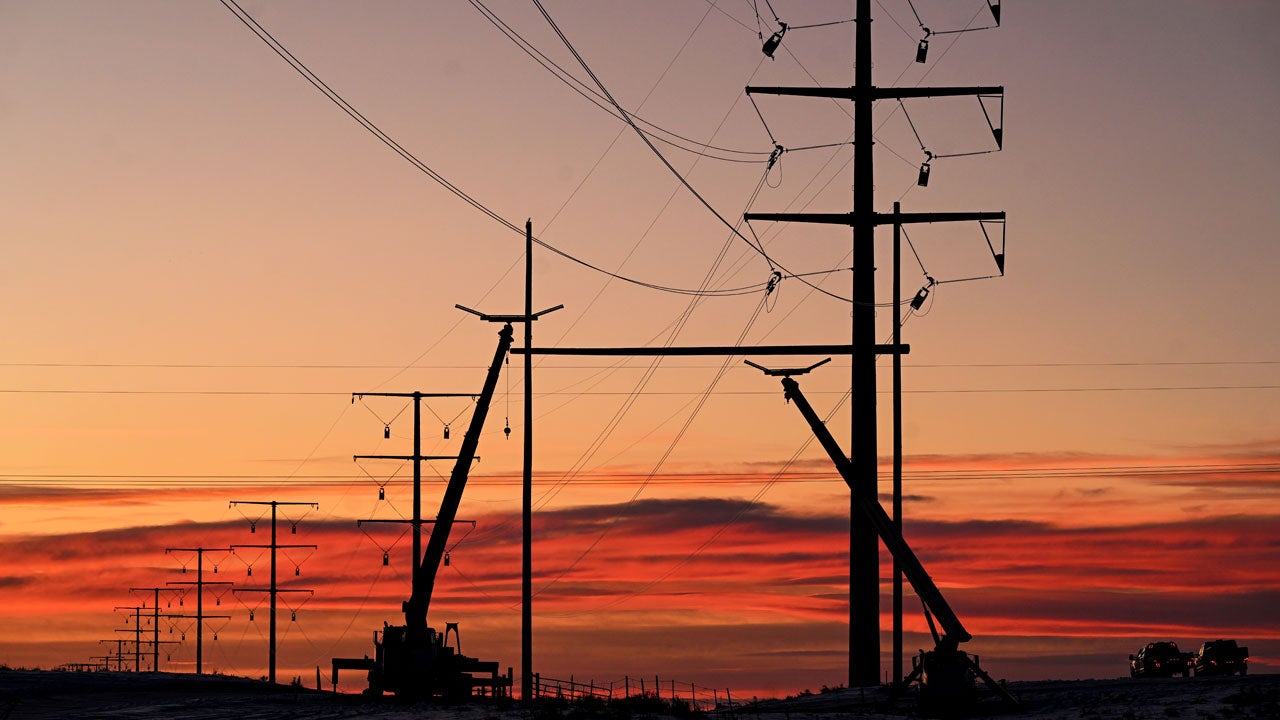
Next on the show, the United States can make more power as demand goes up, but moving that increased amount of electricity around the country is proving problematic. Madeline Yozwiak, a postdoctoral scholar in the Engineering and Public Policy Department at Carnegie Mellon University, joins host Sarah Crespi to discuss her Policy Forum article on the barriers to scaling up the country’s electric grid and some potential solutions.
Finally, boosting precision medicine by looking at All of Us. The National Institutes of Health’s All of Us project is a gigantic source of whole-genome sequences and electronic health records. Philip Empey, associate professor in the School of Pharmacy and associate director of the Institute for Precision Medicine at the University of Pittsburgh, discusses how panning through this huge trove of data to find pharmacogenomic variants—genes important for prescription decisions—will improve precision medicine.
This week’s episode was produced with help from Podigy.
Image: Helen H. Richardson/MediaNews Group/The Denver Post via Getty Images
Learn more about your ad choices. Visit megaphone.fm/adchoices
First up on the podcast, will it ever make economic sense to produce drugs and biomedical supplies in space? Associate Online News Editor Michael Greshko discusses his story on the researchers attempting to make biomanufacturing in space a reality, with News intern Julia Vaz.
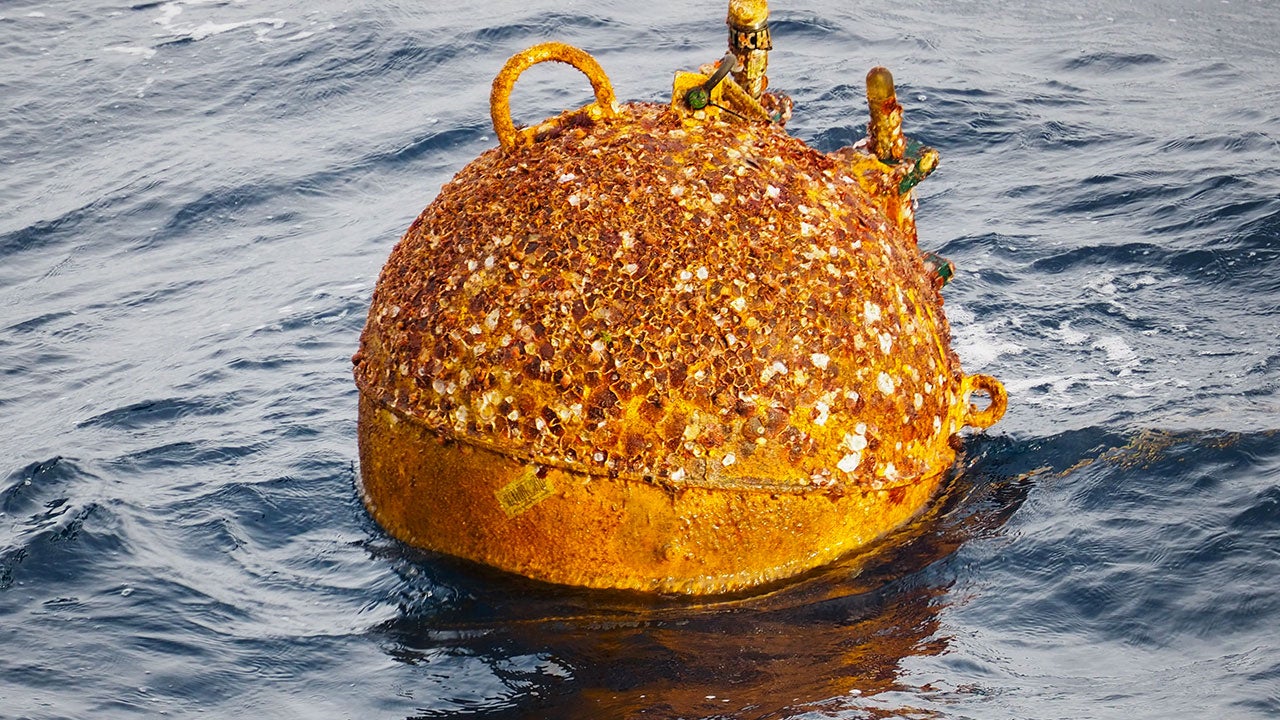
Next on the show, producer Kevin McLean chats with Mads Peter Heide-Jørgensen, a professor in the department of birds and mammals at the Greenland Institute of Natural Resources, about how narwhals have helped collect hard-to-reach oceanographic samples. Data collected by these long-toothed cetaceans revealed far more warm Atlantic water is pressing into the fjords of East Greenland than previously thought.
Finally, the latest in our book series on biographies. This month, books host Angela Saini talks with writer Priyambada Jayakumar about her biography of M. S. Swaminathan.
This week’s episode was produced with help from Podigy.
Image credit: Vast
Learn more about your ad choices. Visit megaphone.fm/adchoices
First up on the podcast, producer Kevin McLean talks with Staff Writer Paul Voosen about the latest on the Atlantic Meridional Overturning Circulation, or AMOC. Researchers have long been concerned that global warming could cause a collapse in the AMOC, which would trigger dramatic cooling in Northern Europe. But recent data and models suggest the AMOC may be more resilient than previously thought.
Next on the show, Scott Marek, assistant professor in the Mallinckrodt Institute of Radiology at Washington University School of Medicine, talks with host Sarah Crespi about brainwide association studies (BWAS) for childhood brain development. BWAS measure structure and function across many brains and look for correlations between these measures and behavior, disease, and environment. In this work, Marek and colleagues focus on how socioeconomic factors—captured by zip code—are strongly correlated with certain brain differences in more than 4000 children ages 9.5 to 11. The work also suggests lack of sleep and excess screen time could mediate the influence of socioeconomic conditions on differences in brain structure and function.
This week’s episode was produced with help from Podigy.
About the Science Podcast
Photo: P. Voosen/Science
Learn more about your ad choices. Visit megaphone.fm/adchoices
32 minAbspielen in:
Warum PodAppear
Folge Menschen, nicht Podcasts.
Du hast Kevin in einer Sendung gehört. PodAppear findet für dich die nächste, und genauso für alle anderen, die du hören willst.
Eine Meldung, wenn die Person zu Gast istPer E-Mail: sofort oder gebündelt als Tages- oder Wochenübersicht. Dann nur noch auf Play drücken.
Gäste statt bloßer ErwähnungenFolgen, in denen ein Name nur fällt, landen getrennt. Eine Meldung heißt: Die Person ist wirklich in der Sendung.
Alle in einem FeedGründerinnen, Autoren, Sportler, Forscherinnen. Folge allen mit Namen, quer durch jede Sendung, in der sie auftreten.