Bekomm eine E-Mail, wenn Katie in einem Podcast zu Gast istPodAppear prüft neue Folgen, sobald sie erscheinen, und lässt die weg, in denen Katie nur erwähnt wird. Bis zu 15 Personen kostenlos, ohne Kreditkarte.Bis zu 15 Personen kostenlos, ohne Kreditkarte.
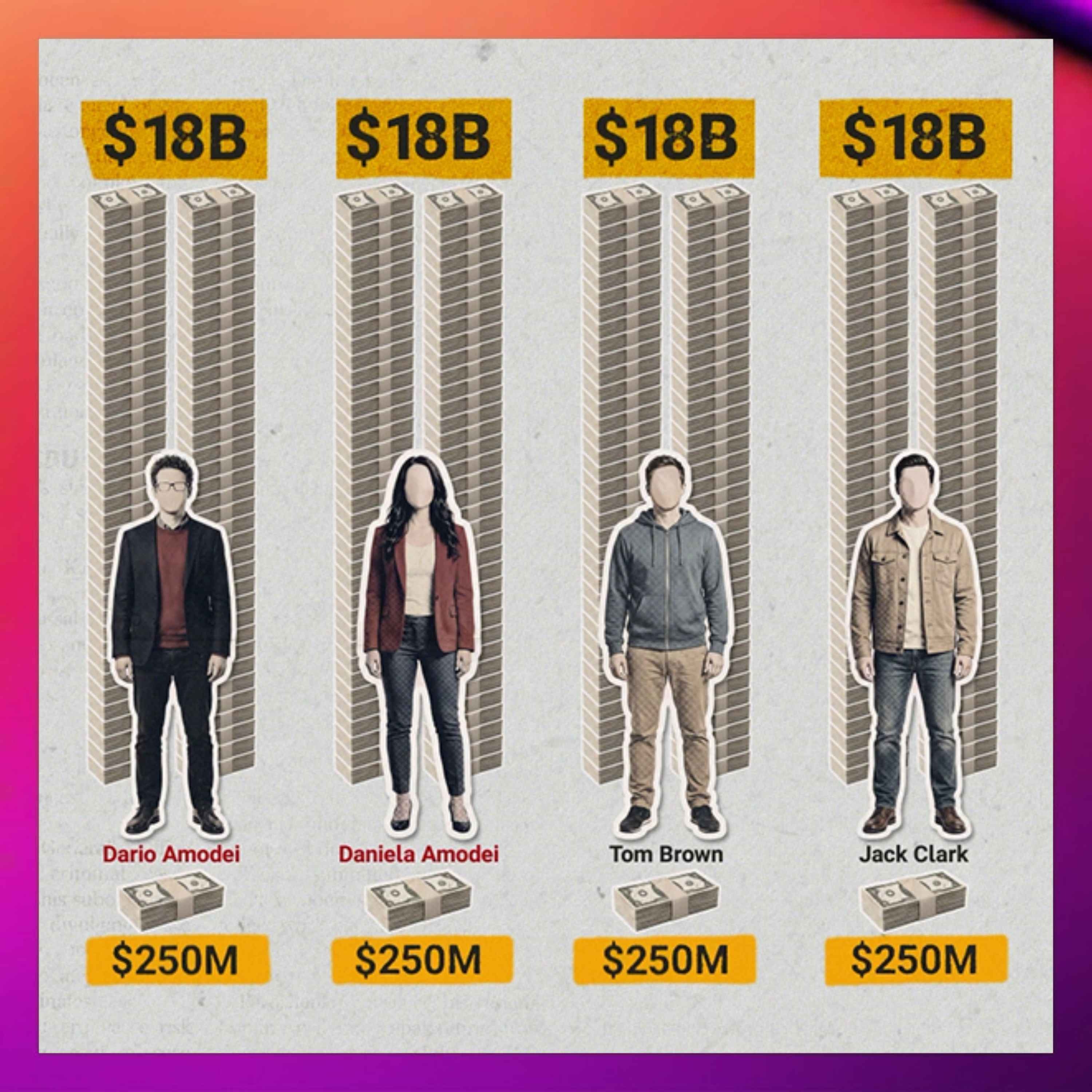
Anthropic was founded in 2021 by a group of seven former OpenAI employees. Now, the AI powerhouse behind the Claude models is selling its shares to the public for the first time. Katie explains who stands to make an absolute fortune from Anthropic’s mega-float.
More from Times Video
Get in touch: techpod@thetimes.co.uk
Presenter: Katie Prescott, Technology Business Editor, The Times.
Producer: Yasmin Butt
Image: Times
Hosted on Acast. See acast.com/privacy for more information.
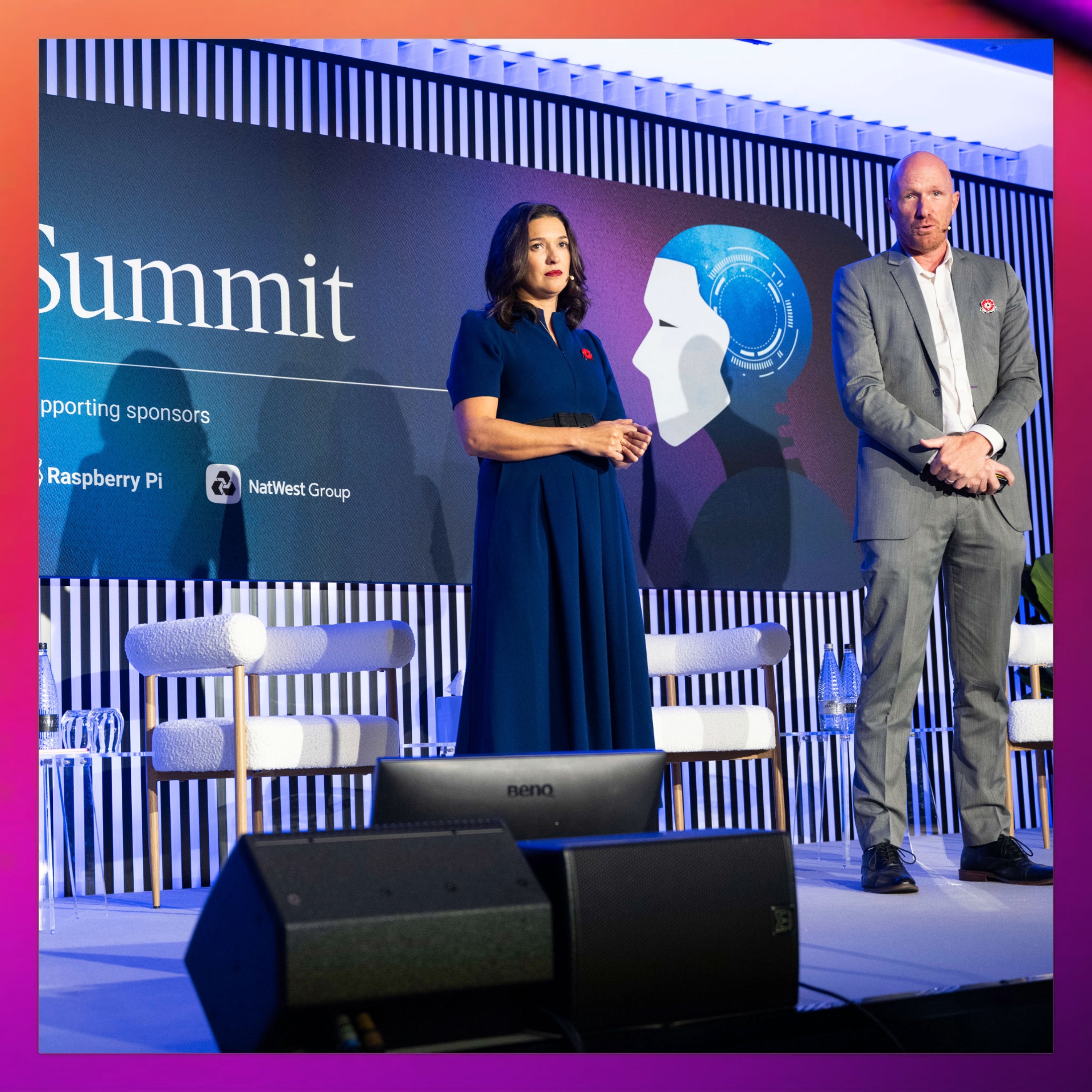
Danny Fortson and Katie Prescott reunite in London to unpack the biggest takeaways from The Times Tech Summit 2026, with the issue of tech sovereignty taking centre stage.
Against the backdrop of a scandal surrounding Nvidia chief executive Jensen Huang, the stakes of the AI race have never been higher. Katie and Danny dive into highlights – including interviews with Rory Stewart, Palantir and the UK’s Sovereign AI fund – and break down what it all means for national security and Europe’s AI future.
Watch on YouTube
Read more: US data centre backlash provides AI opportunity for Europe
Get in touch: techpod@thetimes.co.uk
Presenters:
Katie Prescott, Technology Business Editor, The Times
Danny Fortson, US West Coast Correspondent, The Sunday Times
Producer: Marnie Duke
Executive Producer: Peter Sale
Video Producer: Super Llama
Image: Times Tech Summit Photographer Matt Fowler
Hosted on Acast. See acast.com/privacy for more information.
Anthropic has pledged to give away 5% of its shares to a fund that will make donations for the quote unquote “public good”. These shares could be worth between 75 and $100 billion.
Days later, Elon Musk posted on X that he would give one of his SpaceX shares to every child in America. These could be worth over $10 billion. So, what’s behind these recent pledges?
Danny and Katie question whether tech companies are finally taking accountability for their impact on society or whether this is just good PR.
Plus, a power outage at one of Google’s data centres in London that disrupted services at Royal Mail, Revolut, HSBC and Lloyds bank has renewed concerns about a lack of sovereign AI.
Watch on YouTube
Read more: How I helped to make Elon Musk’s flying car
Get in touch: techpod@thetimes.co.uk
Presenters:
Katie Prescott, Technology Business Editor, The Times
Danny Fortson, US West Coast Correspondent, The Sunday Times
Producer: Marnie Duke
Executive Producer: Priyanka Deladia
Image: Getty
Hosted on Acast. See acast.com/privacy for more information.
Bending Spoons has become one of Europe’s most unusual tech companies by buying well-known tech businesses and rebuilding them. Katie Prescott speaks to CEO Luca Ferrari about taking the company public, choosing the US over Europe and transforming businesses such as AOL and Evernote.
He also explains why Bending Spoons never sells the companies it buys, and why being the CEO of a public company can feel “a little bit naked”.
Watch on YouTube
Get in touch: techpod@thetimes.co.uk
Presenters:
Katie Prescott, Technology Business Editor, The Times
Danny Fortson, US West Coast Correspondent, The Sunday Times
Producer: Marnie Duke
Executive Producer: Priyanka Deladia
Video Producer: Bronwen Latham
Image: Getty
Hosted on Acast. See acast.com/privacy for more information.
Warnings that AI is going to kill us are once again abounding.
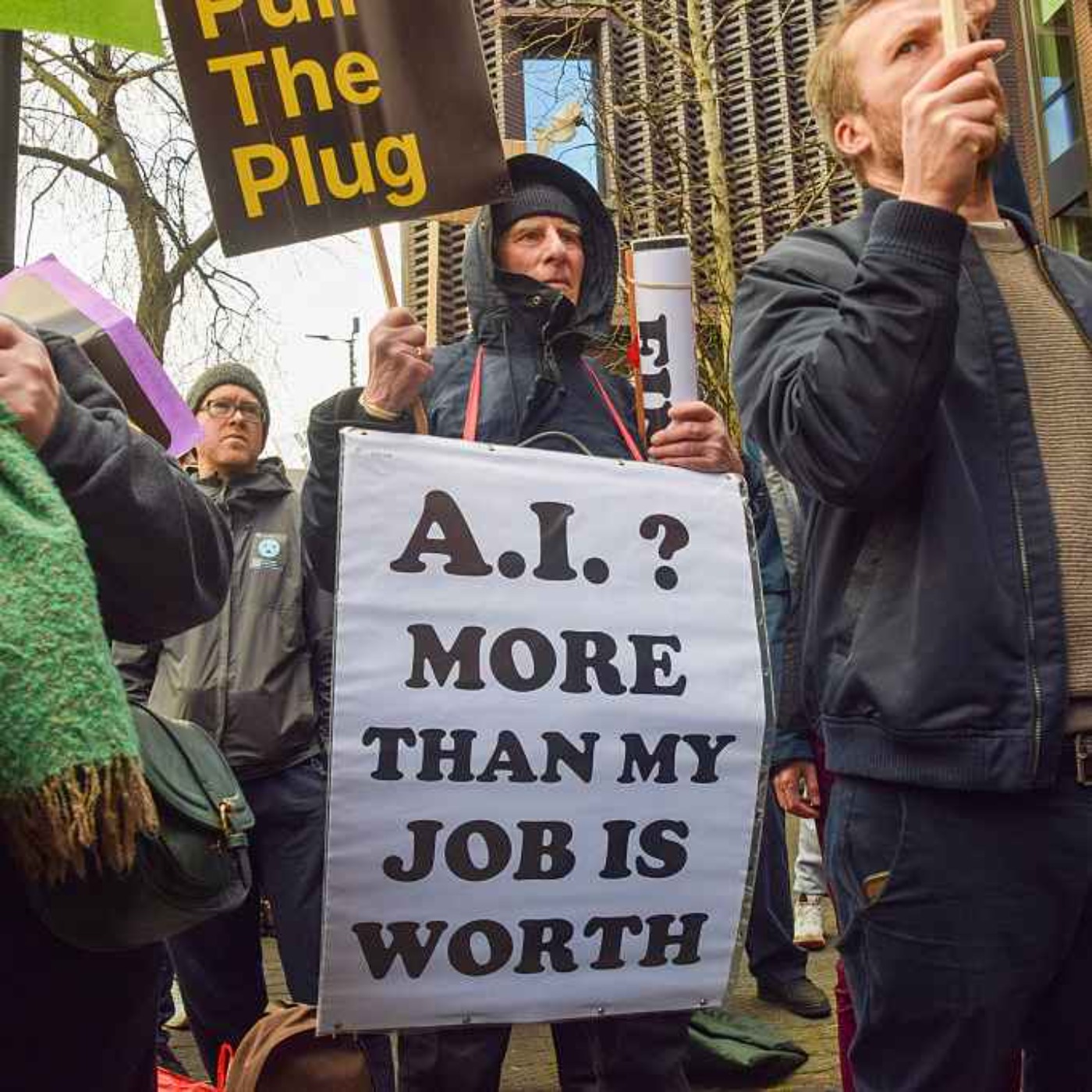
This week, Anthropic’s long awaited IPO prospectus was leaked. In it, the company warns that its technology poses “catastrophic or existential risks to humanity” while simultaneously asking investors to finance their $518 billion AI buildout. Danny and Katie break down the contradictions at the heart of the prospectus and question why Dario Amodei is asking investors to fund doom.
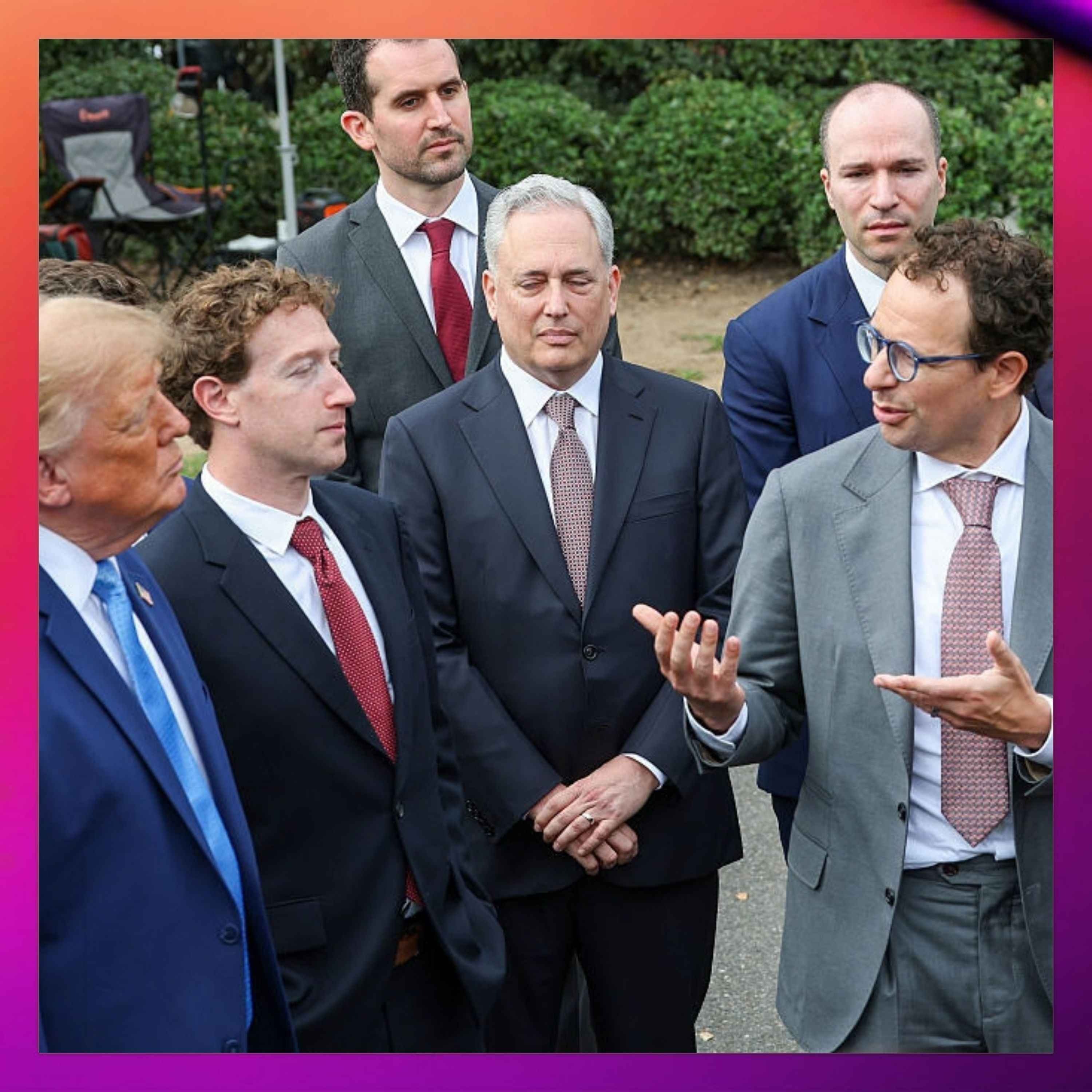
Meanwhile, amid mounting safety concerns, President Trump invited tech leaders to the White House to talk regulation. Leaders of Anthropic, Google, Meta, Nvidia, OpenAI and SpaceXAI agreed to sign a voluntary self-policing pact and to rebrand AI as “super intelligence”. But when Silicon Valley sets its own rules, can we ensure they will keep us safe?
Watch on YouTube
Get in touch: techpod@thetimes.co.uk
Presenters:
Katie Prescott, Technology Business Editor, The Times
Danny Fortson, US West Coast Correspondent, The Sunday Times
Producer: Marnie Duke
Executive Producer: Priyanka Deladia
Video Producer: Bronwen Latham
Clip: Saturday Night Live
Image: Getty
Hosted on Acast. See acast.com/privacy for more information.
25 minAbspielen in:
Warum PodAppear
Folge Menschen, nicht Podcasts.
Du hast Katie in einer Sendung gehört. PodAppear findet für dich die nächste, und genauso für alle anderen, die du hören willst.
Eine Meldung, wenn die Person zu Gast istPer E-Mail: sofort oder gebündelt als Tages- oder Wochenübersicht. Dann nur noch auf Play drücken.
Gäste statt bloßer ErwähnungenFolgen, in denen ein Name nur fällt, landen getrennt. Eine Meldung heißt: Die Person ist wirklich in der Sendung.
Alle in einem FeedGründerinnen, Autoren, Sportler, Forscherinnen. Folge allen mit Namen, quer durch jede Sendung, in der sie auftreten.
The Microsoft co-founder tells Danny and Katie why AI is "ultra-different" from any previous technology - and why tech companies shouldn’t be responsible for controlling it.
Speaking about a new report on AI and equity published by The Gates Foundation he also explores the “vacuum of US leadership” in AI regulation.
The Interview is our weekly conversation with the people shaping the future of technology.
Watch on YouTube
Read more: Bill Gates: My plan to keep the world safe in the age of AI
Get in touch: techpod@thetimes.co.uk
Presenters:
Katie Prescott, Technology Business Editor, The Times
Danny Fortson, US West Coast Correspondent, The Sunday Times
Producer: Marnie Duke
Executive Producer: Priyanka Deladia
Video Producer: Bronwen Latham
Image: Getty
Hosted on Acast. See acast.com/privacy for more information.
Meta has settled a landmark social media case in California for up to $17 billion. But the changes to Facebook and Instagram could be even more significant than the fine.
Danny and Katie break down what the settlement means for under-18s – from tighter parental controls, time limits, overnight restrictions, bans on extreme cosmetic/makeup filters and changes to likes and reactions. Could this become a turning point for social media regulation?
Meanwhile in China, 2,000 robots have been competing in the World Humanoid Robot Games, with events ranging from tug-of-war to cheerleading. As the robots get faster, cheaper and more capable, we ask: is robotics having a “chatGPT moment”?
Plus, OpenAI has developed its own AI chip to rival Nvidia, even as it remains one of Nvidia’s major customers. Could this be a serious challenge to Jensen Huang's chip empire?
Watch on YouTube
Get in touch: techpod@thetimes.co.uk
Presenters:
Katie Prescott, Technology Business Editor, The Times
Danny Fortson, US West Coast Correspondent, The Sunday Times
Producer: Marnie Duke
Executive Producer: Priyanka Deladia
Video Producer: Bronwen Latham
Image: Getty
Hosted on Acast. See acast.com/privacy for more information.
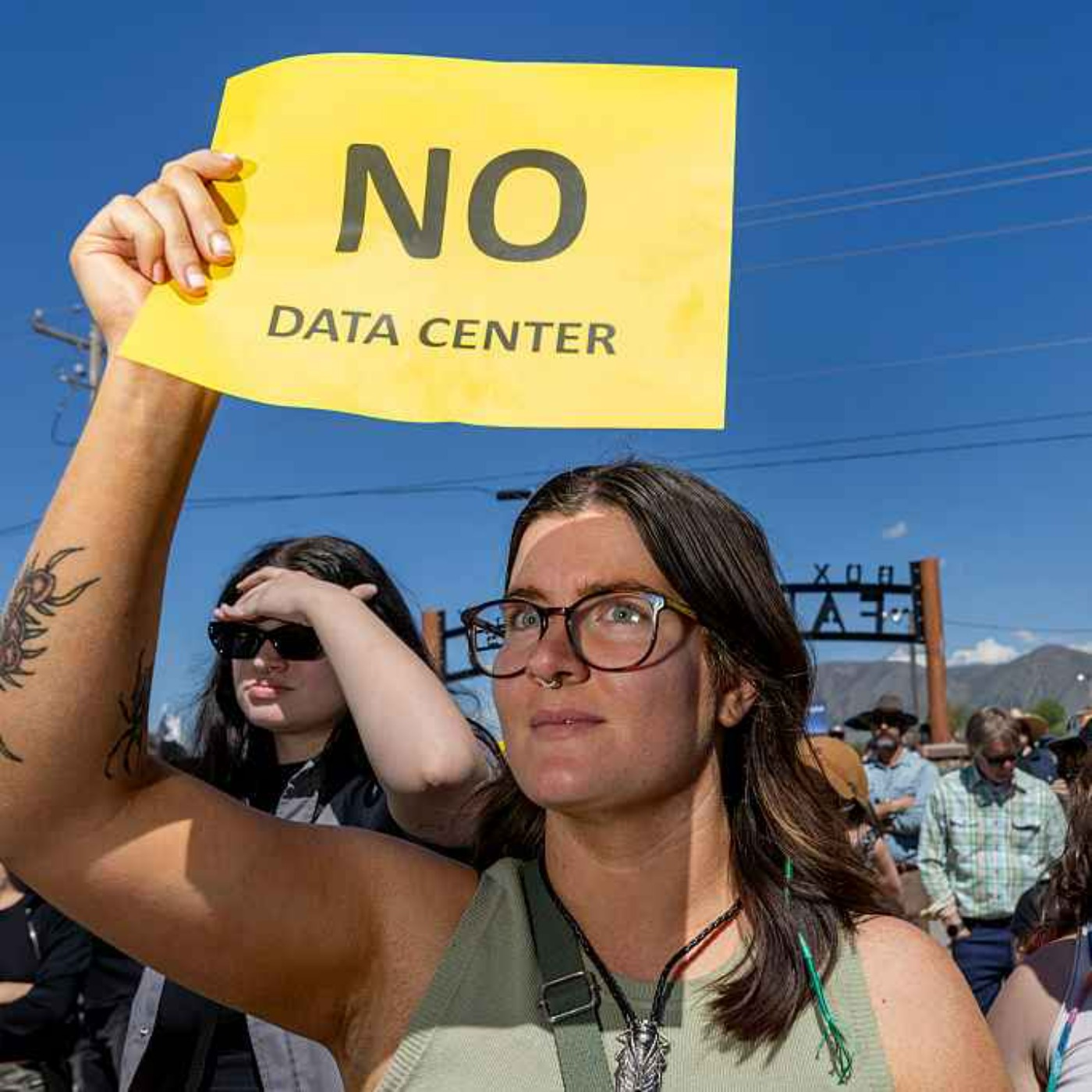
AI needs vast data centres to power it but communities around the world are increasingly pushing back against the large, ugly “sheds” appearing on their doorsteps.
In the US, one proposed Utah data centre is set to be larger than Manhattan. Meanwhile, architects in the UK are looking at ways to make data centres more attractive, functional and useful to local communities. So Danny Fortson and Katie Prescott ask whether better design, waste-heat reuse and local benefits could make AI infrastructure more acceptable.
Plus, Danny speaks to Jason Kelly, co-founder and CEO of Ginkgo Bioworks, who explains how AI and biology are coming together through autonomous “cloud labs” that could transform scientific discovery.
Would you hate data centres less if they were more beautiful? Get in touch: techpod@thetimes.co.uk
Watch on YouTube
Read more: Save our countryside from ugly AI data sheds: make them beautiful
Producer: Ethan Sills, Shabnam Grewal & Marnie Duke.
Executive Producer: Priyanka Deladia
Video Producer: Bronwen Latham
Image: Getty
Hosted on Acast. See acast.com/privacy for more information.
This episode of The Times Tech Podcast is in paid partnership with IBM.
Wimbledon may be one of the most familiar events in British sport, but behind the tennis is a vast technology operation – from live match data and digital storytelling to AI tools designed to help fans follow the Championships in real time.
Katie Prescott is joined by Kameryn Stanhouse, Vice President of Sports and Entertainment Partnerships at IBM, and Chris Clements, Senior Manager of Digital Strategy and Products at the All England Club, to discuss how technology is changing the Wimbledon experience, both on the grounds and for fans around the world.
Image: Getty
Hosted on Acast. See acast.com/privacy for more information.
Affirm CEO, PayPal co-founder, original member of the 'PayPal Mafia' Max Levchin joins Danny Fortson and Katie Prescott to talk about moral moneylending, Elon Musk, mega-IPOs and why there are so many tech bosses in Washington. As he puts it – “If you’re not at the table, you’re on the menu.”
Meanwhile, Anthropic has announced that Claude Fable 5 will be released again globally after the Trump administration's ban. Plus, Danny and Katie discuss the latest trend in Silicon Valley - the rise of voice AI and the death of the keyboard. Is it hot air or if we are really in a new era of "yapping, rather than tapping"? On that note, Norman, Katie's AI agent, finally (and terrifyingly), has a voice.
Would you swap your keyboard for voice-to-text software? Get in touch: techpod@thetimes.co.uk
Watch on YouTube
Read more: Is it time to say goodbye to the keyboard?
Producer: Marnie Duke
Executive Producer: Priyanka Deladia
Video Producer: Bronwen Latham
Image: Getty
Hosted on Acast. See acast.com/privacy for more information.
Prime Minister Keir Starmer has announced a ban on social media for under-16s, due to come into effect next year. But questions remain over how it will be enforced, and whether it will actually work. Mark Sellman joins Katie Prescott to answer the key questions.
In the US, the Trump administration has banned two of Anthropic’s most powerful AI models which include the controversial 'Mythos', intensifying calls for Europe to build sovereign AI systems of its own. If America can restrict access to critical AI technology at short notice, what does that mean for the rest of the world? Plus, Katie has been at Founders Forum, where she interviewed Katie King, the founder and CEO of BioOrbit, a company building a pharmaceutical lab in space to transform the way we treat cancer.
Do you agree with the social media ban? Get in touch: techpod@thetimes.co.uk
Producers: Marnie Duke & Ethan Sills
Executive Producer: Priyanka Deladia
Hosted on Acast. See acast.com/privacy for more information.
This episode of The Times Tech Podcast is sponsored by KPMG.
Businesses are spending heavily on AI, but is it actually changing how they work? Katie Prescott is joined by Paul Henninger, UK Head of Technology and Data and Global AI Leader at KPMG, and Professor Alan Brown from the University of Exeter Business School, author of Making AI Work for Britain, to ask why so many AI pilots fail to become real business value.
They discuss the gap between hype and implementation, why the most useful applications of AI are often the least glamorous, and what leaders need to do before AI can reshape work across an organisation.
Visit https://kpmg.com/uk/en/services/ai to find out more.
Hosted on Acast. See acast.com/privacy for more information.
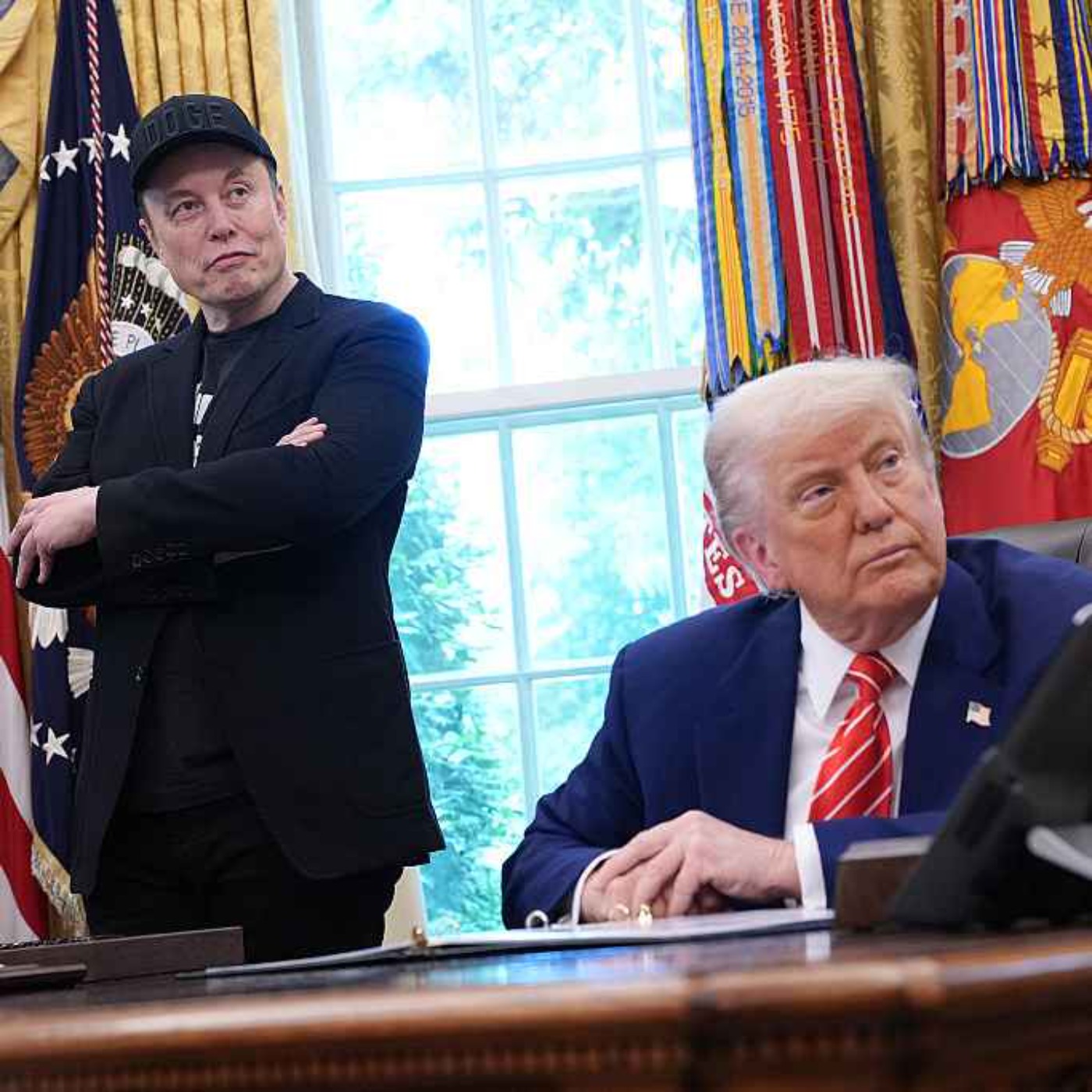
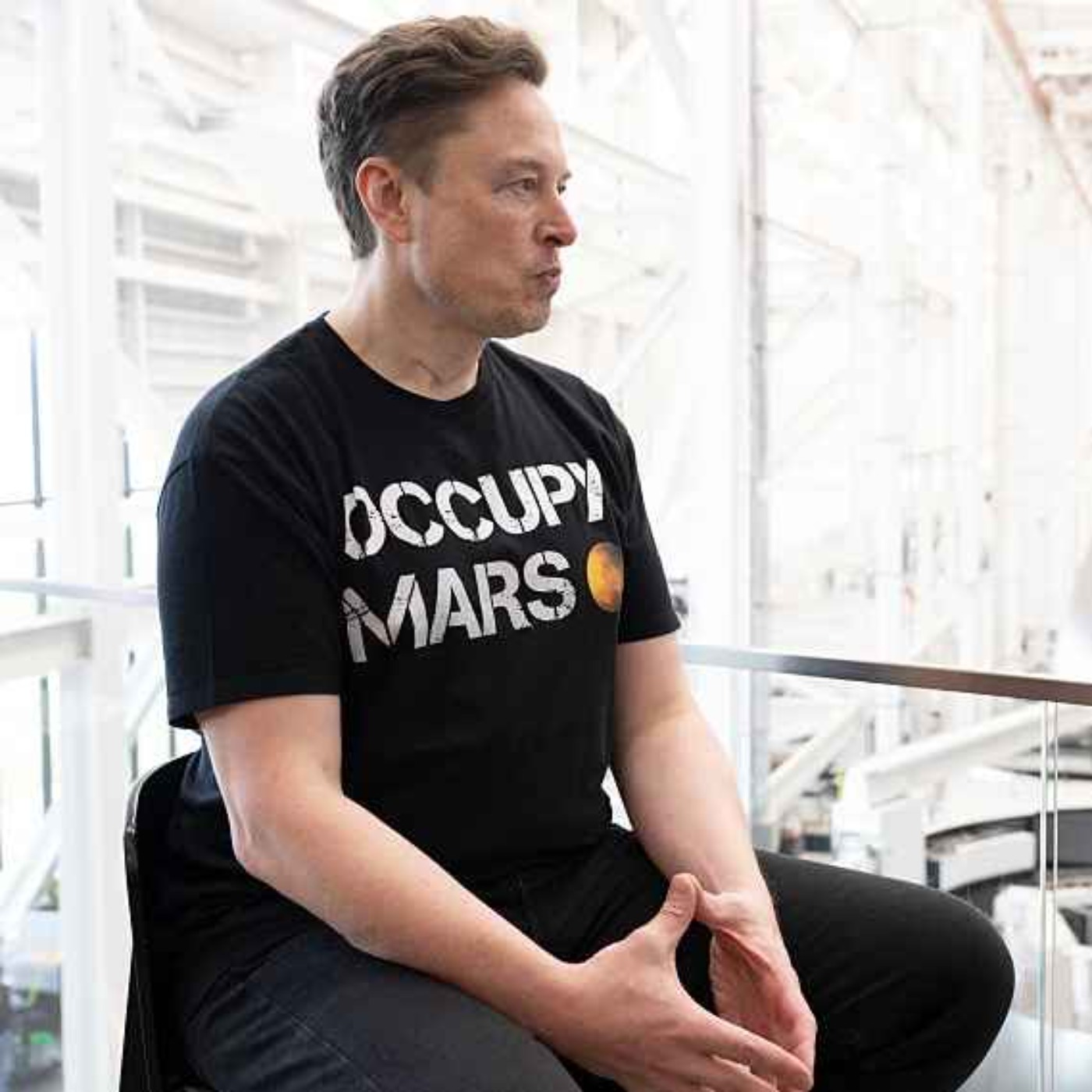
Two big events have put Elon Musk in the spotlight. First, a jury has dismissed Elon Musk’s case against Sam Altman and OpenAI after three weeks of testimony. But while this blockbuster trial was taking place, the Tesla CEO was making plans to get his other company, SpaceX, onto the public stock market. The space exploration company has filed for a huge IPO that will likely be the largest in history, valuing the company at up to $1.75 trillion and making Musk the world’s first trillionaire. Danny Fortson and Katie Prescott are joined by Wedbush Securities' Dan Ives to take a deeper look at the world’s richest man and discuss why this massive valuation is raising eyebrows.
Get in touch: techpod@thetimes.co.uk
Producer: Marnie Duke
Executive Producer: Priyanka Deladia
Image: Getty
Hosted on Acast. See acast.com/privacy for more information.
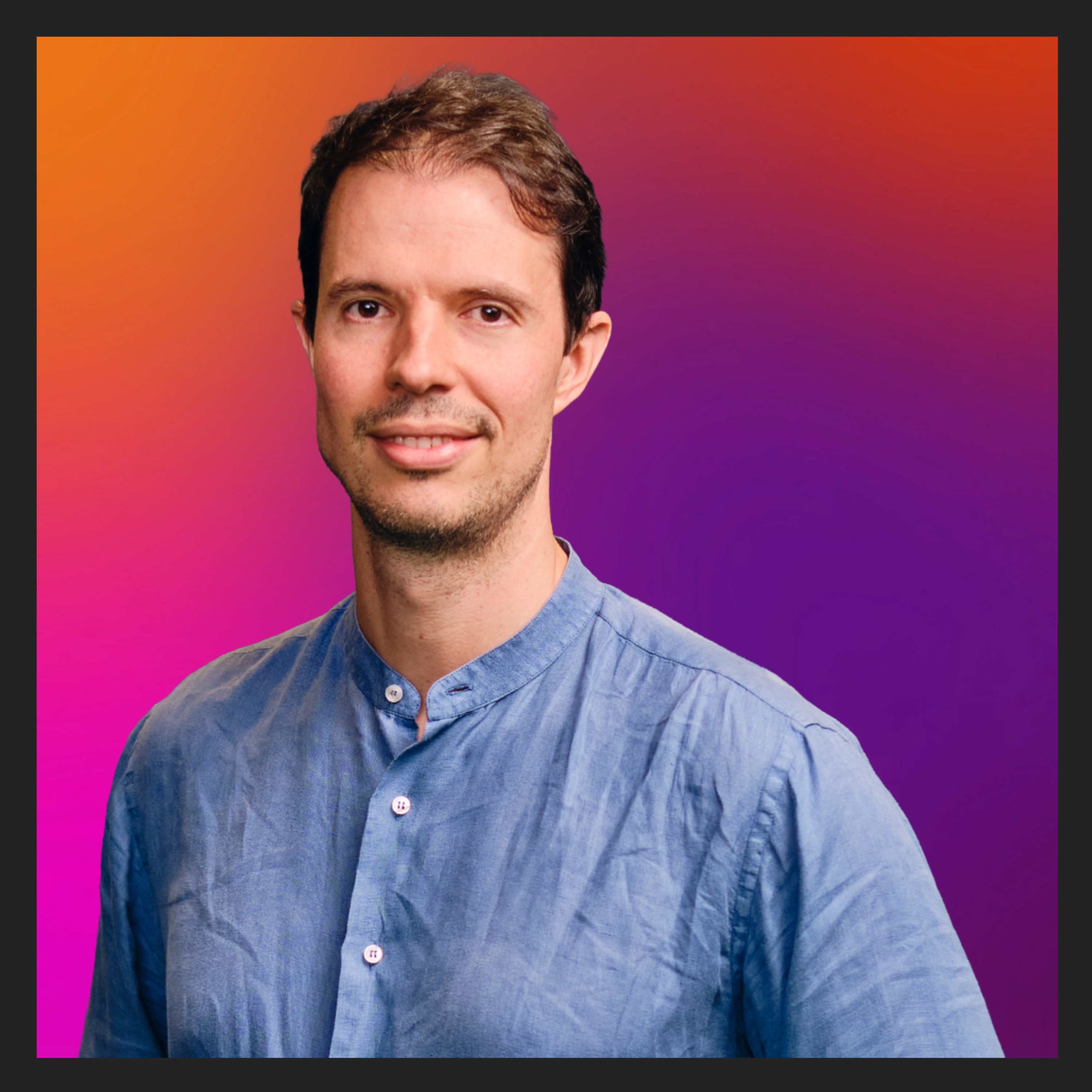
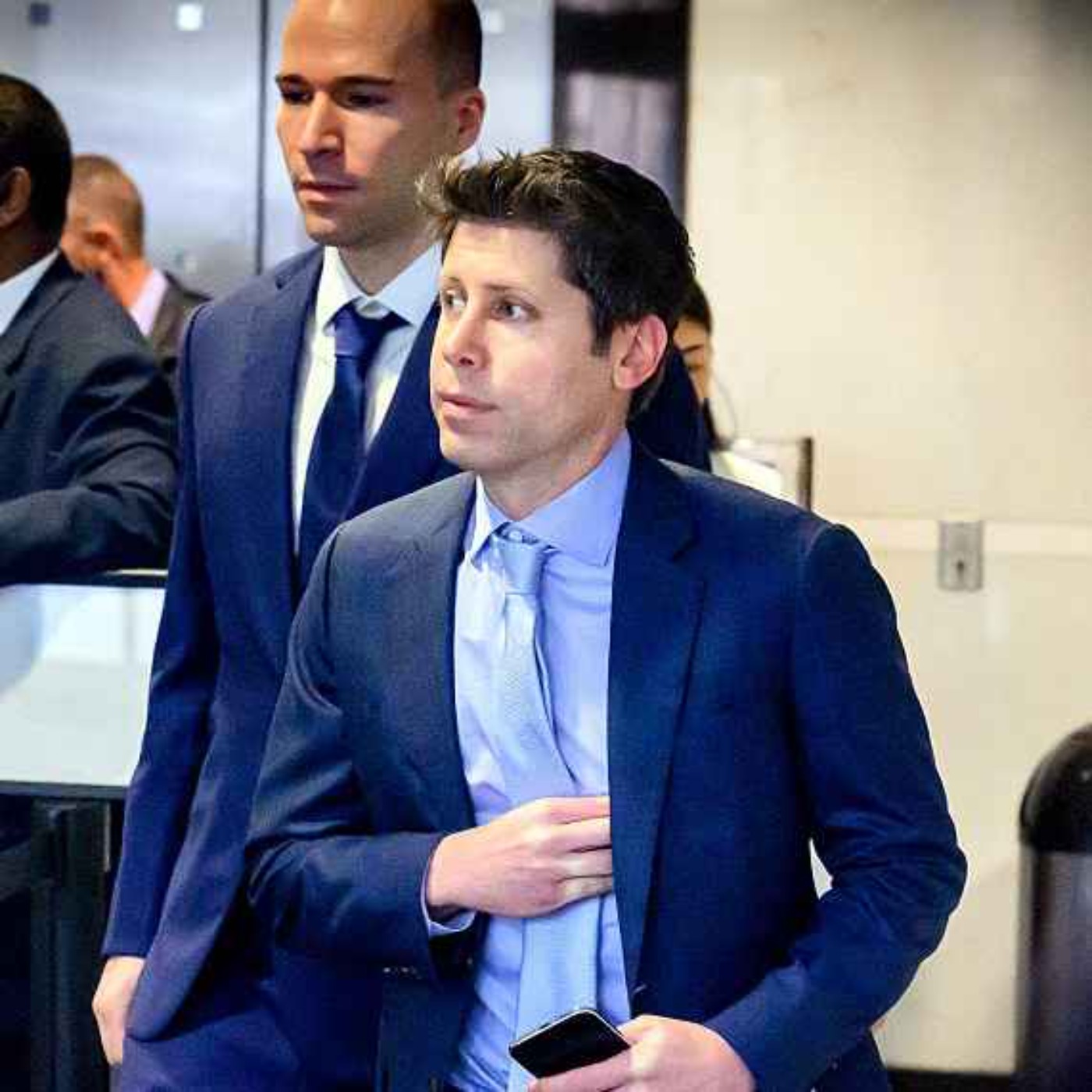
Sam Altman took the stand this week to defend himself and his company against a lawsuit by Elon Musk. The three-week long trial has featured some of the biggest names in Silicon Valley, including Microsoft’s CEO Satya Nadella and OpenAI cofounder and former chief scientist Ilya Sutskever. As the trial nears its end, Danny Fortson and Katie Prescott talk about why the stakes are so high and debate whether this is a case of sour grapes, or if OpenAI did actually “steal a charity” from Musk. Plus, the founder of Raspberry Pi on the future of AI and how he feels about his microcomputer being used to power AI agents such as OpenClaw.
Get in touch: techpod@thetimes.co.uk
Producer: Marnie Duke
Executive Producer: Priyanka Deladia
Image: Getty
Hosted on Acast. See acast.com/privacy for more information.
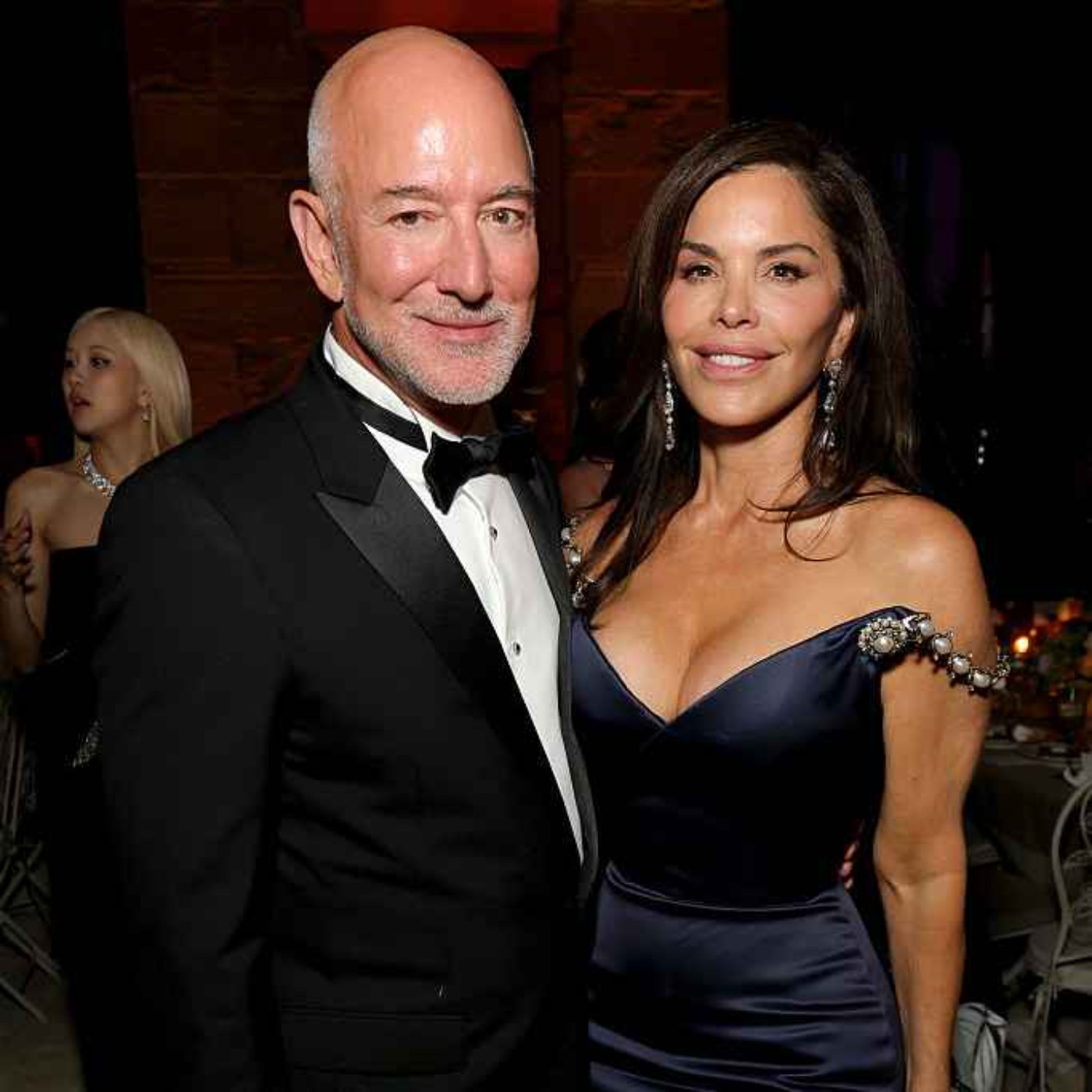
The Met Gala has been dubbed the “Tech Gala” after a heavy Silicon Valley presence and sponsorship from Jeff Bezos and Lauren Sánchez. But as tech billionaires try to win over culture, Elon Musk’s court battle with OpenAI is exposing the messy origins of the AI boom.
Danny Fortson has been covering the California trial, now in its second week, where OpenAI president Greg Brockman has taken the stand. He and Katie Prescott discuss Big Tech’s cultural rebrand, the courtroom drama, and why companies from Coinbase to Meta are increasingly linking layoffs and restructuring to AI. Plus, Bebo co-founder Michael Birch on relaunching the social network and why he thinks AI could become an existential threat.
Get in touch: techpod@thetimes.co.uk
Producer: Marnie Duke
Executive Producer: Priyanka Deladia
Image: Getty
Hosted on Acast. See acast.com/privacy for more information.
Meet Norman: the launch of the OpenClaw AI agent has "opened the next frontier of AI to everyone" says Jensen Huang, chief exec of the tech giant Nvidia. But as these agents start doing work that once got done by humans, this latest technological revolution has provoked questions about what the future of human work - and jobs - will look like. Katie Prescott has built her own agent, Norman, and in this episode she talks Danny Fortson through the pros and cons of having your very own digital butler.
Plus, Box CEO Aaron Levie says there will soon be more AI agents than humans, and that the internet will have to be redesigned for them, not people.
Do you have an AI agent? Get in touch: techpod@thetimes.co.uk
Read more: AI agents are everywhere, but paying for them is becoming a problem
Producer: Marnie Duke
Executive Producer: Priyanka Deladia
Image: Getty
Hosted on Acast. See acast.com/privacy for more information.
The race among top AI companies to build ever more powerful systems is accelerating, and so are fears about losing control. OpenAI CEO Sam Altman is at the centre of the debate, which came to a head last week after the New Yorker released an investigation about him, and a series of attacks took place near his home. Danny Fortson and Katie Prescott discuss how we got here and why Altman is becoming the face of global anxiety about AI. Plus, Bobby Healy of Manna Air Delivery on robotic dogs and drones delivering coffee in Dublin.
Would you use a drone for parcel delivery? Get in touch techpod@thetimes.co.uk
Image: Getty
Producer: Marnie Duke
Executive Producer: Priyanka Deladia
Hosted on Acast. See acast.com/privacy for more information.
Should under-16s be banned from social media? After landmark US rulings against Meta and YouTube over addictive design features, pressure is building on Big Tech. Danny Fortson and Katie Prescott speak to online safety campaigner Baroness Kidron about whether this is tech’s 'Big Tobacco' moment, how the UK is tackling online safety, and what it means for children, including the growing risks of AI chatbots.
Would you support a social media ban for teenagers? Get in touch: techpod@thetimes.co.uk
Producer: Marnie Duke
Executive Producer: Priyanka Deladia
Image: Getty Images
Hosted on Acast. See acast.com/privacy for more information.
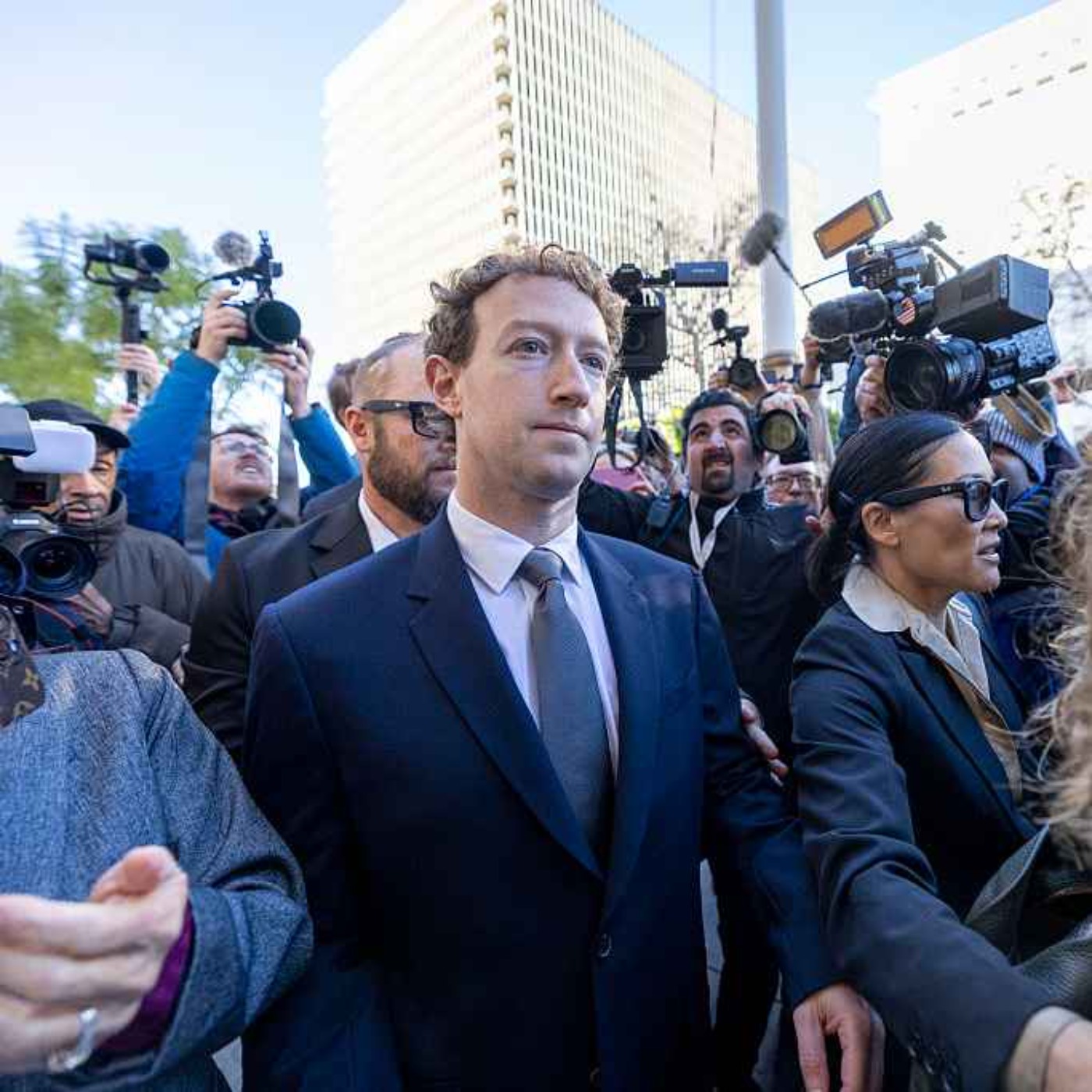
British AI data-center company NScale has hit a $14.6 billion valuation after raising another $2 billion but its rapid rise is raising eyebrows. Danny Fortson and Katie Prescott examine the meteoric story of founder Josh Payne and the questions surrounding his business. They’re joined by Alice Bentinck, CEO of Entrepreneurs First, to discuss what it really takes to build the next generation of tech founders. Plus, Danny's been in court following a landmark trial in California that's seen Mark Zuckerberg grilled by lawyers and could prove to be a turning point for the multitrillion-dollar social media industry.
Producer: Marnie Duke
Executive Producer: Priyanka Deladia
Image Credit: The Sunday Times/James Cowen/Nscale
Get in touch: techpod@thetimes.co.uk
Hosted on Acast. See acast.com/privacy for more information.
Do Nvidia’s latest results confirm a tech boom or signal the makings of a bubble? Danny Fortson and Katie Prescott ask how a once-niche graphics chipmaker ended up at the centre of global tech, geopolitics and the stock market. Author Stephen Witt joins them to explain Jensen Huang’s rise and the company’s extraordinary dominance.
Guest: Stephen Witt, Author of The Thinking Machine: Jensen Huang, Nvidia, and the World's Most Coveted Microchip
Image: Getty
Producer: Marnie Duke
Executive Producer: Priyanka Deladia
Hosted on Acast. See acast.com/privacy for more information.
This episode of The Times Tech podcast is sponsored by PwC.
Artificial intelligence is entering a new phase. It’s no longer just about chatbots generating text or analysing data. The next frontier is agentic AI systems that can coordinate tasks, make decisions and act with a degree of autonomy. In this sponsored bonus episode, brought to you by PwC, Katie Prescott speaks to Lilia Christofi, Partner for AI and Data at PwC, about what agentic AI really means in practice.
Hosted on Acast. See acast.com/privacy for more information.
A new open-source AI agent called OpenClaw has set Silicon Valley buzzing and with a single line of code, anyone can use it. Does this free tool threaten the AI business models behind trillion-dollar Big Tech IPOs, and could it signal a looming AI bubble? Plus, Danny Fortson and Katie Prescott also speak to Jurgi Camblong, founder and CEO of SOPHiA Genetics, about how AI is already being used in hospitals to decode complex medical data and transform cancer diagnosis and care.
Photo: Getty
Clip: @AlexFinn on X.com
Hosted on Acast. See acast.com/privacy for more information.
Are we heading for the next ChatGPT moment? Anthropic CEO Dario Amodei, has sparked debate about the growth of AI and its acceleration into a risky new phase. But is it real danger or Silicon Valley hype? Danny Fortson and Katie Prescott are joined by Barney Hussey-Yeo, CEO of UK fintech Cleo, on what it’s actually like building with AI right now and whether society is ready for the next turning point. Plus, the backlash over tech CEOs cozying up to US President Donald Trump amid anger over his immigration crackdown.
Image: Cleo
Hosted on Acast. See acast.com/privacy for more information.
What happens when AI gets it wrong? After a backlash over the misuse of Elon Musk’s AI tool Grok, new restrictions have been imposed on editing images of real people. Is this a sign that AI regulation is lagging, and who should be in charge – governments or Silicon Valley? This week, Danny and Katie are joined by AI computer scientist Kate Devlin from King’s College London to discuss why this moment could be a turning point for global AI rules.
Image: Getty
Hosted on Acast. See acast.com/privacy for more information.